
Tucked away in southern Italy, Basilicata has gone from Italy’s forgotten region to one of cinema’s most captivating backdrops. When I first visited this rugged landscape, I couldn’t help but notice how its ancient cave dwellings and dramatic hillsides have drawn filmmakers from all over.
Over the last few decades, more than 40 movies have used Basilicata as their natural setting, including big-name blockbusters like “Quantum of Solace” from the James Bond franchise.
The crown jewel of Basilicata’s cinematic charm is Matera. Walking through its ancient Sassi districts feels like you’ve wandered onto a film set frozen in time.
Directors such as the Taviani brothers and Francesco Rosi saw this magic years ago, but now Hollywood’s caught on, too. The city’s timeless beauty and odd, layered architecture make it impossible to pin down to any one era, so it works for everything from biblical epics to futuristic thrillers.
As I explored Basilicata’s film locations, I realized how cinema has shifted the region’s fate. Movies like “Basilicata Coast to Coast” have shown off these stunning landscapes and given tourism a real kick in what used to be Italy’s poorest province.
Cameras have simply uncovered what locals always knew—this land holds a raw, authentic beauty you just can’t find anywhere else in Italy.

The Allure of Basilicata As a Cinematic Backdrop
Basilicata’s rugged terrain and real Italian atmosphere have caught the eye of filmmakers from all corners. This southern Italian region brings something you just don’t get in places like Rome or Venice—untouched authenticity and wild, dramatic scenery.
Why Filmmakers Are Drawn to Basilicata
I’ve seen directors pick Basilicata for its ageless vibe and dramatic settings. The ghost town of Craco, for example, pops up in major productions like “King David” and “The Passion of Christ.” Its empty medieval buildings create a haunting scene that you just can’t fake on a studio lot.
What sets this region apart is its versatility. When I wandered around, I found everything from ancient hilltop towns to landscapes that look almost lunar.
Filmmakers get more genuine, striking visuals here than any ad campaign could hope for.
Because many areas haven’t been modernized, directors can shoot historical pieces without having to build fake sets or rely on digital tricks.
The Role of Colour and Landscape in Visual Storytelling
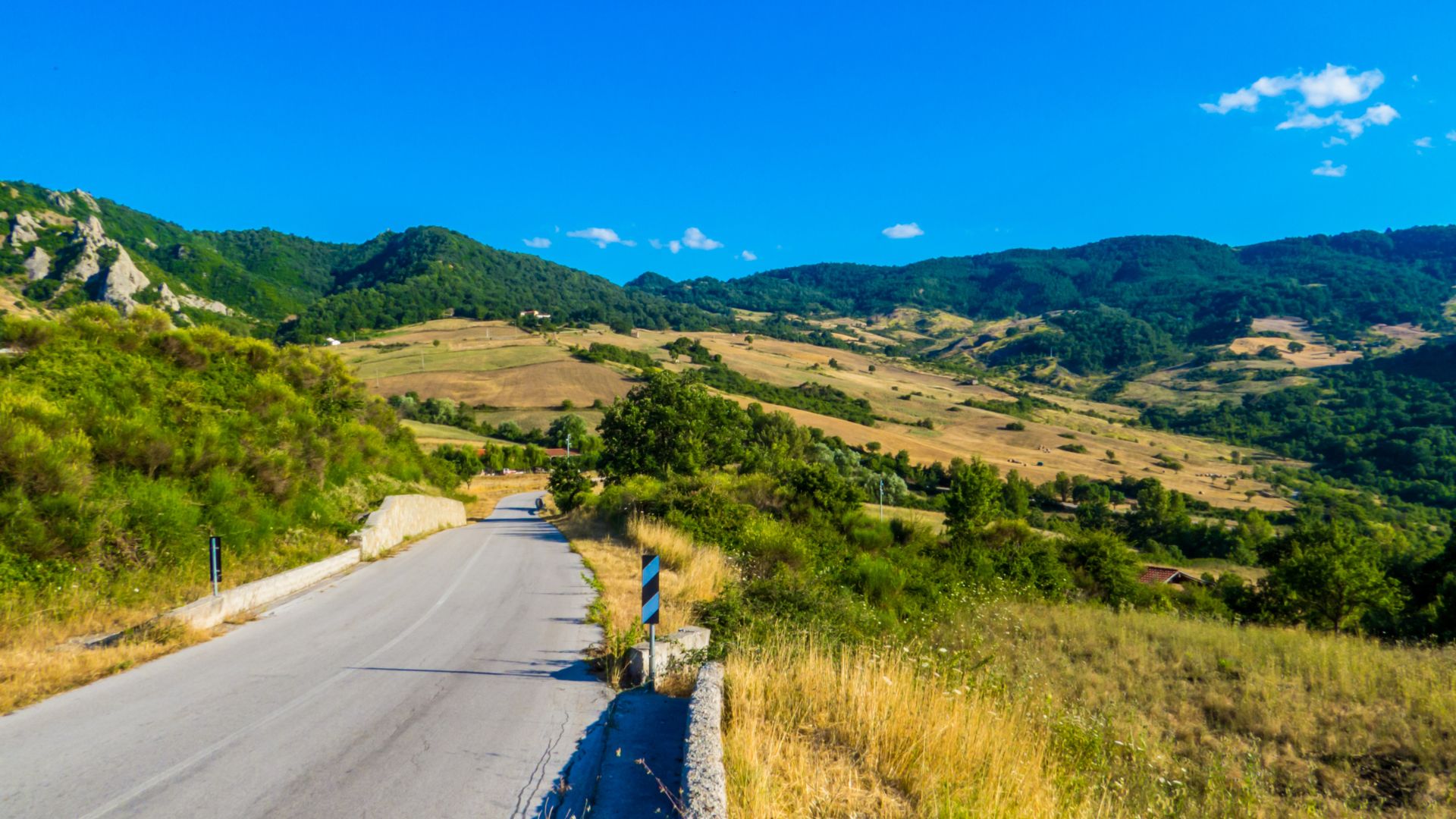
Basilicata’s unique color palette adds a whole new layer to films. Golden wheat fields sit right next to the stark white of ancient stone buildings.
This natural contrast amps up the visual drama—cinematographers must love it.
I’ve noticed how the light changes everything throughout the day. In the morning, soft shadows stretch across terraced hillsides; by sunset, everything glows with rich amber tones.
The region’s wild elevation changes give directors tons of options. You get sweeping aerial shots of mountaintop villages, then tight, moody scenes in the winding medieval streets.
Water features like the Gulf of Taranto add even more visual interest, balancing out the dry inland areas.
Basilicata’s Growing Appeal Beyond Rome, Venice, and Milan
While tourists still flock to Italy’s famous cities, I’ve watched Basilicata quietly build a reputation with filmmakers who want authentic Italian culture, without the crowds.
Production teams save money here and face fewer headaches than they would in big cities.
Local governments have started to see the value in film tourism. Many towns now promote themselves as filming locations.
Each successful movie shot here boosts Basilicata’s profile, attracting even more productions. It’s a cycle that just keeps going.
Unlike Milan’s polish or Venice’s canals, Basilicata offers something rare—an Italy that still feels undiscovered, with traditions untouched by mass tourism.
Matera: From Ancient City to World-Famous Set
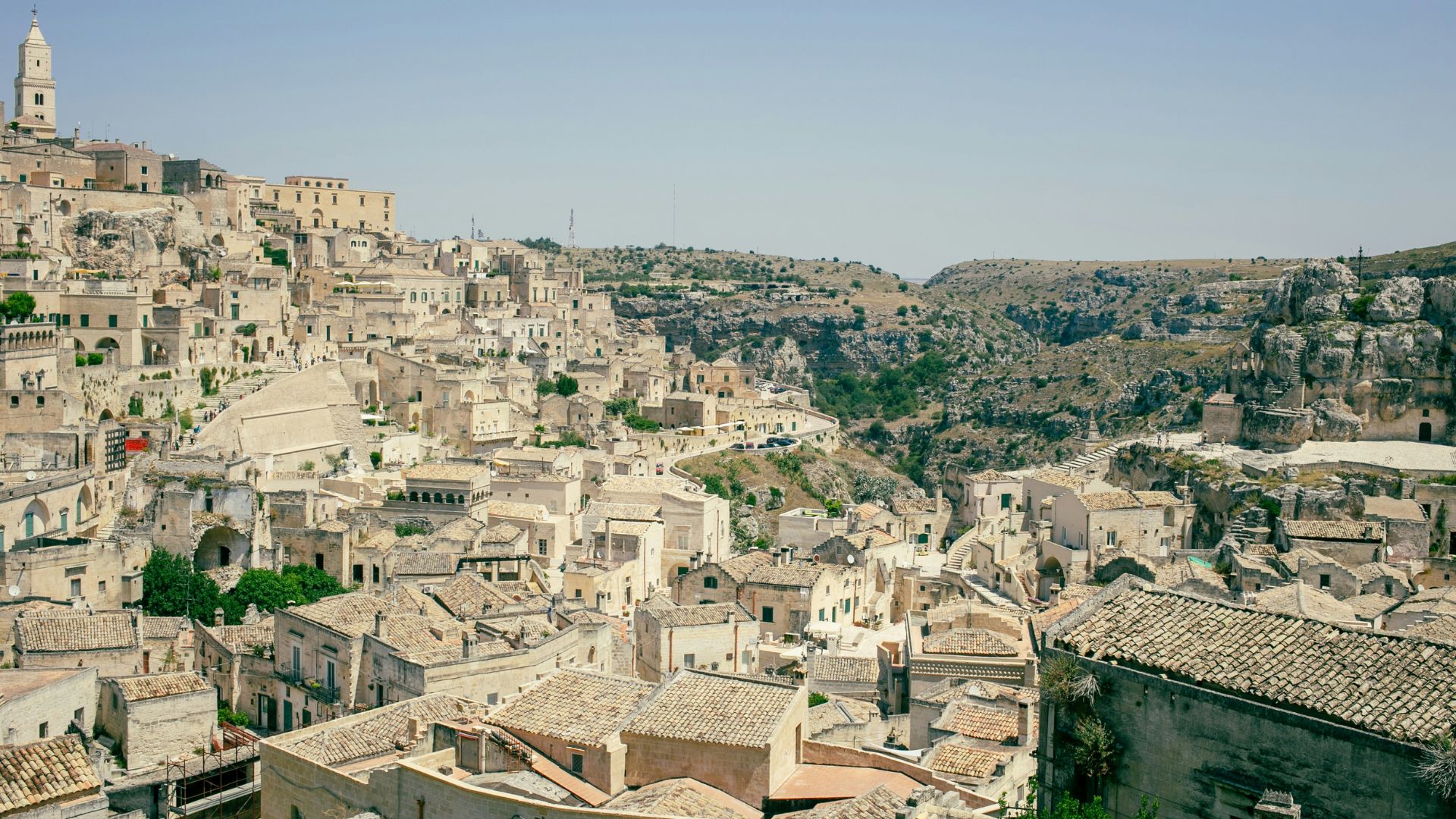
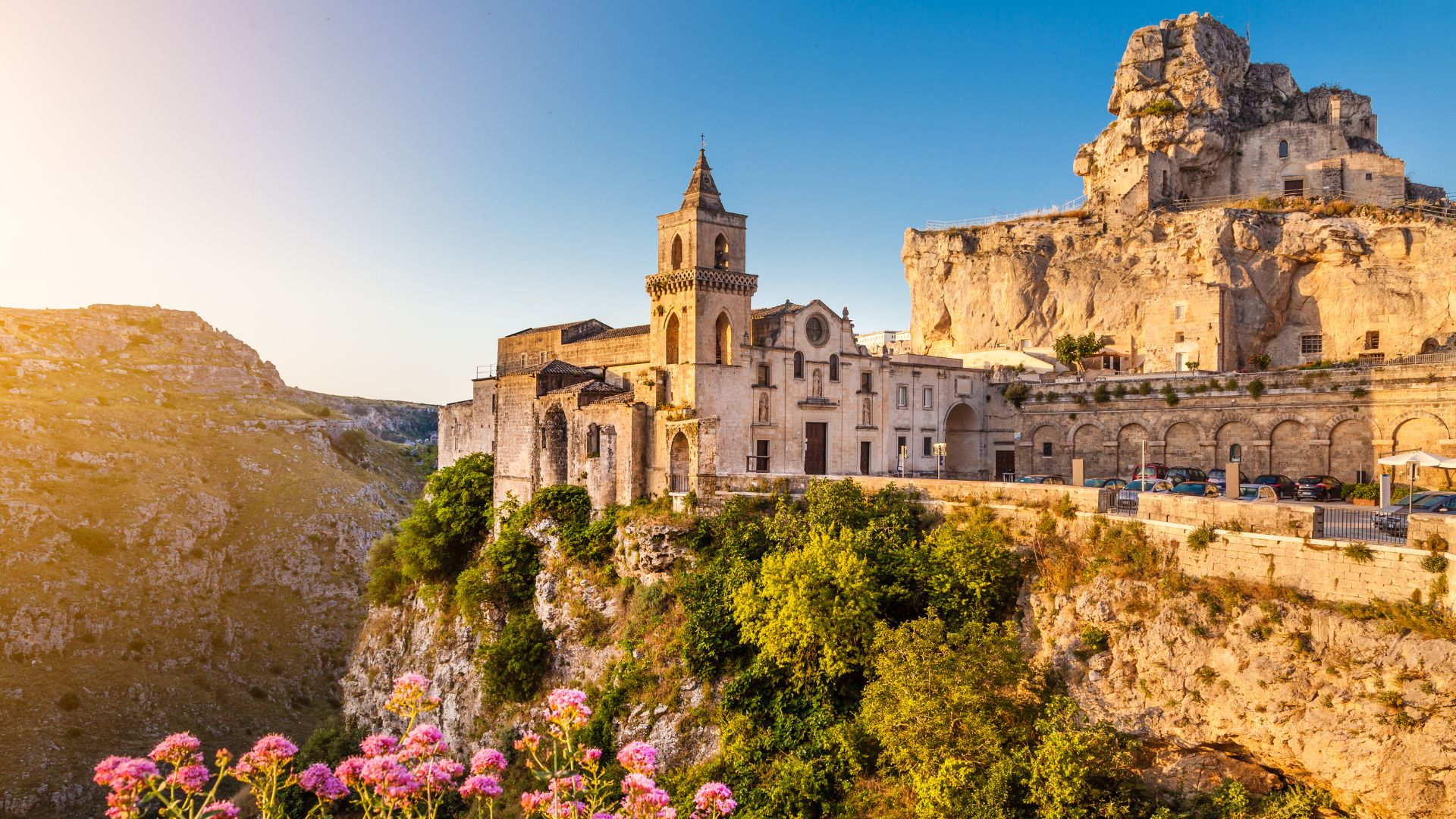
Tucked into Basilicata, Matera has gone from ancient cave dwelling to one of cinema’s most sought-after backdrops. Its stone houses carved into limestone cliffs create a setting that feels almost unreal.
Matera’s Transformation Through Film
I was honestly blown away by how film helped turn Matera from what people once called the “shame of Italy” into a cultural gem.
Back in the 1950s, Matera was infamous for its deep poverty. Families lived in caves without basic services.
“Christ Stopped at Eboli” (1979) kicked off the city’s cinematic journey, showing off its unique urban landscape. Directors loved the Sassi—the ancient stone districts at the city’s core.
Each film brought new eyes and fresh tourism, slowly changing how locals and outsiders saw the place.
Production crews invested in the city, fixing up old buildings and paths that had been left to crumble.
Matera as a UNESCO World Heritage Site
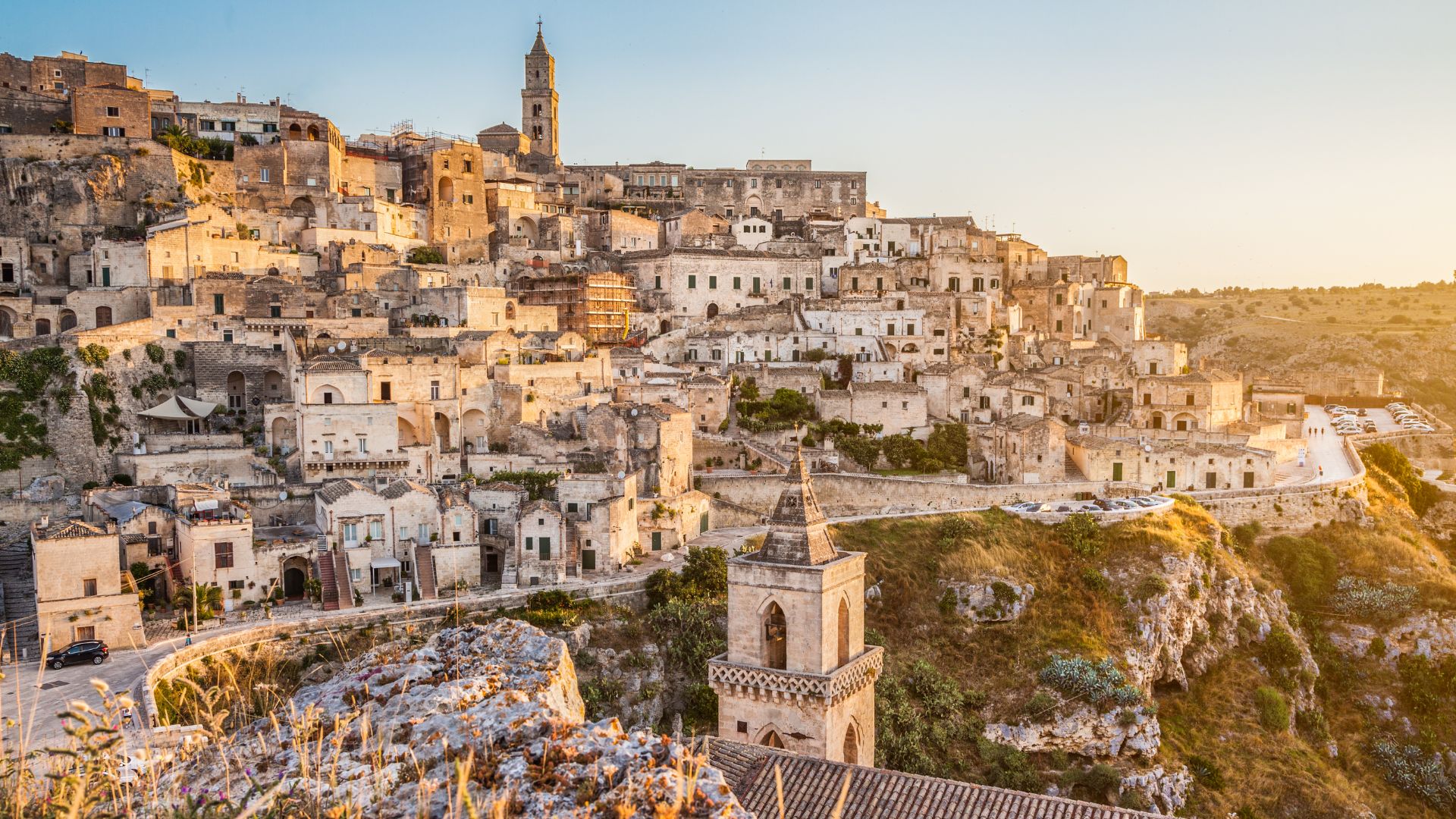
Matera picked up UNESCO World Heritage status in 1993. That recognized its ancient cave settlements, some going back to prehistoric times.
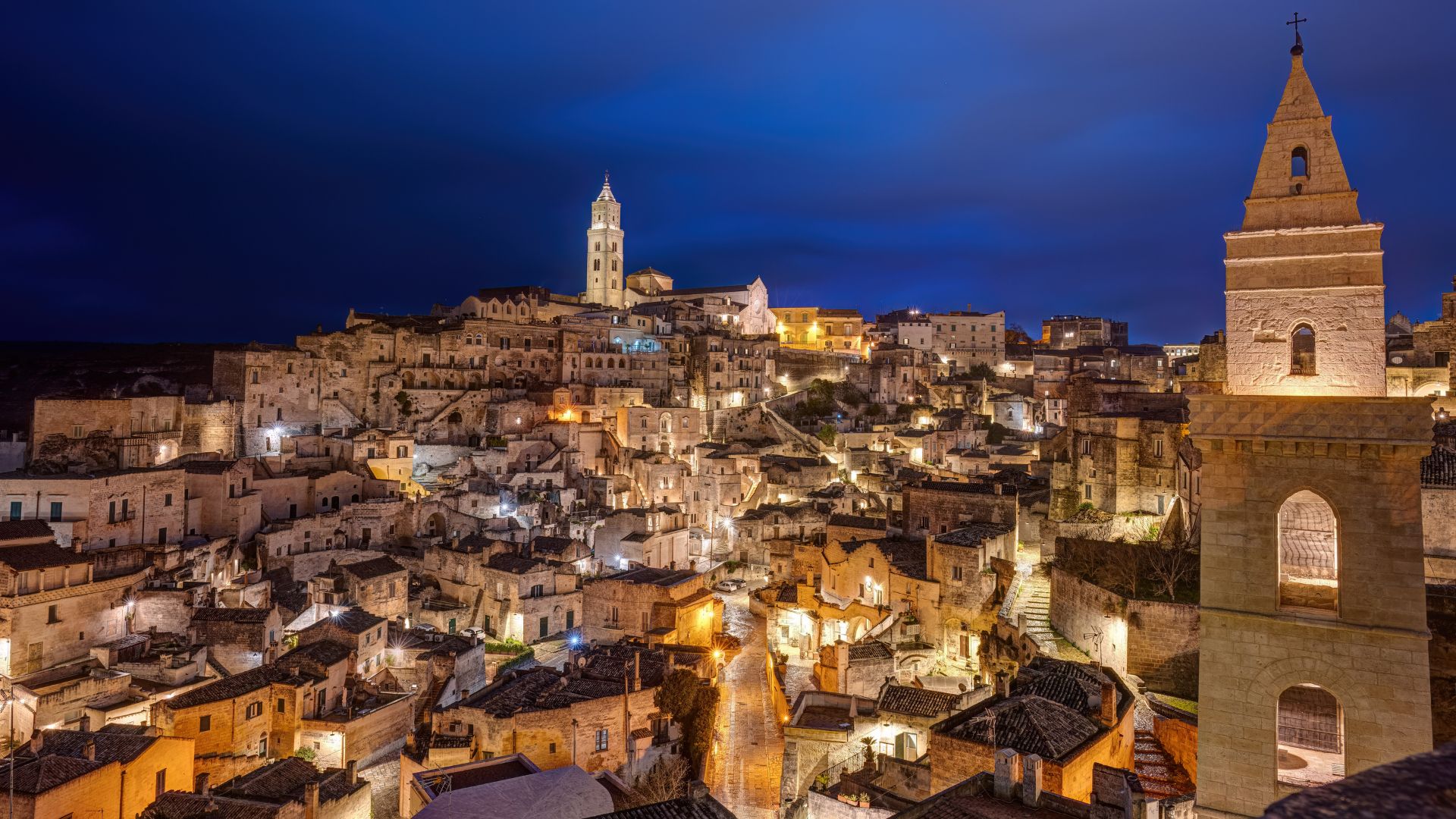
Walking the Sassi, I felt like I was moving through thousands of years of history.
UNESCO recognition shifted things for Matera. Conservation efforts picked up, and tourism grew as word spread.
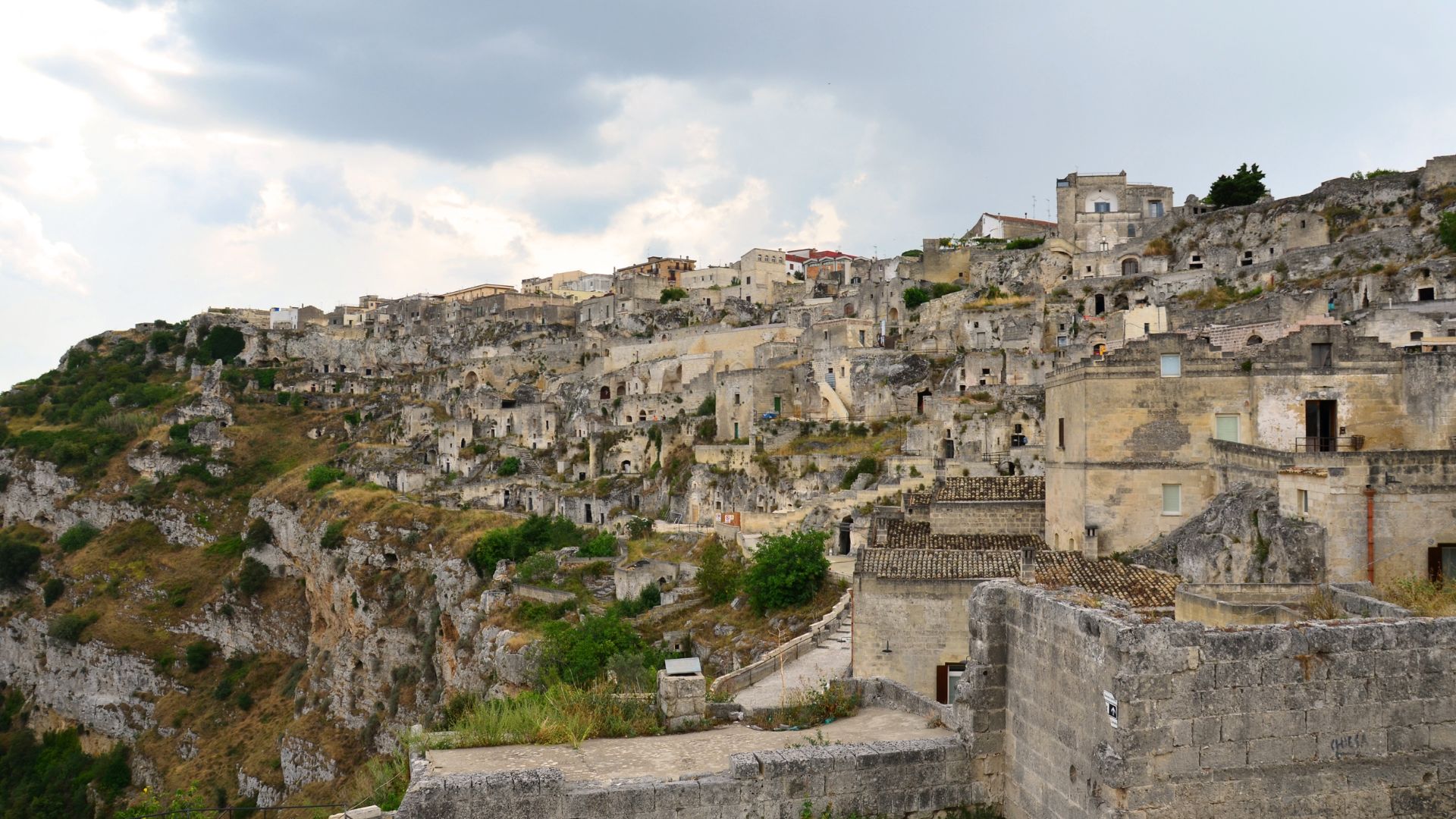
What’s truly special is how people carved homes straight into the cliffs, building a vertical city with winding stairs and terraces.
Today, you’ll find many old cave dwellings turned into boutique hotels, restaurants, and museums. They’ve kept the original feel, though.
Guided tours now let visitors peek into the wild engineering behind these homes.
Iconic Movies Filmed in Matera
The James Bond movie “No Time to Die” (2021) used Matera’s jaw-dropping landscape for its opening, with chase scenes tearing through narrow stone streets and ancient piazzas.
I still remember how those golden limestone walls glowed in the action.
Mel Gibson’s “The Passion of the Christ” (2004) turned Matera into ancient Jerusalem, using its timeless look for a believable biblical world. That film especially brought out Matera’s otherworldly vibe.
Other big productions include:
- “Wonder Woman” (2017)
- “Mary Magdalene” (2018)
- “Ben-Hur” (2016 remake)
Each movie highlights different sides of Matera. Some directors love its ancient feel for historical dramas, others use its maze-like streets for chase scenes, or its cliffs for symbolic shots.

The Cinematic Legacy: Genres, Directors, and Trends
Basilicata’s dramatic landscapes have inspired filmmakers in all sorts of genres, creating a rich cinematic history that stretches from neorealist classics to modern comedies and indie favorites.
Neorealism Roots and Pier Paolo Pasolini
Digging into Basilicata’s film past, I found a strong link to Italian neorealism. This movement, focused on real working-class struggles, just fits with Basilicata’s rugged land and authentic communities.
Pier Paolo Pasolini, always the rebel, saw the region’s untouched quality. He shot “The Gospel According to St. Matthew” (1964) in Matera, picking the cave dwellings to stand in for biblical Jerusalem.
The stark land matched neorealism’s raw style. Directors loved that Basilicata’s villages hadn’t been modernized like those up north. That authenticity made the perfect backdrop for stories about post-war Italy’s social and economic struggles.
Romance, Suspense, and Comedy in Basilicata Films
Basilicata’s scenery works for just about any genre. Romance movies use the coastlines and old villages to set the mood for love stories.
Suspense and western directors, like Sergio Leone, have turned the region’s badlands into dramatic sets. The desert-like areas near Craco stand in for American westerns or even post-apocalyptic worlds.
Comedy found a home here, too. Rocco Papaleo’s “Basilicata Coast to Coast” (2010) mixes music and humor, all while showing off the region’s wild terrain.
That movie follows four musicians crossing Basilicata, and it captures both the beauty and the quirky side of the place.
The Rise of Film Festivals and Videos in the Region
Basilicata now hosts several film festivals that celebrate its movie heritage. The Maratea Film Festival, for instance, draws international attention and screens both local and global films.
I’ve noticed digital content is booming too. YouTube travel videos and Instagram reels featuring Basilicata’s hidden corners are sparking new tourism.
Local film programs now train young directors to tell authentic stories about their home.
Regional film commissions actively attract productions by offering incentives and location help. Their efforts have paid off, with more filming happening every year.
Even music videos now show off Basilicata’s cliffs and ancient towns, bringing in fresh attention.
A Journey Through History and Culture on Screen
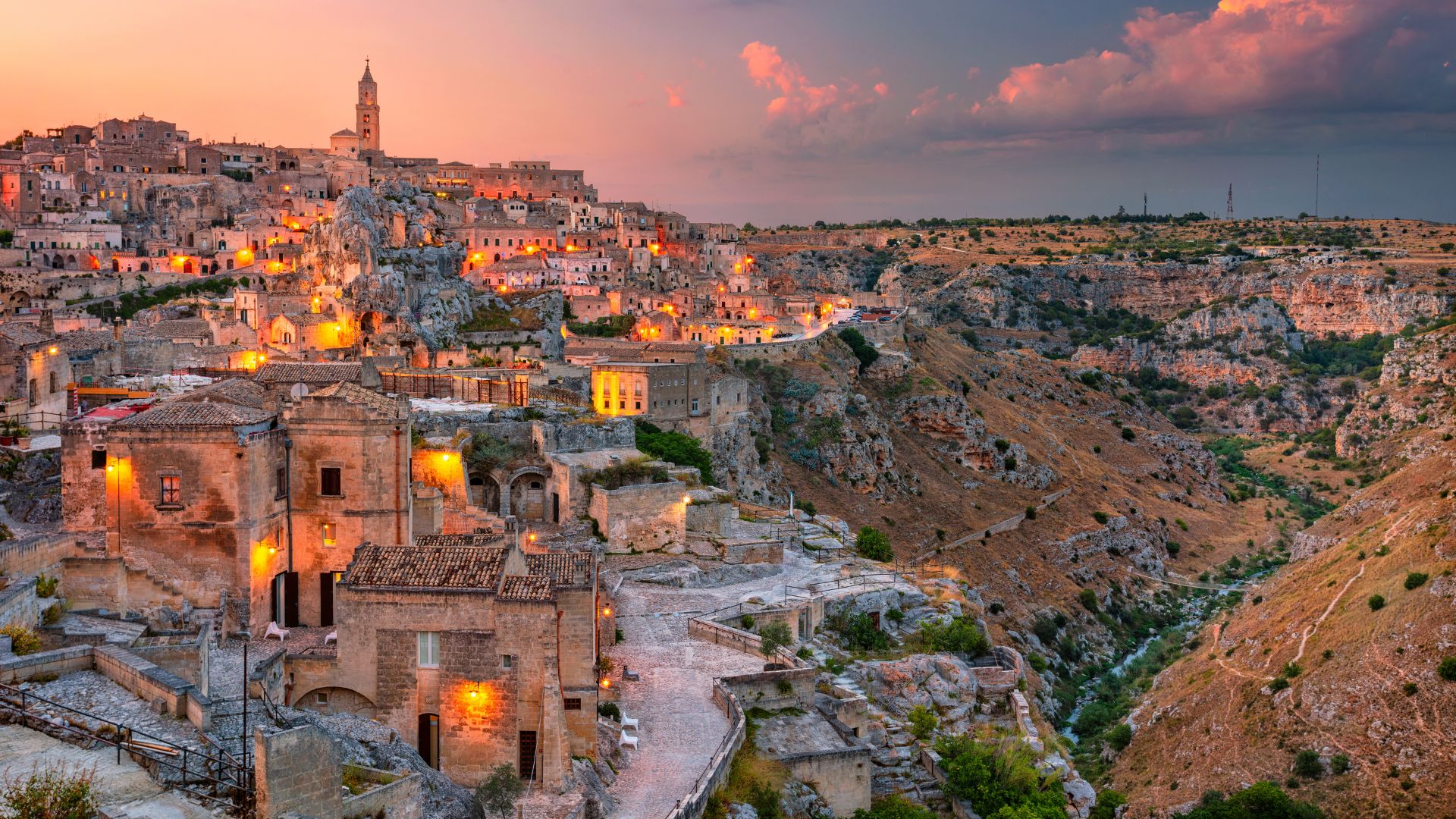
Italy’s cinematic story runs deep through Basilicata. Here, ancient streets and wild landscapes tell tales that stretch back thousands of years.
Films shot in the region capture not just pretty scenery, but layers of history that make Basilicata stand out.
Echoes of the Middle Ages and Ancient Rome
Walking through Matera, I feel like I’m on a movie set that barely needs any props. I’ve wandered those old stone streets where directors capture a real medieval vibe—no fake sets needed.
The city’s sassi (cave dwellings) are 9,000 years old, which made them perfect for biblical epics like Mel Gibson’s “The Passion of the Christ.”
Roman influences pop up all over Basilicata’s filmed landscapes. The region’s archaeological sites appear in historical dramas, giving filmmakers access to ruins that aren’t swamped with tourists like those in Rome.
What makes these places special is how untouched they are. Unlike the Colosseum, Basilicata’s historical sites often serve as film locations needing real, undisturbed backdrops.
Cultural Landmarks: From the Colosseum to Local Basilicata Treasures
Rome’s Colosseum might get more screen time, but Basilicata’s landmarks give filmmakers something else—authenticity without the crowds.
“Basilicata Coast to Coast,” a film I always recommend, shows off the area’s cultural diversity. The story follows musicians traveling across the region, spotlighting both famous spots and hidden gems.
Local festivals, traditional music, and regional food show up in films exploring Italian culture. These scenes capture Basilicata’s distinct cultural identity, which feels different from Italy’s more famous regions.
I was especially surprised by how the region went from being called the “shame of Italy” to a celebrated cultural treasure. Matera’s transformation from slum to UNESCO World Heritage site has made it a magnet for filmmakers looking for genuine Italian locations.
Basilicata’s Place in the Broader Story of Italy
Films set in Basilicata often show a side of Italy that’s nothing like the “Roman Holiday” stereotype. This region reveals the country’s complicated history—poverty, resilience, and renewal all wrapped together.
Basilicata stands for rural Italian life, with farming traditions that haven’t changed much in centuries. Movies capture old-school techniques, seasonal festivals, and community gatherings that keep ancient customs alive.
The region’s wild geography—from mountain towns to coastal villages—gives directors all sorts of backdrops for stories set in different eras.
Basilicata’s presence on screen helps show the whole story of Italy, not just the famous cities like Rome, Florence, or Venice. Through films set here, you get a glimpse of authentic Italian life that tourists rarely see.
Travel Experiences: Savoring Basilicata’s Cinematic Magic
Whenever I visit Basilicata, I’m struck by how its dramatic landscapes have fired up filmmakers’ imaginations. From “The Passion of the Christ” to more recent blockbusters like “No Time to Die,” this hidden gem offers travelers a chance to experience movie magic up close.
Guided Tours of Movie Locations for Families and Couples
Guided tours through Matera’s ancient streets feel magical, whether you’re traveling with kids or sneaking away as a couple. The “Ape Calessino” tuk-tuk rides? They’re such a fun way to explore filming locations from “Wonder Woman” and James Bond’s “No Time to Die.”
Kids get a kick out of spotting places they remember from movies. Couples, on the other hand, can book those dreamy sunset tours when the limestone caves turn gold.
Most tours run for about three hours. Guides, who know the city inside and out, share behind-the-scenes stories at every stop.
I always suggest booking with local operators. Guides born and raised here bring a personal touch you just can’t find in any guidebook.
Exploring Local Food and Coffee Culture
Honestly, you can’t experience Basilicata’s movie magic without tasting its culinary treasures. I’ve spent hours wandering local markets, hunting for ingredients that made their way into famous food scenes.
Morning coffee rituals here feel different. Basilicata’s cafés invite you to slow down, unlike the quick espresso stops in Rome.
There’s this spot in Matera I keep going back to—they serve a cardamom coffee that pairs perfectly with traditional orecchiette pasta. It’s a little unexpected, but it just works.
You really should try:
- Peperoni cruschi (those crispy dried peppers)
- Lucanica sausage
- Podolico cheese from cows that graze the mountains
- Local Aglianico del Vulture wine
Plenty of restaurants lean into the film vibe, offering movie-themed dining where you can taste dishes featured on screen.
Basilicata Adventures: Space, Vectors, and Scenic Routes
Basilicata’s wide-open spaces always make me feel like anything’s possible. The region’s dramatic elevation changes set the scene for hiking, cycling, and road trips through landscapes you might recognize from films.
Cycling through the rolling hills with Backroads Active Travel gives me new perspectives—almost like I’m in a movie myself. The Touristic Harbour Argonauti Resort area, which has popped up in a few Italian films, hosts summer music nights under the stars.
If you’re up for exploring on your own, rent a car. I love the drive from Matera to Craco, the abandoned ghost town from “Quantum of Solace.” The views along the way make it obvious why filmmakers keep coming back for that golden Basilicata light.
Connecting Basilicata With Broader Italian Film Destinations
Basilicata’s cinematic landscape ties into Italy’s more famous film destinations in ways I didn’t expect. The region gives filmmakers fresh settings that work alongside Italy’s rich visual storytelling traditions.
Basilicata’s Relationship With Sicily and Other Regions
Digging into Basilicata’s film history, I found that directors have shot over forty feature films here since World War II ended. The connection with Sicily stands out—both regions share rugged landscapes that directors use to capture southern Italian life.
But while Sicily has a well-known film identity, Basilicata feels like a blank canvas for new stories. “Basilicata Coast to Coast” by Rocco Papaleo showed off the region’s varied terrain and helped it carve out its own spot in Italian cinema.
Lately, I’ve seen more filmmakers choosing Basilicata over Italy’s busier locations. The Lucana Film Commission works hard to promote these connections, putting Basilicata on the broader cinematic map.
From Trevi Fountain to Matera: Mapping Italy’s Iconic Backdrops
Traveling from Rome’s Trevi Fountain to Matera’s ancient caves shows off Italy’s wild range of film settings.
Rome brought us “La Dolce Vita,” but Matera—once called Italy’s “national shame”—has turned into a UNESCO World Heritage site and a major film hotspot.
I found it pretty surprising that Matera has appeared in everything from biblical epics to James Bond movies.
Its ancient sassi, those cave dwellings, give off an otherworldly vibe that feels different from Italy’s usual movie scenery.
Directors love to play with the contrast between Basilicata’s rugged landscapes and Rome’s old-school architecture or Venice’s dreamy canals.
These contrasts? They help stories capture all the messy, layered parts of Italy’s cultural identity.
Lately, more filmmakers seem to crave authentic Italian settings that aren’t just the usual touristy spots.
Honestly, when I visit, I get a kick out of following the trails of famous film scenes—from Basilicata all the way to Italy’s other legendary locations.
