
Last summer, I set out on what turned into the adventure of a lifetime—a 3-week road trip across 10 wildly different Italian regions from north to south. I started at the misty lakes of Lombardy and ended up on the sunbaked shores of Sicily. Each region surprised me with its own landscapes, food, and culture. Honestly, driving through Italy lets you see both the iconic spots and hidden gems that most tourists never find. That’s where you really connect with the country.
Italy’s regional quirks make it feel like you’re hopping between several countries in one go. Up north, I wandered Piedmont’s elegant vineyards and discovered cozy alpine villages in Trentino-Alto Adige.
Central Italy? It offered up Tuscany’s rolling hills and Umbria’s medieval towns. Once I reached the south—Puglia, Calabria—the architecture, dialects, and food felt like a totally different world.
Planning a trip like this takes some strategy, but wow, it’s worth it. I found that 2-3 days in each region struck the right balance. I got to see the big sights and still had time for local secrets. That freedom to take a random detour to a Cinque Terre fishing village or have lunch at a Tuscan farmhouse? That’s where the magic happens.

Planning the Ultimate Italian Road Trip
Honestly, planning the trip felt almost as exciting as actually going. I spent weeks digging into routes, the best travel seasons, and where to stay. I wanted to craft the perfect itinerary that linked Italy’s most beautiful regions.
Mapping Out the Route
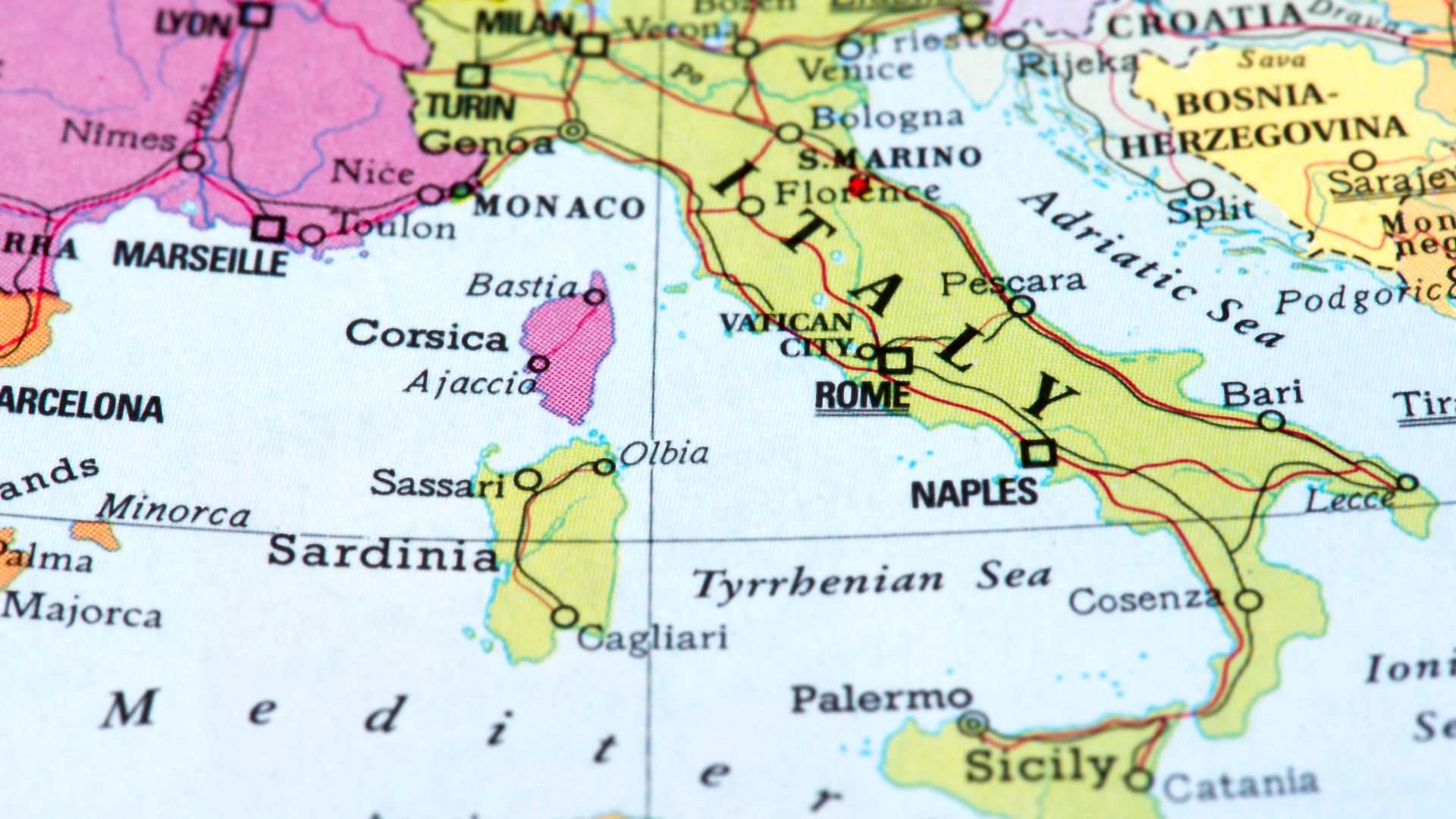
First, I listed my must-visit regions. I kicked things off in Venice, then drove north to the wild Dolomites, headed south through Tuscany to Rome, and finally wrapped up along the jaw-dropping Amalfi Coast.
Connecting Genoa, Portofino, Cinque Terre, Florence, and Siena created a sweet central stretch of the journey.
I refused to rush. I made sure to stay at least 2-3 nights in major cities and built in buffer days for those unexpected finds. To keep things chill, I capped daily drives at 2-3 hours. That left me with plenty of time to stop in little villages or just enjoy the scenery.
Google Maps helped me figure out distances, but I always tacked on an extra 30% for random stops and, let’s be honest, Italian traffic near big cities.
Choosing the Perfect Time to Travel
May and September? Those months are perfect for an Italian road trip. The weather feels just right—not too hot—and the crowds are way smaller than in midsummer.
I skipped August completely. Italians take vacations then, so beaches get packed and some city businesses shut down.
Spring brings blooming fields in Tuscany, while fall means grape harvests and food festivals. Winter could work if you stick to the south, but in the north, snow can make mountain roads tricky.
I checked local festival calendars to fit in unique experiences, like Siena’s Palio or truffle festivals in tiny towns.
Booking Accommodations and Transportation
I rented a compact car from a big-name company with lots of Italian locations. Don’t forget to get an International Driving Permit before you go—they’ll actually ask for it in Italy!
I booked places to stay ahead in major cities like Rome and Florence, but left room for spontaneity in rural spots. Agriturismo stays in Tuscany were absolute highlights. There’s nothing like homemade meals in the countryside.
In city centers with tough parking, I sometimes just took the train. Italy’s high-speed rail makes getting between cities easy, and honestly, sometimes it’s faster than driving. The Frecciarossa trains between Rome, Florence, and Venice are especially slick.
I used a few different booking sites, but reaching out to smaller hotels directly usually got me a better deal.
Essential Travel Tips
Learning a few Italian phrases really opened doors, especially in small towns off the tourist trail.
I grabbed a local SIM card right away for GPS and translation apps. Offline maps saved me more than once in the countryside where cell service disappeared.
Toll roads in Italy are great but pricey. I budgeted about €15-20 a day for tolls on main routes. Keeping coins handy for tolls and parking meters made life easier.
Before driving into cities, I always checked for ZTL zones (those restricted traffic areas). Fines are no joke. Park outside and walk or use public transport if you can.
Always pack water, sunscreen, and a hat if you’re traveling in summer. And honestly? The best moments happened when I ditched my plan and just followed my curiosity.
Exploring the Heart of Tuscany
Tuscany completely won me over with its mix of art, history, and countryside charm. The rolling hills, cypress trees, world-class museums, and hilltop villages made this part of the trip unforgettable.
Savoring Wine and Countryside in Chianti
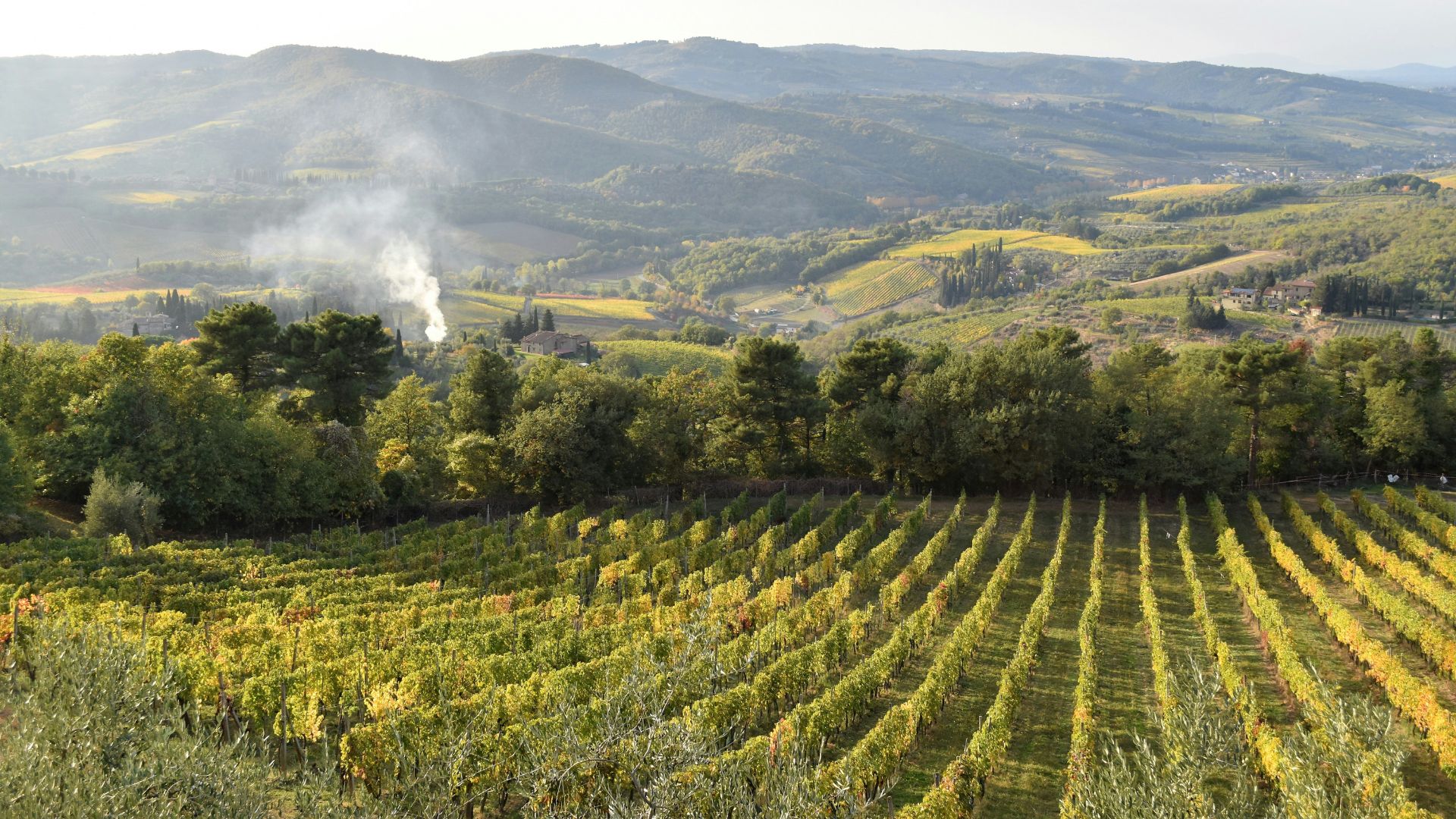
Driving through Chianti’s vineyards felt like moving through a living postcard. I stopped at a family-run winery near Greve, where the owner poured generous tastings of their Chianti Classico.
He grinned and said, “Our family’s been making wine for seven generations,” as he topped off my glass.
The winding SR222 road led me past endless vines and medieval castles. If you see a scenic overlook, pull over—the views are worth it.
For lunch, I joined a cooking class at a farmhouse. The chef insisted on using only local ingredients, including olive oil from their own trees. Making fresh pappardelle pasta there was a highlight.
Wandering Through Florence’s Renaissance Treasures
Florence’s compact center overflows with art. I started at the Duomo—its terracotta dome towers over the city. Climbing those 463 steps? Tough but absolutely worth the view.
The Accademia Gallery houses Michelangelo’s David. Seeing it in person blew me away—the detail is unreal.
At the Uffizi, I lost track of time staring at Botticelli, Leonardo, and Raphael. Pro tip: Book your tickets online or you’ll be stuck in a long line.
Sunset at the Ponte Vecchio was pure magic. The golden light on the Arno River, street musicians playing, and a gelato in hand—honestly, it’s tough to beat.
Picturesque Villages: Montepulciano, Pienza, and San Gimignano
Montepulciano charmed me with its medieval buildings and Vino Nobile wine cellars hidden in ancient tunnels.
Tiny Pienza wowed me with Renaissance streets designed by Pope Pius II. The views over Val d’Orcia are seriously Instagram-worthy. And the local pecorino cheese? Absolutely divine.
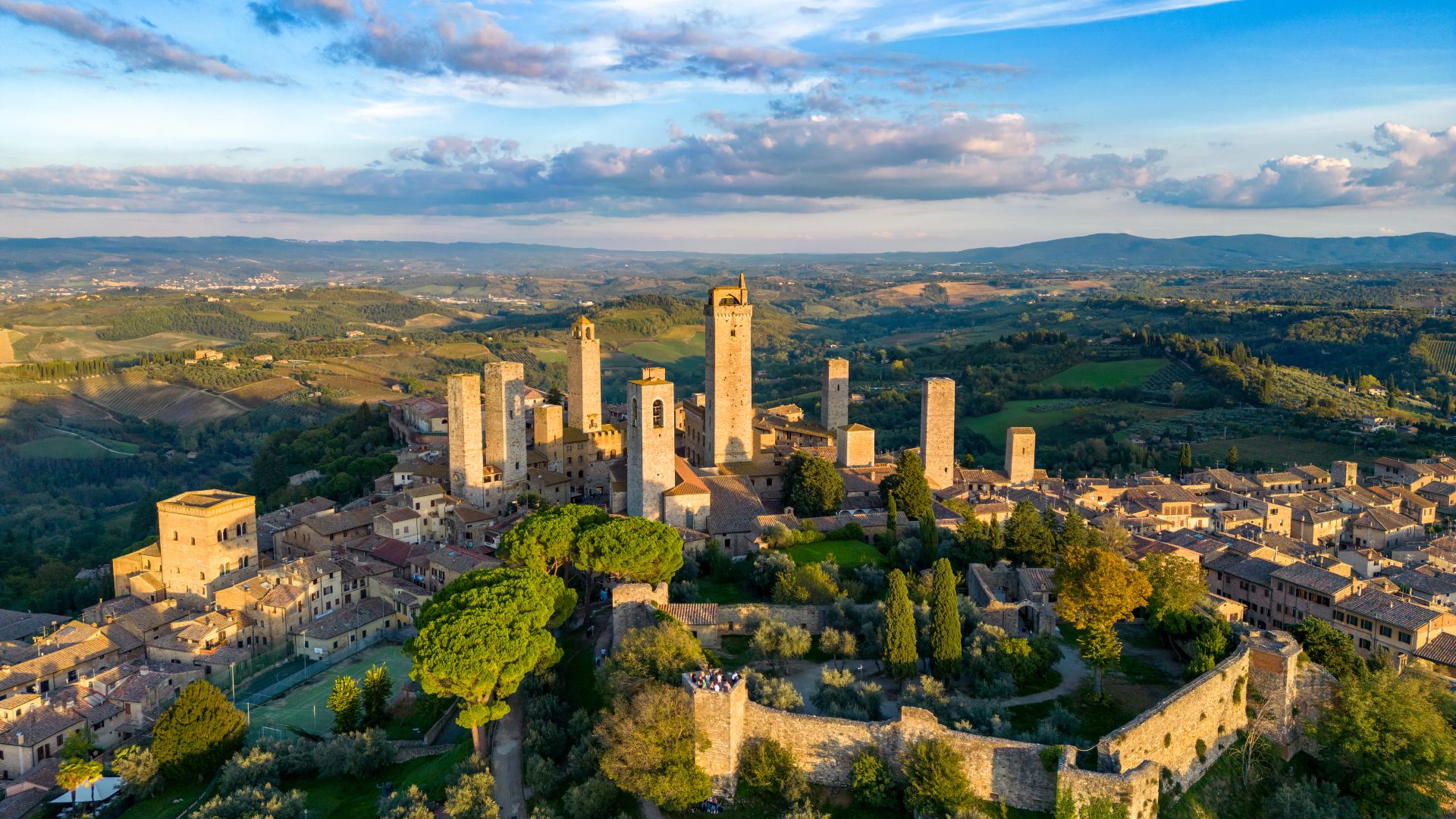
San Gimignano’s medieval towers create a skyline you can spot from miles away. I climbed Torre Grossa for a sweeping view of the countryside.
What makes these villages so special? They keep their authentic Tuscan vibe, even with the crowds. I got the best experiences by:
- Visiting early, before the day-trippers arrived
- Eating at small, family-run trattorias away from the main squares
- Chatting with shopkeepers about their favorite local products
La Dolce Vita Along the Amalfi Coast
The Amalfi Coast totally swept me off my feet. It’s got this wild mix of jaw-dropping scenery, rich history, and real Italian charm. This 31-mile stretch along southern Italy has some of the most stunning coastal views I’ve ever seen.
Driving the Breathtaking Coastal Roads
Driving the Amalfi Coast is both nerve-wracking and exhilarating. I tackled hairpin turns with the Mediterranean sparkling below and cliffs looming above.
Every bend seemed to reveal a new, jaw-dropping view. I pulled over way too often just to snap photos. The SS163, nicknamed the “Road of 1,000 Bends,” really earns that title.
If you can, start your drive before 8 AM to dodge the tour buses. May, in my opinion, is the sweet spot—warm weather but not too crowded.
The drive itself felt just as memorable as the towns, with lemon groves and fishing villages that seem to defy gravity.

Iconic Towns: Positano, Ravello, and Sorrento
Sorrento made a perfect base for exploring. It’s got a great mix of coastal beauty and city conveniences, plus plenty of restaurants and easy transport.
Positano is pure eye candy—pastel buildings tumble down to the sea. I wandered the steep streets lined with shops selling handmade sandals and breezy linen clothes.
The beach gets packed, but you have to see that classic view of colorful umbrellas and the dramatic backdrop.
Ravello sits higher up and feels quieter. The views from Villa Rufolo and Villa Cimbrone gardens are out of this world.
A Day Trip to Capri
Catching the ferry to Capri from Sorrento was a breeze. The island appeared slowly—limestone cliffs rising from deep blue water.
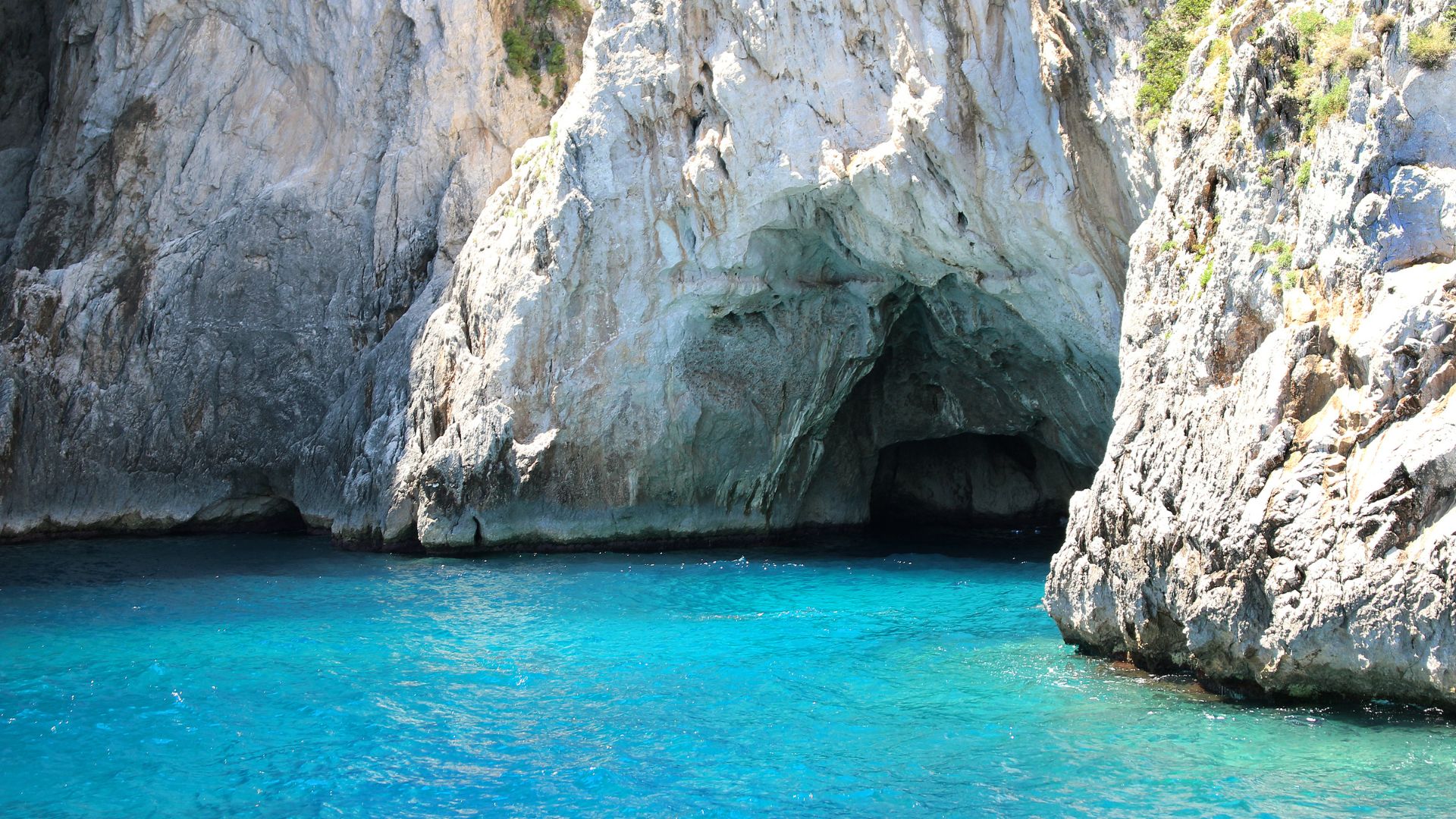
I splurged on a small boat tour around Capri to see the Blue Grotto. Sure, it’s touristy, but watching the cave light up with that electric blue glow was honestly magical.
Capri Town buzzes with luxury shops and restaurants, but I liked Anacapri better. The chairlift up to Monte Solaro gave me panoramic views of the Bay of Naples.
My favorite Capri memory? Finding a tiny, family-run restaurant off the main drag and savoring fresh seafood pasta while chatting with locals about island life.
Discovering Pompeii’s Ancient Secrets
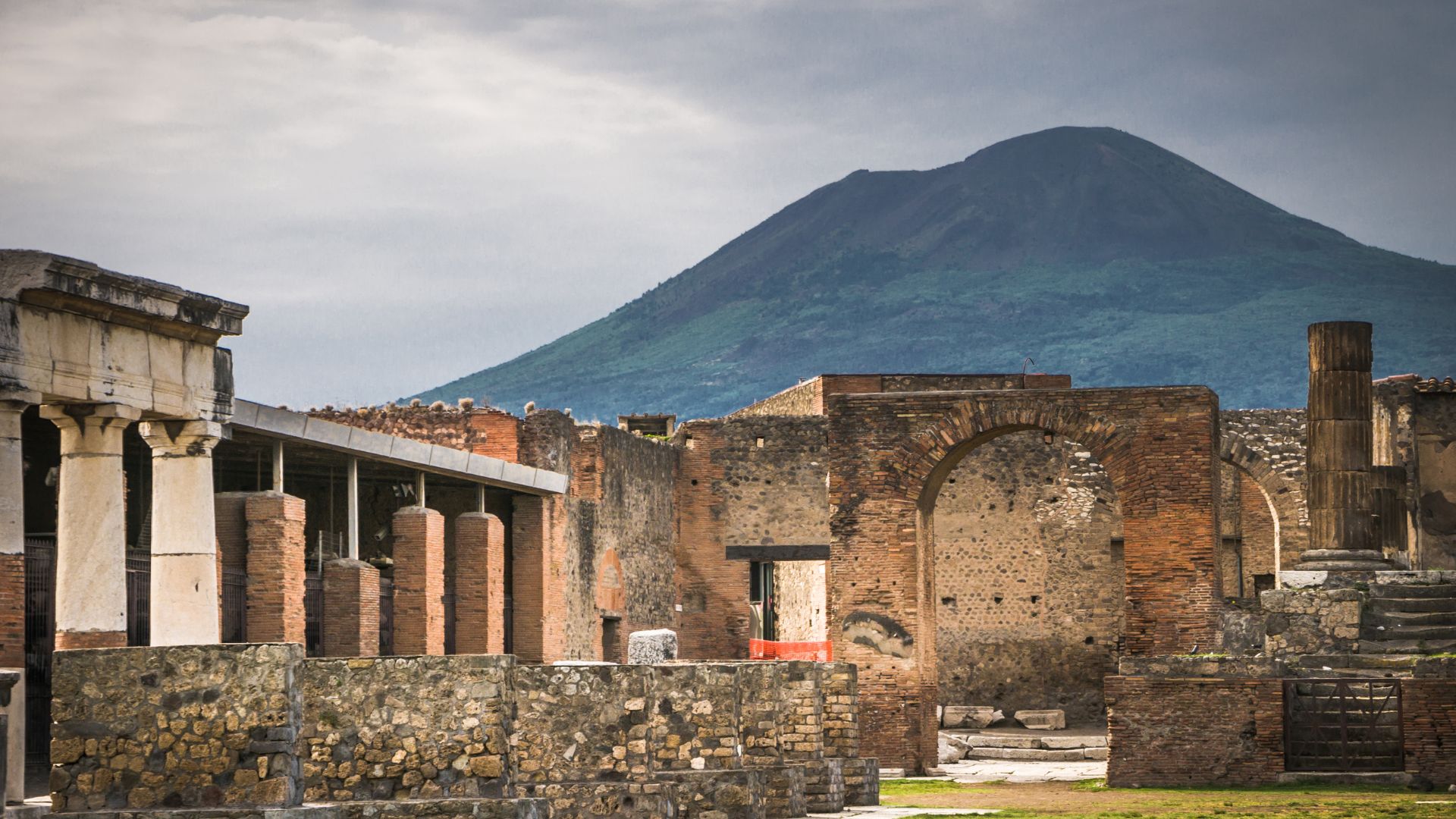
Just a short drive from the Amalfi Coast, Pompeii blew my mind. Walking through this ancient city felt like traveling back in time to 79 AD.
Details like original shop counters, political graffiti, and intricate mosaics in old homes really brought history to life. The plaster casts of victims made the tragedy of the eruption hit home.
I’d say hire a guide or grab the audio tour—it helps you make sense of what you’re seeing. The place is huge. I spent five hours and still missed a bunch.
Go early or late to dodge crowds and the brutal midday heat. Bring plenty of water, sunscreen, and comfy shoes—there’s not much shade.
Urban Adventures Across Iconic Italian Cities
Italy’s cities are packed with history, art, and food. Each one has its own vibe—Rome’s ancient ruins, Venice’s dreamy canals, Milan’s fashion, Turin’s royal flair.
Rome’s Historic Wonders and Timeless Charm
Walking through Rome felt like time travel. The Colosseum stands as a mind-blowing reminder of Roman engineering. I got there early to skip the lines and spent ages imagining the wild gladiator battles.
The Vatican left me in awe. Michelangelo’s Sistine Chapel ceiling is breathtaking—no photo does it justice.
The Trevi Fountain at night felt almost unreal. I tossed a coin over my shoulder (for luck and a return trip, obviously) and enjoyed a late-night gelato while people-watching. If you go, aim for after 10 PM when things calm down.
Rome’s food deserves a whole story of its own. My best carbonara came from a tiny spot in Trastevere, far from the touristy chaos.

Venice: Canals, Murano, and Burano
Venice grabbed me the moment I caught sight of the Grand Canal. Riding the vaporetto (that’s the water bus) down the main stretch gave me jaw-dropping views of palaces and churches crowding the water’s edge.
I spent a whole day hopping between Murano and Burano. On Murano, I watched glassblowers turn molten globs into delicate art—honestly, it was mesmerizing to see the process up close.
Burano just won me over. The rainbow houses and the island’s lace traditions felt almost unreal. I wandered through the lace museum, staring at intricate handmade pieces and thinking about all the history sewn into them. Those bright buildings? They’re basically begging for a photo.
Getting lost in Venice’s winding streets turned out to be my favorite part. Whenever I strayed from the touristy routes, I stumbled upon quiet canals, tiny bacari (wine bars), and slices of real Venetian life.

Milan and the Northern Elegance
Milan caught me off guard with its seamless mix of old and new. The Duomo’s gothic spires shoot up right next to the city’s pulse of fashion and innovation.
Window shopping in the Quadrilatero della Moda was more about the people than the brands for me. I loved watching stylish Milanese strut by, each one looking like they stepped out of a magazine.
I had to book ahead to see The Last Supper by Leonardo da Vinci, but standing in front of that masterpiece made all the planning worthwhile.
Most evenings, I slipped into Milan’s aperitivo scene. For the price of a drink, bars piled up buffets of Italian snacks—such a fun way to sample local bites.

Turin’s Art, Culture, and Delicacies
Turin felt like Italy’s best-kept secret. The royal palaces and grand piazzas reminded me this was once Italy’s first capital.
At the Egyptian Museum, I wandered for hours among ancient treasures, totally fascinated by the mummies and artifacts.
Turin’s chocolate tradition was a sweet surprise. I tried bicerin—a dreamy mix of espresso, chocolate, and cream—at old cafés where big moments in Italy’s history happened.
Inside the Mole Antonelliana, the Cinema Museum took me on a spiral journey through film history. The building itself used to be the world’s tallest brick structure, and honestly, it’s just as impressive inside as out.
Hidden Gems and Unique Experiences
Exploring Italy’s famous cities blew me away, but the hidden spots truly stole my heart. In these quieter corners, I found authentic moments and a real connection to local life—stuff I never expected.
Enchanting Landscapes of Umbria and Marche
Umbria’s rolling hills left me speechless as I drove through the region. In Gubbio, a medieval town, I wandered ancient streets and even caught the wild Festa dei Ceri celebration.
Marche surprised me too. The landscapes jump from Adriatic beaches to mountain villages where time feels frozen. In Urbino, a UNESCO site, I soaked up Renaissance history in the Palazzo Ducale.
Near Monti Sibillini National Park, I found hiking trails with jaw-dropping views—and barely any crowds. One morning, I joined a local guide for horseback riding through sunflower fields. That felt way more personal than any big bus tour.
Lake Como and Lake Maggiore Escapes
Lake Como was even more beautiful than I imagined, but it’s not just about Bellagio. I found real peace in the village of Varenna, with its cheery houses and calm lakeside walks.
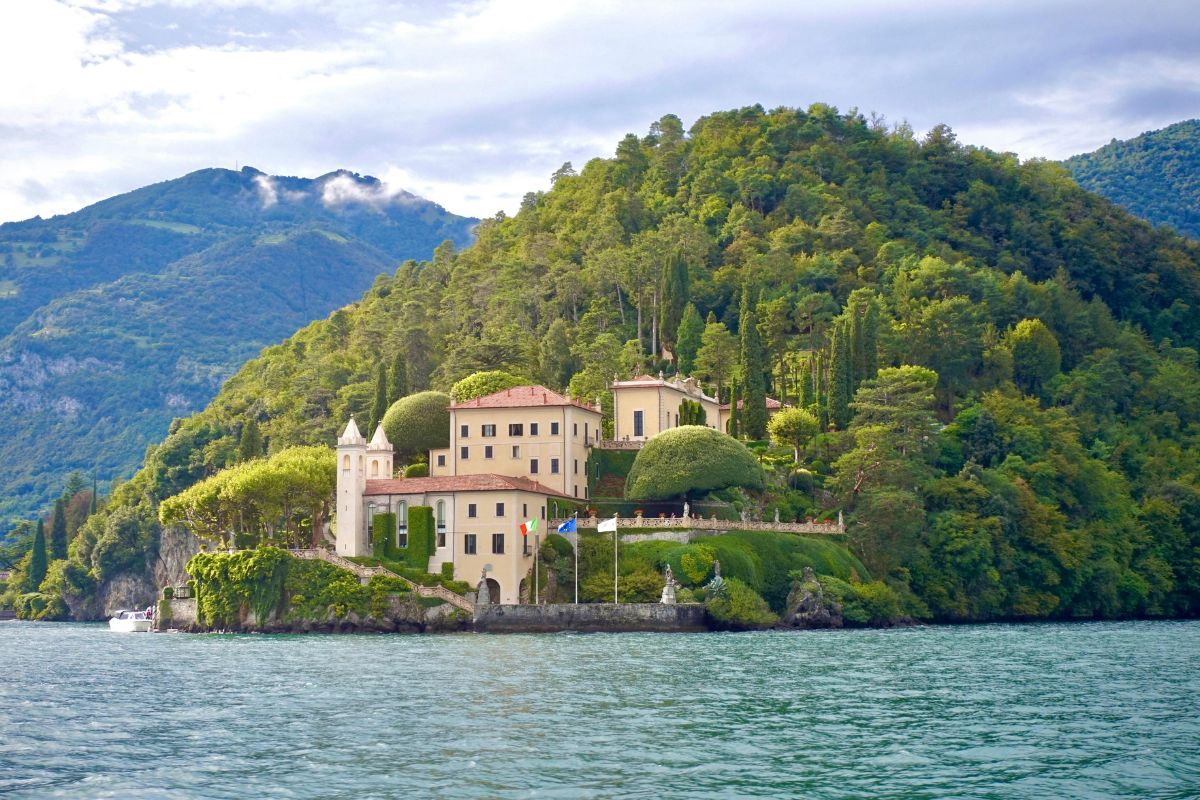
I hopped on a boat to Villa del Balbianello, where gardens tumble down to the blue water. The ferry captain told me stories about George Clooney’s villa—stuff you won’t find in any guidebook.
Lake Maggiore gave me those same stunning views, but with way fewer tourists. I spent a dreamy day on the Borromean Islands, especially Isola Bella with its baroque palace and crazy gardens. The boat ride back at sunset, with the Alps glowing pink, is a memory I’ll hang onto forever.
Authentic Flavors of Piedmont and Alba
Piedmont’s food scene blew me away. In Alba, I joined a little food tour and tried regional specialties like tajarin pasta and vitello tonnato at family-run trattorias tucked down cobblestone lanes.
Barolo’s vineyards welcomed me like an old friend. I tasted the famous “king of wines” straight from producers whose families have worked the land for ages. One winemaker even invited me to lunch, sharing harvest stories over homemade pasta.
I learned to hunt for cardoons, a local veggie, in markets where tourists rarely show up. The Slow Food movement started here, and I could taste it—every meal celebrated local flavors and traditions.
Truffle Hunting, Vineyards, and Cooking Adventures
The highlight? Joining a truffle hunter and his dog at dawn. We slipped into misty woods, and he taught me how to spot the secret signs of truffles hiding underground. When the dog finally found a black truffle, I felt a real thrill.
I took a cooking class in a 200-year-old farmhouse. The grandmother leading it barely spoke English, but food is its own language. She showed me how to make risotto and tajarin pasta by hand.
Walking vineyard trails in Langhe, I got sweeping views of grape vines rolling over the hills. Local winemakers told me about sustainable practices and how climate change is changing their work. These folks really see themselves as caretakers of the land.
During grape harvest, I joined in, my hands stained purple as I worked beside locals who treated me like family. Those hands-on moments brought me closer to Italian traditions than anything else.

Sicily and the Art of Island Wandering
Sicily drew me in with its wild mix of history, food, and natural wonders. This island packs in everything—from ancient ruins to rumbling volcanoes.
Sicilian Culture, Cuisine, and Coastlines
I spent three weeks exploring Sicily by car. Honestly, it was the best way to find both the big-name sights and those tucked-away spots nobody tells you about.
Taormina completely stole my heart. That Greek theater, perched above the coastline, just stops you in your tracks.
You look out and—wow—Mount Etna looms in the distance, giving you this backdrop you can’t really describe.
Syracuse’s historic center on Ortigia Island quickly became my favorite spot to wander. I’d get lost in those narrow streets, then end up by the sea sipping an aperitivo.
The seafood here? Absolutely next-level. I tried pasta con le sarde (pasta with sardines), and it kind of flipped my idea of Italian food upside down.
The archaeological sites honestly blew my mind. At Agrigento’s Valley of the Temples, I walked right among ancient Greek ruins.
They’re so well preserved, I’d say they even put some sites in Greece to shame.
Driving along Sicily’s coastline, I found gorgeous beaches and these little fishing villages that feel untouched. Near Erice, I stumbled onto quiet coves where locals swim and picnic, far from the tourist crowds.