
I first caught sight of Noto just as the sun started to dip, washing the baroque town in this almost unreal golden glow. The late afternoon light turned the honey-colored limestone into something more than architecture—it felt alive, like a canvas breathing with centuries of stories.
Walking Noto’s streets during golden hour really does something to you. The sunlight makes the churches and buildings look like they’re actually cast in gold.
It felt like I’d stumbled into a painting. I stood in the main square, a bit spellbound, just watching shadows play over the facades as locals wandered past, totally unfazed by this daily spectacle.
People often skip Noto as they hurry between Siracusa and Ragusa, but honestly, it deserves more than a pit stop.
My camera just couldn’t do it justice. The way the sunlight traced the stonework, all the depth and texture—no photo really captured it. Travel gives us these blink-and-you-miss-it moments, and Noto’s golden stone at sunset gave me one I’ll always remember.
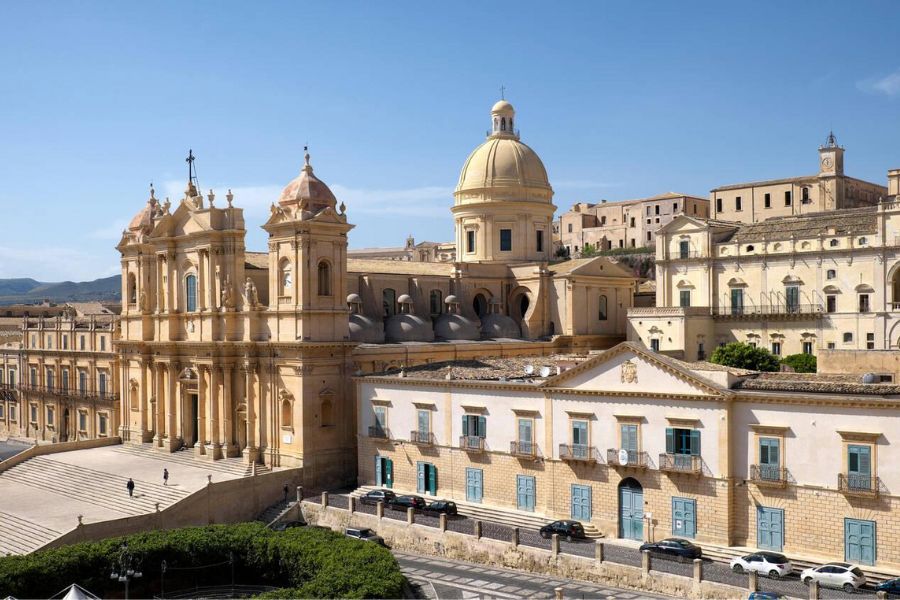
If you’re heading to Sicily, try to be in Noto during those hours before sunset. That’s when the town finally shows its true colors.
Encountering Noto’s Golden Stone
When I first saw Noto’s golden limestone buildings, I just stopped in my tracks. The Sicilian sun turned the whole city into a glowing work of art.
This UNESCO World Heritage site in Sicily’s southeast really shows off some of Italy’s wildest Baroque architecture.
Strolling Through the Late Afternoon Light
Magic hour in Noto usually lands around 5 PM. The sun hangs low, and I found myself wandering Corso Vittorio Emanuele, the main drag, as golden rays poured over the honey-colored facades.
The buildings seemed to shift colors—pale yellow one moment, deep amber the next—depending on the clouds. Locals even have a name for it: “l’ora d’oro”—the golden hour.
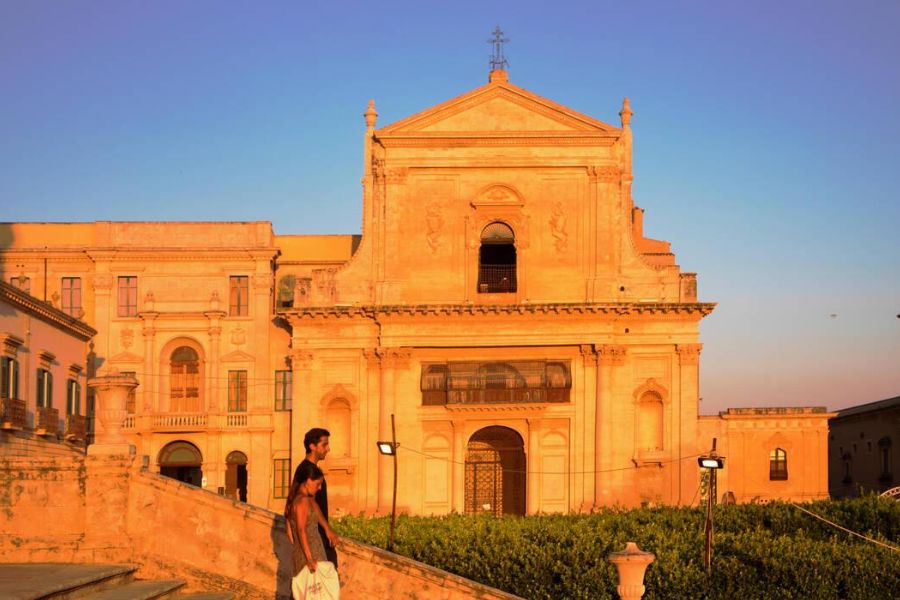
Late afternoon just feels right for exploring here. The midday heat finally lets up, leaving behind a mellow warmth that pulls you into the quieter side streets. Fewer tourists, more space to breathe.
First Impressions of the Baroque Architecture
Noto’s architecture hit me with its drama—elaborate balconies, wild iron railings, and church facades that almost seem to pose for you.
The Cathedral of San Nicolò rises above everything, its dome and staircase impossible to ignore. I lost track of time just staring at the carvings etched into that golden limestone.
Palazzo Nicolaci really surprised me—balconies held up by bizarre stone creatures, cherubs, and grinning faces. All carved from the same golden stone. Each building here tells a piece of Noto’s comeback after the 1693 earthquake.
The Play of Nature and Artistry
Noto stands out because nature actually makes the man-made beauty better. The local limestone, pulled from nearby quarries, holds tiny fossils that catch and reflect the light.
Wind and rain have softened the stone over the years, adding texture that painters and photographers chase but rarely capture. I noticed how shadows stretch and twist across the facades.
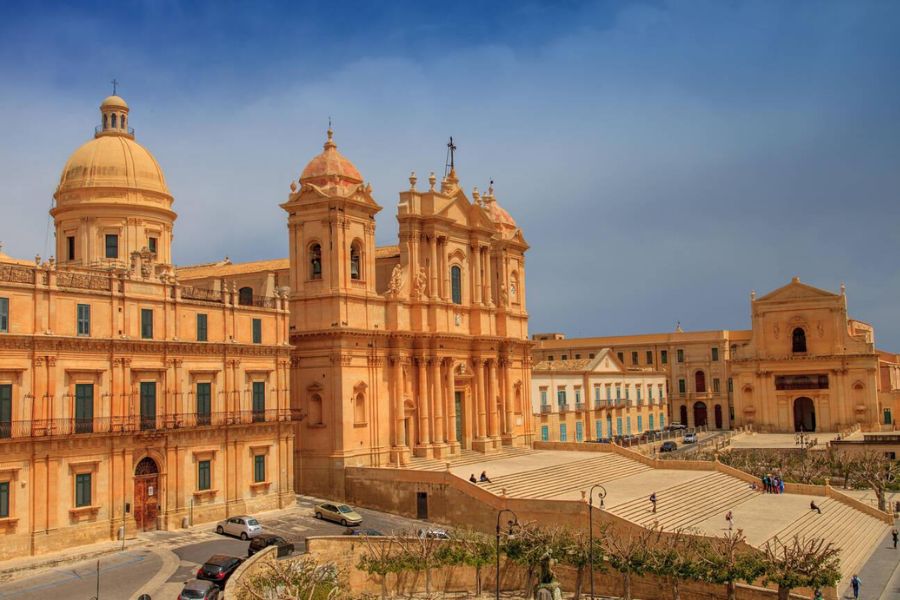
If you find the right spot on the eastern edge of town, you’ll see how the architects lined up the buildings to get the best play of light and stone. The whole city feels like an art project where nature and people worked together.
History and Craft of Noto’s Stonework
Noto’s golden limestone has shaped the town’s look and soul for generations, turning it into Sicily’s baroque star after the 1693 quake. The stone itself seems to tell a story—it catches light differently as the day goes on.
Craftsmanship and Renaissance Traditions
Noto’s stonework follows traditions going back to Renaissance Italy. Back then, craftsmen held real status, especially in places like Florence and Siena. Some even got “golden spurs” as a badge of honor.
I watched some of today’s stonemasons at work, doing things much like their ancestors. They pick their blocks carefully, looking for the best color and grain. Each chisel mark carries centuries of know-how.

The limestone starts out soft, making it perfect for detail work. But once it’s out in the air, it hardens and lasts for ages.
Many local families have passed down these techniques for generations, guarding them almost like secret recipes.
Legends and Symbolism in Local Architecture
As I wandered through Noto, I realized the stone itself has meaning. People say the golden color stands for divine light, and the buildings are set up to glow at sunset.
Some locals told me the stone changes color with the town’s fortunes—darker in hard times, brighter in good ones. Is it true? I doubt it, but I love how much it means to people here.
Baroque facades here repeat certain symbols: lions for strength, eagles for vision, and gemstone motifs borrowed from biblical stories. These weren’t just for show—they told stories that everyone could understand.
The way many buildings are positioned creates a kind of stage effect. When the sun hits just right, everything glows from within. I have to believe the architects did this on purpose.
Notus: The South Wind’s Inspiration
The south wind—Notus, from Greek myth—has shaped both the stone and the stories around it. An older academician told me that “Noto” might even come from this ancient wind god.
Stonemasons used to stop working when Notus blew, worried that the sand would mess up their craft. But the same wind helped weather the stone, giving Noto its unique look.
On some afternoons near the cathedral, you can actually hear the wind whistling through the architecture. Some say the designers built “wind harps” on purpose, letting Notus sing.
The south wind also changes the light. Dust from Africa sometimes floats in, giving the stone a rose-gold glow. No photo I’ve taken ever really shows what it’s like—you just have to see it.
The Poet’s Perspective: Inspiration in Translation
Poetry changes how we see places. In Noto, I kept finding connections between the golden architecture and the great works of literature that have survived centuries.
Versification in the Golden Light
Standing in front of Noto’s sunlit facades, my thoughts started to arrange themselves like lines of poetry. The rhythm of Italian verse feels built into these stones.
The sonnet form fits here, with its symmetry and balance, just like the architecture. My notebook filled with attempts at hendecasyllabic lines—the eleven-syllable pattern Italian poets love.
I scribbled, “The light turns words to gold,” while watching shadows stretch across the Piazza. Poetry and stone both change with the light, showing new sides as the day moves on.
Echoes of Dante and Petrarch
Dante’s spirit lingers here, at least for me. His Divine Comedy is all about moving from darkness into light, and wandering Noto’s alleys that open into bright squares feels just like that.
On the cathedral steps, I read from Petrarch’s sonnets. Petrarch wrote, “Her face contains a beauty that no prose could ever capture.” I think the same goes for this city.
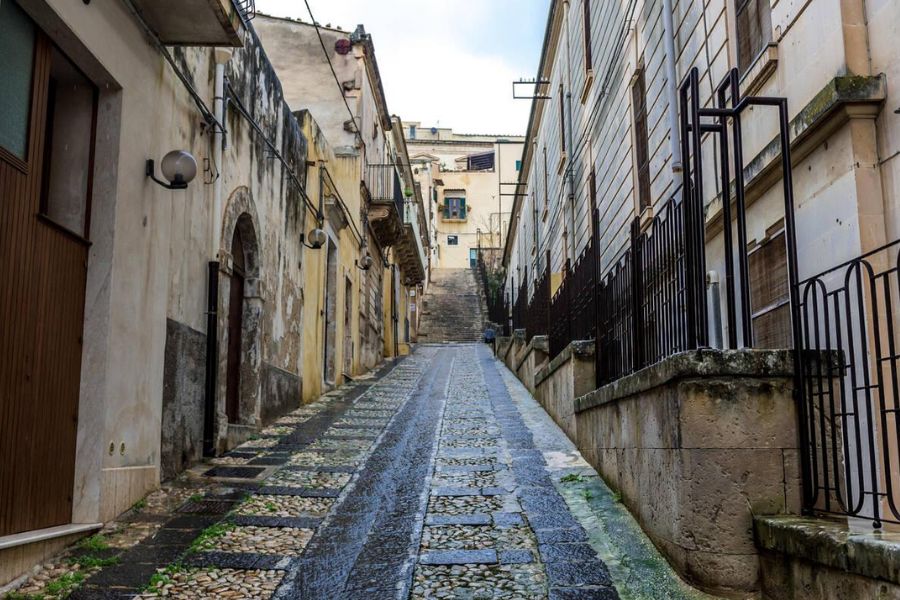
Italian literature seems easier to access here, where the language is everywhere. Even in translation, Dante’s terza rima sneaks into how I jot down my travel notes. The three-line rhythm just works for describing these baroque wonders.
From Sappho to Homer: A Literary Lineage
Sicily sits at the crossroads of old traditions. Sappho, the Greek poet, wrote not far from here, and her sharp, powerful images help me see the island’s beauty.
Homer described these shores in the Odyssey, and sometimes I feel like I’m tracing that journey myself. The “wine-dark sea” from Noto’s heights is still here.
I’ve started a tiny anthology of my own reactions to this place—some psalms, some short hymns to the way sunlight hits a window or how shadows shape a balcony.
Mediterranean images tie all these literary threads together. Through translation, I get to touch those connections, finding my place in this ongoing conversation between poets and place.
Emotions Carried on the West Wind
The west wind in Noto brings more than just the Mediterranean’s scent. It carries old stories—hope, loss, mischief—woven into the golden stone of this baroque town.
Hope and Renewal Amid Ancient Walls
Standing among Noto’s honey-colored buildings, I watched the afternoon sun wake up the limestone. The west wind slid through the streets, carrying hints of hope that have kept this city going for ages.
After the 1693 earthquake, Noto rose from the rubble. What gets me is how disaster led to something beautiful—a real tribute to human resilience.
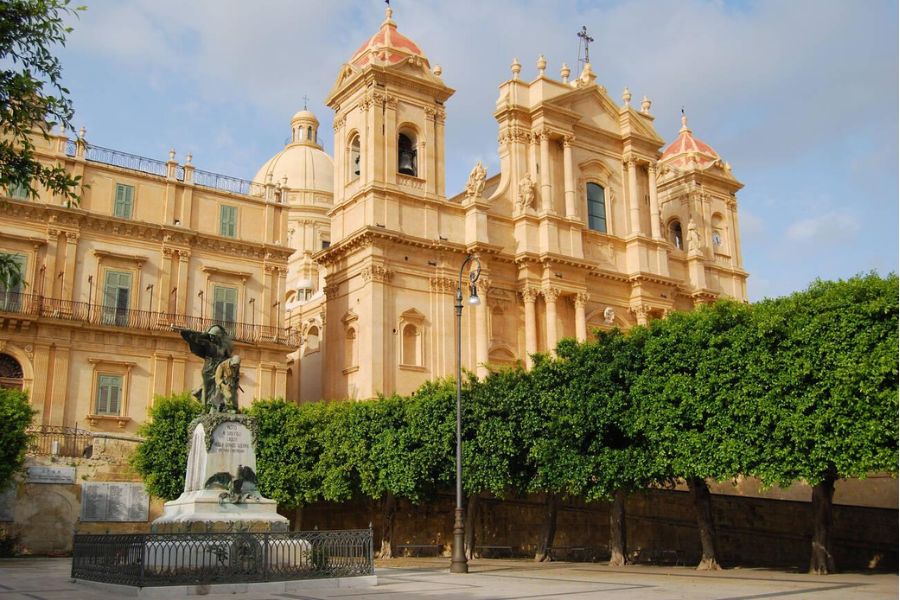
My guide Maria gestured at the Cathedral of San Nicolò, saying, “The stones here remember both destruction and rebirth.” Those steps look like they’re inviting not just visitors, but new beginnings.
The wind here feels different. It seems to bring a sense of starting over, making you believe in fresh chances.
Memories of Toil, Grief, and Blessings
The western breeze tells stories of the hands that built this city. Craftsmen and laborers, mostly forgotten, poured their struggles into beauty after terrible loss.
Inside Palazzo Nicolaci, I ran my fingers over balconies where stone faces grin and grimace. Each one is a mark of the artisans who turned grief into lasting art.
The wind carries old prayers—hopes for good harvests, protection from plagues, gratitude for small mercies. Locals still share their grandparents’ stories about hard times and hard-won joys.
Antonio, a shopkeeper whose family has always lived here, told me, “We understand mortality here. The wind reminds us that wealth comes and goes, but what matters is what we build together.”
The Dance of Discord and Mischief
Not everything the west wind brings is peaceful. Like the ancient Venti, these breezes sometimes stir up trouble in Noto’s golden streets.
I watched afternoon winds spin up little dust devils in the piazzas. Locals call them “i dispettosi”—the mischievous ones—saying they’re the spirits of old pranksters.
Rivalries ride these breezes too. Towns like Modica and Ragusa compete for tourists, each claiming the best baroque architecture and true Sicilian spirit.
Blues musicians in Piazza Municipio at sunset seem to capture this tension. Their songs mix struggle and hope, echoing the uncertainties that drift through the air.

Even in discord, there’s a strange balance here. The wind doesn’t pick sides—it just carries every feeling through the golden streets, mixing them into Noto’s wild, layered personality.
Legacy of Humanity: Stone as Gospel and Masterpiece
In Noto’s golden limestone, I found stories carved by human hands that speak across centuries without words. These sun-drenched structures hold our collective memory, whispering secrets of beauty and truth.
Truth and Beauty Etched in Limestone
I wandered Noto’s narrow streets, running my fingers along warm stone facades that almost glowed from within.
The limestone isn’t just some building material—it’s like a canvas, really, where people have scribbled their gospel of beauty for centuries.
Every carved detail seems to tell a story.
Baroque balconies curve like the lips of ancient gods, almost speaking silent wisdom as you pass by.
The craftsmen who shaped these stones weren’t just masons; they felt more like poets, working in three dimensions.
“Stone remembers what people forget,” Paolo, my guide, said as he pointed out a weathered cherub still smiling even though it had lost its nose.
Somehow, these little flaws make the beauty feel more honest—more human, I guess.
A Compass for Travelers and Dreamers
I’ve seen plenty of beautiful places, but Noto’s golden buildings offer something different.
They don’t just help you figure out where you are; they nudge you to think about why you’re here at all.
It’s like these structures want to ignite something in you, the way Prometheus supposedly brought fire to humanity.
Cathedral Square turns into a giant compass rose at sunset.
Instead of pointing you north or south, the golden light seems to point toward possibilities.
I watched travelers from all over just stand there, completely transfixed, their maps useless in their hands.
The stones almost whisper, “Slow down. Look up. Remember what matters.”
People come here planning to stay for an hour, but they end up lingering for days.
I bumped into a German photographer who had extended his trip three times, just trying to catch that one perfect moment when sunlight turns ordinary limestone into something almost magical.
Reflections on Mortality and the Eternal
These buildings have outlived their creators by centuries.
When I stand before facades that have seen so many human dramas, I can’t help but feel both insignificant and strangely connected to something bigger.
The stone holds fossils—tiny traces of ancient sea creatures, now woven into humanity’s masterpiece.
Time gets weird here, honestly. These buildings will probably outlast almost anything our generation puts together.
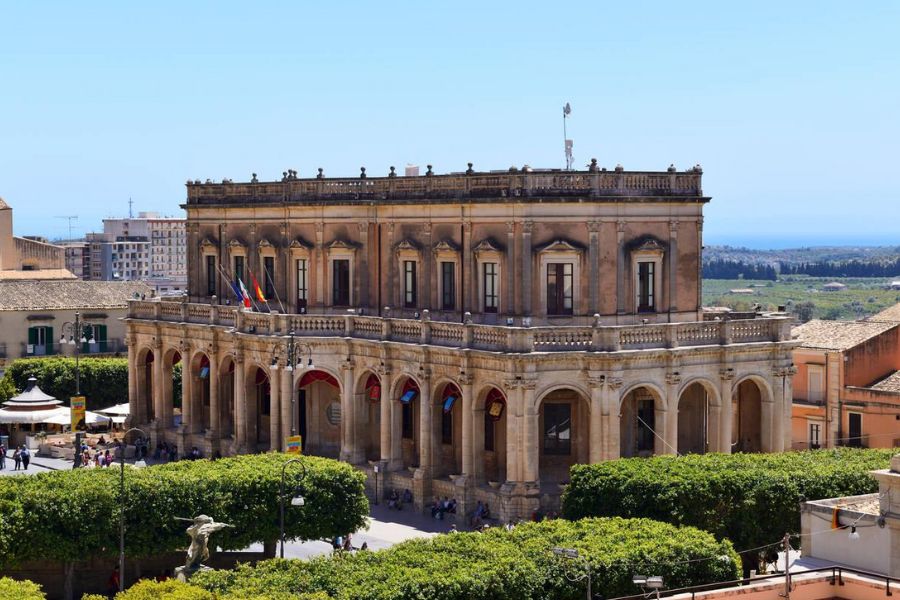
An elderly woman selling almonds near the Ducezio Palace once told me, “We are the offspring of those who built with forever in mind.” Her family has called Noto home for seven generations.
The earthquake of 1693 wiped out everything except hope.
Out of that devastation, this golden city rose up—seems like our most beautiful creations sometimes come out of our darkest hours.
