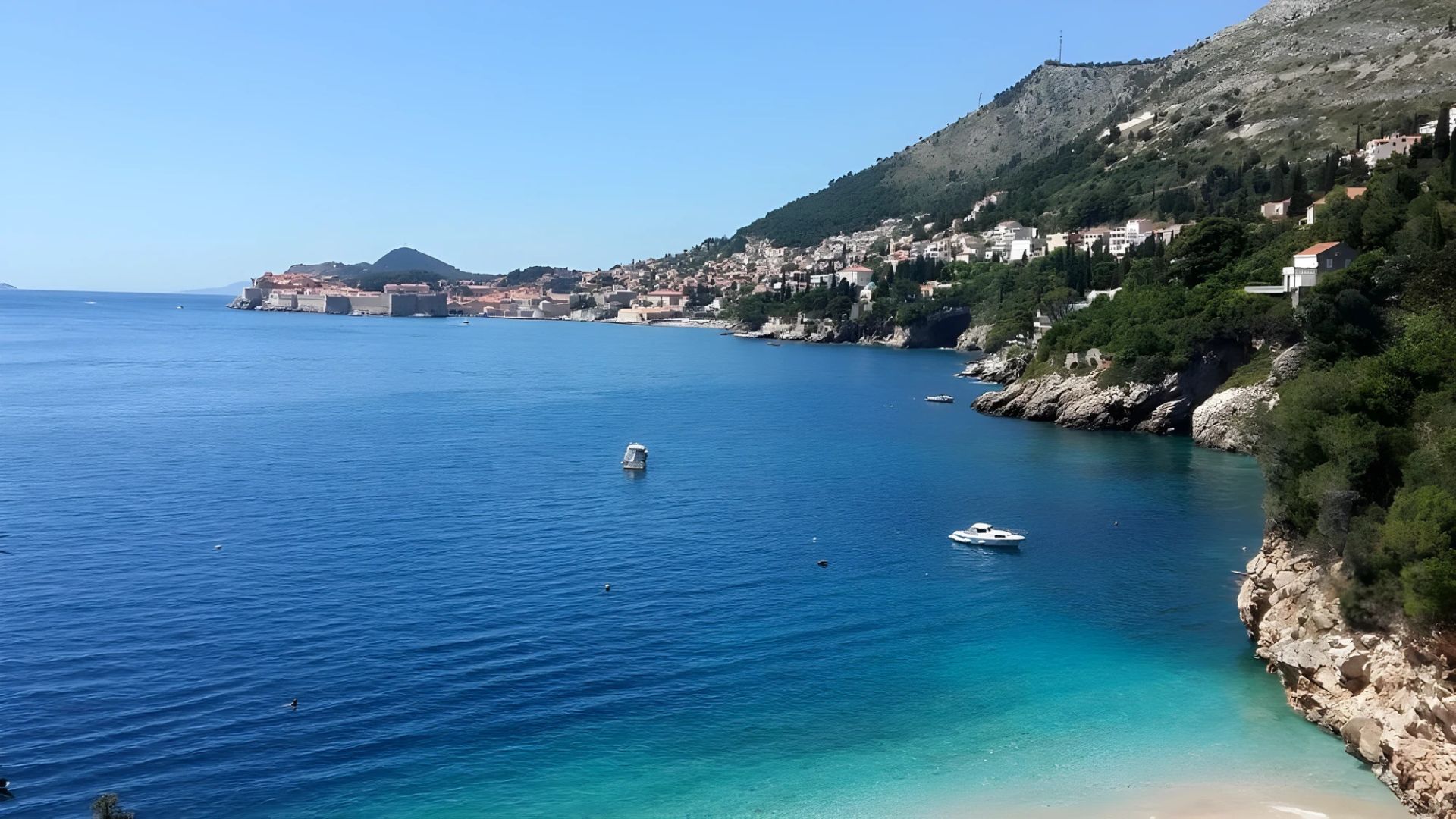
Every year, as the Atlantic hurricane season ramps up, I watch travelers scramble for safer shores. The 2025 forecasts predict 17 to 25 named storms, so finding hurricane-free destinations feels more urgent than ever. Most folks look to the Caribbean, but honestly, those spots still flirt with storm risks. Croatia, though? It’s a whole different game.
Croatia sits entirely outside the Atlantic hurricane basin. That means hurricanes that batter the Americas and Caribbean never touch its shores. Its Mediterranean climate brings warm, sunny days right when Atlantic storms are peaking. That timing alone makes Croatia a perfect escape—and not enough travelers seem to realize it.
Once I dug into Croatia’s geography, the appeal became obvious. Atlantic storm patterns just don’t reach this corner of Europe. When you pair that with Croatia’s famously stable Mediterranean weather, you get an unbeatable storm-free vacation. My own research into hurricane forecasts and Croatian climate data convinced me this isn’t some fluke—it’s a smart move for anyone tired of rolling the dice each summer and fall.
Why Croatia Is a Safe Haven During Atlantic Hurricane Season
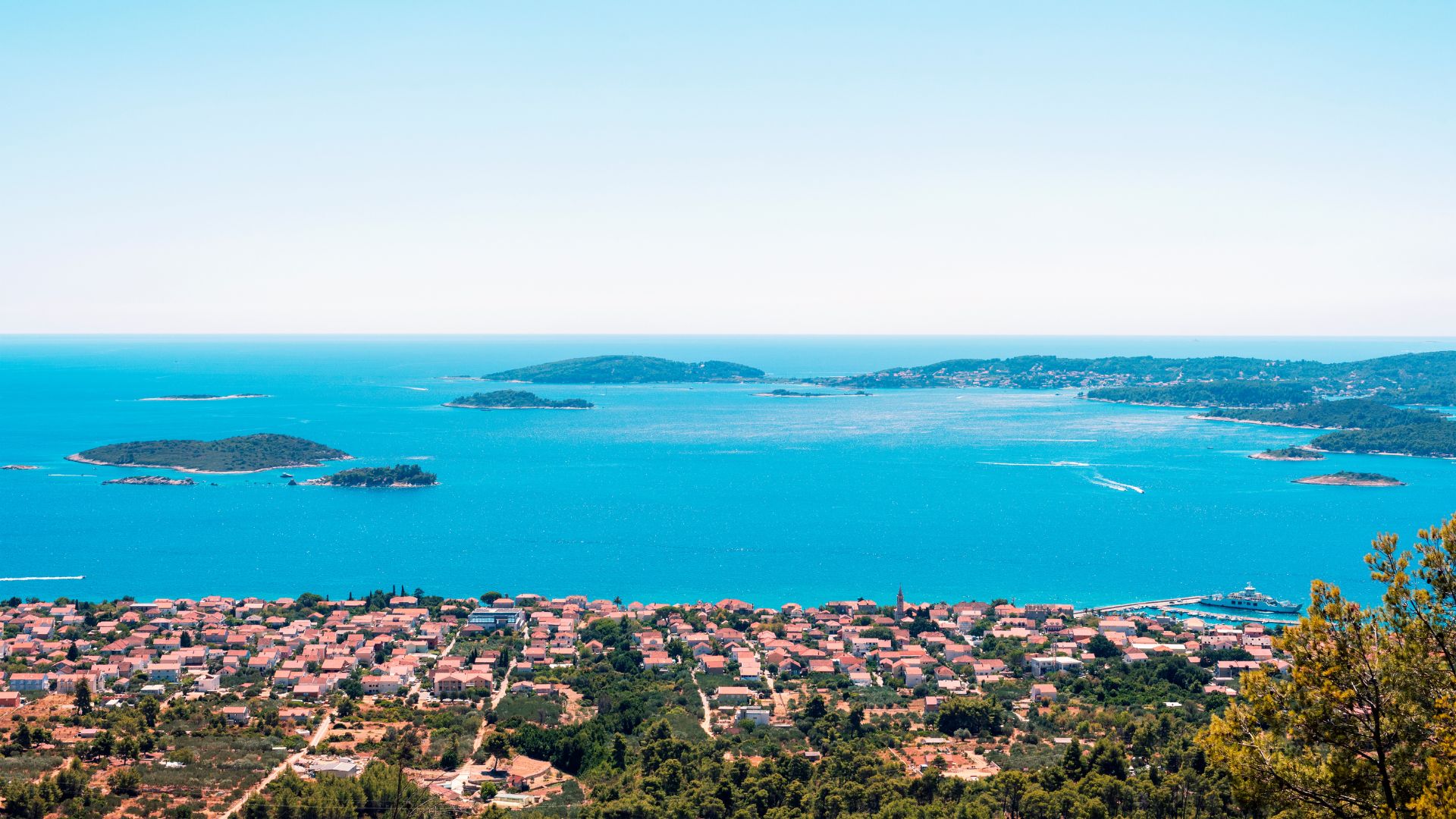
Croatia is thousands of miles from the destructive paths of Atlantic hurricanes. If you’re looking for a truly storm-free spot between June and November, this is it. The Mediterranean climate here stays steady, offering a real refuge when tropical storms threaten popular Atlantic destinations.
Lack of Hurricanes in the Adriatic
Here’s something I love telling people: Croatia has never had a hurricane, not once in recorded history. The Adriatic Sea just can’t cook up the conditions hurricanes need.
Hurricane Requirements vs. Adriatic Reality:
- Water Temperature: Hurricanes need seas above 80°F (26.5°C)
- Ocean Depth: They form over deep, warm layers—think Atlantic-level depths
- Wind Patterns: Certain atmospheric alignments are a must
The Adriatic is too small and shallow. Its deepest point is 4,035 feet, while the Atlantic averages around 12,000 feet.
The worst weather Croatia gets? The “bora” winds. They can be fierce for a couple of days, but nothing like the weeks-long chaos hurricanes bring.
Geographic and Climatic Advantages
Croatia sits in southeastern Europe, far from where hurricanes even begin. This distance brings some real perks for travelers.
Key Geographic Benefits:
- Far from Storm Paths: Over 4,000 miles from Caribbean hurricane zones
- Mountain Protection: The Dinaric Alps shield the coast from severe weather
- Stable Air Masses: European weather systems keep things predictable
Along the coast, summer means a classic Mediterranean climate. Temperatures hover between 75-85°F, and rain is rare from June through September.
Croatia’s weather follows European patterns, not Atlantic ones. So, I can plan trips here without worrying about sudden storms ruining everything.
Comparison to Atlantic Hurricane Belt
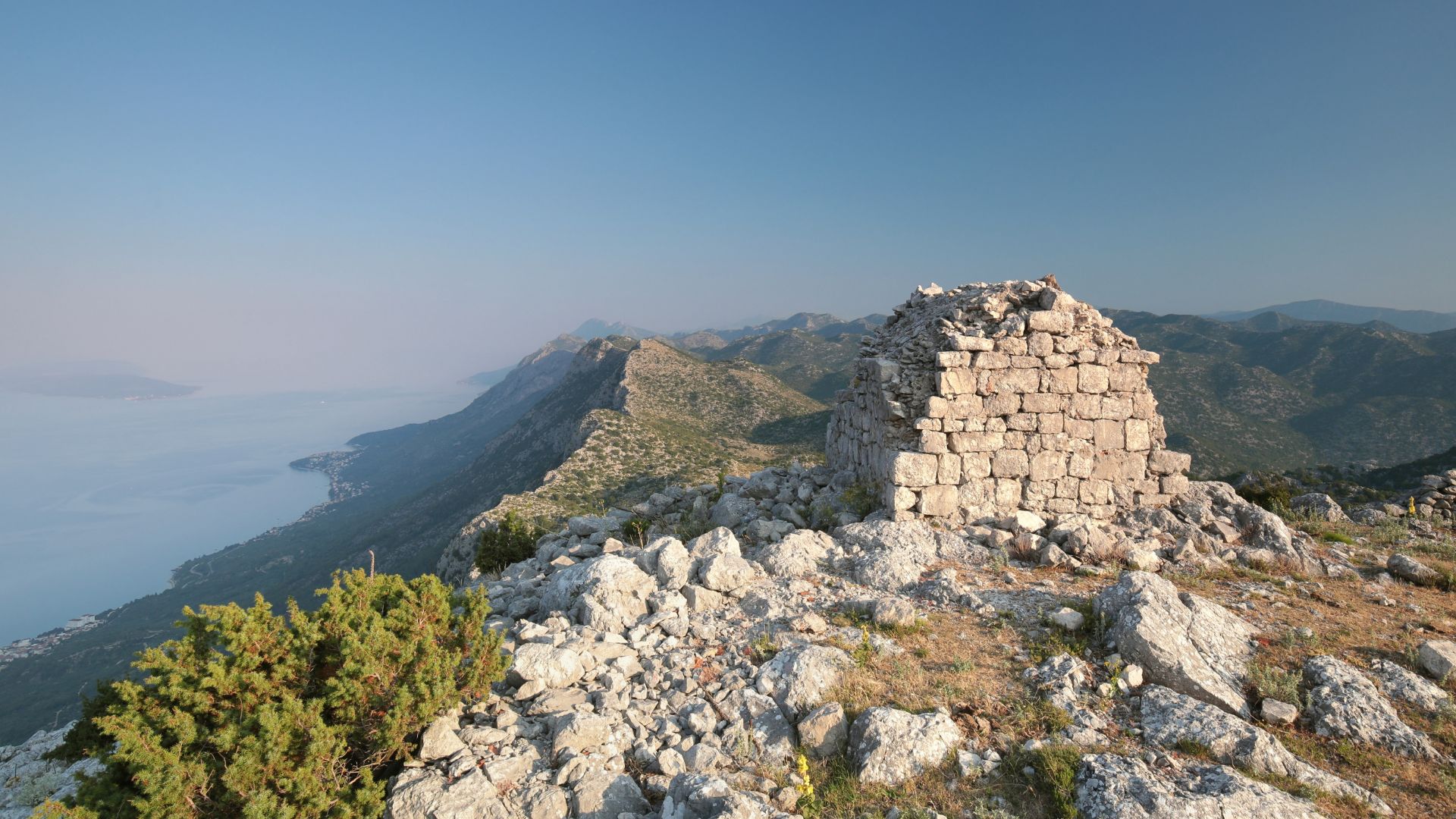
The difference between Croatia and hurricane-prone places gets glaring during storm season. While the Atlantic churns with storms, Croatia just… doesn’t.
Hurricane Season Comparison:
| Location | Storm Risk | Flight Disruptions | Weather Predictability |
|---|---|---|---|
| Caribbean Islands | High | Frequent | Poor (June-Nov) |
| Florida Coast | High | Common | Unreliable |
| Croatia | None | Rare | Excellent |
The Atlantic averages about 12 named storms a year, with half turning into hurricanes. Croatia? Zero, every year.
Travelers heading to the Caribbean often buy pricey travel insurance and keep their plans flexible. In Croatia, you don’t need to worry about hurricane-related headaches. The Adriatic runs on a totally different, much calmer weather system.
Croatia’s Climate During Peak Atlantic Hurricane Months
When hurricanes are at their worst—August through October—Croatia is at its best. The Mediterranean climate keeps things warm and the seas calm. It’s a little surreal, honestly, to be relaxing on a Croatian beach while storms rage across the Atlantic.
Weather Patterns in Late Summer and Early Fall
The Croatian coast shines during hurricane season. August temperatures average 26°C (79°F), and most days are sunny.
September is lovely too, with temperatures around 22°C (72°F). I especially like this time because the crowds thin out, but the weather stays just about perfect.
By October, things cool off to 18°C (64°F). There’s a bit more rain, but it rarely ruins outdoor plans for long.
Inland Croatia sees a bit more variation. Zagreb averages 21-22°C (70-72°F) in August and September, dropping to 12°C (54°F) by October.
The Adriatic Sea helps stabilize coastal temperatures. That maritime influence means you won’t get the wild weather swings you see in hurricane-prone areas.
Croatia’s spot in the Mediterranean keeps it safe from the atmospheric chaos that stirs up Atlantic storms. While hurricanes need open, warm oceans, Croatia benefits from a contained, calmer sea.
Sea Conditions and Water Temperatures
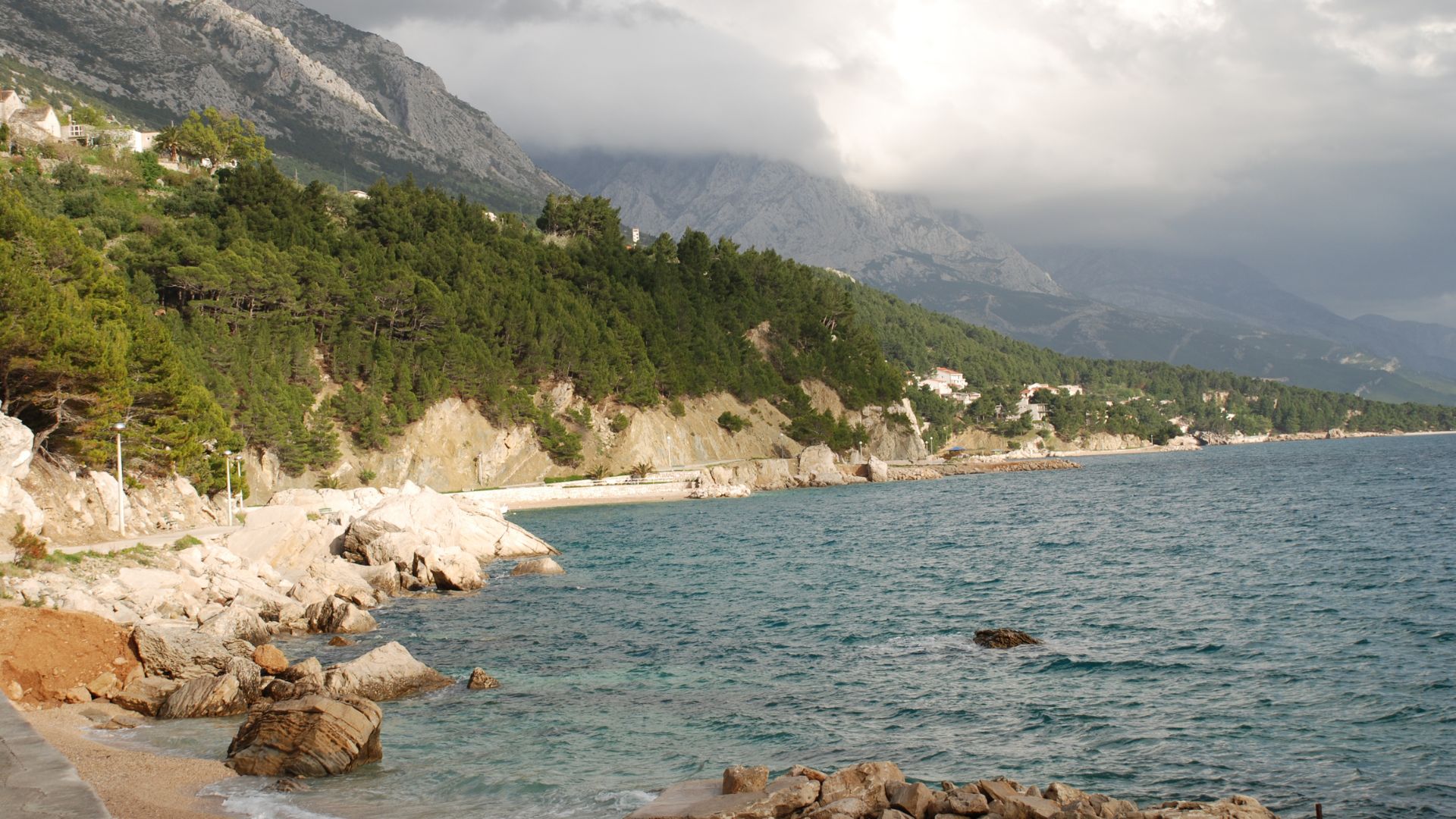
Late summer is when the Adriatic Sea feels like a giant, warm swimming pool. Water temperatures peak at 24-25°C (75-77°F) in August—perfect for swimming or paddleboarding.
September’s waters stay warm at about 22°C (72°F). I’ve found you can enjoy the sea well into fall.
By October, the water cools to around 18°C (64°F). It’s a little brisk, but still swimmable for many, and way calmer than the hurricane-tossed Atlantic.
Sea conditions remain steady and gentle. The Adriatic’s enclosed shape means you won’t get those dangerous swells or surf that hurricanes whip up elsewhere.
Winds like the mistral and bora show up, but they’re predictable—great for sailing, not so much for drama.
Underwater visibility? It’s fantastic. Divers and snorkelers get clear views, even when the Caribbean might be off-limits due to storms.
Typical Cyclonic Activity in the Region
Croatia just doesn’t get tropical cyclones during peak hurricane months. The Mediterranean’s geography and cooler waters keep big storms away.
Medicanes—those rare Mediterranean hurricanes—do pop up occasionally, but they’re much weaker than their Atlantic cousins.
The Adriatic’s narrow width and limited space mean storms can’t really grow here. It’s nothing like the vast, storm-breeding Atlantic.
El Niño patterns that mess with Atlantic hurricanes barely touch Croatia. The Mediterranean climate does its own thing.
Most weather systems here stay calm and predictable. When a low-pressure system does show up, it usually brings a bit of rain and clears out in a day or two.
Atlantic Hurricane Trends and the Science Behind Seasonal Risks
NOAA and Colorado State University research shows that Atlantic hurricane seasons are getting more unpredictable. For 2025, they’re expecting 17 named storms and above-average activity. Let’s dig into how the experts track these patterns and what the science says about hurricane risks.
Role of Colorado State University in Hurricane Forecasts
Colorado State University’s TC-RAMS Team leads the charge on Atlantic hurricane prediction. Their 2025 forecast? 17 named storms, 9 hurricanes, and 4 major hurricanes.
They base these predictions mostly on sea surface temperatures in the eastern Atlantic and Caribbean. Warmer water in spring means weaker high pressure, which means less wind to cool the ocean down.
That process keeps the Atlantic warm through peak hurricane months—August to October.
Key CSU prediction factors:
- Atlantic Ocean temperature patterns
- Atmospheric pressure shifts
- Wind shear readings
- Historical storm data
Accumulated Cyclone Energy and Major Hurricanes
Accumulated Cyclone Energy (ACE) adds up the total punch of all tropical cyclones in a season. Major hurricanes—those with winds over 111 mph—rack up the most ACE points.
The 2025 forecast expects ACE to be 125% above average. That’s mostly because the Atlantic is running warmer, which fuels more intense storms.
NOAA’s data shows hurricane seasons are swinging more between quiet and wild years. “Normal” years are getting rare.
Major hurricane basics:
- Category 3, 4, or 5
- Winds above 111 mph
- Big ACE contributors
- High risk for coastal damage
Predictive Models and Their Influence
Scientists run a mix of forecasting models to predict hurricane seasons. These models look at ocean temps, atmospheric patterns, and past weather to build their outlooks.
NOAA’s Atlantic Oceanographic and Meteorological Lab tracks how hurricane patterns change from year to year. Their research points to more erratic season activity.
Predictive models help emergency managers and travelers prepare. Still, the real impact comes down to each storm’s path, not just the season’s storm count.
For 2025, models show above-average subtropical eastern Atlantic temperatures. That usually means more storms forming and strengthening.
Understanding When and Why to Escape
Atlantic hurricane season runs from June 1 to November 30, but August and September are the wildest months. El Niño and other climate quirks can really shake up storm intensity and frequency.
Timing Your Departure from Hurricane-Prone Regions
If you’re planning to leave hurricane zones, shoot for August or September—those are the stormiest months.
Best departure windows:
- Early August: Before peak storms hit
- Late May: Just before the season kicks off
- Early October: When activity usually drops
Watch the forecasts closely, especially two weeks before your trip.
A lot of travelers swear by leaving in early August. That way, you dodge the worst storms and still catch great weather in places like Croatia.
Things to keep in mind:
- Storm patterns in your area
- Historical storm data for your location
- Flexibility—try to keep your travel dates loose by a few days
Identifying the Most Active Periods of the Atlantic Season
The Atlantic hurricane season follows a pretty clear rhythm. Most action happens between mid-August and late September.
Monthly breakdown:
- June-July: 10% of storms
- August: 25%
- September: 35%
- October: 20%
- November: 10%
September stands out for the biggest, baddest storms. I always keep a close eye on this month when planning my own escapes.
Roughly 80% of major hurricanes spin up between August 15 and October 15. That’s the sweet spot for finding a safer place to be.
Impact of El Niño and Other Climatic Factors
El Niño throws a wrench in hurricane season by creating wind shear that breaks up storm formation. During El Niño years, storm numbers drop by 40-60%.
El Niño effects:
- Stronger upper winds tear storms apart
- Cooler seas mean less fuel
- Jet stream shifts make conditions rough for hurricanes
La Niña does the opposite, ramping up storm numbers and intensity.
Other things I watch:
- Atlantic Multidecadal Oscillation: Sets long-term cycles
- Saharan dust: Chokes off storm development
- Sea temps: Hotter water, stronger storms
Knowing these patterns helps me pick the best time to leave—and Croatia, every time, is high on my list for a worry-free, sun-soaked escape.
Travel Planning: Making the Most of Croatia as an Atlantic Refuge
When Atlantic hurricanes mess up Caribbean or coastal plans, Croatia steps in with its steady Mediterranean climate. If you want the best weather and a break from the summer crowds, I’d zero in on the Dalmatian Coast between May and October. Here’s why.
Best Destinations and Activities in Croatia
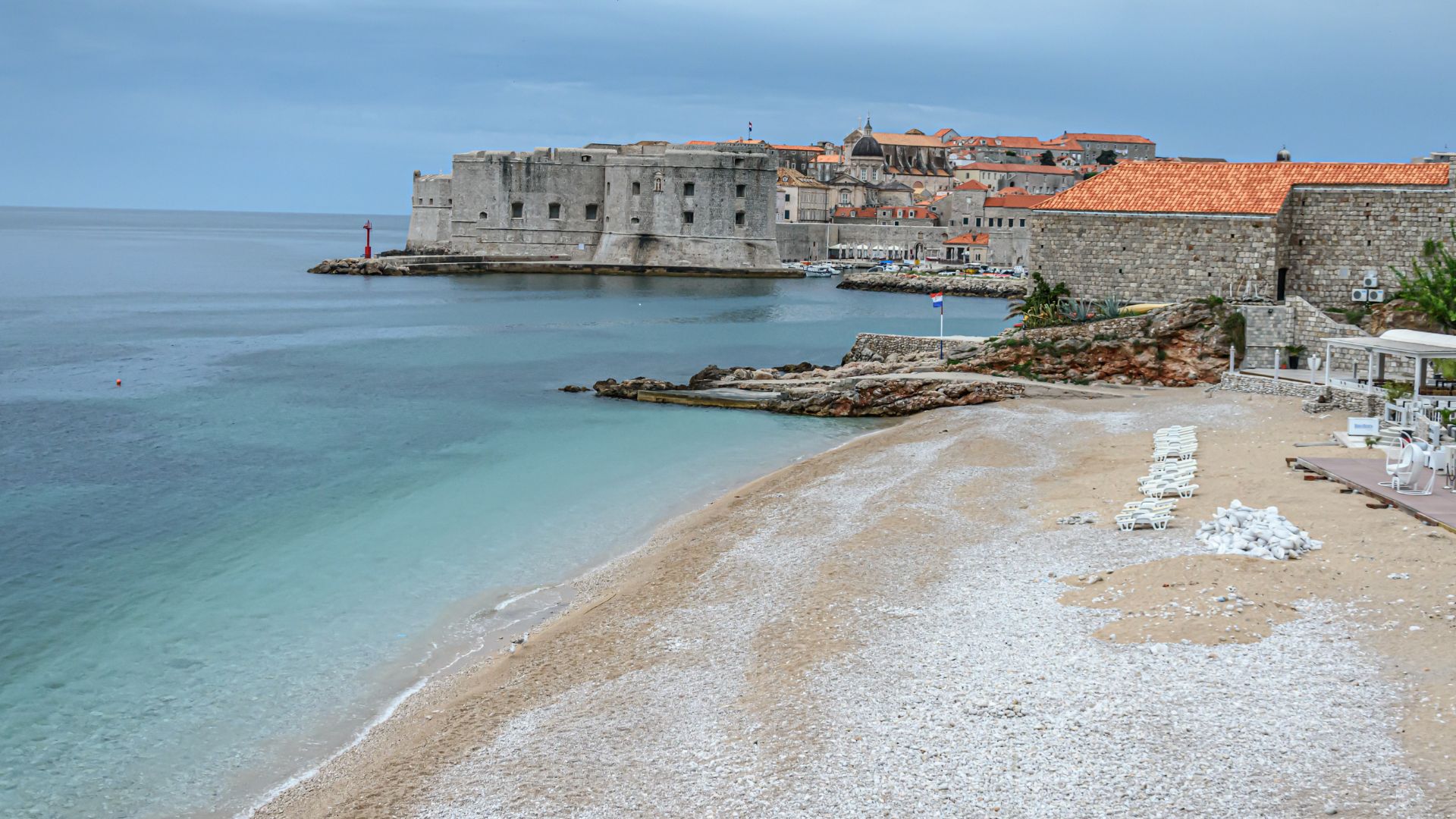
Let’s start with Dubrovnik. For a first-timer, this city is a gem. The old city walls and winding streets pull you right into history, and you don’t have to worry much about the weather ruining your plans.
Now, Split—it’s got that perfect blend of ancient Roman ruins and modern city buzz. I wandered through Diocletian’s Palace for hours, and honestly, it’s a great spot whether the sun’s out or not.
If you love a bit of adventure, try island hopping from Split. Ferries make it easy. Hvar is lively, Korčula has this laid-back, wine-loving vibe, and Brač feels like a peaceful escape.
| Destination | Best For | Travel Time from Split |
|---|---|---|
| Hvar | Beaches, nightlife | 1-2 hours by ferry |
| Korčula | Wine, history | 2-3 hours by ferry |
| Brač | Quiet beaches | 45 minutes by ferry |
Don’t skip Zagreb either. The city’s museums and galleries kept me entertained when the weather turned. Zagreb keeps things cozy all year long.
If I had to pick, I’d book a stay somewhere in Dalmatia. The weather’s reliable, and storms almost never mess with your plans.
Safety and Preparedness Tips
Croatia feels safe—especially compared to places hit by hurricanes. Before you hop on a ferry, check the weather. Trust me, it’s worth the extra minute.
Save emergency contacts like your embassy and local emergency services (112) in your phone. It’s one of those things you hope you never need, but you’ll be glad if you do.
Download offline maps before you head to the islands. Some smaller spots lose cell service, and you don’t want to get lost.
Don’t forget travel insurance. Croatian healthcare meets European standards, but a little backup never hurts.
Keep digital copies of your passport and tickets in the cloud, and stash paper copies somewhere separate. I learned that one the hard way.
If you’re island hopping, have a backup plan for transportation. Ferries rarely cancel, but rough weather can surprise you.
Stay tuned to local news and weather updates. Croatia’s meteorological services usually get it right, and you’ll want to know if anything changes.
Travel Insurance and Booking Flexibility
Let’s be honest—comprehensive travel insurance isn’t just a box to check off. When you’re trying to dodge hurricane chaos, you’ll want a policy that covers trip cancellations and medical emergencies. I always go for the option that gives me peace of mind.
You’ll want insurance with high medical coverage. Shoot for emergency evacuation coverage over $100,000—trust me, you don’t want to skimp here.
Thinking about “Cancel for Any Reason” (CFAR) coverage? Yeah, it’s pricier, but it’s the ultimate safety net. Just remember to buy it within 14-21 days after your first trip payment. I learned that the hard way once.
I always try to book accommodations with free cancellation policies. In Croatia, I’ve noticed a lot of hotels give you flexible booking terms, which is a huge relief.
When hurricane season threatens your plans, flight flexibility becomes a lifesaver. I look for airlines with easy change policies—some make it painless, others… not so much.
Don’t wait until the last minute to buy insurance. Grab it before any named storms pop up. Once a hurricane gets a name, insurance companies won’t cover it since it’s now a “foreseeable event.” That’s a sneaky little rule.
From what I’ve seen, Croatian accommodations usually offer better cancellation terms than most cruise lines. That gives you a bit more control over your travel plans, and honestly, who doesn’t want that?