
I’d always heard about this Greek island where people just… keep living. Past 100. No heart disease, no dementia. It sounded almost mythical, so I booked a ticket to Ikaria to see what was really going on.
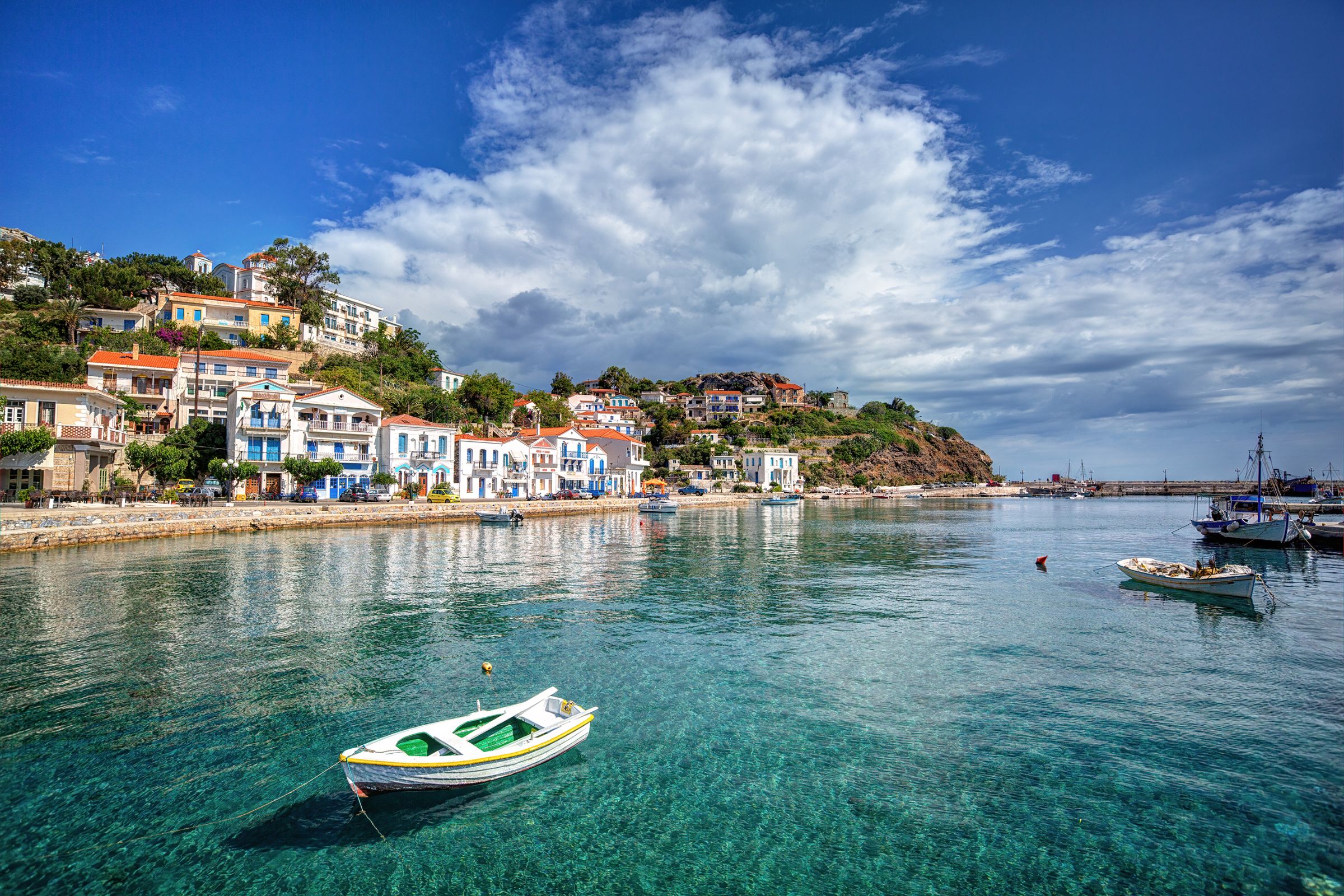
Ikaria floats in the eastern Aegean, tucked away from the usual tourist chaos. It’s one of the world’s five Blue Zones, and the numbers are wild—residents live about ten years longer than most Europeans, and one in three makes it to their nineties.
When I arrived, I realized longevity here isn’t just about what’s on your plate or how much you move—it’s this whole approach to life.
Wild greens from the hills, honey straight from backyard hives, long afternoon naps, families that actually like each other, and parties that don’t end until the sun’s up again. The “island where people forget to die” didn’t earn its nickname from fancy medicine or strict health routines—it’s the simple, daily stuff anyone could (maybe should?) try.
But what really got me wasn’t just the years people rack up here—it’s how they fill them. Time feels different on Ikaria. Villages come alive with wild panigyria festivals that everyone—yes, everyone—joins. Maybe the real secret is learning to let stress go and lean into community in ways most of us have forgotten.
The Uniqueness of Ikaria and the Blue Zone Phenomenon
Ikaria doesn’t just sit on a map—it stands out as one of only five Blue Zones on earth. People here routinely hit their 90s and beyond, and chronic disease barely registers.
The island’s landscape is wild and rugged, and that shapes how people live. Traditions run deep, and social bonds aren’t just nice—they’re necessary.
Geography and Setting in the Aegean
Ikaria sits in the eastern Aegean, and you really feel its remoteness. Craggy mountains and winding paths mean walking is just part of daily life.
Getting from house to bakery? That’s a hill climb. Fetching water? More steps. No one’s counting calories here—they’re burning them just living.
The island’s isolation has kept old ways alive. Modern stressors seem to bounce off the cliffs and disappear into the sea.
With the bright blue Aegean always in sight, there’s a calm that settles over you. It’s hard to stay anxious when the world looks like this.
Here, the landscape shapes routines. Daily errands become mini workouts, and nobody calls it “exercise.”

What Makes Ikaria a Blue Zone
Dan Buettner and his team didn’t just stumble on Ikaria—they studied it for years. People here are several times more likely to see 90 than almost anywhere else.
Cancer, heart disease, diabetes? Rare. Dementia? Even rarer.
The Ikarian diet stands out. Think homegrown veggies, wild greens, beans, and not much sugar or meat.
Here’s what you’ll find on their tables:
- Fresh-picked vegetables and wild plants
- Goat milk and sticky, fragrant honey
- Herbal teas packed with antioxidants
- Red wine, but always with friends
- Olive oil—basically on everything
Afternoon naps aren’t a luxury; they’re a way of life. People listen to their bodies and rest when they need it.
Herbal teas brewed from rosemary, sage, and oregano do more than taste good—they help lower blood pressure naturally.
Role of Community and Social Ties
Family isn’t just important here—it’s everything. Multiple generations usually share a roof.
Grandparents help raise the kids and keep homes humming. Older folks stay busy and connected, never shunted aside.
Living alone? That’s almost unheard of. People stick together, so social isolation barely exists.
Evenings are for wine and conversation. Neighbors drop by, stories flow, and the bonds between people just get stronger.
The elderly aren’t sidelined—they’re cherished. They stay involved, respected, and never left behind.
Religious festivals and village celebrations happen all the time. Shared experiences knit everyone closer.
Uncovering the Longevity Secrets of Ikaria
Ikarians don’t just live long—they live well. Their daily routines keep stress low and bodies moving.
It’s not complicated. Sleep, movement, and community—those are the pillars.

Daily Habits of Ikarians
Centenarians here don’t use alarm clocks. Mornings start slow, with the sun and the sound of roosters.
Herbal teas kick off the day—mountain tea and sage are everywhere, and people pick them fresh.
Breakfast isn’t rushed. Coffee with neighbors can stretch for hours, and nobody’s in a hurry.
Here’s what a typical day looks like:
- Wake up naturally
- Brew herbal teas, skip the coffee jitters
- Eat slowly, always with company
- Spend time outdoors—gardening, walking, chatting
- Head to bed when the sun dips
Watches? Not really a thing. People let the sun set the pace.
Dinner happens late. Families gather around 8 or 9 PM, sharing stories and laughter.
The Power of Napping and Sleep
Afternoon naps are sacred. Shops close between 2 and 5 PM, and everyone gets a little rest.
Studies show naps cut heart disease by 37%. Ikarians take theirs seriously—30 minutes most days, no guilt.
Typical sleep habits:
- Bedtime around 10 PM
- Up with the sun, around 6 or 7 AM
- Daily naps after lunch
- No screens or bright lights after dark
Most people sleep 8-9 hours a night. Bedrooms stay dark and quiet—no phones, no TV.
Good sleep keeps minds sharp and bodies strong. Ikarians guard their rest the way others guard their work hours.
The Importance of Physical Activity
Gyms? Not really. People here stay fit by living.
I watched 90-year-olds tending gardens at dawn. Goats need checking, hills need climbing, and the village center is always a walk away.

Movement comes naturally:
- Gardening and farming
- Trekking up and down hills
- Dancing at every festival
- Swimming in the sea
- Hauling water and supplies
Mountains force people to walk uphill every day. It’s just life, not a workout.
Greek dancing lights up every celebration. Everyone joins in, from toddlers to nonagenarians.
I met farmers still working their land at 95—moving slower, sure, but still moving.
Traditional Ikarian Diet and Key Ingredients
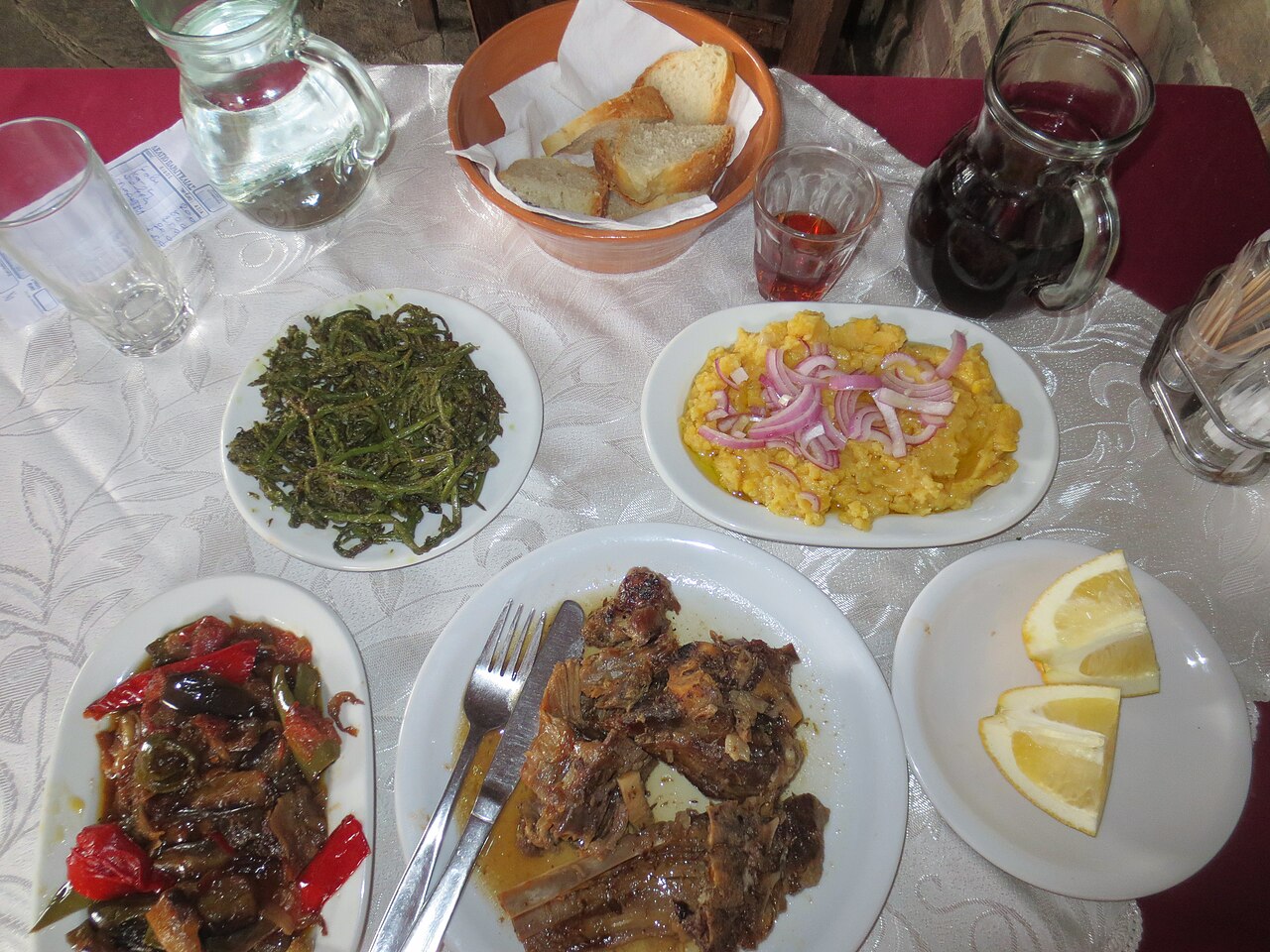
Ikaria’s food is Mediterranean at its heart, but with twists you won’t find anywhere else. Three staples come up again and again: pure local honey, extra virgin olive oil, and naturally fermented wine. Wild greens and herbs round out every table.
Mediterranean Diet in Ikaria
Ikarians eat mostly plants—veggies, legumes, and fruit from their own gardens.
Eating with the seasons is non-negotiable. Summer brings tomatoes and squash; winter is for wild mushrooms and thick leafy greens.
Meals feature:
- Legumes: Chickpeas, lentils, black-eyed peas
- Veggies: Onions, garlic, whatever’s fresh
- Grains: Whole wheat bread, barley
- Fish: Whatever the sea offers
- Meat: Rare, saved for special days
Cooking is simple—boiled, roasted, or sautéed. No fancy techniques, just pure flavors.
People eat small portions throughout the day and almost never eat alone.
Olive Oil: Liquid Gold of the Island
Olive oil here is everywhere—on salads, in soups, even drizzled over bread.
The olive trees grow in volcanic soil, which packs the oil with antioxidants and anti-inflammatory power.
Locals down 3-4 tablespoons daily. They pour it on:
- Greens and veggies
- Bean soups and stews
- Fresh salads
- Grilled fish
Families harvest olives by hand and press them at tiny village mills. No chemicals, no shortcuts.
This liquid gold guards against heart disease and helps the body soak up vitamins.
Wild Greens and Herbal Teas
Mountain slopes burst with wild greens—dandelions, purslane, wild fennel. I learned to spot them during walks with locals.
Horta (wild greens) get boiled, then doused in olive oil and lemon. Wild plants pack more nutrients than garden-variety veggies.
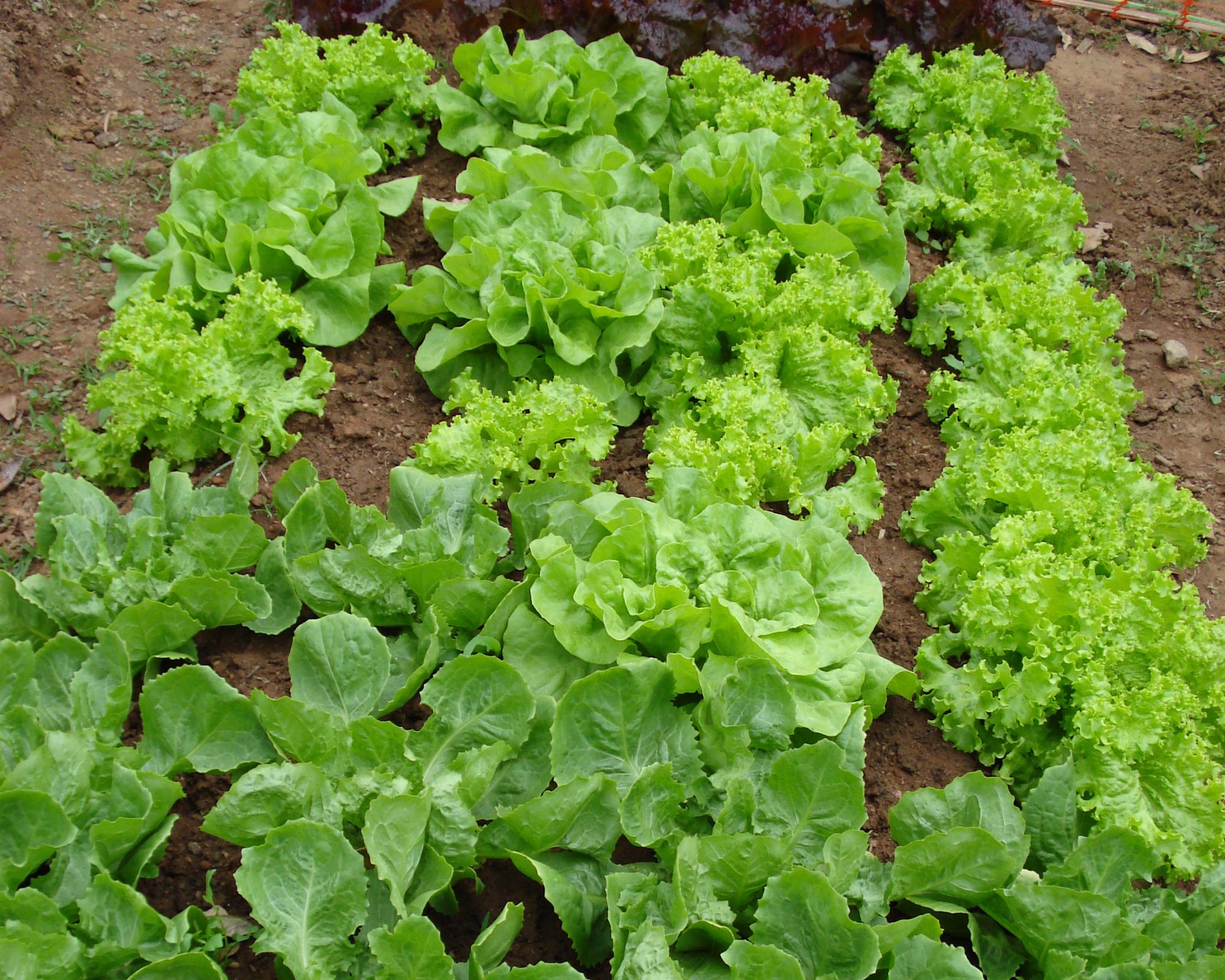
You’ll see:
- Dandelion leaves
- Wild spinach
- Purslane
- Wild leeks
- Stinging nettle
Mountain tea grows wild here—locals call it sage or Greek mountain tea. I drank it every day, and honestly, I miss it.
It’s loaded with antioxidants and believed to help with digestion and immunity.
Chamomile, oregano, and wild mint teas also show up often. People gather and dry these herbs for winter.
Red Wine and Local Beverages
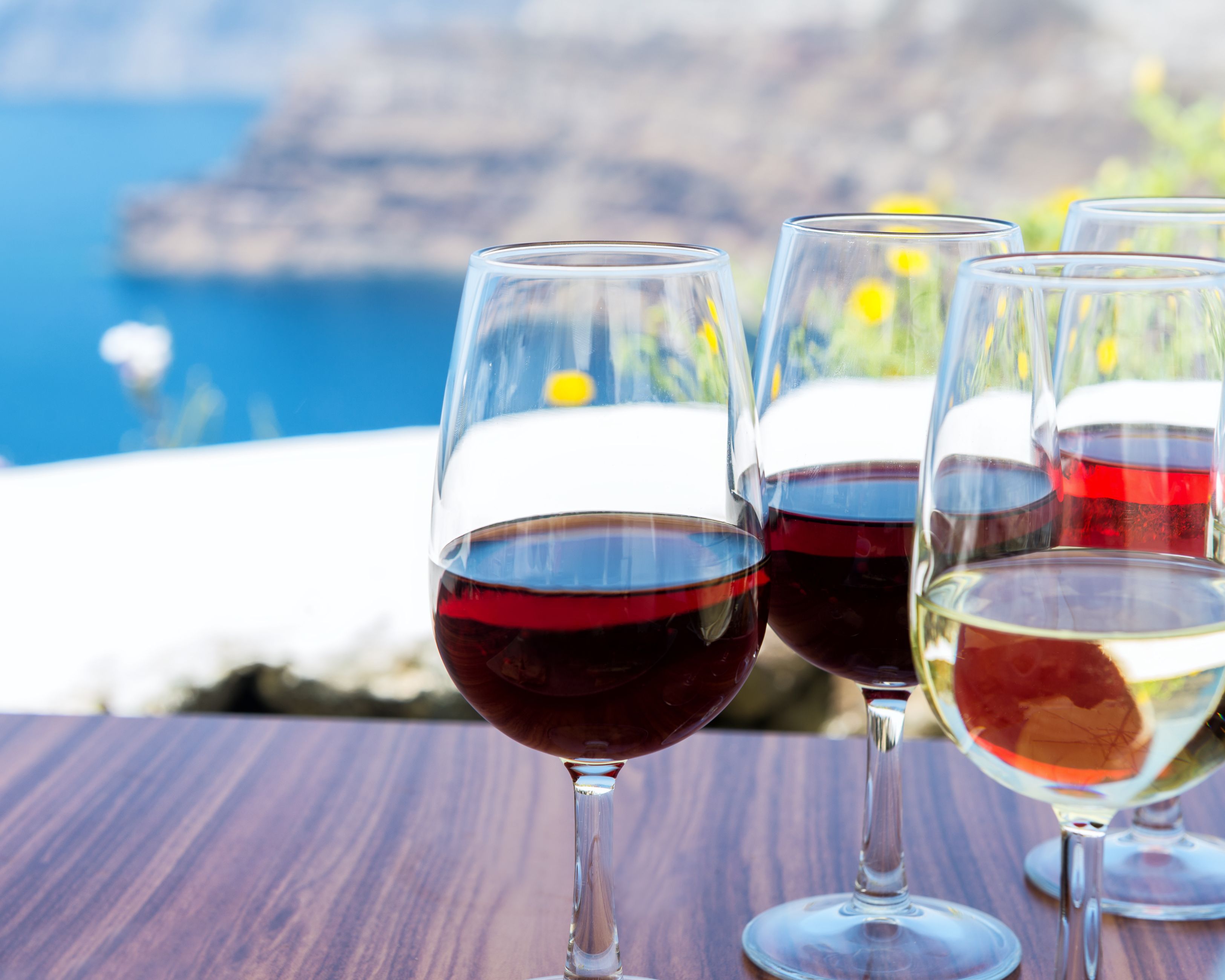
Red wine is a staple at meals. It’s homemade, naturally fermented, and totally free of additives.
Locals always dilute their wine with water—an old Greek trick that keeps the alcohol low but the benefits high.
The wine is rich in flavonoids, which may fight heart disease and cancer.
How they drink it:
- 1 part wine, 1 part water
- Always with food, never solo
- Usually made from backyard grapes
Besides wine, you’ll find strong Greek coffee and lots of herbal teas. Sugary drinks? Not really a thing.
Fresh spring water runs from the mountains, loaded with minerals that support health.
The Spirit of Ikaria: Mindset, Culture, and Letting Go
Ikarians have a way of living that’s hard to describe until you see it. They let go of the clock, lean into community, and stress just doesn’t stick the way it does elsewhere.
Ikarian Attitude Toward Time
Time is… flexible. Shop owners might sleep until 3 PM and open up at 6 PM—no stress, no apologies.
Clocks don’t run the show here. People do what feels right. Sleeping late? Totally fine.
How time works here:
- No rushing, no deadlines
- Meals can stretch for hours
- Social gatherings pop up out of nowhere
- If it doesn’t get done today, there’s always tomorrow
This laid-back approach melts away the pressure most of us carry. Locals take breaks when they feel like it. Rest and joy outrank productivity.
It’s not laziness—it’s choosing well-being over hustle. Maybe that’s why stress-related illness barely exists here.
Communal Living and Generosity
Community is everything. Neighbors know each other, help each other, and show up when it matters.
I watched people drop by for coffee or wine, unannounced. These visits often turned into long evenings full of laughter.
Community looks like this:
- Shared meals and festivals
- Helping with chores
- Financial help when times are tough
- Deep respect for elders
Older folks stay active and involved. Their wisdom is valued, not ignored.
This social net keeps loneliness at bay. People know they aren’t alone, no matter what.
The Art of Stress-Free Living
Ikarians don’t let stress run their lives. They put problems in perspective and often just laugh them off.
I saw locals pause work to chat or take a walk. Pressures never pile up the way they do elsewhere.
How they keep stress away:
- Laugh off the little stuff
- Take breaks, often
- Focus on what’s happening now
- Accept what they can’t change
When life gets tough, Ikarians stay resilient. Some things work out, some don’t, and that’s okay.
Problems exist here too, but people have learned to worry less and live more. Maybe that’s the real secret to their long, joyful lives.
Wild Panigyria: Celebrations and Traditions That Shape the Ikarian Lifestyle
Panigyria festivals on Ikaria are so much more than just village parties—they’re honestly the heartbeat of this wild Greek island. These all-night religious feasts draw people close, keeping ancient traditions alive in ways that might even explain why Ikarians seem to live forever.
Origins and Significance of Panigyria
Panigyria started as religious celebrations for saints’ name days and big Christian holidays. Every village throws its own bash, especially when summer rolls around.
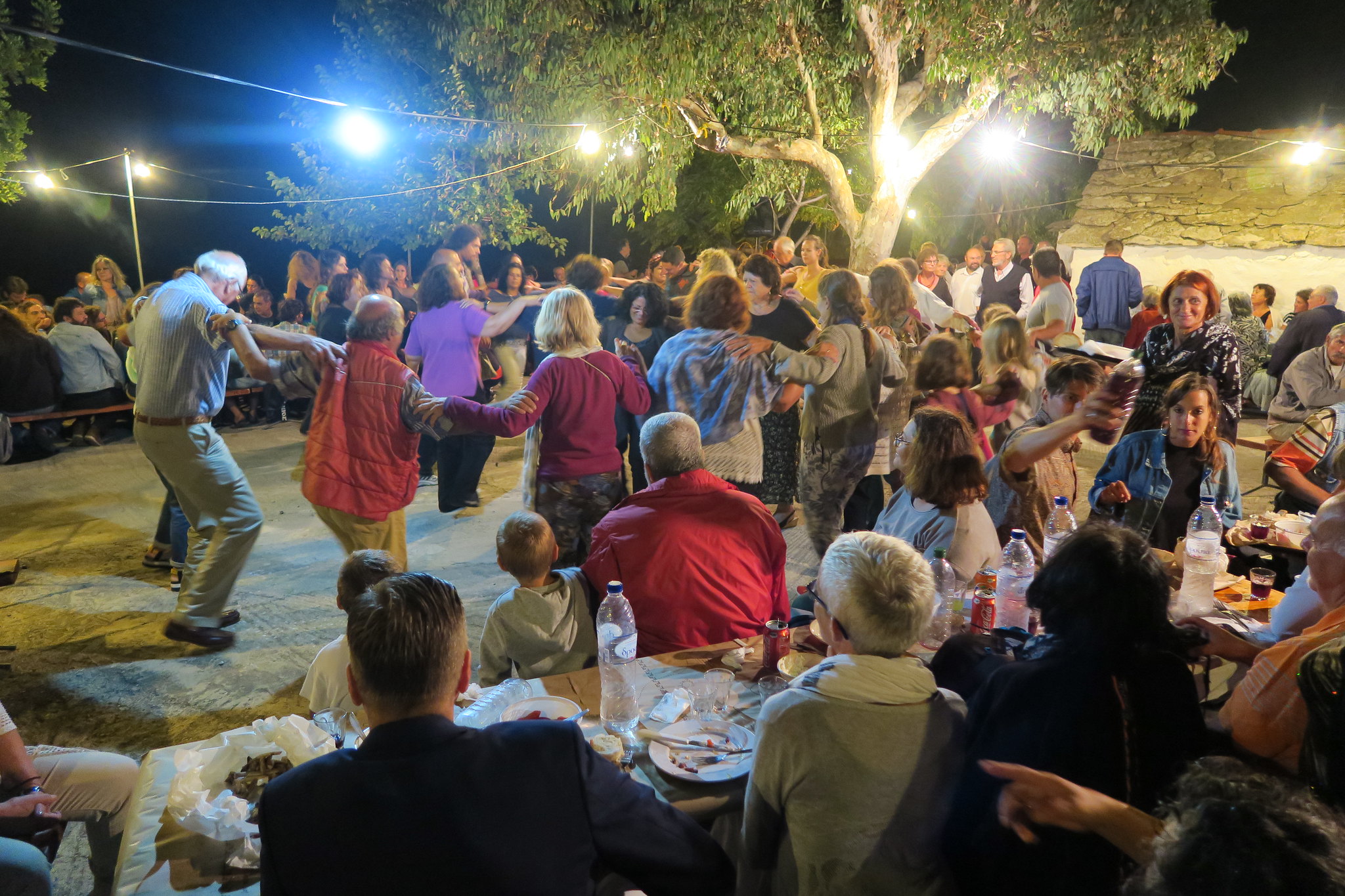
Image Source: Flickr
The word “Panigyria” actually has roots in ancient Greek. These gatherings tie today’s Ikarians to their ancestors, who once honored Dionysus—the original party god if you ask me.
Key aspects of traditional Panigyria:
- Kick off in the early afternoon
- Keep going until the sun comes up
- Happen in the village square or out in the countryside
- Celebrate a specific saint or religious moment
You won’t find touristy gimmicks here. Locals handle every detail themselves, and there’s not a commercial sponsor in sight.
Picture four generations all dancing together. Grandparents, parents, kids, and grandkids form these big circles—a real symbol of how tight-knit families are on the island.
Music, Dance, and Community
At the center of every Panigyria, you’ll find the Ikariotikos dance. It’s a circle dance, and honestly, anyone can jump in—age and background don’t matter.
Musicians set the vibe with violin, drums, and a bunch of other folk instruments. The music starts off slow, but it doesn’t stay that way for long.
Traditional festival elements include:
- Live folk bands playing well into the night
- Circle dances where strangers and locals link arms
- Platters of goat stew and wild greens
- Local Ikarian wine that never seems to run out
During my own visit, I watched strangers and locals form a circle, arms linked, moving as one. There’s something about the dance that makes people feel like old friends, even if they just met.
Tables overflow with homemade food, and it’s all thanks to the village families. People pitch in however they can—some cook, some serve, others just help clean up.
These festivals really hold the community together. I’ve noticed that this web of support keeps even the oldest residents active and included, long after the party ends.
Cultural Rituals Related to Longevity
Panigyria—those lively, music-filled festivals on Ikaria—seem to play a big part in why folks here live so long. These gatherings melt away stress and pull everyone together in a way that feels rare these days.
Longevity-supporting elements:
- Physical activity: Hours of dancing that can leave your feet sore but your spirit high
- Social bonding: Generations mix and mingle, swapping stories and laughter
- Moderate wine consumption: Locals pour just enough from their own vineyards
- Community support: Neighbors genuinely look out for each other
All-night dancing isn’t just for the young crowd. Grandparents often outlast everyone on the dance floor, staying fit without even thinking about it.
Meals get shared, and the wine flows—but never too much. It’s classic Mediterranean: fresh food, family-style tables, and wine made from grapes that soak up the island’s mineral-rich soil.
Mental health? It’s not just a buzzword here. People feel needed. Elders often take the lead, planning festivities and keeping traditions alive.
Looking forward to the next festival adds a spark to everyday life. There’s always something on the horizon, and that sense of anticipation gives everyone a reason to keep going.


