
Japan has this undeniable pull for solo travelers from the US. There’s something about the way modern cities blend with centuries-old traditions that just makes you want to explore on your own terms.
Honestly, Japan is one of the safest countries for solo travelers. Crime rates stay low, and the culture revolves around respect and helpfulness. I noticed that public transportation runs like clockwork, the streets are spotless, and locals seem to genuinely enjoy helping out visitors. The tech and efficient services? They add this extra layer of security that just feels reassuring.
Let me break down why Japan feels so safe when you’re traveling solo, and what you’ll want to know before you hop on your flight. I’ll touch on safety features, how to get around, and what you might expect during your stay.
1) Japan’s low crime rates create a safe space for solo adventurers
Japan consistently ranks among the safest countries on earth. Crime rates here are far lower than in the US or most of Europe.
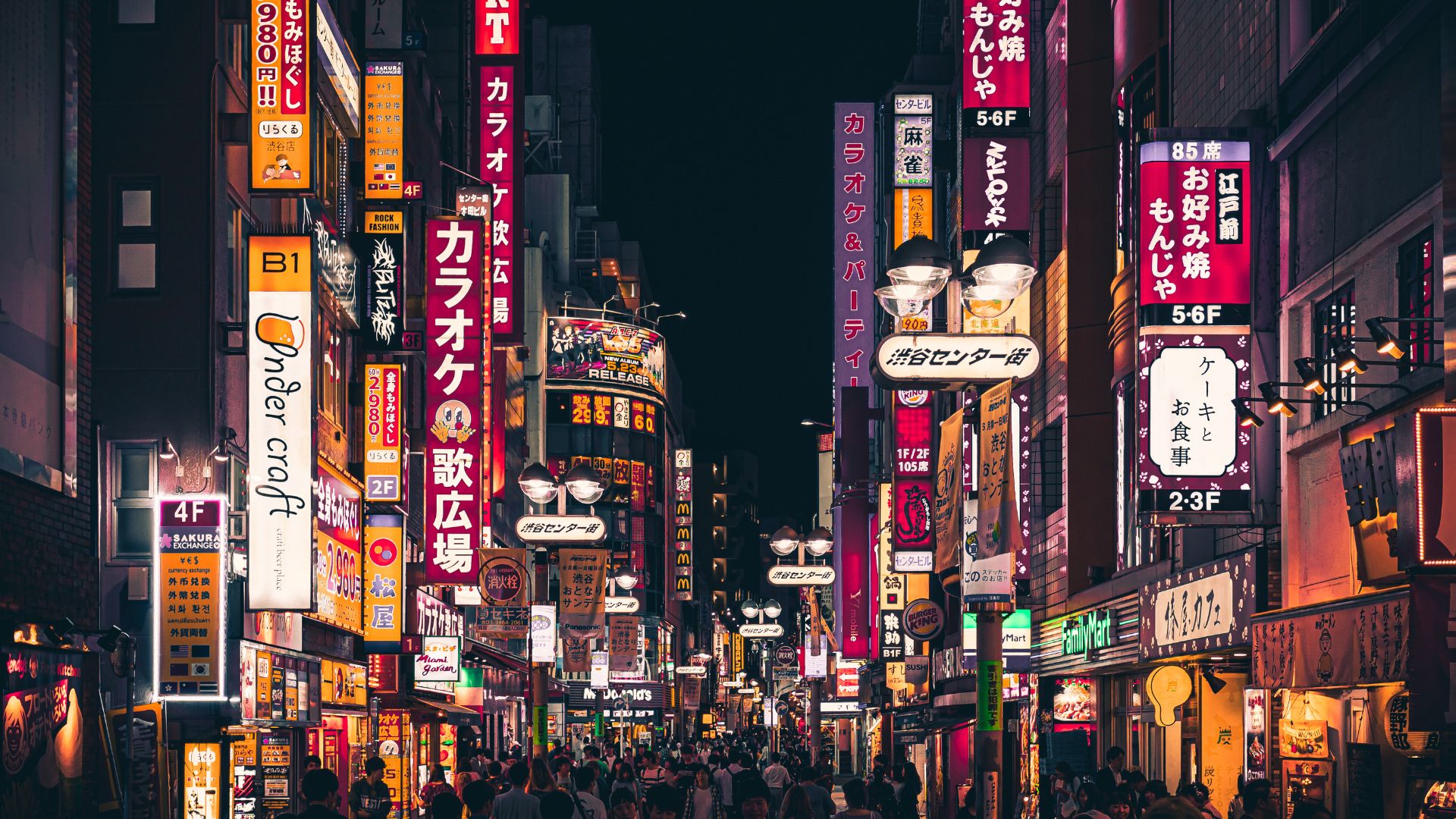
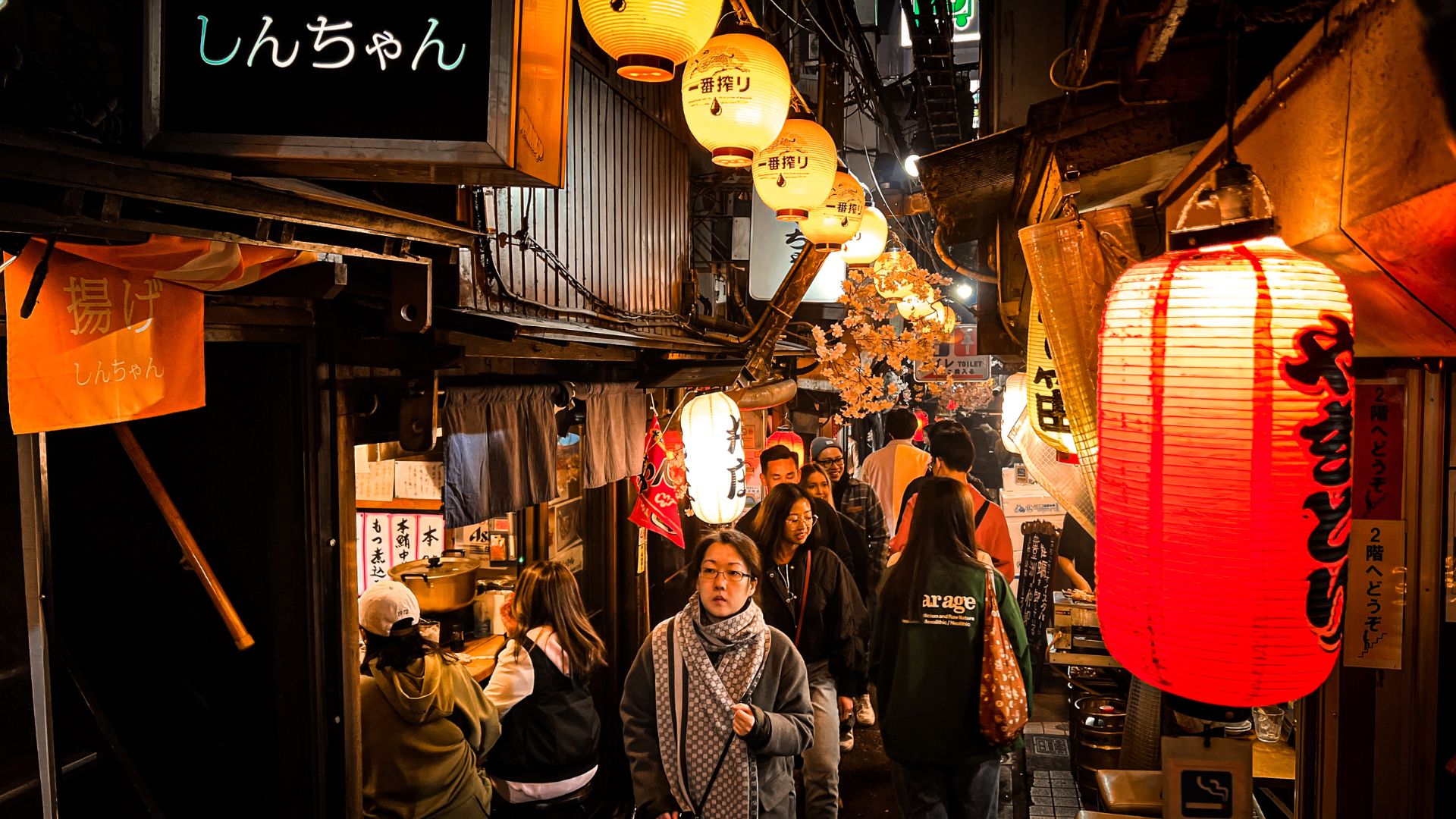
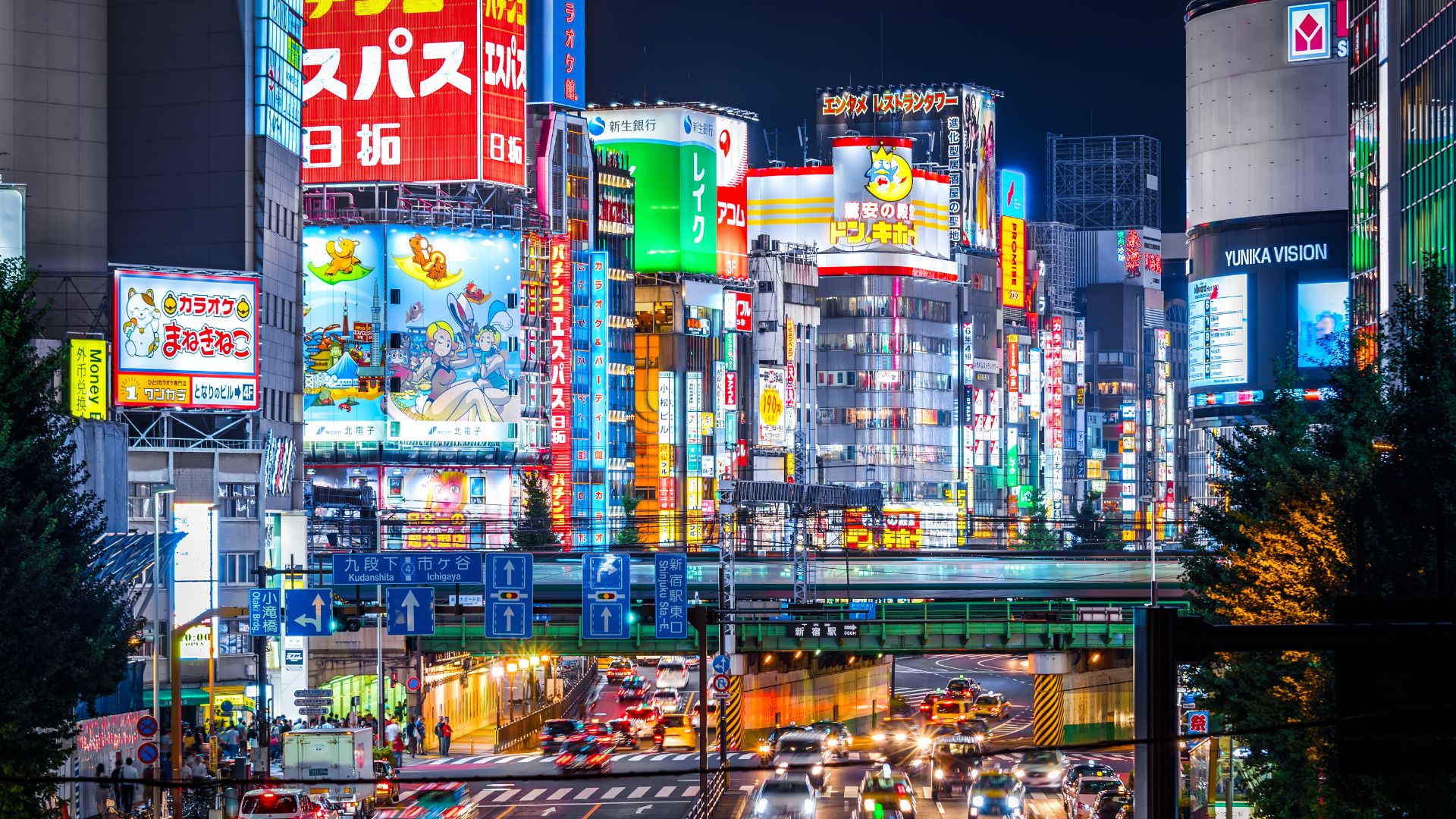
Violent crime hardly ever makes the news. Petty theft and pickpocketing? Way less common than in big Western cities. I’ve wandered Tokyo’s neon-lit streets at midnight and felt at ease the whole time.
Japanese culture revolves around respect and community responsibility. People genuinely look out for each other. If you lose something, there’s a good chance someone will return it through their efficient lost-and-found system.
You’ll see police, but they don’t hover or make you feel watched. Those little Koban police stations pop up everywhere. If you get turned around, just pop in—they’re happy to help.
I’ve seen people leave laptops on café tables while they step out, and no one bats an eye. It’s wild, honestly. Of course, you should still use common sense, but the stats back it up: Japan is a solid pick for solo travelers who want to feel secure.
2) World-class public transport makes getting around simple
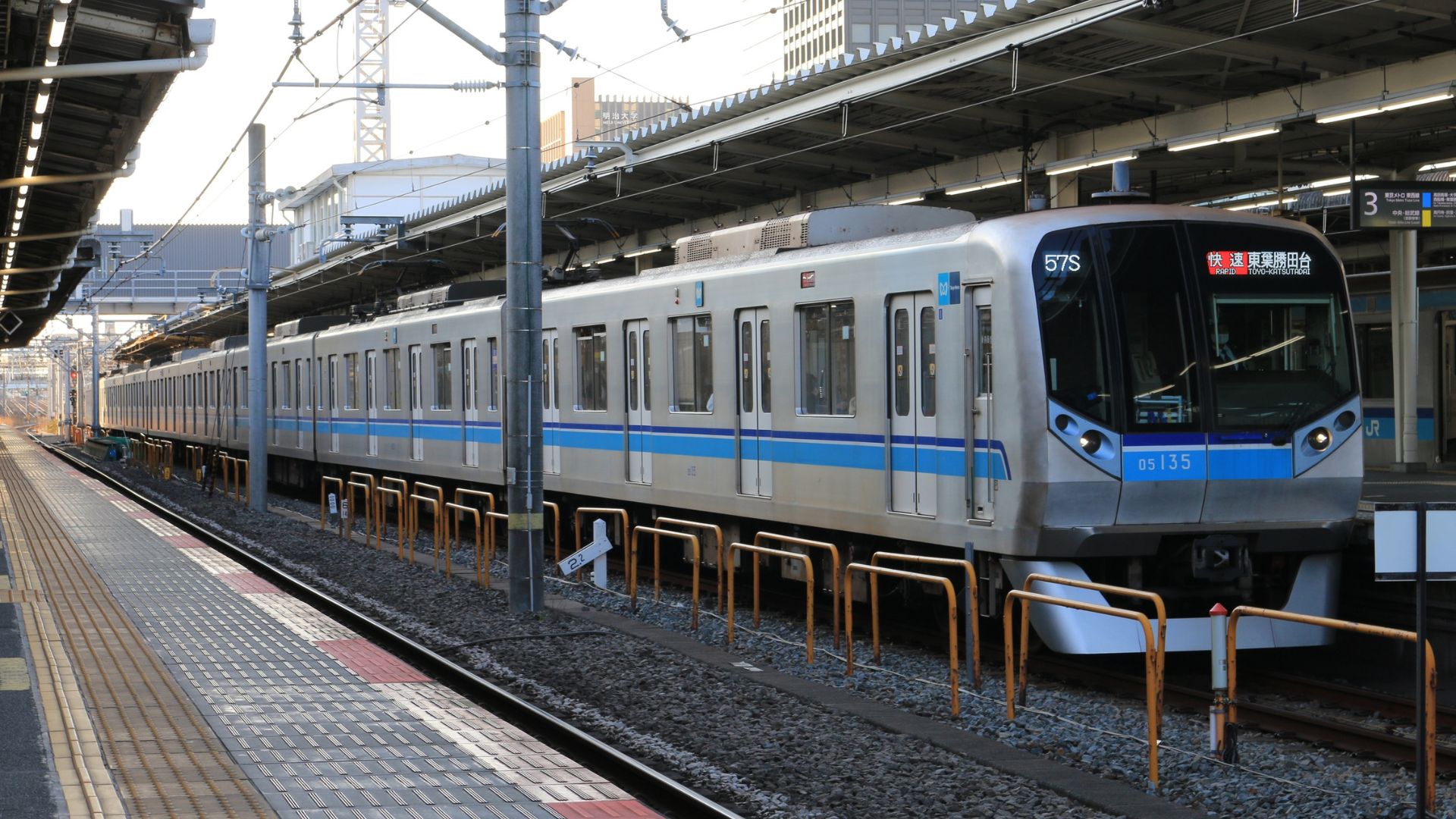
Japan’s public transport is next-level. Trains, subways, and buses show up right on schedule—sometimes down to the second.
Major cities like Tokyo, Osaka, and Kyoto are all linked up. You don’t need to rent a car or worry about missing your stop. During rush hour, trains come every couple of minutes.
If you’re ever confused, just pull up Google Maps or Japan Transit Planner. These apps offer schedules and routes in English, making life so much easier.
The Shinkansen bullet train whisks you between cities at jaw-dropping speeds. Local trains and subways handle the short trips. Both options are clean, safe, and honestly kind of fun to ride.
Traveling alone on public transport here feels safe, even late at night. Stations stay bright and tidy, and everyone seems to follow unspoken social rules that keep things calm.
This reliable system lets you roam freely, even if you don’t speak Japanese or have a detailed plan.
3) Locals’ politeness and willingness to help make solo travel a breeze
Japanese culture takes politeness seriously. That makes solo travel feel less intimidating and way more enjoyable.
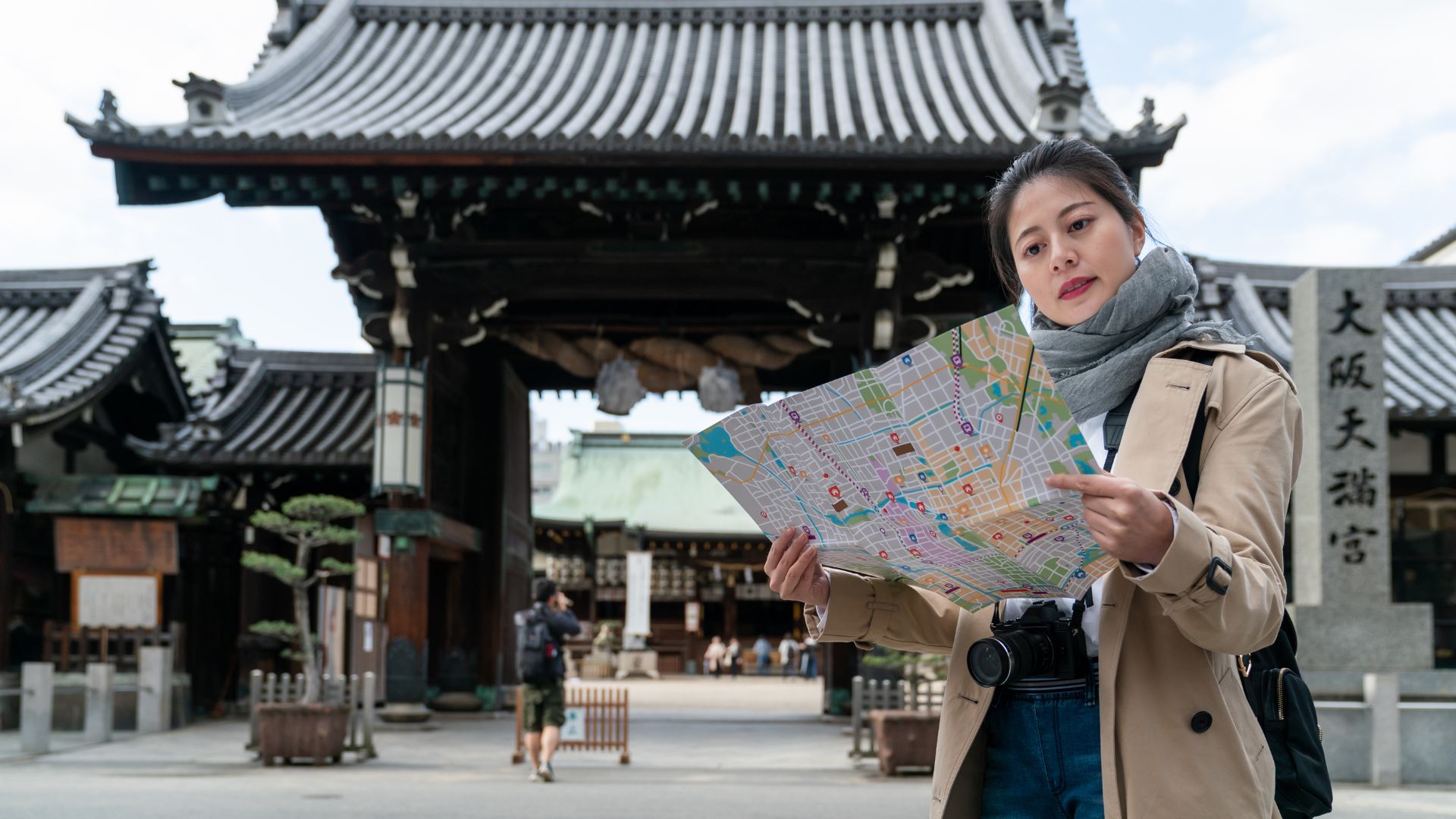
If you’re lost, don’t be surprised if someone offers to walk you to your destination or helps you decipher a map. This helpfulness comes straight from cultural values that prioritize kindness and respect.
Interactions with store clerks, restaurant staff, and fellow commuters usually feel warm and genuine. As a solo traveler, you’re unlikely to feel awkward or out of place.
Language barriers? They exist, but most people will try gestures, translation apps, or their best English to help. Their patience is honestly impressive.
This spirit of hospitality means you’re never really alone—people want you to have a good experience in their country.
4) Advanced tech keeps you safe with efficient emergency services
Japan sits at the forefront of tech, and that extends to emergency response systems.
You can call 110 for police or 119 for fire and ambulance from any phone, cell or landline. Many areas now offer multilingual support, which is a relief if your Japanese is rusty.
Emergency apps give real-time alerts for earthquakes, typhoons, or other hazards. The Japan Tourism Agency’s “Safety tips for travelers” app sends notifications in various languages. You’ll get early warnings about severe weather or natural disasters.
GPS tech helps emergency services find you quickly. Most smartphones work with Japan’s location systems, so help can reach you fast.
Public places have emergency buttons and clear signs. Train stations, airports, and tourist spots display English emergency instructions. You’ll even spot AED machines in public areas, clearly marked.
This mix of tech and well-trained staff means you’re in good hands, even if something unexpected happens.
5) Accommodations are set up for solo travelers
Japan offers a ton of accommodation options that suit solo travelers. Capsule hotels, hostels, and traditional guesthouses all welcome people traveling alone.
Hostels in big cities provide affordable private rooms and dorms. Many have common spaces if you want to meet fellow travelers. Staff usually speak enough English to help with directions or tips.
Business hotels feature compact single rooms at decent prices, often close to train stations. You get your own bathroom, a comfy bed, and free Wi-Fi.
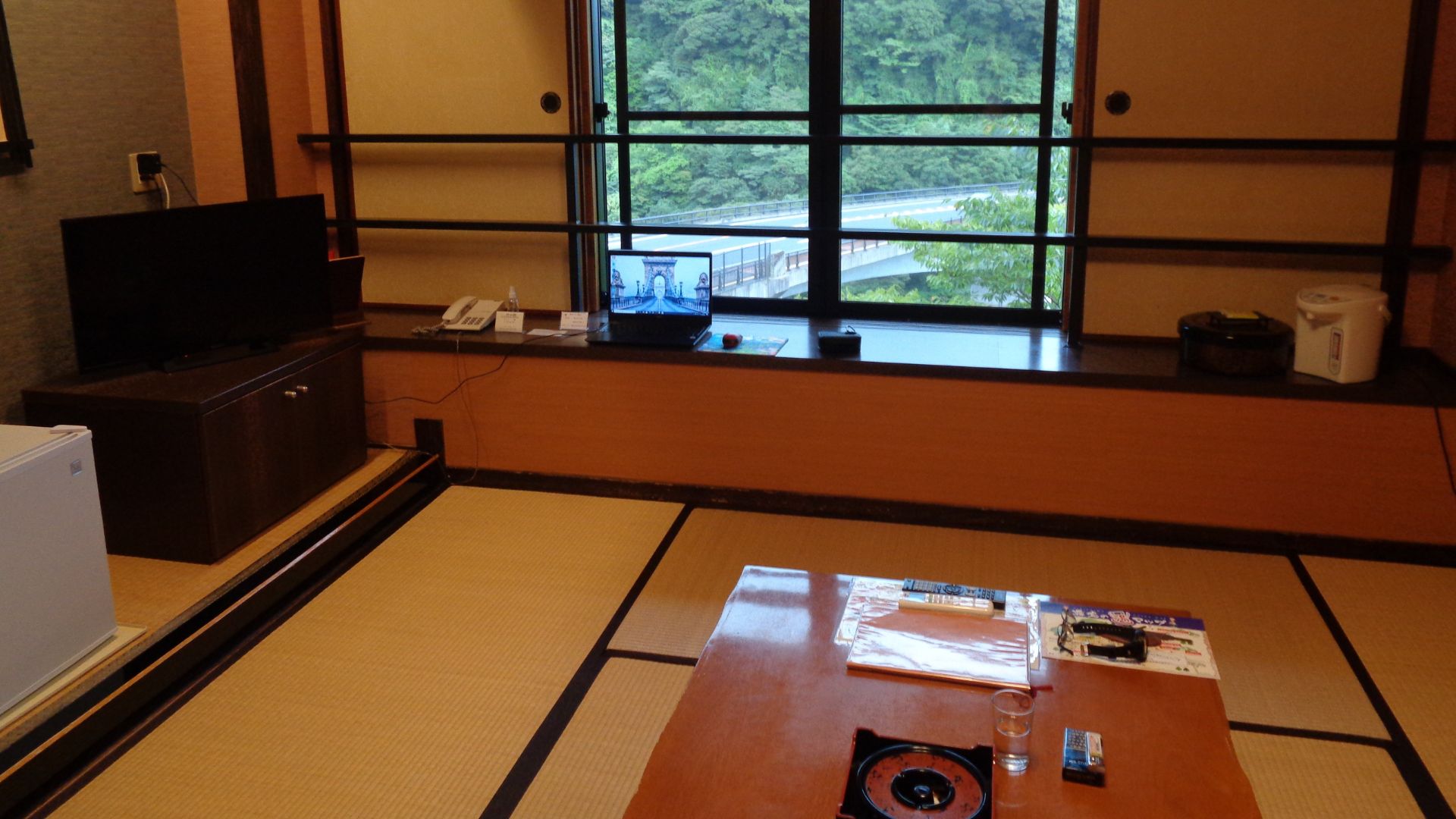
More ryokans (traditional inns) now accept solo guests, though some still want two people per booking. Capsule hotels offer a quirky Japanese experience with secure pods. Across the board, cleanliness and clear booking systems are the norm.
Most places have 24-hour check-in or secure key boxes. Booking through English-language sites is straightforward. Many properties even offer single-occupancy rates and safe storage for your luggage.
6) Cultural respect keeps the vibe secure and welcoming
Respect and consideration run deep in Japanese culture. When you follow local customs, you help keep that safe, orderly atmosphere alive.
People stick to social rules, like staying quiet on trains and not eating while walking. This predictability makes daily life feel smooth and safe.
If you show respect for customs—like bowing or removing your shoes—locals usually respond with warmth. These gestures show cultural awareness and spark positive interactions.
Japan’s focus on group harmony means people look out for each other. As a visitor, you benefit from this mindset.
Learning a bit of etiquette before you go pays off. Knowing how to behave at temples, greet people, or eat properly opens doors to more authentic experiences.

7) Cities and nature both offer solo adventures
Japan gives you the best of both worlds: high-energy cities and peaceful natural escapes.
One day, you’re exploring Tokyo’s buzzing neighborhoods. The next, you’re wandering through a quiet mountain temple.
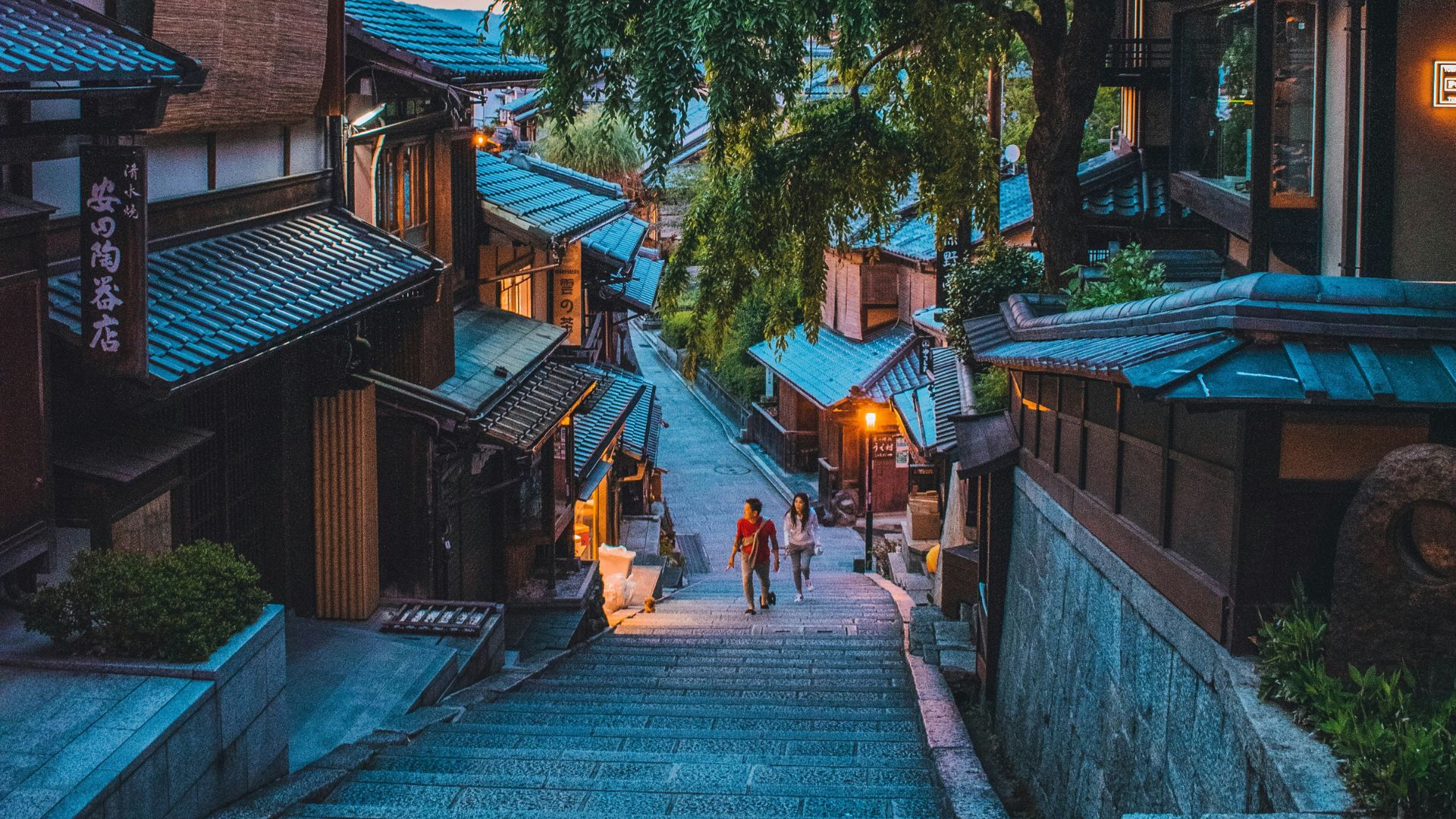
Kyoto and Osaka are easy to get around and packed with solo-friendly activities. Stroll through historic streets, check out museums, or snack your way through a food market.
The countryside is a whole different vibe. Hike Mount Fuji, soak in a hot spring, or visit a rural village where life slows down.
Japan’s train system connects all these places seamlessly. Day trips or longer journeys are easy to plan, and the country’s size means you can fit city thrills and nature retreats into one trip.
Whether you love urban adventures or crave the outdoors, you’ll find plenty to do—especially solo. Attractions are set up with clear signs and helpful staff, so you won’t feel lost.
8) Temples and historic sites are safe, enriching day trips
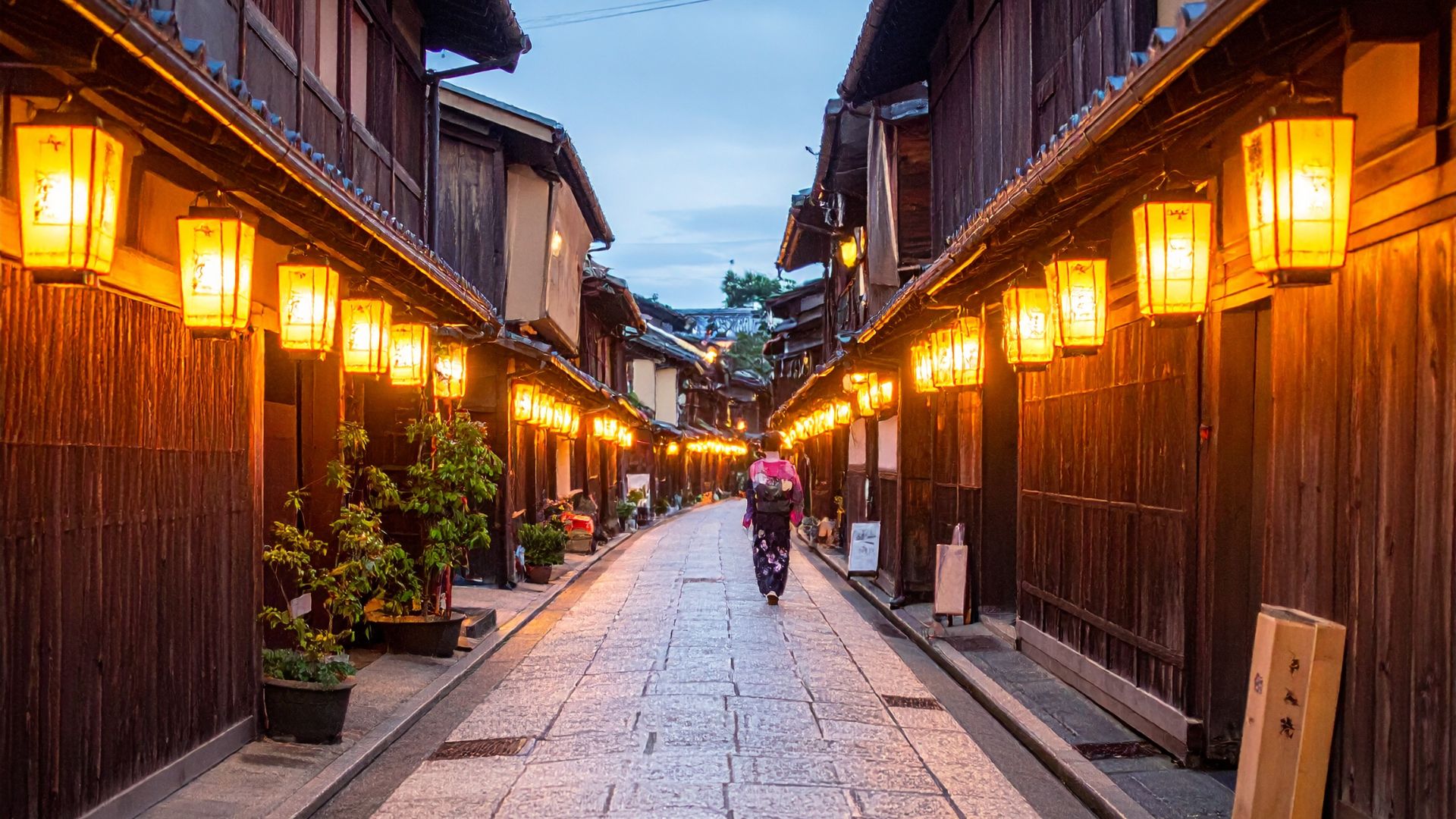
Japan’s temples and shrines are some of the safest, most fascinating spots for solo travelers. These cultural sites stay well-kept and clearly marked, making visitors feel welcome.
You can wander ancient Buddhist temples and Shinto shrines without worrying about safety. Staff are usually around during open hours, and paths are easy to follow.
The peaceful grounds attract respectful crowds. Other visitors tend to keep things quiet, which makes solo exploration especially calming.
Many temples and shrines sit close to train stations in big cities. You can get there easily using public transport and don’t have to worry about finding your way back.
English signs and info guides are common at major sites. Some places even offer audio tours or printed materials so you can soak up the history.
Stay for an hour or spend the whole day—it’s entirely up to you.
9) Japan’s cleanliness makes for a comfortable stay
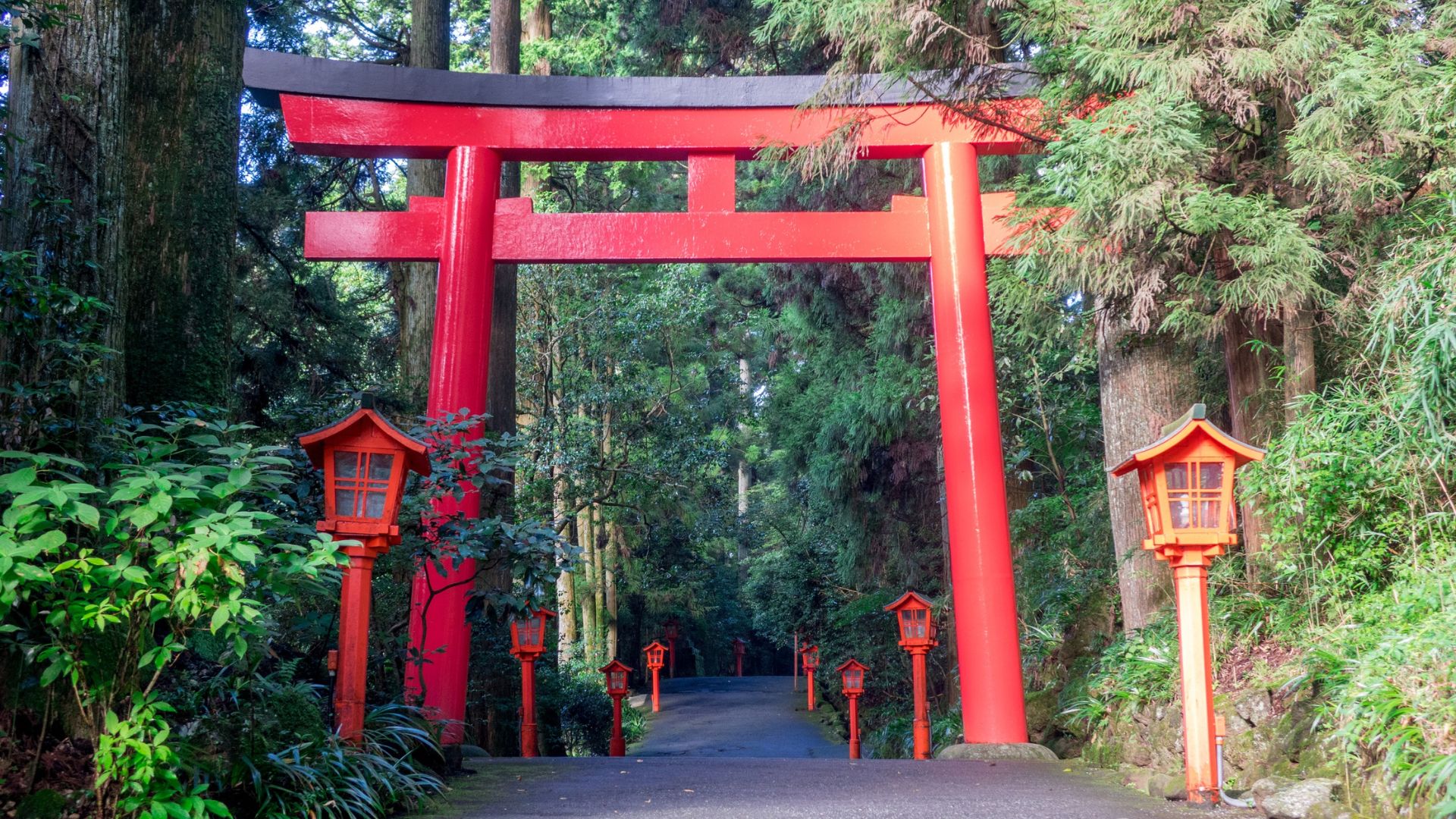
From the moment you land, you’ll notice how clean Japan is. Airports, train stations, and public spaces are spotless.
Hotels and restaurants follow strict hygiene routines. Even budget spots offer clean rooms and bathrooms. Public restrooms get cleaned often and usually have everything you need.
This culture of cleanliness starts young—kids even clean their own classrooms. The result? Clean environments everywhere.
You’ll spot tidy streets, even where public trash cans are rare. People wear masks when sick and always take off shoes indoors, which helps keep shared spaces hygienic.
As a solo traveler, you’ll appreciate the high hygiene standards in hotels and eateries. The clean environment means fewer health worries and a more pleasant trip overall.
10) English signage helps you get around in tourist areas
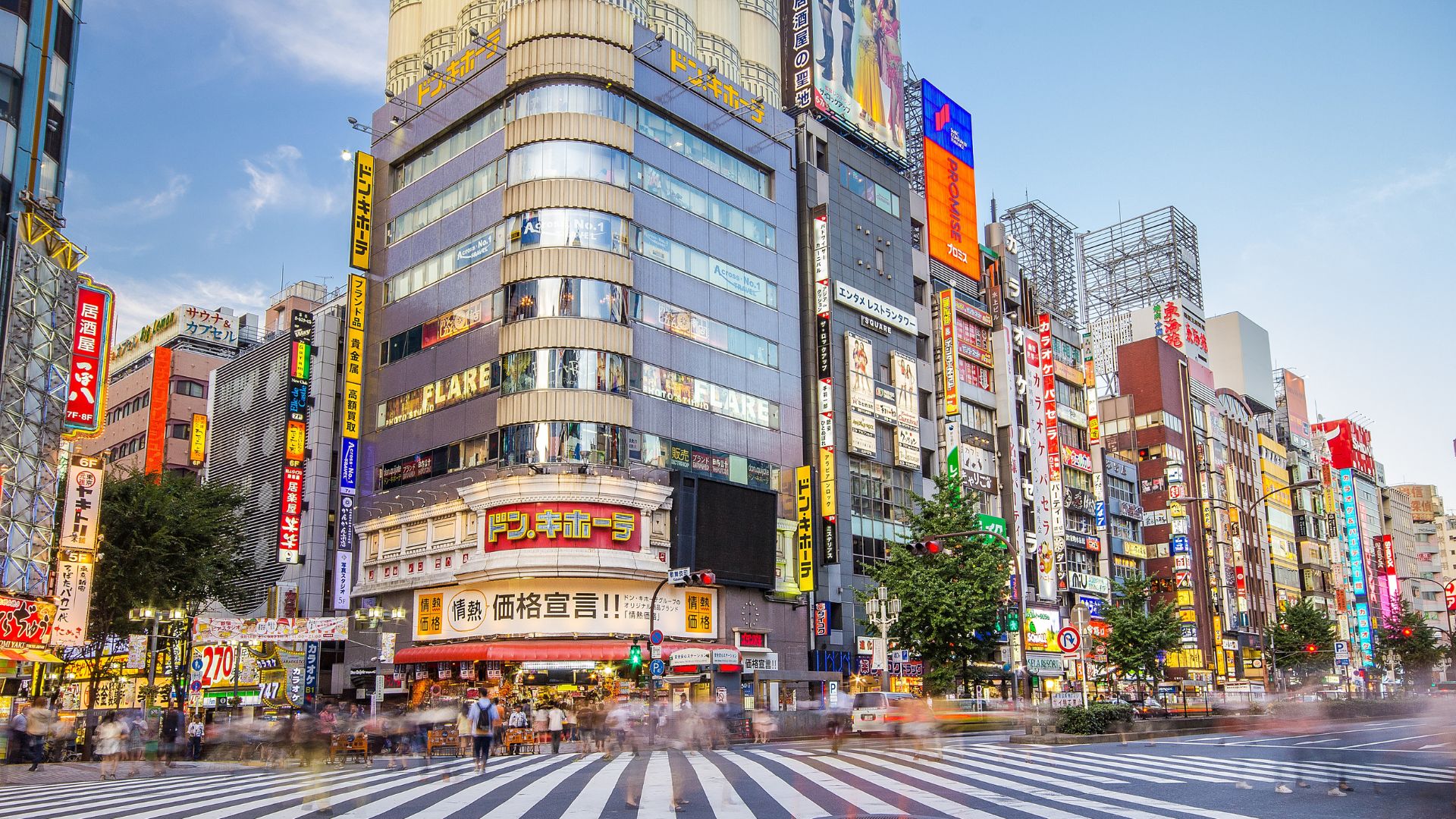
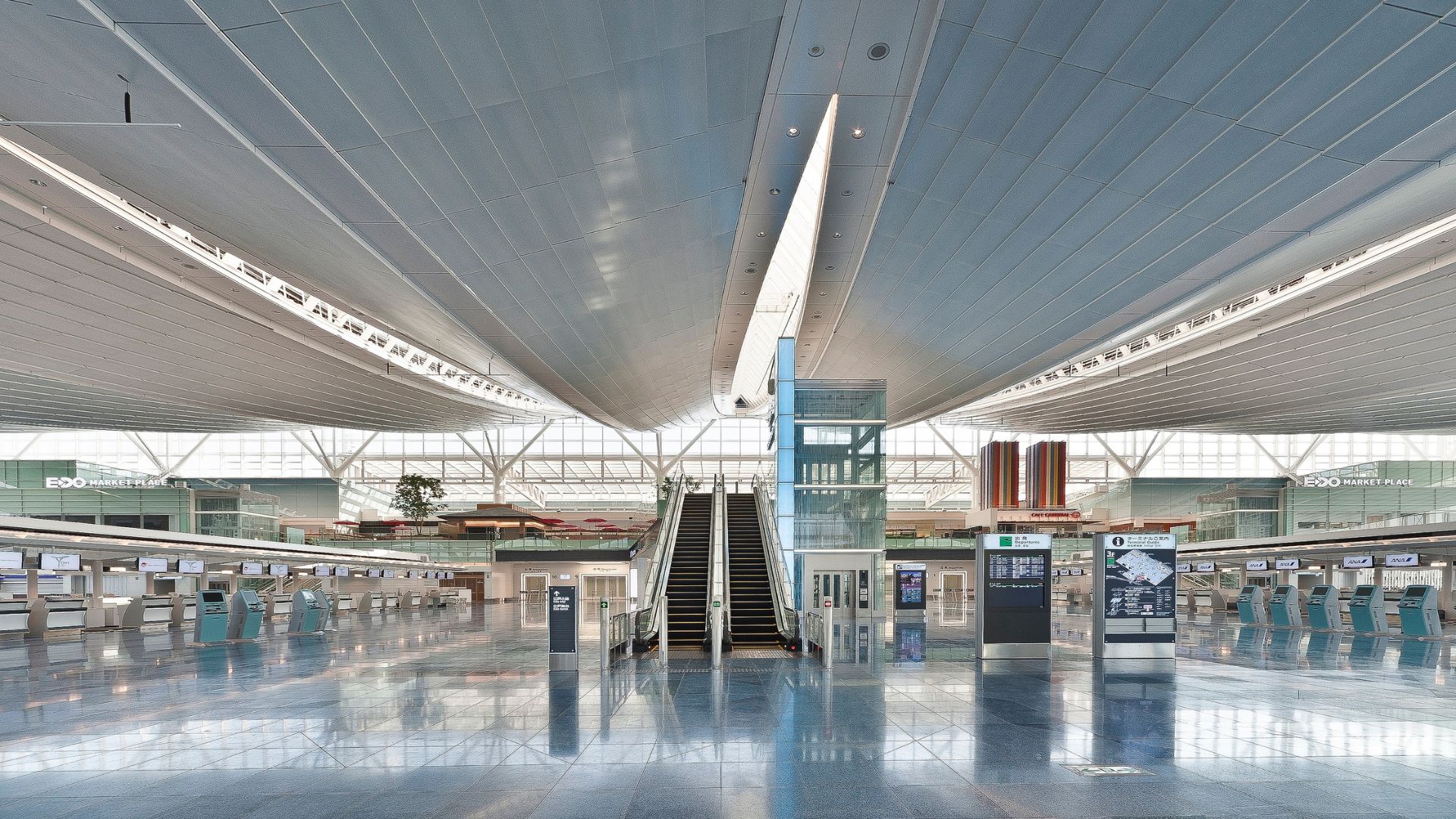
Cities like Tokyo and Osaka make life easier for travelers with lots of English signage. You’ll see English on street signs, in train stations, and at major attractions.
Public transport systems announce stops and display info in English. Train stations show routes and platform numbers in both languages, so you can catch your train without a hitch.
Tourist spots also use romaji (Romanized Japanese), which helps you read names and menus. Many restaurants in busy areas have English menus or picture guides.
Once you leave the cities, though, English signage drops off. In smaller towns, signs might only be in Japanese. It helps to know a few basic phrases or recognize katakana characters.
The amount of English depends on how many tourists visit. In the busiest neighborhoods, you’ll find plenty of multilingual signs, making solo navigation much less stressful.
Understanding Safety in Japan for Solo US Travelers
Japan stands out as one of the safest countries worldwide, with crime rates much lower than in the US. Most worries about personal safety just don’t come up during a typical visit.
Common Safety Concerns and Realities
Japan has some of the lowest crime rates on the planet. Violent incidents almost never happen, and pickpocketing? It’s so rare compared to what you might expect in big US cities.
I’ve wandered Tokyo neighborhoods late at night and felt completely at ease. Travelers often leave bags at cafes or even on trains, and locals either ignore them or hand them in at lost and found—seriously, it happens all the time.
Key safety facts for US travelers:
- Emergency services show up quickly and know what they’re doing.
- Police boxes (koban) dot cities and towns everywhere.
- Public transportation runs safely, even late at night.
- Street harassment hardly ever happens.
- Earthquakes and typhoons are real risks, but buildings follow strict safety codes.
Honestly, your biggest safety considerations aren’t about crime—they’re about natural events. Earthquakes shake things up regularly, but most are minor. Typhoons roll in between June and October, so keep an eye on the weather.
Women traveling solo usually feel safe, especially compared to many Western countries. Trust your instincts, stick to basic precautions, but you’ll notice the environment feels secure.
Navigating Japanese Culture and Etiquette
Getting a handle on cultural norms makes travel smoother and shows locals you care. Japanese society puts a premium on politeness, keeping quiet in public, and following the rules.
Essential etiquette to follow:
- Take off your shoes when entering homes, some restaurants, and temples.
- Keep your voice down on trains and buses.
- Skip eating while walking down the street.
- Give a small bow when greeting or saying thanks.
- Avoid phone calls on public transportation.
You don’t have to become an etiquette expert. Just picking up a few phrases like “sumimasen” (excuse me) and “arigatou gozaimasu” (thank you) goes a long way. Locals usually cut foreigners some slack if mistakes happen.
Tattoos might block your entry to certain public baths and hot springs. Cover up or look for tattoo-friendly spots before you go.
Essential Resources and Emergency Support
Japan runs emergency services like clockwork, and even foreign visitors can get help quickly. US travelers have several ways to reach out if something comes up, and while language can be a hurdle, there are ways around it.
Accessing Help as a US Citizen
The US Embassy in Tokyo and consulates in Osaka, Nagoya, Fukuoka, Naha, and Sapporo offer support if you need it. To contact American Citizens Services, call +81-3-3224-5000 during business hours—or the same number after hours for emergencies.
Save these critical numbers in your phone:
- Police: 110
- Fire and Ambulance: 119
- Japan Helpline: 0570-000-911 (English support, 24/7)
Cities like Tokyo, Osaka, and Kyoto have hospitals and clinics with English-speaking staff. The Japan National Tourism Organization keeps updated lists of these places. Buy solid travel insurance before your trip—make sure it covers medical emergencies, theft, and cancellations.
Sign up for the Smart Traveler Enrollment Program (STEP) on the US State Department site. It helps the embassy keep track of you during emergencies and makes it easier for family to reach you.
Language Barriers and Communication Tips
Download Google Translate or a similar app before your trip. If you grab the Japanese language pack, it works offline. The camera feature is a lifesaver for menus and signs—especially in restaurants or train stations.
Learn a few basics:
- Help: Tasukete (tah-soo-keh-teh)
- I don’t understand: Wakarimasen (wah-kah-ree-mah-sen)
- English, please: Eigo onegaishimasu (ay-go oh-neh-guy-she-mas)
Grab your hotel’s business card with the address in Japanese. Show it to taxi drivers or locals if you get turned around. Staff at police boxes (koban) can usually point you in the right direction, though English skills vary.
Write down your accommodation address, medical conditions, and allergies in Japanese. Major train stations have tourist info centers with English-speaking staff during the day.
Frequently Asked Questions
If you’re traveling solo to Japan, you probably have practical questions about safety, cultural practices, and resources to make the trip easier.
Japan’s low crime rate makes it one of the best spots for solo female travelers. You can walk around most cities at night and feel pretty comfortable, though it’s smart to stay alert in crowded places like train stations.
Look for women-only train cars during rush hour in big cities—signs and floor markings make them easy to spot. These cars can be a relief when things get packed.
Stick to official taxi stands or ride-hailing apps. Unlicensed taxis aren’t worth the risk. Keep your phone charged and download offline maps just in case. If you ever feel uneasy, head for a police box (“koban”)—they’re everywhere.
Dress modestly for temples and shrines. Japan’s safe, but always trust your gut and step away from situations that don’t feel right.
Kick things off with three days in Tokyo. Dive into neighborhoods like Shibuya, Asakusa, and Harajuku. Spend a day on temples, another on museums or shopping.
Hop on the bullet train to Kyoto for two days. Check out ancient temples, stroll through bamboo forests, and try a traditional tea house. Kyoto’s compact, so you can walk or rent a bike.
Dedicate a day to Osaka for its wild food scene and nightlife. Don’t miss takoyaki and okonomiyaki. If you have time, swing by Nara to see the deer near the temples.
Book hotels near train stations to save time. Grab a Japan Rail Pass ahead of time if you’re city-hopping. It saves money and gives you flexibility.
Take your shoes off when you enter homes, traditional restaurants, and some temples. Look for shoe racks or slippers at the door. Wear decent socks—holes get noticed.
Keep your voice down in public. Quiet is the norm on trains and in restaurants. Step outside for phone calls or use designated areas.
A small bow when greeting or thanking someone is enough. No need to overdo it—a nod works.
Don’t eat while walking. Sit down at a restaurant or use convenience store seating. Finish your food before heading out.
Carry cash, since many places don’t take credit cards. Learn a couple of basic phrases. Skip tipping—it’s not part of the culture and can confuse people.
Guys, pay attention to personal space on crowded trains. Keep your hands visible and avoid standing too close. It protects you and others, even though false accusations are rare.
Tone it down in bars and restaurants. Drinking is common, but loud or aggressive behavior stands out—in a bad way. Know your limits.
Never take photos of people without asking, especially women and kids. Privacy laws are strict, and candid shots can come off as creepy.
If you wander into red-light districts, be respectful. Some places clearly say “Japanese only.” Don’t push your luck or argue—just move on.
Tourist info centers—”kankoannaisho”—are at major train stations and airports. Staff usually speak English and hand out free maps, brochures, and tips.
Meetup groups in cities like Tokyo and Osaka host all kinds of events, from language exchanges to hiking trips. It’s a great way to meet locals and other travelers.
Couchsurfing has meetups and hangouts, even if you’re not staying with a host. Locals love to share insider tips about their neighborhoods.
Free walking tours run in most cities. They’re tip-based and a fun way to see the sights and meet fellow solo travelers.
Reddit’s r/JapanTravel community is a goldmine. With over two million members, people constantly share up-to-date advice and personal trip reports.
You can dig through old posts or toss out your own questions about anything from train routes to food spots. Folks usually jump in with practical suggestions, sometimes within minutes.
On Facebook, groups like “Japan Travel Tips” and “Solo Female Travelers Japan” feel like cozy hangouts. Travelers swap stories, answer questions, and sometimes even offer to meet up if you’re in town.
It’s not unusual to spot someone sharing their contact details for a coffee or a day trip together. Those connections can make solo travel feel a lot less, well, solo.
The Japan Guide forum is another solid resource. People there post deep-dive threads on everything—transport, places to stay, and what to see.
Trip reports often include photos and daily itineraries, which really helps if you’re a planner (or just curious).
Don’t overlook Instagram. Hashtags like #solotraveljapan and #japantravel will drop you straight into the journeys of current travelers.
If you’re feeling bold, shoot a DM to someone who just posted from a place you want to visit. Most folks are happy to share tips or answer weirdly specific questions.
TikTok is surprisingly useful too. Creators break down how to ride trains, order ramen, or avoid cultural slip-ups in quick, punchy videos.
If you want the inside scoop, follow creators who actually live in Japan. Their advice usually hits closest to real life.
