
Honestly, if you want to get more out of your trip to Stonehenge, the Visitor Centre is worth checking out. When I visited, I wandered through the thoughtfully designed exhibits—real artifacts and stories about ancient life made those iconic stones a lot easier to wrap my head around.
The museum lays out how Stonehenge was built, who actually lived nearby, and what daily life looked like thousands of years ago. It’s the kind of place where you find yourself pausing at the displays, just trying to picture it all.
I especially enjoyed the reconstructions of Neolithic houses tucked behind the centre. Walking through those huts, I could almost picture what it felt like to live there when Stonehenge was brand new.
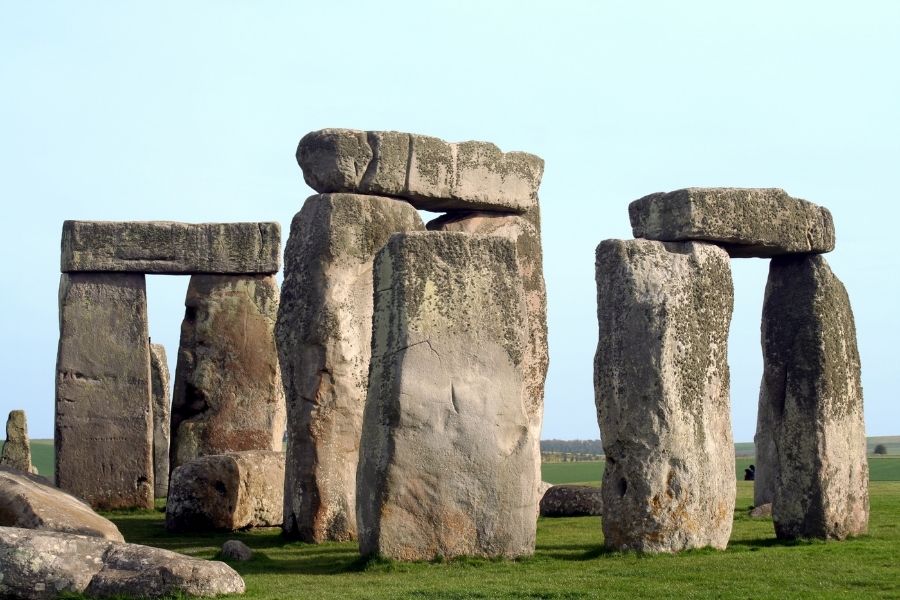
The Visitor Centre isn’t just a spot to grab tickets or a snack. It adds real depth to the Stonehenge experience and helps history jump off the page.
What Is the Stonehenge Visitor Centre?
Stonehenge Visitor Centre serves as the main gateway for anyone coming to see Stonehenge. It’s where you’ll find exhibits, reconstructed Neolithic houses, and all the practical basics for your visit.
Location and How to Get There
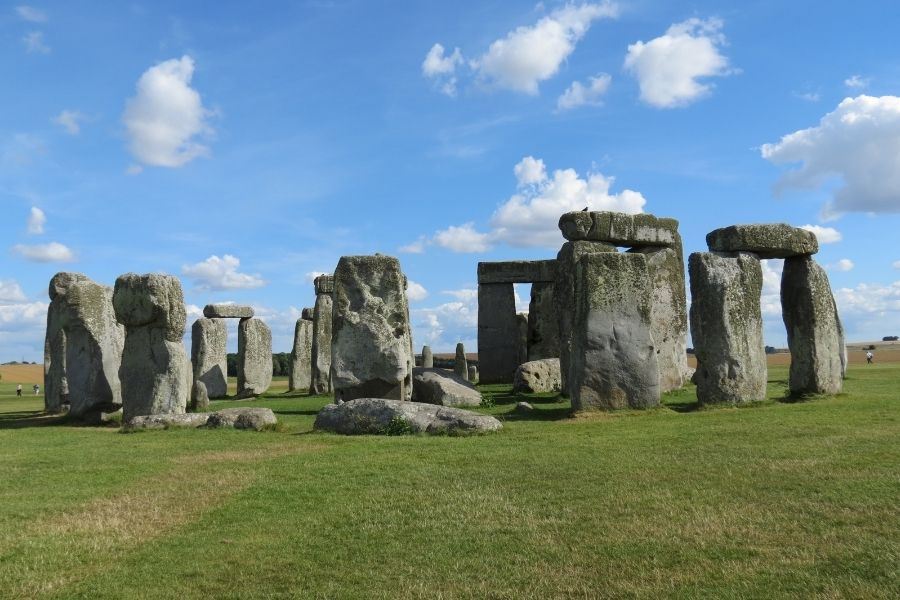
You’ll find the Visitor Centre about 1.5 miles from the stone circle itself, set out on Salisbury Plain in Wiltshire, England.
If you’re coming from London, it’s roughly 90 miles (145 km) to the west. Salisbury is the closest major town, just 9 miles away.
Getting there isn’t complicated. You can drive and park right at the Centre—on-site parking comes with your ticket. I took the train from London Waterloo to Salisbury, then hopped on a special shuttle bus straight to the Centre.
Tour companies run day trips too, which bundle transportation and entry. Buses and coaches have their own parking areas.
The site is well signposted, so you won’t get lost. I’d recommend arriving early to dodge the busiest crowds.
Overview of Facilities
The Visitor Centre feels modern and welcoming, packed with features that make your trip smoother. Inside, you’ll find an exhibition with over 250 artefacts from Stonehenge and the surrounding area.
These objects help tell the story of the stone circle—many come from local museums, adding some real local flavor.
Behind the main building, the reconstructed Neolithic houses let you step right into a replica home from the Stonehenge era. There are also displays showing how people might have moved those giant stones.

Other handy facilities include:
- A café with hot and cold food
- A souvenir and bookshop
- Toilets and accessible restrooms
- Indoor seating
- Audio guides in different languages
The exhibition is indoors, so bad weather won’t ruin your visit. A shuttle bus runs between the Visitor Centre and the stone circle every few minutes.
Ticketing and Visitor Information
Your Stonehenge ticket covers entry to the Visitor Centre, exhibitions, shuttle bus, and the reconstructions. It’s a good idea to book tickets in advance on the English Heritage website.
They use timed tickets to keep things from getting overcrowded, so you’ll get a specific arrival window.
Prices change depending on age and membership. English Heritage and National Trust members usually get in free, but you still need to reserve your spot online.
Kids under five almost always go free. When you arrive, staff check your booking and hand you a map.
If you’re making a last-minute trip, there are sometimes tickets available on the day, but weekends and peak times can sell out. Most London tours sort out your entry for you.
Your ticket covers parking and access to public areas, but if you want a special guided tour or the Stone Circle Experience, you’ll need to book those separately.
Highlights of the Stonehenge Exhibition and Museum
On my visit, a few things really stood out at the Stonehenge Visitor Centre. The place offers a close-up look at real archaeological finds, cool multimedia displays, and plenty of historical context that finally made Stonehenge make sense.
Artifacts and Archaeological Objects
The museum shows off more than 250 archaeological objects from Stonehenge and the surrounding area. Some of these pieces are thousands of years old.
You’ll see tools, pottery, jewelry, and even human remains. I remember staring at axe heads and arrowheads that people actually used during the Neolithic period.
Each display comes with clear labels and quick explanations, so you’re not left guessing.

Most of these artifacts were dug up close to the monument, while others are on loan from the Wiltshire Museum and Salisbury Museum. I think seeing real objects from so long ago makes the whole place feel less like a legend and more like a real human story.
Multimedia Displays and Audio-Visual Elements
The exhibition uses modern audio-visual technology to pull you into the past. You’ll find short films, animations, and interactive screens that break down how Stonehenge was built and what it might have meant to people back then.
I tried out some of the interactive features—one showed how the stones could have been moved and arranged. These displays explain things step by step, so even if you’re not a history buff, you’ll get it.
Audio guides and short dramatizations recreate the sounds and atmosphere of ancient Stonehenge. For me, the mix of visuals and sound made the museum feel lively and fun, especially for kids or anyone new to the site.
Historical Significance and Educational Value
The exhibition does more than just show artifacts. It puts Stonehenge into the bigger picture—how people moved, traded, and changed across Europe.
I learned why Stonehenge mattered so much, not just as a monument but as a hub for ceremonies and social gatherings. The museum uses photos, diagrams, and timelines to make changes in technology and culture easy to grasp.
Teachers and students will find the information clear and well-organized. The main exhibition updates with new finds and research, so there’s always something fresh to discover. The British Museum sometimes hosts special Stonehenge exhibitions too, which adds to the learning opportunities.
Exploring the Outdoor Reconstructions
Stepping outside the Visitor Centre, I found life-sized Neolithic features ready to explore. There are reconstructed homes and live demonstrations that let you see and touch what life might have been like for the builders of this prehistoric monument.
Neolithic Houses Experience
Just behind the visitor centre, several reconstructed Neolithic houses stand ready for you to step inside. These huts are based on real finds near Stonehenge and give a genuine look at what homes looked like over 4,500 years ago.
Inside, you’ll notice clay walls, thatched roofs, and chalk floors. Each house is stocked with basic, realistic tools, pottery, and baskets.
Some corners have simple beds made from animal skins and low benches. Stepping in, I really got a sense of the materials—woven textiles, animal hides—that people used.
The whole set-up makes it easy to imagine families gathering around a fire or making pottery by hand. These houses aren’t just for show; they really help you picture how the ancient builders lived and worked.
Hands-On Activities and Demonstrations
Staff and volunteers often demonstrate how to use ancient tools, grind grain, and shape clay, just as Neolithic people would have done. Sometimes, you can even try these activities yourself.
I watched someone twist plant fibers into strong rope and saw flint tools being made. There was replica pottery being crafted with traditional methods.
They use real materials—stone, wood, bone, clay—so the experience feels authentic. Kids seem to love these hands-on activities, but honestly, I found them fascinating too.
Joining in gave me a new respect for the skill and effort it took to build something like Stonehenge.
Stone Circle Access and Guided Experiences
When I visited, I realized that getting to the stone circle, using visitor services, and joining special events all offer different vibes. How you arrive, what you learn, and when you go can totally shape your Stonehenge experience.
Shuttle Bus and Walking Routes
After entering the Visitor Centre, most people hopped on the free shuttle bus to reach the stones, about 1.5 miles away. The shuttles run every few minutes and are a lifesaver if you don’t want to walk the whole way.
If you like walking, there’s a dedicated path. I liked that the path is smooth and lets you get a bit closer to the Wiltshire countryside.
There are signs and benches along the way for breaks. For families, people with limited mobility, or anyone short on time, the shuttle bus is super convenient.

On my trip, I walked to the monument and took the shuttle back. That mix let me see the stones from different angles and avoid crowds.
Audio Guide and Tours
The audio guide at Stonehenge is straightforward and comes in several languages. I used it to follow a suggested route around the stone circle, picking up stories about its history, purpose, and myths.
You can skip to whatever topic interests you most. There are also guided tours led by staff or tour companies.
On my tour, the guide pointed out the layout of the stones, explained how they might have been moved, and talked about what Stonehenge means to people—Druids included—both then and now.
Some tours let you spend extra time near the stones. Booking a Stone Circle Access tour, where you can walk inside the circle at special times, really made the visit feel special.
Having a guide helped me connect more deeply to the monument and its stories.
Special Access: Summer and Winter Solstice Visits
Stonehenge is world-famous for its link to the summer and winter solstice. During these times, the sun lines up with the stones, drawing big crowds, including Druids and curious visitors.
On solstice days, they open up the inner circle to everyone. I went during a solstice event once, and the atmosphere was wild—lively, spiritual, and a bit chaotic.
Staff are there to help, but it gets crowded. Access is free during these events, but expect chilly weather and fewer open facilities.
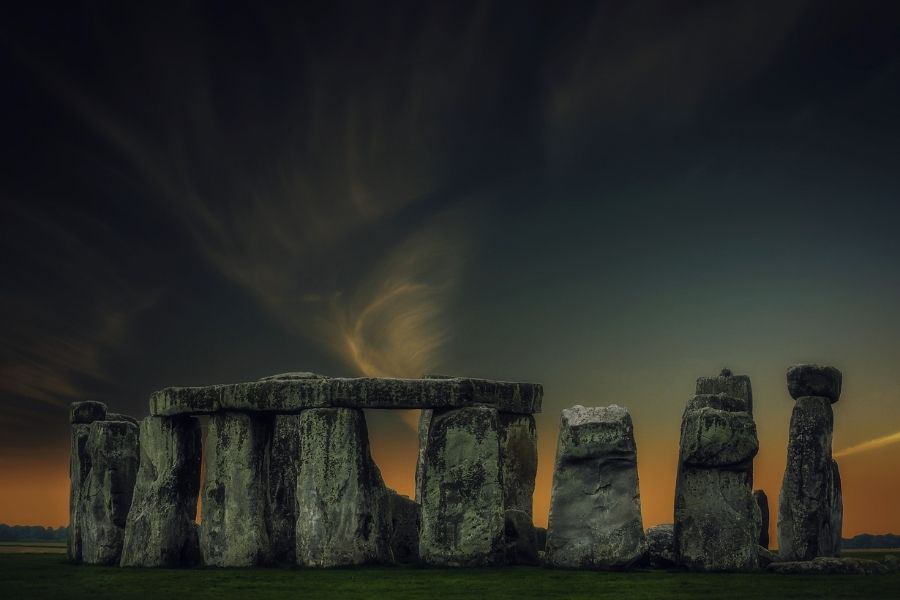
If you’re after a personal connection to the stones or want to witness ancient rituals, solstice visits can be pretty powerful.
Quick Facts Table:
| Experience | Normal Opening | Solstice Events |
|---|---|---|
| Stone Circle Inner Access | Limited, pre-booked | Open to all |
| Guided Tours Available | Yes | Not always |
| Audio Guides Available | Yes | Sometimes limited |
| Shuttle Bus | Yes | Restricted |
Amenities, Gift Shop, and Practical Tips
The Stonehenge Visitor Centre has several comforts and services that make the whole trip easier. Food and drinks are easy to find, the shopping is surprisingly good, and a few practical tips can really help you out.
Café and Refreshments
The café sits right at the Visitor Centre entrance. I grabbed a sandwich and a hot drink without any fuss.
The menu has simple, fresh food—vegetarian options and meals for kids included. Drinks like coffee, tea, and water are always available.
There’s plenty of seating, both inside and out. I liked stopping here to rest and warm up after walking the site.
There are also vending machines for quick snacks and drinks near the main facilities. The café’s location makes it a handy spot to pause, no matter the weather.
Stonehenge Gift Shop
The gift shop is large, well-stocked, and right by the Visitor Centre exit. I found all kinds of souvenirs, from affordable trinkets to special keepsakes.
Stonehenge-themed jewellery—necklaces and bracelets made from local stones—caught my eye. There’s a great selection of books on Stonehenge’s history, myths, and archaeological finds.
If you like homeware, you’ll spot Stonehenge mugs and quirky salt and pepper pots. Kids can pick up games or educational toys.

I appreciated that a lot of the items are exclusive to the shop. Even if you’re not a big shopper, it’s worth a browse or at least a postcard.
Visitor Tips for a Memorable Experience
I showed up early, hoping to dodge the crowds in both the exhibition and the café. Booking tickets online in advance saved me from waiting in a long line at the entrance.
The paths between the Visitor Centre, reconstructions, and stones are easy to follow, although they can get pretty busy when everyone arrives at once.
I wore my most comfortable shoes—trust me, there’s quite a bit of walking. Bringing a reusable water bottle? Definitely allowed, and it saved me a few pounds.
For shopping, I wandered into the gift shop around mid-morning. That timing seemed to help me avoid the rush.
Here’s a quick checklist I put together after my visit:
| Tip | Benefit |
|---|---|
| Pre-book tickets | Skip the queue |
| Visit early or late | Fewer crowds |
| Dress for the weather | More comfortable outside |
| Shop mid-morning | Shorter lines at the gift shop |
| Bring a water bottle | Refill stations are available |
Is the Stonehenge Visitor Centre Worth It? My Perspective
The Stonehenge Visitor Centre isn’t just a place to grab your ticket. I spent some time exploring its museum, wandering through reconstructed Neolithic houses, and thinking about how it fits into any day trip around Wiltshire.
Pros and Cons Based on My Visit
Pros:
- The museum actually makes sense of Stonehenge with real ancient objects and interactive displays. I found myself lingering longer than I expected.
- Those Neolithic house reconstructions? They really help you picture what life looked like when people raised the sarsen stones.
- The exhibits draw connections to other ancient places nearby, like Avebury and Durrington Walls.
I appreciated the clean, modern feel of the Visitor Centre. The gift shop is huge, by the way. I grabbed a snack at the café before heading out to see the stones.
Cons:
- Tickets can get pricey, especially if you buy them on the day—sometimes up to £30, plus parking.
- When the crowds swell, the place gets noisy and it’s tough to really enjoy the exhibits.
- Some displays repeat information you can easily find online, and the walk from the centre to the stones feels longer than you might expect.

If you already belong to English Heritage or the National Trust, you’ll save some money on entry. Otherwise, I’d think about what you want from the visit—are you interested in the museum and houses, or do you just want to see the monument itself?
Alternative Day Trips and Attractions Nearby
Thinking about a day tour? Stonehenge sits in a prime spot for exploring nearby gems. Bath is just about an hour away, and you’ll find those iconic Roman Baths and some seriously gorgeous Georgian streets.
Salisbury sits even closer. The town’s medieval cathedral always leaves an impression. I’ve hopped on bus tours from London that squeeze in Stonehenge, Bath, and Salisbury all in one go—pretty efficient, honestly.
If you’re into prehistoric mysteries, don’t miss Avebury or Durrington Walls. I found both a lot quieter than Stonehenge, and the best part? You can wander around for free.
Here’s a quick comparison to help you decide:
| Site | Unique Features | Entry Fees | Crowds |
|---|---|---|---|
| Stonehenge | Stone circle, museum | High | Busy |
| Avebury | Larger stone circle, village | Free | Less crowded |
| Bath | Roman Baths, city center | High | Busy |
| Salisbury | Cathedral, medieval town | Moderate | Moderate |
You can easily mix and match these sites based on your interests. I love how you can design your own adventure—maybe Stonehenge plus a few historic landmarks you haven’t seen yet.
Most people come for Stonehenge, sure, but there’s so much more here if you’re up for exploring a bit further.