
Greece has over 6,000 islands. Picking which ones to visit—and figuring out how to move between them—can feel like a puzzle, especially if you’re a first-timer. I’ve wandered these islands for years, and after swapping stories with both locals and fellow travelers, I’ve realized that a little strategy and a few insider tricks make all the difference.
Honestly, the secret to a dreamy Greek island adventure? Just pick two or three islands that connect easily by ferry. Trust me, trying to squeeze in five or six will have you spending more time on boats than on beaches.
Let’s get right into my seven essential tips. I’ll cover everything from the best season to go, how to choose your route, what to pack, and little ways to soak up the local vibe. These are the things that’ll help you dodge rookie mistakes and actually enjoy every sun-soaked day.
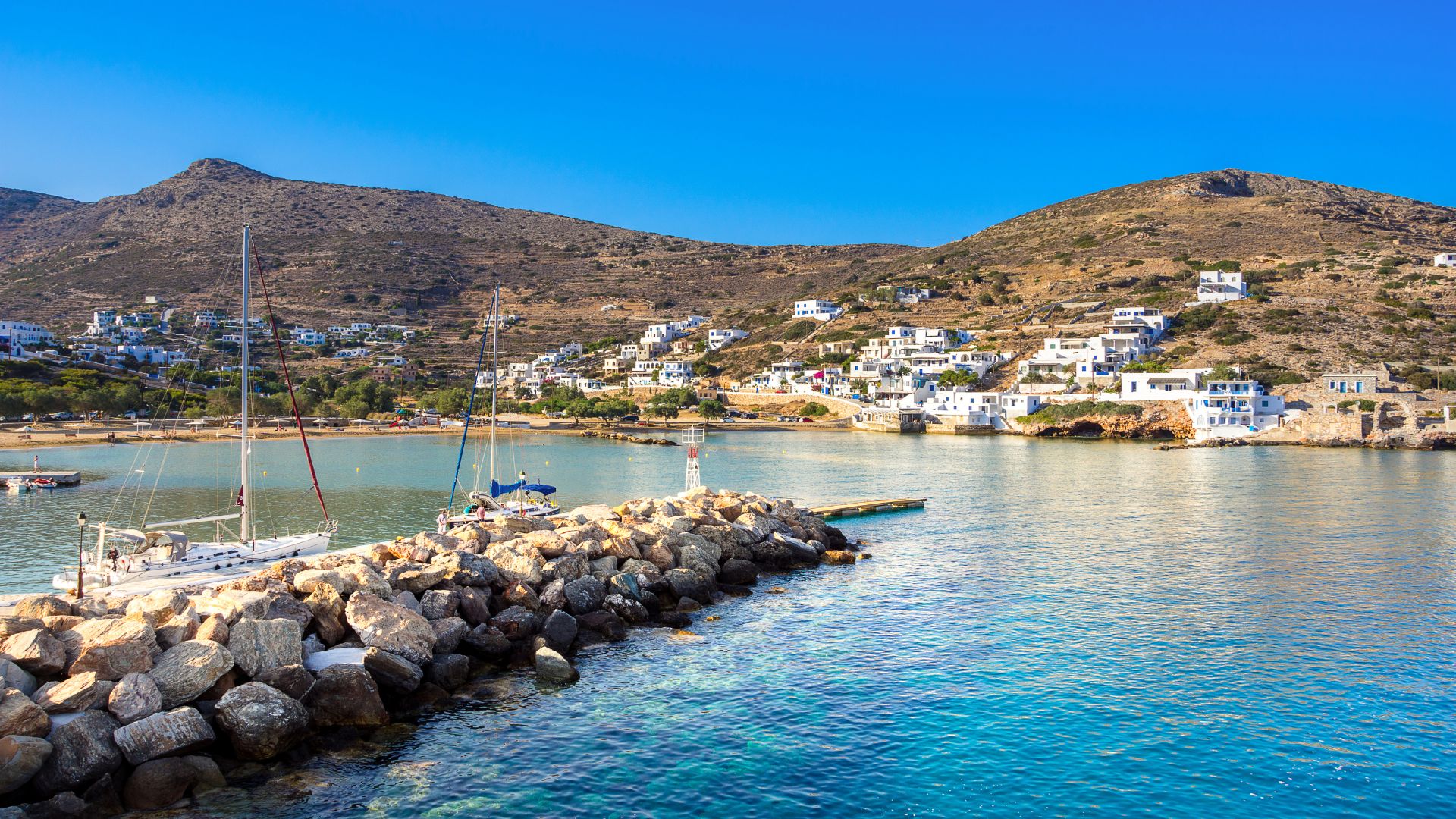
Choosing the Best Time and Route for Island Hopping
Late spring through early fall is prime time for Greek island adventures. Ferries run reliably, the weather’s mostly on your side, and the islands are buzzing with life.
Your perfect route depends on what you’re after—beaches, history, nightlife, or just a quiet escape. And, of course, how long you’ve got.
Understanding Seasonality and Crowds
May to October is the sweet spot for Greek islands. I find late May or September hit that perfect balance: warm weather, but not a sea of tourists.
July and August? Expect crowds, heat, and higher prices. Ferries run most often then, but you’ll need to book everything early.
Shoulder seasons—May, June, September, and October—are my personal favorites. The weather’s still lovely, most places are open, and you can actually find a spot to lay your towel.
From November to April, ferries slow down and many businesses close, especially on smaller islands. The weather can turn stormy, so you’ll need to be flexible.
If you’re not a fan of crowds or inflated prices, steer clear of mid-July to mid-August. But if that’s your only option, book your stays as early as you can.
Selecting the Right Greek Island Groups
Greece splits its islands into six main groups, each with its own flavor.
The Cyclades have the iconic white houses and blue domes—think Santorini and Mykonos. Ferries connect them easily, so they’re perfect for first-timers.
The Ionian islands, like Corfu and Zakynthos, are lush and green with a hint of Venetian charm. They’re a bit quieter than the Cyclades.
The Dodecanese bring you history, Turkish influences, and islands like Rhodes and Kos close to Turkey’s coastline.
Sporades islands (like Skiathos) offer pine forests and gorgeous beaches. Saronic islands sit near Athens and are super easy to reach.
Northern Aegean islands and Evia don’t get as many tourists, so you’ll find a more authentic vibe. And then there’s Crete, the big one, with everything from beaches to mountains.

Crafting an Efficient Greek Island Hopping Itinerary
Most travelers start their island hopping adventure in Athens. The port of Piraeus links you to all the major island groups.
I’d say spend at least three or four days in each island group. If you try to do more, you’ll just be ferry-hopping instead of island-hopping.
Some easy first-timer routes:
- Athens → Mykonos → Santorini → Athens (5-7 days)
- Athens → Paros → Naxos → Santorini (7-10 days)
- Athens → Crete → Santorini → Athens (7-10 days)
Buy ferry tickets ahead of time in high season. High-speed ferries are pricier but save you hours.
Sometimes flying makes sense, especially between distant islands. Budget airlines link big spots like Crete, Rhodes, and Santorini with Athens and each other.
It’s smart to finish your trip on an island with good flights back to Athens. That way, you won’t stress about last-minute travel on your departure day.
Top Must-Visit Islands for First-Time Travelers
Some islands are famous for a reason—they’ve got the views, the food, and the infrastructure. But if you’re up for it, veering off the main trail leads to some real gems.
Highlights of the Most Popular Islands
You can’t really skip Santorini. The whitewashed buildings in Fira and Oia look even better in person, especially at sunset.
I’d spend two or three days here. The volcanic beaches and local wine tastings are worth it, even if the crowds can get a little wild in summer.
Mykonos is all about nightlife and beach clubs, but there’s more to it. Mykonos Town is a maze of windmills and narrow streets that are fun to get lost in.
Crete’s a world of its own. The Palace of Knossos near Heraklion takes you back to ancient times, and you could easily spend a week here wandering between beaches, mountains, and tiny villages.
Naxos is a favorite for travelers who want beautiful beaches and traditional villages without the crowds (or prices) of Santorini.
Paros strikes a nice balance. You get a nightlife scene, but also authentic Greek charm, marble quarries, and fishing villages.

Unique Experiences on Lesser-Known Islands
Milos is wild and volcanic, with beaches that look straight out of a sci-fi movie. The colorful fishing villages are just the cherry on top.
Symi, over in the Dodecanese, feels frozen in time with its neoclassical harbor and clear blue water.
Hydra, close to Athens, doesn’t allow cars. Donkeys carry your bags and the whole place feels like a creative retreat.
Aegina is perfect for a day trip from Piraeus. You get pistachios, ancient ruins, and a break from the crowds.
Paxos and Antipaxos in the Ionian Sea are tiny but stunning, with emerald waters and family-run tavernas tucked among olive trees.
Samos is a fun mix—famous for wine, and the birthplace of Pythagoras. You get a little history with your beach time.
Essential Transportation Tips for Seamless Island Travel
Getting around the Greek islands isn’t complicated, but you’ll want to know your options. Ferries do the heavy lifting, but sometimes a quick flight saves you hours.
Navigating Greek Ferries and Ports
Piraeus Port is your main jumping-off point from Athens. I’d show up 30-60 minutes before your ferry, especially in summer.
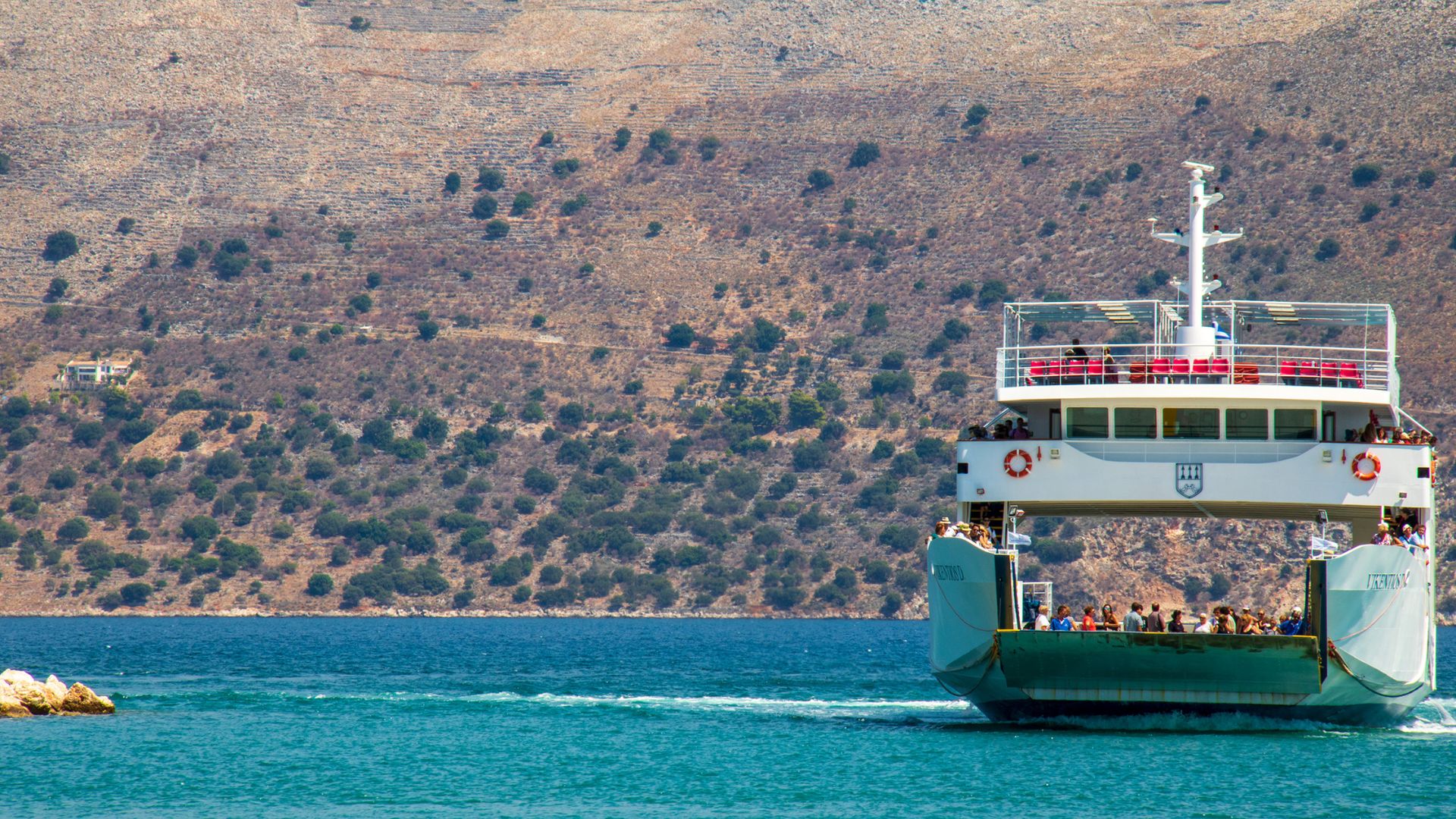
Blue Star Ferries and SeaJets run most routes. Regular ferries are slower but cheaper (and you can bring a car). High-speed ferries zip you between islands fast, but tickets cost more.
Popular routes from Piraeus:
- Athens to Santorini: 5-8 hours
- Athens to Mykonos: 3-5 hours
- Athens to Crete (Heraklion): 6-9 hours
Check schedules on Ferryhopper before you book. Weather sometimes delays or cancels ferries, so leave a little wiggle room in your plans.
If you get seasick, pack some meds. Snacks and water onboard are expensive, so bring your own.

Flying Between Islands
Athens International Airport connects to the big islands via Aegean Airlines and Olympic Air. If you’re trying to cover more ground in less time, flying’s often worth it.
Islands like Santorini, Mykonos, Crete, Rhodes, and Corfu all have airports. Most flights take less than an hour.
Book flights early if you’re traveling June through September. Prices rise fast as seats fill up.
On smaller islands, taxis might not be waiting at the airport, so arrange your ride in advance.
Flying costs more than ferries, but sometimes you just want to skip a long boat ride.
Booking Tickets and Transfers
I always book my ferry tickets on Ferryhopper or directly with the ferry companies, at least two to three weeks ahead in summer.
You can choose deck seats, airplane-style seats, or even a cabin for overnight trips. Business class is comfier if you’re on a longer journey.
For flights, Aegean Airlines usually has the most options. Their website is easy to use and shows all the connections.
Set up your airport transfers through your hotel or a private service. Buses don’t always run on island time.
Keep both digital and printed copies of your tickets. Internet can be spotty at ferry ports and you don’t want to get stuck.
Packing Smart: What to Bring for a Greek Island Hopping Adventure
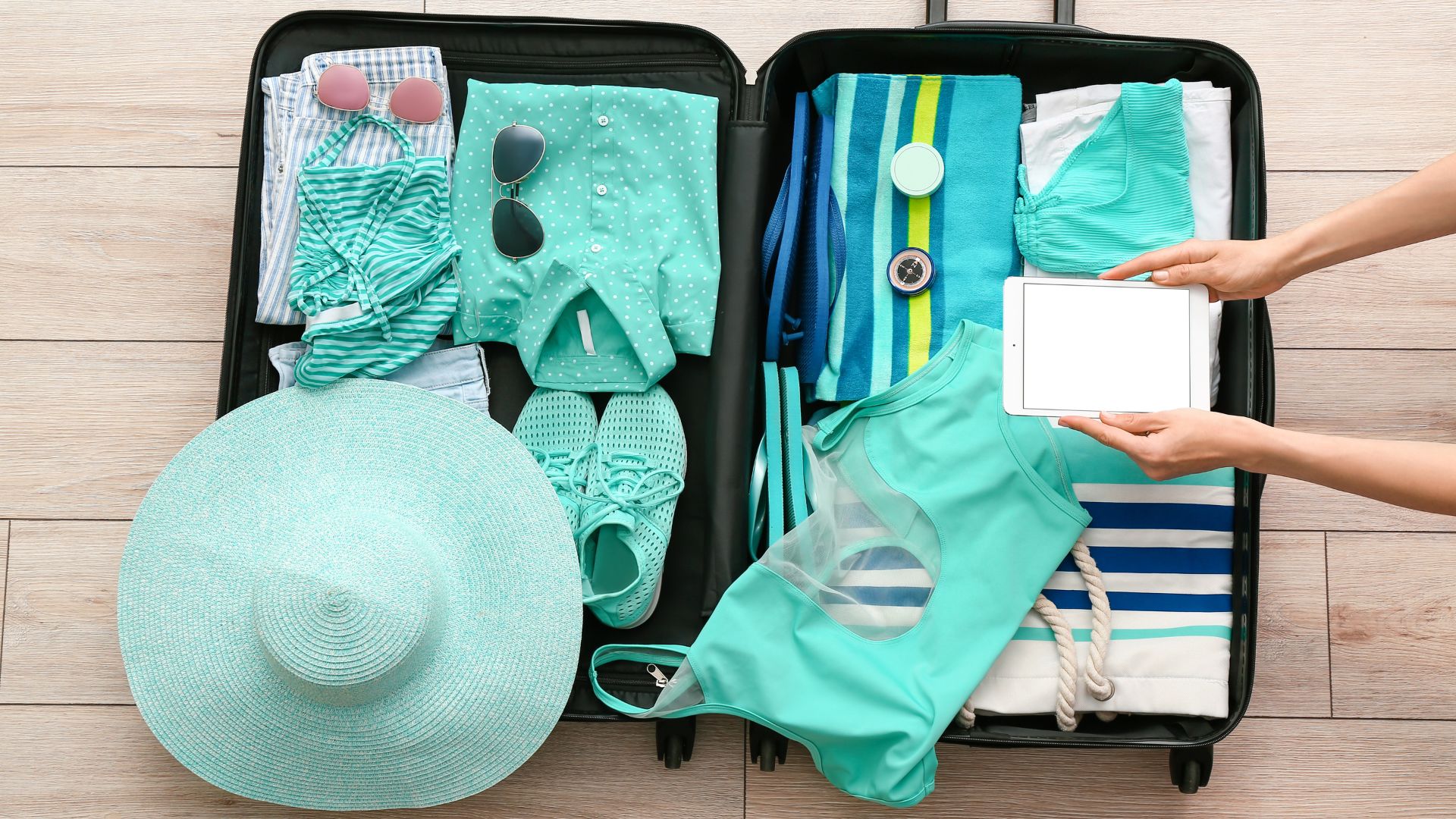
Packing for Greek islands is all about keeping it light and practical. You’ll want comfy shoes, breezy clothes, and just the essentials for tech and toiletries.
Travel Essentials and Clothing
The right clothes really make a difference. I always go for cotton and linen—they’re perfect for the heat.
Here’s what I usually pack:
- 3-4 comfy t-shirts or tanks
- 2-3 pairs of shorts
- 1-2 sundresses or maxi dresses
- A light long-sleeve for breezy ferry rides
- A sweater for air-conditioned spaces
Footwear can make or break your trip. Bring sturdy walking shoes for those cobblestone streets, flip-flops for the beach, and water shoes if you’re planning rocky swims.
You’ll want 2-3 swimsuits. Quick-dry fabrics are a lifesaver when you’re on the move.
Keep your passport, insurance papers, and ferry tickets in a waterproof pouch. Bring some euros in small bills—lots of places still prefer cash.
A basic first-aid kit is handy. I always toss in motion sickness tablets, sunscreen, and any meds I need.
Must-Have Tech and Gear
I try to keep electronics simple. Just bring what you’ll actually use.
Essentials:
- Smartphone with offline maps
- Portable charger or power bank
- Universal travel adapter (Greece uses Type C and F)
- Waterproof phone case for beach days
A lightweight daypack is a game changer. I like ones that fold up small when I’m not using them.
A reusable water bottle is a must. Shade can be hard to find, especially in summer, so you’ll want to stay hydrated.
A small umbrella is handy for sun or sudden rain. Greek weather can flip fast, especially in spring and fall.
A dry bag is perfect for boat rides or beach days—keeps your gear safe and dry.
Ready to hop those islands? Just remember, a little planning goes a long way, but sometimes the best moments are the ones you didn’t plan at all.
Tips for Light and Practical Packing
Island hopping means you’ll be hauling your bag a lot, so trust me—pack light and smart. I swear by my soft-sided suitcase with wheels; it slides into ferry storage and tiny hotel rooms without a fight.
Packing strategies that work:
- Roll your clothes instead of folding. It saves a surprising amount of space—maybe 30% or so.
- Packing cubes keep things sorted by island or activity, and they make unpacking a breeze.
- Stick with a limited color palette so you can mix and match everything.
- Choose items that pull double duty; a sundress can work for the beach and dinner.
Two pairs of shoes is plenty. Your feet (and your back) will thank you when you’re running for a ferry.
I usually toss in one simple, nicer outfit for dinners, but honestly, nobody expects formal wear on the Greek islands. The vibe is super casual.
Leave these behind: heavy jeans, more than one jacket, extra toiletries, and any bulky electronics. If you forget something essential like sunscreen, pharmacies on the islands sell it.
No matter how long the trip, I stick to a week’s worth of clothes. Most places offer laundry, and hand-washing lightweight fabrics is quick and easy.
Experiencing Local Culture, Food, and Island Life
Greek island culture feels woven into every meal, festival, and family gathering. I’ve found the best way to connect is by joining shared meals at local tavernas or showing up for community celebrations.
Sampling Authentic Greek Cuisine
I always tell friends: avoid the touristy spots near the ports. The real magic happens in family-run tavernas tucked away in the village squares.
If you spot Greek families—three generations deep—at a table, that’s your cue to grab a seat. These places serve up recipes passed down from grandmothers.
Must-try dishes on every island:
- Grilled octopus drizzled with olive oil and lemon
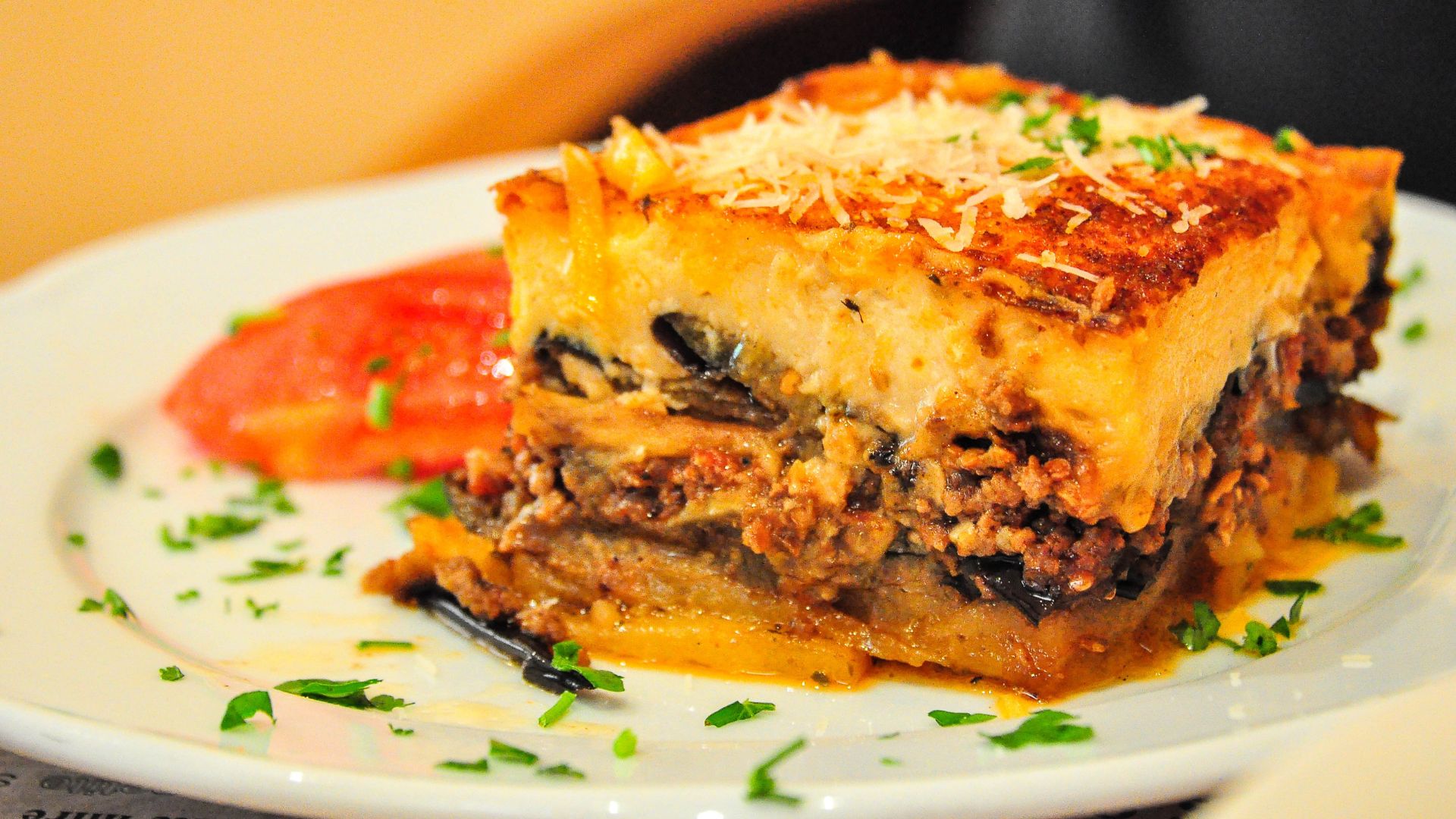
- Moussaka layered with local eggplant
- Santorini’s fava (it’s yellow split peas, not actual fava beans)
- Cheeses like graviera or mizithra
Each island brings something special. Mykonos has kopanisti cheese, Naxos grows the best potatoes, and Crete’s olive oil is legendary.
Lunch happens late—think 2-4 PM—if you want to eat like the locals. Dinner? Don’t even try before 9 PM.
Ask your server what’s fresh today. Local cooks buy ingredients from fishermen and farmers every morning, so the daily specials are usually the tastiest.
Embracing Island Traditions and Festivals
Greek islands throw religious festivals called panigiria all summer long. These aren’t staged for tourists—they’re the real deal, with families gathering to celebrate their saints.
Every village has a church with its own feast day. Locals cook massive pots of food and share everything with whoever shows up. I’ve walked in as a stranger and left feeling like family.
Common festival elements:
- Traditional music and lots of dancing in the square
- Free home-cooked food for all
- Processions with religious icons
- Celebrations that sometimes last until sunrise
Orthodox Easter is the biggest event. If you’re there during Holy Week, the midnight service on Saturday is unforgettable.
A few Greek phrases go a long way. “Yamas” (cheers), “efharisto” (thank you), and “ti kanis” (how are you) always break the ice.
Staying Respectful and Sustainable
Islanders welcome visitors, but they’re also trying to protect their traditions. I usually watch the locals and follow their lead.
When visiting churches or monasteries, dress modestly—shoulders and knees covered. Most places offer wraps at the entrance if you forget.
Skip the big international chains. Shopping at the village market and eating at local tavernas helps the community.
Sustainable habits I stick to:
- Carry a reusable water bottle—tap water’s safe on most islands.
- Switch to reef-safe sunscreen to protect the sea.
- Take all your trash from the beach.
- Respect “no photography” signs in religious sites.
During siesta (2-5 PM), shops close and locals rest. Keep things quiet in residential areas during these hours.
Water shortages and waste are big issues on many islands. Short showers and good recycling habits actually help.
Frequently Asked Questions
Budget travelers can island hop for about 80-100 euros per day. In a week, you’ll probably see 2-3 islands in the same group. Ferries run 5-20 euros per trip, and packing light with sun protection and comfy shoes makes the journey smoother.
What are the most cost-effective strategies for island hopping in Greece on a budget?
I usually budget 80-100 euros daily for a basic double room, meals, and ferry tickets. On smaller islands in the off-season, rooms start at 40 euros.
Island-to-island ferries run 5-20 euros, while Athens routes can jump to 100 euros. I always stay near the port or main village to cut taxi costs.
Family tavernas serve great meals for 15-20 euros per person. I avoid August, when prices and crowds spike.
If you want to save more, pick smaller, less touristy islands instead of pricier spots like Mykonos or Santorini in high season.

Can you provide a recommended Greek island hopping itinerary suitable for a 7-day trip?
For a week, stick to one island group to avoid long travel days. The classic Cyclades route is a winner for first-timers.
Spend 2-3 days in Athens, then ferry to Mykonos for 2 days. Head to Santorini for another 2-3 days before looping back.
Want a slower pace? Try Naxos, Paros, and a smaller island. You’ll get 2-3 days per island and skip the crowds.
Ferries between these islands take 2-4 hours tops. I always book a room near the port for easy transfers.
Which Greek islands are recommended for first-time visitors seeking an authentic experience?
Naxos is my top pick for first-timers. It’s got traditional villages, stunning beaches, and fair prices—not to mention regular ferries and genuine local culture.
Paros is another great choice, with charming fishing villages and beautiful beaches. It still feels Greek, even in summer.
If you’re curious about the Dodecanese, start in Rhodes and take day trips to Halki or Tilos for a taste of real island life.
Definitely skip Mykonos and Santorini in July-August if you want authenticity—they’re packed and pricey then.
How do travelers typically navigate between islands during a Greek island hopping adventure?
Ferries are the main way to get around. I use Ferryhopper.com to check routes and buy tickets.
Islands in the same group connect easily by ferry—usually 2-4 hours per ride. Fast ferries cost more but can save hours.
I like flying to my first island hub, then using ferries to move around. Not every island has an airport, so plan accordingly.
Athens is the main ferry hub, with routes to every island group. Depending on where you’re headed, journeys can last from 40 minutes to a full day.
What are the top essentials to pack for a seamless Greek island hopping experience?
Keep your packing light. You’ll be moving a lot, and a wheeled suitcase beats a heavy backpack every time.
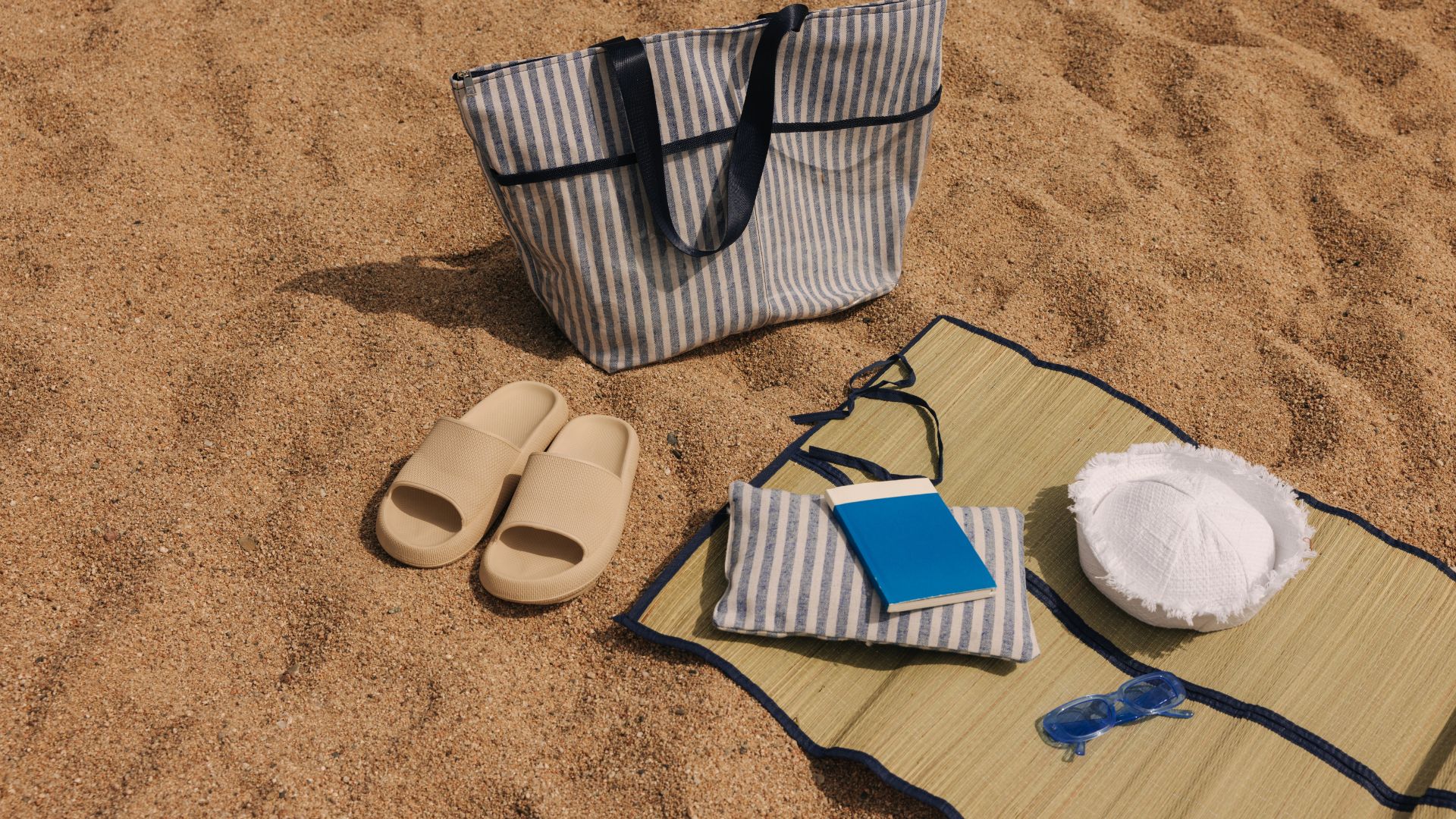
Sun protection is non-negotiable. Bring high SPF sunscreen, a wide-brimmed hat, and sunglasses. The sun on the ferries is no joke.
Good walking shoes are a must for cobblestone streets and hiking. I also pack reef-safe sunscreen for the beaches.
Don’t forget a portable charger and universal adapter. Ferry rides can be long, and you’ll want your phone charged for tickets and maps.
How long should a traveler ideally spend on Greek island hopping to fully enjoy the experience?
Honestly, I’d say give yourself at least 10 days if you want to do Greek island hopping right. That way, you can spend a good 3 or 4 days on each island and actually soak up the vibe, instead of just racing from ferry to ferry.
If you’re lucky enough to have two or three weeks? That’s the sweet spot for exploring up to six islands without feeling like you’re just ticking boxes. Personally, I love the idea of spending a whole week on each island—unless it’s a tiny one, then a few days might do the trick.
Got just a week? Stick to one island group. Trust me, you’ll enjoy your time more if you’re not constantly on the move. There’s nothing worse than realizing you’ve spent more time in ports than on the beach.
And here’s a little advice—don’t stress about seeing every single island in one go. The Greek islands are the kind of place you’ll want to come back to, again and again. I always leave a few unexplored, just as an excuse to return.