
Italy has a way of capturing every kind of traveler—luxury lovers, budget backpackers, families, and solo explorers alike. I’ve wandered Rome’s ancient streets, sipped wine in Tuscan vineyards, and gotten lost in coastal villages. All those moments just confirm that Italy offers something special for every travel style and budget in 2025-2026.
Whether you want a high-end vacation with private tours or you’re searching for affordable ways to soak up Italian culture, you’ll find the country ready to welcome you.
The beauty of an Italian holiday? It’s all about versatility. Luxury travelers can splurge on exclusive experiences at historic villas and five-star hotels. Meanwhile, budget travelers find just as much charm in family-run pensiones and local street food.
Families love the kid-friendly museums and beach towns. Solo travelers, like me, often discover a surprisingly warm atmosphere and guided tours designed for independent explorers.
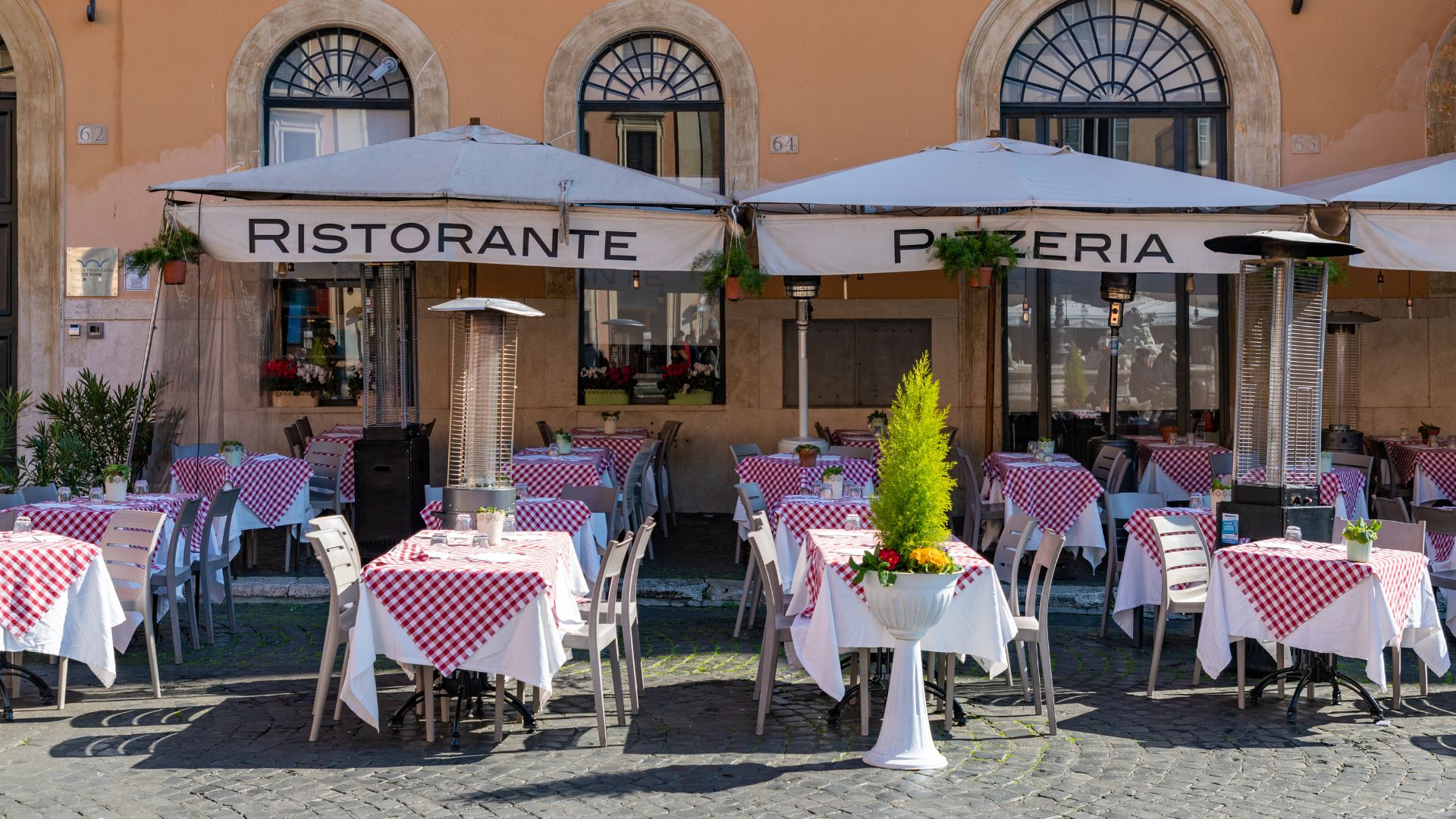
Iconic Destinations and Must-See Sights
All across Italy, you’ll spot landmarks that have fascinated travelers for centuries. I’ve realized there are a few places you just can’t skip, whether you’re a first-timer or returning for more.
Rome, Vatican City, and the Ancient Wonders
Rome overwhelms your senses—in a good way. When I stood inside the Colosseum, I could almost hear ancient crowds cheering as gladiators faced off. This structure has stayed impressively intact for nearly 2,000 years.
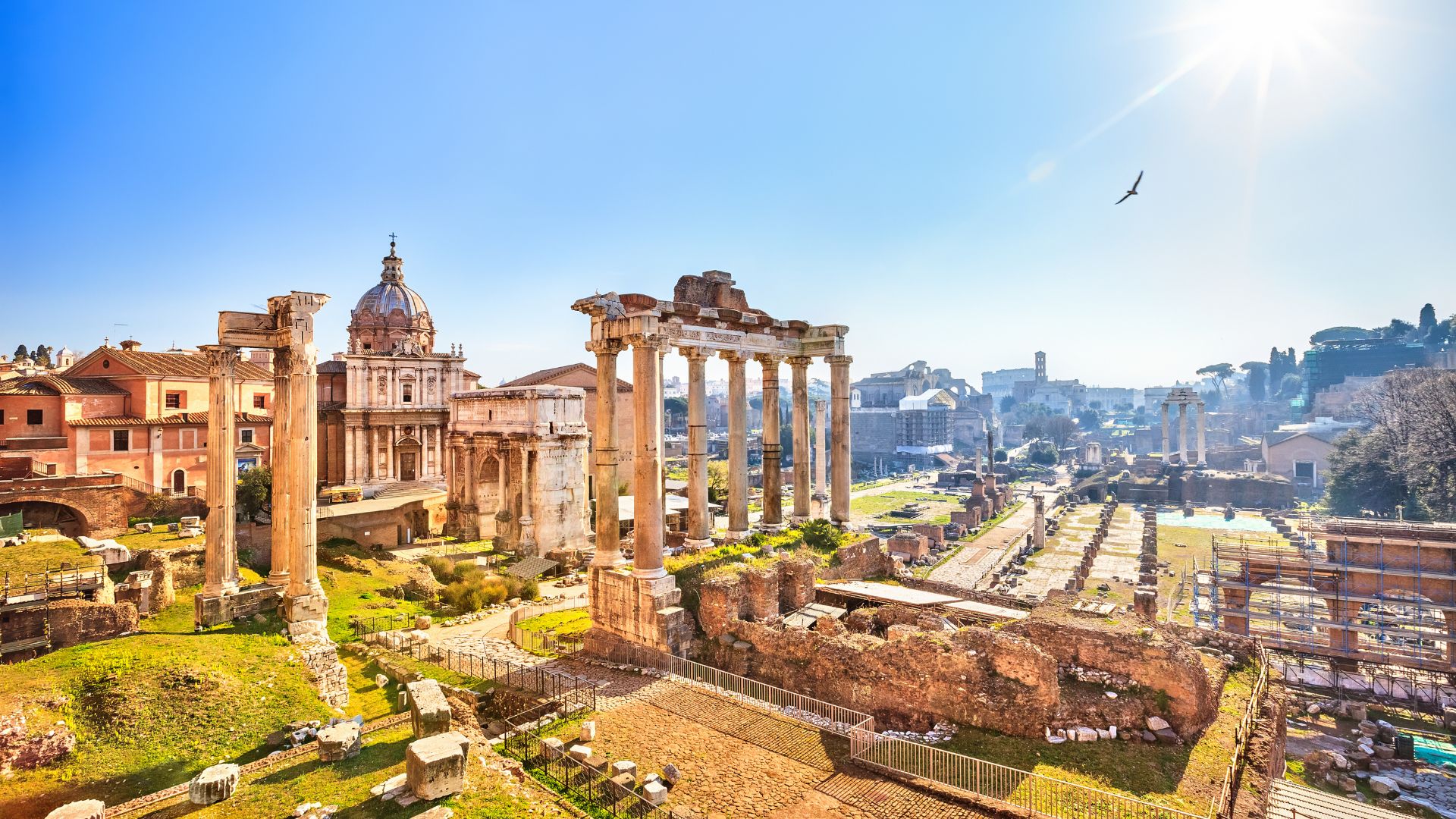
Just nearby, the Roman Forum sprawls out like an open-air museum. I spent hours weaving through temples and monuments, picturing Julius Caesar’s footsteps on the same stones.
Vatican City needs at least a full day. The Vatican Museums blew my mind with their art collection, and the Sistine Chapel ceiling—well, nothing really prepares you for that.
Don’t skip tossing a coin into the Trevi Fountain! I do it every visit, just to make sure I’ll come back. For people-watching, grab a gelato and hang out on the Spanish Steps.
Venice and the Grand Canal Experience
Venice feels almost unreal—like you’ve walked straight into a dream. Without cars, the city has a magical hush you won’t find anywhere else. I always recommend getting lost in the alleyways; you’ll stumble on tiny squares and local cafés you’d never find otherwise.
The Grand Canal is Venice’s main artery. Riding a vaporetto (water bus) down its winding path gives you front-row views of colorful palazzos.
St. Mark’s Square is pure magic early in the morning before anyone else shows up. I’ve sipped espresso here at sunrise, and honestly, it’s one of my favorite memories.
Sure, a gondola ride is a bit cliché, but gliding under bridges past centuries-old buildings? It’s worth it. For something more local, hop across the Grand Canal in a traghetto—the standing gondolas Venetians use.

Florence and the Artistic Heart of Tuscany
Florence packs in more Renaissance art than you can imagine. The Uffizi Gallery, with masterpieces by Botticelli, da Vinci, and Michelangelo, left me completely awestruck. Definitely buy tickets online to skip the lines.
That famous cathedral, crowned by Brunelleschi’s dome, towers above the city. If you climb to the top, you’ll get a sweeping view of red-tiled roofs and the rolling Tuscan hills.
Tuscany’s magic doesn’t end in Florence. Siena’s winding medieval streets and its shell-shaped piazza feel like a step back in time. I spent an afternoon here with a glass of local wine, just watching the world go by.
Florence’s food scene deserves its own shoutout. I’ve had some of my best gelato here—artisanal shops use whatever’s in season, and you can taste the difference. The simple cooking style just lets those incredible ingredients shine.
Dreamy Amalfi Coast and Capri Escapes
The Amalfi Coast never fails to take my breath away. Colorful villages cling to cliffs above the bluest sea you’ll ever see. Positano, with its pastel buildings tumbling down to the beach, looks straight out of a painting.
Driving the coastal road gives you jaw-dropping views, but I’d suggest taking ferries between towns—you get the best angles from the water.
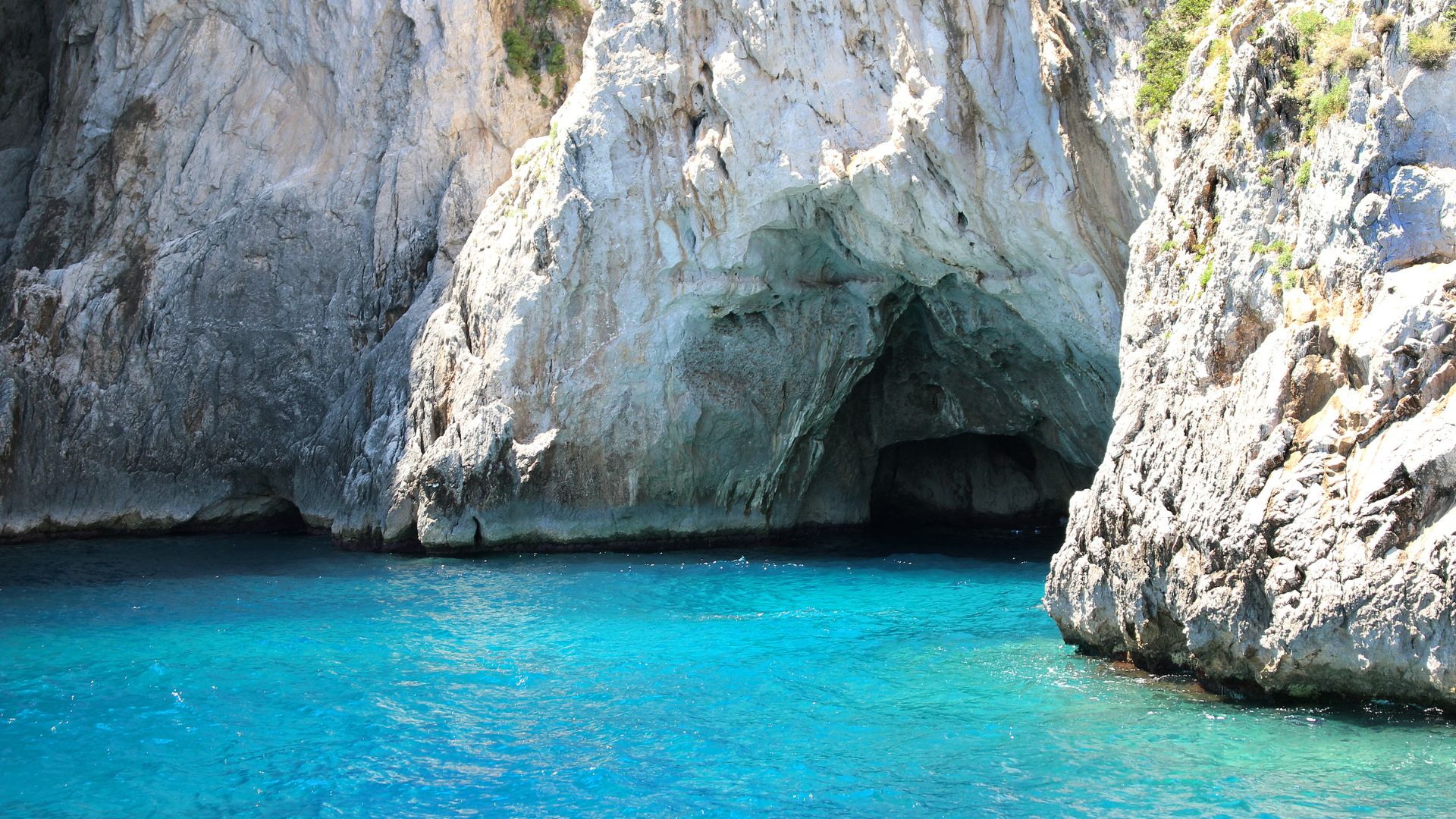
Capri’s natural beauty makes battling the crowds worth it. The Blue Grotto glows with an almost otherworldly blue light. Take the chairlift up Monte Solaro for sweeping island views.
Not far away, Pompeii’s ruins offer a haunting look at ancient Roman life, frozen in time after Mount Vesuvius erupted. As I wandered those streets, I could almost picture daily life before disaster struck in 79 AD.
Travel Styles: Luxury, Budget, Family, and Solo Journeys
Italy truly has something for everyone. I’ve experienced it through all sorts of lenses, and each trip feels like a new adventure.
Luxury Escapes and Indulgent Stays
Luxury in Italy isn’t just about fancy hotels. On the Amalfi Coast, I once splurged on a villa with a private terrace overlooking the sea—worth every euro.
Custom trips through companies like Kensington Tours set me up with private guides who showed me hidden corners of Florence and arranged after-hours museum visits in Rome.
Some of the best five-star hotels in Italy sit inside restored historic buildings. I stayed in a 16th-century palazzo in Venice—modern luxury meets Renaissance charm, and the result is unforgettable.
For a real treat, book private wine tastings in Tuscany or a yacht trip along Sicily’s coast. Travel insurance is a must for luxury trips; it saved me when my flights got cancelled.
Budget-Friendly Adventures
I’ve traveled Italy on a shoestring and never felt like I missed out. The secret? Skip the chains and stay in family-run guesthouses. In Bologna, I found a cozy room with breakfast for just €65.
Public transportation is both cheap and easy to use. I bought a multi-day rail pass and hopped between cities, saving a ton compared to renting a car.
Some of Italy’s best experiences cost nothing. I wandered Venice’s back canals, ducked into neighborhood churches with jaw-dropping art, and hiked the Cinque Terre trails.
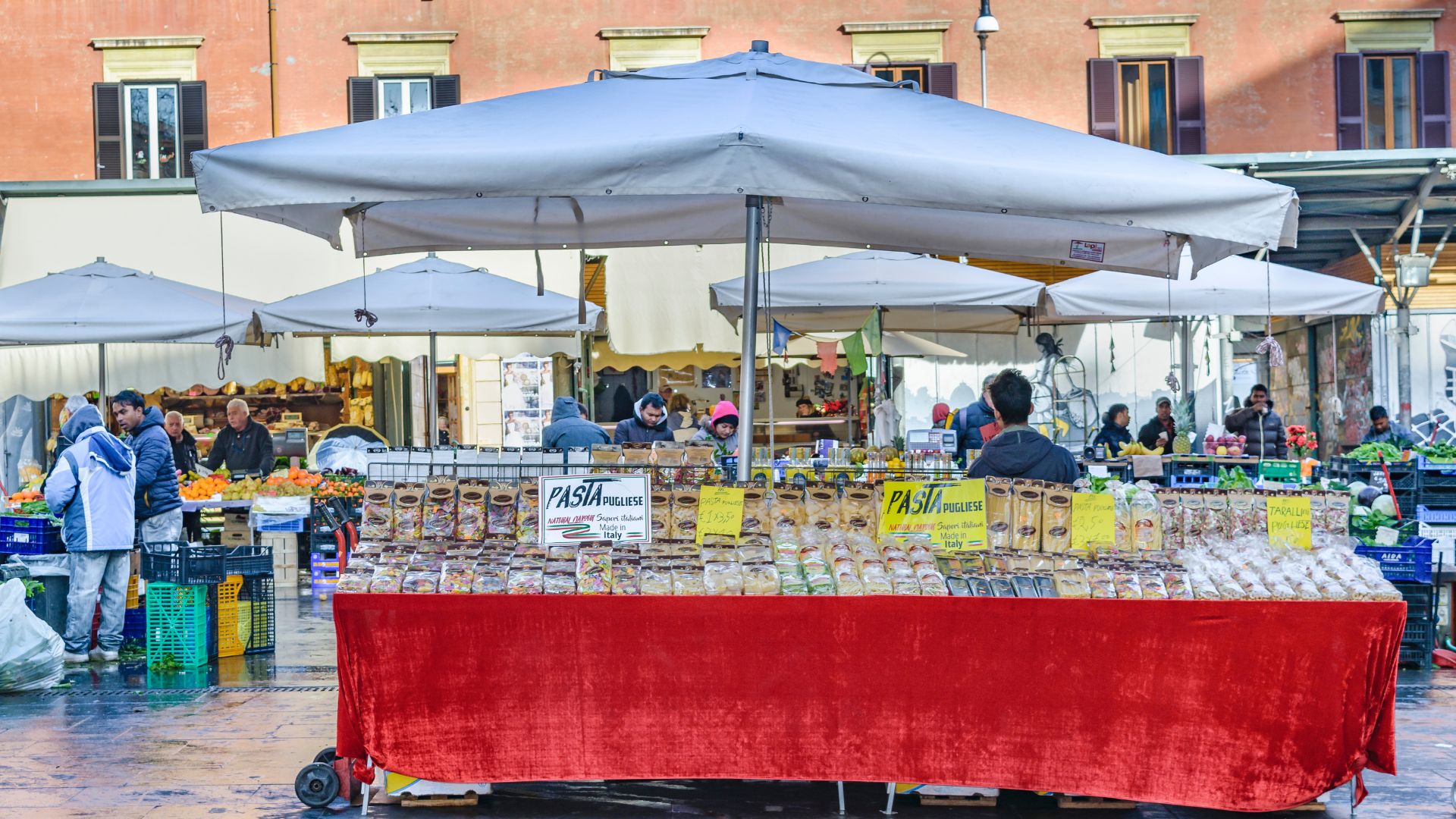
Markets are perfect for budget meals. I’d grab fresh bread, cheese, and fruit for a picnic—usually under €10. For dinner, I looked for “aperitivo” deals where you get a drink plus a buffet.
Traveling independently usually costs less than joining a group tour. With a solid guidebook and a little planning, I navigated Italy easily and kept my spending in check.
Family-Friendly Italian Holidays
I’ve watched kids light up as they discover Italy’s wonders. There’s way more than museums—hands-on experiences keep kids happy. My nephew still talks about gladiator school in Rome, where he learned swordplay from instructors in costume.
Beach towns along the Riviera and Sicily offer family-friendly hotels with pools and activities for kids. I always look for places with family rooms or apartments with kitchens—it’s a lifesaver for meals.
Italians adore children. I’ve seen chefs invite kids into the kitchen to make pizza. Museums often have treasure hunts and hands-on displays for young visitors.
Some family favorites I’d recommend:
- Gelato-making classes in Florence
- Boat rides to spot dolphins in Sardinia
- Exploring trulli houses in Puglia
- Pizza workshops in Naples
Family travel insurance is a smart move, especially if you’re planning active adventures. It gave me peace of mind when my brother’s family hiked in the Dolomites.
Solo Travel in Italy: Tips and Destinations
Italy is surprisingly great for solo travelers. The country feels safe, and locals are usually friendly—even if you don’t speak much Italian.
Group tours make it easy to meet people. On a Tuscany walking tour, I made friends while our guide handled all the logistics. Lots of companies now offer solo-friendly trips with options to share rooms and skip single supplements.
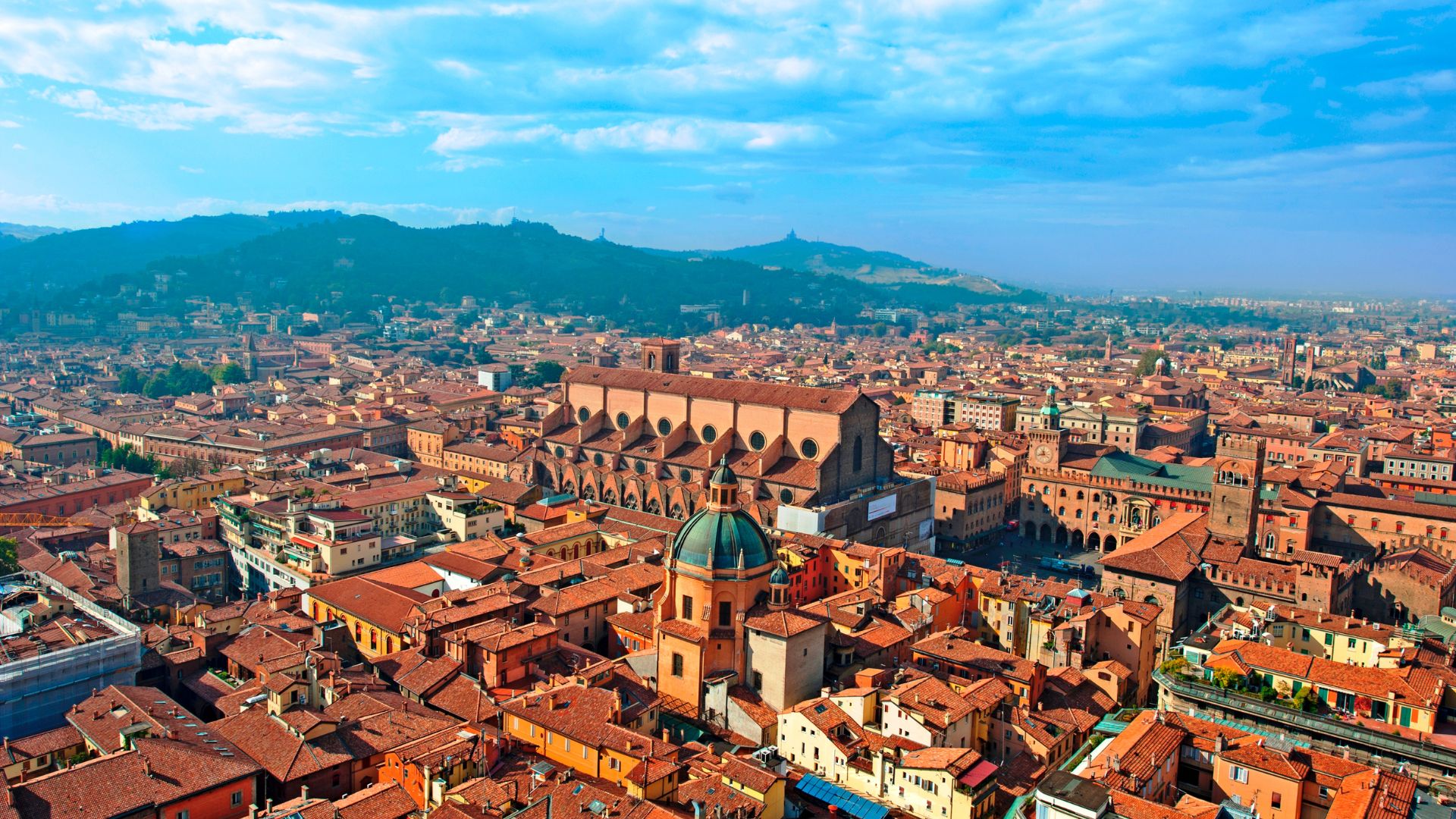
If you want to travel solo, I’d start in Bologna or Verona. Both have lively café scenes and are easy to explore on foot.
Some transportation tips I’ve picked up:
- Book trains with the Trenitalia app
- Use ridesharing apps in cities
- Try regional buses to reach smaller towns
For accommodation, I always choose central hotels with good reviews from other solo travelers. Boutique B&Bs, in particular, offer a personal touch—hosts often share local tips or even invite you to join them for a meal.
Unique Tours and Enriching Experiences
Italy goes way beyond the usual sightseeing. I’ve found the best memories come from immersive experiences that connect you to local culture, food, and places most tourists miss.
Wine Tastings and Culinary Tours
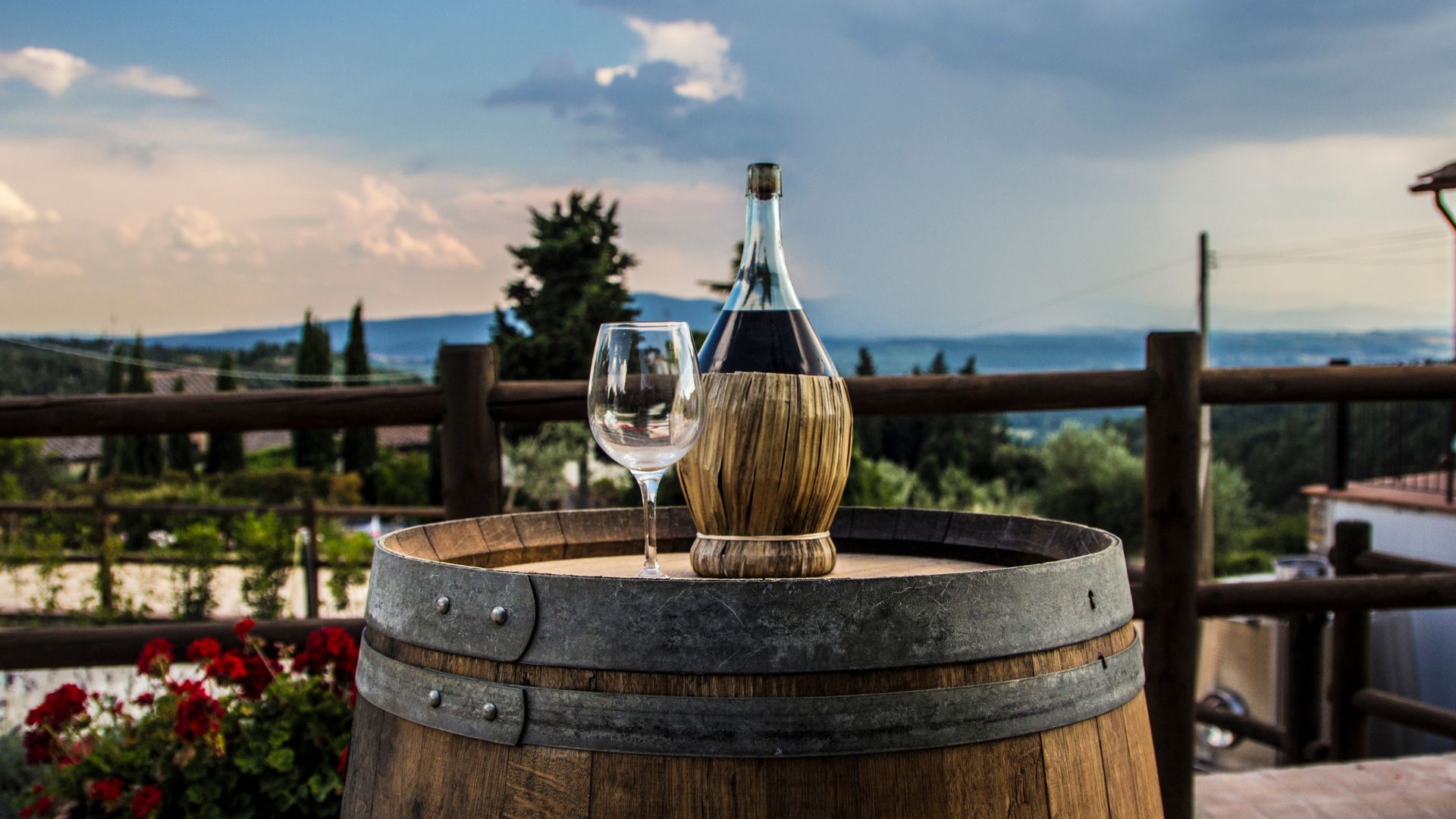
Italy’s wine regions offer so much more than just tastings. In Tuscany, I visited family-owned vineyards where the owners led me through their cellars and fields before pouring generous samples paired with local snacks.
The Chianti region between Florence and Siena is dotted with wineries that explain everything from grape to bottle. Many tours include a crash course in Italian table manners while you enjoy a long, leisurely meal.
For something extra special, try a wine tour in Montalcino and taste Brunello—Italy’s most famous red. You’ll usually get:
- Small-group tastings with expert sommeliers
- Food pairings with local cheese and salumi
- Walks through the vineyards, learning about the land
- A chance to chat with winemakers and ask questions
Culinary tours in Bologna or Sicily often include cooking classes, where you shop at local markets and then prepare classic dishes together.
Cultural Immersion and Local Experiences
To really connect with Italian culture, sometimes you just have to step off the beaten path. In little towns like San Gimignano, I’ve joined in on seasonal festivals—locals are always happy to share their traditions.
Museums can teach you a lot about Italian life. Beyond the big-name galleries, look for quirky spots like the Ferrari Museum in Maranello or the Pasta Museum in Rome.
For a deeper experience, try:
- Staying with an Italian family
- Joining language exchanges in local cafés
- Taking workshops in traditional crafts
- Joining the evening passeggiata—a stroll through the town square
I once learned mask-making in Venice from a craftsman whose family has done it for generations. Those kinds of personal encounters stick with you.
Guided City Tours and Day Trips
A good guide can unlock hidden stories in Italy’s cities. In Rome, expert-led tours can get you into Vatican areas or underground catacombs that most people never see.
Food tours are another favorite of mine. In Naples, a pizza tour led me to tiny, family-run spots with the best pies, plus the stories behind them.
Day trips from big cities open up new worlds. From Florence, I joined a countryside tour to medieval villages and cypress-lined roads. From Venice, I took a boat to Murano for a glass-blowing demo.
A few standout guided experiences:
- Underground Rome tours beneath the city’s modern streets
- Early museum access before crowds arrive
- Street art walks in Milan’s up-and-coming districts
- Cinque Terre hikes with local guides who know the secret lookouts
Small Ship and River Cruises
Seeing Italy from the water changes everything. Small ship cruises along the Amalfi Coast let you slip into hidden coves and enjoy those dramatic cliffs from a new angle.
River cruises on the Po offer a slow, scenic way to soak up northern towns and countryside. These smaller boats dock right in the center of historic towns.
Some of my favorite cruise options:
- Exploring the Venetian Lagoon—Murano, Burano, and lesser-known islands
- Southern coast cruises, stopping at tiny fishing villages
- Sicilian island-hopping for remote beaches
These ships usually carry between 20 and 100 passengers, so you get a personal touch and can dock where big ships can’t. Most cruises include guided excursions at each stop and onboard talks about Italian history, art, and food.
Northern and Southern Italy: Regional Highlights
Italy bursts with contrasts, from the stylish cities up north to the sunny, laid-back southern coasts. Every region has its own vibe, weaving together a patchwork of culture, food, and landscapes you just can’t find anywhere else.
Exploring Northern Italy: Milan, Lake Como, and Beyond
I think Northern Italy feels like the perfect mix of city buzz and jaw-dropping scenery.
Milan totally drew me in with its high-fashion energy and the stunning Duomo. That shopping district around Via Montenapoleone? Even if you’re just browsing, it’s a treat for the eyes.
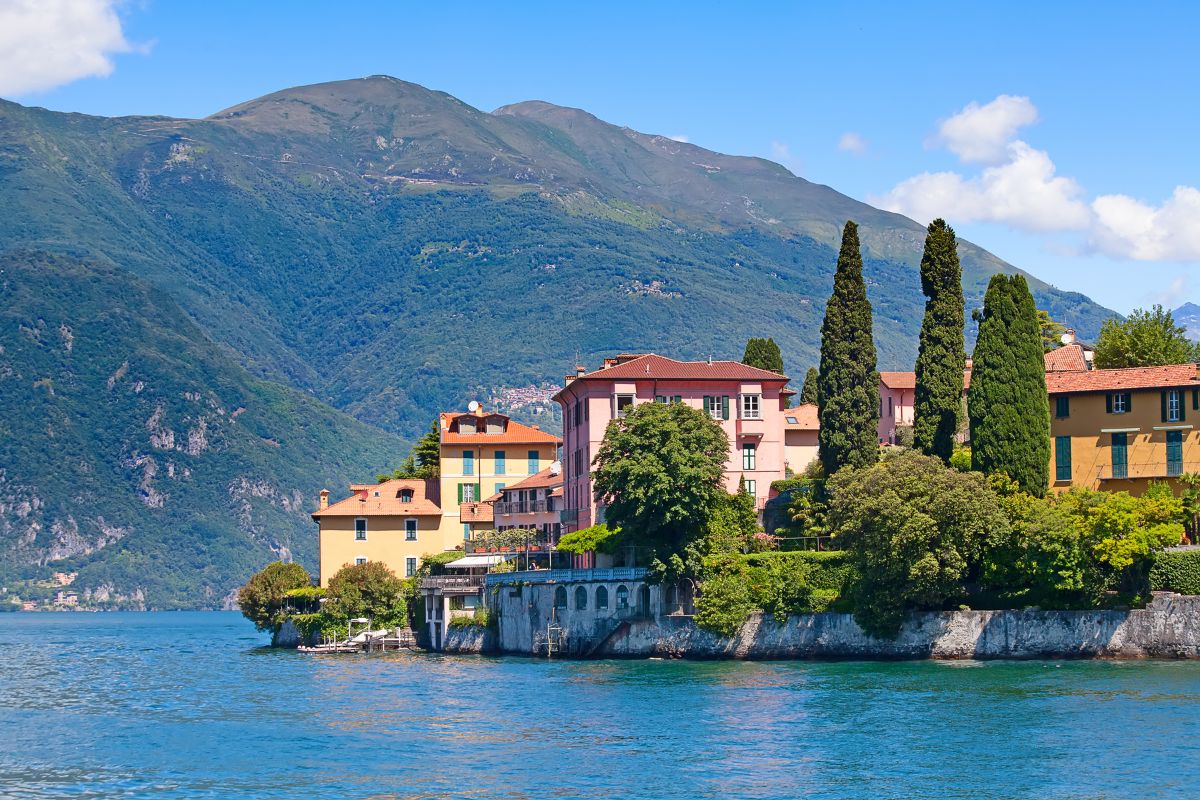
Lake Como sits just an hour outside Milan. Its clear waters and fancy villas make it the ideal spot to unwind.
If you can, hop on a boat—seeing the Alps pop up behind the lake is something else.
Head east and you’ll find the Adriatic coast, which feels completely different. Venice’s canals are iconic, and Bologna’s food scene? Let’s just say there’s a reason they call it “La Grassa.”
If you’re into hiking or skiing, the Dolomites are a must, though you’ll want to time your visit for the right season.
Southern Italy Gems: Sicily, Naples, and Pompeii
Every time I visit southern Italy, I leave wanting more.
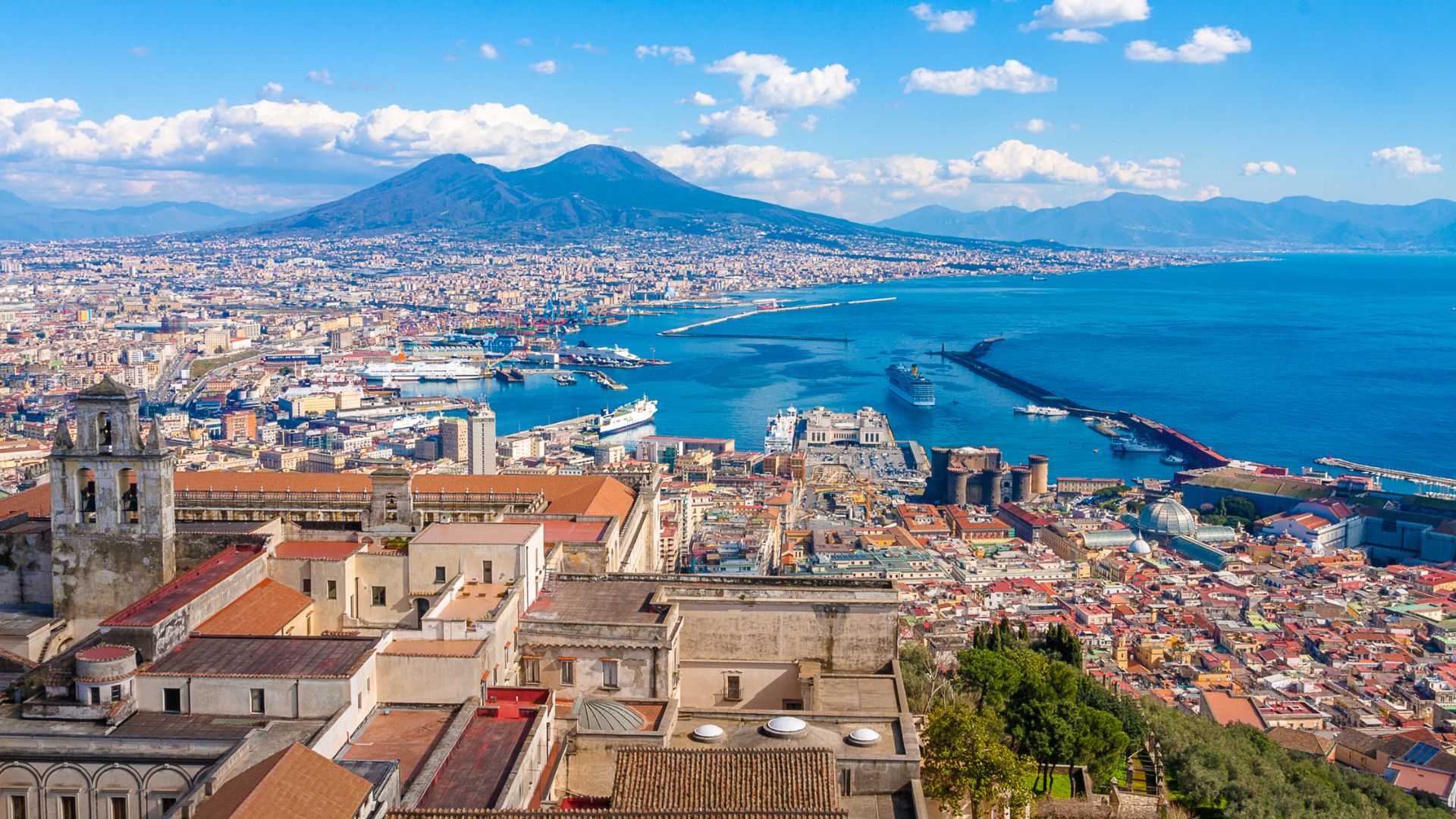
Naples buzzes with a raw, infectious energy and serves up the best pizza I’ve ever had—thin, chewy, and topped with just the essentials.
I always use Naples as a jumping-off point for Pompeii. Walking those ancient Roman streets, frozen in time by Vesuvius, makes history feel real.
Sicily really got under my skin. Its architecture and food show off a wild mix of cultures.
The Greek temples at Agrigento? They honestly rival what you’ll see in Greece. Palermo’s street markets are a riot for the senses—noisy, colorful, and impossible to resist.
On the Amalfi Coast, cliffs tumble down to villages that look like they belong on a postcard. Every turn feels like a new photo op.
And while it’s not technically southern, Pisa’s Leaning Tower is always worth a quick stop if you’re traveling between regions.
Making the Most of Your Italian Adventure
Italy rewards a little planning but also loves a bit of spontaneity. If you get your transport, communication, and packing sorted, you’ll free yourself up for those unexpected moments that make a trip unforgettable.
Public Transportation and Getting Around
I rely on public transportation here—it’s fast, cheap, and gets you almost anywhere.
Booking tickets ahead on the Trenitalia app saves me time and usually a few euros, especially for high-speed trains between big cities like Rome, Florence, and Milan.
Regional trains work great for smaller towns. In Venice, water buses (vaporetti) are the way to go, and a 24-hour pass is totally worth it if you’re hopping around a lot.
The metros in Rome, Milan, and Naples are simple and affordable. If you’re feeling sporty, rent a bike in places like Florence or Bologna—the terrain is friendly and rental shops are everywhere.
Oh, and don’t forget: you need to validate your paper tickets before you get on. Otherwise, you risk a fine that’ll sour your day.

Essential Italian Phrases and Communication
Most Italians in touristy spots speak some English, but just a few words of Italian can open doors—sometimes literally.
Essential Italian phrases:
- “Buongiorno” (Good day)
- “Grazie” (Thank you)
- “Per favore” (Please)
- “Parla inglese?” (Do you speak English?)
- “Il conto, per favore” (The bill, please)
- “Dov’è il bagno?” (Where is the bathroom?)
Italians really appreciate it when you try—even if you stumble a bit. Honestly, hand gestures and a smile go a long way.
Download Google Translate (and the Italian pack) before you go. It’s a lifesaver when WiFi is spotty.
Packing Smart and Staying Connected
I always pack light, but I make sure I’m ready for Italy’s unpredictable weather and local customs.
Comfy shoes are a must for those cobblestone streets. I never forget a scarf, since you’ll need one to cover your shoulders in churches.
For staying connected, I grab an Italian SIM card when I land. TIM, Vodafone, and WindTre all have tourist-friendly deals—usually €20-30 for plenty of data. You can pick one up at the airport or in town.
Smart packing list:
- Adapter for Italian outlets (Type C/F)
- Portable charger
- Layers for changing temps
- Reusable water bottle (fill up at fountains)
- Small crossbody bag (keeps your stuff safe and close)
Most hotels and rentals offer free WiFi, but having mobile data means you’re never lost or out of touch.
Best Time to Visit for Different Travel Styles
Italy’s peak season hits from June through August. Crowds flock in, and prices shoot up.
If you’re after luxury and want something a bit more exclusive, May and September usually feel just right. The weather’s lovely, and you won’t have to elbow your way through the Amalfi Coast.
Budget travelers—honestly, you’ll get more bang for your buck in the shoulder seasons like April-May or September-October. Winter’s good too, unless you’re aiming for Christmas. I’ve noticed November can be a steal, especially in central and southern Italy where it’s still pretty mild.
Families with kids might lean toward June. It’s warm, but you avoid the July-August vacation stampede.
Solo travelers? October’s your month. Cities feel alive with local energy and there’s always some cultural event happening.
Spring lights up the Tuscan countryside with crazy colors. Fall? That’s when food festivals pop up everywhere—truffles, wine, all those seasonal treats. Worth timing your trip for, if you ask me.