
Zagreb in January feels like a secret. The city chills out—literally—and suddenly, it’s a peaceful winter retreat that most travelers never even think about. Everyone flocks to Croatia’s coast, but honestly, the capital has its own magic when the cold sets in.
The air gets crisp, the streets quiet down, and the whole place takes on a cozy, almost storybook vibe. I wandered through Zagreb in January and realized this city reveals its best side when the crowds are gone.
January might just be the best time to visit Zagreb. Temperatures hover around 0-3°C during the day. The city feels more like a neighborhood than a capital.
The medieval Upper Town? It’s almost empty. I strolled down centuries-old streets and ducked into churches without bumping elbows with tour groups. Sometimes, snow dusts the rooftops, making the whole city look like it belongs in a painting.
January in Zagreb isn’t about sunbathing or hiking. Instead, it’s about slipping into warm cafés, poking around underground tunnels, and living like a local. Affordable prices, a rich cultural scene, and that special winter atmosphere—these all combine to make January a surprisingly perfect time to discover Croatia’s capital.

Winter Weather in Zagreb
Zagreb’s continental climate means January brings cold, brisk days and the occasional snowstorm. The city gets its coldest weather now, with plenty of frost and the kind of chill that makes you want to wrap your hands around a hot drink.
Typical January Temperatures and Snow
During the day, Zagreb usually reaches about 6°C (43°F). Once the sun dips, it gets seriously cold—below freezing most nights.
Snow falls on about 10 days in January, but it rarely sticks around for long. I’ve noticed Zagreb winters feel drier than those in other European cities.
Temperature snapshot:
- Daytime highs: 6°C (43°F)
- Nighttime lows: Below 0°C (32°F)
- Conditions: Cold, with moderate rain or snow
Rain falls more often than heavy snow. Mornings can be icy, but by noon, things usually clear up.
Cloudy skies are the norm—about two-thirds of the time, the city sits under a blanket of gray. Sounds dreary? Maybe, but it’s perfect for ducking into museums or cafés.
What to Wear and Pack
If you’re coming to Zagreb in January, bring a warm winter jacket. Seriously, don’t skimp on this.
Waterproof boots are a must—rain happens more than snow. I always layer up with sweaters, and I never forget an umbrella.
Winter packing list:
- Cozy winter coat
- Sweaters for layering
- Waterproof boots
- Umbrella
- Warm gloves and a hat
Temperatures can swing a bit, so toss in a few lighter shirts for layering. When the sun does peek out, you’ll appreciate it.
A lightweight down jacket helps with unpredictable weather. Zagreb can flip from freezing to mild in an afternoon.
Heads up: Winter smog can get bad. I pack an N95 or FFP2 mask for evenings when the air feels heavy.

How Locals Stay Warm
Locals beat the cold with comfort food. Think hearty stews, sausages, and flaky pastries.
Cafés fill up fast. People linger over coffee or mulled wine, especially at the Christmas markets.
How people keep cozy:
- Hot meals at small restaurants
- Warm drinks in every café
- Exploring museums or catching a play
- Layering up for those quick weather shifts
Theaters and galleries buzz with activity. The Croatian National Theatre becomes a social hub.
On Tkalčićeva Street, pubs and restaurants stay packed. Traditional winter dishes and good company help everyone forget about the freezing temps.
Cozy Experiences Unique to January
When January rolls in, Zagreb transforms. The city turns inward, and the cold weather creates an excuse to discover its warmest corners.
Zagreb’s Winter Atmosphere
There’s something about January here. When snow covers the cobblestones, everything feels a bit more magical.
The winter chill pushes people inside, so the city’s cafés and bars become social lifelines.
Expect this weather:
- 0-5°C (32-41°F)
- Occasional snowflakes
- Short days, long nights
- Clear, crisp air
Indoor spaces suddenly feel extra inviting. Locals linger over coffee and conversation.
Baroque buildings in Upper Town look especially grand against the winter sky. I always find myself snapping photos of the rooftops.

Less-Crowded Landmarks
One huge perk of January? No crowds. I can wander through the Museum of Broken Relationships and actually take my time.
The museum feels even more powerful in winter. Maybe it’s the quiet or the gray light, but the stories hit harder.
Upper Town’s landmarks, like St. Mark’s Church and Lotrščak Tower, become peaceful. I get to soak in the history without getting jostled.
Best quiet spots:
- Ban Jelačić Square – early morning walks are the best
- Dolac Market – shop like a local
- Zagreb Cathedral – perfect for reflection
- Stone Gate – a little slice of medieval calm
The botanical gardens are tranquil all winter. I usually warm up at Botaničar café nearby.
Hidden Cafés and Warming Local Drinks
Zagreb’s café scene really shines in winter. Locals know all the best hideaways.
K&K Milčec sits near the main square but feels like a secret. Art lines the walls, and the vibe is pure old-school bohemia.
Quahwa roasts its own Ethiopian beans and serves them in a space filled with retro armchairs. It’s a great spot to thaw out.
Winter drinks become a ritual:
- Kuhano vino (mulled wine) from outdoor stands
- Strong Turkish coffee in traditional kafićs
- Gemišt (wine spritzers) at local bars
- Herbal teas at artsy cafés
Booksa blends café culture with a literary twist. I love the music and the WiFi—perfect for a slow afternoon.
The Old Pharmacy Pub feels like a warm hug—leather chairs, no smoking, and a solid whiskey menu.

Iconic Sights and Architecture
Zagreb’s architecture pops in winter. Snow on the rooftops, empty streets, and crisp air make exploring a real treat.
St. Mark’s Church in Winter
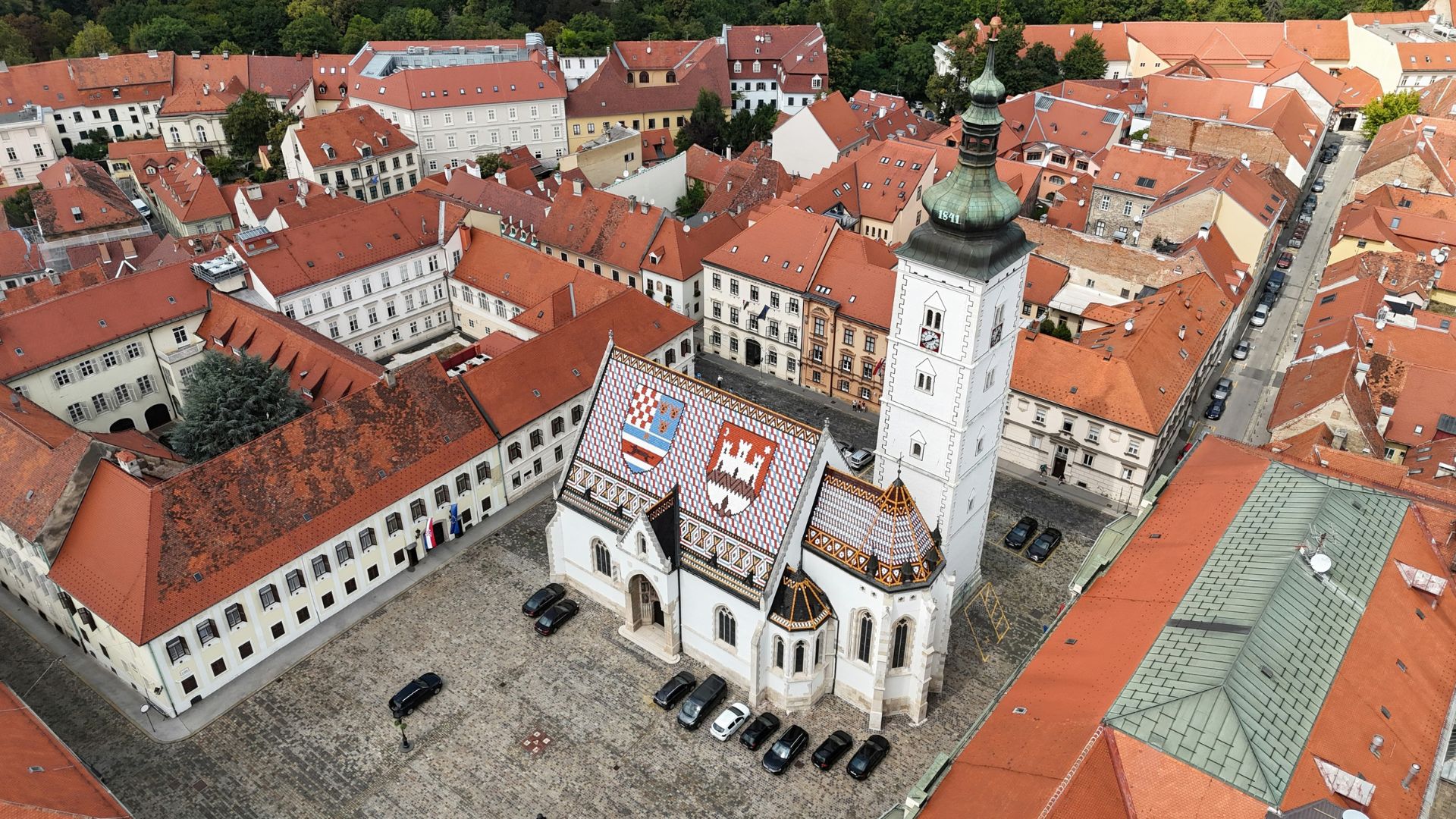
St. Mark’s Church is iconic. Its roof—those colorful tiles!—shows off the coats of arms of Zagreb and the old Kingdom of Croatia, Slavonia, and Dalmatia.
In January, the church looks even better. Snow on the ground makes the roof stand out against the gray sky.
The church dates back to the 13th century. Friedrich Schmidt from Vienna designed the roof, and the inside holds some beautiful Gothic details.
Without crowds, you can really take it all in. I love walking around St. Mark’s Square in the quiet.
Zagreb Funicular Views
The Zagreb Funicular links Lower and Upper Town. It’s been running since 1890 and is super steep.
In January, the ride gives you snowy views of the city. Bare trees mean you see more of the red rooftops.
The funicular runs every 10 minutes, and the trip takes less than a minute. At the top, Lotrščak Tower gives you even better views.
Winter weather sometimes messes with the schedule. I always check before heading out, especially if it’s windy or icy.
Exploring Bloody Bridge (Krvavi Most)
Bloody Bridge (Krvavi Most) connects Upper Town to other old neighborhoods. The name comes from the butchers who used to work nearby—not actual bloodshed.
In January, the bridge feels mysterious, especially when fog rolls in. Old stone and winter mist create a moody scene.
I like crossing the bridge at night when the streetlights glint off the wet stones. It’s a great spot for soaking in the atmosphere.
Cafés nearby offer a warm break. I often linger, just watching the city go by.
Cultural Attractions and Indoor Activities
When it’s cold outside, Zagreb’s museums and theaters become the main event. The city’s artistic side really comes alive indoors.
Museum of Broken Relationships
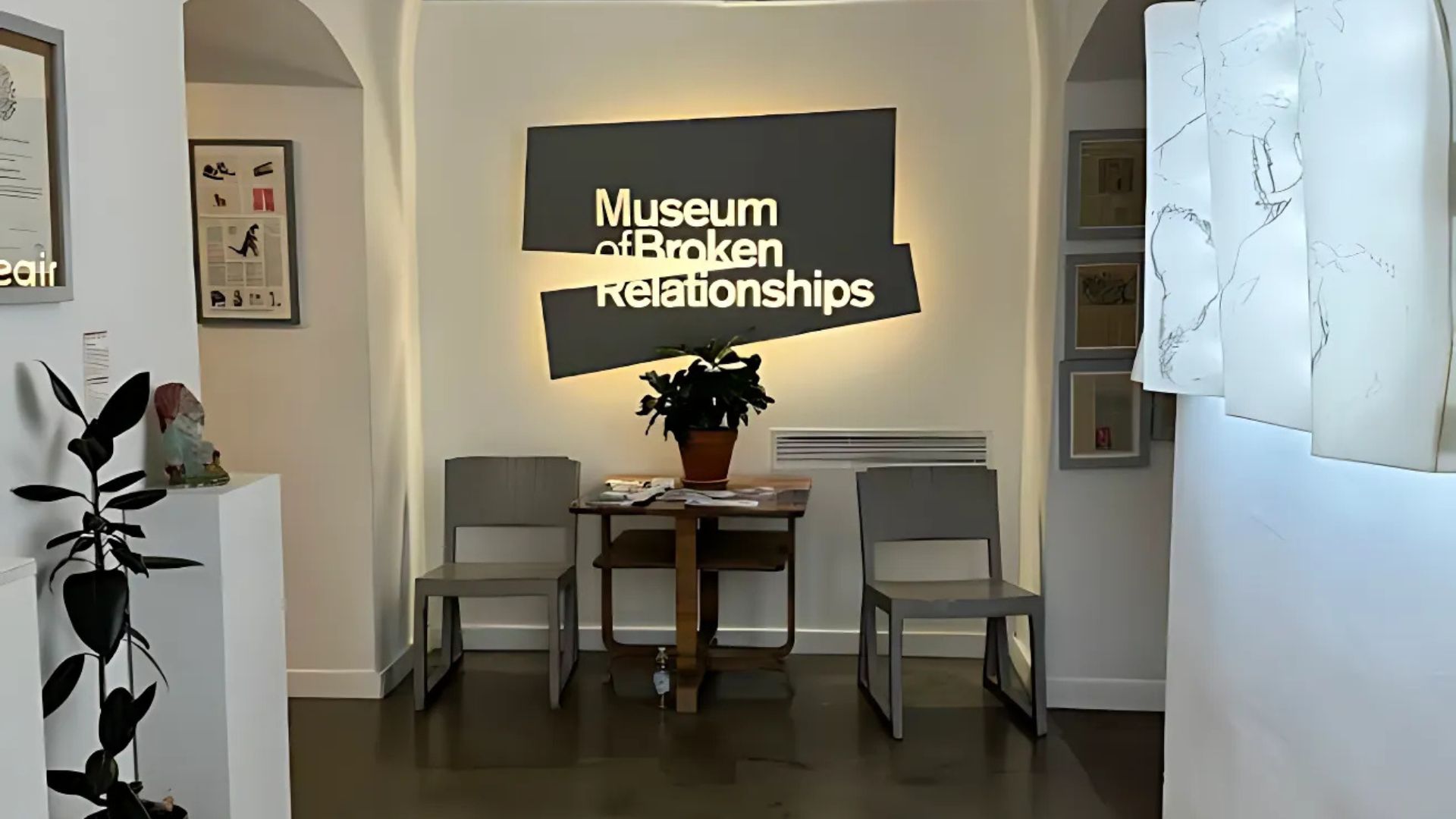
This museum is unforgettable. It displays objects from real relationships, each with a story—sometimes sad, sometimes funny.
On cold January days, the exhibits feel even more poignant. Love letters, wedding dresses, little mementos—they all tell a story.
What’s inside:
- Artifacts from around the world
- Stories in several languages
- An interactive guest book
- Plan for about two hours
The museum sits in a baroque palace in Upper Town. It’s a must-see if you’re even a little bit sentimental.
Art of Ivan Meštrović
Ivan Meštrović is Croatia’s most famous sculptor. His work fills Zagreb, and a lot of it moves indoors for winter.
Where to find his art:
- St. Mark’s Church – religious sculptures
- Croatian Museum of Naive Art – rotating exhibitions
- Zagreb City Museum – permanent displays
His sculptures—bronze and stone—capture Croatian history and culture. I always start at St. Mark’s Church, where the atmosphere is especially peaceful.
Theater and Live Performances
Zagreb’s theater scene doesn’t slow down in winter. The Croatian National Theatre hosts opera, ballet, and drama.
Top venues:
- Croatian National Theatre
- Gavella Drama Theatre
- Zagreb Youth Theatre
January brings classic plays and new Croatian works. Many performances offer English subtitles, so visitors don’t miss out.
Tickets are cheaper now than in summer. The theaters themselves are gorgeous—definitely worth a visit on a cold night.
Winter Events and Local Life
Zagreb doesn’t hibernate in January. The city celebrates, eats well, and keeps traditions alive—even after New Year’s.
Festive Celebrations and Winter Markets
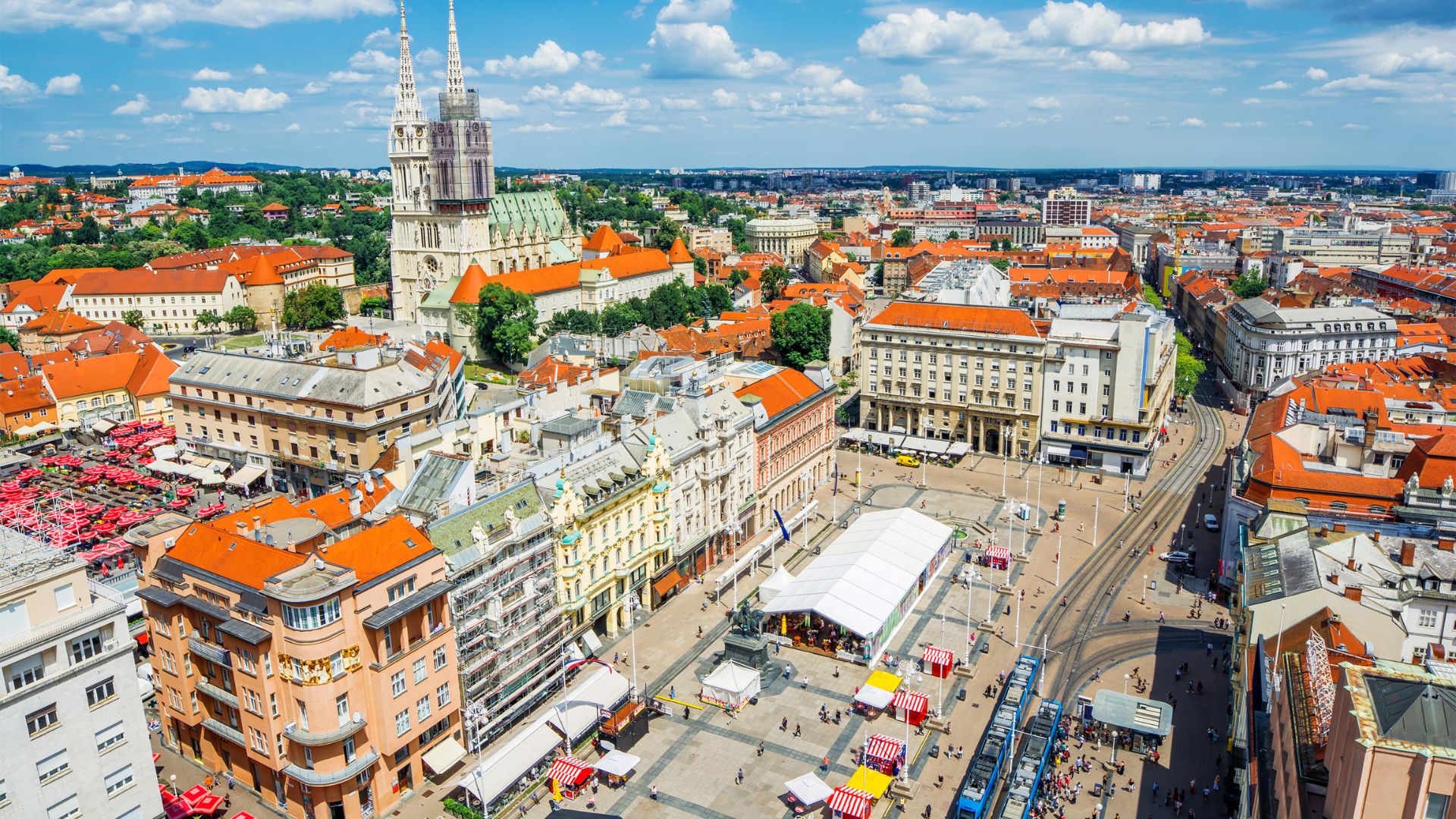
The Advent Zagreb Christmas markets run into early January. Ban Jelačić Square buzzes with people sipping mulled wine and munching roasted chestnuts.
Where to go:
- Ban Jelačić Square
- Zrinjevac Park
- European Square
- Strossmayer Square
Markets usually close after the first week of January. Local vendors sell crafts, winter clothes, and Croatian souvenirs.
New Year’s parties spill into the first few days. Cafés and restaurants host live music and traditional dancing.
January 6th—Three Kings Day—marks the end of festivities. Churches hold special services, and families gather for big meals.
Seasonal Foods and Croatian Winter Cuisine
January rolls in with a craving for comfort food, and honestly, Croatian winter dishes just hit the spot. Locals have been tucking into sarma (those stuffed cabbage rolls) and čobanac (a spicy meat stew) for ages, and I can’t recommend them enough—especially if you find a cozy, old-school restaurant.
Popular Winter Dishes:
- Sarma (cabbage rolls with meat and rice)
- Čobanac (hunter’s stew)
- Punjene paprike (stuffed peppers)
- Grah (bean soup)
When the cold bites, hot drinks become everyone’s best friend. You’ll spot kuhano vino (mulled wine) everywhere, from outdoor markets to snug little cafes around Zagreb.
If you wander through Dolac Market, you’ll see winter produce stacked high—think root veggies, preserved meats, and all sorts of homemade sausages. Local vendors tempt you with pickled vegetables and slabs of smoked fish, perfect for sampling or bringing back to your apartment.
Local Traditions in January
In Zagreb, January feels like a deep breath after the holiday rush. Locals slow down, slipping into a quieter rhythm that’s honestly kind of refreshing.
Most people find themselves gravitating indoors. On chilly days, you’ll catch folks wandering through museums or ducking into cozy theaters.
Traditional Croatian customs don’t just disappear with the decorations. Families love to gather on weekends, crowding around tables loaded with hearty winter dishes. There’s nothing like a steaming bowl of sarma when it’s cold outside, right?
January Activities Locals Enjoy:
- Ducking into museums when the wind bites
- Sipping coffee for hours in toasty cafes
- Gathering with family for comfort food feasts
- Checking out theater shows and cultural events
When the city feels too quiet, some head up to Medvednica Mountain. It’s a local favorite for winter hiking, and if there’s snow, you might spot people skiing or trying out snowshoeing.
Festivals and cultural happenings still dot the January calendar. Theaters and concert halls seem to buzz with performances, offering a welcome escape from the cold.
