
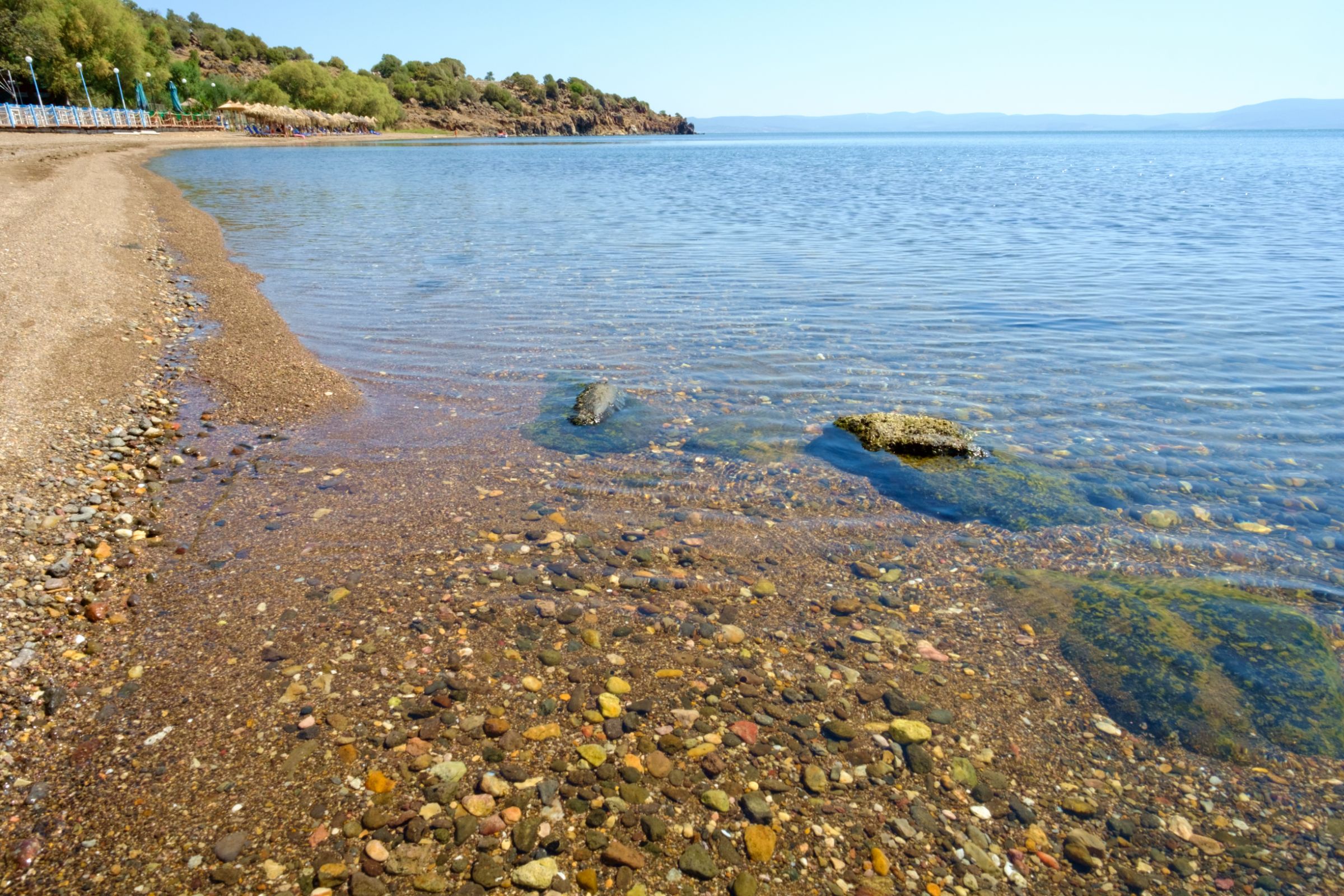
The first time I laid eyes on Kalloni’s Gulf, I realized just how magical a place could be for birdwatchers. This protected wetland in the heart of Lesvos draws thousands of migrating birds all year, turning it into one of Europe’s most dependable wildlife hotspots.
The Kalloni Salt Pans attract over 270 bird species, including magnificent flamingos that light up the water with their pink glow. But honestly, this Natura 2000 area offers so much more than birding. The nearby coastal village buzzes with local life—sardine fishing traditions blend right in with top-notch wildlife watching.
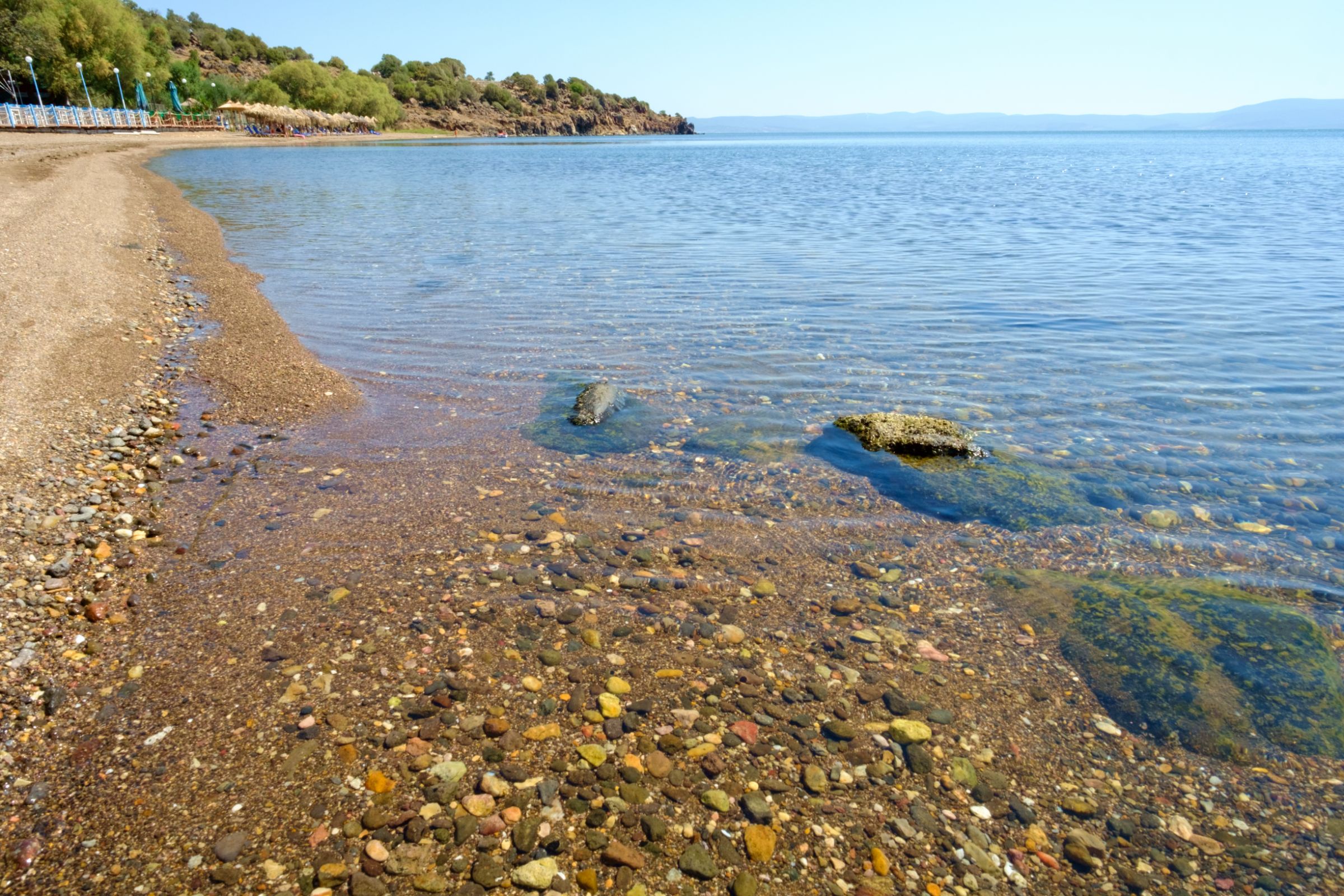
Wandering around this Aegean corner, I stumbled on gems beyond the salt pans. Dawn meant quiet moments in wooden bird observatories. Evenings brought me face-to-face with fishing culture I’d only read about. Kalloni’s Gulf connects you to wild nature and real Greek island life.
With easy-to-reach viewing spots, a patchwork of habitats, and birds year-round, this place welcomes both hardcore birders and curious first-timers.
Discovering Kalloni’s Gulf: A Haven for Birdwatchers
Kalloni’s Gulf stretches across 14,000 hectares and draws in more than 300 bird species throughout the year. The salt pans, wetlands, and other habitats set the stage for both resident and migratory birds.
Peak activity usually happens during spring and autumn migrations. If you’re a birder, you’ll want to time your visit for those months.
Prime Birdwatching Locations Around the Gulf
The Kalloni Salt Pans are my default spot for wetland birds. I’ve spent hours watching greater flamingos picking through the shallows, while black-winged stilts dart around nearby.

Image Source: Tripadvisor
These salt pans cover 260 hectares, divided into neat rectangles. Water levels shift each season, making new habitats pop up for different birds.
If you’re driving from Mytilene to Kalloni, look for the wooden bird observatory on the left. This spot gives you a front-row seat to the main feeding grounds.
Skala Kallonis wetlands are a haven for waders and terns. Where the little rivers meet the gulf, you’ll often spot sandpipers and other shorebirds.
The Mesa wetland area lets you see deeper water species. Spoonbills and purple herons seem to love these quieter corners.
Key locations to check out:
- Salt pans (main site)
- Wooden observatory viewpoint
- Skala Kallonis estuaries
- Mesa wetland
- Pine forests near Mikri Limni
Best Times of Year for Avian Activity
Spring migration (March to May) is when things really come alive. I’ve counted more than 80 species in a single day during April.
Masked shrikes, Cretzschmar’s buntings, and collared flycatchers show up in March. The pans fill with waders like curlew sandpipers and Temminck’s stints.
Autumn migration (September to November) is prime time for shrike fans. Red-backed, woodchat, and lesser grey shrikes are suddenly everywhere.
Winter brings steady groups of ruddy shelducks, spoonbills, and those ever-present greater flamingos. I once saw a flock of 80+ ruddy shelducks hanging out together.
Summer visitors start to leave by late August, but you’ll still find plenty of resident species all year.
Unique Geography and Ecosystems
The gulf squeezes a ton of ecosystems into a small area. Salt pans, reed beds, olive groves, and pine forests all sit side by side.
Long ago, ancient lagoons covered most of this place. Salt harvesting changed the landscape, creating the managed wetlands I love to explore.
Small rivers and streams pour into the gulf, mixing fresh and salt water. These brackish spots draw in both freshwater and saltwater birds.
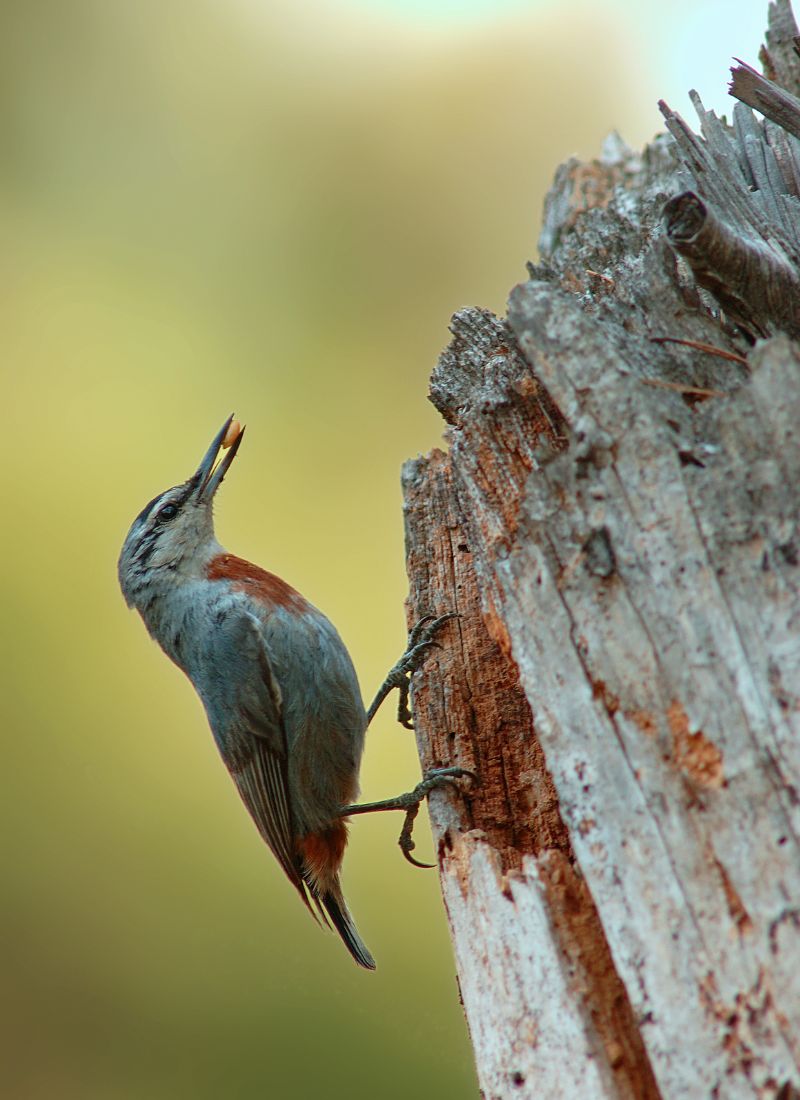
The pine forests around the wetlands host their own cast of characters. Kruper’s nuthatches and sombre tits hide out in these woods.
Ecosystem diversity here includes:
- Managed salt pans
- Reed beds
- River estuaries
- Pine forests
- Olive groves
- Rocky coastlines
No wonder over 300 species call this area home at some point during the year.
Flamingos in Focus: Lesvos’ Pink Jewels
Greater Flamingos at Kalloni Salt Pans follow seasonal patterns and quirky feeding habits that make them a real highlight of Lesvos. You’ll find them year-round, but their numbers can jump or drop depending on the season.
Seasonal Patterns and Migration
Flamingos stick around Kalloni all year, but their crowd size changes. In winter, they spread out to smaller wetlands nearby.
Spring brings wild increases in flamingo populations. I’ve seen huge flocks arrive in late spring and early summer, with adults and juveniles mixed together.
When to see the most flamingos:
- April-June: Peak numbers
- July-August: Still plenty around
- September-October: Good viewing continues
- Winter: Smaller groups at different sites
The flamingos shift between wetlands on Lesvos, chasing the best water levels and food. Some wear colored rings from Turkey, proof of their international wanderings.

Where to Spot Flamingos at Kalloni’s Gulf
The salt pans are hands-down the best place to see flamingos on Lesvos. I always head for the eastern side of the pans for the closest encounters.
Bird hides sit right on the edge of the main pans, letting you watch flamingos feed and rest up close. The birds often wander surprisingly near these hides.
Top viewing locations:
- Main salt pan basins
- Eastern pans near Skala Kallonis
- Bird hides with pan views
- Coastal wetlands nearby in winter
If you’re into photography, hit the pans in the morning. Flamingos are most active at dawn and late afternoon, and the light is just perfect.
Behavior and Feeding Habits
Flamingos feed by filtering water through their odd-shaped beaks. They wade through the shallows, sweeping their heads underwater from side to side.
Their diet of tiny organisms in salty water gives them that famous pink color. When they feed in big groups, the water turns into a moving pink blanket.
I’ve spent hours just watching them. They dunk their heads, filter away, and sometimes the whole flock moves together in a mesmerizing pattern.
During the midday heat, flamingos love to rest on one leg. They’re social, noisy, and always on the move as a group. Their constant calls echo across the salt pans.
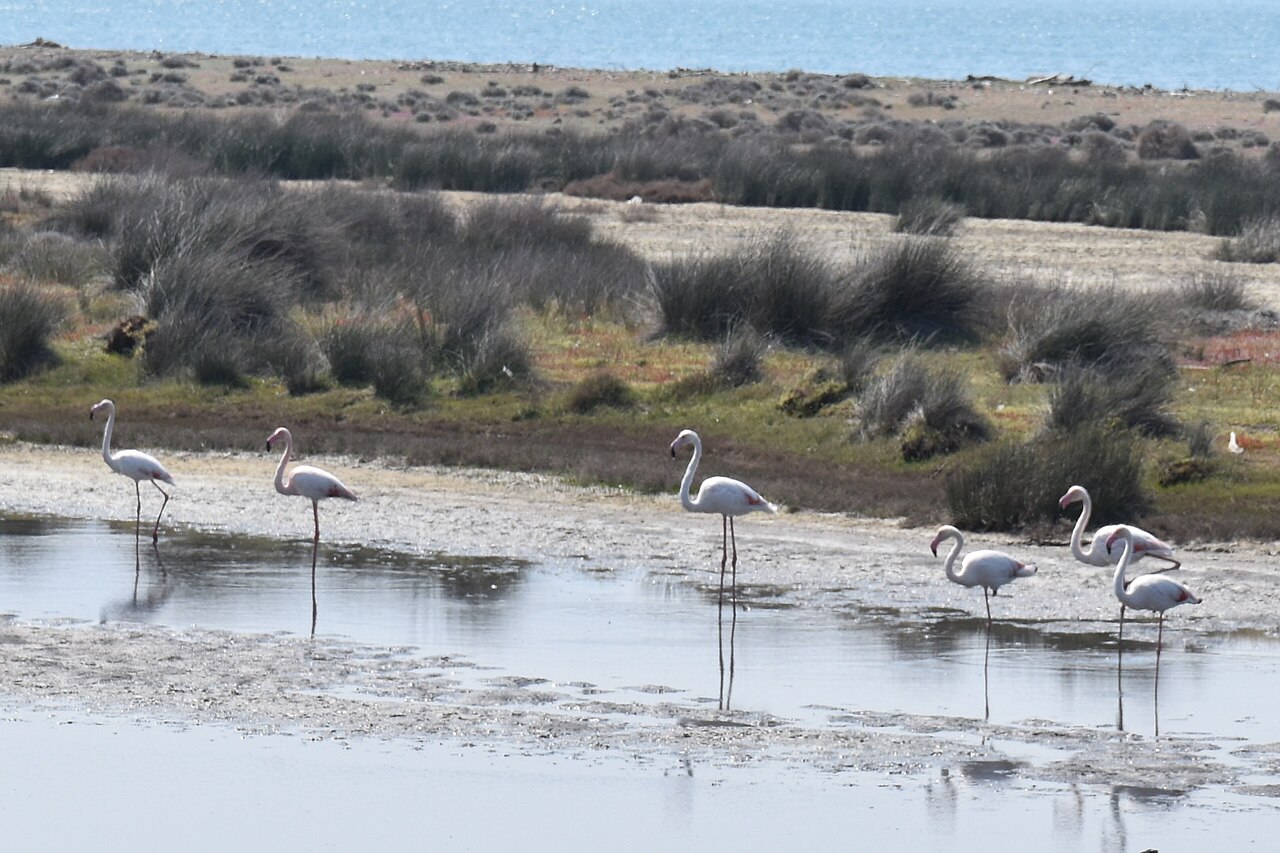
Image Source: Wikimedia Commons
Unraveling the Magic of Kalloni’s Salt Pans
The salt pans here form a one-of-a-kind ecosystem that supports over 60 species of waterfowl. This 4.6 square kilometer wetland includes industrial salt flats, wild wetlands, and coastal dunes—basically, prime real estate for both resident and migratory birds.
Biodiversity Supported by the Salt Pans
I’m still amazed by the sheer variety of birds in these pans. The wetland supports over 60 species of waterfowl, making it a Mediterranean birding hotspot.
Birds I’ve spotted here:
- Greater Flamingos (300+ at times)
- Black-winged Stilts (70+)
- Pied Avocets
- Little Terns
- Kentish Plovers
Different zones attract different birds. Shallow salty water brings in flamingos, while mudflats lure waders.
Salt-loving plants anchor this whole ecosystem. Salicornia and Halocnemum thrive in the salty mud.
Other Rare and Endemic Birds
Some rare birds make the salt pans even more special. I’ve caught glimpses of Cretzschmar’s Buntings and Rüppell’s Warblers during migration.

Raptors show up too. Falcons sometimes hunt over the pans, and I’ve watched bee-eaters nesting nearby in summer.
Notable sightings:
- Brown Shelducks (Tadorna ferruginea)
- Pelicans (sometimes 3-4 at once)
- Black and white storks
- Woodchat Shrikes
Spring and autumn migrations bring a wild mix of species. Many stop here to rest on their way between Europe and Africa.
Conservation Measures and Local Initiatives
The salt pans got their protected status under the Natura 2000 network as a Special Protection Zone. This helps keep the wetland safe, even though salt production still happens here.
Local birdwatchers built wooden hides around the pans. These let you get close to the action without scaring the birds.
Water levels and habitat changes pose challenges. Still, the remaining 4.6 square kilometers offer a lifeline for so many species.
I see locals strolling around the pans all the time, clearly proud of this wild place. Being so close to Kalloni town, it’s easy for both residents and visitors to enjoy—just remember to tread lightly.
Sardines That Sang to My Soul: A Unique Coastal Experience
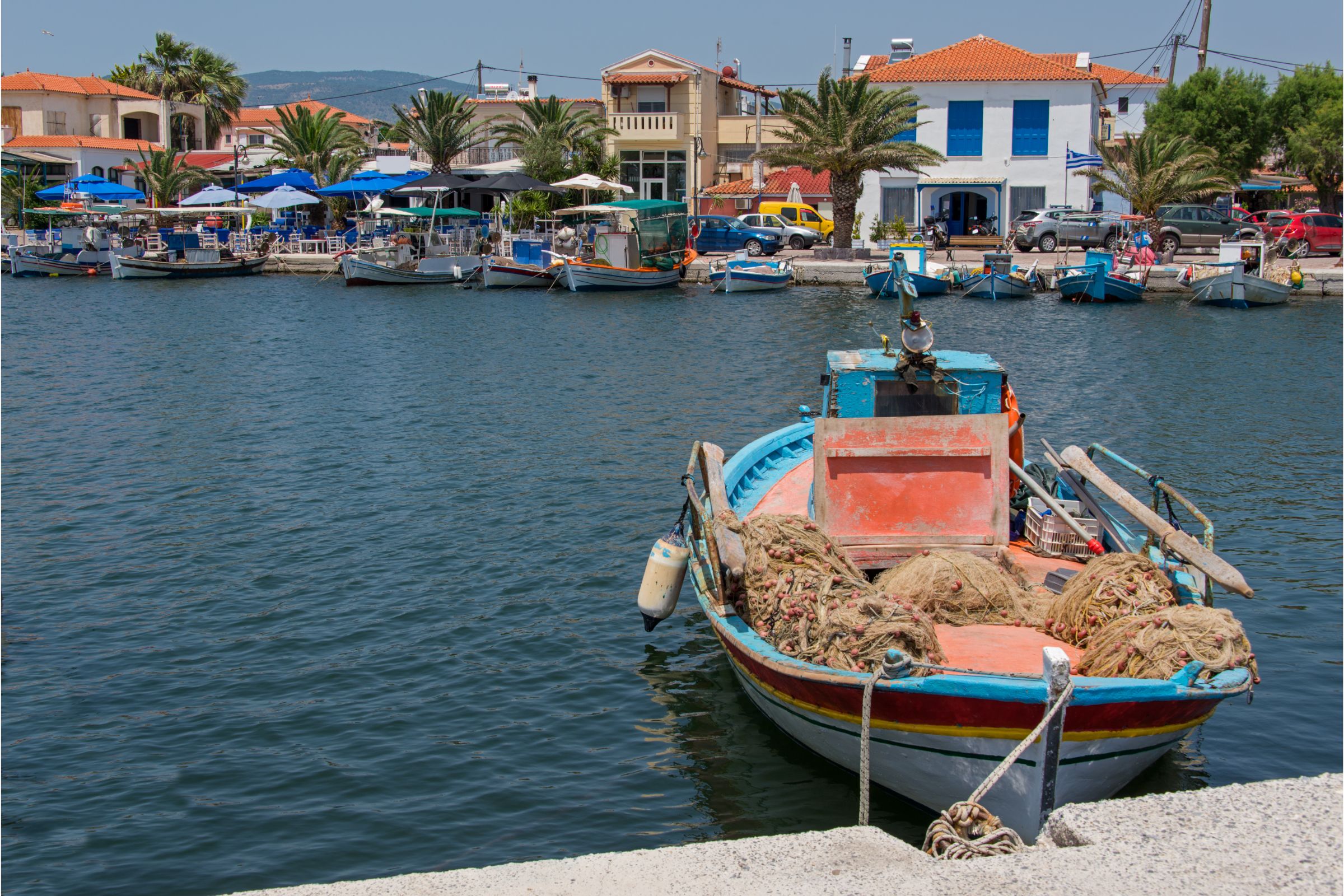
The sardines of Kalloni Bay changed how I see coastal fishing traditions. I watched local fishermen haul in Greece’s finest sardines, keeping alive a food culture centered on the sea and shared heritage.
Traditional Sardine Harvesting
I spent an afternoon watching fishermen bring in their daily catch of papalines—the tiny, whitish sardines unique to Kalloni Bay. These little fish look nothing like their open-sea relatives.
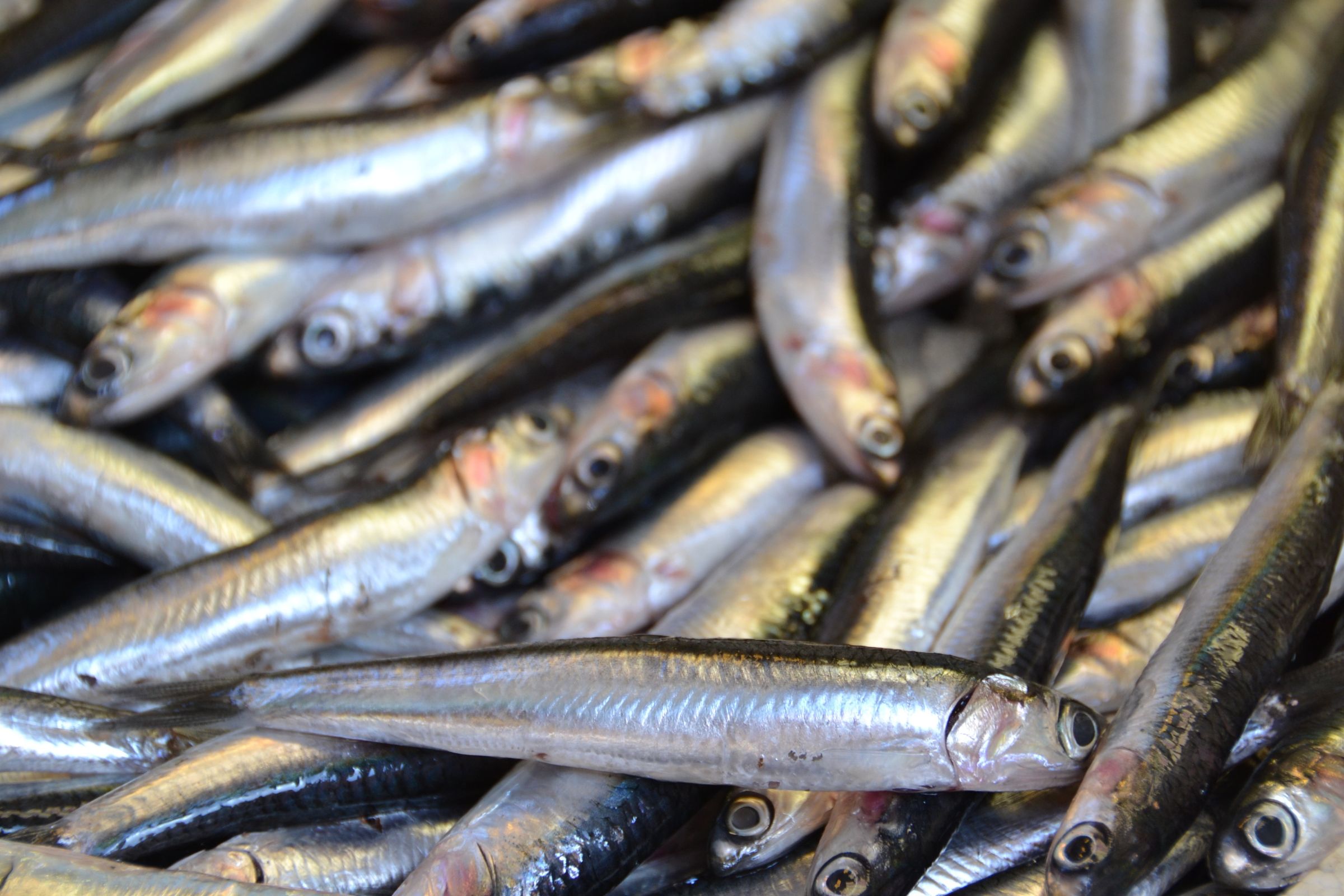
The bay’s special conditions make the sardines smaller and paler. Rivers and streams feed into the bay, making it ideal for sardine growth.
What sets them apart:
- Size: Smaller than typical sardines
- Color: Whitish, not dark
- Taste: Fuller, more distinct flavor
- Habitat: Sheltered bay waters
The curing process here is quick—just 24 hours in salt. Elsewhere, sardines need days.
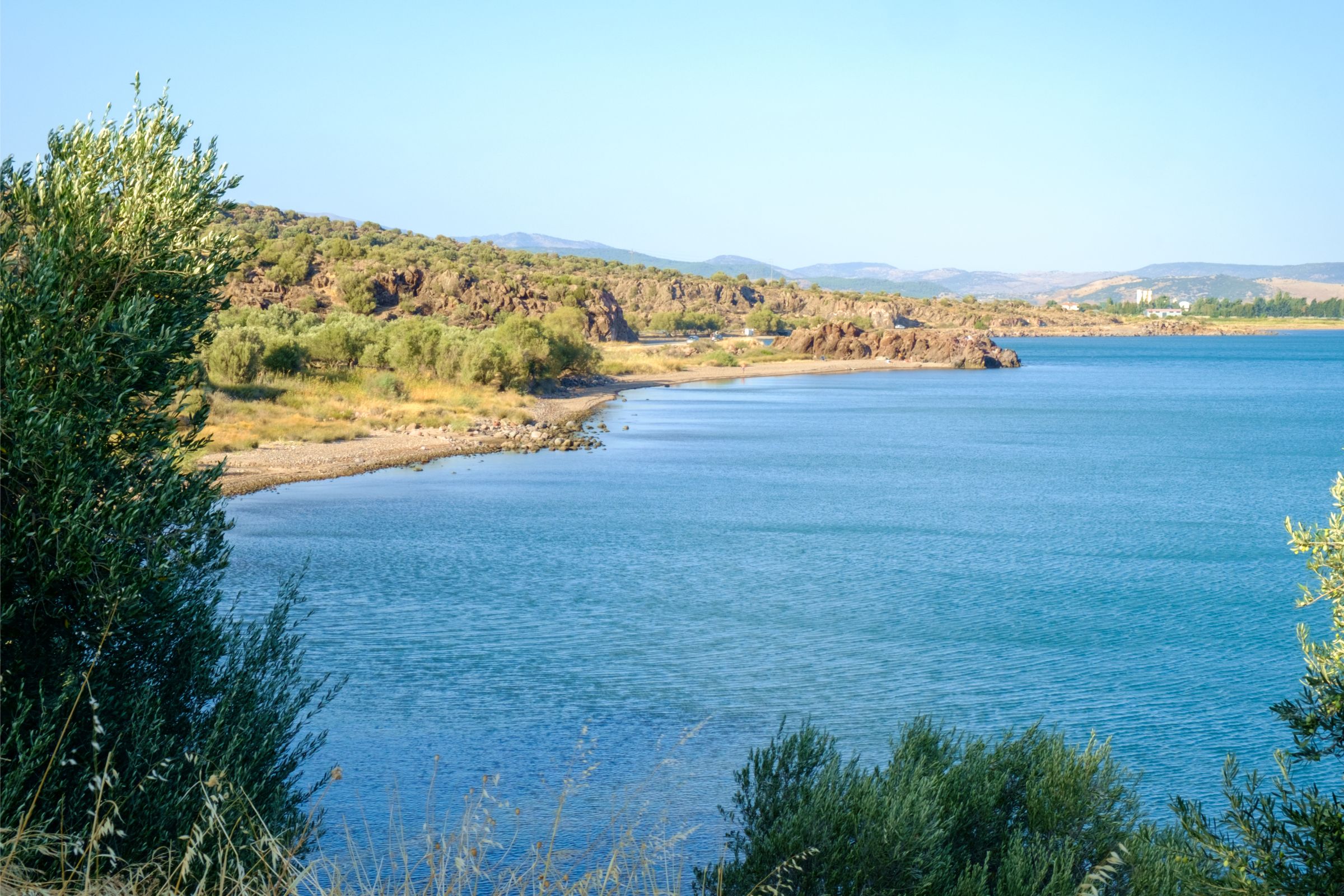
Kalloni Bay acts almost like a natural fish farm. The deep inlet stretches nearly to Lesvos’ center, creating perfect conditions for these fish.
Gastronomy and Local Food Culture
I tried the sardines three traditional ways: boiled, grilled, and salt-cured as meze.
Grilled sardines stole my heart. They turn light and crispy, especially when paired with Lesvian ouzo.
Why locals love them:
- Only 180 calories per serving
- Packed with healthy oils
- Great with salad and bread
- High in protein
Every August, the Sardine Festival takes over. I joined crowds sampling free grilled and cured sardines, with live Greek music and dancing filling the air.
Tavernas in Skala Kalloni serve sardines year-round. The catch comes in fresh every morning, straight from the fishermen.
Here, food culture is about keeping things simple and top quality. Fishermen bring their haul to the tiny port, and restaurant owners pick the best fish within hours.
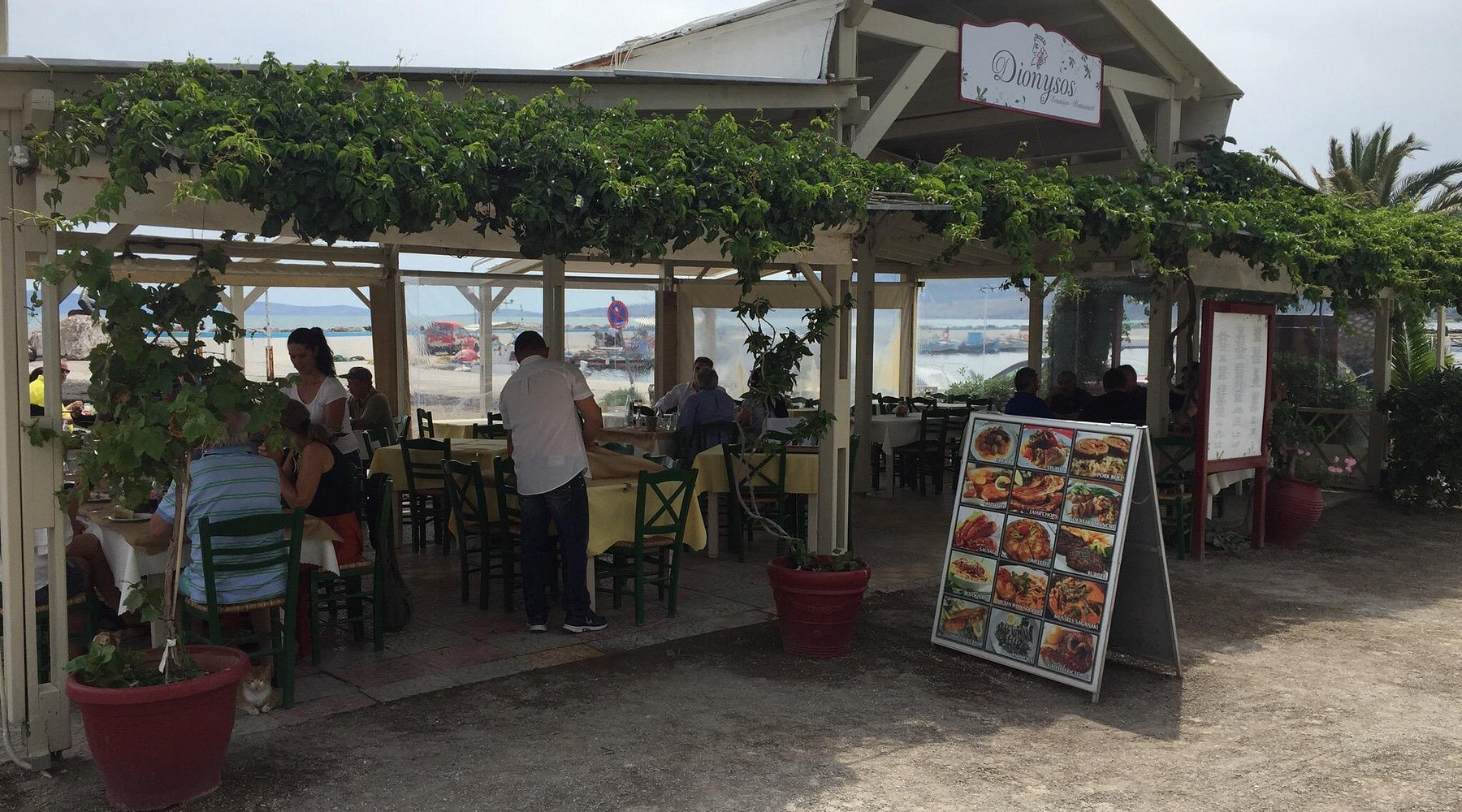
Image Source: Tripadvisor
Planning Your Birdwatching Adventure on Lesvos
The Gulf of Kalloni welcomes birders with local tours and expert guides who know every hidden spot. Bring binoculars and a field guide—you’ll want them to spot as many of the 300+ species as possible.
Respect the birds, stick to paths, and soak in every wild moment. This place has a way of getting under your skin—in the best way.
Guided Tours and Expert-Led Walks
If you’re new to birdwatching on Lesvos, I’d say your best bet is to start at the Kalloni Environmental Information Center in Skala Kallonis. This place runs under the Natural History Museum of the Lesvos Petrified Forest, and honestly, the folks there know their stuff.

Image Source: Tripadvisor
The staff lead guided walks around the salt pans and wetlands. They always seem to know just where to look for those elusive species, no matter the season. Seriously, I would’ve missed half the birds if I’d gone solo.
Tour Options:
- Daily walks around the Kalloni Salt Pans
- Spring migration tours (March-May)
- Observatory visits at three main locations
- Educational programs about local bird populations
The guides bring spotting scopes and can identify bird calls in a snap. It’s a game-changer, especially if you’re not an expert.
Every spring, organized birding groups flock here from all over Europe. These tours run for about four weeks, right when migration hits its peak.
The center hands out maps that show you where to find the five main birdwatching observatories around the gulf. Three of them are right inside the salt pans.
Recommended Equipment and Tips
Essential Equipment:
- Binoculars: I’d go for 8×42 or 10×42—perfect for wetlands.
- Field guide: Grab one focused on Greek birds.
- Camera: A long zoom lens helps you catch those distant shots.
- Notebook: Handy for jotting down species and locations.
Staying in Skala Kallonis just makes sense. You can reach most sites on foot or by bike, and a web of walking paths links up the best birding spots.
The Christou River sits to the west of town, while the Tsiknias River flows on the east side. Each river tends to draw its own mix of birds, so it’s worth checking out both.
Best Times:
- Early morning (6–9 AM) when birds are busy feeding.
- Late afternoon (4–6 PM) for that evening flurry of activity.
- Spring migration (March–May) if you want to see the most species.
- Skip the midday heat—birds (and people) tend to hide out then.
Don’t forget your water and sun protection. Trust me, the salt pans offer almost no shade, and that sun can get relentless.
Respectful Wildlife Observation Etiquette
Whenever I’m out watching birds, I keep at least 50 meters away from feeding flocks. If you get any closer, they’ll just move deeper into the salt pans—and honestly, nobody wants to be the reason they scatter.
Key Rules:
- Stick to the marked paths and roads. It’s tempting to wander, but it’s not worth it.
- Keep your voice down near nesting areas. Birds get nervous, just like we do.
- Don’t chase birds for a better photo. The perfect shot isn’t worth stressing them out.
- Respect private property boundaries. It’s easy to lose track of where you are, so keep an eye out.
The salt pans aren’t just for birders—they’re working facilities. I always make sure I’m not blocking access roads or getting in the way of people working.
Nesting season brings extra restrictions. Some areas close off to protect breeding birds, so I check with the information center for updates before heading out.
Parking along access roads works well, and sometimes I use my car as a sort of viewing blind. At Kalloni Salt Pans, this trick really pays off.
Phones buzzing or sudden movements? Not a good idea. Birds in open wetlands spook easily, so I keep things calm and quiet.
And of course, leave no trace. I pack out all my trash and stay on the trails. The wetland plants are delicate, and it just feels right to protect them.