
Most people just see Katakolo as a quick cruise hub—a basic jump-off point for visiting Ancient Olympia. But honestly? I stumbled into a port town with its own vibe, tasty food, and such a chill pace that I wanted to stick around longer than I’d planned.
As soon as I stepped off the ship, a row of cozy cafes and little shops greeted me along the waterfront. The whole place is flat and easy to wander, and the locals? So friendly. The sea views are just crystal clear.
Before I even thought about heading to Olympia, I soaked up the calm and found a few surprises in Katakolo itself.
Ancient Olympia sits just a short train or bus ride away, but don’t rush off. There’s more to Katakolo than you’d guess at first glance.
With just a few hours, you can catch both the town’s history and that warm Greek hospitality.
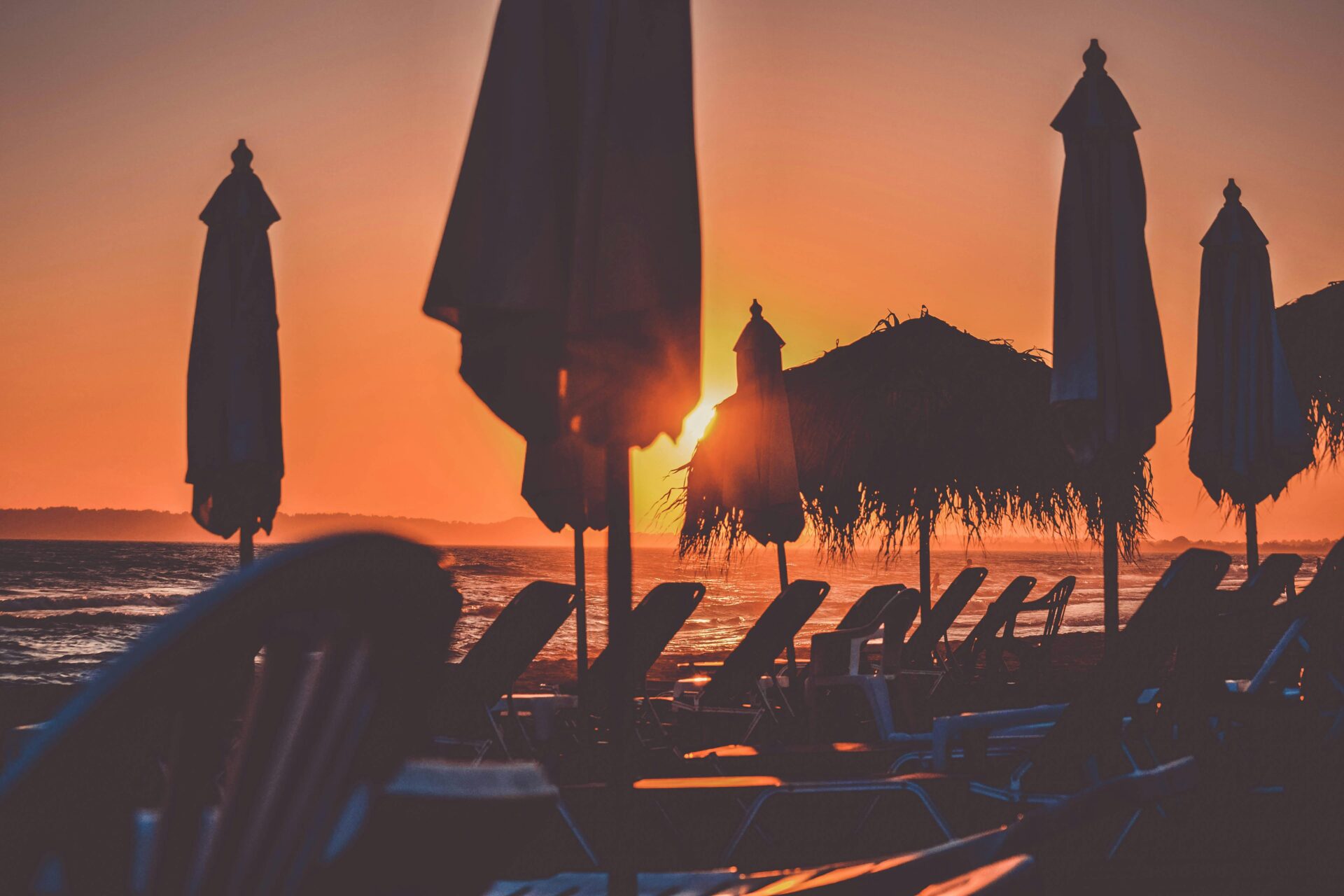
Getting to Katakolo: Gateway to Ancient Olympia
Katakolo is a small port town that connects you straight to Ancient Olympia. Getting there isn’t complicated, but a little planning ahead goes a long way—especially if you’re coming from afar or by cruise.
Planning Your Trip
When I first checked maps and schedules, I realized the journey is surprisingly stress-free. Most people arrive by cruise ship, but you can also get here by train, bus, or car from other Greek cities like Athens.
Driving from Athens to Katakolo takes about 3.5 to 4 hours. The small-town vibe is instantly welcoming, though it gets pretty busy when cruise ships pull in.
If you’re aiming for Ancient Olympia, it’s about 30 minutes away by car, bus, or tour. Trains run between Katakolo and Olympia in around 45 minutes, and tickets start at about €10 round-trip.
Buses and local taxis wait right at the port, so getting to the ruins is a breeze.
If you’re flying in, Athens and Kalamata both have direct flights from big cities—even some in South Africa during peak season. From there, I usually rent a car or hop on a regional train to Katakolo.

Entry Requirements
Before you go, check your passport’s validity. If you’re from South Africa or outside the EU, you’ll probably need a Schengen visa for Greece.
I applied at the nearest Greek embassy and got it sorted before my trip. EU travelers and a few others don’t need a visa for short stays.
Rules can shift, especially with health or safety updates, so I always peek at the official Greek government sites before leaving. Sometimes border control asks for proof of accommodation or onward travel.
If you’re bouncing between Greek ports or staying a while, save digital copies of your documents in the cloud. It’s a lifesaver if anything goes missing.
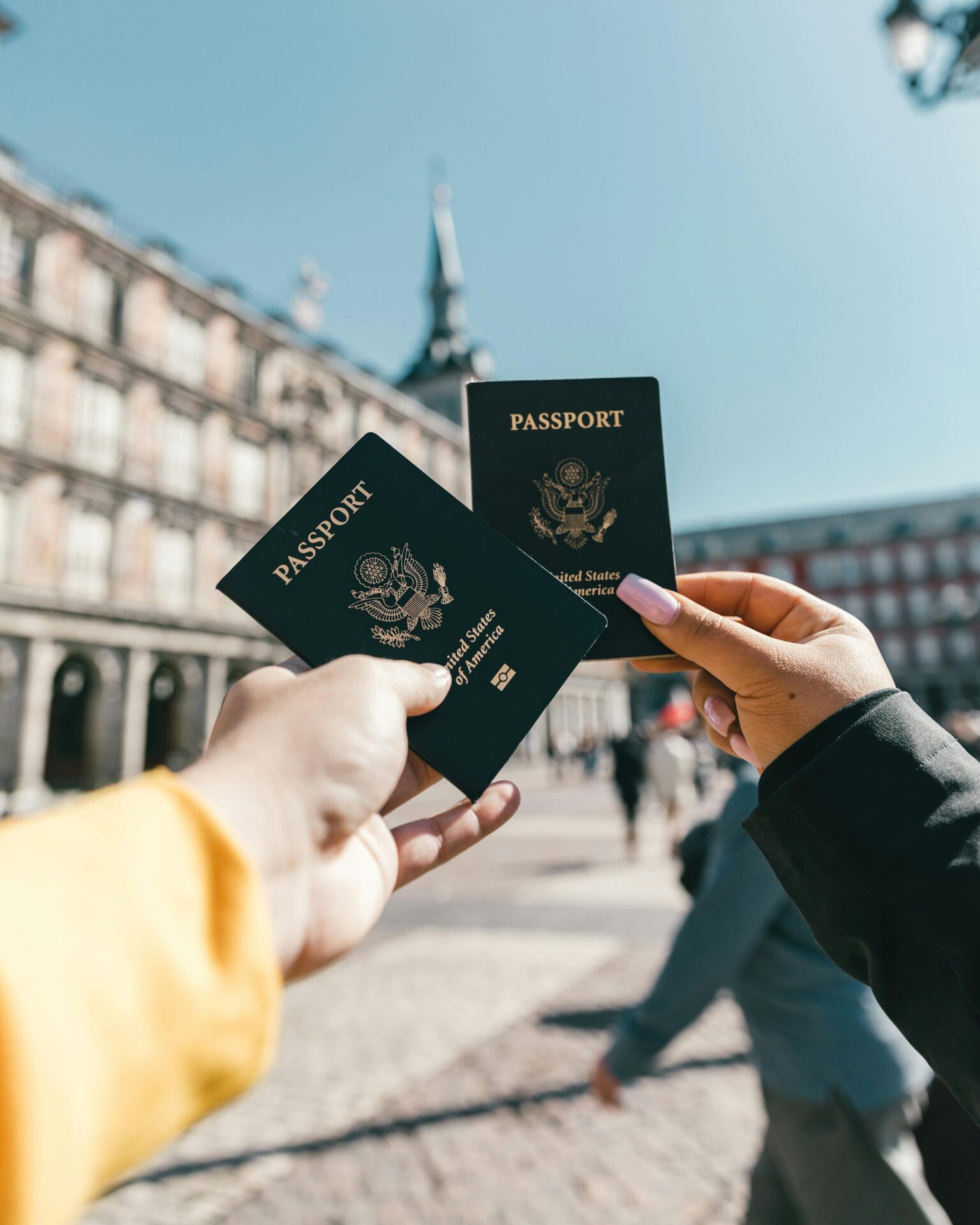
Embarkation Essentials
Getting ready for Katakolo is honestly way easier than the chaos at big ports. The cruise terminal is tiny, so lines move fast and it’s hard to get lost.
Even if you’re arriving by train or car, the port stands out, and you’ll find parking right along the water.
I always bring:
- Printed tickets for trains, buses, or cruises
- Passport and any needed visas
- Snacks and water
- Sunscreen and a hat (the Greek sun is no joke)
- A few small euro notes for taxis or coffee
If you’re heading out early or coming back late, remember—shops and cafés mostly follow the cruise schedule. I like to check opening hours ahead of time, especially if I’m planning a day trip to Olympia.
Since the ruins are so close, you can easily enjoy both the port and the ancient site without rushing.
If you have mobility needs, let your tour operator or cruise line know before you arrive. Most places offer ramp access and help, so things stay comfortable.
I always appreciate how local guides welcome visitors—they love sharing Katakolo’s secrets and make everything feel easy.
Life in the Little Port: What Makes Katakolo Special
Katakolo isn’t just a spot to catch a bus to Olympia—it’s a real Greek village with its own character. I found the slower pace, the friendly faces, and a strong sense of community in every market and along the shore.
Lay of the Land
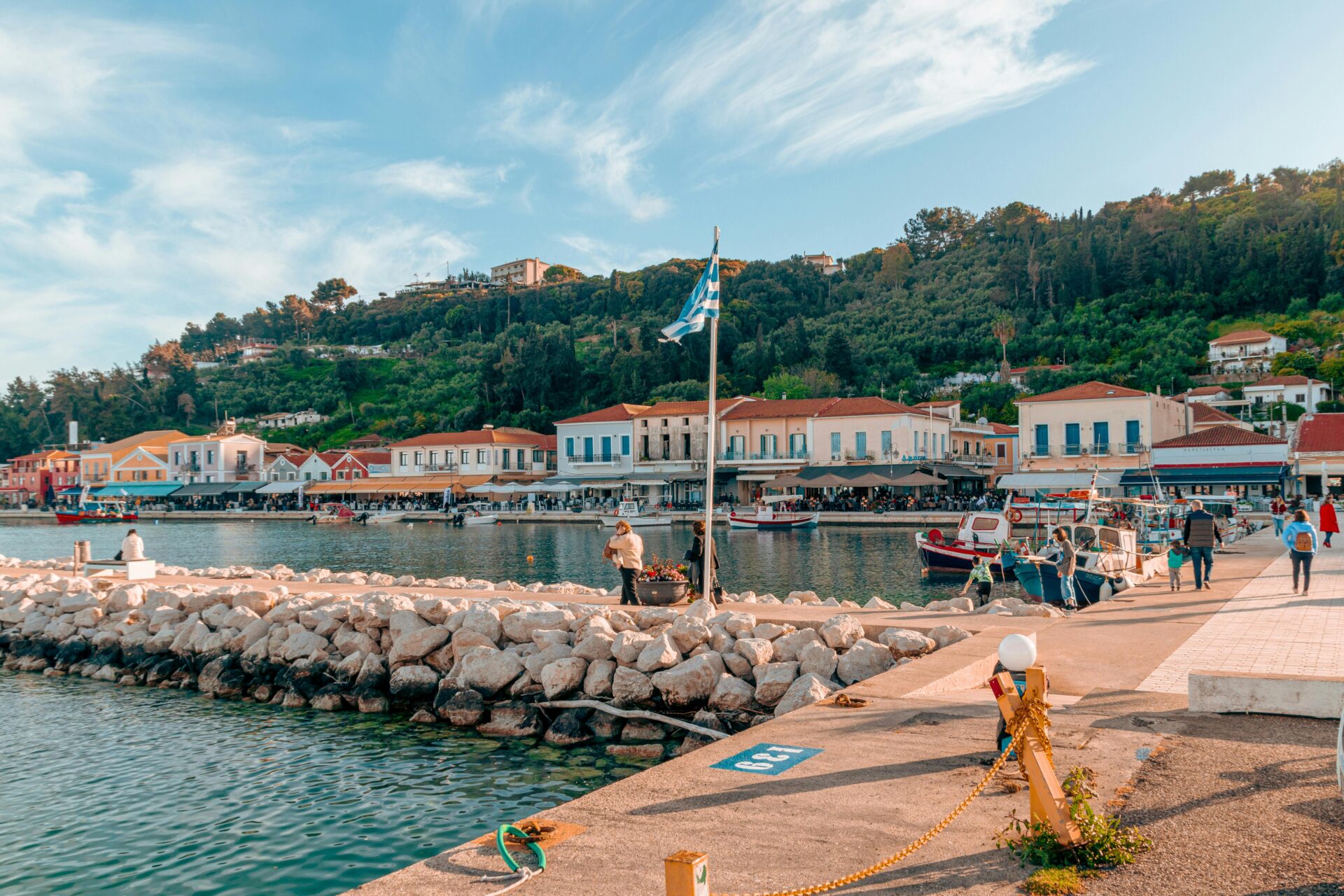
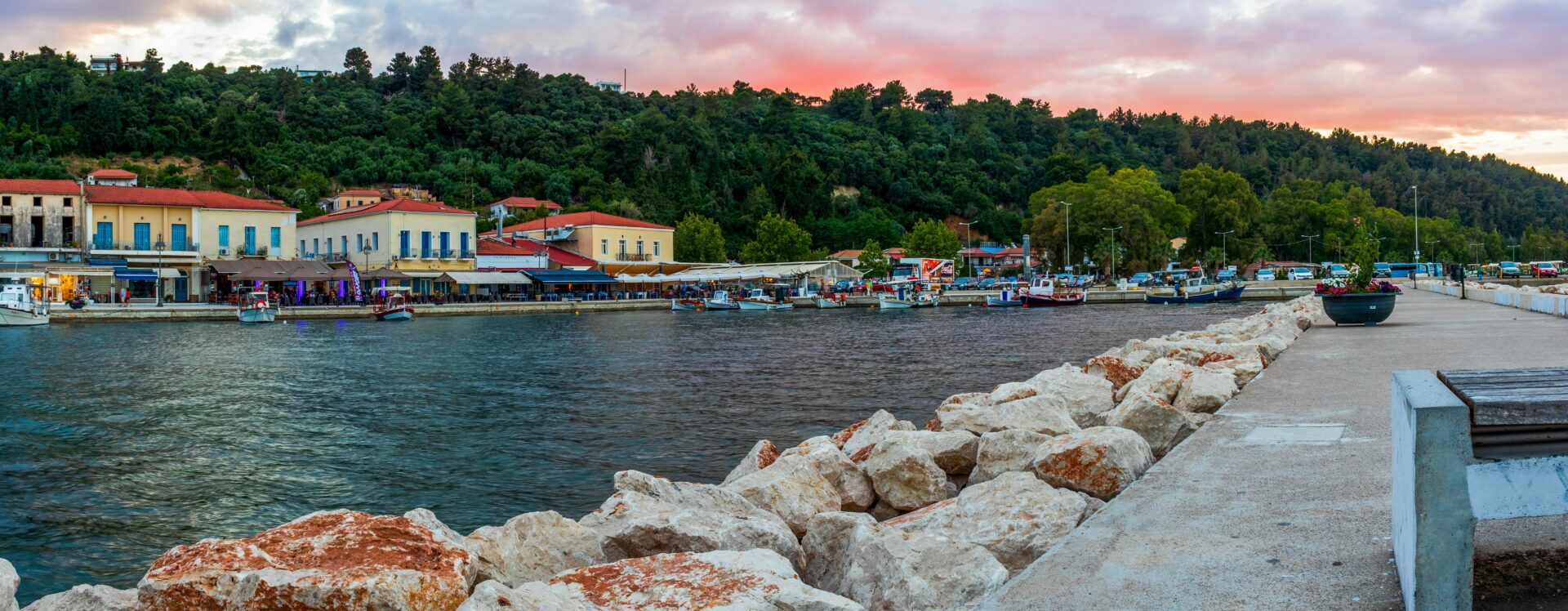
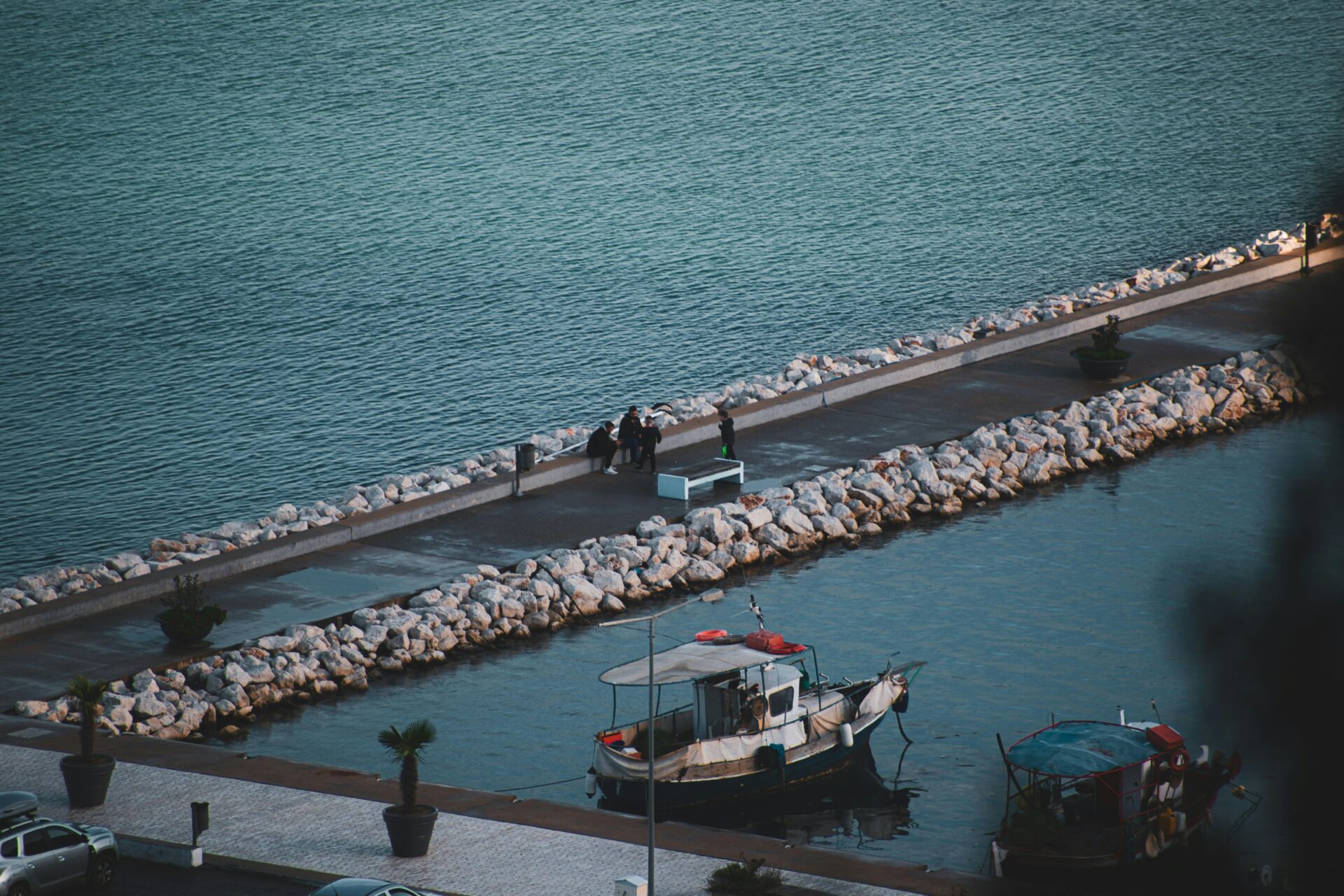
Katakolo sits tucked between green hills and the Ionian Sea. The port stays small and walkable, with boats bobbing in that deep blue water.
Just a few streets hug the waterfront. Shops, cafes, and taverns line up in a neat row, so you can explore the whole place even if you’re pressed for time.
The salty air mixes with the smell of grilled fish. Behind the harbor, the hills rise up, dotted with olive trees.
Colorful houses perch on narrow lanes, balconies overflowing with flowers. Everything feels open, breezy, and tied to the sea.
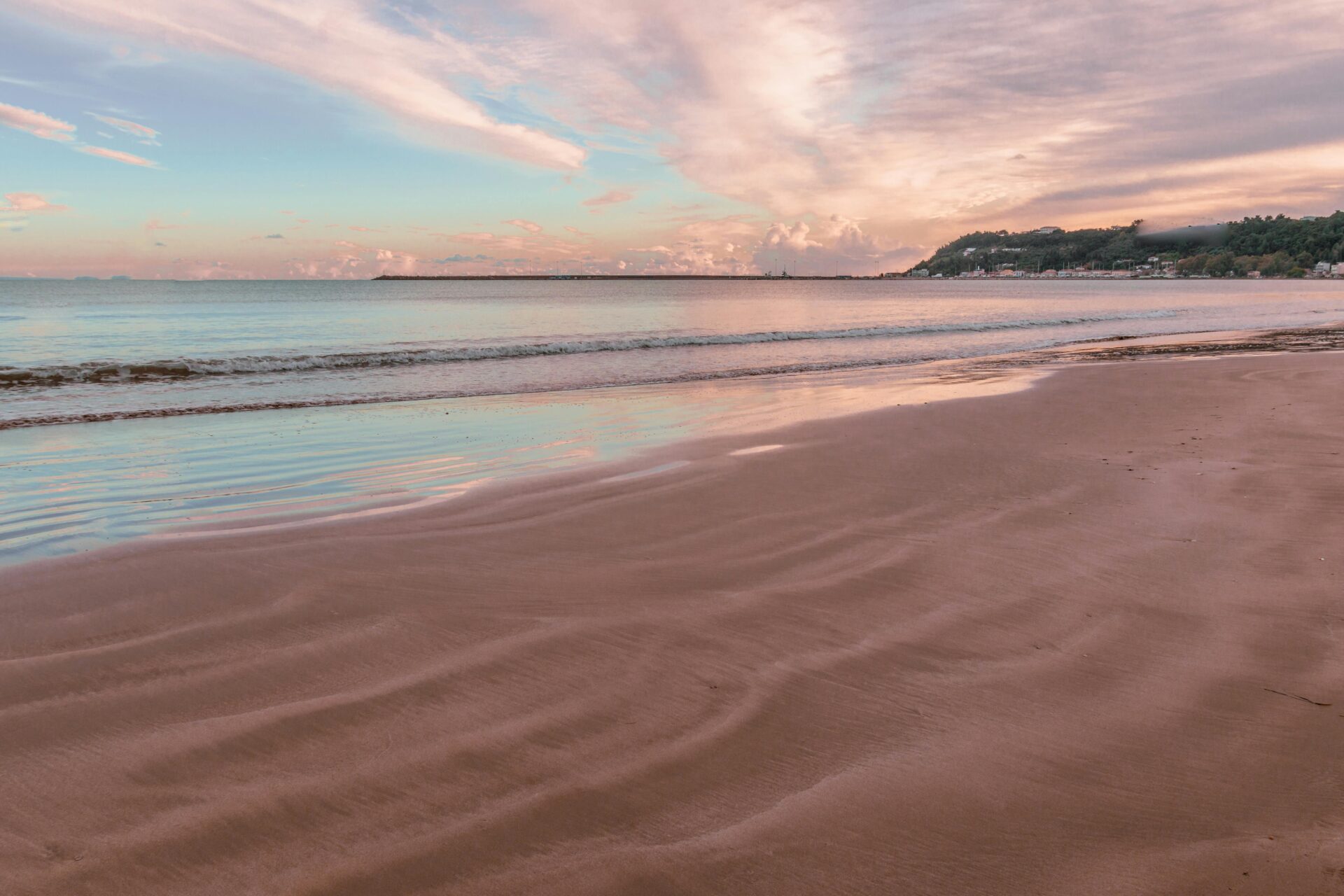
Towns and Surrounding Villages
Katakolo is the main port, but nearby villages like Agios Andreas and Pyrgos add a lot of local flavor.
Pyrgos is just a quick drive and has bigger shops, bakeries, and a more “everyday” Greek feel. Agios Andreas, on the other hand, is quieter, with tiny fishing docks and local cafés where mostly locals hang out.
Many people use Katakolo as a base for quick trips since Olympia is so close—just half an hour away. The countryside around here deserves a look.
Winding roads run through fields, citrus groves, and small family farms. Every little village I stopped in welcomed me with a smile and usually some homemade olives or cookies.
Customs and Local Life
Life here moves at its own pace. Fishermen haul in their catch before breakfast, and café tables fill up with neighbors chatting over strong Greek coffee.
Siesta hours are real—shops close up in the afternoon and people disappear from the streets to escape the heat.
Traditional festivals and church events are the heartbeat of local life. I lucked into a wedding once and watched dancers spinning under string lights by the water.
Even if you’re just passing through, people share stories, offer kitchen samples, or invite you for a toast with ouzo or local wine.
| Common Customs | What to Expect |
|---|---|
| Family gatherings | Frequent, lively meals |
| Hospitality | Friendly greetings |
| Siesta hours | Midday closures |
Money and Practical Information
Most spots in Katakolo take credit and debit cards, especially near the port. Still, I carry some euros for tiny shops, local markets, or taxis—sometimes they don’t have card machines.
ATMs are easy to find near the main square and port. Coffee and snacks are reasonably priced, but souvenirs by the waterfront can be a bit pricier than in bigger towns.
Tipping isn’t expected, but rounding up the bill is always nice. Nearly everyone speaks enough English to help out, and signs usually appear in both Greek and English.
You’ll find public restrooms at the port, and most cafés offer free Wi-Fi if you grab a drink.
Ancient Olympia and Beyond: Legendary Shore Excursions
Katakolo isn’t just about pretty sea views—it’s the doorway to one of history’s most legendary sites. I found myself just steps from ancient ruins and a taste of Greece that goes way beyond the usual cruise stop.
Highlights of Ancient Olympia
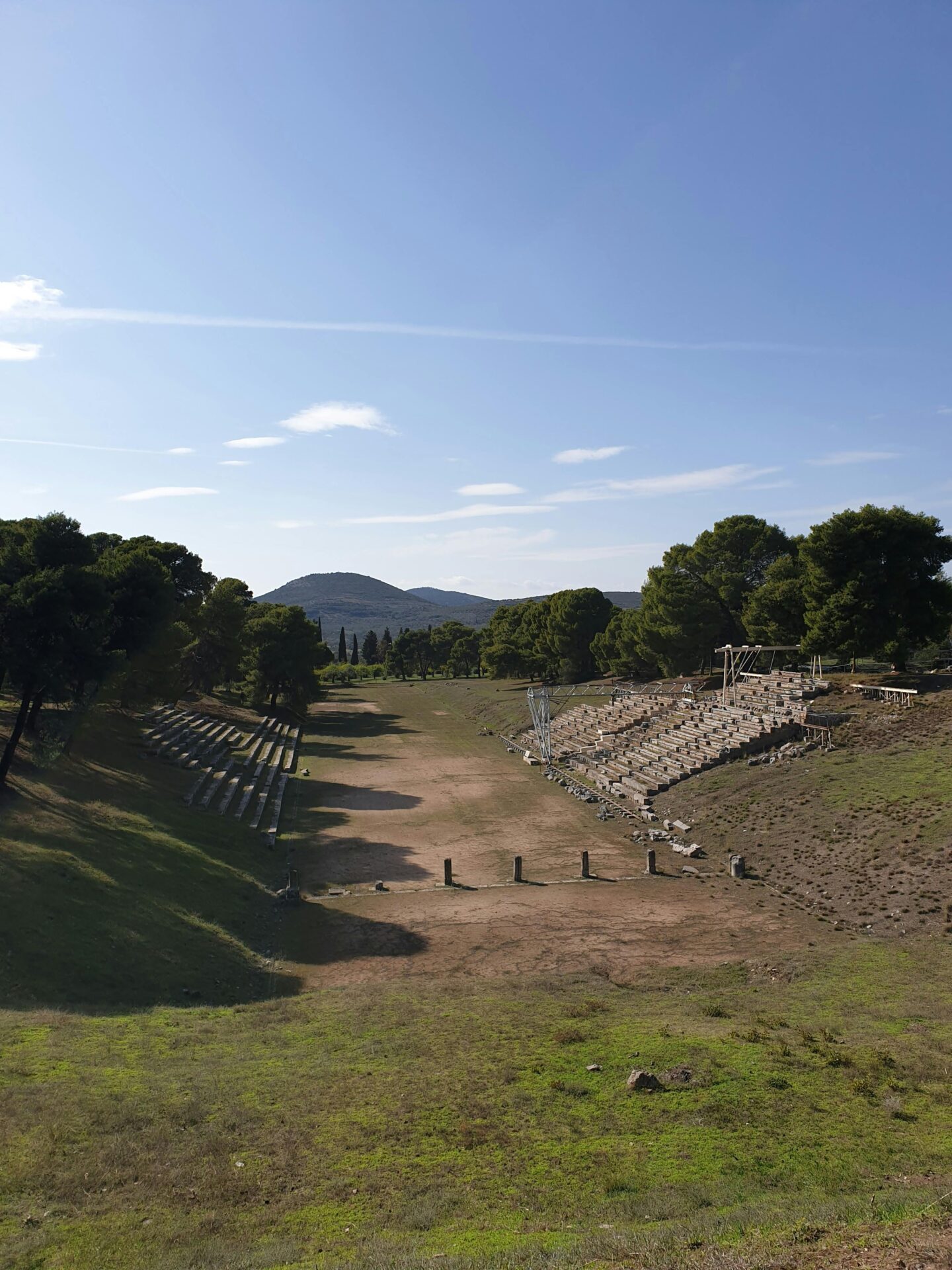
The moment I got off the bus, I felt the history at Ancient Olympia. This place isn’t just a pile of old stones—it’s the birthplace of the Olympic Games and a spot where athletes honored Zeus.
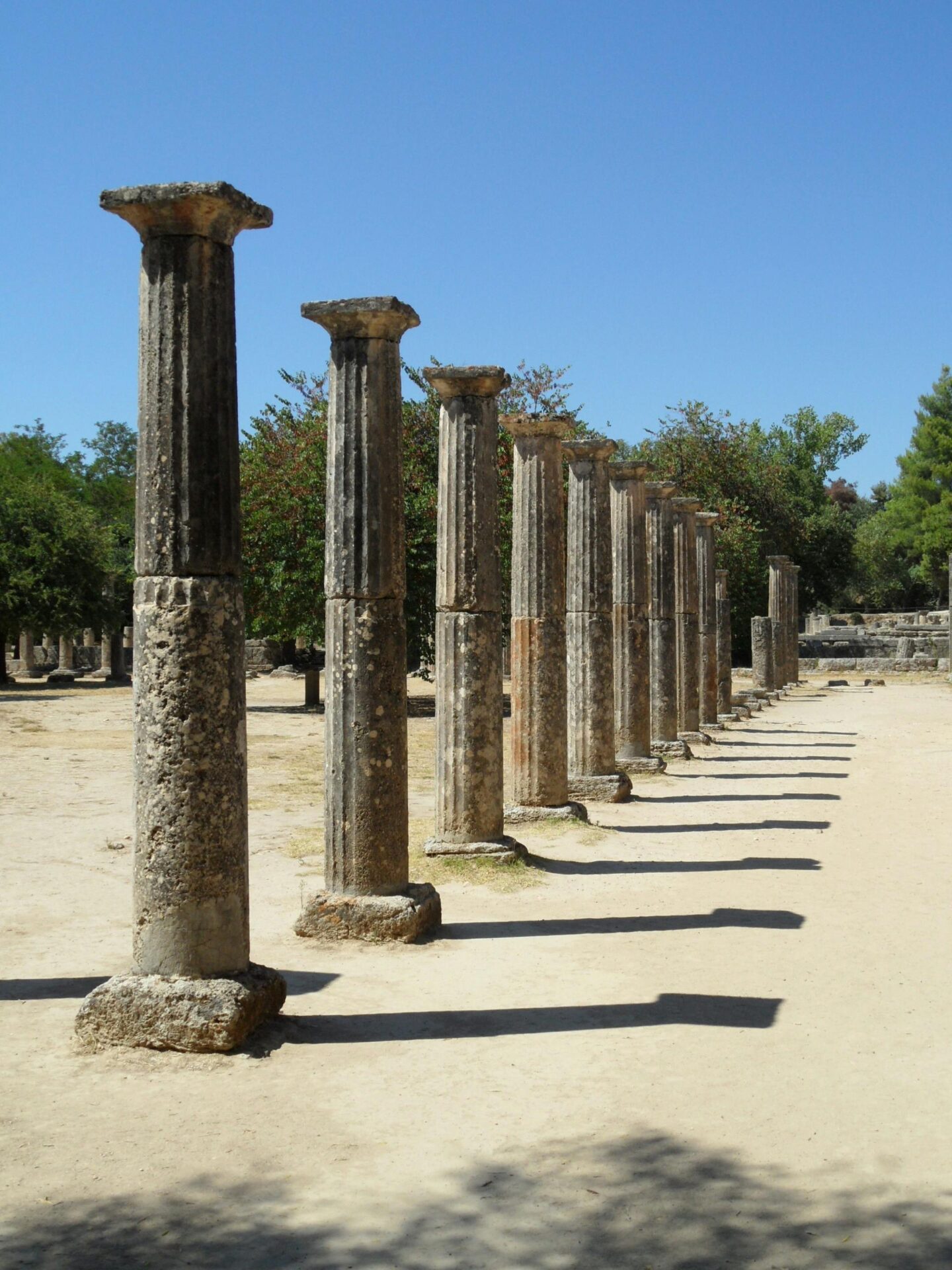
You can still walk through the original stadium, training grounds, and temples. I wandered through the Temple of Hera and what’s left of the gymnasium, imagining athletes from centuries ago getting ready for their big moment.
A few things really stood out:
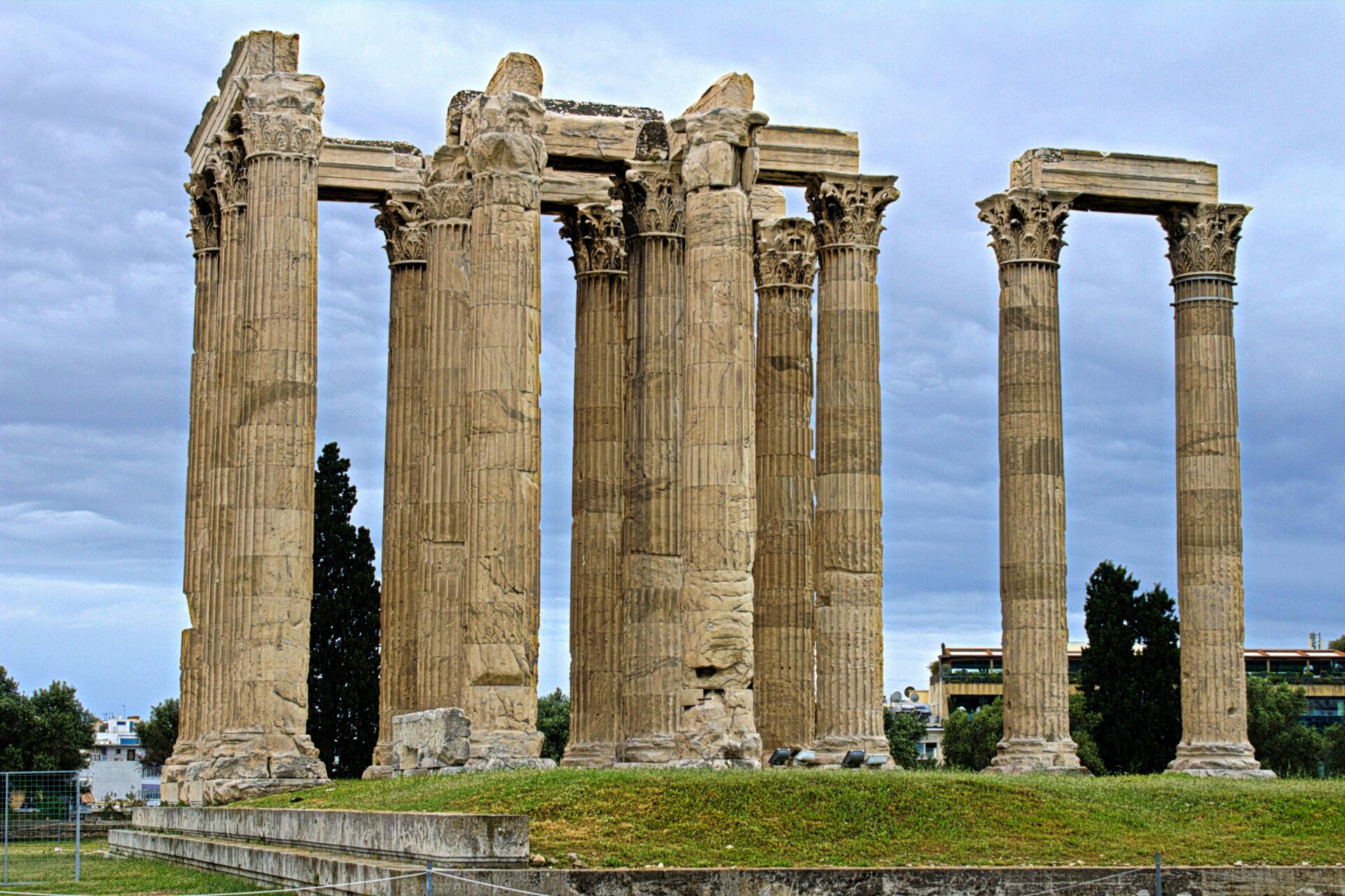
- The Temple of Zeus: Once held a massive statue, one of the Seven Wonders of the Ancient World.
- The Palaestra: Old wrestling school—easy to picture tough Olympians training here.
- The Altar of Hera: They still light the Olympic flame here every four years.
Time in Olympia felt like stepping right into the stories I’d only read about.
Exploring Ancient Greece’s Legacy
Olympia isn’t just about sports—it’s a peek into Ancient Greece’s culture, beliefs, and art. The Archaeological Museum next to the ruins blew me away with statues, ancient armor, and vases that tell their own stories.
I loved seeing artifacts that tied daily life to religion. Offerings, fine ceramics, and intricate jewelry all showed how people tried to please gods like Zeus and Hera.
Besides all the ancient stuff, I also noticed traces of Byzantine history around the Peloponnese. Some excursions even include a quick stop at a Byzantine chapel, which adds a spiritual twist to the trip.
Best Shore Excursions
If you’re pressed for time, shore excursions really help you make the most of a Katakolo stop. I joined a half-day tour—just 40 minutes from port to Olympia. We got a guided walk through the ruins and time to poke around the modern village for snacks or souvenirs.
Other excursions offer things like:
| Excursion Type | Main Highlights | Duration |
|---|---|---|
| Ancient Olympia Guided Tour | Main site, museum, stadium | Half-day |
| Culinary & Village Experience | Local food, Olympia village, shops | 2-3 hours |
| Beach & Olympia Combo | Ancient ruins + nearby beaches | Half or full |
You’ll find tours focused on history, Greek culture, or beach time. Booking ahead usually means better prices and smaller groups, so I try to plan a bit in advance.
Cruising the Greek Islands from Katakolo
Starting from Katakolo, I found Greek island cruising surprisingly simple—and honestly, just plain fun. With a bit of planning, I visited gorgeous islands like Santorini and Crete, making the most of my time both on shore and at sea.
Choosing the Right Cruise
Picking a cruise from Katakolo comes down to a few things—trip length, route, and which islands you want to see. Shorter 3- or 4-night cruises usually hit the Saronic Gulf islands like Aegina and Poros, so you get that village life and sunny cafes.
Week-long cruises go for the famous Cyclades—Santorini, Folegandros, Sifnos, Paros, Naxos. Each island has its own personality, from Santorini’s epic views to Paros’ whitewashed lanes.
Some routes add Crete, stopping in cities like Iraklion or Chania where you get a mix of island tradition and city buzz.
I always compare cruise companies, read reviews, and check what’s included. Some cruises lean toward luxury and chill vibes, while others cram in as many islands as possible.
Booking Your Cruise Adventure
I usually start my search online, months in advance. Early bookings often mean better deals, but if you’re flexible, last-minute offers sometimes pop up.
Most big ships have English-speaking crews and cater to international travelers, so booking is straightforward.
Booking directly through the cruise line is quick, but sometimes a travel agent adds a personal touch and answers those random questions you forget to ask.
I pay close attention to what’s included—meals, excursions, port taxes. Reading the fine print saves me from surprise charges.
Some cruises bundle shore excursions, like trips to Olympia or private beach stops. I recommend booking the top tours early since the best ones, especially archaeological sites, fill up fast.
Cruise Preparation and Tips
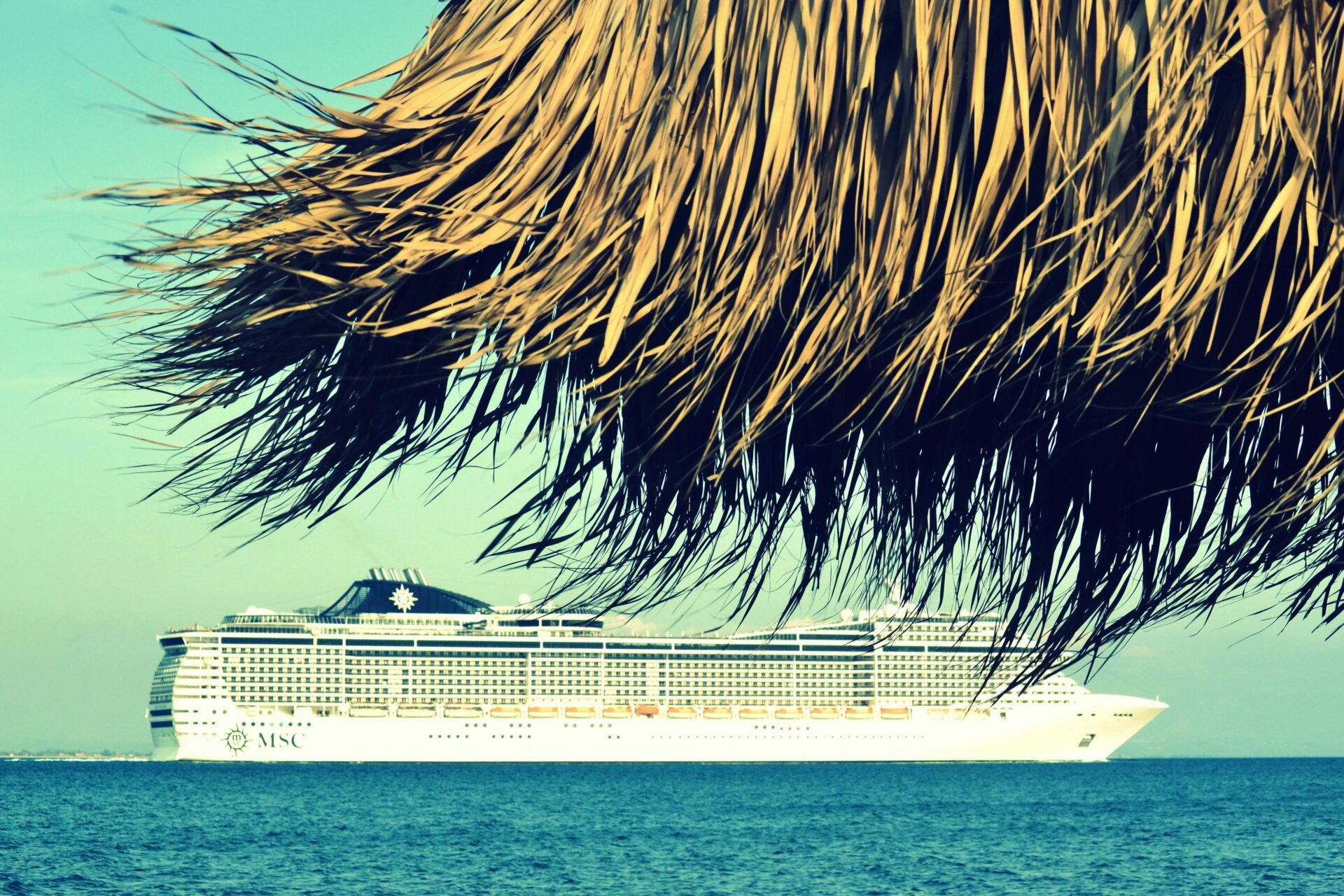
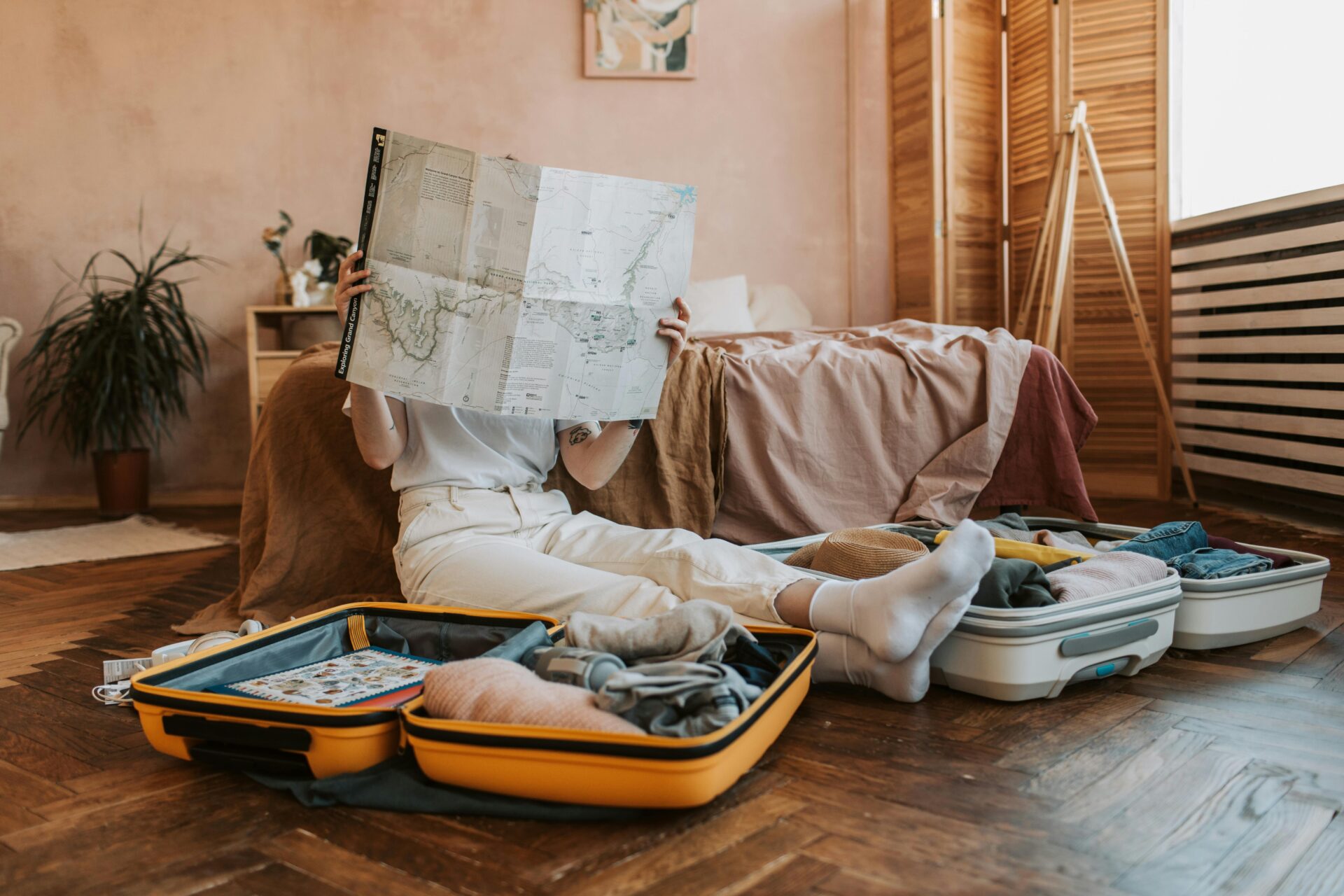
Packing for a Greek islands cruise? Trust me, it’s all about light layers and shoes you can actually walk in. I tossed in a sun hat, a reusable water bottle, and a little power bank for my phone—honestly, I used it nonstop for maps and photos. The summer sun really packs a punch, so don’t forget the sunscreen.
I made sure to bring some euros, since a lot of smaller kiosks and tavernas just don’t take cards. When I wanted to visit the ruins at Olympia or wander through local markets, I booked tickets and guides ahead of time. That move saved me a ton of time and hassle once we docked.
Here’s the quick checklist I scribbled down before sailing:
| Essentials | Extras |
|---|---|
| Passport & IDs | Travel pillow |
| Printouts of bookings | Journal for notes |
| Comfortable shoes | Swimsuit cover-up |
| Light layers | Sunglasses |
Ports of Call: Saronic Gulf, Cyclades, and Crete
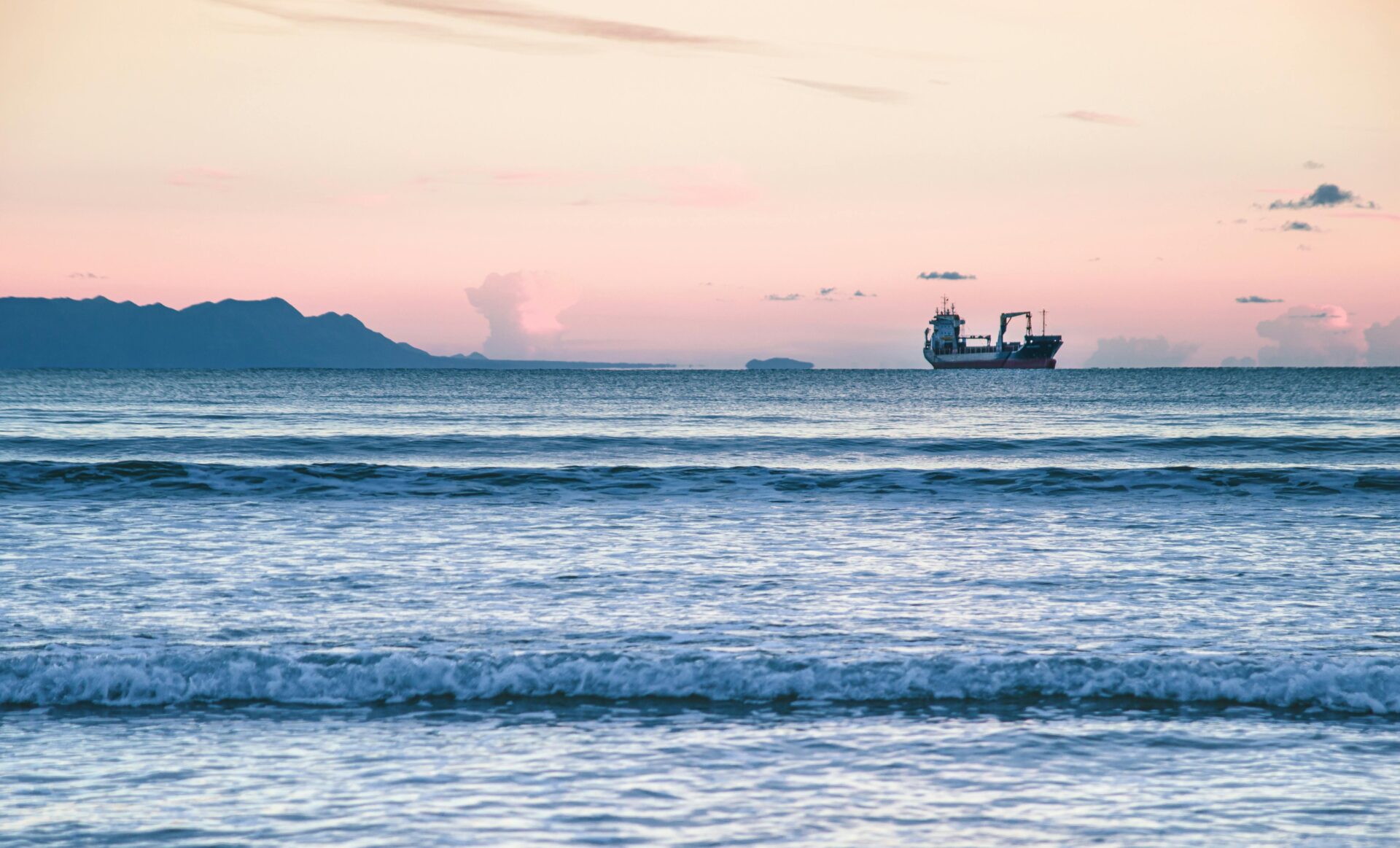
Leaving Katakolo behind, I felt like every port had its own personality. Aegina charmed me with those pistachio groves and ancient temples. Poros, on the other hand, felt so peaceful—its turquoise bays just begged for a swim.
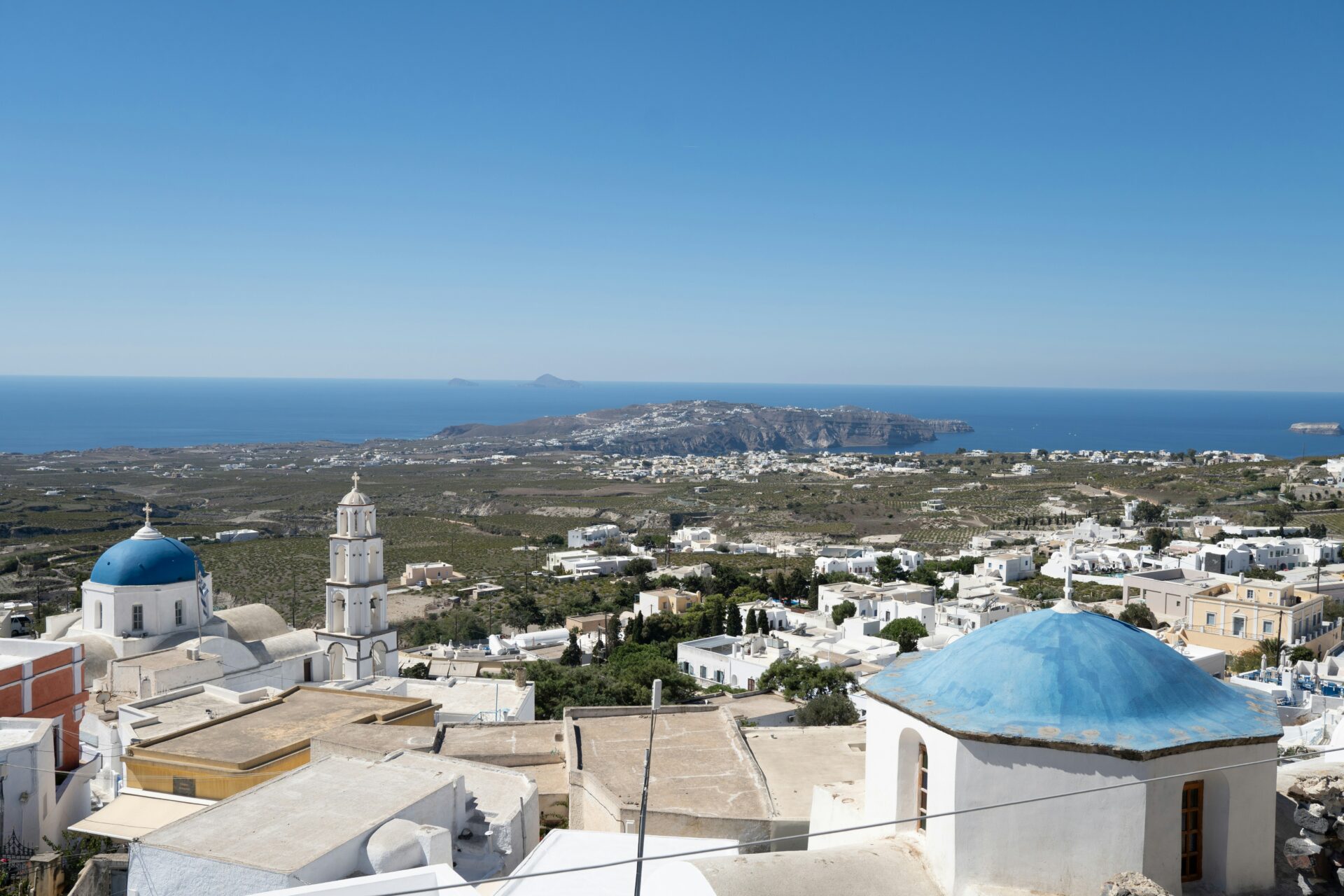
Santorini in the Cyclades? It honestly blew me away. Those cliffside villages and sunsets over the caldera are just as dreamy as everyone says. Sifnos and Folegandros gave me a break from the crowds but kept all the beauty.
Paros and Naxos had winding alleys and lively squares, plus beaches that were super easy to reach. I loved grabbing grilled fish at local tavernas, where the outdoor tables buzzed with locals and travelers. On Crete, I explored Minoan ruins at Knossos, then wandered Chania’s old harbor for coffee and people-watching.
At each stop, I usually joined a guided walk to get my bearings. After that, I’d set off on my own for a bit. It made the whole experience feel more personal—like I actually got a taste of each island’s real spirit.
Where to Stay: Accommodations, Resorts, and Local Hotels
Picking where to stay in Katakolo? It really makes a difference. Whether you want cozy hotels, beautiful resorts, or unique local spots, there’s something for every vibe.
Best Hotels
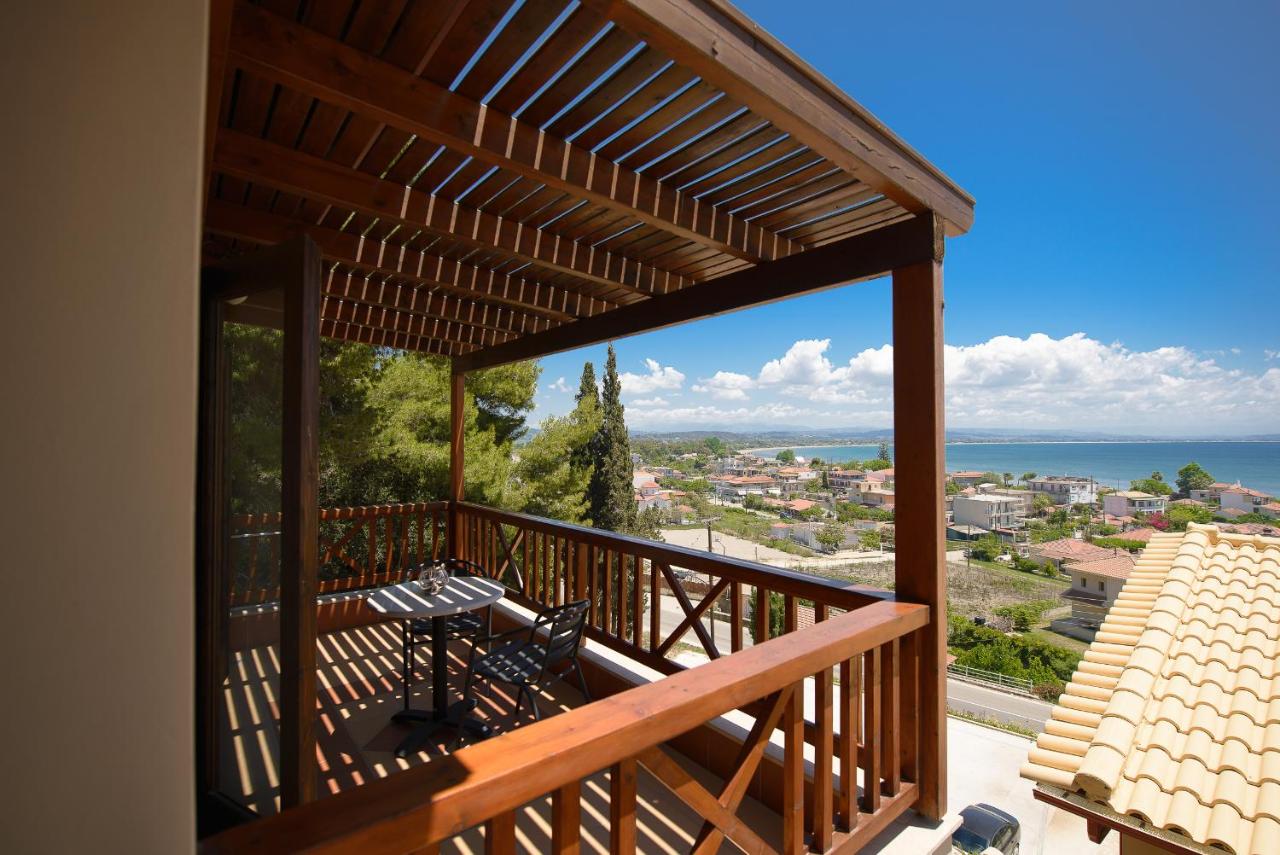
When I landed in Katakolo, I looked for comfort but also wanted to be close to the action. The Orizontes View Hotel won me over with its gorgeous views of the port and Ionian Sea. Mornings started with breakfast on a sunny terrace, and I could walk everywhere in town.
Aldemar Olympian Village stood out too, especially if you’re traveling with family or want plenty to do. The rooms are modern and spotless, the staff always seemed ready to help, and you can stroll right to the beach.
If you’re after something simple with a genuinely local feel, Arethousa Hotel and Hotel Ionio both offer good value. The staff really went out of their way to share tips, and just stepping outside felt like part of daily life in Katakolo.
Top Resorts
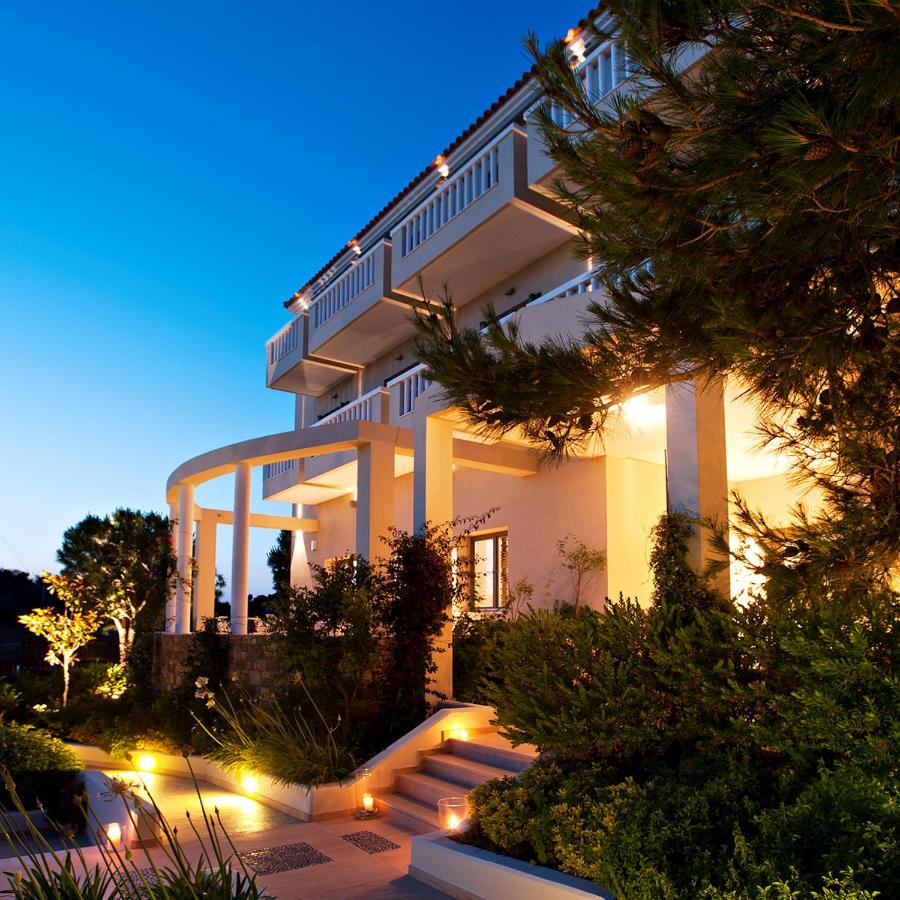
Resorts near Katakolo really go the extra mile with amenities. Mare Dei Suites Hotel Ionian Resort became my go-to for peace and comfort. The rooms are big, the pool’s lovely, and the Ionian views? Total postcard material. After a full day at Ancient Olympia, nothing beat a swim here.
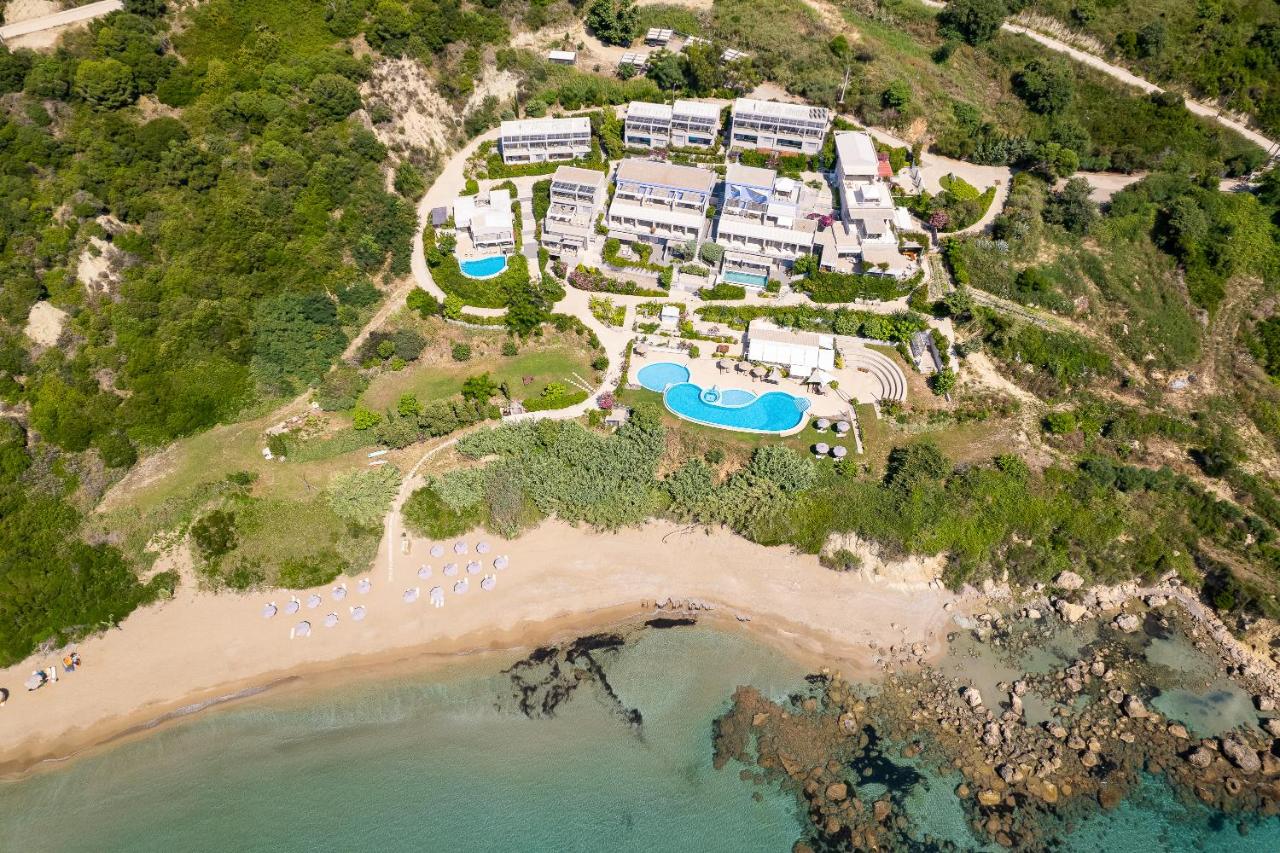
I also liked PHEIA, Vriniotis Resorts for how well they blend nature and hospitality. You get direct access to quiet beaches, and it’s easy to find a spot to relax away from any crowds. Their kitchen uses local ingredients, which made meals feel extra special.
Resorts usually throw in perks like breakfast buffets, shuttles, and stuff for kids. Bigger places like Aldemar are perfect if you want everything—beach, pools, and excursions—right at your fingertips.
Unique Stays in Katakolo
If standard hotels aren’t your thing, Katakolo has some quirky options. Althea Apartments felt super homey, and the room setups are perfect for families or longer stays. Having a kitchenette made it easy to keep meals casual.
I discovered that small guesthouses and rentals near the port gave me more of a personal connection to the town. Owners often pointed me toward quiet beaches or little tavernas I’d never have found on my own. There are even hillside villas just outside Katakolo, surrounded by olive trees and sea breezes.
These places aren’t as flashy as the big hotels, but they offer a real sense of belonging. I left with a few new friends, local food secrets, and a bigger appreciation for Katakolo’s slower pace.
What to Eat, Drink, and Do: Dining and Nightlife
Strolling through Katakolo, I quickly realized the port town is packed with inviting spots to eat fresh seafood and enjoy local wine. There’s more to do after dark than you might guess, and a few tips can make your visit smoother.
Best Restaurants for Local Flavor
The seafood displays in front of restaurants really caught my eye. I remember walking past Karoussos and seeing giant swordfish and live lobsters right out front.
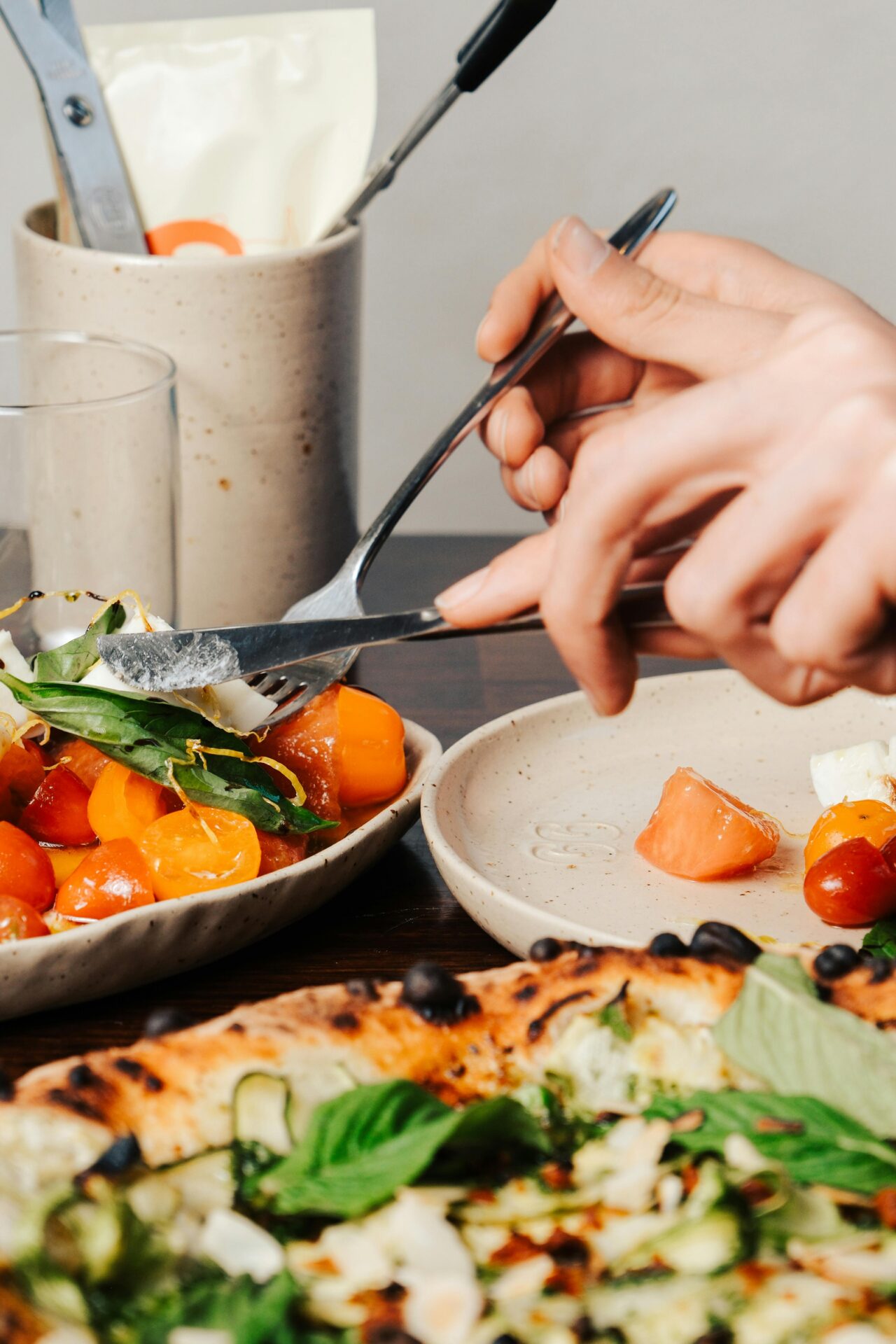
For something tasty but easy on the wallet, Mango Eats and Drinks (just a street back from the port) always hit the spot. Greek salads loaded with tomatoes, feta, and olives pop up on almost every menu. Lots of places serve grilled octopus, calamari, and stuffed grape leaves too.
Here are some spots I’d actually go back to:
| Restaurant | Specialty | Atmosphere |
|---|---|---|
| Karoussos | Fresh seafood, fish | Lively, nautical |
| Mango Eats & Drinks | Casual eats, snacks | Relaxed |
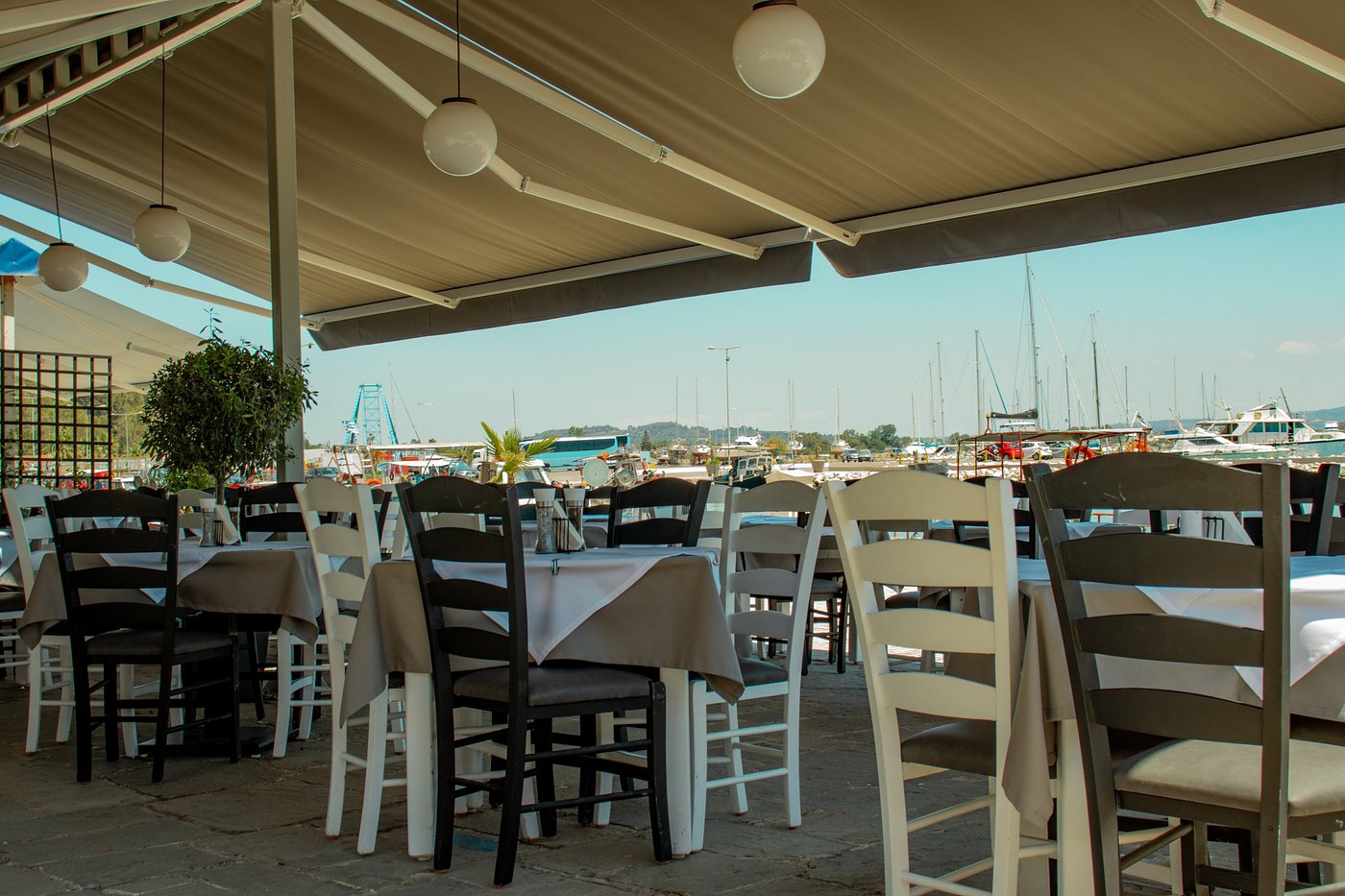
| Mouragio & Filia | Greek classics | Waterfront view |
Dining Tips and Etiquette
I learned that Greeks tend to eat late, often after 8 p.m. Sharing a bunch of small plates, or meze, is totally normal. Waiters never rush you, so you can take your time and really enjoy the meal.
A friendly “Kalimera” (good morning) or “Kalispera” (good evening) goes a long way with staff. Tipping isn’t required, but rounding up or leaving a bit of change is a nice gesture. I noticed people linger over coffee or dessert, soaking up the relaxed vibe by the water.
If you’ve got dietary needs, just ask—most servers are happy to help translate the menu or suggest something that works. Pointing and asking questions always helped me out.
Nightlife Spots and Experiences
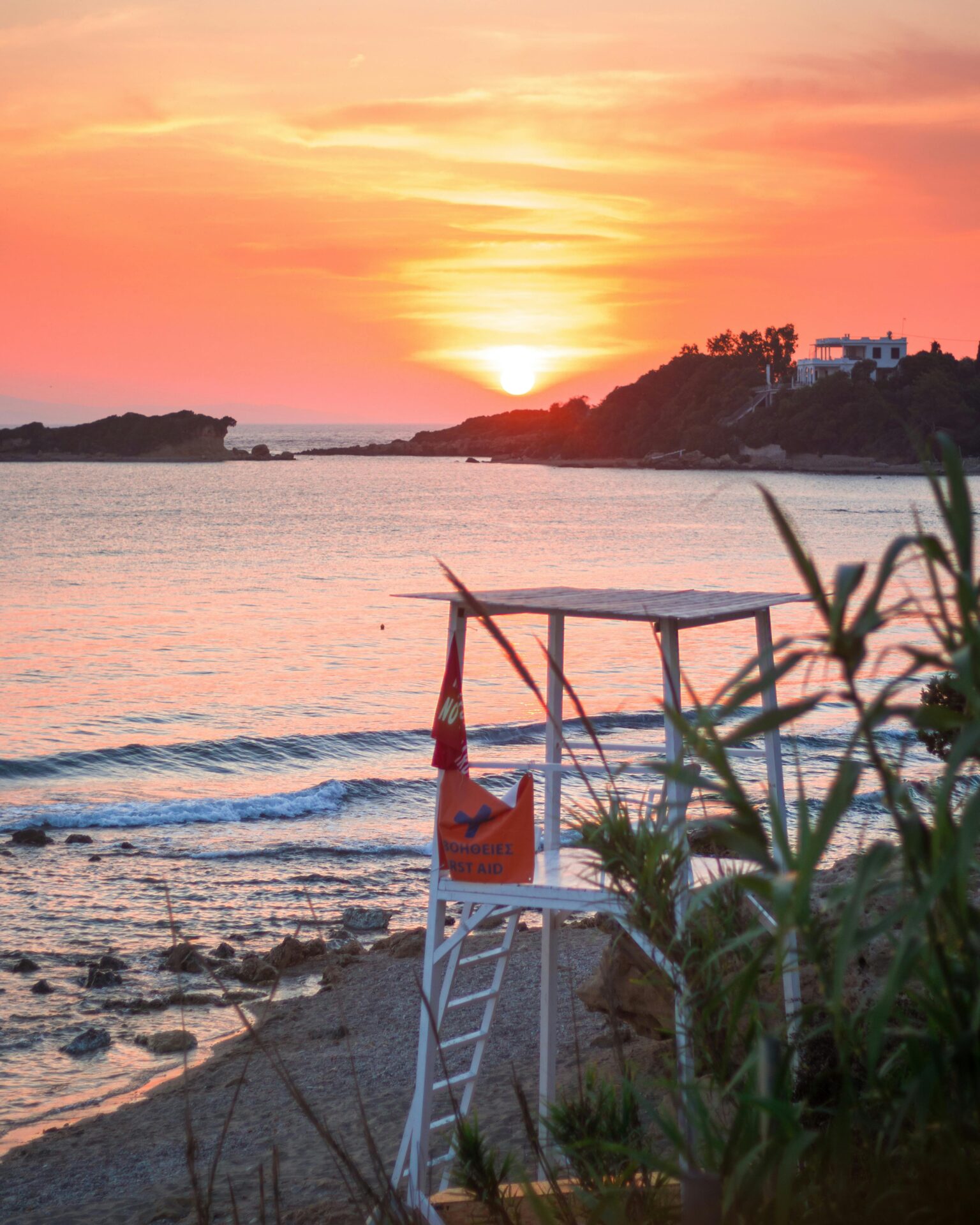
Katakolo doesn’t try to be a party hotspot, but evenings still have their charm. Waterfront cafés and bars light up at dusk, serving local wines, ouzo, and sometimes Greek music. The best seats are usually right by the harbor, where you can watch fishing boats drift by or just listen to the waves.
There’s a handy Internet café near the main street for checking in online. Every now and then, local tavernas host live music, especially when cruise ships are in town. Bars stay open late in the summer, but nightlife here is more about unwinding than wild parties.
Staying Healthy and Safe
Walking around Katakolo felt safe, whether it was day or night. Still, I kept an eye on busy roads and made sure to keep my bag close in crowded places.
I usually drank bottled water, even though the tap water is supposed to be clean. Maybe I just didn’t want to risk it.
The heat sneaks up on you, especially if you’re out exploring Olympia in the afternoon. I relied on sunscreen, a hat, and some light clothes—can’t really go wrong with those.
Most restaurants actually post allergy info, and they cook meals fresh, so it’s not too stressful if you’ve got food sensitivities. That made eating out feel a bit more relaxed.
If I needed anything, I could just pop into a pharmacy near the port. The people there seemed happy to help.
English came in handy, too. In tourist spots and restaurants, you’ll hear it everywhere.
