
You can fall in love with Kea, or Tzia, almost instantly. This Cycladic island feels both sophisticated and refreshingly unpretentious.
Its peaceful landscapes, quiet beaches, and laid-back cafes make Kea the perfect Athens getaway. The ferry ride is short, but the vibe is worlds apart.
Kea strikes a rare balance—relaxation, real culture, and natural beauty, all rolled into one easy escape. If you’re after something a little different from the usual tourist parade, this is the place.
What really sets Kea apart? I’d say it’s the understated charm. I could soak up authentic Greek island life without elbowing through crowds.
I wandered stone-paved villages and hiked ancient paths, running into hidden gems at every turn. The Lion of Kea, a mysterious stone sculpture from the Archaic era, greeted me with silent grandeur and sparked my sense of adventure.
Exploring Kea, I noticed how history and modern comfort blend together. Sunny afternoons by the sea, ancient mysteries around the corner—every moment felt special and blissfully uncrowded.
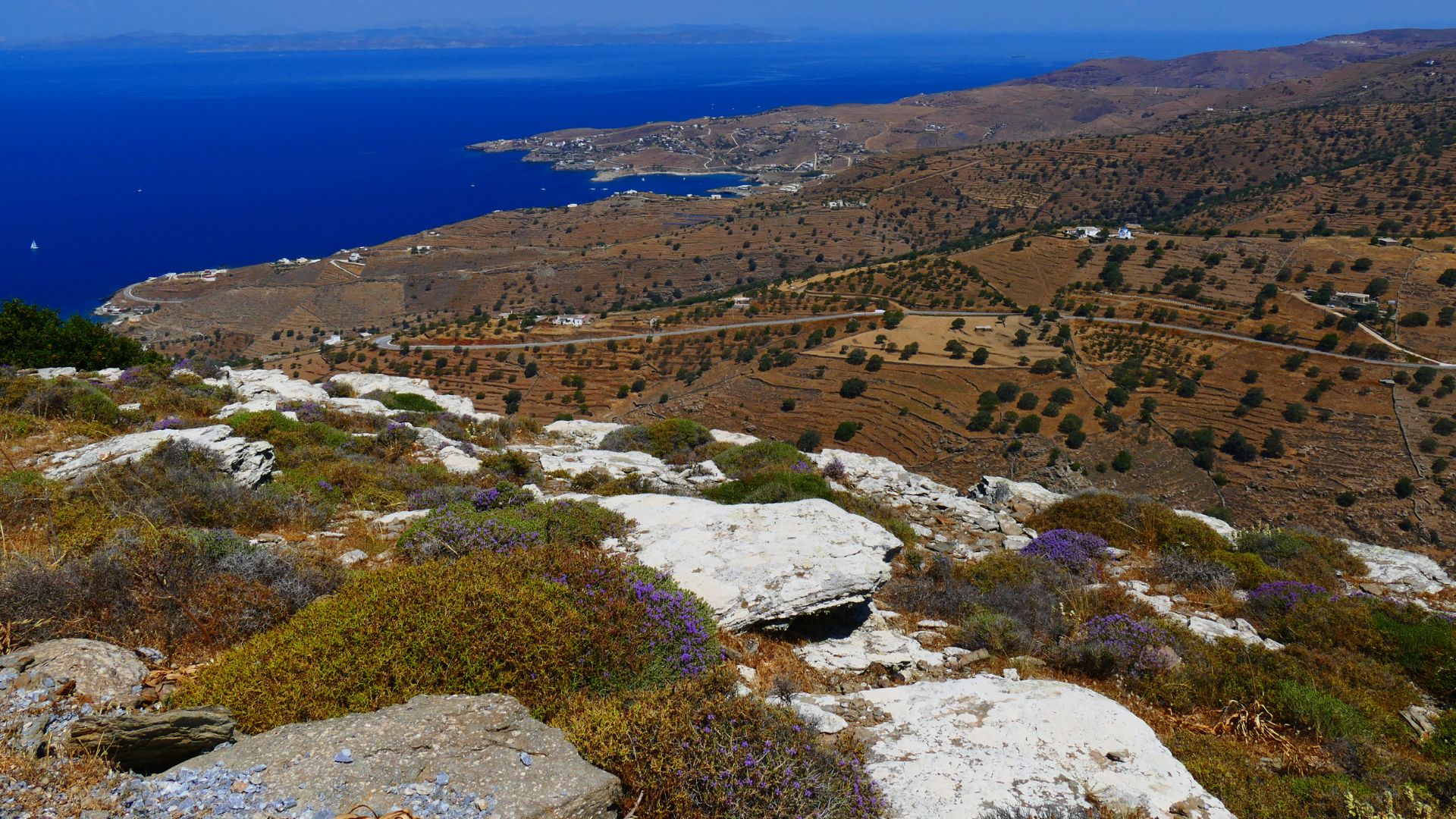
The Allure of Kea (Tzia): An Authentic Cycladic Gem
Kea (Tzia) gives me the calm of Greek island life, but it’s only an hour from Athens. The island’s charm doesn’t come from flashy resorts.
Instead, it lives in peaceful villages, hidden beaches, and a quiet elegance that somehow stays under the radar.
Proximity to Athens: The Ultimate Escape
Kea sits closest to Athens of all the Cycladic islands. That makes weekend escapes a breeze.
The ferry from Lavrio port takes less than an hour. I can leave the city and be at a sun-drenched harbor before I know it.
Honestly, I can get to Kea faster than I can cross Athens in traffic. Most big islands demand half a day’s travel, but here, I drop into island time before lunch.
For Athenians and visitors, this quick trip really changes the game. I skip the crowds and hassle of longer journeys and jump straight into relaxation.
| Travel Details | Time/Distance |
|---|---|
| Athens to Lavrio Port | ~1 hour by car |
| Lavrio to Kea (Ferry) | 1 hour |
| Total | About 2 hours max |
Even though it’s close, Kea stays peaceful—most tourists skip it, so the tranquil bays and sleepy lanes stay quiet, even in summer.
Understated Sophistication: What Sets Kea Apart
Kea doesn’t buzz like Santorini or throb with crowds like Mykonos. Instead, it feels private, even a little mysterious.
Villages like Ioulida wind along gentle hills. Cafés hide beneath flowering trees, and old men play backgammon in shady corners.
Luxury here arrives without any glitz. Stone villas blend right into the landscape, and even the fancier restaurants keep things relaxed.
I once ate fresh fish at a waterfront taverna, watching fishermen mend their nets and feeling like I’d wandered into a quieter, simpler era.
The island’s ancient sites, especially the Lion of Kea, give it a sense of history I don’t find elsewhere. Every village has its own personality, but all share that low-key grace.
On hikes, I pass olive groves, carved lions, and fields where goats graze. Kea’s beauty is subtle, never showy, and the locals are quietly proud of their island.
Even in high season, it never feels packed. I can actually soak in the authentic charm.
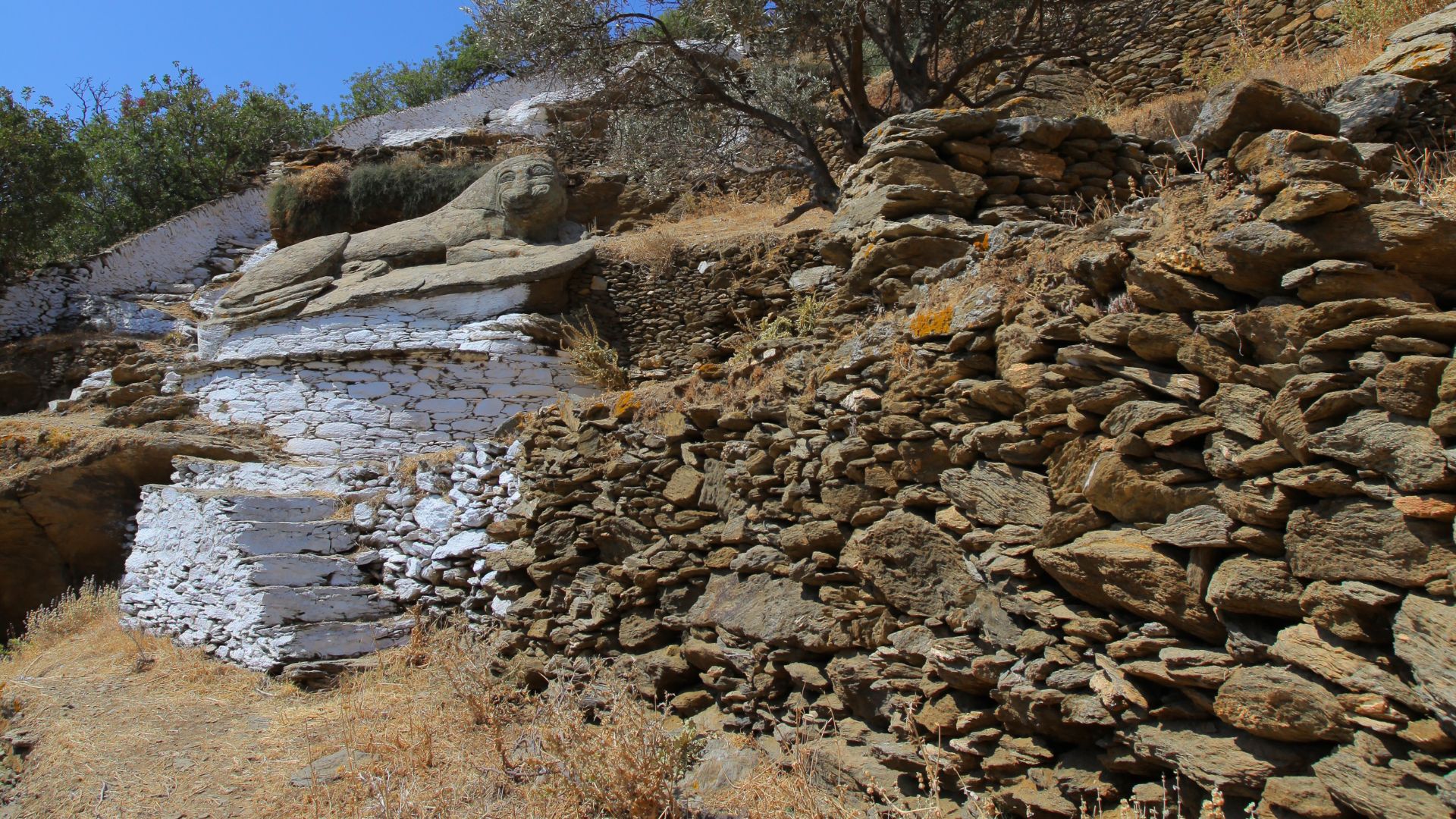
Seasonal Vibes: When to Visit for the Best Experience
Kea shifts with the seasons, and the timing of your visit really matters. Spring is my favorite—green hills, wildflowers, and barely a tourist around.
The weather stays mild, just right for hiking to beaches or poking around ancient ruins.
Summer, especially July and August, brings warm days but still fewer people than other Cycladic islands. Greeks come for their own holidays, so the island feels lively but never overrun.
Local festivals add energy, and seaside tavernas keep their doors open late.
In autumn, Kea slows down. The sea stays warm for swimming, and the vibe turns mellow.
If I want quiet reflection and dramatic sunsets, this is the moment.
| Best Time to Visit | What to Expect |
|---|---|
| March–May | Lush scenery, hiking, peaceful villages |
| June–September | Warm swimming, local life, festivals |
| October | Tranquility, warm sea, slower pace |
No matter the month, I always notice new details—a hidden cove, a family-run café—reminding me why Kea keeps calling me back.
The Lion of Kea Awaited: Exploring the Iconic Landmark
The Lion of Kea stands as an ancient stone sculpture you just can’t miss. Its mysterious backstory, the hike to reach it, and the views around it all stick with me.
Legend and History Behind the Lion
I first heard about the Lion of Kea as a piece of local legend. Folks say the lion was carved in the 6th century BCE, during the Archaic period.
The story goes that islanders created it to guard against a lion that once terrorized Kea. Others think it stands for strength and guardianship.
What really gets me is the size—about 9 meters long, sculpted right from the island’s bedrock. The lion seems to emerge from the stone itself, not pieced together or moved here.
Its simple, almost smiling face adds to the mystery.
This monument has survived storms and centuries of sun. It ties Kea’s past to its present in a way that feels tangible.
No one knows for sure why it was made, but the Lion is a must for any visit—part archaeological site, part legend.
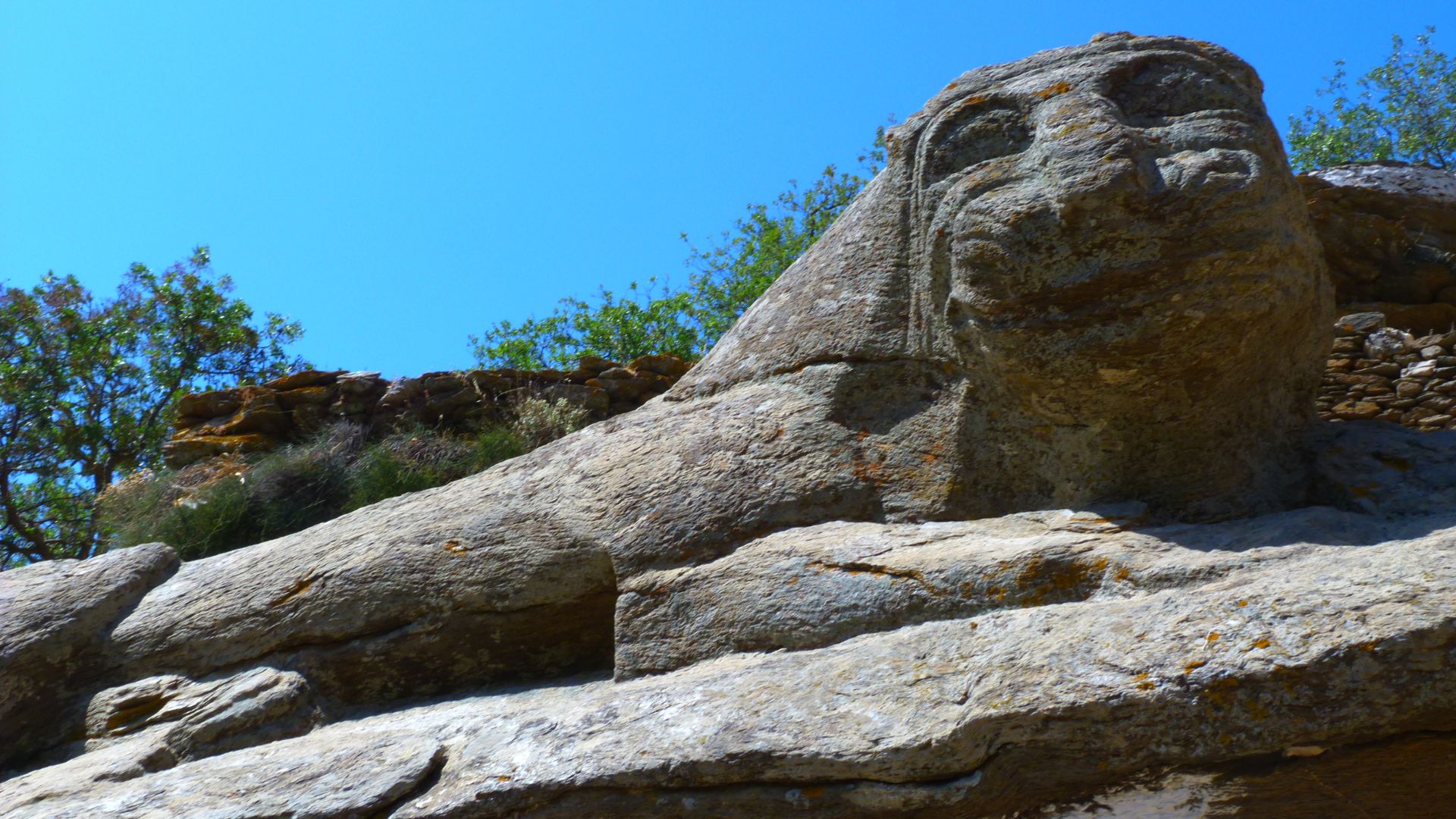
Walking the Paths: Getting to the Lion Stele
Getting to the Lion of Kea is half the fun. The path starts in Ioulida (or Chora), a hillside village with winding alleys and whitewashed houses.
From there, the trail is clearly marked and leads down through old pathways locals have used for ages.
The walk is about 1 km, mostly downhill, and takes around 20 to 30 minutes if you don’t rush. I always wear sturdy shoes—summer dust can make the stones slippery.
The views along the way? Olive trees, wildflowers, and the Aegean in the distance.
Benches dot the path if you need a breather. Most days, I bump into only a few other visitors, so the route stays peaceful.
When the lion finally appears, it feels like stumbling on a secret etched in the landscape.
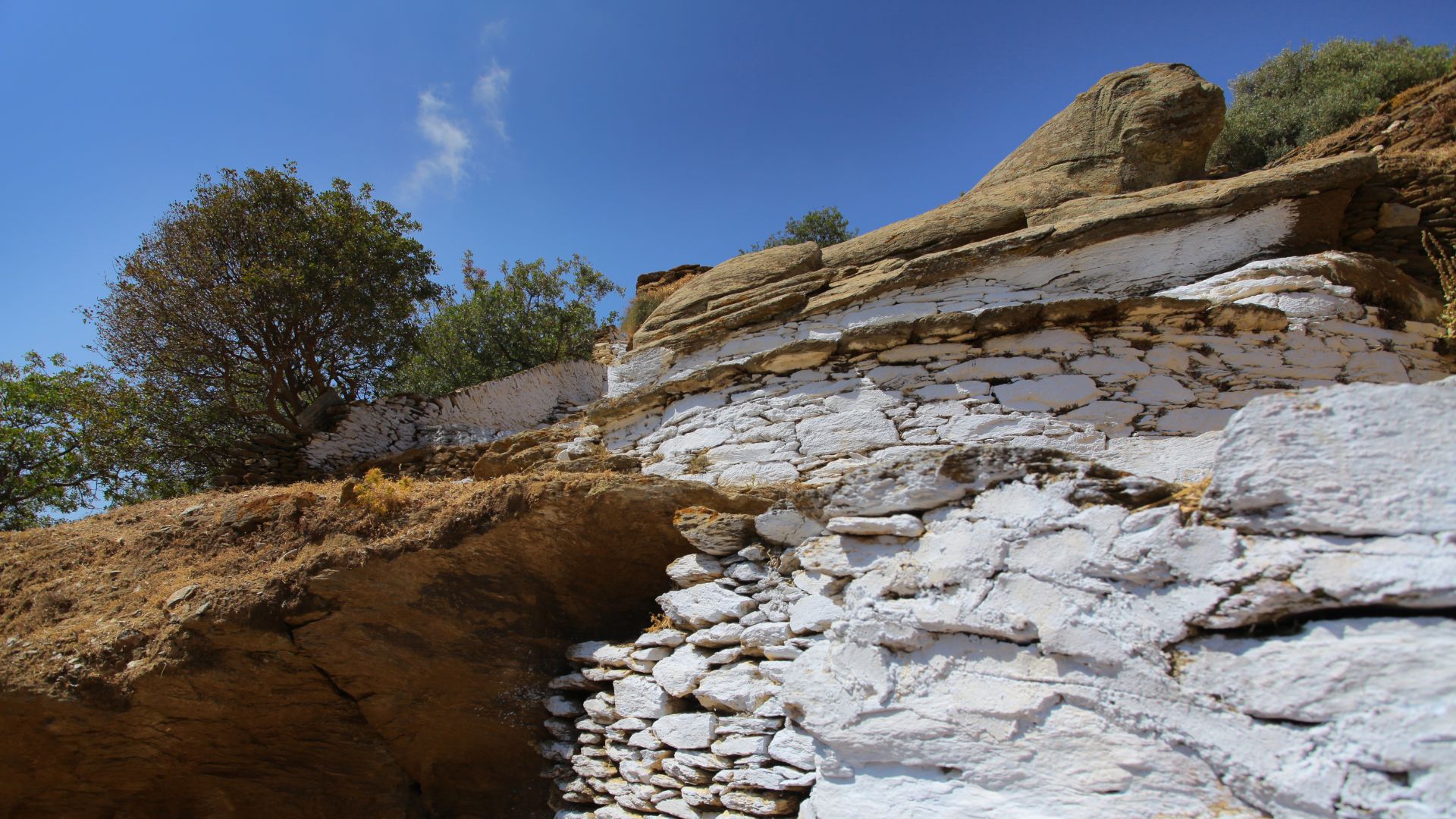
Capturing the Perfect Photo Moment
Photos at the Lion of Kea turn out best in early morning or late afternoon. Soft sunlight brings out the lion’s gentle features and the golden tones of the ancient rock.
I love how the setting sun makes the fields and wild herbs glow.
If you want a great shot, try standing a bit below the lion so you can capture its full length. A wide-angle lens helps if you want both the lion and the scenery in one frame.
If you’re into photography, a tripod is handy since the area is usually quiet. It’s easy to set up and wait for the perfect light or cloud.
The Lion makes for an Instagram-worthy photo, but honestly, it also captures that calm, mysterious vibe that makes Kea so special.
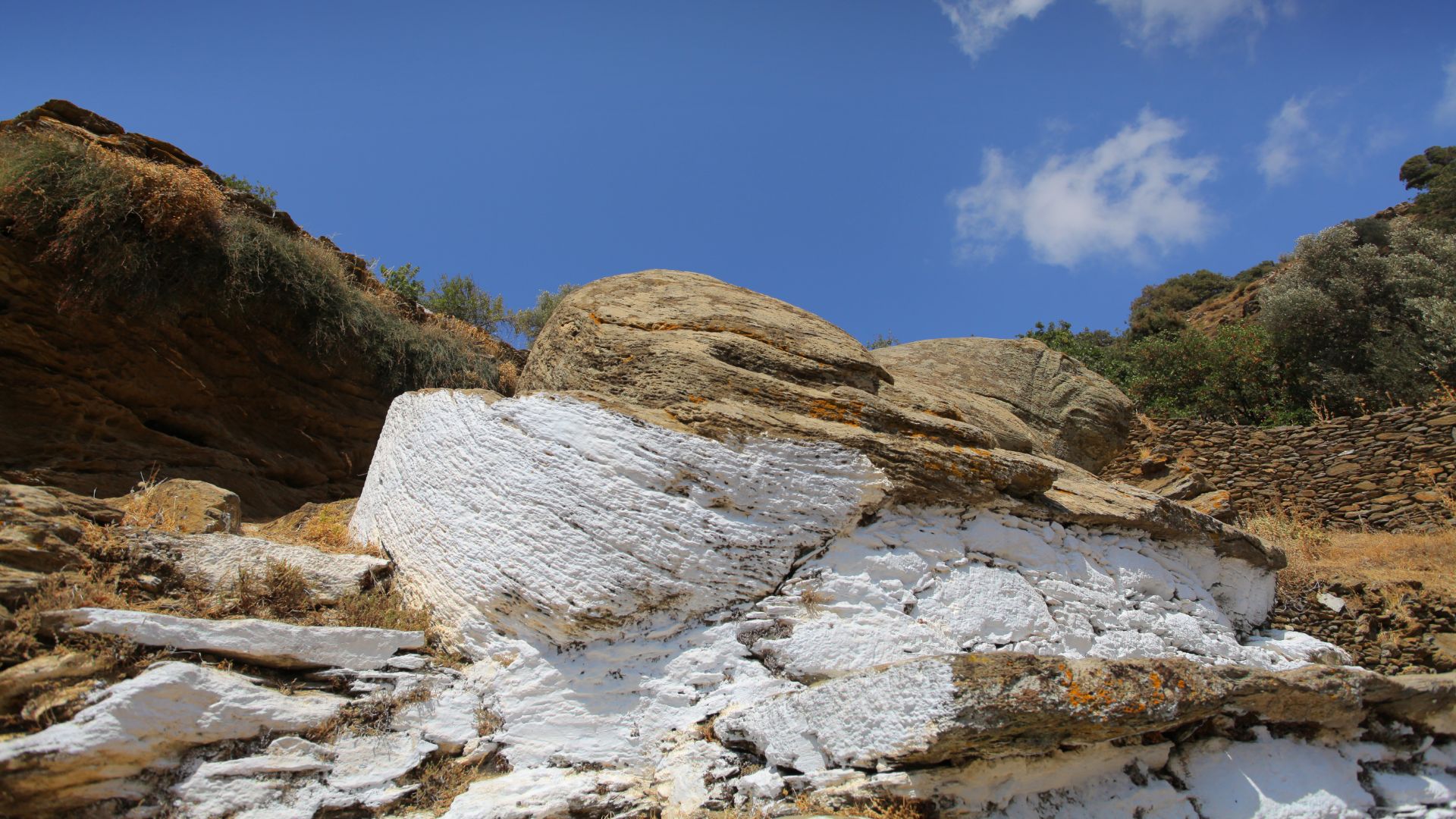
Chic Yet Unpretentious Villages and Seaside Charm
Kea’s villages mix sophistication with a relaxed simplicity. Each one offers something different, from lively harbors to peaceful beaches and twisting old-town lanes.
Ioulida: The Island’s Sophisticated Capital
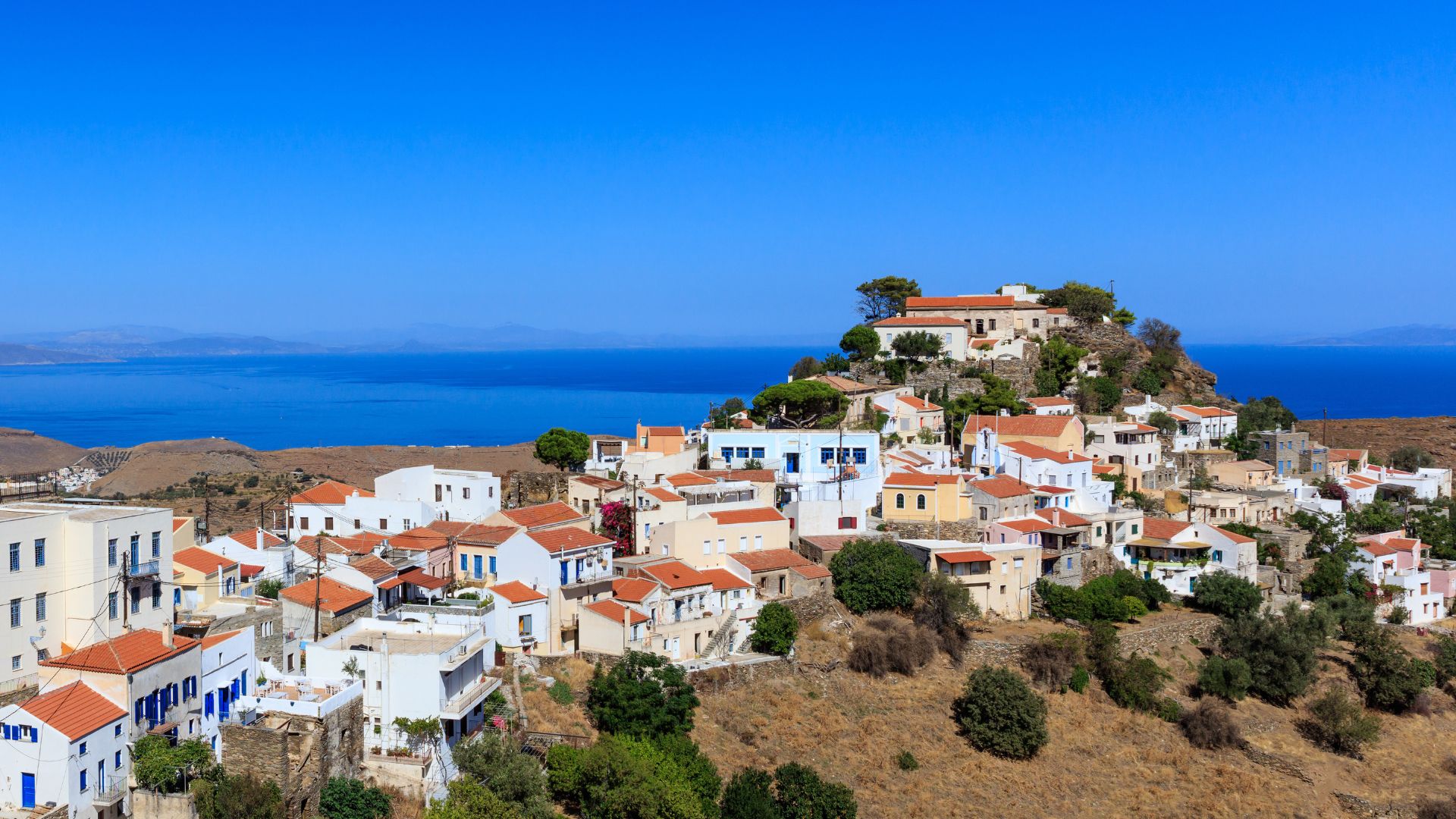
Ioulida, or Chora, sits on a hillside with views across olive groves. Its narrow streets are lined with whitewashed houses, red-tiled roofs, and bursts of bougainvillea.
When I stroll here, I sense a gentle blend of old and new. Cozy cafés, art galleries, and bakeries offer local sweets right on the stone paths.
The famous Lion of Kea statue, carved from rock, sits just outside the main village—a silent guardian of history.
Ioulida’s main square feels quiet but alive, especially at sunset, when locals gather and kids play. Small shops sell handmade jewelry and natural honey.
I always find it relaxed, never crowded, and just right for slow evenings.
Korissia and Vourkari: Picturesque Ports
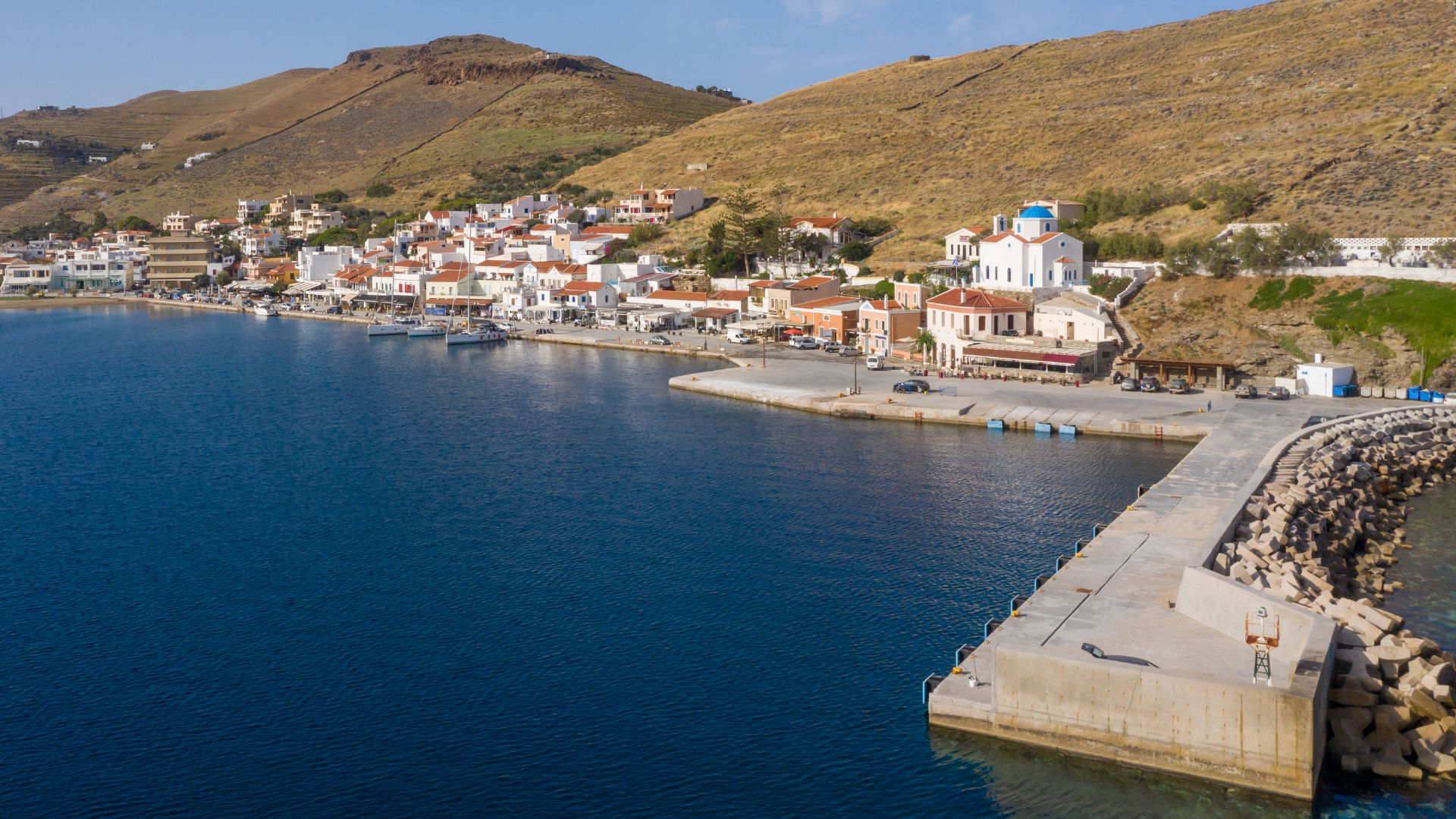
When I first arrived on Kea, my ferry pulled into Korissia. This port village buzzes but never overwhelms.
Waterfront tavernas, coffee shops, and bakeries open early for fresh pastries. Watching fishermen work along the quay feels timeless.
Just around the bay, Vourkari has become a favorite for boaters. Yachts and sailing boats anchor here, giving the village a quietly cosmopolitan feel.
Waterside restaurants serve fresh seafood. I like to sit outside, listening to the gentle clinking of boats at dusk.
A short walk takes you to old stone warehouses now turned into chic bars and galleries. Nightlife is low-key but stylish.
Both villages are easy to explore on foot. Evenings bring twinkling lights and the smell of grilled fish drifting on the breeze.
Koundouros: Tranquil Retreats on the Shore
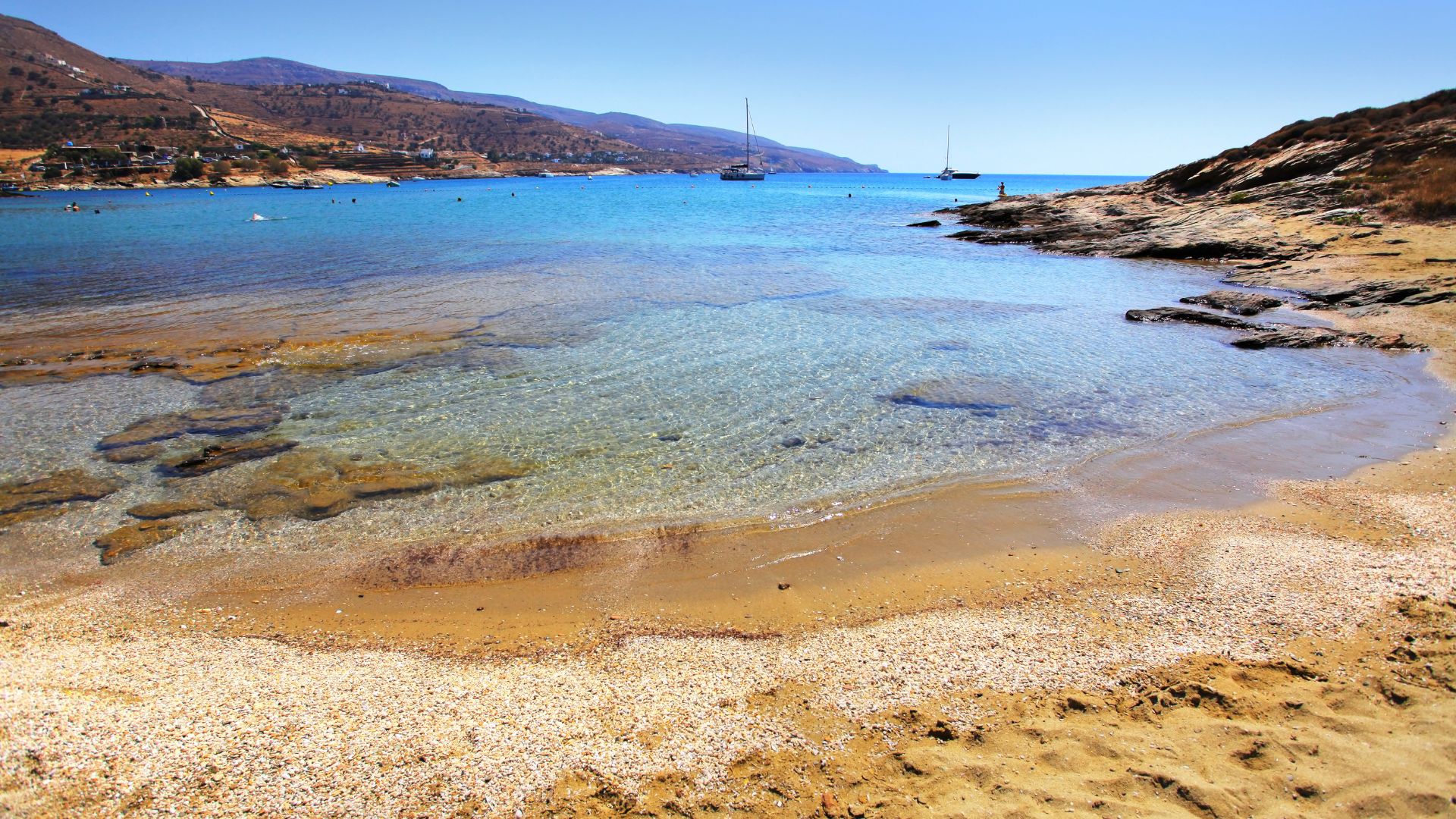
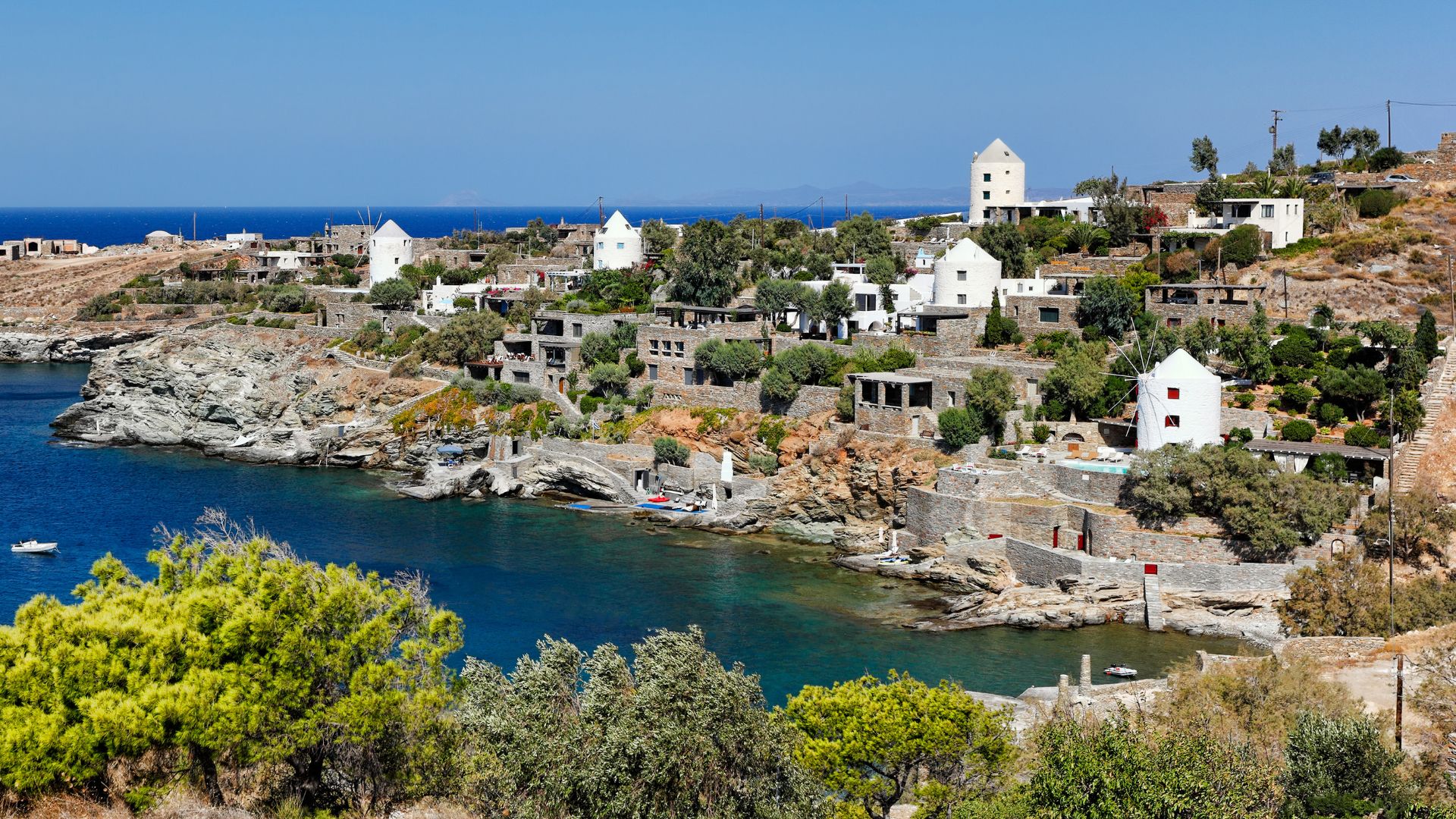
Koundouros stretches along a crescent bay on Kea’s southwest coast. Traditional stone houses sit beside soft sandy beaches, creating a peaceful seaside neighborhood.
I love waking up early for a swim in the calm, turquoise water before breakfast.
Some homes, including restored windmills, are available to rent. It’s easy to imagine living here, at least for a week.
Pine trees provide cool shade by the water, and a few casual beach bars serve iced coffee and local snacks.
I spot visitors quietly sunbathing, paddling in the bay, or hiking hillside trails above the beach.
Koundouros is perfect for a laid-back lunch with fresh seafood and simple salads. There’s space to slow down, watch sailboats drift by, and just enjoy Kea’s easygoing pace.
Insider Experiences and Local Flavors
Kea blends sophistication and authenticity with a Cycladic twist. The food scene, local stays, and little-known beaches make it a true escape from the ordinary.
Farm-to-Table Taverns and Culinary Discoveries
Every meal on Kea feels like a mini celebration of tradition. I lost count of how many times a friendly innkeeper insisted I try their family’s olive oil or house-made cheese.
Island taverns use vegetables, herbs, and meats from nearby farms, so everything tastes incredibly fresh.
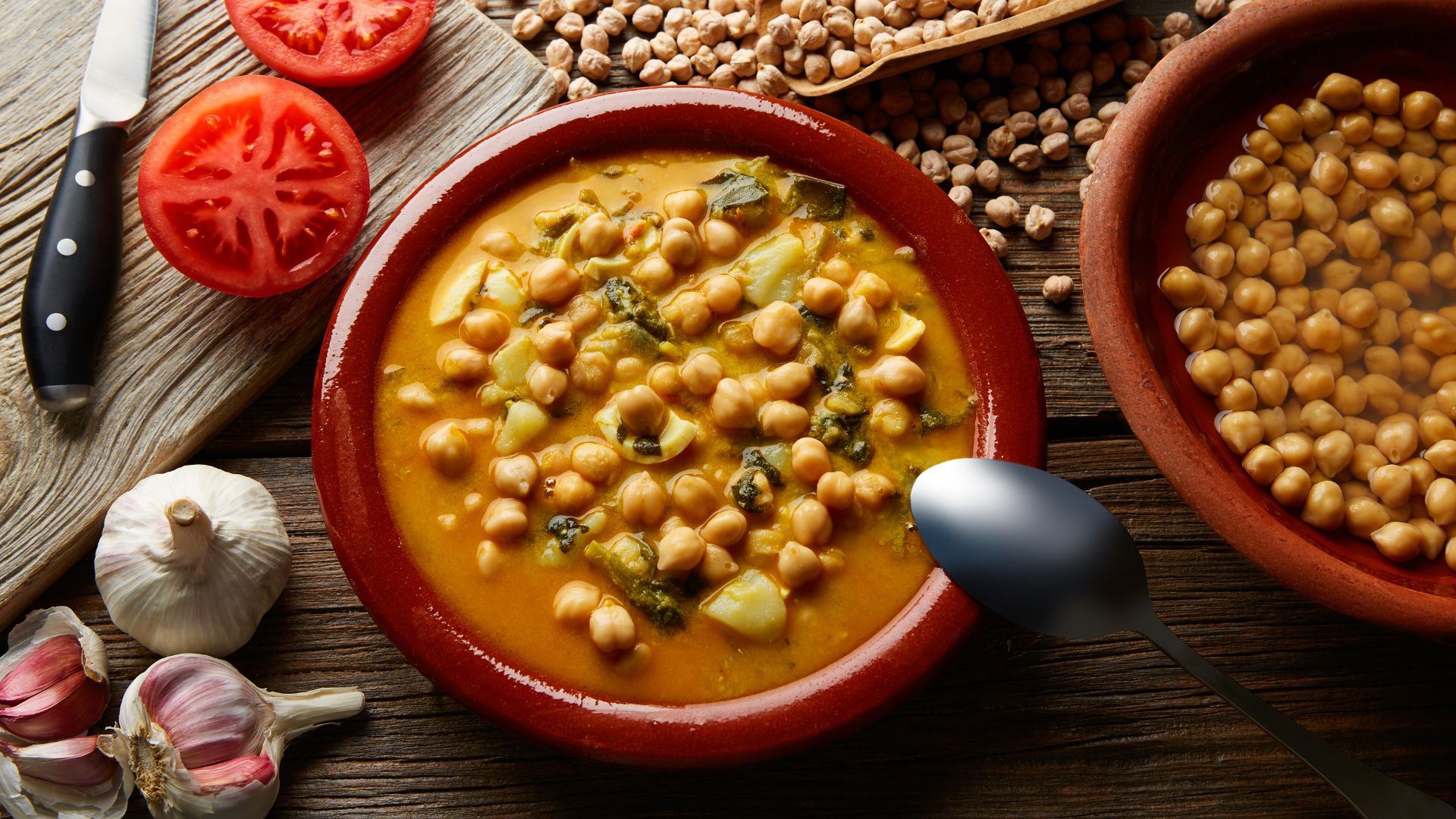
Some highlights for me? Revithada—a slow-cooked chickpea stew—and keftedes with local herbs. Many restaurants let you peek into the kitchen and choose straight from the pots.
Must-Try Kea Dishes:
| Dish | Description | Where to Find |
|---|---|---|
| Paspala | Pork with eggs and tomato | Seaside taverns |
| Loza | Aged local cured pork | Village delis |
| Amigdalota | Chewy almond sweets | Bakery counters |
Don’t skip the house wine—local varietals pair perfectly with these flavors.
Boutique Stays: Sophisticated Hideaways
Kea’s hotels and guesthouses skip the big resort scene for smaller, stylish spaces. I found a tucked-away villa with blue shutters and a private patio draped in bougainvillea.
Places often blend Cycladic architecture with modern touches: whitewashed walls, stone floors, rainfall showers.
Some boutique hotels serve farm-fresh breakfasts with homemade jams, honey, and baked pies. Hosts are happy to set up cooking classes, wine tastings, or even a day hiking the island.
If you want more privacy, rental homes on the hillsides offer sea views and peaceful gardens. I’d book ahead, especially for summer.
Secret Beaches and Swim Spots
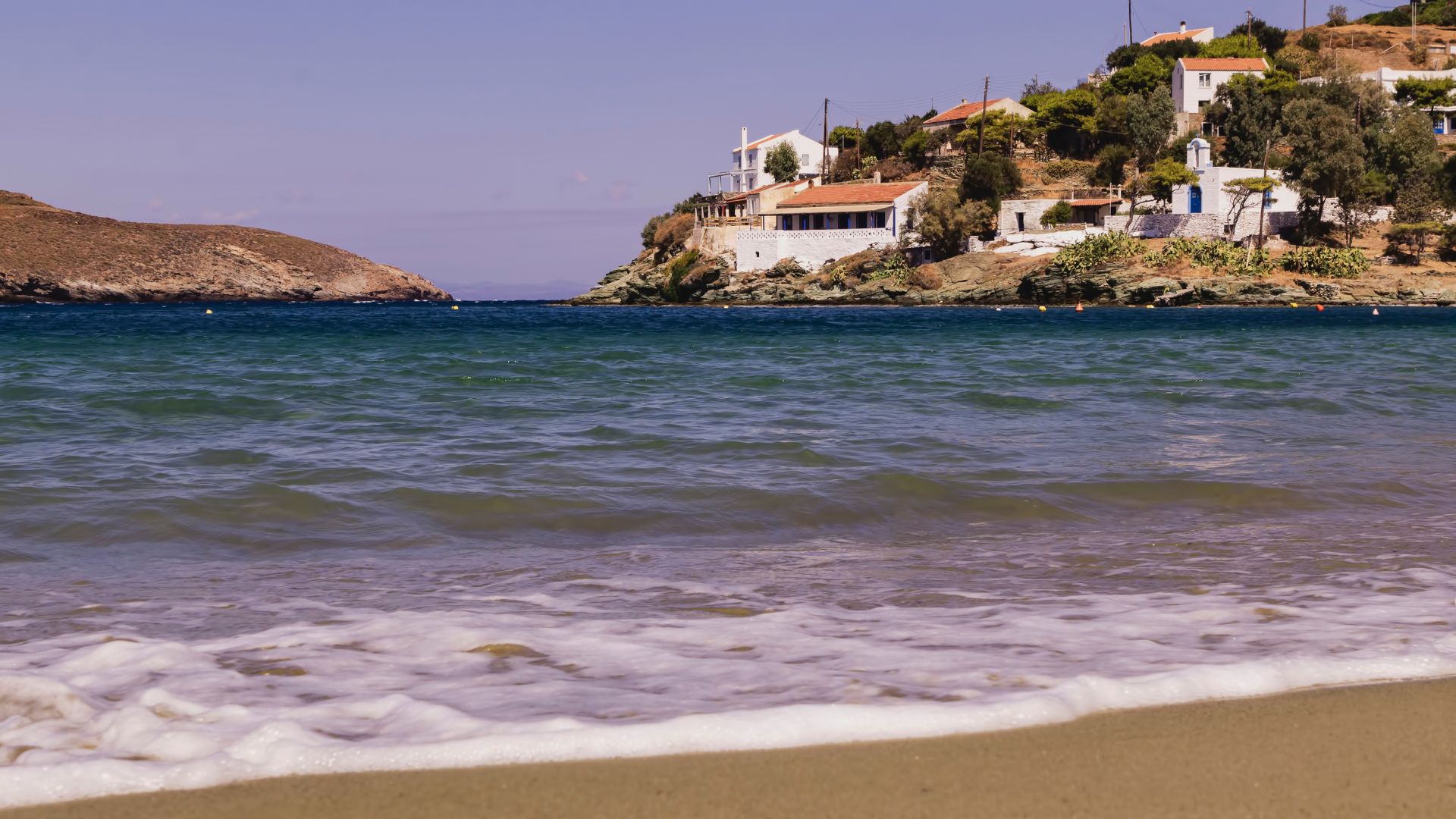
The beaches on Kea don’t feel crowded or commercial at all. I found my favorite spots by following rocky footpaths or bumping along dirt lanes in the car.
Before heading out, I tossed water, snacks, and a big bottle of sunscreen into my beach bag. You really need to come prepared—there’s not much out there except sun and sea.
Xyla Beach felt like a secret cove. I spent hours swimming and sunbathing under the tamarisk trees.
Spathi offered soft sand and unbelievably clear water. There’s even a tiny taverna where I grabbed fresh seafood—honestly, I could’ve stayed all day.
Locals pointed me toward rocky inlets near Otzias and Koundouros. I tried snorkeling there and, wow, it might’ve been the best I’ve ever done.
Each spot gives you room to breathe and a quiet escape into the wild Greek landscape.
Adventures Beyond the Ordinary: Activities and Nature
Hiking past ancient ruins, sailing in clear water, and spotting rare wildlife made Kea feel like a different world. Every day, I found something new to do—always close to nature and the island’s long history.
Exploring Ancient Trails and Hiking Routes
I laced up my sneakers and headed out on Kea’s hiking trails. These stone paths have been there for centuries, and I loved how well-marked the routes are.
Some trails wander through oak forests. Others open up to huge views of the Aegean.
My favorite path led me to the Lion of Kea, this ancient stone sculpture tucked into a hillside. Along the way, I wandered past sleepy villages and old churches, which made perfect spots to stop for a drink or a quick photo.
Two popular hikes you might want to check out:
| Trail Name | Distance | Notable Sights |
|---|---|---|
| Ioulida to Lion of Kea | 2 km | Ancient Lion sculpture |
| Otzias to Ancient Karthea | 9 km | Ruins, sea views |
Walking these trails gave me a real workout, but I also got to experience history up close.
Sailing and Watersports on Kea’s Coastline
Kea’s rugged coastline and hidden coves just beg you to get out on the water. I signed up for a half-day boat tour and, honestly, the wind and salt air hit me right away.
Swimming in small, quiet bays turned out to be the best part. The water was crystal clear, and I spotted schools of fish while snorkeling.
If you want more adventure, you can try paddleboarding or kayaking at beaches like Otzias and Koundouros. It’s pretty easy to arrange.
Boat tours sometimes stop at secret beaches you can’t reach by road. I’d definitely recommend bringing a waterproof bag for your phone and snacks—there’s nothing to buy once you’re out there.
If you’re chasing sunsets, those late afternoon trips are truly unforgettable.
Wildlife Watching: Kea’s Flora and Fauna
When I wandered around, Kea’s natural side kept surprising me in small, unexpected ways.
The island actually has more oak trees than anywhere else in the Cyclades. These oaks create pockets of shade and splash the landscape with this kind of lush, green vibe you don’t really see on other islands.
In spring, wildflowers—think orchids and poppies—suddenly cover the fields and hills. I’d catch glimpses of birds too, like hawks soaring overhead or songbirds darting near streams.
Animal watching worked best early in the morning or right before sunset.
Once or twice, I spotted wild rabbits. I even found signs of the elusive Mediterranean monk seal along the rocky shore, which felt like a small victory.
You can join guided nature walks if you’re curious about the island’s wildlife. Local guides genuinely love sharing their favorite places to spot animals.
Honestly, the blend of plants and creatures on Kea adds something special to every adventure here.
