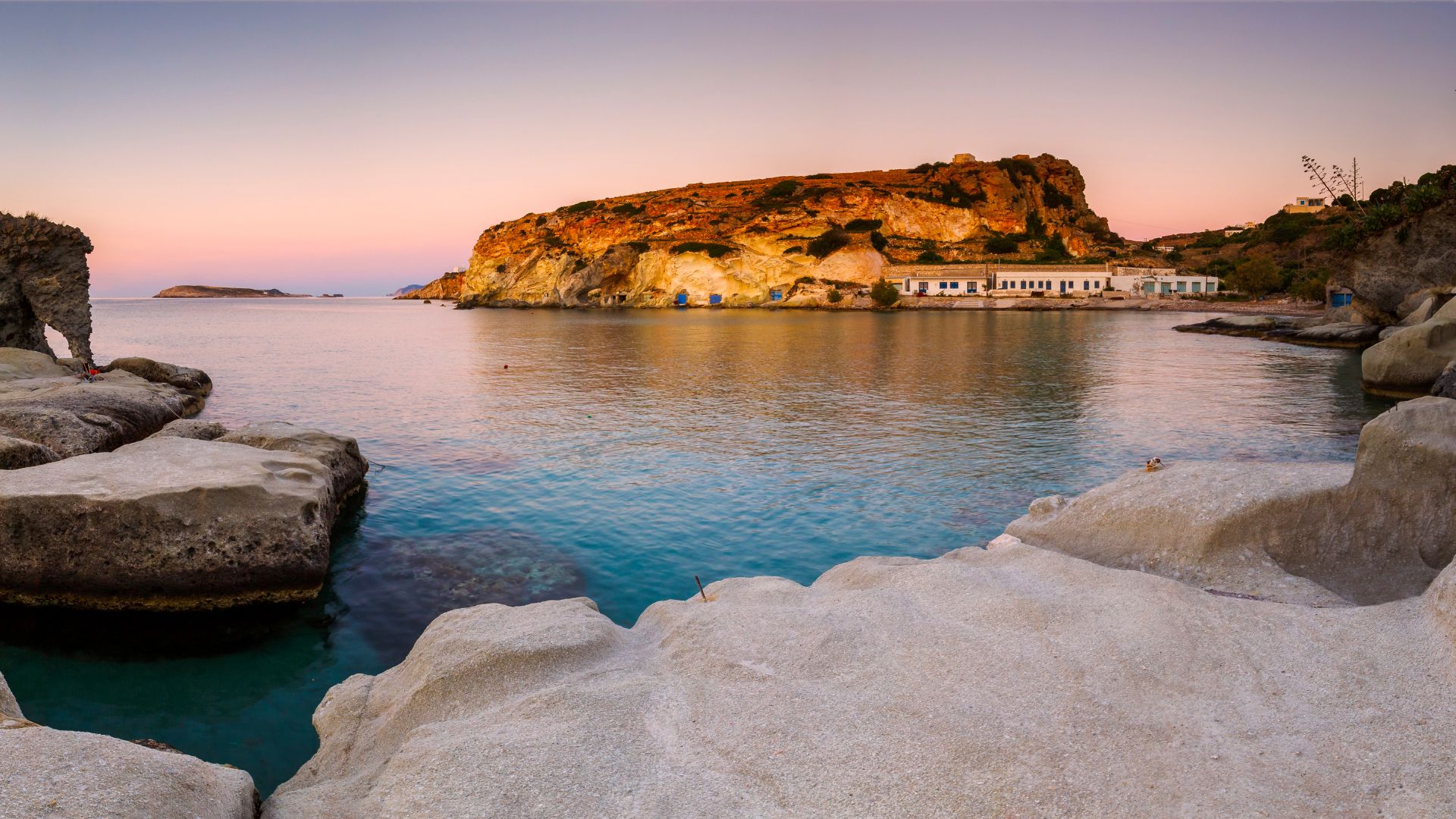
When I stepped off the boat from Milos, Kimolos greeted me with gleaming white cliffs, crystal-clear turquoise waters, and a calm you just don’t get on the busier Greek islands.
Kimolos is a hidden gem—volcanic wonders, untouched coves, and a gentle pace of life give travelers a real escape from crowds. It’s just a short ferry ride away, but honestly, it feels like you’re entering a world that moves at its own, beautifully slow rhythm.
Wandering along winding paths and poking around quiet beaches, I felt completely charmed by Kimolos’s natural beauty.
The volcanic landscape shapes everything—from the rocks lining the shore to the soft, chalky ground under my feet.
Every day, I stumbled on something new, whether it was a secret swimming spot or a tiny local bakery.
I want to share what made Kimolos so memorable for me, along with a few tips for finding the island’s best sights and experiences.
If you’re after a more peaceful side of the Cyclades, come along as I try to explain why Kimolos grabbed my heart.
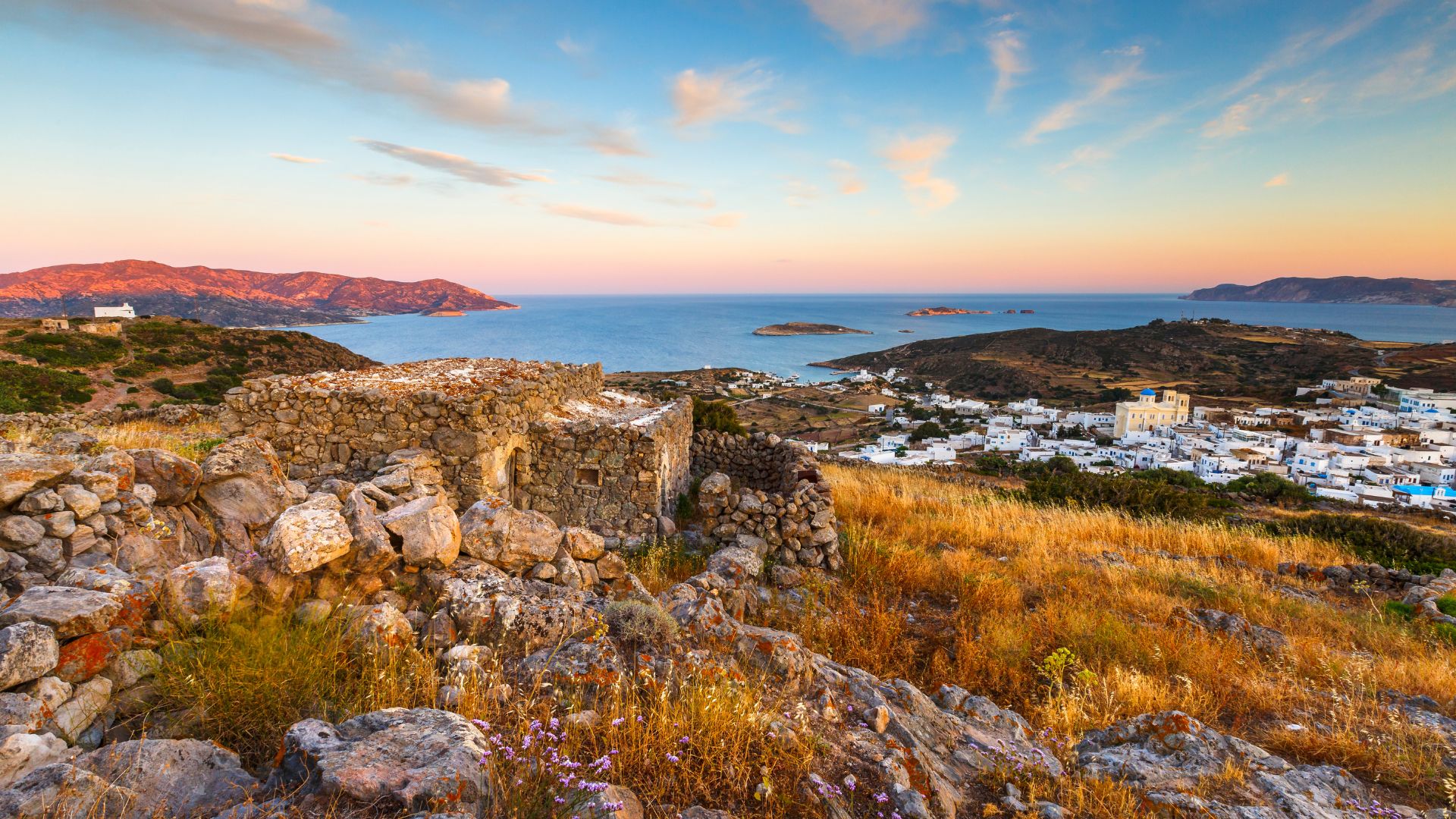
Kimolos: A Volcanic Gem Next to Milos
Kimolos sits quietly next to its famous neighbor, Milos, but it stands out in its own way.
Volcanic rocks carve out its wild coastline, and the mix of white cliffs and turquoise water is hard to forget.
Life here slows down, and the local culture feels warm and genuine.
Island Formation and Unique Volcanic Landscapes
You can spot Kimolos’s volcanic origins everywhere.
Cliffs and rock formations along the coast catch the sunlight, glowing white and cream, and the island’s chalky character makes sense—“Kimolos” is tied to the Greek word for chalk.
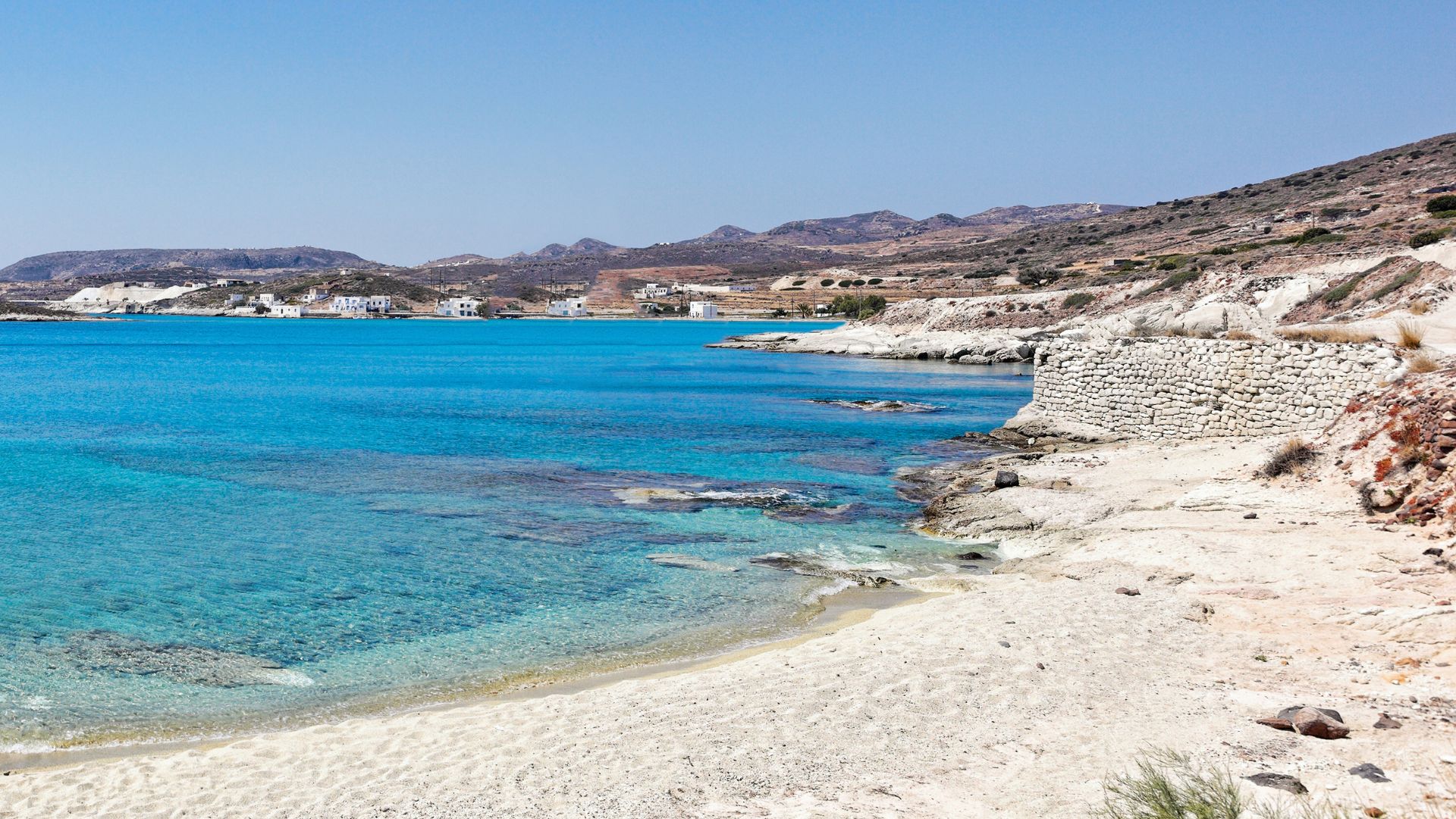
On the beaches, the sand feels fine and pale underfoot.
Some coves formed from old lava flows, creating hidden swimming spots that I often had all to myself.
Highlights of Kimolos’s Volcanic Landscape:
| Feature | Description |
|---|---|
| Skiadi | A rare rock formation shaped by the wind |
| Pale Cliffs | High, chalky bluffs along the shoreline |
| Hot Springs | Natural pools with warm, mineral-rich water |
Kimolos is small enough that I could roam its wild corners in a single day, from sheer cliffs to smooth, round pebbles tossed up by volcanic activity.
Contrasts Between Kimolos and Milos
Even though Milos is just a quick ferry away, Kimolos feels like a different universe.
Milos draws the crowds with big resorts and boat tours.
Kimolos offers quiet villages and the only rush comes from the gentle wind.
Some key differences:
- Tourist Numbers: Milos buzzes with people, but sometimes I’d find myself alone on Kimolos’s sand.
- Pace of Life: Milos is lively; Kimolos slows me down in the best way.
- Landscape Detail: Milos has dramatic cliffs, but Kimolos’s small bays and white stones feel softer, almost inviting.
When I talked with locals, I realized they know everyone by name—something that rarely happens on the busier islands.
Local Culture and Daily Life
Mornings in Kimolos start quietly.
Someone sweeps a stoop; a baker opens up with fresh bread.
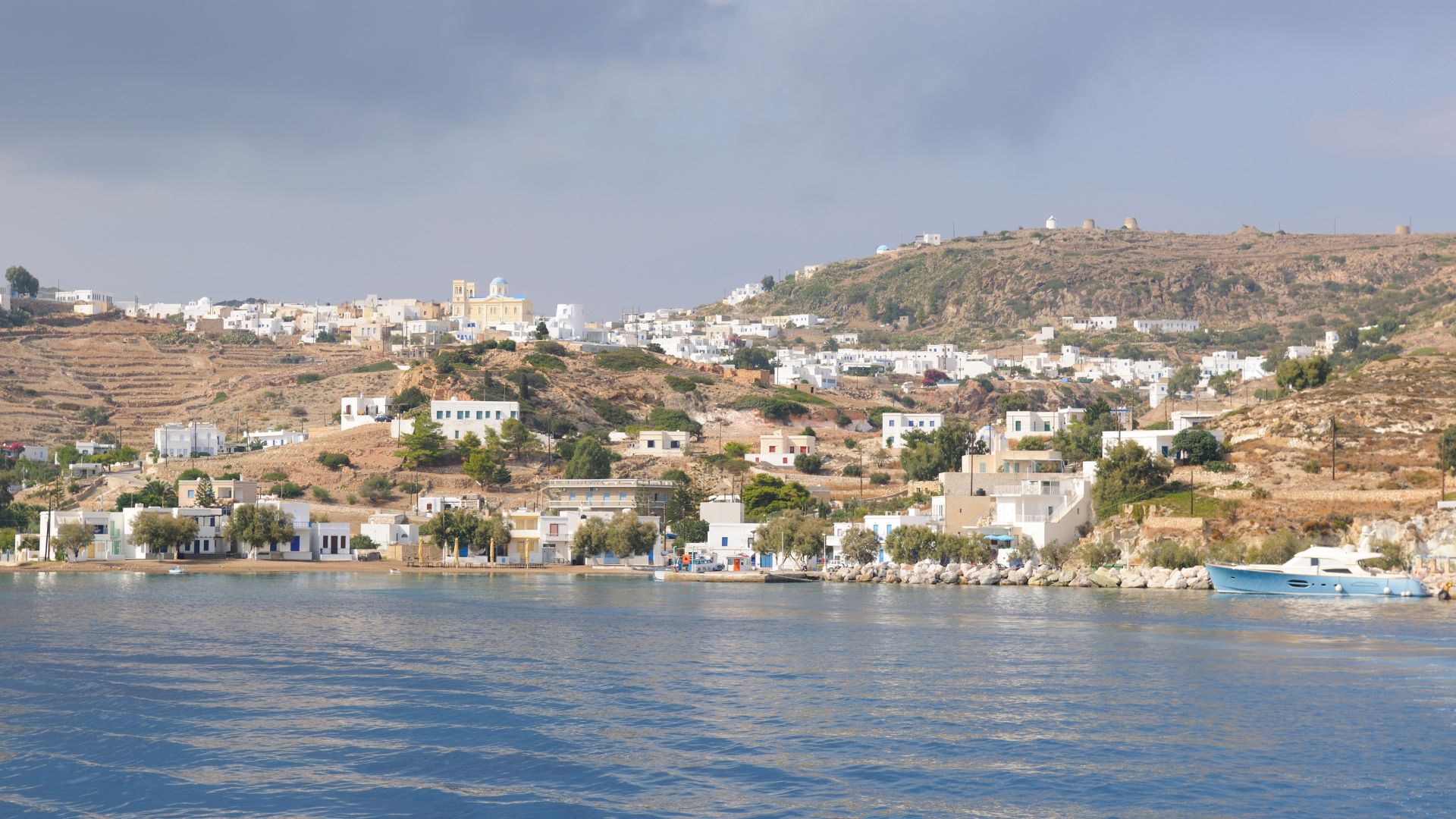
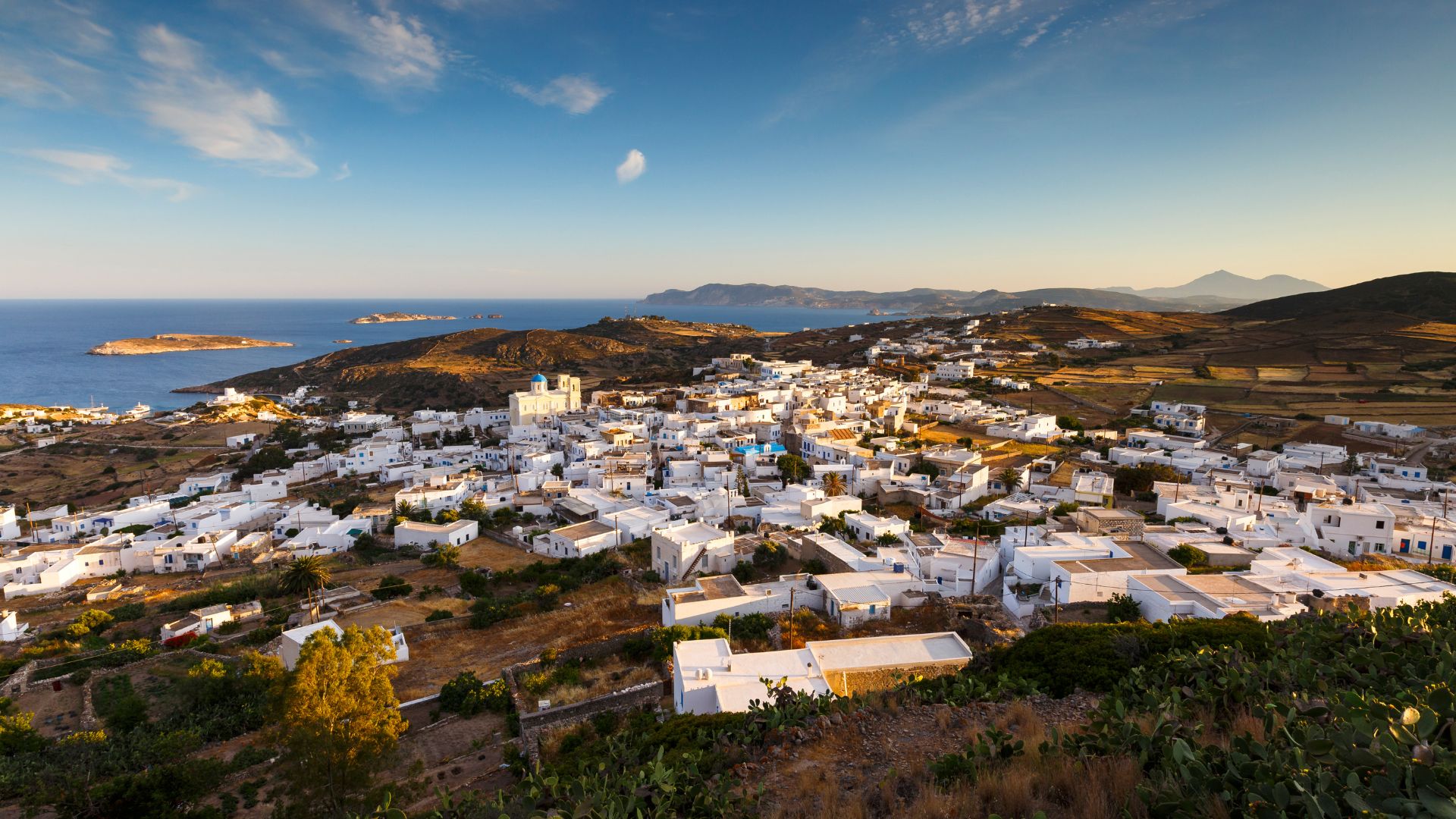
The main village, Chorio, is compact and easy to wander.
At a café, I’m greeted with a smile and sometimes a free sample of homemade cheese.
The island’s calendar fills with festivals.
One late summer evening, I joined a group dancing in the main square while older women handed out loukoumades—sweet fried dough covered in honey.
Common Daily Scenes:
- Tiny Grocery Stores: Locals gather for homegrown produce.
- Old Stone Churches: Bells ring out across white rooftops.
- Friendly Locals: Conversations pop up on every corner.
Kimolos feels like a slice of real Greece.
There aren’t any big stores or rush hour crowds—just quiet routines and a shared love for simple pleasures.
Chalky Cliffs and Natural Marvels
Kimolos overflows with surprising sights thanks to its volcanic landscapes, bright white rocks, and ancient secrets hiding just beneath the surface.
The island’s nature walks stick with you, revealing dramatic formations and stories from thousands of years ago.
Exploring Skiadi: The Rock Shaped by Wind
Skiadi stands out as the most iconic landmark I found on Kimolos.
It’s a giant stone with a weird, mushroom-like shape, sculpted by the island winds over centuries.
The hike to Skiadi is pretty easy, winding through wildflowers and low shrubs.
When I reached Skiadi, it felt almost magical.
No fences or signs keep you away—you can walk right up and see the volcanic rock layers up close.
Locals call it a natural umbrella, and I totally get it.
The overhang throws a cool shadow, perfect for a break during the hottest part of the day.
Here’s what helped me get ready for the hike:
| Tip | Details |
|---|---|
| Trail length | ~2.5 km (each way) from Chorio |
| Footwear | Sturdy walking shoes |
| Time of visit | Early morning or late afternoon for softer light |
If you’re into geology or just want a quirky photo, Skiadi shouldn’t be missed.

The White Chalk Wonders of Kimolos
The first thing that hit me on Kimolos was how bright the cliffs and beaches looked.
Much of the island is made from soft, white chalk—the mineral that gives Kimolos its name.
Chalk dust sparkled beneath my feet, especially near Prassa Beach.
These chalk deposits do more than just look pretty.
They make the lagoon water glow a wild turquoise on sunny days.
If you’re curious, bring a small magnifier and check out the soft chalk stone up close.
I’ll admit I pocketed a handful as a souvenir (though I left most behind—seemed right).
When I walked above the cliffs, I stuck to marked paths.
The rock crumbles at the edges, so a little caution goes a long way.
Still, the views are worth it, especially at sunset when the cliffs look almost golden at the top.
Historic Geology Sites on the Island
Kimolos’s story stretches back thousands of years, and you can read a lot of it in stone.
One of the earliest settlements sits by the sea, where ancient people picked spots surrounded by volcanic rocks for shelter and protection.
Remnants of these places still stand, and I visited the ruins at Ellinika.
Old mines dot the island too.
Some are easy to spot because of the piles of light-colored stones and the remains of simple structures.
You can pick up a printed map or join a guided walk from Chorio if you want to trace these old routes.
A few springs on Kimolos hint at its hidden volcanic energy.
I came across small pools with mineral-rich water, some even warm to the touch.
Not all of them are easy to find, but locals or a tour can help you track down these lesser-known geological treasures.
Turquoise Coves and Secluded Beaches
Kimolos isn’t just peaceful—it’s packed with secret coves and pristine stretches of sand.
Every shoreline has its own personality, from sparkling white rock to shallow blue-green water that makes you want to slow down and just be.
Prassa Beach: The Essence of Kimolos
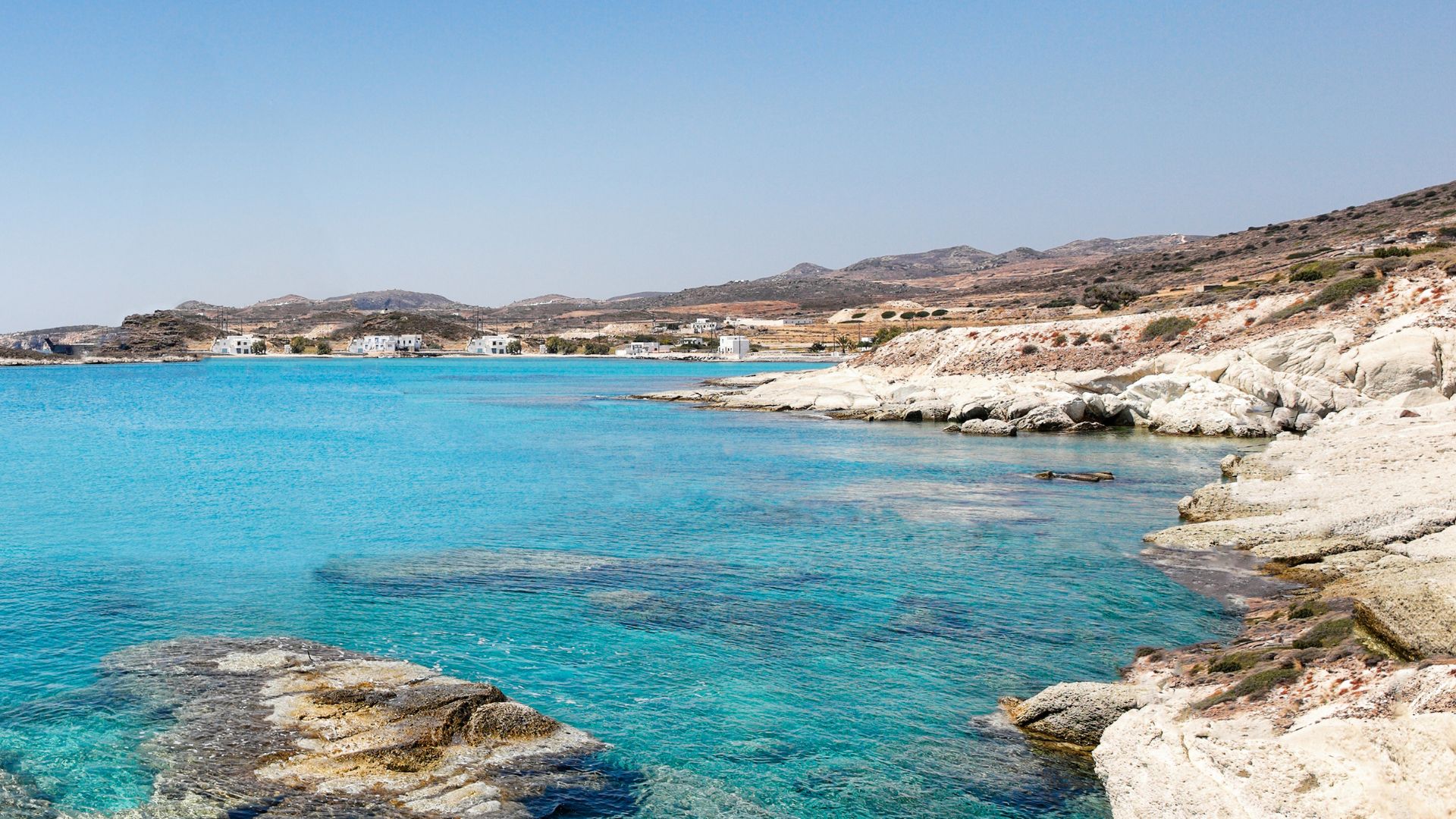
Prassa Beach instantly grabbed my attention with its almost glowing white sands and gentle turquoise sea.
The smooth chalky rocks edging the shore make the water pop in photos, but it’s even better in person.
People sometimes call it “White Beach.” It’s easy to reach but never feels crowded, even at the busiest times.
There’s a little beach bar where I grabbed a cold drink and found sunbeds for extra comfort.
Most people swim, sunbathe, and snap photos by the cliffs.
Locals told me the water stays shallow for quite a while—great for wading if you aren’t up for a full swim.
Families and solo travelers both find it easy to relax here.
A quick list for Prassa Beach visitors:
- Best time: Morning or late afternoon
- Facilities: Sunbeds, umbrellas, snacks
- Must bring: Sun protection (the white sand bounces sunlight everywhere!)
Aliki and Bonatsa: Tranquil Escapes
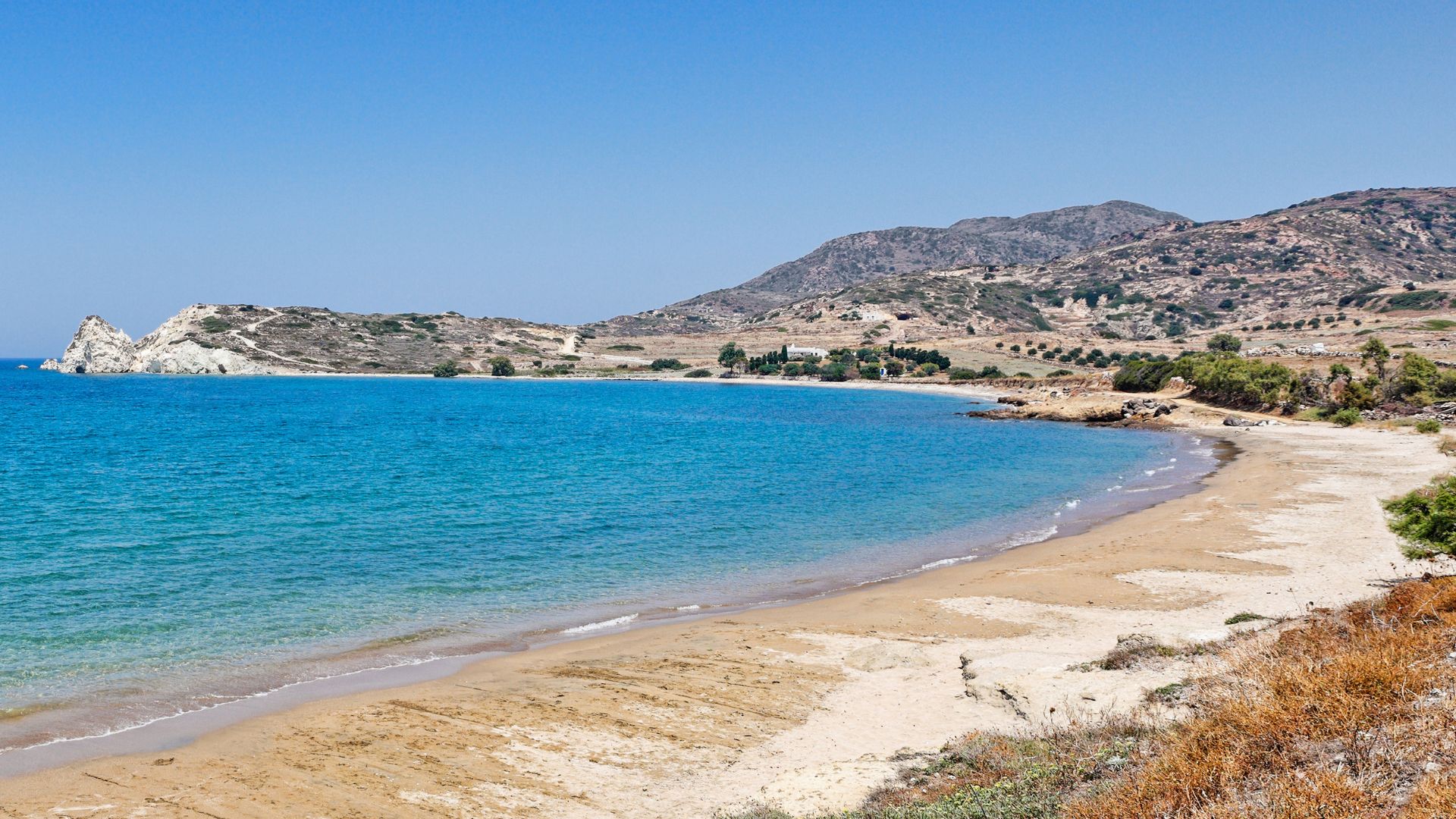
Aliki and Bonatsa sit side by side on the southern edge of Kimolos, just a short drive or a longer walk away.
What really stood out was how calm and shallow the water is—perfect for floating and gentle swims.
Soft sand and a peaceful vibe make both beaches favorites for couples or anyone who prefers a slower pace.
Aliki offers more shade thanks to tamarisk trees, and some local families bring picnics to enjoy under the branches.
Bonatsa, right next door, has a wide stretch of sand that’s rarely crowded, even in summer.
I watched windsurfers show up on breezy days.
The chill setting made me slow down; I even lost track of time listening to the waves.
Aliki vs. Bonatsa at a glance:
| Feature | Aliki | Bonatsa |
|---|---|---|
| Shade | Tamarisk trees | Open sun |
| Crowd size | Few locals | Very quiet |
| Water | Shallow, calm | Shallow, calm |
Rema: Secret Swimming Spots
Not many visitors know about Rema, but it felt like a hidden gem when I stumbled onto it.
A rocky path lined with wildflowers led me to small coves tucked between chalky white rocks.
Here, the sea is crystal-clear and sparkles in the sunlight.
Rema isn’t your classic sandy beach—it’s more about sunbathing on smooth rock ledges or diving in from the stones.
I found natural rock arches nearby, perfect for exploring between dips.
Since there aren’t any facilities, I packed my own water, snacks, and sunscreen for a longer stay.
The privacy and the bright blue water made it feel like the island belonged to me for a while.
Quick heads-up: sturdy shoes help on the path, and take any trash out with you.
Snorkeling Adventures in Clear Waters
Kimolos isn’t just for lounging—the underwater views are just as wild.
I brought my snorkel gear to a few beaches and found the clearest water near Prassa and Rema.
Under the surface, colorful fish and small sea creatures dart around the rocky seabed.
Sunlight dances on the sand, making the water glow every shade of blue.
I found mornings best for snorkeling—the water stays calm and clear.
Close to the rocks, I often spotted starfish, tiny crabs, and sometimes even an octopus hiding in a crevice.
Snorkeling tips for Kimolos:
- Fins help; the water’s shallow but there are all sorts of cool rock formations.
- Keep an eye out for boats, though Kimolos is quieter than its neighbors.
- If you have a waterproof camera, bring it—there’s a lot to capture under the waves!
A Slow Pace: Everyday Life and Local Flavors
Kimolos welcomes you to a slower, quieter rhythm.
Simple routines blend with little surprises—a great meal, a morning walk, or chatting with a local shop owner.
Traditional Tavernas and Culinary Treats
Dinner in Kimolos never feels rushed. Meals start late, drift into the night with local wine, and always celebrate fresh flavors.
Most tavernas are family-run. I noticed the hand-written menus and dishes packed with ingredients straight from nearby farms or the sea.
Some favorites? Ladenia, that tomato and onion pie you’ll only find here, and grilled octopus—especially when you snag a seaside table.
Many tavernas surprise you with small extras like fresh bread, olives, or house cheese. They don’t even charge for these.
Even dessert might show up out of nowhere, just as a friendly gesture. That’s rare elsewhere, honestly.
For breakfast, bakeries offer cheese pies and honey pastries. I loved sitting outside, coffee in hand, just watching the village wake up.
Freshness, hospitality, and honesty really shape Kimolos cuisine.

Village Walks and Coffee Moments
Mornings in Kimolos village started with slow walks through quiet, whitewashed lanes. The only sounds were birds chirping and neighbors calling out to each other.
Small squares fill up slowly with locals and a handful of travelers sipping coffee.
I made it a habit to stop at a kafenio—a traditional Greek café. Sitting at a tiny table under bougainvillea, I’d order a Greek coffee or a cold frappé.
Sometimes, a local would sit nearby and share stories about island traditions or festival plans. Those chats always made my day.
These walks led me to hidden churches, old wells, and colorful alleys. Each path felt like an invitation to slow down and just breathe in island life.
Markets and Artisan Shops
Kimolos doesn’t have big markets. The central square hosts mini open-air stands and small grocery shops.
Locals sell honey, herbs, and handmade jams they’ve prepared at home. Early morning is the best time to greet sellers and grab the freshest produce.
Artisan shops line the main lanes with ceramics, painted stones, and souvenirs made right here. In one workshop, I watched an artist shape white volcanic clay into delicate dishes. Each piece echoed the chalky hills outside.
When I wanted gifts, I always found something unique—actual Kimolian handiwork instead of mass-produced trinkets. Even a short visit turned up small treasures full of island character.
Island Hopping: How to Pair Kimolos and Milos
Pairing Kimolos with Milos feels easy. Their close distance, simple ferry routes, and shared volcanic history make them a natural match.
On my last trip, moving between the two islands felt more like strolling into a neighboring village than catching a ferry.
Easy Ferries and Practical Connections
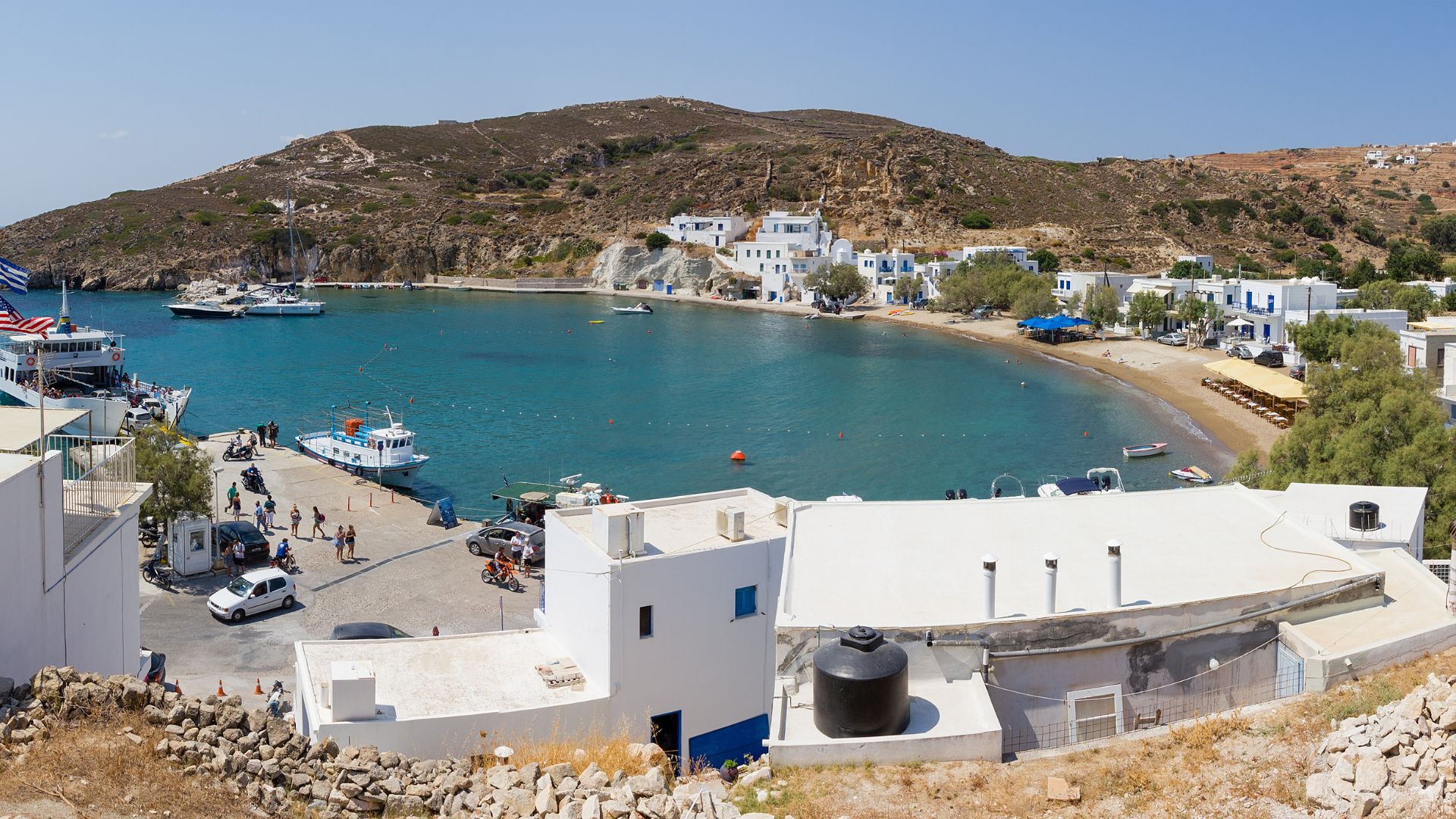
Kimolos sits just a few miles northeast of Milos. The ferry ride takes about 40 minutes, and boats run several times a day, mostly from the port of Pollonia in northern Milos.
I spotted timetables at the port and online, especially on openseas.gr.
I liked the short sailing time—it gave me more hours for swimming or grabbing a snack by the sea. Most ferries are for foot passengers, so I just took my day bag and hopped on.
Advance booking isn’t always needed, unless it’s August or a holiday. The whole thing felt relaxed, even with families and locals making the same trip for errands.
Useful tip: Many day tours include roundtrip ferry tickets and snacks, making the hop between islands almost too easy.
Balancing Adventures and Relaxation
Pairing these two islands gave me the best mix of exploring and lazy, do-nothing afternoons.
Milos brings more to the table—dramatic beaches like Sarakiniko and lively towns with killer sunset views.
After those packed days, I’d switch gears on Kimolos. I wandered through unspoiled coves and wandered empty, cobbled lanes without a plan.
One afternoon, I hiked down to a tiny beach in Kimolos and swam by myself for hours. Not a soul in sight, which felt a little wild.
The next day, I hopped on a ferry back to Milos for a boat tour around its rugged coast. That kind of balance made each place stand out even more.
I could chase adventure or just stop and breathe, knowing the right vibe was always a short ferry ride away.