
When I first hopped off the ferry onto Samos and wandered into Kokkari, I just had this gut feeling I’d stumbled onto something rare. The village sits on the island’s northern coast, and it immediately drew me in with those white stone houses, blue shutters, and bougainvillea tumbling over the narrow lanes.
Kokkari really stands out as Samos’ most picturesque village. It’s got that classic Greek charm, but it’s also a mecca for windsurfers from all over Europe. The village sits about 10 kilometers from the main port, perfectly placed to catch the Meltemi winds that windsurfers love.
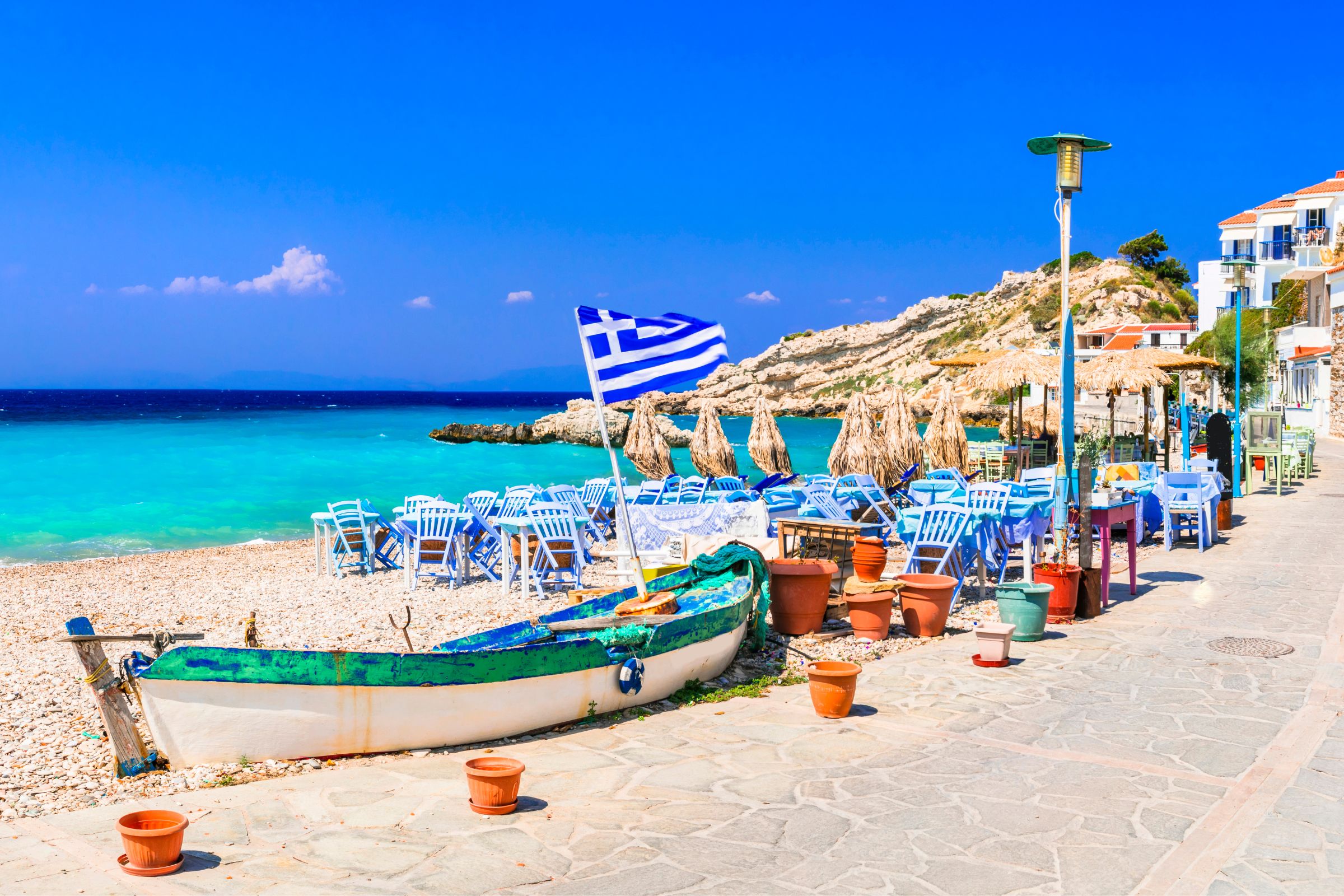
But honestly, there’s more than just wind and waves here. I found a place where authentic Greek island life still pulses.
During my days in Kokkari, I wandered from the lively fishing harbor to the mountain trails above the sea. The mix of cultural traditions, outdoor adventures, and that simple seaside beauty—well, it’s pretty much the Greek island experience I’d been hoping for.
Why Kokkari Captivates: Village Charm and Seaside Beauty
Kokkari’s magic? It’s in the way the village feels both old and alive, as if you’ve stepped into a postcard that somehow breathes. The architecture and the people create a space where every corner offers a new little surprise.
Colorful Harborfront Houses and Traditions
The harborfront is a showstopper. Whitewashed houses perch along the water, blue shutters popping in the sun, and flower boxes overflowing.
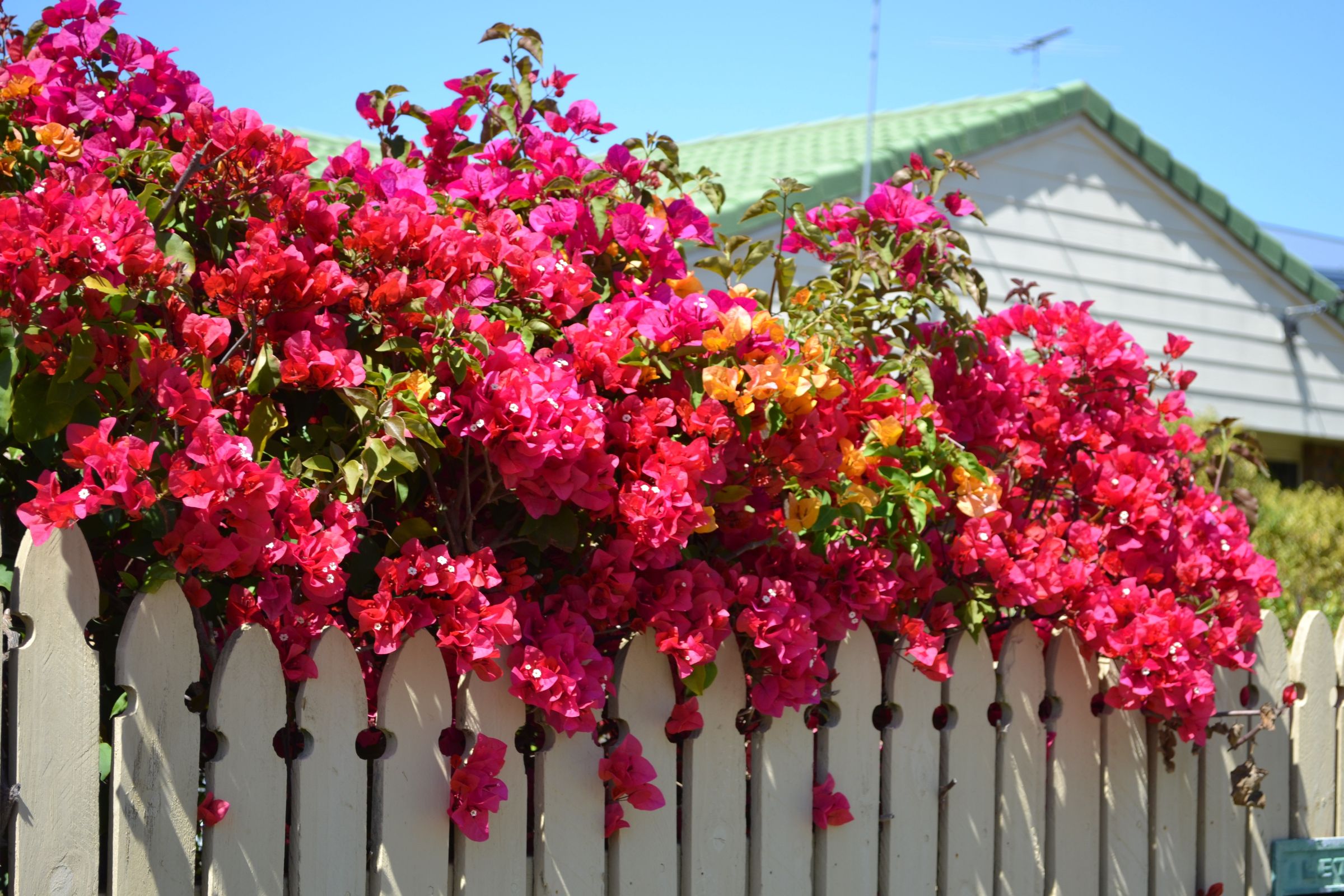
Bougainvillea drapes itself across the walls in wild purple and pink. These bursts of color frame doors and windows in a way that just begs for a photo.
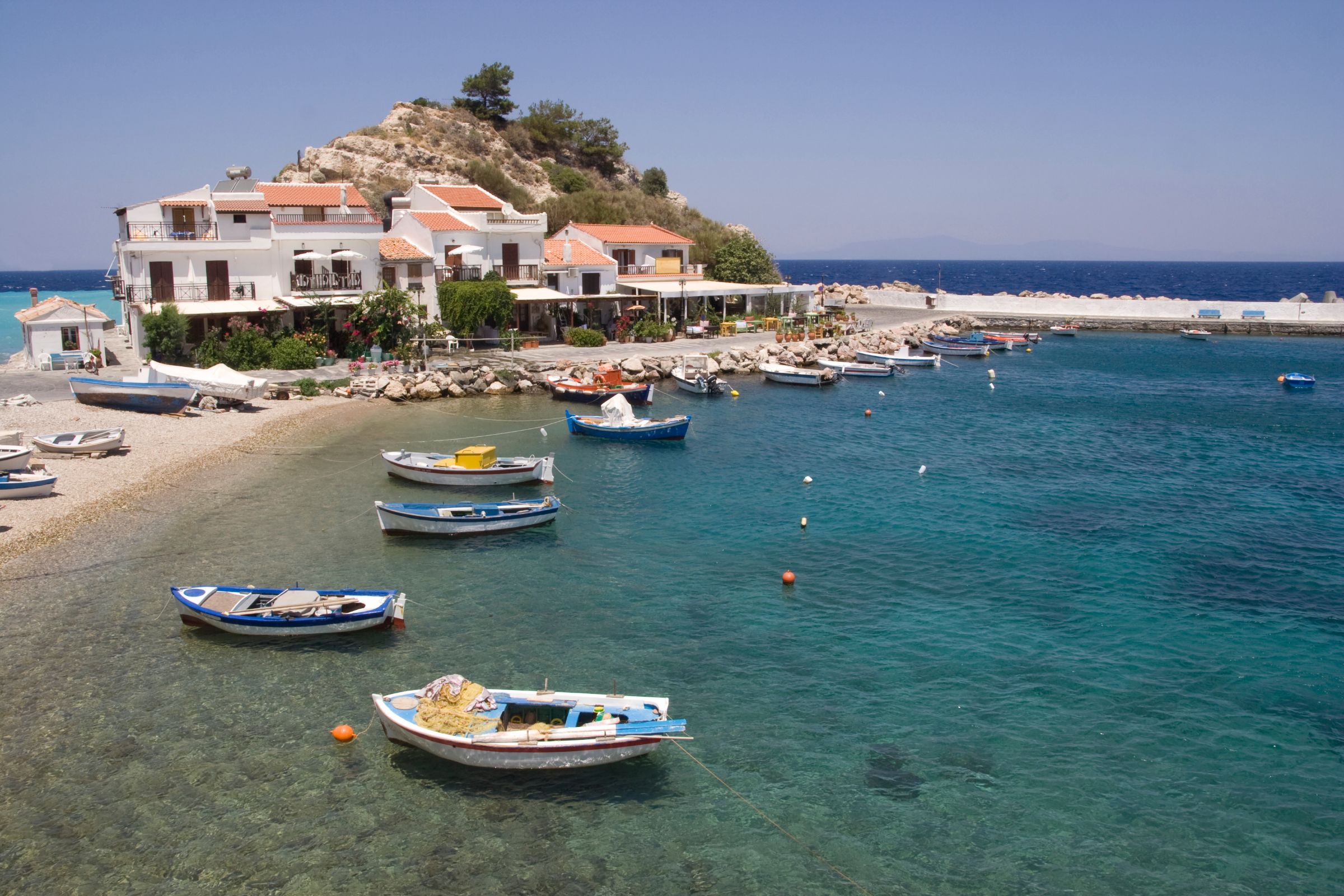
The harbor remains a real working port. I watched fishermen mending their nets in the early morning, their bright boats bobbing quietly in the sheltered bay.
Stone paths twist between buildings that have stood for centuries. Many homes still show off wooden balconies and red-tiled roofs. The architecture tells you this place has a story—a slow transformation from sleepy fishing village to a spot travelers love.
Tavernas fill the bottom floors of these old houses. Tables spill out onto the lanes, blurring the line between private home and public gathering spot. That mix keeps Kokkari feeling genuine, not like a staged tourist attraction.
Local Hospitality and Welcoming Atmosphere
People in Kokkari greet you like you’re an old friend. The village is home to around 500 residents year-round, so it’s easy to make real connections.
Taverna owners remember your name after just one meal. They’ll give you tips based on actual conversations, not some generic tourist script.
Local traditions still shape daily life. Mornings start with coffee at the same cafés where families have gathered for ages. Later in the day, you’ll see men playing cards at shaded tables.
Kids run around the streets while parents chat nearby. Life moves at its own pace, and visitors get swept up in the rhythm.
Shopkeepers love to explain what makes their olive oil or honey special. These chats feel genuine, not forced.
Photogenic Streets and Vibrant Cafés
Every street in Kokkari offers a new angle for your camera. Cobblestone alleys wind through the village, and in the morning, sunlight filters through vines and pergolas, casting playful shadows everywhere.
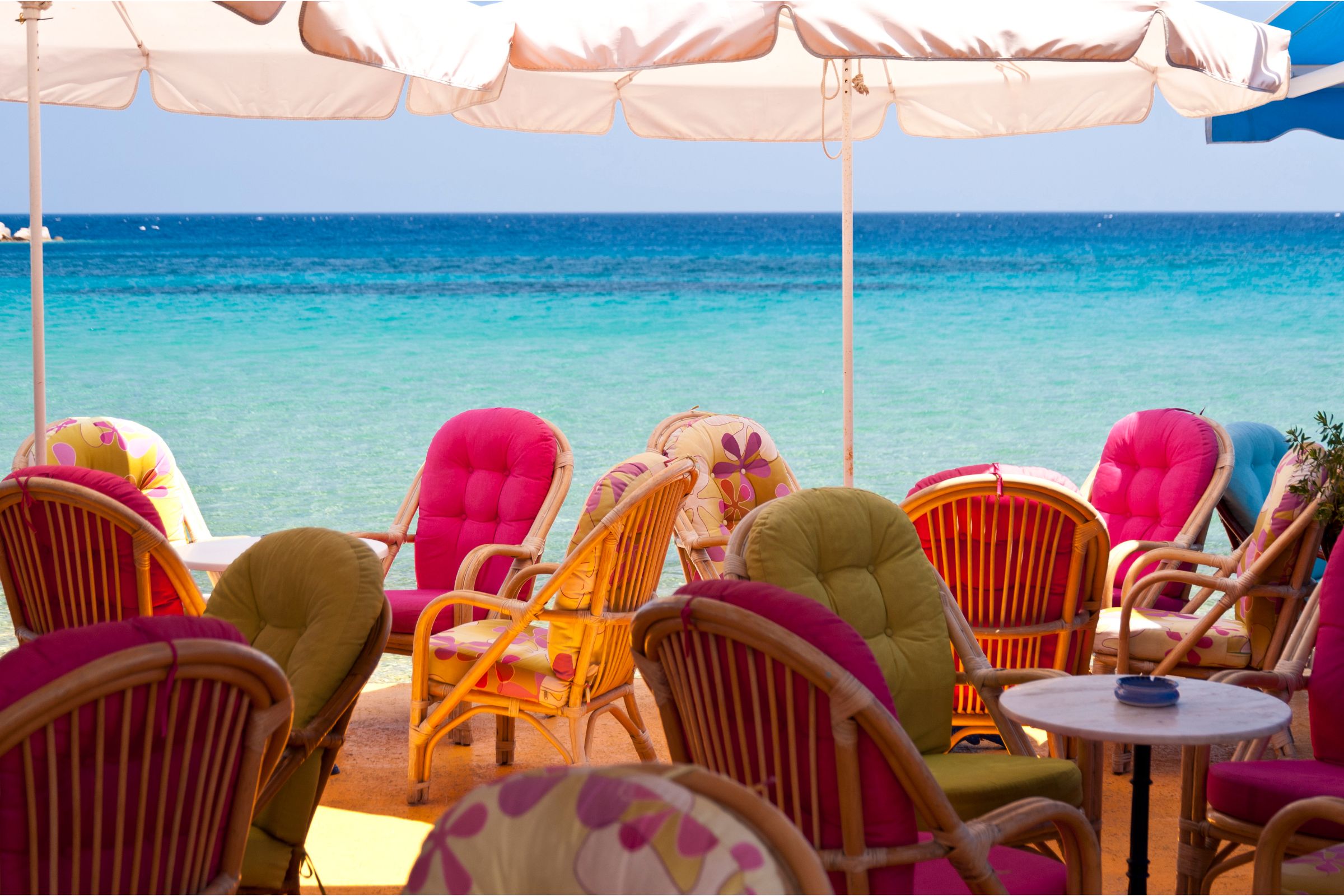
Café culture is strong here. Tiny places serve up Greek coffee in those classic little cups. There’s no rush—just an excuse to sit, watch, and chat.
Outdoor tables are often mismatched and hand-painted. It’s messy in the best way, giving each café its own personality.
Street art pops up if you look closely. Local artists paint murals on random walls—little tributes to island life and the sea.
Market stalls line the main paths, selling honey, olive oil, and handmade crafts. The colors and chatter make these spots natural gathering places.
If you’re lucky, someone might invite you into a hidden courtyard behind a wooden door. These flower-filled spaces are a secret treat and just another reason Kokkari feels so welcoming.
Windsurfing in Kokkari: The Sporty Heart of Samos
Kokkari Bay is a windsurfer’s dream, with steady thermal winds and safe conditions for all skill levels. Equipment rental shops offer up-to-date gear, and the shallow water near shore is perfect for learning.
Best Windsurfing Spots and Conditions
Kokkari Bay faces north and catches those strong summer winds every day.
Key Features:
- Cross-shore winds keep things safe
- Shallow water for beginners to practice
- Deeper, wavier water for advanced riders
- The bay itself is sheltered, so the waves never get out of hand
There’s a calm zone near the beach, thanks to the wind shadow. I liked practicing there before heading out where the wind gets punchier.
Force 7 winds aren’t uncommon in summer. The big Karvounis mountain nearby helps create these reliable gusts. Even when the Meltemi isn’t blowing, Kokkari stays breezy.
Beginners can stick close to shore, while experienced windsurfers head out for bigger swells.
Windsurfing Schools and Equipment Rentals
Two main windsurfing centers operate in Kokkari. Both have modern gear and offer lessons for every level.
Samos Windsurf Centre has been around since 1997. George, the owner, built it himself and updates the equipment every year. They’ve got:
- Wing foils and windsurf foils
- Boards for all sizes and styles
- Wetsuits, harnesses, and all the extras
- Staff who know every wind quirk and safety tip
Sportif Windsurfing Centre stocks Tabou boards and Gaastra sails. They run courses from April to October for everyone from total newbies to advanced sailors.
Both centers keep their gear fresh. I never had trouble finding a funboard or sail that fit. The staff really know the local wind patterns and are happy to share advice.
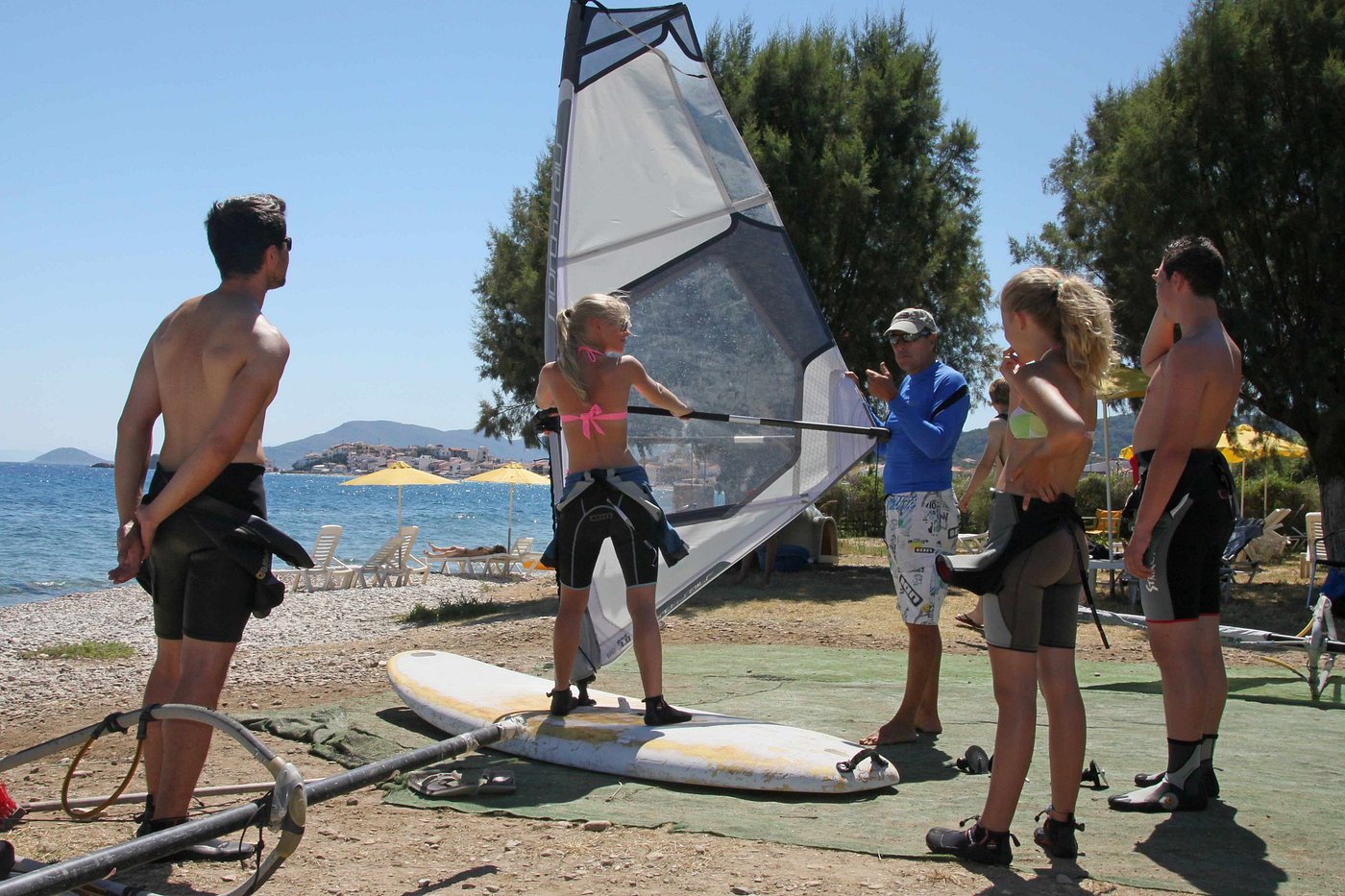
Image Source: Tripadvisor
Seasonal Winds and Safety Tips
Summer is prime time for windsurfing in Kokkari. The thermal winds build up after lunch and stick around till evening.
Best Months:
- June to September for the strongest, most reliable winds
- April, May, and October if you prefer lighter breezes
- July and August almost always deliver
The cross-shore wind direction is a big safety plus. If anything goes wrong, the wind pushes you back toward the beach—not out to sea.
Safety Features:
- Shallow water for easy launching
- Wind brings you home, not away
- The mountain backdrop is a handy landmark
- Local rescue crews are on standby
I’d recommend sticking within the bay, especially if you’re new. The water gets deeper and the waves rougher outside the main area. Beginners should definitely practice in the calm zone first.
Exploring Kokkari’s Fishing Heritage
Kokkari hasn’t lost its fishing roots, even as more travelers discover the village. The harbor still fills with colorful boats every morning, and local traditions stay strong.
Historic Fishing Boats and Daily Catch
I’d see the wooden boats—kaiki—returning to Kokkari’s harbor just after sunrise. Their bright blue and white paint just glows against the water.
The boats are small, maybe 15 to 25 feet, and families have used this design for generations. Many still carry names in Greek letters on the hull.
Typical daily catch:
- Sea bream (tsipoura)
- Red mullet (barbounia)
- Sardines
- Octopus
- Sea bass
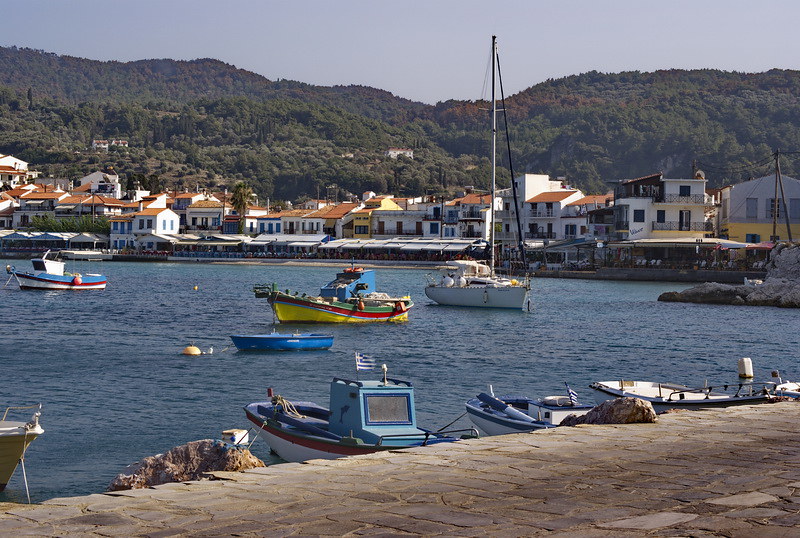
Image Source: Flickr
Fishermen sort their catch right on the dock, and the best fish goes to local tavernas within hours. Some restaurants even display the day’s haul on ice out front.
The harbor’s stone walls date back to Ottoman times, sheltering the boats from those strong northern winds that windsurfers love.
Local Fishermen and Shoreline Traditions
I chatted with a few fishermen who learned everything from their dads and granddads. Some families have worked these waters for three or four generations.
Traditional fishing methods:
- Night fishing for sardines with lanterns
- Octopus hunting using ceramic pots
- Net fishing in the shallows
- Line fishing from rocky outcrops
Fishermen start early—5 AM, checking weather and wind before heading out. When the wind’s strong, fishing can get risky.
In the afternoons, older fishermen mend nets by hand in the shade, teaching the younger ones as they work. The best fishing spots stay family secrets, passed down but never widely shared, helping preserve the fish stocks.
Village Life: Cultural Experiences and Activities
Kokkari’s cultural life shines through traditional festivals and a handful of artisan workshops that keep Samian crafts alive.
Festivals and Local Events
Kokkari really comes alive during the Feast of the Assumption on August 15th. Locals gather at the church for prayers, then the music and dancing spill into the square.
The Wine Festival in late July is another highlight. Local vineyards pour their best, and Greek bands play late into the night. Folk dancing breaks out, and visitors are always welcome to join.
In early June, the Fisherman’s Festival celebrates Kokkari’s maritime history. Fishermen decorate their boats, grill fresh seafood right on the dock, and show off traditional net-mending skills.
Easter is magical here. On Good Friday, a candlelit procession winds through the village, giving the cobblestone streets a soft, golden glow.
Artisan Shops and Handcrafted Goods
I found a handful of real craft shops along Kokkari’s main street. Pottery workshops sell blue-and-white ceramics that echo the sea and sky.
Textile shops display handwoven fabrics and embroidered linens, made by local women using patterns passed down for generations.
Jewelry boutiques feature pieces crafted from sea glass and shells, often mixed with silver in Byzantine-inspired designs.
Olive wood carvers shape utensils and little sculptures from trees that have grown on Samos for centuries. Sometimes, you can watch the artists at work.
Honey and herb shops sell products from Mount Karvounis. The mountain thyme honey is a local favorite and makes a sweet souvenir.
Stunning Nature Around Kokkari
Kokkari sits in a spot where clear beaches meet green mountains, all just minutes from the heart of the village. The landscape is a mix of dramatic coastline, peaceful trails, and ancient olive groves.
Nearby Beaches and Swimming Spots
Tsamadou Beach is the showstopper—just a 20-minute walk from the village. The water here is that unreal turquoise you see in postcards (and yes, it’s really that blue).
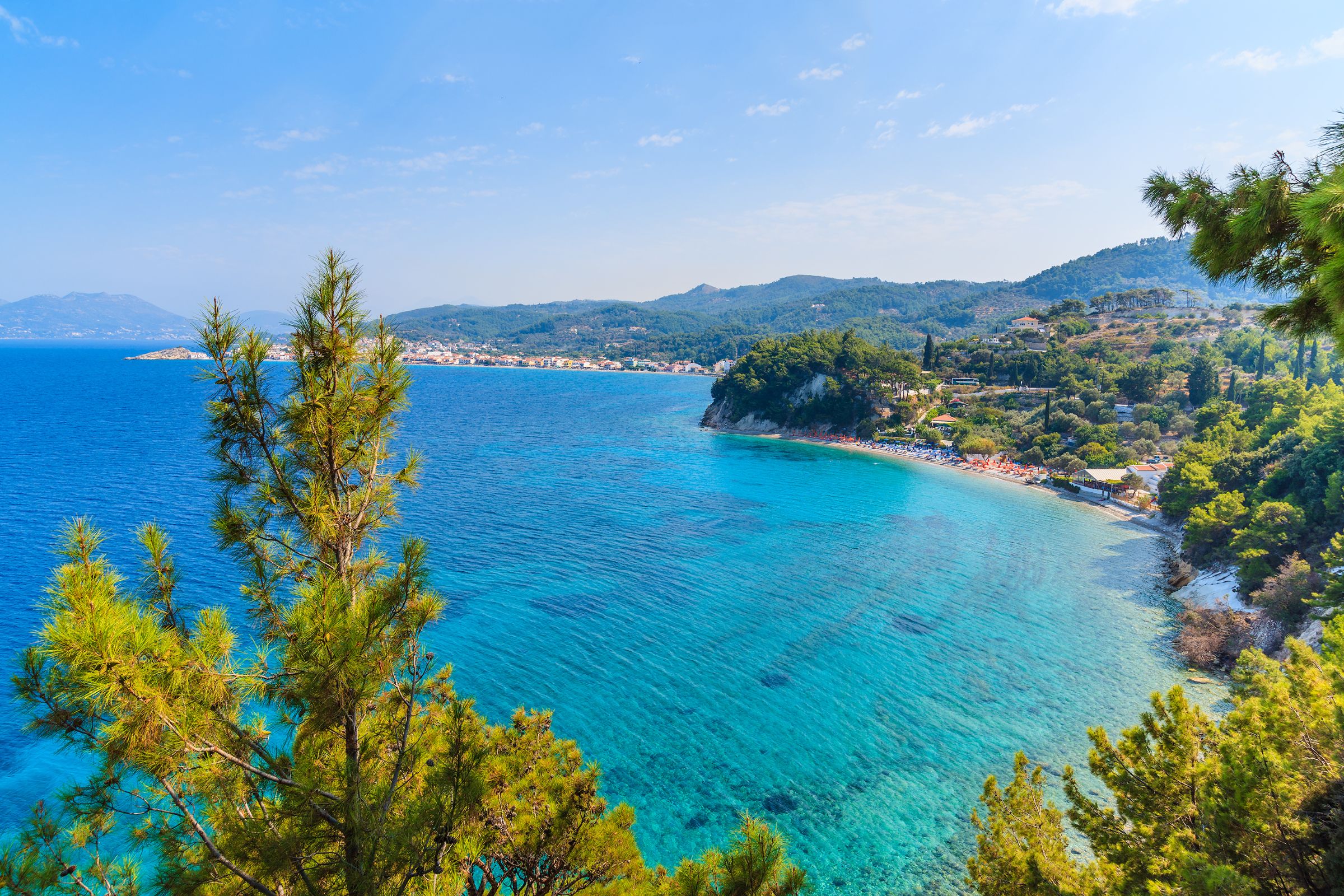
The beach splits into two. The west side is family-friendly with plenty of facilities, while the east is clothing-optional if you’re feeling adventurous.
Lemonakia Beach is just a five-minute drive away. It’s got soft sand, calmer water, and a gentle path down from the road.
Kokkari’s own main beach runs right along the waterfront. It can get windy, but it’s perfect for sunset views and easy dips between meals.
All three beaches have crystal-clear water—ideal for swimming or snorkeling if you’re up for it.
Scenic Walking Trails and Landscape Views
Let’s start with the coastal path to Tsamadou—honestly, it’s hard to beat this one for sheer scenery. I followed this 25-minute route along the shoreline, and the sea never really leaves your side.
Every few minutes, there’s another spot that’s basically begging for a photo. You’ll want to slow down just to soak it all in.
If you’re up for something a bit more rugged, the mountain trails heading inland toward Manolates and Ambelos are pure magic. These paths twist through pine forests and, every so often, the trees part to reveal the Aegean Sea shimmering below.
The Potami Waterfalls trail starts right from Potami Beach. I love how this shorter hike meanders over little bridges and streams, all hidden under a green canopy.
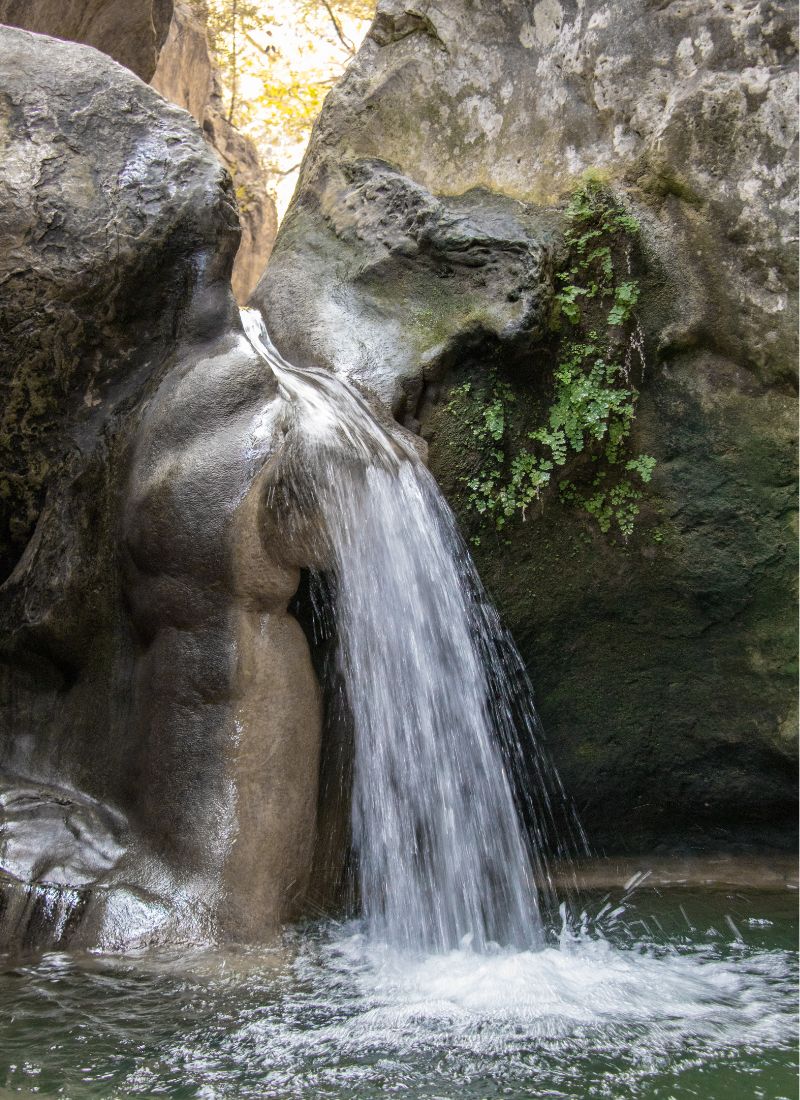
At the end, you’ll stumble onto natural pools wrapped in lush vegetation. The waterfall itself spills into swimming holes that are just irresistible on a hot day.
If you’re more into road walks, the stretch between Kokkari and neighboring villages offers a different vibe. The walk toward Malagari winery, for instance, really puts the classic Greek island landscape on display.
Mountain Backdrops and Olive Groves
Kokkari sits tucked beneath dramatic mountain slopes, where pine trees spill down and frame the village with a wild kind of beauty. The hills seem to wrap around the place, giving it a cozy, protected feel—and honestly, that’s probably why the grapes and olives thrive here.
Ancient olive groves hug the village on three sides. Some of these trees look like they’ve seen everything, their twisted trunks hinting at stories passed down through local families.
Head east and you’ll find vineyard patches that produce the famous Samian Muscat wine. If you’re around in September, you might catch farmers loading up their grape harvest and heading over to the winery at Malagari. There’s something special about seeing that tradition in action.
Pine forests stretch over the higher slopes. Every evening, cool mountain air drifts down into the village, and it honestly feels like nature’s own air conditioning. Even in the heat of summer, Kokkari stays surprisingly comfortable.
It’s wild how much variety you get in just a few kilometers here—beaches at sea level, olive terraces partway up, and dense pine forests above. Nature packed a lot into this little corner of Samos.