
Visiting the Kunsthalle Hamburg right in the heart of Germany felt like stepping into a living timeline of seven centuries of European art, from medieval masterpieces to modern icons. You’ll find the museum just a stone’s throw from Hamburg’s main train station, spread across three distinct buildings. Each one has its own vibe and story.
Inside, I wandered through an enormous collection of artwork from every major period. It’s honestly one of Germany’s most important art museums, and you can feel that as you move from room to room.
My journey through the Hamburger Kunsthalle carried me from the Middle Ages’ intricate religious paintings to bold modern works. Every gallery surprised me with something new, showing how European art shifted and evolved over centuries.
The blend of old masters and contemporary pieces kept the experience fresh and a bit mind-boggling—in a good way.

History and Significance of Kunsthalle Hamburg
Kunsthalle Hamburg stands tall as a landmark for art lovers in this Hanseatic city. Its story, architecture, and collections reflect centuries of civic pride, art history, and a whole lot of passion from dedicated people.
Founding and Architectural Evolution
Private collectors and everyday citizens came together in the 19th century to found Kunsthalle Hamburg. The museum welcomed its first visitors back in 1869.
Civic donations played a huge role, showing just how much Hamburg valued art and culture right from the start.
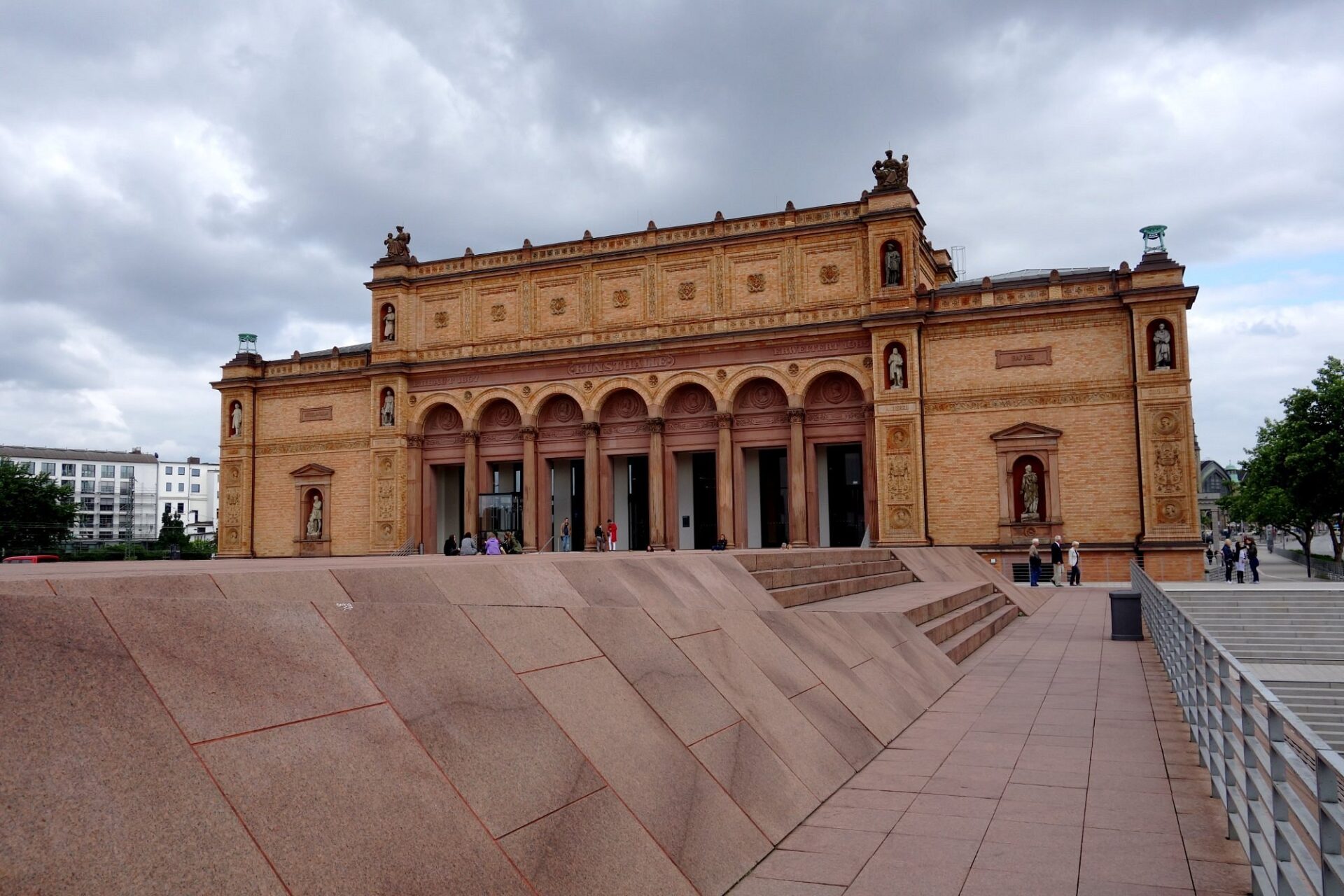
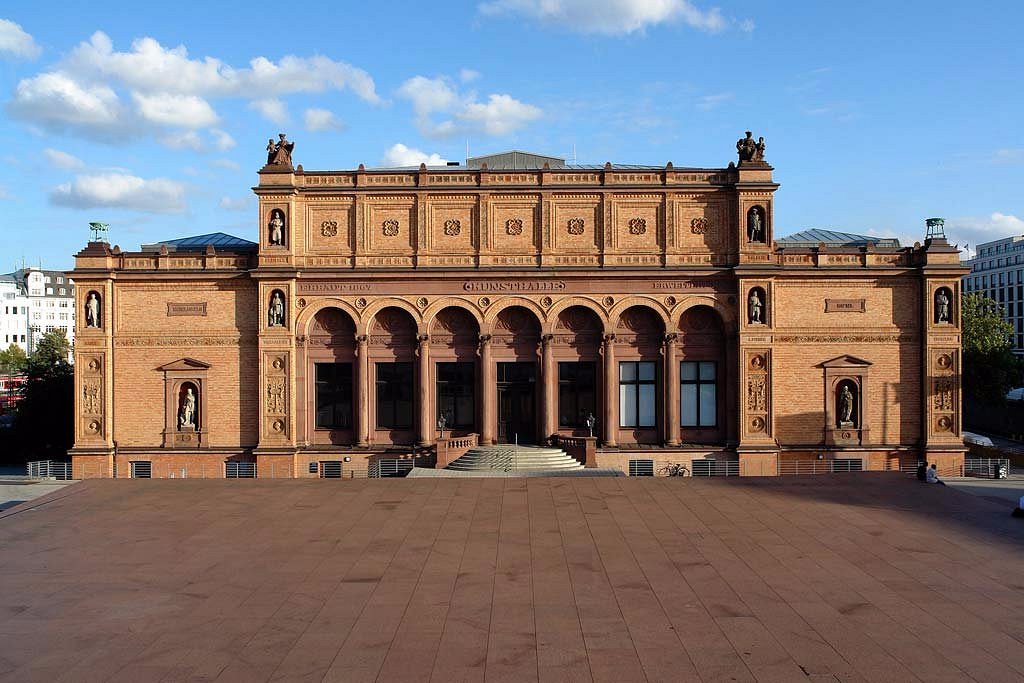
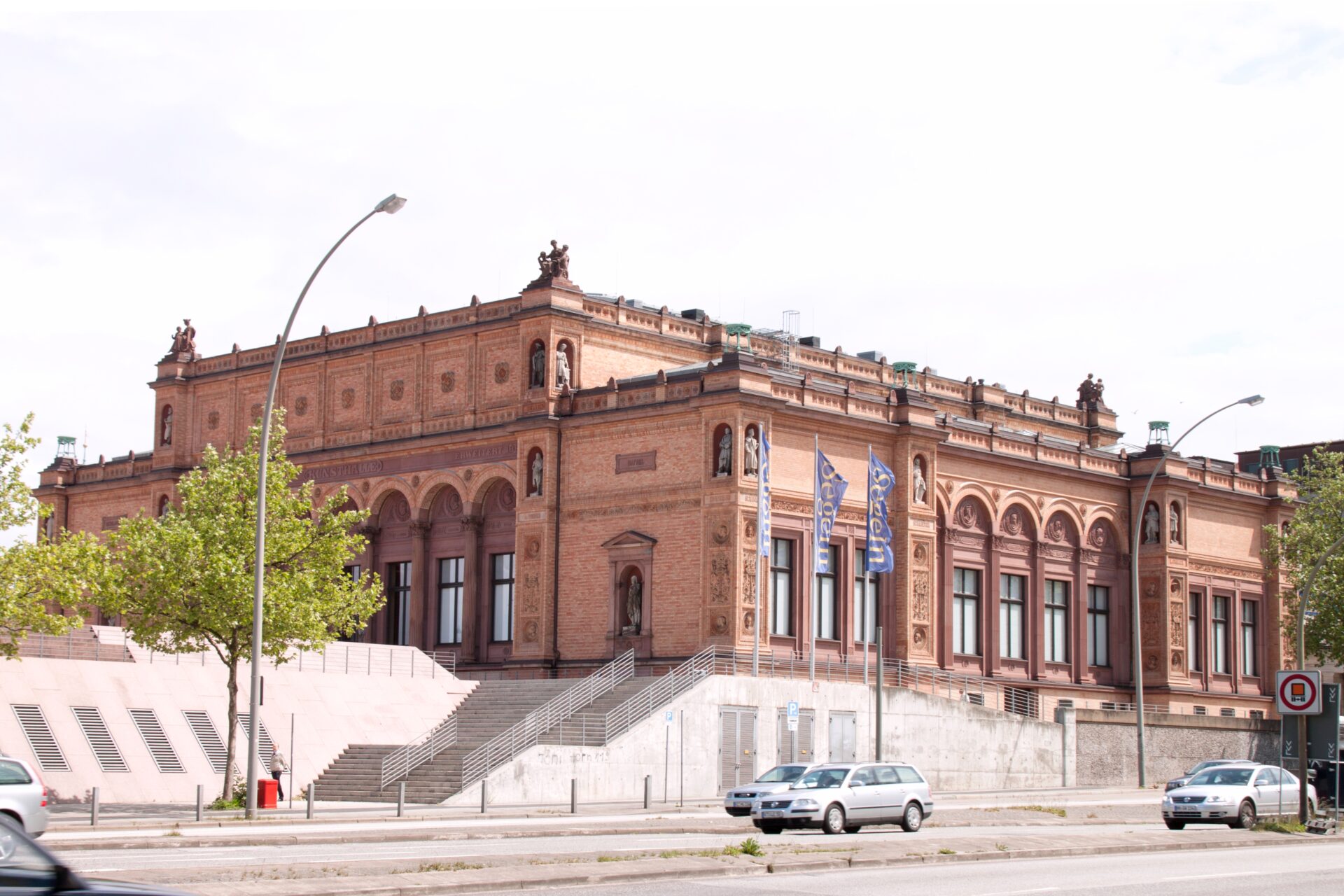
The complex now includes three main buildings, each with its own era stamped on it. The original, Gründungsbau, sports a classic red-brick look and went up between 1863 and 1869.
In 1921, they added the Kuppelsaal (Dome Hall) to make space for even more works.
Fast forward to 1997, and the Galerie der Gegenwart opened its doors, focusing on contemporary art. With its modern glass-and-steel design, it’s a sharp contrast to the older buildings, but somehow it all fits together.
These three buildings cover art from the Middle Ages right up to today. Their spot between the port, the train station, and the Alster Lakes makes the museum easy to find and cements its place in city life.
Role in Hamburg’s Cultural Identity
Kunsthalle Hamburg isn’t just another art museum. Its roots and ongoing story run deep in Hamburg’s civic spirit and Hanseatic identity.
Hamburg’s status as a big European port brought in trade, fresh ideas, and plenty of cultural exchange. This openness shaped the museum’s wide-ranging collections.
Local citizens didn’t just watch from the sidelines—they jumped in as donors, visitors, and supporters. Thanks to their involvement, the collection grew into something truly diverse and reflective of Hamburg’s own history and values.
The three buildings themselves kind of tell the story of Hamburg’s growth and changing views on art. Kunsthalle is still one of Germany’s largest art museums and draws both locals and travelers.
For a lot of people, it’s a point of pride and a big part of Hamburg’s cultural scene.
Alfred Lichtwark and Early Collecting
You really can’t overstate Alfred Lichtwark’s impact here. When he became the first director in 1886, he started shaking things up.
Lichtwark put education and active collecting front and center, aiming to make art accessible for everyone.
He pushed for acquisitions that spanned key periods in art history, especially German and Dutch masters. Lichtwark also championed living artists, bringing in works by Impressionists and modern painters.
His vision widened the collection’s scope and brought a new, forward-thinking energy to the museum.
Thanks to Lichtwark and those early private collectors, Kunsthalle Hamburg grew into a place that links the past with the present. Their groundwork set the museum up as a leading center for European art.
The Old Masters: Masterpieces From the 14th to 18th Centuries
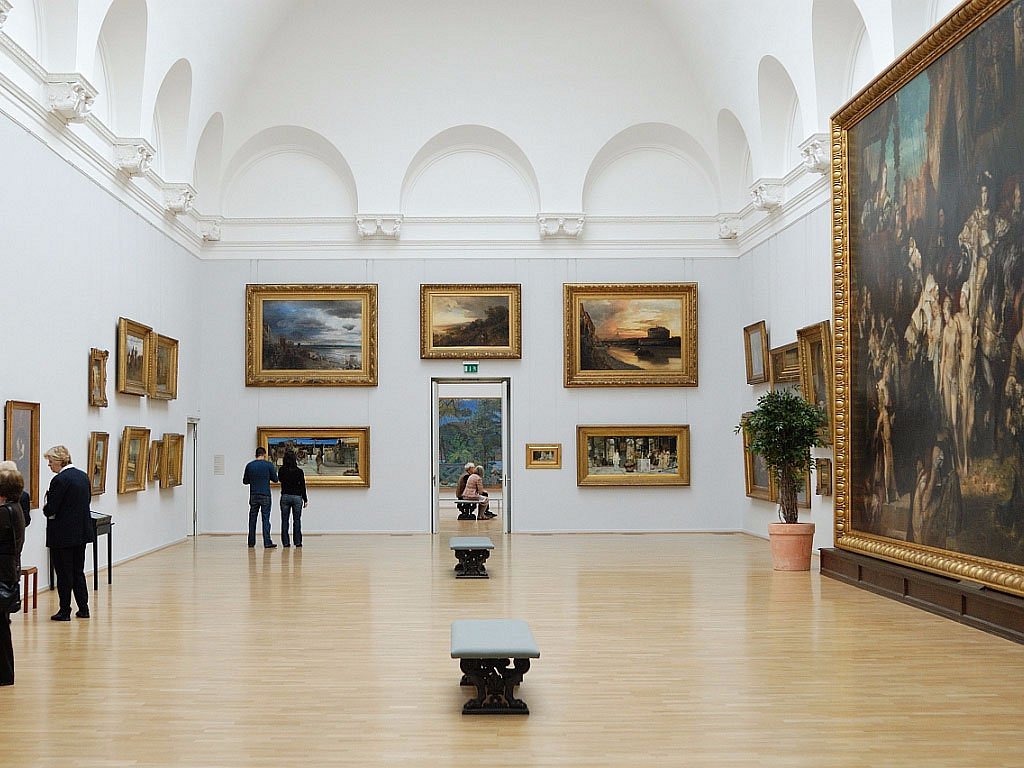
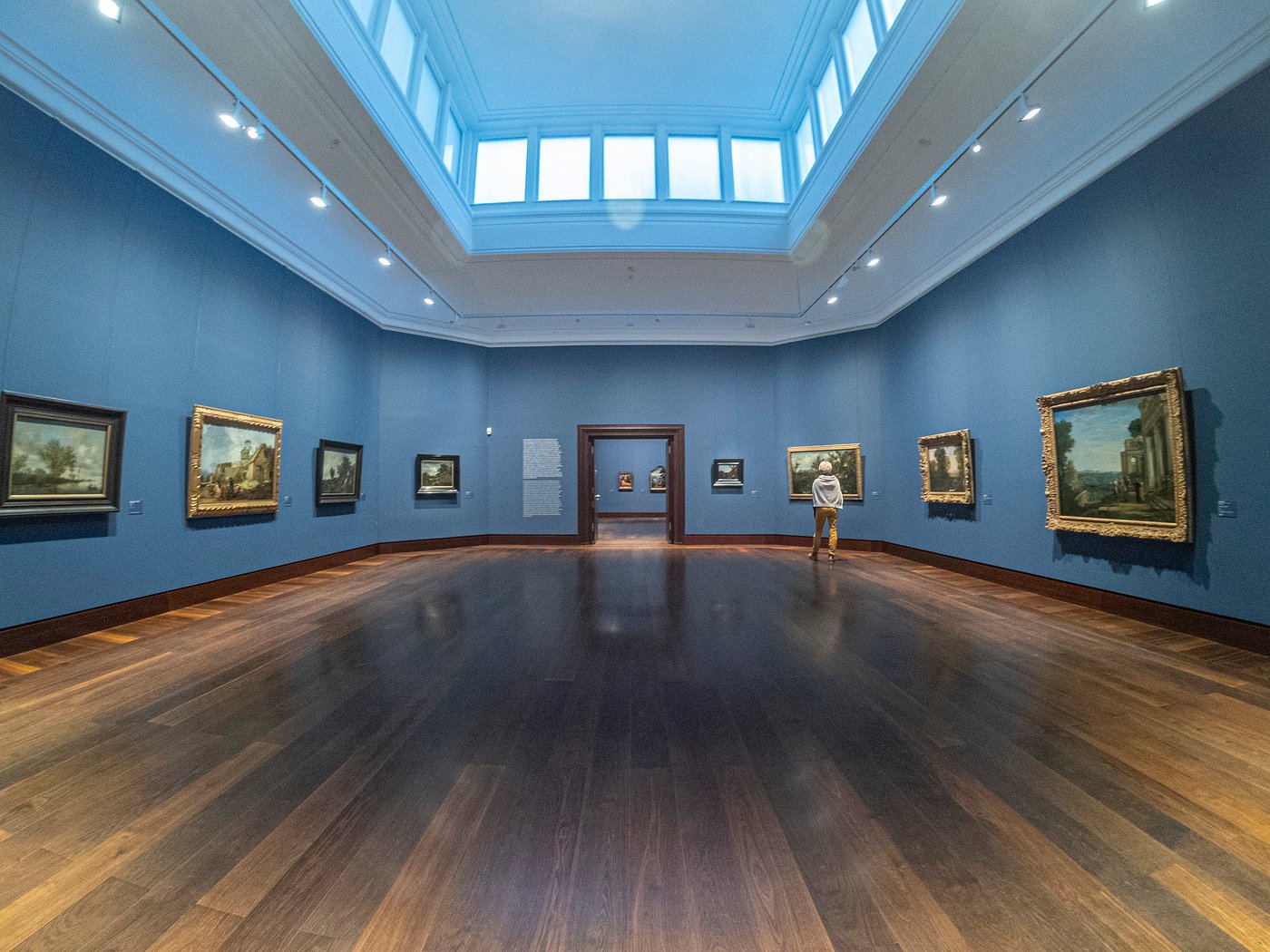
Strolling through the Old Masters rooms at Kunsthalle Hamburg, I felt like I was traveling through nearly five centuries of European creativity. Medieval religious panels, dramatic Baroque portraits, golden Dutch landscapes—each piece revealed something different.
Medieval Art and Altarpieces
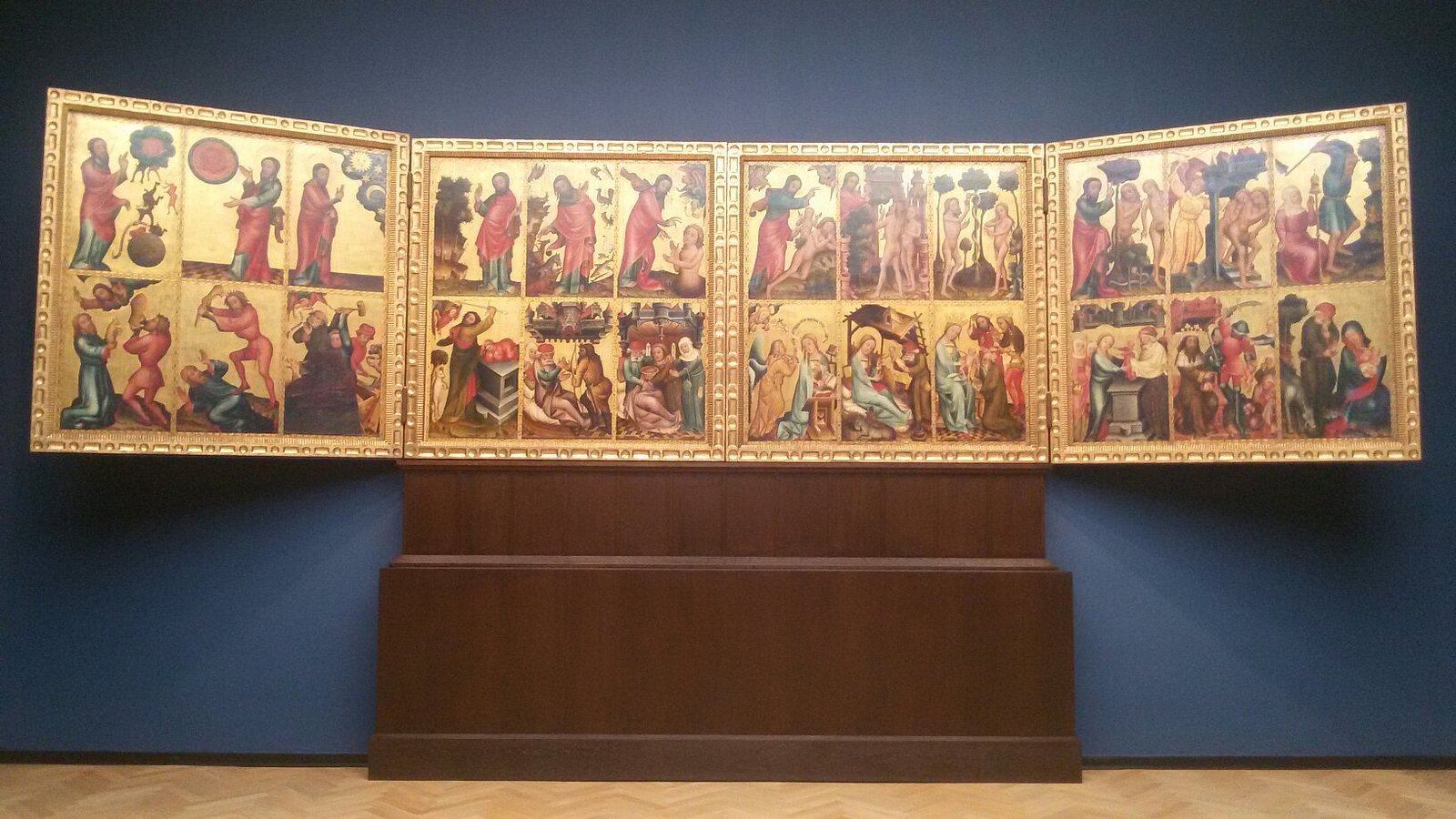
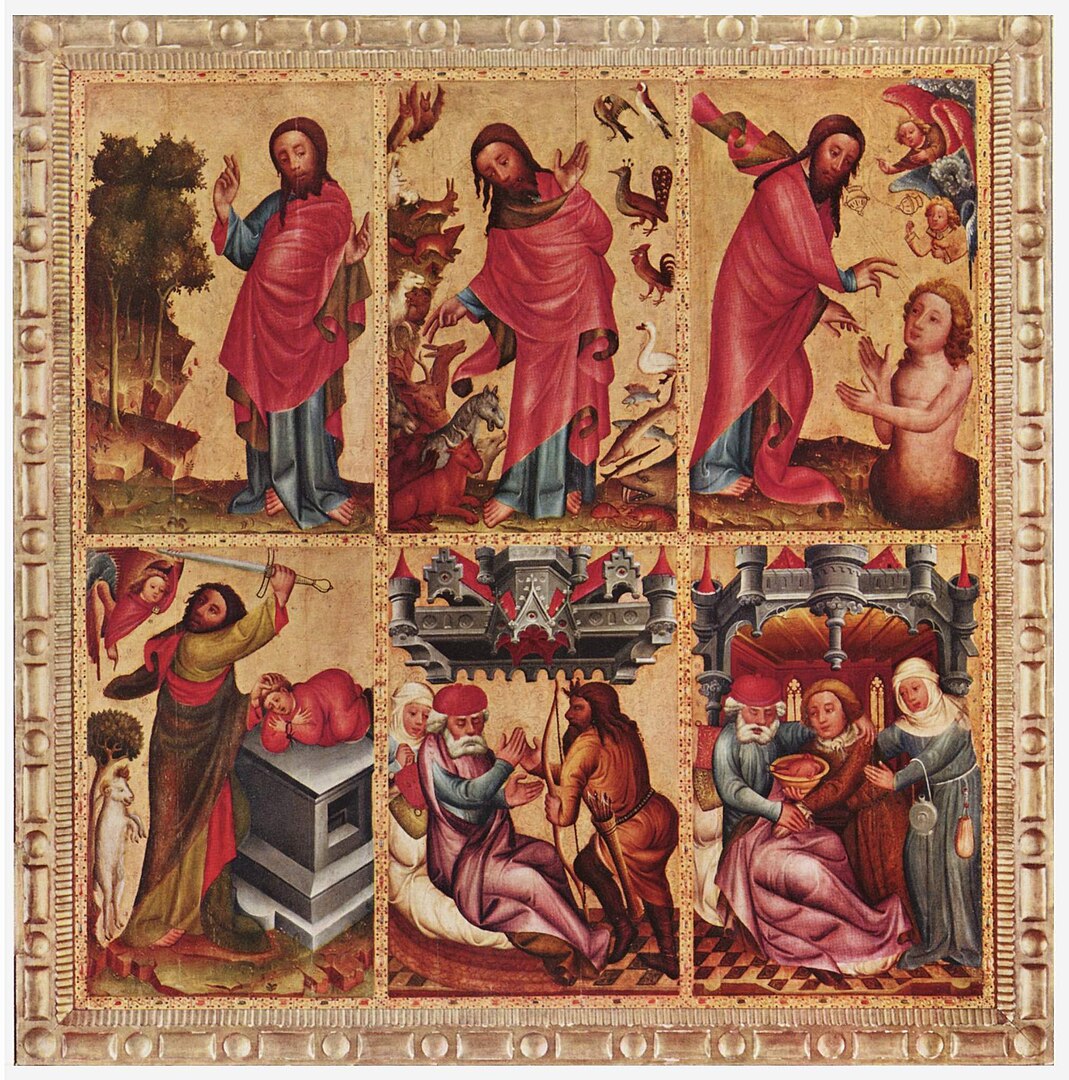
The museum’s medieval collection focuses on northern German painting from the early 1400s. One piece that really grabbed me was the Grabow Altarpiece by Master Bertram, packed with detailed biblical scenes spread across several panels.
Artists created these works for churches, pouring in deep religious themes.
Master Francke’s paintings stood out too, especially for his expressive figures and emotional storytelling. The wooden altarpieces, painted with tempera and gold leaf, show how art served devotion, teaching, and even community life back then.
Seeing these up close, I couldn’t help but admire the rich colors and intricate craftsmanship.
The medieval galleries don’t stop at paintings—there are sculptures and early drawings too. These help paint a fuller picture of religious art from that era. Many pieces feature Latin inscriptions and detailed iconography.
Renaissance and Baroque Paintings
The Renaissance and Baroque galleries mark a big shift toward naturalism and personal expression.
Kunsthalle Hamburg spotlights artists like Lucas Cranach the Elder and Hans Holbein the Elder, who both brought a new realism to portraiture and religious subjects. I found myself drawn to Cranach’s sharp lines and bright colors.
You’ll find a mix of Italian, French, and German paintings here. The Renaissance pieces focus on light, perspective, and anatomy, showing a renewed interest in classical art.
Baroque works, on the other hand, go for strong contrasts, movement, and dramatic lighting—Gerrit van Honthorst is a great example.
Baroque art often captures high-energy moments or intense emotion, while Renaissance pieces lean into harmony and balance. Both periods highlight technical skill and creativity that redefined European art.

Dutch and Flemish Masterworks
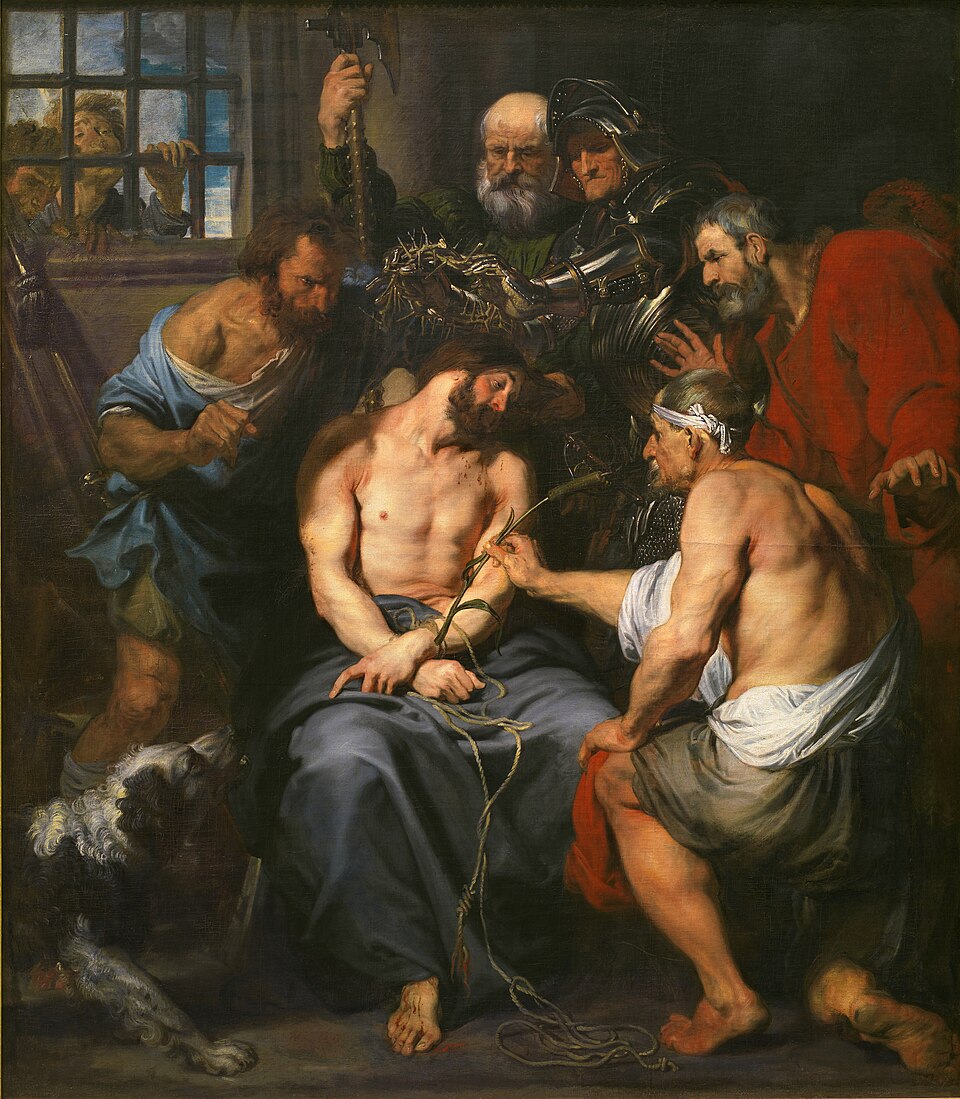
The 17th-century Dutch and Flemish collection is a real highlight. I spotted works by Rembrandt, Anthony van Dyck, and Abraham Bloemaert, among others.
Dutch artists of this era mastered detailed landscapes, genre scenes, and still lifes.
Rembrandt’s paintings blew me away with their play of light and shadow, especially in his portraits and self-portraits. Van Dyck’s court portraits ooze sophistication and rich textures. I also liked Gerrit van Honthorst’s candle-lit scenes and Bloemaert’s lush, decorative style.
Flemish art, especially with Van Dyck, blends realism with a sense of elegance. Dutch golden age paintings shift the focus to daily life, quiet homes, and nature—moving away from strictly religious subjects.
Highlights of the Old Masters Collection
Here are a few standouts from the collection: the Grabow Altarpiece by Master Bertram, expressive works by Master Francke, and innovative portraits by Lucas Cranach the Elder and Hans Holbein the Elder. In the Dutch rooms, you can’t miss the major canvases by Rembrandt and Van Dyck.
A quick table of notable artists and their signature works:
| Artist | Signature Work(s) | Time Period |
|---|---|---|
| Master Bertram | Grabow Altarpiece | Medieval |
| Master Francke | Altarpieces, Religious Panels | Medieval |
| Lucas Cranach the Elder | Portraits, Religious Paintings | Renaissance |
| Hans Holbein the Elder | Portraits | Renaissance |
| Gerrit van Honthorst | Candle-lit Genre Scenes | Baroque |
| Anthony van Dyck | Court Portraits | Baroque |
| Abraham Bloemaert | Decorative Compositions | Baroque |
| Rembrandt | Portraits, Self-Portraits | Dutch Golden Age |
| Canaletto | Cityscapes (Venetian Views) | 18th Century |
Beyond paintings, I noticed a variety of sculptures and drawings that deepen the understanding of each period. The Old Masters collection at Kunsthalle Hamburg lets you trace the evolution of European art from the medieval to the early modern world.
Romanticism and 19th-Century European Art
The 19th century brought huge changes across Europe. Romanticism and other movements totally shifted how artists saw and painted the world.
German Romanticism’s Pioneers
Walking through the galleries, I couldn’t help but notice how German Romanticism jumps out. Artists like Caspar David Friedrich and Philipp Otto Runge led the charge, focusing on nature, emotion, and that hard-to-describe sense of the sublime.
Friedrich’s landscapes—think misty mountains and lonely trees—evoke a deep sense of mystery. Philipp Otto Runge played with color and light in ways that must’ve seemed radical at the time.
Both artists wanted viewers to feel a spiritual bond with the world around them.
The Kunsthalle’s collection of German Romanticism shows how these painters used calm colors, detailed backgrounds, and dramatic skies to express their feelings. Many paintings feature the North German countryside, grounding the art in local culture.

Notable European Artists of the 19th Century
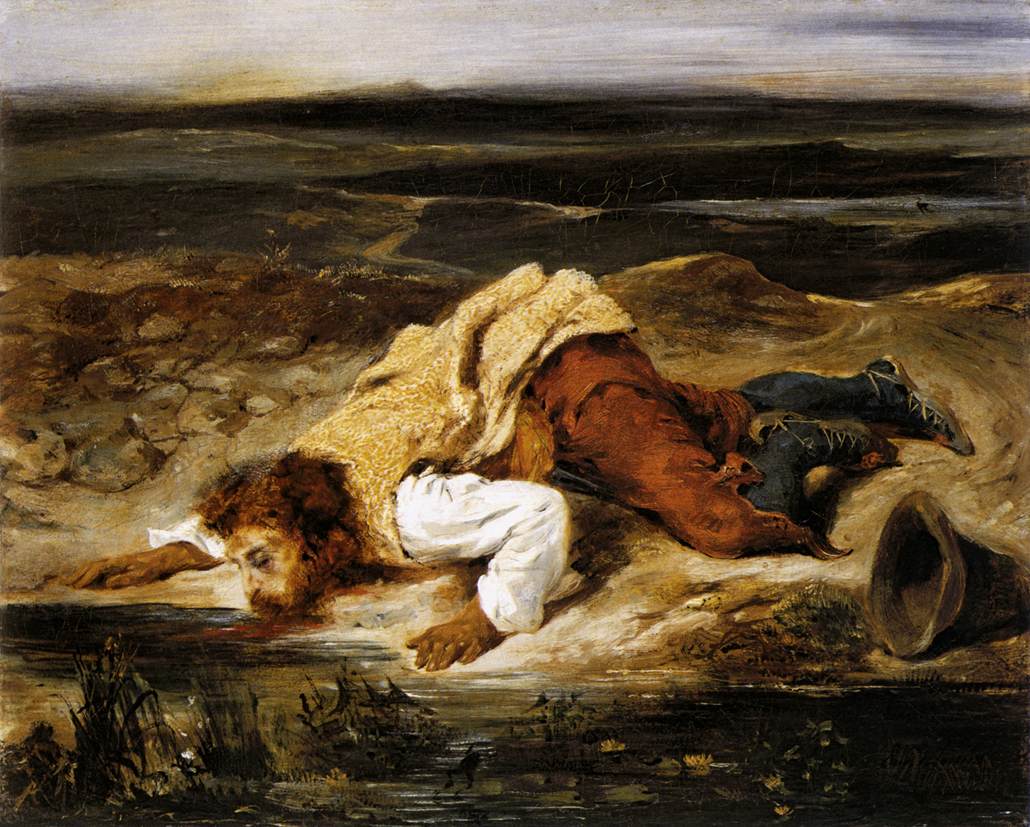
Romanticism spread far beyond Germany, inspiring artists in France, England, and elsewhere. Painters like Eugène Delacroix used bold colors and dramatic scenes, channeling emotion through movement and light.
In England, J.M.W. Turner captured wild storms and rolling fog with energetic brushwork.
Realism also took off in the 19th century. Artists like Gustave Courbet started painting scenes from everyday life, moving away from myths and legends to focus on real people and places.
This mix of Romanticism, Realism, and fresh ideas made 19th-century European art incredibly varied. You get a sense that artists wanted to capture both their times and their own inner worlds.
North German Art Movements
North German painters carved out their own niche in 19th-century art. At the Kunsthalle, I explored works that spotlight local landscapes, architecture, and people from Hamburg and the surrounding countryside.
Many North German artists blended Romantic ideas with their own traditions. You’ll see peaceful rivers or stormy seas, but always with a focus on light and mood.
Artists like Max Liebermann, who started out as a realist, brought a fresh touch to color and brushwork.
Some North German paintings show how local identity and big changes of the century overlap. They remind you that Hamburg was part of Europe’s new ideas, but also had its own unique stories.
Modern and Contemporary Art: Icons and Innovations
Exploring the Kunsthalle’s modern and contemporary wings, I ran into groundbreaking movements and artists who shaped art from the early 1900s right up to today. Paintings, sculptures, and conceptual works fill these spaces, revealing just how deep and varied European creativity can be.
Classical Modernism Highlights
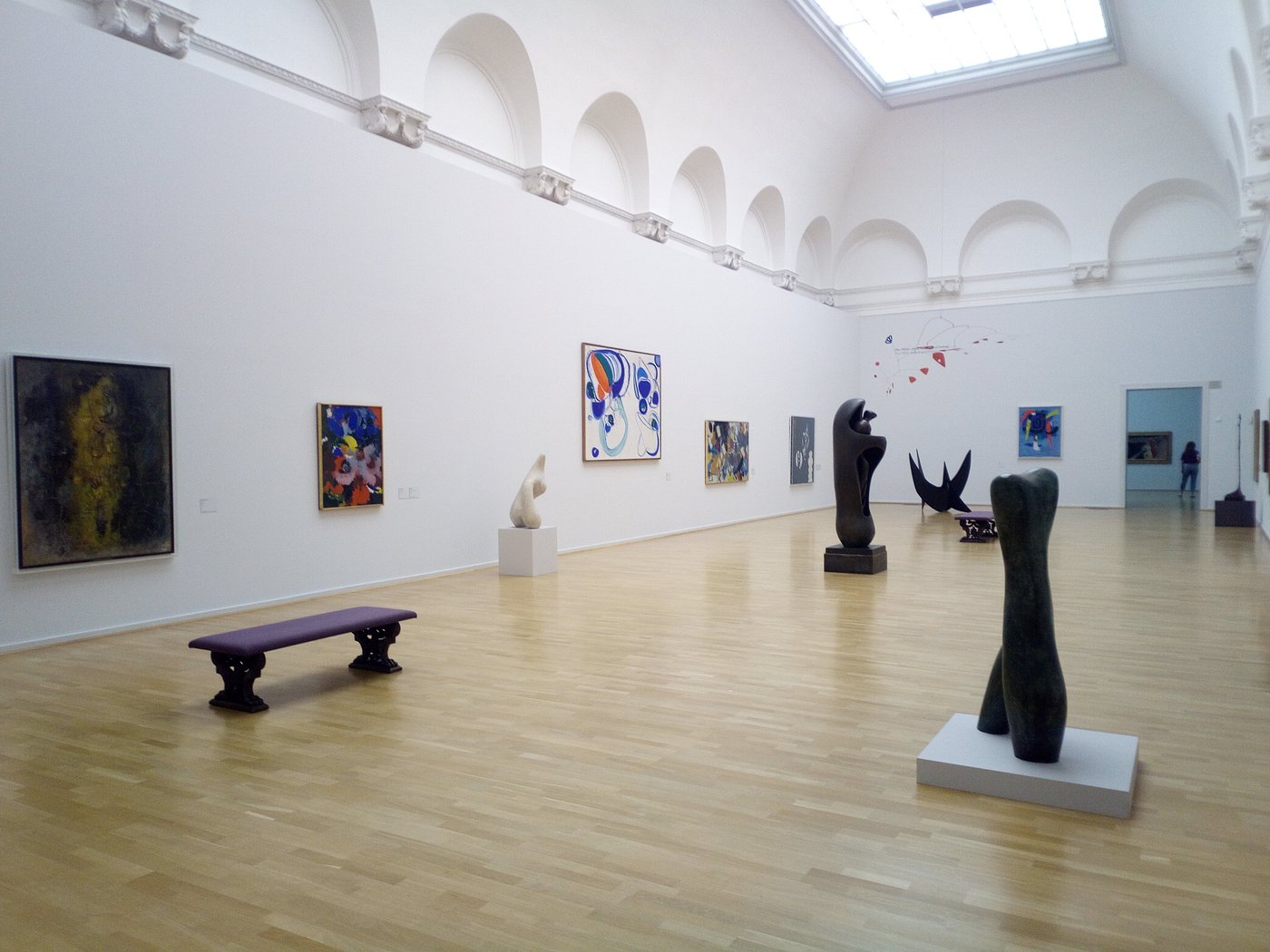
The Kunsthalle’s classical modernism collection really stands out. I spotted bold colors and daring forms in works by pioneers like Edvard Munch, whose expressive brushwork hints at raw emotion.
Max Beckmann and Ernst Ludwig Kirchner also left their mark, capturing the uncertainty and bold experimentation of their time.
Picasso’s pieces break away from tradition, diving into abstraction and Cubism. Paul Klee’s playful lines and colors bring a whimsical, personal touch to early 20th-century art.
Modernism here feels alive—not just for its innovation, but for how it bridges the old and the new.
Many works from 1900 to 1960 dig into questions about identity, society, and a rapidly changing world. They offer a window into how artists responded to wars, social upheaval, and the pace of modern life.
20th Century Masters and Modern Icons
The Gallery of Contemporary Art—Galerie der Gegenwart—sits inside this bold, cube-shaped building. I wandered through rooms filled with art by trailblazers who weren’t afraid to shake things up.
Gerhard Richter’s photo-based paintings caught my eye. He blurs realism and abstraction in a way that feels both familiar and mysterious.
Nearby, Sigmar Polke brings humor into the mix with his playful use of mixed media. I love how his work nudges me to look deeper, past the obvious.
Max Ernst’s surrealist pieces? They invite you to get lost in dreamlike scenes and strange shapes, sparking curiosity at every turn.
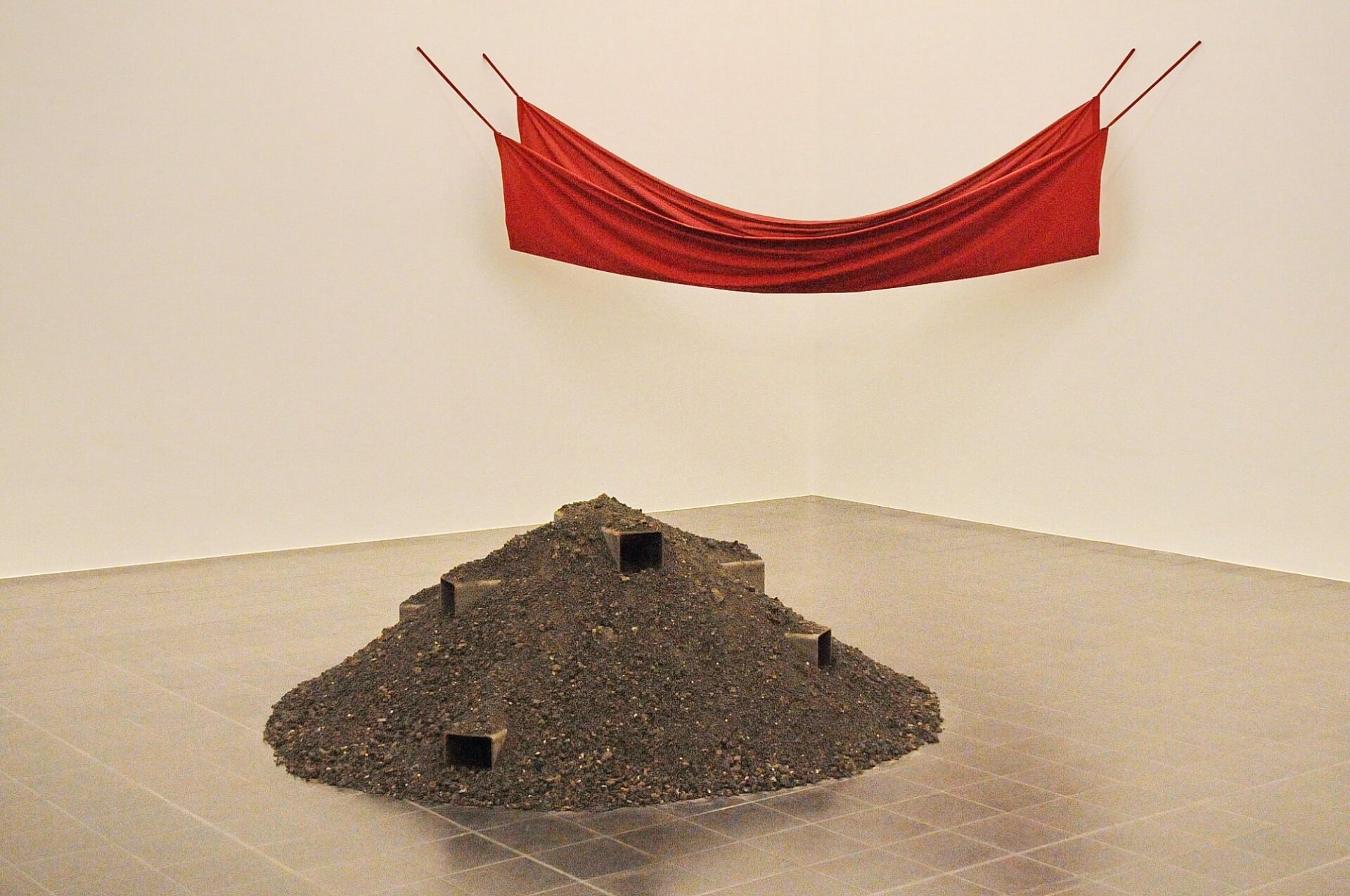
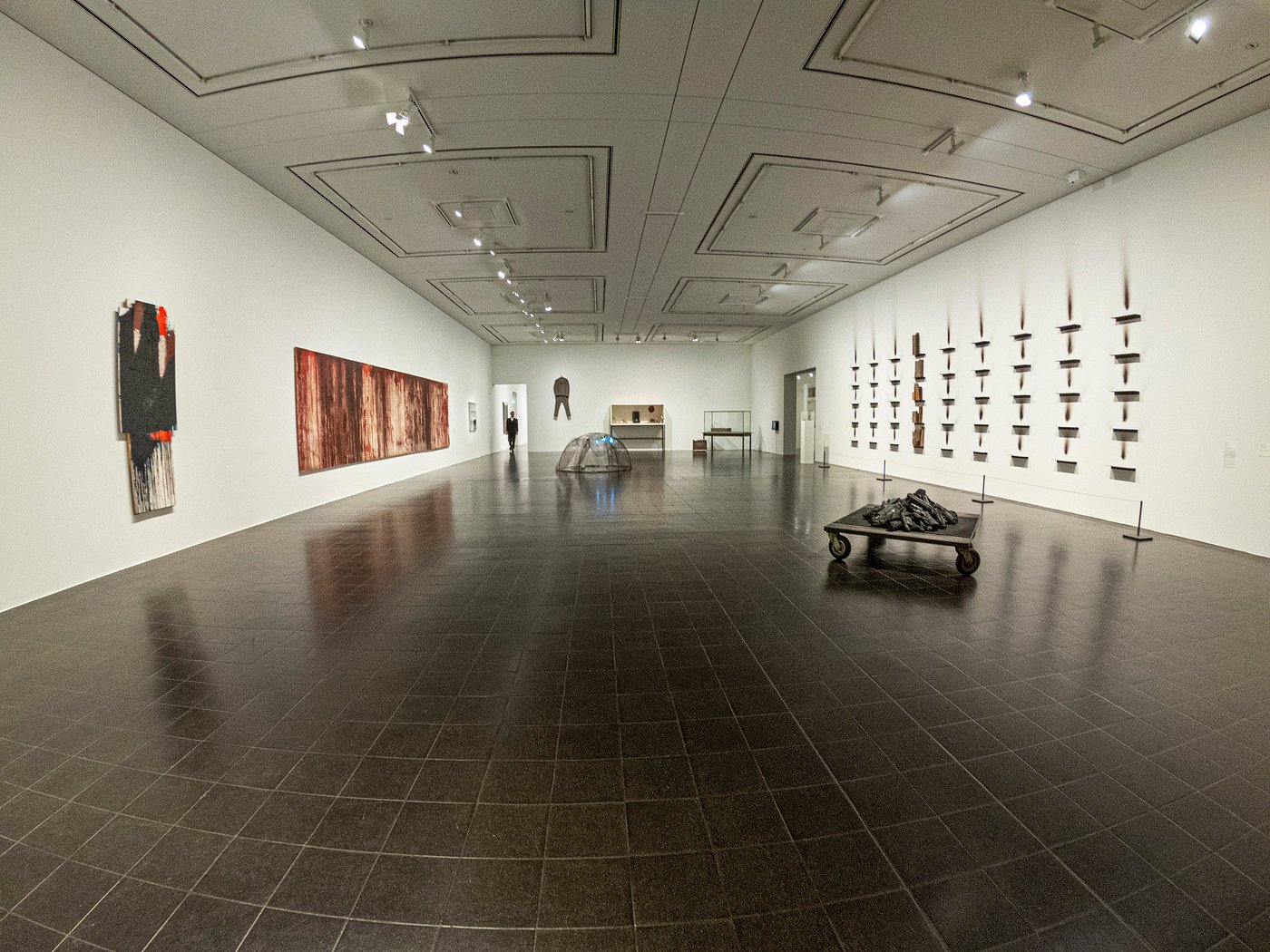
This section of the museum zooms in on conceptual art and movements that came after the classical modernists. I stumbled across experimental installations, massive paintings, and multimedia pieces that really push the envelope.
These artists keep redefining what art can be. Their bold ideas and fresh techniques mirror the ever-changing world outside. I find it inspiring—contemporary art here never stops asking questions or testing boundaries. The Kunsthalle’s spirit feels rooted in that drive for innovation.
Visitor Experience and Practical Information
Spending time at Kunsthalle Hamburg gave me a real sense of what’s in store for visitors. There’s this great mix of classic and modern art, plus a bunch of practical amenities.
You can choose how to explore—maybe a guided tour, or just wandering through a special exhibition on your own.
Permanent and Special Exhibitions
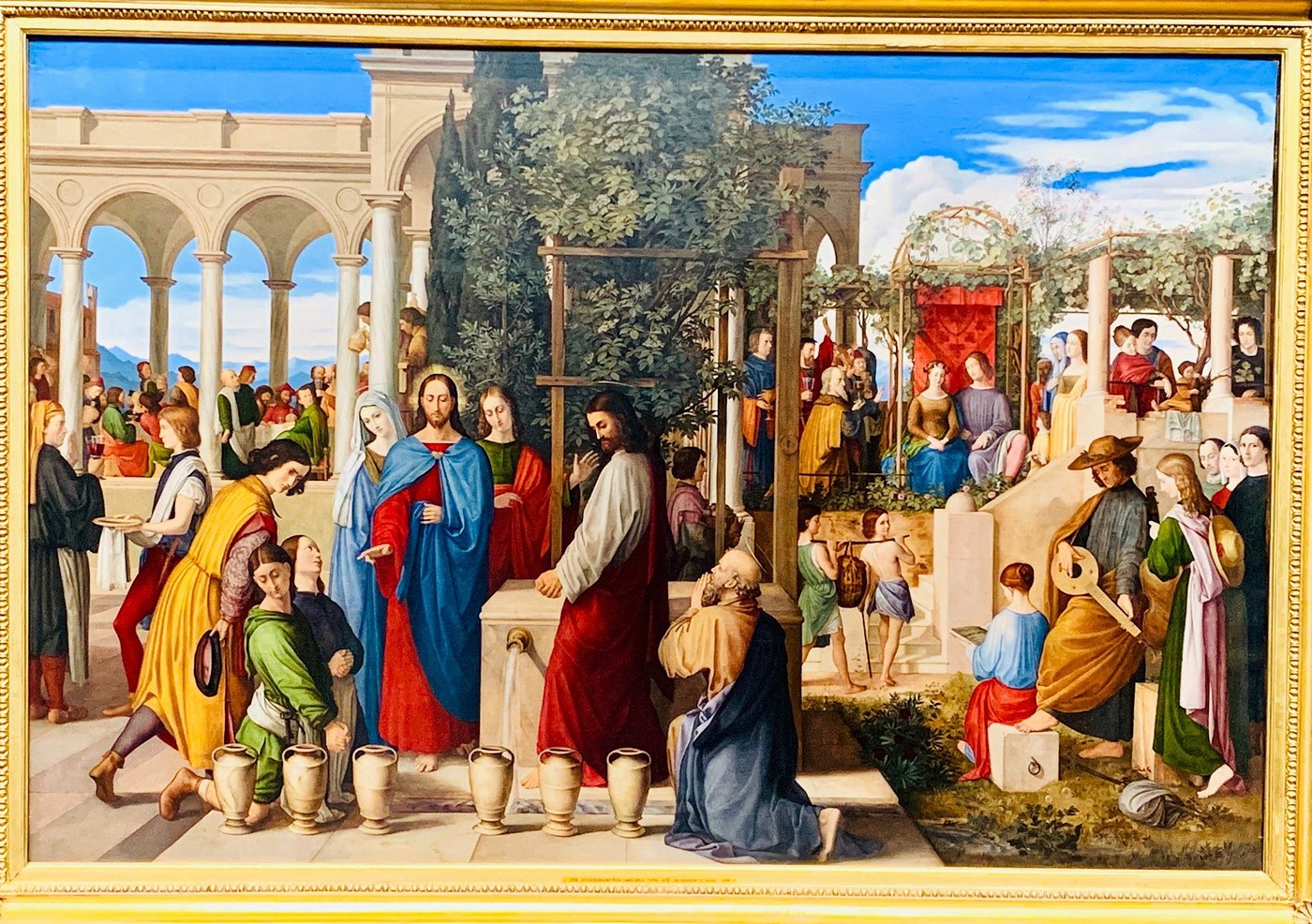
The Kunsthalle’s collection spans over 700 years of European art. In the permanent galleries, I found Old Masters like Rembrandt, Lucas Cranach the Elder, and Rubens.
They’ve set up dedicated spaces for North German art from around 1400, Dutch painting from the 17th century, and plenty of Italian and French works.
Special exhibitions pop up regularly. When I visited, one show focused on modern German painters; another highlighted contemporary installations. These temporary exhibits rotate, so there’s almost always something new to see.
The museum arranges its eras thoughtfully, which makes following different styles and artists a lot easier. I really appreciate how clear the layout feels.
Facilities, Shops, and Dining
The museum’s facilities are genuinely helpful. Lockers wait near the entrance, so I could stash my bag and wander hands-free.
Restrooms? Clean and easy to locate. The museum shop is a fun stop, selling exhibition catalogs, postcards, and quirky art gifts.
I grabbed a poster and a couple of postcards for my wall at home. If you’re into books, there’s a nice selection for adults and kids alike.
When I needed a break, the café was a welcome spot for coffee and pastries. There’s also a restaurant called “The Cube” with big windows overlooking the Alster lakes—people rave about the view and the modern dishes. It’s nice not having to leave the museum for a good meal.
Guided Tours and Events
Kunsthalle offers several guided tours each week. Public tours take small groups through current exhibitions or the highlights of the permanent collection.
I joined a one-hour tour and got some great insights into key pieces. If you’re coming with a school group or have a special interest, you can book private or themed tours in advance.
Prefer to explore solo? Digital guides and written materials are available in both German and English.
Throughout the year, the museum hosts artist talks, workshops, and family programs. These events bring extra energy to the place and make it feel more welcoming.
Plan Your Visit: Access and Tips
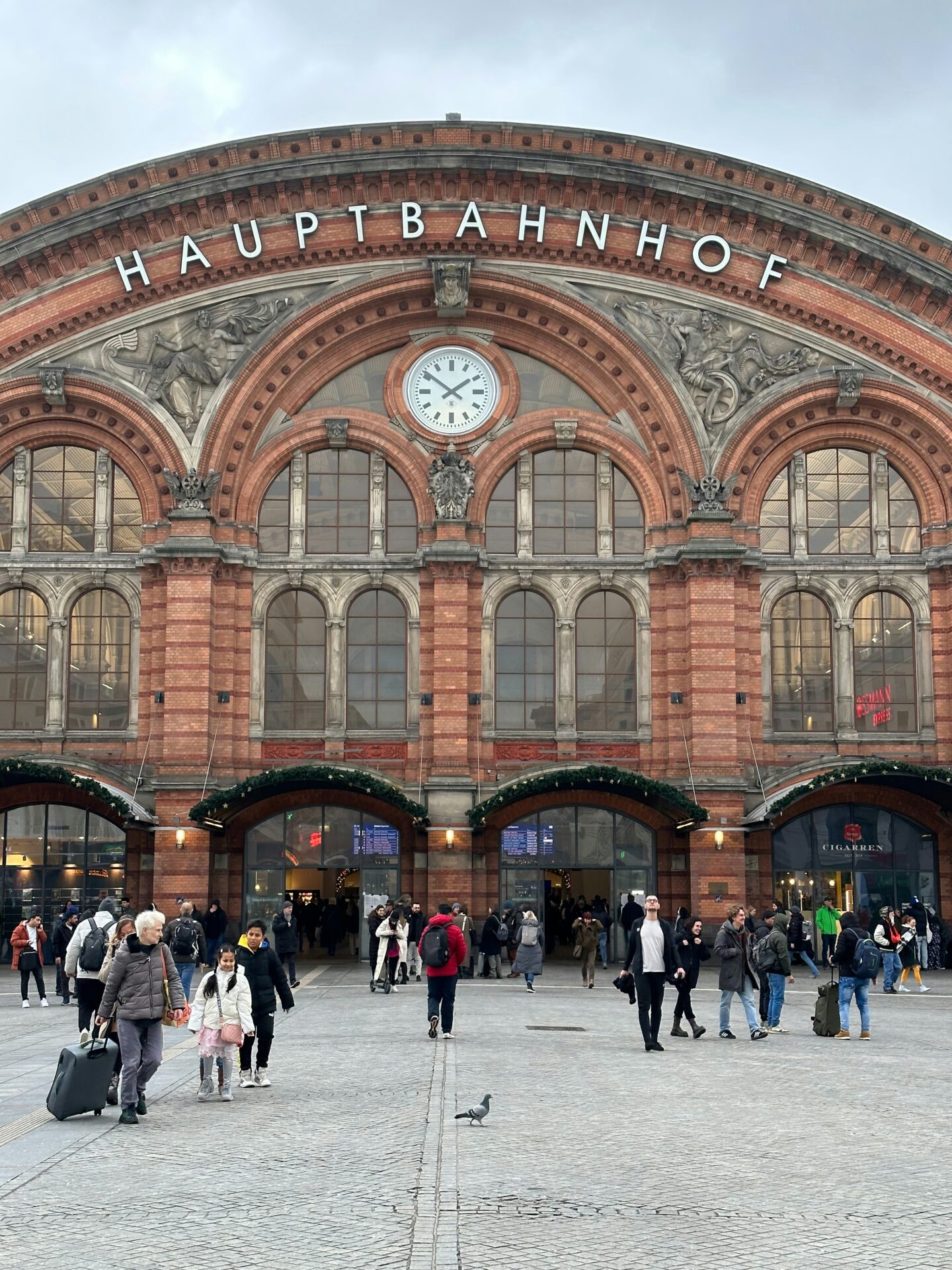
You’ll find the Kunsthalle right in central Hamburg, close to the Hauptbahnhof (main train station). I got there easily by public transit, and it’s just a short stroll from the Alster lakes.
Opening hours can shift for holidays or special events, so I checked the official website before heading out. Tickets are available both online and at the entrance.
Discounts are on offer for students, children, and anyone with a Hamburg Card. I’d suggest arriving early, especially on weekends, since it gets busy fast.
The museum is wheelchair-accessible, and staff are ready to help if you need assistance. I found the signage clear, which made navigating the three main buildings pretty straightforward.
Digital Engagement and Cookies Policy
While exploring Kunsthalle Hamburg’s website, I noticed they use digital tools to make things smoother and more engaging. Cookies help tailor your browsing, making the site easier to use and more personal.
They also play a role in privacy and data security.
User Experience and Accessibility
When I browsed the Kunsthalle Hamburg’s website, it worked smoothly on my phone and laptop. Features like virtual tours and online collections made it easy to get a feel for the place before visiting.
Menus and text descriptions are simple to follow, so even if you’re not tech-savvy, you won’t get lost. Accessibility is clearly a priority.
Unverzichtbare cookies (essential cookies) keep everything running, letting me log in, pick a language, and enjoy a stable site. Functional cookies remember my preferences or which artworks I’ve checked out before.
Performance tools quietly track website issues and help the team make changes for all visitors, including folks with disabilities.

Types of Cookies Used
The Hamburger Kunsthalle uses a few types of cookies:
| Cookie Type | Purpose |
|---|---|
| Unverzichtbare (Essential) | Keep the website secure, manage language, and help with navigation. |
| Funktionale (Functional) | Remember my choices and personalize the experience. |
| Leistungs-Cookies (Performance) | Collect anonymous, aggregated info about how people use the site. |
| Marketing-Cookies | Show content and ads that match my interests. |
Essential cookies keep the site running safely. Functional cookies tweak features based on what I’ve done before.
Performance cookies help the Kunsthalle team see how people use the site, gathering general data to improve things. Marketing cookies let them show ads and content that actually fit my interests across the web.
Data Collection and Privacy
When I browse the Kunsthalle site, it grabs some basic data—mostly through cookies. They usually look at aggregated data to check how the site’s doing, not to figure out exactly who I am.
Some cookies hang onto unique identifiers for a little while, just to remember my settings or tweak the content so it fits me better.
If I check out certain online exhibits or linger on specific artworks, marketing-cookies might notice. That way, the ads I see actually have something to do with what interests me.
I can always tweak my cookie preferences using the website banner. Or I just dive into my browser settings and do it there.
The site sticks to EU privacy rules, so they handle my info with care. They don’t sell my data to outside advertisers—thank goodness for that.
If I’m ever curious (or just a little paranoid) about what they’re doing with my data, I can find their contact details and the full privacy policy right on the site.

#/media/File:Anthonis_van_Dyck_004.jpg)


