
Wandering through La Laguna in Tenerife truly felt like stepping into another era. The cobbled streets, colorful old buildings, and peaceful courtyards gave off a vibe that’s historic but still full of life.
This UNESCO World Heritage city overflows with colonial architecture and charm, easily my favorite discovery on the island. Every corner seemed to whisper stories, whether it was the grand facades of centuries-old mansions or the lively university crowd gathering in cool cafes.
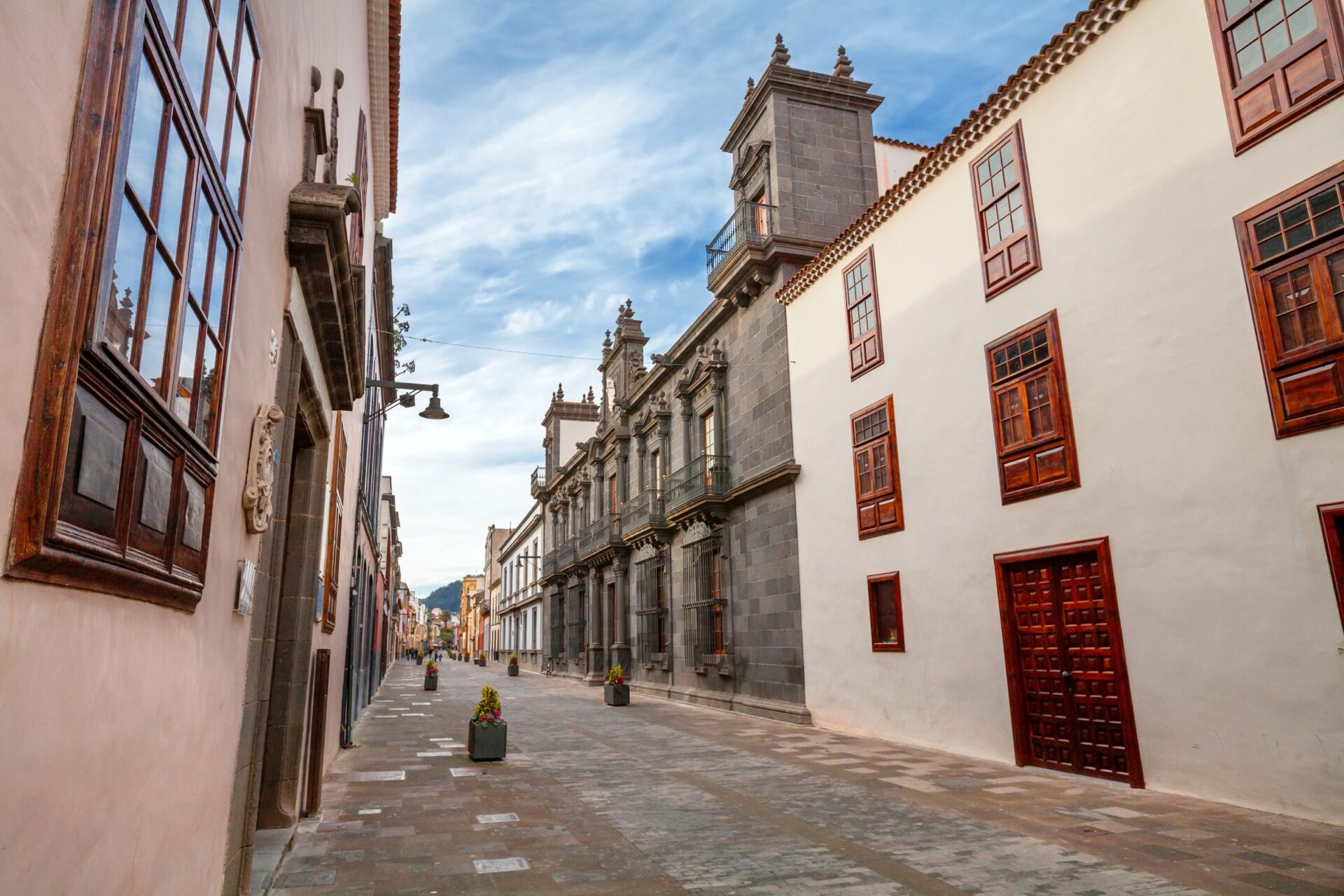
I got pulled in by how well everything’s been preserved and how the town still hums with local culture. As I explored La Laguna’s historic center, I just couldn’t help but get caught up in its blend of elegance and history. It’s perfect for slow strolls or those moments when you want to wander without a plan.
If you’re hunting for the soul of Tenerife, I found it right here in this enchanting town.
La Laguna’s Timeless Charm and UNESCO World Heritage Status
Walking the streets of La Laguna, I felt like I’d entered a living museum. Each corner combines its proud colonial past with the vibrant traditions of the Canary Islands.
You’ll find so many chances for cultural tourism and exploration here.
History of San Cristóbal de La Laguna
*came into being at the end of the 15th century. It was actually the first city established in the Canary Islands, and its design became a model for other colonial towns in the Americas.
The streets follow a grid system, which was a pretty fresh idea in Spanish town planning back then. When I strolled along its central avenues, I realized the orderly layout made exploring the town easy and relaxing.
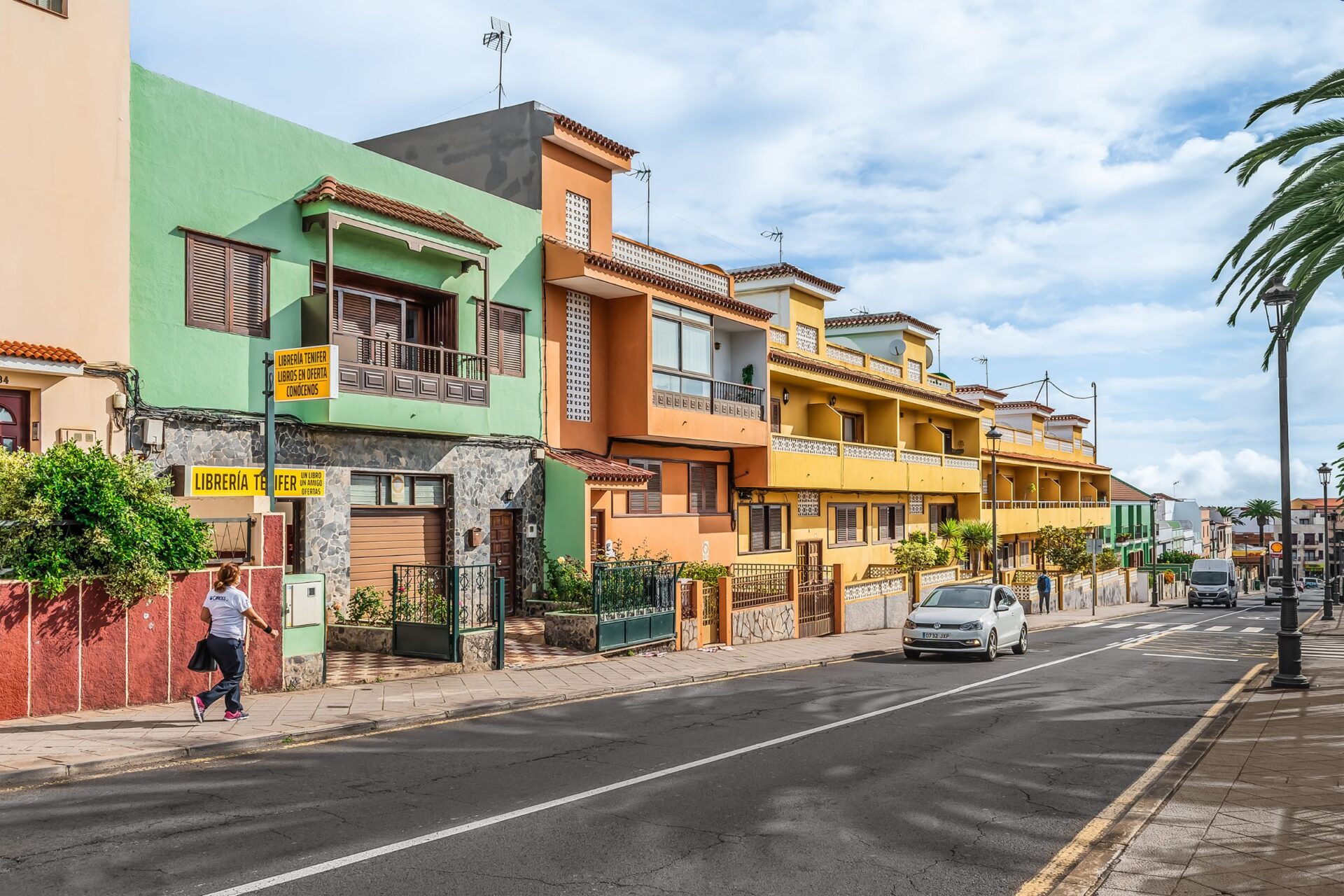
Many houses and public squares have stood for over 400 years, yet they’re still buzzing with local life.
La Laguna’s mix of Spanish, African, and Moorish influence pops up everywhere—from the local dialects to the lively markets. The city once served as Tenerife’s capital and still acts as an academic and cultural hub, drawing travelers who are curious about its fascinating past.
UNESCO Recognition: Preserving Colonial Elegance
UNESCO awarded La Laguna World Heritage status in 1999. They recognized its unique town planning, which later inspired colonial cities in the New World.
Thanks to the UNESCO designation, historic buildings get protected, and respectful cultural tourism is encouraged.
When I visit, I often spot guided groups learning about the city’s impact on global architecture. The UNESCO status has brought in funding for restoration projects, so the colorful facades and centuries-old churches look absolutely stunning.
Locals genuinely take pride in this honor. They organize events and festivals to highlight the city’s traditions, and you can sense a real responsibility to keep La Laguna beautiful for future generations.
The UNESCO badge isn’t just for show—it brings people together and builds awareness.
Architectural Highlights and Moorish Influence
I love spotting colonial mansions, palaces, and those quiet patios hidden behind heavy doors in La Laguna. The architecture mixes late Gothic, Renaissance, and traditional Canarian styles, but Moorish influence really stands out in the elegant wooden balconies, geometric courtyards, and decorative tiles.
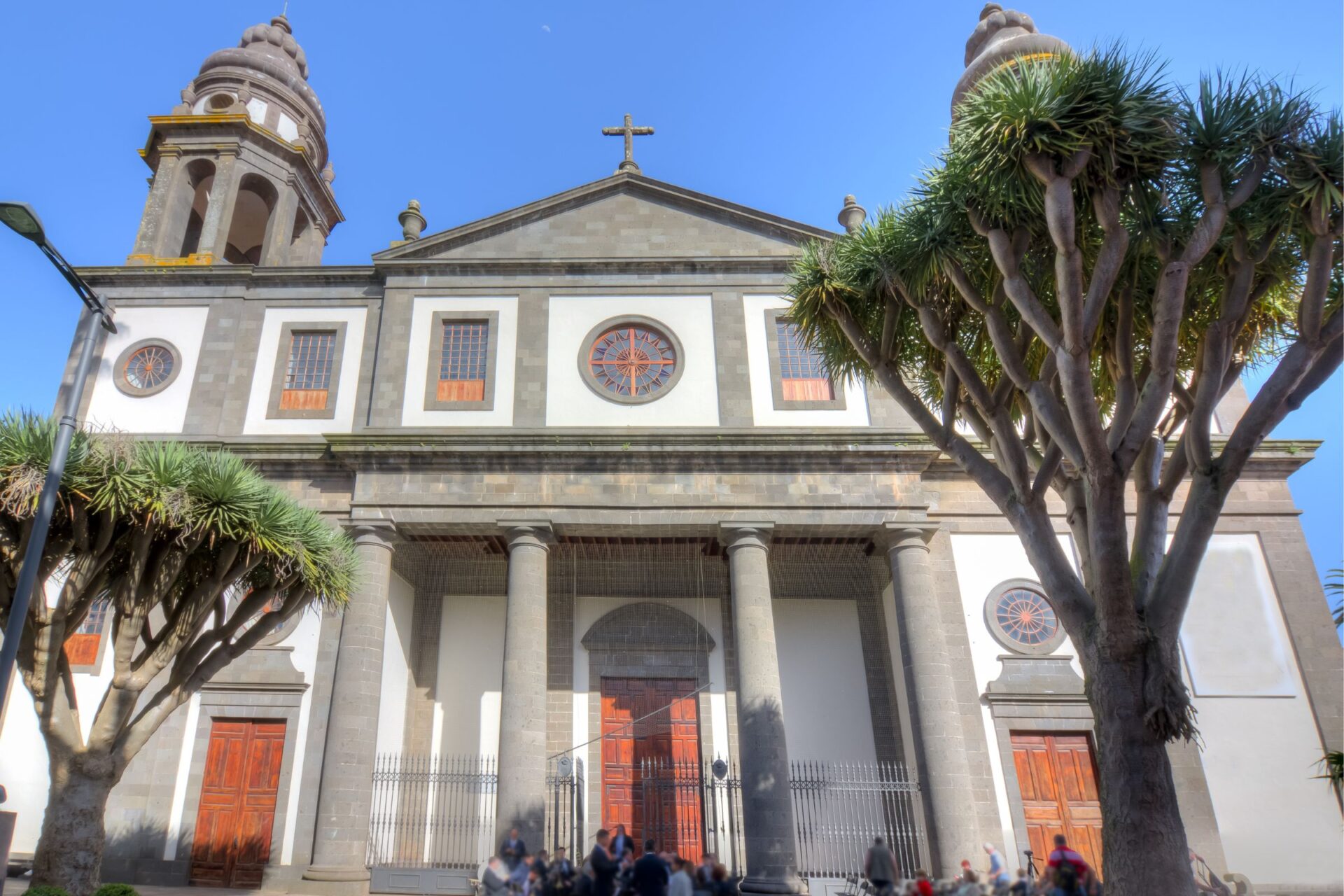
If you’re into architecture, don’t miss the Cathedral of La Laguna or the Palacio de Nava. The pastel-colored houses, chunky wooden doors, and detailed ironwork give the town a unique character.
What really stuck with me was how the buildings use light and air. Those peaceful inner courtyards offer a cool escape from Tenerife’s sun and give you a window into a world where Moorish and Spanish colonial styles blend.
Every detail—carved ceilings, patterned floors—tells a bit of the city’s rich and layered history.
Top Things to Do: Explore, Experience, and Savor
As I wandered through La Laguna, history felt alive in every old street. The food brought people together, and every day seemed to hand me new ways to join in local life.
The town buzzes with sights, sounds, and flavors that kept me curious from morning until night.
Must-See Colonial Landmarks
Some of Spain’s best colonial architecture lines La Laguna’s cobbled streets. I always tell people to start at the Plaza del Adelantado. This lovely square, shaded by tall trees, is surrounded by historic buildings and draws both locals and visitors.
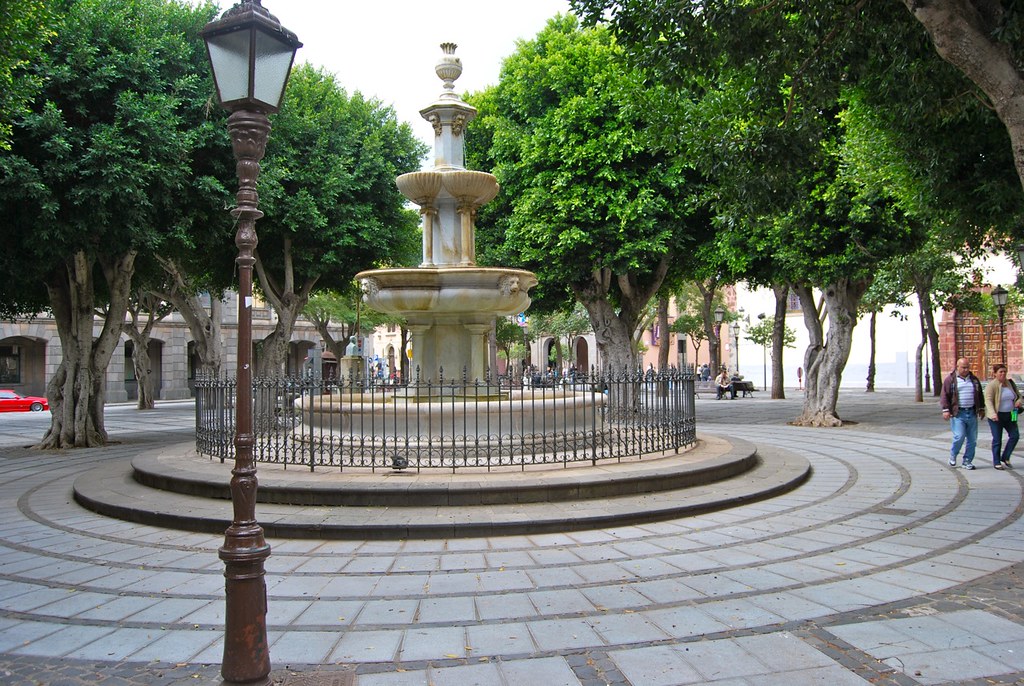
Image Source: Flickr
The Cathedral of La Laguna is just a short walk from there. Its neoclassical façade and big bell towers make it the city’s most recognizable landmark. Stepping inside, I could almost feel the centuries of island life that unfolded here.
The Church of the Immaculate Conception stands out for its tower views over the tiled rooftops. It’s the oldest temple in Tenerife. Small museums like Casa de los Capitanes and the Museum of History and Anthropology display the city’s story with beautiful artifacts and art.
Tip: Most landmarks are close together, so you can explore at your own pace without much planning.
Authentic Food and Mediterranean Cuisine
La Laguna’s food scene turned out to be a highlight of my trip. Tapas bars along Calle Herradores serve classic Canarian dishes like papas arrugadas with spicy mojo sauce.
I found family-run taverns where locals gathered for lunch, and the fresh fish was a must-try.

Image Source: Tripadvisor
Traditional Food Checklist:
| Dish | Description |
|---|---|
| Gofio | Roasted grain flour, sweet or savory |
| Mojo Picón | Spicy red sauce |
| Ropa Vieja | Stewed beef and chickpeas |
| Queso Asado | Grilled cheese with mojo |
You’ll also find modern bistros with Mediterranean-inspired menus. Olive oil, tomatoes, and fresh veggies steal the show in many dishes.
I tried a tasting menu at a tiny spot near the cathedral, and each course felt like a tribute to both Spanish and island traditions.
Immersive Cultural Experiences
La Laguna’s culture draws you in at every turn. During the day, I stumbled into open-air markets overflowing with local cheese, handmade crafts, and fresh produce.
I chatted with vendors who happily shared stories about their goods.
Must-try experiences:
- Checking out Casa Salazar for art exhibitions
- Touring traditional Canarian patios and courtyards
- Watching a folk music show at a neighborhood bar
- Joining guided heritage walks to find the town’s hidden corners
Throughout the year, the city comes alive with lively processions, especially during Holy Week and local festivals. The streets fill with color, music, and a real sense of shared pride.
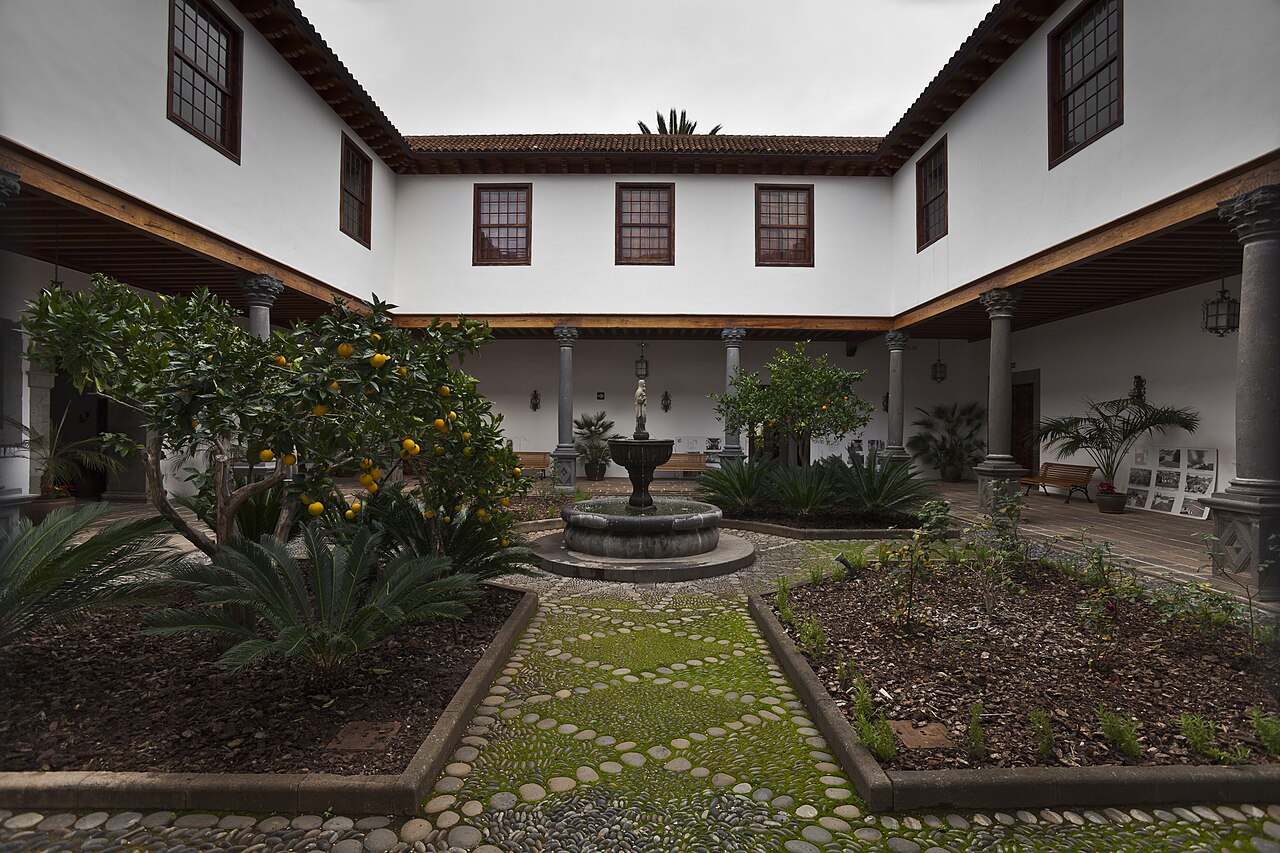
Image Source: Wikimedia Commons
Live Music and Local Events
Live music brings La Laguna to life after dark. I spent evenings in cozy wine bars listening to guitarists play Spanish classics, or out in small squares where jazz drifted through the night air.
The Aguere Cultural Space hosts concerts and performances, making it a favorite for both locals and travelers.
Most weekends, open-air stages pop up in the plazas. You’ll find everything from Canarian folk to indie rock. One spring evening, I wandered into a local guitar festival—everyone was welcome, and the performers ranged from students to seasoned musicians.
Keep an eye on event calendars at tourist offices. You might stumble into a dance show, an art fair, or one of the seasonal food festivals that blend music, food, and community in a way that feels totally unique to La Laguna.
Discovering Nature and Beyond: Day Trips from La Laguna
La Laguna isn’t just about history and beautiful colonial streets. Once I left the city, I discovered wild nature, dramatic mountains, and postcard-worthy beaches all within easy reach.
Most are just a short drive away, which makes day trips super doable.
Mount Teide and Teide National Park Escapades
Driving up toward Mount Teide left me honestly speechless. I rented a car in La Laguna, and less than an hour later, I watched lava fields turn into pine forests as the road climbed higher.
Mount Teide, Spain’s highest peak, towers over the volcanic landscape.
Exploring Teide National Park felt surreal, almost otherworldly. The trails range from easy walks to challenging hikes, so I picked one that fit my mood that day.
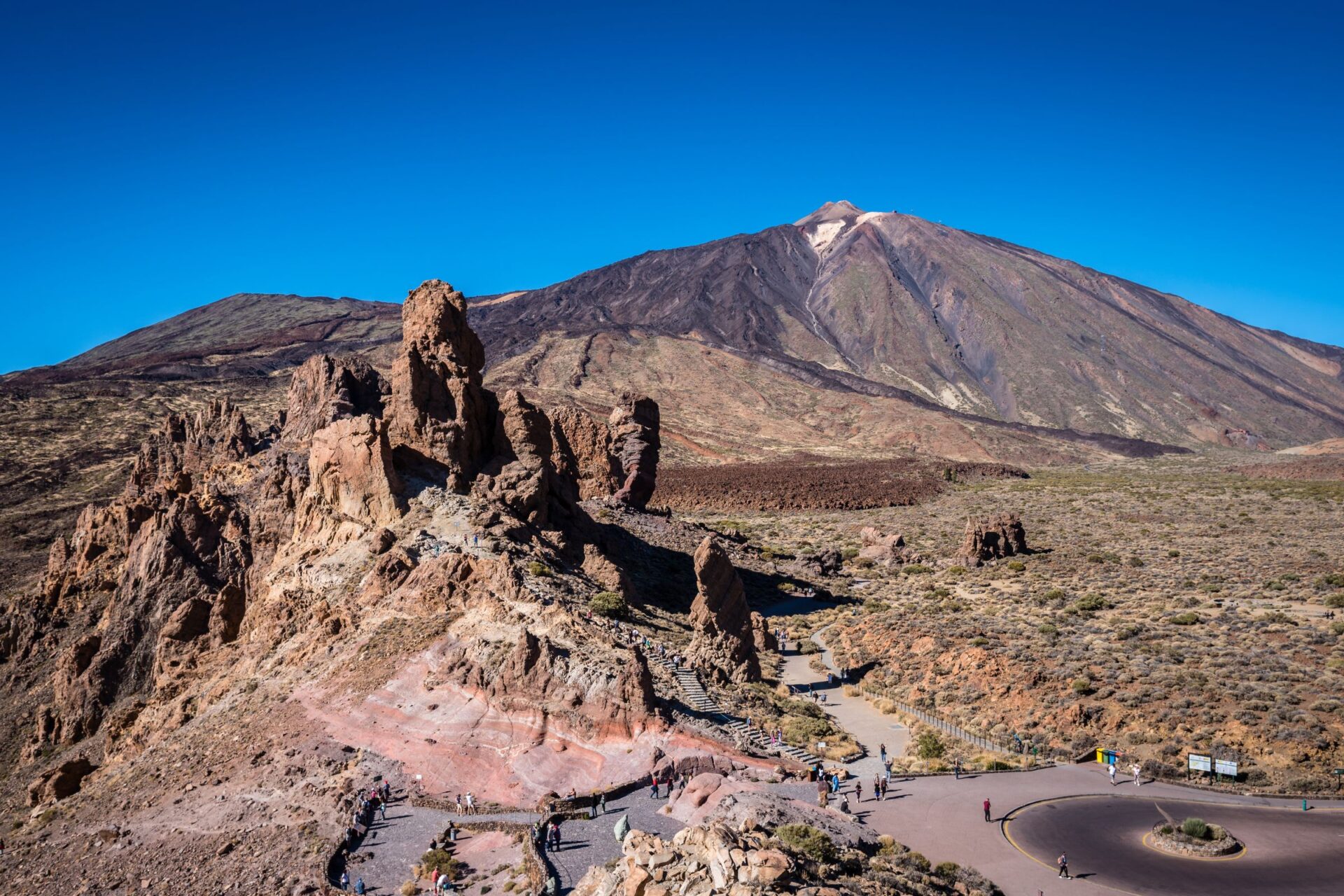
The cable car gave me close-up views of the crater rim and the valleys below.
As I climbed, the temperature dropped fast, so I was glad I brought extra layers. The visitor center pointed me to the best lookout spots—and sunset up there is a memory I’ll keep for a long time.
Beaches: Playa San Juan and Sandy Shores
After a few days wandering the city, nothing beat a day at Playa San Juan. With its dark volcanic sand and laid-back vibe, this beach felt different from the busier southern shores.
Getting there by car was easy, and parking never felt like a hassle. Plenty of cafés line the promenade, which made it easy to grab a bite or a cold drink.
Families, surfers, and regular swimmers all shared the sand. The water was calm, and even in early summer, the temperature was perfect for a swim.
Tip: Don’t forget sunblock and a hat—the Tenerife sun is strong, even with the ocean breeze.
Other Nearby Sandy Beaches:
- Playa de las Teresitas (golden sand, palm trees)
- Playa de El Médano (windy, great for kitesurfing)
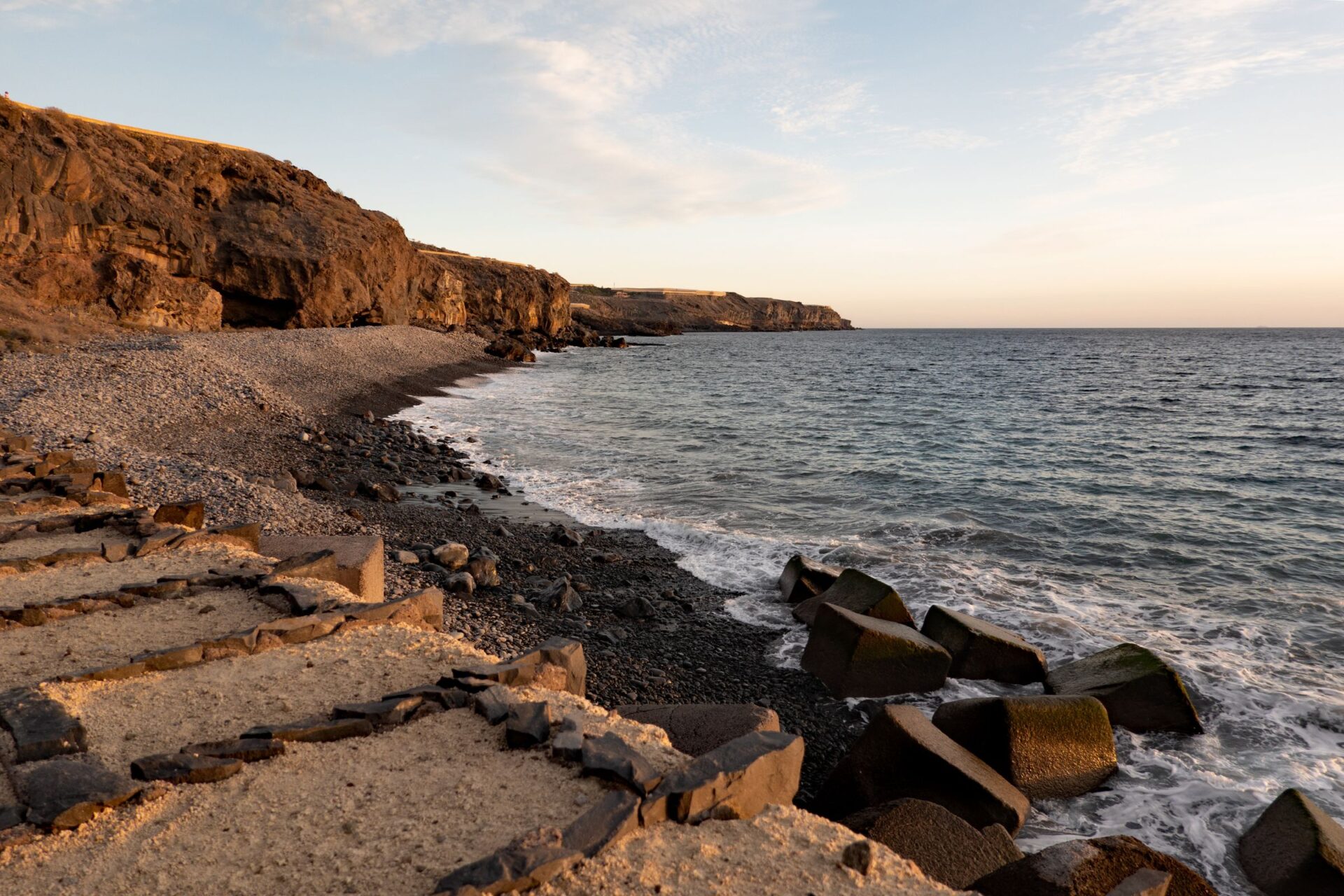
Adventures On the Water
One of my favorite day trips was hopping on a boat tour from a nearby harbor. The Atlantic around Tenerife teems with life—dolphin watching, snorkeling, you name it.
I joined a small catamaran group for a half-day trip that included a swim stop and a fresh seafood lunch on board.
Trying stand-up paddleboarding was way easier than I expected, thanks to local instructors. Kayak rentals were available too, so I could paddle along the coast at my own pace.
Seeing Tenerife’s cliffs and beaches from the water gave me a whole new perspective on the island’s wild beauty.
You can book these water adventures in advance or just arrange them on the fly. Most providers speak English and offer all the gear you’ll need.
La Laguna in the Eyes of Travelers
La Laguna stands out for its preserved heritage, walkable streets, and friendly atmosphere.
Many visitors, myself included, find that the lively locals, centuries-old buildings, and easy access to unique shops and cafes shape their experience.
Tripadvisor and Other Reviews
Before my trip, I spent a while scrolling through Tripadvisor reviews and travel forums. Patterns jumped out right away.
Travelers rave about the old town’s clean, cobbled streets and pastel houses. Many mention Calle Obispo Rey Redondo, the main pedestrian street, with its grand mansions and cozy bakeries.

Image Source: Wikimedia Commons
The city’s museums, especially the Museo de Historia y Antropología, get lots of love for their interactive exhibits and friendly staff. Restaurants serving authentic Canarian food earn plenty of praise.
People often point out how La Laguna feels safer and less hectic than bigger cities like Santa Cruz—great news for wanderers and families. Here’s a quick snapshot from top reviews:
| Favorite Aspects | Common Feedback |
|---|---|
| Historic old town | “Charming and well maintained.” |
| Local cuisine | “Fresh, delicious, affordable.” |
| Walkability | “Perfect to explore on foot.” |
Why La Laguna is a Featured Destination
La Laguna pops up again and again as a featured stop in Canary Islands travel guides. After strolling its wide avenues and peeking into beautifully restored churches, I totally get why.
The city’s layout—with its grid-plan streets and no defensive walls—lets you wander freely, feeling both safe and welcome.
As a UNESCO World Heritage Town, its colonial charm stays carefully protected, and many tours highlight the connection to Latin American cities shaped by La Laguna’s design.
Customized walking tours and local guides tend to focus on the architecture and stories from the city’s days as Tenerife’s first capital. This focus on history, paired with a genuinely friendly vibe and easy access from Santa Cruz, makes La Laguna a top pick for seasoned travelers and guidebooks alike.
Connections to Broader Spanish and European Culture
As I walked through La Laguna, I realized how deeply this town connects not just to the Canary Islands, but to Spanish and European culture as a whole.
You’ll spot influences from Catalonia, the French Riviera, the world of art, and even academic research woven into its story.
From the Canary Islands to Catalonia and Barcelona
When I wandered through La Laguna’s tidy street grid, I found out that this layout actually inspired a bunch of colonial towns in the Americas. But honestly, there’s more to it—its urban plan links back to Spanish cities like Barcelona.
You can really feel Catalonia’s influence here, from little architectural touches to the lively plazas where everyone seems to hang out. I can’t help but notice how Barcelona and Catalonia always blend tradition with creativity.
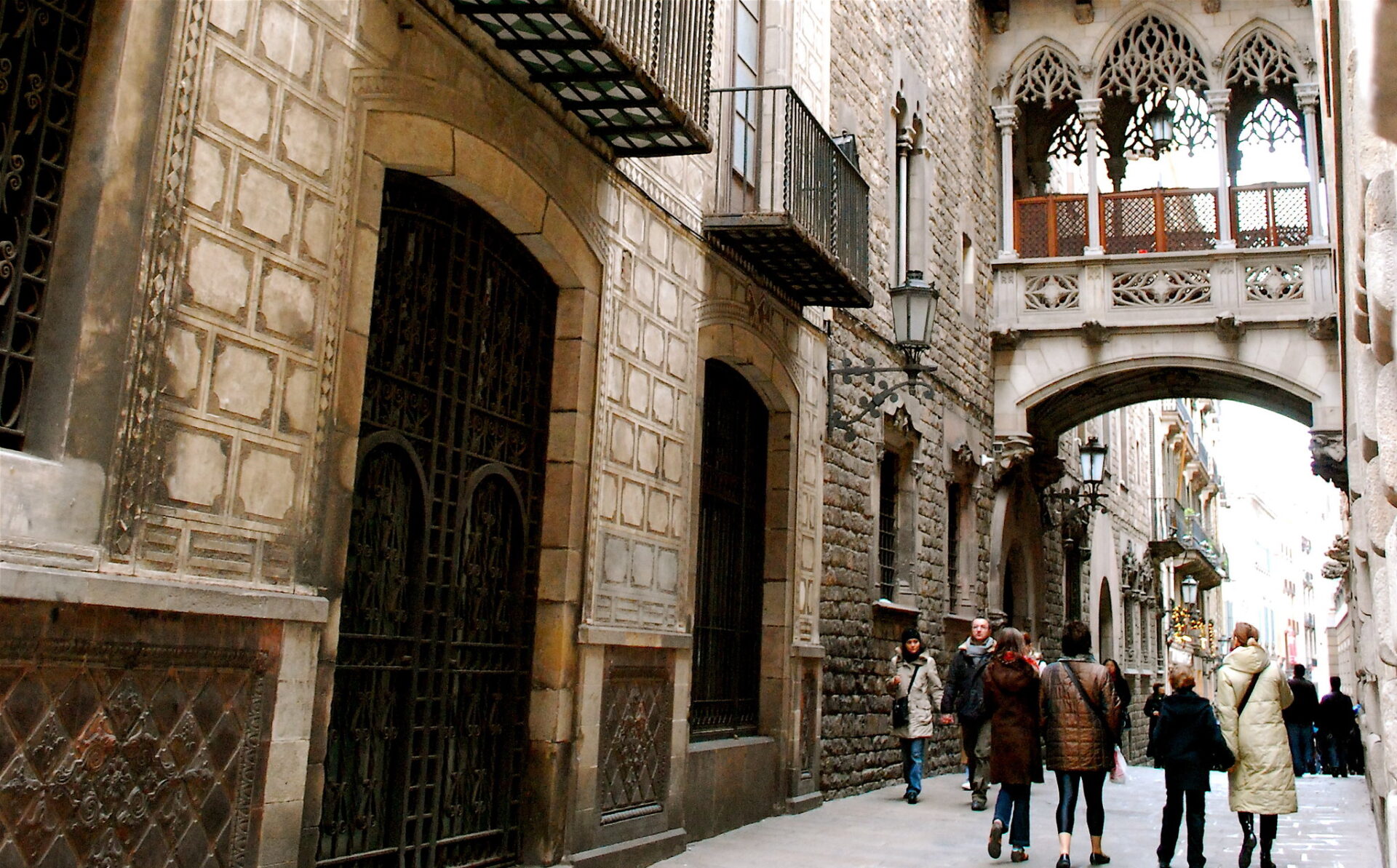
Image Source: Flickr
Walking around La Laguna almost reminds me of exploring the Barri Gòtic. There’s that same mix of old stone buildings and bright, bustling cafés. Sometimes, street musicians strum Spanish guitar tunes, and that hint of Catalonian charm just sneaks in.
Table: Shared Features
| La Laguna | Barcelona |
|---|---|
| Grid street plan | Eixample district |
| Historic buildings | Gòtic Quarter |
| Cafe culture | Rambla cafés |
Cultural Crossroads: Cannes, Picasso, and Artistic Influence
La Laguna’s art scene caught me off guard. It’s a small city, but it somehow reaches far beyond its size.
I stumbled on galleries tucked behind centuries-old facades—many draw inspiration from European art hubs like Cannes in France. Sure, Cannes is famous for its film festival, but it’s also helped spread modern art across Europe.
Some artists who visited Cannes later made their way to Spain and the Canary Islands. While I was in town, I noticed posters for art events celebrating people like Picasso.
The Picasso Museum in Barcelona might be miles away, but his bold, colorful style pops up here too. You’ll see it in murals, café art, and local exhibits.
Art lovers often tell me they like connecting the dots between France’s coast, Barcelona’s museums, and these surprising little corners of La Laguna.
Academic Ties: Astrophysics and Publishing in La Laguna
La Laguna honestly caught me off guard with its academic vibe.
The University of La Laguna stands among Spain’s oldest universities. People know it for strong research in astronomy and astrophysics.
It’s definitely more than just a local institution—scientists from all over Europe actually show up here for conferences and lectures.
Big academic publishers like Elsevier and Palgrave Macmillan feature research from La Laguna in their catalogs. I found a book on Canarian astronomy at a small bookstore, and saw it was published by one of those presses.
If you wander near the university campus, you’ll probably hear students chatting about the latest astrophysics discoveries.
Anyone remotely interested in science or academic travel should keep La Laguna on their radar. It really does have something special going on, even if it keeps a low profile.


