
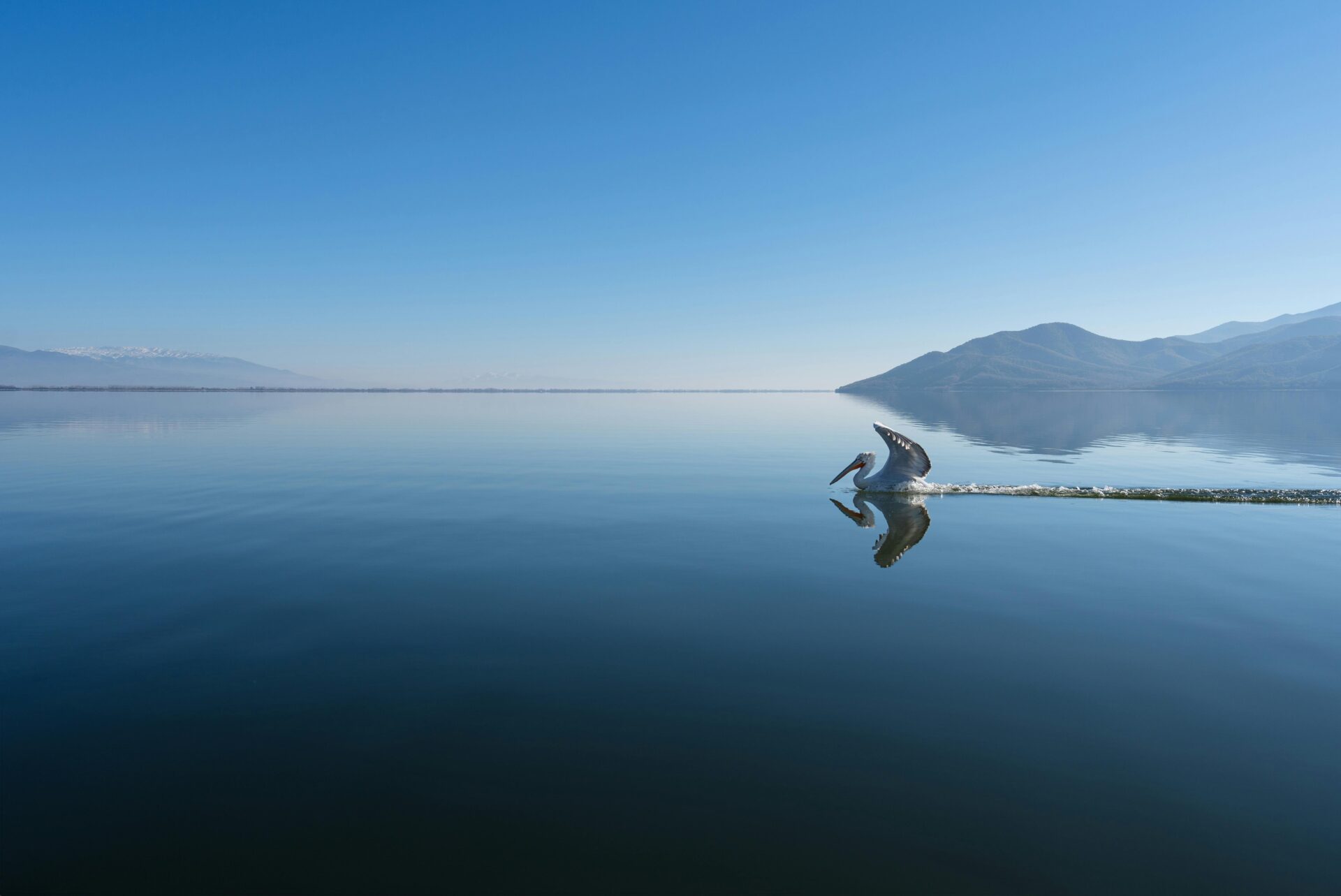
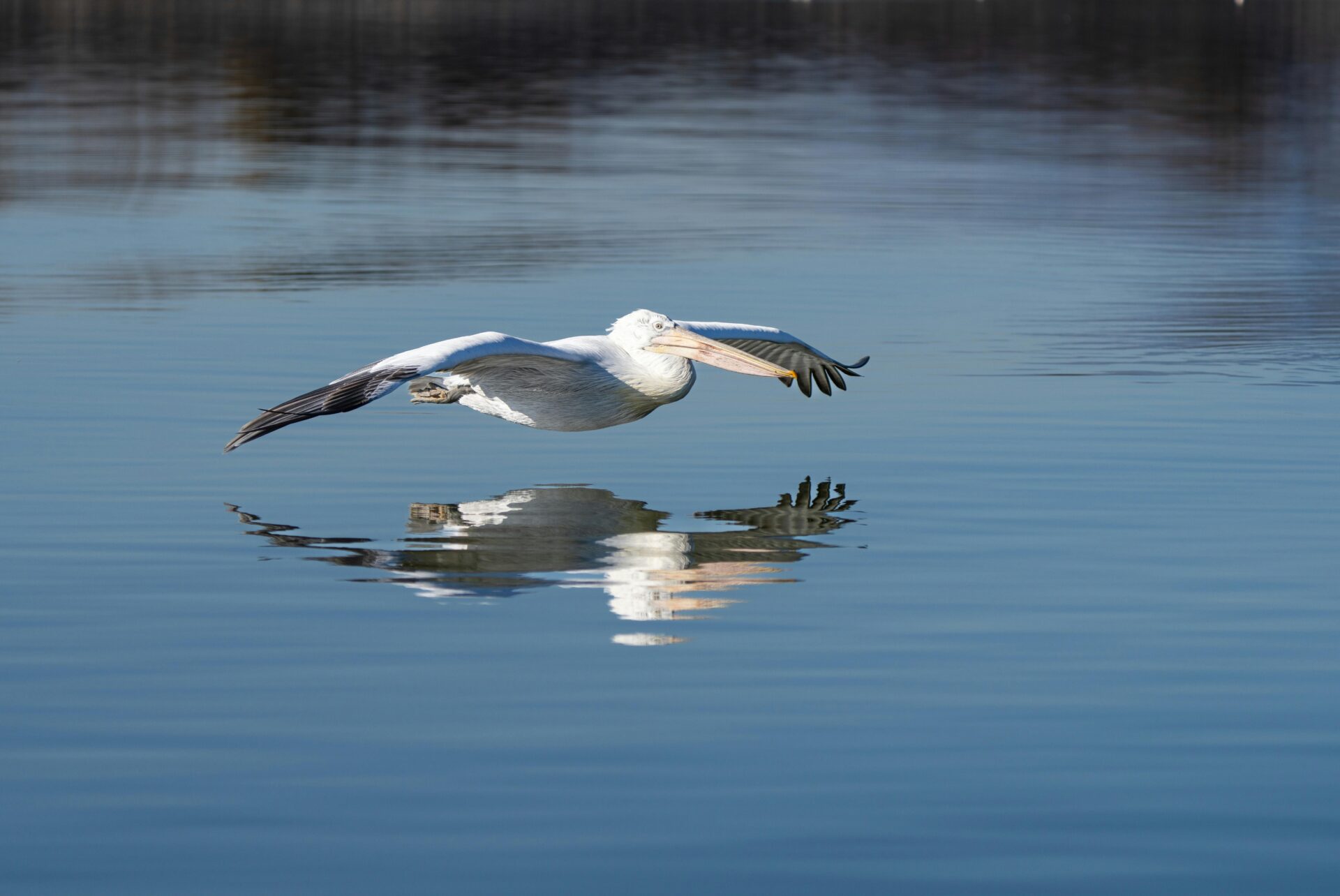
Lake Kerkini in northern Greece stands out as one of the best places I’ve ever been for birdwatching and wildlife photography. I stepped onto a small boat at Mandraki, spotting flocks of great white pelicans soaring over the calm water. Their wings skimmed just above the lake, their bright beaks catching the morning sun.
Flamingos and other birds joined the scene, making every few minutes a fresh surprise for my camera and binoculars.
But it’s not just about the birds. I soon noticed the famous water buffalo grazing at the edge, adding a wild twist to the landscape.
The gentle cruise across the lake brought me close to these massive animals. I realized how many different bird species thrive here, all in one place.
With each passing minute, Lake Kerkini revealed why it’s a true paradise for nature lovers. The peaceful air, the calls of rare birds, and the sight of buffalo wandering in the distance made me feel like I’d stumbled onto a secret corner of Greece.
Arriving at Lake Kerkini: Setting the Scene
My trip to Lake Kerkini kicked off with stunning scenery and a smooth drive through northern Greece. I picked my timing carefully to catch the most wildlife.
Watching the wetlands wake up with birds and water buffalo made it all feel a bit magical.
First Impressions of the Wetland Landscape
When I stepped out of the car, I just had to take a moment. Calm water stretched everywhere, broken by clusters of reeds and the occasional tree poking up.
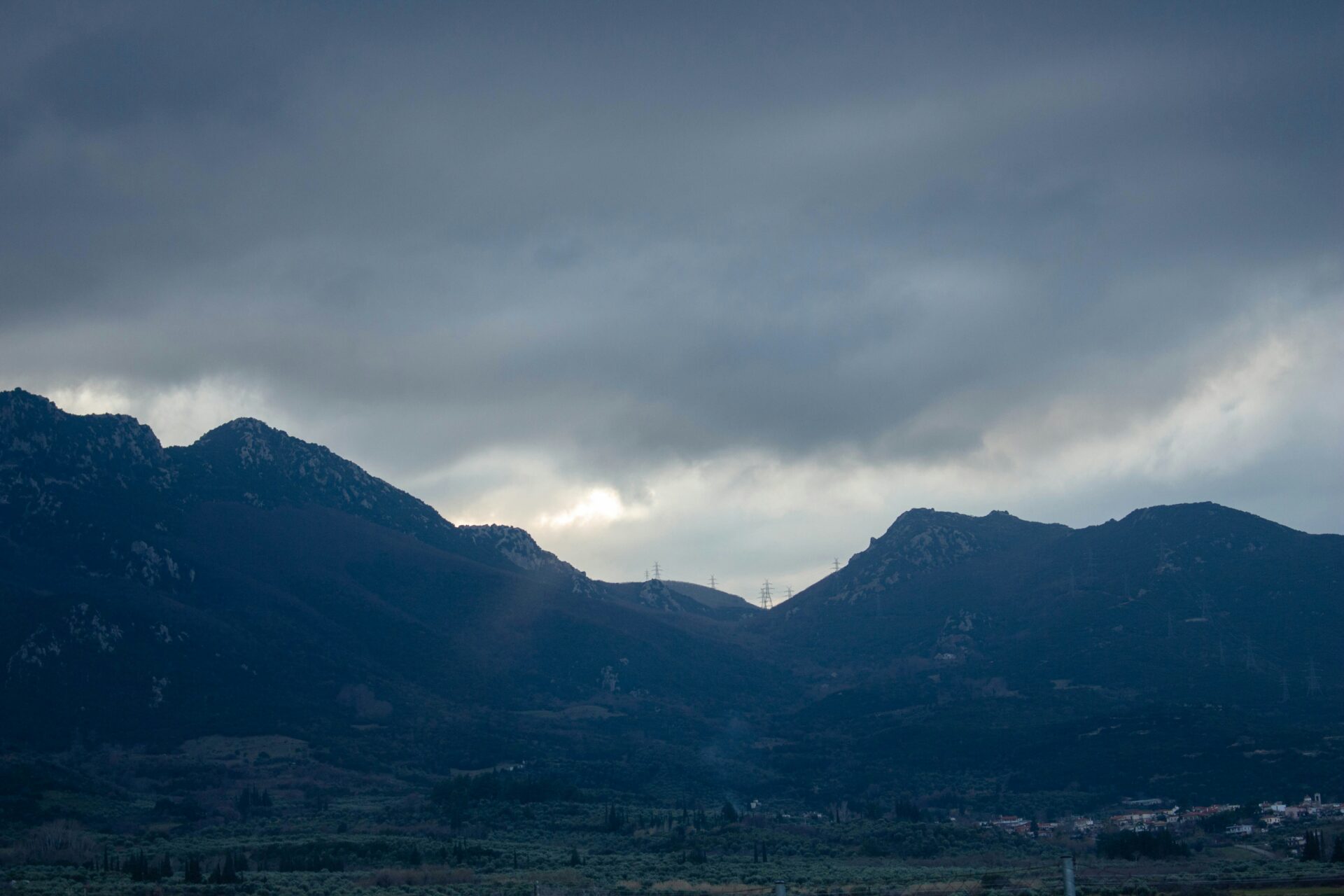
In the distance, snow-topped mountains framed the lake. The whole scene felt almost unreal.
Huge flocks of birds, especially pelicans, glided above the water. Their wings flashed white and silver in the sunlight.
Now and then, I’d spot water buffalo standing knee-deep, munching on grass. The mix of wild birds and grazing animals made everything feel lively but peaceful.
Birdsong hit me immediately—loud and constant. Kerkini buzzes with life, with nature filling every bit of the lake.
For a birdwatcher or anyone who loves nature, this first impression sticks with you.
Getting to Lake Kerkini: Travel Tips and Route
Lake Kerkini sits in Central Macedonia, about 100 kilometers northeast of Thessaloniki. I found the drive easy, passing through rolling fields and small villages.
Google Maps helped, but road signs pointing to “Kerkini” or “Kerkini Lake National Park” made it simple to stay on track.
The closest airport is in Thessaloniki. Renting a car gave me the most freedom to explore.
Buses do run, but schedules can be limited and sometimes require a transfer or two. Parking near the lake is free and easy to find, especially by the main viewpoints and visitor centers.
Before I left, I checked the weather and packed layers. The area can get windy and wet, depending on the season.
Here’s a checklist I found useful:
- Binoculars
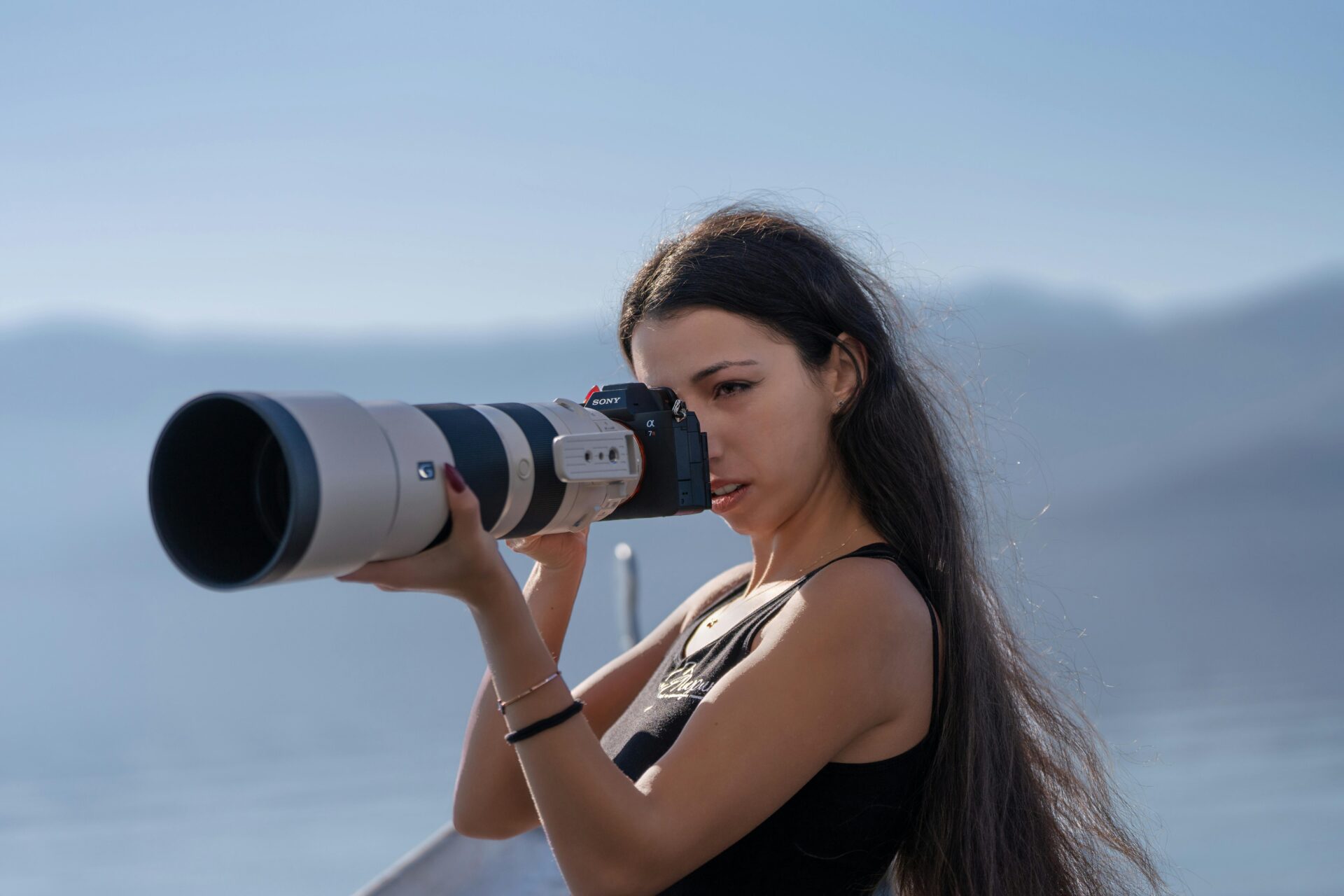
- Camera with zoom lens
- Waterproof shoes
- Hat and sunscreen
- Reusable water bottle
When to Visit for the Best Wildlife Encounters
Spring (April to June) and autumn (September to November) are the best times for birdwatching at Lake Kerkini. Thousands of migratory birds pass through, so sightings are more varied and frequent.
I visited in early spring and saw pelicans, cormorants, and even a few shy flamingos wading in the shallows.
Winter gives the place a different mood. Dalmatian pelicans, rare and impressive, gather in big groups, and the area feels calm and almost silent.
Summer can be hot, with fewer birds around. Long walks by the lake get tiring in the midday heat.
I found that early mornings and late afternoons brought the most wildlife activity. The soft light made for beautiful photos.
Local guides suggested booking a boat tour for the best views and closer looks at the flocks. Weekdays felt quieter, with fewer crowds, so I had more space to enjoy the scenery.

Meeting the Stars: Pelicans and Water Buffalo
Visiting Lake Kerkini felt like stepping into a nature documentary. I watched Dalmatian pelicans up close and saw wild water buffalo moving through the marsh.
Every moment felt vivid and real.
Spotting Dalmatian Pelicans Up Close
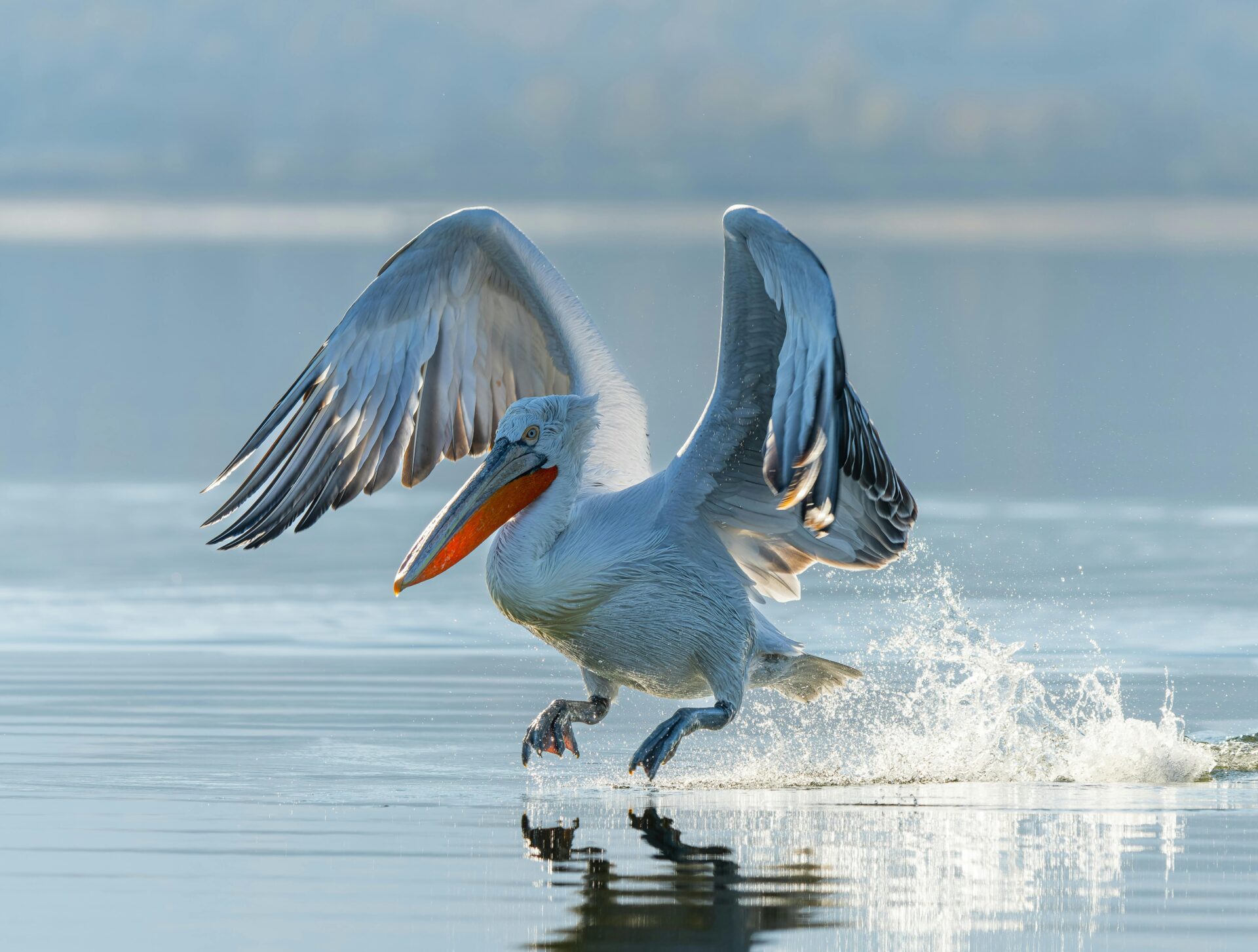
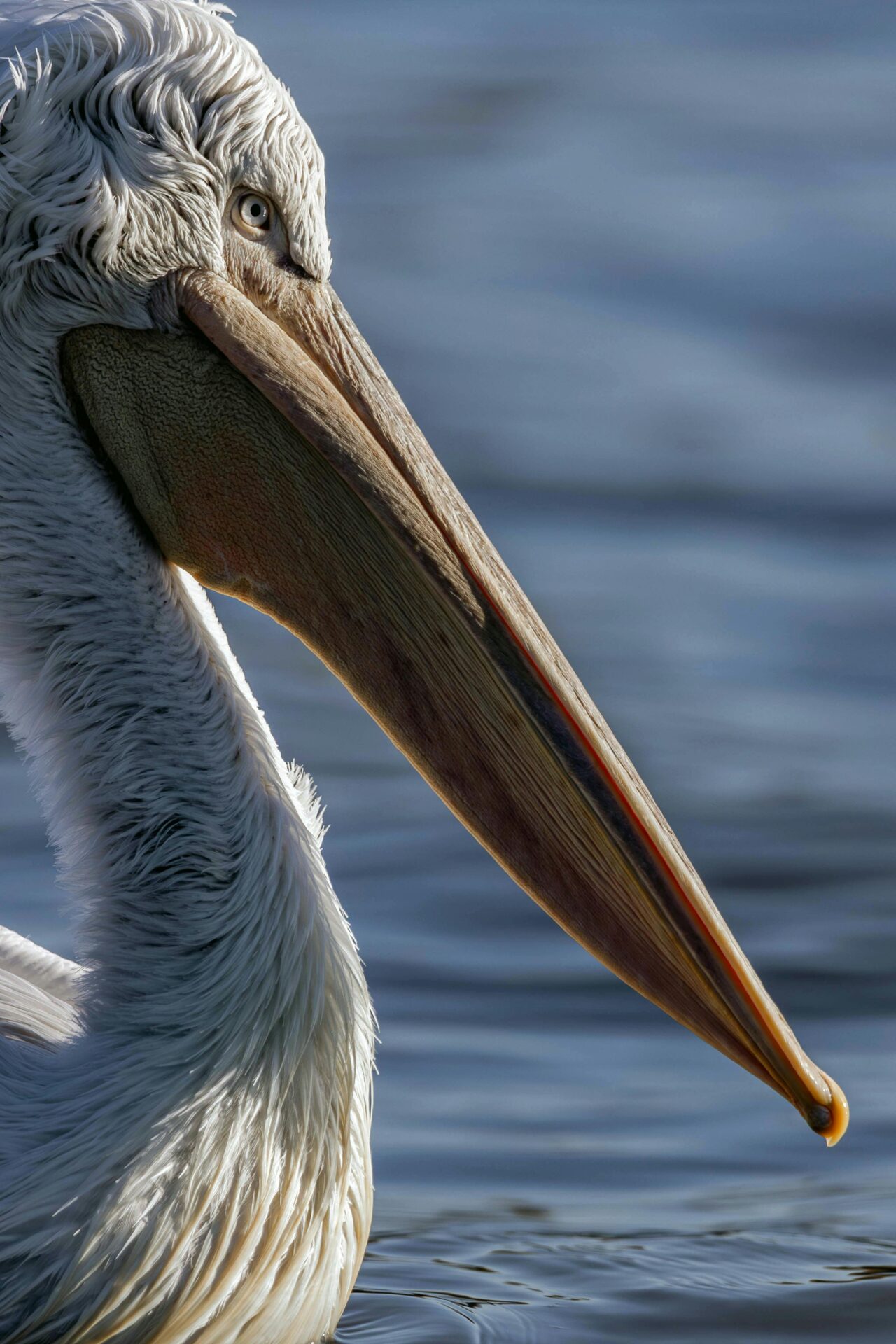
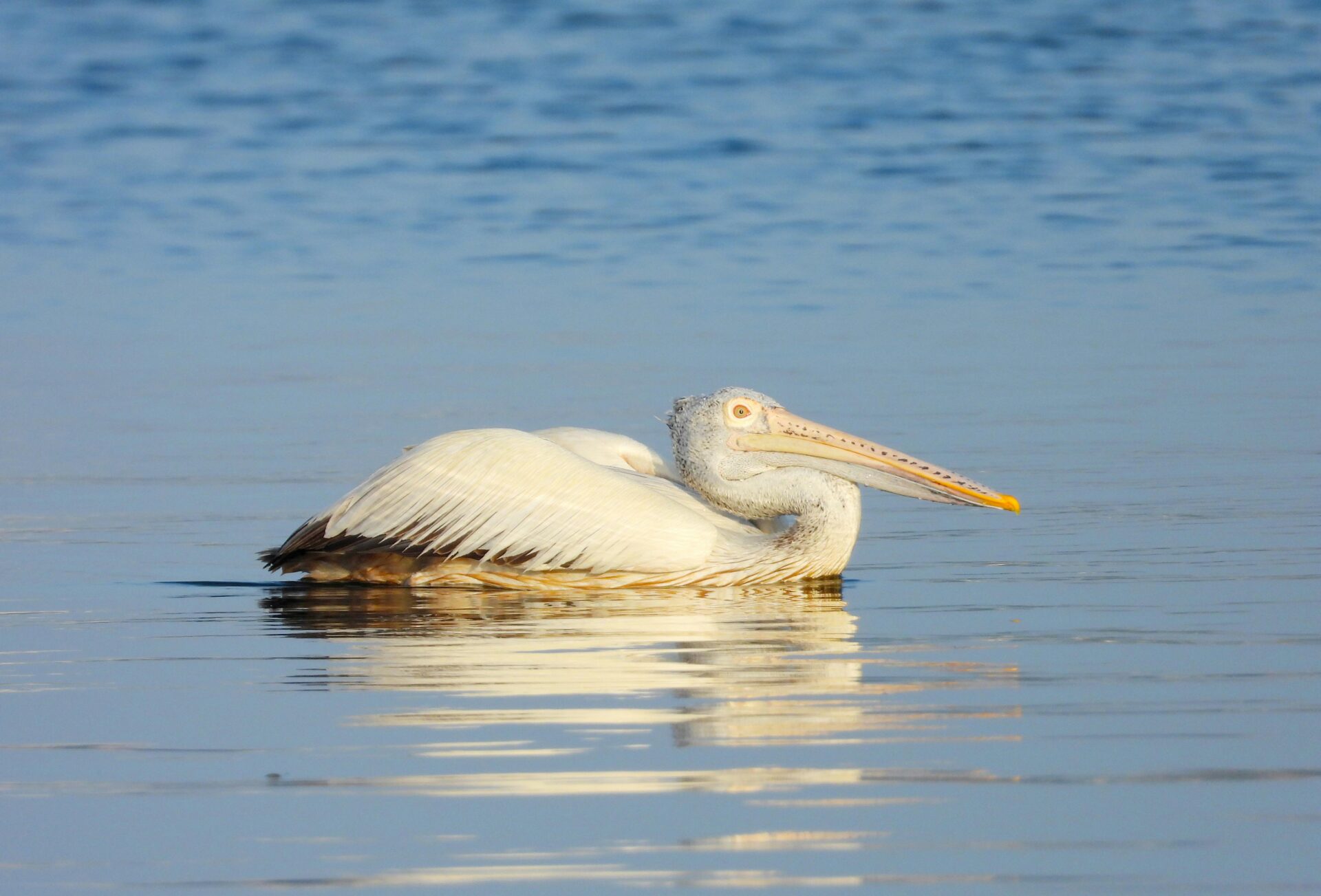
Early in the morning, I stood by the water and saw Dalmatian pelicans—some of the world’s largest and rarest—gliding across the lake.
Their shaggy feathers and bright orange bills seemed to glow in the gentle light.
Local guides run boat tours from Mandraki’s harbor. I hopped onto a small boat that drifted quietly near the flocks.
The pelicans didn’t seem to mind us. Their wingspans are massive—over three meters, sometimes.
I watched them scoop up fish with surprising speed. The splash was close enough for detailed photos.
Honestly, I didn’t expect it to be so easy to see these wild birds from just a few meters away.
Up-Close Encounters with Wild Water Buffalo
My first glimpse of wild water buffalo caught me off guard—a huge dark shape feeding right at the water’s edge.
Kerkini is famous for these animals, which roam freely across the flooded fields and grasslands.
They moved in small herds, calves sticking close to their mothers. Sometimes they waded deep into the shallows, cooling off and feeding.
From a safe distance, camera ready, I watched a group bathe and wallow in the mud.
It struck me how peaceful and relaxed the buffalo seemed. Local guides told me the species have lived here for generations.
Seeing them in their element felt like a real highlight, something I hadn’t expected.

Observing Unique Animal Behaviors
Both pelicans and buffalo showed off some interesting habits. The pelicans often gathered in loose groups, fishing together.
I found it amazing how they worked as a team, driving fish toward the shore.
The buffalo showed strong social bonds. Adults watched over calves, nudging them gently, and sometimes let out low calls.
Their slow, steady movements told me they truly belong in this wetland.
Birdwatching at Kerkini makes it easy to notice these animal behaviors, even if you’re new to it.
Binoculars or a zoom lens help you catch every subtle gesture. These moments brought the lake’s wildlife even closer for me.
Birdwatcher’s Paradise: Avian Wonders Beyond the Pelicans
Lake Kerkini isn’t just about pelicans. Every visit brings a rich mix of birds, rare species, and moments that keep me coming back.
Morning Boat Rides for Prime Birdwatching
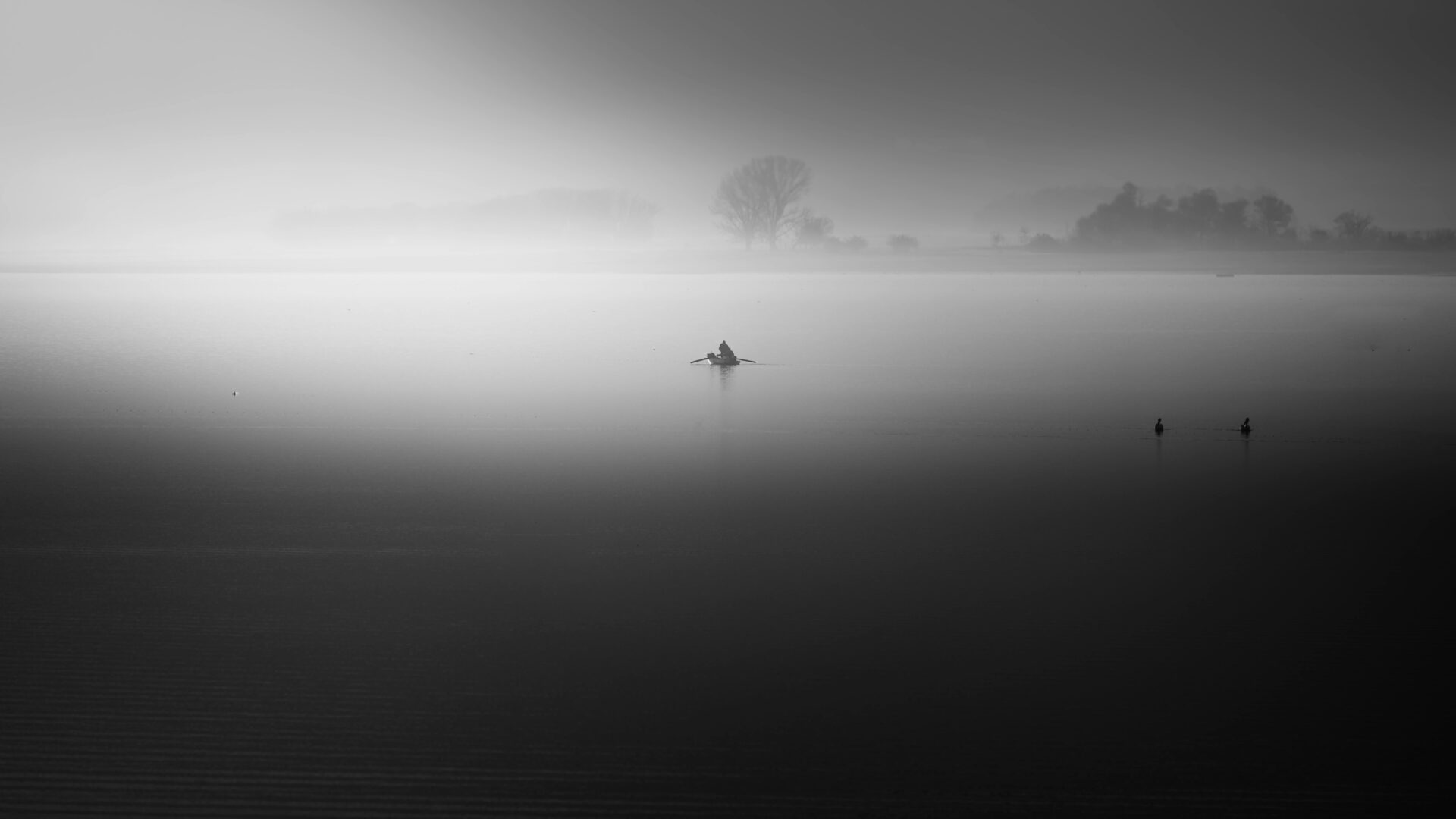
My favorite way to start the day at Kerkini? Definitely a morning boat ride.
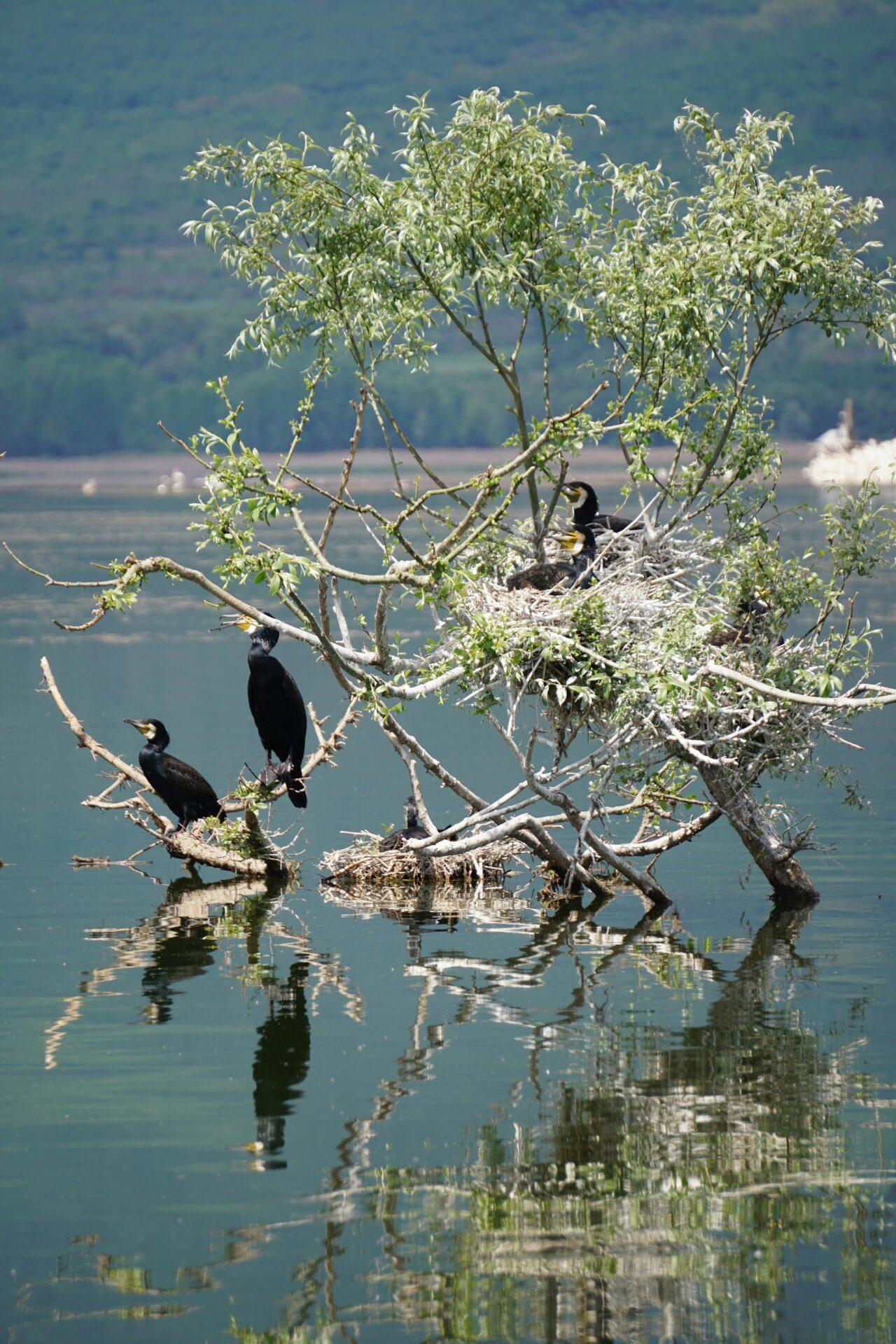
The sunrise light is perfect for spotting wildlife. Boats drift quietly near reed beds and islands, where birds gather undisturbed.
I often saw herons, cormorants, and Dalmatian pelicans gliding low over the water.
Some mornings, kingfishers darted between branches, and bee-eaters called from the shore. Cruising slowly helped me spot shy marsh terns and the occasional spoonbill feeding with its odd bill.
Guides know the lake’s hotspots and help you notice species you’d otherwise miss. Early hours are quiet, and the birds are most active—ideal for birdwatchers, whether you’re new or experienced.
Photographing Rare and Endemic Birds
Lake Kerkini offers endless chances for photographers chasing rare birds. Besides pelicans, I’ve focused on squacco herons, glossy ibises, and black storks.
Reed beds hide shy bitterns and warblers. Open waters sometimes surprise me with a flash of purple swamphen.
Spring brings waves of migratory birds, adding even more photo opportunities.
Patience pays off here. Staying still in a boat or at a hide can lead to close encounters—a roller landing nearby or hundreds of flamingos lighting up the lake.
I use a fast shutter speed for flight shots but also enjoy capturing quiet portraits. There’s something special about freezing a bird mid-action in its wild home.
Essential Gear and Apps for Birdwatching
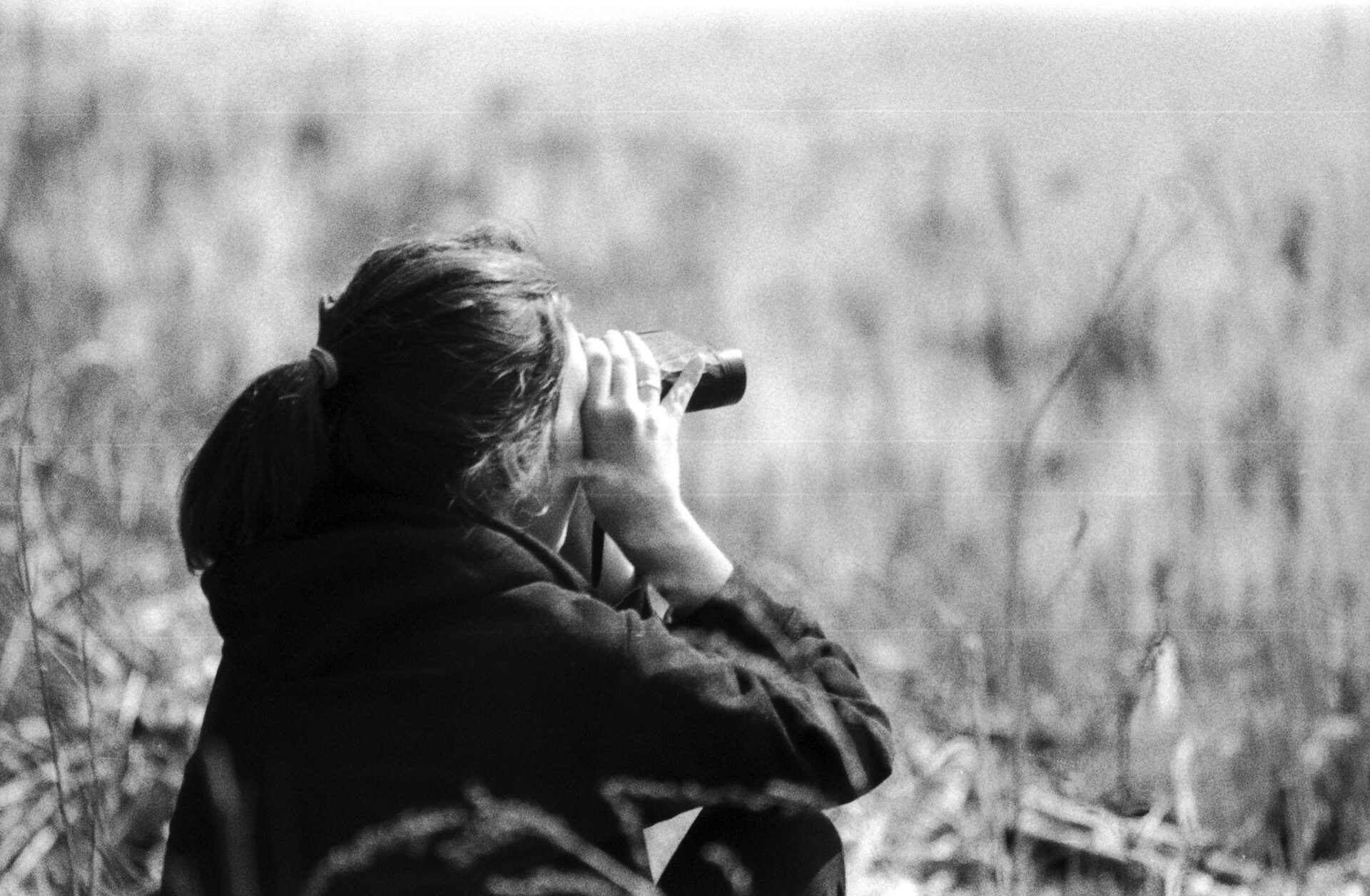
Packing the right gear really makes a difference at Kerkini. I always bring lightweight 8×42 binoculars for a bright, wide view.
My camera setup includes a telephoto lens—300mm or more works best. For muddy paths, waterproof boots are a lifesaver, and a sun hat helps during long days outside.
Apps like Merlin Bird ID or iBird help me quickly identify new species, whether by sight or sound. I jot down notes in a notepad or phone app to remember my best finds.
A light tripod keeps my photos steady, and a portable charger means my devices last all day. With the right setup, I can focus on enjoying the birds and soaking in the peaceful lake.
Authentic Sightseeing: Exploring Local Culture and Nature
Lake Kerkini isn’t just a birdwatcher’s dream—it’s a place where village life, local food, and natural beauty all come together.
Getting involved in daily life here gave me a deeper connection to the land and its people.
Village Life Around Lake Kerkini
I started my visit in the villages that dot the lakeshore. Traditional houses with red roofs and narrow paths showed me a slower pace of life.
Early mornings, I saw fishermen preparing nets and farmers tending their fields.
Locals greeted me warmly. Many make a living from fishing, animal husbandry, or farming.
Water buffalo are everywhere, especially near Mandraki village, adding to the region’s unique feel.
Walking through villages like Livadia, I found small shops selling handmade goods—lace, woven baskets, and jars of local honey lined the shelves.
Nearby, I heard goat bells and villagers chatting in the main square. Life here moves at its own gentle rhythm.
Sampling Traditional Macedonian Cuisine
My curiosity—and appetite—pulled me into local tavernas to try Macedonian dishes. Water buffalo features in many meals, considered a real delicacy here.
“Kavourmas,” a slow-cooked buffalo stew, stuck with me—rich, earthy, and hearty.
Common Macedonian Dishes Found at the Lake:
| Dish Name | Main Ingredients | Description |
|---|---|---|
| Kavourmas | Buffalo meat, onion | Hearty stew, rich and tender |
| Bougatsa | Pastry, cream/cheese | Flaky breakfast pastry, creamy or savory |
| Grilled Trout | Freshwater fish | Freshly caught, simply seasoned |
Local cheeses and yogurt made from buffalo milk came with almost every meal. After lunch, I’d sip Greek coffee and watch herons land along the shore.
Eating here really means tasting the landscape, from fresh river fish to wild herbs on salads.

Nature Walks and Cycling Adventures
Spending time outdoors in Kerkini was a highlight for me. I set out on marked trails looping around reed beds and wildflower meadows.
These paths let me get close to the lake’s famous birdlife without feeling rushed.
Pelicans soared overhead, and kingfishers zipped by in flashes of color.
Cycling is a great way to explore, too. I rented a bike in Kerkini village and followed well-kept paths along the water’s edge.
The gentle terrain suits all skill levels, and there are plenty of spots to pause for photos or just rest.
With every step or pedal, I heard frogs, buzzing insects, and villagers working in their fields. Whether on foot or bike, these adventures let me soak up Kerkini’s natural charm at my own speed.

Essential Tips for Your Lake Kerkini Adventure
Choosing the right place to stay and figuring out how to explore Lake Kerkini can shape your whole trip.
It really made a difference for me. Smart packing and a bit of planning save you hassle and give you more time for birdwatching, boat rides, and peaceful moments by the lake.
Recommended Accommodation for Birdwatchers
Staying close to the lake gave me the best shot at spotting birds as soon as the sun came up. You’ll find several small guesthouses and eco-lodges scattered around the villages by Kerkini.
A lot of these places serve early breakfasts, and some even rent out binoculars—which, honestly, is a great touch for bird lovers.
If you can swing it, book a room with a lake view. Waking up and seeing pelicans glide across the water? That’s something I won’t forget in a hurry.
In Kerkini town, friendly family-run hotels serve up tasty local food. The owners usually have plenty of birdwatching tips to share, too.
Here’s a quick review table from my notes and what locals suggested:
| Accommodation Type | Best For | Perks |
|---|---|---|
| Eco-lodge | Nature lovers | Lake views, quiet, local meals |
| Family-run guesthouse | Budget travels | Local tips, homemade breakfast |
| Hotel in Kerkini | Groups & comfort | More amenities, bigger rooms |
Try to reserve early during peak migration seasons. It gets busy.

Guided Tours vs. Independent Exploration
Figuring out how to explore Kerkini is a big part of the trip. On my first visit, I joined a guided birdwatching tour.
My guide brought a powerful scope, spotted rare birds I would’ve missed, and tossed out facts about everything—from water buffalo to flamingos.
Guided boat tours get you close to pelicans, while jeep safaris reach those hidden birding spots. If you’re new to the area, I’d say join a tour at least once. It really helps you get your bearings and learn about the local wildlife.
Going solo gives you freedom. I liked wandering by the lake at sunrise and biking to quiet villages at my own pace.
But if you go independent, you’ll need to bring your own binoculars, maps, and maybe brush up on your bird species before the trip.
Key Decision Points:
- Guided: Expert knowledge, gear included, usually better at finding wildlife
- Independent: Flexible schedule, more of a personal adventure, extra planning required
Honestly, I ended up mixing both. That seemed to work best for me.
Packing List and Planning Advice
Packing right made my Kerkini trip so much easier. Here’s what I brought along:
- Binoculars and a camera (I grabbed a zoom lens for bird photos)
- Lightweight, neutral clothes—these help you blend in and stay comfortable
- Hiking shoes and a sun hat
- Rain jacket (the weather can flip on you, even late in spring)
- Reusable water bottle and a few snacks
- Field guidebook for birds, or just a handy bird app on your phone
- Notebook—I liked jotting down birds and sightings as I went
Planning really matters too. Most birds get active early, so I set my alarm and just packed breakfast to eat on the go.
Boat rides fill up fast during migration season (spring and early autumn), so I booked ahead.
If you’re not driving, you’ll want to check bus times and confirm transfers before you go—schedules are pretty limited.
Honestly, I’d stay at least two days if you can. I always spotted new birds on my second morning, and it’s just more relaxing that way.
