
Standing at the edge of Capo Vaticano honestly feels like stumbling onto one of Italy’s best-kept secrets.
The lighthouse sits 108 meters above the Tyrrhenian Sea, guiding sailors since 1885 with its four flashes every 20 seconds.
From this panoramic viewpoint, you’ll get some of the most breathtaking coastal views in all of Calabria. On a clear day, you can see an impressive 44 kilometers across the sparkling waters.
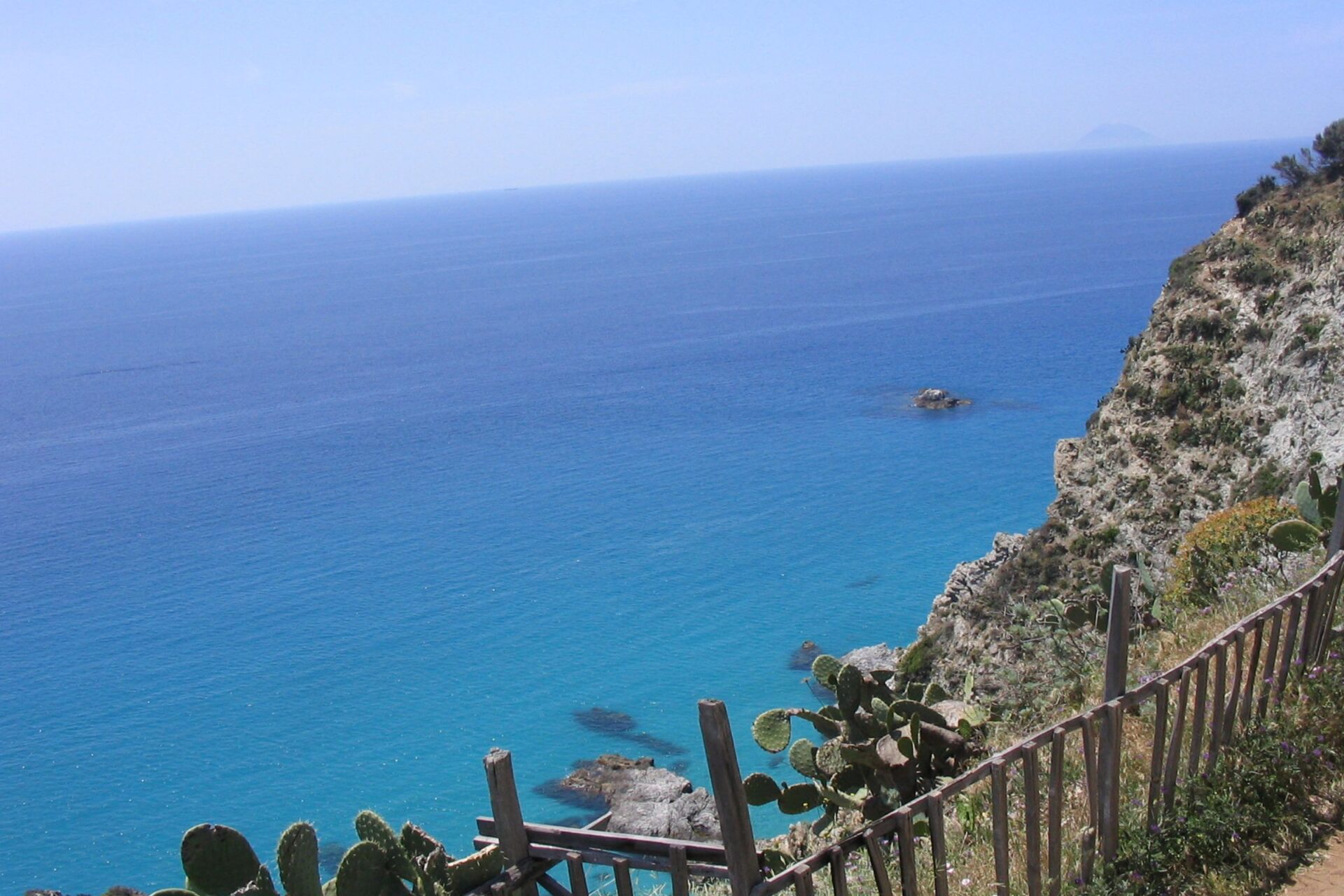
During my first visit to this southwestern Calabrian gem, the sunset left me speechless—those oranges and pinks just don’t happen everywhere.
The lighthouse isn’t especially tall—just 8 meters—but its spot atop the dramatic promontory turns it into an iconic silhouette against the sky.
I always find the path up to the lighthouse a treat, each step revealing even more stunning vistas.
Capo Vaticano really stands out because it blends natural beauty with cultural depth.
Lots of people come for the beaches, but I always tell folks to make the trek up to the lighthouse for the full experience.
The rugged cliffs and gentle Tyrrhenian Sea below create a landscape that feels made for photographers, especially during the golden hour when the lighthouse casts those long, dramatic shadows.
The Lighthouse: A Beacon Over the Tyrrhenian
Capo Vaticano Lighthouse stands tall on Calabria’s southwestern coast, guarding one of Italy’s most jaw-dropping views.
This maritime sentinel has guided ships for generations and now draws travelers searching for panoramic vistas.
History and Significance of Capo Vaticano Lighthouse
Capo Vaticano’s lighthouse has helped ships navigate the Tyrrhenian Sea for decades.
When I explored the cape, I realized this lighthouse is more than a safety feature—it’s basically a symbol for the whole region.
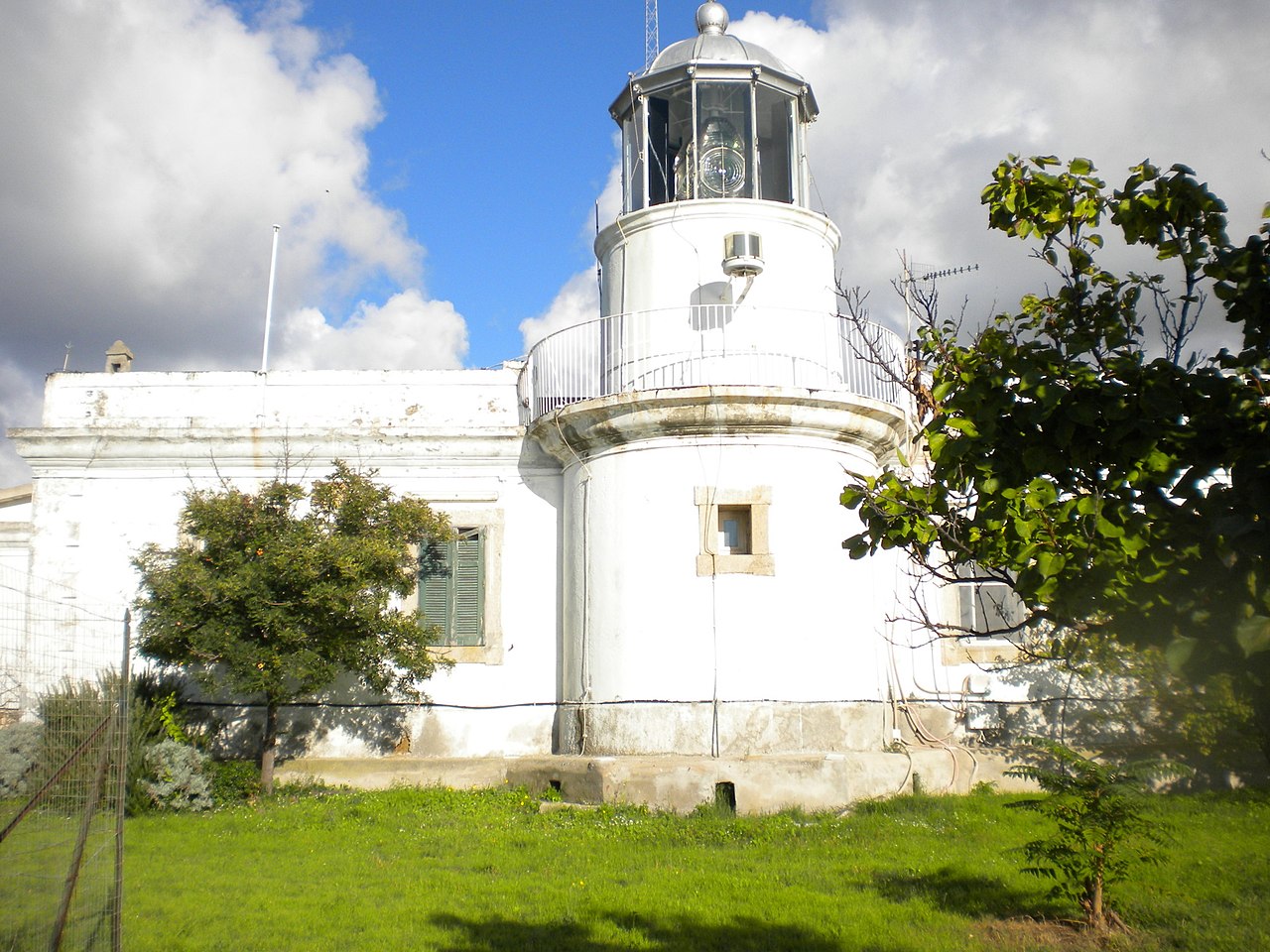
Image Source: Wikimedia Commons
The lighthouse sits in a strategic spot on the promontory, letting its beacon shine far across the water.
Local sailors have always relied on its guiding light, especially when the sea turns unpredictable.
Its location on one of Calabria’s most scenic capes makes it special.
It’s not just functional—it stands as a historic landmark and a piece of the maritime heritage of this beautiful coastline.
Lighthouse Architecture and Design Details
The Capo Vaticano Lighthouse rises 17 meters from its base, sitting more than 53 meters above sea level.
Its white cylindrical tower pops against the blue Tyrrhenian Sea and the green landscape.
When I visited, the lighthouse’s simple yet elegant design really struck me.
It’s got that practical Mediterranean style—functional, but still easy on the eyes.
At the top, the lantern room houses the light that still does its job today.
Big windows let the beacon shine in all directions, helping vessels stay safe along the coast.
What’s really impressive is how the builders designed it to withstand harsh marine weather.
That sturdy construction has kept it shining after decades of salt air and storms.
Lighthouse of the Mediterranean: Legends and Stories
As I walked the path to the lighthouse, locals shared stories about mysterious lights on foggy nights—supposedly spirits of lost sailors finding their way home.
These tales have become part of the lighthouse’s folklore.
Fishermen still see passing the lighthouse as a good omen before heading out, sometimes waving to it as a sign of respect for the sea and its guardians.
During World War II, the lighthouse reportedly helped allied forces navigate safely.
Local guides love to share these stories, connecting visitors to the region’s past.
For photographers and romantics, the lighthouse stands as a symbol of hope and guidance.
I’ve seen plenty of couples watching the sunset from its base, maybe finding meaning in its steady presence against all the changes of time.
Dramatic Landscapes and Unmatched Panoramic Views
Capo Vaticano’s landscapes offer some of Calabria’s most stunning views.
The white rocky promontory juts into the sea, creating a natural platform that’s wowed visitors for generations.
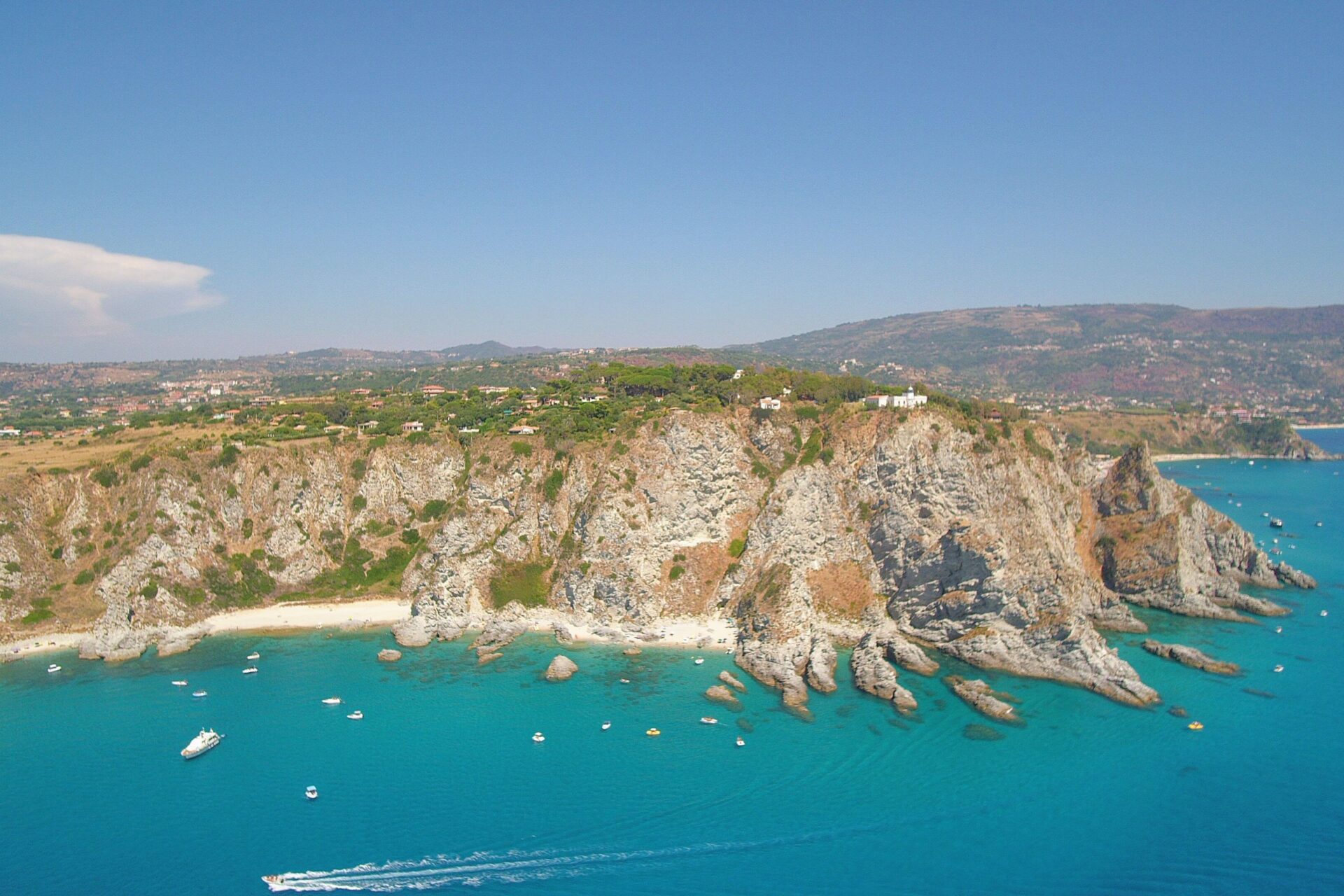
The Rugged Cliffs and Natural Formations
The white cliffs here are just spectacular.
Centuries of waves have sculpted them into dramatic shapes, and the contrast with the deep blue water below is something you have to see.
Standing at the edge, you really feel the power of nature.
The promontory rises about 100 meters above sea level, creating dramatic drops that are perfect for photos.
This unique white granite is special to the area, eroded into shapes that almost tell stories on their own.
Some locals say these rocks have mystical properties, and honestly, standing among them, I kind of get it.
Walking along the winding paths, I found hidden coves and tiny beaches tucked between the cliffs.
Stunning Views of the Tyrrhenian and Mediterranean
The panoramic views from Capo Vaticano really blow me away.
I’ve traveled a lot, but few spots match this vantage point over the Tyrrhenian Sea.
On clear days, you can see for miles across the water.
The horizon just stretches on, with shades of blue melting into the sky.
This strip of land before the Straits of Messina offers a unique view.

I could watch the coastline curve dramatically in both directions.
The lighthouse, built in 1870 and first lit in 1885, is the perfect place to take it all in.
Binoculars help you appreciate just how vast the seascape is.
Spotting Stromboli and the Aeolian Islands
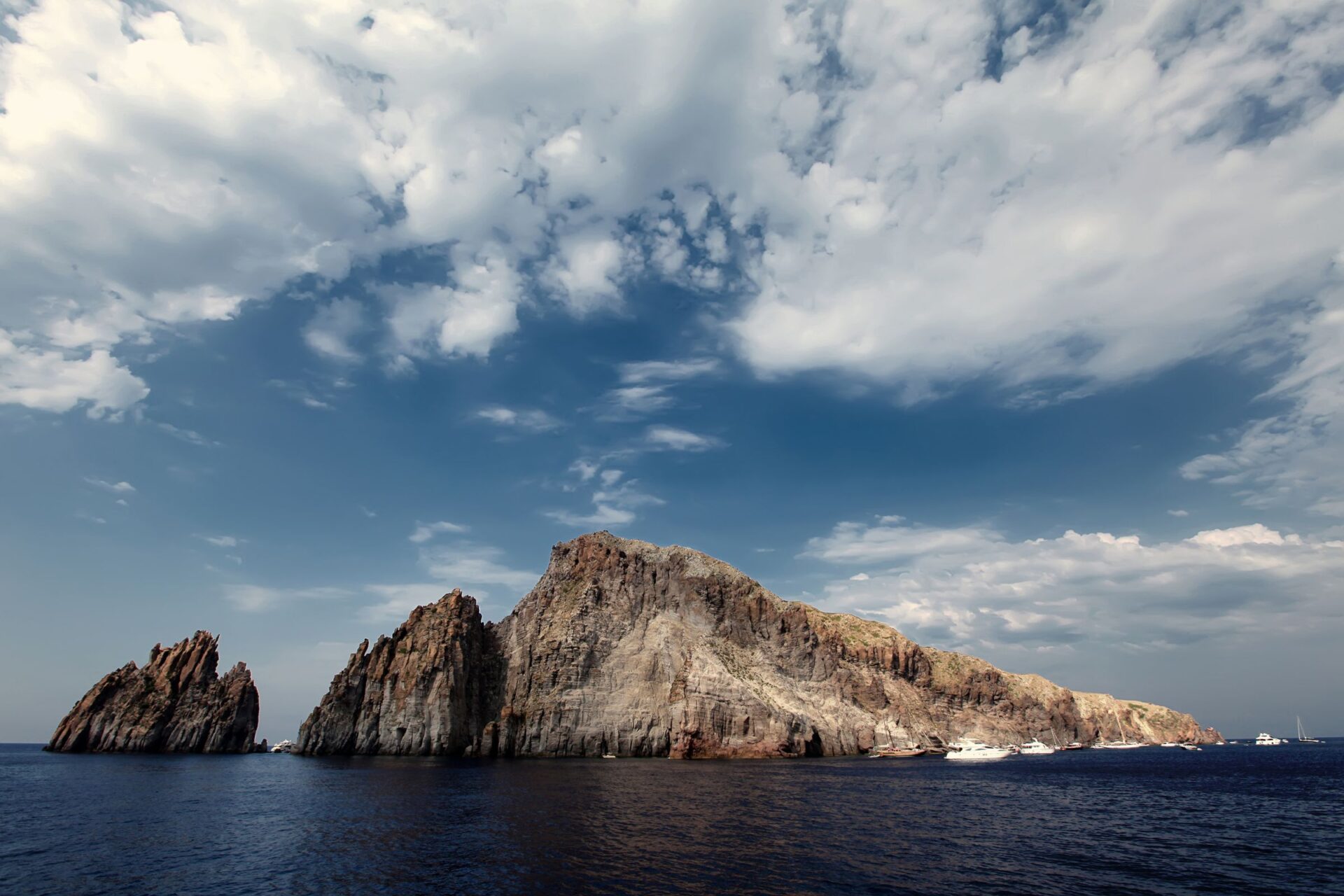
One of my favorite things at Capo Vaticano is spotting the Aeolian Islands in the distance.
On clear days, these volcanic islands look like misty shadows on the horizon.
Stromboli, the active volcano, is especially thrilling to spot—sometimes you can even catch smoke drifting from its crater.
I got lucky and saw this little natural show during my visit.
The islands form a beautiful archipelago, each with its own character.
For the best views, I go early in the morning when the air is clearest.
A good camera with a zoom lens will help you capture these distant wonders.
Golden Hour: Colors and Lighting Phenomena
Sunset at Capo Vaticano is something else.
As the sun drops, the whole landscape glows with golden light.
The white rocks turn amber and the place becomes a photographer’s dream.
I’ve never seen colors quite like the ones here during golden hour.
The sky shifts from orange to pink to purple, with those reflections dancing on the water.
The lighthouse gets especially dramatic at this time, its silhouette against the sky making for an iconic photo.
I try to arrive about an hour before sunset to grab a good spot.
And trust me, bring a light jacket—the sea breeze can get chilly as the sun goes down.
Outdoor Adventures: Hiking, Swimming, and Snorkelling
Capo Vaticano is a playground for outdoor lovers.
Rugged cliffs, crystal waters, and scenic trails make it a top spot for adventure in southern Italy.
Hiking Trails and Coastal Walks
Monte Poro offers the best panoramic views in the area.
The hiking trails wind through Mediterranean vegetation, opening up to breathtaking sea vistas at every turn.
On my morning hikes, I spotted local wildlife and breathed in the scent of wild herbs lining the paths.
Most of the coastal walks are pretty accessible, though I’d recommend sturdy shoes for the rockier bits.
My favorite route hugs the cliffs from the lighthouse toward the smaller bays.
This trail gives you epic views of the Aeolian Islands, and sometimes you can even see Stromboli’s volcanic activity.
If you’re new to hiking, try the shorter 3km loop near the village—it’s easy but still delivers killer scenery.
Swimming Spots with Breathtaking Backdrops
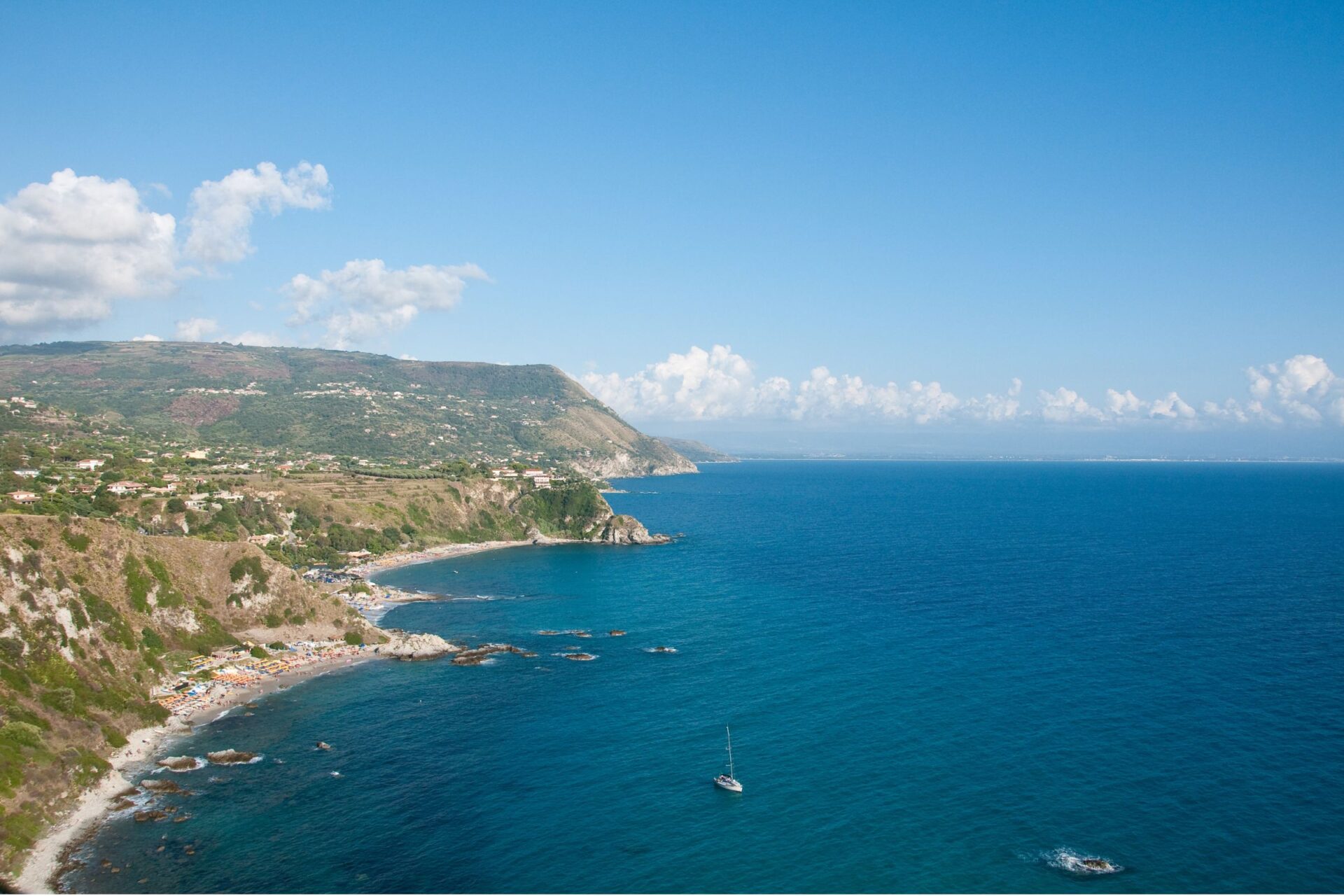
The beaches around Capo Vaticano have some of the clearest water I’ve ever seen.
Each cove feels like a secret paradise, framed by those dramatic white cliffs.
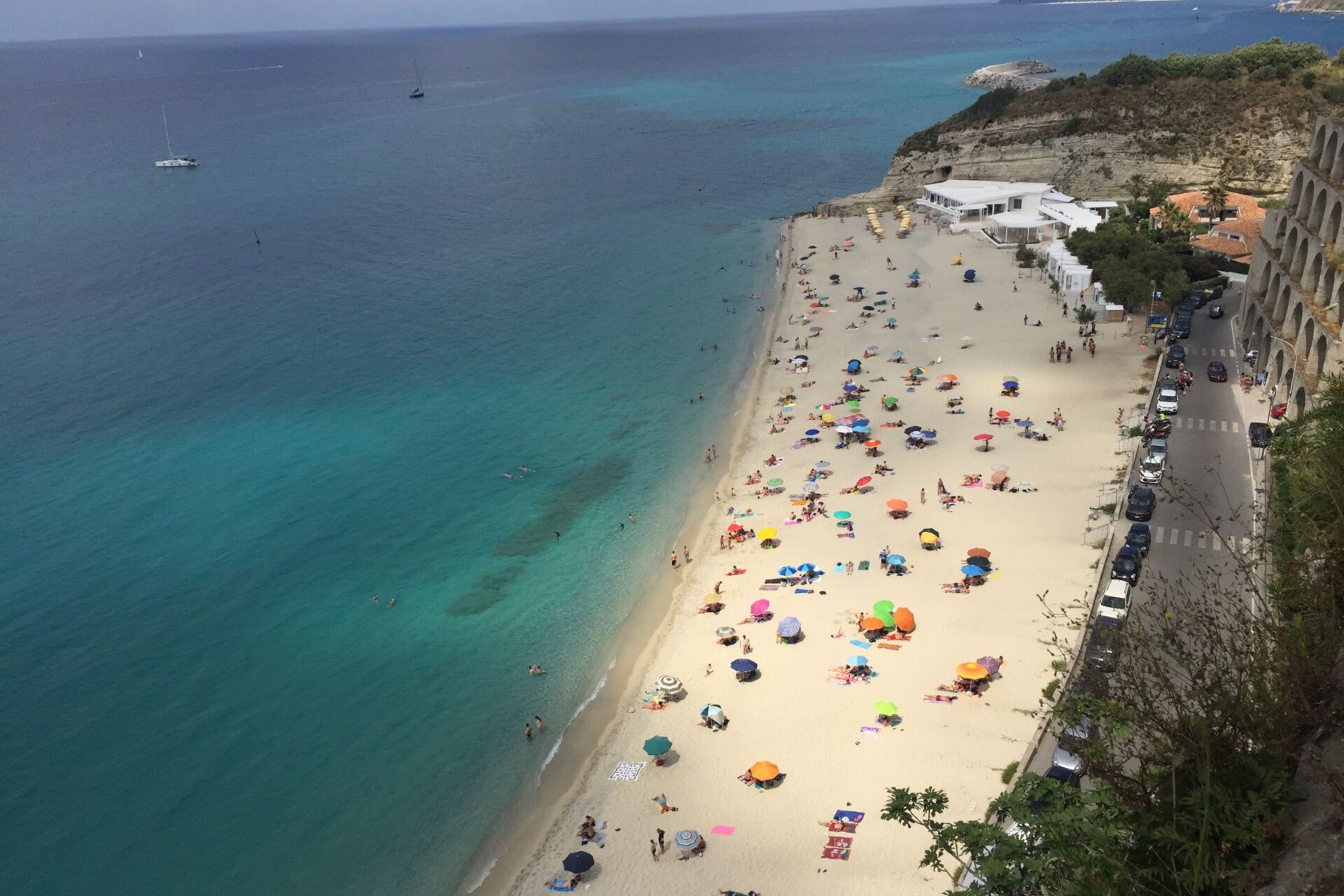
Grotticelle Beach quickly became my go-to swimming spot, with its fine white sand and gentle slope into turquoise water.
The contrast between the bright sea and the white rocks is pure postcard material.
For something quieter, check out the little bay just north of the lighthouse.
It takes a short climb down, but you’ll find crystal water and way fewer people.
Morning swims are the most peaceful—the water’s so calm and clear that you can spot fish meters below.
Snorkelling in Crystal-Clear Waters
I’ve snorkelled all over, but Capo Vaticano’s underwater visibility is next level.
The volcanic geology creates fascinating underwater landscapes teeming with life.
My favorite snorkelling spot was the rocky reef near Formicoli Beach.
Colorful fish dart between rocks and sea grass, and the water’s so clear you can see down 20 meters or more.
Local boat trips take snorkellers to hidden spots along the “Coast of the Gods.”
These tours usually include gear and a guide to show you the best sights.
If you’re just starting out, the protected coves are perfect—minimal currents and loads of Mediterranean fish, starfish, and even the occasional octopus hiding among the rocks.
Visual Wonders: Capturing Capo Vaticano Through Pictures and Videos
Capturing Capo Vaticano’s beauty has become a bit of an obsession for travelers and photographers.
The white cliffs, clear waters, and panoramic views make it a dream for memorable images.
Photography Hotspots and Inspiration
The area around the lighthouse is my top pick for photos.
From up there, you can frame the whole coastline, with the Tyrrhenian Sea stretching out forever.
The white rocks and blue water create wild visual drama.
Sunset changes everything—the golden light bathes the cliffs, making even basic photos look incredible.
The coves and grottos below the promontory offer intimate perspectives that highlight the area’s unique geology.
For something different, I like to wander down to the small beaches you can reach by foot paths.
The massive white rocks make natural frames for your shots.
If you’re into underwater photography, early morning light gives you the clearest water.
Stock Photos, Videos, and Artistic Vectors
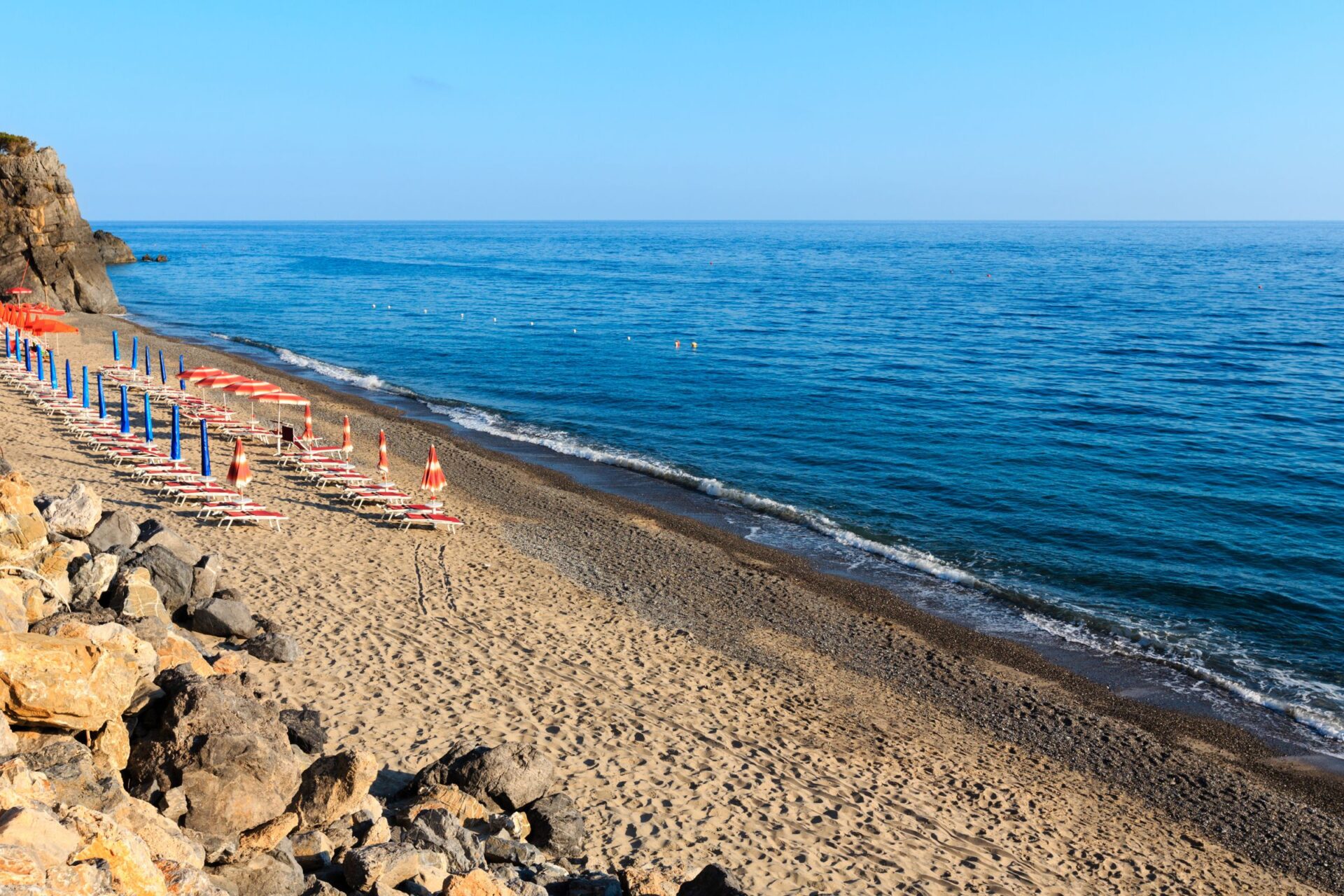
You’ll find loads of professional stock photos of Capo Vaticano on sites like Getty Images.
These collections feature:
- Panoramic coastline shots
- Aerial views of the promontory
- Secluded beaches and coves
- Dramatic cliff formations
Drone footage has really taken off, showing sweeping videos of the peninsula and its hidden beaches.
These aerial views reveal the true scale of this wild place.
Vector artists have also jumped on board, creating stylized versions perfect for travel posters and digital projects.
Their art usually highlights the stark white cliffs against the deep blue sea.
Tips for the Best Panorama Shots
I always pack a wide-angle lens for Capo Vaticano. The sweeping views up there? You just can’t capture them without it.
The promontory sits high above the sea, so you need some panoramic tricks to really show off how it towers over the coastline.
If I want stable panoramas, I:
- Use a tripod when I can
- Set my camera to manual mode
- Keep the exposure the same for each shot
- Overlap every shot by about 30%
The best light happens during the “golden hours”—right after sunrise or just before sunset. Midday sun tends to throw harsh shadows on the cliffs, but those early hours? They bring out all the delicate textures in the rocks.
Weather can totally change your photos. I actually like slightly cloudy days because the skies look more dramatic. After rain, the air clears up and you can sometimes see all the way to Sicily.
Calabrian Culture and Flavors Around Capo Vaticano
Calabria’s culture feels alive around Capo Vaticano. You’ll notice it in the food, the lively markets, and the traditions that have stuck around for generations.
Local Cuisine and Seafood Specialties
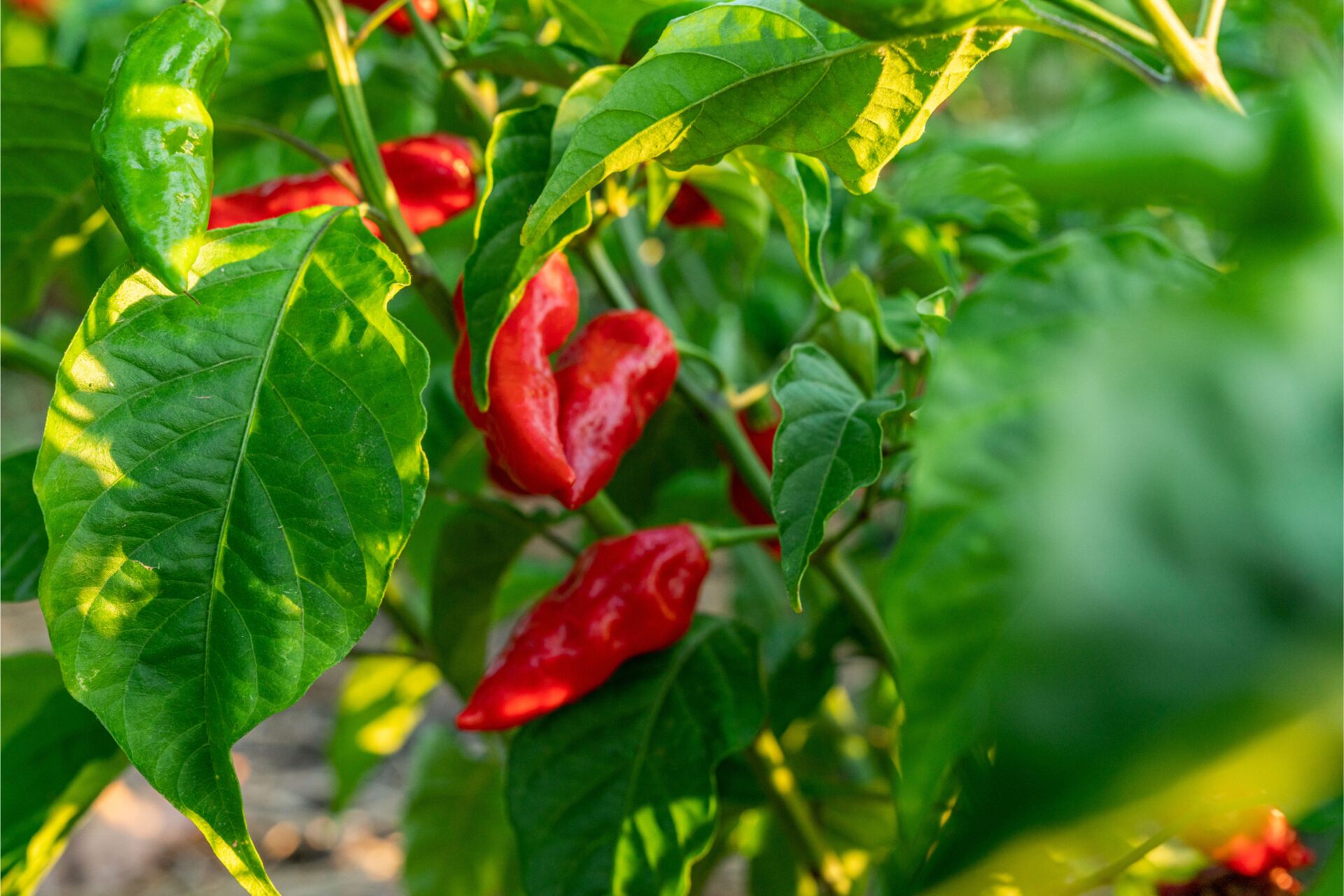
Calabrian cuisine near Capo Vaticano is a real treat if you love food with a punch. The local peperoncino (spicy pepper) shows up everywhere and gives the food its famous kick.
The seafood here? It’s as fresh as it gets, and people keep the recipes simple so those natural flavors shine. I can’t get enough of ‘nduja—that spicy, spreadable sausage is perfect on warm bread.
A lot of family-run trattorias serve swordfish alla Calabrese, usually caught that very morning. I’ve grown pretty fond of pasta with bottarga (cured fish roe), which pops up on a lot of coastal menus.
If you’re here, you have to try the red onions from Tropea. They’re sweet, super mild, and honestly, I think they taste good in just about anything—salads, jams, and yes, even gelato.
Traditional Shops and Summer Markets
The area around Capo Vaticano buzzes with markets in summer. Local artisans set up stalls with ceramics, baskets, and traditional fabrics that really show off Calabria’s style.
I like wandering into little specialty food shops. The owners are usually happy to let you sample their homemade olive oils, honey, and jars of preserved veggies. Peperoncino paste and dried herbs make great souvenirs, and you’ll find them everywhere.
The weekly market in Tropea is especially lively. Farmers bring in their own produce, and you’ll spot stalls with:
- Local cheeses (pecorino and ricotta are everywhere)
- Dried figs stuffed with walnuts
- Homemade limoncello
- Bergamot goodies (a Calabria specialty)
If you ask about their products, shopkeepers usually have a story or two to share. It definitely makes shopping more memorable.
Unique Rental Experiences in the Area
Staying in Capo Vaticano gives you all kinds of ways to soak up the local vibe. I really love renting a rustic farmhouse out in the olive groves.
A lot of these places come with outdoor pizza ovens and gardens where you can pick your own veggies. Some hosts even invite you to join a cooking class and learn classic Calabrian recipes.
If you want something extra special, book a masseria (historic farmhouse) with a sea view. These places keep their old charm but have all the comforts you need.
Beach houses near the water are super popular, so you have to book early in summer. For something a bit different, I once stayed in a renovated lighthouse keeper’s cottage. Waking up to the sunrise over the Tyrrhenian Sea was unforgettable.
Exploring the Greek Theatre and Regional Heritage
Calabria’s Greek roots run deep—this was once Magna Graecia, after all. Capo Vaticano itself doesn’t have a Greek theatre, but you can drive to some amazing archaeological sites nearby.
I suggest heading to Vibo Valentia to see Greek and Roman ruins. The local museum there is packed with artifacts that really bring the region’s ancient history to life.
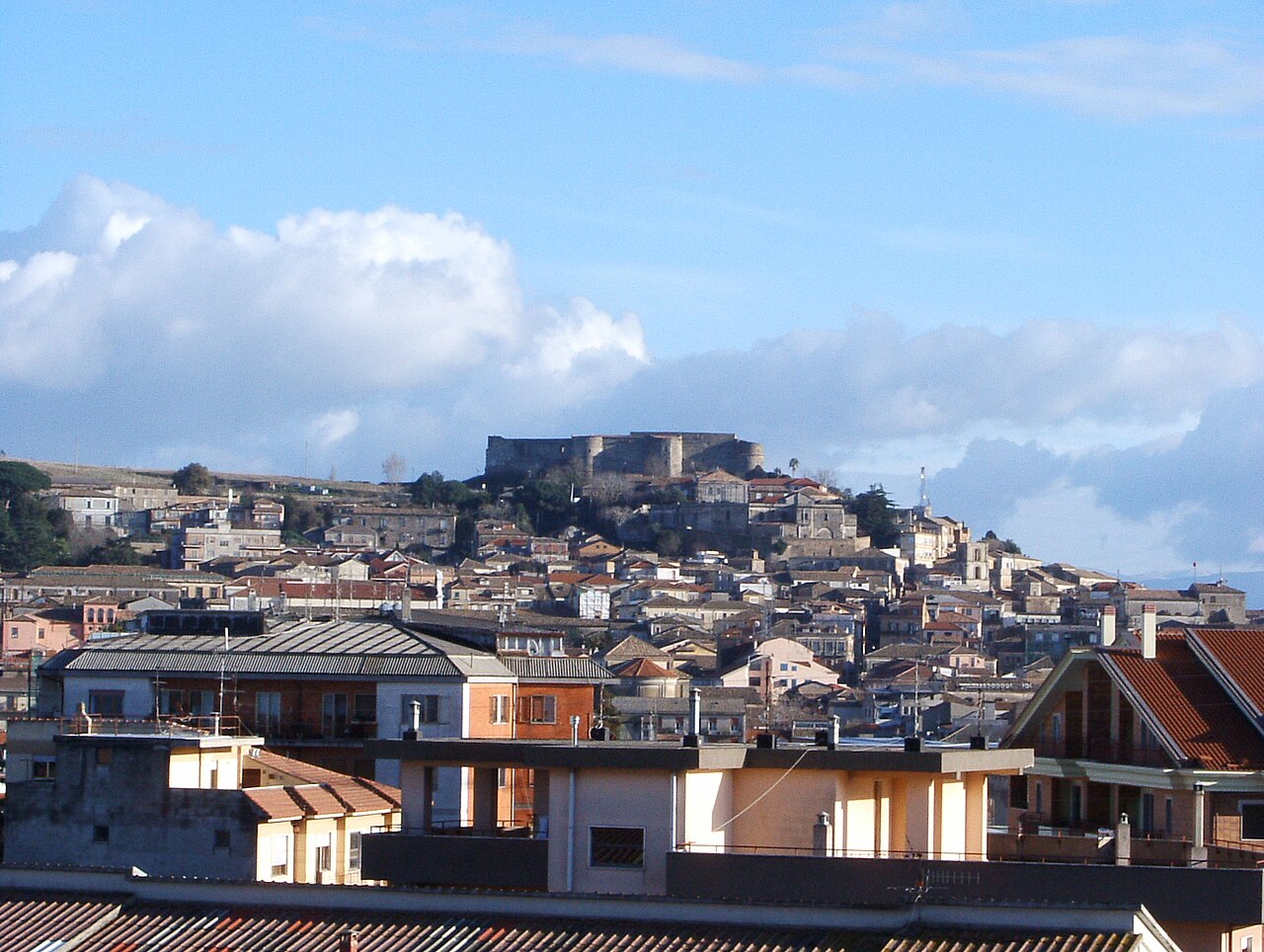
Image Source: Wikimedia Commons
You’ll find local festivals in the summer that weave in Greek traditions. Towns often stage evening performances of Greek tragedies outdoors.
The Byzantine churches scattered around here are worth a visit too. Their icons and architecture show how Calabria sits at a cultural crossroads. I found the Easter processions especially moving—they’re centuries old, and people still fill the streets to celebrate.
Exploring Nearby Treasures and UNESCO Sites
Capo Vaticano’s lighthouse gives you killer views, but there’s so much more just beyond the cape. I’ve found that exploring the wider region leads to some of the best experiences you’ll have in Calabria and even Sicily.
The Eastern Coast of Sicily and Cultural Journeys
Take a quick ferry from Calabria to Sicily’s eastern coast for an amazing day trip. The ride across the Strait of Messina is beautiful—no wonder travelers have been drawn to it for centuries.
In Taormina, I wandered through ancient Greek theaters with Mount Etna looming in the distance. The streets are full of boutiques and cafés, mixing old-world charm with a splash of luxury.
Syracuse’s old town on Ortigia Island feels like stepping into another era. The Baroque buildings and ancient ruins are everywhere. The Cathedral of Syracuse, which actually incorporates a Greek temple, stands out as a symbol of Sicily’s layered history.
If you drive along Sicily’s eastern coast, you’ll get endless views of the Ionian Sea. I always stop in tiny fishing villages for seafood that’s honestly some of the best I’ve tasted.

UNESCO World Heritage Sites Near Capo Vaticano
Several UNESCO sites sit within easy reach of Capo Vaticano:
- Castel del Monte in Puglia – A 13th-century castle with a striking octagonal shape and a blend of math and medieval design
- The Aeolian Islands – You can spot these volcanic islands from Capo Vaticano on clear days; they’re full of dramatic views and ancient sites
- Historic Center of Naples – It’s about a three-hour drive, but Naples has one of Europe’s largest historic centers and plenty of cultural gems
I spent a day at the Ancient Greek sites in Locri Epizephyrii. You can still see temple and theater ruins from the 7th century BC. The museum there displays artifacts that help you imagine what life was like back then.
If you’re into ancient art, check out the Riace Bronzes at the National Archaeological Museum in Reggio Calabria. They found these perfectly preserved Greek warrior statues in the sea near Riace back in 1972. Seeing them up close is something I won’t forget.
Nature Encounters: From Ants to Coastal Wildlife
Calabria’s ecosystems always surprise me—they offer so much more than just beaches. Some mornings, I wander along the coastal paths of Capo Vaticano and watch Mediterranean ants at work. These little creatures build surprisingly elaborate nests right underfoot.
You’ll find a wild mix of life out here:
- Loggerhead sea turtles lay their eggs on protected stretches of sand.
- More than 150 bird species flock to the coastal wetlands.
- Snorkelers can spot colorful Mediterranean fish just off the cape.
If you get the chance, head inland to Sila National Park. It’s about a two-hour drive, but the ancient forests there shelter wolves, wildcats, and some rare birds you’d never expect to find in Italy.
The marine reserve near Capo Vaticano bursts with underwater life. I’ve spent hours out there, snorkeling with schools of fish weaving through the seagrass. Sometimes, local guides will point out those tiny, bright nudibranchs—honestly, I’d never spot them on my own.


