
I stumbled across Lipsi during a ferry hop through the Dodecanese, and honestly, it grabbed my heart right away. There’s this unhurried pace and a genuine Greek character that just feels rare these days.
This tiny island sits quietly in the northern Dodecanese, not far from Patmos. Here, fishing boats still outnumber tourist vessels, and locals greet you as if you’re an old friend coming home.
Lipsi gives you that real Greek island experience—pristine beaches, a dozen hidden chapels, and crystal waters that somehow stay uncrowded even in the thick of summer. The main town curls around a petite harbor, where traditional tavernas serve up the freshest octopus. An evening stroll along the waterfront can feel like stepping into another era.
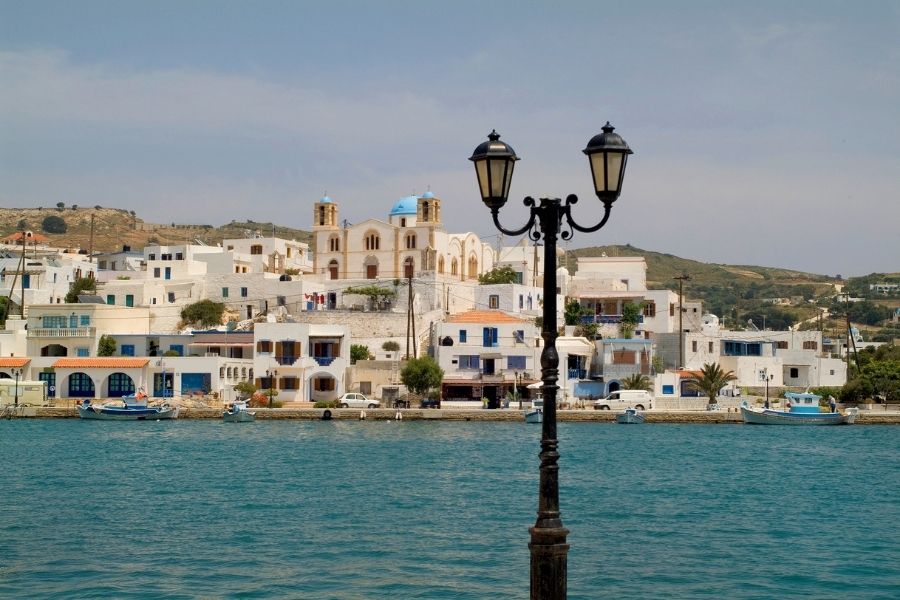
On my visits, I’ve seen what Greek island life looks like before tourism takes over. Secluded beaches—reachable only by foot—wait quietly, and centuries-old Byzantine churches hide in the hills. This island rewards anyone searching for something deeper than just sun and sand.
Uncovering Lipsi’s Location and Laid-Back Charm
Lipsi sits quietly up in the northern Dodecanese, where turquoise Aegean waters meet the kind of Greek island life that doesn’t feel curated. You’ll find easy ferry connections from neighboring islands, but somehow the place keeps its unspoiled character.
Where Is Lipsi and How to Get There
Lipsi sits in the Dodecanese chain in the Aegean Sea, pretty close to Turkey’s southwest coast. It’s tiny—just 8 kilometers long and 6 wide, which makes it perfect for exploring without a car.
To get here, you’ll need to take a ferry, since there’s no airport. Dodekanisos Seaways runs regular routes from nearby islands with airports.
The easiest way, in my opinion, is to fly to Leros first. From there, the ferry to Lipsi takes about 30 minutes to an hour, and only costs 6 EUR.
Other ferry options:
- Rhodes: 4.5 hours, 105 EUR
- Kos: 2 hours, 38 EUR
- Samos: 2 hours, 38 EUR
- Athens: 9 hours (budget-friendly but long haul)
The Dodecanese Connection: Nearby Islands
Lipsi’s spot in the northern Dodecanese makes it an awesome base for island hopping. Leros is closest, so it’s the main gateway.
Kos is another solid entry point, especially if you want more flight options. Its bigger airport handles plenty of international routes.
Being close to these larger islands means you can easily combine Lipsi with other destinations. Ferry schedules work out well during the busy months.
Patmos, known for its religious history, lies nearby and offers a totally different vibe compared to Lipsi’s sleepy beaches and fishing village feel.
Why Lipsi Remains a Hidden Gem
With only about 800 people living here, Lipsi keeps its authentic character. Unlike bustling Mykonos or Santorini, you’ll still get a taste of real Greek island life.
There aren’t any big resorts or cruise ship docks. That means beaches stay blissfully empty, and the tavernas cater to locals, not just tour groups.
Most places to stay are small, family-run studios or guesthouses. You won’t find sprawling hotels.
Ferry schedules can be a bit tricky, which keeps the crowds away. In a way, that’s a blessing—it helps Lipsi hang onto what makes it special.
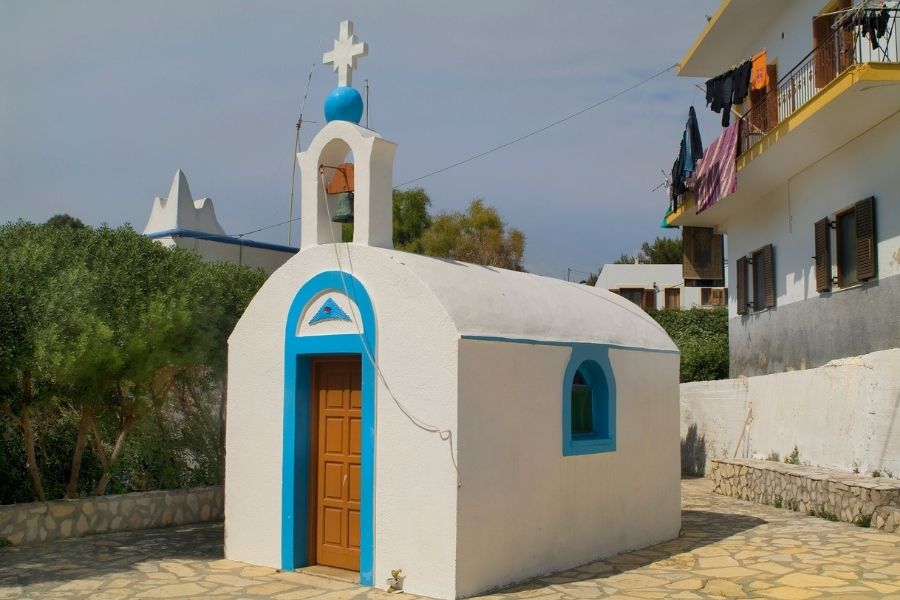
Le Figaro called Lipsi one of Greece’s “secret” islands, but thankfully, mass tourism hasn’t caught on yet.
Lipsi Town: The Heart of Authentic Greek Welcome
Lipsi Town hugs the island’s main port. Picture whitewashed houses lining narrow streets, locals chatting at waterfront cafés over Greek coffee, and fishermen mending their nets by the harbor.
The town really pulses with Greek rhythms. Religious celebrations fill the streets, and every day life feels unforced.
Traditional Architecture and Whitewashed Alleys
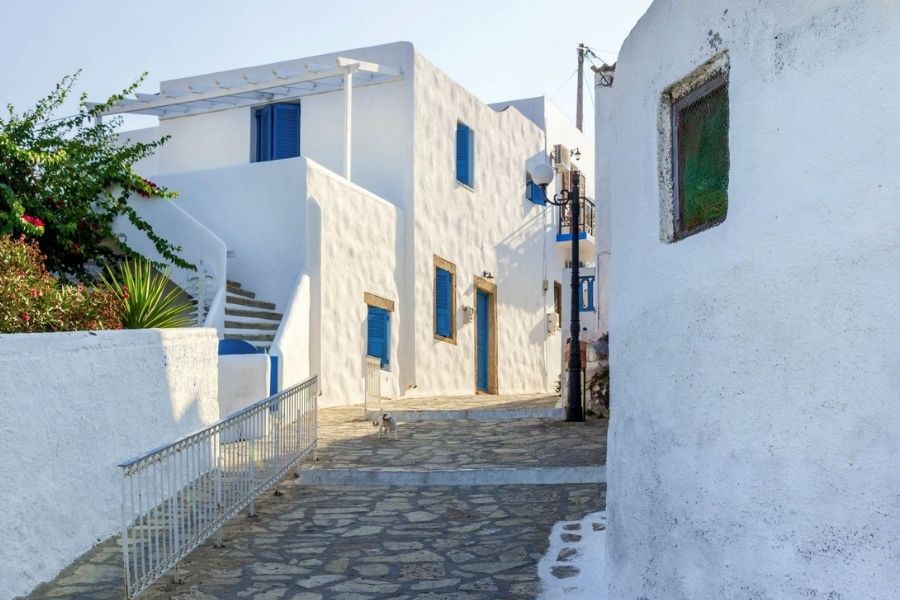
Lipsi Town’s charm is all about simplicity. The whitewashed houses tumble gently toward the harbor, with blue shutters and doors that pop in the sunlight.
Wandering the narrow alleys, I got lost in a maze of Cycladic-style buildings. Most stay low-rise, so the town never feels overwhelming. You’ll find tiny courtyards tucked between homes, usually overflowing with bougainvillea and fragrant herbs.
The main church anchors a small square where older men gather under the trees. Traditional kafeneia (coffee houses) fill the ground floors of old stone buildings, and honestly, some haven’t changed in decades.
Some architectural details I noticed:
- Stone foundations, whitewashed upper walls
- Flat or gently sloped tile roofs
- Small windows with wooden shutters
- Arched doors and passages
- Balconies and terraces bursting with flowers
Local Festivities and Ways of Life
Life in Lipsi Town moves at a slow, Mediterranean pace. Early mornings, I watched fishermen return with their catch. Local women often buy fresh fish right off the boats.
The evening volta—that classic Greek stroll—never goes out of style here. Around sunset, families walk the harbor and main streets. Kids play in the squares while adults swap stories.
Religious festivals are a big deal. The Feast of the Virgin Mary in August turns the whole town into a party. Locals cook up traditional foods and everyone joins in the processions and dances.
Neighbors really do rely on each other. The bakery acts as a kind of unofficial meeting point, where people trade news and keep connections strong.
The Lively Harbor and Seaside Cafés
The harbor is Lipsi Town’s heart and soul. When ferries arrive, there’s a burst of excitement as people greet visitors and collect supplies. Afterward, everything settles back into a slow, peaceful rhythm.
Cafés line the harbor’s curve. I spent hours just sitting with a coffee, watching the boats drift in the clear water. Most places serve simple, honest food—fresh fish, local cheese, and classic mezedes.
Favorite harborfront spots:
- Old-school kafeneia with regulars who know everyone
- Family-run tavernas dishing up the daily catch
- A couple of modern cafés with WiFi and fancy drinks
- The post office and small grocery shops
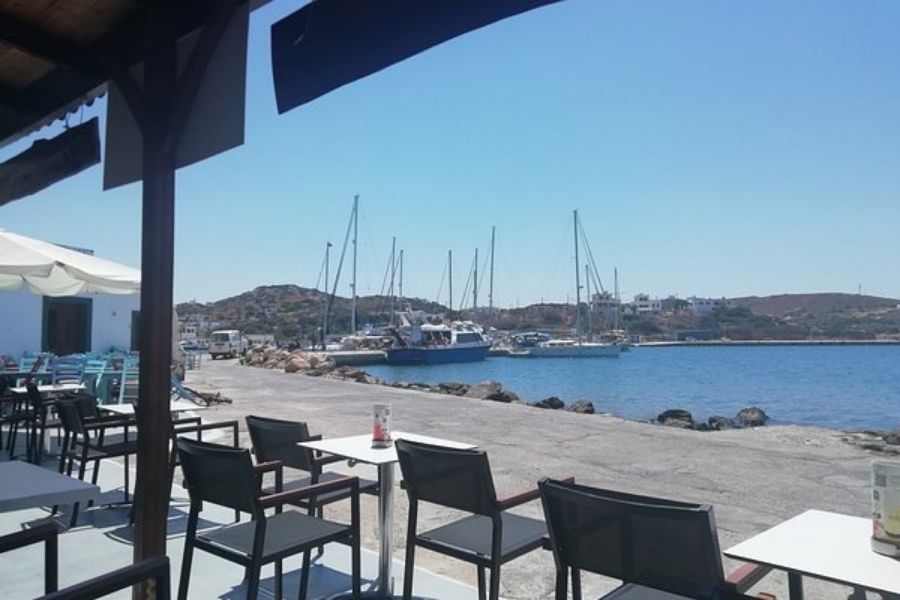
Mornings are busiest, with locals gathering for coffee and conversation. By afternoon, things slow down, and visitors join residents at shaded tables overlooking the Aegean. It’s the kind of place where you can strike up a chat with anyone—no pressure.
Crystal Waters and Idyllic Beaches
Lipsi’s beaches blew me away with their clarity. You’ll find everything from sandy stretches to hidden pebble coves. Each spot has its own vibe—some are great for families, others feel like private escapes.
Platis Gialos Beach: Golden Sands and Turquoise Waters
Platis Gialos is probably the island’s showstopper. After a 4-kilometer trip from town, you’ll reach this perfect curve of golden sand.
The turquoise water is so clear you can see the sandy bottom even out deep.
The beach stays mostly unorganized, keeping the natural vibe. A couple of tavernas open up in summer.
Getting There:
- Public bus from town (seasonal)
- Walk takes about 45 minutes
- Rental scooter or car makes it easier
There’s plenty of space on the sand. Families love the gentle slope into the water.
Lientou Beach: Serenity Close to Town
Lientou is super convenient but still lovely. This sheltered cove sits just a short walk from the main port.
You get soft sand, shallow clear water, and a protected spot that’s perfect for swimming even when the wind picks up.
A few places to stay line the beach, and tavernas serve up fresh seafood and Greek classics.
I loved coming here for evening swims. The sunsets are unreal—definitely worth bringing your camera.
Beach Details:
- Sand: Fine and soft
- Water: Shallow, calm
- Facilities: Tavernas, some sunbeds
- From port: 5-10 minutes on foot
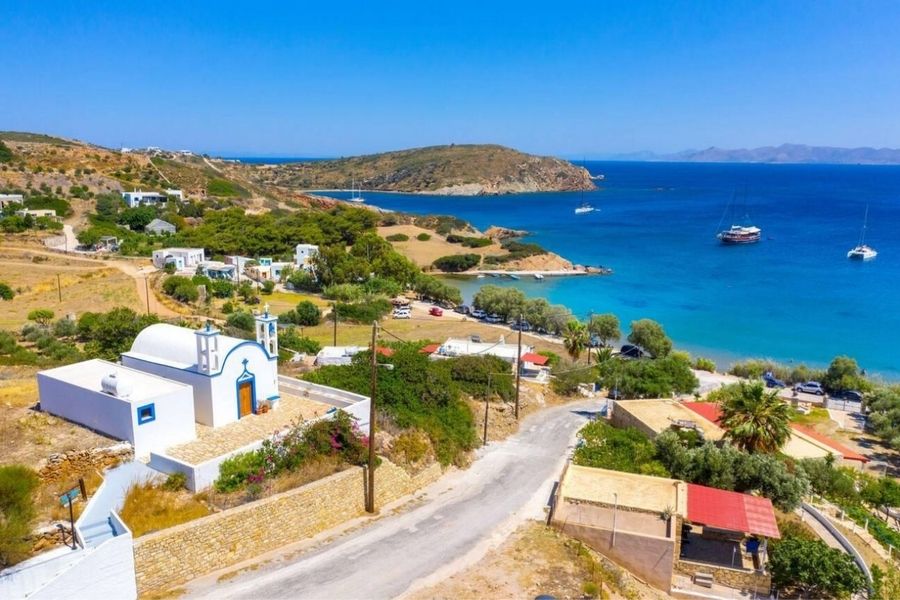
Katsadia Beach: Secluded Escape
Katsadia takes a little effort to reach, but it’s so worth it. This quiet beach sits on the far side of Lipsi.
You’ll hike a bit through Mediterranean scrub—nothing too tough, but good shoes help.
Crystal waters wash up on a mix of sand and smooth pebbles. Even in high season, it’s rare to see more than a handful of people.
I’ve had Katsadia all to myself more than once. The silence is something special, broken only by gentle waves.
No facilities here, so bring water, snacks, and plenty of sunblock.
Hohlakoura Beach and Off-the-Beaten-Path Shores
Hohlakoura Beach is classic untouched Lipsi. Down on the southern coast, this unorganized spot offers total solitude.
You’ll find soft pebbles and crystal-clear water. Swimming here feels like you’re in a natural aquarium.
Getting here means a longer hike or a boat ride. That keeps the crowds away.
Beyond Hohlakoura, the coastline hides dozens of tiny, nameless beaches. Some you can reach only by boat or by wandering off the beaten path.
Other Hidden Shores:
- Small coves between the main beaches
- Rocky inlets perfect for snorkeling
- Private swimming spots you’ll find by kayak
I found a few of these secret beaches just by following random coastal paths. Each one had pristine water and absolute privacy.
Sacred Sights and Hidden Chapels
Lipsi’s spiritual side revolves around the Monastery of Panagia tou Harou, the island’s main religious sanctuary. Scattered across the island, you’ll also find tiny churches that reflect centuries of Orthodox tradition.
Monastery of Panagia tou Harou: Island’s Spiritual Center
The Monastery of Panagia tou Harou is the island’s most important religious spot. Locals dedicate this peaceful place to the Virgin Mary, who they believe protects the island.
Set away from the main village, the monastery’s white walls and simple lines blend right into the landscape. Inside, you’ll find beautiful icons and artifacts that tell the story of Lipsi’s faith.
People gather here for big religious celebrations throughout the year. The atmosphere is calm and welcoming, perfect for a little reflection.
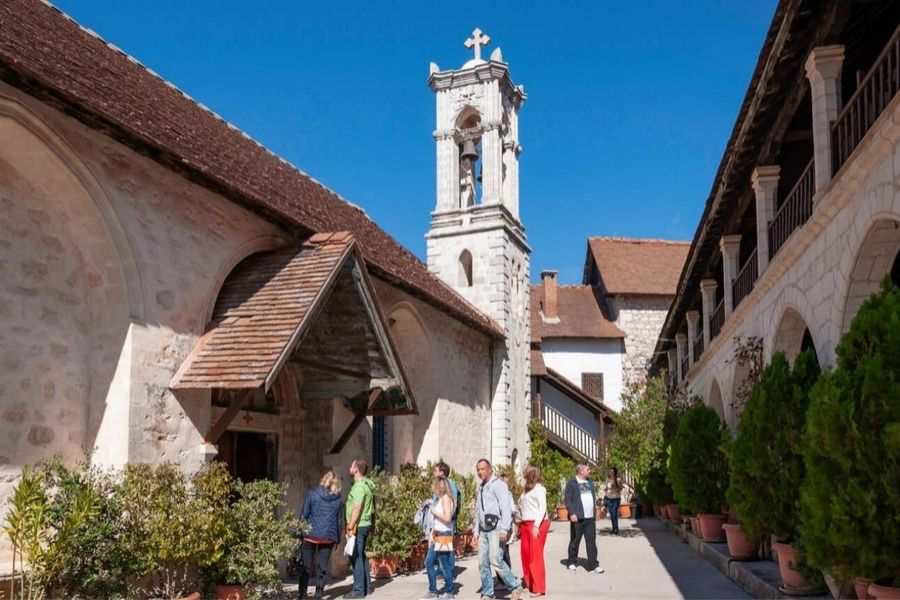
The building itself sticks to classic Greek Orthodox design—nothing flashy, just a quiet sense of peace. I felt the calm as soon as I stepped inside.
Historic Churches and Local Religious Traditions
Tiny chapels dot the landscape, each with its own story. These churches serve the spiritual needs of local families.
Many have stood for centuries. Their weathered stone and faded frescoes hint at generations of worship. Some are tucked away in the remotest corners of the island.
Religious traditions run deep here. Residents mark feast days with processions and big gatherings. These events bring everyone together.
The churches keep things simple but meaningful. Icons of saints watch over small congregations. Each chapel has its own personality, but all follow Orthodox customs.
A Taste of Lipsi: Local Cuisine and Gastronomy
Lipsi’s food scene? It’s all about those cozy Greek taverns, where fresh seafood and island specialties come straight from the source. Locals and travelers gather over the island’s own wine and that classic meze culture—you just can’t help but feel welcome.
Traditional Taverns and Greek Cuisine
Most taverns in Lipsi keep things simple, but wow, the food is anything but basic. You’ll find classic Greek dishes, always made with fresh, local ingredients.
Manolis’ Tastes really impressed me. Chef Manoli Chiras takes traditional cuisine and gives it his own twist. The place is tucked away in the old town’s narrow lanes.
Meat lovers, listen up:
- Lamb with potatoes and lemon juice
- Suckling pig with honey and thyme
- Local buffalo dishes
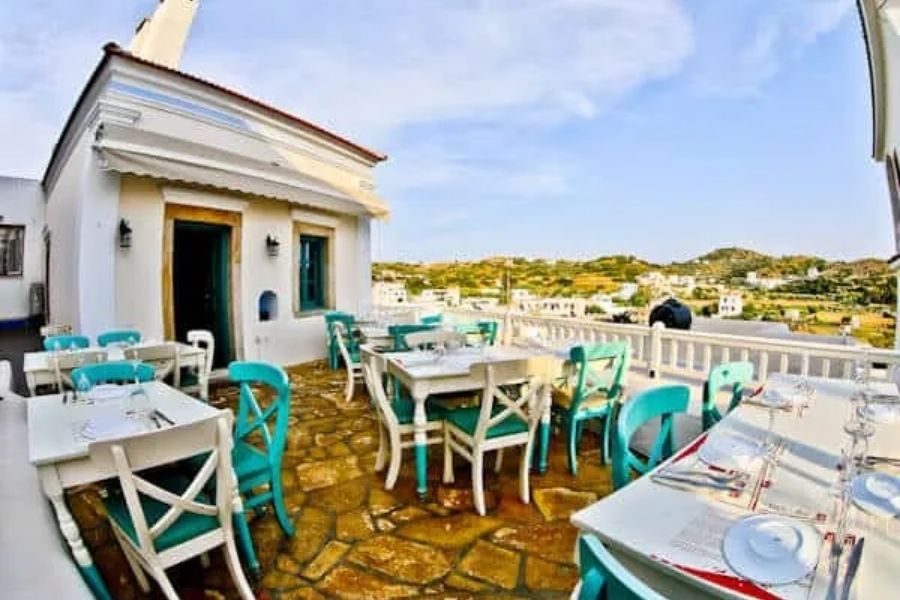
To Pefko is where I’d go for a fancier meal. The terraces look out over the sea and port, and Nikos, the owner, always suggests something delicious—like their eggplant rolls with cheese or the moussaka everyone raves about.
Down by the beach, Dilaila by George at Katsadia Bay dishes out simple Greek fare and fresh fish. During high season, these spots stay open late, perfect for a lazy lunch or sunset dinner.
Meze Culture and Local Delicacies
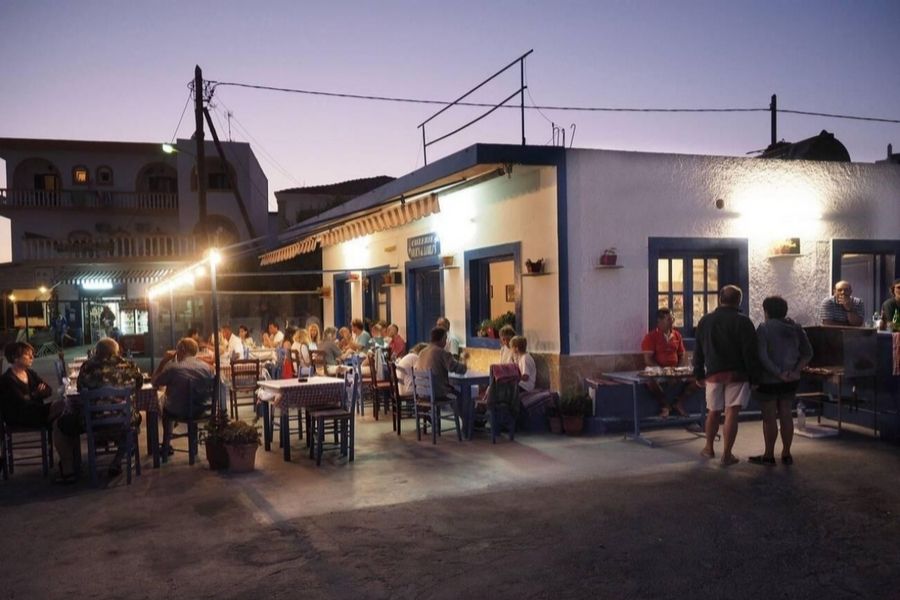
In Lipsi’s main square, meze culture is alive and well. I always stop by a local ouzeri before dinner—order a drink, and little plates of appetizers just keep coming.
The Rock Cafe took me by surprise with its meze. The owner actually catches sea urchins and other treats himself. It draws a younger crowd and keeps the lights on late into the night.
Some meze favorites:
- Sea urchins, fresh from the water
- Grilled octopus
- Saganaki cheese
- Greek salad, but with local flair
- Stuffed peppers with cheese
Taverns serve these meze alongside ouzo. The portions are small—just right for sharing and lingering over conversation.
Lipsi Wine and Authentic Drinks
Lipsi makes its own wine, and honestly, it’s a perfect match for seafood or grilled meat. I always try the local stuff when I can.
Ouzo is still king here. Every ouzeri in the square pours a solid glass, always with a plate of meze.
Evenings on Lipsi are all about slowing down. Locals gather, drinks in hand, and visitors quickly catch onto this relaxed rhythm. It’s not just about eating or drinking—it’s about enjoying the moment.
Signature Island Specialties
The island bakery, Oikos Kairi (locals just call it “the oven”), bakes fourteen kinds of bread every day. I never skip their pougakkia—a sweet you’ll only find here.
Other treats worth hunting down:
- Bougatsa with vanilla cream
- Spinakopita and tiropita
- Homemade apple pie
- Fish, caught fresh each morning
Steki Tou Stamatis in the main square serves up the best gyros and souvlaki sandwiches, if you ask around. Stamatis and Cristina, the owners, make everything from scratch.
Because Lipsi’s a bit isolated, most ingredients come straight from the island. The flavors feel genuine—there’s something different here compared to the big, touristy Greek islands.
Exploring and Relaxing: True Island Living
Lipsi just nails that balance between easy adventure and pure relaxation. The island’s small size means you’re never far from anything, and its spot in the Aegean is perfect for exploring nearby islands.
Getting Around Lipsi: On Foot, Scooter, and Electric Bicycles
Walking is hands-down my favorite way to see Lipsi. With just 16 square kilometers, you can reach most places on foot.
Main walking routes:
- Town to Platis Gialos beach: about 45 minutes
- Town to Kambos beach: 20 minutes
- Town to Hohlakoura beach: an hour, give or take
Need to go farther? I usually rent a scooter from the port—easy to find, and rates hover around 15-20 euros a day. Electric bikes are a fun, eco-friendly option, especially for the hills.
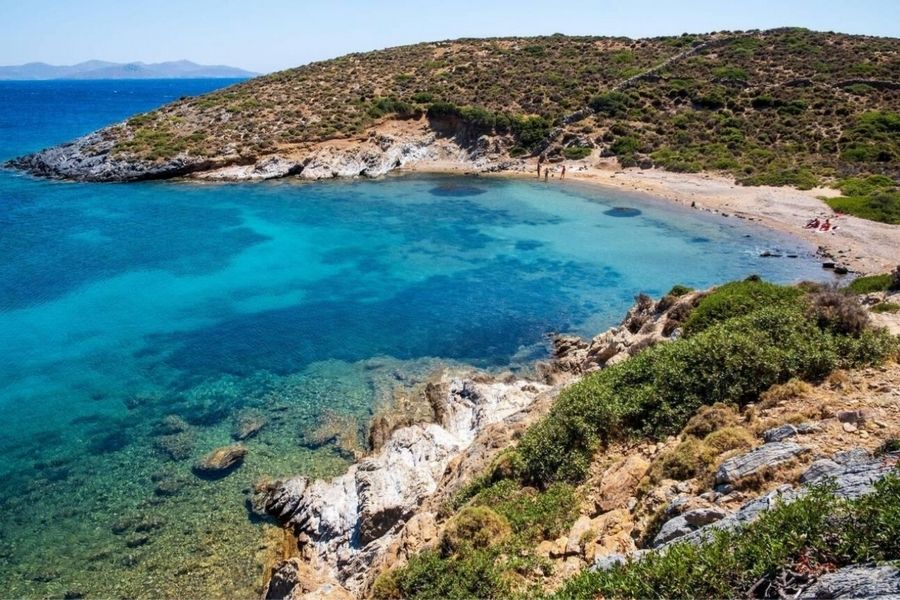
There’s one public bus that connects the main town with different beaches. It runs during summer, but the schedule’s a bit unpredictable, so I always double-check at the port.
Most paths are marked, but I bring water and sunscreen. The terrain isn’t too tough, so most people can handle it.
Island-Hopping to Discover More of the Aegean
Lipsi’s central location makes it a great base for island-hopping adventures. Ferries run regularly to nearby islands.
Popular day trips:
- Patmos (30 minutes): Famous for its monastery and the Cave of the Apocalypse
- Leros (45 minutes): Check out the Venetian castle and WWII history
- Kalymnos (1.5 hours): Known for sponge diving and climbing
Ferry times change with the season, and summer brings more options. I usually grab tickets at the port or through a local agency. Most of these trips let you return the same day.
You’ll also find small boat excursions leaving from the harbor. These are great for swimming at quiet coves and grabbing lunch on a tiny islet.
Where to Stay: Boutiques, Studios, and Apartments
Lipsi’s accommodations feel personal and authentic. Most places are close to the main town, so you’re never far from the port or the beach.
Options include:
- Traditional studios: Simple, 40-60 euros a night
- Family apartments: Kitchenettes and sea views, 60-90 euros
- Boutique hotels: Modern touches, local charm, 80-120 euros
I like staying near Lipsi Town for easy access to food and ferries. Lientou and Kambos beach areas are quieter, with direct access to the sand.
Most spots are family-run, so you get a personal touch. Air conditioning’s standard, and breakfast is often included. If you’re visiting in July or August, definitely book ahead—places fill up fast.
Frequently Asked Questions
Lipsi has some seriously beautiful beaches—Platis Gialos and Katsadia come to mind, with their clear blue waters. The island’s old Byzantine chapels and genuine local hospitality give it an authentic Greek vibe you just don’t find in the crowded hotspots.
What are the must-visit beaches when traveling to Lipsi?
Start at Platis Gialos beach. The sand is soft, and the water’s perfect for swimming or snorkeling.
Katsadia beach is great for families. It’s pebbly, calm, and there are a couple of tavernas nearby for lunch.
Kambos beach is where I go when I want total peace and quiet. It’s a bit out of the way, but worth it.
Monodendri and Hohlakoura beaches are also gems. Both feel wild and untouched, with that laid-back vibe Lipsi is famous for.
Where can I find the hidden chapels on the island of Lipsi?
Panagia of Harou chapel is a real find. It’s a 7th-century Byzantine church sitting quietly away from the main village.
The Monastery of St. John the Divine is another favorite. Built in the 15th century, it has stunning views and a peaceful feel.
You’ll stumble on smaller chapels as you wander the island’s trails. Olive groves and coastal paths often hide these little gems.
If you’re curious about their history, the Ecclesiastical Museum in town has artifacts from many of these chapels.
What are the characteristics of the traditional Greek welcome in Lipsi?
When I walk into a shop or taverna, locals greet me with a warm “Yassas.” It feels genuine, not just polite.
Life moves slower here, so people have time to chat and share stories. Meals stretch on, and it’s totally normal for locals to strike up a conversation.
Hospitality doesn’t feel forced or staged for tourists. It’s just how people treat each other.
Some shop owners remember me from previous visits. That personal touch makes you feel like you belong.
What activities are recommended for a first-time visitor to Lipsi?
I’d start with a stroll around Lipsi village. Most of the shops, restaurants, and places to stay are right here.
Boat trips to the nearby islets are a must. You’ll find hidden beaches and see the coastline from a new angle.
Hiking the coastal trails is a highlight. You’ll pass olive groves and get some amazing sea views.
Swimming and snorkeling are easy here. The water’s clear, so bring a mask and dive in.
How does Lipsi retain its authentic Greek atmosphere compared to other tourist destinations?
Even in peak summer, Lipsi stays calm. I never feel crowded, unlike on the bigger islands.
Tourist facilities are basic, so the villages haven’t lost their original charm.
Local families still run most of the businesses. You won’t see international chains or flashy attractions.
Siesta is still a thing from 2 pm to 5 pm. The island’s rhythm hasn’t changed, even as more people discover it.
Can you recommend local cuisines or dining experiences unique to Lipsi?
If you find yourself wandering through Lipsi village, you’ve got to check out Asprakis-Ouzeri. They serve some truly delicious traditional Greek dishes, and honestly, I haven’t had a bad meal there yet.
The staff always greet you with a smile, and it just feels like the kind of place where you want to linger over a long lunch.
Down by the waterfront, the tavernas grill up seafood that local fishermen bring in that same morning. There’s something about eating fresh fish, simply prepared, with the sea right in front of you—it’s hard to beat.
If you’re into souvenirs that you can actually eat, try the local honey and olives. I love picking these up straight from the producers dotted around the island.
And don’t skip the wine! Lipsi’s local varieties have a character all their own, shaped by the island’s sun and soil. Give them a try—you might just discover a new favorite.
