
Have you ever dreamed of escaping the tourist crowds and truly experiencing Venice like a local? Last month, I traded my hotel reservation for a charming apartment tucked away in a quiet Venetian neighborhood, and it completely transformed my travel experience.
Renting an apartment allowed me to shop at local markets, cook fresh Italian ingredients, and develop daily routines that made me feel like a temporary Venetian resident rather than just another tourist.
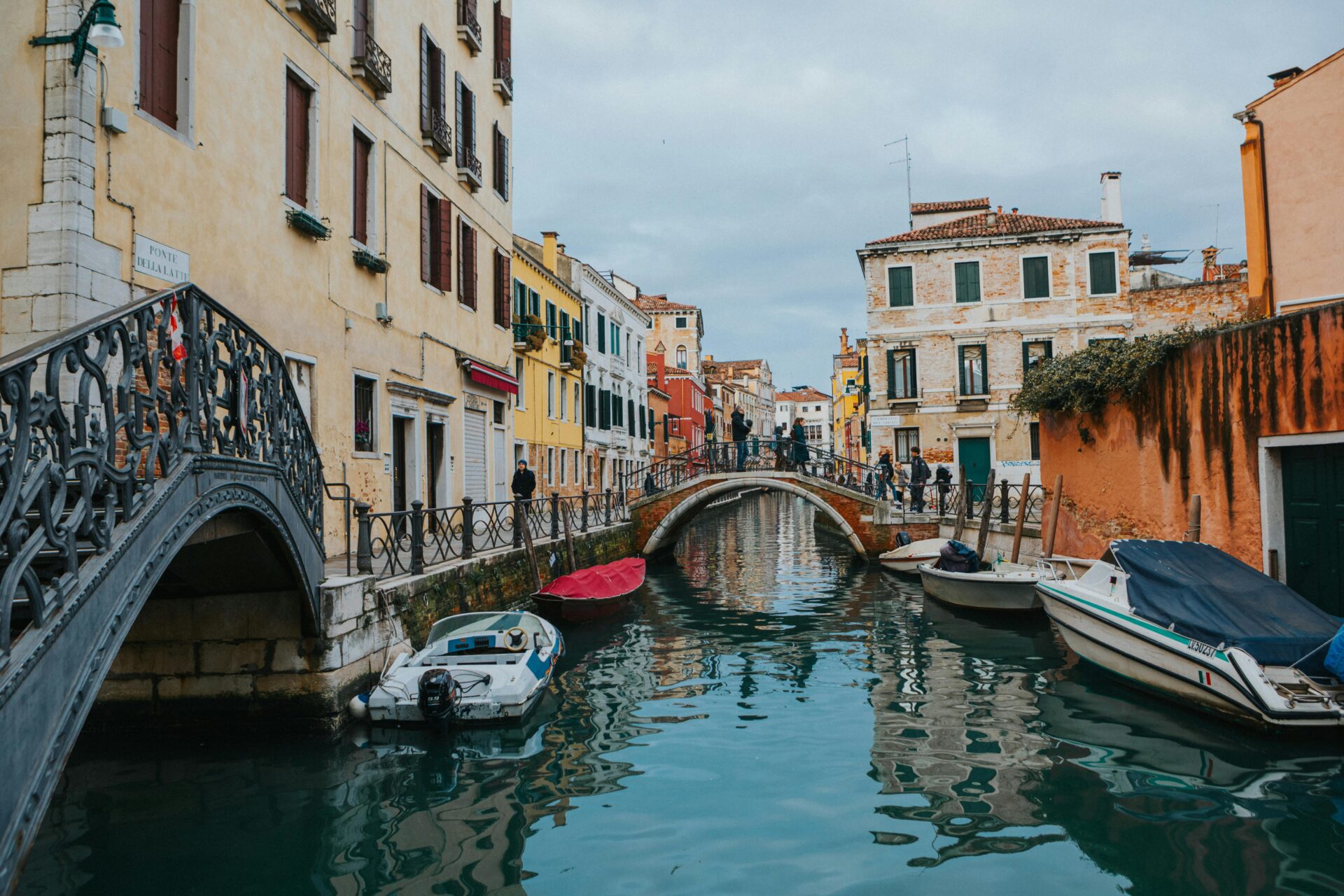
The apartment became more than just a place to sleep—it became my home. Each morning started with espresso on my small balcony, watching neighbors hang laundry and chat across narrow canals.
Instead of rushing from one landmark to another, I had the luxury of slow exploration and spontaneous discoveries down winding alleyways that don’t make it into guidebooks.
While living like a true local might be an exaggeration (after all, residents face challenges like limited grocery options and the logistics of a car-free city), my week in a Venetian apartment offered authentic glimpses into daily life that hotels simply can’t provide. I discovered neighborhood cafés where locals gathered, learned the rhythm of Venice beyond the crowded main squares, and experienced the city’s quiet magic after day-trippers had departed on their final vaporetto.
Finding the Perfect Venetian Apartment
Searching for an authentic place to stay in Venice requires balancing location, amenities, and budget considerations. The right apartment can transform your experience from tourist to temporary local.
The Hunt: Using Booking.com and Other Resources
My search for a Venice apartment began on Booking.com, which offered a wide range of options with detailed photos and reviews. I also explored Roomorama and Airbnb for more unique properties not available through traditional hotel sites.
What I found most helpful were the verified reviews from previous guests. These honest assessments highlighted important details that official listings often glossed over. Many mentioned the convenience of having a washing machine—a true luxury for a week-long stay!
I created a spreadsheet comparing prices, locations, and amenities. This organization helped me narrow down choices quickly. Some apartments offered special weekly rates that made them significantly more affordable than hotels.
Prioritizing Location: Cannaregio and Beyond
After researching Venice’s six districts, I settled on Cannaregio for my apartment hunt. This northern neighborhood struck the perfect balance—authentic Venetian life without being too far from major sights.
Cannaregio offered a glimpse into real Venetian daily routines. Local markets, family-run restaurants, and quiet canals created the atmosphere I was seeking. Yet I could still walk to San Marco in about 25 minutes.
Other neighborhoods worth considering include:
- San Polo: Central location with easy Rialto Bridge access
- Dorsoduro: Artsy area with fewer tourists
- Santa Croce: Convenient if arriving by bus or car
The vaporetto (water bus) stops became a major factor in my decision. Having a stop within a 5-minute walk made exploring the entire city much easier.
Essentials of a Quality Venice Apartment
A quality Venice apartment should include certain key features to enhance your stay. My must-have list started with a well-equipped kitchen. Being able to shop at local markets and prepare simple meals saved money and felt authentically Venetian.
Venice apartments often have unique quirks. My research showed that many buildings lack elevators, so checking which floor the apartment is on proved crucial. Some historic buildings have charming but narrow staircases.
Wi-Fi reliability, air conditioning (essential in summer), and a washing machine topped my amenities list. The bathroom with a proper shower was non-negotiable—many Venice apartments have tiny facilities or tub-only setups.
Location specifics matter tremendously. I looked for apartments that mentioned “quiet street” or “canal view” in their descriptions. Nothing beats drinking morning coffee while watching gondolas glide by your window.
Unpacking Venetian Culture from My Balcony
My apartment’s balcony became my favorite classroom for understanding Venetian culture. From this perch, I watched daily rhythms unfold against a backdrop of centuries-old architecture and vibrant waterways.
Daily Life in a Historic Palazzo
Living in a restored 16th-century palazzo gave me insights no hotel could offer. Each morning began with the gentle sounds of shutters opening across the narrow calle as neighbors greeted each other in Venetian dialect.
The palazzo’s thick stone walls kept the apartment cool despite March’s warming temperatures. Ancient beams crossed my ceiling, reminding me of the craftsmen who built this structure centuries ago.
My neighbors became unexpected cultural guides. Signora Lucia from downstairs taught me to shop at the Rialto Market early before tourists arrived. “The best fish goes first,” she insisted, shooing me out before 8 am.
The palazzo’s shared courtyard hosted impromptu gatherings where locals discussed everything from politics to the latest tourist restrictions aimed at preserving their beloved city.
The Tale of Two Views: Palazzo and Grand Canal
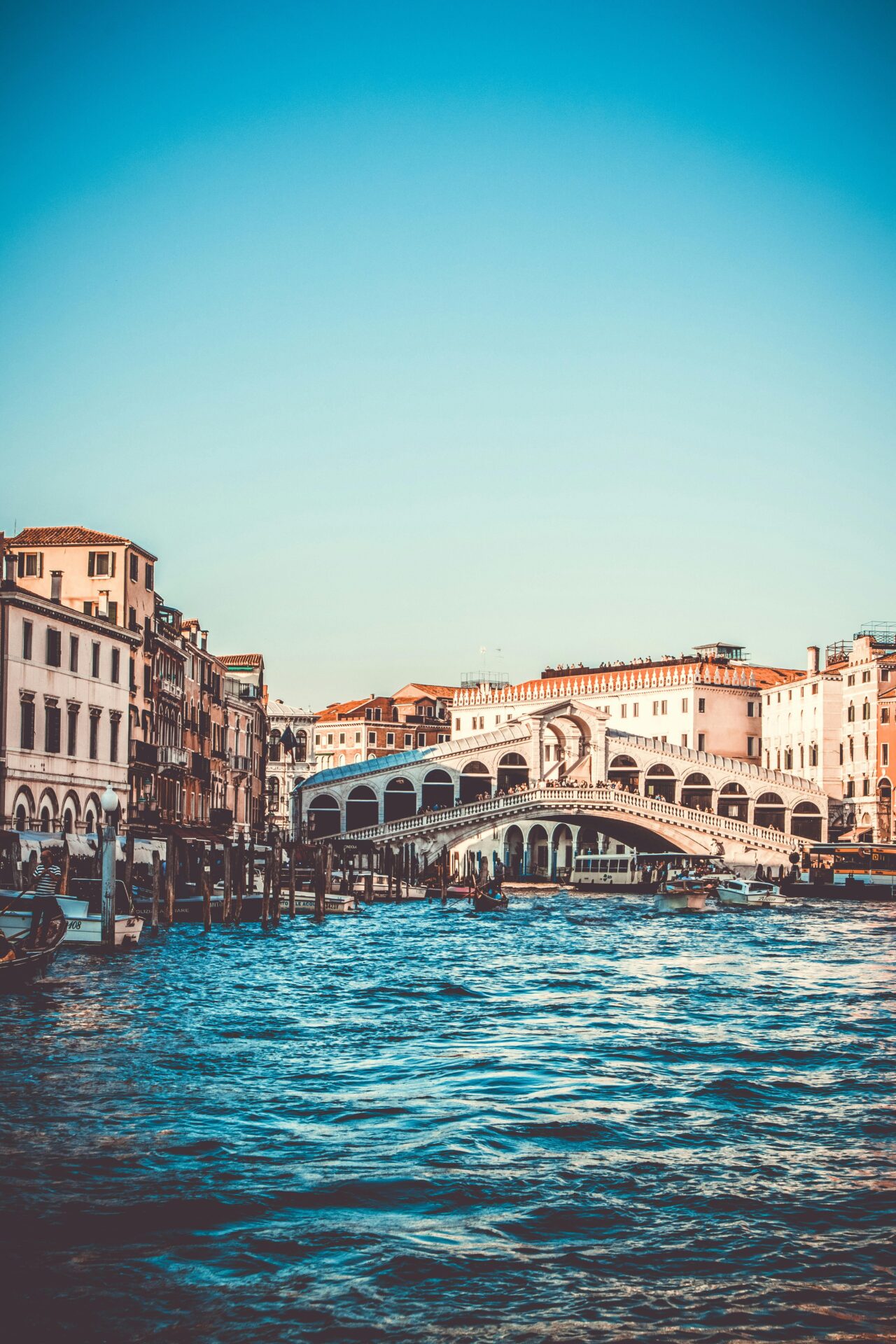
My balcony offered dual perspectives: intimate glimpses into Venetian homes and sweeping Grand Canal panoramas. This contrast perfectly captured Venice’s dual nature.
To one side, I observed private moments—laundry hanging from windows, children practicing violin, elderly men playing cards at weathered tables. These mundane scenes revealed authentic Venetian life continuing despite tourism pressures.
The other direction showcased the Grand Canal’s endless parade of vessels—from practical water taxis to luxury private boats gliding past palazzos. At sunset, the canal transformed into a ribbon of gold, reflecting centuries of wealth and maritime power.
This balcony became my meditation spot. I’d sip local Prosecco while watching gondoliers navigate narrow tributaries with practiced precision, their songs echoing off ancient walls.
Culinary Adventures in a Self-Catering Space
Self-catering in Venice transformed my travel experience from tourist to temporary local. Having my own kitchen opened up a world of Venetian flavors that most visitors miss when dining exclusively at restaurants.
Navigating Rialto Markets for Fresh Ingredients
The Rialto Markets became my morning ritual during my week in Venice. I’d cross the iconic Rialto Bridge early, joining locals as they selected the day’s freshest offerings.
The fish market (Pescheria) dazzled me with its variety – gleaming silver sardines, ruby-red tuna, and local specialties like soft-shell crabs when in season.
In the produce section, I discovered vegetables I’d never seen before. Radicchio from Treviso, tiny artichokes from Sant’Erasmo island, and impossibly sweet tomatoes filled my shopping basket.
Vendors quickly recognized me as a regular visitor. One fishmonger even taught me how to identify the freshest scallops. “The shells should be tightly closed,” he explained, demonstrating with weathered hands.
The Intimate Kitchen: A Venue for Venetian Cuisine
My apartment’s modest kitchen became the heart of my Venetian experience. Though small by American standards, it contained all the essentials: a two-burner stove, small refrigerator, and basic cookware.
I mastered simple Venetian classics like sarde in saor (sweet and sour sardines) and risi e bisi (rice with peas). The apartment owner had thoughtfully left a small cookbook featuring regional recipes with helpful English translations.
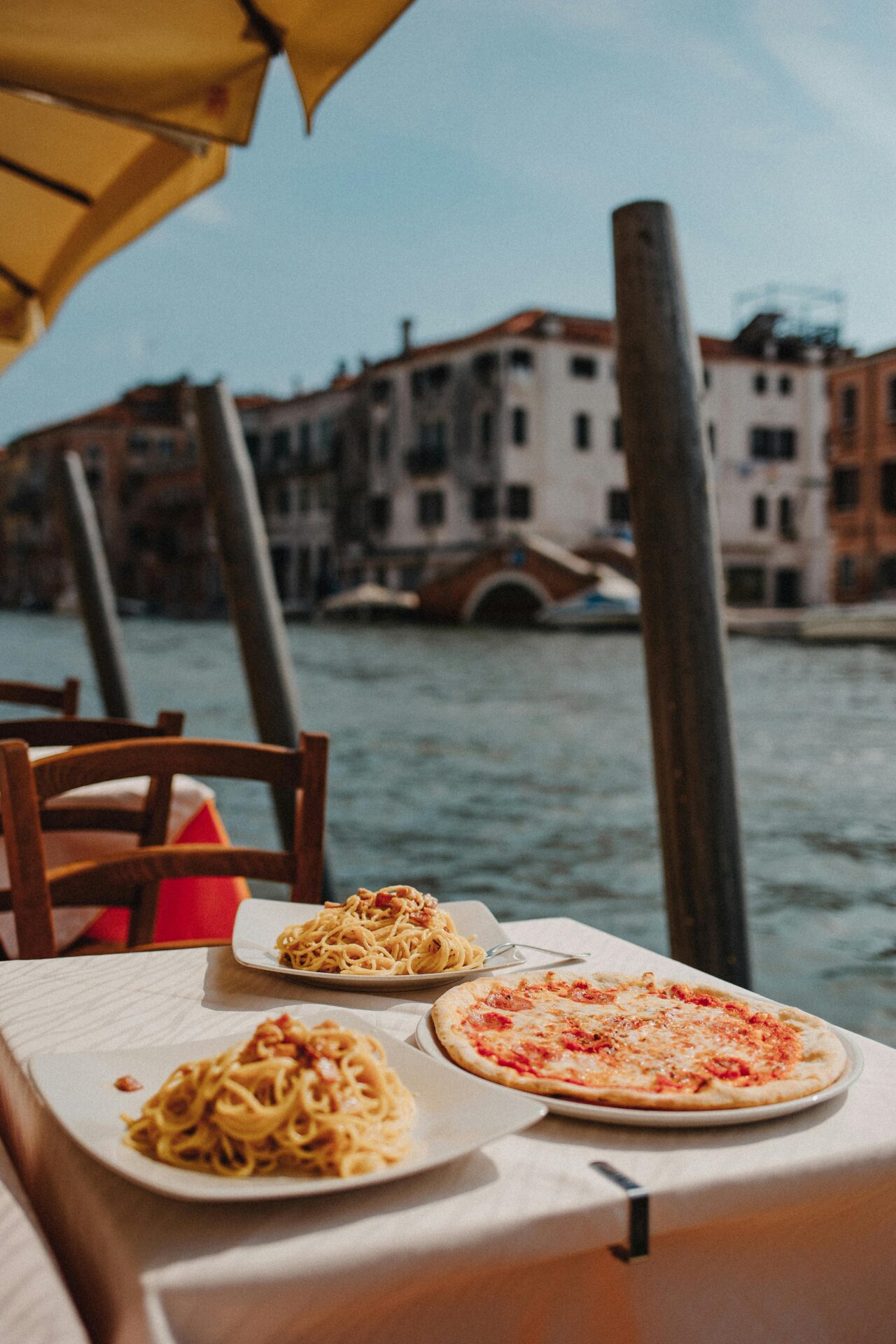
Some evenings, I’d prepare a simple pasta dish with market ingredients. Other nights, I’d create an antipasti spread of local cheeses, olives, and crusty bread from the bakery downstairs.
The self-catering experience gave me confidence to experiment with unfamiliar ingredients. When I attempted my first risotto, I called the apartment owner for advice on achieving the perfect consistency.
Experiencing Authentic Venice
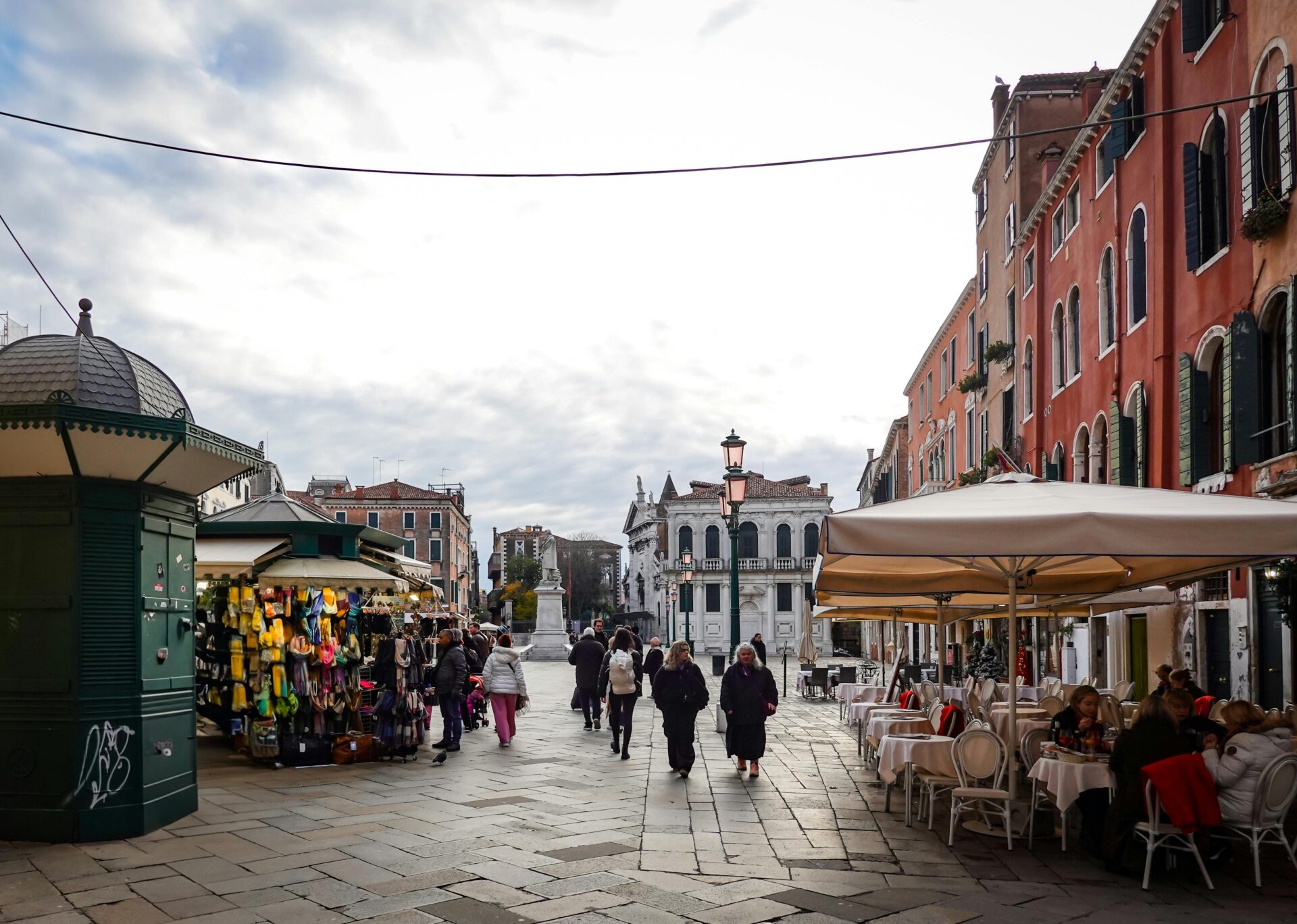
Living in a Venetian apartment gave me a true insider’s view of the city beyond the tourist attractions. I learned to navigate the intricate network of canals and alleys while discovering hidden treasures that most visitors never see.
Savoring Aperitivo like a Local
The aperitivo tradition quickly became my favorite Venetian ritual. Around 6 PM, locals gather at neighborhood bacari (wine bars) to enjoy small glasses of wine and cicchetti – delicious bite-sized snacks.
I found my favorite spot in Cannaregio, where locals outnumbered tourists ten to one. The spritz – a refreshing mix of prosecco, bitter liqueur, and soda water – became my go-to drink. Paired with tiny sandwiches topped with baccalà (salt cod) or prosciutto, it created the perfect pre-dinner experience.
What surprised me most was the social aspect. Venetians stand at the bar rather than sitting, making conversation flow naturally between strangers. My broken Italian improved nightly as I chatted with everyone from gondoliers to university students.

Discovering the Charm of Venetian Glass and Antiques
Murano glass captivated me from day one with its vibrant colors and intricate designs. Instead of buying tourist trinkets, I visited workshops where artisans demonstrated centuries-old techniques.
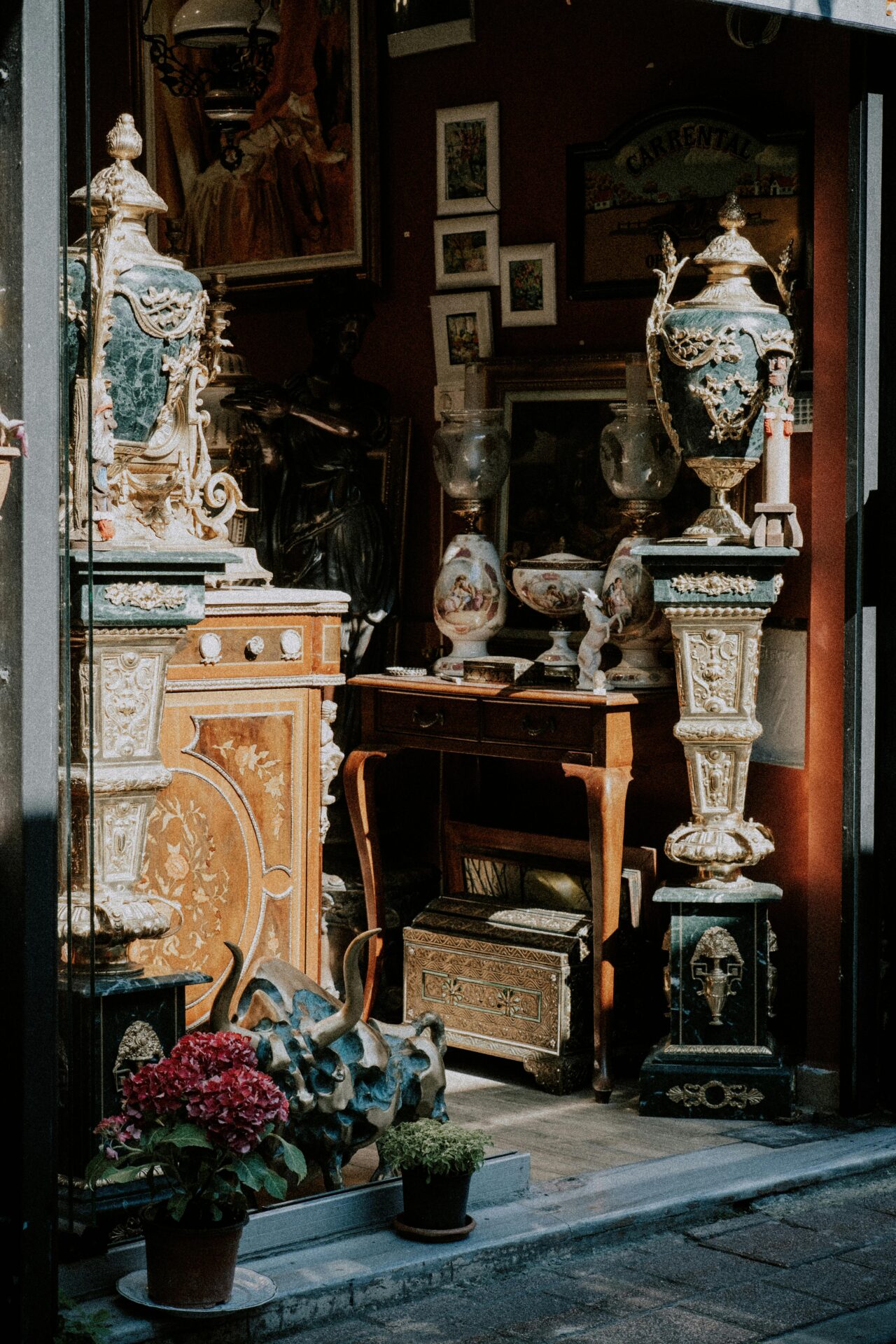
The best discovery was a tiny antique shop near Accademia bridge. The owner, Marco, showed me everything from 18th-century glass beads to vintage carnival masks. His stories about each piece’s history gave me deeper appreciation for Venetian craftsmanship.
I spent an entire afternoon exploring the antique markets that pop up on random campos (squares). Here, locals sell everything from ornate picture frames to delicate glass jewelry. Each item told a story about Venice’s rich trading history and artistic heritage.
The Unexpected Joys of Venetian Neighborhoods
Wandering through residential areas like Cannaregio and Dorsoduro revealed a completely different Venice. Laundry hung between buildings, children played in small parks, and neighbors chatted from windows above.
The morning market ritual became a highlight of my stay. I joined locals buying fresh produce from boats docked along the canals. The fishmongers recognized me by the second day, recommending the freshest catch for my amateur cooking attempts.
School children in uniforms, elderly residents walking tiny dogs, and workers hurrying to their jobs – these everyday scenes showed me Venice isn’t just a museum city. In these neighborhoods, particularly around Accademia, I found authentic restaurants where menus had no English translations and prices were half those in tourist areas.
Celebrating Tradition: Venice Carnival and Beyond
Venice’s traditions come alive through its festivals and food. During my week living like a local, I discovered both the famous carnival celebrations and the everyday culinary treasures that make this city special.
Embracing the Venice Carnival Spirit
The Venice Carnival transformed the city during my stay. Unlike tourists who rush in for a day, I experienced the festival like a local. The Grand Canal became a parade route with decorated boats gliding through the water while spectators lined the bridges.
Local residents introduced me to less crowded viewing spots away from San Marco Square. Many Venetians own traditional costumes passed down through generations, and I was lucky enough to try on an authentic mask from my apartment host’s collection.
The carnival attracts over a million visitors yearly, but I found magic in the early mornings when masked figures appeared in misty alleyways before the crowds arrived. Following local advice, I enjoyed the Festa Veneziana from a tiny café where I sipped Prosecco while watching the spectacle unfold.

Venetian Delicacies: Finding Rosa Salva and Cicchetti
Venetian cuisine deserves as much attention as the carnival. I discovered Rosa Salva, a historic pasticceria where locals line up for breakfast pastries and carnival treats like frittelle (sweet fried dough balls) and galani (thin, crispy cookies).
The staff recognized me by my third visit. They suggested I try their special carnival cake – a recipe unchanged for centuries. Their hot chocolate was thick enough to stand a spoon in – perfect for cold February mornings.
Evenings meant hunting for cicchetti – Venice’s answer to tapas. These small bites paired with prosecco became my favorite dinner option.
I found the best at a tiny bacaro near my apartment. Here, €1.50 bought delicious morsels like:
- Baccalà mantecato (whipped salt cod) on polenta
- Marinated sardines with onions and raisins
- Tiny meatballs in tomato sauce
The owner taught me to order like a local: point to what looks good and say “questo” (this one).
