
Walking into the Neues Museum in Berlin, I felt a mix of excitement and curiosity.
There are tons of artifacts inside, but honestly, the one I couldn’t wait to see was the legendary bust of Nefertiti.
Meeting Nefertiti face-to-face, even with the glass between us, left a mark on me that’s tough to put into words.
Her lifelike eyes, that elegant neck, and those colors—still so vivid—made it obvious why people call her bust one of the greatest treasures of Egyptian art.
Knowing her story, how she rose from commoner to queen and became the most powerful woman in Egypt, added a whole new layer to the experience.
The Neues Museum itself is striking.
It’s packed with history from Egypt and beyond, and my visit quickly became more than just a look at an artifact—it felt like connecting with a living piece of human history right in the heart of Berlin.
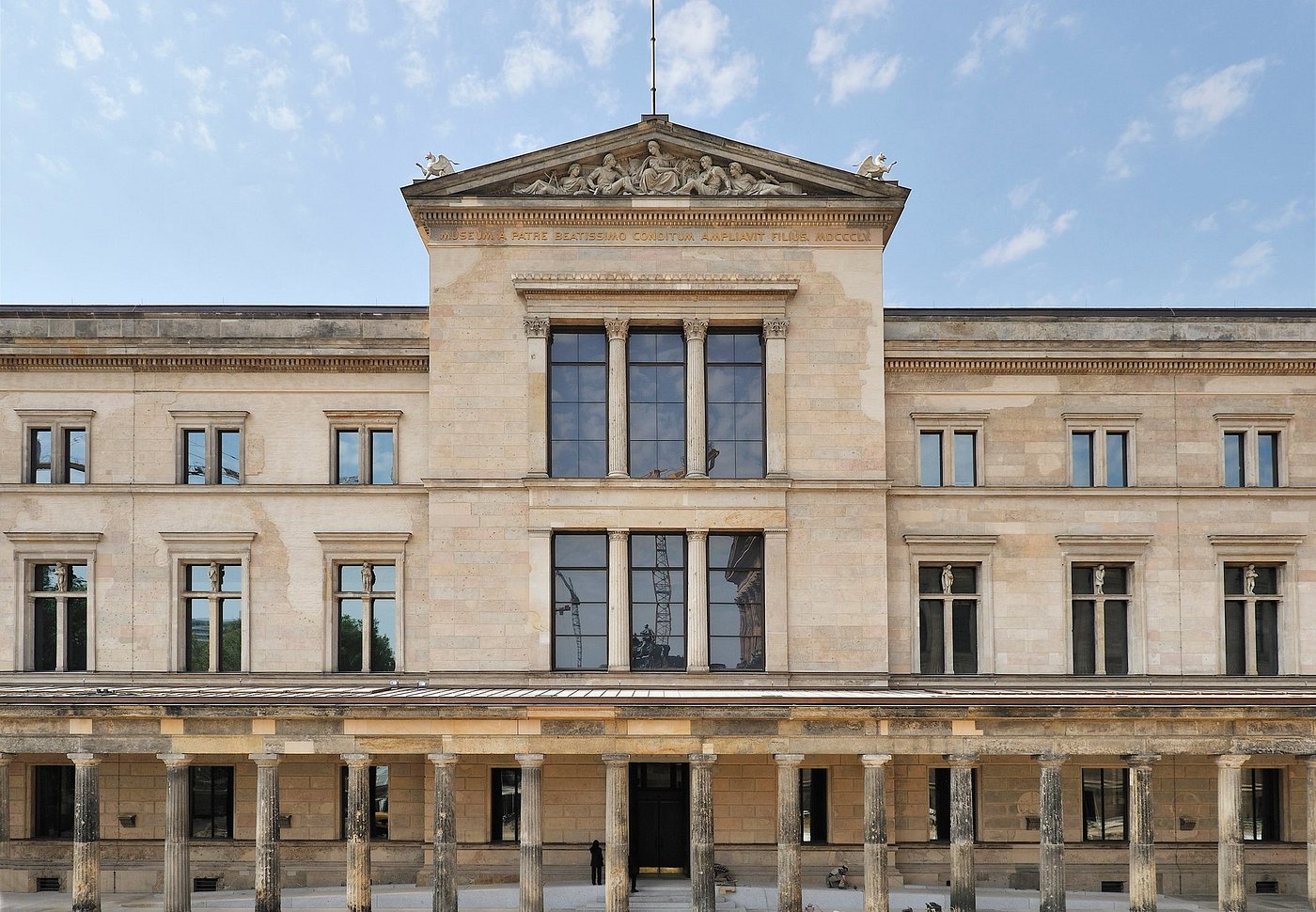
Encountering the Bust of Nefertiti: A Once-in-a-Lifetime Experience
Seeing Queen Nefertiti’s bust in person at the Neues Museum was all about quiet awe and soaking up the details.
From the walk through Museumsinsel to that moment I stood in front of her, every step brought a deeper sense of history and artistry.
Approaching the North Dome Room
I wandered through the busy galleries, each twist and turn packed with ancient wonders.
The route to the North Dome Room felt almost ceremonial; the crowds thinned and the noise faded.
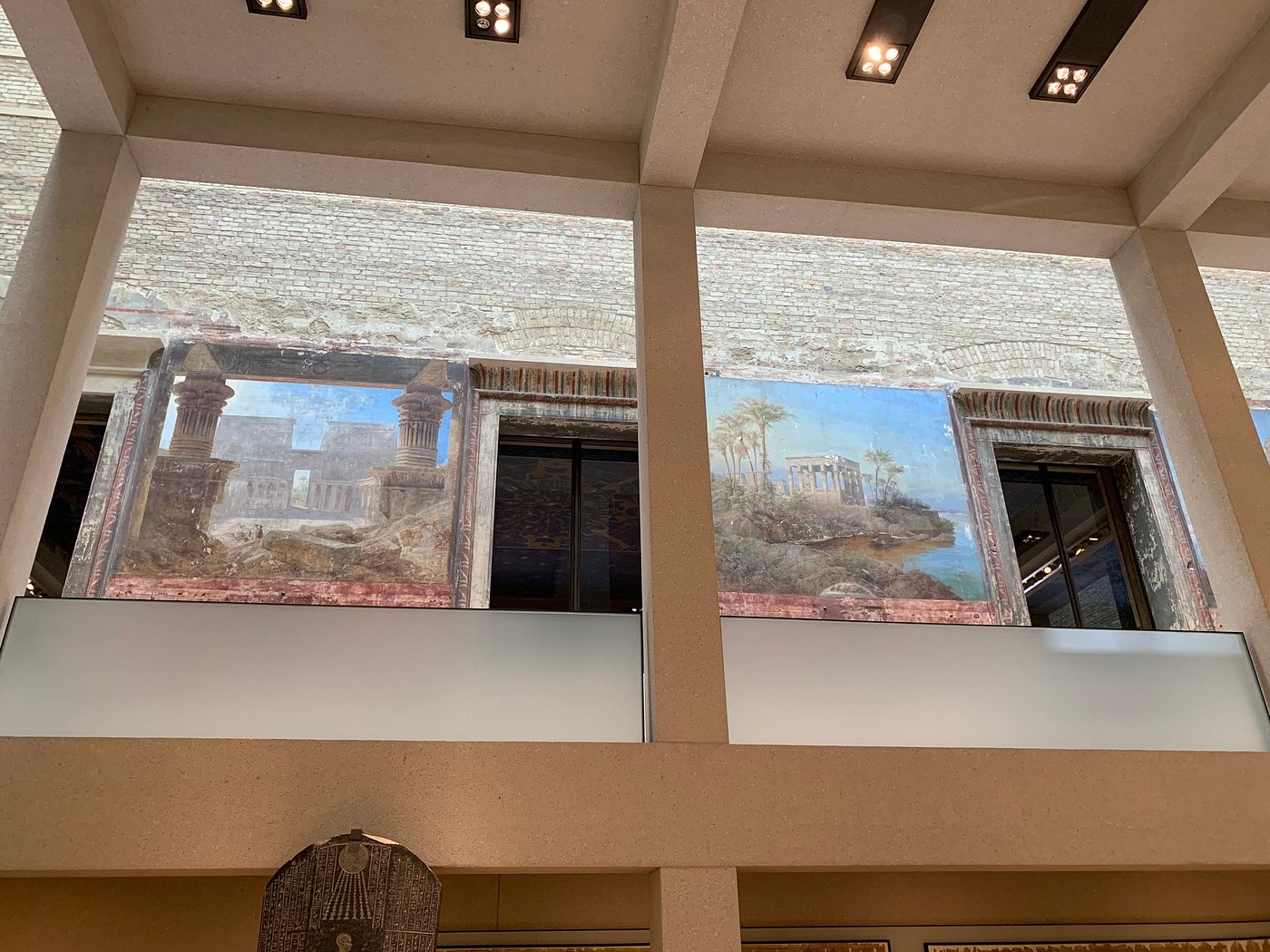
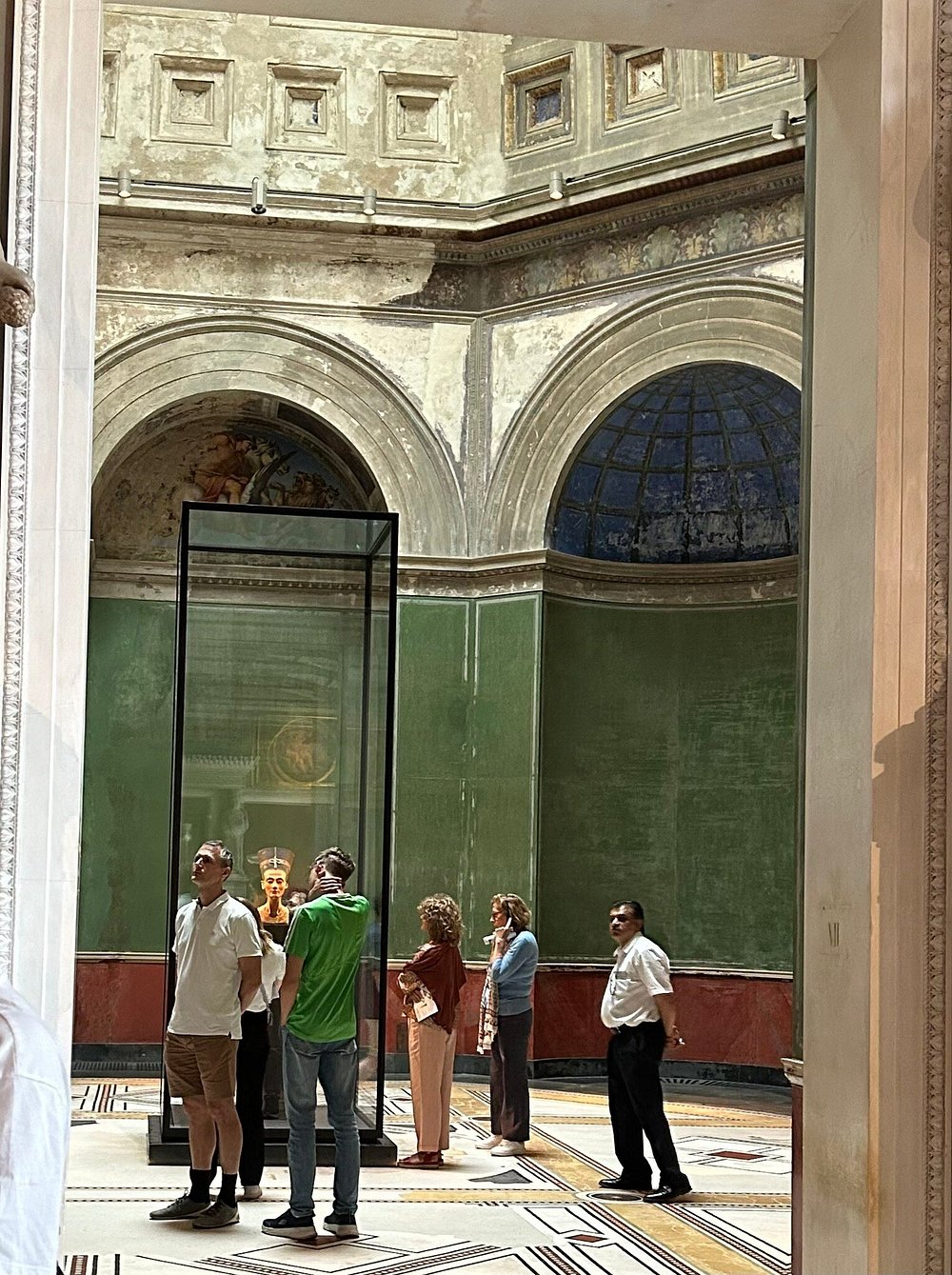
As I reached the North Dome Room, the lighting shifted.
Cool, natural light poured in, bouncing off polished floors and soaring ceilings.
The space felt open and uncluttered, which put all the focus on the sculpture right at the center.
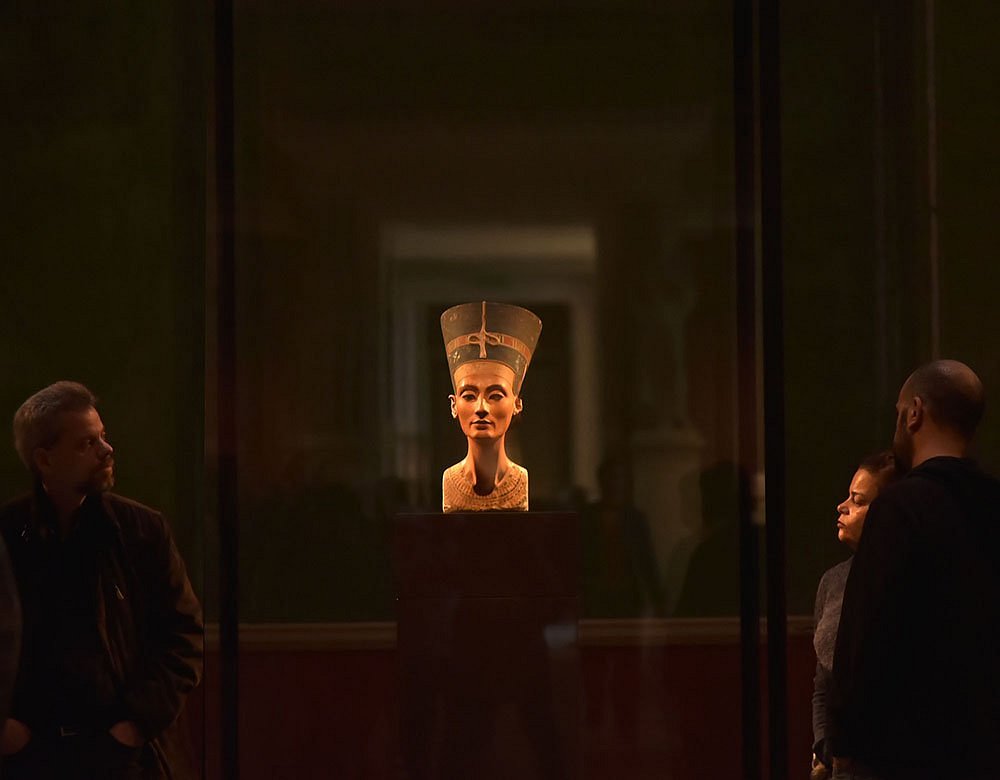
People gathered in small, quiet groups, all facing one direction.
There was this electric anticipation in the air—I realized I was just steps from one of history’s most iconic faces.
First Impressions of the Queen Nefertiti Sculpture
Nefertiti’s bust stood alone in a glass case, commanding attention.
Unlike most statues, her sculpture rested at eye level, so the encounter felt direct and strangely intimate.
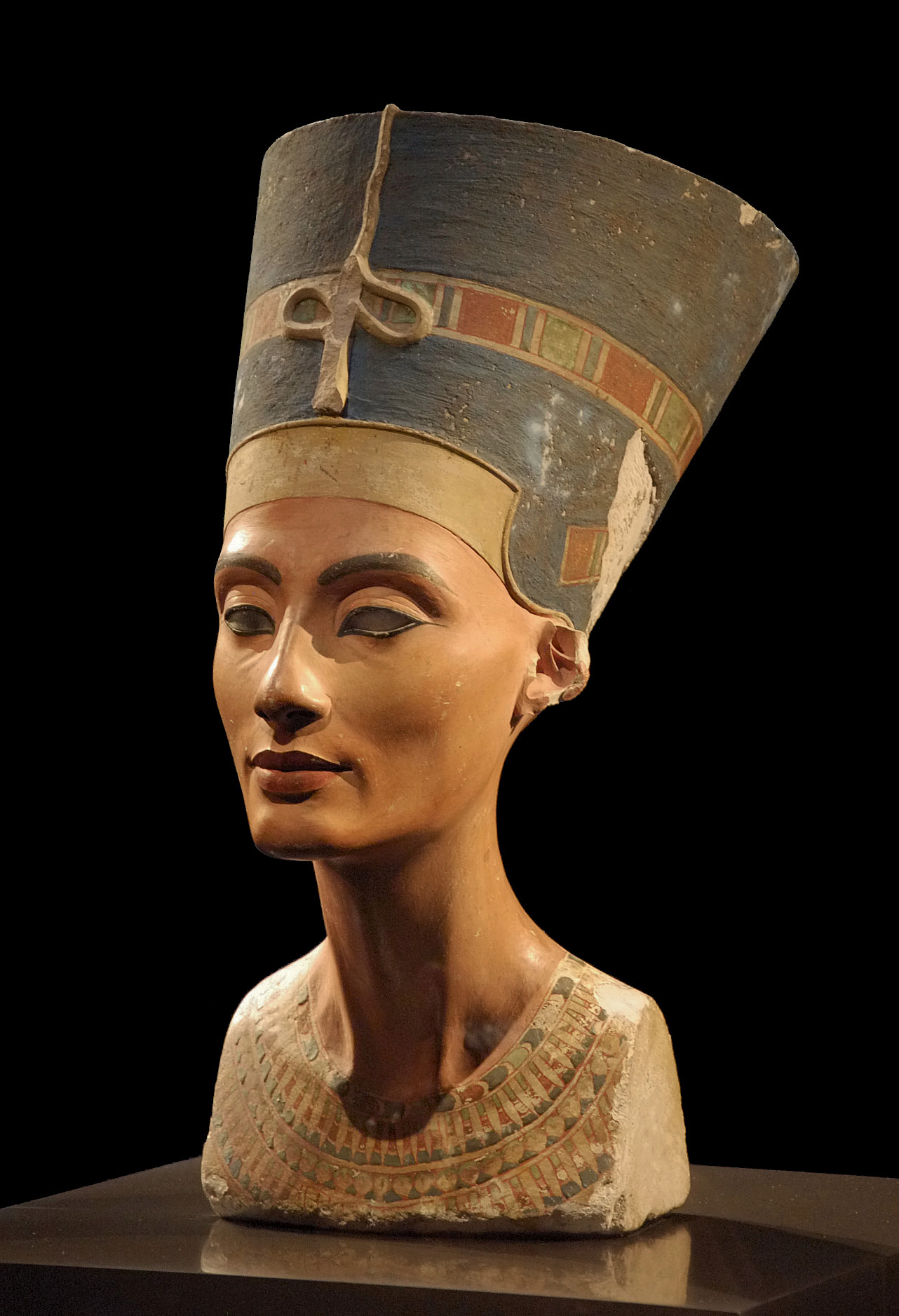
I could see every detail—her high cheekbones, that smooth skin, the perfectly symmetrical face.
The colors on her headdress and necklace still popped, even after more than 3,000 years.
Despite the number of visitors, the room stayed quiet.
People moved slowly around the case, each person taking their time.
It felt less like looking at a museum piece and more like meeting someone with a story and a presence.
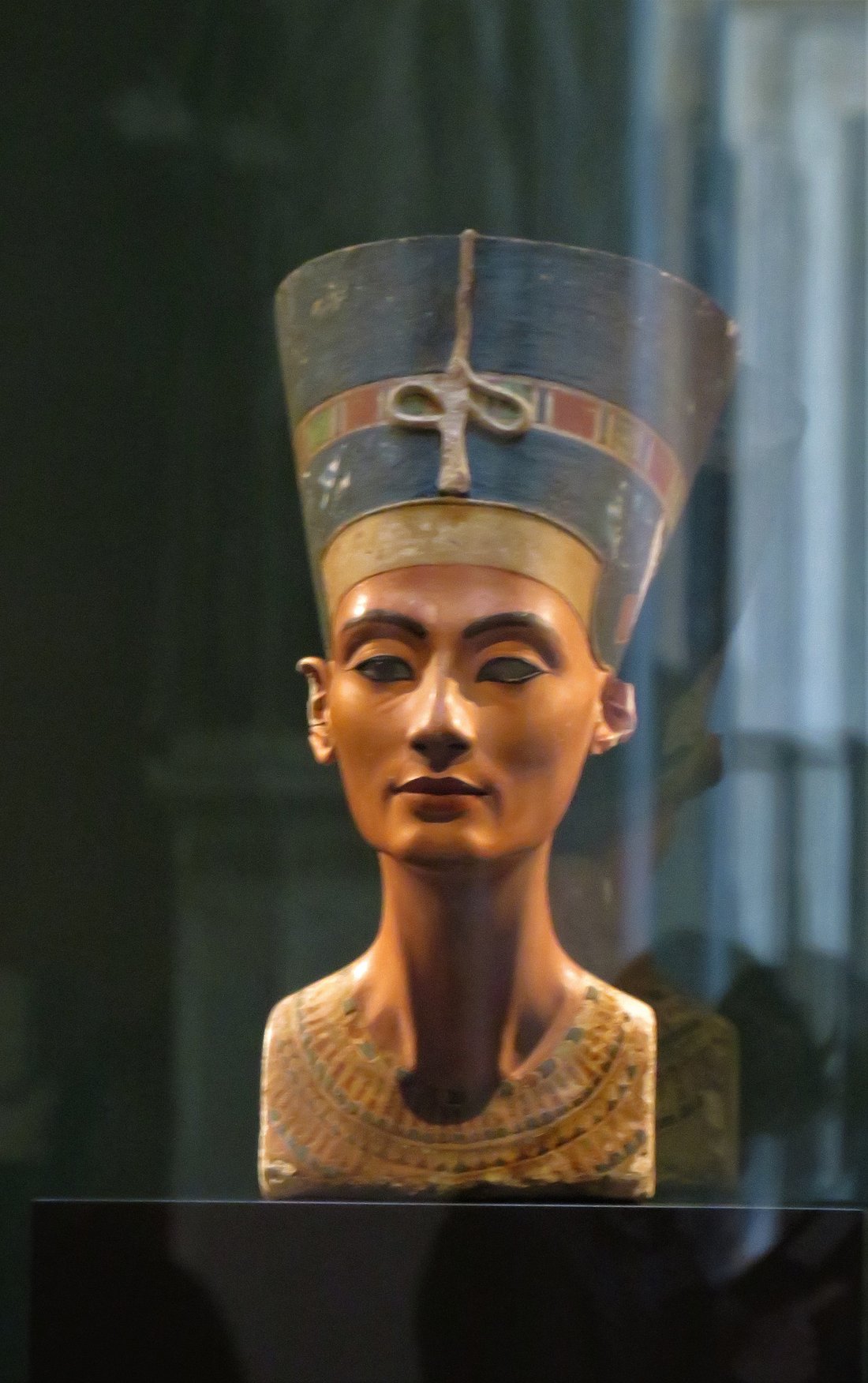
The Bust’s Timeless Beauty and Artistry
Standing in front of Nefertiti’s bust, I felt floored by its timeless beauty.
The craftsmanship holds up, even by today’s standards.
The artist—probably Thutmose—gave her an expression of calm confidence.
Her crown, the flat-topped blue “Nefertiti cap,” looked unique and elegant.
The crisp lines and delicate painting really set her apart from anything else I saw that day.
Key Details I Noticed:
- Lifelike eyes, with just one inlaid pupil
- Gentle shading on her face and lips
- A sharp, defined jawline
This level of artistry and realism made the bust leap out from the other ancient sculptures.
I totally get why it became a symbol of Egyptian art and why so many call it a masterpiece.
The Legacy of Nefertiti and the Amarna Period
Visiting the Neues Museum helped me see just how central Nefertiti was to ancient Egypt’s changes.
Her legacy ties deeply into her royal family, sweeping religious ideas, and her own powerful role in society.
Akhenaten, the Royal Family, and Daughters
Learning about Nefertiti’s history, I found her marriage to Pharaoh Akhenaten especially fascinating.
Together, they led one of Egypt’s most unusual royal families, ruling during the Amarna Period—named after Akhenaten’s new capital, Amarna.
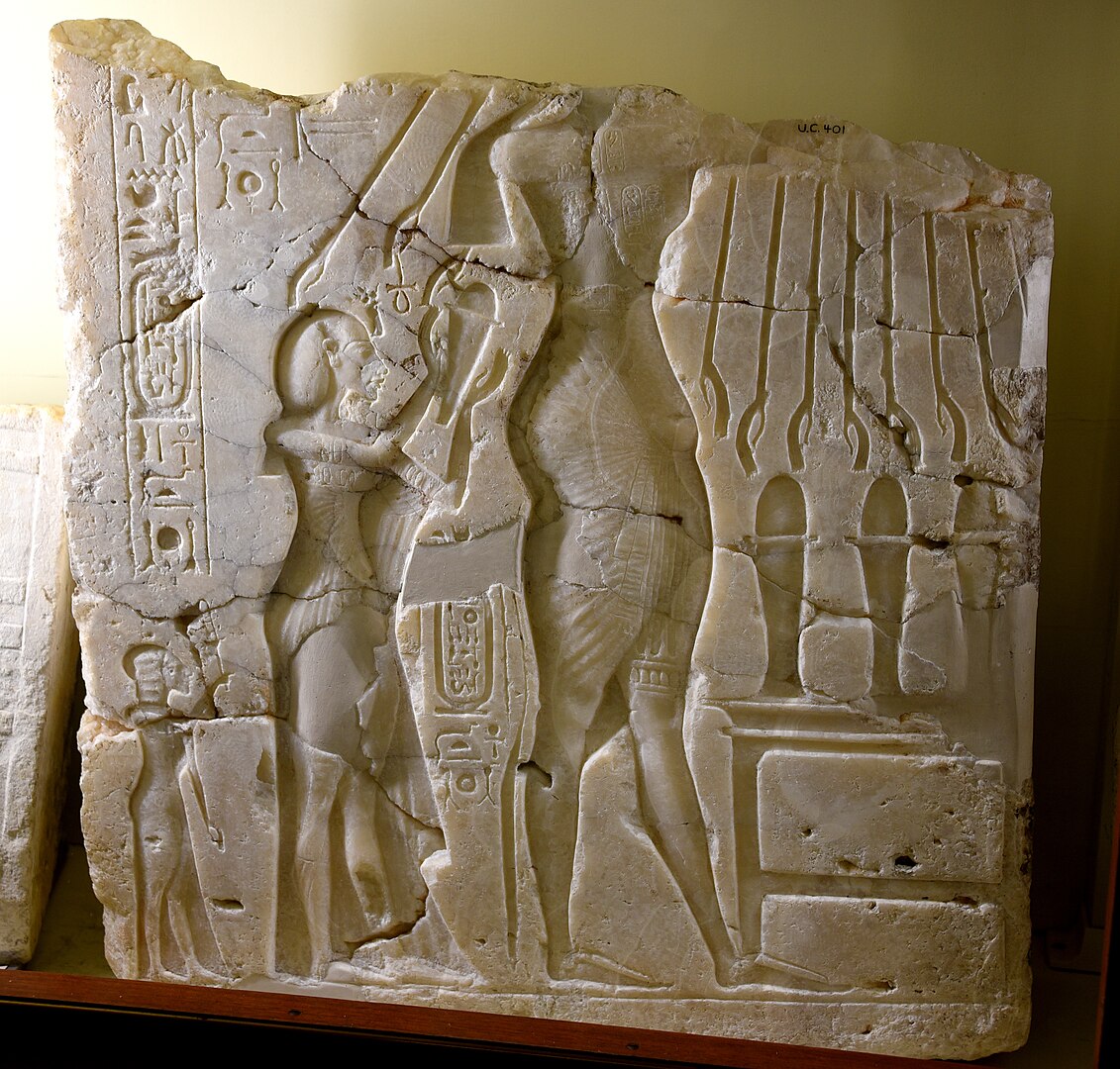
Nefertiti and Akhenaten had six daughters.
Their names appear in temple art and inscriptions: Meritaten, Meketaten, Ankhesenpaaten (who later became Ankhesenamun), Neferneferuaten Tasherit, Neferneferure, and Setepenre.
The daughters show up often in carvings and art with their parents, highlighting close family and religious ties.
This focus on daughters in art marked a big shift from earlier Egyptian art, where royal sons usually took center stage.
The whole royal family, including Nefertiti and her children, appeared in public roles and often worshipped the sun god together.
Nefertiti’s Role in Ancient Egyptian Culture
Nefertiti wasn’t just a queen in name; she was active and powerful.
Art from her time often shows her right next to Akhenaten, sometimes even the same size as the Pharaoh—pretty rare for queens before her.
She sometimes wore the pharaoh’s crown or performed royal duties.
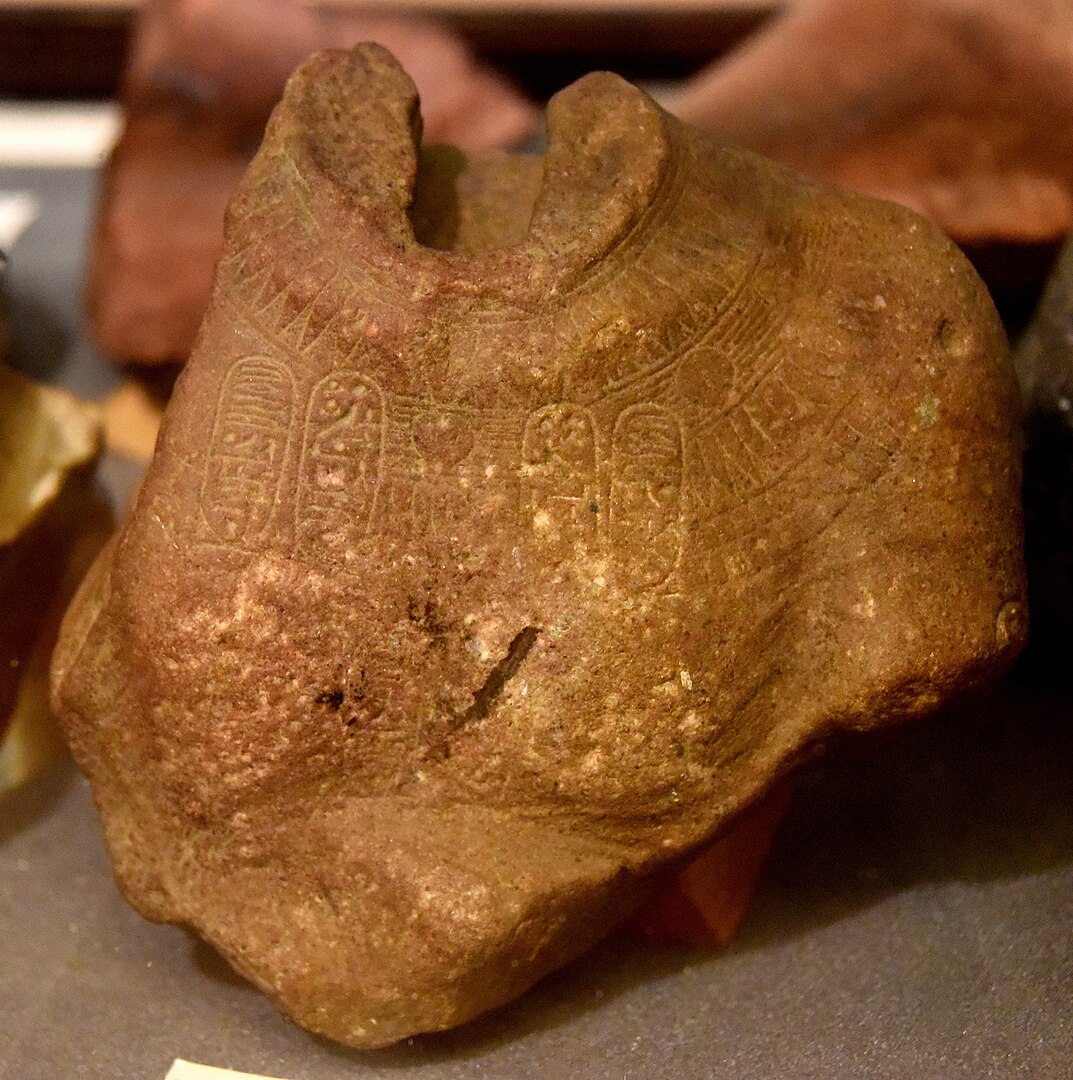
Her full name, “Neferneferuaten Nefertiti,” means “Beautiful are the Beauties of Aten, the Beautiful One Has Come.”
Her beauty became legendary in the famous bust, but her influence went far beyond looks.
Nefertiti took part in religious rituals and helped kick off major cultural changes.
She became a symbol of female power and might have even ruled as pharaoh after Akhenaten, though history gets a bit fuzzy there.
The Sun God and Religious Transformations
The Amarna Period is famous for its dramatic religious changes.
Akhenaten pushed the worship of one main god, the sun disk Aten, breaking away from Egypt’s old traditions.
Nefertiti played a huge role in this shift.
Reliefs show her and Akhenaten worshipping Aten together, sometimes with their daughters.
They closed old temples, and art started to reflect these new religious ideas.
Aten’s rays, each ending in a tiny hand offering life, became a common sight in murals and carvings.
These changes at Amarna shaped art, beliefs, and how Egyptians saw their rulers for years.
Nefertiti’s actions and presence in these ceremonies made her a central figure in one of Egypt’s biggest religious revolutions.
Standing in front of her bust in Berlin, I felt the weight of her legacy, forever tied to the Amarna Period and Egyptian history.
Neues Museum: A Treasure Trove of Egyptian Art and History
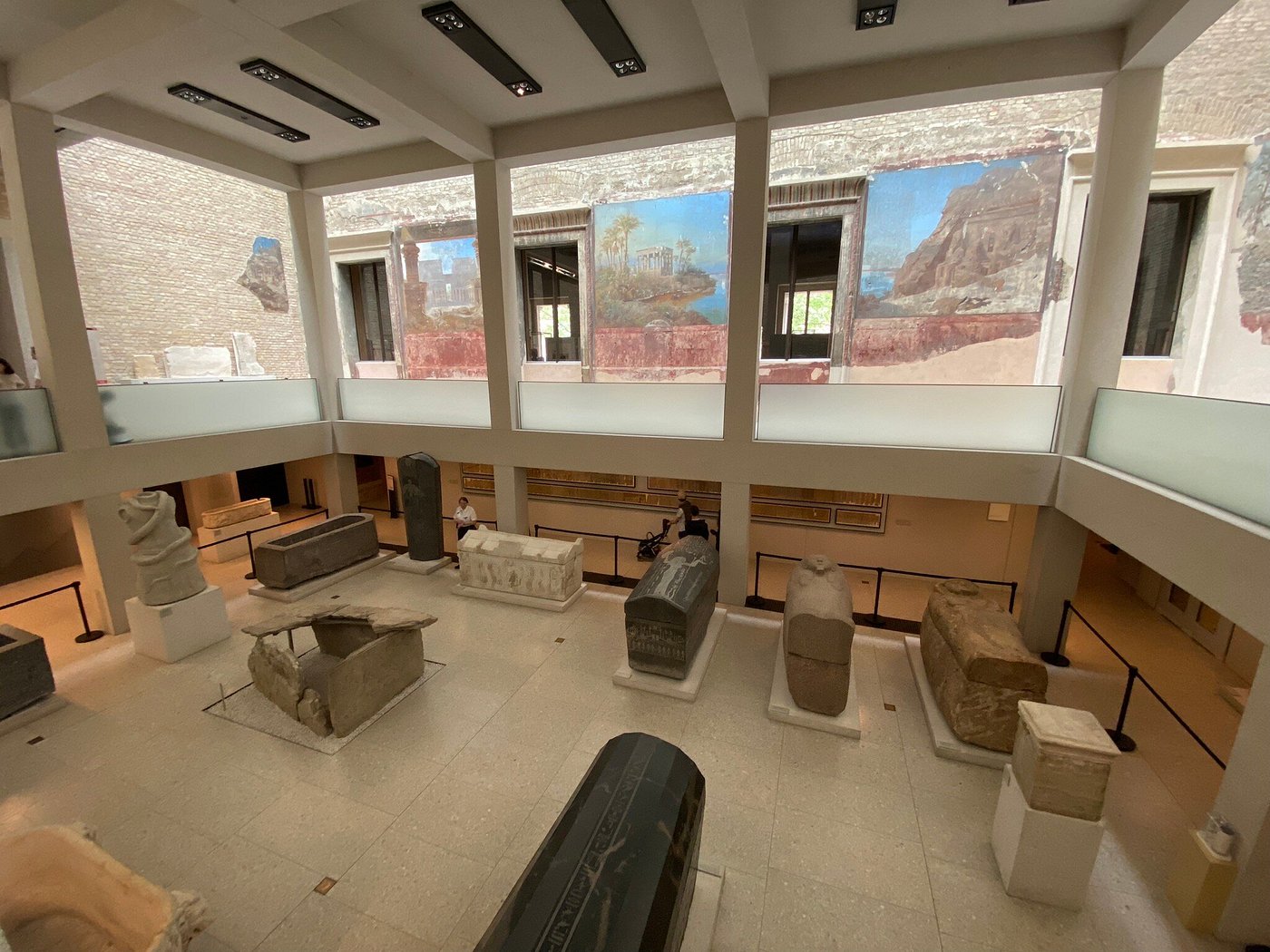
Berlin’s Neues Museum offers way more than just the famous Nefertiti Bust.
I found myself surrounded by ancient artifacts, beautifully preserved mummies, and rare papyrus documents.
Exploring the Egyptian Collection
The scale of the Egyptian Collection hit me right away.
The rooms cover 4,000 years of history, from everyday tools to ornate statues.
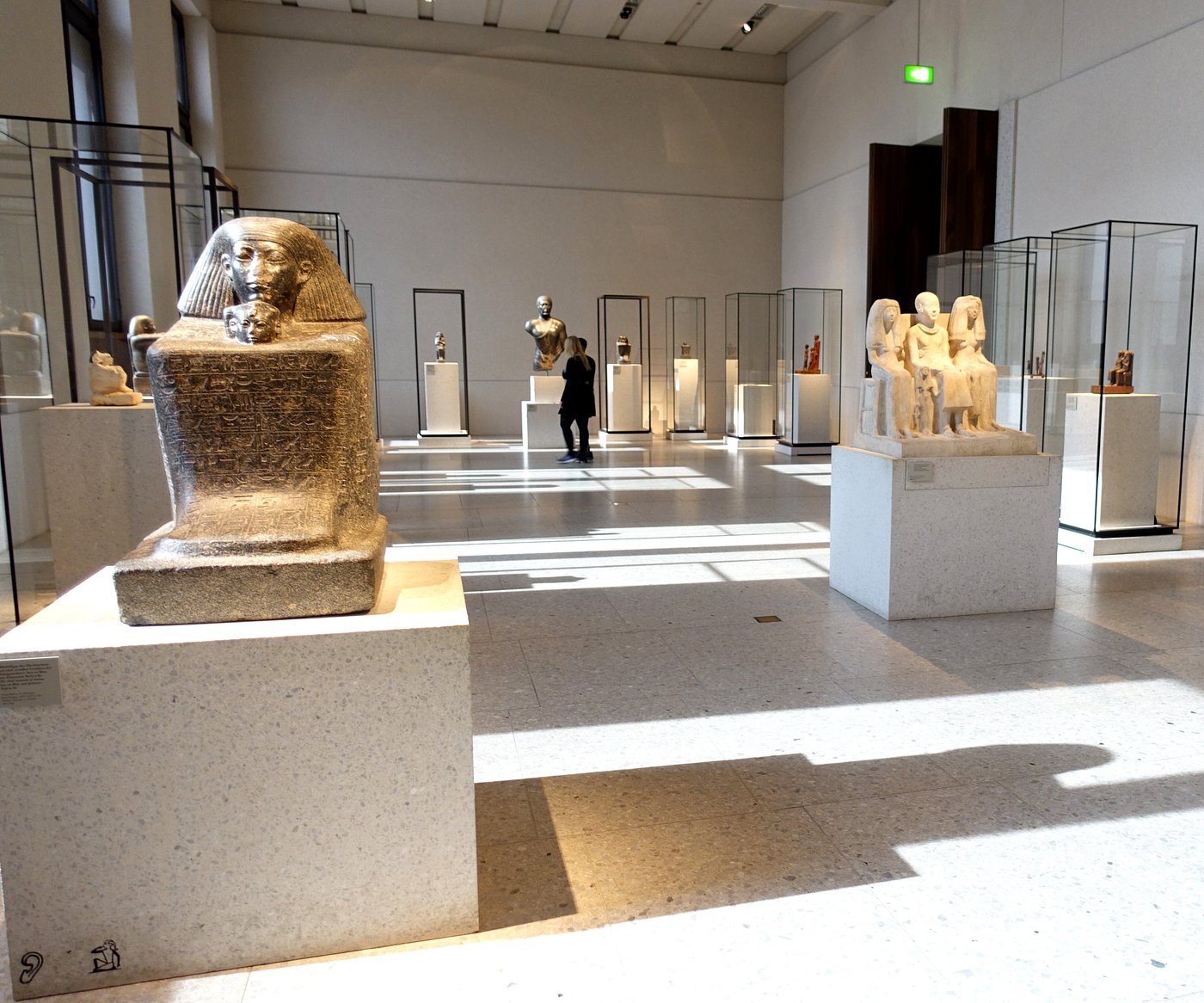
I wandered past pottery, sparkling ancient jewelry, wooden coffins, and statues of pharaohs.
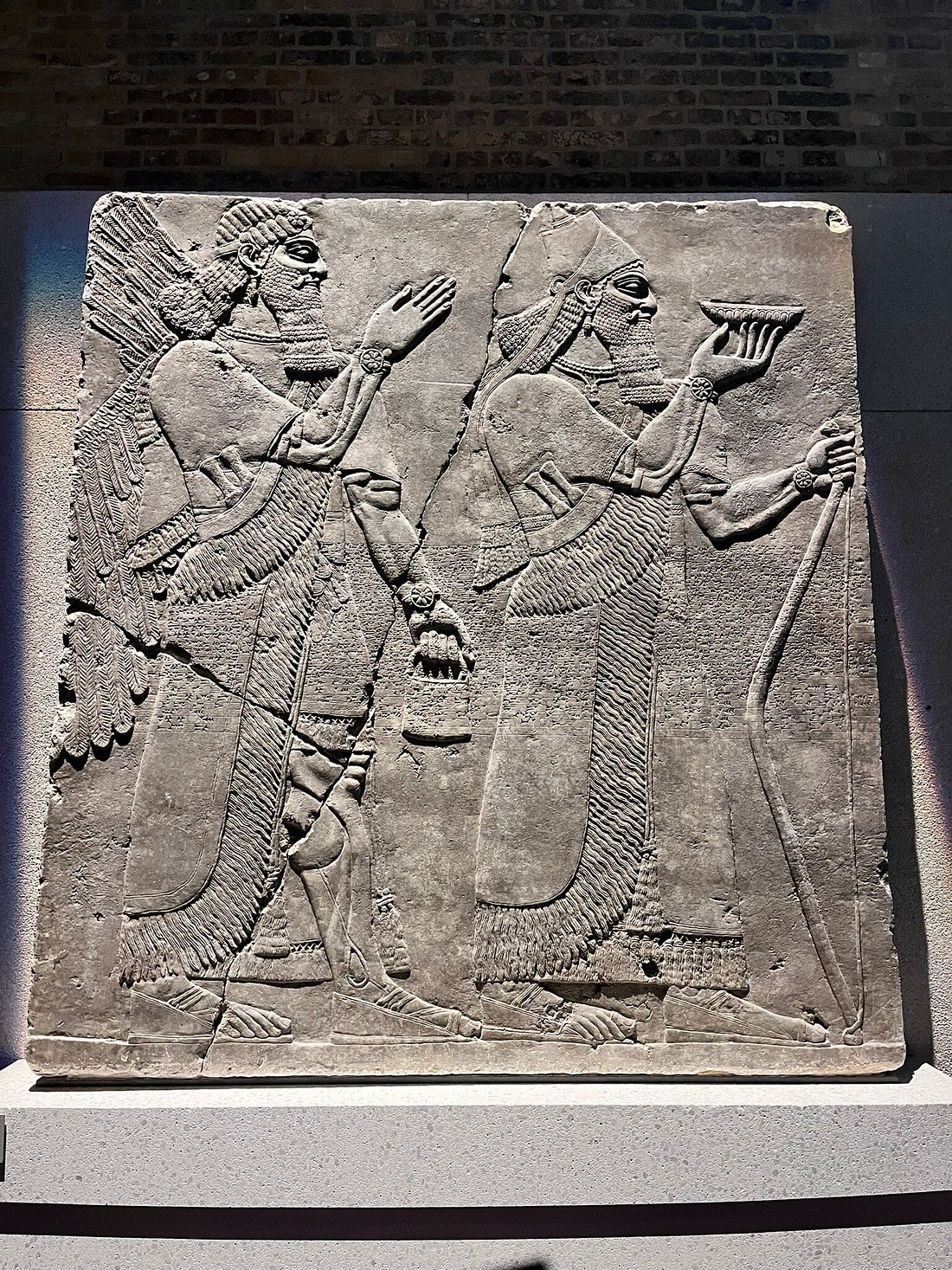
Reliefs covered in hieroglyphs and tiny shabti figurines—buried with the dead for the afterlife—filled the cases.
Carved stelae and detailed wall paintings offered glimpses into Egypt’s long story, from religion to life along the Nile.
Highlights Beyond the Nefertiti Bust
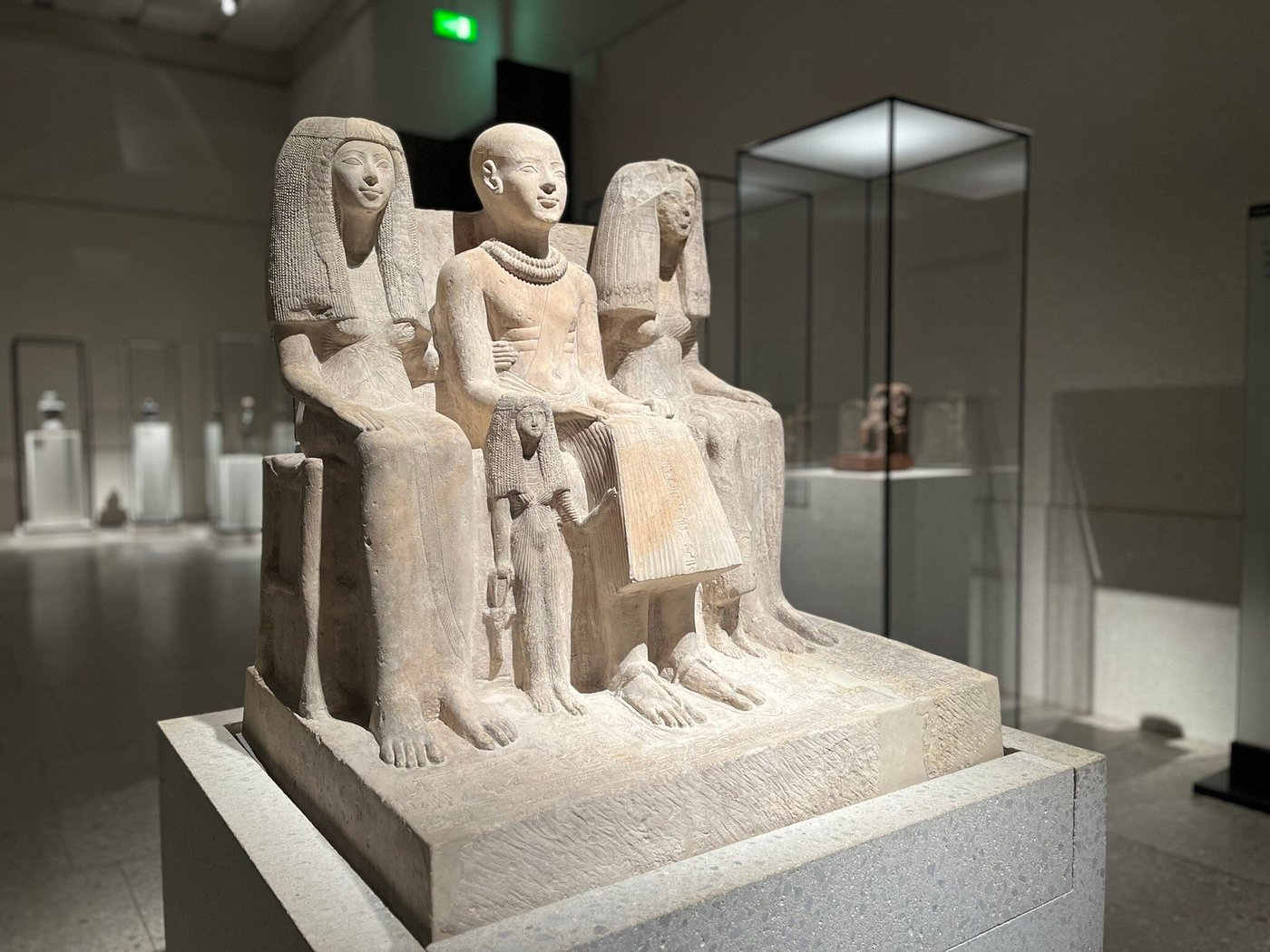
While the Bust of Nefertiti in Room 210 draws the crowds, I found plenty of other pieces that grabbed my attention.
The colossal statue of Pharaoh Amenemhat III, with its calm, dignified face, stood out.
I spotted beautifully painted coffins and even ancient board games once enjoyed by Egyptian nobles.
Amulets, canopic jars, and carved stone vessels showed how art and beliefs fit into everyday life.
There’s also a section devoted to Akhenaten’s reign, where I learned about his unique religious ideas.
The variety and power of these exhibits make the Neues Museum a must for anyone interested in Egyptian art.
Papyrus Collection and Mummies
The papyrus collection, lined up in glass cases, drew me in.
There are ancient letters, contracts, and even fragments of stories.
Some are written in hieratic script, others in neat columns of hieroglyphs.
Among the most intriguing displays are the preserved mummies and mummy masks.
I could make out linen wrappings, painted faces, and even x-ray images that reveal what lies beneath.
Small exhibits explain burial customs and beliefs about the afterlife.
Seeing these up close gave me a better sense of how Egyptians honored their dead and kept their stories alive.
From Excavation to Exhibition: The Story Behind the Nefertiti Bust
The Nefertiti Bust’s journey from ancient Egypt to Berlin is a tale of discovery, artistry, and careful preservation.
Over a century ago, archaeologists unearthed her from the sands, and Berlin’s experts have worked to share her beauty ever since.
Discovery by Ludwig Borchardt and Amarna Finds
On December 6, 1912, German archaeologist Ludwig Borchardt led a team at Amarna, Pharaoh Akhenaten’s short-lived capital.
The workers found a workshop belonging to Thutmose, an important sculptor.
Inside, they uncovered the painted limestone bust of Queen Nefertiti.
The bust immediately stood out for its beauty and incredible state of preservation.
They also found fragments of royal statues and reliefs nearby.
This find quickly became one of the most talked-about discoveries from Amarna.
The bust symbolized both Nefertiti’s influence and the artistry of Egypt’s 18th Dynasty.
Attribution to Thutmose, the Ancient Sculptor
Archaeologists traced the bust to Thutmose’s studio.
They identified him as the likely creator based on the location and signed works found there.
Thutmose was known for lifelike images of the royal family.
The Nefertiti Bust, with its symmetrical features and vibrant colors, shows his skill.
The missing left eye might have been unfinished or damaged over time.
Made of limestone, coated in plaster, and then painted, the bust still impresses.
Thutmose’s reputation as a master sculptor has only grown, thanks to the Nefertiti Bust.
It’s now a prime example of ancient Egyptian portraiture.
Journey to Berlin and Restoration Efforts
After the excavation, the Nefertiti Bust made its way to Germany through the “partage” system—an agreement between Egyptian and German authorities.
The bust joined Berlin’s collection and went on public display in 1924 at the Neues Museum.
Over the years, museum experts cleaned and stabilized the sculpture, but they avoided major reconstructions.
They wanted to respect its original condition.
During World War II, staff hid the bust to protect it from bombings.
After the war, it moved between locations before finally returning to the Neues Museum.
Today, the bust sits in a climate-controlled display, where I got to see it up close—a testament to both ancient skill and modern care.
Planning Your Visit to the Egyptian Museum in Berlin
A trip to the Egyptian Museum at the Neues Museum promises historic treasures, thoughtful exhibitions, and one of the world’s most famous art objects.
A little practical info goes a long way toward making the most of your visit.
Admission, Location, and Practical Information
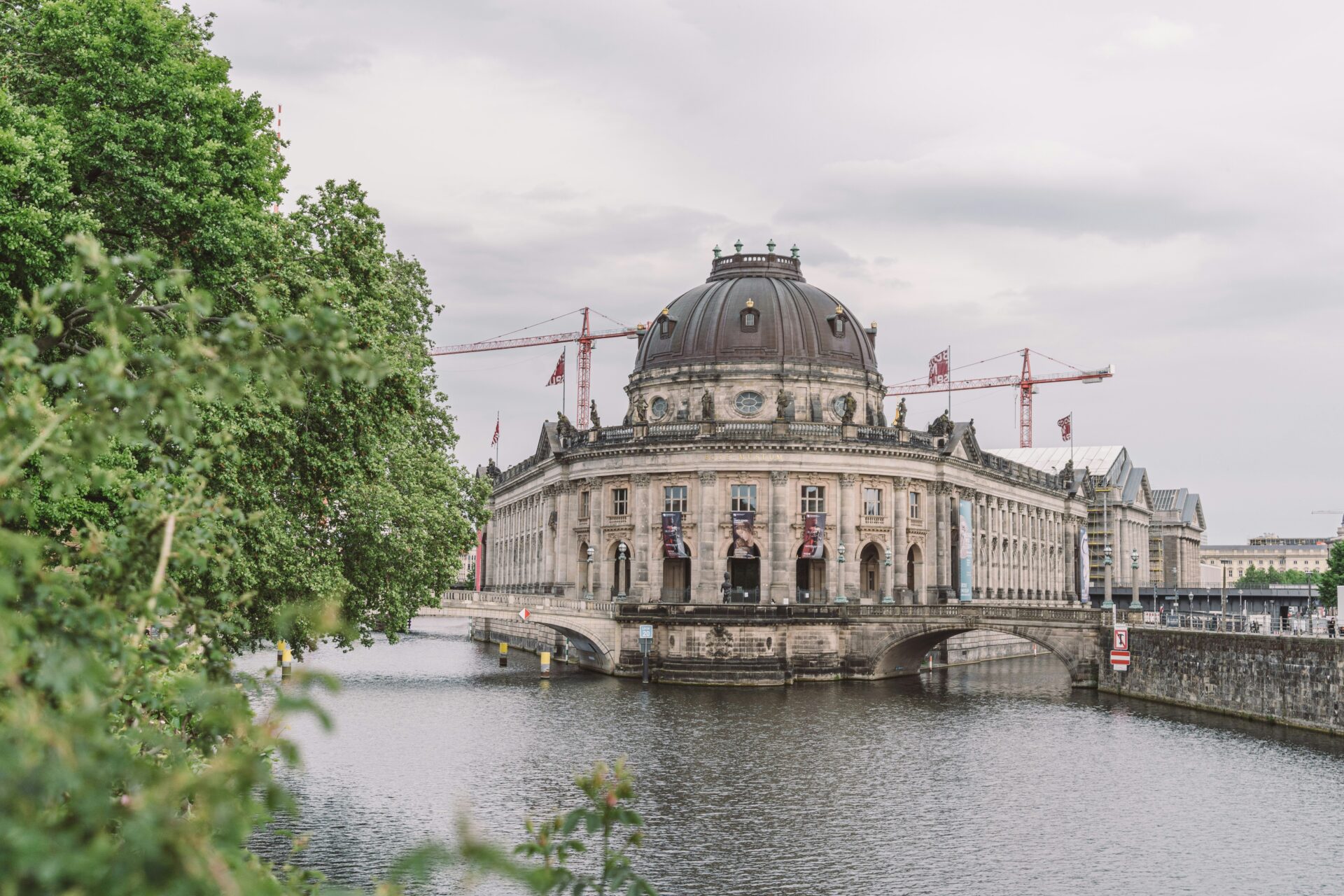
The Egyptian Museum is part of the Neues Museum, right on Museum Island—one of Berlin’s cultural hotspots.
It’s easy to reach by public transport, at Bodestraße 1-3, 10178 Berlin.
The building was beautifully restored by David Chipperfield, whose modern touches blend with the historic setting.
Tickets start around €16, but prices can shift, especially for special exhibitions.
Booking online in advance is smart, especially during busy seasons.
Your ticket also gets you into the Papyrus Collection and other national museum sections in the building.
Opening hours usually run from 10:00 am to 6:00 pm.
Still, it’s best to check the official website for the latest, since holidays and events can change things.
Lockers and a cloakroom are available for bags and coats—they’re not allowed in the exhibition rooms.
Visitor Experience and Photography
When I stepped inside, I immediately noticed the thoughtful way the exhibits are set up. Wide pathways make it easy to wander, and the signs—thankfully in both German and English—help you figure out where to go.
Spotlights draw your attention to certain objects, while some rooms feel a bit dimmer to keep delicate pieces safe. Security staff keep an eye on things, but honestly, they don’t make you feel watched.
Now, about photography: the museum has some pretty strict rules. You absolutely can’t take photos of the famed Bust of Nefertiti, no matter how tempting it is.
For most other objects, non-flash photos are sometimes okay, but the rules change from room to room. I found it easiest just to ask a staff member before pulling out my camera or phone—nobody likes getting scolded in a museum.
The museum has restrooms, spots to sit and rest, and even a café if you need a break. I tried the digital guide, and it actually gave me a lot of interesting details about the works.
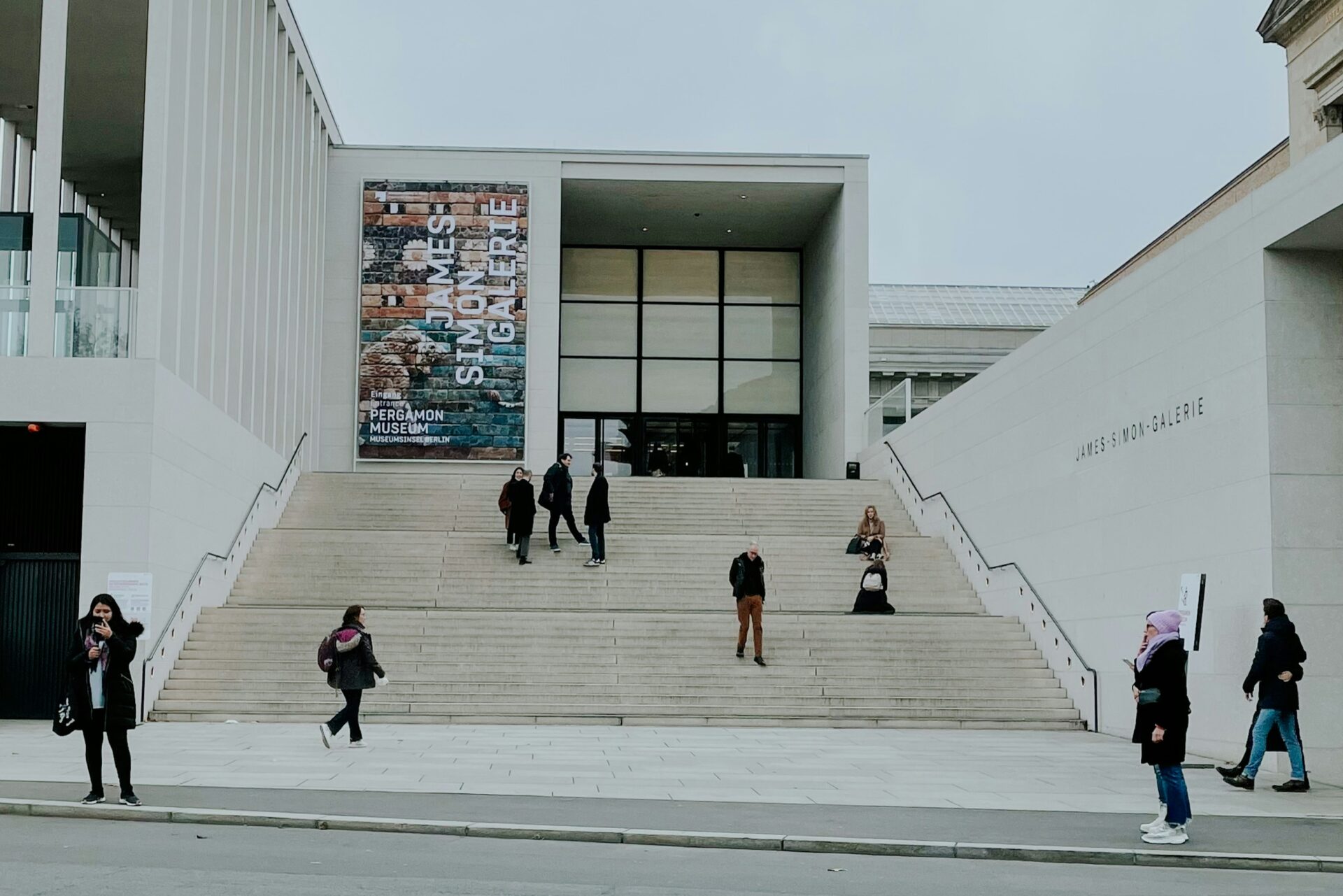
If you’re curious about the entrance, the James Simon Gallery—designed by Chipperfield—adds a modern touch and the guide covers that too.
Current Exhibitions: ‘In the Light of Amarna’
One major highlight during my visit was the exhibition ‘In the Light of Amarna’. This show dives into the city of Amarna, founded by Pharaoh Akhenaton and Queen Nefertiti.
You’ll find statues, jewelry, papyri, and everyday objects from that era. The museum organizes the displays by theme, and I noticed the exhibition text keeps things clear and to the point.
Some artifacts reveal what daily life looked like, while others hint at the bigger political shifts happening during Nefertiti’s reign. I spotted a few rare items I haven’t seen anywhere else—honestly, it felt like a real one-off chance.
‘In the Light of Amarna’ often appears alongside the permanent collections. Exhibition spaces rotate throughout the year, so I always check the museum’s website for updates and booking info before I plan my next trip.



