
Honestly, Monterey County blew me away. It’s one of those rare places in California where literary legends and jaw-dropping natural beauty somehow share the same stretch of coast. I wandered from the old sardine canneries that sparked Steinbeck’s imagination to Carmel’s whimsical cottages, and then out to the wild, wind-lashed cliffs of Big Sur.
What really grabbed me? How this area weaves together its gritty, working-class past with a kind of creative, laid-back magic. The same waterfront where fishermen once hauled in sardines now buzzes with art galleries, cozy restaurants, and scenic paths. Every stop feels like a new chapter in California’s story—from hard-edged industry to a sun-drenched paradise.
Monterey County isn’t just one place; it’s a patchwork of experiences. I retraced Steinbeck’s steps on Cannery Row, hunted for hidden beaches, and sipped local wines that tasted like the landscape itself. Whether you’re in it for adventure, culture, or just a good story, you’ll find something that sticks with you.
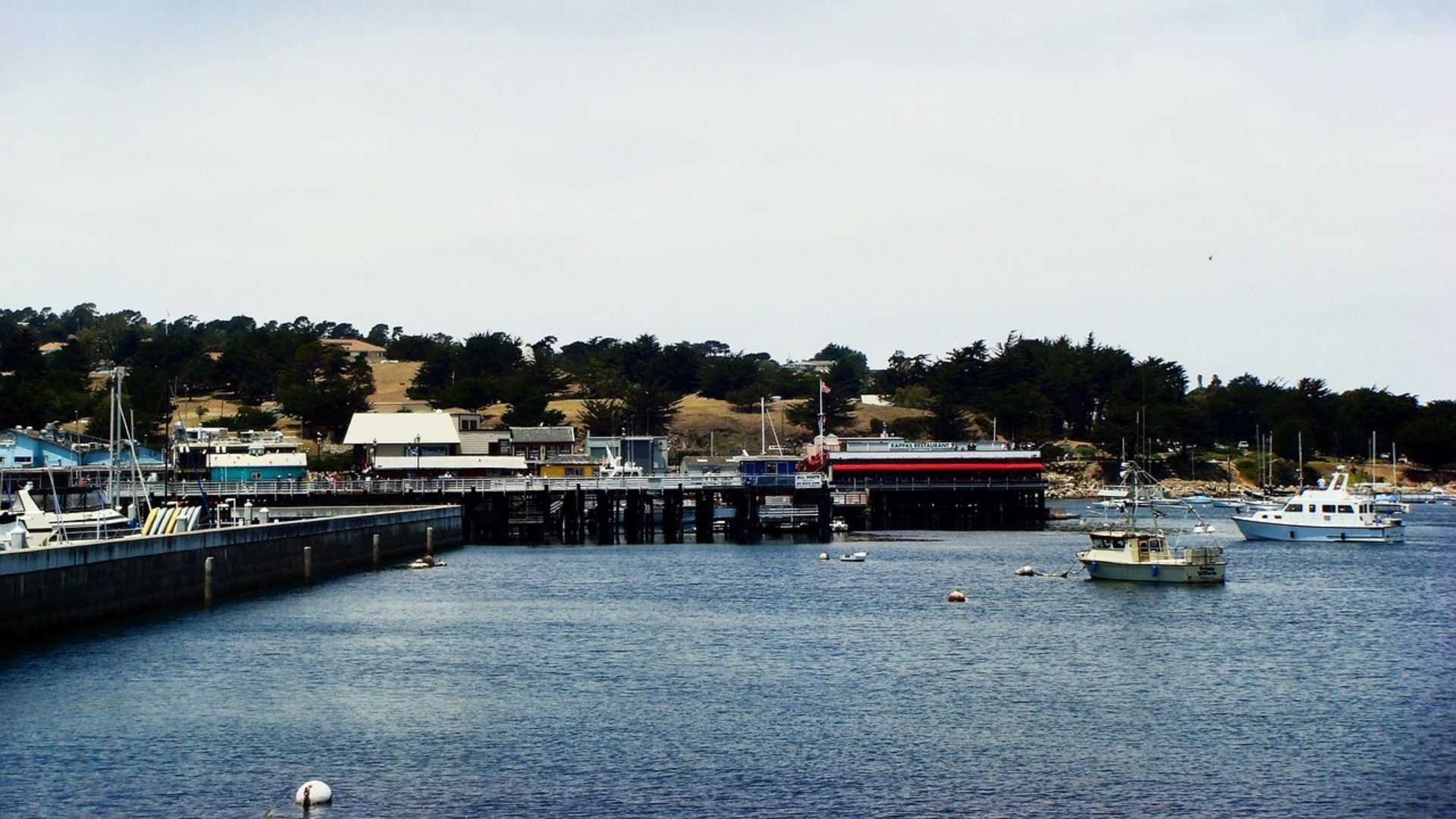
Tracing Steinbeck’s Legacy Along Cannery Row
Walking Cannery Row, I couldn’t help but feel the echoes of Steinbeck’s world. His 1945 novel immortalized this gritty sardine canning district, and even now, the street hums with a sense of history.
The shift from industrial hub to tourist hotspot fascinates me. Steinbeck’s words seem to have frozen the spirit of the place, even as the buildings and businesses have totally changed.
Exploring Historic Canneries and Landmarks
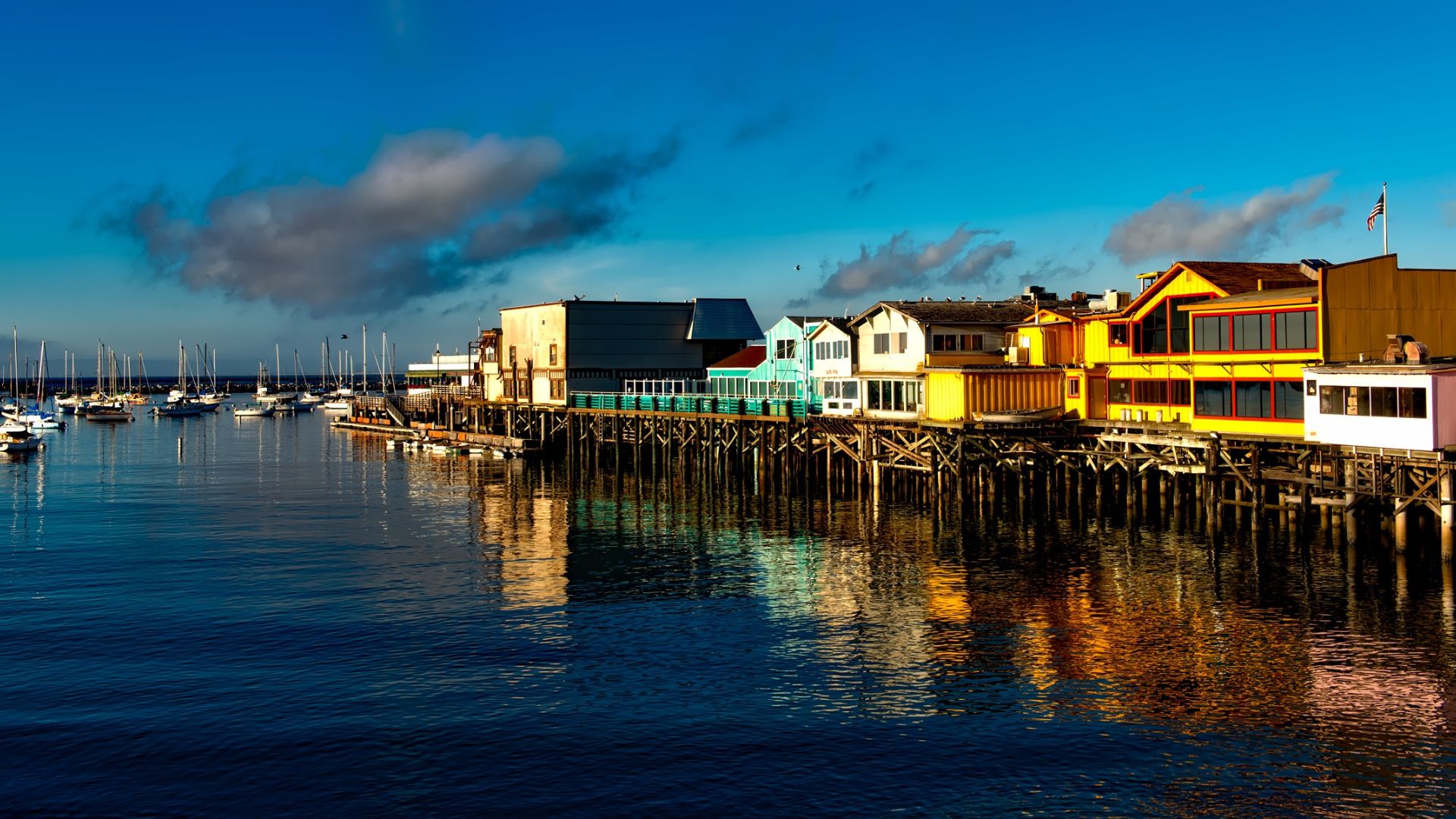
Those old sardine canneries lining Ocean View Avenue—now Cannery Row—tell Monterey’s story in peeling paint and weathered beams. I wandered past buildings that once buzzed with canning operations from the roaring ’20s through the 1940s.
Most of these structures house restaurants and quirky shops now. The Kalisa International building and Hediard Cannery used to process mountains of sardines.
They renamed Ocean View Avenue to Cannery Row in 1958, tipping their hat to Steinbeck’s book. There’s even a bronze plaque marking where he often strolled and watched the workers.
You’ll spot the Steinbeck Plaza monument near the heart of the district. It’s got quotes from the novel and bronze sculptures of the book’s characters.
The street layout? Still pretty much what Steinbeck would have seen. The narrow road squeezes between the old canneries and the bay, just like when sardine boats filled the harbor.
Pacific Biological Laboratories and Ed Ricketts
At 800 Cannery Row, Ed Ricketts ran his marine biology lab. This spot’s a must for any Steinbeck fan. Ricketts wasn’t just a scientist—he was Steinbeck’s close friend and the real-life “Doc” from the novel.
The Pacific Biological Laboratories building stands right where it always has. A small plaque marks the door where Ricketts collected and studied his beloved marine specimens.
Ricketts and Steinbeck teamed up on research projects that shaped more than just Cannery Row. Their friendship colored several of Steinbeck’s books.
Today, the building’s a private club, but you can still check out the exterior and read about Ricketts’ work. His scientific curiosity about tide pools and marine life shaped the way Steinbeck wrote about nature.
Ricketts died in a train accident in 1948—just three years after Cannery Row hit the shelves. That loss really changed Steinbeck’s later writing.

Monterey Bay Aquarium: From Industry to Innovation
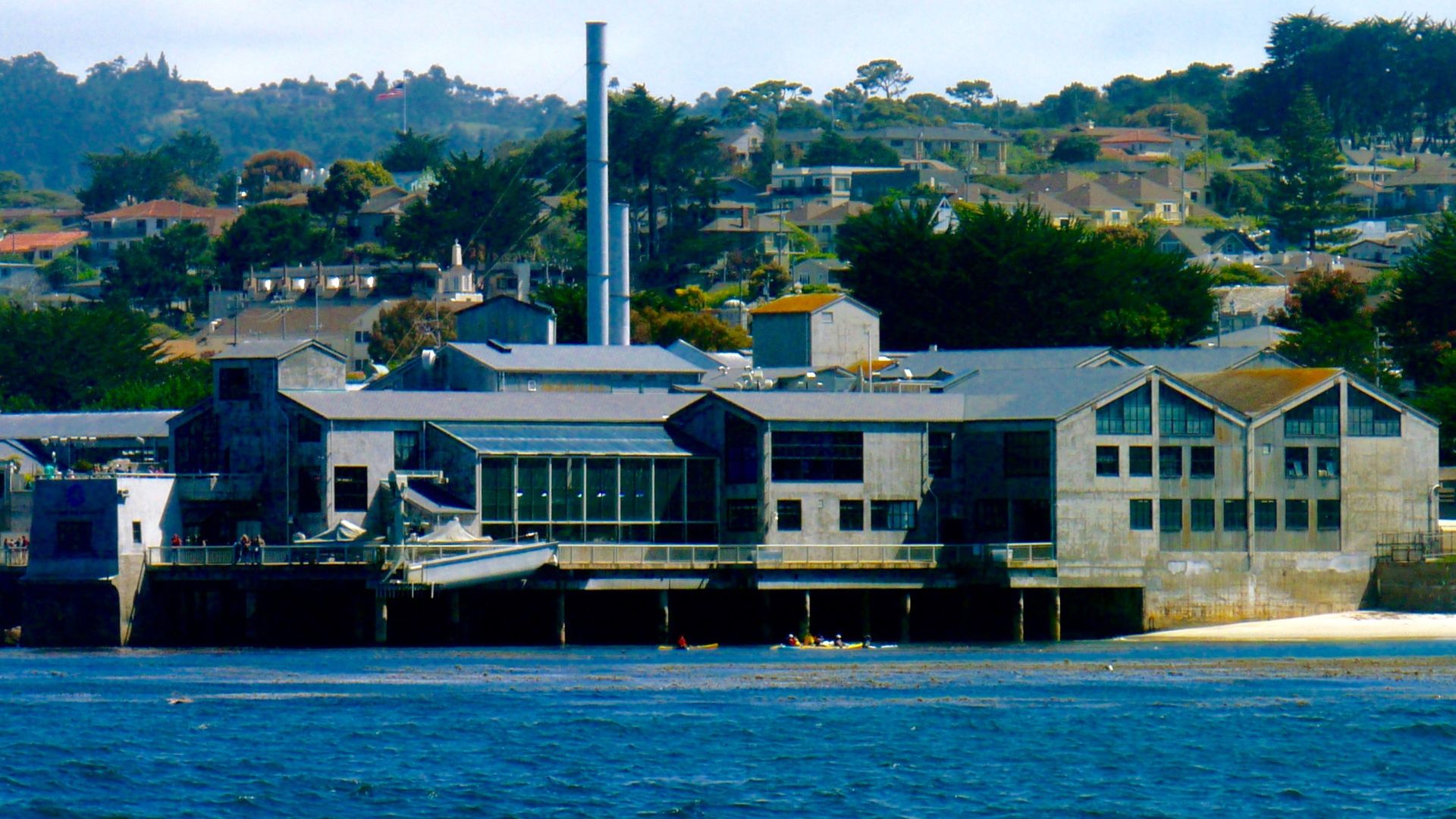
The Monterey Bay Aquarium stands as the boldest transformation on Cannery Row. They built it inside the old Hovden Cannery, opening in 1984, and you can feel Ed Ricketts’ legacy in every corner.
They chose this spot to honor both the area’s industrial roots and Ricketts’ scientific work. Bits of the original cannery still peek through the architecture.
I wandered through exhibits teeming with the same marine life Ricketts studied decades ago. The kelp forest exhibit stands right where sardines once rattled down processing lines.
The aquarium’s research dives deep into Monterey Bay’s ecosystem. It’s a perfect nod to Steinbeck’s fascination with the messy, beautiful relationship between humans and nature.
Key Features:
- Built inside the old Hovden Cannery
- Opened in 1984
- Keeps marine research alive
- Preserves industrial bones
Over 1.8 million people visit every year. No wonder—it’s one of California’s true gems.
Immersing in Monterey County’s Literary and Cultural Tapestry
Monterey County’s culture isn’t just about the coast. It’s rooted in the Salinas Valley, where John Steinbeck soaked up stories from the land and its tough, resilient people. This place has always drawn artists, too—think Joan Baez—and the festivals and creative sparks keep flying.
Salinas and the Salinas Valley: Birthplace of Steinbeck
Salinas, for me, unlocked Steinbeck’s genius. Born here in 1902, he turned the valley’s fields and characters into the heart of his most powerful books.
My first stop? The National Steinbeck Center. I dug into interactive exhibits and even saw Rocinante, the truck from his Travels with Charley road trip. The photos and documents there make his stories jump off the page.
Lunch at the Steinbeck House—his actual childhood home—felt surreal. Wandering those rooms, I imagined young Steinbeck soaking up the world outside his window.
The Salinas Valley stretches nearly 100 miles south from Monterey Bay. Steinbeck called it “the great Salinas Valley” and set East of Eden right here. I drove through endless fields of lettuce and strawberries, the same crops that have shaped this place for generations.
From Fremont Peak, I gazed out over the valley, just like Steinbeck did in Travels with Charley. The green patchwork below looked timeless.
Art, History, and Notable Residents
Monterey County keeps attracting creative souls. Folk singer Joan Baez lived here, adding to the area’s musical legacy. Her time here helped make Monterey a cultural hotspot in the 1960s.
Robinson Jeffers built Tor House and Hawk Tower by hand in Carmel. I visited this stone marvel and imagined the literary giants—Langston Hughes, Sinclair Lewis—who once gathered here. The Pacific views are unreal.
Henry Miller found his muse in Big Sur. The Henry Miller Library, tucked in a redwood grove, now hosts readings and concerts. It’s got this quirky, creative vibe—part bookstore, part arts center.
Notable Literary Residents:
- John Steinbeck (Nobel laureate)
- Robinson Jeffers (poet, builder)
- Henry Miller (novelist)
- Robert Louis Stevenson (wrote Treasure Island)
Tech companies like Apple have also set up shop here, bringing in new faces and fresh energy. It’s a fascinating mix of old agriculture and modern innovation.

Festivals and Creative Movements
The Monterey Jazz Festival has been going strong since 1958. I caught some performances that blew me away—big names and up-and-coming artists sharing the same stage. Every September, music lovers from everywhere flock here.
Literary events celebrate the region’s writing roots. Steinbeck’s birthday in February brings out readings and special events. When Cannery Row turned 75 in 2020, walking tours and museum exhibits popped up all over.
Big Sur’s art scene is alive and well. I joined a writing workshop in the coastal mountains—hard not to feel inspired with that view. Artists and writers keep finding fresh fuel in these dramatic landscapes.
The Pacific Repertory Theatre puts on shows at the Golden Bough Theater in Carmel. It’s built on the tradition of the old Carmel Arts and Crafts Club, where creative minds once gathered. That collaborative spirit still lingers.
Monterey’s food scene? It’s all about celebrating what grows nearby. Farm-to-table spots serve up meals that taste like the valley itself. You can almost taste Steinbeck’s stories in every bite.
Carmel-by-the-Sea: Storybook Charm and Culinary Delights
Carmel-by-the-Sea is almost too cute for words. Its quirky cottages look like they belong in a fairy tale, and the food scene is just as enchanting. This tiny village—barely a square mile—packs in architectural surprises and unforgettable meals at every turn.
Fairytale Cottages and Enchanting Architecture
Carmel’s storybook style kicked off with Hugh Comstock in the 1920s. He designed the first whimsical home for his wife’s doll business, and things just spiraled from there.
The original “Hansel” and “Gretel” cottages from 1924-1925 set the tone. Think steep, sloping roofs, arched windows, and stone chimneys that look straight out of a children’s book.
Today, 21 original Comstock cottages still stand. The pink “Storybook Cottage” totally won me over—it’s got that gingerbread house vibe and the friendliest owners.
Things that stood out:
- Houses have names, not numbers
- Curvy roofs and crooked chimneys
- Stone and timber everywhere
- Hidden courtyards and secret nooks
A stroll down Carmelo Street showed me how this style spread. Every cottage seems to have its own personality, surrounded by lush gardens.
Renowned Restaurants and Farm-to-Table Cuisine
Carmel’s restaurants are all about fresh, local ingredients. Chefs here source straight from Carmel Valley farms and the nearby ocean.
I tried out 18 wine tasting rooms scattered around the village. The European-style streets make it easy to hop from one to the next, glass in hand.
The Forge in the Forest Restaurant—another Comstock creation—offers a setting you won’t forget. I also popped into the historic Tuck Box Tea House for a classic afternoon tea.
Dining highlights:
- Fresh seafood from Monterey Bay
- Local wines from Carmel Valley
- Seasonal produce from nearby fields
- Artisan breads and pastries
Chain restaurants aren’t allowed here, so every meal feels unique. There’s a real sense of pride in keeping things local and special.
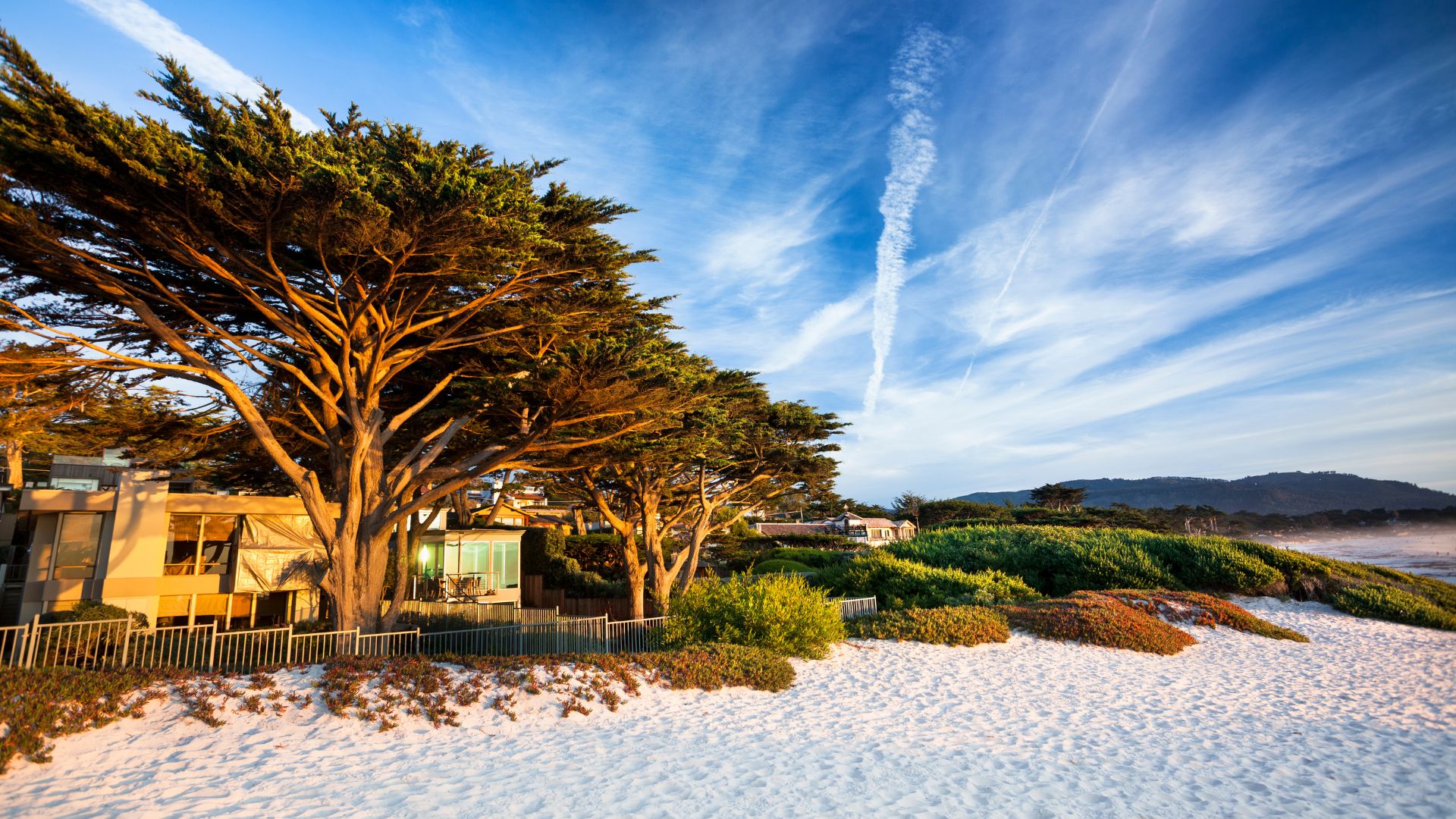
Ocean Avenue and Artists’ Retreats
Ocean Avenue, Carmel’s main drag, overflows with art galleries, boutiques, and sidewalk cafes. I lost track of time ducking into galleries filled with local and international art.
This village has always drawn creative types. Founded in 1902 as a haven for artists, it inspired Robert Louis Stevenson—he dreamed up “Treasure Island” here.
Hidden courtyards and tucked-away passageways reveal even more galleries and studios. It’s like a treasure hunt for art lovers.
Being so close to Pebble Beach and Big Sur, artists flock here for the natural inspiration. Many galleries showcase landscapes and photos that capture the coastline’s drama.
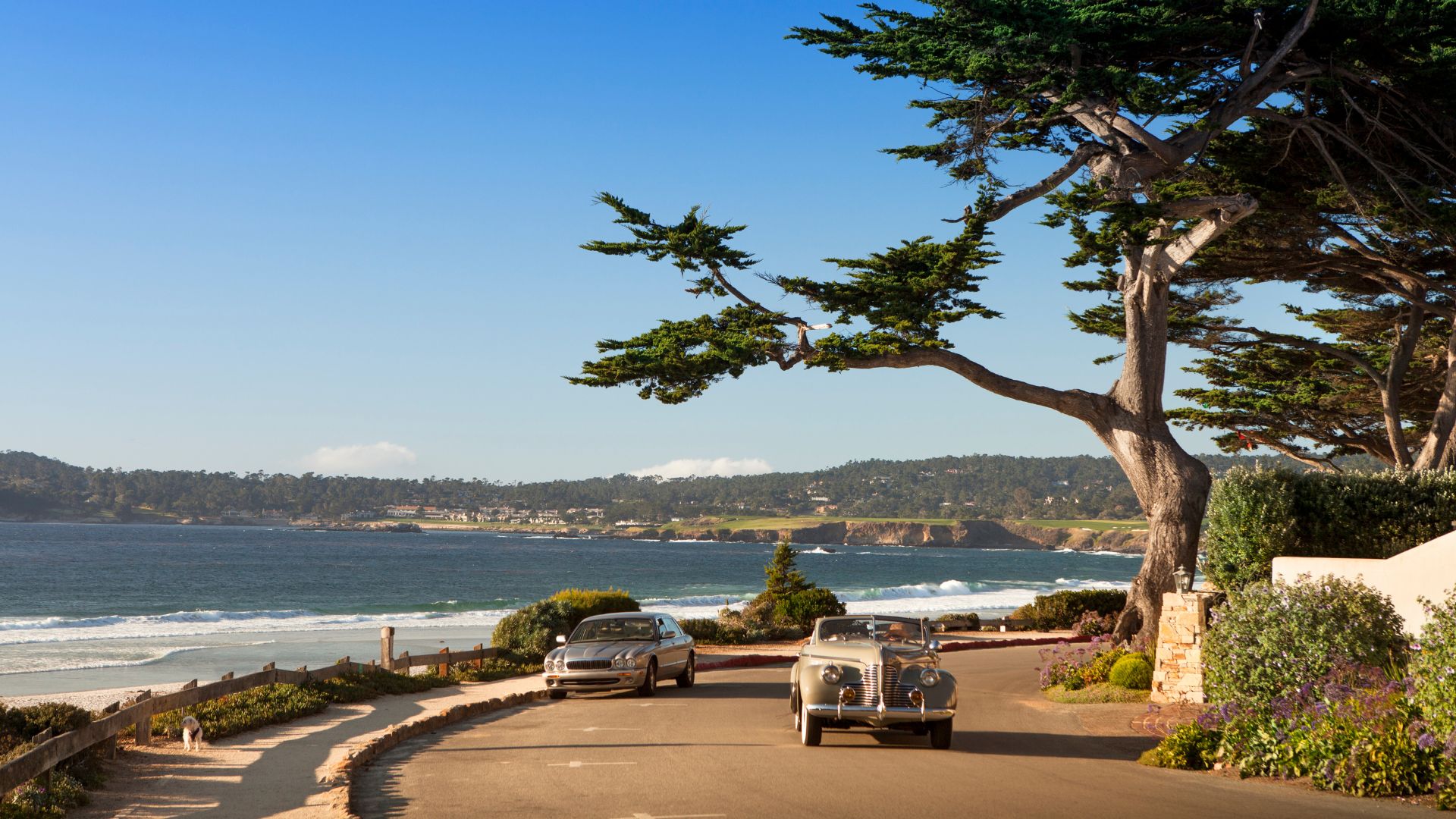
From Ocean Avenue, it’s a quick walk down to Carmel Beach. The white sand and crashing waves offer a peaceful break from all the cultural exploring.
Big Sur’s Wild Coast and Coastal Wonders
Big Sur’s 90-mile stretch of coastline is pure magic—where ancient redwoods tower over cliffs and the Pacific crashes far below. This wild land has sparked the creativity of countless artists and writers, and you can feel the energy in every mile.
Dramatic Landscapes and Iconic Scenery
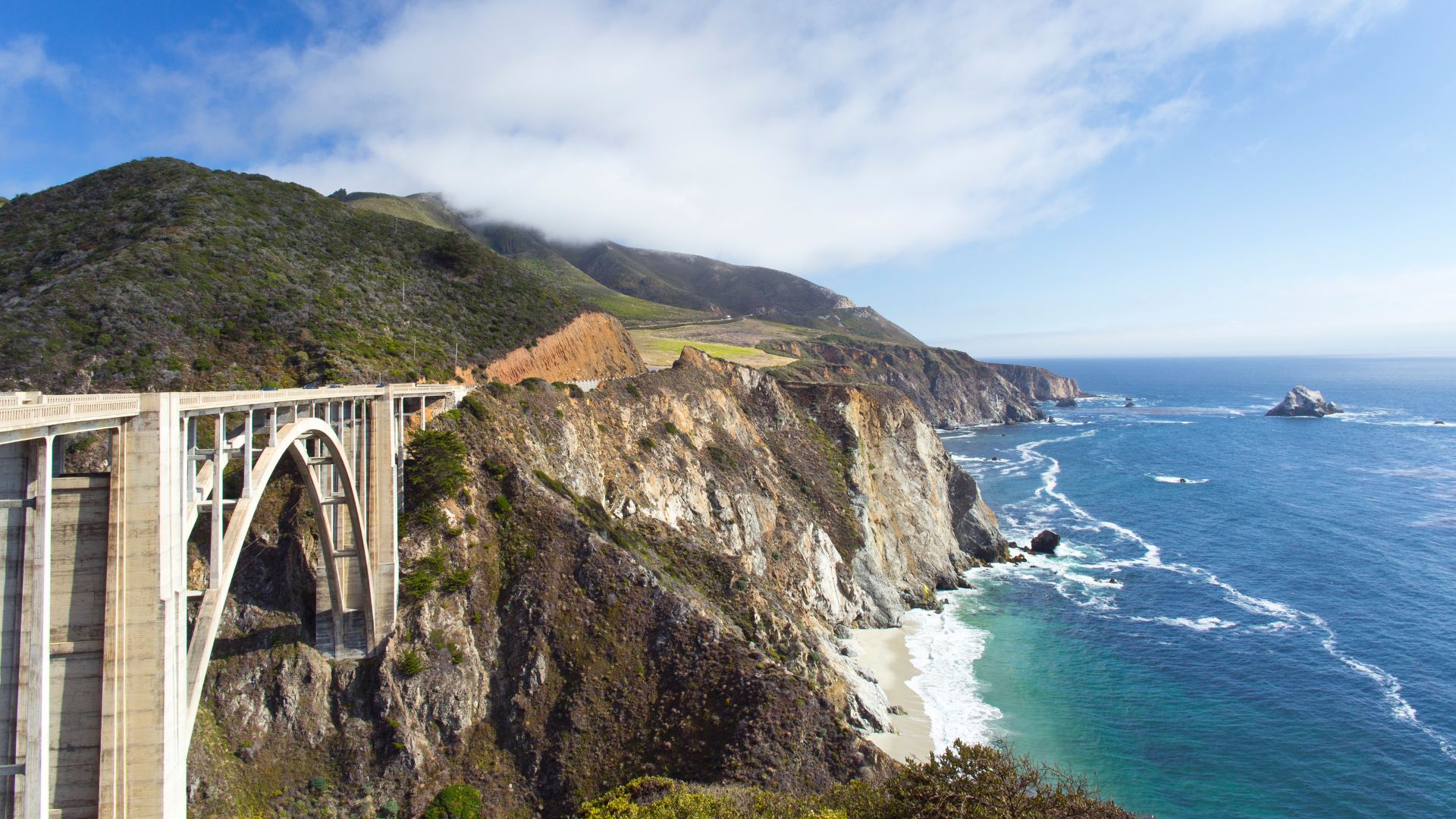
The Big Sur coast is a visual feast that changes constantly. Highway 1 twists and turns along cliffs that drop straight into the ocean.
I kept pulling over at scenic overlooks, unable to resist those views. The Santa Lucia Mountains shoot up from the sea, making the whole place feel almost unreal.
Don’t miss:
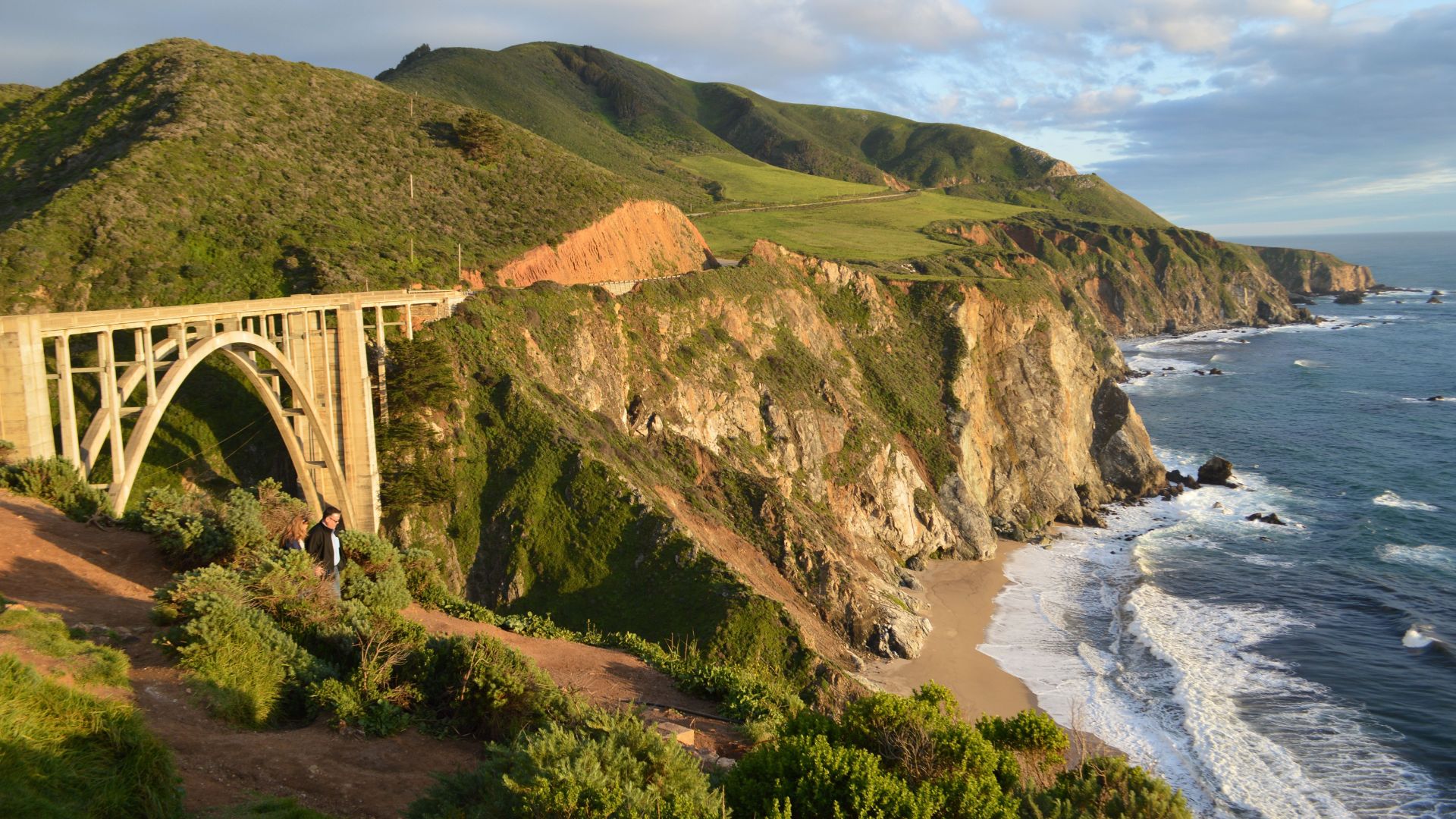
- Bixby Creek Bridge—California’s most iconic photo op
- McWay Falls—an 80-foot waterfall tumbling right onto the sand
- Point Sur Lighthouse—perched on a volcanic rock
- Garrapata State Park—untamed beaches and wildflowers
What makes this coastline so special? Its wildness. Chaparral blankets the hills, and in spring, wildflowers explode along the roadside.
Some days, fog rolls in thick from Monterey Bay, giving everything a mysterious vibe. The deep blue Pacific stretches out forever, daring you to keep exploring.
Embracing Outdoor Adventures
Big Sur practically begs you to get outside, whether you’re up for an easy stroll on the sand or ready to tackle steep mountain trails. The landscape changes constantly, so there’s something for everyone—no matter how adventurous you feel that day.
Popular outdoor activities:
- Wandering hiking trails beneath ancient redwoods
- Pitching a tent for beach camping under a sky bursting with stars
- Exploring tide pools in hidden coves
- Scrambling up granite cliffs if climbing’s your thing
I wandered through Andrew Molera State Park and found miles of trails tracing the Big Sur River. The park’s main beach is a sweet spot for beachcombing, and I caught glimpses of wildlife I hadn’t expected.
Point Lobos State Reserve blew me away as a marine sanctuary. On my last visit, I watched sea otters and harbor seals bobbing in the kelp, plus so many seabirds I lost count.
The hiking trails here can be mellow or seriously tough. Some wind quietly through cypress groves, while others shoot straight up into the Santa Lucia Mountains, rewarding you with those jaw-dropping ocean views.
Influence on Writers and Musicians
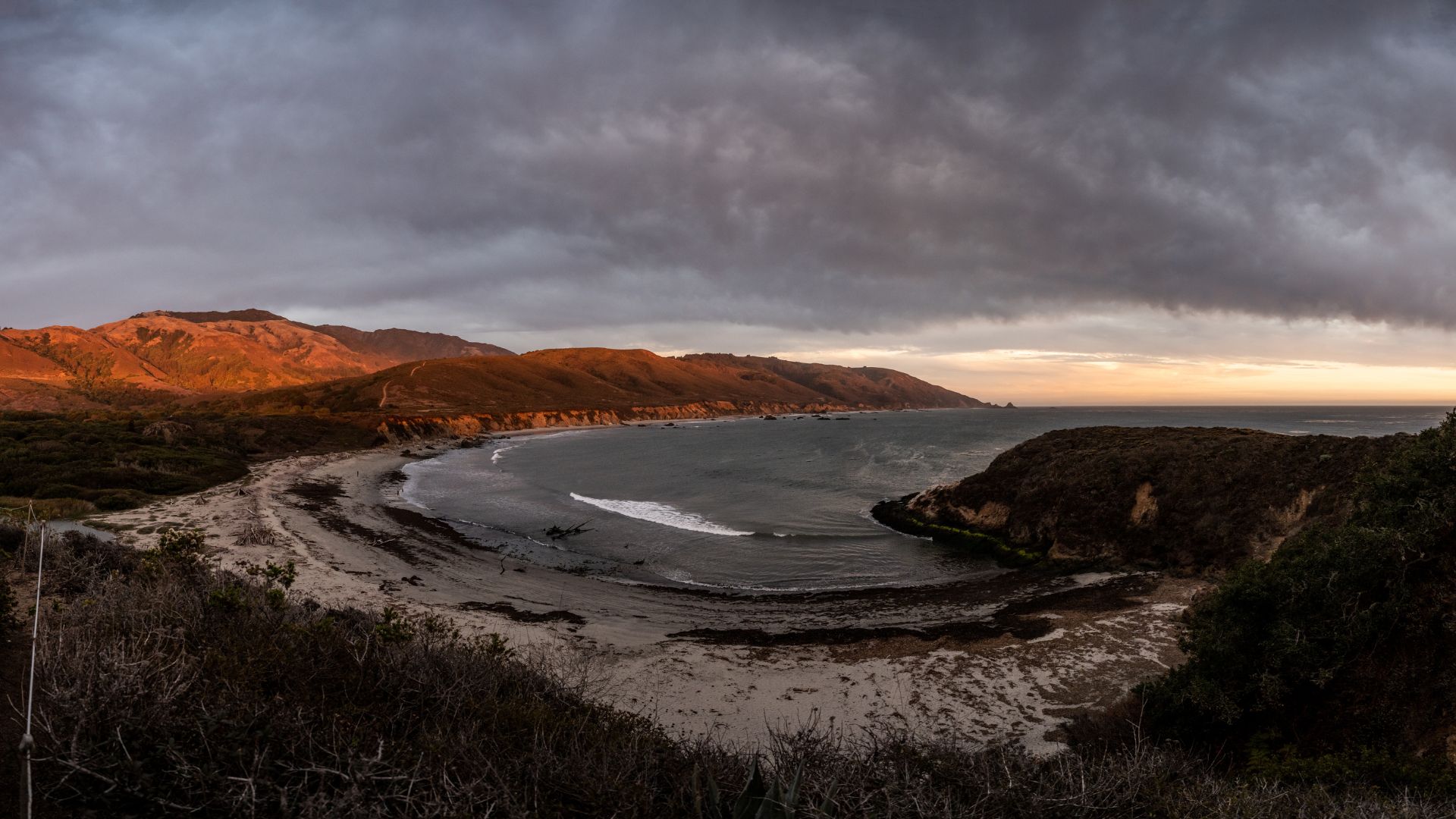
There’s something about Big Sur that pulls in creative souls. Maybe it’s the wild cliffs or the way the fog hugs the coastline, but artists and musicians have flocked here for ages.
Joan Baez settled in the Carmel Highlands, not far from Big Sur. She always said the peaceful coast helped her write and reflect.
Writers from the Beat Generation, like Jack Kerouac, came here to escape the noise of city life. Big Sur’s raw landscape seemed to offer them a kind of freedom they couldn’t find elsewhere.
Notable creative connections:
- Henry Miller called Big Sur home for nearly twenty years, writing some of his best work here
- Robinson Jeffers drew inspiration from the dramatic coastline
- Ansel Adams captured unforgettable black-and-white photos in the area
Even now, artists keep finding their way to Big Sur. Retreat centers and workshops dot the region, welcoming anyone looking for a creative spark.
Exploring the Broader Monterey Peninsula Experience
The Monterey Peninsula is so much more than its famous sights. I love how you can drive along scenic stretches of coast and suddenly stumble onto a quiet cove, far from the crowds. Here, the landscape shifts from upscale resorts to peaceful valleys, which honestly make for fantastic wine tasting.
Driving the Famed 17-Mile Drive
I have to mention the 17-Mile Drive—it’s easily one of California’s most beautiful roads. This winding toll road snakes through Pebble Beach, linking Monterey and Carmel.
They charge $11.25 per car to get in. You’ll find main gates at Highway 1 in Carmel and Highway 68 near Monterey, though there are a few other entry points if you know where to look.
Key stops along the route:
- Seal Point – Harbor seals lounge on the rocks
- Bird Rock – Sea lions and cormorants cluster together here
- Lone Cypress – That famous tree clinging to the cliffside
- Pebble Beach Golf Links – The legendary 18th hole with a Pacific backdrop
Plan for about two hours if you want to stop and take it all in. I always try to go early or late in the day—the light is softer, and it’s way less crowded.
The road treats you to wild views of Monterey Bay’s rugged coast. Waves slam against white sand and rocky bluffs, and the scenery keeps changing around every bend.
Hidden Gems Beyond the Main Attractions
I stumbled across so many quiet spots that most people just walk right by. These places feel real—way more genuine than the packed tourist traps.
Carmel Valley? It’s a peaceful slice of wine country, just a short 15-minute drive from Carmel. I wandered into a few tasting rooms, sipped local wine, and gazed out at the mountains—no crowds, no rush.
McAbee Beach sits tucked along Cannery Row, and it’s easy to miss if you’re not looking. This little historic shoreline was once home to a Chinese fishing village back in the 1800s. I found bits of sea glass, watched the waves, and pretty much had the bay views to myself.
Point Lobos State Natural Reserve lies just south of Carmel. The place has these hidden coves and winding hiking trails. I watched sea otters and harbor seals from the clifftop paths, which honestly felt a bit magical.
Garrapata State Park brings you right up to the wild coastline. You can hike along trails that lead to empty beaches off Highway 1. I poked around tide pools and climbed over dramatic rock formations—sometimes I wondered why more people don’t end up here.
