
When most folks hear “Canterbury,” they picture that iconic cathedral—a UNESCO World Heritage Site steeped in centuries of history. Sure, the cathedral is impressive, but honestly, the city surprised me with how much more it offers beyond those medieval spires.
Canterbury’s quirky charm pulled me in with its lively culture and rich history. The city buzzes with local energy and scenes that stretch way past the church walls.
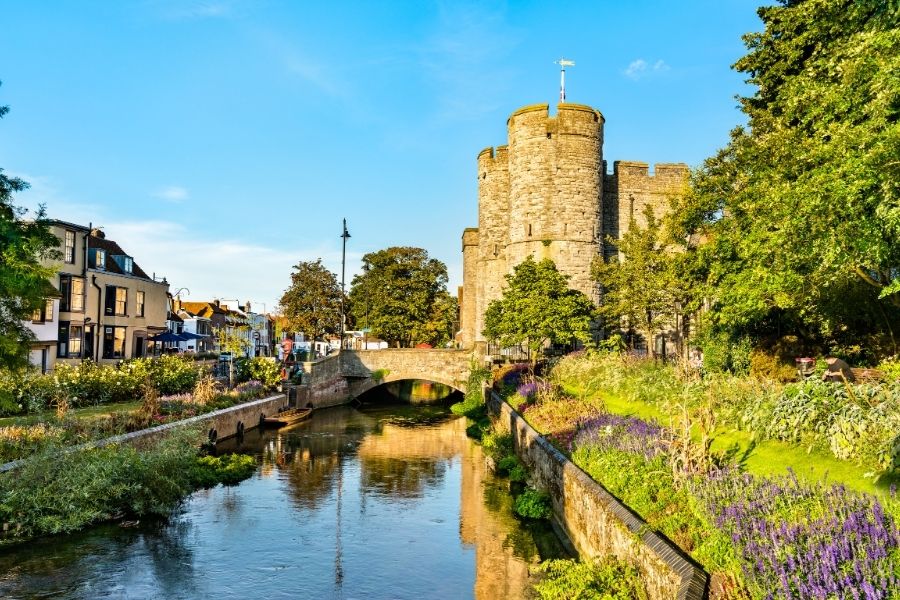
I found myself swept up in the city’s rhythm, from the busy university crowds to the quiet, winding lanes that seem to whisper old stories. Festivals, art, and friendly cafés just add to the fun, making every moment feel memorable.
Canterbury’s UNESCO World Heritage Sites
Canterbury isn’t just about its cathedral. The city actually has three UNESCO World Heritage Sites that open a window into big moments in English history. These places tie together religion, royalty, and a real passion for keeping the past alive.
Significance of Canterbury Cathedral
Canterbury Cathedral really defines the city. Founded way back in 597 AD, it stands as one of England’s oldest and most significant Christian buildings.
The mix of Romanesque and Perpendicular Gothic styles is striking. I found myself staring up at the intricate stonework and those stained glass windows that seem to glow with stories from another world.
The cathedral serves as the seat of the Archbishop of Canterbury, the very heart of the Church of England. After Thomas Becket’s murder in 1170, the cathedral became a magnet for pilgrims and a symbol of church history.
Inside, I wandered through silent corners and found memorials to historic figures. The gardens wrap the building in a hush that feels almost sacred.
St Augustine’s Abbey: The Roots of English Christianity
Just a short stroll from the cathedral, you’ll hit the ruins of St Augustine’s Abbey. This spot marks the real beginning of Christianity’s spread in England.
St Augustine, sent by Pope Gregory the Great, built the abbey in 598 AD after he arrived to convert the Anglo-Saxons. For nearly a thousand years, monks lived, worked, and prayed here. Kings and saints found their final resting place within these grounds.
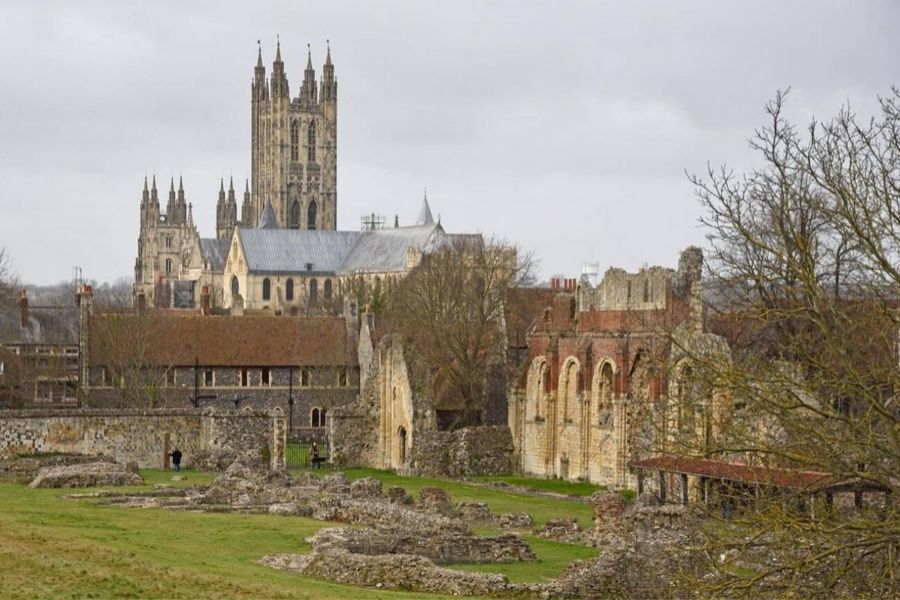
Now, only ruins remain, but St Augustine’s Abbey still feels alive with history. Information boards and maps help you imagine its former glory and understand just how important it was to England’s Christian beginnings.
Historic Legacy of St Martin’s Church
St Martin’s Church quietly claims its place as the oldest English-speaking church still in use. Built before 597 AD, it once served as Queen Bertha’s private chapel when she arrived from France.
St Augustine later used it as his base during his mission. The church blends Roman and Anglo-Saxon styles—thick stone walls, simple windows, and a humble charm that’s hard to miss.
When I visited, I could see how much care goes into keeping its original spirit intact. St Martin’s is still a working parish, lovingly preserved for future generations and a gentle reminder of Canterbury’s spiritual roots.
Architectural Marvels Beyond the Cathedral
Honestly, Canterbury’s magic isn’t just about its cathedral. The city’s medieval streets, ancient walls, and quirky old houses show off centuries of skill and style that shaped much of Europe.
Medieval Architecture and City Walls
Walking Canterbury’s streets, I noticed how well the city has protected its medieval architecture. The city walls—originally Roman, later rebuilt in the Middle Ages—still stand tall, circling the old town and drawing a clear line between old and new.
Strolling along these stones, I felt the weight of history. In some places, you can spot Roman bricks peeking out from under medieval repairs.
Westgate Towers really stands out—at 60 feet, it’s England’s largest surviving medieval city gate. The city’s layout, with its winding lanes and half-timbered houses, just oozes charm.
Gothic Craftsmanship and Historic Houses
Gothic touches pop up all over Canterbury, not just in the cathedral. St. Martin’s parish church, England’s oldest, mixes early Christian and medieval vibes.
Stained glass and pointed arches turn up in several small churches, echoing the big names like Chartres and Cologne abroad. The city’s old houses show off their own kind of artistry.
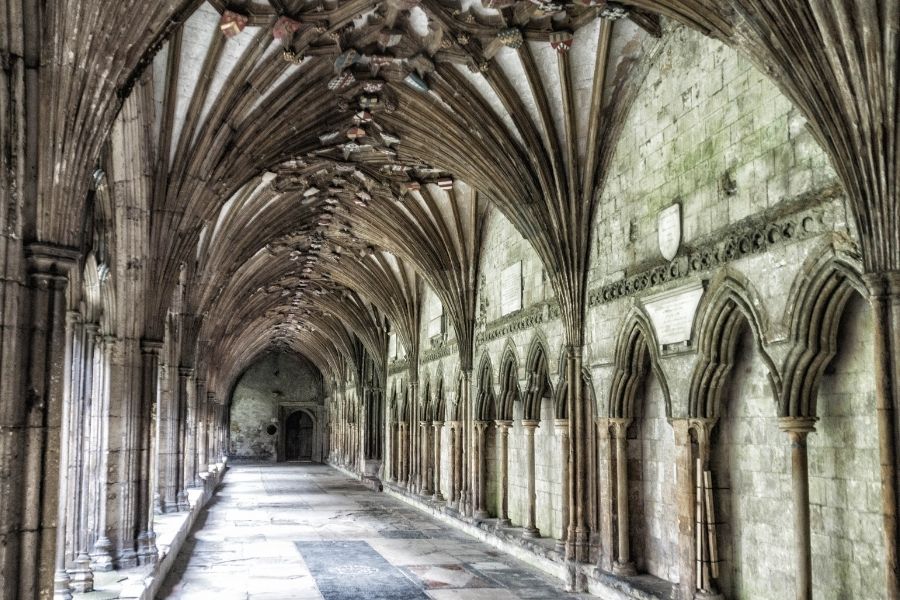
Many timber-framed homes date back to the 14th and 15th centuries. The 16th-century Sir John Boys House—the famous “Crooked House”—leans at an angle that makes you look twice. A walk down Palace Street reveals wooden beams and carved details, each one telling its own story.
Canterbury’s Architectural Influence on Europe
I found it fascinating that Canterbury’s style influenced churches well beyond England. The grandeur of Canterbury Cathedral set a bar for Gothic architecture, inspiring elements in Milan’s Duomo and Florence Cathedral.
Features like the crypt and rose windows mirror details you’ll spot at Westminster Abbey and Cologne Cathedral’s Shrine of the Three Kings. Builders across Europe borrowed ideas from Canterbury, making the city a kind of blueprint for both religious and civic buildings.
Rich Historical and Literary Heritage
Canterbury’s past is a wild mix of faith, tradition, and creativity. Saints, writers, kings, and sacred relics fill every corner with meaning.
Thomas Becket and Pilgrimages
One story you can’t escape in Canterbury is the martyrdom of Thomas Becket. In 1170, as Archbishop, he was murdered inside the cathedral by knights loyal to King Henry II. The shockwaves spread across Europe.
Not long after, the church made Becket a saint. Pilgrims from all over flocked to his shrine, hoping for miracles or blessings. The cathedral became a top pilgrimage site in the Middle Ages.
People walked for days, sometimes weeks, just to pay their respects. Even now, Becket’s story draws visitors chasing that same sense of wonder.
The Middle Ages and Canterbury Tales
Of course, you can’t talk about Canterbury without mentioning The Canterbury Tales by Geoffrey Chaucer. Written in the late 1300s, the book follows a group of pilgrims heading to Becket’s shrine.
Chaucer gives us a peek into medieval life, introducing everyone from knights to nuns, and capturing the humor and struggles of the time.

Whenever I wander the city, I can almost picture those pilgrims, laughing and telling stories on the old roads. Canterbury’s streets haven’t changed much, making it easy to step back in time.
Relics, Saints, and Royal Connections
Canterbury’s churches hold relics and the tombs of saints that still attract visitors. St. Augustine, who brought Christianity to England, is buried here, and his legacy is everywhere.
Early English kings like Ethelbert have strong ties to the city. Over the centuries, Canterbury hosted royal weddings, visits, and events that shaped British history.
The cathedral played a huge role in the birth of the Anglican Church during Henry VIII’s reign. All these threads—faith, royalty, and tradition—are woven deep into the city’s story.
Art, Museums, and Preservation Efforts
As I wandered Canterbury, I noticed that its history isn’t just locked away in the cathedral. Art and museums bring the city’s past to life in surprising ways.
Stained Glass Windows and Frescoes
The stained glass inside Canterbury Cathedral really blew me away. Each window tells a story, vibrant with color and centuries-old tales. Sunlight pours through, scattering patterns on the floor and making the whole space feel magical.
Frescoes are rarer here than in Italy or France, but they still add to the city’s storybook vibe in some older churches. Preserving these treasures isn’t easy.

I learned that teams use everything from humidity monitors to virtual reality to keep the windows and frescoes safe. It’s a delicate balance—one wrong move, and the details could fade forever.
Museums Showcasing Cultural Identity
Canterbury’s museums do a fantastic job connecting people with the city’s story. The Beaney House of Art & Knowledge, for example, is packed with artifacts, paintings, and interactive displays.
These places aren’t just about glass cases. They host workshops, lectures, and events that let you get your hands on Canterbury’s culture. Interactive guides and timelines help you see how the city has changed over time.
Some museums even team up with schools, making sure kids grow up knowing why their heritage matters.
Heritage Preservation and Resilience
Keeping Canterbury’s heritage alive takes a lot of teamwork. Locals, historians, and city leaders all pitch in to protect landmarks and art from weather, development, and the unexpected.
I read about restoration projects using 3D scans and virtual reality to plan repairs and recreate lost details. It’s pretty amazing how tech and tradition come together here.
Community support keeps the momentum going. Volunteers, donations, and outreach programs all play a part. Honestly, the dedication I saw from people protecting Canterbury’s treasures might be just as inspiring as the buildings themselves.
Modern Charm: Culture, Dining, and Leisure
Canterbury isn’t stuck in the past—it’s buzzing with life. I found a city packed with delicious food, quirky shops, lively nightlife, and plenty of green spaces to unwind.
Restaurants and Local Cuisine
Trying the local food was a highlight for me. Canterbury’s independent restaurants cover everything from cozy British pubs to trendy bistros.
I tucked into classics like steak and ale pie, but also found modern dishes made with fresh, local ingredients. The city center is full of places to eat—breakfast, lunch, or dinner, you’re spoiled for choice.

The Goods Shed quickly became a favorite. It’s a farmer’s market and restaurant rolled into one, with a real focus on local produce. Riverside cafés with outdoor seating are perfect for coffee or cocktails with friends. Many spots blend historic charm with a relaxed vibe that feels just right.
Shopping and Vibrant Nightlife
Shopping here is fun—there’s a mix of big brands and tiny boutiques. The King’s Mile is great for indie shops, artisan gifts, and handmade finds. I loved poking around bookstores and picking up souvenirs you won’t find anywhere else.
At night, Canterbury wakes up. Classic pubs, wine bars, and sleek cocktail lounges are all packed into the walkable city center. Many are tucked inside old buildings, so you get a taste of history with your pint.
Live music and theater pop up all year, giving culture lovers plenty to do.
| Type | Options |
|---|---|
| Shopping | Boutiques, bookstores |
| Nightlife | Pubs, bars, live music |
River Tours and Wildlife Parks
Exploring Canterbury by water? It’s honestly a whole new perspective. I hopped on a guided river tour along the River Stour, and suddenly the city felt different—older, quieter, almost secretive.
From the boat, I spotted medieval buildings peeking out from behind trees, stumbled upon tucked-away gardens, and drifted under these ancient stone bridges you’d probably miss on foot.
The guides didn’t just recite facts—they sprinkled in quirky stories from Canterbury’s past. It made the whole thing feel less like a tour and more like a relaxed conversation with someone who genuinely loves the city.
If you’re into animals (and who isn’t, at least a little?), Howletts Wild Animal Park sits just outside Canterbury. I spent an afternoon there, wandering between habitats, watching rare species, and chatting with staff about their conservation efforts.
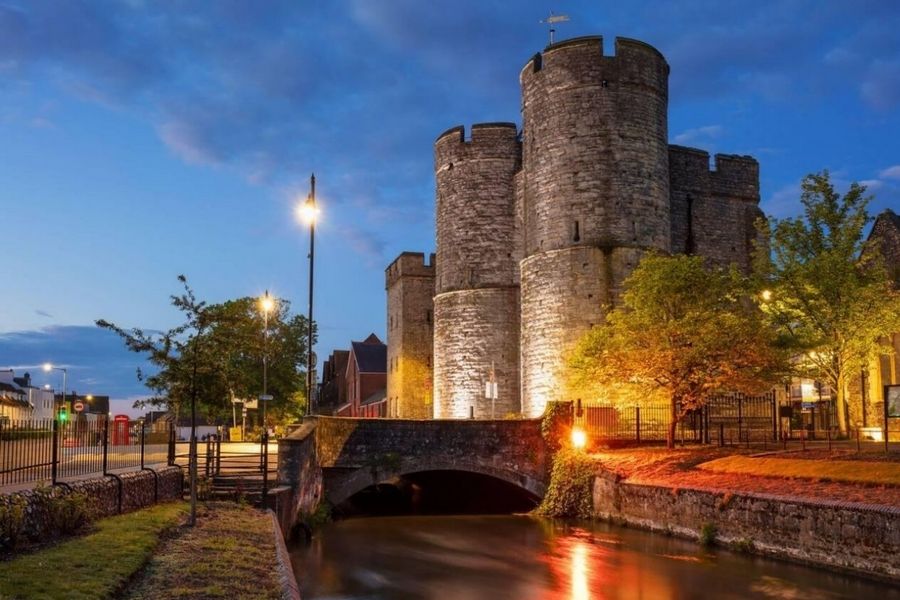
You don’t have to go far to find a bit of quiet, either. The nature trails weaving through and around the city are perfect for a peaceful walk when you need a break from the crowds. Sometimes, just being out there with the birds and the breeze felt like the best part of the trip.
Exploring Castles and Water Towers
Canterbury Castle pulls you right into the city’s Norman past. Sure, it’s mostly ruins now, but wandering through those ancient stones, I could almost hear echoes of what life might’ve been like back then.
The site welcomes visitors, and you don’t have to pay anything to walk around. That kind of open access makes exploring history feel a bit more personal, doesn’t it?
Not far from there, I found the old Water Tower near the city center. You can’t miss it—it’s such a quirky piece of Canterbury’s story and stands out with its distinct architecture.
People don’t use the tower anymore, but it’s still an eye-catching landmark when you’re out for a stroll. Checking out places like these really deepened my appreciation for how Canterbury blends the old with the new.
