
There’s something magical about Voidokilia Beach. The curve of sand is famous for its perfect shape and turquoise water, but honestly, there’s a lot more going on here than just a good photo op.
Voidokilia is this wild blend of ancient legends, natural beauty, and winding trails just begging to be explored.
As I wandered those sandy paths, I swear the wind carried old stories—tales of gods, heroes, and civilizations long gone. I hiked through spots filled with rare birds, wild landscapes, and ruins that most visitors don’t even notice.
Every step brought a new view. I felt like I was part of something bigger than myself.
It’s not just a beach; it’s where myth and nature meet, full of surprises for anyone curious enough to look.
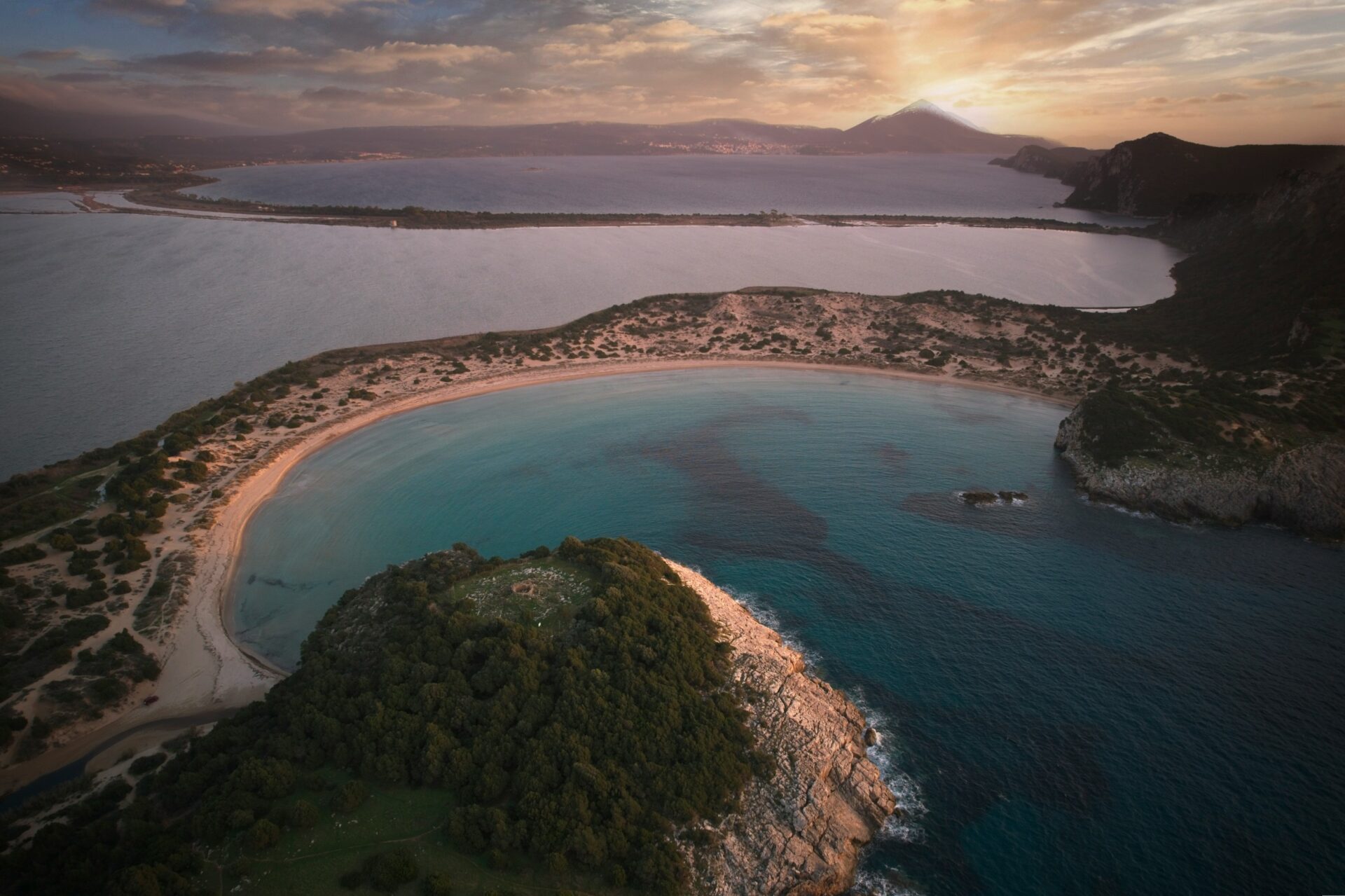
Voidokilia Beach: Unveiling the Iconic Curve
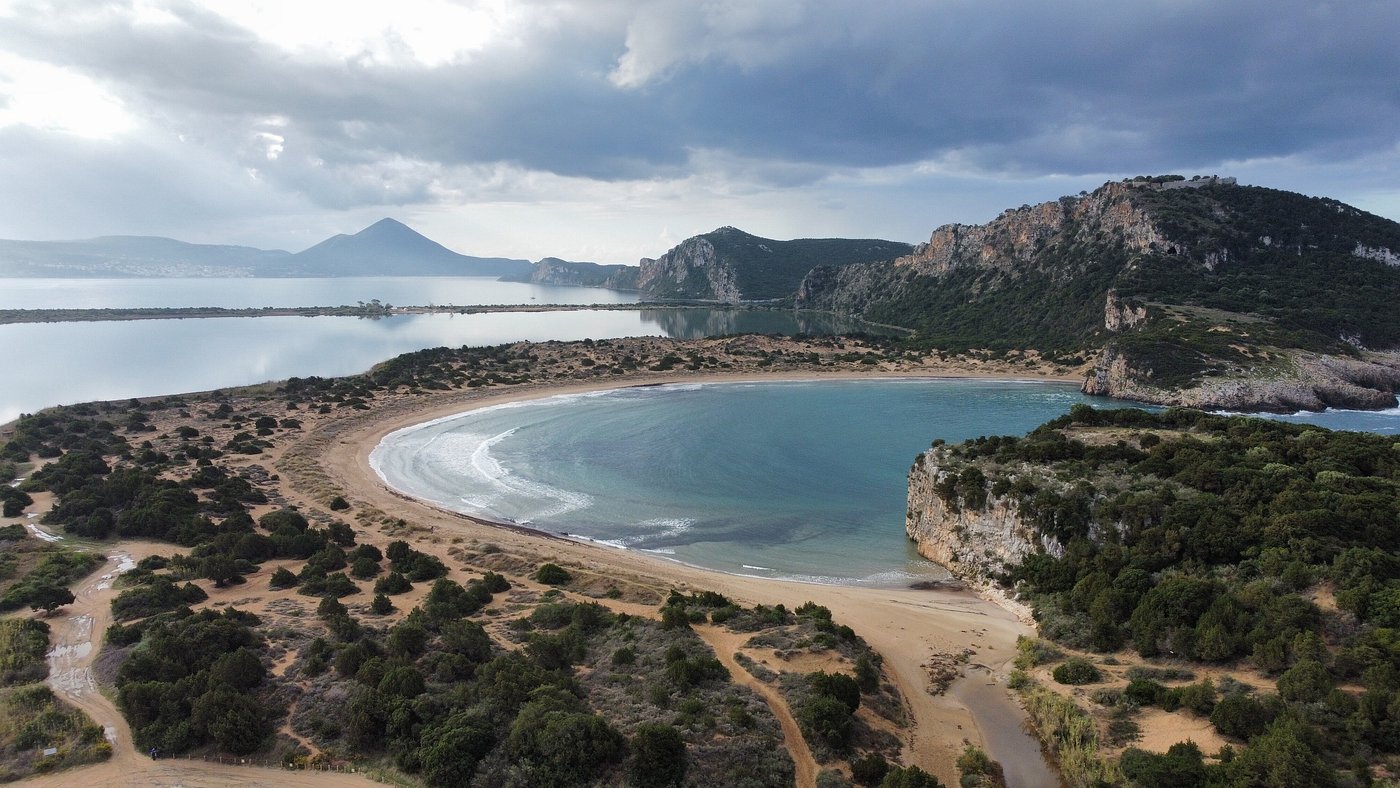
Voidokilia Beach grabs attention with its perfect semicircle of fine sand and that inviting turquoise water. I stood there, kind of in awe—not just at the shape, but at the way natural beauty and ancient legend mix with those classic Peloponnese views.
The Unique Shape and Geography
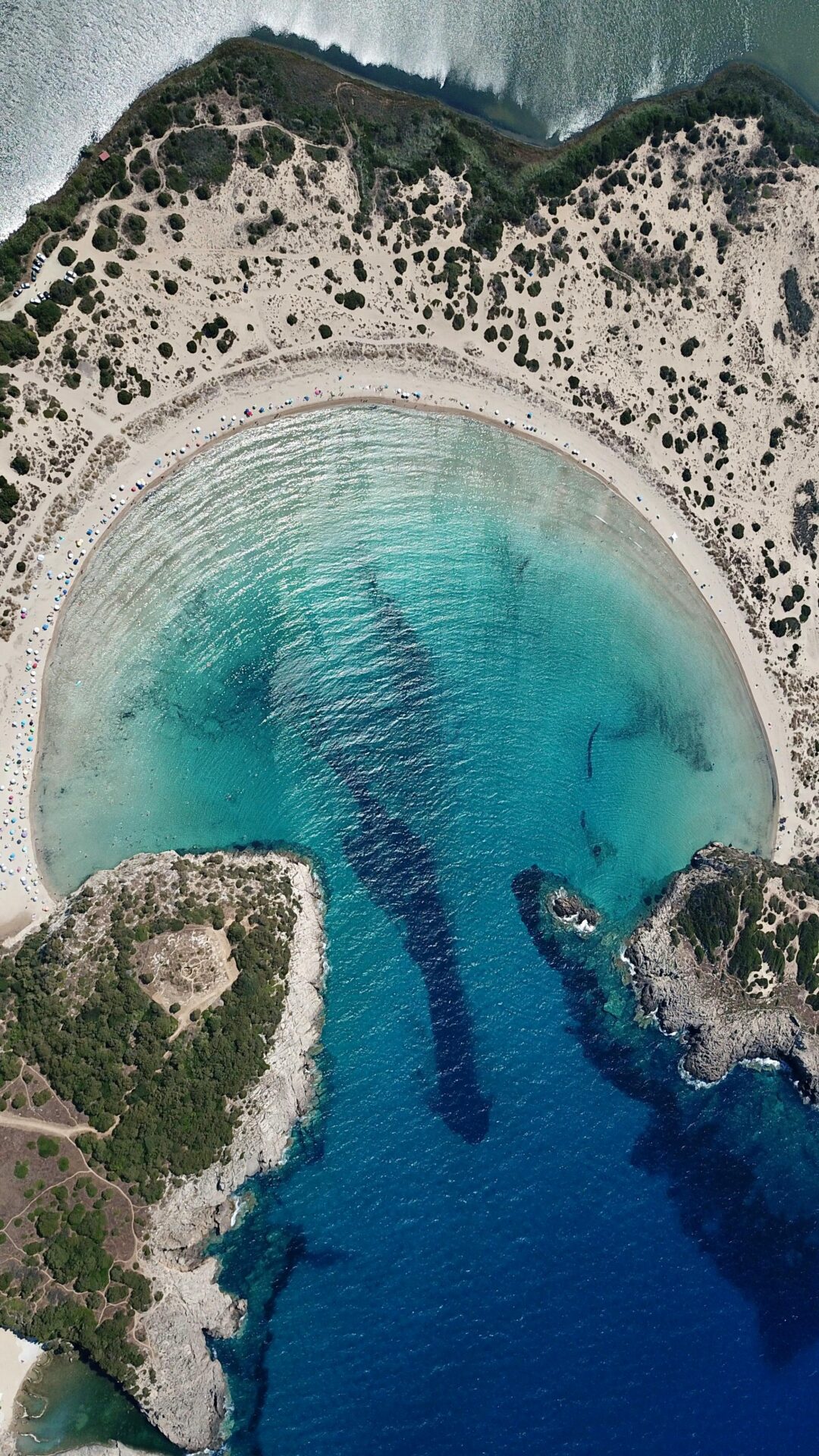
When I first set foot on Voidokilia, that sweeping curve jumped out at me. It’s almost an exact “omega” (Ω), like the Greek letter. The shape forms a natural bay with shallow, clear water.
You can wade pretty far out without it getting too deep. The sand feels especially soft—perfect for walking barefoot or just lying down to watch the sky.
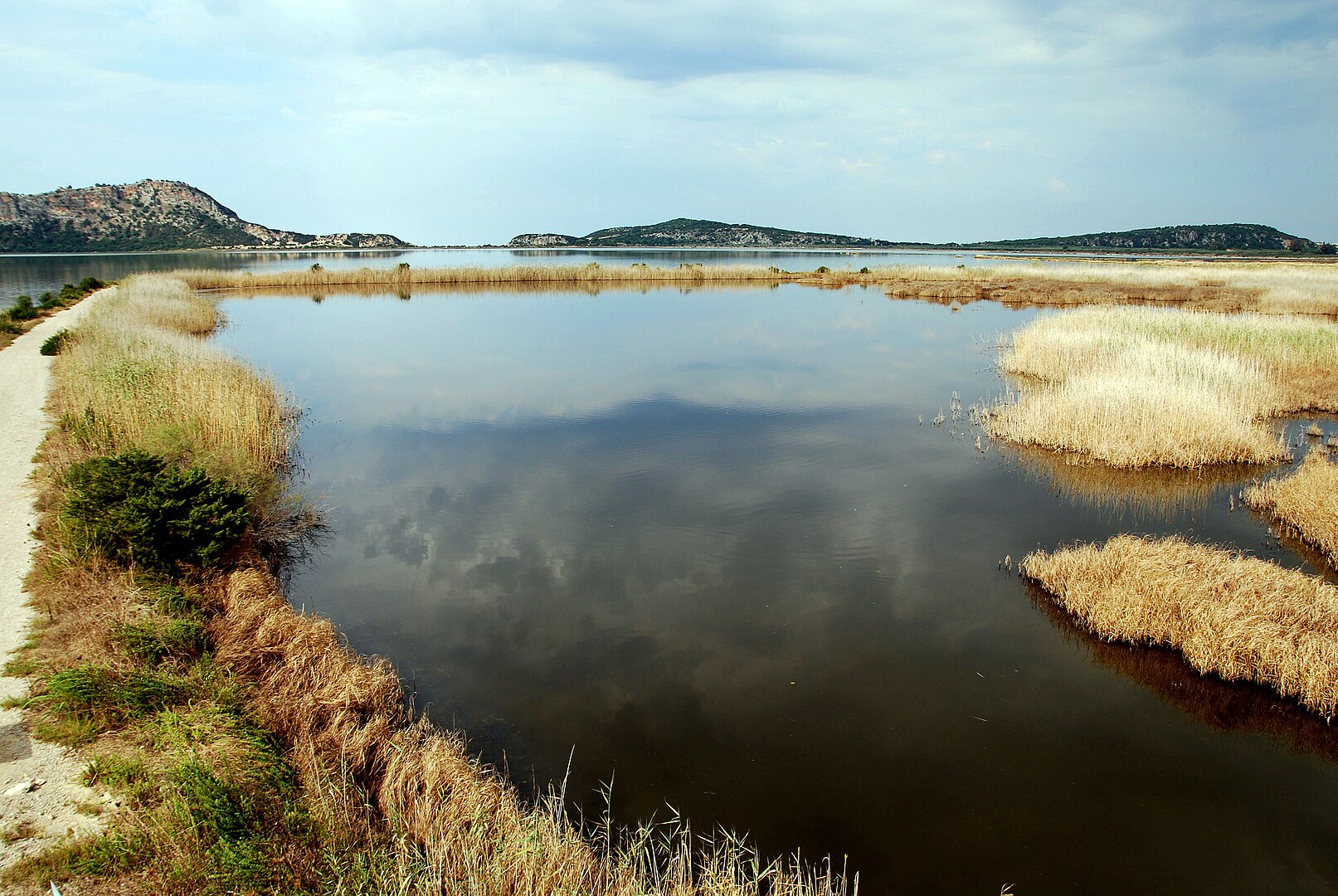
Tall dunes rise up on one side, and saltwater lagoons sit just beyond the beach. The nearby Gialova Lagoon, by the way, is a big deal for birds and wildlife.
Standing here, I totally get why people call this one of Greece’s most stunning beaches. There aren’t any big resorts right on the sand, so it stays peaceful and unspoiled.
Legends and Mythology of Voidokilia
My guidebook claimed Voidokilia is wrapped in ancient stories. One legend says King Nestor of Pylos sailed these waters.
Greek mythology ties this spot to Nestor’s Cave, hidden in the rocks above the beach. Some folks say Hermes hid Apollo’s stolen cattle here.
As I hiked around, I could almost see ancient heroes landing on these sands. Signs point the way to the Mycenaean tomb of Thrasymedes—Nestor’s son—just a short walk away.
Exploring these sites made me feel pretty connected to Greece’s deep past. The stories add something extra to the place.
For me, Voidokilia became more than just a pretty spot; every view felt layered with old myths.
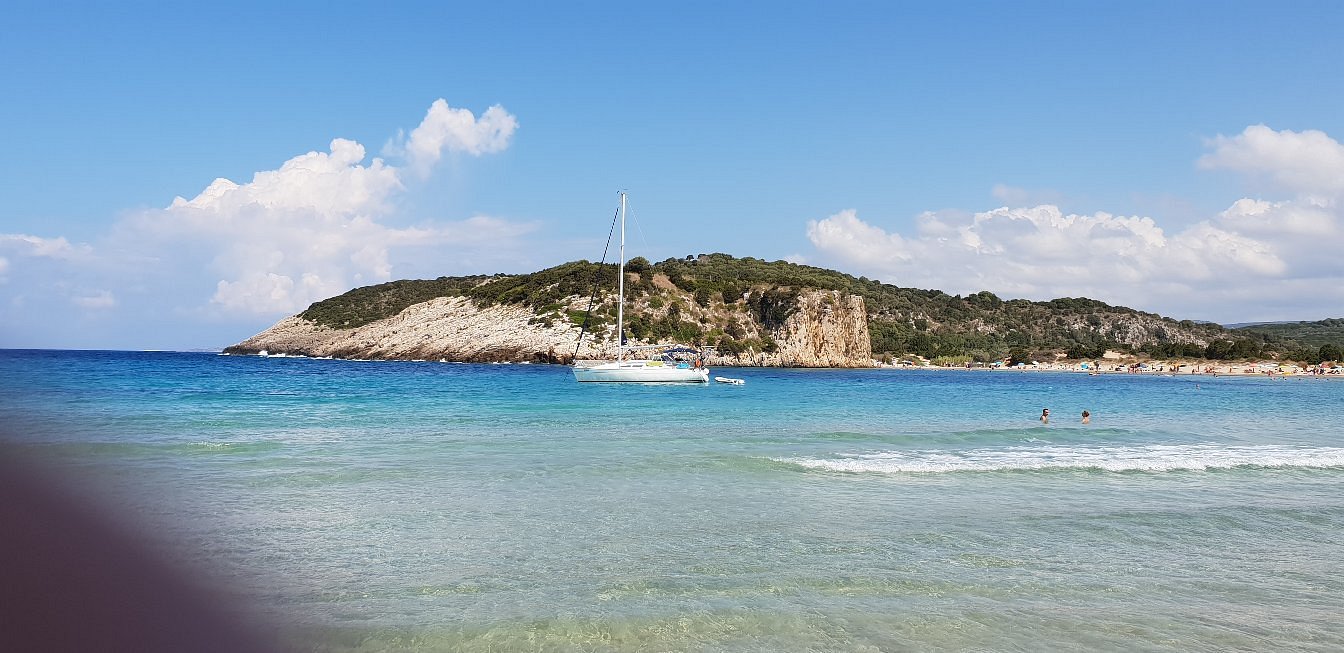
Views of the Peloponnese Coastline
The views from Voidokilia honestly blew me away. Standing at the water’s edge, I stared out at gentle waves and the open Ionian Sea.
When I turned around, hills dotted with olive trees stretched inland, just like the postcards.
If you hike up to the old castle ruins above the beach, the whole scene opens up. From up there, I spotted Gialova Lagoon on one side and the full curve of Voidokilia below.
Sometimes I just had to stop and take it all in. Sand, water, and ancient history—it’s a mix you don’t find everywhere.
Bring a camera, really. Each direction gives you something new: golden dunes, lush wetlands, endless blue coastline. Every step’s worth a photo.
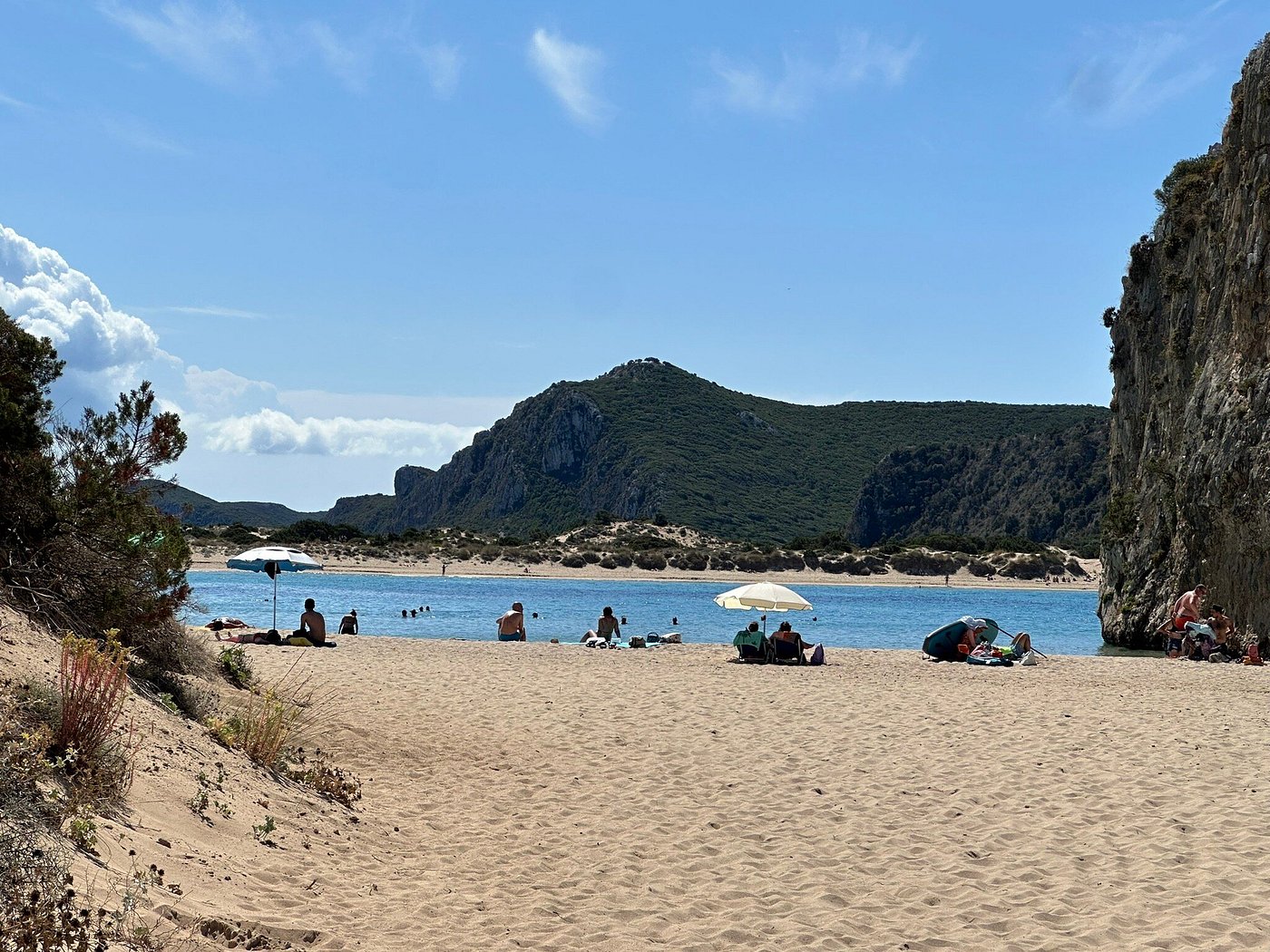
Nature Trails and Hidden Wonders
When I first got to Voidokilia, I didn’t just see a pretty curve of sand. Trails twisted through wetlands, rocky cliffs, and the shadows of ancient mysteries.
The area’s got more than just a photogenic beach. There are hikes for all levels, secret caves, and rock formations that honestly left me speechless.
Exploring Local Hiking Routes
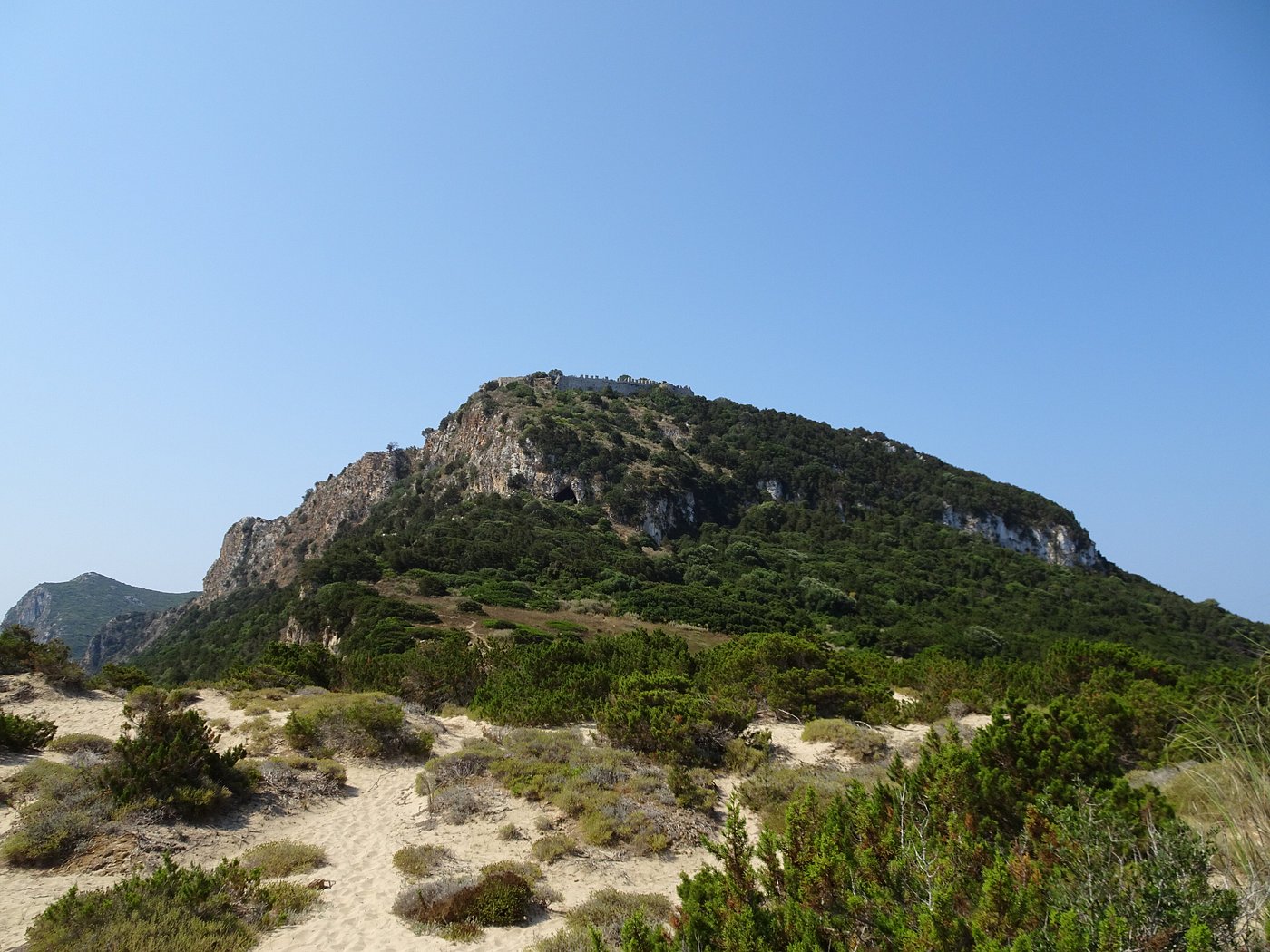
One hike I loved starts at Gialova Lagoon, a peaceful spot crowded with birds and unique plants. The path loops around Voidokilia Beach, offering sweeping views of turquoise water on one side and rolling green hills on the other.
Walking here felt like more than just exercise—it’s a crash course in Greek nature and history.
I noticed pretty quickly that the trail isn’t just about scenery. Signs along the way taught me about the local legends and the animals living nearby.
The trail gets steep heading toward Paleokastro, the old stone castle above the beach. At the top, I paused to soak in the bay sparkling below and spotted my next adventure: mysterious caves carved into the cliffs.
Trail Highlights:
| Trail Point | Features |
|---|---|
| Gialova Lagoon | Birdwatching, wetlands |
| Voidokilia Beach | Sand dunes, swimming, beach walks |
| Paleokastro | Castle ruins, panoramic views |
Caves, Stalactites, and Stalagmites
On the cliffs above Voidokilia, caves hide in plain sight. I crawled into a few, flashlight in hand, and was amazed by the wild shapes hanging from the ceiling—stalactites, dripping with moisture.
On the floor, stalagmites pushed upward, forming spiky towers and jagged mounds. Some caves are tiny and untouched, cool air swirling around and dark corners echoing every step.
The biggest chambers sheltered people thousands of years ago. Exploring here, I felt a real connection to the past.
If you go, bring sturdy shoes and take it slow—these caves deserve a closer look.
Cave Exploration Tips:
- Wear grippy shoes
- Bring a flashlight
- Watch for slippery rocks
- Respect any fragile formations
Ancient Nestor’s Cave
One cave stands out in local lore—Nestor’s Cave. Climbing up to its entrance took some effort, but the view alone made it worth it.
Legend says this is where Nestor, the wise king from Greek myth, kept his treasure and hid cattle. Inside, the air felt cool and quiet.
The cave stretches far back, and the ceiling drips with mineral growths shaped over centuries. I could picture ancient visitors sheltering here.
Deep shadows, glimmering stalactites, and old stories give this place a special vibe. For me, standing in Nestor’s Cave was a highlight of my trip.

Savoring the Region: Olive Groves and Dining Experiences
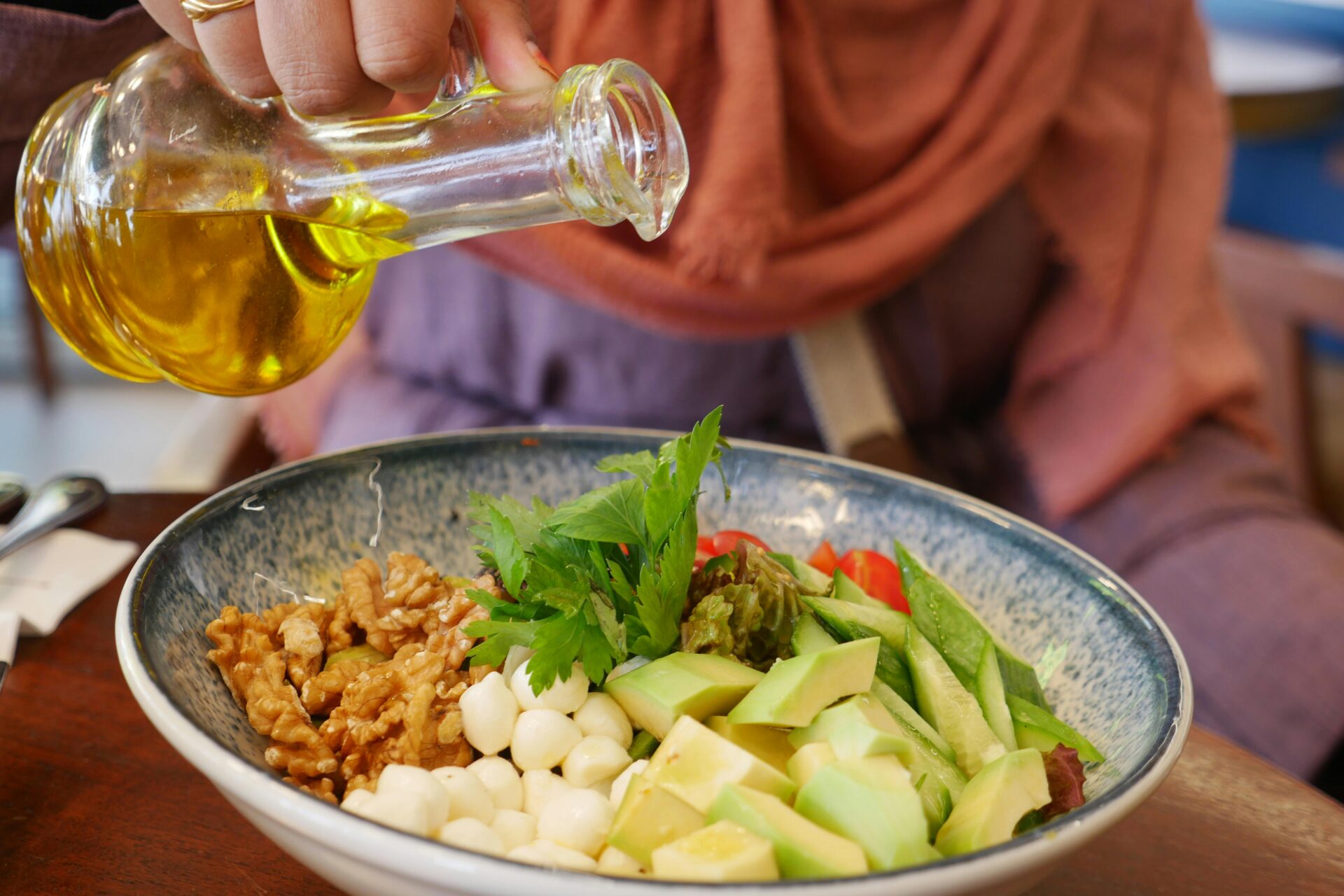
Fresh flavors fill the air near Voidokilia. I found some of my favorite moments just walking among ancient olive trees and tasting local dishes that show off the rich olive oil made here.
Journey Through Olive Groves
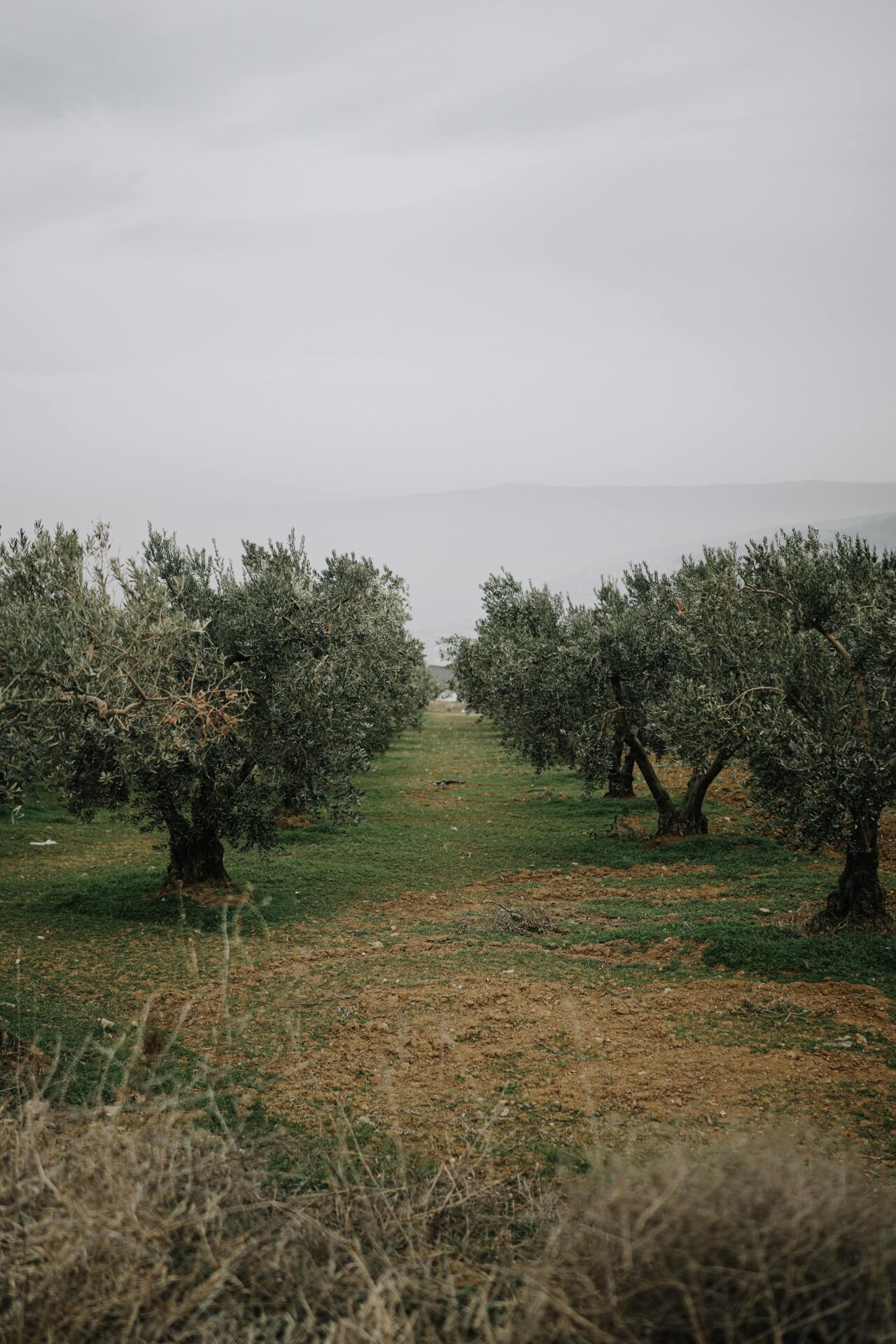
Wandering through the olive groves around Voidokilia felt like stepping back in time. The trees are ancient, their trunks thick and gnarled, branches shimmering silver-green.
Early mornings, dew clings to the leaves, and all I heard were my footsteps and distant birds. Many groves are family-run.
Sometimes I met farmers tending the trees or gathering olives by hand. They’d often pause to chat about their harvest.
Here, olives get picked at just the right moment before being pressed into oil—a process families pass down for generations.
Some groves offer guided walks. Local guides explain everything, from pruning to sorting.
A simple stroll here helped me understand why olive oil is the backbone of local food.
Local Olive Oil Tastings
Tasting olive oil here isn’t anything like grabbing a bottle at the supermarket. At small shops and olive presses, I joined tasting sessions with several oils.
The hosts showed me how to swirl the oil, sniff its grassy scent, and take a sip. With each tasting, I started to notice the differences: some oils tasted peppery and bold, others softer with hints of almonds or fresh herbs.
Usually, there was fresh bread, green olives, and local cheeses on the table.
Many local tavernas use their own olive oil for cooking. Fresh salads, grilled fish, and soft cheeses all taste brighter here.
Dining in the Peloponnese feels special when you realize almost every dish tells the story of the olive groves just outside.
Nearby Destinations: History and Culture Beyond Voidokilia
Beyond the sweep of Voidokilia’s sand, I found places packed with stories, ancient ruins, and lively traditions. Some spots serve up local flavors, while others peel back layers of Greece’s long history.
Discovering Nemea
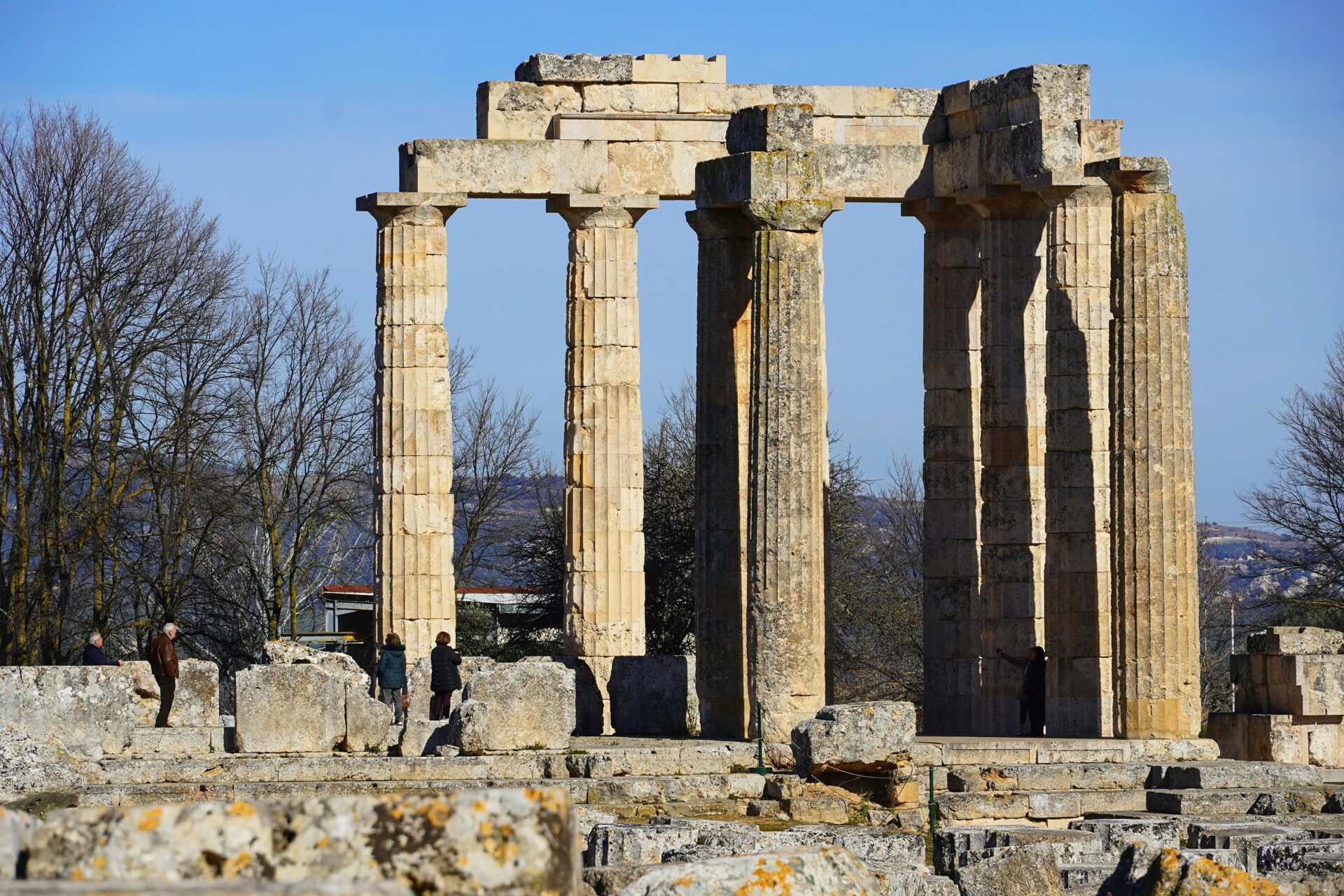
Driving northeast from Voidokilia, the scenery shifts to rolling hills and vineyards. Nemea is famous for its ancient ruins and bold red wines.
Even if you’re not a history buff, the columns of the Temple of Zeus are hard to ignore. I stood on the same ground where athletes once competed in the ancient Nemean Games, a festival as important as the Olympics.
The archaeological museum nearby is packed with statues, pottery, and tools that bring the past to life.
If you like food and wine, Nemea’s vineyards offer tastings of Agiorgitiko, a deep red grape unique to this part of Greece. Small, family-run wineries are easy to visit.
Locals told me a glass of wine tastes better with simple cheese and olives, and honestly, I agree.
Cultural Gems of the Peloponnese
The wider Peloponnese is full of history and cultural treasures. About 30 minutes from Voidokilia, I walked the walls of Old Castle Navarino.
The view over the bay is breathtaking, and every stone seems to hold a story from the Middle Ages, when pirates and traders sailed these coasts.
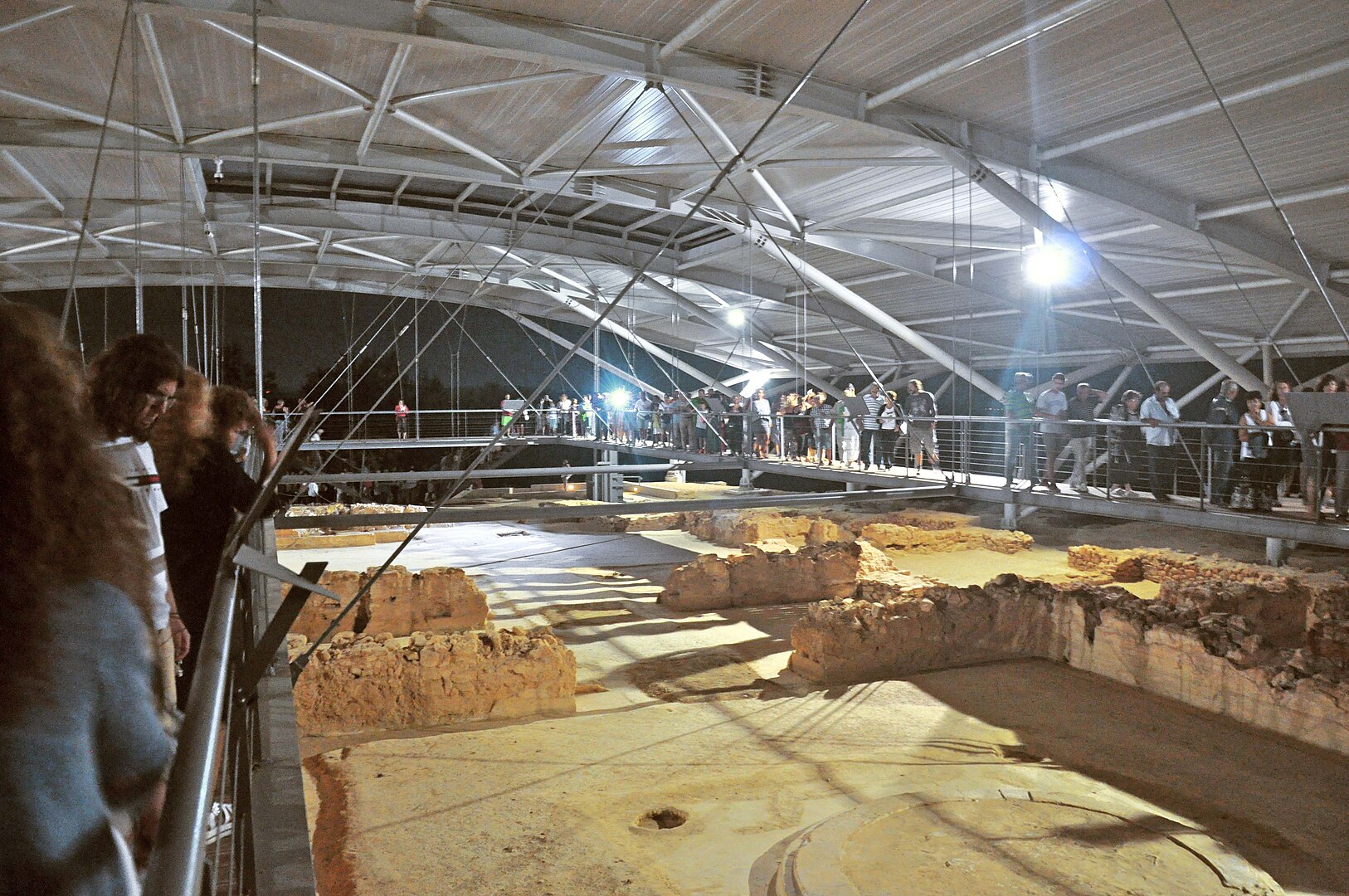
I made time for Pylos, a town where narrow streets and quiet cafes invite you to slow down. At the Palace of Nestor, I saw clay tablets and old structures that reveal how people lived in Mycenaean times—over 3,000 years ago.
For something different, I stopped by Nestor’s Cave, a spot tied to Greek myth.
Quick Tips:
- Most sites in the Peloponnese stay open year-round.
- Start early to beat crowds and heat.
- Many local museums have English signs and helpful staff.
Travel Tips, Accommodations, and Making the Most of Your Visit
Picking a place to stay near Voidokilia Beach, packing smart, and keeping an open mind can make a good trip even better.
Getting these details right means more time to enjoy the calm curve of sand and less time stressing about surprises.
Finding the Perfect Suite
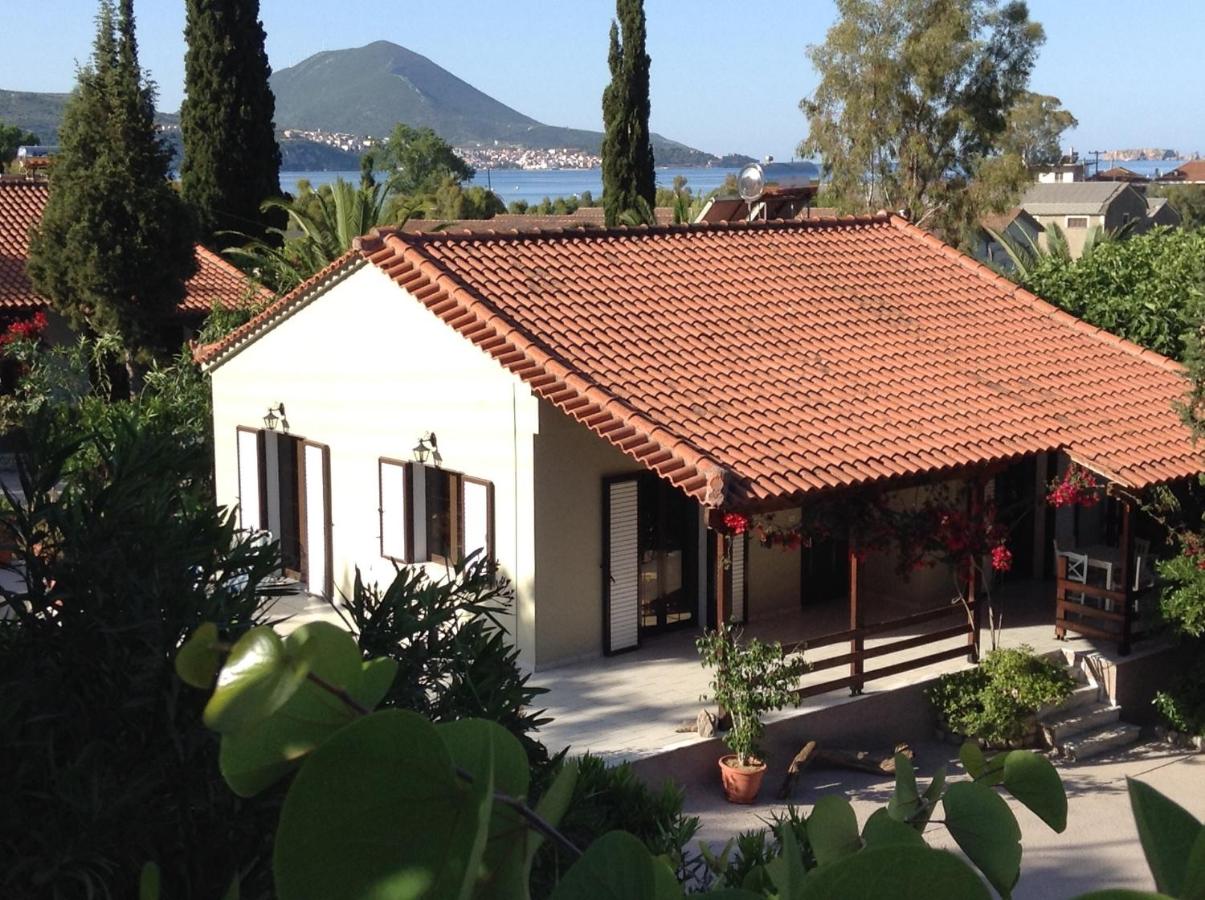
When I looked for a place near Voidokilia, I realized there are no big hotels right on the beach. Instead, I checked out guesthouses and small suites in nearby towns like Gialova and Pylos.
I suggest booking early, especially during summer. Here’s what worked for me:
| Option | Distance to Beach | Key Features |
|---|---|---|
| Gialova Suites | ~3 km | Sea views, kitchens |
| Pylos Guesthouse | ~12 km | Town market, cafes |
| Farm Stays | ~5 km | Quiet, nature walks |
I looked for a spot with air conditioning and helpful owners. Personal touches—like homemade breakfasts—made my stay feel special.
Essential Packing and Preparation Advice
Walking to Voidokilia Beach takes you through sand, trails, and sun, so I always pack for comfort and weather. A wide-brimmed hat, sunscreen, and plenty of water are must-haves.
I always throw in:
- Swimsuit and towel
- Sandals for the beach, sneakers for trails
- Light jacket for breezy nights
- Reusable bag for snacks or trash
There aren’t many shops right by the beach, so I stock up on snacks, fruit, and drinks the night before. Having these little comforts keeps my day stress-free and lets me support local markets, too.

Practicing Patience and Understanding as a Visitor
Voidokilia gets pretty crowded in July and August, especially around midday. I usually show up early or head there later in the afternoon.
That way, I dodge the busiest hours and catch the bay at its calmest. Honestly, it feels like a different place when the crowds thin out.
I have to remind myself to stay patient—with other travelers and with the local community too. Parking fills up fast, and sometimes the small cafes get slammed.
If I just accept the occasional delay or slower service, it really helps. Nobody loves waiting, but it’s part of the experience.
When I slow down and let go of any rush, I start noticing the subtle sounds of the water. Those moments end up meaning more.
Trying to be a considerate and patient visitor has its own quiet reward, even if it takes a little extra effort.