
When I first set foot on the Ionian Islands, I realized these places offer so much more than those postcard-perfect beaches you see everywhere. Sure, the water’s dazzling and the sand’s impossibly white, but honestly, what grabbed me was how these seven islands pulse with centuries of history—Venetian palaces, British fortresses, ancient ruins, and stories that seem to echo from every street corner.
They’re a real crossroads of cultures. The mix of Western European and Greek traditions comes alive in the festivals, the music drifting from open windows, and the architecture that’s somehow both familiar and totally unique. Each island has its own flavor, shaped by invasions, occupations, and a refusal to be just like the rest of Greece.
The Ionian Islands blend Venetian and British colonial history, lively musical traditions, and authentic Greek island culture in a way you just don’t find anywhere else in the Mediterranean. Unlike other Greek islands, the Ottomans never set up shop here. That left the door open for Western influences to flourish, and the result is pretty fascinating.
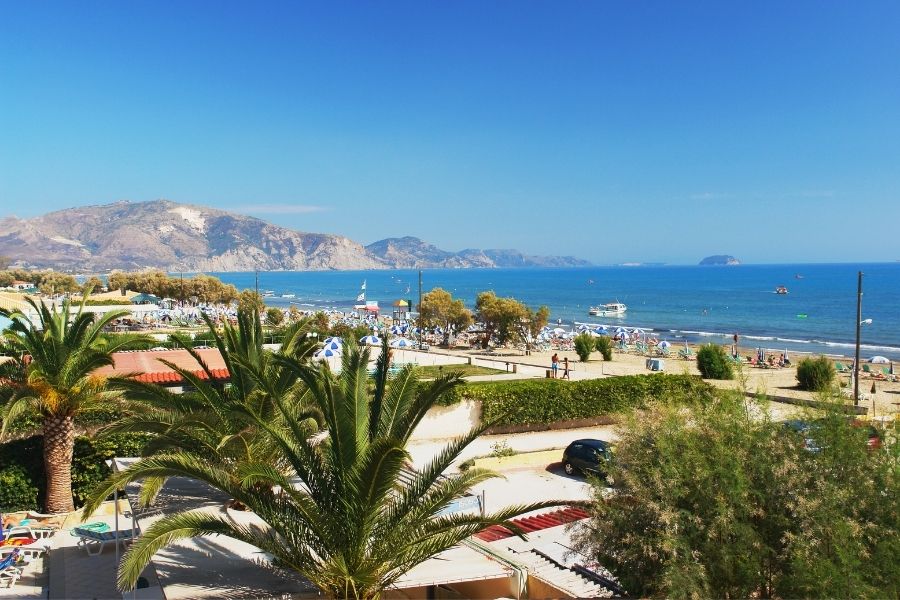
As I wandered from Corfu’s old town to the hidden lakes of Kefalonia, I kept stumbling on surprises. The real magic? It’s tucked away in the old stone villages, the music, and the way locals celebrate their unique heritage—way beyond the sun and sand.
The Historical Heritage of the Ionian Islands
The Ionian Islands sit in a special place in Greek history. They’re the only region that managed to dodge Ottoman rule entirely. Their spot between East and West drew all kinds of civilizations over the centuries, layering ancient stories, Venetian architecture, and even a few legendary Homeric adventures.
Ancient Civilizations and Mythical Legends
These islands go way back—like, Neolithic era back. Archaeologists have uncovered ties to both mainland Greece and southern Italy, which isn’t surprising when you see how close everything is.
During the Bronze Age, Greek settlers started leaving their mark. The Minoans, always on the lookout for good real estate, also set up shop. That early mix laid the foundation for the islands’ rich culture.
Homer’s epics mention these islands, too. The Odyssey places Odysseus’s homecoming right here, and the legends still feel alive somehow.
Mythical Origins:
- The islands take their name from Io, one of Zeus’s mortal lovers.
- Homer described Scheria, where Odysseus met Princess Nausicaa.
- Ancient Greeks believed these waters were sacred to the gods.
Three massive sea battles unfolded here. Sybota gave us the first recorded naval battle in history. The Battle of Actium changed the course of the Roman Empire. Lepanto turned the tides against Ottoman power in the Med.
Venetian and Byzantine Influences
Venice took control of the Ionian Islands in the 13th century, folding them into their Stato da Mar. Their rule stuck around for hundreds of years, and you can still see the Venetian fingerprints everywhere.
The Ottomans never conquered these islands. That left their society and architecture looking very different from the rest of Greece.
Key Historical Periods:
- 13th-18th centuries: Venetian rule
- 1800-1807: Brief French occupation
- 1815-1864: British Protectorate as United States of the Ionian Islands
- 1864: Union with the Kingdom of Greece

The British era brought a wave of cultural progress. Corfu even opened Greece’s first university in 1824—before the rest of Greece had a proper state. Locals still talk about that with a lot of pride.
In 1864, the islands finally joined the Kingdom of Greece. That move ended centuries of foreign rule and kicked off a new chapter.
Iconic Landmarks and Archaeological Sites
Corfu’s old town, with its UNESCO badge, stands out. The narrow alleys and fortress walls whisper stories of Venetian defenses against the Ottomans. The buildings blend Italian, French, and British touches.
Every island hides ancient settlements. On Zakynthos, you’ll stumble across ruins that date back to ancient Greece. Its location made it a tempting prize for just about everyone.
Notable Archaeological Features:
- Ancient Greek temples and sanctuaries
- Venetian fortresses and castles
- Byzantine churches with unique frescoes
- British colonial buildings and infrastructure
Each island keeps a different slice of this tangled past. Kefalonia shows off Mycenaean roots. Ithaca claims Odysseus’s mythical kingdom. Lefkada reveals layers of occupation, one on top of another.
Museums here don’t just display artifacts—they tell stories. Pottery, coins, and sculptures paint a picture of people living, fighting, and creating over thousands of years.
Distinctive Cultural Identity and Traditions
The Ionian Islands have a personality all their own. You’ll notice a blend of Greek, Venetian, British, and even French influences in the language, festivals, crafts, and buildings.
Language and Local Dialects
Folks here speak Greek, of course, but the dialects sound a little different. Centuries of Venetian rule left a heap of Italian loanwords mixed in.
On Corfu, you’ll hear words like “tsintsilira” (tiny bells) and “mandato” (message)—straight from Italian. Zakynthos has its own Italian twists, too.
The British era left its mark as well. I’ve caught English words popping up in local chats, especially when people talk about government or old institutions.
Each island’s speech has its quirks. Kefalonia and Lefkada residents can spot each other just by accent or word choice. It’s a little like a secret code.

Younger generations are moving to the cities, so the dialects are fading. Still, older locals keep these speech patterns alive, holding onto their island’s story.
Festivals and Celebrations
The Ionian Islands know how to throw a party—especially when it comes to blending Greek Orthodox holidays with local twists. Easter is a huge deal here, and the traditions feel extra special.
Corfu’s Easter procession is legendary. Four different processions carry Saint Spyridon’s remains through the streets. On Holy Saturday, people chuck clay pots from balconies to scare away evil spirits. The sound is wild.
Carnival season brings out the Venetian side. Kefalonia’s masked balls and parades could rival Venice itself. The costumes and masks are pure Italian drama.
Zakynthos celebrates the Festival of Saint Dionysios twice a year. The whole island joins in, with processions, music, and a serious sense of community. Bands fill the air with traditional tunes.
Music festivals pop up all year. The Lefkada International Folklore Festival draws performers from all over the globe, mixing local and international traditions.
Traditional Crafts and Artisanal Practices
Artisans on these islands keep traditions alive, blending Greek, Italian, and homegrown styles. I’ve watched techniques passed down for generations, each one a little different from the last.
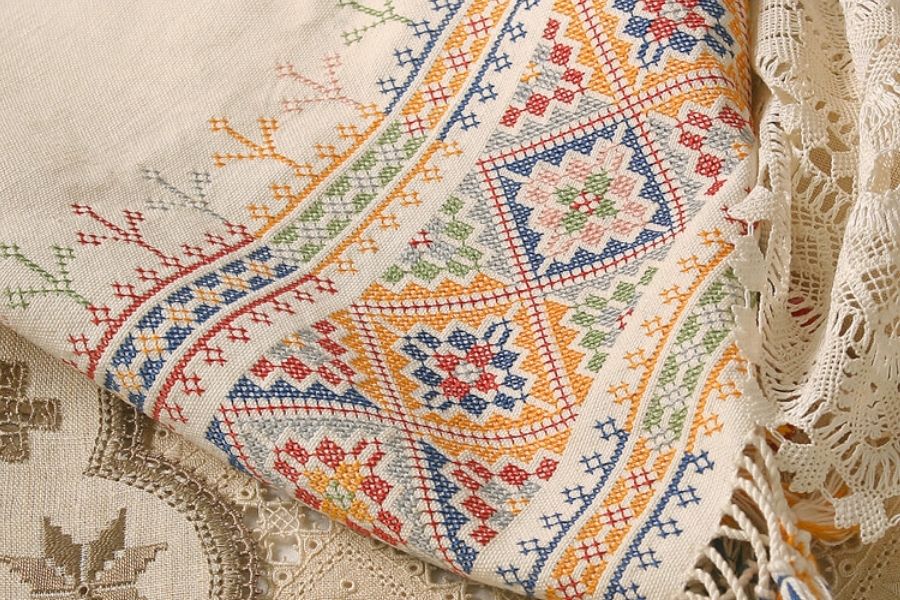
Lace-making on Lefkada is an art form. “Karsaniki embroidery” features patterns you won’t find anywhere else. Some pieces take months to finish.
Kefalonia’s potters use Venetian-inspired glazing on reddish-brown clay dug right from the island. They still spin the wheel and fire pots the old-fashioned way.
Woodcarvers shape olive and cypress into furniture, icons, and decorations. The designs mix Venetian flair with Greek Orthodox symbols.
Corfu’s kumquat liqueur is a local specialty. Venetians brought the distillation know-how, but the recipes are family secrets.
Architectural Characteristics
Ionian architecture is its own thing—I like to call it “Mediterranean fusion.” You’ll spot Greek, Venetian, French, and British elements all mashed together.
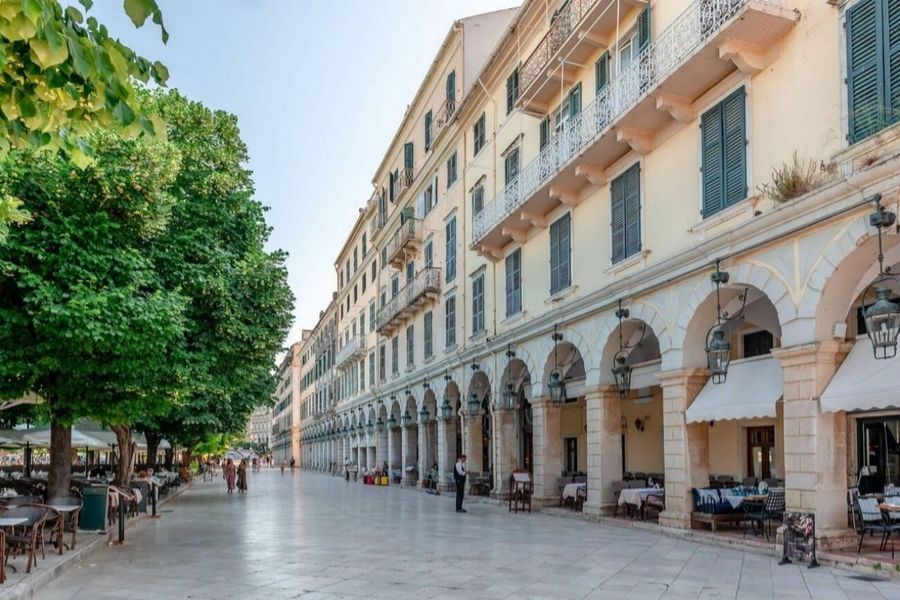
Corfu Town feels especially cosmopolitan. The Liston arcade is basically a Greek version of Paris’s Rue de Rivoli, built during Napoleon’s brief rule. Venetian-style balconies and arched windows line the cobbled lanes.
Houses here sport red tile roofs, unlike the flat white ones elsewhere in Greece. That’s a nod to Italian tradition. Warm yellow and orange walls make everything glow.
British colonial buildings stand out—think schools, government offices, and houses with Georgian windows and wide verandas. The British also loved adding covered galleries.
Churches blend Orthodox and Catholic styles. Bell towers look more Italian than Greek, and inside, you’ll see Byzantine icons sharing space with Western art.
The Musical Soul of the Ionian Islands
Music here sounds different. The Ionian Islands forged a musical identity that mixes Western European traditions with Greek folk. They even started Greece’s first classical music school, and the local folk scene still thrives on guitars, mandolins, and those heartfelt serenades.
Folk Music and Local Instruments
Folk music here leans more Western than Greek. Guitars and mandolins steal the show at most gatherings.
The kantadhes—romantic serenades sung under balconies—are still wildly popular. You’ll hear them drifting through the night.
Key folk dances include:
- Ballos
- Syrtos
- Fourlana
- Kerkiraikos
- Ai Georgis

Each island adds its own twist. Zakynthos, for example, weaves in Cretan influences.
Influence of Choral and Classical Music
In 1815, the Ionian Islands established the Heptanese School, Greece’s first classical music academy.
Italian opera played a huge role here. Local composers soaked up European styles and wove them into their own works.
Church music on the islands stands out, too. Western and Catholic influences shape the Byzantine Rite, making it sound unlike anything on the mainland.
Corfu became a hub for opera. Its position in the Mediterranean turned it into a crossroads for musical exchange.
Notable Musicians and Composers
The Ionian School produced some heavy hitters. Nikolaos Mantzaros stands out—he’s a giant in Greek music history.
Dionysios Lavrangas and Nikos Hatziapostolou also left their mark. Their work helped put Greek classical music on the map.
In the 19th century, Ionian composers often worked in Italy, thanks to those deep cultural ties from the Venetian era. That back-and-forth shaped a musical legacy that’s still going strong.
Island Highlights: Unique Stories of Each Ionian Island
Every Ionian island has its own story, written in ancient ruins, whispered in local legends, and celebrated through unique traditions. Corfu wears its Venetian, French, and British past on its sleeve, while Kefalonia invites you underground to lakes and Homeric myths.
Corfu: Crossroads of Empires
Corfu’s Old Town is a UNESCO World Heritage site, and you can really feel the layers of history as you wander through its tangled streets. The Venetians left behind those imposing fortresses and elegant buildings—sometimes, I just stop and stare at the details.
The Spianada claims the title of Europe’s largest town square. You can spot the French influence in the arcaded Liston promenade, where locals and travelers sip coffee in a style that feels straight out of Paris.
When the British ruled from 1814 to 1864, they brought cricket along with them. Even today, you might catch a match on the Spianada lawns—honestly, it’s a quirky sight for a Greek island.
Key Historical Sites:
- Old Fortress (15th century, Venetian)
- New Fortress (16th century)
- Achilleion Palace (built for Empress Elisabeth of Austria)
- Mon Repos Palace (former British residence)
Corfu’s musical tradition runs deep. More than 20 philharmonic bands fill the island, and during Easter, their music echoes through the winding streets. It’s a bit haunting but unforgettable.
Kefalonia: Legends and Natural Marvels
Kefalonia draws you in with its wild landscapes and a sprinkle of myth. Some people say it’s Homer’s Ithaca, but honestly, the debate never ends.
Melissani Cave hides an underground lake where sunlight turns the water a surreal blue. The ancient Greeks believed nymphs lived down there—standing in the cave, I almost believe it, too.
Drogarati Cave stuns with huge stalactites and stalagmites. The acoustics are so good, they actually hold concerts in the main chamber.
Mount Ainos National Park protects the rare Kefalonian fir trees. Wild horses roam these slopes, and if you’re lucky, you’ll spot them.
The 1953 earthquake wiped out most traditional buildings. Fiskardo is the exception—it survived and still shows off its colorful Venetian harbor.
Natural Highlights:
- Myrtos Beach (dramatic limestone cliffs, turquoise water)
- Antisamos Beach (pebbled shore, green hills all around)
- Robola wine region (home to an indigenous grape)
Zakynthos: Landmarks, Caves, and Culture
Zakynthos mixes jaw-dropping scenery with a serious commitment to wildlife. Navagio Beach, or Shipwreck Beach, hides in a cove you can only reach by boat.
That famous shipwreck? It’s actually a smuggler’s vessel that crashed in 1980. White limestone cliffs soar 200 meters above, making the spot feel almost unreal.
Loggerhead sea turtles come ashore to nest from May to August. Laganas Bay is a protected marine park, and you can sometimes watch these gentle giants up close.
Blue Caves near Cape Skinari create wild light shows. I took a boat tour and swam in the electric blue water—highly recommend it.
Zakynthos Town had to rebuild after the 1953 earthquake, but it kept its old layout. The Byzantine Museum, right in the center, displays religious art and post-Byzantine paintings.
Cultural Elements:
- Kantades folk songs (with a nod to Italian opera)
- Festivals for St. Dionysios
- Local wine production (Verdea grape)
Lefkada, Ithaki, Paxi, and Kythira: Local Distinctions
Lefkada connects to the mainland by a causeway and floating bridge. Porto Katsiki beach is so photogenic it almost feels staged.
Every year, the island throws an International Folklore Festival. Up in the mountain villages, Lefkadian lentils grow—locals are fiercely proud of them, and they’ve got protected status.
Ithaki claims to be Odysseus’s real home. Vathy harbor fits Homer’s descriptions, and you’ll find plenty of sites named after characters from the Odyssey.
Hiking trails link old villages, and if you’re into archaeology, some findings here do back up the Homeric connection.
Paxi is famous for its olive oil, pressed from ancient groves. The island doesn’t have an airport, which keeps things quiet and authentic.
Hop over to Antipaxos for beaches that look straight out of the Caribbean—white sand and water so clear it hardly seems real.
Kythira sits between the Ionian and Aegean seas, so its culture is a real mix. In ancient times, people worshipped Aphrodite here.
The Venetian Kastro watches over Kapsali harbor. In Mylopotamos, you’ll find a waterfall and the ruins of old mills.
Modern Lifestyle, Luxury, and Authentic Experiences
The Ionian Islands have this knack for blending high-end luxury with deep-rooted traditions. Travelers can enjoy sophisticated stays but still find genuine local flavor. The islands care about sustainability and hold tight to their culinary and natural heritage.
Luxury Resorts and Exclusive Travel
Some of Greece’s most exclusive resorts are right here. They mix traditional architecture with all the modern comforts you’d expect.
Corfu leads the pack with places like Grecotel Corfu Imperial and Ikos Dassia. Think private beaches, spa days, and restaurants that make you linger over dinner.
Kefalonia has boutique gems like F Zeen Retreat—eco-luxury villas with private pools and organic gardens. It’s quiet, relaxing, and just a bit indulgent.
Zakynthos offers upscale options like Lesante Blu, where adults can unwind and soak up panoramic sea views.
Many resorts set up private yacht charters, so you can discover hidden coves and quiet beaches at your own pace.

If you want more privacy, you’ll find plenty of villa rentals—some come with staff, a chef, and a concierge. It’s a splurge, but what an experience.
Local Gastronomy and Culinary Heritage
Ionian cuisine is all about local ingredients and a blend of Greek and Italian traditions.
Corfu is known for sofrito, a beef dish cooked in white wine and garlic. The island also makes fantastic olive oil and a unique kumquat liqueur.
Kefalonia is the place to try Robola wine, made from grapes you won’t find anywhere else. Fishermen bring in fresh catch for classics like bourdeto fish stew.
Zakynthos serves up skordalia and ladotyri cheese. The honey here comes from bees buzzing over thyme-covered hills.
Cooking classes with local families are a highlight for me. You’ll learn recipes passed down for generations, and the stories are just as good as the food.
Farm-to-table restaurants are everywhere. Many work directly with local farmers and fishermen, so menus change with the seasons.
Sustainable Tourism Initiatives
The Ionian Islands put real effort into protecting their wild places and supporting their communities. These projects help both locals and visitors.
Marine conservation keeps sea turtle nesting sites safe on Zakynthos. The National Marine Park manages boat traffic during breeding season.
Eco-friendly accommodations use renewable energy and conserve water. F Zeen Retreat is a good example—they keep their footprint small.
Local employment programs train residents for tourism jobs. Resorts often hire staff from nearby villages, keeping the benefits close to home.
Cultural preservation projects teach traditional crafts and music. You can join workshops in pottery, weaving, or folk dancing.

Organic farming is on the rise. Several islands now have certified organic farms that supply local restaurants.
Getting around is easier on the environment, too. Electric vehicle rentals and bike-sharing programs are popping up everywhere.
Frequently Asked Questions
The Ionian Islands are packed with ancient ruins, medieval castles, and churches that have stood for centuries. The music scene is unique, with deep roots in Italian opera. You can explore Venetian fortresses, Byzantine monasteries, and join in local festivals that blend Orthodox traditions with Ionian flair.
What are the notable historical landmarks to visit in the Ionian Islands?
Start with Corfu’s Old Fortress, built by the Venetians in the 15th century. It sits right on a rocky peninsula and gives you sweeping sea views.
The Achilleion Palace on Corfu is pure 19th-century neoclassical grandeur. Empress Elisabeth of Austria built it as her summer escape, and the gardens are dotted with statues of Greek heroes.
In Zakynthos, the Byzantine Museum in Zakynthos Town is a must. You’ll find religious icons and artifacts, some dating all the way back to the 15th century.
The Monastery of Panagia Hozoviotissa on Amorgos clings to a cliff face. Built in 1088, it’s still an active monastery, and the setting is breathtaking.
How has the unique culture of the Ionian Islands evolved over time?
The Ionian Islands developed a distinct character thanks to centuries of Venetian rule. Unlike the rest of Greece, they never fell under Ottoman control. This history created a unique blend of Greek and Italian influences.
I’m especially fascinated by the music here. The islands adopted Italian opera styles in the 18th and 19th centuries. Local composers created kantades—romantic serenades sung in Greek but with Italian flair.
You can see the mix in the architecture, too. Venetian mansions stand next to Greek Orthodox churches. Balconies and arcades have an Italian look, but the decorative details are all Greek.
Food here tells the story as well. You’ll notice more pasta dishes and Italian herbs on the menu. The famous Kefalonian meat pie uses Greek phyllo and fillings inspired by Italian recipes.
What are the top activities to experience the Ionian Islands’ music and arts scene?
Catch a kantada performance in Corfu’s old town—musicians gather in tavernas, strumming guitars and singing ballads that will stick with you.
The Corfu Festival, held every summer, brings classical music to historic venues like the Old Fortress and Mon Repos Palace. Greek and international artists take part.
Visit the Museum of Asian Art in Corfu, housed in the Palace of St. Michael and St. George. The building itself is a relic of British colonial times.
Try a traditional music workshop on Kefalonia. Local musicians teach visitors to play guitar Ionian-style, sometimes with a quick lesson in kantada singing.
Can you outline an ideal itinerary for exploring the Ionian Islands’ rich cultural heritage?
I’d start with three days in Corfu—day one for the old town and the Old Fortress, day two for Achilleion Palace and the Museum of Asian Art.
On day three, catch a kantada performance and visit the Antivouniotissa Museum, which displays centuries-old religious art.
Head to Kefalonia for two days. Visit the Monastery of Agios Gerasimos and check out Argostoli’s cultural spots. If you can, join a music workshop.
Spend your last two days on Zakynthos. Tour the Byzantine Museum and see some of the island’s historic churches. The Monastery of Anafonitria, where the island’s patron saint lived, is worth a visit.
If your timing lines up with a festival, don’t miss it—these events are full of music, dancing, and traditions you won’t find anywhere else.
How do the Ionian Islands differ from the Cyclades in terms of historical and cultural offerings?
The Ionian Islands show off Italian and Western European influences from their Venetian past. The Cyclades lean more into traditional Greek and Byzantine culture, with a hint of Ottoman history.
The music in the Ionians stands out. Kantada and opera-inspired tunes are everywhere, while the Cyclades keep to ancient Greek folk music.
Architecture is another big difference. Ionian towns have Venetian arcades, Italian balconies, and pastel colors. Cycladic buildings are those classic white-and-blue cubes.
Religious life varies, too. The Ionian Islands honor some Catholic saints along with Orthodox ones, thanks to their Venetian Catholic history. In the Cyclades, it’s all about Orthodox traditions.
The Ionian Islands kept more Renaissance and Baroque art, while the Cyclades focus on ancient Greek artifacts and Orthodox religious icons.
What local festivals or holidays in the Ionian Islands offer insight into their traditions and history?
Every year in Corfu, the Litany of Saint Spyridon draws locals and visitors into the winding streets of the old town. People carry the saint’s remains through the city, a ritual that’s been alive for over 400 years. The processions feel grand but also strangely intimate, with a sense of reverence that lingers in the air.
Easter here hits differently. On Holy Saturday in Corfu, you’ll hear a sudden crash as people toss clay pots from their balconies. I remember watching the pots shatter and thinking how wild and joyful it all felt. It’s not just spectacle—it’s a symbol of resurrection and new beginnings.
Kefalonia’s Festival of Agios Gerasimos happens twice a year, in August and October. Pilgrims flock to the island to honor their patron saint. The air fills with the sounds of Ionian music and the smell of local dishes, making the whole experience feel like a living tapestry of tradition.
Zakynthos comes alive during the Feast of Saint Dionysios, celebrated in both August and December. The processions wind through the streets, blending religious rituals with soulful kantada singing. It’s the kind of event where music and faith seem to merge, giving you a real taste of the island’s heritage.
If you’re around Kefalonia in late summer, the Wine Festival is hard to miss. Locals pour generous tastings, and the night pulses with music, dancing, and laughter. There’s something about sharing a glass of wine under the stars that makes you feel part of the community, even if you’ve just arrived. These festivals aren’t just for show—they’re woven into everyday life here.
