
The Ionian Islands off Greece’s western coast really surprised me. They feel different from the classic Greek island vibe you might expect.
These lush islands float in clear blue waters and mix Venetian architecture with Greek culture in a way you just can’t find anywhere else.
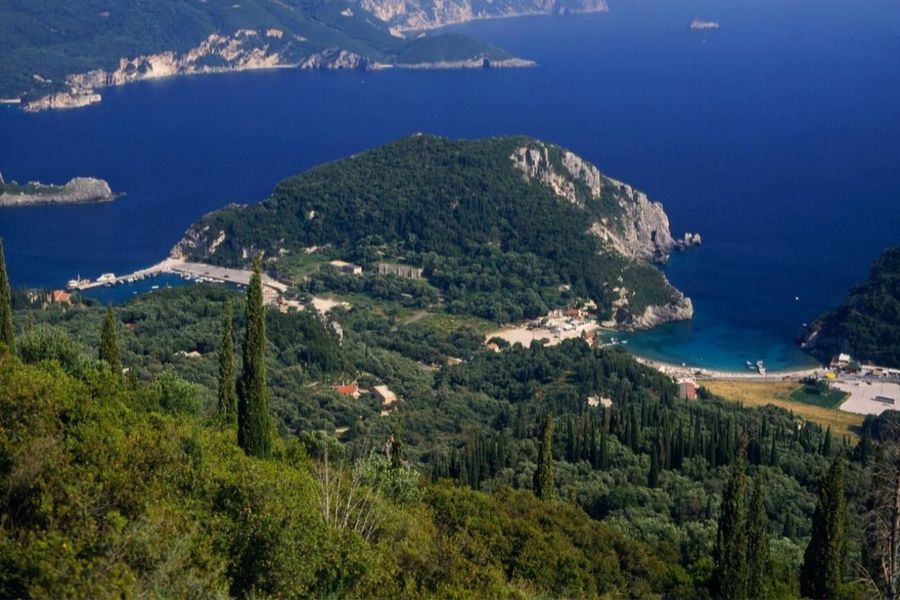
I spent a week sailing through Corfu, Zakynthos, Kefalonia, and a handful of smaller islands. I finally understood why locals call this region the “Emerald Isles.” Olive groves and cypress trees roll across the landscape, keeping everything green all year.
Unlike the dry, sun-bleached islands in the Aegean, the Ionians get more rain. That means thick forests, fertile soil, and beaches where you can actually find some peace and quiet.
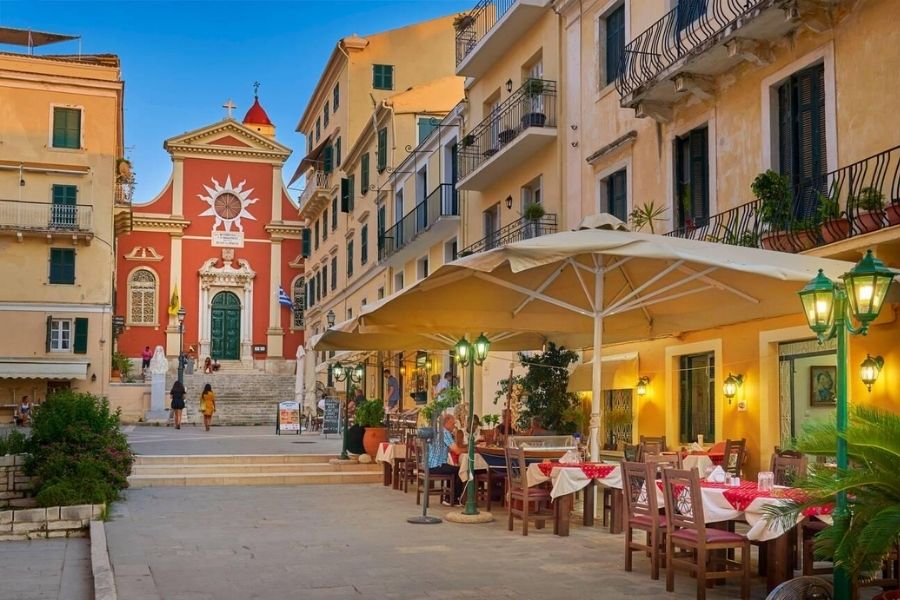
Each island feels like it’s got its own personality. Corfu Town buzzes with energy, while Antipaxos hides secret caves and silent coves.
You see the Venetian touch everywhere—fortresses, food, even the way people cook, blending Italian and Greek flavors with a little flair.
The Emerald Isles: Exploring the Ionian Islands
The Ionian Islands stretch along Greece’s west coast, a chain of seven main islands shaped by centuries of Venetian and British rule.
Their olive groves and forests are a striking contrast to the parched beauty of other Greek islands.
Geography and Main Islands
The Ionian Islands spread out in turquoise waters just off the western edge of Greece. Seven main islands form this natural bridge between Greece and Italy.
Corfu sits farthest north, just a narrow strait away from both Italy and Albania.
Kefalonia is the biggest of the bunch, with dramatic cliffs and secret caves dotting its coastline.
Zakynthos (locals call it Zante) lies to the south. It’s famous for being a safe haven for endangered sea turtles in Greece’s first marine park.

Then there’s Lefkada, actually connected to the mainland by a causeway. Ithaca is legendary—literally, as the home of Homer’s Odysseus.
Paxos and Kythira round out the main group. Each island has its own quirks, but they all share that emerald, olive-studded landscape.
| Island | Size Rank | Notable Feature |
|---|---|---|
| Kefalonia | Largest | Underground lakes |
| Corfu | Second | Venetian Old Town |
| Zakynthos | Third | Shipwreck Beach |
| Lefkada | Fourth | World-class beaches |
Distinctive Venetian and British Influences
Foreign rulers left their fingerprints everywhere in the Ionians. Venice ran the show for over 400 years before the British took over in 1815.
I kept spotting Venetian touches—stone fortresses perched on hills, churches with baroque bell towers, and elegant facades.
Corfu stands out for its Venetian flavor. The Old Town’s narrow cobblestone lanes and arcaded buildings feel like a slice of Italy.
The Liston Arcade, for example, could almost pass for Paris’s Rue de Rivoli.
The British? Well, they brought cricket fields and a taste for ginger beer. You can still catch a cricket match on Corfu’s Spianada, which is honestly a bit surreal in Greece.
Architecturally, the islands blend Italian style with British practicality. Pastel mansions line the harbors, while stone bridges cross mountain valleys.
Music here borrows from both worlds, too. On Lefkada and Zakynthos, you’ll hear Italian-style cantadas drifting through the night air.
Lush Landscapes and Olive Groves
The “Emerald Isles” nickname makes perfect sense once you see the landscape. Rain and rich soil keep everything green.
Ancient olive groves blanket the hills, some trees older than 500 years. Their silvery leaves dance in the sea breeze.
Pine forests run right down to sandy beaches. Cypress trees mark out old property lines and frame the coastline.
Wild herbs—oregano, thyme, rosemary—grow everywhere. You can smell them on hiking trails, and the local honey tastes like mountain flowers.
Vineyards thrive in this climate, producing crisp white wines you won’t find elsewhere in Greece.
In spring, wildflowers explode across the meadows—purple orchids, red poppies, all tangled up between the olive trunks.
This green scenery makes sailing here a dream. Bays are sheltered and surrounded by forests, perfect for dropping anchor and just soaking it all in.
Glistening Waters and Iconic Beaches
The Ionian Sea puts on a show with its turquoise waters and dramatic coastline. You’ll find famous spots like Porto Katsiki and Navagio Beach, but also countless hidden coves that feel like your own secret discovery.
Crystal-Clear Waters of the Ionian Sea
I couldn’t get over how clear the water was. As I sailed closer to shore, the sea shifted from deep navy to electric turquoise.
The milky blue color comes from limestone cliffs around many beaches. These cliffs add minerals to the water, creating those unreal shades of blue.
Swimming here felt like floating in glass. I could see straight down to the sandy bottom, twenty or thirty feet below, and spot fish darting around my toes.
Water Temperature by Season:
- Summer: 75-79°F (24-26°C)
- Spring/Fall: 68-73°F (20-23°C)
- Winter: 59-64°F (15-18°C)
The sea stays calm, which makes it perfect for swimming and snorkeling. Strong currents rarely show up along these protected coastlines.
Stunning Beaches and Hidden Coves
Every island has its own showstopper beach. Kefalonia’s Myrtos Beach, for example—white pebbles, a crescent cove, and cliffs towering overhead.
Antisamos Beach, also on Kefalonia, sits wrapped in green hills. The water and the forest together make it a photographer’s dream.
I reached Voutoumi Beach on tiny Antipaxos by boat. There’s no road—just soft white sand and total privacy. It felt like the world’s best-kept secret.
Beach Features I Loved:
- White limestone cliffs
- Soft sand or smooth pebbles
- Calm, protected swimming spots
- Hiking trails with epic views
- Classic tavernas just steps from the beach
Lefkada’s beaches, especially on the west coast, look almost Caribbean. Dramatic cliffs drop straight into turquoise water.
Porto Katsiki and Navagio Beach Highlights
Porto Katsiki Beach on Lefkada really lives up to the hype. I made the trek down the steep cliff staircase and found a narrow strip of dazzling white sand.
The cliffs shoot straight up behind you, and the water glows impossibly blue. If you go early, you’ll beat the crowds—trust me, it’s worth the early wake-up.
Navagio Beach on Zakynthos is famous for its shipwreck. You can only get there by boat, since cliffs completely seal it off.
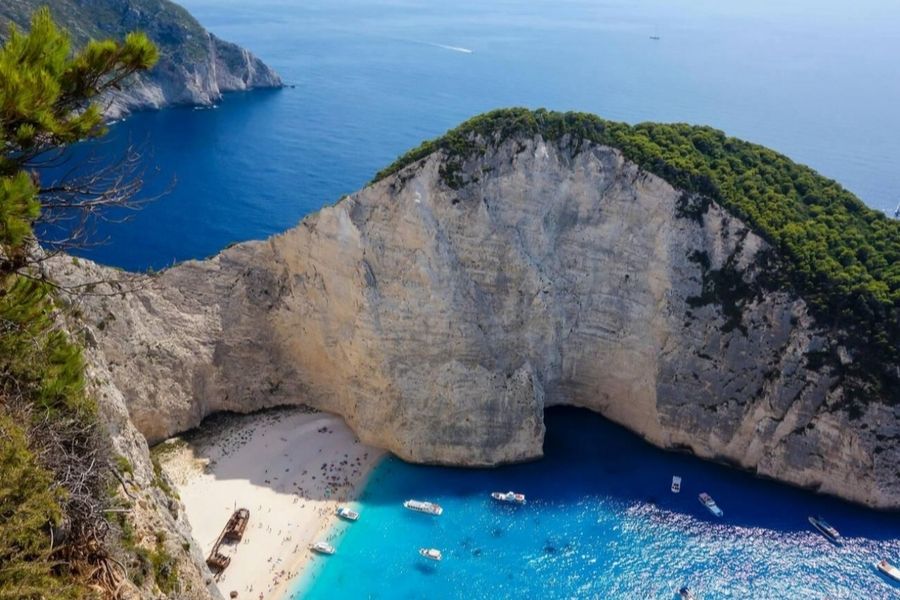
The rusted shipwreck, the Panagiotis, sits right on the white sand. The water here is so blue it almost looks fake.
Best Times to Visit:
- Morning: 8-10 AM for peace and quiet
- Afternoon: 2-4 PM for that perfect light
- Sunset: Amazing views from the cliffs above
You’ll want to plan ahead, especially in summer. Boat tours book up fast, especially for Navagio.
Cultural Tapestry: Venetian Charm and Local Heritage
The Ionian Islands blend Venetian elegance with real Greek tradition. Corfu’s Old Town, for example, is a UNESCO World Heritage Site, and the Liston Promenade shows off French-inspired Venetian style alongside centuries of Greek Orthodox life.
Corfu’s UNESCO World Heritage Site
Corfu’s Old Town earned its UNESCO badge in 2007. The whole area preserves Mediterranean architecture better than almost anywhere else.
Walking the cobblestone streets, I found myself surrounded by a mashup of Venetian, French, and British influences. The Old and New Fortresses, built between the 15th and 18th centuries, still stand guard over the city.
The Old Fortress gives you sweeping views of the Ionian Sea. Inside, you’ll find museums tucked into old tunnels and chambers.
The Venetians built the New Fortress later, showing off some pretty advanced military design. Both spots remind you how important Corfu was as a crossroads between east and west.
Liston Promenade and Venetian Architecture
The Liston Promenade pulled me in right away with its French-style arcades. Venetian architects actually modeled it after Paris’s Rue de Rivoli back in the early 1800s.
I wandered under the arches for hours, soaking up the shade and people-watching. The promenade borders Spianada Square, one of the biggest public spaces in Greece.
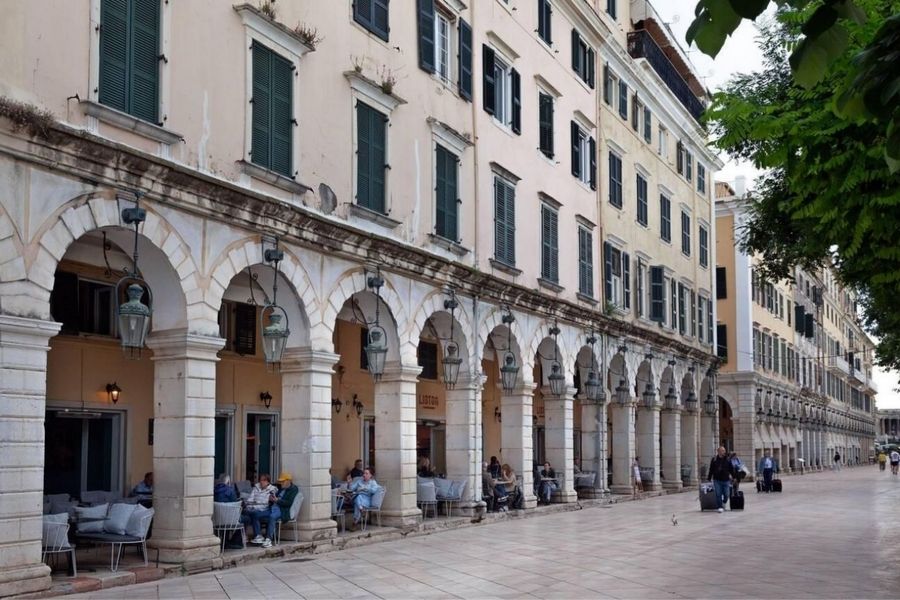
Architectural Details:
- Neoclassical buildings with fancy balconies
- Venetian shutters and windows
- French arcade design, all clean lines
- Greek tavernas tucked beneath the arches
Cafes serve Greek coffee and sweets right under those historic arches. It’s the perfect escape from the summer heat and always buzzing with life.
Vibrant Culture and Greek Traditions
Greek Orthodox traditions blend naturally with Venetian leftovers all over Corfu. The Church of Saint Spyridon, which holds the island’s patron saint, glows with beautiful Byzantine art.
During local festivals, especially at Easter, people parade Saint Spyridon’s relics through streets lined with Italianate buildings.
Cultural Highlights:
- Bouzouki music echoing in old courtyards
- Orthodox ceremonies in ancient churches
- Artisans selling crafts near the fortresses
- Tavernas serving up island specialties
Corfu’s museums keep both Greek and Venetian history alive. I checked out the Museum of Asian Art, set in a former British palace, which oddly enough houses Greece’s only major Oriental art collection.
Festivals here celebrate both Greek independence and the islands’ multicultural roots.
Island Adventures: Activities and Outdoor Exploration
The Ionian Islands are a playground for outdoor lovers. Calm seas and steady breezes make water sports a breeze, while Mount Ainos offers wild hiking trails. Yacht charters open up hidden coves and quiet beaches you’d never find otherwise.
Sailing and Yachting in the Ionian
Sailing between these islands is a dream, whether you’re a newbie or a seasoned skipper. I found the protected channels perfect for learning the ropes without getting tossed around.
Favorite Sailing Routes:
- Corfu to Paxos: 7 nautical miles
- Kefalonia to Ithaka: 5 nautical miles
- Lefkada to Meganisi: 3 nautical miles
Gouvia Marina on Corfu acts as the main hub, with over a thousand berths and every service you could need.
The islands themselves act as windbreaks, so you get steady 10-15 knot breezes without any nasty surprises.
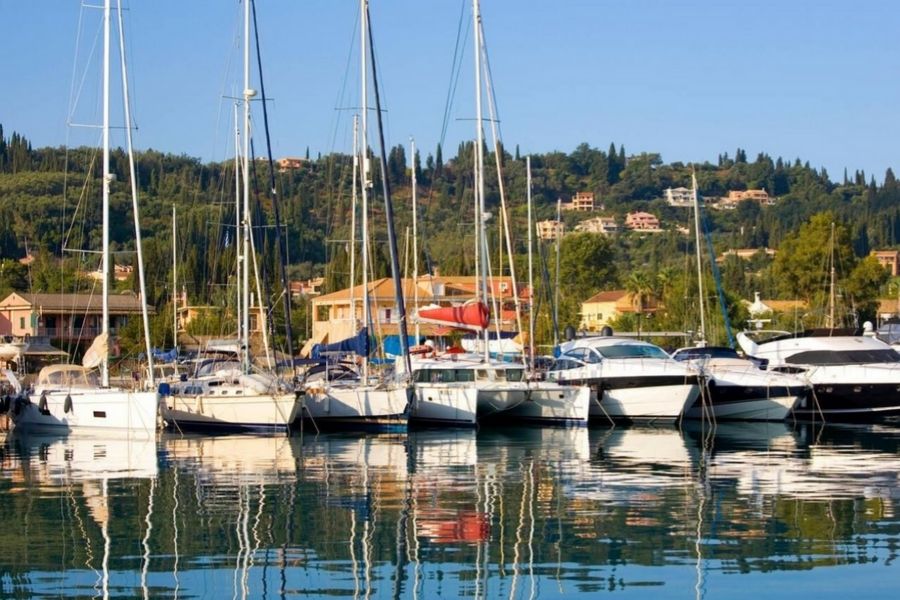
I sailed to places like Melissani Cave on Kefalonia, where you can anchor and swim into an underground lake. When the sun hits the water, it glows an unreal shade of blue.
Paddleboarding and Windsurfing Hotspots
Lefkada is king for water sports thanks to its reliable winds. The island sits in the middle of the chain, catching those perfect thermal breezes.
Water Sports Hotspots:
- Vassiliki Bay: 15-25 knot winds in the afternoon
- Porto Katsiki: Calm and perfect for paddleboarding
- Kathisma Beach: Gentle enough for beginners
I tried paddleboarding in Gaios harbor on Paxos. The water stays flat and you can reach tiny islets in about 20 minutes.
Windsurfing season runs May through September. The meltemi wind kicks up after lunch, but mornings are calmer for newbies.
Board rentals cost about €25-40 per day, and most beaches have rental shops right on the sand.
Hiking and Mount Ainos National Park
Mount Ainos towers over Kefalonia at 5,272 feet. The national park here protects rare fir trees you won’t see anywhere else.
The main hiking trail takes about 3-4 hours to the top. I started early to dodge the heat and beat the afternoon clouds.
On the Trail:
- Wild horses grazing on the slopes
- Big views of four different islands
- Ancient fir forests, some over a thousand years old
Trails start from Argostoli, but bring your own water—there’s nothing up there. Weather can shift fast, so pack a jacket.
I even spotted wild ponies near the tree line, descendants of animals that have lived here for centuries. The summit views stretch across the whole Ionian chain.
Gastronomy and Local Flavors
The Ionian Islands serve up food that’s honestly in a league of its own. Venetian influences and local ingredients come together in dishes you just won’t find anywhere else in Greece.
You’ll taste it in the cheeses aged in olive oil, and in signature plates like sofrito and pastitsada—rich, bold flavors that stick with you long after you leave.
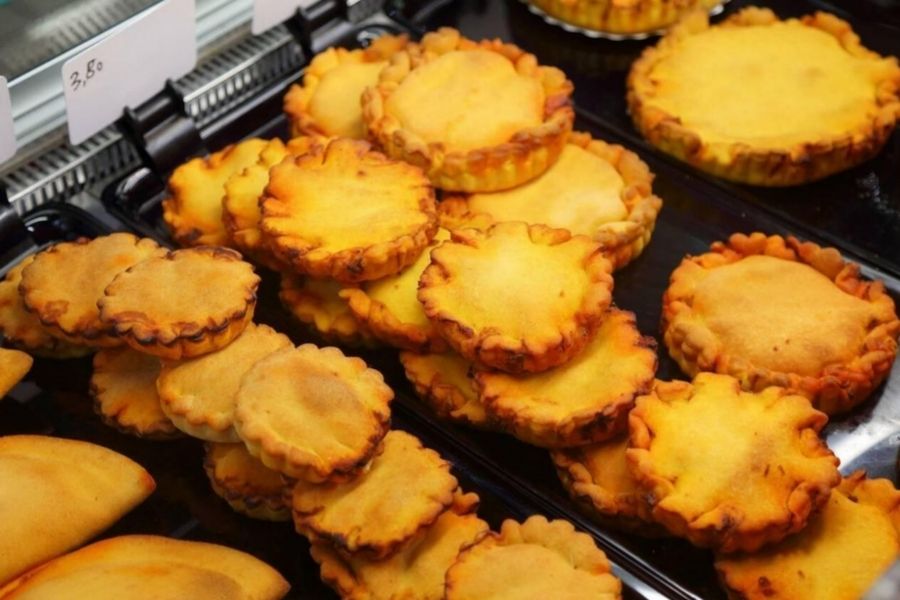
Delicious Cuisine and Island Specialties
I quickly realized Ionian cuisine isn’t just Greek food with a twist—it’s a whole experience. The Venetians left behind sophisticated dishes that sit comfortably next to hearty, rustic recipes you’ll find in any village taverna.
Corfu’s signature dishes? Sofrito tops the list—a veal stew in garlicky sauce, straight from Venetian times. Pastitsada is another favorite: beef cooked in a rich tomato sauce, served with thick pasta. If you like spice, bourdeto brings fish stewed in tomato and a good hit of heat.
Zakynthos surprised me with rooster cooked in tomato sauce and topped with grated ladotyri cheese. The eggplants in vinegary garlic sauce were unexpectedly addictive. Their manestra stew, finished with creamy egg-lemon, is pure comfort on a plate.
Kefalonia’s octopus pie—I still dream about it. Lefkada, meanwhile, serves up whitebait pie that locals swear by.
Cheese lovers, take note. Kefalonia quietly produces some of Greece’s best feta, though they call it “white cheese in brine.” Zakynthos makes ladotyri, a tangy cheese aged in olive oil.
Cold cuts really stand out here. Lefkada’s peppery salami, Corfu’s smoky noumboulo pork, and Zakynthos’ cured pork shoulder all deserve a try.
Olives, Olive Oil, and Local Produce
The Ionian islands have this lush, almost wild feel—fertile soil and steady rainfall make everything grow like crazy. I saw firsthand how this climate creates incredible olive oil and a bounty of fresh ingredients.
Olive groves blanket the hillsides across every island. The olive oil tastes unique—maybe it’s the humidity, maybe it’s the soil. Either way, it’s some of the best I’ve tried in Greece.
Markets burst with vegetables in every color. Locals seem to celebrate whatever’s in season and cook up creative dishes with just about any meat or veggie you can imagine.
Kythira makes thyme honey that’s unlike anything else. The wild thyme gives it this bold, herbal flavor. I also munched on olive oil rusks that locals swear by.
Lefkada grows fantastic lentils. Zakynthos produces sweet, plump PDO raisins. Fresh parsley and other herbs pop up everywhere, flavoring almost every meal.
Traditional sweets? Pasteli (sesame-honey bars), mandolata (nutty nougat), and mandoles with almonds and honey are everywhere.
Village markets turned out to be my favorite places for ingredients. Vendors are proud of their produce and always ready with a recipe or two.
Must-Try Dishes: Moussaka and Beyond
Moussaka’s on every menu, but here, local cheeses and spice blends make it taste richer—more complex than the usual.
Pastrokio totally won me over—it’s eggplant baked in tomato, eggs, and cheese. Rustic, filling, and exactly what you want after a swim.
Corfu’s spetseriko spice blend adds a mysterious kick to many traditional dishes. It’s a secret mix of a dozen spices, and honestly, I wish I could bottle it up and bring it home.
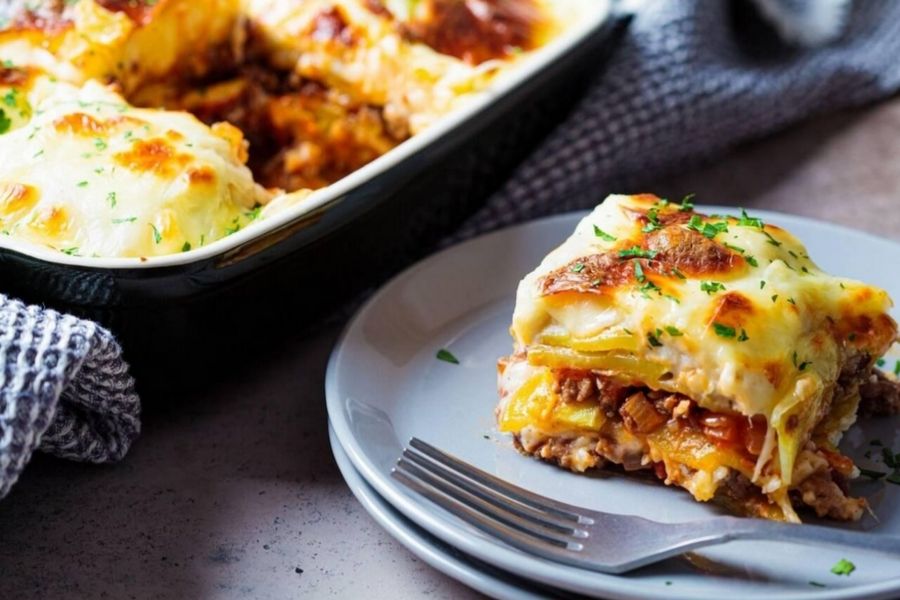
Inouminto-style cooking skips water completely—just grated tomatoes for stews and casseroles. The flavors get so concentrated and vibrant.
I found the best food in little village tavernas. Chefs serve up dishes their grandmothers made, usually in battered old padellas.
Wine is a must with these meals. Kefalonia’s Robola white wine is a standout. The limestone hills give it this floral, mineral taste that pairs perfectly with island food.
Every island has its own combos. Zakynthos loves rooster with pasta and ladotyri. Kythira goes for lamb with fennel seeds. It’s the little details that make every meal stick in your memory.
Journey Highlights: My Personal Experiences in the Ionian
Every island had its own personality—quirky, beautiful, and full of surprises. Between wandering old Venetian streets and stumbling onto hidden beaches with water so clear it barely seemed real, I felt like I was always discovering something new.
Corfu’s Venetian Charms
I spent three days getting lost in Corfu’s Old Town. Venetian influence is everywhere—arched alleyways, pastel walls, and iron-laced balconies.
The Liston Arcade became my morning ritual. I’d sit at a café, sipping Greek coffee, watching the city wake up. The architecture felt a little Parisian, but the laid-back vibe was all Greek.
On my second day, I climbed up to the Old Fortress. The view over the Ionian Sea? Absolutely worth the sweaty hike. The fortress walls have seen centuries of battles. On clear mornings, I could spot Albania’s mountains across the water.
Spianada Square was my go-to spot at sunset. Local families gathered, kids played, and musicians filled the air with Greek songs as the sun dipped behind the fortress.
Paxos and Antipaxos: Twins of Tranquility
I hopped over to Paxos and Antipaxos for a day trip from Corfu. Paxos felt untouched—olive groves, quiet fishing villages, barely a hint of mass tourism.
Gaios made a perfect base. It’s tiny but lively, with waterfront tavernas serving seafood right off the boat. The harbor’s a jumble of fishing boats and the occasional flashy yacht. I could walk the whole town in half an hour.
Later, my boat captain whisked me to Antipaxos. The beaches here are unreal—white sand, turquoise water, and barely any crowds. Voutoumi Beach looked almost too perfect.
I spent ages swimming and snorkeling along the rocky coast. The water was so clear, I could watch fish darting through seagrass beds right beneath me.
Lefkada’s Azure Waters
Lefkada became home for four nights. There’s a little bridge to the mainland, so it’s easy to drive in. I circled the island by car, hopping from one beach to the next.
Porto Katsiki stunned me. Sheer white cliffs plunge into electric blue water. I tackled the steep stairs down, and it was totally worth it for that first swim.
On my third day, I found Egremni Beach. It’s a long stretch of white sand, almost empty except for a few determined hikers. I lazed away the afternoon with a book and a swim.

Mountain villages called out too. Karya charmed me with stone houses and local crafts. I picked up handmade lace from an elderly woman who taught me a few Greek words.
Kefalonia: From Emerald Peaks to Pristine Shores
Kefalonia was my base for five days—the biggest island on my route. Mount Ainos looms over everything, its forested slopes dotted with wild horses. I spent hours hiking the trails, breathing in pine and sea air.
Myrtos Beach quickly became my favorite spot for a swim. The curve of white pebbles against deep blue water is just stunning. I went back three times because the light kept changing, and honestly, I couldn’t get enough photos.
Fiscardo is a postcard-perfect harbor. It’s one of the few villages that survived the 1953 earthquake, so the colorful houses feel extra special. I ate dinner by the water, watching boats drift in and out.
The Melissani Cave was a highlight. I took a boat through the underground lake, where sunlight streamed in from a hole above, turning the water a surreal shade of blue. My guide shared local legends about sea nymphs hiding in the shadows.
Frequently Asked Questions
These questions dig into the Venetian heritage that runs through the Ionian islands, the wild mix of landscapes, and the food experiences that make this region unforgettable.
What cultural influences are explored in the book regarding Greek islands with Venetian history?
I dive into how centuries of Venetian rule shaped the architecture on Corfu, Zakynthos, and Kefalonia. You’ll spot Italian influences everywhere—fortresses, bell towers, solid stone buildings—all blended with Greek tradition.
In Corfu Town, the cobblestone lanes could almost pass for Venice. The Liston and Spianada square bring in a dash of French and British style too.
Local festivals mash up Greek Orthodox rituals with Venetian carnival flair. I watched Easter processions where Italian music mixed with Byzantine chants—a real collision of cultures.
Can you detail the types of landscapes and natural beauty highlighted in the book?
I describe emerald waters that clash beautifully with white limestone cliffs. Sea caves on Zakynthos and Kefalonia make for some of the most jaw-dropping swims I’ve had.
Ancient olive groves sprawl across the hills. Some of these trees are centuries old and still producing olives for local families.
Beaches range from golden sand to white pebbles. Myrtos on Kefalonia and Navagio on Zakynthos are the showstoppers.
Mountain villages offer sweeping sea views. Pine and cypress forests hug the traditional settlements, making every turn feel like a postcard.
How does the author describe the interaction between locals and tourists in the Ionian islands?
Locals welcomed me with genuine warmth, not just because I was a tourist. Some families even invited me to their tables and shared stories about the islands’ past.
Older folks often speak Italian as well as Greek, thanks to that Venetian connection. It makes for some fun, unexpected conversations.
Tourism brings money, sure, but I noticed locals working hard to protect their traditions. Young people often move back from Athens to run family businesses.
Small villages stay true to their roots, while bigger coastal towns cater more to visitors. I found both sides had their own charm.
Does the book include practical travel tips for navigating the Ionian islands?
I break down ferry schedules—some only run in summer, so planning ahead is key.
Renting a car is the best way to reach mountain villages and out-of-the-way beaches. I talk about road conditions and where to (hopefully) find parking.
Places to stay run the gamut from fancy hotels to cozy guesthouses. I include my favorites, depending on your vibe.
Weather matters more than you’d think. I explain which months are best for island hopping and when the winds might mess with your plans.
Which specific Ionian islands are featured most prominently in the book and why?
Corfu stands out the most for me. Its UNESCO World Heritage status and that gorgeous Venetian architecture just pull you in. There’s so much history to wander through—honestly, you could spend days getting lost in its old town.
Kefalonia and Zakynthos? I can’t help but think of their wild coastlines and those beaches that practically beg you to swim. Both islands feel like the perfect spots for anyone chasing natural beauty.
Ithaca and Lefkada made the cut because they keep things real. When I visited, I found quiet villages and a slower pace of life—none of that overwhelming tourist buzz you get elsewhere. If you’re after a taste of traditional Greek island culture, these are the places to go.
Then there’s Paxos. I tossed it into my sailing chapters since the waters there are unbelievably clear, and the sea caves are just begging to be explored. It’s an easy day trip from Corfu, and honestly, it’s hard not to fall in love with the place.
