
Exploring the hidden alleys and traditional bakeries of Rethymno’s Old Town feels like the best way to experience the true flavors of Crete. Every winding street in this lively old quarter sparks curiosity, leading me to spots most travelers never even notice.
After I wandered away from the main squares, I found cozy bakeries dishing out fresh, warm bread and pastries that locals have loved for generations.
Getting to Rethymno is simple enough, whether you hop a ferry from elsewhere in Crete or drive in from Heraklion or Chania. You can easily explore on foot—Old Town is perfect for anyone who likes to wander at their own pace, hunting for unique bites and friendly cafés.
Rethymno’s charm keeps pulling me back. The mix of history, food, and local character just makes it stand out.
If you’re planning a trip to Crete and want a real food adventure, these alleys and bakeries should absolutely be on your list.
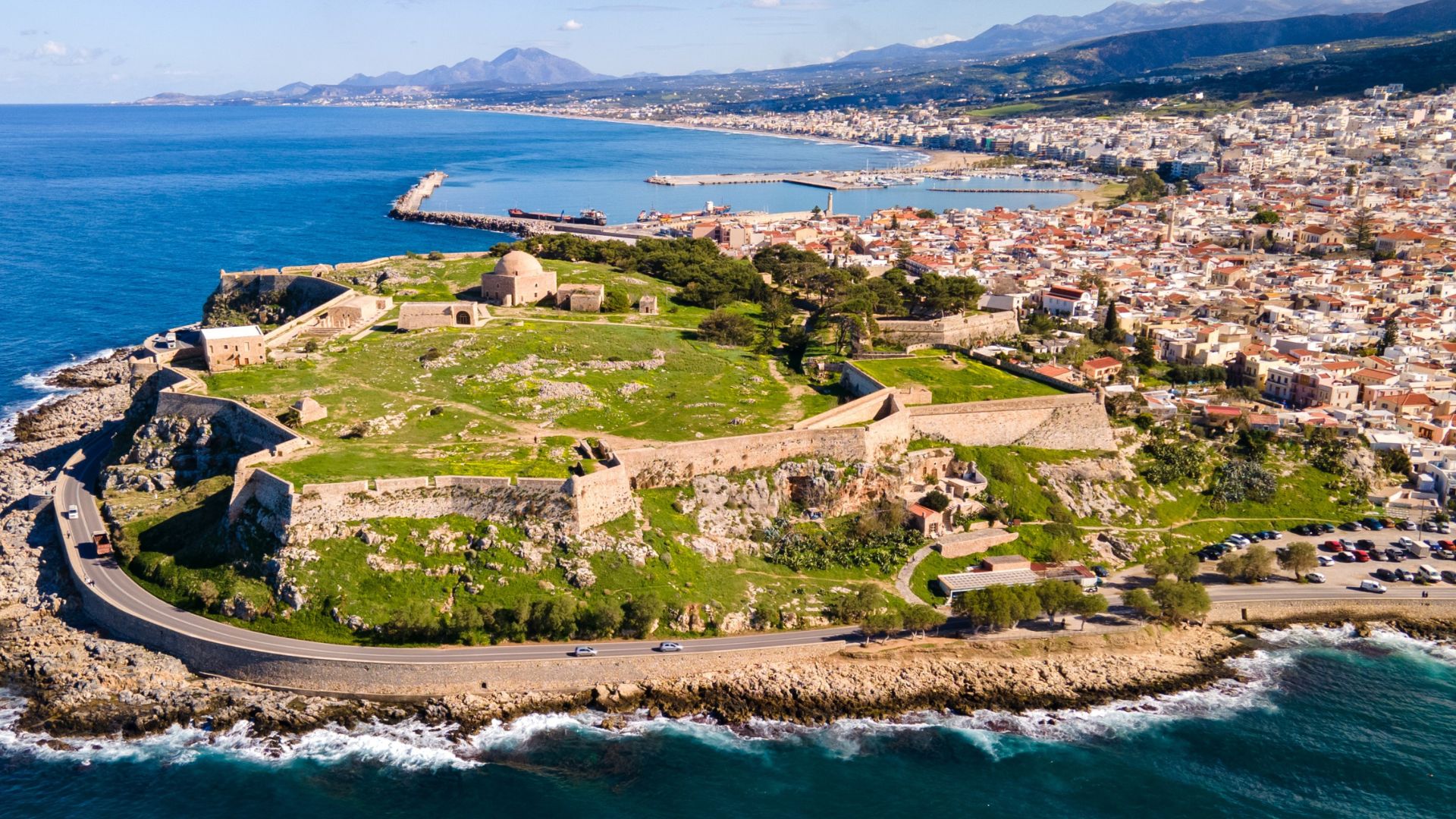
Wandering Through Rethymno’s Old Town Alleys
The alleys in Rethymno’s Old Town overflow with details from both past and present. Every twist reveals new architecture, hidden stories, and places that make it easy (and honestly, fun) to collect memories.
Charming Alleyways and Their Unique Stories
When I walk along the stone-paved lanes, I get wrapped up in an atmosphere shaped by centuries of history. Some alleys are so narrow that locals once darted through them to escape pirates.
Others open into small, shaded squares where neighbors gather and swap news, just as they’ve always done.
A few of my favorite paths start near the Rimondi Fountain and wind past quiet doorways covered with bright bougainvillea. Each alley seems to whisper its own secret.
In the quieter corners, I sometimes stumble into old workshops where artisans still carve wood or craft leather, keeping skills alive that have been passed down for ages.
Maps never really capture these spots. Every turn feels like flipping open a storybook, with passages echoing tales of Venetian merchants, Ottoman traders, and lively local life.
These alleyways remind me that Rethymno is a living town, not just some preserved museum.

Historic Architecture: Venetian, Ottoman, and Beyond
Rethymno’s Old Town blends different eras on nearly every block. Venetian balconies hang over painted walls, and I often pause under arches built when Venice ruled Crete.
Their faded symbols and coats of arms still stand out after hundreds of years.
A little farther on, Ottoman details pop up—rounded doorways, iron grilles, and courtyards covered in mosaic tiles. Some houses show off marble doorframes cut centuries ago.
The Neratze Mosque and the Venetian Loggia both stand as reminders of the past woven into today’s city.
While I wander, I keep spotting contrasts. Byzantine bricks peek out from modern storefronts, and the sound of a Greek Orthodox church bell mixes with the busy hum of bakeries.
It all reminds me that Rethymno reflects ancient Greek roots, nearby Chania’s influence, and the lively culture of Greece right now.
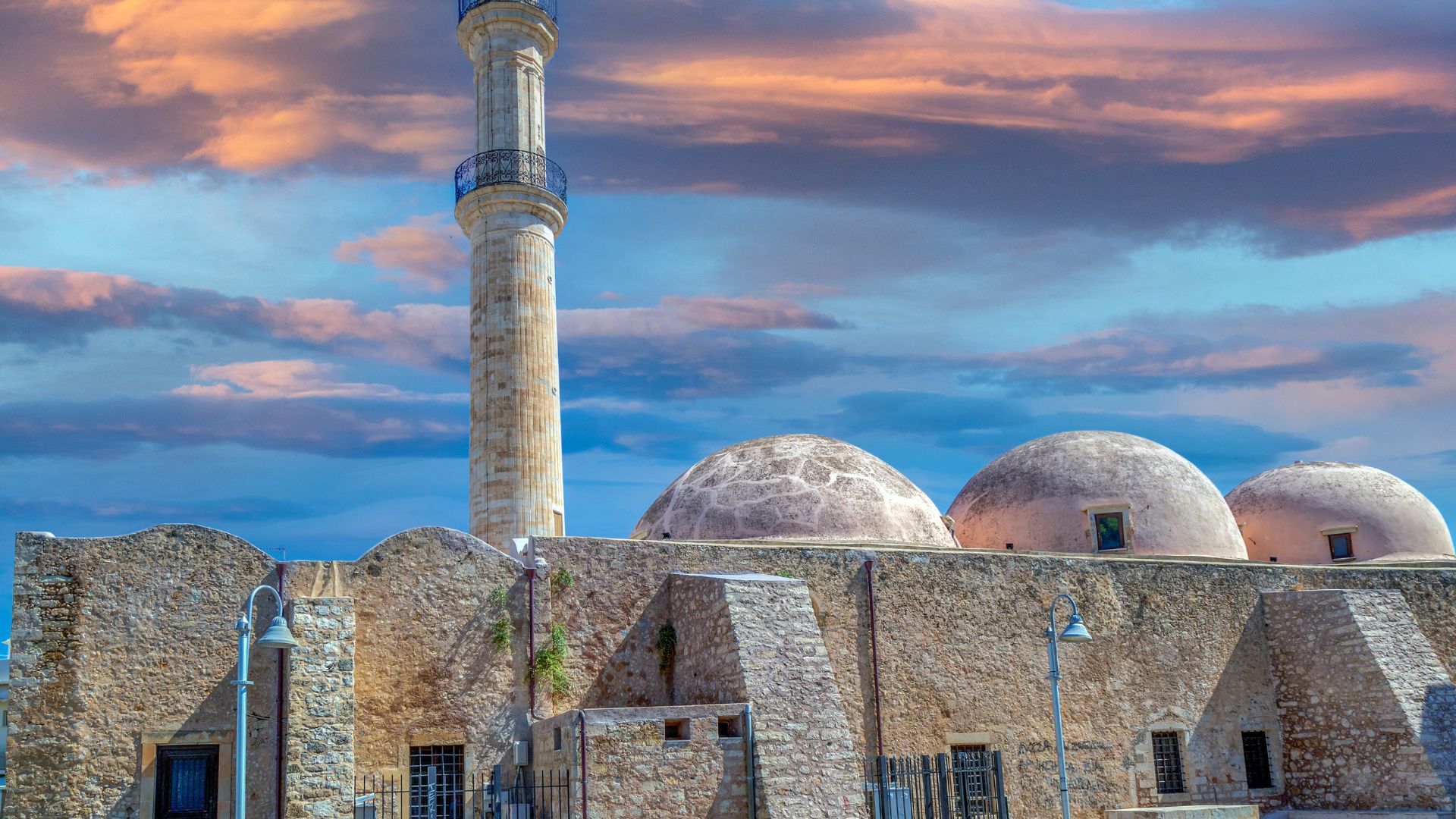
Photogenic Corners: Where to Snap Unforgettable Photos
It’s almost impossible not to fill up a memory card here. My camera rarely stays in my bag because every alleyway offers a picture-perfect scene.
Morning light streaks down stone walls, picking out details on old doors painted sea-blue or vine-green.
Some of my favorite shots come from quiet spots near the Venetian harbor. There, laundry flaps above tiny streets and cats nap in the sun.
Another great place is under the arches near Plateia Mikrasiaton, where musicians sometimes practice and fill the air with music.
Evening is my favorite time for photos—golden sunlight makes the pastel buildings glow. Bougainvillea spills over balconies, shop signs pop with color, and every wall seems to carry a bit of history.
If you’re traveling with a camera, these alleys promise moments you’ll want to remember.
A Foodie’s Guide to Traditional Bakeries
As I wander through the sunlit alleys of Rethymno’s Old Town, the smell of fresh bread and pastries always pulls me in. Local bakeries here honor centuries-old Cretan recipes, and every bite feels like a celebration of the island’s food culture.
Must-Try Cretan Baked Goods
Cretan bakeries serve up a huge variety of traditional treats. I can’t resist koulouri (sesame bread rings), sweet kalitsounia filled with cheese and honey, and crunchy paximadi barley rusks with olive oil or cheese.
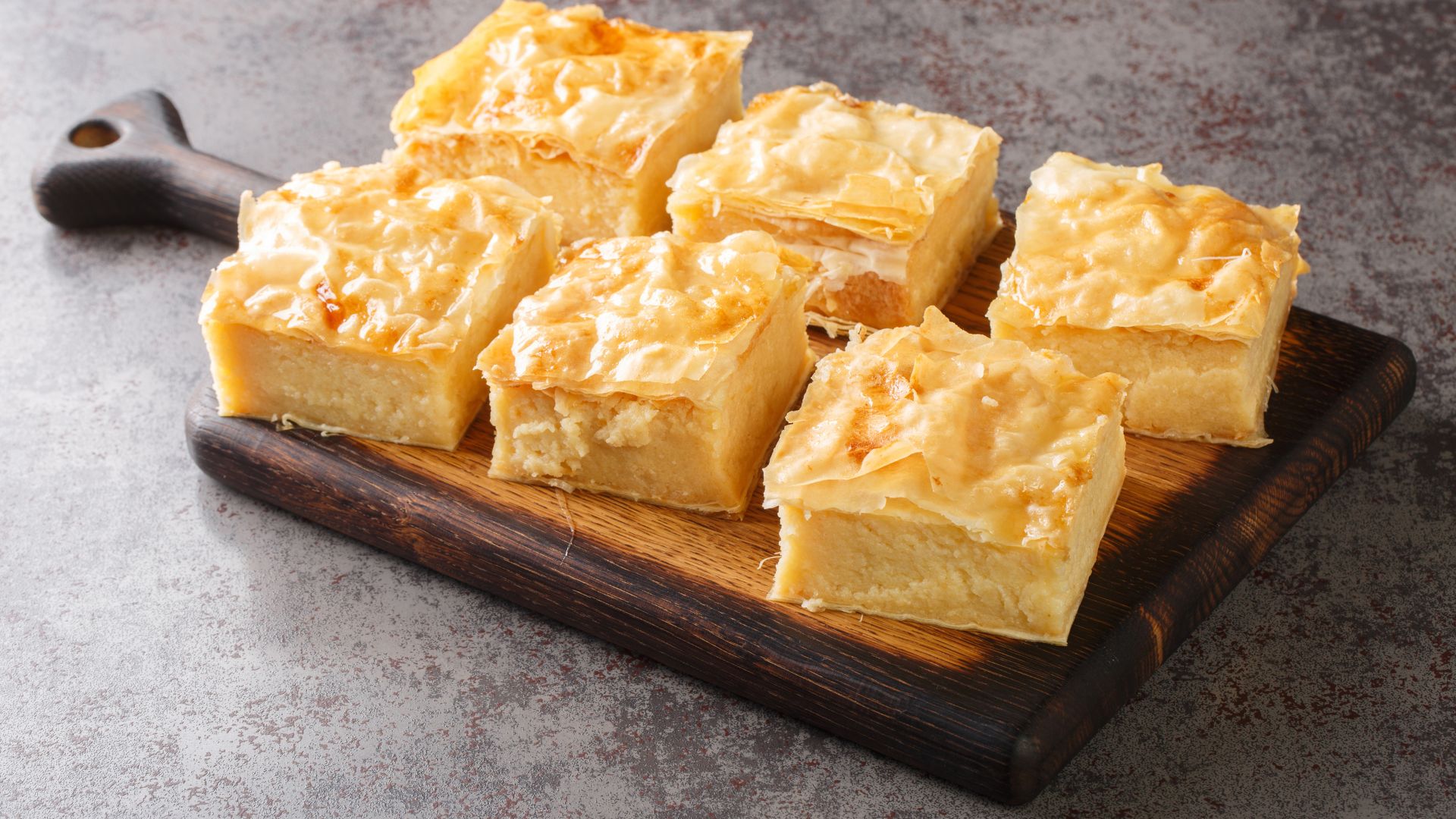
Many bakeries bake bougatsa, a warm pie with creamy custard or cheese wrapped in flaky phyllo. I love grabbing one fresh from the oven for breakfast.
Eliopsomo (olive bread) is a savory snack that’s perfect for munching as you stroll the old streets or head out to the countryside.
If you’ve got a sweet tooth, try classic melomakarona (honey-soaked cookies). Bakeries usually line them up next to other Greek favorites like baklava.
Each shop adds its own twist to these recipes, so I always suggest sampling from more than one.

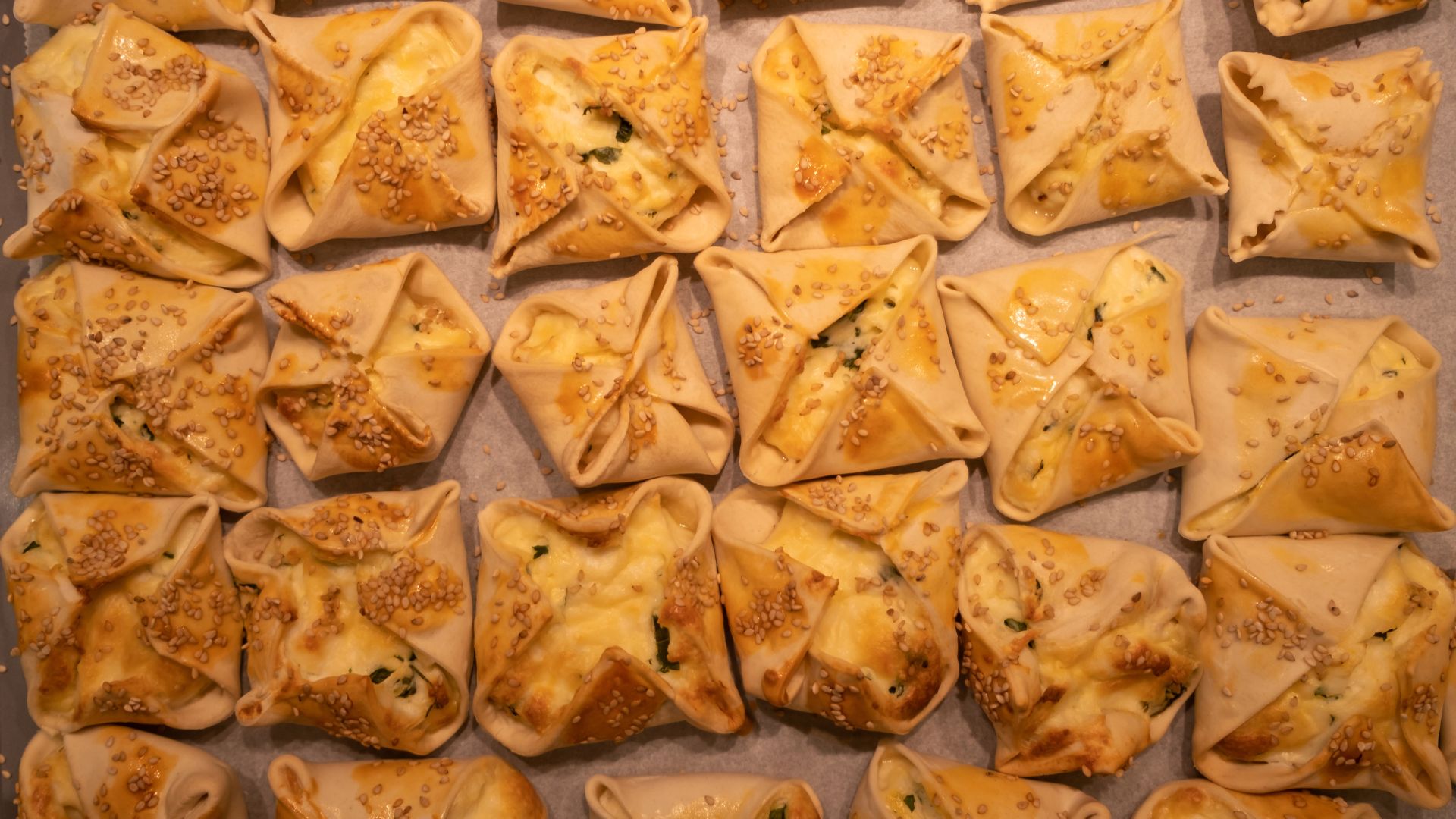
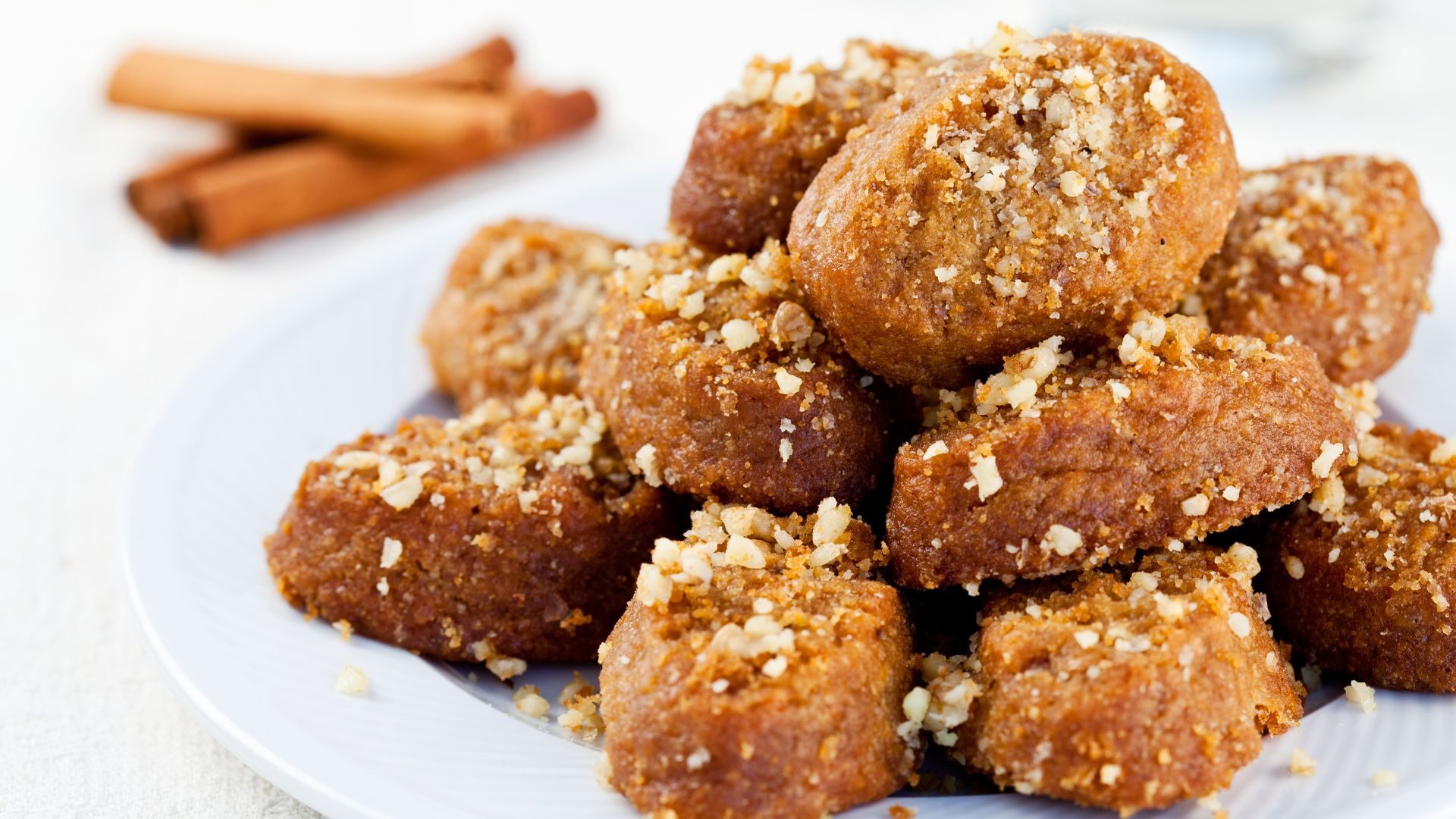
Interview With Local Bakers: Time-Honored Secrets
Whenever I visit, I make sure to chat with local bakers. One baker told me his secret: he uses mountain thyme honey and local sheep’s butter in his pastries.
He grinned as he described how his family has kept the same wood-fired oven going since before World War II.
Most bakers in Rethymno are genuinely passionate about their work and love sharing their stories. They often insist I taste bread fresh from the oven.
Another baker showed me how kneading dough by hand gives it a texture you just can’t get from mass-produced bread.
Many of these family-owned bakeries use flour and olive oil from nearby villages. Their dedication to local ingredients really comes through in every bite.
Hearing about the old techniques passed down through generations is honestly one of my favorite parts of visiting.
Best Bakeries for Breakfast and Sweet Treats
For a true breakfast, I usually duck into a kafeneio in Rethymno’s Old Town. Many bakeries open early, serving coffee with slices of sesame bread and pies.
My favorite morning stop is a hidden bakery near the Venetian harbor, where they serve bougatsa warm and dusted with cinnamon.
If you’re craving sweets, check out the bakeries by the Rimondi Fountain. You’ll find baklava, galaktoboureko (custard pie), and spoon sweets displayed in the windows.
I also recommend family-run shops tucked along the narrow pedestrian lanes—they almost always have the freshest, homemade kalitsounia.
Some bakeries even connect with local restaurants, so you can pair your pastry with cheese or olives. In Rethymno and nearby Lasithi, I’ve found the most memorable treats usually come from these small, patient bakers who stick to the old ways.

Hidden Gems: Secret Alleys Locals Love
When I found Rethymno’s most authentic alleys, my visits started to feel like real discoveries. Local spots offer the calm charm of everyday life, far from the crowded main streets and squares.
How to Find Rethymno’s Least-Touristy Spots
When I first explored, I skipped the main drag by the Rimondi Fountain and slipped into side streets. Just a few steps off the busy road, I found winding paths where flowers hang from balconies and families chat on doorsteps.
I keep an eye out for alleys near the Neradze Mosque and off the old Venetian Harbor. Streets like Vernardou and Mavrokordatou are quieter and lead to peaceful courtyards or tiny bakeries.
Locals often use shop signs written only in Greek, which helps me spot the real neighborhood favorites.
A few tricks I use:
- Follow the smell of bread or sweets—it almost always leads to a hidden bakery.
- Ask a shopkeeper where they get their morning pastry.
- Visit late in the afternoon, when the alleys empty and you can hear sounds drifting from kitchens and cafés.
Shops down these lesser-known lanes often sell handmade pottery and woven goods. Prices are usually lower than on the main tourist streets, and shopkeepers are happy to chat about life in Crete.

Evening Ambiance: Where Old Town Comes Alive
As the sun drops, Rethymno’s alleys shift from quiet corners to lively gathering spots. I love when fairy lights start glowing above archways and patios fill up with people sharing snacks or drinks.
My favorite time to explore is after 7 p.m., when cafés set tables out in the alleys and live music floats from open windows.
Many locals finish work and meet friends at tiny tavernas that never advertise—just look for full tables and happy voices. Zimbrakakidon Street is one place where nightlife feels relaxed and real.
What stands out for me at night:
- Family-run bakeries stay open, serving fresh bougatsa and kalitsounia.
- Shops feature local artists, so you can find unique gifts as you stroll.
- Shopping is best at this hour, with boutiques and galleries open late.
For a true taste of Rethymno after dark, I always end my walk at a pastry shop or a café tucked beside Venetian walls. The laughter, fresh bread, and music make it hard to leave.
Cultural Flavors Beyond the Bakeries
Rethymno’s Old Town isn’t just about bakeries. The neighborhoods blend rich histories, where eastern and western traditions meet and create flavors you’ll find all over town.
Blending Ottoman and Venetian Influences
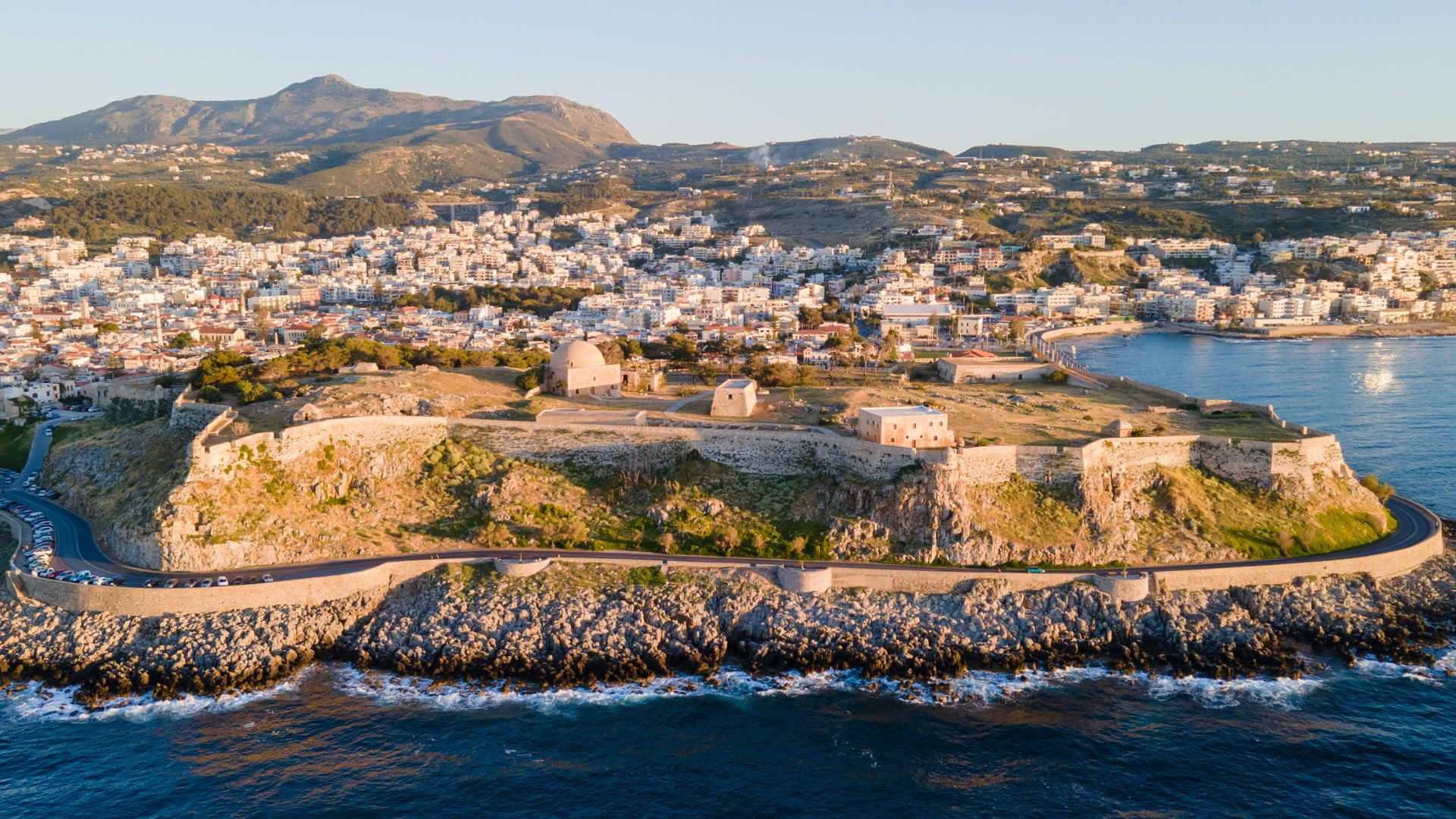
As I walk through Rethymno, I spot reminders of both Venetian and Ottoman times. Grand mansions and winding alleys both tell the story.
I see Ottoman domes beside Venetian arches. At local tavernas, dishes like lamb with cumin and rice pilaf reflect Ottoman flavors.
Venetian influence pops up in things like bougatsa and almond-based sweets.
Menu Example:
| Origin | Typical Dish | Key Flavor |
|---|---|---|
| Ottoman | Lamb with cumin | Earthy, spiced |
| Venetian | Almond pastry | Nutty, delicate |
| Blended | Sfakianopita | Savory-sweet, cheesy |
These flavors tell stories about Crete’s busy past. Sometimes a simple cheese pastry makes me feel like I’m tasting centuries of culinary exchange.
Modern Twists on Traditional Pastries
Even with all the tradition, Rethymno’s bakers love to experiment. I spot bakeries adding nuts or local honey to classic koulouri bread.
Some play with old recipes, tossing in dark chocolate or herbs from Crete’s mountains.
Younger bakers share family recipes but aren’t afraid to shake things up. One time, I tried a baklava cheesecake—Greek and global tastes all in one bite.
Many bakeries offer mini versions of old favorites, great for sampling without getting too full.


Quick Tips for Foodies:
- Look for bakeries with daily “surprise” pastries.
- Ask staff about new flavors; a lot are local creations.
- Visit late morning for the freshest choices.
Watching bakers mix old and new makes tasting pastries in Rethymno a little adventure each time.
Exploring Nearby Destinations in Crete
Crete overflows with unique places you can easily reach from Rethymno. Short day trips reveal lively cities, ancient landmarks, and wild natural beauty—turning any travel day into something special.
Day Trips to Chania, Iraklio, and Lasithi
I love exploring Crete by just grabbing a bus or renting a car to check out nearby towns. Chania stands out with its colorful Venetian harbor and maze-like old streets.
The open-air markets always feel lively and fun. Sometimes I just wander for hours, grabbing street snacks or sitting with a coffee by the sea.
Iraklio (or Heraklion) is Crete’s biggest city, and it’s got a completely different vibe. I like to stop by the Heraklion Archaeological Museum to check out treasures from ancient Minoan times.
The city center is busy—full of restaurants, shops, and these laid-back bakeries. I can’t resist a bougatsa for breakfast.
Lasithi sits in eastern Crete and feels much quieter, almost like you’ve stepped back in time. The Lasithi Plateau, with its windmills and gorgeous countryside, is perfect for scenic drives.
I love stopping in the small villages along the way. Here’s a quick overview:
| Town | Highlights | My Travel Tips |
|---|---|---|
| Chania | Venetian Harbor, markets, beaches | Try local cheese pies |
| Iraklio | Archaeological Museum, city life | Visit early to avoid crowds |
| Lasithi | Windmills, plateaus, charming villages | Spot mountain views on clear days |

Iconic Sites: Samaria Gorge, Knossos, and Matala
Some spots near Rethymno just feel like must-sees if you’re in Crete. Samaria Gorge is probably the island’s most famous hike.
I always try to start early, shoes laced up and plenty of water in my pack. The scenery—steep cliffs, wildflowers, winding streams—makes every step worth it.
Knossos Palace sits near Iraklio and brings the ancient Minoan world to life. When I walk through the ruins, I can almost picture how busy it must’ve been thousands of years ago.
With a guide, I pick up stories about King Minos and the mythical Minotaur. It makes history feel surprisingly real.
Matala is something else entirely. The caves carved into the cliffs once sheltered hippies back in the 1960s.
Now, I usually just lounge on the sandy beach, swim in the clear water, or try some grilled seafood at a taverna with a view. Places like these really show off Crete’s spirit—history, adventure, and the sea.

Sustainable Tourism and Responsible Travel
Traveling in Crete just feels better when I actually pay attention to local customs and the environment. I always bring my own water bottle and bags—why use single-use plastics if I don’t have to?
I love supporting small businesses in places like Rethymno. Grabbing bread from a family bakery or booking a tour with a local guide just feels right, and honestly, it makes a difference.
When I hike or check out natural spots, I always stick to the marked trails. I never leave trash behind—seems obvious, but you’d be surprised.
Picking up a few Greek phrases goes a long way. People appreciate it, and it’s a simple way to show respect.
Getting around by public bus or carpooling between cities like Chania, Iraklio, and Lasithi keeps my travel footprint smaller. It’s not always the fastest, but it works.
Choosing eco-friendly hotels or guesthouses just adds another layer of care to every trip. I hope these little choices help keep Crete beautiful—not just for locals or other travelers, but for me when I come back.
