
Stepping off the plane in Spain, I immediately realized how wrong my assumptions were. All those movies and glossy travel brochures? They didn’t prepare me for the reality.
Spain’s diversity floored me. Every region feels like its own world, with unique food, culture, and even languages. The daily pace, meal times, and traditions? Totally different than what I expected.
If I’d known more about Spain’s regional quirks, dining habits, and cultural rhythms, my trip would’ve gone a lot smoother. Whether you’re eyeing Madrid’s museums, Barcelona’s wild architecture, or those smaller towns you never see in guidebooks, a few key insights will help you connect with the real Spain—and sidestep classic tourist mistakes.
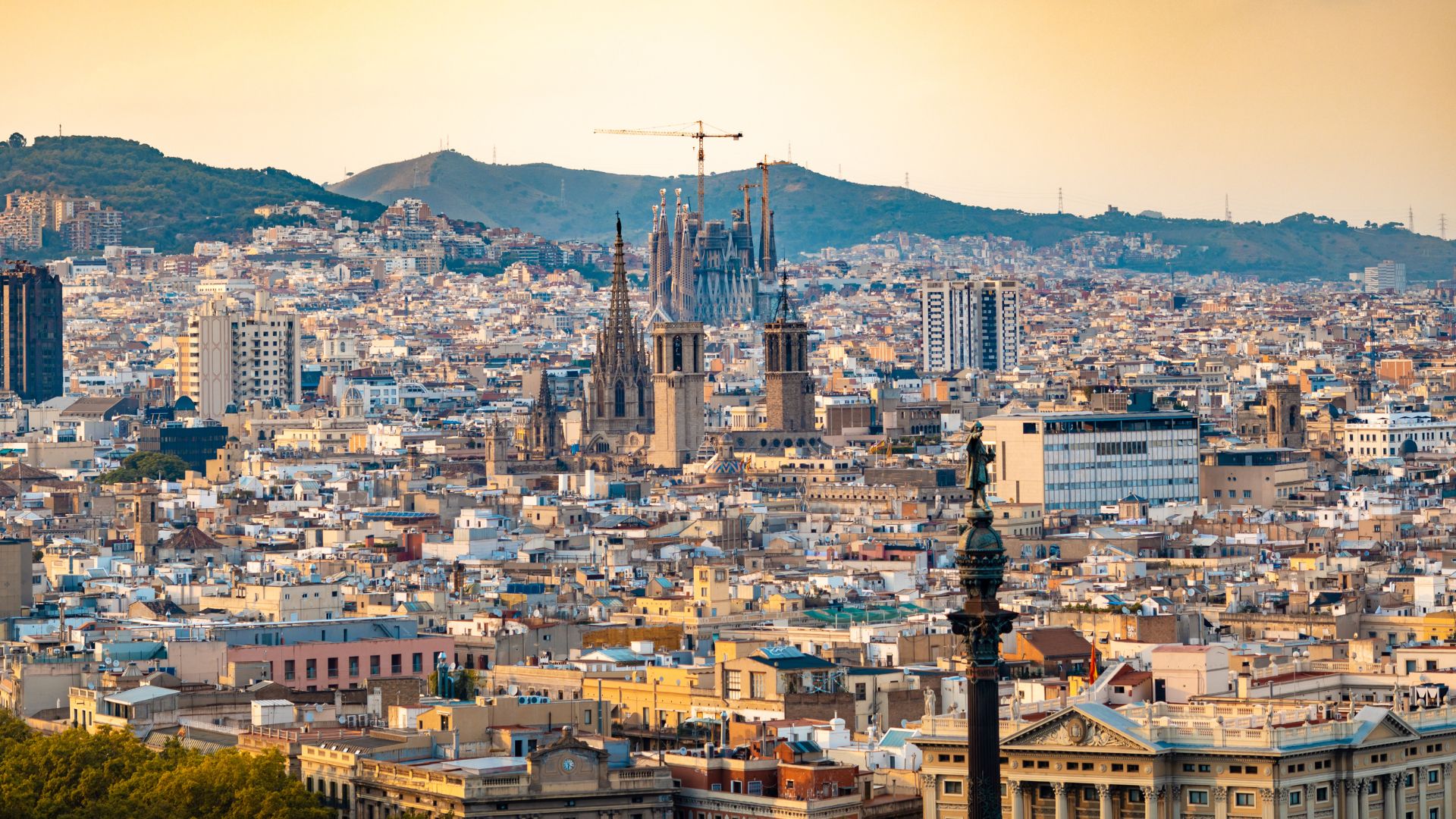
Essential Spanish Culture Tips
Spain’s culture isn’t one-size-fits-all. Each region’s got its own flavor, and the daily rhythm can feel upside-down if you’re not ready for it.
Knowing these cultural nuances makes meeting locals easier—and helps you avoid those awkward moments.
Regional Differences and Local Customs
Every region in Spain has its own personality. When I traveled from Madrid to Barcelona to Seville, I felt like I was hopping between different countries.
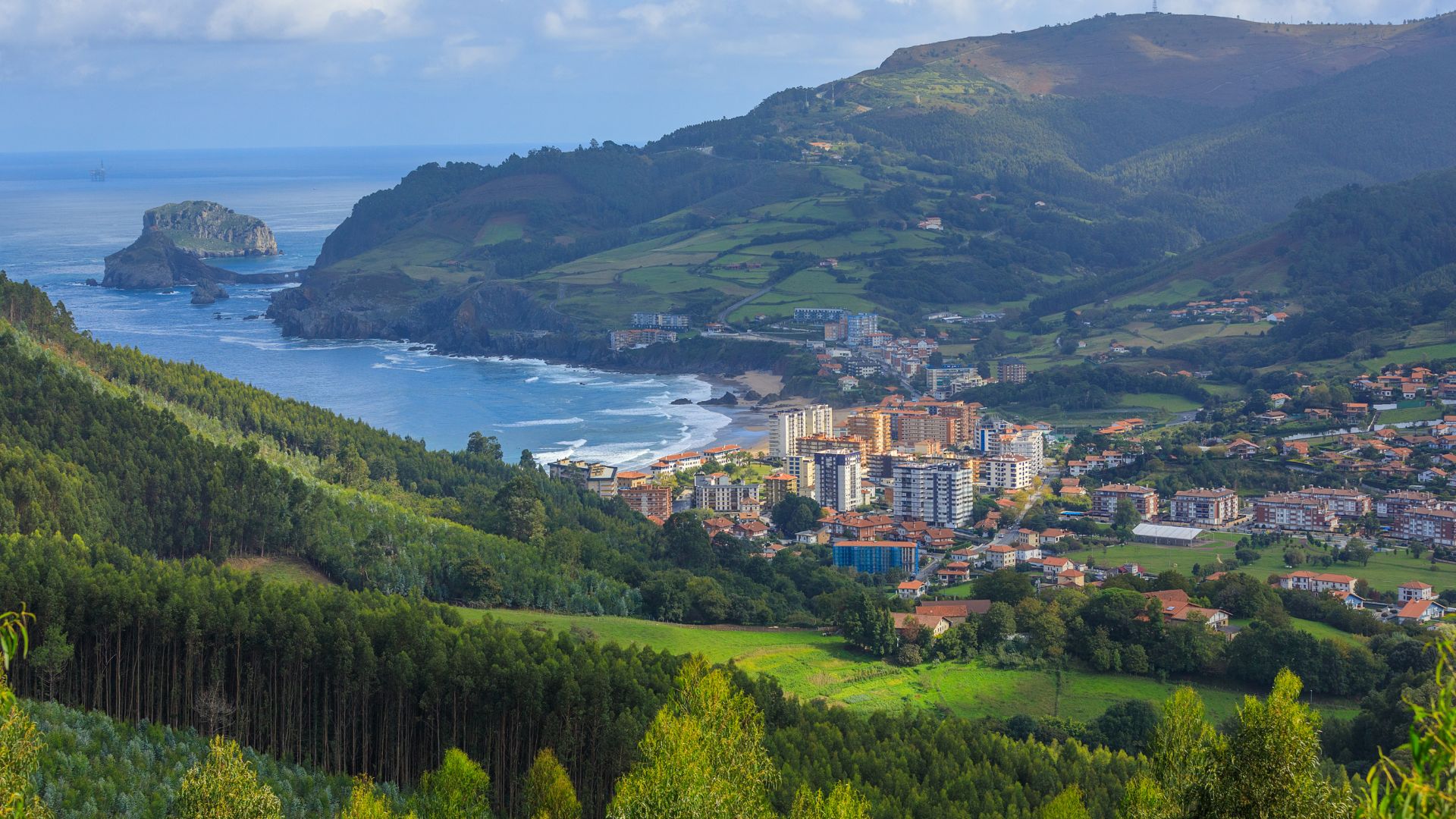
The Basque Country? It’s wild how distinct it is. People speak Euskera alongside Spanish, and pintxos rule the food scene instead of tapas. Locals seemed a bit more reserved up north.
Galicia gave off Celtic vibes. Street signs showed the Galician language everywhere. It rained a lot more, and seafood dominated every menu.
Andalusia moves at a slower pace. Folks there are louder, more outgoing, and flamenco is woven into daily life. Siesta culture felt stronger than anywhere else I went.
In Catalonia—especially Barcelona—most signs are in Catalan, and locals prefer speaking it. The city feels more European than “Spanish,” whatever that means.
Don’t just assume Spanish customs are universal. I always ask locals about their traditions now. It goes a long way.
Understanding Daily Routines and Social Etiquette
Spain’s daily schedule totally threw me off at first. Lunch doesn’t happen until 2–4 PM, and dinner? Forget about eating before 9 PM.
Shops often close from 2–5 PM for a long lunch break—that “siesta” time. People don’t always nap, but they do take their time.
Greeting customs:
- Friends greet with a kiss on each cheek.
- Handshakes work best for business or formal stuff.
- Say “buenos días” until 2 PM, then switch to “buenas tardes.”
People in Spain speak louder than I’m used to, but it’s not anger—just normal conversation. They also stand closer than you might expect.
Tipping’s simple: round up the bill or leave a few coins. Waiters earn a living wage, so no pressure.
Sundays are for family. Lots of restaurants and shops close in the afternoon.
Languages and Communication Styles
Spanish is everywhere, but six other official languages pop up depending on where you go. I wish I’d known that before landing.
In Barcelona, Catalan comes first on menus and signs. Most locals speak Spanish too, but they really appreciate even a clumsy attempt at Catalan.
Tourist hotspots and big cities? You’ll find English speakers, especially if they’re younger. But in smaller towns, a few Spanish phrases go a long way.
Conversations in Spain feel direct but polite. People interrupt a lot, and it’s actually a sign they’re engaged.
Handy phrases:
- “¿Habla inglés?” (Do you speak English?)
- “No hablo español muy bien” (I don’t speak Spanish well)
- “¿Puede repetir, por favor?” (Can you repeat, please?)
Hand gestures fly everywhere. People touch arms or shoulders when chatting, and personal space is just… smaller.
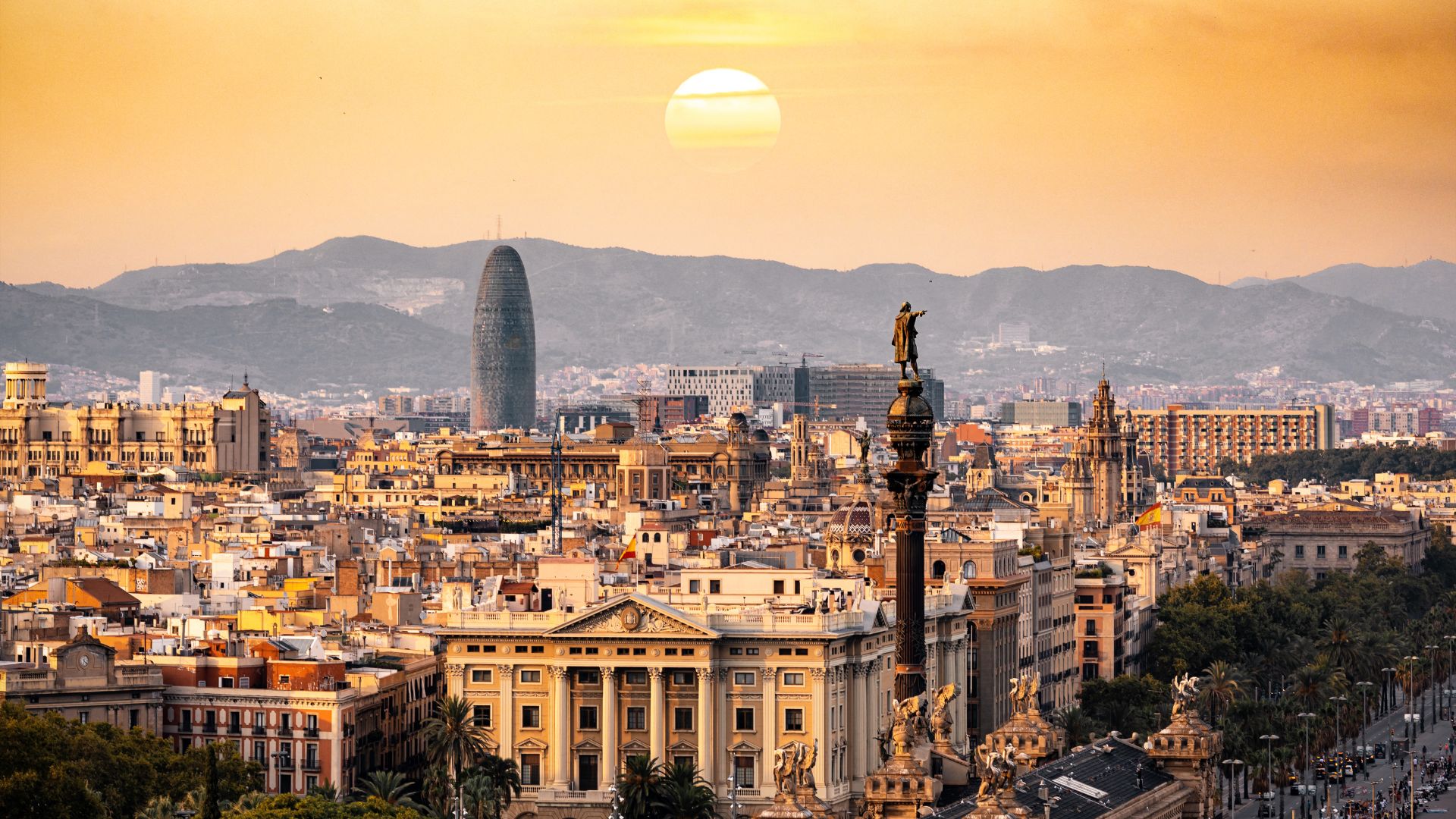
Must-Visit Destinations for First-Time Travelers
Spain’s regions each bring something different to the table. Barcelona’s architecture, Madrid’s museums, the Basque Country’s culture, Granada’s Moorish magic—it’s almost overwhelming.
Exploring Barcelona and Its Highlights
Barcelona hooked me from the start. The city’s got a perfect mix of old-world charm and modern buzz.
La Sagrada Família is the big one. Gaudí’s masterpiece still isn’t finished, but it’s jaw-dropping. Book ahead, and if you can, climb a tower for the view.
The Gothic Quarter? It’s a maze of medieval streets, cozy cafés, and hidden shops. I loved just wandering.
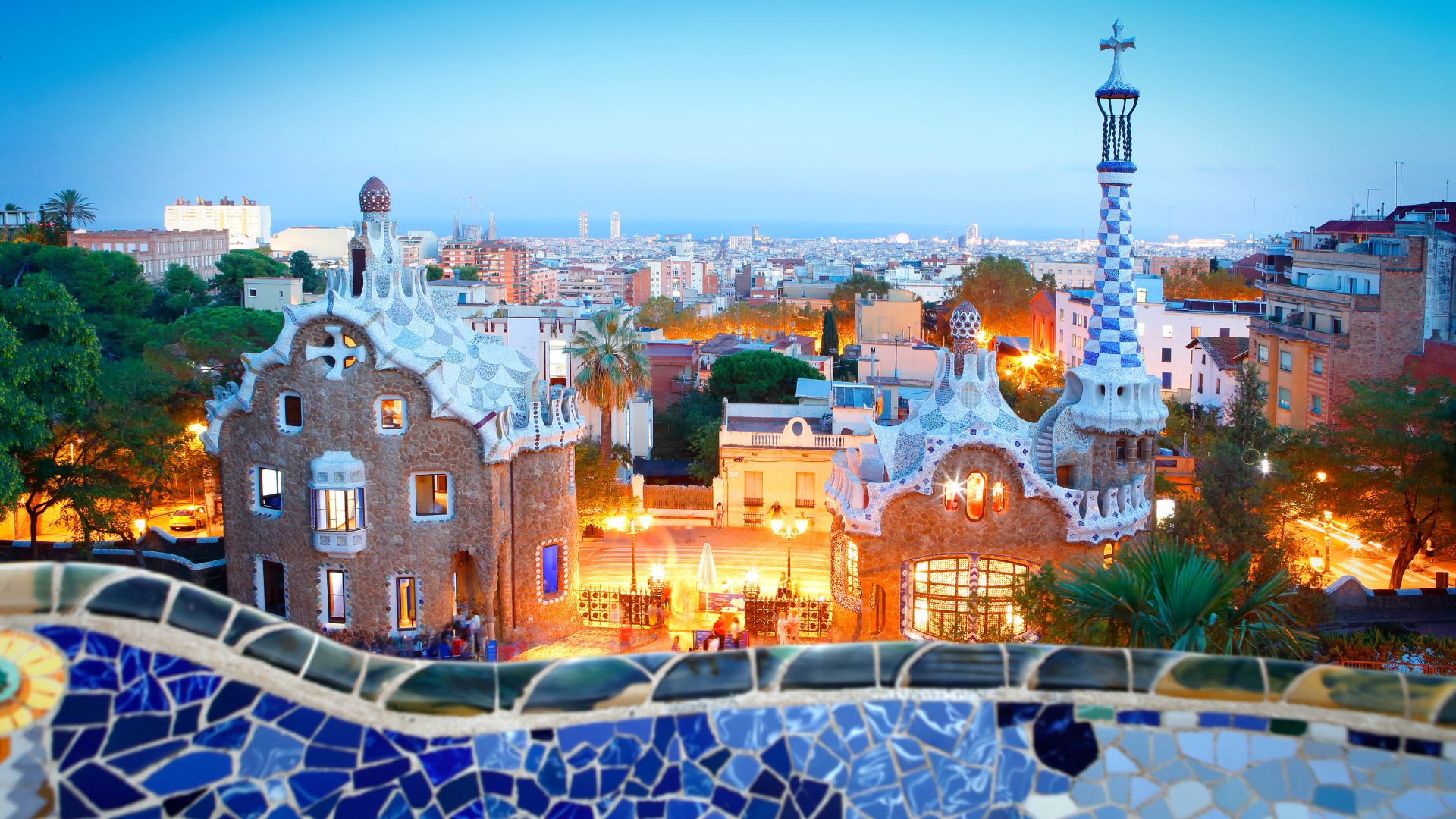
Park Güell is pure Gaudí whimsy. Colorful mosaics, wild shapes—it feels like a fairy tale.
When you need a break, Barcelona’s beaches are right there. Barceloneta is the go-to for sand and sun, just minutes from downtown.
The food scene blew me away. La Boquería Market bursts with fresh produce, jamón, and local treats. Tapas tours in the evening are the best way to find the city’s real flavors.
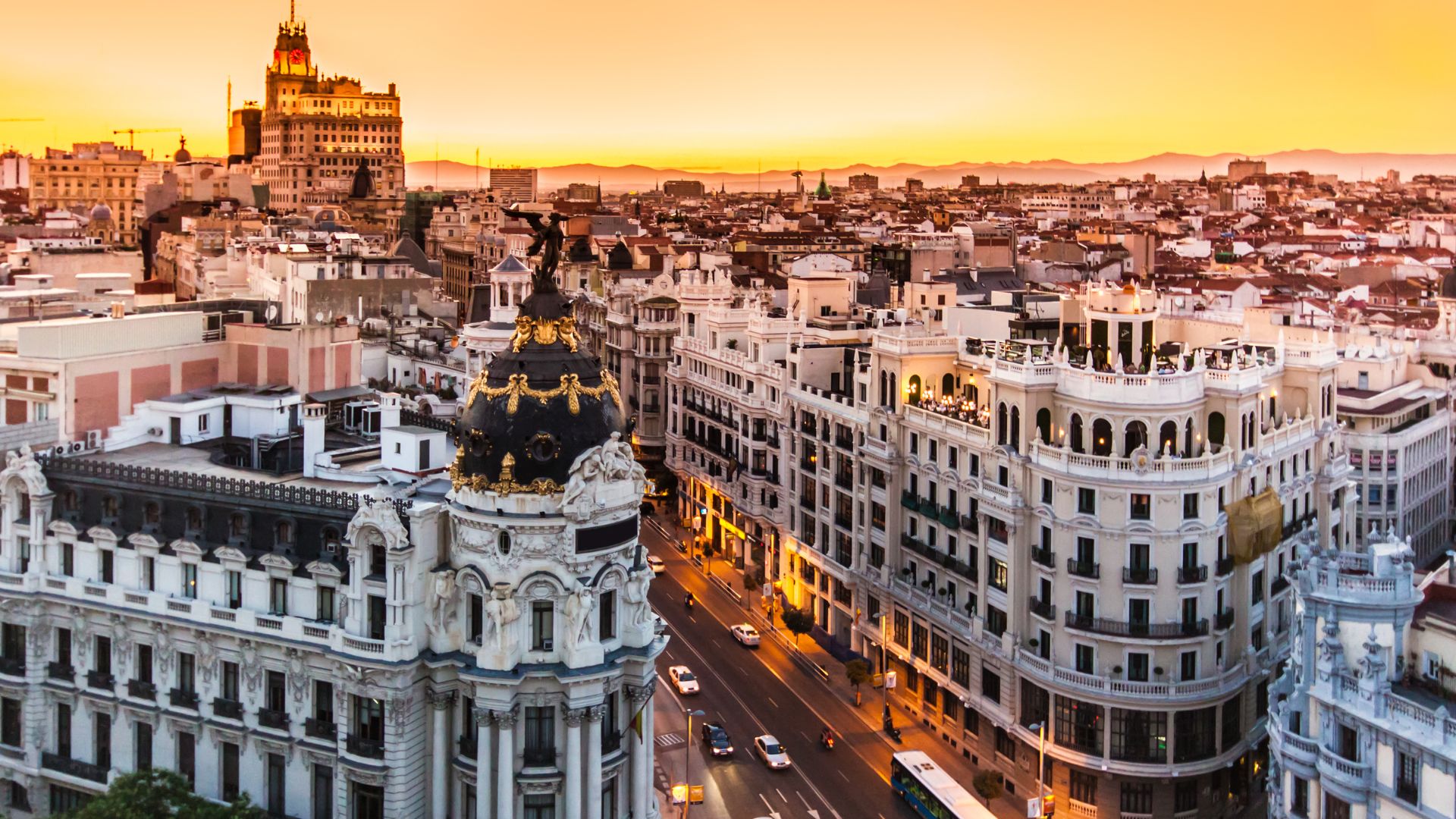
Getting around: The metro’s fast and easy, but walking between central neighborhoods like the Gothic Quarter and El Born is even better.
Madrid: Spain’s Vibrant Capital
Madrid never seems to sleep. The city pulses with energy, and the culture is top-notch.
The Prado Museum? I lost hours there, staring at works by Velázquez and Goya.
Reina Sofía Museum has Picasso’s Guernica, and seeing it in person gave me chills.
When I needed a breather, Retiro Park became my go-to. Locals picnic, row boats, or just relax. The Crystal Palace inside the park is a stunner for photos.
Madrid’s churros con chocolate became a daily treat. Chocolatería San Ginés serves the best—open 24/7 for those late-night cravings.
Malasaña is packed with trendy bars and a fun local vibe. Over in Chueca, the nightlife and restaurants are fantastic. Both neighborhoods show off Madrid’s modern side.
The Royal Palace is all grandeur and history. The ornate rooms and gardens feel almost over-the-top, but in the best way.
Northern Gems: Bilbao and Basque Country
The Basque Country caught me off guard with its unique culture and food. It honestly felt like a different country.
Bilbao’s Guggenheim Museum changed the city’s vibe. Gehry’s wild titanium building is full of modern art, and the “Puppy” sculpture outside is a must-see.
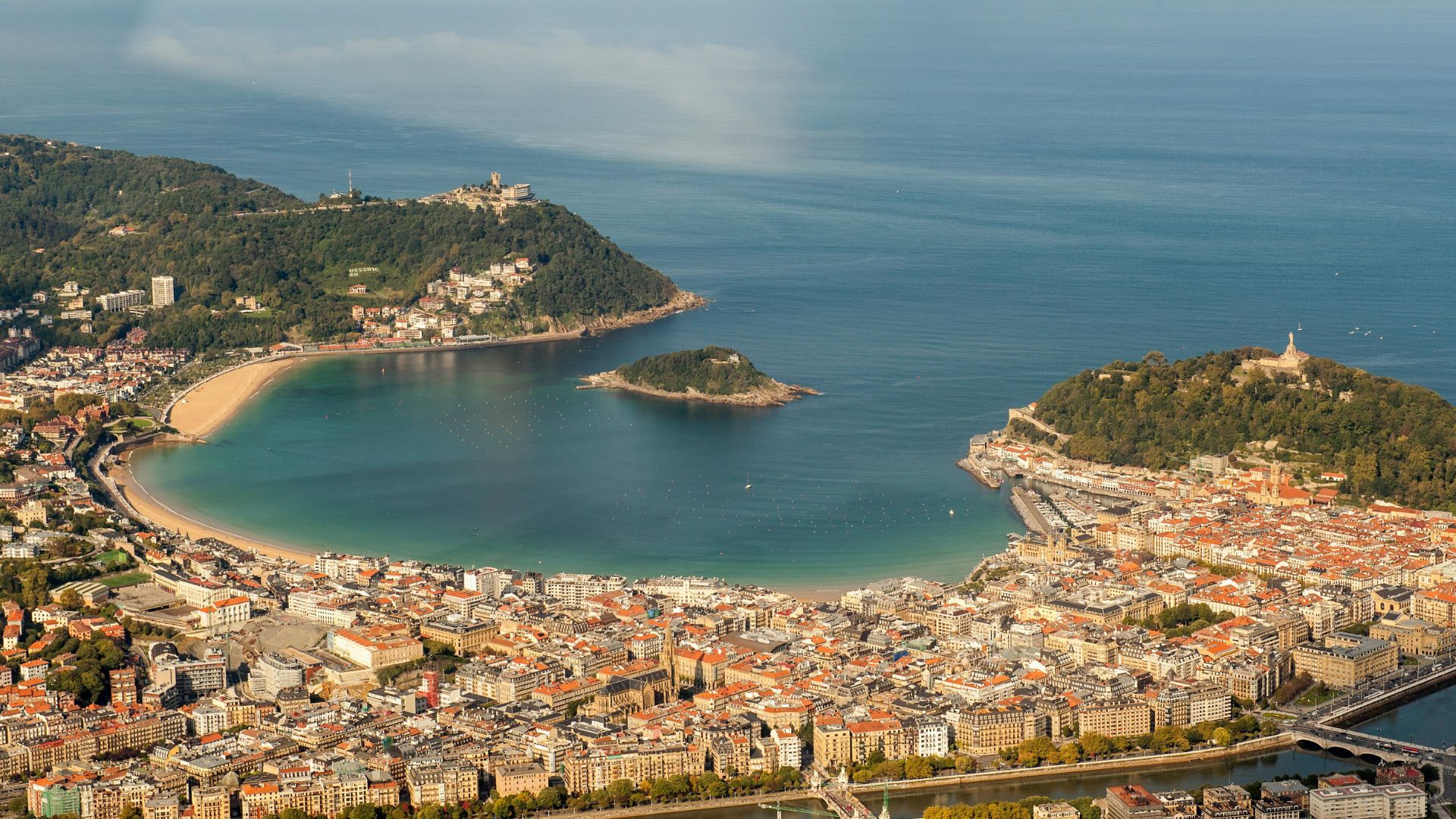
San Sebastián is a food lover’s dream. The pintxos bars in the Old Town serve tiny plates that are better than most fancy restaurants. Bar hopping here turns dinner into an adventure.
La Concha Beach in San Sebastián is gorgeous—one of Europe’s best city beaches, with a perfect crescent bay and green hills.
Basque culture stands out. You’ll hear Euskera everywhere, and local festivals have a totally different feel.
Pilgrims on the Camino de Santiago pass through this region, and cities like Bilbao become spiritual pit stops.
Weather tip: The north stays cooler and gets more rain than the south. Even in summer, I needed a light jacket.
Southern Wonders: Granada and Andalusia
Granada blew me away with Moorish architecture and a mellow, southern vibe. It’s a great intro to Andalusia.
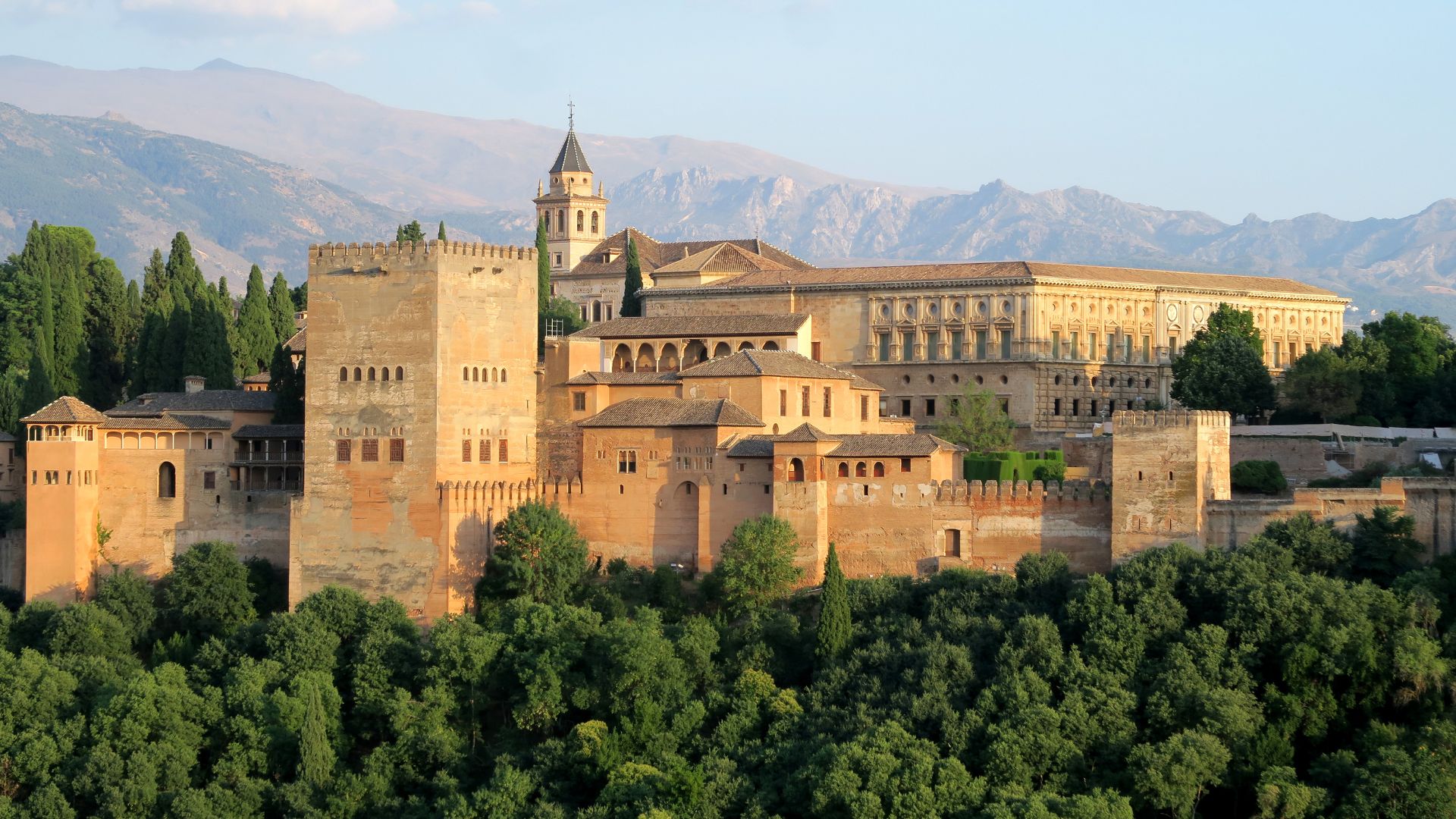
The Alhambra is Spain’s top historical site. The Islamic art and lush gardens are unforgettable. Book tickets way ahead—they sell out fast.
Albaicín neighborhood is all winding cobblestone streets and whitewashed houses. The Mirador San Nicolás gives you the best sunset view of the Alhambra.
Granada’s tapas scene is different. Lots of bars still give free tapas with every drink. It’s social, fun, and budget-friendly.
Flamenco shows here feel raw and real. The caves in Sacromonte host intimate, emotional performances.
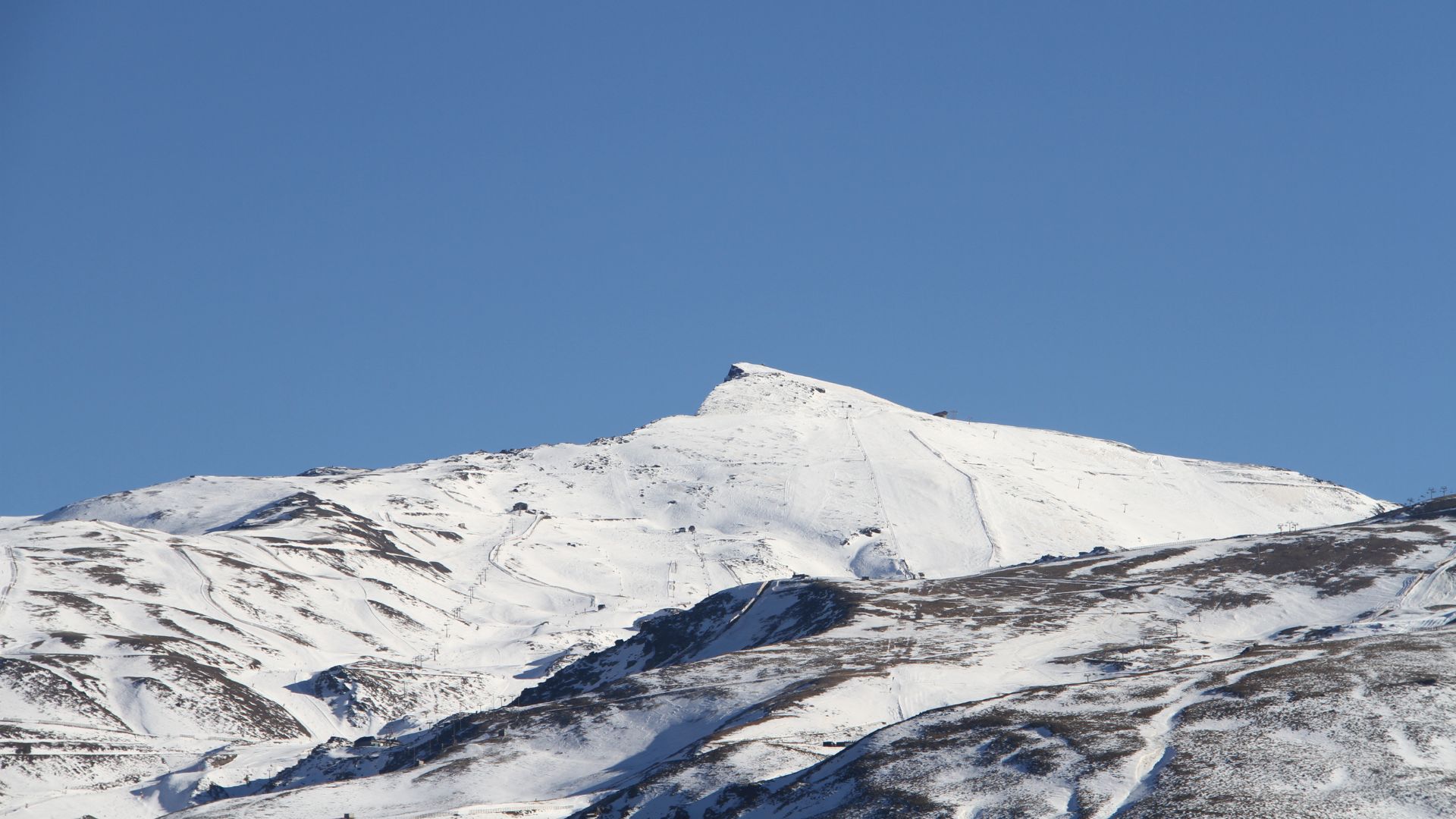
The Sierra Nevada mountains tower over the city. Winter brings skiing, and summer’s great for hiking and escaping the heat.
The Cathedral and Royal Chapel hold the tombs of Spain’s Catholic Monarchs. History buffs will love it.
Day trip idea: Granada is a perfect base for exploring Córdoba or Seville.
Surprising Things About Food and Dining
Spanish meal times and dining customs can catch you off guard. The tapas etiquette isn’t always what you expect, and every region has its own specialties. The pintxos scene in the Basque Country? It’s a whole different ball game.
Tapas Culture and Etiquette
Tapas aren’t just food—they’re a social ritual. In some places, you get free tapas with every drink. The better the drink, the better your tapa.
Standing at the bar is totally normal and usually cheaper than sitting. I even learned it’s okay to toss napkins and toothpicks on the floor in the old-school spots.
Ordering Tips:
- Don’t order everything at once.
- Share plates with your group.
- Two or three tapas per person is a good start.
- Drinks first, then food.
In Granada, every drink comes with a free tapa. You can fill up just by bar-hopping. But don’t expect this everywhere—Barcelona and Madrid usually charge.
Pintxos in the Basque Country
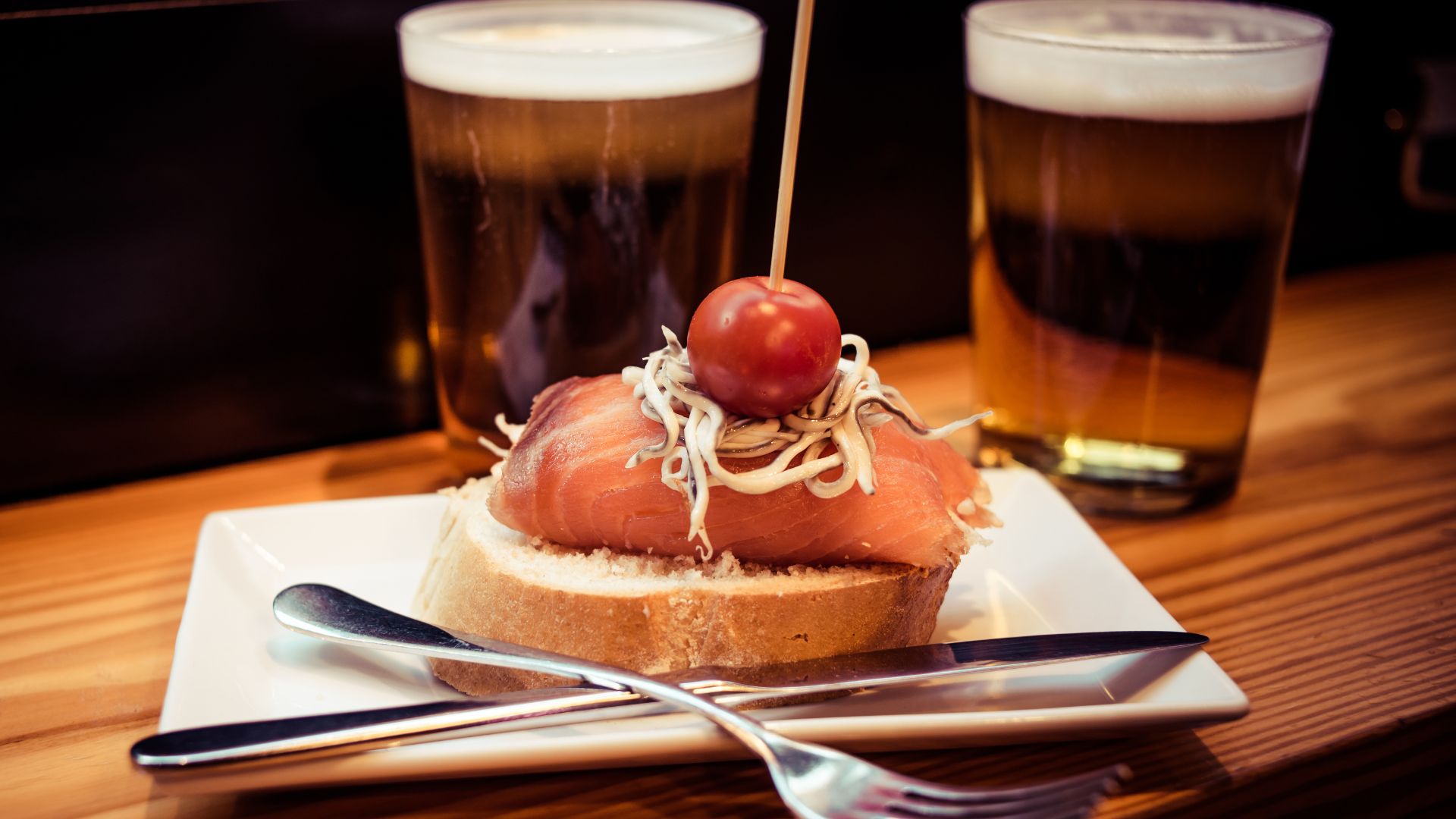
Pintxos bars work differently. The food sits on the counter, held together with toothpicks.
You grab what you want and keep the toothpicks for your bill. It’s all on the honor system.
How to Pintxos Bar Hop:
- Try a couple pintxos at each bar.
- Stand, eat quickly, and move on.
- Locals do this between 7–9 PM.
San Sebastián’s pintxos scene is legendary. Each bar has its specialty, so don’t stick to just one.
Local Specialties Across Regions
Every Spanish region does food its own way. Galicia up north? It’s all about seafood—octopus and mussels are everywhere.
Regional Highlights:
- Galicia: Pulpo a la gallega (octopus), percebes (gooseneck barnacles)
- Basque Country: Bacalao al pil pil (cod), txuleta (grilled steak)
- Andalusia: Gazpacho, jamón ibérico, fried fish
Valencia invented paella, but locals eat it at lunch, not dinner. The real deal has rabbit, chicken, beans, and saffron—not seafood.
Don’t expect the same menu everywhere. Granada’s food is nothing like Bilbao’s or Santiago’s.
Meal Times and Restaurant Hours
Spanish meal times are late—really late. Lunch is around 2 or 3 PM, and dinner doesn’t start until 9 PM or later.
Most restaurants close between 4–8 PM. If you’re hungry at 6, hit up a café or bar because kitchens won’t open until dinner service.
Typical Day:
- Breakfast: 8–11 AM (keep it light)
- Lunch: 2–3 PM (main meal)
- Merienda: 5–6 PM (snack)
- Dinner: 9–11 PM
Show up for dinner before 9, and you’ll mostly see tourists. Locals drift in around 9:30, sometimes even later on weekends.
Meals linger for an hour or two. If you rush, it’s considered rude. Want the check? You’ll need to ask for it—servers won’t bring it until you do.
When to Visit and What to Pack
Spain’s weather swings wildly depending on where you go, so what you pack really depends on your destination and travel season. The country runs on the Euro, and you’ll need certain documents to get in.
Weather by Region and Season
Southern Spain (Granada, Seville) can feel like an oven in summer. I’ve seen thermometers hit 40°C (104°F) in July and August.
If you ask me, spring (March-May) or fall (September-November) is the best time to visit the south. Winters stay pretty mild, hovering around 15°C (59°F).
Northern Spain — think Basque Country and Galicia — stays cooler all year. Even in summer, it rarely gets hotter than 25°C (77°F).
You’ll want to bring a rain jacket if you’re heading north between November and March. It rains a lot, especially in winter.
Central Spain (Madrid) gets scorching summers and surprisingly cold winters. Expect 35°C (95°F) in July, but don’t be shocked if it drops to 5°C (41°F) in winter.
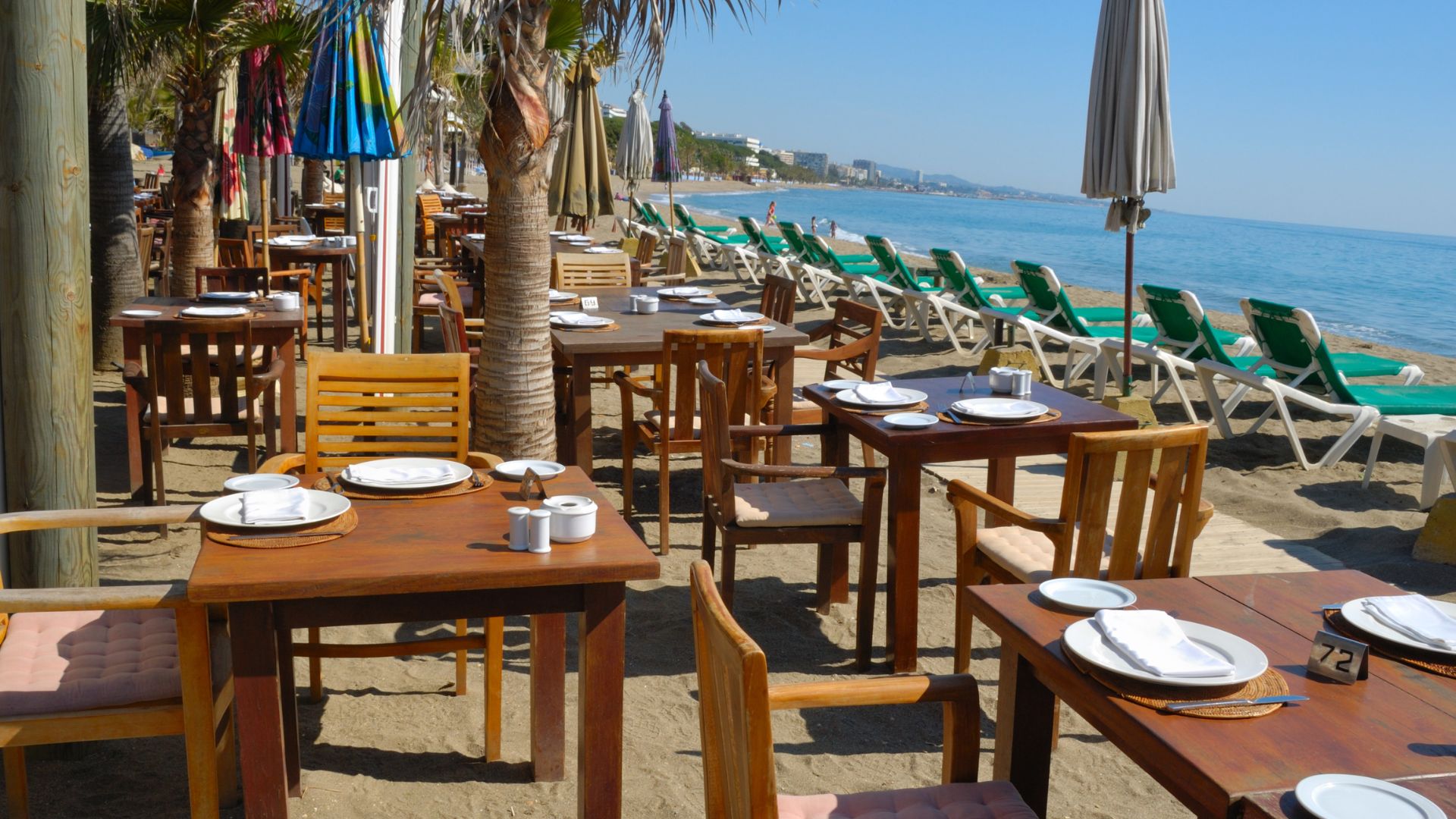
Mediterranean coast (Barcelona) enjoys gentler weather most of the year. Summers usually hang around 28°C (82°F), and there’s always a sea breeze to take the edge off.
Packing Essentials for Spain
Documents you’ll need:
- Passport (valid for 6 months at least)
- Travel insurance
- Driver’s license (for car rentals)
Clothing basics:
- Light cotton shirts and shorts for those hot days
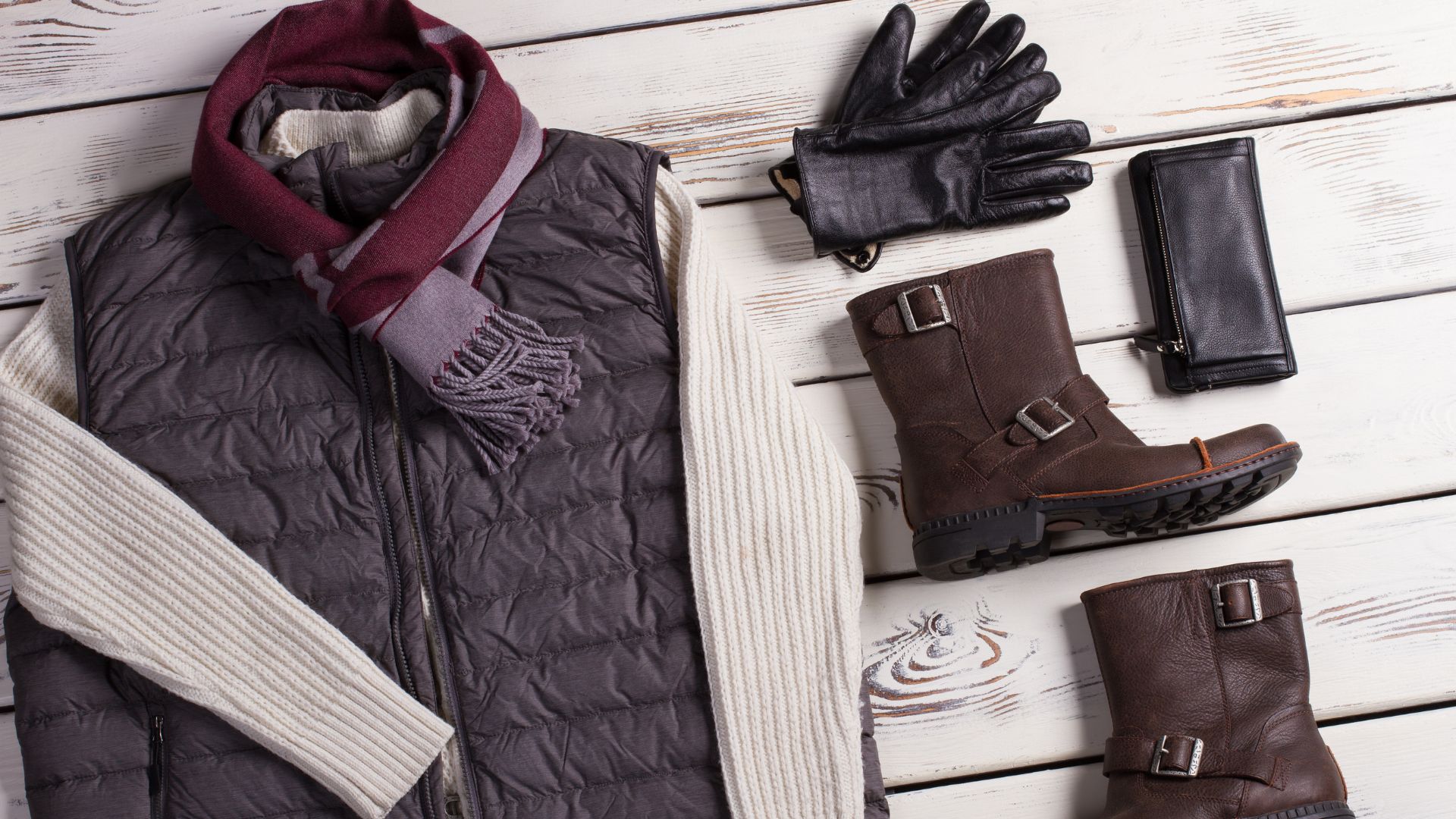
- Layers for unpredictable temps
- One dressy outfit — Spanish restaurants can be swanky
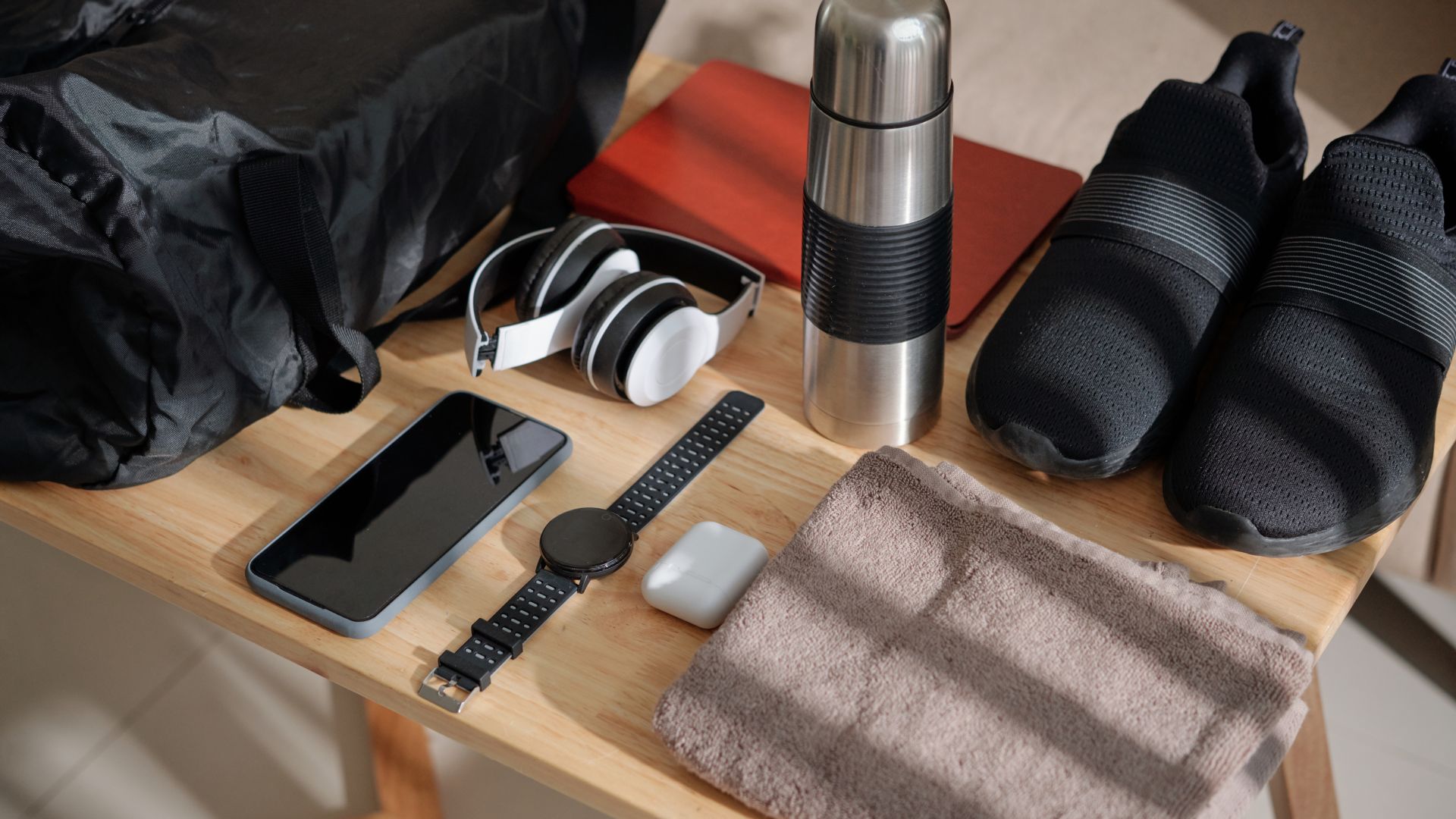
- Comfortable walking shoes (cobblestones are no joke)
Other must-haves:
- Sunscreen (the sun here doesn’t play)
- Reusable water bottle
- Power bank and charger
- Small daypack for city exploring
If you plan to visit churches or religious sites, pack something to cover your shoulders and knees. They’re strict about dress codes.
Even in summer, I always throw in a light jacket. Nights cool off fast after sunset.
Navigating Transportation and Practical Tips
Spain’s transportation system makes getting around pretty painless, especially between big cities like Madrid and Barcelona. Cash still comes in handy, but card payments are catching up quickly. Staying alert to scams and keeping safety in mind will make your trip way smoother.
Getting Around Cities and Regions
Trains and buses in Spain rarely let me down. The high-speed AVE trains zip you between major cities in no time.
High-Speed Trains (AVE)
- Madrid to Barcelona? Under 3 hours.
- Way faster than driving (which can take 6+ hours).
- It costs more than regular trains, but for long trips, it’s worth every euro.
Regional Transportation
I relied on the Renfe app for booking trains — it’s straightforward. ALSA covers most bus routes.
Slower regional trains work fine for smaller towns and rural spots. They’re budget-friendly and comfortable.
City Transportation
Most big cities have metros, buses, and trams. I found public transit affordable and honestly, pretty easy to figure out.
Driving in Spain
- Drive on the right
- Speed limits: 120km/h on highways, 50km/h in towns
- Always have your license and international driving permit
- Gas isn’t cheap compared to the US
You can rent a car at airports, and the highways link up all the tourist hotspots.
Handling Money, Cards, and Tipping
Spain runs on the euro, and cash still matters for a lot of purchases.
Payment Methods
Small bars, cafés, and local shops often prefer cash. I always kept some euros handy for daily buys.
Most restaurants, hotels, and big stores take cards. In cities like Madrid and Barcelona, contactless payments are everywhere.
ATMs and Banks
ATMs are easy to find and usually give good rates. Skip the currency exchange shops in touristy areas — they’ll eat your money with fees.
Tipping Culture
Tipping isn’t required. I usually just round up or leave 5-10% for great service.
- Bars: Drop some coins
- Taxis: Round up to the next euro
- Hotels: €1-2 per night for housekeeping
Cash tips are the norm — don’t bother trying to add them to your card.
Safety and Common Scams
Spain feels safe, but pickpockets and scams love tourist crowds.
Common Scams
- Distraction theft: Teams distract you while someone else grabs your stuff
- Fake petitions: Someone asks you to sign something, and their friend picks your pocket
- Tourist trap restaurants: Menus with sky-high prices just for tourists
Safety Tips
Keep your bag in front of you on crowded metros. I leave flashy jewelry and big cameras at the hotel.
Tourist Areas
Watch your things around big attractions in Barcelona and Madrid. Pickpockets know all the tricks.
Make copies of your important documents and stash them separately. Save emergency numbers in your phone — just in case.
Emergency Numbers
- Police, fire, medical: 112
- Tourist police: Major cities have English-speaking officers
If something feels off, trust your gut. Move to a busier spot or ask someone for help.
Unique Experiences and Things to Do
Spain’s packed with one-of-a-kind experiences. Ancient festivals, jaw-dropping landmarks, and traditions you just won’t find anywhere else. The culture here isn’t just history — it’s alive and kicking.
Unmissable Activities for Beginners
Visit the Alhambra in Granada. If you see one thing in Spain, make it this palace. The blend of Islamic and Christian architecture blew me away.
Book tickets ahead of time. They limit visitors, so don’t assume you can just stroll in.
Try paella in Valencia — where it all started. The classic version uses chicken, rabbit, beans, and saffron, but you’ll find seafood options everywhere.
Explore Barcelona’s Sagrada Familia. Still unfinished after more than a century, it’s a wild mix of Gothic and Art Nouveau. Nothing else looks like it.
Walk a stretch of the Camino de Santiago. Even if you don’t do the whole thing, a short walk gives you a taste of Spain’s spiritual side. Watch for the scallop shell markers.
Experience flamenco in Andalusia. The Flamenco Dance Museum in Seville gives you the backstory, and catching a live show is unforgettable.
Cultural Festivals and Events
La Tomatina explodes every August in Buñol, Valencia. Imagine thousands of people flinging tomatoes for an hour straight. Wear clothes you don’t mind tossing afterward.
Running of the Bulls happens during San Fermín in Pamplona. It’s nine days of bull runs, parades, and parties that never seem to end.
Concurs de Castells lights up Tarragona every two years. Teams build human towers that reach dizzying heights — sometimes ten stories tall.
The Festival of Near-Death Experiences in Galicia celebrates survival in the most dramatic way: survivors get carried around in coffins. Only in Spain, right?
Most festivals happen in summer, and crowds can get wild. Book your room early if you want to be part of the action.
Frequently Asked Questions
Spanish meal times run late — lunch rarely starts before 1pm, and dinner’s not even on the radar until 8pm. It’s colder here for more months than you’d think, so always pack layers, even in July.
What are the common cultural differences I should be aware of when visiting Spain for the first time?
Spaniards eat later than almost anywhere else. Lunch stretches from 1pm to 4pm, and dinner can go past midnight.
Eating on the go isn’t really a thing. People sit down to enjoy food, and walking around with a sandwich screams “tourist.”
Goodbyes take forever. After meals, everyone lingers for long chats — they even have a word for it: sobremesa. Sneaking out without a proper goodbye is a no-no.
Saying hello to strangers is normal — elevators, shops, you name it. Don’t be shy about asking for directions; locals are usually happy to help.
How should I prepare for the climate and weather conditions in Spain?
Always pack something warm, no matter when you visit. Spain has more chilly months than you’d expect.
The north stays cool year-round, so bring extra layers if you’re heading there. Locals say you shouldn’t ditch your coat until mid-June.
Avoid Madrid in August if you can. The heat gets intense, and most locals escape to the coast.
What are the essential Spanish phrases I should learn before my trip?
Say “no hay problema” — not “no problemo” (that’s not Spanish). “No pasa nada” works for “no problem” too.
“Muy amable” is a great way to thank someone for good service. It means “very kind” and people appreciate it.
Basic greetings go a long way. You’ll get by with English in big cities, but for rural areas, a little Spanish helps a lot.
What are some tips for navigating the public transportation system in Spain?
Spain’s public transport is efficient and connects cities, towns, and even tiny villages. Buses, trains, and metros get you almost anywhere.
Major cities accept cards for transit fares, and you can often go days without needing cash on the metro.
Keep small bills handy, though. Bus and taxi drivers may not have change for big notes, so €5s and €10s are your friends.
What should I be cautious of to avoid tourist traps and scams in Spain?
Keep an eye out for pickpockets in busy spots. Always keep your stuff close, especially when someone tries to distract you with flowers or lottery tickets.
Never leave your phone or wallet on outdoor café tables. Thieves move fast, especially in crowded places.
Skip sangría by the glass — locals order it by the pitcher, and ordering by the glass is a tourist giveaway. Try tinto de verano for a more local drink.
Order a caña (small draft beer) instead of just asking for a “cerveza.” It’s what locals do, and you’ll blend in at the bar.
What legal or administrative challenges can I expect when moving to Spain?
If you ever face an emergency, just dial 112. You don’t even need a Spanish SIM card for it to work. The operators speak several languages and will quickly connect you to the right help.
For non-urgent police matters, give 091 a call. I’d definitely recommend saving both numbers in your phone before you arrive. You never know when you’ll need them.
Let’s talk about water. You can drink tap water pretty much anywhere in Spain. Sure, the taste might change from city to city, but it always meets safety standards. Honestly, there’s no real need to buy bottled water just for health reasons.
