
Driving through Andalusia? It honestly felt like walking right into a postcard—sunflower fields rolling out forever, white villages clinging to hillsides, and skies so blue it almost hurt. Every curve in the road surprised me, whether it was the scent of sherry wafting from Jerez or the crisp air up in the Sierra Nevada.
Rest stops weren’t just practical—they turned into excuses for a long lunch or a lazy siesta under a tree.
This itinerary spills my favorite routes, local flavors, and the little hidden corners that made me fall for southern Spain. I tried to balance historic cities with quiet countryside, and I never felt rushed—Andalusia just doesn’t move that way.
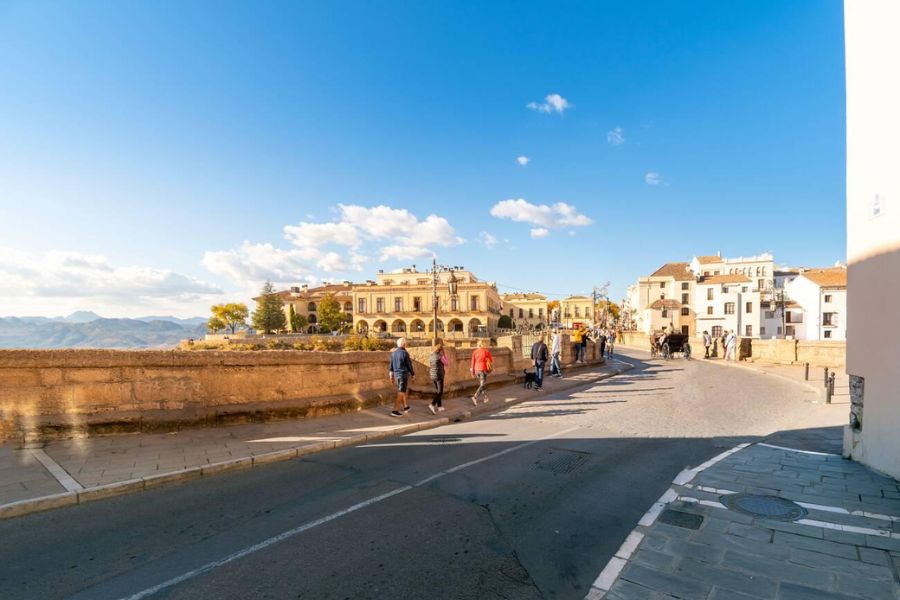
If you want a trip that’s more than just ticking off famous sights, this journey might be for you. I’ve tucked in practical tips, must-see places, and a few discoveries that, honestly, I still think about.
Planning Your Andalusian Road Trip
Planning a road trip through Andalusia is exciting, but it’s also kind of crucial if you want things to go smoothly. I noticed that a little prep made the difference between a frantic scramble and a trip full of sunflowers, sherry, and those magical siestas.
Choosing the Perfect Route
When I started mapping out my trip, I realized how diverse Andalusia is. The region practically demands you pick your route carefully. Seville’s historic streets, Ronda’s dramatic cliffs, and Carmona’s sunflower fields all tugged at me for different reasons.
I made sure to include cities like Córdoba for its Mezquita, Granada for the Alhambra, and Cádiz for its breezy coastal vibe.
A circular route—starting and ending in Málaga or Seville—made renting and returning a car so much easier. Here’s what I jotted down:
- Must-see cities: Seville, Córdoba, Granada, Ronda, Cádiz
- Hidden gems: Setenil de las Bodegas, Zahara de la Sierra, Jerez de la Frontera (don’t miss the sherry)
- Nature stops: Sierra de Grazalema, Doñana National Park
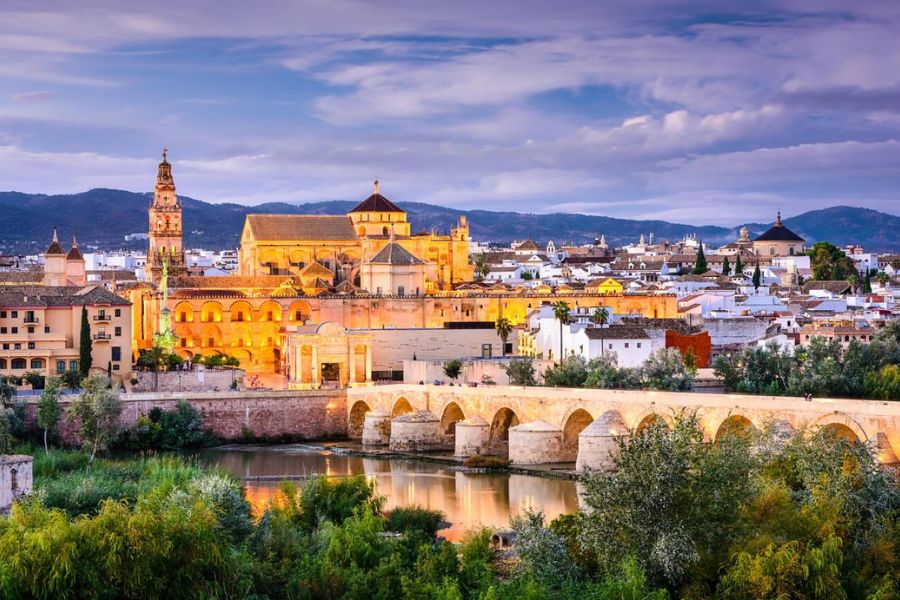
I mixed longer scenic drives with shorter hops. That left me plenty of time for slow lunches and spontaneous naps. Local roads, not just highways, brought some of the best surprises.
Best Time to Travel
After sweating through Andalusia in high summer, I learned my lesson. The shoulder seasons are just better. Late spring (April–early June) and early fall (September–October) mean pleasant weather, fewer crowds, and fields that seem to glow.
If I wanted to see those iconic sunflower fields, I aimed for late June. For quieter visits to places like the Alhambra, mid-May or late September worked best. August? I skipped it—towns get empty and the heat is relentless.
Climate Table:
| Month | Daytime High | Crowds | Sunflowers | Best For |
|---|---|---|---|---|
| April–May | 20–28°C | Low–Medium | No | Sightseeing |
| June | 28–33°C | Medium | Yes | Flowers |
| July–August | 35–40°C | High/Empty | Fading | Beach only |
| Sept–Oct | 22–30°C | Low–Medium | No | Culture, food |
Essential Packing Tips
Packing right made my trip so much better. I stuck with lightweight, breathable clothes for the hot days, but I always tossed a light jacket in my bag for mountain evenings. Sturdy shoes? Absolutely. Those old-town streets can be rough.
Here’s what I wouldn’t leave without:
- Sunscreen & hat: The sun is brutal—even in spring.
- Comfortable walking shoes: Cobbles are unforgiving.
- Refillable water bottle: Lots of towns have public fountains.
- Small umbrella or rain jacket: Spring showers sometimes appear out of nowhere.
- External phone battery: For maps, photos, or just in case.
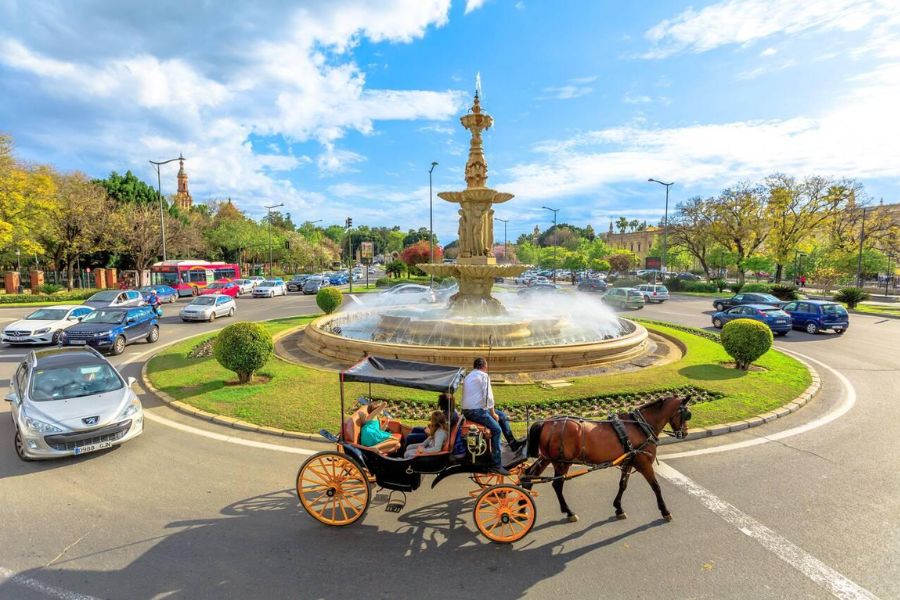
A picnic blanket and a book lived in my daypack too. There’s nothing quite like a siesta under olive trees with a good story.
Basking in Andalusia’s Sunflower Fields
Every summer, sunflower fields in Andalusia blaze yellow for miles. It’s honestly one of those sights that sticks with you. Along quiet backroads and near lovely villages, these fields call out for photos, a peek at local farming, and a sense of what rural life really feels like.
Top Locations for Sunflower Photography
The best sunflowers I found grew just outside Seville, near El Coronil. Late June to mid-July, the fields light up. The flat landscape made it easy to pull over and snap photos from all sorts of angles.
Carmona was another favorite. Narrow roads twist between bright bands of sunflowers and olive groves. In Córdoba province, I wandered rural trails and found fields dotted with horses and sheep—seriously, it looked like a painting.
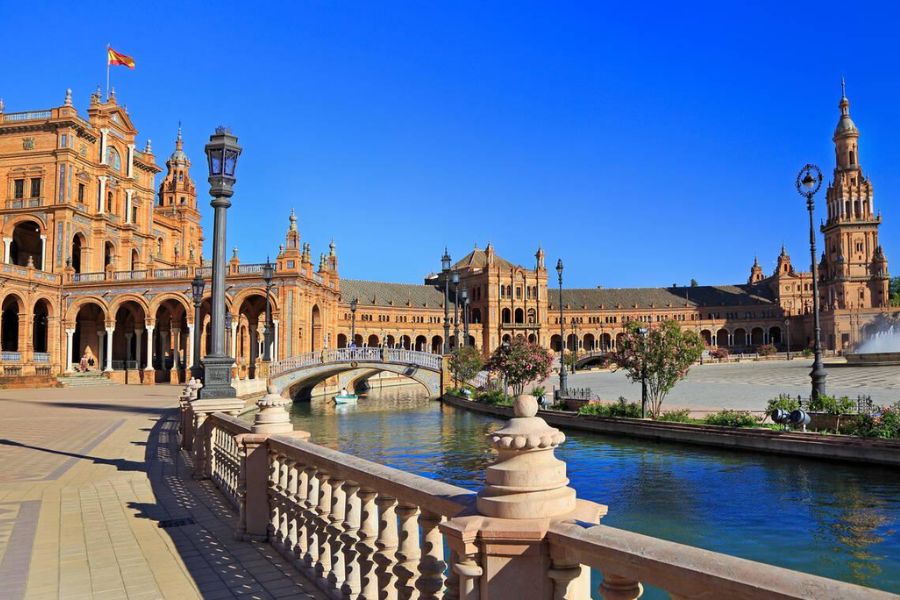
If you go, sunrise or late afternoon gives you the best light. Don’t forget water and sunscreen—shade is rare.
Harvest and Flowering Seasons
Sunflowers in Andalusia bloom from mid-June to late July, though the exact dates shift with the weather. I learned that you have to time it right—sometimes the bloom lasts only a couple of weeks.
By late July or early August, harvest starts. The flowers droop and seeds ripen. Farmers count on these fields for oil and seeds. The rest of the year, you’ll see plowed earth or fresh shoots instead of yellow blooms.
If you want to catch the peak, check local tourism sites or Instagram for updates. Some farms even offer guided walks or sell sunflower goodies at little stands.
Cultural Significance of Sunflowers
Sunflowers are more than just a pretty backdrop. They’re woven into rural Andalusian life. Farmers rely on them for oil, but also as part of crop rotation to keep the soil healthy and livestock happy.
Locals I met told me stories about planting and harvest traditions. Sunflowers often grow alongside wheat and barley, which helps grazing animals and keeps the land fertile. They attract bees and pollinators, so nearby olive and fruit trees benefit too.
At markets, I saw sunflower seeds sold as snacks and baked into rustic breads. For many, those golden fields mean summer has arrived—a bright link between farming, food, and daily life.
The Sherry Trail: Tasting Authentic Flavors
Driving the Sherry Trail, I found history, culture, and a lot of delicious moments in every glass. Drinking sherry here means soaking up more than just the flavor—it’s about tradition and the slow, sunny pace of southern Spain.
Exploring Jerez de la Frontera
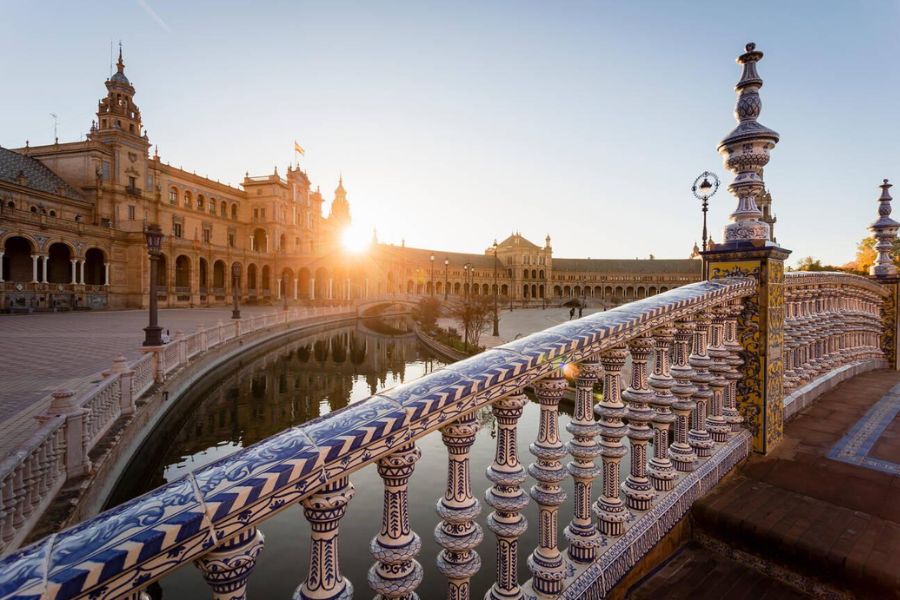
Jerez de la Frontera stands at the heart of sherry country. As I wandered its cobbled streets, the scent of aging wine drifted through the air. Orange trees, palaces, and whitewashed homes set the scene.
Jerez isn’t just about wine, though. Flamenco music spills out from bars, and dancers practice their steps in hidden courtyards. Writers and poets have captured its spirit for generations.

One afternoon, I watched horses at the Royal Andalusian School of Equestrian Art. The city felt timeless, proud of its traditions but always ready to pour you a glass.
Bodegas and Cellar Tours
I had to step inside the bodegas to really get sherry. These high-ceilinged cellars stack barrels in neat pyramids. The “solera” system blends wines of different ages, and that’s where sherry gets its unique taste.
González Byass and Bodegas Tradición both offered great tours. I watched casks being tapped, tasted Fino and Oloroso, and learned how each type gets its character. The smell of oak and sherry stuck with me even after I left.
Some tours added live guitar or a quick poetry reading. Staff welcomed questions, making the whole thing feel relaxed and friendly.
Pairing Sherry with Andalusian Cuisine
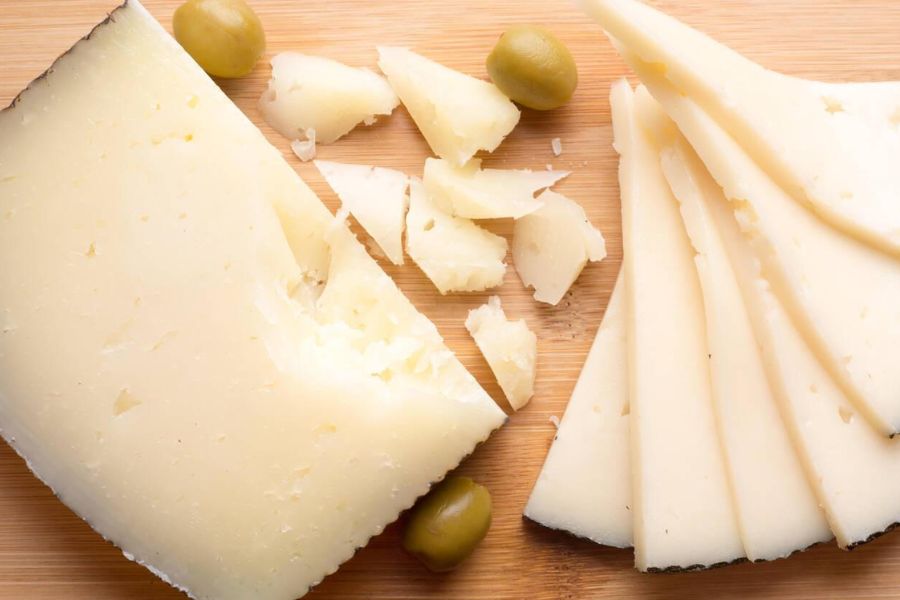
Drinking sherry by itself is nice, but pairing it with food? That’s when it really shines. In local taverns, I tried Fino with salty Manchego and Jamón Ibérico. Oloroso stood up to rich stews and oxtail. Even sweet Pedro Ximénez worked with flan and orange pastries.
Sample Pairings Table:
| Sherry Type | Best Food Pairing |
|---|---|
| Fino/Manzanilla | Olives, almonds, seafood |
| Amontillado | Grilled chicken, aged cheese |
| Oloroso | Oxtail, wild mushrooms |
| Pedro Ximénez | Desserts, blue cheese |
Meals here often come with guitar music or a hint of flamenco in the background. Sharing tapas and sherry, I felt plugged into Andalusia’s flavors, music, and stories.
Into the Sierra: Scenic Drives and Hidden Villages
The roads into Andalusia’s Sierra twist past whitewashed villages, wind up steep mountain paths, and hint at the region’s mining past. Each turn brings a new view—sunlit hills, quiet cobblestone lanes, or maybe just a flock of goats.
White Villages of the Sierra
Exploring the “Pueblos Blancos”—these white villages—is hands down one of my favorite Sierra experiences. Grazalema, Zahara de la Sierra, and Setenil de las Bodegas all feel like they’re frozen in time. Their white houses glow against the green mountains.
One morning, I sipped coffee in Grazalema’s plaza and watched the town wake up. The air was crisp, and the pace slow—such a relief after the heat below. Every village has its own rhythm, its own pastry, and a personality you can’t quite pin down.
Tips for visiting:
- Arrive early for parking and quieter streets.
- Stroll the narrow lanes—some are too tight for cars anyway.
- Sample local cheeses and pastries from family shops.
Majestic Mountain Trails
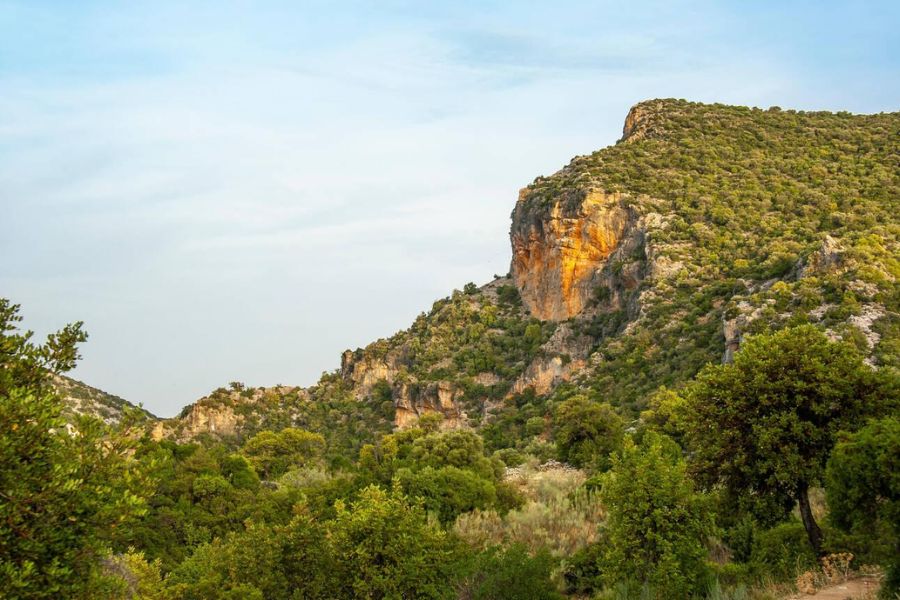
Sierra de Grazalema Natural Park has some of the best hikes and viewpoints I’ve seen in southern Spain. Trails cut through pine forests, then open up to sweeping views. Whether I wanted an easy stroll or a tough climb, there was something for every mood.
The trail to El Torreón, the highest peak in Cádiz, was steep but worth every step. From the top, I could see all the way to distant farm towns. I spotted wild goats and, once, a griffon vulture floating on the wind.
Highlights:
- El Pinsapar trail (for rare pinsapo fir trees)
- Garganta Verde canyon (jaw-dropping gorge)
- Birdwatching for eagles and vultures
Mining Heritage and Old Routes
A lot of Sierra villages grew up around mines and old trade roads. Near Villaluenga del Rosario, I wandered through old quarry sites, some of which are open to visitors. Workers once dug for limestone and minerals here—some of that stone made it as far as distant cities.
Now, old mining tracks have become popular walking and cycling paths. Signs and plaques share stories of the miners who worked underground. I found abandoned mining gear oddly haunting—a powerful reminder of just how tough life could be here.
Sights along the way:
- Rusted rail lines near old mines
- Silver and limestone tunnels (some have guided tours)
- Museums in towns like Ronda, packed with mining artifacts
Embracing Siestas: Local Culture and Leisure
Andalusia’s daily rhythms feel shaped by tradition and bursts of creativity. When I traveled here, I quickly picked up on how much locals cherish both relaxation and the arts, weaving them into the fabric of everyday life.
The Art of the Siesta
In Andalusia, the afternoon siesta isn’t just a nap. It’s this natural pause that pulls people into the slow pace of village life.
Shops shut their doors. Streets get quiet. Honestly, it feels like the world just stops for a bit.
I watched locals of all ages step away from the heat to enjoy lunch with family or friends. The whole thing feels unhurried.
Meals linger with laughter and conversation, sometimes ending with a stroll or a quick rest. There’s just no rush here.
This break gives your mind a rest too, not just your body. Tourists catch on fast—they start planning their days around these hours.
If you’re visiting Andalusia, try to explore in the morning or evening. Save the early afternoon for a real break—you’ll thank yourself.
Here’s a quick table with typical siesta hours:
| Typical Siesta Start | Typical Siesta End |
|---|---|
| 2:00 PM | 5:00 PM |
Music and Literature in Everyday Life
Music fills every corner of Andalusia. Flamenco guitar riffs drift out of whitewashed bars, and you’ll hear spontaneous singing in village squares.
I’ve sat in plazas where street musicians play Sevillanas. Families join in, singing along without a second thought.
Sometimes, these moments almost seem choreographed. But honestly, they’re just woven into daily life here.
Literature and poetry run deep in the region’s culture too. Locals often recite lines from Antonio Machado or Lorca in everyday conversation.
Their words echo the wild spirit of Andalucía’s landscapes. Even in small towns, bookshops and libraries become gathering spots.
I once picked up a collection of local poems in Ronda. That book helped me see the scenery around me in a new way.
Art and life really blend together here. Nobody stages it for tourists—it’s just how things are.
If you listen closely, you’ll notice the heart of Andalusia beating to its own music and stories.
