
Exploring Guimarães, Portugal, honestly felt like stepping right into a living history book. The city’s most historic and picturesque squares—each bursting with local charm—turned out to be perfect for sitting, relaxing, and just soaking up the daily rhythm while people-watching.
I wandered the cobbled streets a lot, pulled in by colorful facades and the lively energy from the cafés and restaurants circling these squares.
When I planned my trip, I knew I wanted to find places that really captured the heart of this historic city. From catching cultural events to just people-watching from a sunny terrace, these squares gave me a window into Guimarães’ past and present.
Whether you have a day or just a couple of hours, you shouldn’t skip these spots if you want a deeper, more authentic feel for small-town Portugal.
Why Guimarães Is a Dream for Square-Lovers
Guimarães stands out as a city where every square tells its own story. Each paved corner buzzes with local life and memories from long ago.
As I walked these cobbled spaces, I could sense the city’s soul woven between medieval buildings, lively cafés, and timeworn landmarks.
A Window Into Portuguese History
While exploring the historic center, I finally understood why people call Guimarães the “cradle of Portugal.” The old squares here aren’t just places to rest—they sit right at the heart of the country’s birth.
On Praça de São Tiago and Largo da Oliveira, you don’t just see history; you feel it.
The city played a huge role in Portuguese independence. Guimarães Castle sits nearby, tied directly to the earliest days of the nation.
Standing where so many important moments happened added a whole new meaning to every glance and photo.
Each square in the medieval historic center lets you step back in time. It’s easy to imagine knights, traders, and townsfolk passing through, their footsteps echoing in the same spots.
If you love exploring the roots of a country, these squares are a must. They’re at the top of my list for things to do in Guimarães.
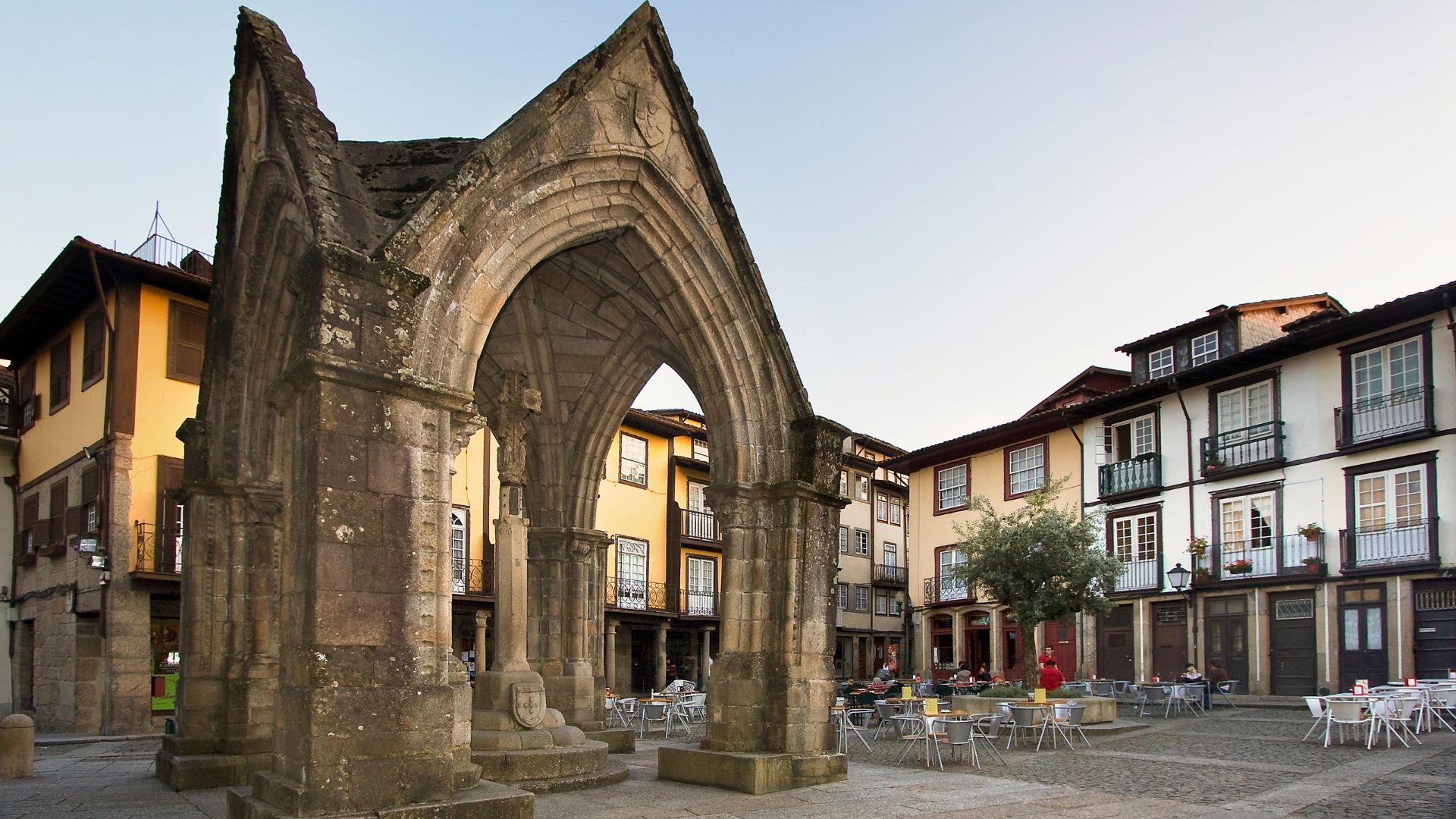
Local Culture and Vibrant Atmosphere
Squares here are where daily life bursts into color. Tables spill onto the cobblestones.
Locals laugh over coffee and pastries. Kids chase pigeons, while old friends greet each other under the shade of ancient olive trees.
I lingered at Largo da Oliveira, just people-watching from a tiny café. The buzz of Portuguese voices made me feel connected to the city in a way museums just can’t.
Every corner brought a new scene—families gathering, street musicians playing, and even a little market under the medieval arches.
Guimarães’ squares really are true local hangouts. You might catch a festival, enjoy an outdoor concert, or just read a book and soak up the atmosphere.
These experiences gave me a relaxed window into daily life in the historic town, way beyond anything in a guidebook.
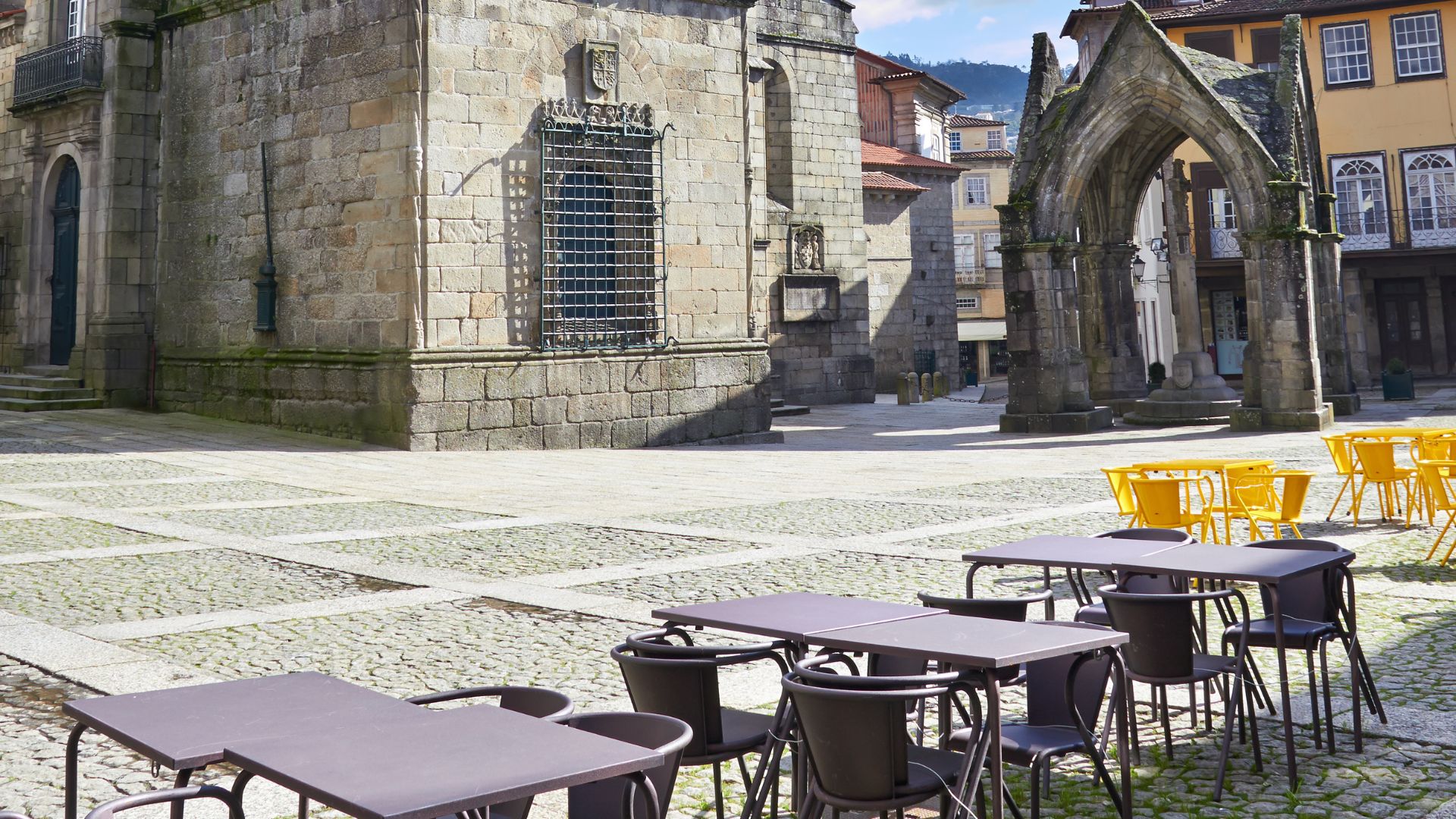
Medieval Architecture and Stunning Details
What really sets Guimarães apart for me is how its medieval architecture shapes every square. Arched stone porticos, detailed facades, and old shrines fill the city with character.
Some buildings date back to the 14th century, their stones smoothed by time.
As I walked through the historic center, I admired the handcrafted balconies on Rua da Santa Maria and the impressive town hall across Praça de São Tiago.
At every turn, there’s something new to notice, from religious statues to decorative tiles.
Photographers and architecture lovers will find endless inspiration here. Even a simple stroll shows why Guimarães’ medieval heart is a UNESCO World Heritage Site.
Every square feels unique, but they all share that sense of enduring beauty and Portuguese pride.
Largo da Oliveira: The Heartbeat of Guimarães
Largo da Oliveira is where medieval history meets modern life. Locals and visitors gather here for its lively atmosphere.
Centuries-old buildings surround the square, offering a mix of cultural sights, tasty local food, and quirky shopping.
Nossa Senhora da Oliveira & Medieval Landmarks
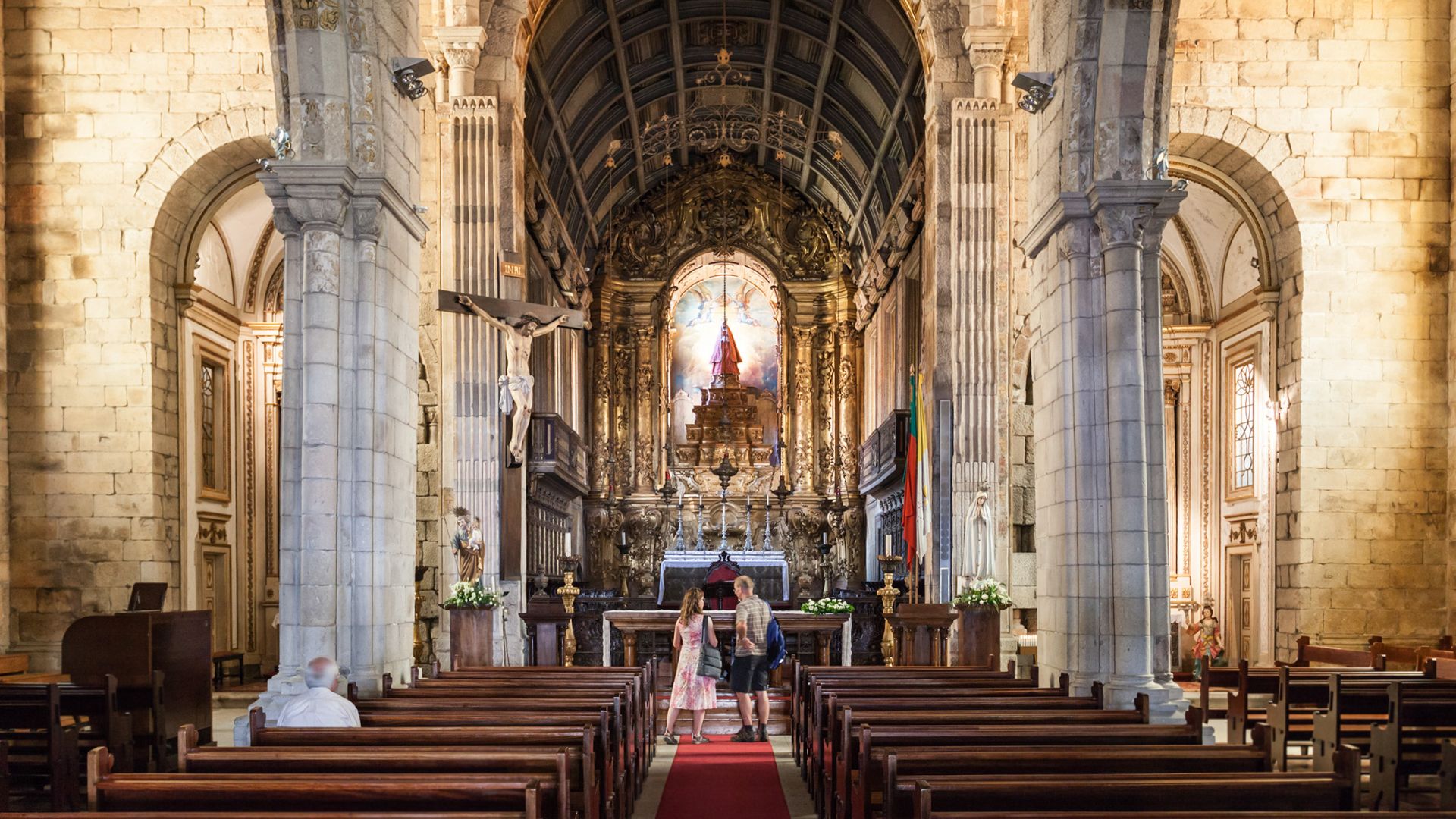
Standing in Largo da Oliveira, I couldn’t help but stare at the stunning Igreja de Nossa Senhora da Oliveira, the Church of Our Lady of Oliveira. Its stone facade and sturdy bell tower rise above the square, showing off classic medieval architecture.
This church is one of Guimarães’ most important landmarks. Once inside, you can admire old altars and quiet chapels.
Right next to the church sits a Gothic shrine that looks like it came straight out of a storybook. The whole square keeps the past alive, with arched walkways and traditional tiled roofs.
As I wandered around, I felt like I’d stepped back into the 14th century.
The famous olive tree, which gave the square its name, stands nearby as a symbol of peace and endurance. People have gathered here for hundreds of years, and every corner tells a different story from Guimarães’ historic center.
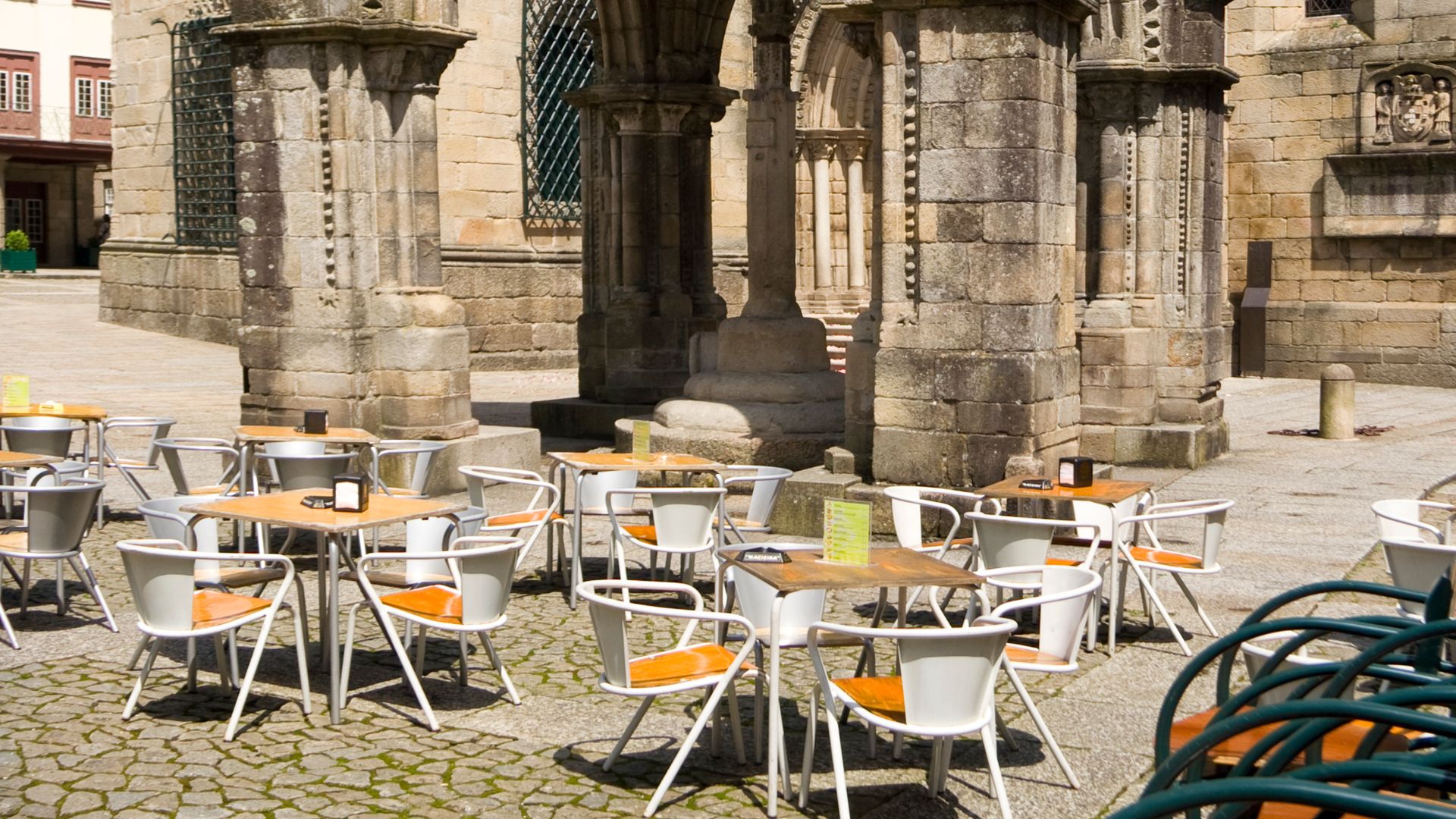
Outdoor Cafes and Local Cuisine
I couldn’t resist the inviting outdoor cafes scattered around Oliveira Square. Tables spill out beneath the open sky, and there’s always a friendly hum and the smell of fresh coffee.
I grabbed a seat at one of the busy terraces—perfect for people-watching. Locals linger over espressos while visitors snap photos of the charming scenery.
The food scene here is packed with Portuguese favorites and Guimarães specialties. Ordering a plate of tortas de Guimarães or nibbling on douradinhas felt like tasting a piece of local history.
The flavors are simple but satisfying, and it’s easy to see why these dishes have lasted through the years.
Even if you’re just sharing pastries with a friend, the atmosphere is relaxed and welcoming. Outdoor seating lets you soak in the medieval surroundings while enjoying a meal, making it a must for any visit to the city.
Artisanal Shops and Hidden Corners
Largo da Oliveira is home to several artisanal shops that I loved poking around in. Small stores line the square, filled with handmade crafts, local ceramics, and unique souvenirs.
I spent time browsing for gifts and just enjoying the creative vibe in these spaces.
Down little lanes, I stumbled on artists painting and shopkeepers showing off traditional Portuguese tiles. Many shops display the work of local makers whose art reflects the city’s history and personality.
If you want to take home a special reminder of Guimarães, this is the place. The blend of art, history, and daily life gives every visit to Oliveira Square a personal touch you won’t soon forget.
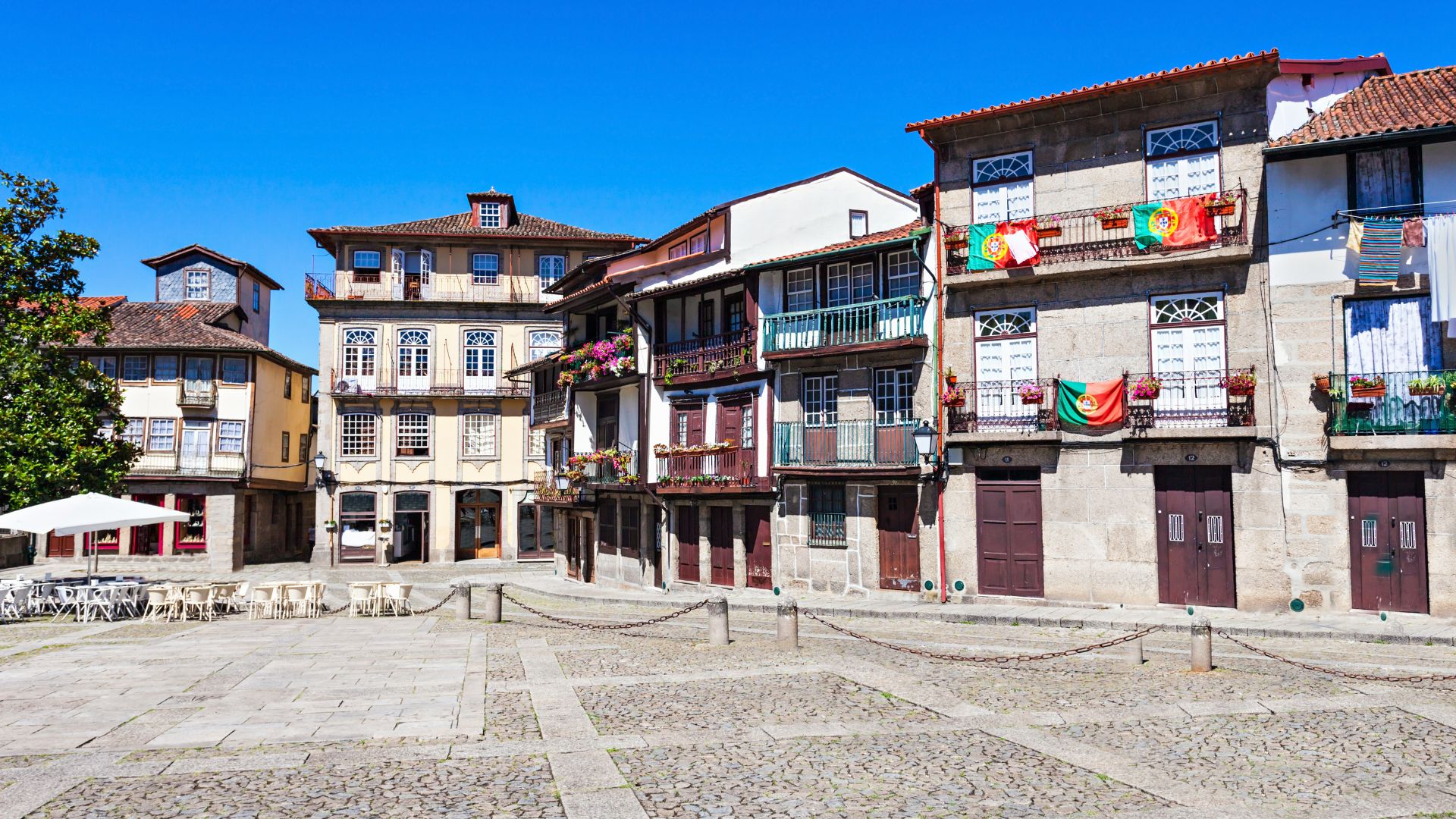
Praça de São Tiago: Where Legends and Locals Meet
This square blends rich history with daily life in a way that feels truly unique. Locals and visitors drift in at different times, making it perfect for exploring the story of Guimarães while soaking in the town’s culture.
Layers of Legendary History
Stepping onto Praça de São Tiago, I felt surrounded by centuries of stories. Local tradition says the apostle St. James (São Tiago) brought an image of the Virgin Mary here, placing it in what used to be a pagan temple.
That legend alone gives the square a character you won’t find anywhere else.
As I walked around, the buildings’ medieval features stood out—arched ground floors, stone façades, and lots of history.
Most current houses date from the 17th and 18th centuries, each holding silent tales of merchants and townsfolk from when Guimarães was just becoming “Aqui Nasceu Portugal”—the place where Portugal was born.
A stroll through the square really does feel like a trip back in time. For anyone into myth and history, Praça de São Tiago is a must-see in the historic town center.
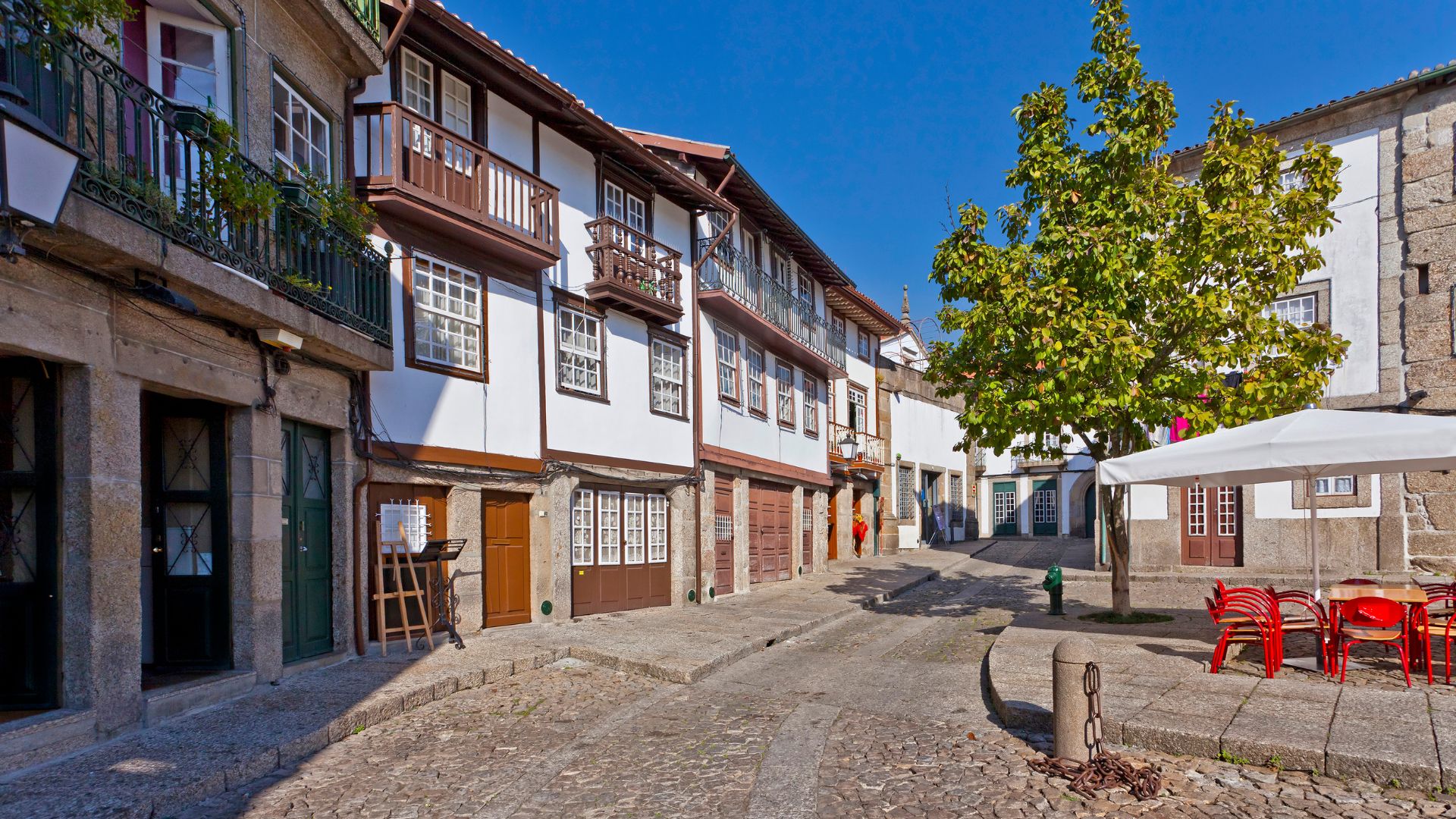
People-Watching From Sunrise to Sunset
One of my favorite travel habits is people-watching, and this square didn’t disappoint. Mornings start quietly, with locals heading to work or opening shops.
Residents greet each other, kids walk to school, and delivery bikes weave through the old stone streets.
By midday, the square comes alive. Locals relax at small outdoor cafés, sipping coffee or chatting over pastries, while tourists snap photos and plan their next stop.
Benches offer the perfect spot to pause and watch the rhythms of daily life in Guimarães unfold.
What really makes the experience special is the mix of old and new. Even with all the history, the square feels lived-in and real.
Watching the people and lively pace here gave me a true sense of the local culture.
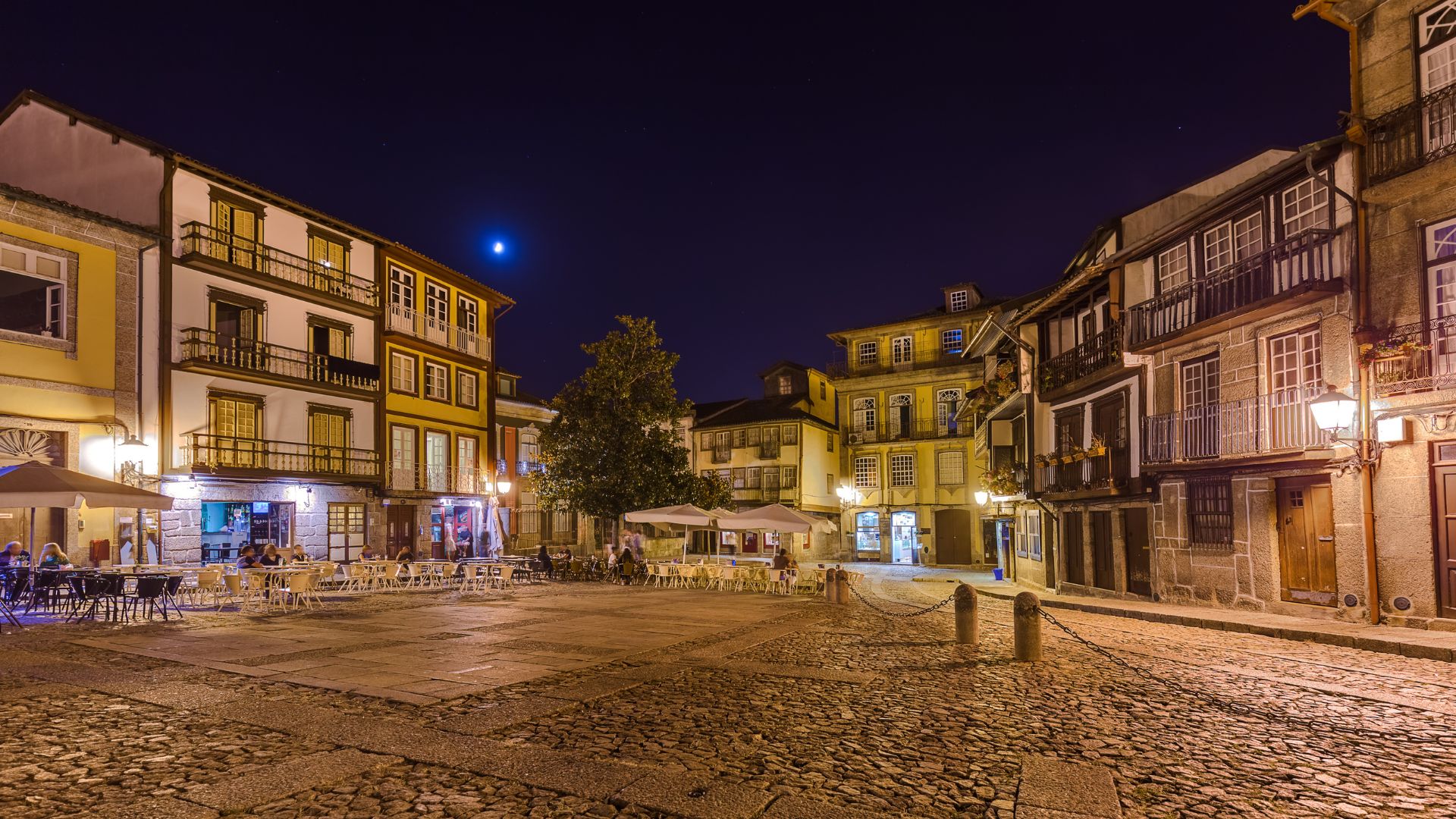
Evening Vibes and Al Fresco Dining
Evenings at Praça de São Tiago are a highlight for anyone who loves authentic local dining. As the sun sets, lanterns light up the square and laughter spills from nearby restaurants.
Tables fill the cobblestones, and the sound of clinking glasses bounces off the old walls.
If you’re into food, this is a great place to try regional dishes—think fresh cod or caldo verde soup. Many spots offer outdoor seating, so you can watch the town center settle down as you enjoy your meal.
If you want a relaxed but lively dinner spot in Guimarães, this square is hard to beat. It’s where history and good food come together, making every evening feel a bit magical.
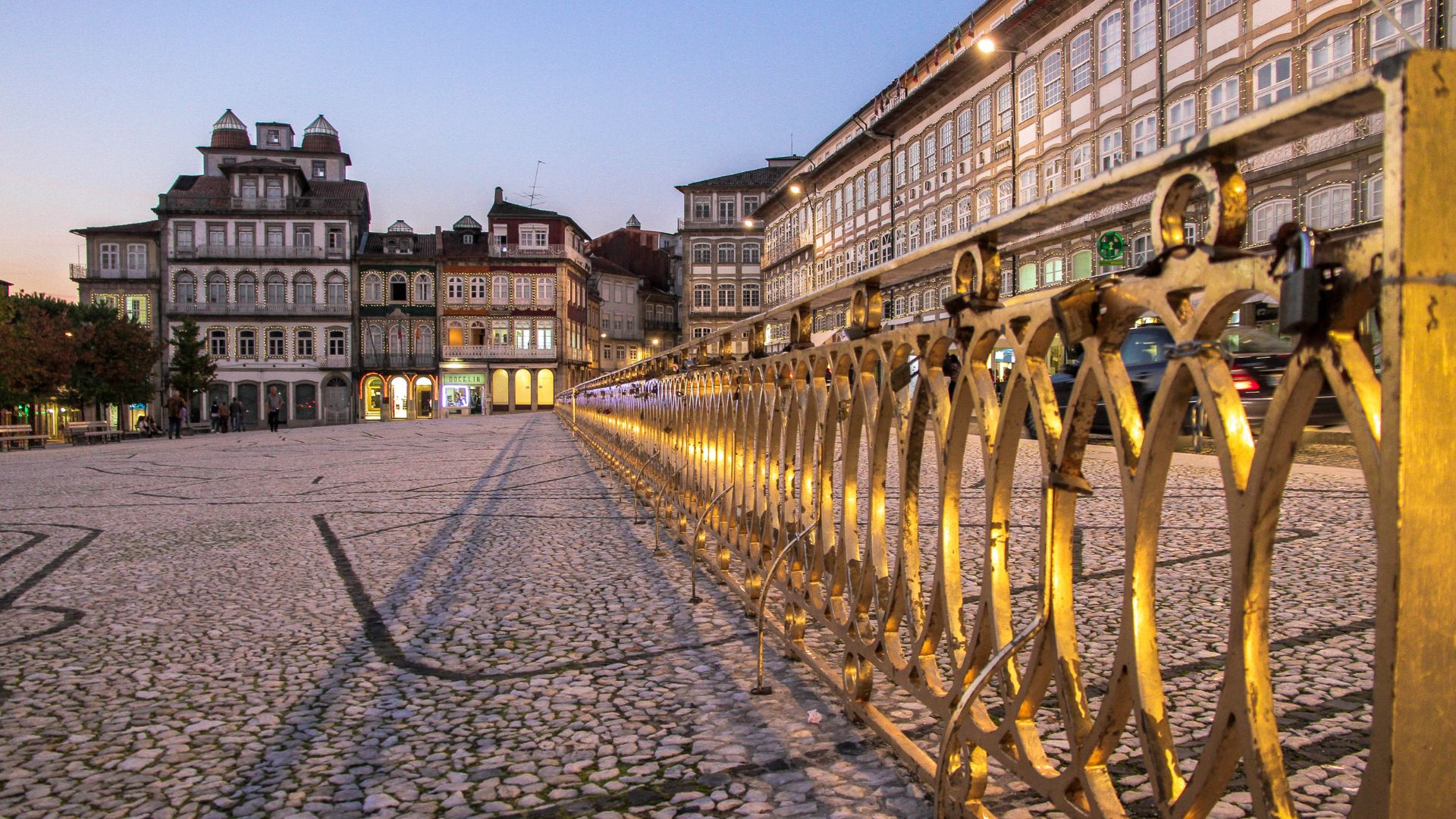
Largo do Toural: Blend of Timeless Grandeur and Daily Life
It’s tough to picture Guimarães without thinking of Largo do Toural. With its elegant architecture, detailed azulejos, and a constant buzz of activity, it balances historic beauty and city life in one big, open space.
Iconic Azulejos and Architectural Gems
When I stepped into Largo do Toural, the decorative azulejos—those glazed ceramic tiles—jumped out right away. Some buildings around the square show off vivid blue-and-white tiles, giving the area a classic Portuguese charm.
The architecture here ranges from 18th-century facades to early 20th-century buildings. Many feature ornate balconies, arched windows, and detailed stonework.
One highlight for history buffs is the Basílica de São Pedro, a grand church that sits right on the square’s edge.
While exploring, I noticed the façades are impressively well-preserved. It’s easy to see why people love taking photos here—every corner feels like a postcard.
Even modern spots, like a boutique hotel, blend right in, making the square a perfect mix of old and new.
Vibrant Square Life and Events
Whenever I visited Toural, the energy was contagious. Locals meet here to chat, shop, or just people-watch from a bench.
There are cozy cafes with outdoor seating and small shops all around, making it a great spot to soak up daily Portuguese life.
Street events and cultural gatherings often pop up right in the square. One weekend, I stumbled onto a live music performance that brought out families, couples, and tourists.
In the evenings, the square grows quieter, offering a calm place to unwind.
Buses, taxis, and even small parades pass through, so it always feels lively but never too crowded. For a real sense of Guimarães, this spot is hard to beat—authentic, lively, and always interesting.
Must-See Sights Near Each Square
Wandering away from Guimarães’ charming squares, I kept finding centuries-old landmarks, cozy medieval streets, elegant palaces, ancient churches, and quirky museums. Every new corner brought something special.
Sometimes it was grand architecture, sometimes hidden alleyways, or a museum packed with local stories.
Guimarães Castle & Palace of the Dukes
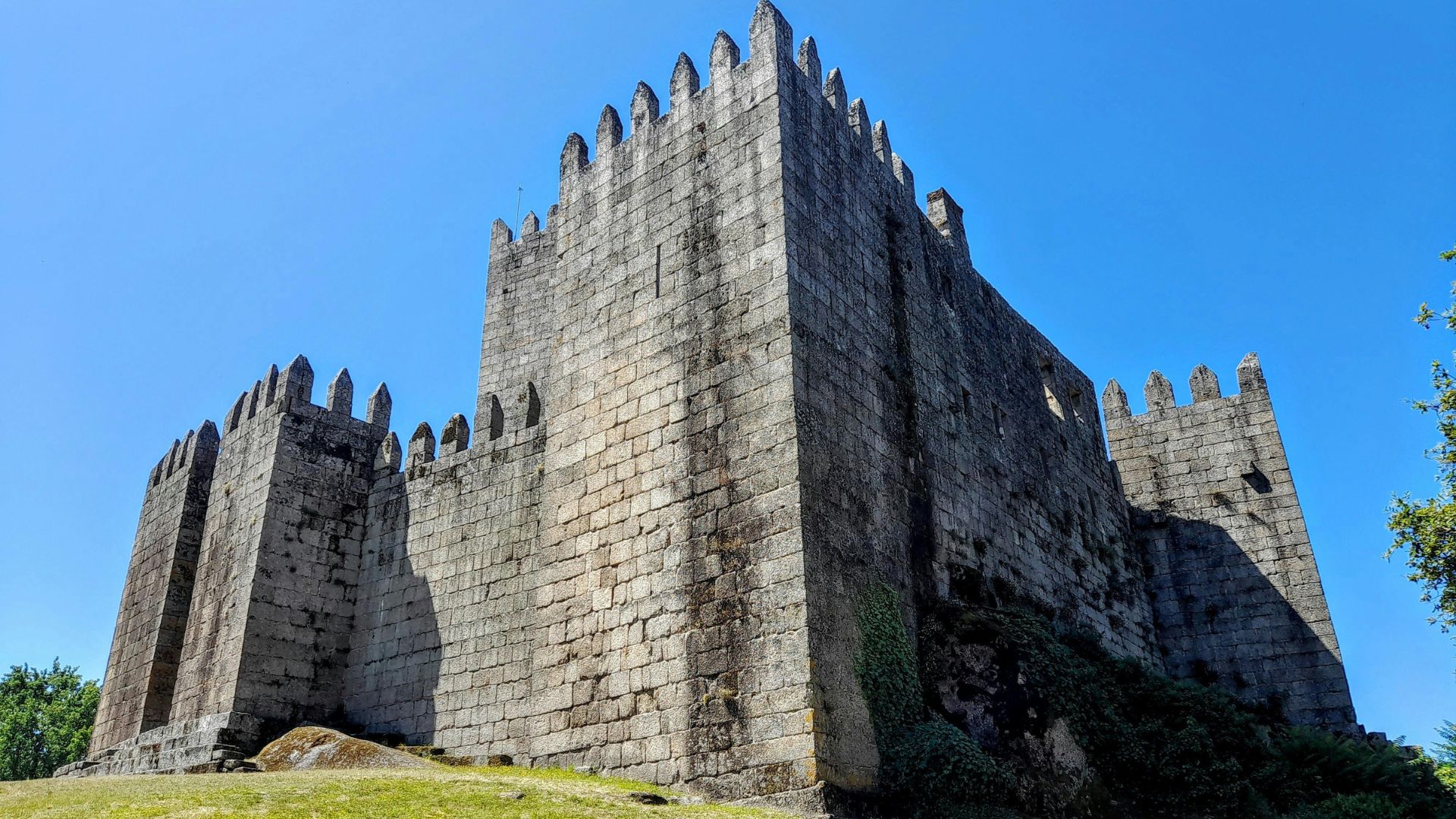
Just a short walk from the heart of the old town, Guimarães Castle (Castelo de Guimarães) rises above the city. Its thick, gray walls and crenellated towers throw you right into Portugal’s founding story.
The castle dates back to the 10th century. Many consider it the birthplace of the nation.
Right next door, you’ll spot the stunning Palace of the Dukes of Braganza (Paço dos Duques de Bragança). This grand manor, with its pointed turrets and elegant arched windows, once housed powerful nobles.
Inside, I wandered through rooms filled with 17th-century tapestries, armor, and antique furniture. The collection feels almost endless.
Don’t skip the Church of São Miguel do Castelo, tucked just below the castle ramparts. The simple stone chapel is said to be where Portugal’s first king, Afonso Henriques, was baptized.
It’s easy to visit all three sites in a couple of hours. I actually found this area especially peaceful early in the morning before most tourists showed up.
Rua de Santa Maria & the Medieval City
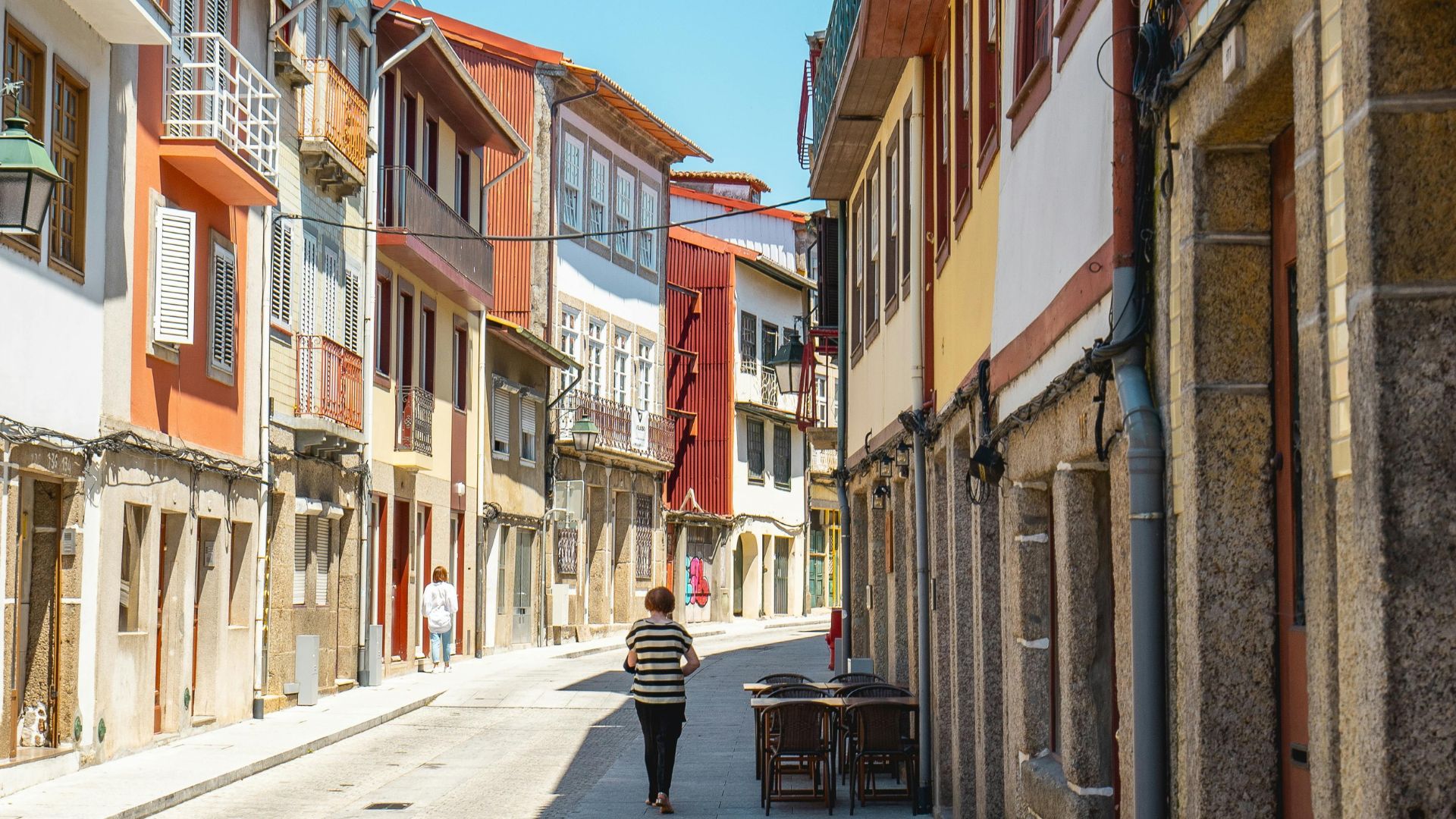
One of my favorite ways into the old quarter is down Rua de Santa Maria. The cobbled street, lined with historic granite buildings, is just right for slow strolls.
Each step reveals flower-bedecked balconies and hidden crevices where time seems to stand still. Honestly, it’s easy to lose track of time here.
Walking down this street, I kept passing artisan shops, aromatic bakeries, and centuries-old houses. Locals swear the best natas (custard tarts) come from the tiny bakery halfway down.
Keep an eye out for older residents perched on benches swapping stories. It’s people-watching at its best.
The medieval heart of Guimarães sits just beyond, with lively squares surrounded by Gothic and Renaissance architecture. The Church of Nossa Senhora da Oliveira stands as a striking landmark, its tall spires visible from many spots in the city.
I loved watching the sunset from the square outside. The city’s stone walls glowed gold in the evening light.
Museums and Cultural Hotspots
If you love history, Guimarães delivers with museums that really bring its past to life. The Alberto Sampaio Museum (Museu de Alberto Sampaio) sits in former monastery buildings and showcases medieval art, religious artifacts, and treasures from the Church of Nossa Senhora da Oliveira.
I found the ancient gold and silver relics especially impressive. Some of these pieces left me genuinely awestruck.
Nearby, the Martins Sarmento Society displays archaeological finds from the area’s Celtic roots. You’ll see mysterious stone carvings and pottery that hint at a much older story.
For a dose of modern culture, the Centro Cultural Vila Flor regularly hosts exhibitions, theater, and concerts. It’s a stylish blend of old and new architecture.
Here’s a quick list of must-visit museums:
| Museum | Highlight |
|---|---|
| Alberto Sampaio Museum | Medieval art, church treasures |
| Martins Sarmento Society | Celtic, iron-age archaeological finds |
| Centro Cultural Vila Flor | Theater, concerts, art exhibitions |
Insider Tips for Your Self-Guided Tour
Start your morning at the castle to beat the crowds and snap quiet photos from the ramparts. Wear comfortable shoes—some of the best sights require a bit of uphill walking on cobblestone streets.
Pick up a city map at the tourist center in Largo República do Brasil for up-to-date opening hours and special exhibits. It’s helpful, trust me.
If you’re hungry, sample local favorites like “toucinho do céu” (almond cake) at a café near the Convent of Santa Clara. Café patios make a perfect spot for a break and some people-watching.
Many museums offer combined tickets, so you can save a bit if you plan to see more than one. That’s always a nice bonus.
Evenings are a special time to walk the illuminated medieval streets. The city’s stone walls take on a magical glow after sunset.
Bring a camera and watch for spontaneous music or street performances. Guimarães feels just as lively at night as it does during the day.
Planning Your Perfect Visit to Guimarães’s Squares
Each square in Guimarães offers something special, from historic charm to some truly great local food. I found the best way to enjoy it is by timing your visit well and exploring both the town and the hills above.
When to Go and How to Get There
Guimarães buzzes all year, but I really liked late spring and early fall. The weather felt just right, and the crowds were lively but not overwhelming.
Winter is quieter, but you’ll want to pack an umbrella—rain happens more often then.
Getting here from Porto or Braga is quick and easy. Trains run regularly from both cities and take about an hour from Porto.
From the train station, I just walked to the historic city center—it took maybe ten minutes. Buses are also an option if you prefer.
If you’re coming by car, parking lots can fill up during peak times. I’d recommend arriving earlier in the day.
A small group tour from Porto or Braga is another great choice. Guided walks through the UNESCO World Heritage sites and squares make it easy to get your bearings.
Day Trips, Cable Cars, and Penha Hill Experiences
One of my favorite ways to see more of Guimarães was by taking a day trip from Porto. I loved wandering through the picturesque squares in the morning, stopping for coffee and a bit of people-watching.
By midday, the Penha cable car (Teleférico de Guimarães) was calling my name. The ride up to Penha Hill (Monte da Penha) gave me wonderful views over northern Portugal.
At the top, Penha Park is perfect for hiking, picnicking, or visiting the Sanctuary of Penha. The nature trails wind around granite rocks and tall pine trees, leading to peaceful spots for photos or just a break.
It’s easy to plan your own self-guided tour or join a small group tour that includes the cable car and time on Penha Hill. Either way, the contrast between the lively squares below and the quiet nature above made my day extra memorable.
Where to Stay, Eat, and Explore
When I visited, I really wanted to stay right in the historic center. Casa do Juncal quickly became my top pick—it’s got those stylish rooms, and you can walk to all the UNESCO sites and the city’s best squares in just a few minutes.
You’ll find other boutique hotels and guesthouses nearby. Most of them sit within easy walking distance of pretty much everything you’d want to see.
For meals, I noticed plenty of cafes and restaurants scattered around the main squares. I tried Histórico by Papaboa, which locals seem to love, and there are some great spots along Praça de São Tiago too.
If you can, grab an outdoor table. It’s just the best way to soak up the atmosphere, especially when the weather’s nice.
Between meals, I’d suggest wandering the cobbled streets. Duck into a museum or two, and maybe poke around the little shops—there’s always something to catch your eye.
Staying overnight let me see the squares at different times. Lunchtime buzzes with people, but evenings feel much quieter, and the old facades just glow under those soft lights.
