
Exploring the Black Forest means so much more than just ticking off Triberg and its famous cuckoo clocks. I stumbled on breathtaking villages tucked into rolling, wooded hills—each one with its own unique charm and hidden treasures.
Honestly, these places don’t usually top the travel guides, but their half-timbered houses, quiet little squares, and forested backdrops really stuck with me.
Some villages wowed me with their history. Calw, for instance, has striking architecture and ties to Hermann Hesse.
Others, like Schiltach, drew me in with peaceful river scenes and winding cobblestone streets. I found myself slowing down and just soaking up the scenery.
From green valleys to hilltop hamlets, I realized the Black Forest has a lot more to offer than most travelers expect.
If you’re into classic German charm or just want a peaceful spot off the beaten path, my top five picturesque villages might just spark your next trip.
Why the Black Forest Captivates: Exploring Its Unique Charm
Walking through the Black Forest (Schwarzwald), I quickly saw why it’s not just about dark, dense woods. Every corner felt alive with storybook villages, old traditions, and landscapes that could be straight out of a fairy tale.
Timeless Villages and Half-Timbered Beauty
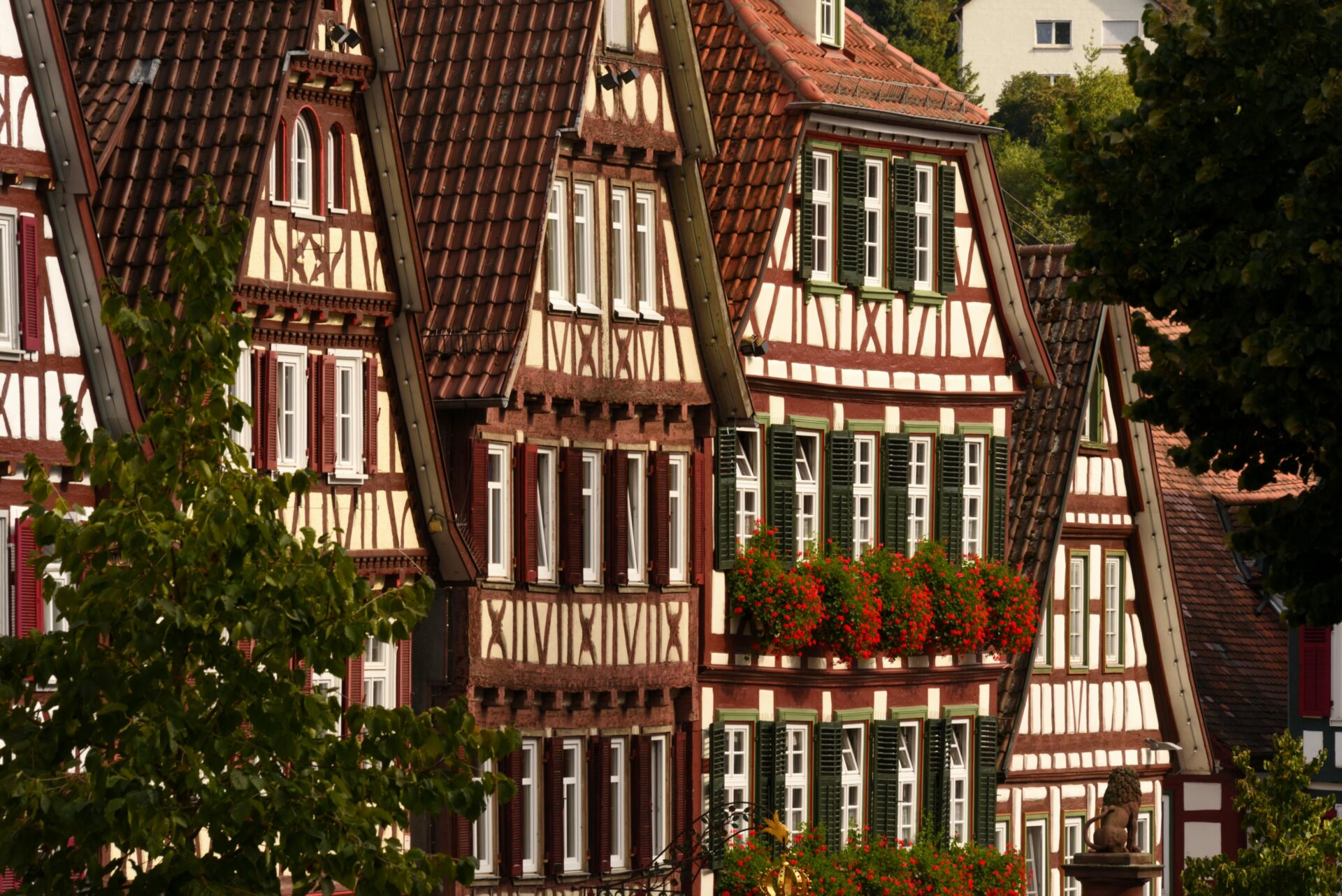
When I rolled into Calw and Gengenbach, those half-timbered houses immediately caught my eye. Exposed beams, colorful walls, and windows bursting with flowers—it’s all so photogenic.
These centuries-old buildings line cobbled streets, often watched over by clock towers or little squares.
Wandering these towns, I honestly felt like I’d stepped back in time.
It’s not just the houses that ooze history. Markets, fountains, and tucked-away courtyards seem unchanged for generations.
Locals here really care about their traditions. Bakeries crank out fresh pretzels, and coffee shops hide in buildings that have stood for hundreds of years.
A few highlights I loved:
- Calw: Birthplace of Hermann Hesse, with a lovely river and medieval bridges.
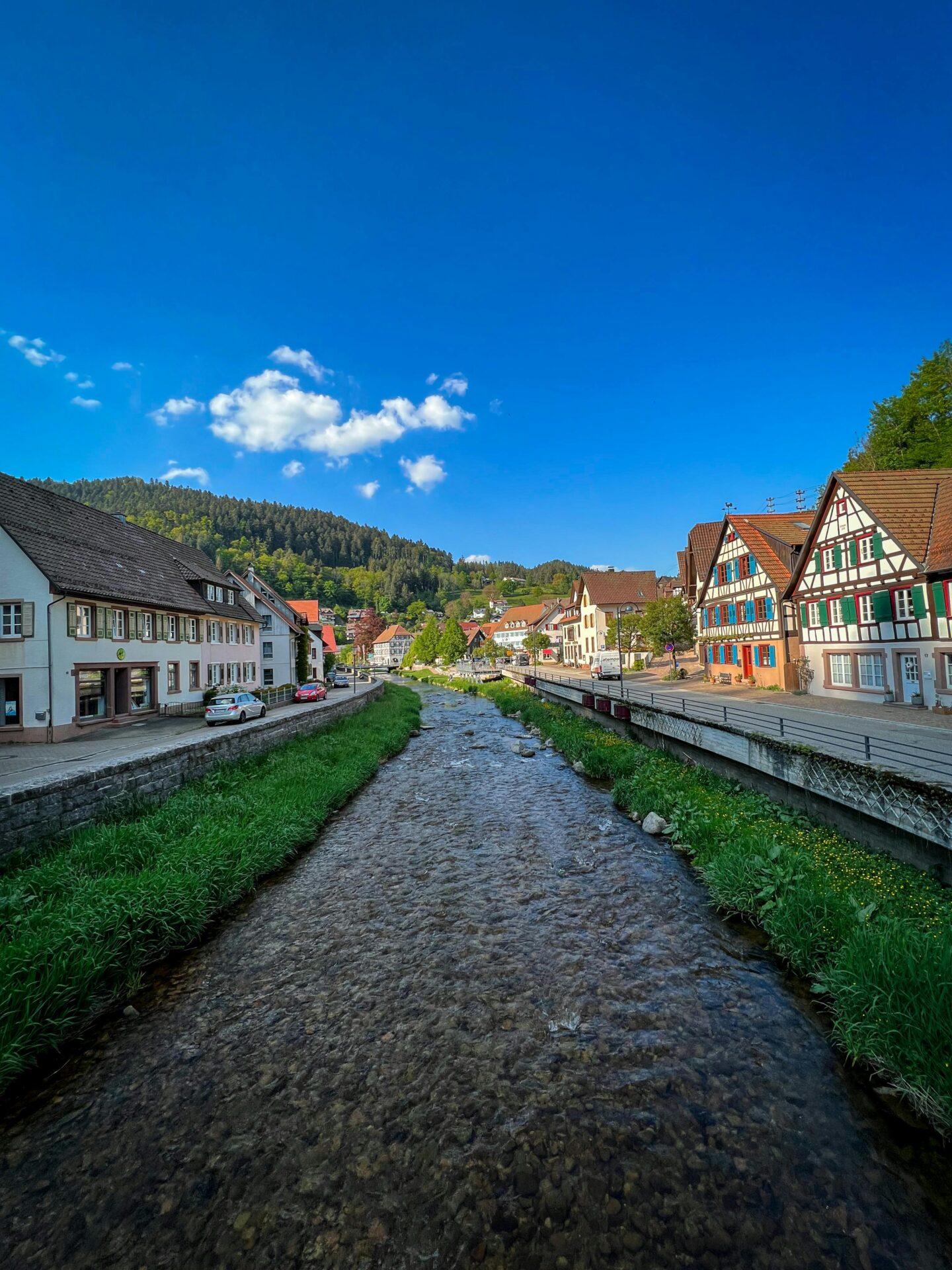
- Schiltach: Famous for timberwork and peaceful riverside views.
- Gengenbach: Festive squares and a town gate that looks straight out of a storybook.
These towns welcome visitors all year, but spring and the Christmas season make them feel especially magical.
The Role of Folklore and Legends
I grew up hearing whispers about the Black Forest and its mysterious stories, but nothing prepared me for experiencing them in person.
This region buzzes with myths and legends—enchanted woods, werewolves, and mischievous spirits.
Villages celebrate these tales with festivals, wood carvings, and local art. I spotted traditional “witch” masks in shop windows and heard stories about clever foxes and lost travelers.
Some towns even put up plaques or sculptures marking legendary spots.
People here don’t just tell these stories for tourists. They share them at family gatherings and during community festivals.
That rich folklore makes the Schwarzwald feel a little magical, especially when the mist creeps through the trees in the evening.
Natural Wonders: Waterfalls, Lakes, and Lush Greenery
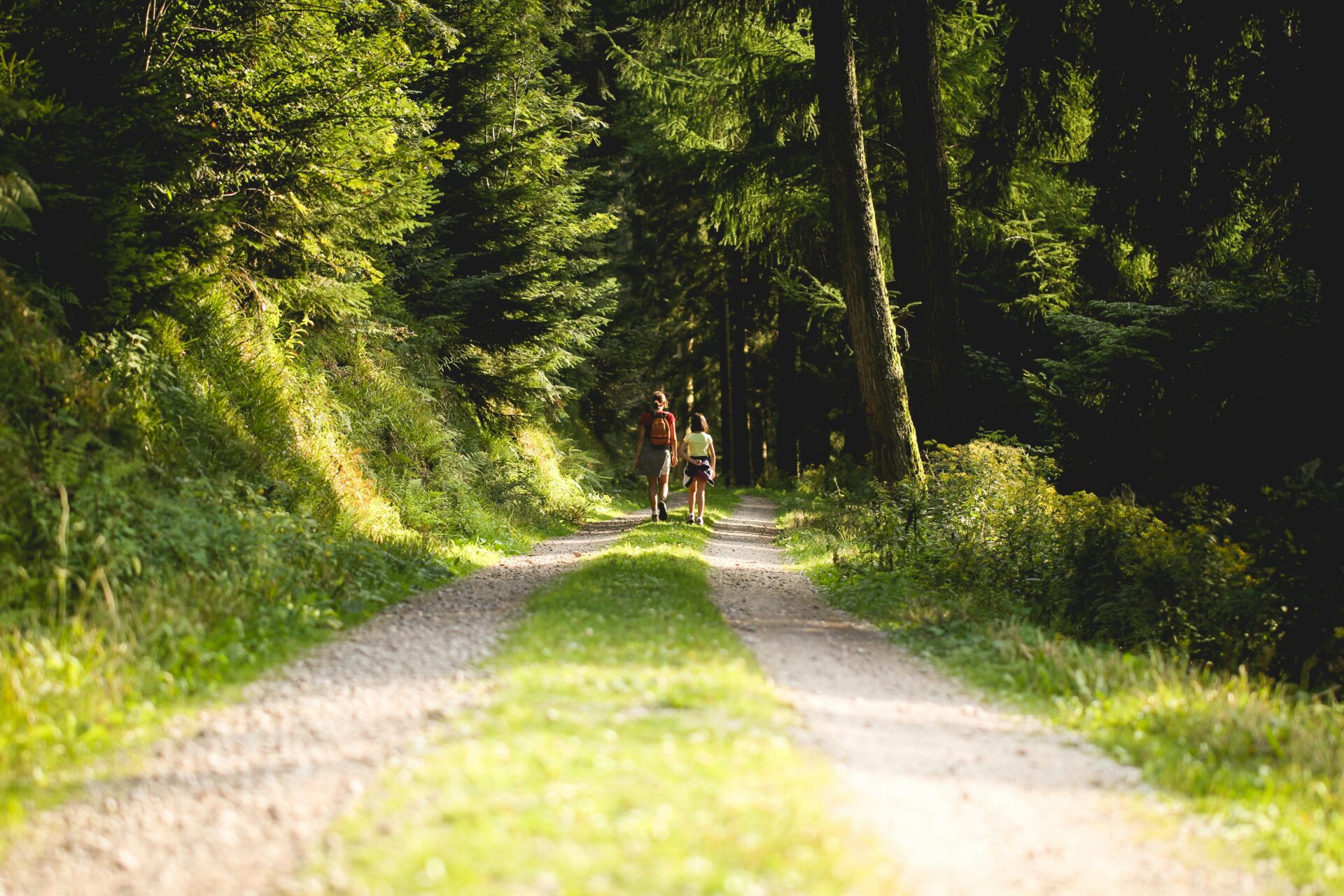
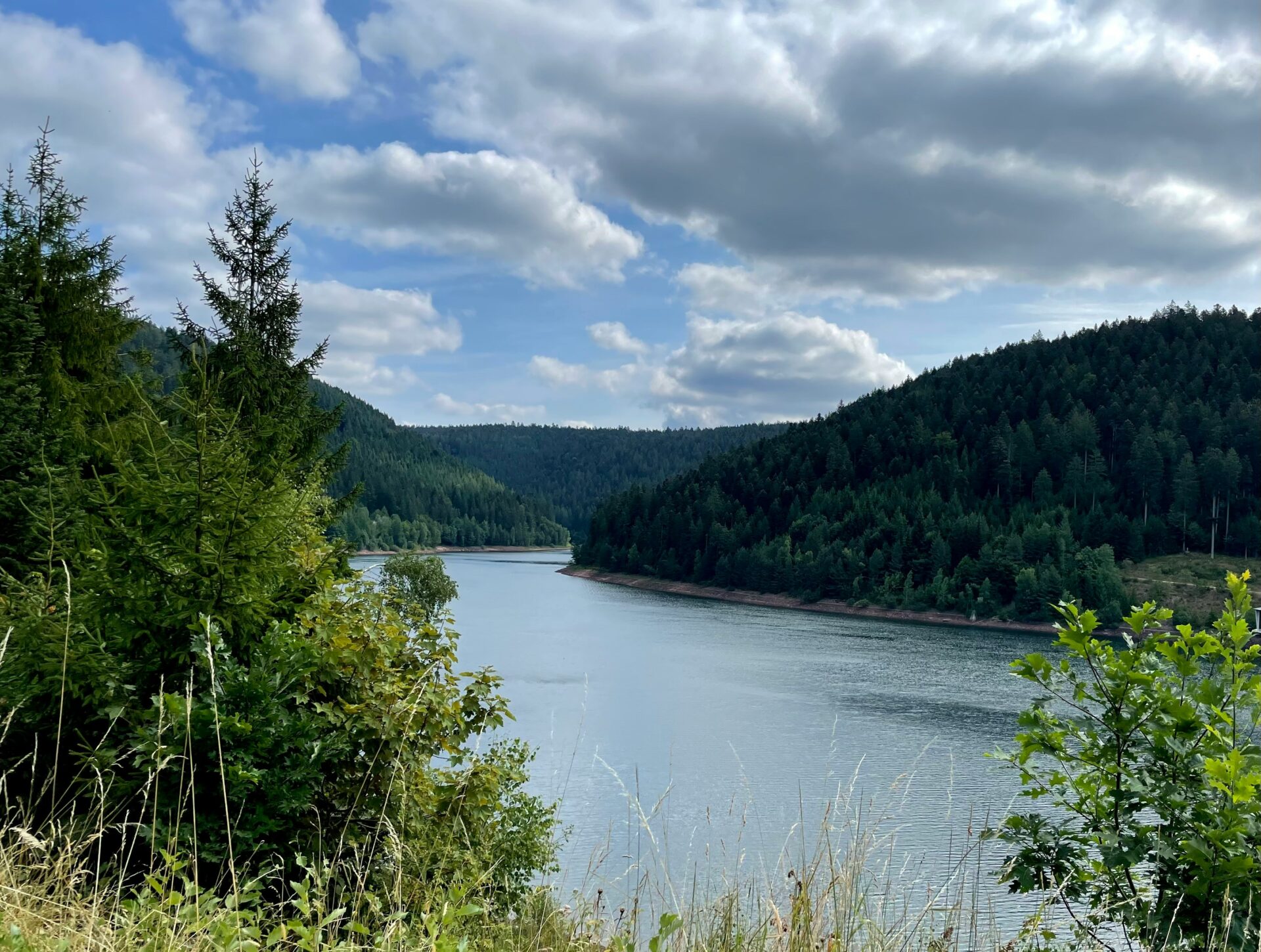
There’s nothing quite like hiking under the thick evergreen canopy here. The mix of pine and fir trees creates a dramatic, almost shadowy vibe that’s hard to find elsewhere.
I loved mornings in the forest, when sunlight sneaks through the branches and everything just glows.
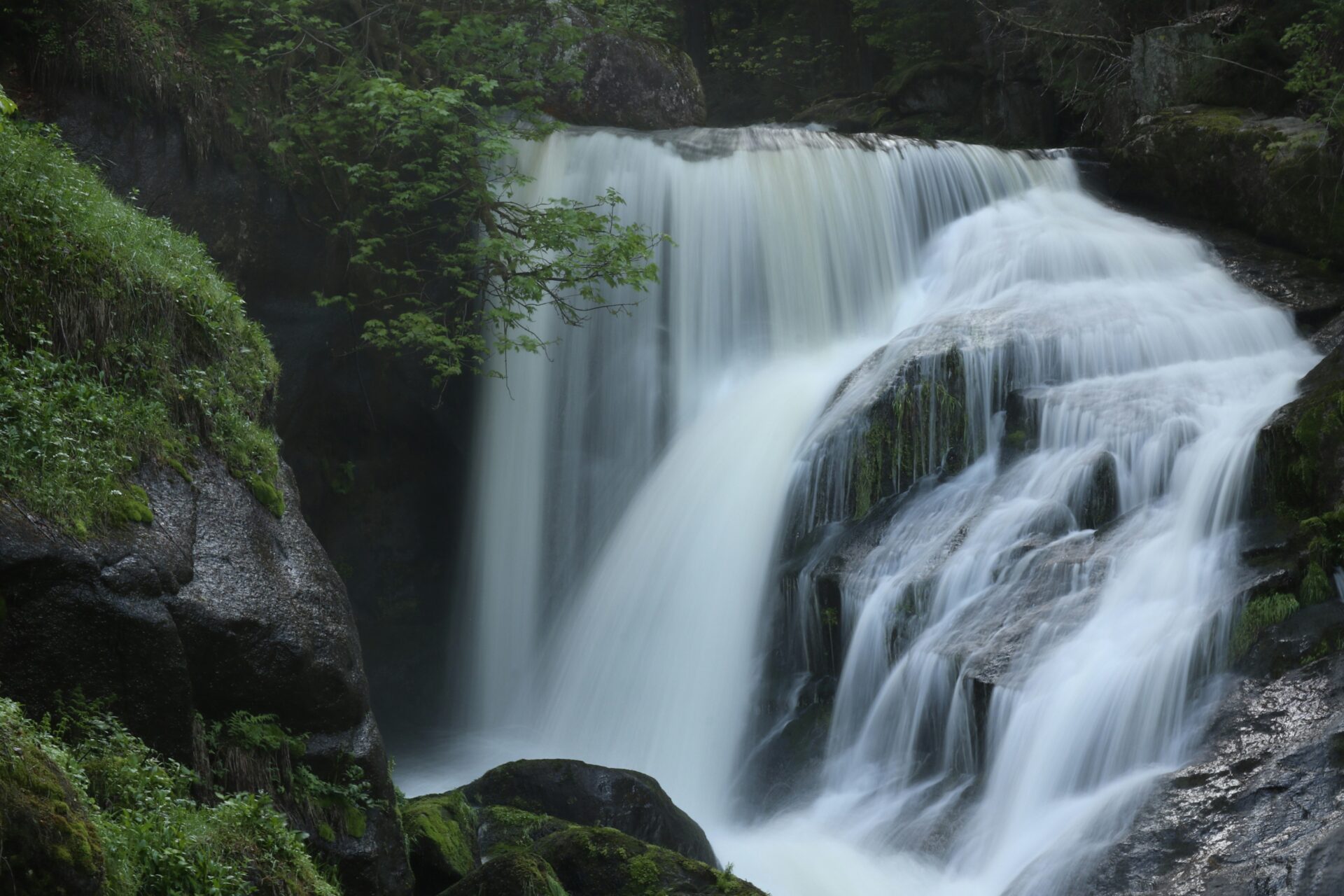
Triberg Waterfall stood out as one of my favorite natural spots. Water crashes down seven levels, surrounded by mossy rocks and thick forest.
I spent lazy afternoons by lakes like Titisee and Schluchsee, watching the sky and trees reflected in the water.
In summer, wildflowers pop up along the trails. Autumn brings gold leaves and that fresh, crisp air.
If you’re patient, you might spot deer or birds along the way.
Nature lovers will find the Black Forest a real treasure. Each outing left me with muddy boots, rosy cheeks, and way too many photos.
Schiltach: Storybook Lanes and Riverside Charm
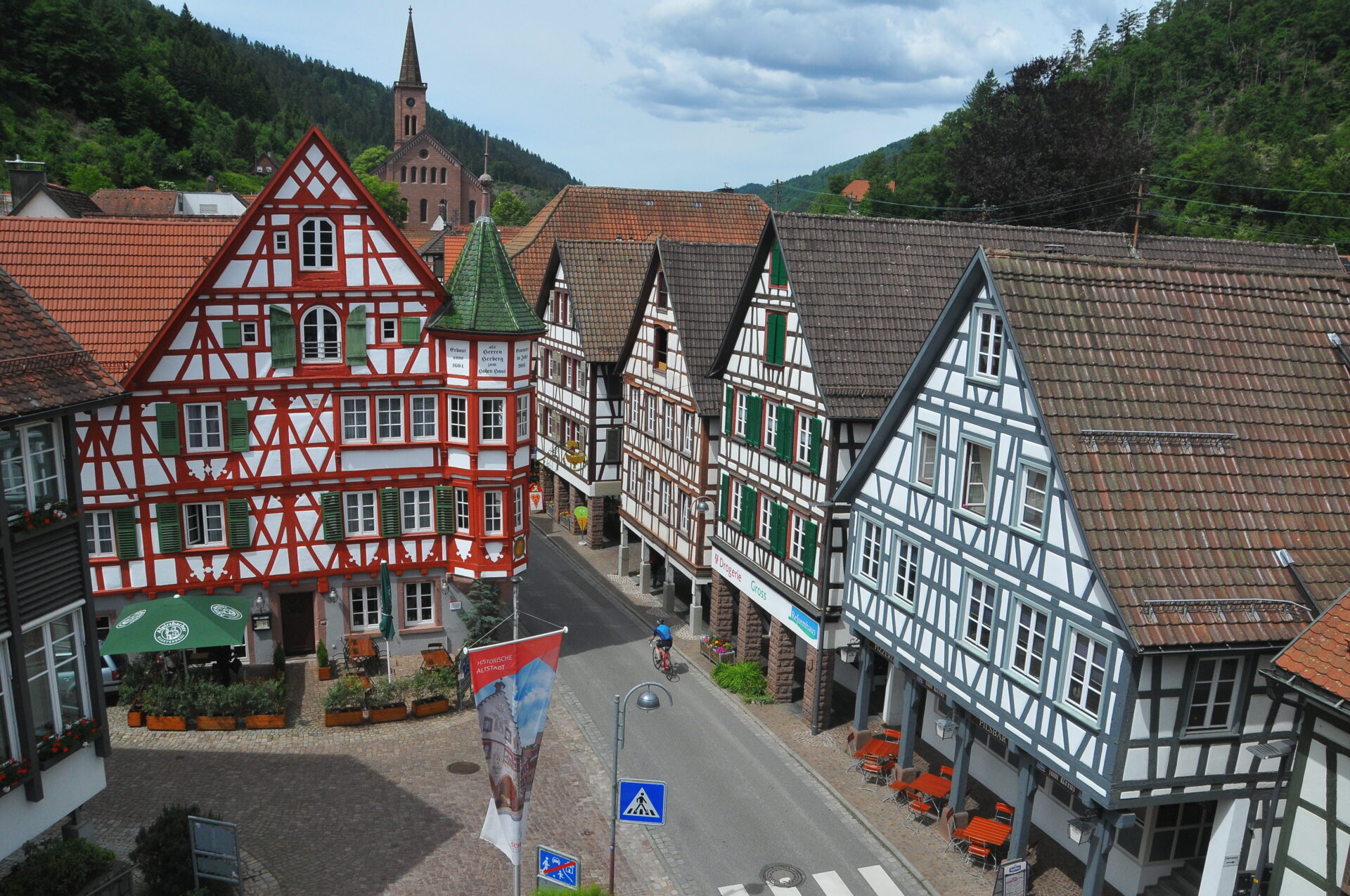
Schiltach whisked me into another era with its rows of colorful, half-timbered houses perched on steep hills by a gentle river.
The blend of preserved history, old-world craftsmanship, and peaceful scenery really won me over.
Wandering Through the Old Town
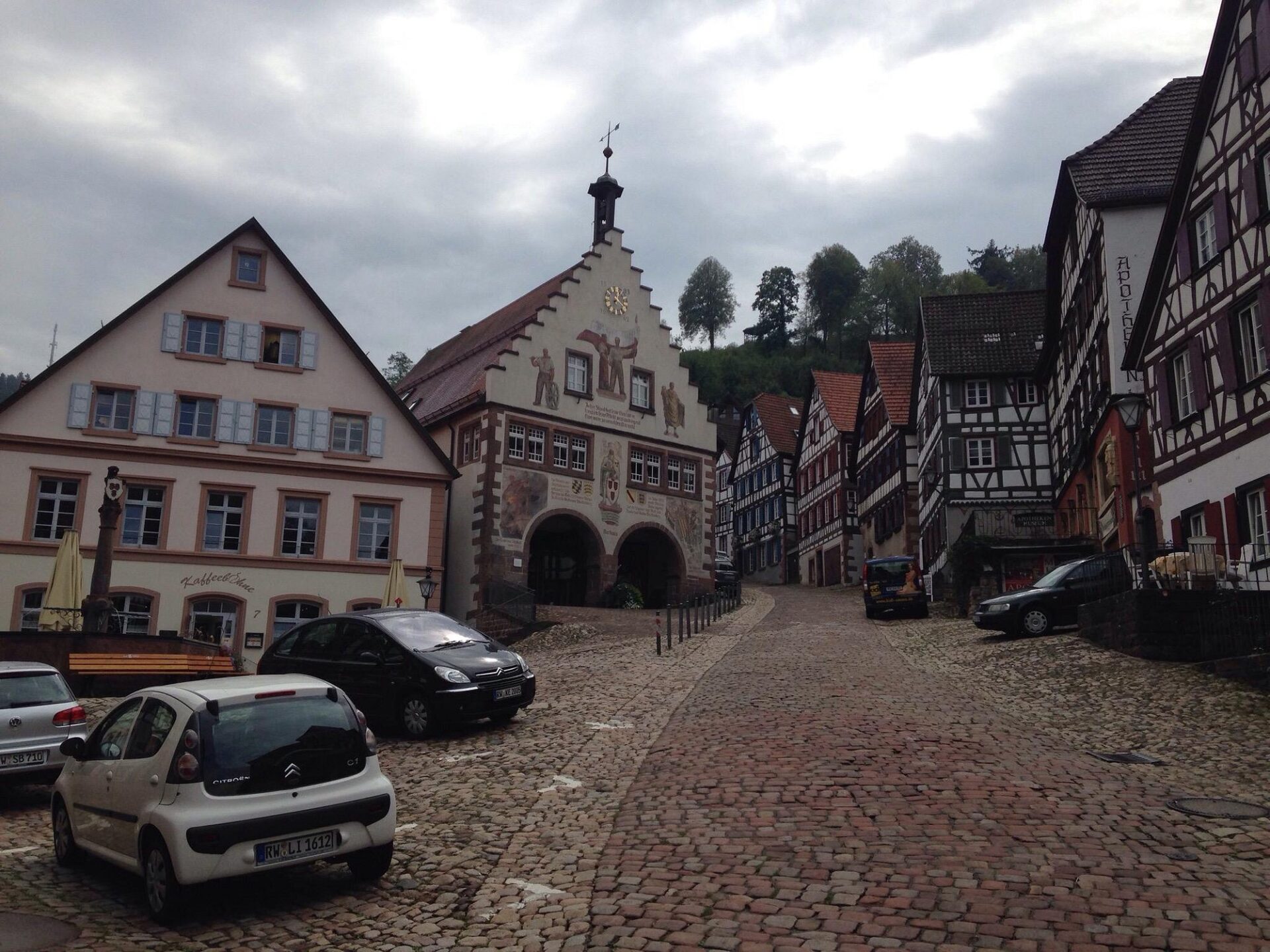
Just stepping into Schiltach’s old town square, I immediately understood why people call it one of the prettiest spots in the Black Forest.
Cobblestone streets twist through clusters of Fachwerk (half-timbered) buildings, painted in soft reds, creams, and browns.
Many of these homes date back to the 16th and 17th centuries. Locals have done an amazing job preserving them.
I loved wandering the quiet lanes, snapping photos under wooden beams that seem to lean in as if chatting with each other.
In spring, window boxes spill over with bright flowers, adding to the friendly vibe.
Bakeries and artisan shops spill onto the streets, so every corner feels worth exploring.
Highlights I’d recommend:
- The Market Square: Lined with classic Black Forest houses.
- Historic fountains: Perfect for photos.
- The old mill by the water: Reminds you of the village’s working past.
Traditional Crafts and the Timber Frame Museum
Schiltach stands out for its deep connection to traditional crafts. I visited small workshops where people still make wooden barrels, carved ornaments, and leather goods—the kind of work passed down for generations.
Watching these artisans in action made the village’s history feel real to me.
The Schüttesäge Museum (Timber Frame Museum) was a highlight. It sits in a restored old sawmill at the edge of town.
Inside, I learned how half-timbered buildings were built and discovered stories about timber rafting and tanning.
Hands-on displays made everything easy to understand, even for kids or curious adults.
Table: Crafts in Schiltach
| Craft Type | Where to See or Buy |
|---|---|
| Barrel Making | Local woodshops |
| Leather Tanning | Tanning Museum section |
| Wood Carving | Artisan shops around town |
Unforgettable Walks Along the Kinzig River
The Kinzig River winds quietly through the town center, offering peaceful views and easy walking paths.
I set out along the riverside trail, passing both historic buildings and grassy meadows.
It’s the best way to see Schiltach’s half-timbered facades reflected in the water.
Benches line the path, perfect for a quick rest or an impromptu picnic.
Families often cycle along the riverbanks too. I spotted several groups pedaling by, looking pretty content.
Some favorite riverside spots:
- Old wooden bridges: They connect different parts of town and make great photo ops.
- Shady trees and gardens: Ideal for a midday break.
- Mill buildings: Offer a glimpse into Schiltach’s industrious past.
Bring a camera or sketchbook if you can. The reflections and greenery are just too good to miss.
The gentle sounds of the river and birds made these walks some of my favorite moments in the Black Forest.
Gengenbach: A Fairytale Setting and Living Culture
Arriving in Gengenbach, I felt like I’d walked into a storybook. The half-timbered houses, cobblestone lanes, and gorgeous town square are almost too perfect.
The town buzzes with unique traditions, lively festivals, and cafés serving some of the best Black Forest cake I’ve ever tasted.
Famous Advent Calendar Town Square
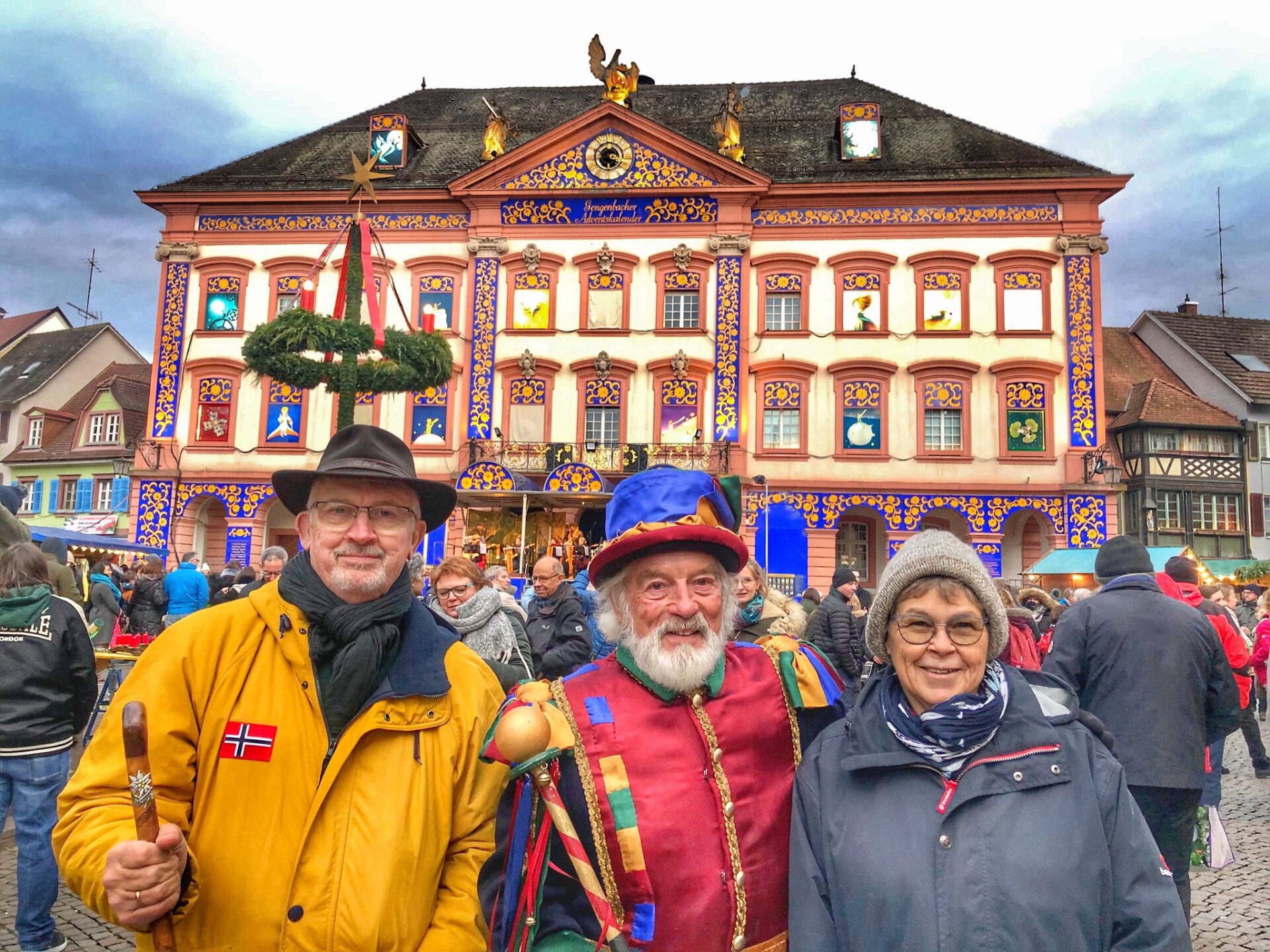
The heart of Gengenbach is the magical Marktplatz, or town square. Every winter, it transforms into the “world’s largest Advent calendar house.” The baroque town hall becomes the star, with 24 windows lighting up—each revealing a new piece of art every day in December.
This tradition draws crowds from everywhere and creates a pretty unforgettable holiday vibe.
Even outside Advent, the square bustles with local folklore and history.
The way the half-timbered houses frame the square always catches my eye. It’s a dream for photographers.
Strolling here, you can almost feel Gengenbach’s cultural heritage just from the sights and sounds.
Quick Facts:
- Location: Center of Gengenbach
- Highlight: Advent calendar at the town hall (Dec 1-24)
- Architecture: Classic half-timbered houses
- Best Photo Spot: Town hall facade during Advent
Cultural Festivals and Events
Gengenbach comes alive with events that celebrate its roots. I always try to visit during fastnacht (carnival), when locals wear colorful costumes and masks inspired by old folklore.
Music, parades, and laughter fill the streets, letting visitors join in the fun instead of just watching from the sidelines.
Summer markets here are another treat. Artisans sell handcrafts, and folk music drifts through the square.
I’ve joined lantern walks and outdoor concerts that give a real taste of the town’s creative energy.
Each festival in Gengenbach has deep local roots, connecting the past with the present.
Notable Events:
- Fastnacht Carnival (February/March)
- Outdoor summer concerts
- Handicraft and farmers’ markets
- Lantern processions in autumn
Delicious Black Forest Cake and Cafés
You can’t leave Gengenbach without trying Schwarzwälder Kirschtorte—the famous Black Forest cake. My first slice came from a tiny café near the square, and wow, it set a high bar.
Layers of chocolate, cream, cherries, and a splash of kirsch liqueur made it unforgettable.
Gengenbach’s cafés make perfect spots to relax after a day of exploring. Many have sunny patios, great for people-watching or just admiring the half-timbered views.
If you want a true local experience, look for a family-run bakery—some have baked Black Forest treats for decades.
My Café Tips:
- Try Konditorei Café Honig for their traditional recipe
- Ask if the cake is homemade and includes real kirsch
- Pair a slice with local coffee or tea
- Check out seasonal pastries, especially in winter and autumn
Eating Black Forest cake here, surrounded by all that fairytale charm, is something I always look forward to.

Baiersbronn: Culinary Delights in a Nature Lover’s Paradise
Baiersbronn totally surprised me. This small village blends world-class food, lush forests, and some of the best hiking I’ve found anywhere in Germany.
Michelin-Starred Cuisine and Local Specialties
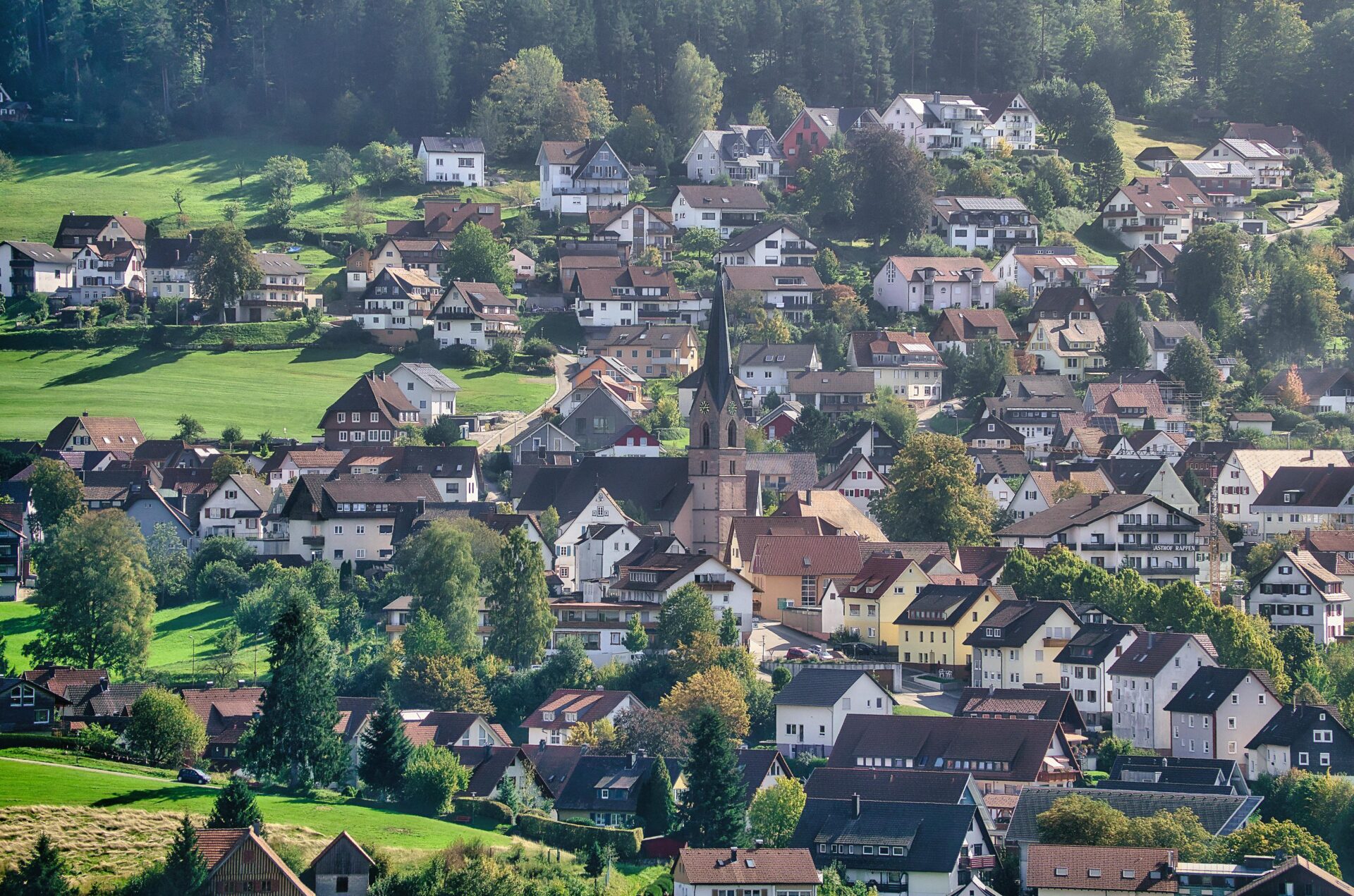
I almost didn’t believe it when I learned Baiersbronn has several Michelin-starred restaurants. For a town with fewer than 15,000 people, it’s become a real foodie hotspot.
Legendary chefs have put Baiersbronn on the map, so if you love gourmet food, you can’t skip it.
Eating here is a treat, not just for the fancy spots but also for the focus on local Black Forest flavors.
I remember savoring a slice of Black Forest cherry cake that tasted way better than anywhere else.
Menus often feature fresh trout, wild game, and herbs foraged from the woods, so every meal feels connected to the landscape.
If you’re not after fine dining, no worries. Cozy inns serve up traditional dishes, too.
There’s nothing like warm smoked ham and homemade bread after a long day of exploring. It’s the perfect way to wrap up an adventure.
Access to Black Forest National Park
Baiersbronn sits right next to the Black Forest National Park, so you get unbeatable access to one of Germany’s most beautiful protected areas.
I loved waking up, grabbing a quick breakfast, and walking straight into the forest from my guesthouse. The park covers about 25,000 acres, with deep woods, streams, and peaceful valleys everywhere you look.
Locals often pick wild berries or mushrooms in season, and I’d see families gathered in well-marked picnic spots. Educational trails help you learn about native plants and animals, even if it’s your first time here.
If you’re into bird-watching or photography, the tall spruce trees and foggy mornings create the perfect backdrop. There’s something about those quiet moments that makes nature feel extra special.
Getting into the park is a breeze, whether you arrive by car or hop on one of the regular shuttles from the village center. Baiersbronn really makes it easy to explore the heart of the Black Forest, especially if you like mixing comfort with a bit of adventure.
Hiking Trails and Outdoor Adventures
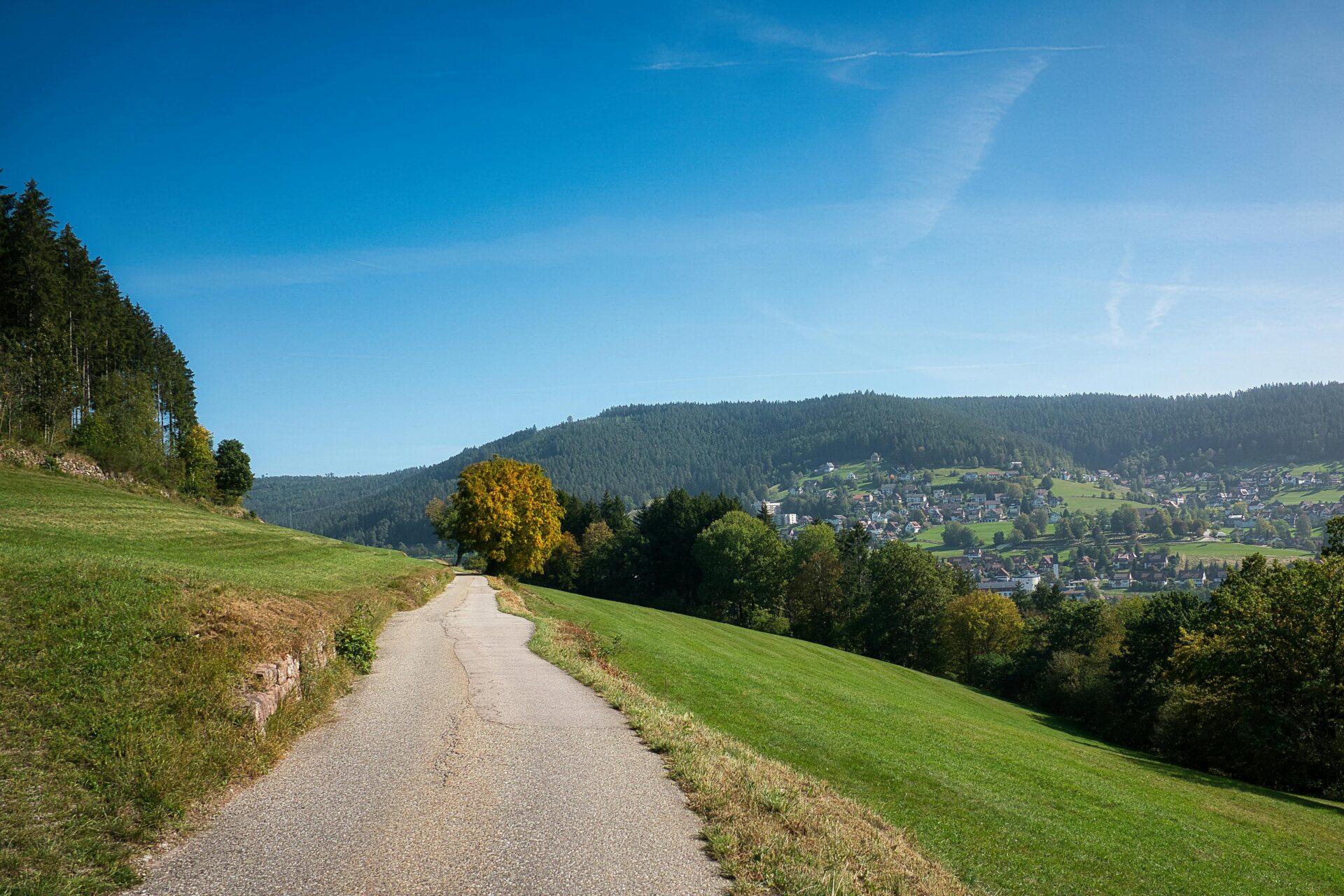
Hiking is where Baiersbronn really shines. With nearly 350 miles of marked trails, there’s something for everyone—long treks or just a quick stroll.
My favorite paths wind through thick spruce forests, where the ground feels soft and the air smells sweet from all the pine needles. Some routes lead to lookout points with views of green valleys, small lakes, and old mills.
Many trails work well for beginners, and I met plenty of people walking with kids or dogs. If you want more of a challenge, some trails climb into higher, rockier terrain with views back over the village and park.
You’ll pass traditional huts for snacks, benches at just the right spots, and signs that explain the local history. I never felt rushed here, and there was always something beautiful around the next bend.
It’s easy to see why Baiersbronn draws hikers and outdoor lovers from all over.
Calw: Hermann Hesse’s Birthplace and Hidden Gem
Tucked away in the heart of the Black Forest, Calw feels like you’ve stepped into a storybook.
Its mix of literary history and riverside views is just right for any curious traveler.
Literary Walks in the Old Town
I wandered the cobbled lanes of Calw’s old town, where every half-timbered house seemed to have its own story.
Calw is best known as the birthplace of Nobel Prize-winning author Hermann Hesse. His childhood home still stands on the market square, marked for visitors.
Book lovers can follow the Hermann Hesse Trail through the old town, stopping at special sites from his life. Along the way, signs share passages from Hesse’s writings and connect real places to his novels.
It’s easy to picture Hesse strolling these same lanes, gathering inspiration from local folklore and daily life. My favorite stops included the historic town hall and small specialty shops selling hand-made goods—many with a nod to the region’s Swabian roots.
The atmosphere here made me feel like I’d stepped outside of time, surrounded by stories old and new.

Exploring Historic Bridges and Riverside Strolls
Calw’s setting along the winding Nagold River is honestly one of its best features. Riverside paths took me past flower-decked bridges and quiet waters—perfect for a relaxing stroll or an easy hike.
Historic bridges like the Nikolaus Bridge give you great spots for photos, especially with the old town as a backdrop. I found benches set beneath chestnut trees, ideal for a break or a bit of people-watching.
Local ducks seemed just as happy as the travelers. The mix of nature and architecture made it clear why Calw is considered by many a hidden gem among Black Forest villages.
Just a short walk from the main square, the riverside felt peaceful even when the town was busy. These slow moments by the water helped me understand why Calw’s charm has inspired generations—both travelers and celebrated writers.
Quick List:
- Walk the Hermann Hesse Trail for literary landmarks
- Visit Nikolaus Bridge for the best photo spots
- Enjoy riverside paths under the trees
- Pause for folklore stories found on historic plaques
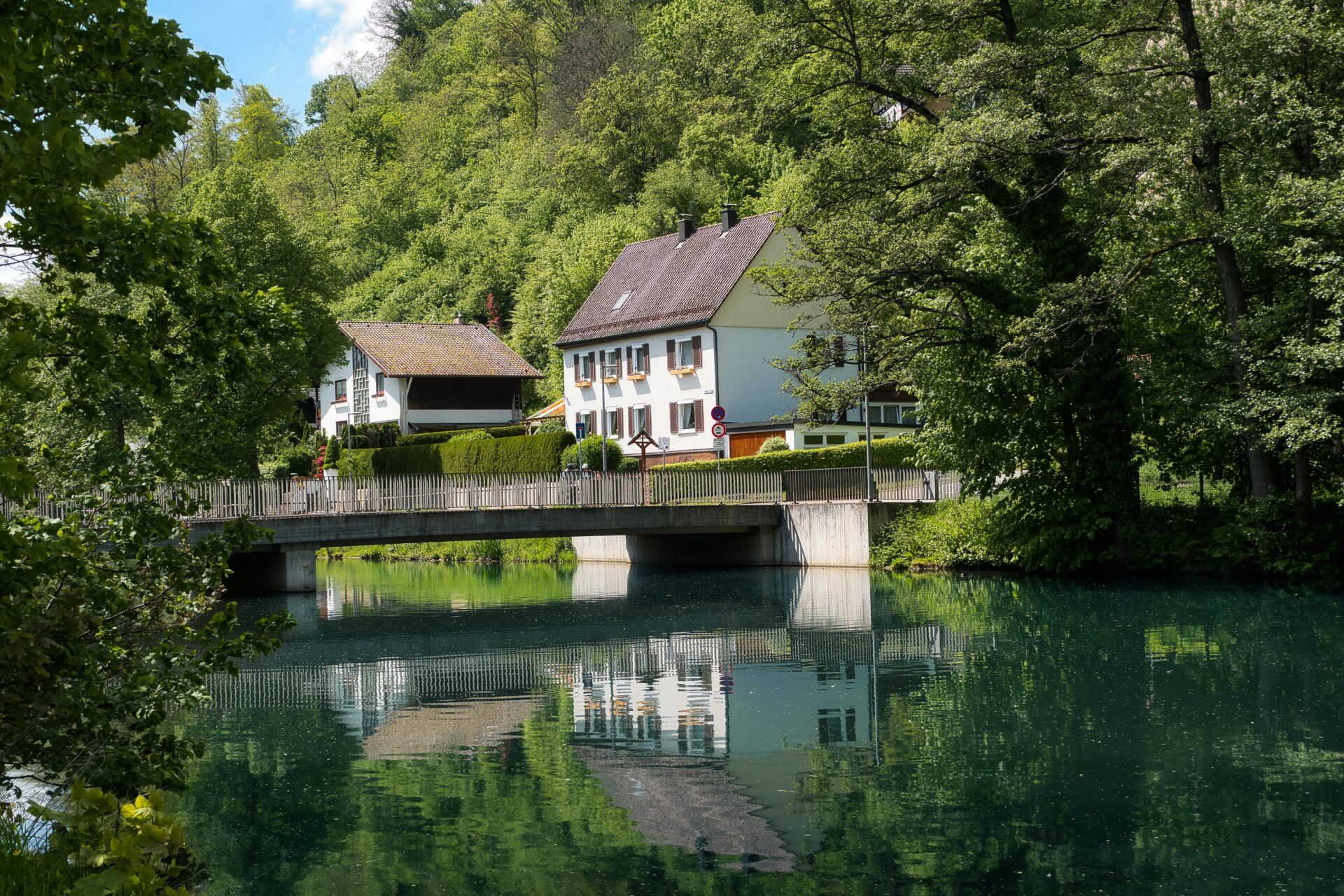
Badenweiler: Relaxation and Wellness Among Vineyards
Badenweiler sits at the edge of the southern Black Forest, surrounded by green hills and endless vineyards.
This spa town caught my attention with its unique blend of ancient history and a focus on well-being.
Roman Baths and Thermal Spas
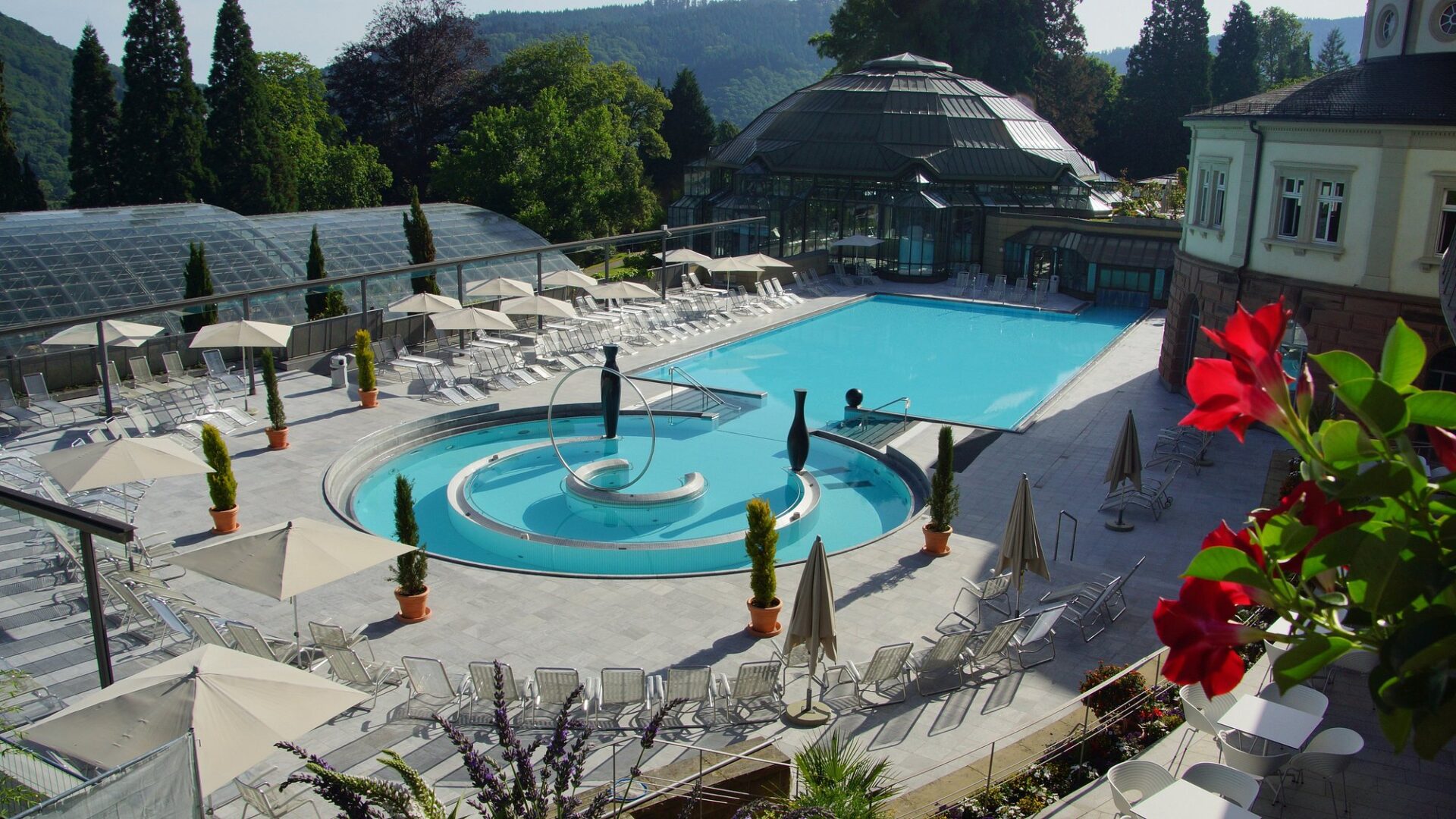
The main draw for most visitors, myself included, is the famous thermal water. Badenweiler’s Cassiopeia Thermal Spa has pools fed by natural springs that have flowed since Roman times.
The water is rich in minerals, and locals say it helps you relax and can ease tired muscles after a day of hiking. When I stepped into the spa, I was surprised by its modern design mixed with remnants of ancient baths.
You can actually visit the ruins of the Roman bathhouse, protected under glass, and see how people enjoyed thermal therapy 2,000 years ago. For anyone interested in history, there are boards with simple explanations and plenty of places to sit and soak.
Facilities include multiple indoor and outdoor pools, plus different types of saunas and relaxation areas. It felt calm and never overcrowded, even during busy hours.
A few tips: bring your own towel, and check the open hours for the Roman ruins—they sometimes close earlier than the main spa.
Castle Ruins With Panoramic Views
Badenweiler Castle’s ruins perch on a hill just a short walk from the center of the village. Locals built it back in the 12th century, and now you’ll mostly find stone walls and towers—still, it’s surprisingly well-kept and feels safe to wander.
I took the narrow stairs all the way up. At the top, I just stood there for a while, soaking in a wild, sweeping view over the Markgräfler Land and the patchwork of vineyards.
Info signs dot the site and break down the castle’s history, especially its role as a lookout over the Black Forest. If you want the best photos, go early in the morning or at sunset—the crowds thin out, and the light is just incredible.
Benches scattered around the ruins invite you to sit and just stare out at the landscape. On a clear day, you can see all the way to the Vosges, which feels a bit surreal.
Heading back down, I spotted little paths winding into the vineyards. I couldn’t resist wandering among the grapevines, and sometimes I’d end up in a village café with a glass of local wine.
Badenweiler has this peaceful vibe—somehow balancing wellness, history, and natural beauty without feeling too busy or touristy.
