
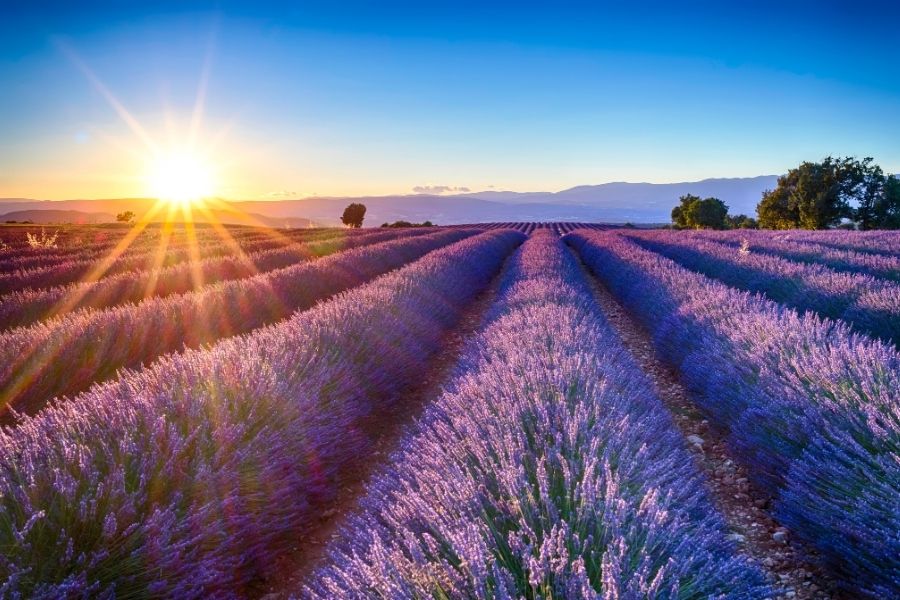
I’ll never forget the endless purple rows under that warm Provençal sun. If you want to catch the lavender fields at their most vibrant, plan for mid-June to early July. That’s when the blooms explode, but so do the crowds—especially in July. With a bit of planning, though, you can find a peaceful slice of lavender heaven.
Every field kind of feels like its own world. But honestly, tracking down the most beautiful spots isn’t always obvious unless you know where to look. Maybe you want that perfect photo, a quiet stroll, or just to breathe in the scent. I’ve picked up a few tricks—like how to avoid getting swarmed by bees. Here are my top tips for when to go, where to wander, and how to make your lavender adventure easy and fun.
Best Time to Visit Provence’s Lavender Fields
Timing really shapes your lavender field experience. Bloom patterns, weather, and crowds all play a part.
Peak Bloom Periods
The most jaw-dropping lavender in Provence usually bursts into color from mid-June to mid-July. I’ve seen the Valensole plateau start blooming in mid-June, and the flowers last about a month. Early July? That’s when the fields hit their brightest, and the sun just makes the colors pop.
Up near Sault, the lavender blooms a little later—sometimes into August. So if you miss Valensole’s season, you still get another shot at spectacular views elsewhere. Harvest kicks off in late July, so showing up before then is your best bet.
Here’s a quick overview:
| Area | Typical Bloom Start | Peak Period | End/Harvest |
|---|---|---|---|
| Valensole | Mid-June | Early–Mid July | End of July |
| Sault | Early July | Mid–Late July | Early August |
I always check local bloom updates before booking, since weather can nudge these dates around.
Weather Considerations
June and July in Provence mean long, sunny days. Temperatures usually land between 25°C and 30°C (77°F–86°F). I found it warm, but not too hot if I visited the fields in the morning. Sunshine makes the purple even more vivid, so I’d watch the forecast for clear days.
Sometimes you’ll get a rain shower, especially in June. A little rain doesn’t ruin the view, but storms can flatten some blooms. I always pack a hat, sunscreen, lots of water, and a light jacket just in case.
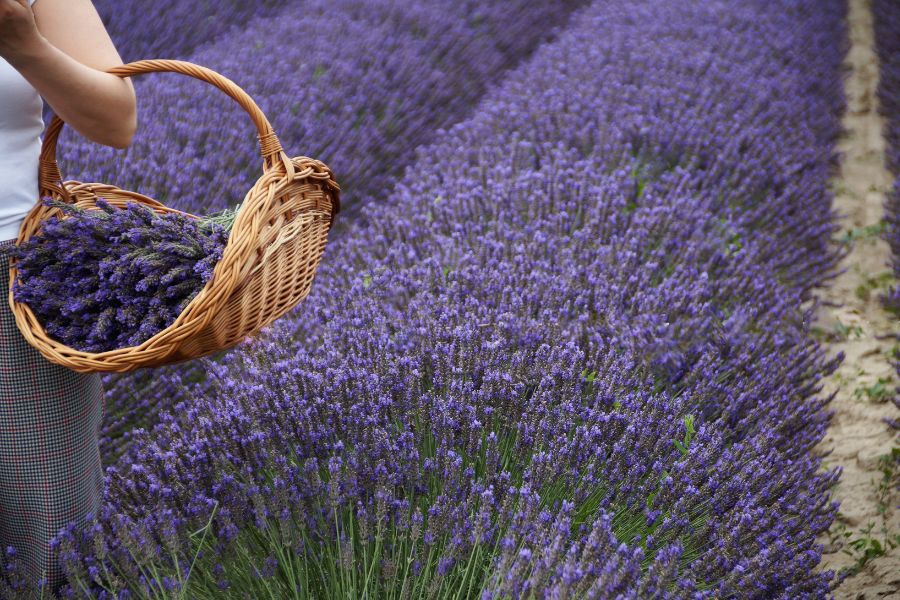
Early mornings offer cool air and that soft, golden light—perfect for photos and a peaceful stroll. Evenings can get breezy, so I never regret bringing a light layer.
Avoiding the Crowds
Provence’s lavender fields attract big crowds in peak season. I noticed weekends and afternoons get the busiest, with bus tours and locals all after that postcard shot.
I beat the crowds by setting my alarm and arriving just after sunrise. Mornings are quieter, with only a handful of travelers and locals. Weekdays, especially Tuesday to Thursday, feel calmer than Fridays or weekends.
If you can, go during the first or last week of the bloom. The fields still look magical, but you’ll share them with far fewer people. Exploring lesser-known spots around Sault also made a difference for me—same beauty, way less hustle.
Where to Find the Most Beautiful Lavender Fields in Provence
Finding Provence’s best lavender fields really comes down to knowing where the color explodes and which backroads hide those secret views. From iconic plateaus to tiny villages wrapped in purple, every spot has its own magic.
Iconic Locations and Scenic Routes
I always start with the legendary Valensole Plateau. Just north of Aix-en-Provence, you’ll see endless rows of lavender stretching to the horizon. The light here is unreal at sunrise or sunset, washing everything in soft purples and golds. Some of my best photos came from the D6 road between Valensole and Puimoisson, where old stone houses peek out from the lavender waves.
The Luberon Plateau has its own vibe. Driving near Sault during peak season means fields bursting with color and, thankfully, fewer crowds. I like to park along the Chemin des Lavandes for a quiet walk among the blossoms. If you love a good drive, weaving between the Verdon and Luberon plateaus guarantees you’ll catch the region’s most famous blooms.
Hidden Gems Off the Beaten Path
Some of Provence’s most stunning lavender hides near villages like Riez, Venterol, and Gréoux-les-Bains. Hardly anyone visits these spots, so I rarely have to wait for a photo or a moment to myself. The fields near Venterol really stand out, with ancient olive trees and old stone walls—perfect if you want a peaceful spot to soak it all in.

I’m also a fan of the backroad between Riez and Puimoisson. Every curve reveals a new burst of purple, and in June and July, the air smells sweet with lavender. If you crave a sense of discovery, these quieter roads reward you with genuine moments far from the crowds.
Exploring Local Villages Near the Fields
Provence’s small villages become extra magical during lavender season. Sault is a highlight, with fields, cafes, and markets selling lavender honey or local soap. I always grab a coffee in town and take in the lively scene before heading back to the fields.
In Valensole village, I find farm shops selling essential oils and dried bouquets—easy souvenirs to bring home. Wandering the lanes in places like Gréoux-les-Bains, I’ve met growers happy to share their lavender stories. These local encounters turn a scenic drive into a trip I’ll remember for years.
Tips for Experiencing Lavender Fields Like a Local
Timing makes all the difference when you’re exploring Provence’s lavender fields. Getting great memories means more than just snapping a quick photo.
Choosing the Perfect Time of Day
Early mornings or late afternoons work best for visiting lavender fields. The air feels cooler, and the light is way softer than at midday. Locals wander out at sunrise, when the fields are quiet and bees are barely awake. The scent hits hardest in the morning, making the whole thing even more memorable.
Late afternoon has its own magic. The golden light paints everything in warm hues, and the shadows stretch across the rows. I’ve often had the fields nearly to myself at these times, which feels pretty special. Plus, the bees calm down by then, so it’s easier to wander the blooms without worrying.
Here’s a quick guide:
| Time of Day | Pros | Cons |
|---|---|---|
| Early Morning | Fewer crowds, cool air, best scent | Fields may be damp |
| Late Afternoon | Beautiful light, fewer bees | Can get warm |
| Midday | Bright colors | Hot, more visitors |
Photography and Keeping Memories
Capturing Provence’s lavender fields is fun—sometimes tricky, but worth it. I get my best photos when the sun is low, right after sunrise or just before sunset. Golden hour light deepens the purples and adds a dreamy glow.
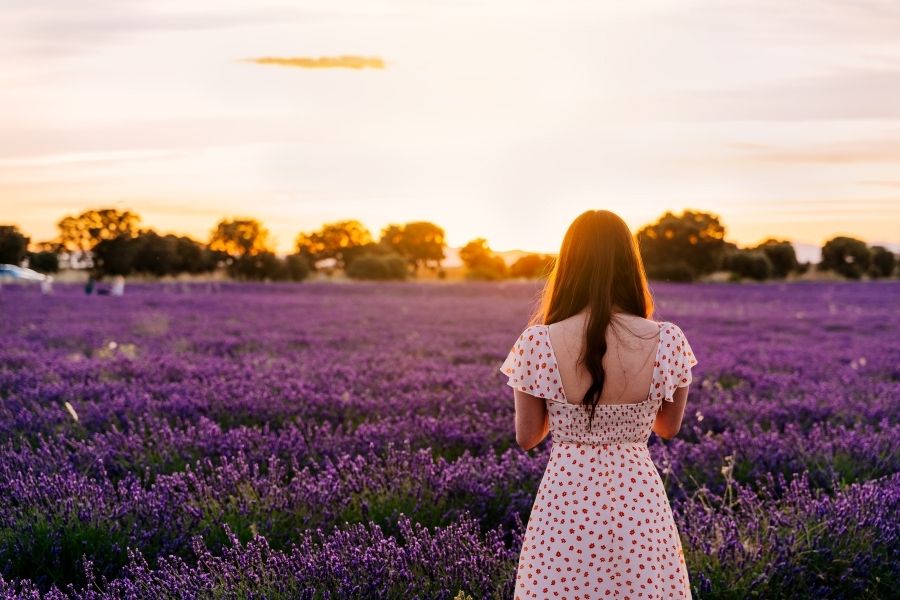
A tip I picked up: get low and shoot along the rows. It makes the fields look endless and dramatic. I wear light, simple clothes so I pop against the purple. If I don’t want bees buzzing around while I’m focused on my camera, I stay still and skip strong perfumes.
I like to jot down quick notes in a travel journal after each visit. Writing about how the fields looked or smelled helps me remember the details way better than just photos. Printing a few favorite shots or making a photo book lets me relive the trip later.
How to Avoid Bees and Enjoy a Safe Visit
Strolling through blooming lavender is one of Provence’s best experiences, but yeah—bees love it too. Once you know what attracts them and how to stay safe, you can just enjoy the view (and the scent) without stressing.
Understanding Lavender’s Appeal to Bees
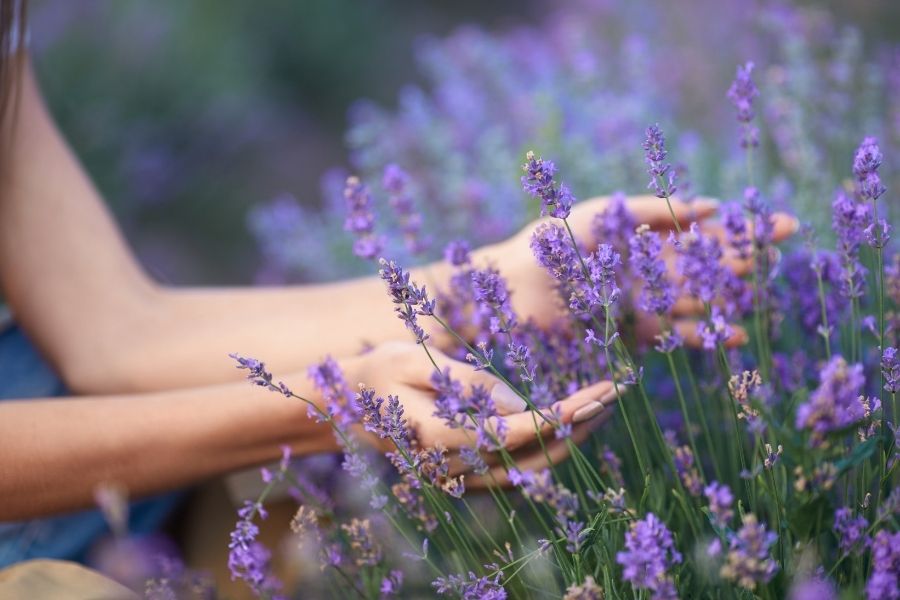
Lavender is basically bee paradise. The flowers pump out sweet nectar, and honeybees and bumblebees flock to it. I’ve walked past rows buzzing with activity, especially on warm mornings when the scent is strongest.
Bees focus on the blossoms, not people. If I move slowly and don’t wave my arms around, they ignore me. I stick to plain-colored clothes since bright prints can make bees think I’m a flower. Bees get busiest late morning and early afternoon, so I try to show up early or later in the day. Cooler times mean fewer bees and a calmer vibe.
Essential Safety Advice for Visitors
Staying safe is pretty straightforward. I skip perfumes, scented lotions, or strong-smelling sunscreen—those just attract more bees. I also stick to the main paths instead of wading right into the thick lavender.
If a bee gets close, I keep calm and don’t swat. Quick movements can make them nervous. I bring easy snacks but leave anything sugary for later, since sweet food draws bees too. If you’re allergic to stings, carrying an epinephrine auto-injector and letting someone know where it is feels smart. Local pharmacies in Provence usually have basic bee sting treatments, so I toss a small first aid kit in my bag, just in case.
Making the Most of Your Provence Lavender Adventure
No trip to Provence’s lavender fields feels quite right without diving into local experiences. Some of my favorite memories come from sampling local products and joining community festivals that celebrate the season.
Local Lavender Products and Souvenirs
Lavender isn’t just for photos. Shops and markets in Valensole and Sault overflow with lavender-scented goodies. I love stopping at stalls for essential oils, handmade soaps, and treats like lavender honey or biscuits. The smell brings me right back to the fields.
You’ll find dried lavender sachets everywhere—great for freshening up drawers. I once tried lavender syrup over ice cream. Sounds odd, but it’s amazing. I also look for small-batch cosmetics, like lotions or bath salts.
When I buy, I chat with the local producers. They know exactly when they harvested the lavender and can explain how they make their products. It’s easy to spot the genuine, region-grown stuff when you buy directly from the farmers and artisans.
Seasonal Events and Lavender Festivals
When I plan a trip during lavender season, I always hope to catch some of the local festivals in the villages. Early July is really when things get lively, especially in spots like Valensole, Sault, and Apt.
The streets buzz with parades, open-air music, and craft markets. It’s honestly hard not to get swept up in the energy.
One year, I joined a lavender harvest festival, and locals showed off traditional distillation methods. The scent hung heavy in the air. Everyone—kids, parents, even grandparents—jumped right in.

Sometimes, I’ve seen farmers cut and bundle the lavender by hand, then haul it off to these tiny, steaming distilleries. It’s a bit old-school, but there’s something special about it.
Key Festival Highlights:
| Festival | Village | When | What to Expect |
|---|---|---|---|
| Fête de la Lavande | Valensole | Early July | Craft fairs, local food, harvest tours |
| Fête de la Lavande | Sault | August 15 | Parades, distilling demos, workshops |
Food stalls pop up everywhere, and I usually grab some lavender ice cream or a spoonful of honey straight from the hive. These festivals just pull you in and make you feel like you’re part of Provence’s lavender story.
