
Wandering through Old Sacramento Waterfront really does feel like time travel straight into California’s Gold Rush heyday. The wooden sidewalks creak and groan underfoot while you pass 19th-century buildings that once buzzed with saloons, gambling halls, and hotels during the wild 1850s boom.
This 28-acre historic district preserves that Gold Rush vibe with cobblestone streets, steam trains, and riverboat stories that somehow still make the Wild West feel alive.
Old Sacramento isn’t just some tourist trap—it’s history you can walk through, where miners, merchants, and pioneers all left a mark. The district hugs the Sacramento River, where paddle wheel steamers carried fortune-seekers and supplies back when gold fever ruled.
Each building seems to whisper stories about the city’s rough early years—floods, fires, and dreams of striking it rich.
You can duck into underground tours and see how the city literally lifted itself above floodwaters. Or hop on a historic train, or browse old-time saloons that have seen more than their share of stories.
The waterfront blends history with modern fun. You’ll find railroad museums, riverboat cruises, and restaurants tucked inside buildings that have stood since the 1800s.
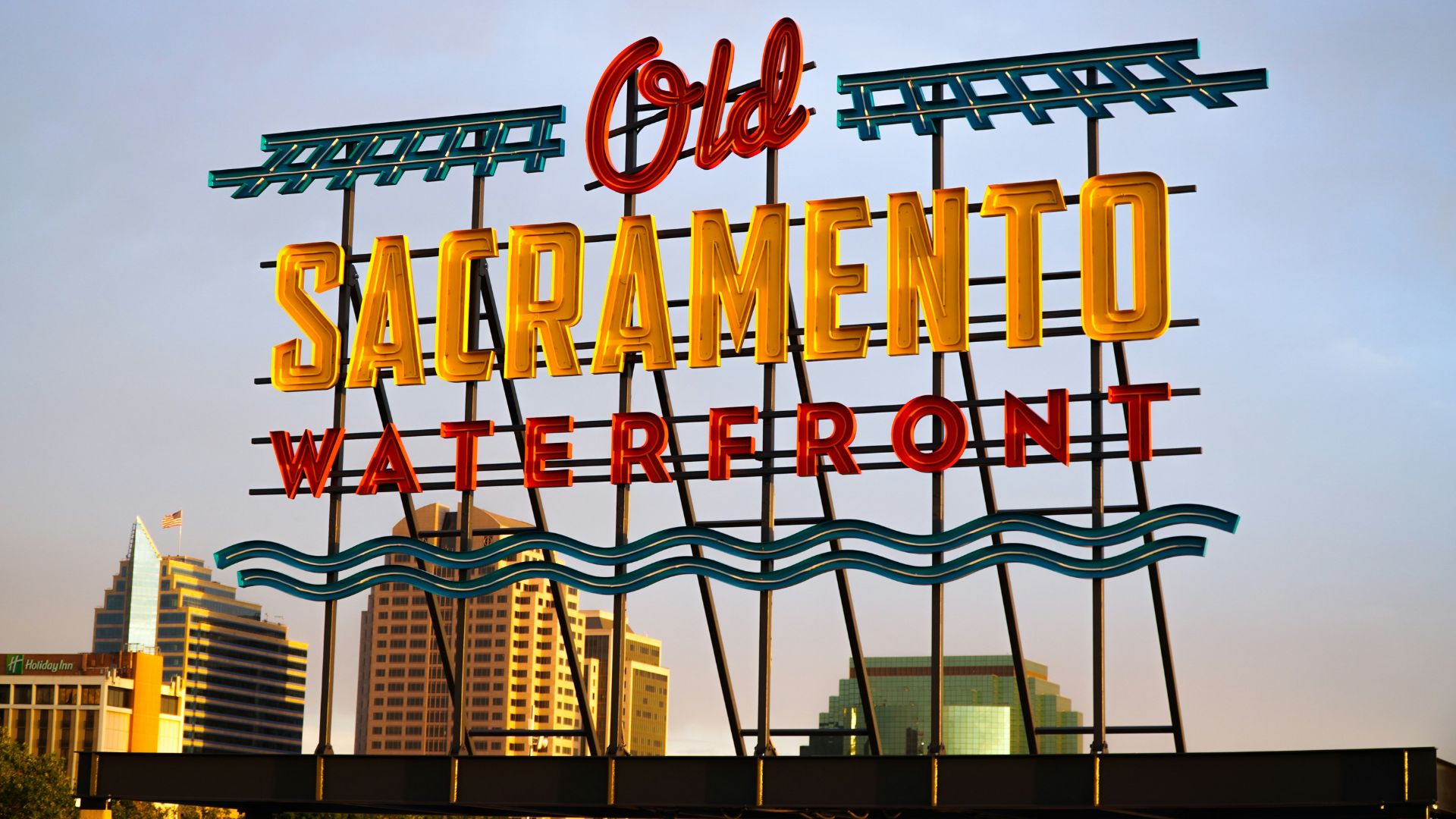
Revisiting the Gold Rush Era at Old Sacramento Waterfront
The Old Sacramento Waterfront is basically a living postcard from California’s most dramatic era. The gold discovery in 1848 flipped a quiet river town into a booming commercial hub overnight.
This 28-acre historic district still has over 50 buildings from the mid-1800s. It’s wild to walk the same streets that miners and riverboat crews once did.
Origins and Historical Significance
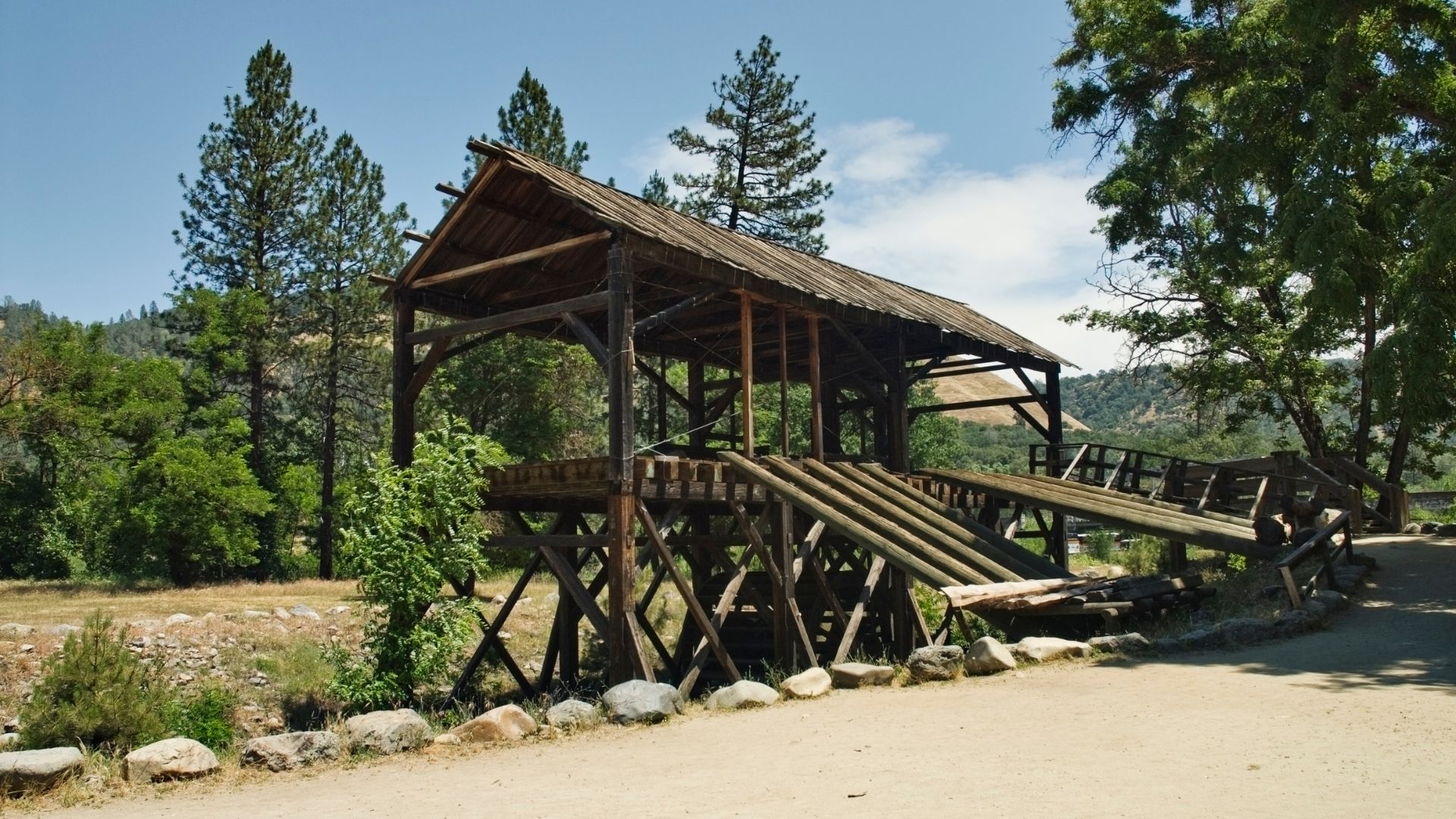
The Gold Rush kicked off in 1848 when someone found gold at Sutter’s Mill. Honestly, it’s hard not to be fascinated by how Sacramento exploded from a sleepy spot to a vital city almost instantly.
Old Sacramento’s spot on the river made it a transportation magnet. Steamboats and paddle-wheelers hauled miners and gear to the gold fields. The river turned into the main highway for people and precious metals.
Key Gold Rush developments:
- Wells Fargo got its start here as a freight and banking company.
- The Pony Express ended its run in Old Sacramento.
- The first transcontinental railroad’s western endpoint landed right here.
People called it the “City of Saloons” back then. Miners and workers filled the bars after long, dusty days.
Transformation into a Historic District
Flooding from the Sacramento River threatened the city constantly during the Gold Rush. City leaders decided to raise the streets by several feet—a gutsy move that saved the town and the old buildings we still see.
Historic preservation milestones:
- The Big Four Building became California’s first historic landmark.
- The Old Sacramento Schoolhouse from 1854 is the oldest surviving school building in the state.
- The district earned National Historic Landmark status.
Wooden sidewalks, vintage storefronts, and cobblestone streets keep that 1800s energy alive.
Notable Events and the Evolution of Old Sacramento
Old Sacramento throws itself into Gold Rush Days each Labor Day weekend. There are reenactments, costumes, and old-school demos that bring the past to life.
The California State Railroad Museum is a must if you like trains. It’s one of the world’s largest railroad museums and really shows how trains shaped California’s story.
Gold fever brought people from everywhere. Cultures from all over the world mixed here and left their mark on the city’s character.
The Sacramento History Museum digs into the Gold Rush era with exhibits and interactive displays. You’ll find artifacts and stories about the people who helped shape California.
Shops, restaurants, and entertainment now fill these old buildings, keeping the district lively while still honoring its roots.
Saloons, Wooden Sidewalks, and Cobblestone Streets: Immersing in the Atmosphere
Those wooden sidewalks creak beneath your boots as you stroll past Gold Rush-era buildings and real cobblestone streets. Old-time saloons still stand as reminders of Sacramento’s wild days.
Exploring Authentic Wooden Sidewalks
The wooden sidewalks in Old Sacramento are just so cool. They aren’t some fake movie set—they’re built just like they were in the 1800s.
Every step brings a creak or groan. The planks are thick, weathered, and sometimes a little uneven.
Key features of the wooden sidewalks:
- Made from period lumber
- Raised above street level, just like they did back then
- Connect all the main buildings
- Maintained for historical accuracy
The sidewalks run along both sides of the main streets, shielding you from the cobblestones. Back in the Gold Rush, these walkways kept everyone’s feet dry during floods.
The wood has this gray, worn look. Some spots are polished smooth by thousands of visitors. There’s a solid, old-world feel to it.
Historic Buildings and Cobblestone Streets
The cobblestone streets are the real thing—actual stones from the 1800s, not some theme park imitation.
Walking on cobblestones feels different. The stones are uneven and bumpy, so you have to watch your step, especially where they’ve settled.
Notable historic buildings:
- Big Four Building (restored railroad HQ)
- Eagle Theatre (California’s first theater)
- Wells Fargo History Museum building
- Merchant shops from the 1850s
These buildings show off different Gold Rush architectural styles. Most are brick with wooden trim. Some have iron shutters and old-timey windows.
The cobblestone lanes are narrow, squeezed between buildings. Horse-drawn carriages still clatter along these same paths, making a sound you don’t hear anywhere else.
Remnants of Old-Time Saloons
Plenty of buildings once operated as saloons during Sacramento’s wildest days. Most aren’t bars anymore, but the bones are still there.
I spotted old saloon doors at some entrances. Those swinging doors are short, letting air in but keeping animals out.
Some buildings still show off their saloon features:
- Original wooden bars
- Vintage mirrors behind the counter
- Old-school light fixtures
- Period floor tiles
The Delta King riverboat has a saloon-style restaurant that nails the old-time feel. Inside, the floors creak just like they did a century ago.
These old saloon buildings now house restaurants and shops, but you can still spot the original layouts. High ceilings and long, narrow rooms hint at the space’s former life.
Railroads and Riverboats: Transport of a Bygone Age
The California State Railroad Museum is packed with massive steam locomotives that once tied California to the rest of the country. The Delta King riverboat, now a hotel and restaurant, floats on the Sacramento River where paddle wheelers once ferried Gold Rush crowds.
California State Railroad Museum Highlights
I wandered through the California State Railroad Museum, and wow, the trains are huge. The museum sits right in Old Sacramento and tells the story of how railroads changed California forever.
The highlight for me was the transcontinental railroad exhibit. It tells how workers built the first railroad across America in the 1860s. Chinese and Irish crews faced brutal conditions to connect California with the East.
Key exhibits:
- Railroad artifacts from the 1800s
- Interactive train displays
- Historic railroad construction photos
- Tools and gear used by workers
The Central Pacific Railroad started building the transcontinental line from Sacramento, heading east. The project took six years and changed travel in America.
The museum shows how trains hauled supplies during the Gold Rush. Before railroads, everything arrived by ship or wagon.
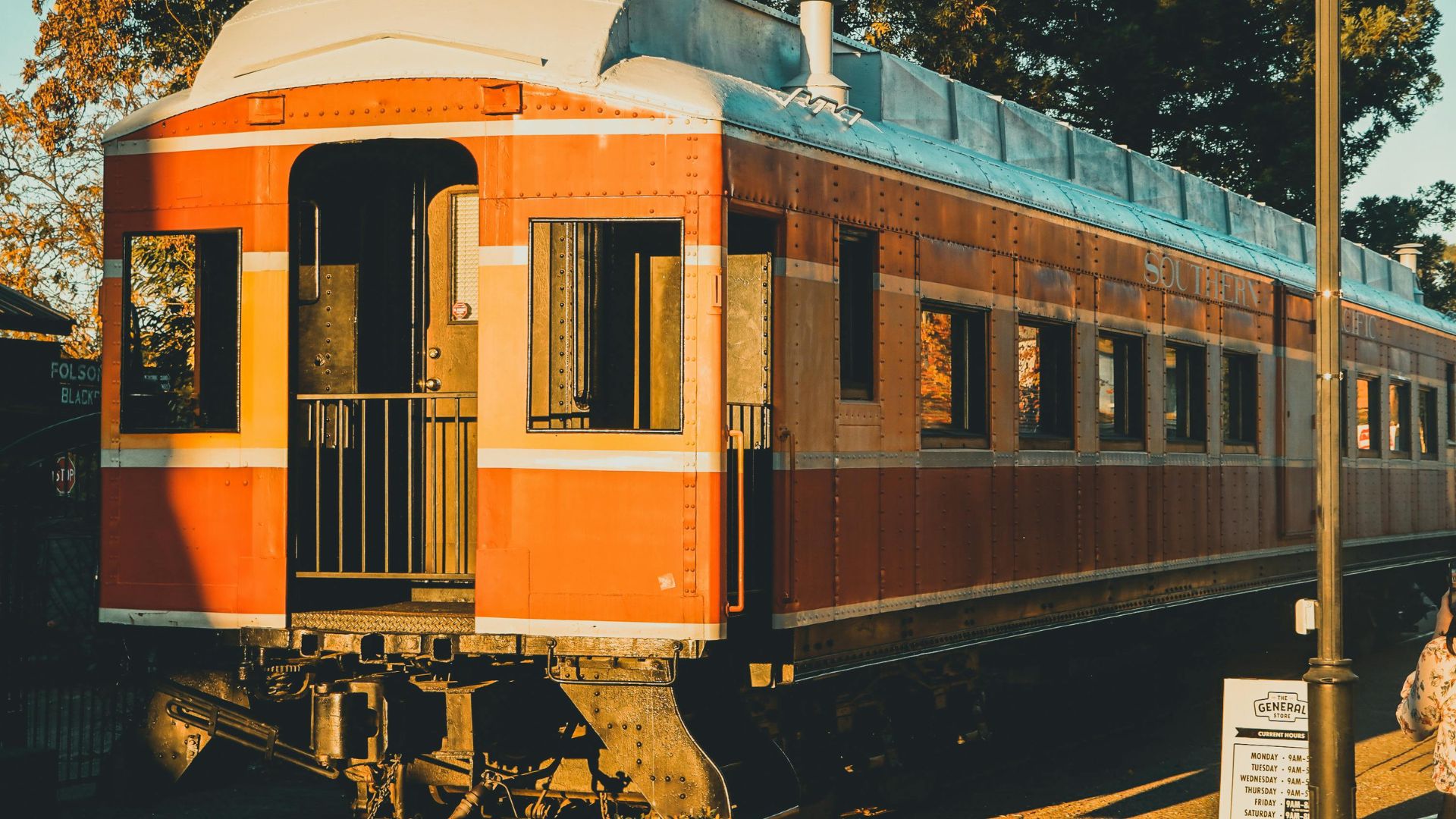
Restored Locomotives and the Steaming Trains
The restored locomotives look ready to chug down the tracks. I saw engines that really carried people and freight more than a century ago.
The Central Pacific No. 1 “Governor Stanford” stands out. This engine helped build the transcontinental railroad, hauling materials and supplies.
Steam engines fill the main hall, and some still run on special days. The museum keeps them working, using original parts when they can.
I checked out the displays showing how these trains ran. Coal or wood fired the boilers, steam powered the pistons, and those pistons turned the wheels. It took real skill to keep everything running safely.
Notable locomotives:
- 1862 Central Pacific engine
- Southern Pacific cab-forward models
- Pullman passenger cars with plush interiors
- Freight cars that carried Gold Rush goods
The staff shared stories about how dangerous early railroading was. Boiler explosions and derailments happened way too often. Safety improved slowly over the years.
The Historic Delta King Riverboat Experience
The Delta King riverboat sits docked along the Sacramento River. It’s a paddle wheeler turned hotel and restaurant after years of carrying passengers.
I boarded the Delta King and wandered its three decks. Built in 1927, it once traveled between Sacramento and San Francisco, carrying people and cargo.
The riverboat gives you a sense of how folks traveled before cars and planes. Paddle wheelers like this one connected river towns to the big cities, hauling mail, supplies, and people.
Delta King features:
- Original paddle wheel and steam engine
- Restored staterooms now used as hotel rooms
- Restaurant with river views
- Historic artifacts and photos
Dinner in the main dining room felt like stepping back in time. The Sacramento River flowed past the windows, just as it did a century ago.
The pilot house offers awesome views of Old Sacramento. River captains had to keep watch for sandbars and other boats. Steering down the winding river took serious skill.
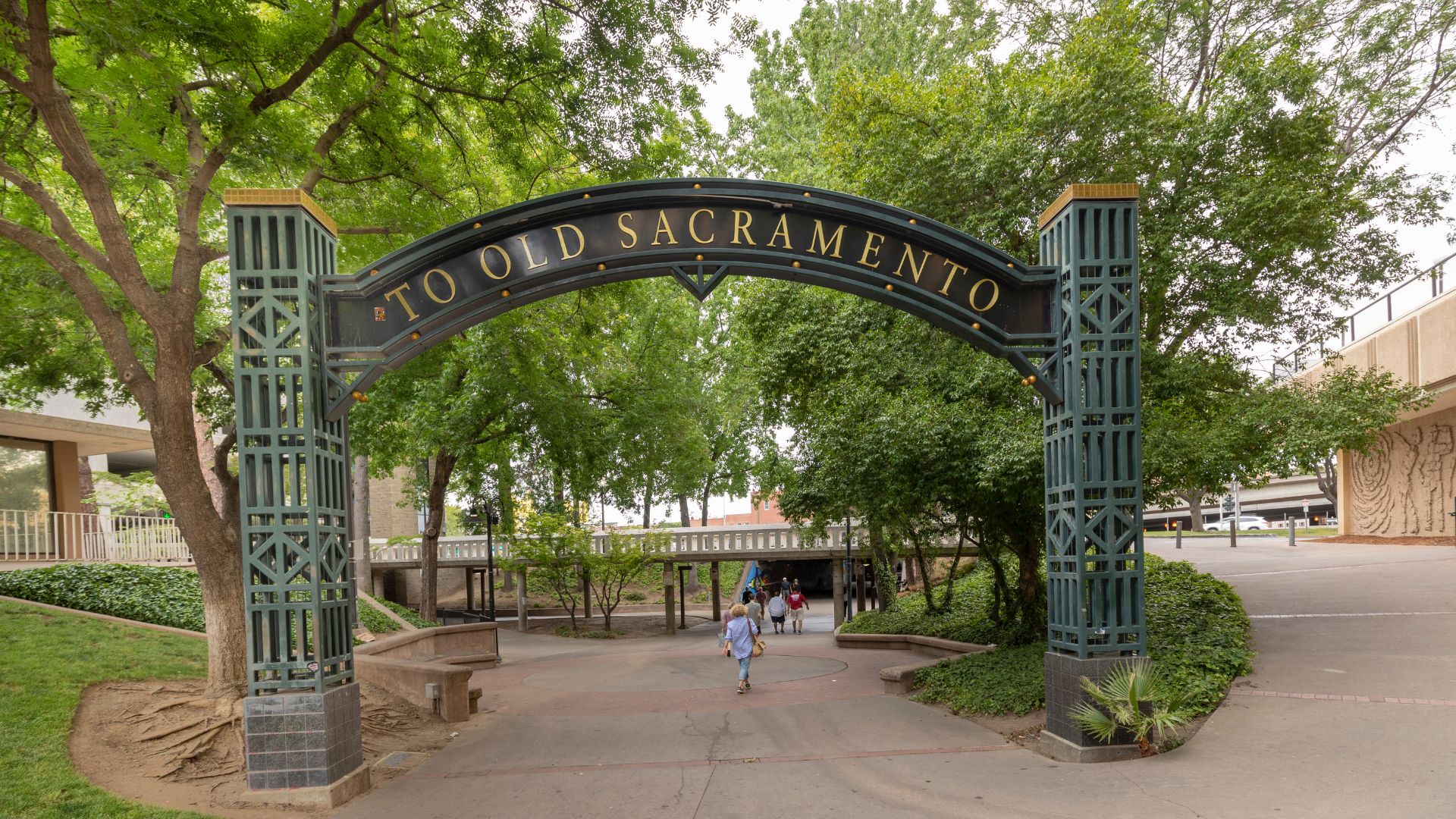
Exploring Museums and Heritage Attractions
Old Sacramento’s museums make the Gold Rush era feel real, thanks to artifacts and immersive exhibits. The Sacramento History Museum offers underground tours beneath the creaky sidewalks. The Old Sacramento Schoolhouse Museum lets you peek into 1800s school life.
Sacramento History Museum and Underground Tours
The Sacramento History Museum sits in a replica of the 1854 City Hall and Waterworks building. That was Sacramento’s first municipal building, with the mayor’s office, fire department, and city jail all under one roof.
Inside, the galleries show off Sacramento’s wild history. You’ll find mining tools, pioneer clothes, and old photos that tell how this river town became California’s capital.
Underground Tours take you beneath Old Sacramento’s wooden sidewalks. You can see the original street level from the 1850s, before the city raised everything to beat the floods.
I followed brick tunnels and basement spaces that merchants once used for storage. The underground passages show how the city built on top of itself as it grew.
Old Sacramento Schoolhouse Museum Insights
The Old Sacramento Schoolhouse Museum recreates a classic 1800s classroom. I sat at wooden desks with inkwells and slate boards, just like students used 150 years ago.
You’ll find original school supplies—McGuffey Readers, old arithmetic books, the works. Kids of all ages shared one room with a single teacher.
Interactive displays show what school was like during the Gold Rush. Many children worked with their families instead of sitting in class every day.
Legacy of the Pony Express
The Pony Express ran from Old Sacramento to St. Joseph, Missouri, from 1860 to 1861. Markers around town show where riders began their risky 1,800-mile trek.
The mail made it across the country in just 10 days. Riders swapped horses every 15 miles at relay stations, crossing mountains and deserts.
Old Sacramento was the western end of this legendary mail service. The Pony Express only lasted 18 months before the telegraph made it obsolete.
Things to Do: Shopping, Dining, and Riverfront Leisure
The Old Sacramento Waterfront has this lively energy, with more than 125 shops, restaurants, and attractions scattered throughout the historic district. I loved wandering those creaky wooden sidewalks, ducking in and out of quirky boutiques, and just soaking up the river views between bites at local eateries.
Unique Boutiques and Local Shops
You’ll stumble upon all sorts of specialty shops tucked inside Gold Rush-era buildings right along the waterfront. Some days, I’d lose track of time hunting for vintage clothing or one-of-a-kind souvenirs. There’s always something unexpected.
A lot of shops lean into that Old West vibe. I spotted cowboy boots, old-school hats, and western gear that looked straight out of a movie. Local artists set up shop, too, selling handmade jewelry, pottery, and artwork that’s honestly hard to resist.
Popular shop categories include:
- Western clothing and accessories
- Gold Rush memorabilia
- Handcrafted items by local artists
- Vintage toys and collectibles
- Specialty candy and treats
On weekends, shops stay open late. I found that browsing after dinner felt way more relaxed, with fewer crowds and a quieter atmosphere. Most stores take credit cards, and a bunch offer gift wrapping if you’re shopping for someone else.
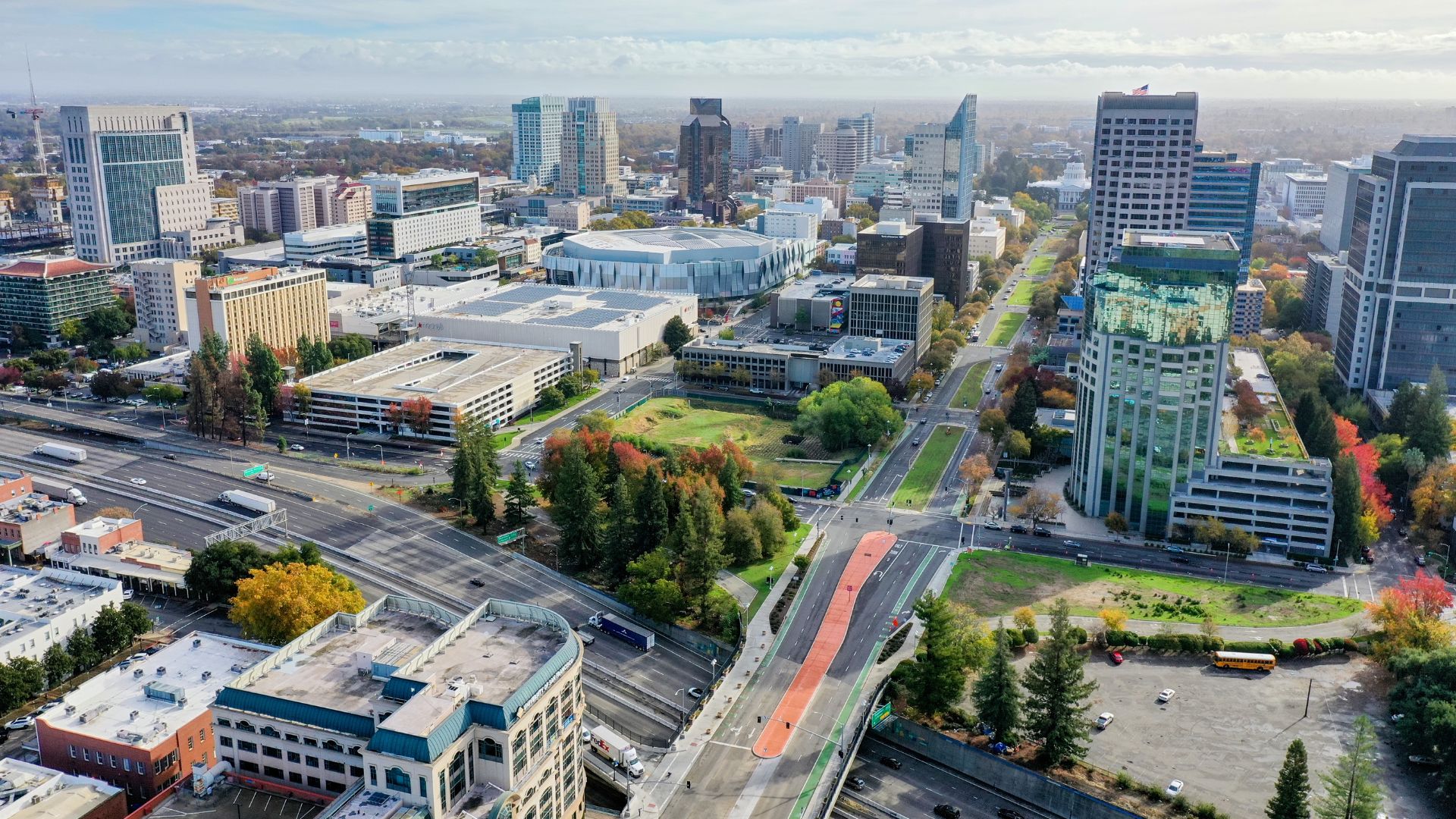
Dining on the Waterfront and Pilothouse Restaurant
The Pilothouse Restaurant really caught my attention—it’s easily one of my favorite spots along the waterfront. I ended up eating there twice, and both times the food and those river views made the experience memorable.
They serve classic American fare with a focus on fresh seafood. The outdoor patio sits right above the Sacramento River, and honestly, it’s hard to beat that view. If you’re thinking about dinner on a weekend, I’d suggest making a reservation.
Other dining options include:
- Saloons – Historic bars channeling those Gold Rush days
- Casual cafes – Easy spots for a quick lunch between shops
- Ice cream shops – Always a win if you’ve got kids in tow
- Fine dining – A handful of upscale restaurants offer sweeping river views
Most places have outdoor seating, which I always appreciate, especially when the weather’s nice. Prices felt pretty fair for a touristy area, and I noticed a lot of places highlight local California wines and craft beers.
Strolling the Sacramento Riverfront
The wooden boardwalk stretches out along the waterfront district, and honestly, it’s a great place to wander. I lost track of time just soaking in river views and that old-town vibe.
You’ll find the path linking up with all the main attractions and little shops. Boats drift by—sometimes it’s a paddle boat, other times a big tour boat chugging along. I even caught sight of some larger vessels gliding past.
Benches pop up here and there, so it’s easy to pause and just watch the river for a while.
Key features of the riverfront walk:
- Historic wooden sidewalks and boardwalks
- River views and boat watching
- Easy access to all shops and restaurants
- Well-maintained paths suitable for all ages
Crowds tend to show up during peak hours, which can get a bit overwhelming. I usually went out early in the morning or just before sunset, when things felt calmer and more relaxed.
Street performers show up along the route, adding a bit of surprise and charm to the walk. You never really know what you’ll find, which is half the fun.