
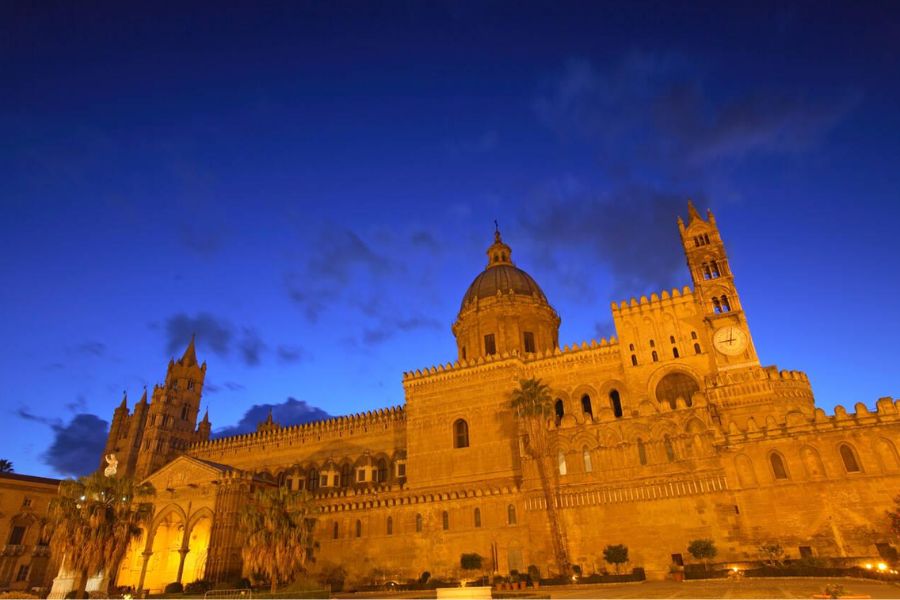
Standing in front of Palermo Cathedral, I can’t help but be awed by its wild mix of architectural styles. This church in Sicily’s capital city wears its centuries of history on its sleeve, with a mashup of Norman, Gothic, Baroque, and Neoclassical touches.
You can enter the cathedral for free if you’re just doing a basic visit, but it costs €7 to check out the Tombs, Treasury, Crypts, and Terraces—honestly, that’s where the best stuff hides.
As I wander through this UNESCO World Heritage site, I keep noticing how each piece of the building tells a story about Sicily’s tangled past. The cathedral belongs to the Arab-Norman Palermo group, so it’s one of the island’s big historical heavyweights.
What makes this place so unforgettable? Well, every corner, every odd detail, hints at a different chapter—Norman kings, Arab rulers, Spanish influences. You can almost feel the layers of history pressing in from all sides.
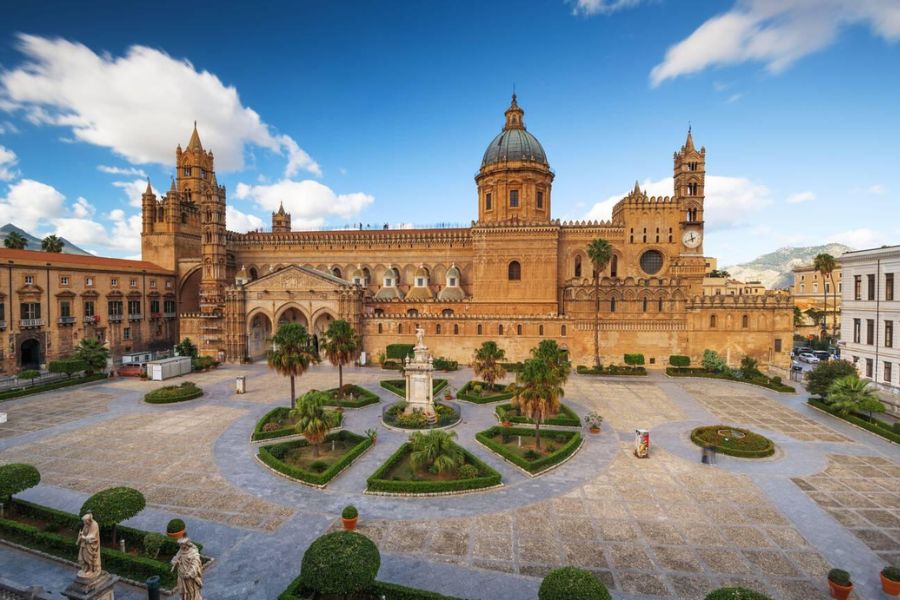
My favorite part? Stumbling across unexpected gems, like royal tombs tucked away in shadowy chapels, or catching a glimpse of the city from high up on the terraces. In a city full of churches, this one feels like the ultimate crash course in Sicily’s complicated history.
If you’re planning a trip to Sicily, trust me—put this cathedral right at the top of your list.
History and Cultural Significance
Palermo Cathedral really stands as a monument to Sicily’s complicated past. Different cultures and rulers have shaped this place, leaving their marks everywhere you look.
The cathedral’s twists and turns mirror the island’s own journey through conquests and bursts of creativity.
Origins and Construction
The story here kicks off around 1185, during the Norman rule of Sicily. As I walk around, I can still spot traces of the original Norman structure, which replaced a Byzantine basilica—once a mosque during Arab times.
Norman king William II ordered this grand project, hoping to put Palermo on the religious map.
What grabs me most is how the Normans built the cathedral right next to the Palazzo dei Normanni (Norman Palace). They wanted to show off their power, plain and simple.
The original building mixed Arab-Norman details—kind of a wild blend of Eastern and Western styles that’s really only found here in Sicily.
Transformations Through the Ages
As I dug into the cathedral’s history, I realized just how much it’s changed. Every new ruler added their own twist, turning the place into a sort of architectural scrapbook spanning nearly eight centuries.
In the 14th and 15th centuries, builders added Gothic touches, making the cathedral taller and more ornate. But the biggest shakeup happened in the late 1700s when a huge renovation brought in Neoclassical flair and that unmistakable dome.
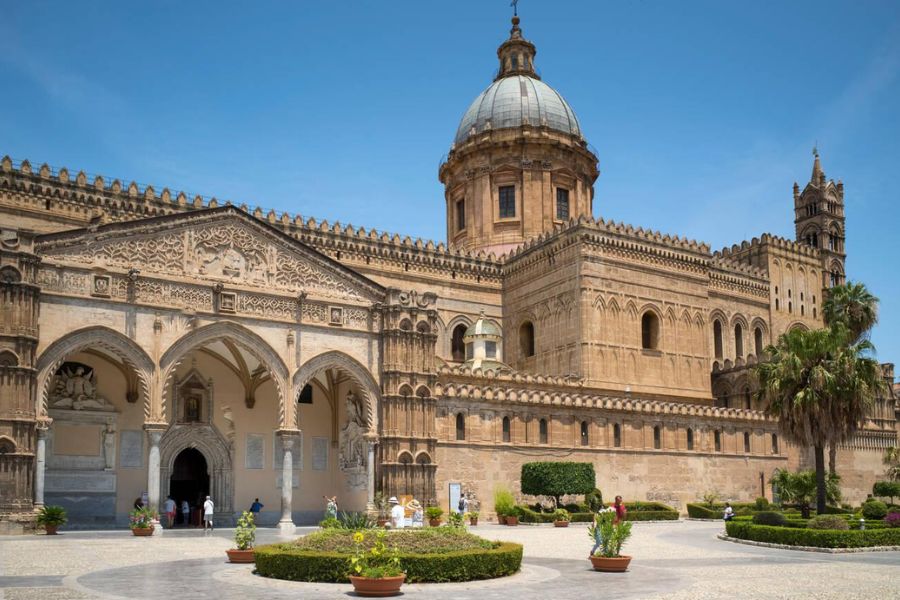
The southern portico, with its gorgeous Gothic look, popped up in the 15th century. Later, the western façade got a bold Baroque makeover in the 1700s, totally changing its vibe.
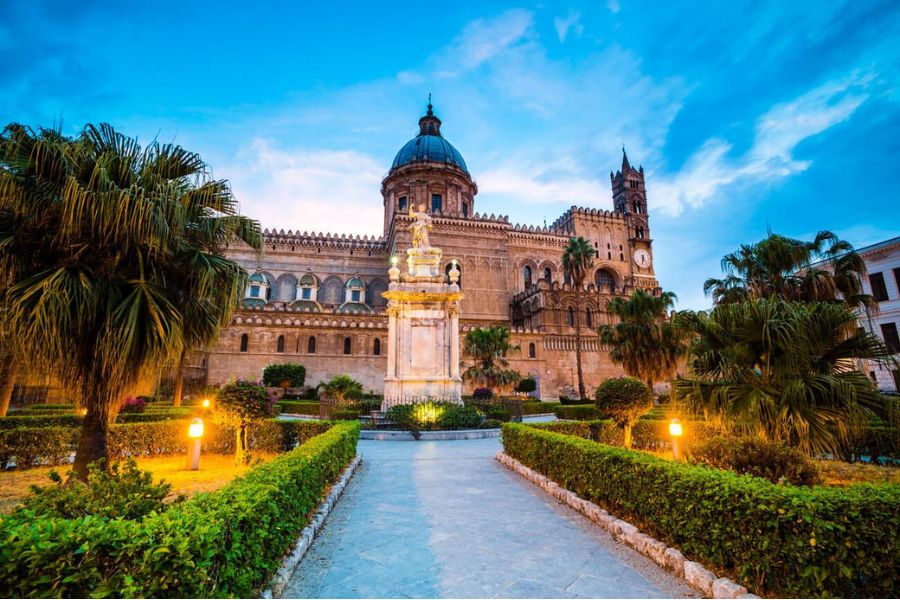
Each new addition doesn’t just show shifting tastes—it also reflects who was in charge. Normans, Hohenstaufen, Aragonese, Spanish… they all left their fingerprints.
Religious and Cultural Legacy
The full name is “Cattedrale Metropolitana della Santa Vergine Maria Assunta,” but locals just call it “a Cattiddrali.” It’s been Palermo’s spiritual heart for centuries.
The main altar and chapels dedicated to the Virgin Mary really drive home its religious importance.
For Sicilians, the cathedral isn’t just another church—it’s a symbol of resilience and identity. I always notice how locals talk about it with real pride.
Inside, you’ll find royal and imperial tombs—Norman kings and Holy Roman Emperors rest here. These burials show Palermo’s old clout in Mediterranean politics.
What always gets me is how the cathedral still buzzes with life. It draws tourists, sure, but it’s also an active church. Festivals, especially for Santa Rosalia (Palermo’s patron saint), pack the place.
UNESCO recognized the cathedral as part of the Arab-Norman Palermo circuit, putting it alongside other gems like Monreale Cathedral.
Architectural Marvels of Palermo Cathedral
Palermo Cathedral is a wild showcase of Sicily’s architectural history. Every inch seems to tell a story about the island’s past rulers.
Eclectic Facade and Exteriors
The first time I approached the cathedral, I couldn’t stop staring at its exterior. The facade is a whirlwind of styles, each layer revealing a new chapter in Palermo’s story.
The western front stands out with its Gothic arches and detailed carvings from the 14th and 15th centuries. If you spot the portico with those pointed arches from the late 1400s, don’t skip it—it’s a real highlight.
Norman defensive features blend with Catalan Gothic flourishes. The chunky corner towers make it look almost like a fortress, but the delicate stonework softens the effect.
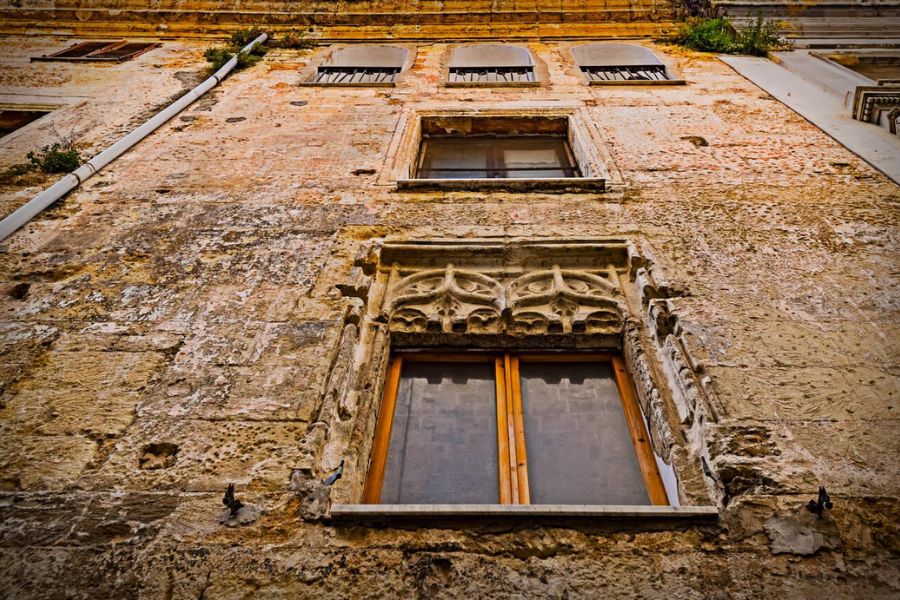
On the southern side, you’ll see Arab-Norman touches—blind arches and lava stone inlays form geometric patterns that almost hypnotize you.
Interiors, Chapels, and Altars
Once inside, the cathedral’s grandeur just hits you. Byzantine-style floors stretch out beneath Corinthian columns, and the carved wooden ceiling overhead is a work of art.
The chapel of Santa Rosalia, Palermo’s beloved patron saint, bursts with Baroque flair—marble, gold, silver everywhere. The silver urn holding her relics is a must-see.
A few side chapels really stand out:
- Chapel of the Crucifix: Gothic vibes and striking religious imagery
- Martorana Chapel: Gorgeous marble work and over-the-top stuccoes
- Treasury Chapel: Packed with precious artifacts and artwork
The altars, especially the main one, show off incredible marble work and symbols that reflect Palermo’s deep Catholic roots.
Royal Tombs and Final Resting Places
Palermo Cathedral doubles as a royal mausoleum. Norman kings and their families rest here, making it more than just a pretty building.
I lost track of time studying the massive porphyry and marble tombs. Frederick II’s sarcophagus, dating to 1145, is especially impressive.
Other big names buried here:
- King Roger II (Sicily’s first king)
- Empress Constance of Aragon
- Henry VI (Holy Roman Emperor)
The tombs are covered in detailed carvings and inscriptions. The craftsmanship is honestly next-level, with scenes and emblems carved right into the stone.
This burial area really shows how the Norman kings wanted to leave a permanent mark, using art and architecture to cement their legacy.
Planning Your Visit
Palermo Cathedral should be on every Sicily traveler’s radar. There are different tickets depending on what you want to see, and a little planning can make your visit way more enjoyable.
Opening Hours and Entry Information
You can walk into the main area for free—perfect if you’re traveling on a budget. But if you want to see the tombs, crypts, and treasury, you’ll need a full-access ticket for about €12.
The cathedral usually opens from 7:00 AM to 7:00 PM. Hours can shift with the seasons, so double-check before you go. I like to arrive early or late to dodge the biggest crowds.
Guided tours are available, and I found them genuinely helpful. Guides share stories and details you might miss on your own. I booked mine through the cathedral’s official website a few days ahead.

If you’re into photography, bring a wide-angle lens—these interiors are huge. Just remember, flash photography isn’t allowed inside.
Dress Code and Visitor Etiquette
Like most European churches, Palermo Cathedral expects respectful dress. Cover your shoulders and knees—men and women both. I always keep a scarf handy for this.
Since it’s still an active church, keep your voice down and don’t disrupt services. Photography is fine in most spots, but skip the flash and leave tripods at home.
Near the royal tombs, silence is requested. It feels right, considering who’s buried there.
I noticed some visitors breeze past the smaller chapels, but honestly, some of the prettiest art is tucked away in those corners. Slow down and look around.
Accessibility and Practical Tips
The main entrance has just a few steps, so most visitors can get in easily. However, areas like the roof terraces and crypts aren’t great for anyone with mobility issues.
Water fountains are rare inside, so bring your own bottle. For restrooms, you’ll find better options in the cafés and restaurants nearby.
You’ll find the cathedral in Palermo’s historic center, an easy walk from most central hotels. Public buses stop at Piazza Indipendenza if you need them.
Set aside at least 1-2 hours to really soak it all in. I suggest pairing your cathedral visit with other Arab-Norman sites around Palermo to get a fuller picture of the city’s unique history.
Highlights and Things to See
Palermo Cathedral is a treasure trove of art and architecture. Its eclectic style means every corner has something new to catch your eye.
Must-See Artistic Masterpieces
When I stepped inside, the marble sculptures immediately drew me in. The Madonna and Child statue is especially touching—there’s something about the expression that sticks with you.
Don’t skip the mosaics. They pop up around the cathedral, bursting with color and detail. Even after centuries, the colors still shine bright.
The royal tombs are another can’t-miss. Here lie Norman and Swabian rulers, including Frederick II in his elaborate red porphyry sarcophagus.
I love how the mix of artistic styles tells Sicily’s story. Norman foundations blend with later additions, and each layer adds something new.
Climbing for Panoramic Views
One of the best parts of my visit? Climbing up to the rooftop terraces. For a small fee, you can climb about 100 steps and get a jaw-dropping view of Palermo.
The climb isn’t too tough, but wear comfy shoes and bring water—especially if it’s hot.
From the top, you get a sweeping look at the historic center, with mountains and the blue Mediterranean stretching out beyond. It’s a photographer’s dream.
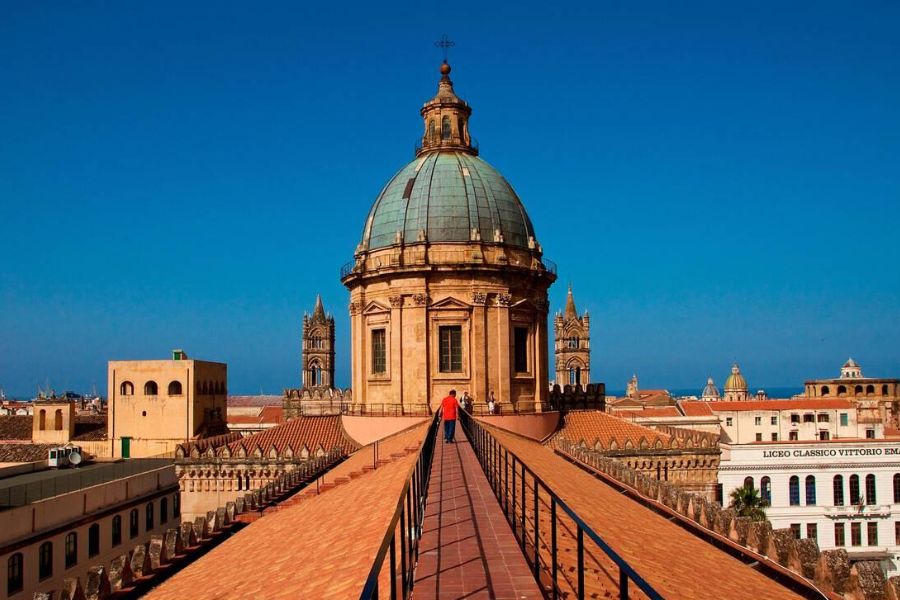
You also get to see the domes and architectural details up close—stuff you just can’t spot from below. Try to time your visit for golden hour if you can. The light is unreal.
Treasures of the Treasury
The Treasury inside the cathedral is packed with dazzling religious artifacts and royal jewels.
The crown of Constance of Aragon really stands out. It’s covered in gemstones and delicate filigree and dates back to the 13th century—a real showcase of medieval skill.
Don’t overlook the religious vestments either. They’re embroidered with gold thread and pearls, and each one tells a story of tradition and artistry.
You’ll also find ancient manuscripts with hand-painted illustrations. The colors and gold leaf practically leap off the page.
Discovering Palermo: Nearby Attractions and Experiences
Once you’ve explored Palermo Cathedral, you’re right in the middle of a city that’s bursting with things to see. Within a few minutes’ walk, you can dive into ornate churches, lively markets, and the authentic chaos of Sicilian daily life.
Historic Churches and Squares
Just steps from the Cathedral, I stumbled into Piazza Bellini, one of Palermo’s most charming squares. La Martorana (Santa Maria dell’Ammiraglio) sits here, and its golden Byzantine mosaics honestly took my breath away.
Santa Caterina Church is nearby, too. The baroque interior and frescoed ceiling are jaw-dropping, and if you climb to the rooftop terrace, you’ll get some of the best views in town.
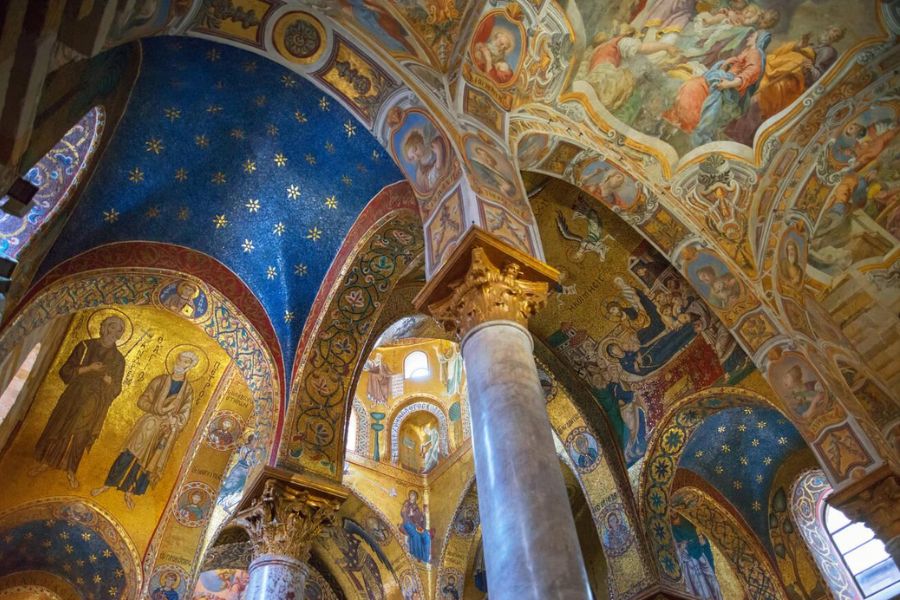
Don’t skip the Palatine Chapel inside the Norman Palace. When I walked in, the golden mosaics covering every inch made it clear why people call it Sicily’s Sistine Chapel. The mix of Norman, Arab, and Byzantine influences creates a vibe you just won’t find anywhere else.
Unmissable Landmarks and Streets
Quattro Canti (Four Corners) really marks the heart of Palermo. Four nearly identical baroque facades stand at this intersection, each with fountains, statues of Spanish kings, and the city’s patronesses—Santa Rosalia included.
The Fountain of Shame (Fontana Pretoria) sits right in a square that’s surrounded by old churches. Locals definitely gossiped about its nude statues when they went up back in the 16th century!
I wandered the narrow streets near Teatro Massimo, which happens to be Italy’s biggest opera house. Its neoclassical look really dominates Piazza Verdi.
If you take a guided tour inside, you’ll notice how the acoustics feel almost unreal. The interior? Just gorgeous.
I found some peace at the Orto Botanico (Botanical Garden), tucked away from Palermo’s chaos. They founded it in 1789, and now it’s home to rare plants and some seriously old trees.
Local Life and Sicilian Cuisine
If you want a real taste of Palermo, you’ve got to check out the historic markets.
Vucciria Market doesn’t have the same vibe it used to, but at night, it comes alive. Locals gather, street food vendors set up, and the air fills with laughter and the clink of glasses.
Ballaro and Capo markets, though, really threw me into Palermo’s daily rhythm. Vendors shouted in Sicilian dialect, and stalls overflowed with colorful produce.
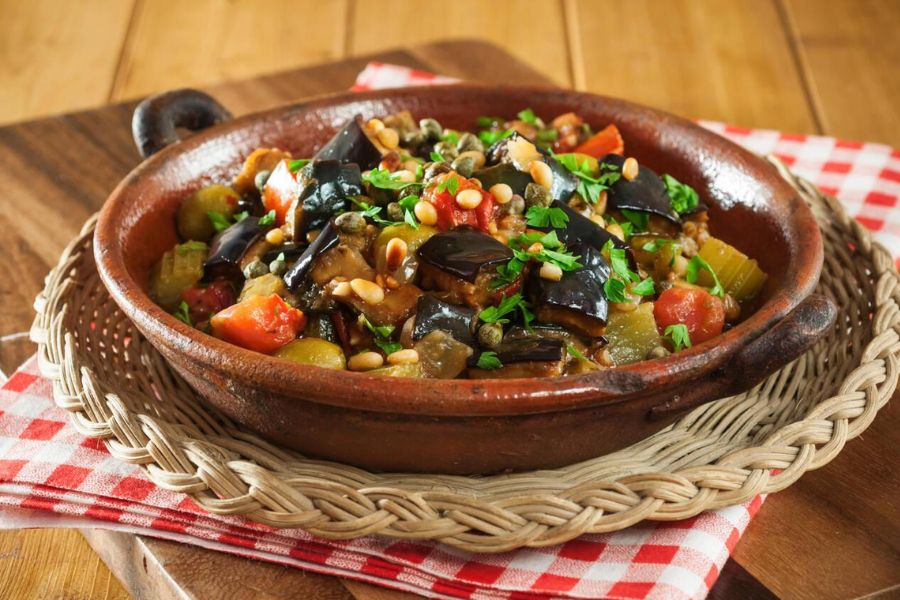
Street food? Absolutely everywhere. I’d say don’t leave without tasting these:
- Arancini: Fried rice balls with different fillings.
- Panelle: Chickpea fritters—simple but addictive.
- Sfincione: Palermo’s thick, spongy pizza. It’s not like the pizza you know.
- Cannoli: Crispy tubes packed with sweet ricotta. Honestly, I could eat way too many.
I honestly learned the most about Sicilian food by joining a food tour. Local guides led me to hidden gems I’d never have found alone.
They shared stories about how Arabic, Spanish, and Greek influences shaped Palermo’s food scene. It’s wild how much history you can taste in a single bite.
