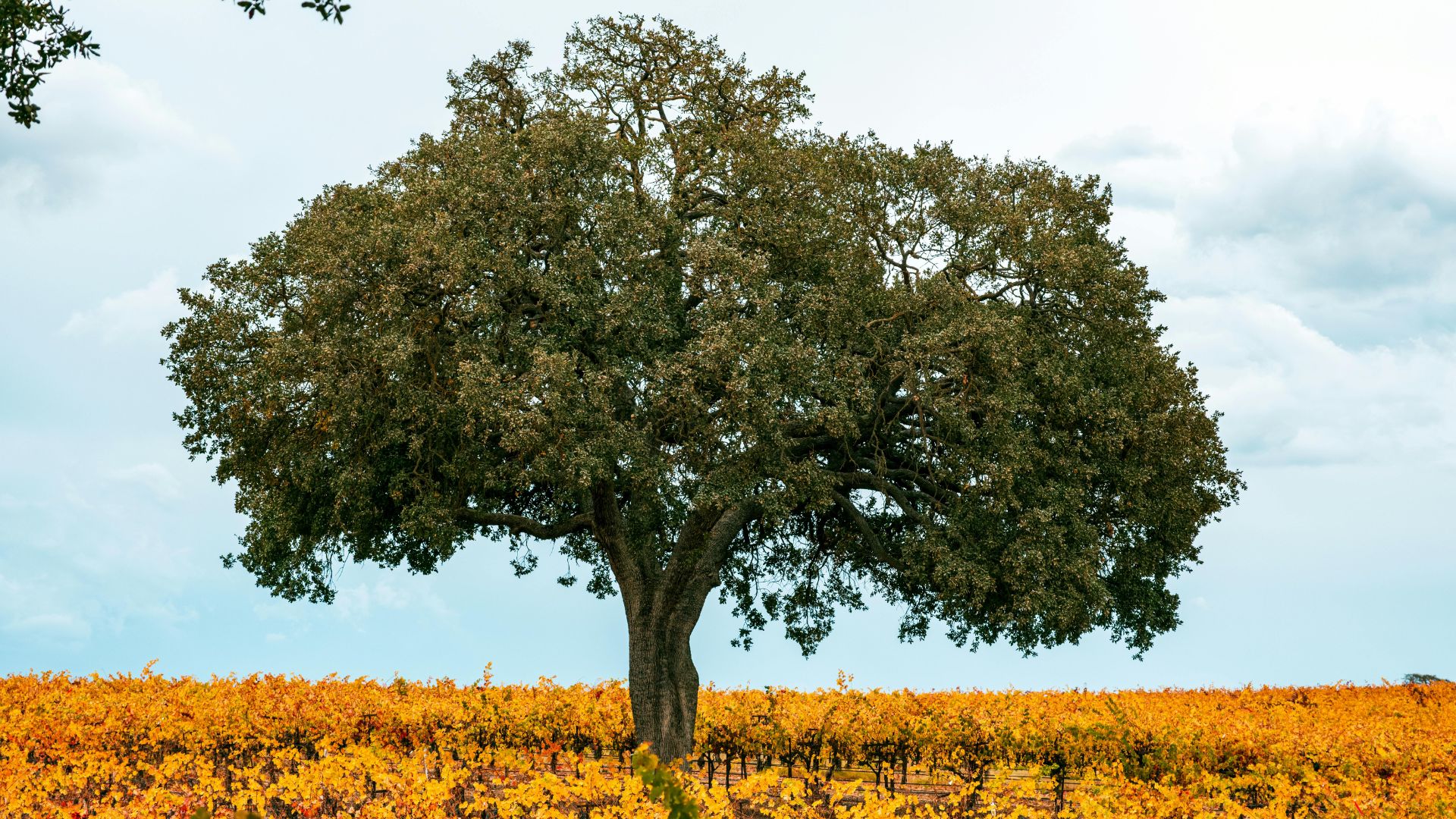
When I set out for Paso Robles Wine Country, I stumbled onto something kind of magical. This place feels like a breath of fresh air compared to California’s glossier, sometimes intimidating wine regions.
Here, the world-class wines don’t come with sky-high prices or a side of snobbery. I could just relax and enjoy the tasting without worrying about putting on airs.
Paso Robles really earns its nickname as California’s “Rhône Zone.” The Syrah, Grenache, and Mourvèdre here? Honestly, they stand up to the best from France’s Rhône Valley.
The warm days and cool nights work wonders for these bold, full-bodied wines. You can taste the region’s character in every glass.
As I explored Paso Robles, I noticed the wine community cares more about authenticity than flash. Family-owned boutique wineries and creative tasting rooms welcome you in a way that feels real.
Winemakers here love what they do, and they’re happy to chat with anyone who’s genuinely curious. It’s about the wine—no fuss, no pretense.
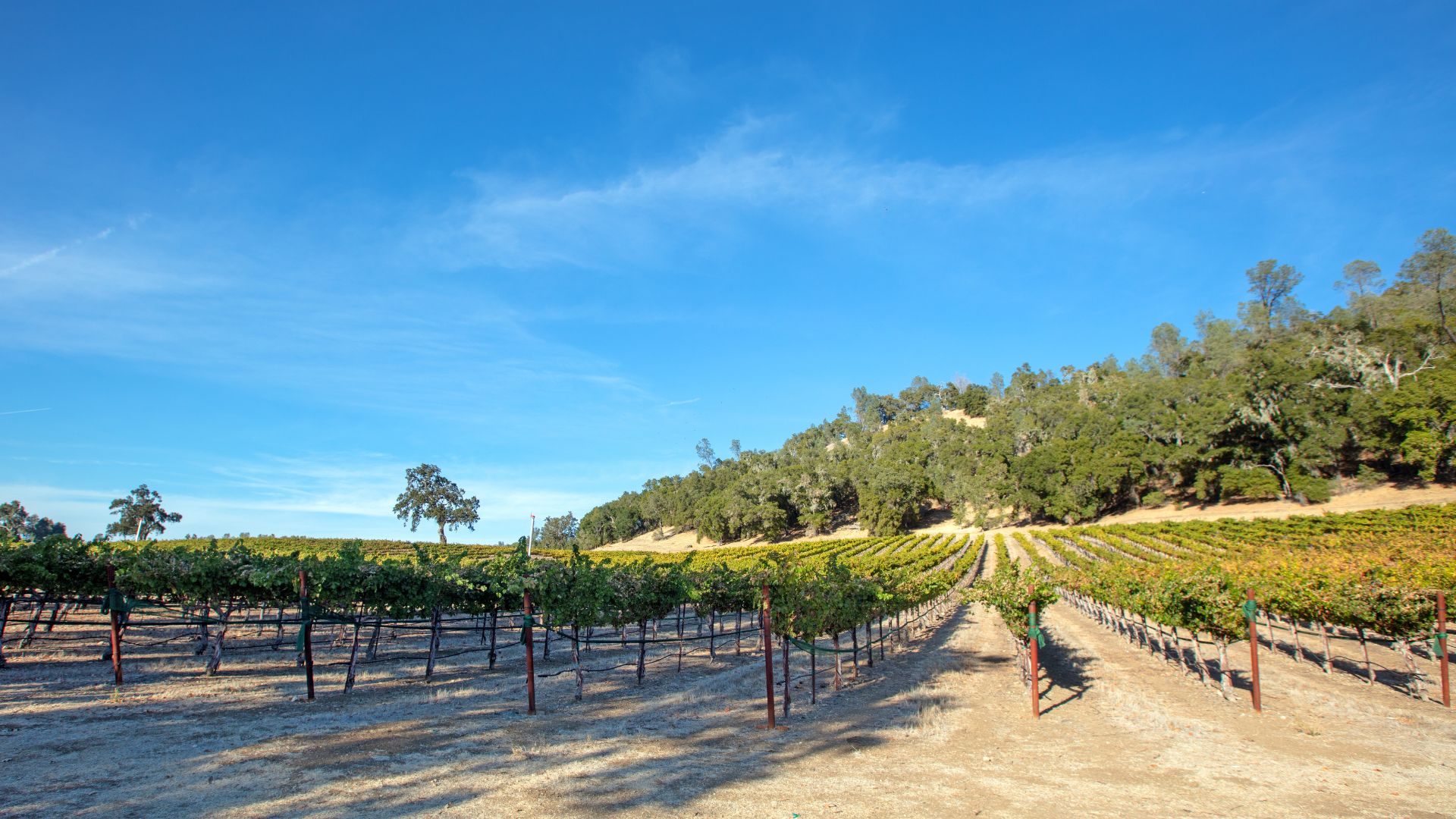
Paso Robles vs Napa: The Unpretentious “Rhône Zone” Spirit
Paso Robles offers a down-to-earth vibe that’s a total contrast to Napa’s luxury scene. The focus here is on bold Rhône varietals and approachable tasting experiences.
The region’s cowboy roots and experimental spirit give it a culture all its own. It draws in wine lovers who want the real deal, not just a fancy label.
Key Differences in Culture and Atmosphere
Napa Valley feels like a luxury resort. Tastings often run $50-100 per person, and you have to book weeks ahead.
Paso Robles? It’s more like swinging by a friend’s ranch. Tastings usually cost $15-25, and most tasting rooms don’t require appointments.
The dress code says it all. In Napa, people show up in designer clothes and sparkling jewelry. In Paso Robles, I see cowboy boots, jeans, and flannel shirts.
Napa focuses on:
- Exclusive experiences
- Premium pricing
- Formal service
- Celebrity winemakers
Paso Robles emphasizes:
- Accessible tastings
- Value-driven wines
- Relaxed atmosphere
- Family-owned operations
Paso Robles winemakers often pour their own wines and share stories about their vines. I rarely see that kind of personal connection in Napa’s more corporate tasting rooms.
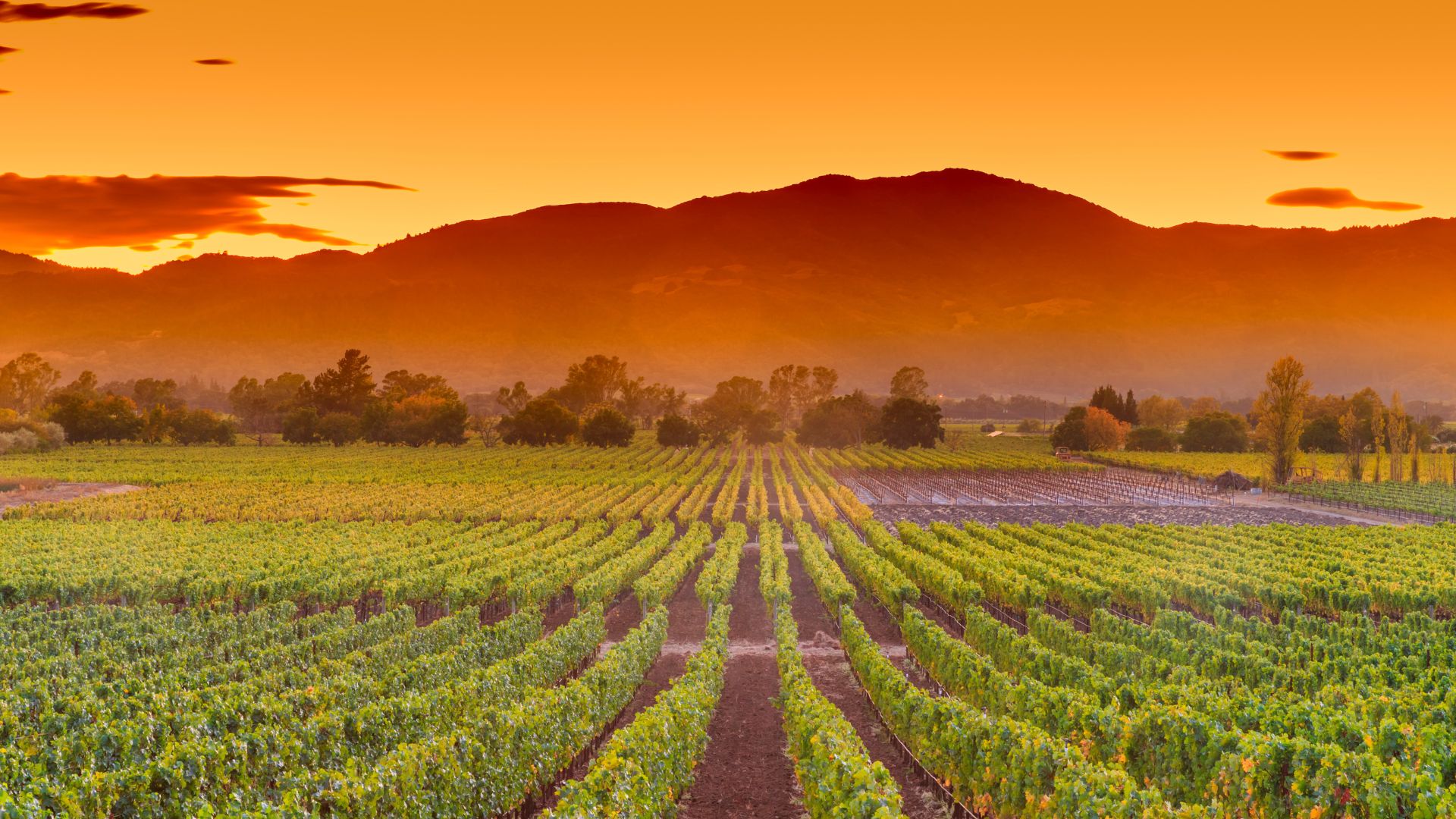
Why Paso Robles Appeals to Adventurous Wine Lovers
Paso Robles winemakers love to experiment with grapes Napa barely touches. I’ve sipped Grenache, Mourvèdre, and Counoise blends that you’d never find on a Napa menu.
The region’s hot days and chilly nights create intense fruit flavors—perfect for Rhône varietals. Napa’s cooler climate leans more toward Cabernet and Chardonnay.
I get more bang for my buck in Paso Robles. Most quality bottles go for $20-40, while in Napa, similar wines start at $60-80.
Paso Robles vintners focus on letting the grape’s natural character shine. They use less oak and fewer tweaks than their Napa counterparts.
Adventure factors include:
- Unusual grape varieties
- Experimental winemaking techniques
- Affordable premium wines
- Direct access to winemakers
Many wineries here let visitors walk right through the production areas. I’ve watched harvest in action and tasted wine straight from the barrel. Napa usually keeps guests in the tasting room.
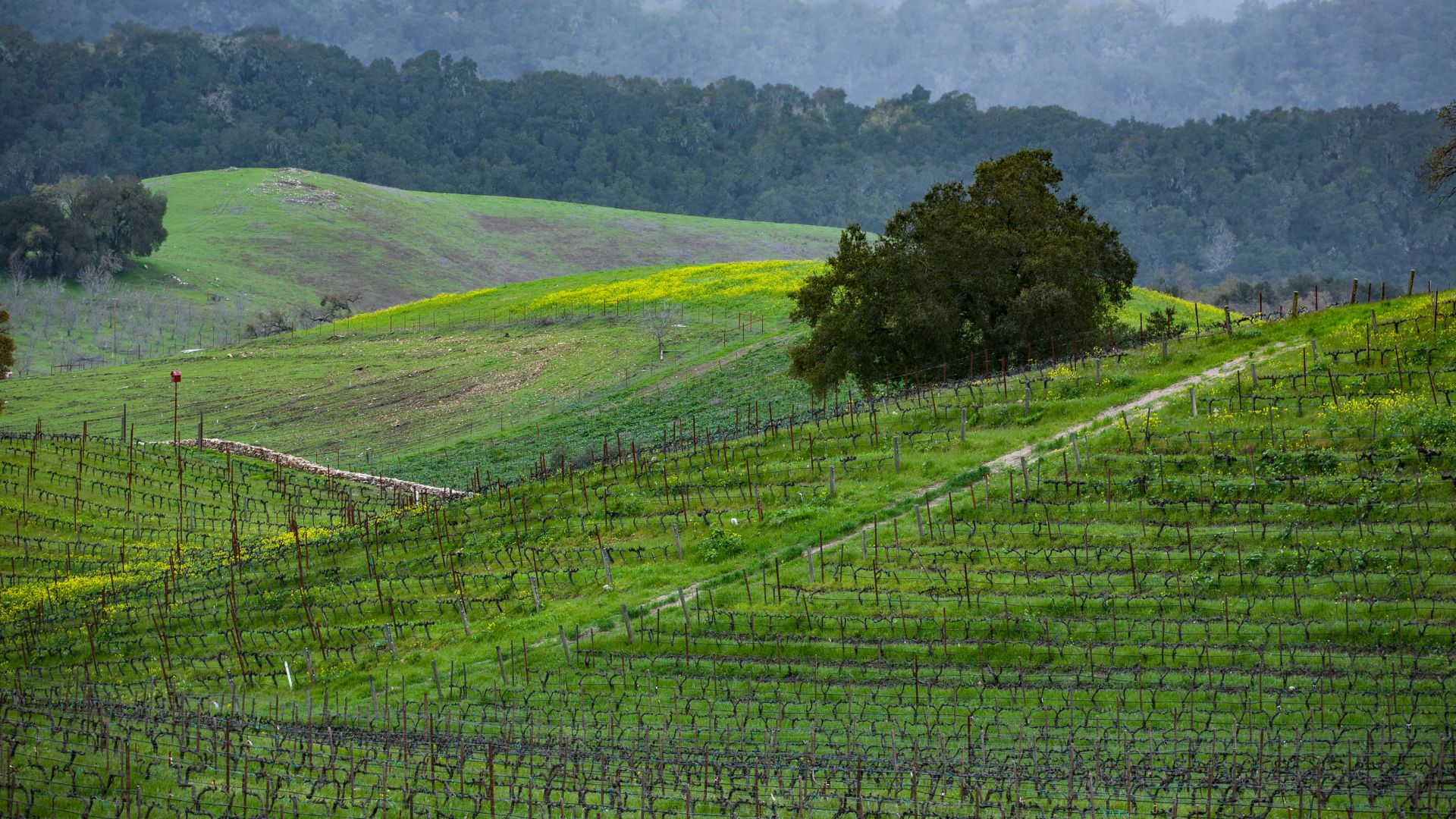
A Brief History of Rhône Varietals
French immigrants brought Rhône grape varieties to Paso Robles back in the 1880s. The climate reminded them of southern France’s Rhône Valley.
Syrah took the lead and still thrives in the region’s limestone soils. This grape makes bold, spicy wines packed with dark fruit flavors.
Grenache and Mourvèdre followed, rounding out blends that echo those classic Châteauneuf-du-Pape wines.
The “Rhône Rangers” movement kicked off in the 1980s. California winemakers started focusing on these French grapes, and Paso Robles quickly became the movement’s heart.
Timeline of Rhône varietals:
- 1880s: First French plantings
- 1970s: Modern revival begins
- 1980s: Rhône Rangers movement
- 1990s: Commercial success
- 2000s: International recognition
Now, Paso Robles produces more Rhône-style wine than anywhere else in California. With over 40 grape varieties, the blending possibilities are wild.

Discovering Paso Robles Wine Country
Paso Robles sits on California’s Central Coast, about 200 miles from both San Francisco and LA. The area’s rolling hills, limestone soils, and Mediterranean climate make it an ideal spot for vineyards.
Overview of Paso Robles’ Location and Landscape
I found Paso Robles tucked into San Luis Obispo County, about halfway between LA and San Francisco. The drive takes around 3.5 hours from either city on Highway 101.
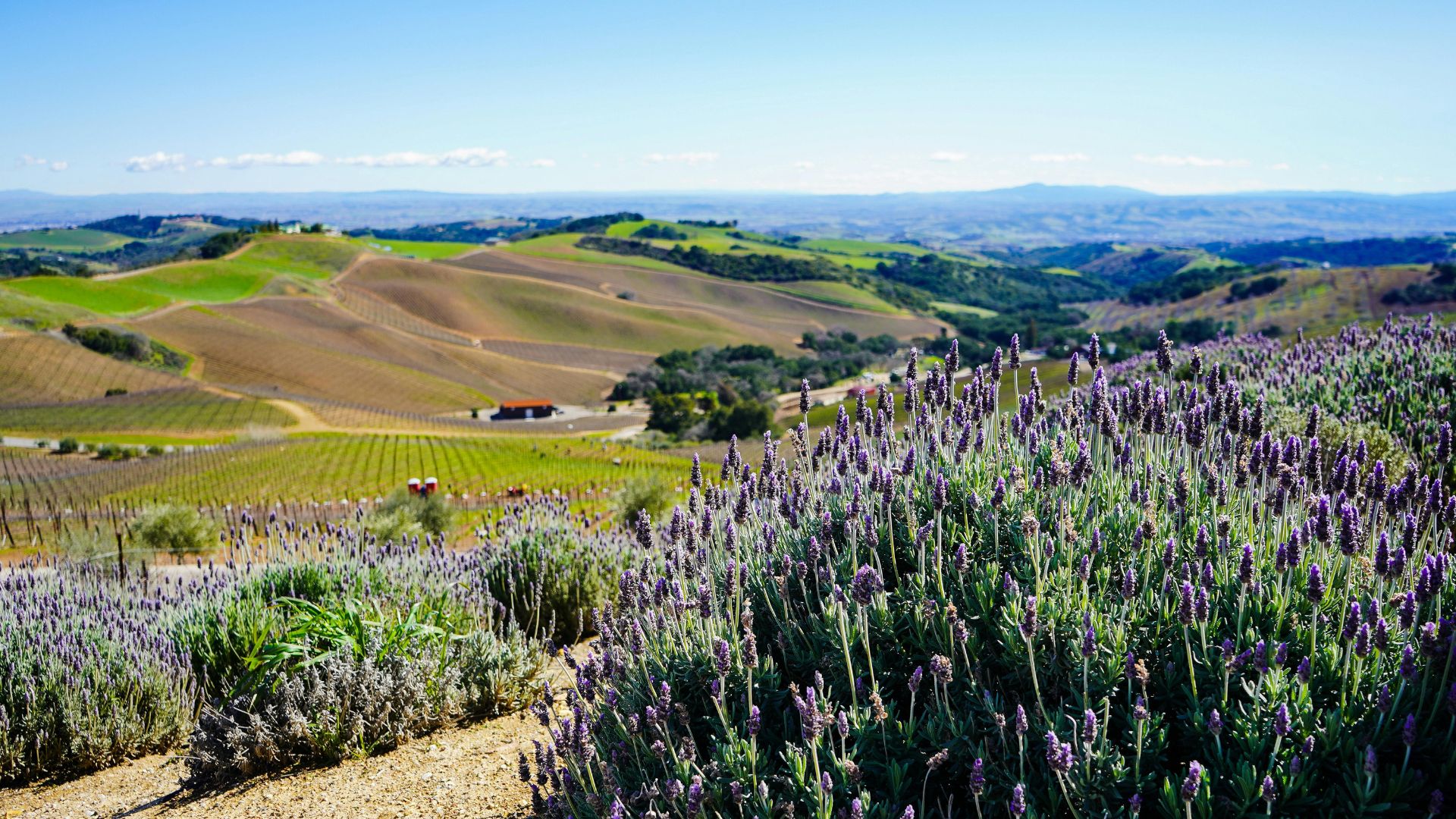
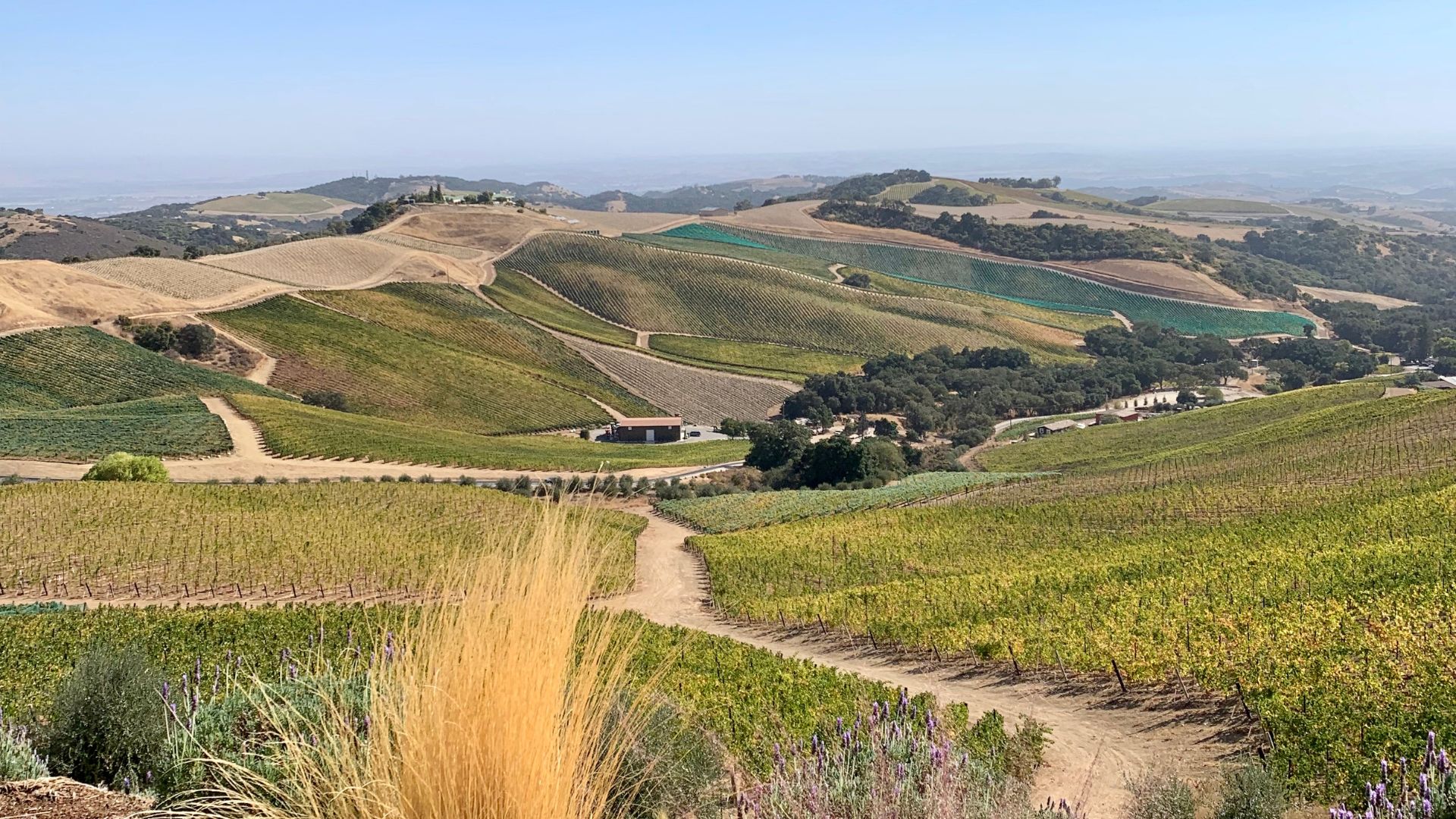
The scenery feels a bit like southern France—gentle hills, oak trees, golden light. Elevations range from 700 to 2,400 feet, and the Santa Lucia Mountains rise up to the west.
Key Geographic Features:
- Total area: 614,000 acres
- Planted vineyards: 40,000 acres
- Elevation range: 700-2,400 feet
- Soil types: Limestone, clay, sand
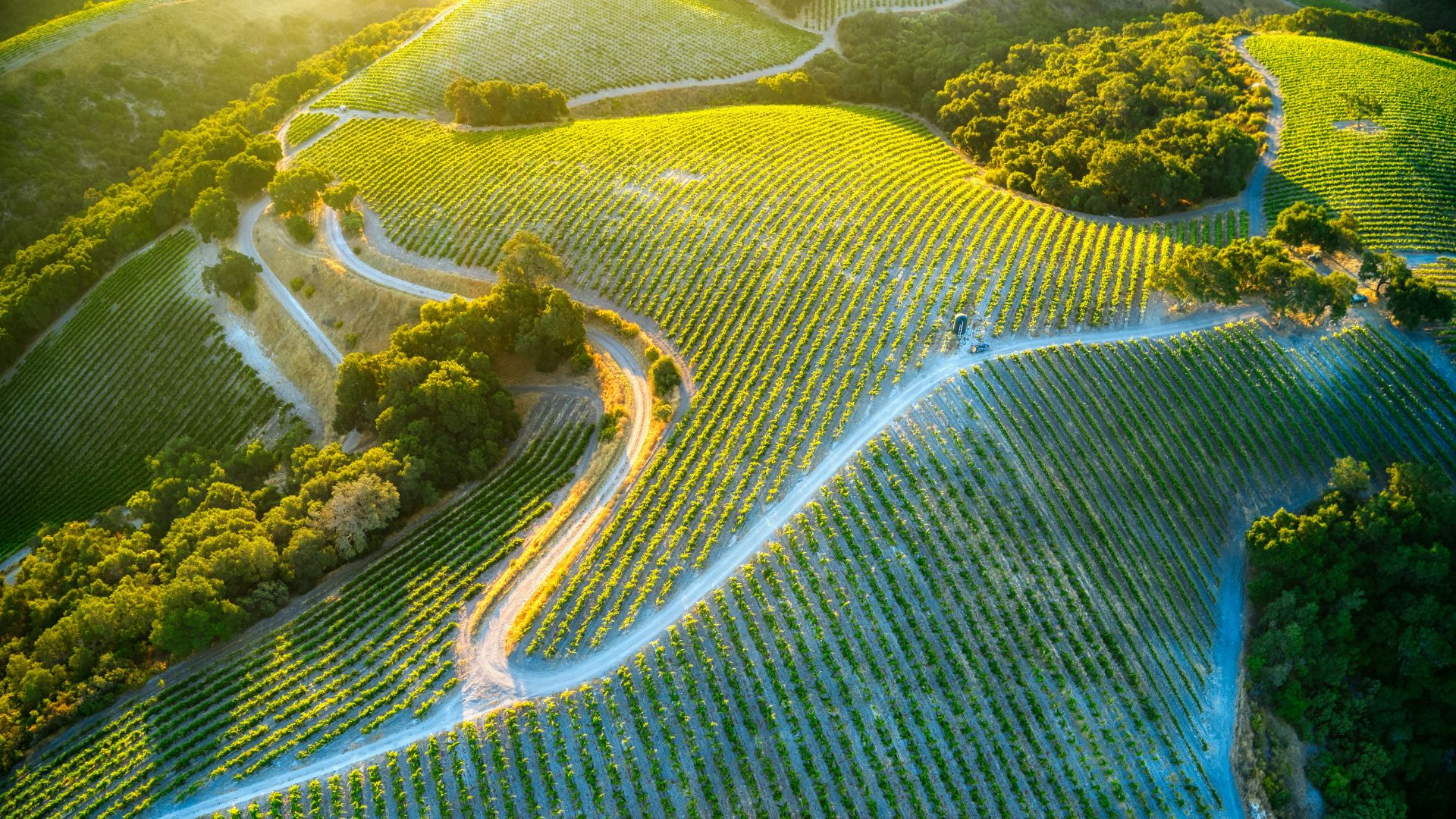
The Salinas River cuts through the valley floor. As I drove, I watched the terrain shift from flat riverbanks to steep, vineyard-covered hillsides.
Signature Climate and Terroir
Paso Robles’ climate feels nothing like Napa’s. The temperature can swing 40-50 degrees between day and night.
Summer days climb to 95-100°F, but nights cool off into the 50s or 60s. That big drop helps the grapes keep their acidity and develop flavor.
The region only gets about 12-15 inches of rain a year, mostly in winter. The dry weather pushes vine roots deep into the limestone.
Paso Robles splits into two main zones:
- Westside: Cooler, more limestone, great for Pinot Noir and Chardonnay
- Eastside: Warmer, mixed soils, ideal for Rhône grapes
Navigating the Wine Trails
I mapped out a few routes through wine country. The main ones are Highway 46 West, Highway 46 East, and the Adelaida District.
Highway 46 West links downtown Paso Robles to the coast. Big wineries and tasting rooms line this route, and the drive is gorgeous.
Highway 46 East heads toward the Estrella Hills. Here, I found smaller, family-run wineries and a rugged landscape.
Adelaida District sits up in the Santa Lucia Mountains. The roads twist and climb, leading to high-elevation vineyards. Give yourself extra time—these mountain roads aren’t for speed demons.
Most tasting rooms charge $15-25 per person. It’s a good idea to book ahead on weekends, just in case.
Local Communities and Neighborhoods
Downtown Paso Robles acts as the hub. The historic square is packed with restaurants, shops, and a handful of urban tasting rooms.
Templeton is just ten minutes south. It’s quieter, with local cafés and wine bars.
Creston lies out in the southeastern hills. I found a few boutique wineries tucked away in this rural area. The drive from downtown takes about 20 minutes through rolling countryside.
Shandon marks the eastern edge of wine country. Not many tourists make it out here, so you can find some real hidden gems.
The Westside—especially Adelaida and Willow Creek—offers mountain wineries with jaw-dropping valley views.
Wine Tasting Experiences: Beyond the Ordinary
Paso Robles takes wine tasting and turns it on its head. I wandered into intimate family cellars, creative tasting rooms, and even ran into some wild food pairings that totally changed how I thought about wine.
Boutique Wineries and Family-Owned Estates
The smaller wineries here offer experiences you just won’t get with the big guys. At Tablas Creek Vineyard, I tasted wine straight from the barrel while the winemaker explained each blend.
Family-owned estates make it easy to connect. I spent an afternoon at Adelaida Vineyards where the owner showed me around their mountain vineyards and explained how elevation shapes their Rhône grapes.
Denner Vineyards wowed me with tastings in their hillside caves. The cool air kept the wine perfect as I sampled their Syrah and Grenache.
These places let me try wines still in progress—experimental blends that might not even hit shelves for years. The winemakers were happy to geek out about fermentation and aging.
Innovative Tasting Rooms
Paso Robles wineries don’t stick to the usual tasting counter routine. Eberle Winery offers cave tours, so I sipped surrounded by aging barrels underground.
Firestone Walker Brewing Company mixes beer and wine under one roof. I bounced between their brewery and winery, comparing flavors and techniques.
Sculpterra Winery fills its tasting room with art. I wandered through sculpture gardens, glass in hand, tasting their Petite Sirah. The art and wine together? Kind of a sensory overload, but in a good way.
Some places let you blend your own wine. At Castoro Cellars, I mixed varietals to make a custom blend and left with a bottle sporting my own label.
Unconventional Wine Pairings
The food pairings here surprised me. Daou Vineyards served Cabernet Sauvignon with dark chocolate and sea salt. That combo brought out berry notes I’d never noticed.
Tin City wineries host food trucks that change every week. At Giornata, I tried Vietnamese banh mi with Grenache Blanc. The spicy kick played off the wine’s mineral edge.
Epoch Estate pairs their wines with ingredients from right on the property. I tasted Tempranillo with wild boar charcuterie made from their own animals. The earthy meat matched the wine’s character perfectly.
Several wineries team up with local cheesemakers. Peachy Canyon pairs Zinfandel with aged goat cheese from nearby farms. The tangy cheese balances the wine’s bold fruit flavors.
The Best Rhône Varietals in Paso Robles
Paso Robles grows Rhône grapes that taste like nowhere else in California. The warm days and cool nights give Syrah, Grenache, and other French varieties a special twist.
Syrah and Grenache Highlights
Syrah just thrives here. The wines show deep purple hues and bold blackberry and pepper flavors.
I’ve tasted Syrahs that range from silky and elegant to big and spicy. The hillside vineyards, where vines have to struggle a bit, produce my favorites.
Top Syrah Characteristics:
- Dark fruit flavors
- Black pepper spice
- Smoky finish
- Full body
Grenache loves the heat too. This grape makes wines that taste like strawberry jam with a dash of herbs.
Some wineries blend Grenache, but others bottle it solo for a surprise. These bright red, medium-bodied wines are perfect with grilled meats.
Exploring Mourvèdre and Viognier
Mourvèdre is Paso Robles’ hidden gem. The grape needs serious heat, and this region delivers.
The wines come across as earthy and a little wild, with dark berry and leather notes. Mourvèdre adds backbone to red blends.
Most wineries use Mourvèdre in blends, especially the classic GSM style—Grenache, Syrah, Mourvèdre—that Paso Robles nails.
Viognier is the main white Rhône grape here. It makes rich, full-bodied whites with peach and apricot flavors.
The best Viogniers have a creamy texture and a floral aroma that really stands out. Some winemakers age it in oak, adding a little vanilla and spice to the mix.
Unique Blends Exclusive to the Region
Paso Robles winemakers love to experiment with GSM blends—Grenache, Syrah, and Mourvèdre. Every winery seems to have its own twist.
Some blends lean into juicy fruit flavors, while others go for earthiness or a spicy kick. The mix changes every year, depending on the vintage and what the winemaker wants to highlight.
Common GSM Blend Ratios:
- 40% Grenache, 35% Syrah, 25% Mourvèdre
- 50% Syrah, 30% Grenache, 20% Mourvèdre
- 45% Grenache, 30% Mourvèdre, 25% Syrah
A lot of winemakers toss in a splash of something unexpected—like Petite Sirah or Cinsault. These little additions give Paso blends a personality you just don’t find anywhere else.
White blends here usually bring together Viognier with Roussanne or Marsanne. Honestly, the result is a rich, almost creamy texture and tropical fruit flavors that pair perfectly with seafood.
Connecting With Paso Robles’ Wine Community
The Paso Robles wine community just feels different. Folks here are genuinely friendly and down-to-earth.
Winemakers love to share their stories. Local seasonal festivals pull everyone together, celebrating what makes Paso special.
Winemaker Stories and Local Characters
I’ve met winemakers who left behind corporate life for the vineyards. A surprising number have taken that leap, chasing a dream.
Gary Eberle kicked off the modern wine scene here back in the 1970s. He planted some of the first Syrah vines around. Visiting his tasting room feels more like dropping by a friend’s place than anything formal.
Stephan Asseo at L’Aventure brought a bit of France with him to the Central Coast. He’s all about Rhône-style blends, and you can taste both his French roots and California’s bold fruit in every bottle.
The folks at Tablas Creek—the Perrin family, to be exact—came straight from France’s Châteauneuf-du-Pape. They actually brought over vine cuttings from their own vineyards in the ‘90s.
Most weekends, you’ll find winemakers pouring their own wines in the tasting rooms. I chatted with owners at smaller spots like Epoch and Denner Vineyards. They talked through their farming choices and wine styles in a way that felt refreshingly honest—no slick sales pitch, just real conversation.
Wine Events and Festivals
Paso Robles Wine Festival rolls around every May. It’s honestly the biggest thing in town—over 100 wineries get involved. You’ll find the action right in the heart of downtown Paso Robles, filling the city park with energy.
Come October, Harvest Wine Weekend livens up the area during crush season. Wineries throw open their doors for special tastings and let folks peek behind the scenes. I once watched the grape processing up close, and sampled wine straight from the barrel—what a treat.
March brings the Zinfandel Festival, a winter highlight for anyone who loves Paso’s signature red grape. Locals get pretty excited for this one.
Every month, First Friday events pop up with live music in downtown tasting rooms. Restaurants join in too, pairing up their menus with nearby vineyard wines. It’s a great excuse to wander and taste.
All year, you’ll find vineyard walks and blending seminars at different wineries. These hands-on sessions really pull you into the world of grape growing and winemaking, and you end up learning way more than you’d expect.