
When I first set foot on the ancient stones of Pella, it honestly felt like time travel. Strolling the same paths Alexander the Great once did in his birthplace made the history of Macedonia and Greece feel real in a way I never expected.
I wandered through silent ruins and sunlit streets, letting my mind fill in the city’s lost vibrancy. Somehow, you just sense the centuries pressing in.
Pella isn’t just a name in dusty textbooks—it really was the heart of the Macedonian kingdom, where grand palaces echoed with the footsteps of kings. Exploring the site, I felt connected to the past in a way that’s hard to describe.
The mosaics are still impressively preserved, and local guides can spin stories that bring Alexander’s early life and legacy into focus. Every corner seemed to reveal a new detail.
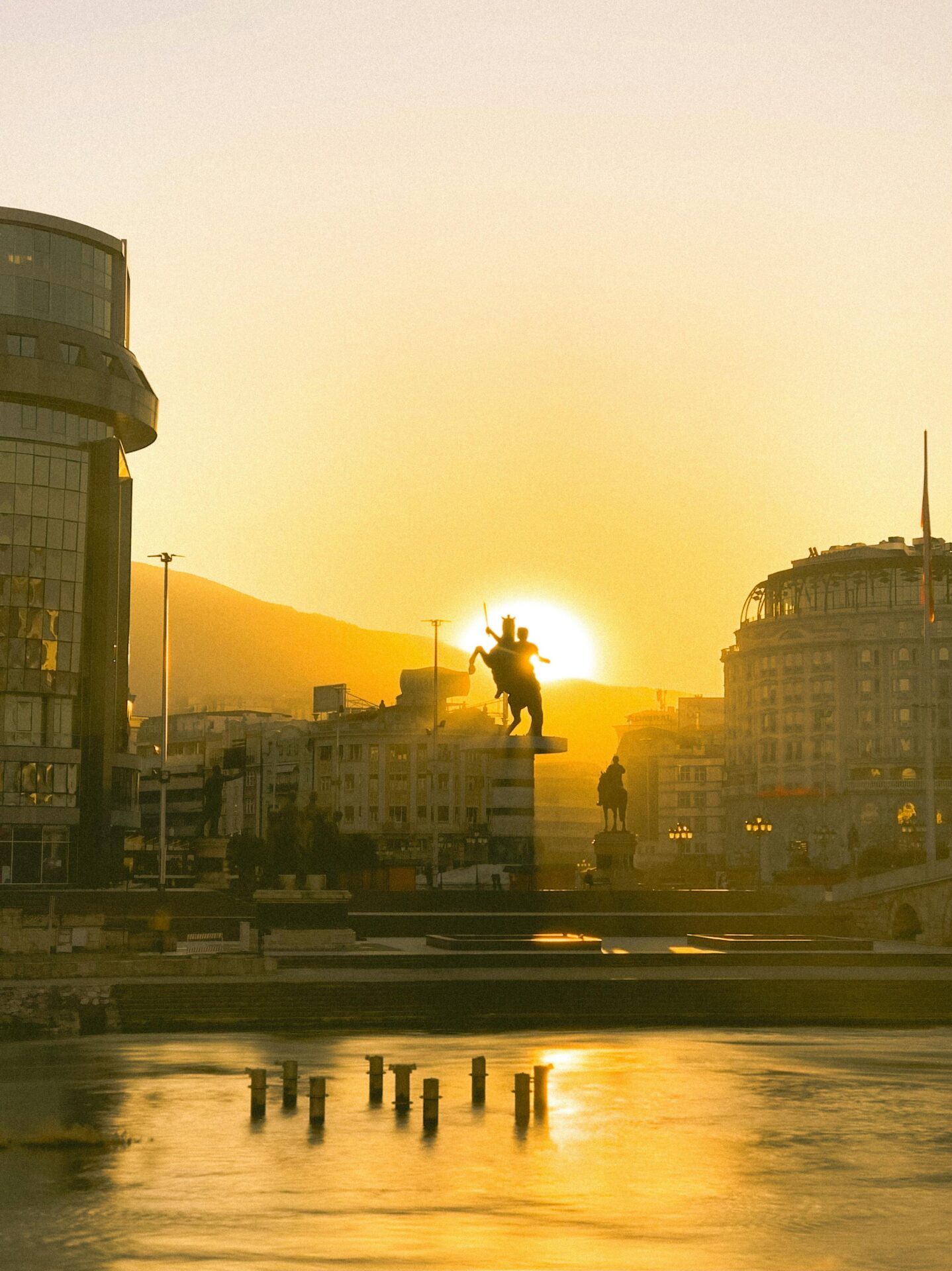
Unveiling Pella: The Ancient Capital of Macedon
As I walked into Pella, history surrounded me. The city once stood at the center of a kingdom that changed the ancient world.
Legacies of rulers and culture linger in the ruins and in the stories you hear as you explore.
The Historical Significance of Pella
Pella is more than a ruin—it’s the root of Macedonia’s power. Founded in the late 5th or early 4th century BC, the city called out to me with its wide roads and mosaic floors that have somehow survived all these years.
Unlike other ancient cities that faded into mystery, Pella remains easy to explore. I wandered among columns and public spaces where merchants, scholars, and soldiers once gathered.
The city’s modern grid design makes it surprisingly simple to navigate, even now. Rivers nearby connected Pella to the sea, so trade and ideas moved freely in both directions.
Pella really stood out as a center—not just of politics, but of daily life and culture in ancient Macedonia. Artifacts of art, pottery, and writing gave me a window into what people cared about back then.
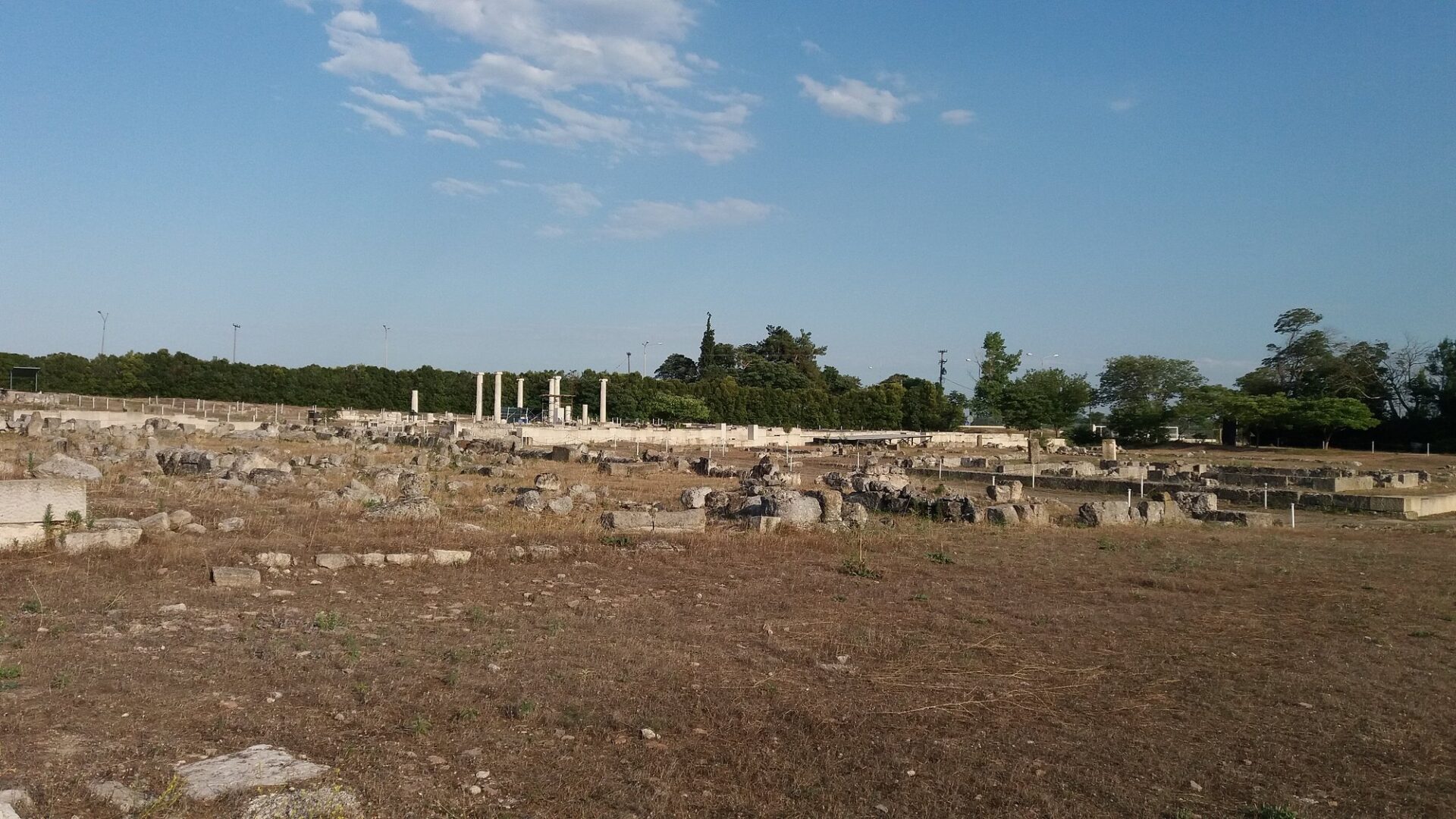
Macedonia’s Ancient Capital: Rise and Glory
In Pella, I could almost see its heyday as the capital of Macedonia. King Archelaus moved the capital here, and the city grew fast.
It wasn’t just a royal seat; for centuries, it was the largest and wealthiest city in the region. Walking through the palace complex, I found myself awed by its size and layout.
Columns once supported great halls where leaders made big decisions. Artists, poets, and philosophers thrived here, and the central squares buzzed with life.
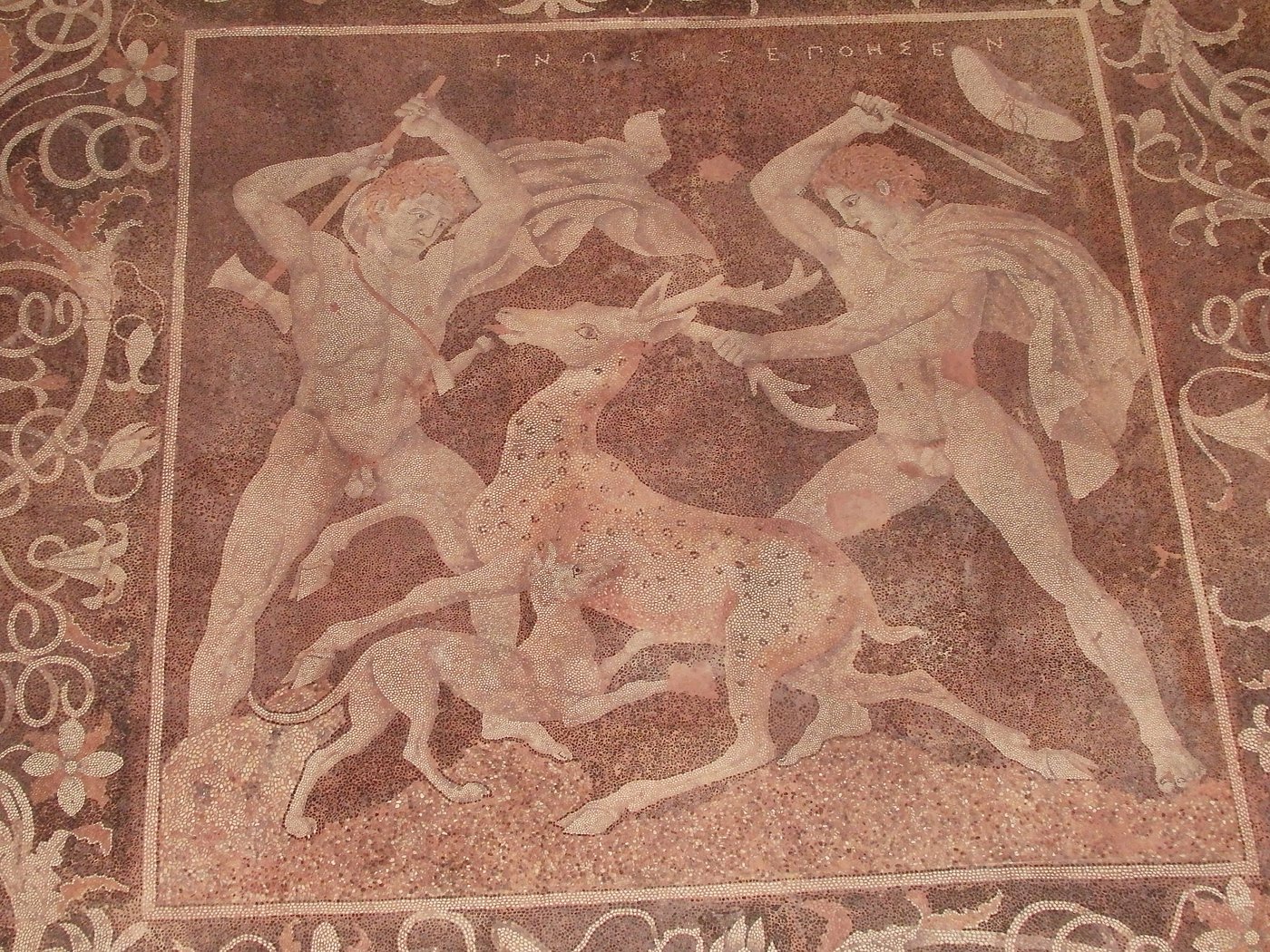
Houses boasted beautiful mosaics with hunting scenes and glimpses of daily life—some of the city’s best highlights, if you ask me.
From Pella, Macedonia’s kings—backed by their armies and a web of allies—shifted the balance of power in Greece. I could picture troops marching out to expand the kingdom, just as Philip II and Alexander the Great once did.
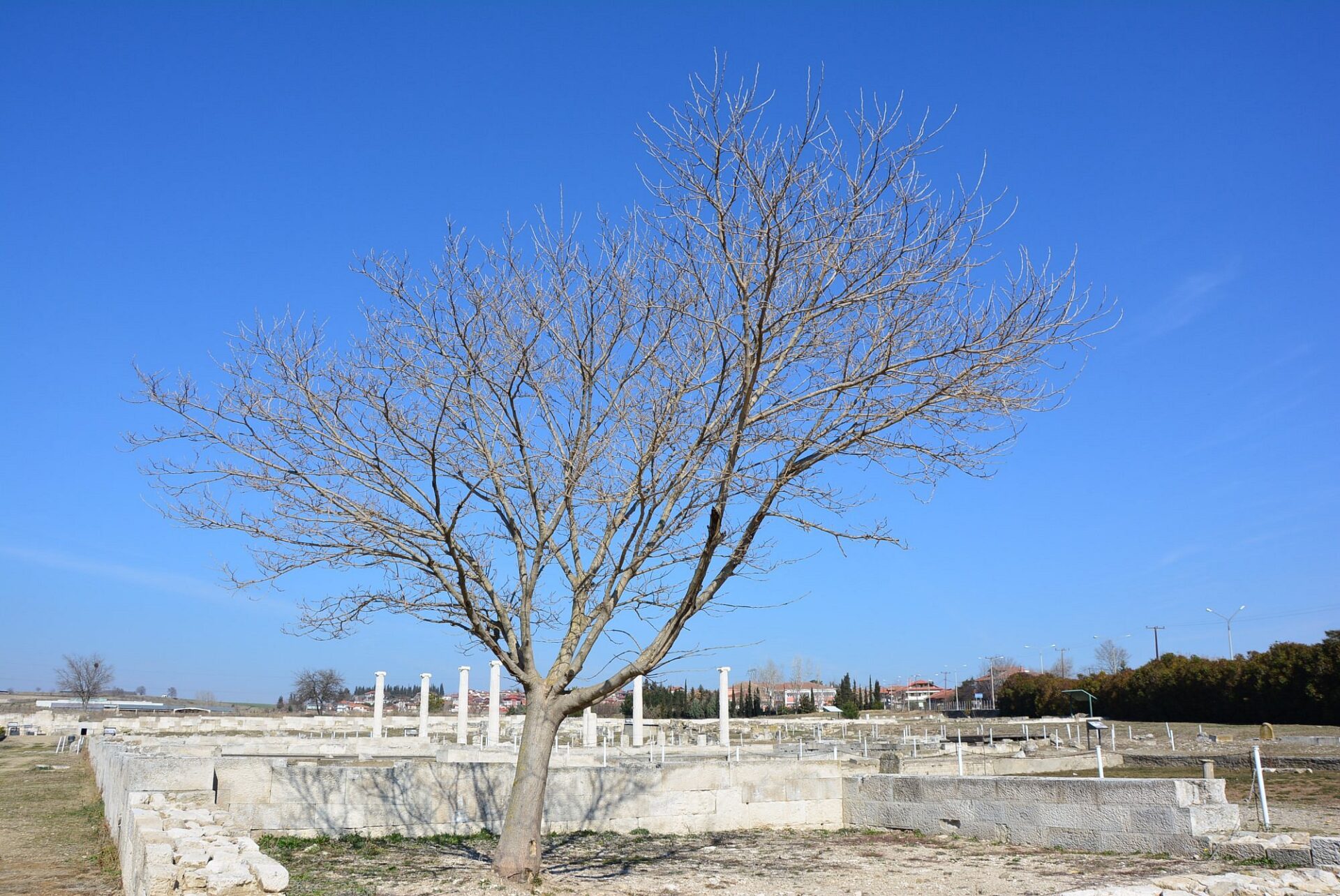
King Philip II and Alexander the Great: Royal Heritage
Pella’s most famous residents? That would be King Philip II and his son, Alexander the Great. I walked the same ground where they lived and trained.
Philip II, who ruled from 359 BC, turned Pella into a mighty capital and built up the Macedonian army. He didn’t just reform the government; he also promoted arts and culture, making the city a hub for knowledge and tradition.
Alexander the Great was born here in 356 BC. I stood near what experts believe was once his home.
Alexander’s upbringing in Pella shaped him as a leader. He learned from philosophers like Aristotle here.
Not long after leaving, he set out to conquer an empire that stretched from Greece to Egypt and beyond. Every part of this city reminded me of that royal legacy—still inspiring for travelers and history lovers.

Walking Through the Pella Archaeological Site
As I entered the Pella archaeological site, history just seemed to pulse all around me. Massive public squares, colorful mosaics, and handmade ceramics showed how ancient Macedonians lived, traded, and created art.
Exploring the Agora and Public Spaces
The heart of ancient Pella is the agora, or public marketplace. It used to be filled with the sounds of traders, philosophers, and citizens busy with their daily routines.
Walking along the lines of old columns, I could almost hear merchants calling out their wares or kids weaving between the crowds. Some parts of the agora still have stone blocks and wide open spaces.
It was more than just a market—it was a spot for gatherings, festivals, and heated political debates. Pella’s agora ranked among the largest in ancient Greece.
I found posted signs and a simple map, which helped me picture where temples and shops once stood. The cool morning and birdsong made me slow down.
It wasn’t hard to imagine how important these public spaces were for Macedon.
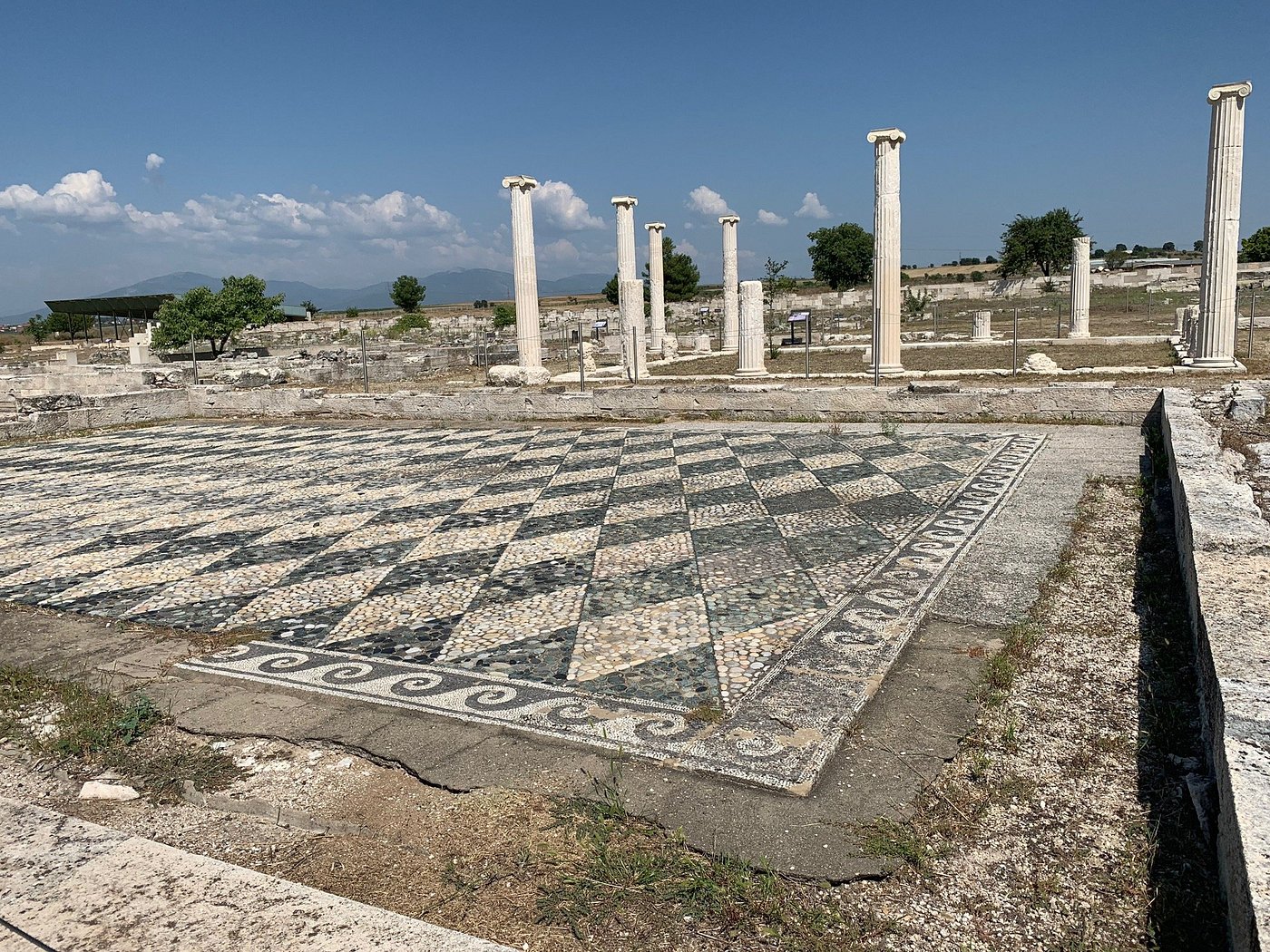
Roman and Greek Mosaics: Artistic Legacy
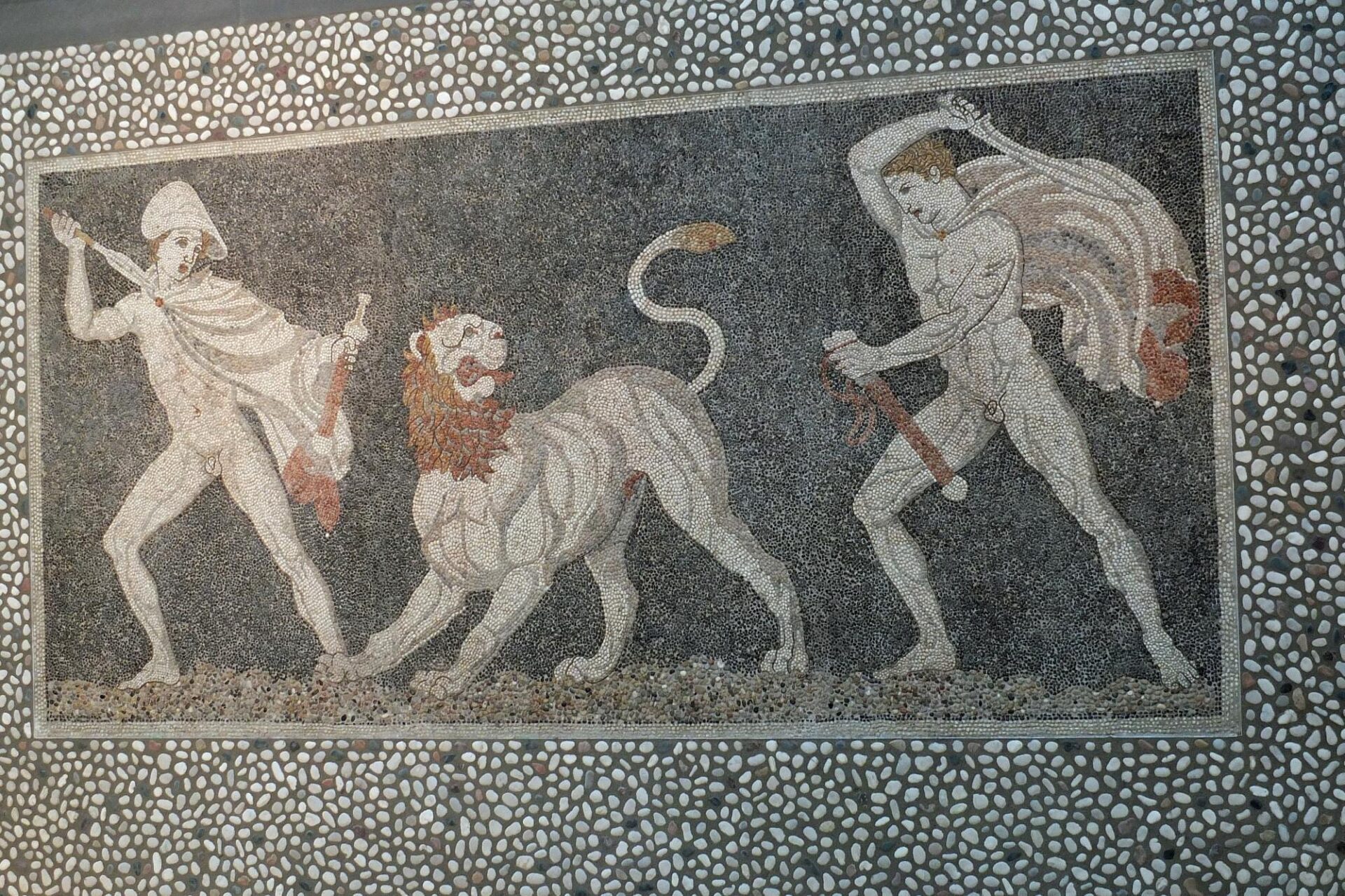
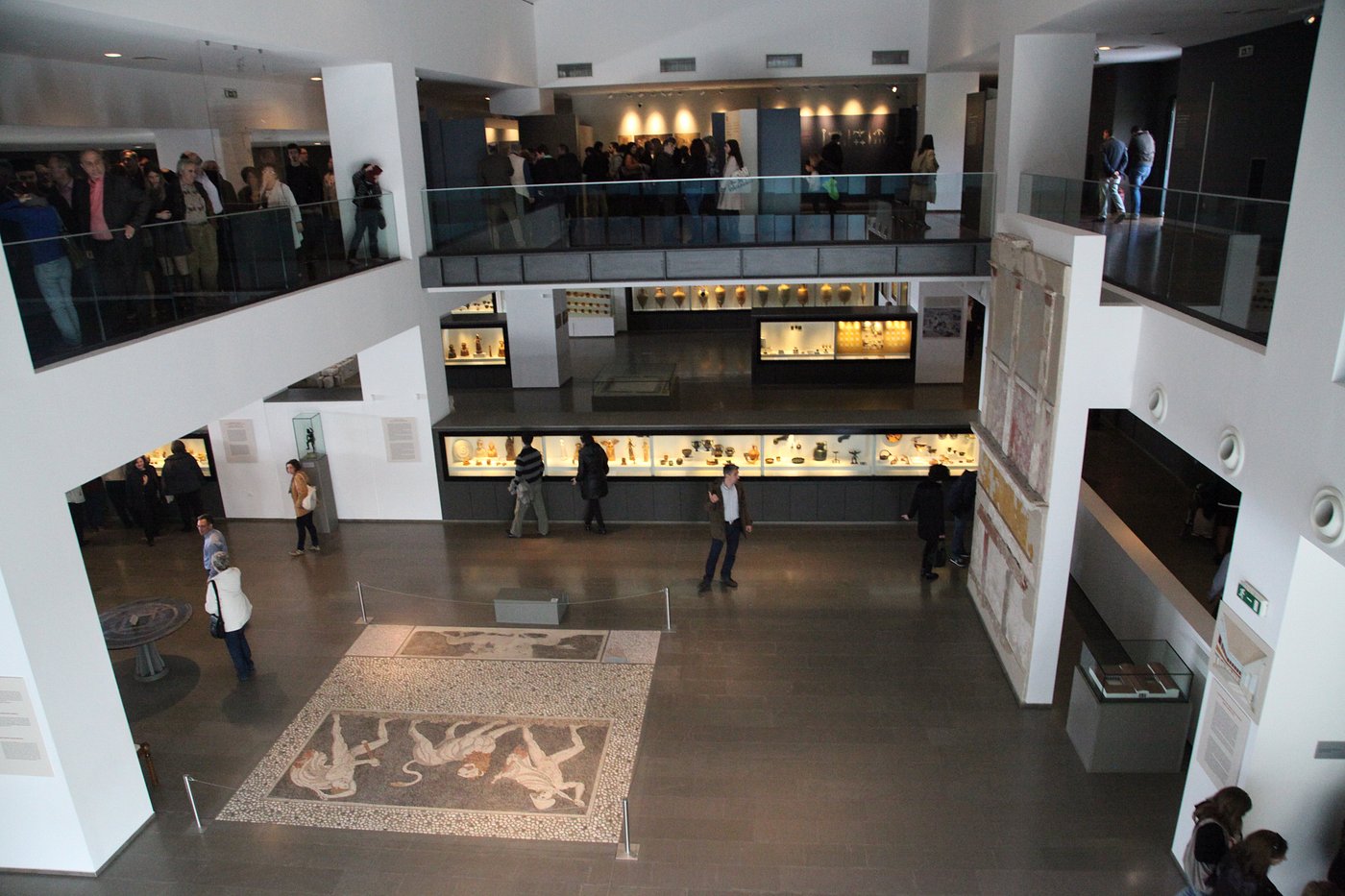
One of my favorite moments in Pella came when I stepped into houses with preserved floor mosaics. These floors are covered in tiny colored stones, arranged in images of heroes, hunters, and animals.
I saw scenes of Dionysus on a chariot, intricate borders, and wild animal patterns. You can really see the blend of Greek and later Roman styles in how the designs evolved.
Some of the oldest mosaics date to the 4th century BCE—so, from the time of Alexander or soon after. The museum at the site even has a table showing the most famous mosaics and where they came from:
| Mosaic Name | Scene | Period |
|---|---|---|
| Lion Hunt | Hunting Scene | 4th century BCE |
| Dionysus Riding Panther | Mythological Figure | 4th century BCE |
| Abduction of Helen | Mythological Scene | Late Classical |
Visiting these rooms, I felt a connection to the artists who pieced together these stories for Pella’s people.
Ancient Ceramics and Everyday Life
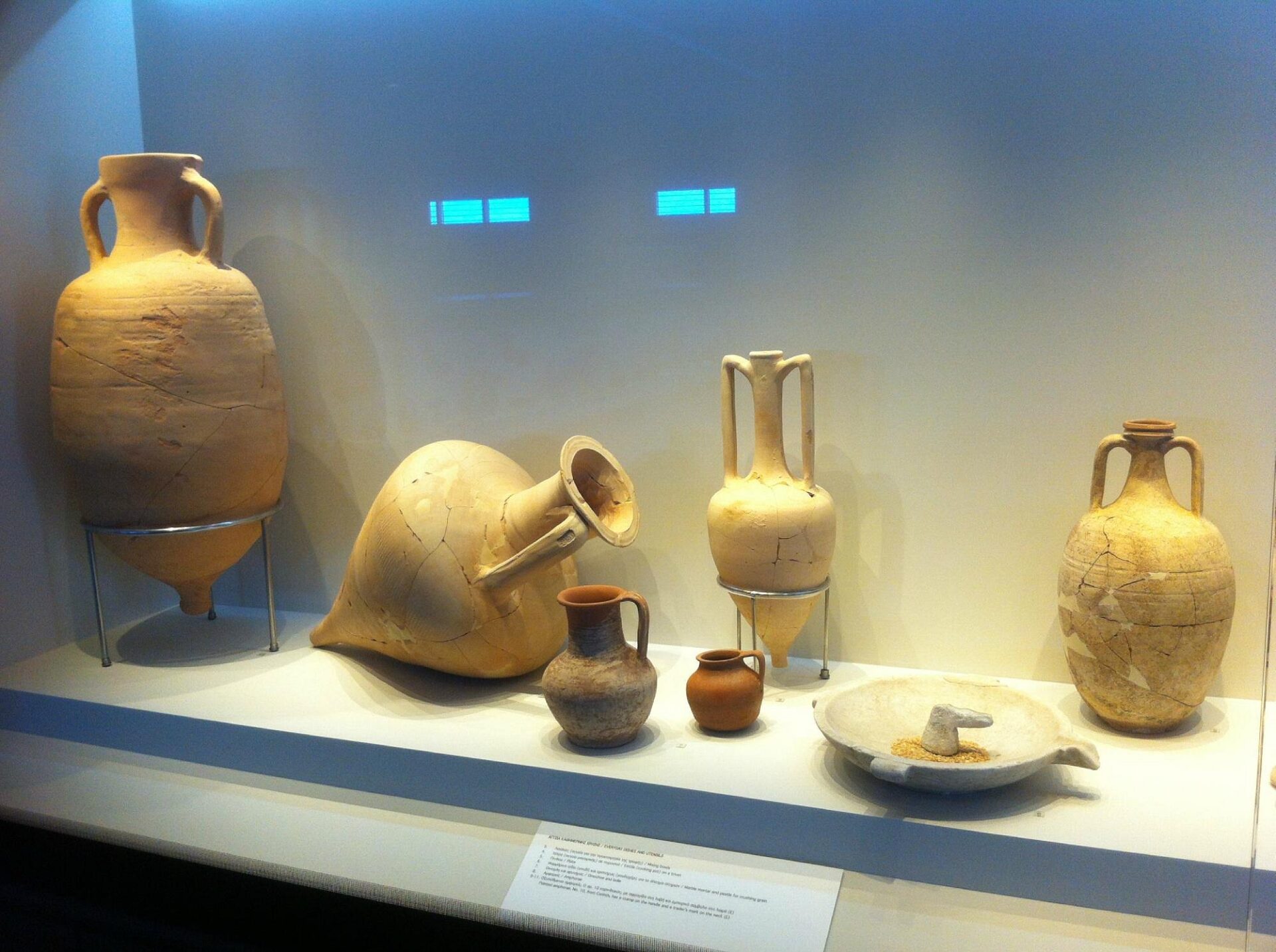
Ceramics from the site give us a peek into daily life in Pella. I saw pots ranging from simple bowls to decorated jars for oil and wine.
The museum’s displays show how pottery reflected social class and changing tastes over time. Some ceramics are painted with geometric shapes, others with plants and animals.
There are small figurines too, showing how people decorated their homes or made toys for children. I liked spotting the little imperfections—fingerprints in the clay, uneven glazes—that made each piece unique.
Archaeologists use these finds to learn about diet, trade, and how Pella’s people lived. It’s a reminder that behind the grand history, real people shaped and used these ceramics in their daily routines.
Pella Archaeological Museum: A Journey Through Time
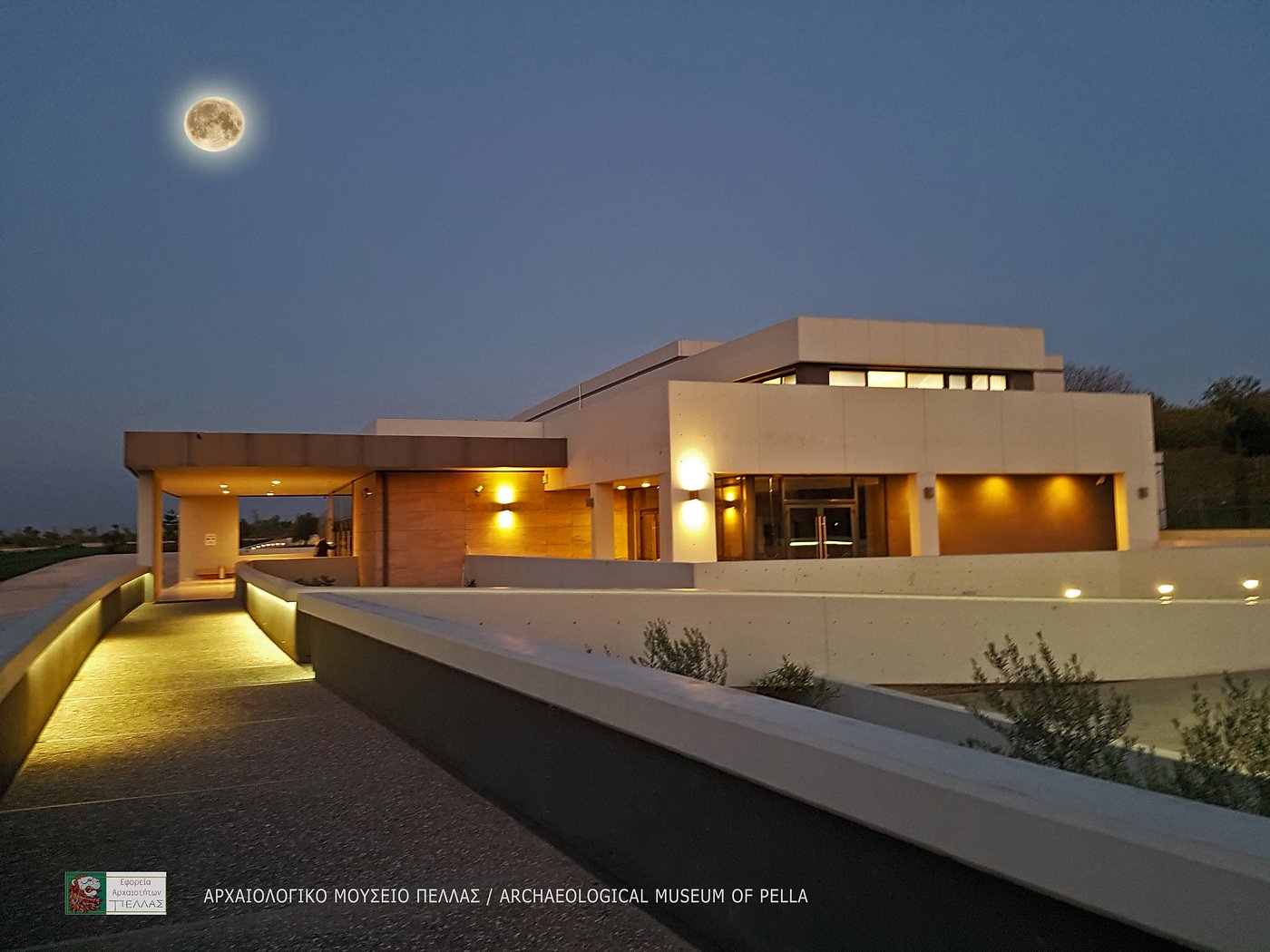
When I walked into the Pella Archaeological Museum, I felt like I’d stepped into the heart of Macedonian history. From ancient mosaics to interactive exhibits and hands-on workshops, the museum really invites you in.
Must-See Exhibits and Artifacts
The museum’s biggest draw is its collection of stunning mosaic floors. These mosaics, found in Pella’s ancient homes, are packed with color and detail.
The “Lion Hunt” and “Dionysos Riding a Panther” mosaics grabbed my attention with their storytelling. I also found the display of everyday objects from ancient homes surprisingly interesting.
Pottery, coins, and jewelry showed me what daily life looked like here thousands of years ago. Statues and inscriptions fill several rooms, each revealing something new about Macedon’s royal family and culture.
It was wild to see items directly connected to Alexander the Great’s palace. Here’s a quick list of my favorite highlights:
- Mosaic Floors: Art scenes from the Hellenistic period
- Gold Jewelry & Coins: Detailed designs from Macedonian society
- Sculptures: Statues of gods, kings, and everyday people
- Household Items: Tools and pottery that made ancient life feel real
Workshops and Cultural Programs
The Pella Archaeological Museum offers interactive workshops—joining one was a highlight for me. I got to try ancient mosaic-making and learn about Greek pottery styles.
Families will find hands-on programs for kids, where they can dress up in ancient costumes or make their own mini artifacts. I noticed school groups, too, and the guides made the history feel lively.
Sometimes the museum hosts lectures by archaeologists or artists, diving deeper into Macedonian culture. These experiences helped me see the stories behind the glass displays.
Special holiday programs or themed tours pop up now and then. For current schedules, it’s best to check the museum’s website or ask at the entrance.
Visitor Information: Tickets and Opening Times
Getting into the Pella Archaeological Museum was straightforward. Ticket prices were reasonable, and sometimes free for students, kids, or seniors.
I bought my ticket at the door, but you can book online if it’s busy. The museum usually opens early in the morning and closes mid-afternoon, but hours change by season.
When I visited in spring, hours were 8:00 am to 4:00 pm, with last entry about 30 minutes before closing.
Table: Key Visitor Details
| Detail | Information |
|---|---|
| Tickets | At door/online |
| Opening Times | 8:00 am – 4:00 pm* |
| Closed | Some public holidays |
| Discounts | Children, students, seniors, groups |
*Always double-check current hours before your visit. The museum is well signposted in Pella, with free parking nearby, and the staff at the welcome desk were genuinely helpful.
Exploring Nearby Ancient Sites and Destinations
If you wander beyond Pella, you’ll find regions just as rich in history. These places let you follow in the footsteps of kings, philosophers, and ancient legends.
All of them are close enough for a day trip.
Aigai (Vergina) and the Royal Tombs
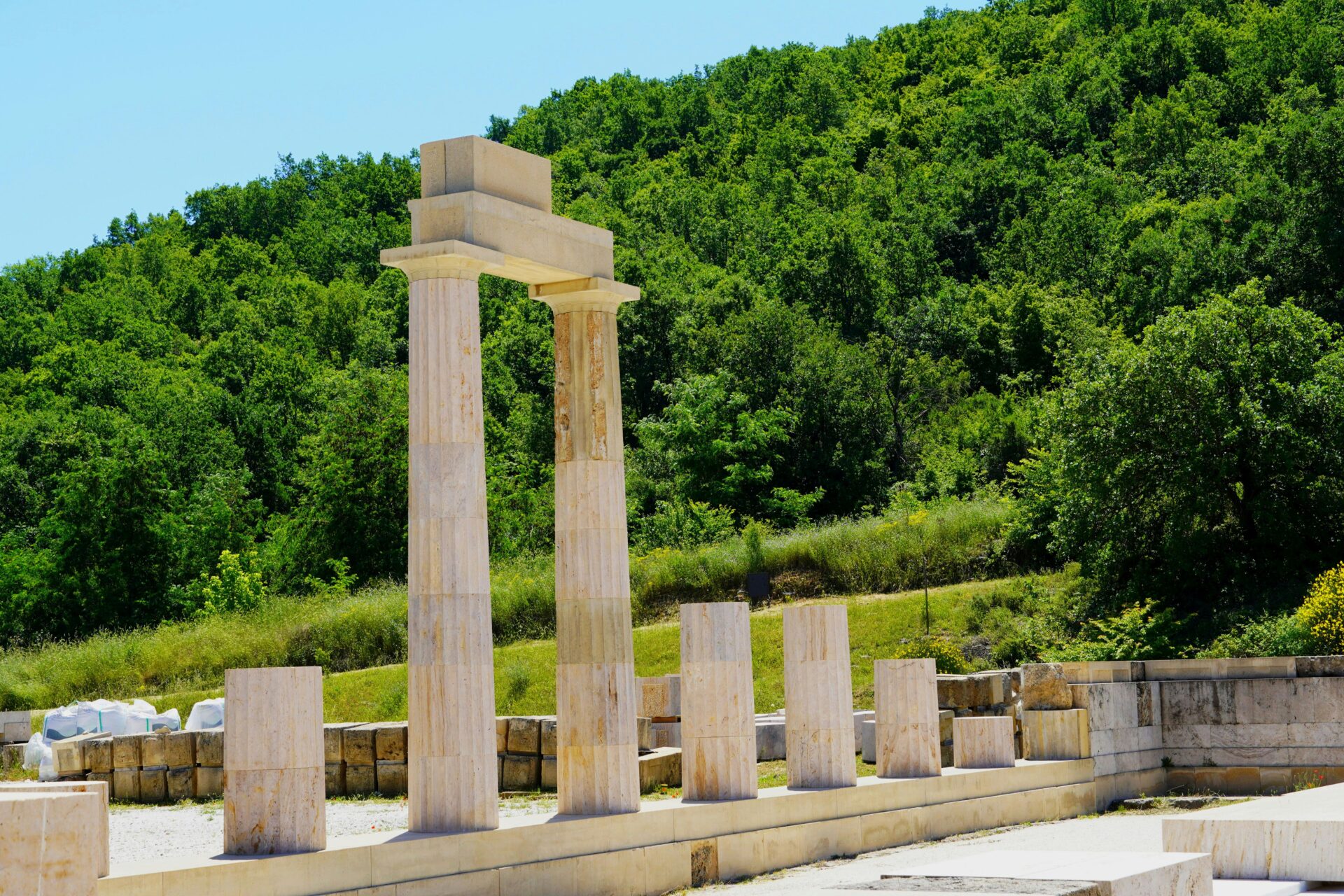
A short drive from Pella brought me to Vergina—Aigai, the first capital of ancient Macedonia. The atmosphere here felt heavy with the past.
Standing before the Royal Tombs, I found myself face-to-face with the resting places of Macedonian royalty, including Philip II, Alexander’s father. The Tomb of Philip II, uncovered in the 1970s, left me just speechless.
The treasures inside—solid gold wreaths, detailed weapons, and intricate wall paintings—were dazzling. The Museum of the Royal Tombs sits right inside the ancient burial mound, so you walk around artifacts almost exactly where they were found.
Anyone with an interest in ancient Greek history should add Aigai to their list.
Highlights:
- The Tomb of Philip II
- Gold funerary armor and wreaths
- Centuries-old frescoes
- The powerful energy of the burial site
Mieza: Aristotle and the School of Alexander
West of Pella, I made my way to Mieza. This town is known for its natural springs, but its real claim to fame is historic.
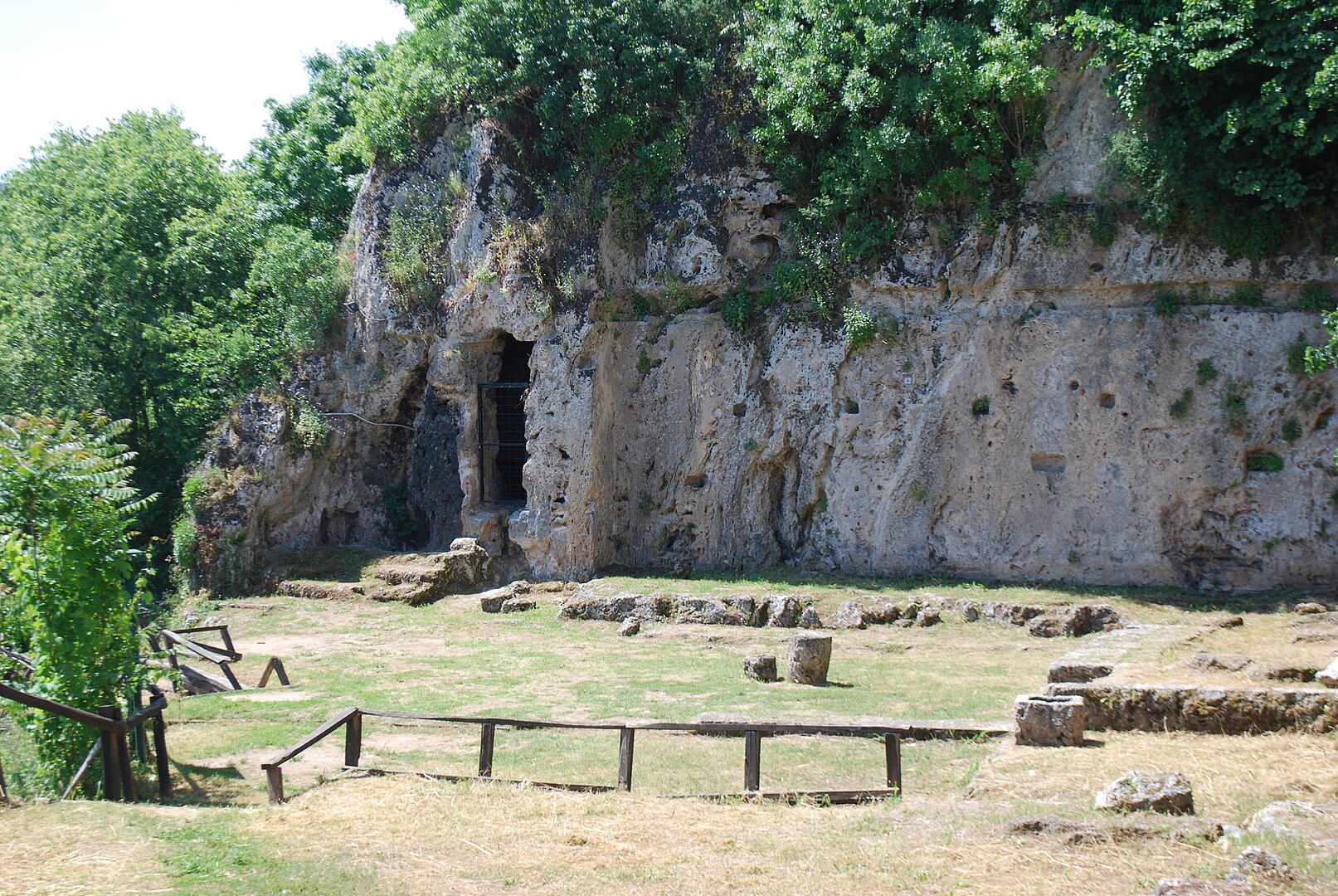
In the 4th century BCE, Aristotle started a school here and taught young Alexander. Walking beside the ancient nymphaeum, I pictured Aristotle’s lessons echoing under the trees.
The remains are simple, but the place’s importance is huge. Ancient stone seats, cave sanctuaries, and the peaceful countryside made me feel like I could almost hear the conversations that shaped world history.
Don’t miss:
- The ancient theater
- Wander the rock-carved sanctuaries
- Pause at the springs and imagine historic debates in the open air
Discovering Dion and Edessa
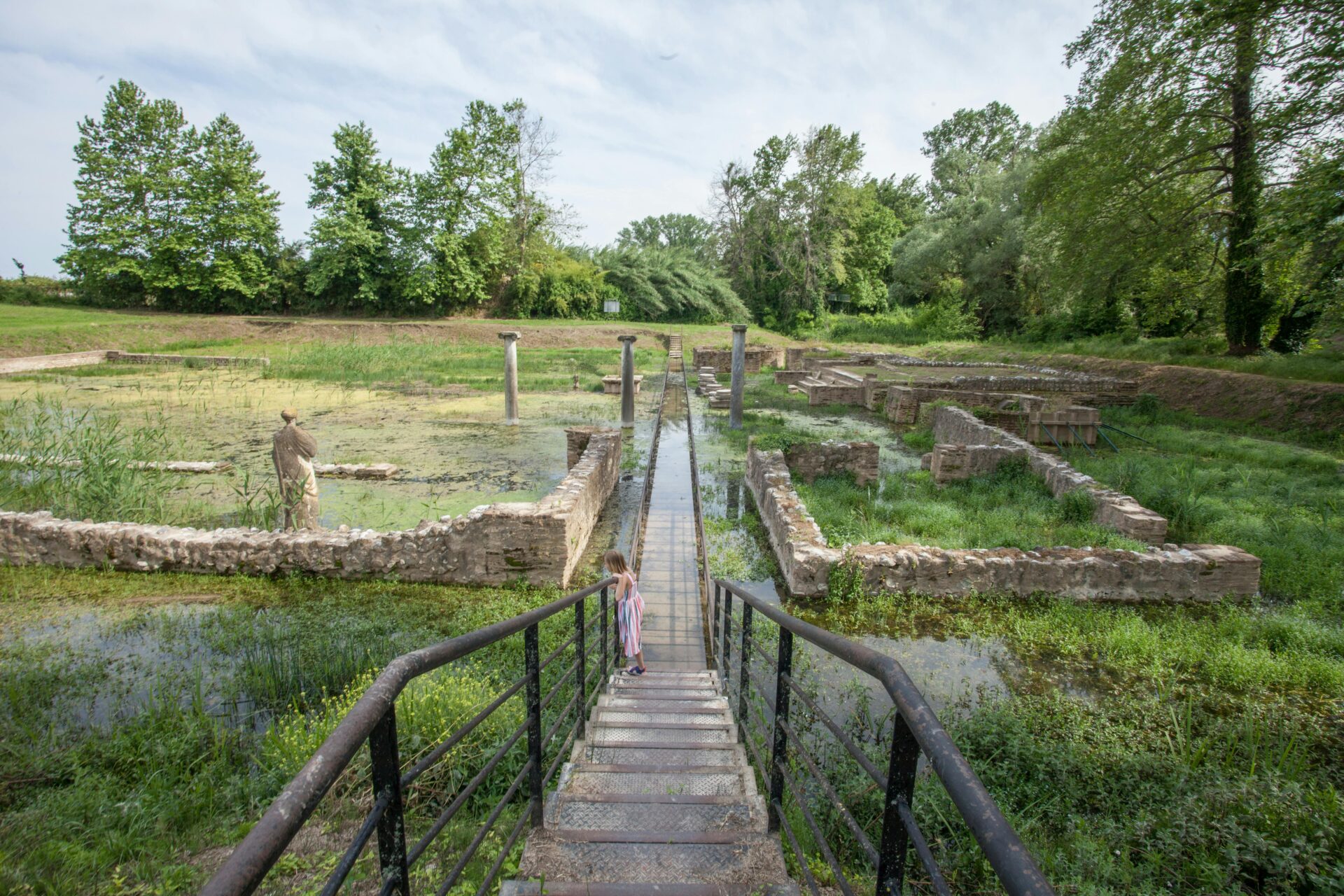
Heading north, I reached Dion, the sacred city at the foot of Mount Olympus. This archaeological park really blew me away with its sheer size—temples, public baths, Roman villas, and even a theater that’s somehow still standing after two thousand years.
In spring, wildflowers burst through the carved columns and statues, bringing a splash of color to the ruins. If you’re drawn to ancient religion, Dion’s sanctuary to Zeus is honestly something you shouldn’t skip.
Edessa, on the other hand, felt like a different world. The city’s famous for its roaring waterfalls, and I found it was the perfect spot to unwind after a day wandering among ruins.
The cool mist and lush green parks around the falls felt incredibly refreshing. I took a stroll through the historic center and discovered some local Macedonian food and crafts—definitely worth the time.
Top spots:
- Dion Archaeological Park map at the entrance
- Sanctuary of Zeus in Dion
- Edessa Waterfalls and viewing platforms
- Tasting fresh local cherries in season
Modern Travel Guide: Getting to and Around Pella
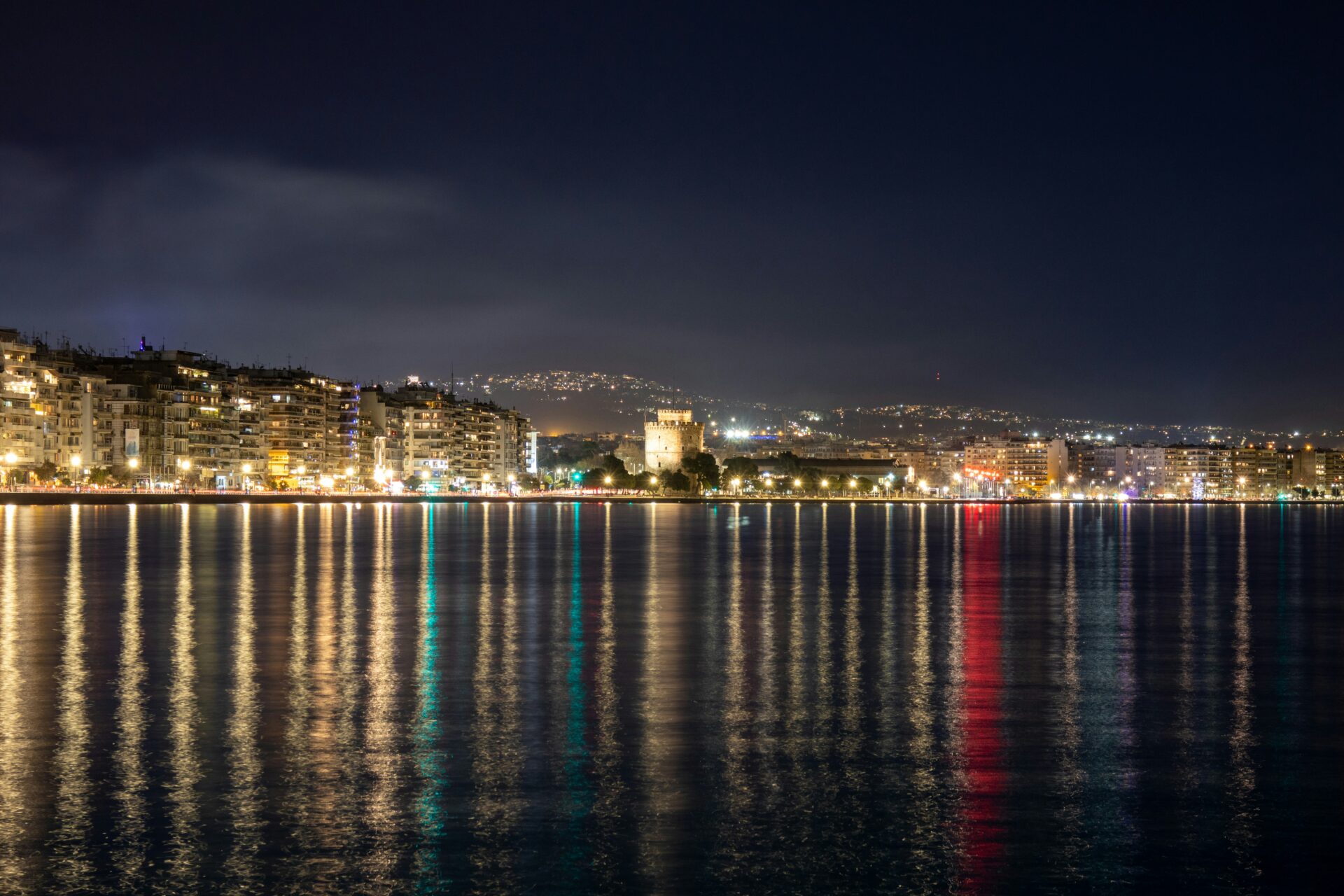
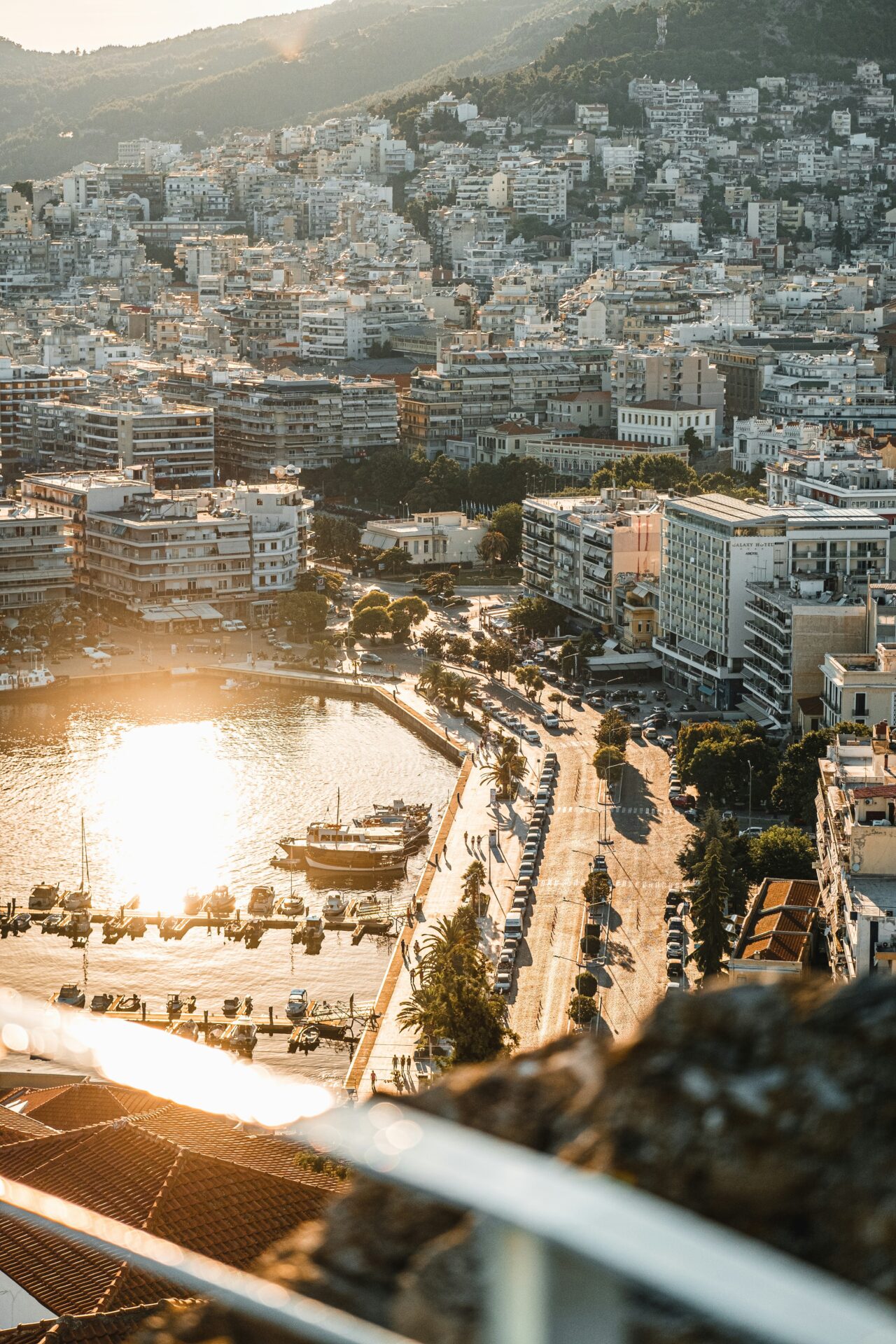
Getting to Pella turned out to be easier than I expected, with several smooth transport options for both international travelers and locals. The routes from cities like Thessaloniki, Veria, and Kavala are pretty straightforward, and honestly, some stretches are so scenic that the journey itself feels like part of the adventure.
Transport Options: Bus, Car, Taxi, Train
During my trip, I noticed that taking the bus is a popular and budget-friendly choice. Local buses connect Pella with Thessaloniki, usually leaving from the main intercity bus station (KTEL).
Buses run regularly, especially in the morning and afternoon. It’s smart to check the schedule ahead of time since times can change.
Driving by car gave me the most freedom. The road from Thessaloniki to Pella is in great shape, and I found parking easily near the archaeological site.
A lot of travelers rent a car at the airport or in the city for flexibility. Taxis are also an option if you want direct transport—more expensive than the bus, but you get door-to-door service, which is great if you’re in a hurry or just want to relax.
Trains don’t go straight to Pella, but you can catch a train from major cities to nearby Giannitsa. From there, it’s just a short bus or taxi ride.
This two-step journey adds a bit of adventure, especially if you’re coming from farther away or even crossing borders, like from Albania.
Routes from Thessaloniki, Veria, Kavala, and Beyond
Leaving from Thessaloniki, I took the Egnatia Odos highway (A2). The drive took just under an hour—sometimes less if traffic wasn’t bad.
Buses leave several times a day. The arrival area sits close to both the modern village and the ancient ruins, so I didn’t have to walk far.
From Veria, the distance is about the same and the route is simple. Regional buses link Veria to Pella, and I found the timetables at the city’s main bus terminal.
Kavala is farther east. I reached Thessaloniki first by bus or train, then transferred to Pella.
If you’re coming from outside Greece, like Albania, international buses or trains into Thessaloniki make it doable. Renting a car at the border or in the city is honestly the easiest way to finish the trip.
Here’s a quick reference:
| Route | Approx. Distance | Main Transport | Estimated Time |
|---|---|---|---|
| Thessaloniki | 40 km | Bus, Car, Taxi | 1 hour |
| Veria | 50 km | Bus, Car | 1 hour |
| Kavala | 190 km | Bus, Train+Bus | 3-4 hours |
| Albania border | 230 km | Car, Bus/Train | 4-5 hours |
Travel Tips for a Seamless Experience
Buy bus tickets in advance, especially during summer or local events. I almost missed my bus once because of unexpected crowds.
Carry small change for tickets or taxis—some drivers don’t take cards.
I found that traveling early in the day makes everything easier. Mornings are cooler, and the archaeological site is quieter before noon.
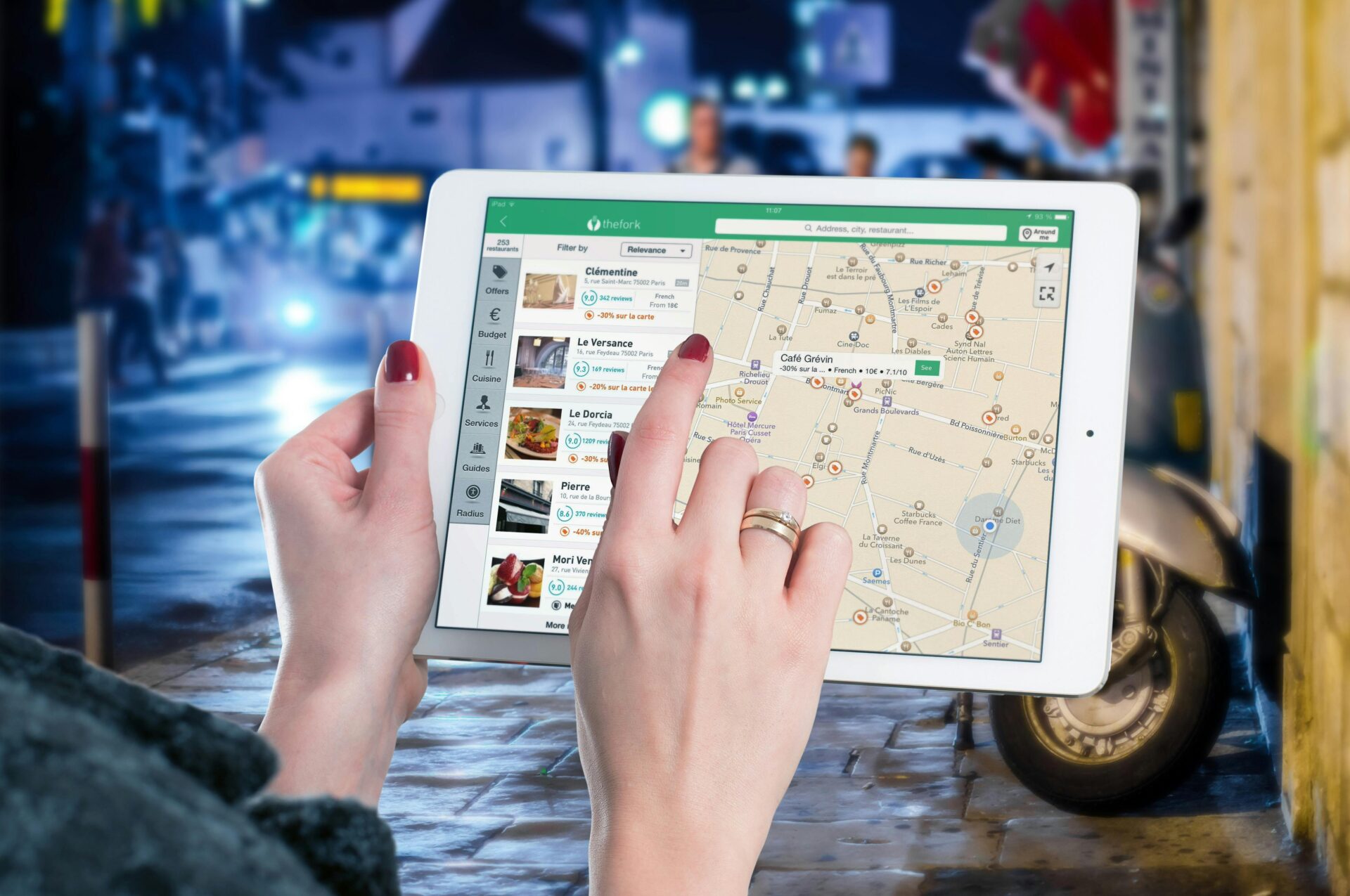
If you’re driving, keep Google Maps or another GPS handy. While most roads are marked, some rural signs are easy to miss.
If you’re relying on public transport, check the return schedule. Buses to Thessaloniki or Veria don’t always run late.
If you want to visit multiple sites in one day, a rental car or organized tour really helps you stay on track.
Experiencing Macedonian Culture and Heritage Today
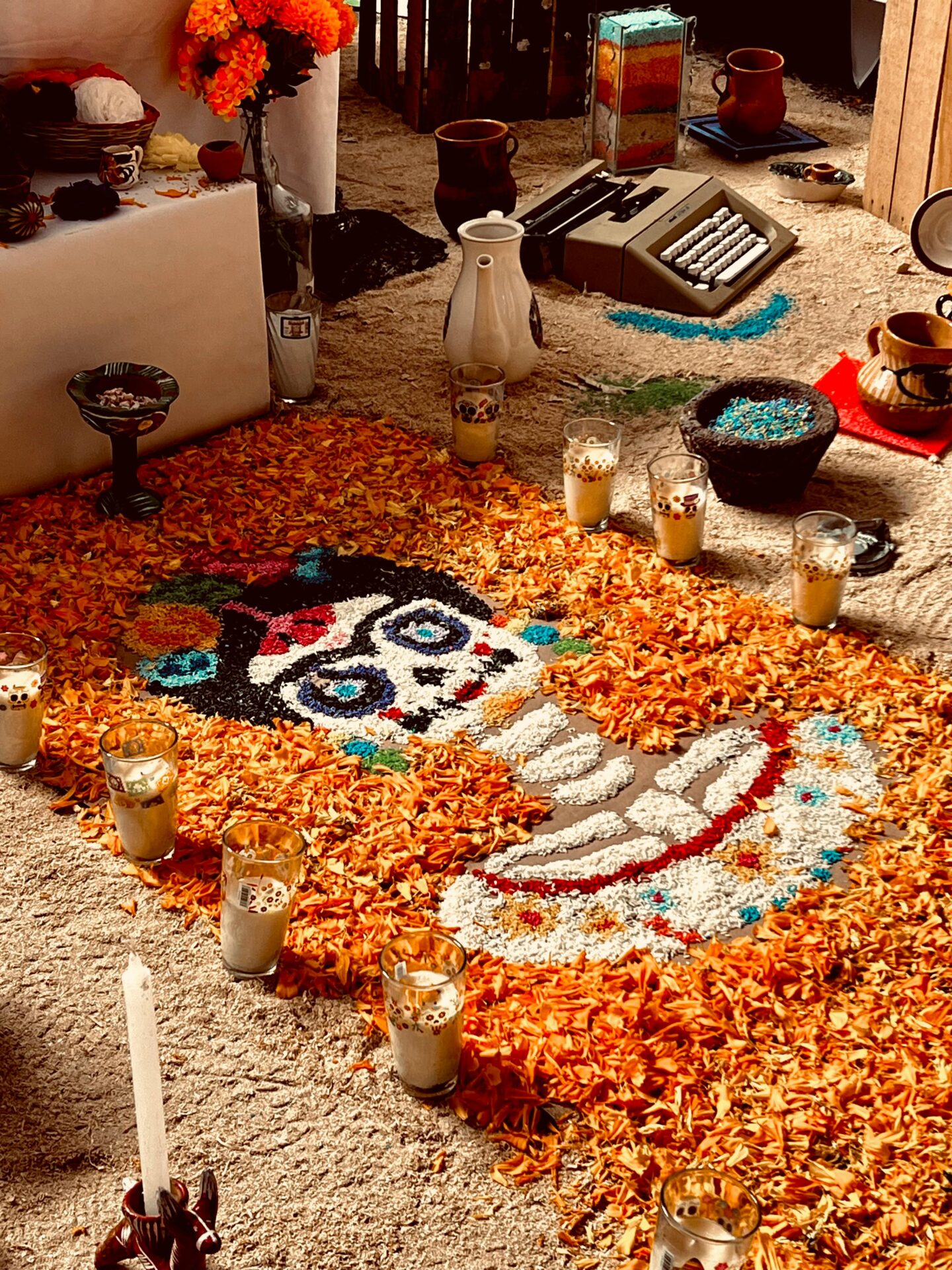
Pella isn’t just about old ruins; the place buzzes with celebrations, hands-on art, and authentic flavors that go back centuries.
Every step lets me feel how history still lingers in daily life—whether I’m at a cultural event, tasting something new, or just wandering through nearby towns.
Art and Festivals in the Region
One of my favorite surprises? The art scene here is way more vibrant than I expected.
I joined a local workshop where we painted traditional Macedonian patterns on pottery. The teacher—a third-generation artisan—shared stories about how these designs have been passed down for centuries.
Festivals really bring the place to life. The summer music festival in Pella draws artists from all over Greece.
People dance in the town square, and regional folk musicians play late into the evening. Paintings, handmade jewelry, and mosaics line the streets, so you can admire or even buy local art.
Notable cultural events in Pella include:
| Event Name | Time of Year | Main Attractions |
|---|---|---|
| Pella Music Festival | Summer | Live music, dancing |
| Mosaic Art Week | Spring | Workshops, guided exhibits |
| Harvest Celebration | Autumn | Food stalls, craft markets |
Getting hands-on with local art made me feel connected to Macedonian tradition in a way that museum visits just can’t match.
Local Flavors: Food and Traditions
Macedonian hospitality hit me as soon as I sat down for a meal. Taverns serve classics like soutzoukakia (spiced meatballs), fresh goat cheese, and bougatsa—that creamy pastry dusted with sugar.
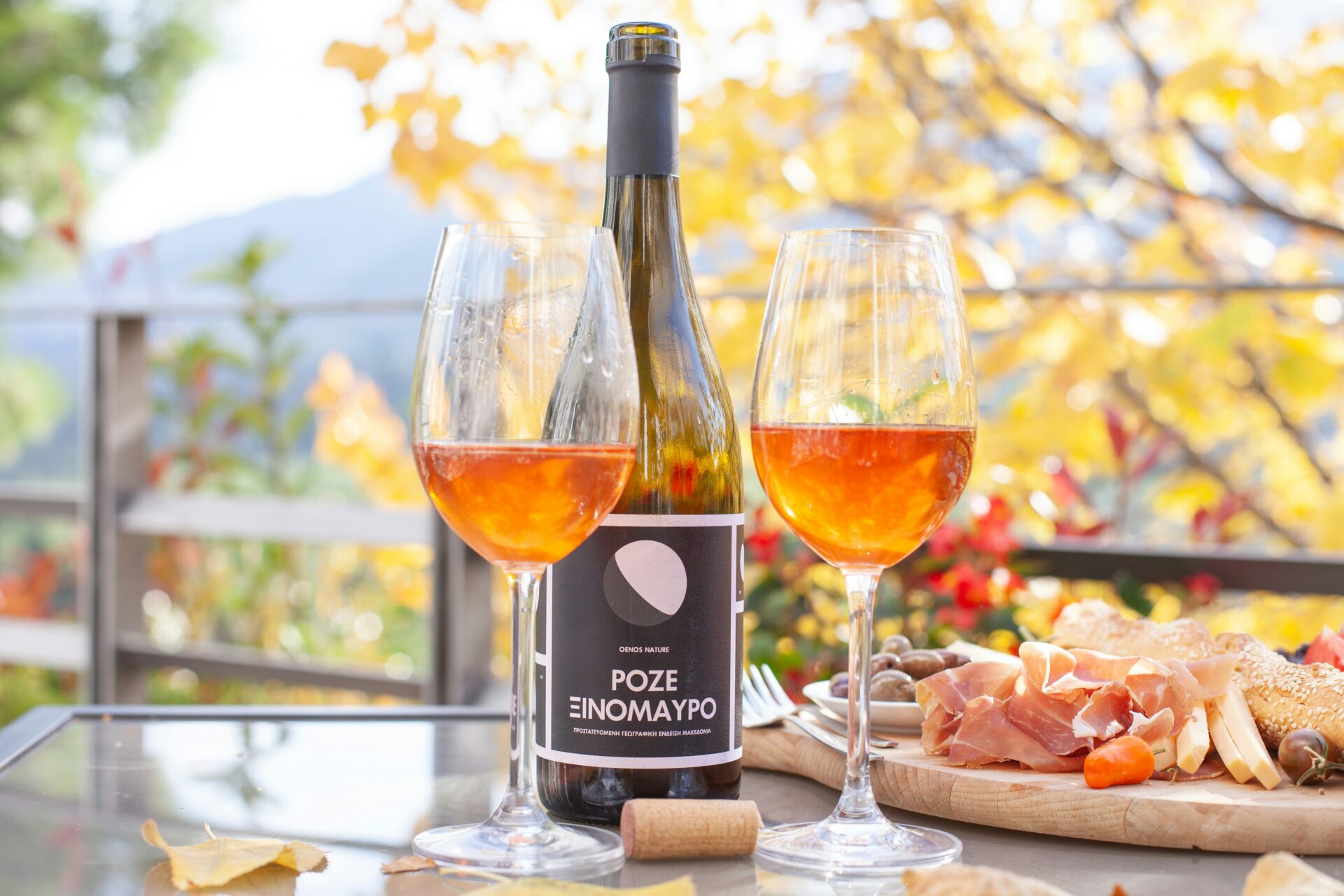
Most meals start with shared plates, and someone always pours a glass of locally grown Xinomavro red wine.
Food here isn’t just about taste; it’s a ritual. I learned to break bread with my neighbors and even got invited into a kitchen where fresh pastries were being made for an upcoming festival.
Many restaurants in Pella use ingredients from small family farms. This focus on local, seasonal produce keeps the menus both traditional and honestly, pretty exciting.
Popular Local Dishes:
- Soutzoukakia (meatballs in tomato sauce)
- Bougatsa (custard or cheese pastry)
- Loukoumades (honey-soaked doughnuts)
- Xinomavro wine
Every bite and every toast felt like a tribute to centuries of Macedonian gathering and celebration.
Extending the Journey: Philippi, Naoussa, and More
I started out in Pella, but I couldn’t resist checking out some nearby spots. Driving over to Philippi didn’t take long, and honestly, that place blew me away. Ancient amphitheaters, early Christian mosaics—there’s just so much packed into that UNESCO World Heritage site.
I stood right where those famous battles and speeches happened. It’s hard not to feel a bit awestruck by all that history echoing around you.
Naoussa felt different—warmer, maybe, or just cozier. The traditional squares buzzed with life, and leafy parks offered a nice break from exploring. I jumped into a winemaking workshop and got my hands dirty, learning how the region’s cool climate gives its wines those bold flavors.
Old town had these tiny museums and quirky artisan studios everywhere. Every corner seemed to promise something new from Macedonia’s creative side.
Meeting local artists, vintners, and historians made the trip way more personal than I expected. Each little town put its own spin on Macedonian culture. Still, they all shared this deep pride and a genuine openness that made me feel welcome.

#/media/File:20160518_092_mieza_nympheum.jpg)