
You just can’t talk about surfing in Portugal without bringing up Peniche. They call it the “surfing mecca” of the country, and honestly, I see why. Wave chasers from all over the globe gather here for the reliable conditions and legendary beaches.
My days started with bleary-eyed dawn checks at Supertubos, then I’d spend lazy afternoons wandering the old fortress streets perched above the Atlantic.
Supertubos isn’t just another stretch of sand. Surfers flock here for fast, hollow waves that test even the bravest. There’s a buzz on the beach—locals and visitors swapping stories, everyone looking for their shot at the next set.
After a session, I’d stroll along the fortress walls, maybe grab seafood at a spot packed with both surfers and old-timers. There’s this mix of surf culture and Portuguese history you just don’t find anywhere else.
If you’re itching to find the best waves in Portugal or just want to soak up real coastal life, Peniche has a ton of hidden corners, cozy surf lodges, and wild seafront views.

Why Peniche Is a World-Class Surfing Mecca
Peniche isn’t just about pretty beaches. Dramatic Atlantic waves, a super-welcoming surf culture, and reliable surf all come together here.
Every time I visit, I find both challenging breaks and a community that’s genuinely stoked to share the stoke.
Peniche’s Geography and Legendary Surf Spots
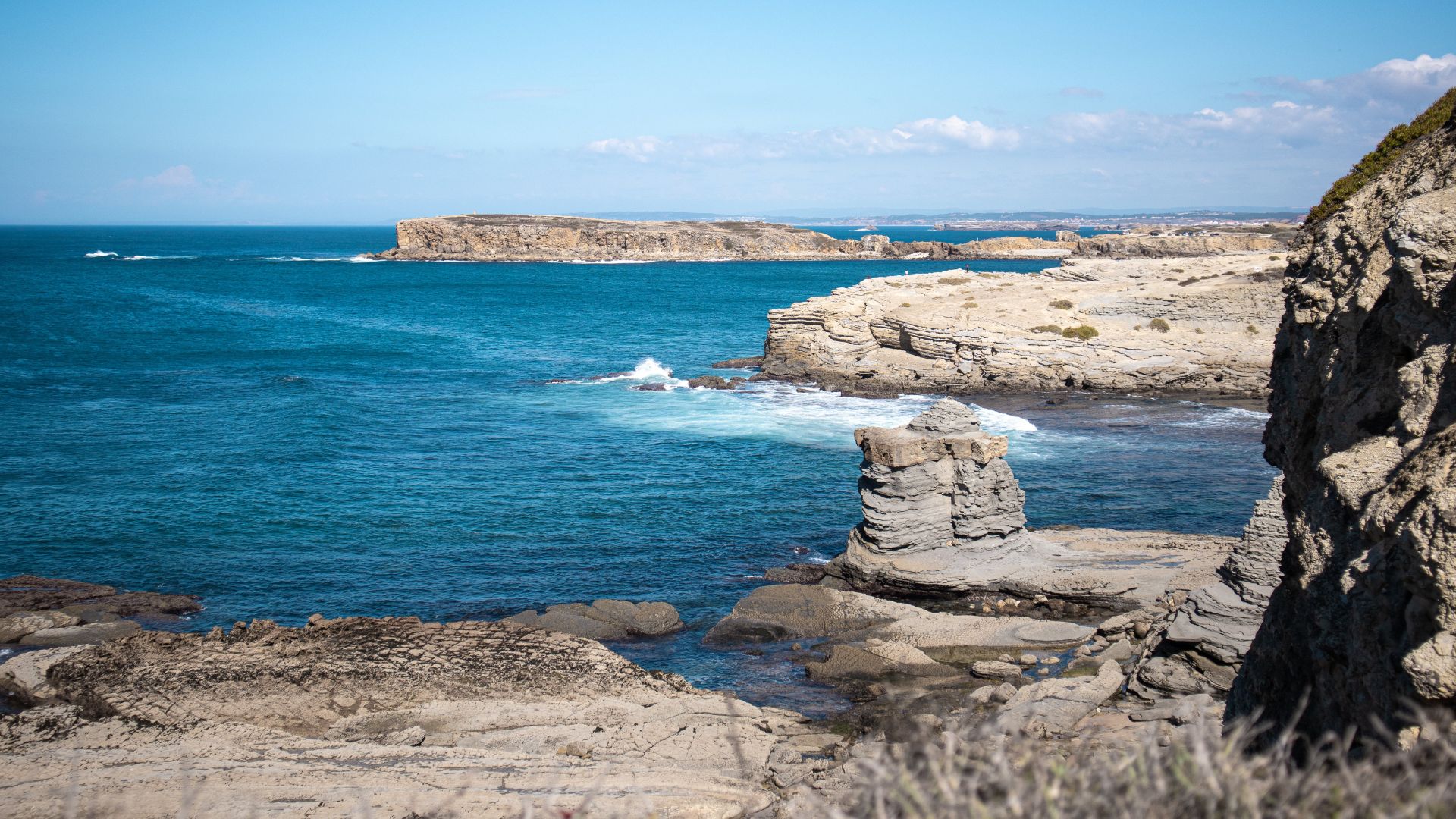
Peniche sits out on a rugged peninsula, sticking out into the Atlantic. Its position lets it catch swells from almost any direction. The coastline wraps around with a mix of beaches and rocky points.
There’s almost always a wave somewhere, no matter what the wind or tide is doing.
Supertubos is probably the most famous spot, often called the “Portuguese Pipeline” for its barreling waves. Big competitions like the WSL MEO Rip Curl Pro happen here, so you’ll spot pros in the lineup. Baleal is just up the road, and it’s way more mellow—great for learning.
Top Spots in Peniche:
| Surf Spot | Skill Level | Features |
|---|---|---|
| Supertubos | Experienced | Fast, hollow barrels |
| Praia do Baleal | All levels | Mellow, consistent |
| Consolação | Intermediate | Rocky point, variety |
I’ve watched seasoned rippers and first-timers share the same waves. Each spot feels different, but what makes Peniche special is how much variety you get in such a small area.
The Culture and Community of Surfers
As soon as I hit Peniche, the vibe changes. You can strike up a chat with anyone—people love swapping surf tips or just talking about the last good set.
Surf schools line the streets. Board shops are everywhere.
Cafés and hostels buzz with surfers checking forecasts or laughing at GoPro wipeouts over espresso. Locals get involved, teaching lessons or running hostels. When Supertubos gets big, there’s a bit of rivalry, but it’s all in good fun.
You’ll see the community everywhere—from beach cleanups to impromptu sunset hangs. Peniche is open to everyone, whether you’re chasing barrels or just learning to paddle out.
The surf culture here makes you feel at home, even if it’s your first time.
Consistent Waves and Prime Surfing Conditions
Peniche’s real magic is its wave consistency. The peninsula’s shape and exposure to Atlantic storms mean swells roll in nearly all year.
If one side’s blown out, you can usually find shelter just ten minutes away.
Autumn is peak season—especially October—when the waves get bigger and better. That’s when Supertubos hosts the world’s best. Summer brings smaller surf and sunny days for all levels.
Typical conditions:
- Water: 15–20°C (spring suit is smart)
- Waves: 2–8 ft, sometimes bigger in storms
- Best wind: offshore or calm
I like knowing there’s almost always something to ride. The shifting sandbars and tides keep things fresh, so every session feels new.
Chasing Waves at Supertubos: The Surfer’s Dream
When I first stepped onto Supertubos, I got it—this is why surfers travel halfway across the world. The waves, the contests, the vibe… it’s all here.
Riding Powerful Waves at Supertubos
Supertubos isn’t like other Portuguese surf spots.
The sandbanks shape fast, barreling waves that can go toe-to-toe with places like Pipeline.
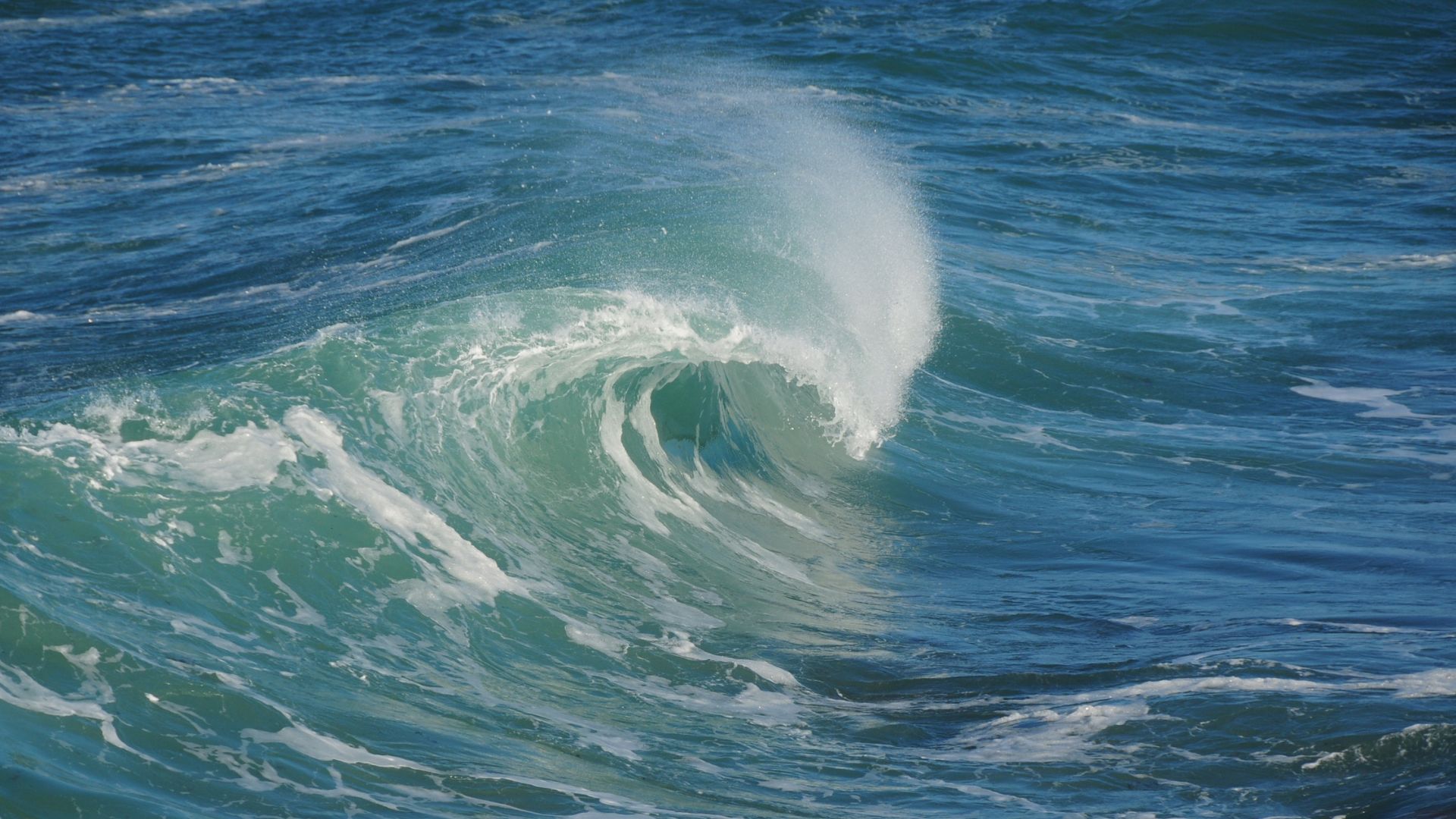
On the right day, blue-green tubes peel down the beach, powered by Atlantic swells.
Waves here get big—shoulder to double overhead isn’t rare.
What makes Supertubos special:
- Type: Fast, hollow beach break
- Bottom: Sand (not reef)
- Skill Level: Intermediate when small, expert when big
- Best Swell: W-NW with offshore winds
I tried these waves and, wow, they humbled me. I took a few solid wipeouts, but when you get a barrel, it’s pure magic.
Rip Curl Pro and the World Surf League
Every March, Peniche lights up for the MEO Rip Curl Pro Portugal. The world’s top surfers—think Gabriel Medina, Carissa Moore, John John Florence—show up to compete at Supertubos.
I watched world-class athletes pull into barrels that made the crowd gasp. On contest days, the beach buzzes with fans, food trucks, and giant screens.
If you’re planning a trip, check the event schedule. Arrive a little before or after the main comp for emptier lineups or a chance to see pros free surf.
Surf photography? Inspiration? This is the time to be here.
Surf Forecast, Tides, and Beach Break Secrets
Getting the best out of Supertubos means keeping an eye on the forecast. Swell size, wind direction, and especially the tide make a huge difference.
Most locals use apps like Magicseaweed or Windguru.
Tide Chart Example for Supertubos:
| Time | Tide Level | Best For |
|---|---|---|
| Early AM | Mid-High | Hollow barrels, less crowd |
| Midday | High | Bigger, faster waves |
| PM | dropping to mid | Fun, consistent rides |
I learned to avoid strong onshore winds and low tide lulls. When I timed it right, even with a crowd, I caught a few waves I’ll never forget.
Navigating Localism and Surf Etiquette
Peniche welcomes outsiders, but Supertubos has a tight crew of local surfers who know every inch of the break.
Respect goes a long way.
I always waited my turn, watched how things worked, and gave priority to whoever was deepest on the peak. A quick nod or chat on the beach helps, too.
Three ways to keep things cool:
- Never drop in; whoever’s closest to the peak gets the wave.
- Paddle wide, not straight through the takeoff.
- Smile, be chill, and remember the locals look out for each other.
Following these basics made my sessions way more relaxed. It’s just more fun to blend in than to stand out for the wrong reasons.
Peniche’s Best Surf Spots Beyond Supertubos
Peniche has a bunch of surf spots for every level. Whether you’re after gentle beach breaks or something gnarlier, you’ll find waves—even if Supertubos is flat or too wild.
Baleal: From Beginner to Advanced Waves
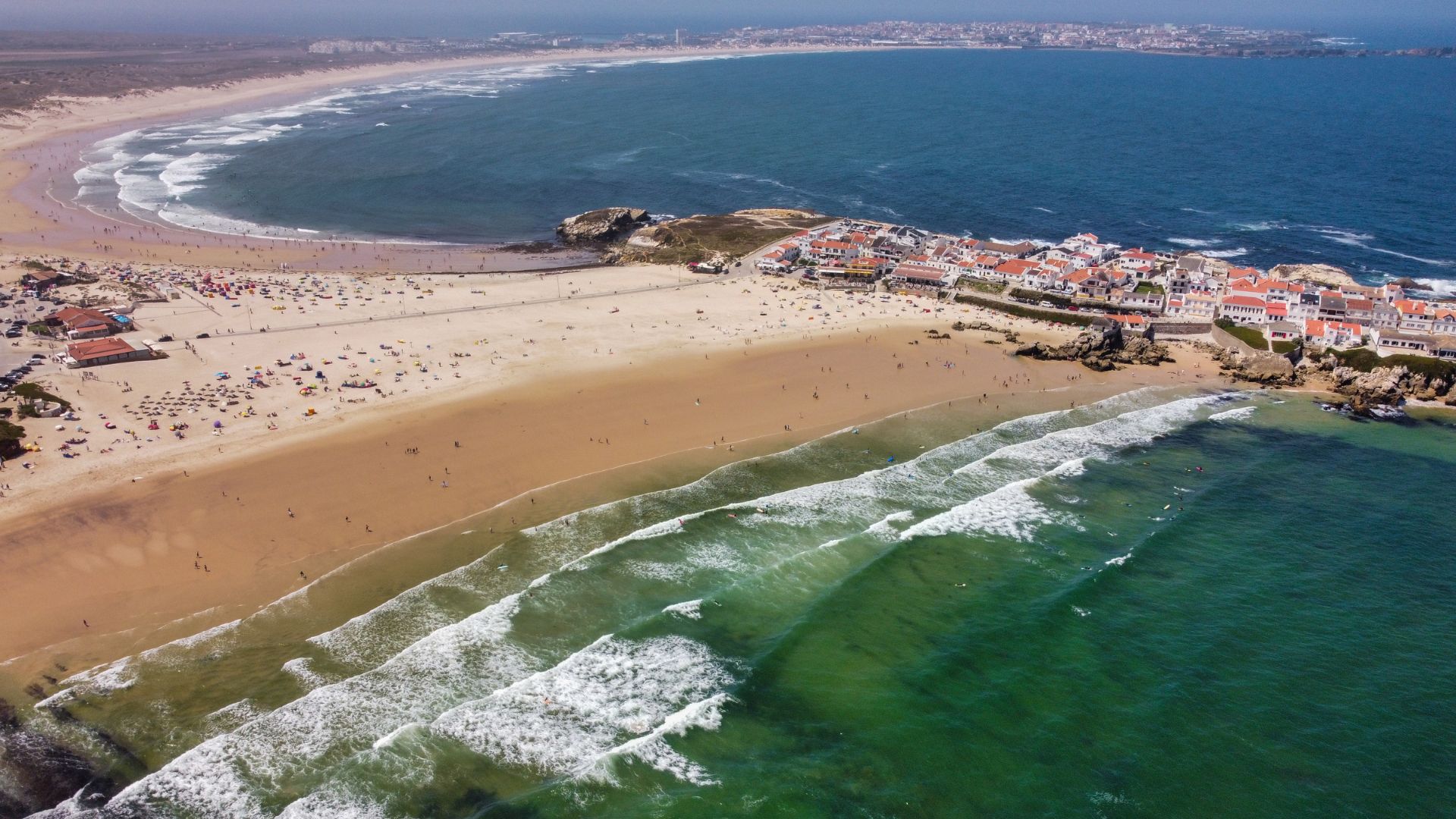
Baleal became my go-to for mellow mornings. The area covers Baleal Beach, Baleal Sul, and Praia do Baleal, with Praia da Baía and Papoa close by.
Each spot has its own flavor.
Beginners love Baleal Beach’s sandy breaks. Surf schools line the shore, and the waves are forgiving.
Intermediates get punchier peaks at Baleal Sul and Praia da Baía—lots of lefts and rights over shifting sandbars.
At low tide, the reefs near Papoa turn on for advanced surfers, with a mix of rights and lefts. It gets busy, but the beach is long, so you can usually find your own spot. I liked grabbing a pastel de nata at the café after a session, sitting and watching the sets roll in.
Molhe Leste and Lagide: Reef Breaks and Lefts/Rights
Looking for more challenge? Molhe Leste and Lagide deliver.
Molhe Leste sits by the harbor wall, firing off strong rights with the right swell and wind. It barrels sometimes, but the currents and punchy waves aren’t beginner-friendly.
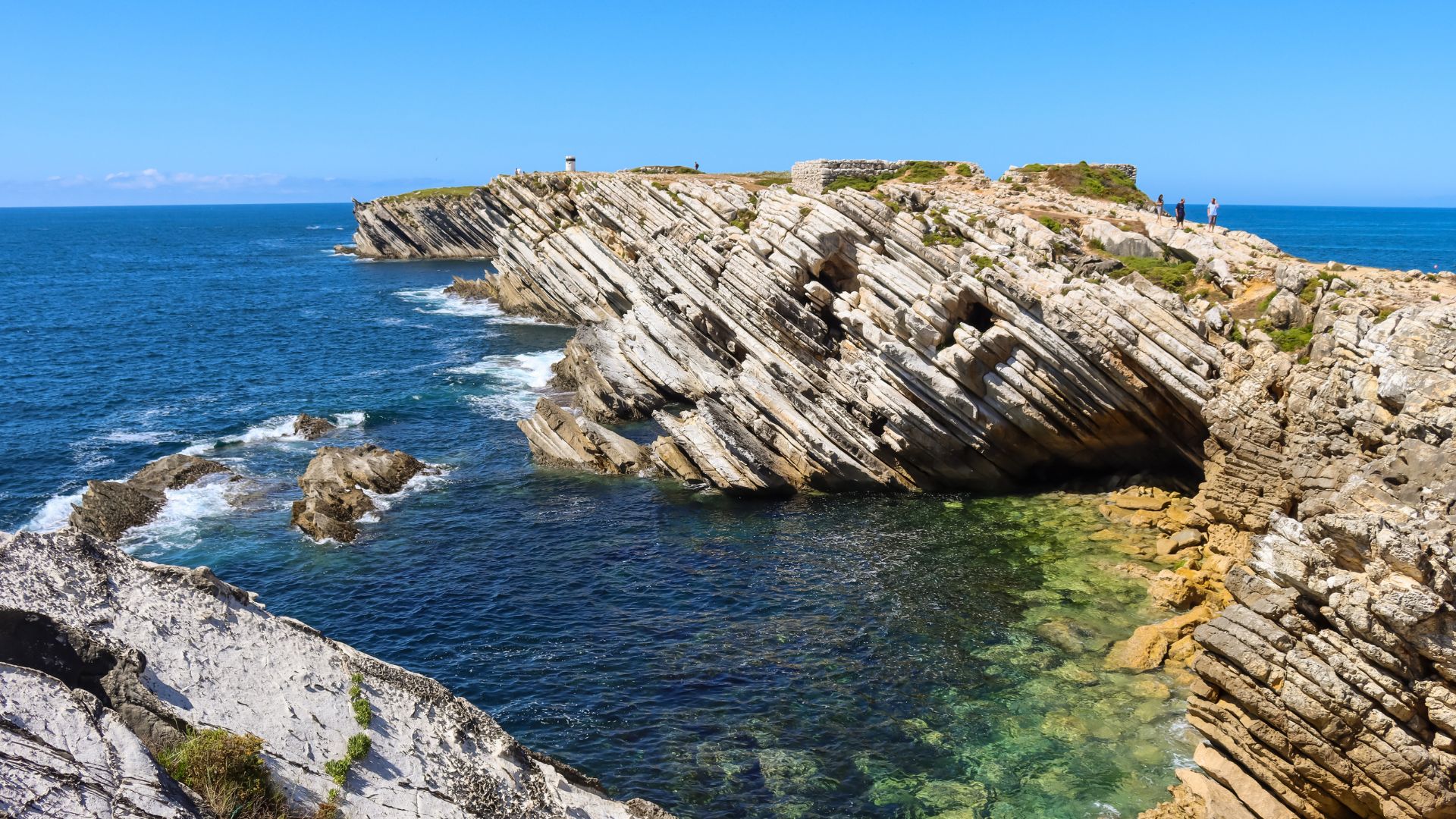
Lagide, just north of Baleal, is all about the reef. The left at Lagide runs long at mid- to high tide, and you’ll sometimes get rights too. Watch your feet on the rocks paddling out, but the rides are worth it.
The lineup at Lagide feels friendly, but the takeoff zone gets tight.
Almagreira, Consolação and Pico da Mota
When I wanted some space, I’d head to Almagreira, Consolação, or Pico da Mota.
Almagreira is a wild, open stretch north of Baleal. The sandbars shift a lot, so there are plenty of peaks and the water’s usually super clear. More swell gets in here, and the waves are mellow and peaky—perfect for intermediates or anyone who just wants less crowd.
Consolação sits southwest of Peniche. It’s kind of two spots: a hollow left-hand reef and a sandy beach break. Locals love the reef when the swell’s up.
Pico da Mota, tucked between Almagreira and Baleal, always seemed quieter. I scored some of my best rides here—long, rippable walls and fun sections, with hardly anyone around.
| Surf Spot | Wave Type | Best For | Bottom |
|---|---|---|---|
| Baleal Beach | Beach break | Beginners | Sand |
| Baleal Sul | Beach break | Intermediate | Sand |
| Lagide | Reef break | Intermediate/Adv | Rock/Reef |
| Molhe Leste | Jetty break | Advanced | Sand/Rock |
| Almagreira | Beach break | Intermediate | Sand |
| Consolação | Reef & Beach | Intermediate/Adv | Sand/Reef |
| Pico da Mota | Beach break | Intermediate | Sand |
Surfing For All Levels: Learning and Progressing in Peniche
Peniche stands out because it welcomes every surfer, no matter their skill. As I got to know the area, I realized how easy it was to find friendly instructors, gentle beach breaks, and practical places to rent gear or stay overnight.
Surf Schools and Friendly Instructors
When I first rolled into Peniche, I noticed surf schools everywhere, stretching from the old town all the way to Baleal. Most of them offer beginner and intermediate lessons, either in small groups or one-on-one. The instructors usually speak English and seem totally used to teaching folks from all over.
Honestly, what stood out was how relaxed and patient everyone felt. If you’re not sure how much you’ll like it, you can just book a half-day class. Or go all in with a longer package if you’re hooked.
Here’s what you’ll typically find:
- Beginners: Step-by-step lessons start right on the sand before you paddle out.
- Intermediate: More focus on technique—turning, catching green waves, that sort of thing.
- Advanced: Spot guiding and clinics for dialing in your skills.
Some schools even film your sessions so you can watch yourself wipe out—or nail it—in real time.
Best Spots for Beginners and Intermediate Surfers
Baleal quickly became my favorite spot to learn and practice. Prainha de Baleal, the main beach, has gentle waves that are perfect for beginners. Soft sand and shallow water make falling off the board no big deal.
If you’re looking for a bit more challenge, Cantinho da Baía is great for intermediates. The waves get a bit steeper here, just enough to keep things interesting but not scary. I spent a lot of mornings there, working on my pop-up and trying to handle bigger waves.
Advanced surfers usually make a beeline for Supertubos. That place is all about barrels and fast rides, so beginners like me tend to skip it. The separation between spots kept things comfortable—I never felt out of place.

Surf Camps, Rentals, and Accommodation Options
Peniche makes settling in pretty easy, whether you’re staying a weekend or a month. Surf camps are everywhere, and you can pick a package for a few days or stay a couple weeks. I tried both Peniche Surf Camp and Baleal Surf Camp; they include lessons, gear, and group activities. Living with other surfers just made everything more fun.
If you’re not into the camp scene, you’ve got options. Surf lodges, apartments, and even classic hotels cater to surfers. Most of them offer board rentals right on site, with soft-tops for beginners and higher-performance boards for those ready to level up.
Here’s a quick comparison:
| Option | Lessons Included | Gear Rental | Social Vibe | Proximity to Beach |
|---|---|---|---|---|
| Surf Camp | Yes | Yes | High | Beachfront |
| Surf Lodge/Hotel | Sometimes | Yes | Medium | Walking distance |
| Apartment/Hostel | No | Optional | Low | Varies |
Rentals are super easy to arrange—even at the last minute. After a long day in the waves, I loved hanging out with other surfers at the lodge or grabbing fresh seafood in town.
Discovering Peniche’s Fortress, Old Town, and Local Flavors
Walking around Peniche, I found this cool mix of history, dramatic coastline, and food that sticks in your memory. The fortress walls and ocean-fresh meals made every corner feel like a new discovery.
Peniche Fortress and the Town’s History
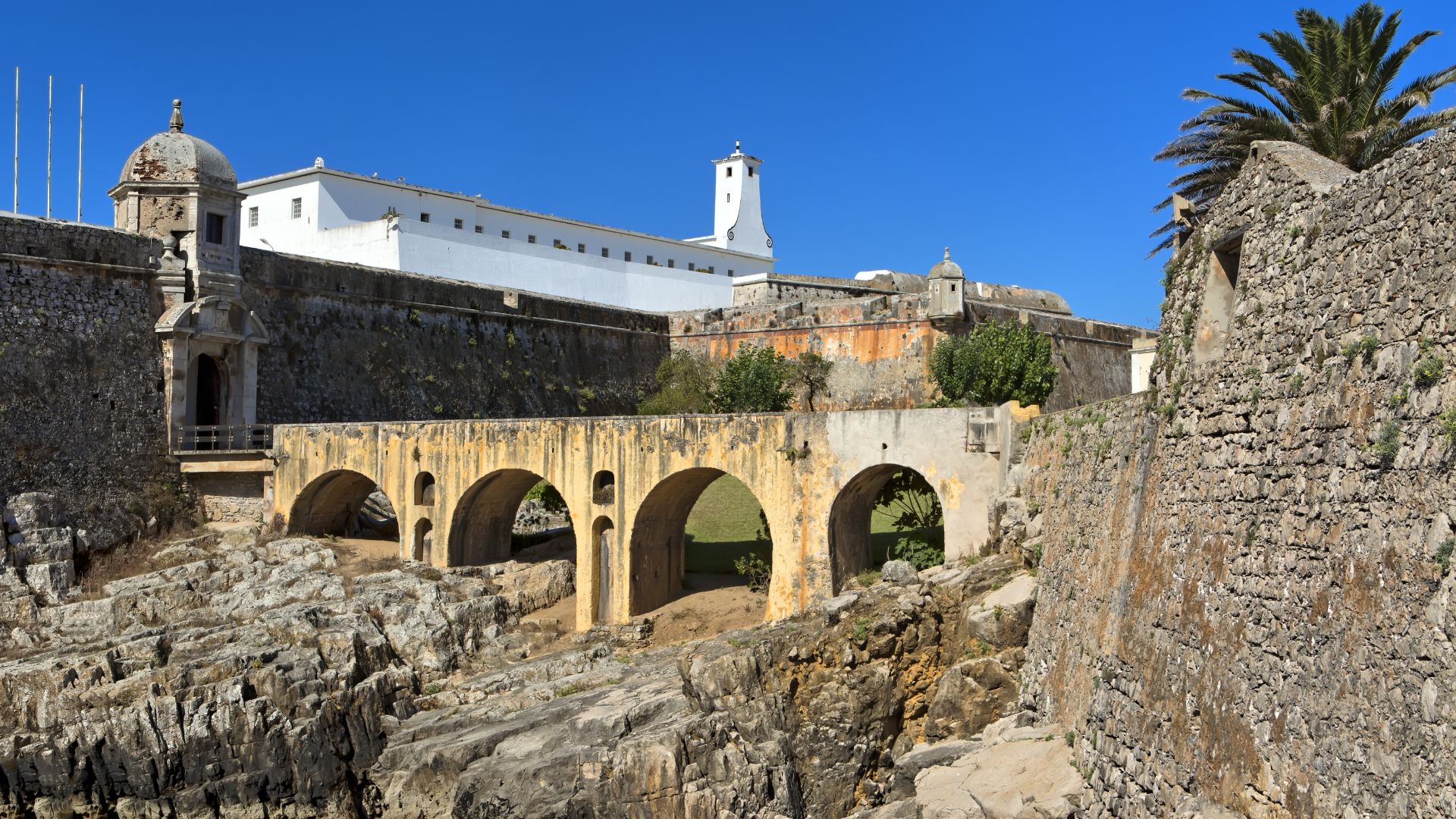
The Peniche Fortress sits right by the sea, its thick stone walls packed with stories from centuries back. Built in the 16th century, it once guarded the coast and later became a political prison.
I wandered through old prison cells and exhibition rooms, learning about the resistance against Portugal’s dictatorship. The view from the ramparts is unreal—the Atlantic just goes on forever. Local guides share stories about prisoners and escapes, which makes the place feel alive.
Not far from the fortress, the old town winds through whitewashed houses and tiny shops. I stopped for pastéis de nata at a bakery and peeked into churches that have stood for centuries. Sea views and old stone buildings made every walk something to remember.
Berlengas Islands and Unique Rock Formations
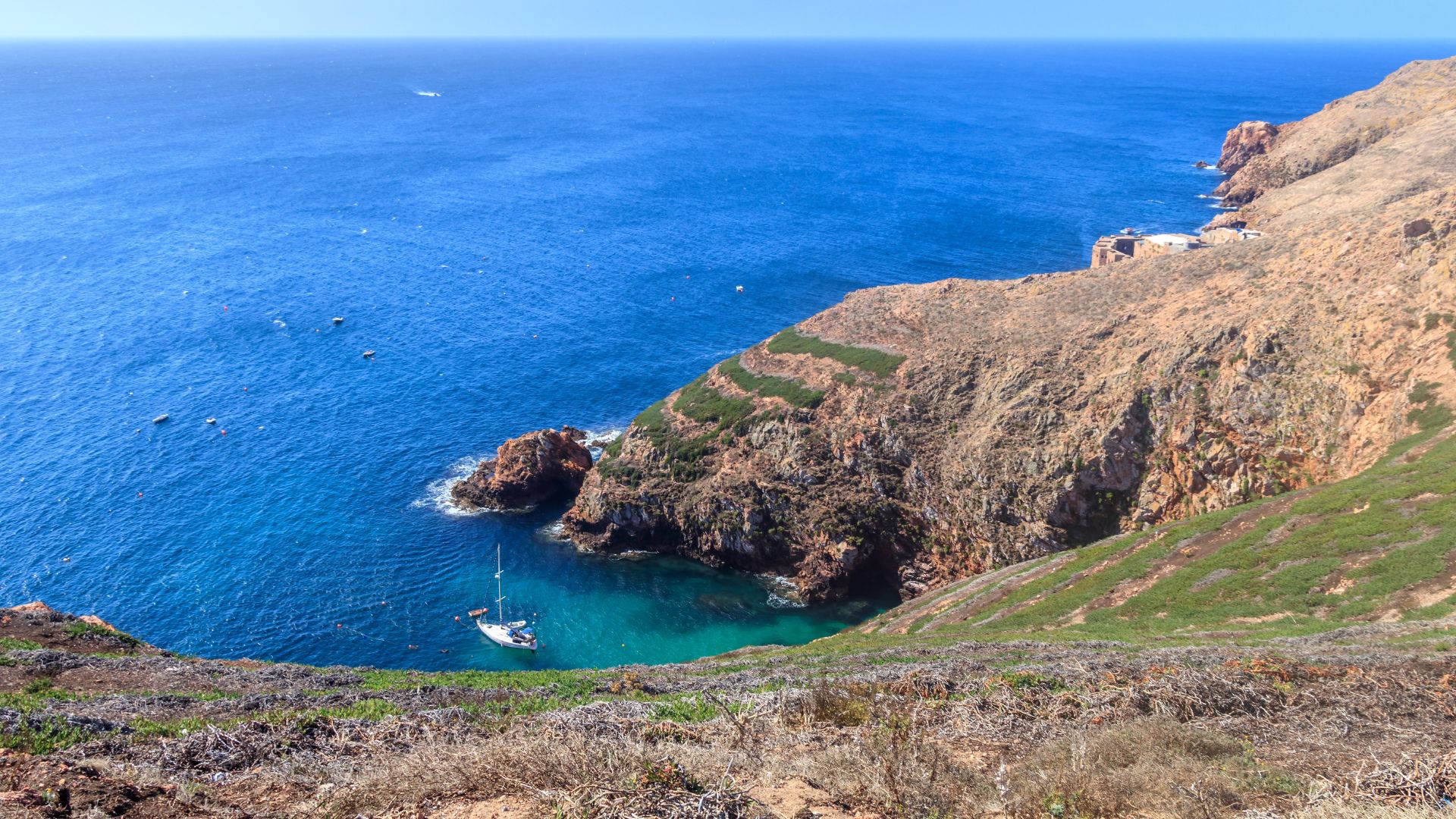
Just off Peniche’s coast, the Berlengas Islands are a quick ferry ride away, but they feel like a whole different world. Berlenga Island, the biggest one, is a UNESCO Biosphere Reserve with steep cliffs, wildflowers, and water so clear you can spot fish from the boat.
The islands are famous for their wild rock formations. I walked narrow paths past sea caves and arches shaped by the wind and waves. The Forte de São João Baptista fortress sits right on a rocky outcrop—it almost looks like nature built it.
I brought my snorkel gear to check out the coves and underwater forests. Birdwatchers love it here for rare seabirds, and hikers get some epic views over the Atlantic. Berlenga Island felt peaceful, a total escape from Peniche’s buzz.
Seafood Specialties and Authentic Cuisine
Peniche’s food scene is all about the ocean. Local fishermen bring in fresh catch every day, so seafood here is top-notch. I always recommend stopping at a seaside spot for grilled sardines—crispy outside, juicy inside, with potatoes and salad.
I had to try caldeirada, a rustic fish stew loaded with local fish, shellfish, and potatoes. The flavors are simple and honest, letting the seafood do the talking. Another favorite is arroz de marisco—seafood rice with shrimp, clams, and sometimes crab.
A quirky surprise: bananas from Óbidos show up in desserts and snacks all over town. For breakfast, I’d grab a coffee and a sweet pão de ló before heading out to surf. Every meal made me want to sit at the table just a bit longer.
Nightlife and After-Surf Culture
When the sun goes down, Peniche shifts gears from mellow beach days to lively nights—especially after a big session at Supertubos. Surfers, locals, and travelers all meet up at bars close to the water.
Some local hangouts:
- Bar do Bruno: Live music and ocean views
- Taberna do Ganhão: Tapas and chats with fellow surfers
- Nau dos Corvos: Cocktails right above the cliffs
The crowd’s laid-back—think flip-flops and sun-bleached hair. Sometimes there’s live music or a DJ, but plenty of nights are just about swapping stories and laughing over cold beers. Peniche’s nightlife feels welcoming and unpretentious, which is exactly what I want after a day in the waves.
Insider Tips for the Ultimate Peniche Surf Trip
Peniche really does have something for everyone—world-class breaks like Supertubos, historic streets, and wild cliffs. Knowing when to surf, picking up on local customs, and mixing adventure with downtime makes your trip way better.
Planning a Trip and Seasonal Surfing Tips
When I planned my surf trip to Peniche, timing mattered a lot. The best waves roll in from October to April, bringing steady swells and fewer crowds. That’s also when car rentals get cheaper. If I visit in summer, I expect busier beaches, but Peniche’s headland means there’s always somewhere to surf.
Here’s a quick look at seasonal surf conditions:
| Season | Waves | Wind | Crowds |
|---|---|---|---|
| Winter | Consistent | Offshore from east | Low |
| Spring/Fall | Good | Mixed | Moderate |
| Summer | Smaller | Onshore common | High |
Supertubos is at its best in autumn—those barrels are legendary. But honestly, the sandy bottom and variety of breaks mean beginners always have options, especially around Baleal.
Balancing Surfing With Exploring the Silver Coast
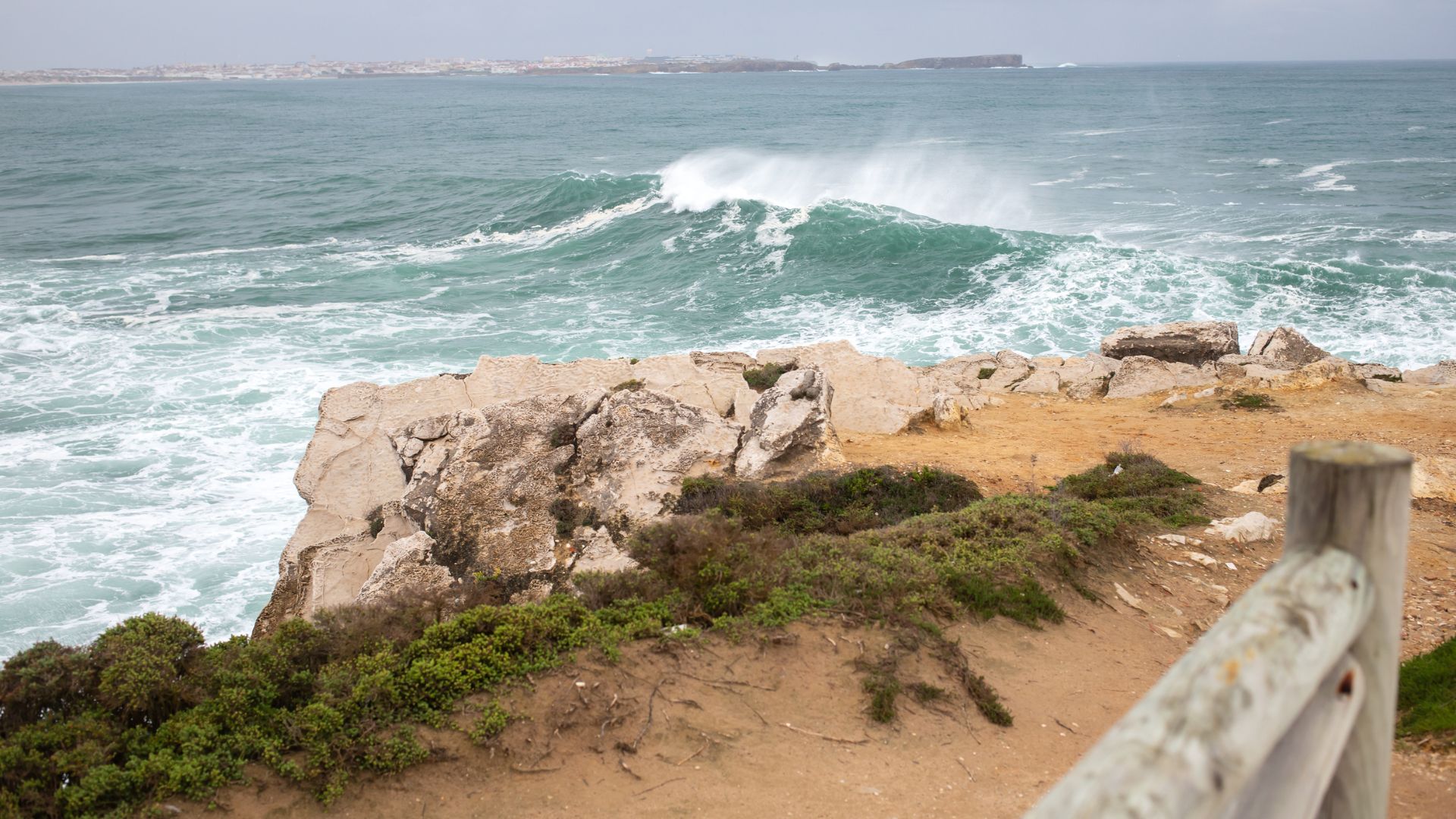
I spend most days chasing waves, but the Silver Coast, running from Peniche up toward Nazaré, has way more to offer. The cliffs around Peniche are stunning. Walking the headland, I get sweeping views of the Atlantic and sometimes spot fishermen working right on the rocks.
I always carve out a little time to poke around Peniche’s old fortress. The seafood is a highlight—grilled fresh fish at the harbor always gets me ready for the next surf. If the wind’s wrong for surfing, I’ll drive up to Nazaré to watch the monster waves or just wander quiet backstreets away from the beach crowds.
Safety, Surf Etiquette, and Local Insights
Surfing in Peniche means you’ll share the water with locals and a steady stream of visitors. Proper surf etiquette really matters out there.
I try to respect the priority rules in the lineup, and honestly, nobody likes a drop-in. Supertubos draws experienced surfers with its tough, sometimes intimidating waves.
I notice beginners usually stick to mellower spots like Baleal or Praia da Gamboa. That makes sense—those breaks feel a lot more forgiving.
Safety always comes first, especially when the swell gets serious. I keep an eye on the tides and watch how the paddle-out looks before heading in.
If you’re new, renting gear from a good surf shop or signing up for a lesson helps a ton. Local surfers tend to be friendly, but paying attention and showing respect really makes a difference.
You might even pick up some tips about the best spots just by chatting and listening. Isn’t that half the fun?
