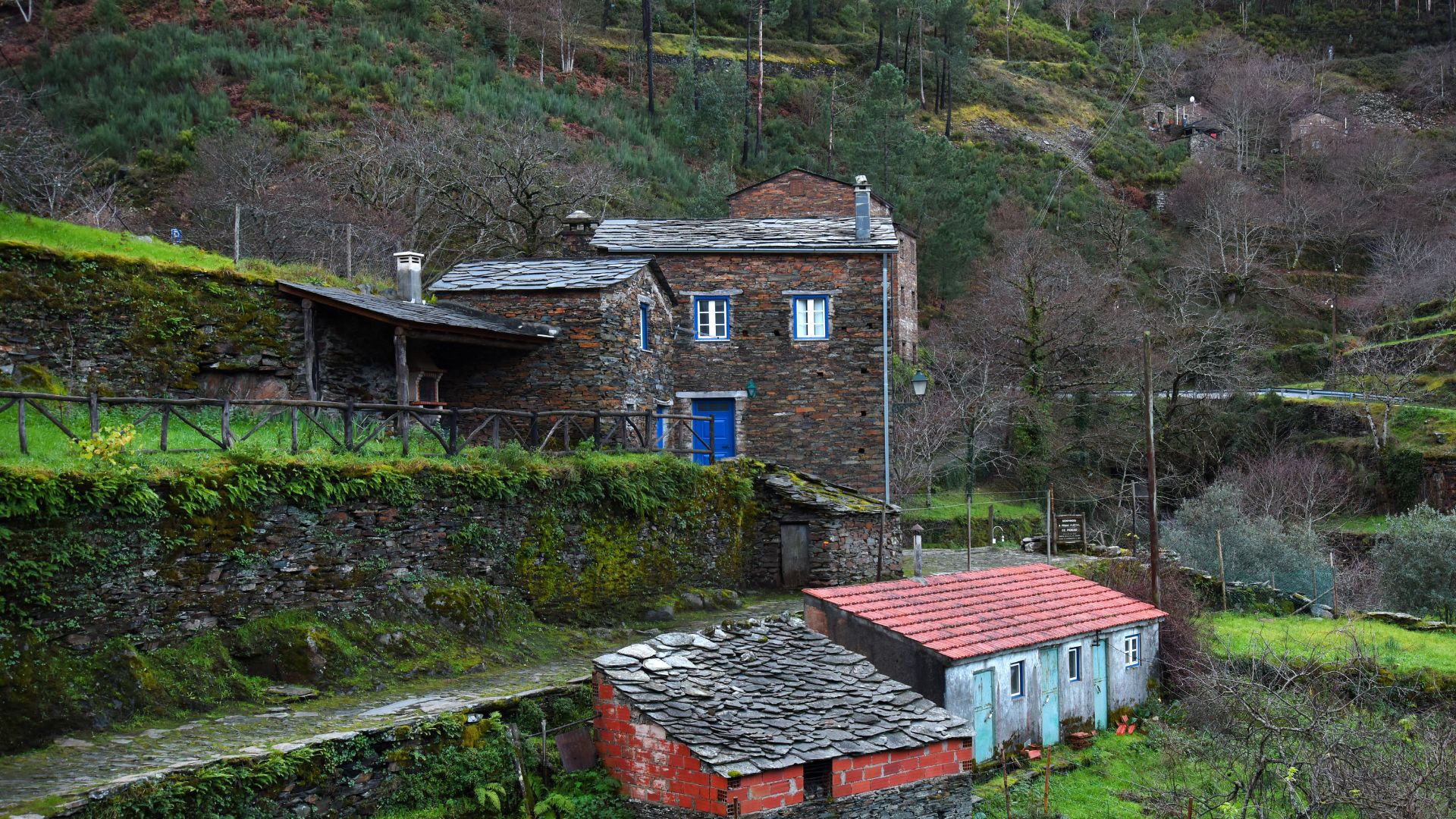
Tucked away in central Portugal, I stumbled upon Piódão—a village that actually earns its reputation as a hidden gem. With its schist stone houses and winding, narrow streets, Piódão feels like you’ve wandered straight into a fairytale nestled in the Serra do Açor mountains.
The blue doors and slate roofs give this place a charm that’s hard to describe, and every corner seems untouched by time.
When I visited, I wandered peaceful lanes and soaked up the old-world atmosphere that makes Piódão so memorable. The village sits surrounded by natural beauty and offers not just history but access to mountain trails, river beaches, and nearby gems like Foz de Égua.
It’s the sort of spot where you can slow down, breathe, and discover a side of Portugal that most travelers miss.

Discovering Piódão: A Timeless Schist Village
As soon as I stepped into Piódão, its rare beauty hit me—a place shaped over centuries, defined by its mountain setting and fascinating architecture. The village feels both lived-in and somehow frozen in time.
There’s a charm here rooted in tradition and the striking details of its schist stone buildings.
The Story and Appeal of Portugal’s Historical Village
Piódão sits quietly in the Serra do Açor mountains, far from the bustle of cities and modern noise. This historical village dates back to at least the 12th century and once gave shelter to those seeking refuge.
Even now, with only about 120 residents, it feels lively because locals take real pride in keeping its culture alive.
As I walked through the village, I learned that Piódão is officially listed as a Property of Public Interest in Portugal. It’s also known as one of the famous “Schist Villages,” a group of settlements built mostly from local stone.
Stories from the past seem to echo through its walls, making every visit feel like a step into another era.
Unique Schist Architecture and Blue Doors
The first thing that grabbed me was how the houses looked. Built from dark schist stone, these homes almost disappear into the mountain, making it feel like the village just grew out of the earth.
Most buildings have grey slate roofs, giving everything a textured, unified appearance.
I loved the tradition of painting doors and window frames a bright blue. People told me different stories about why—some say superstition, others say it was just the paint on hand.
Whatever the reason, the blue pops against the earth tones and gives each house its own personality.
Here’s a quick look at what makes the architecture unforgettable:
| Feature | Description |
|---|---|
| Schist Stone Walls | Made from local stone, sturdy and historic |
| Slate Roofs | Provide a classic, weather-resistant finish |
| Blue Doors & Windows | Unique tradition that adds vibrant contrast |
The Allure of Narrow Streets and Slate Houses
Getting lost in Piódão’s twisty, narrow streets is half the fun. The lanes are so small that cars can’t get through, so there’s a peaceful, old-world vibe.
As I wandered, my footsteps echoed over the slate, and I passed tiny stone houses stacked along the hillside.
Many homes connect by uneven staircases and small alleyways. I noticed wildflowers pushing up between the stones, and locals tending their doorsteps.
The village shimmered at sunset, shadows stretching across schist walls. If you love wandering on foot and stumbling onto hidden corners, Piódão’s streets won’t disappoint.
Even spending just an afternoon here made me appreciate how real and authentic this historical village remains.
Every path seems to invite you to slow down and soak in the quiet strength of this mountain community.

Serra do Açor: Breathtaking Mountain Scenery
The Serra do Açor mountain range is a dream for anyone who loves peaceful landscapes, hidden paths, and crisp mountain air.
I found it to be much more than a pretty backdrop for Piódão—it’s a world of outdoor adventure and natural wonder.
Açor Mountain: Nature’s Fairytale Setting
As soon as I arrived, the Açor Mountain surrounded me with steep hills covered in chestnut and oak forests.
Old stone terraces line the slopes, showing how people have lived in harmony with nature for ages.
The mountain scenery feels untouched, and early morning mist often hangs over the valley, adding a magical touch.
Wildlife pops up if you’re quiet and patient. I spotted eagles soaring overhead and heard cuckoos calling from the trees.
The area’s schist rock not only gives Piódão its unique look but also colors the landscape with a blue-gray tone.
Light and shadow play across the peaks, and honestly, it feels like something out of a storybook.

Exploring Hiking Trails and Levada Walks
If you want to get the best of Serra do Açor, hiking is the way to go. I was surprised by how many trails crisscross the area—from gentle walks between villages to steep paths climbing high above the valleys.
Marked routes like the PR2 Açor Trail wind through forests and over streams, offering postcard views around every bend.
One of my favorite walks followed a levada—an old water channel built along the mountainside.
These levadas are quiet, lined with moss, surrounded by ferns and wildflowers. They made me slow down and notice the little things, like the sound of water or sunlight filtering through leaves.
If you’re after more adventure, some trails get rocky or narrow, so sturdy shoes really help. Old chapels and viewpoints pop up along the way and make great picnic stops.
I always packed plenty of water, since trail services are pretty much non-existent in these remote mountains.
Outdoor Adventures: Fraga da Pena Waterfall and Beyond
The Fraga da Pena Waterfall was a highlight of my trip. Hidden in a lush forest, this 20-meter cascade tumbles into a clear, cool pool.
To get there, I followed a short woodland trail, shaded and full of birdsong. The spot felt peaceful and refreshingly cool—a perfect break after hiking.
Beyond the waterfall, the Serra do Açor region offers mountain biking, birdwatching, and scenic drives on winding roads with breathtaking overlooks.
I kept stopping just to take photos or listen to the wind in the trees. The isolation in these mountains slows you down and makes every moment count.
If you visit in spring, wildflowers cover the hillsides. In autumn, golden leaves and chestnut harvests take over.
The dramatic landscapes of Serra do Açor make every outdoor adventure feel special, whether you’re trekking rugged peaks or just relaxing by a stream.

Walks, Wonders, and Hidden Corners
Piódão’s landscape is perfect for peaceful strolls and easy day trips. There’s so much natural beauty, historic charm, and photo-worthy scenes that I never got bored.
I wandered from shaded rivers to storybook alleys, always a little surprised by how much a small village can offer.
Foz d’Égua: The Idyllic River Beach Nearby
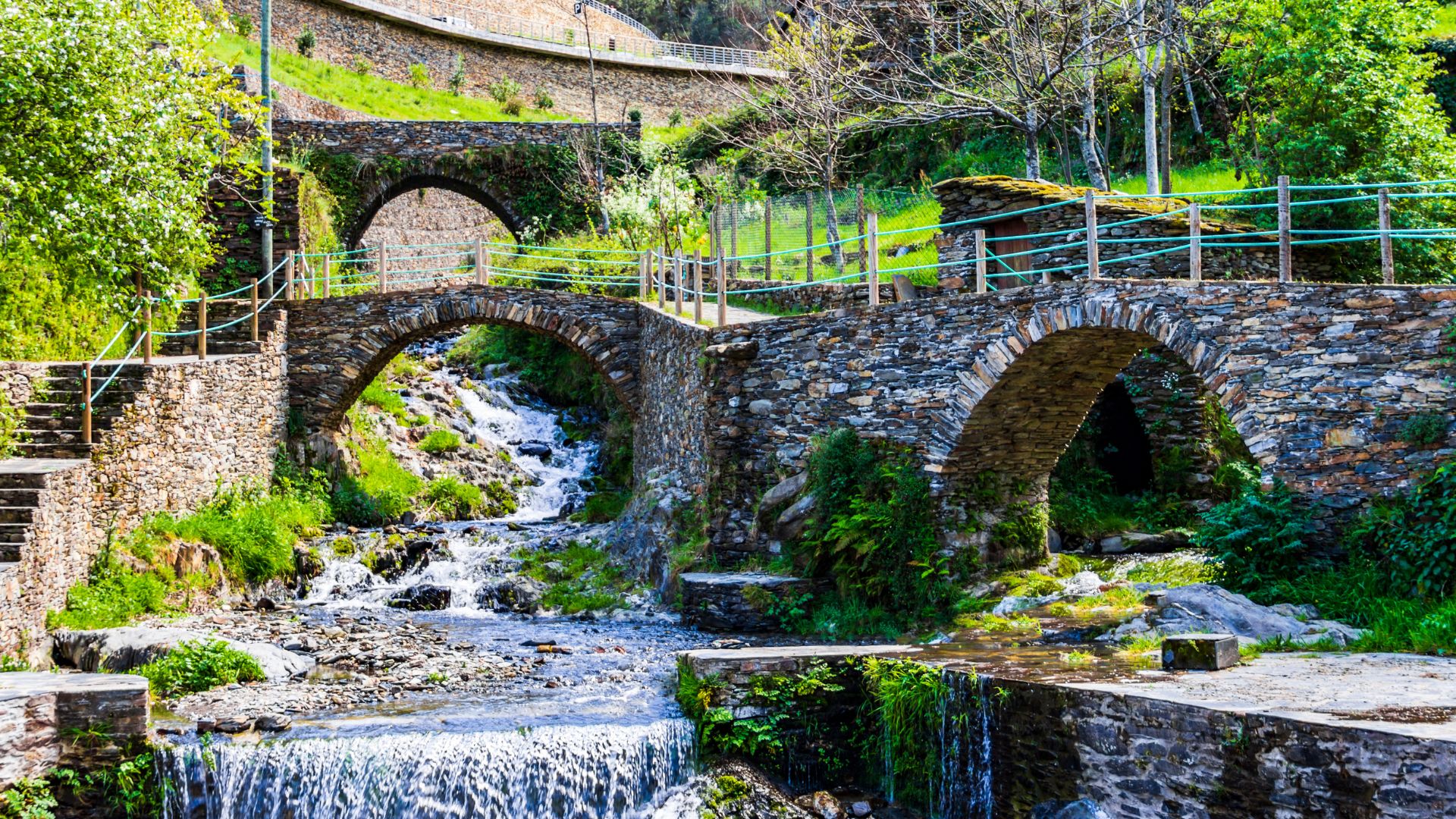
Just a short walk from Piódão, Foz d’Égua feels like a real escape for nature lovers. The path winds down lanes and over stone bridges, and the journey itself has a fairytale vibe.
When I arrived, two old bridges crossed a gentle river, surrounded by lush green hills.
The main draw is the river beach—a small, clear swimming spot that locals and travelers flock to in warm months.
The water stays cool and fresh, straight from the mountains. Picnic tables sit shaded by trees, and a few benches let you watch the river.
Swimming, sunbathing, and quiet moments all feel extra special with such a peaceful backdrop. I brought my own picnic, since cafés and shops are scarce, and honestly, I could have stayed all day.
Chãs de Égua and Other Day Trip Destinations
I wanted to see more hidden corners nearby, so I checked out Chãs de Égua—a peaceful alternative to busier spots.
It’s just a few kilometers away, close enough for a walk or quick drive. The road is narrow, surrounded by mountains and forest, and every turn opens up a new view.
Chãs de Égua, with its cluster of schist houses, feels even quieter than Piódão. The calm streets and old-school architecture show off the charm that makes Portugal’s historical villages so unique.
I found hiking trails linking the two villages, making it easy to visit both in a day. Other nearby places like Benfeita and Figueira offer more rural sights and warm local hospitality.
Picturesque Corners and Must-See Photo Spots
Piódão is packed with corners that beg for a photo. Honestly, my camera barely left my hand—every alley offers a different angle of slate roofs and blue-trimmed windows.
The main square, with its whitewashed church and cobblestone paving, is a classic. Early morning or late afternoon light works best and helps you dodge the crowds.
Some of my favorite spots? The view from the top of the village looking down the hillside and small footpaths leading into the chestnut woods.
Don’t skip the steps near the church for a wide shot, or the balconies covered in flowerpots. For a unique angle, climb to a lookout above the village—the pattern of schist houses and narrow lanes below looks like something from a storybook.
Bring extra memory cards; you’ll need them.

Local Experiences and Cultural Heritage
Piódão is a place where the old ways still matter. Walking the streets, I could see and feel the connection between tradition, daily life, and a sense of community.
Traditional Crafts and Artisanal Finds
I quickly realized that many homes in Piódão double as workshops. Locals still make things using skills passed down through generations.
Handwoven baskets, carved wooden spoons, woolen blankets, and small clay pots filled the tiny shops and market tables.
Each item seemed to tell a bit of the village’s story. The use of local schist stone and natural dyes means every piece reflects the mountains and the people here.
I chatted with a basket maker who explained how he gathers willow and chestnut branches from the nearby forests. He weaves them into sturdy shapes—a slow process, but one that gives each basket meaning.
Bringing home a souvenir from Piódão isn’t just about the object; it’s about carrying a little piece of the village’s everyday culture.

Architectural Heritage and Preserved History
When you step into Piódão, it’s obvious this isn’t just any medieval village. Houses huddle together to block the mountain winds and are made almost entirely from schist, giving the village its blue-grey look.
The blue-painted doors and windows really stand out, adding color to the narrow alleys.
I learned that this style came from necessity—schist is everywhere in the Serra do Açor. The thick walls keep homes cool in summer and cozy during chilly mountain nights.
Roofs of heavy slate and crooked streets aren’t just for looks; they help people survive here.
As I walked the cobblestone paths, I imagined villagers from centuries ago doing the same. Every building, from the smallest house to the old school, hints at how people have always lived in harmony with this rugged landscape.

Capela das Almas: A Heart of Village Life
Right in the center of Piódão, you’ll spot the Capela das Almas (Chapel of the Souls) with its bright white walls and unpretentious charm.
Locals don’t just use this church for worship—it really feels like the heartbeat of village life.
The chapel hosts all sorts of small gatherings and brings music to the air during local festivals.
Sometimes, the whole community squeezes in for special moments.
I remember attending a Mass one quiet afternoon, joining residents as they sang and prayed.
Inside, the wooden benches and soft candlelight made it feel extra inviting.
Villagers shared stories with me about the Capela das Almas, saying it’s seen joyful weddings and candlelit processions over the years.
If you’re traveling through, stepping inside gives you a real taste of Piódão’s living spiritual and cultural traditions.
Honestly, it’s a spot you shouldn’t miss.
Savoring Piódão: Where to Eat and What to Taste
Eating in Piódão isn’t just about getting full—it’s about tasting the village’s life and traditions.
Every meal here connects you to local history, with flavors that come straight from the mountains and the hands of the people.
O Fontinha and Casa da Padaria: Village Dining Highlights
When I think back to my meals in Piódão, two restaurants stick out: O Fontinha and Casa da Padaria.
O Fontinha sits right in the heart of the village.
As soon as I walked in, the warmth from its stone walls and the friendly staff made me feel like I belonged.
Their menu focuses on homestyle mountain food, using ingredients from nearby.
Honestly, the roasted lamb was my favorite—tender enough to fall apart and always served with fresh herbs.
Just a short stroll away, Casa da Padaria brings a different vibe.
It feels smaller and cozier, almost like eating in someone’s home.
I spent afternoons there, sipping local wine and nibbling on cheese or bread made just down the road.
The owner loves to recommend the day’s specialties, and sometimes you’ll get to try dishes you won’t find anywhere else.
| Restaurant | Type of Food | Must-Try Dish |
|---|---|---|
| O Fontinha | Traditional | Roasted lamb, herbs |
| Casa da Padaria | Local/Artisan | Fresh bread, cheese |

Sampling Local Cuisine: From Honey to Hearty Meals
Eating in Piódão always feels special. The village’s deep food traditions really shine through every meal.
I found dishes built from just a few simple, local ingredients. Most mornings, I grabbed some black bread and drizzled it with golden mel (honey) from nearby beekeepers.
That honey tastes smooth and floral—honestly, I haven’t found anything quite like it anywhere else. The cheese here is creamy, sometimes a little sharp, and it goes so well with the bread.
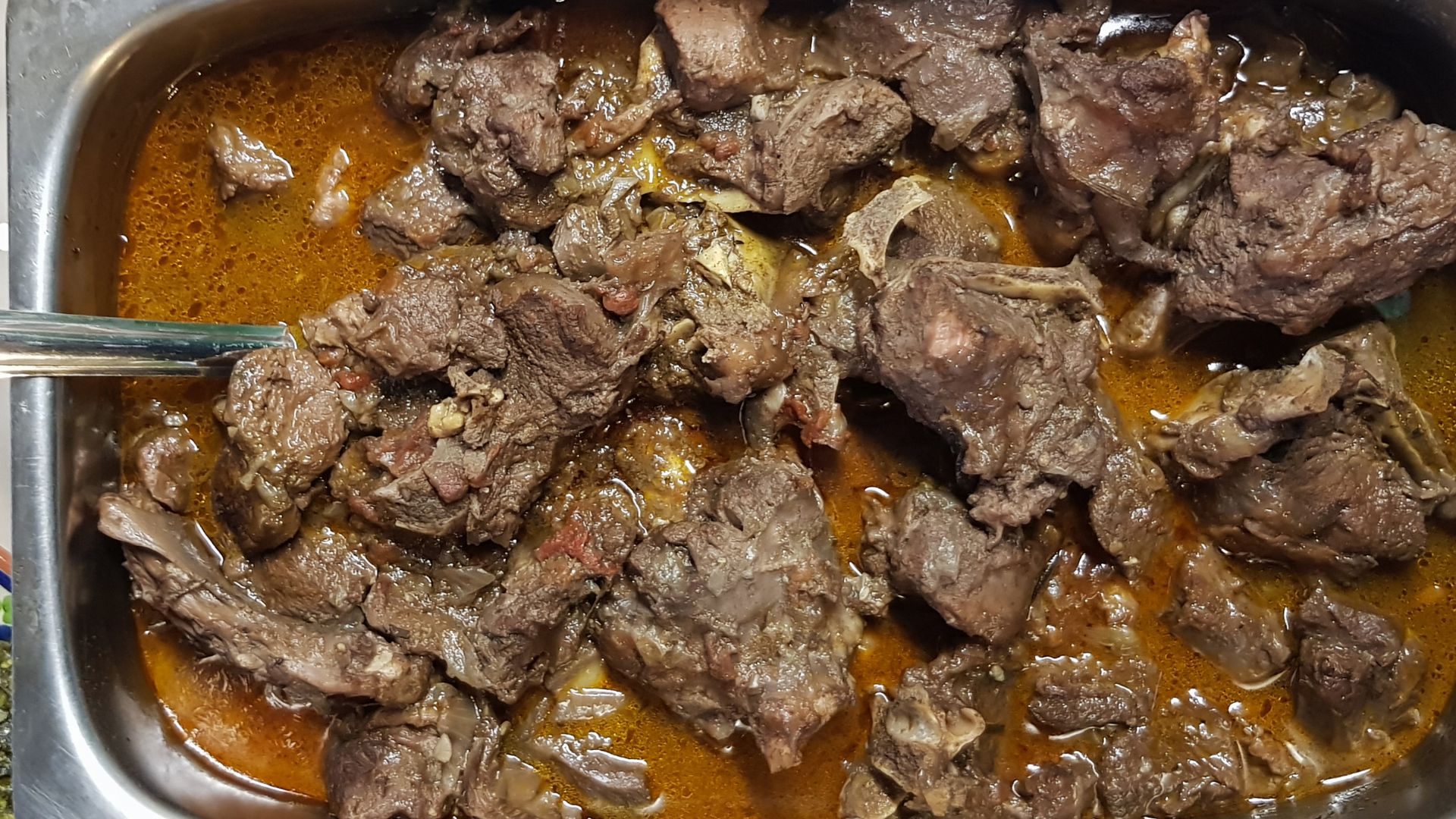
At lunchtime, I usually tried traditional meals like Bucho, which is a kind of sausage. Sometimes I’d get Chanfana, a hearty goat stew cooked with red wine and herbs.
These meals fill you up, especially after a long day wandering Piódão’s steep paths. If you wander around the central square, you’ll notice small shops selling local wine, jams, and more honey.
I always ended up leaving with a jar or two. It’s tough not to want those flavors to stick around just a little longer.