
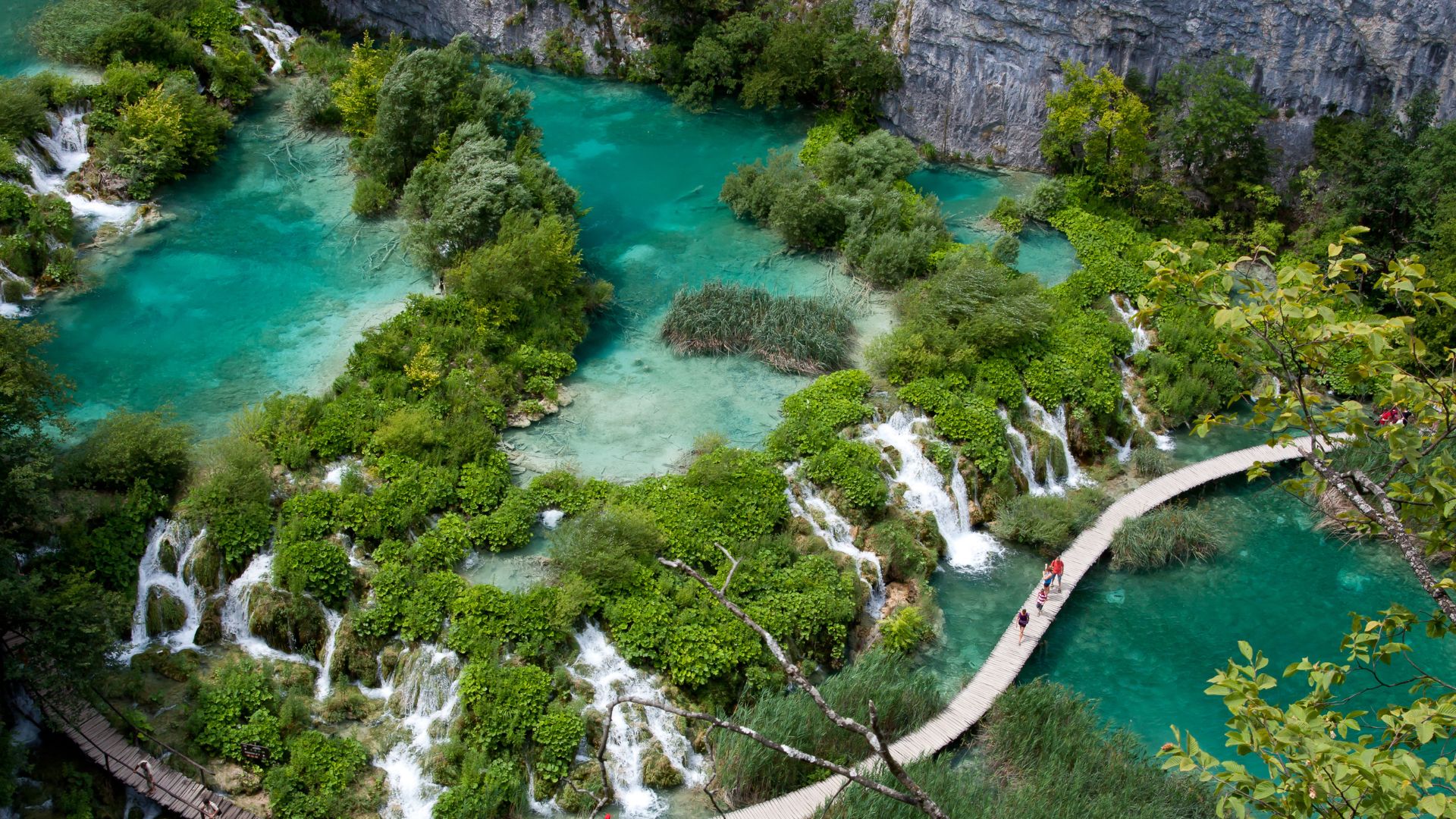
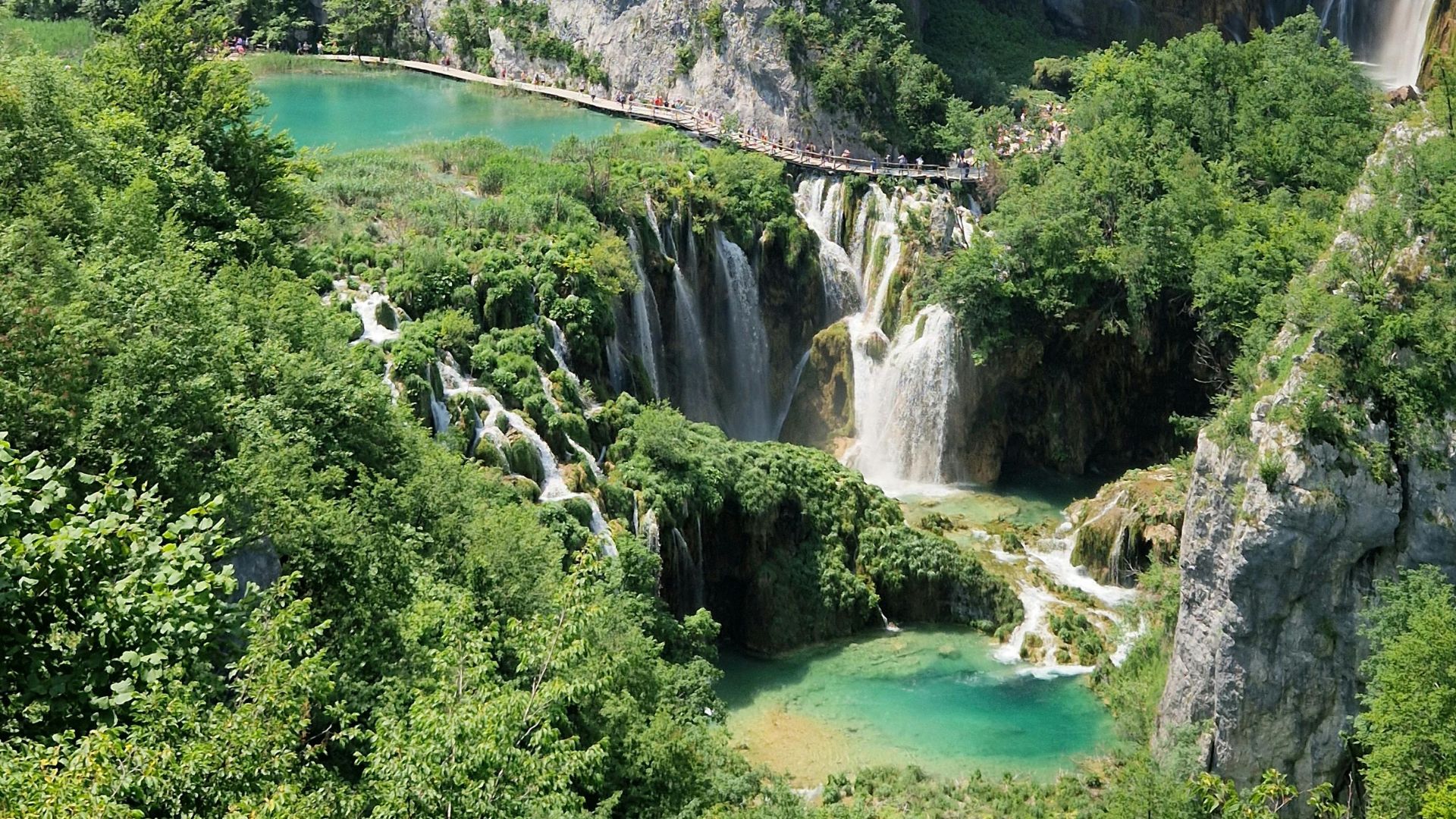
I’ve wandered through a fair share of Europe’s natural wonders, but honestly, nothing quite compares to the magic of Plitvice Lakes National Park in Croatia. This UNESCO World Heritage site boasts 16 terraced turquoise lakes, all linked by waterfalls and wooden walkways that seem to float right above the crystal-clear water.
The lakes shift colors throughout the day. Sometimes they’re a deep blue, other times green or even a silvery grey, all depending on minerals and the way sunlight dances on the surface.
What really sets Plitvice apart? Nature itself built this water show, and it’s still changing. Limestone creates natural barriers, while moss and algae keep building up travertine deposits—so the lakes never really stop evolving.
I spent a day exploring the park’s 297 square kilometers and, wow, it’s no wonder 1.5 million people visit every year. There’s geology, wildlife, and just pure beauty everywhere you look. Plitvice isn’t just a pretty face—there’s real science and wonder behind it all.
The Spectacle of Plitvice Lakes
Sixteen lakes spill into each other, tumbling down via waterfalls and creating a staircase of turquoise water. Wooden boardwalks snake through the landscape, letting you get up close to the action.
Europe’s Most Enchanting Waterfalls
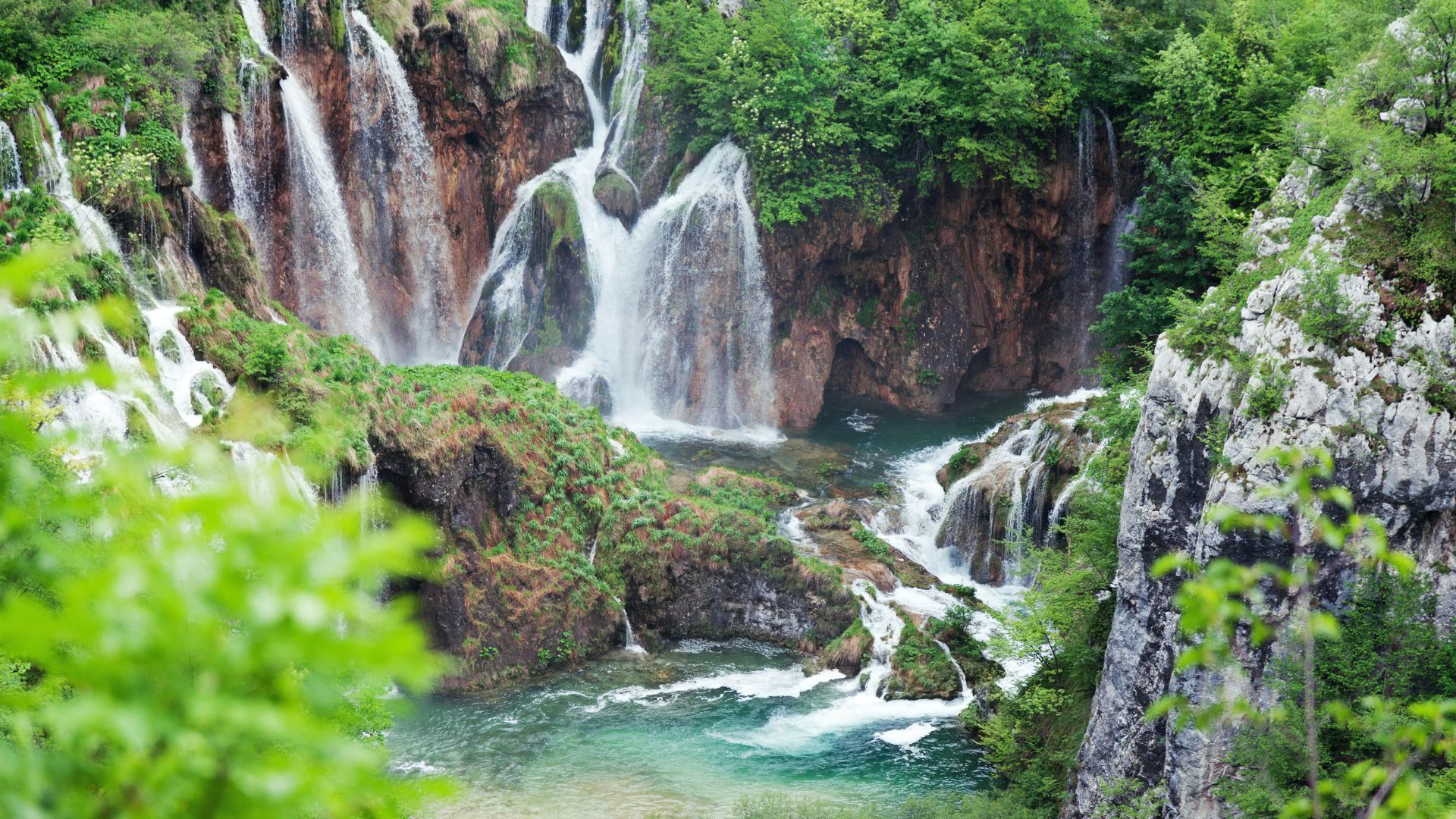
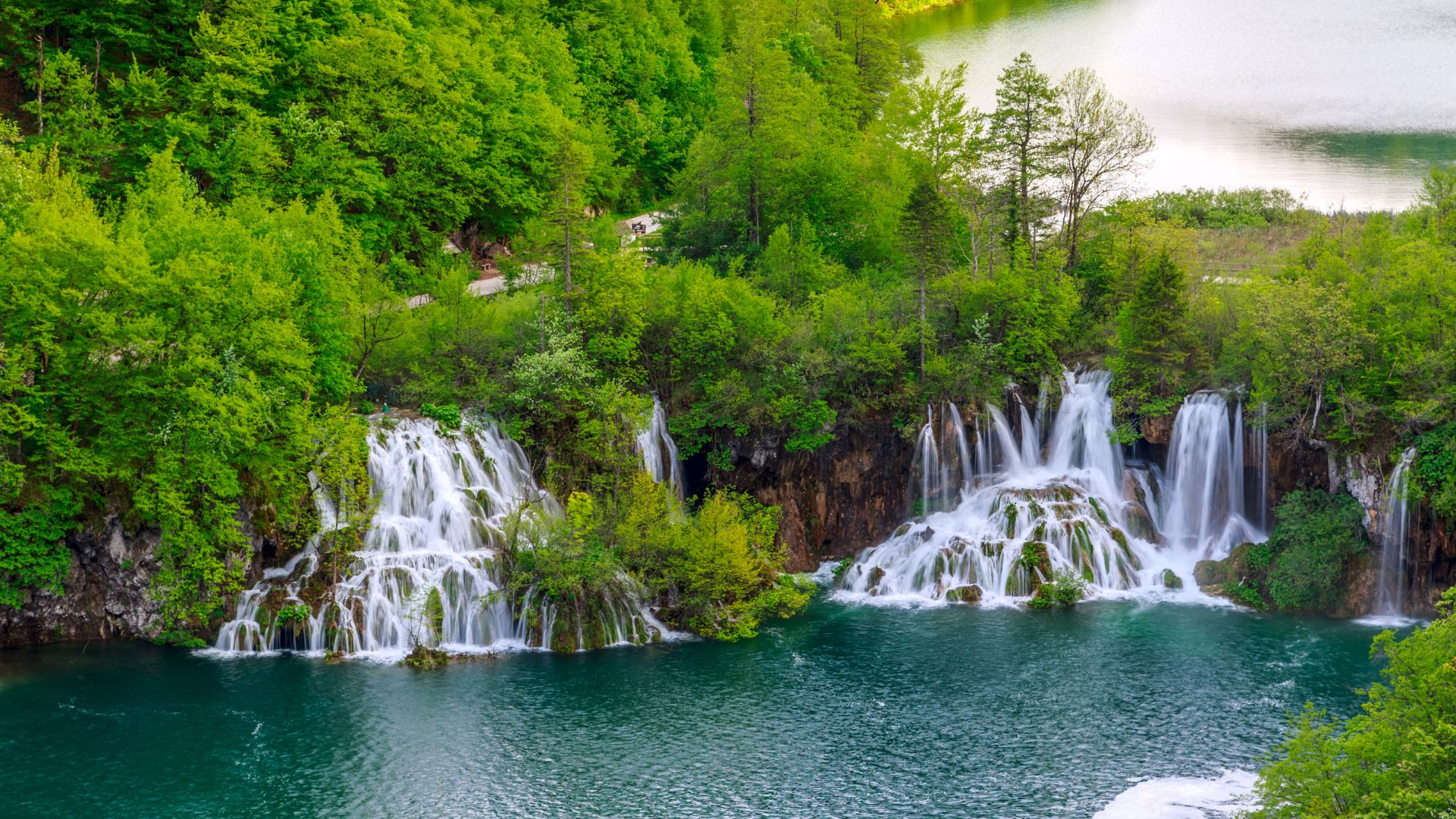
I’ve seen over ninety cascades that steal the show here. Water flows from lake to lake, dropping a total of 133 meters from top to bottom.
The biggest waterfall stands proud as the park’s crown jewel. It crashes down ancient limestone, roaring louder than you’d expect.
Some falls are gentle, almost whispering as they slip into pools. Others thunder down, sending up spray you can feel on your skin.
Seasonal changes shake things up. Water levels rise and fall, so every visit feels a bit different.
Key waterfall features:
- Over 90 individual cascades
- Heights from tiny drops to major falls
- Always changing, thanks to limestone deposits
- Flow varies with the seasons

Cascading Lakes and Turquoise Waters
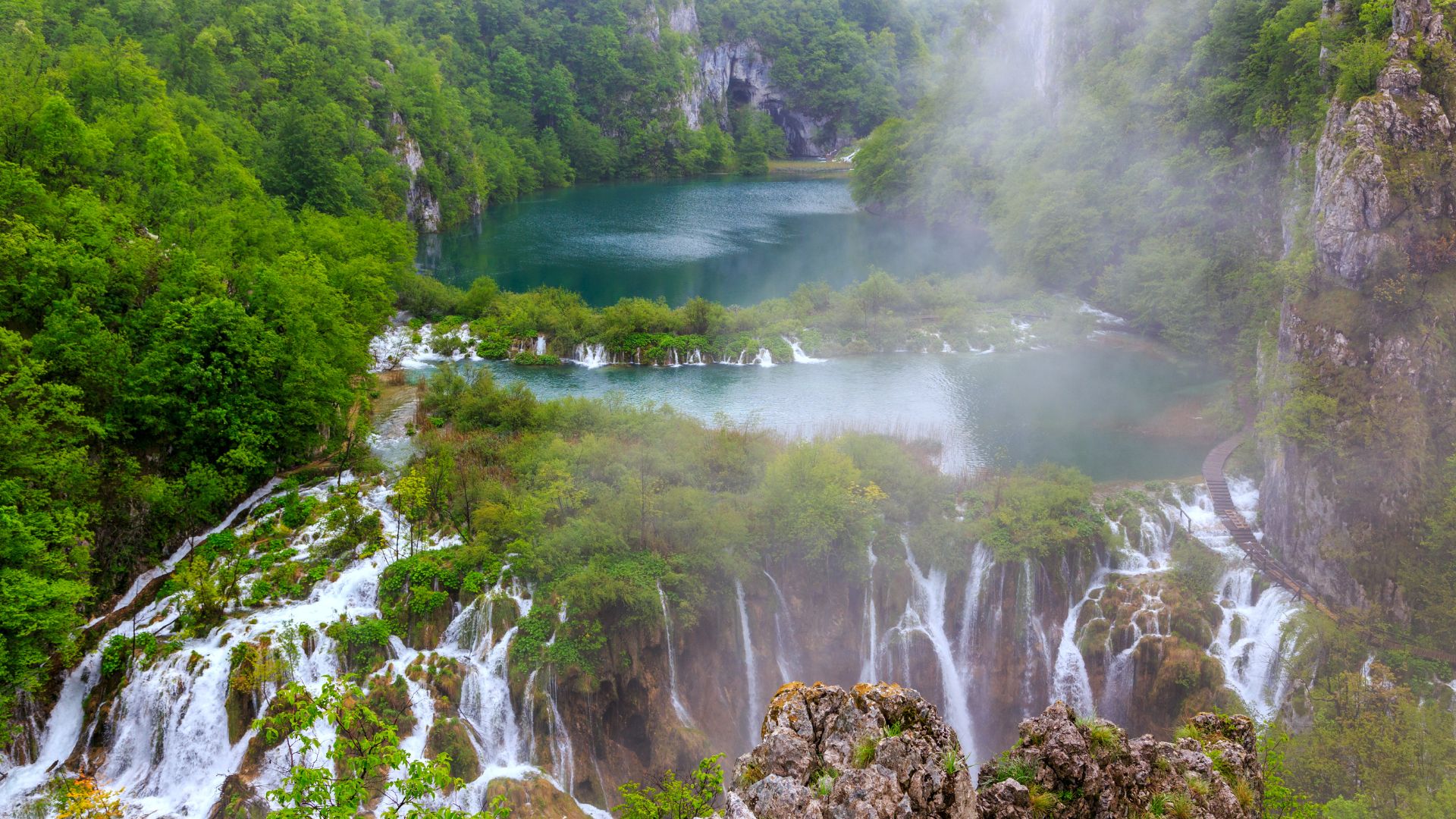
The sixteen terraced lakes form a natural staircase. Each lake connects to the next through waterfalls and hidden channels.
Colors shift constantly. Sometimes the water glows azure, sometimes green, sometimes a moody grey. Minerals, algae, and sunlight all play a part.
Two lakes, Prošćansko jezero and Kozjak, dominate the system. They take up 80% of the water area and reach depths of 37 and 47 meters.
The other lakes stay shallow—less than 25 meters deep. That’s where you’ll catch the brightest colors.
Lake characteristics:
- Total water area: 2 square kilometers
- Deepest points: Kozjak (47m), Prošćansko (37m)
- Color range: Azure, green, grey, blue
- Formation: Natural limestone barriers
Unique Boardwalk Walkways
Wooden boardwalks stretch for kilometers, keeping you just above the water and protecting fragile habitats below.
You can stroll right over lakes and waterfalls. The views are unreal—sometimes it feels like you’re walking on water.
The paths link up different zones, leading through forests, across lakes, and past the biggest waterfalls.
There’s something for everyone. Shorter routes hit the highlights, while longer trails dive into quieter corners.
Boardwalks stay open most of the year. Winter brings frozen falls and snowy scenery—totally different vibe.

Plitvice Lakes National Park: A UNESCO Treasure
Plitvice Lakes National Park grabbed UNESCO status in 1979 for its wild tufa formations and its web of lakes. You’ll find it in Croatia’s mountainous Lika region, with two main entrances that split up this 30,000-hectare wonderland.
UNESCO World Heritage Significance
UNESCO picked Plitvice for three reasons. First, the park’s calcium carbonate deposits create tufa barriers, which form the whole lake system.
Moss, algae, and bacteria help out, depositing calcium carbonate from the water and building up the natural dams.
Sixteen lakes link together, tumbling from one to the next. The process keeps going—nature’s always at work here.
Key UNESCO Criteria:
- Aesthetic beauty: Gorgeous lakes and dynamic waterfalls
- Geological processes: Tufa barriers forming right now
- Ecological processes: Living organisms shaping the landscape
The park covers nearly 30,000 hectares, protecting the whole catchment area. That’s crucial for keeping the water clean and the ecosystem healthy.
Location in Croatia and Lika Region
You’ll find Plitvice Lakes National Park in central Croatia, tucked into the Lika region. It sits in the foothills of the Dinaric mountains, about 140 kilometers south of Zagreb.
Lika’s famous for its karst landscape—lots of limestone and dolomite. That’s what gives Plitvice its unique water chemistry.
Geographic Details:
- Elevation: 400–1,200 meters above sea level
- Climate: Continental mountain
- Terrain: Forested hills and meadows
- Water source: Underground springs and streams
The mix of Mediterranean and Alpine plants is wild. Beech, fir, and spruce forests hug the lakes and help keep the water pure.
This spot’s remoteness kept it safe from big development. Natural processes still run the show here.

Entrances and Visiting Logistics
Plitvice has two main entrances, each serving a different part of the park.
Entrance 1 (North)
- Gets you to the Lower Lakes
- Big parking lot
- More places to eat and rest
- Great for a quick visit
Entrance 2 (South)
- Leads to the Upper Lakes
- Smaller and quieter
- Perfect for longer hikes
- Fewer crowds
Book tickets online if you can, especially during summer. There’s a timed entry system to keep things from getting too packed.
Ticket Information:
- Adult tickets: €10–40 depending on season
- Children: Half price
- Parking: €1 per hour
- Valid: One day only
Electric boats and shuttle buses run throughout the park. They’re included in your ticket and make longer routes way easier.
Geology and Water Systems of Plitvice
Plitvice’s geology is wild—karst landscapes and limestone everywhere. Calcium carbonate, underground rivers, and ancient mountains work together to create the famous cascading lakes and waterfalls.
Karst Landscape and Dinaric Alps
The park sits in Croatia’s mountainous karst region, between the Mala Kapela and Lička Plješivica ranges. It’s right in the Dinaric Alps.
Karst topography is everything here. Underground rivers carve through limestone, making caves and springs that feed the lakes.
Water vanishes into sinkholes, only to pop up as springs miles away. The whole region’s connected by hidden waterways.
The mountains funnel water down into the valleys. Steep slopes and tons of limestone mean water moves fast, picking up minerals as it goes.
Formation of Lakes, Waterfalls, and Tufa Barriers
The lakes didn’t just happen. Water builds its own barriers instead of cutting a single river. Small rivers and springs feed the Korana River headwaters.
Tufa barriers keep growing as mineral-rich water flows over moss and algae. These living dams stack up, making the lakes’ signature steps.
Each new barrier traps water, forming another lake. As they get taller, water spills over, creating waterfalls.
It’s a never-ending process. Barriers keep forming and growing, so the landscape’s always in flux.
Water temperature and flow matter. Warmer, slower water builds up barriers faster than cold, rushing streams.

Role of Calcium Carbonate and Dolomite Rock
Calcium carbonate is the main ingredient for Plitvice’s barriers. Water dissolves it from dolomite rock as it moves through the karst.
The minerals stay hidden until the right conditions make them settle out. Moss, algae, and bacteria kickstart this process as water runs over them.
Dolomite bedrock supplies endless calcium carbonate. Over thousands of years, groundwater slowly eats away at the rock.
Temperature swings and carbon dioxide levels decide when minerals drop out and build up. Warmer water holds less gas, so minerals deposit faster.
That’s how the white and gray tufa stone forms. It’s light and porous, thanks to all the living stuff inside.
Distinctive Traits of Upper and Lower Lakes
The lake system splits into two sections with different vibes. Upper lakes sit on dolomite and hold steady water levels, thanks to underground connections.
Lower lakes rest on limestone, where water often disappears into the karst below. Lake Kozjak marks the dividing line.
Upper lakes are usually bigger and deeper, with stable shores. Dolomite keeps water in place.
Lower lakes change more with the seasons. Limestone lets water slip away underground.
A fault line along Lake Kozjak’s shore makes a natural boundary. Water acts differently on each side.

Wildlife and Biodiversity
Plitvice’s mix of forests, lakes, and meadows makes it a paradise for wildlife. Big mammals like brown bears and wolves roam the woods, while the lakes teem with unique aquatic life.
Diverse Fauna: Mammals and Birds
The forests here support some of Europe’s most impressive animals. European brown bears live deep in the woods, far from the crowds.
Wolves and lynx hunt in the park’s wilder corners. They keep deer and wild boar populations in check.
Over 150 bird species call the park home. Golden eagles soar overhead, while owls prowl the forests at night.
Hawks hunt in open spaces. Woodpeckers hammer away on old trees—sometimes you’ll hear them before you see them.
European wildcats sneak through the undergrowth, but they’re tough to spot. The park’s varied elevations support all this diversity.
Unique Flora and Forests
Plant life shifts as you move through the park. Mountain slopes are thick with fir, spruce, and pine.
These forests soak up rain and release it slowly, feeding the lakes below.
Lower down, you’ll find beech, maple, and oak. Moss and algae are everywhere, quietly building up the tufa barriers.
Over 1,200 plant species grow here. Some are rare and found nowhere else.
Ecosystems and Endangered Species
Plitvice protects several endangered species struggling elsewhere in Europe. Brown bears are the stars here—only about 400 live in Croatia, and this park gives them safe space to raise cubs.
Wolves get a break here too. The park’s size means wolf packs have room to hunt and breed.
Lynx are even rarer, but Plitvice’s wild stretches give them a fighting chance.
Thanks to these protections, the natural balance between predators and prey still thrives here.
Aquatic Life in the Lakes
The lakes here buzz with life—aquatic ecosystems you won’t find anywhere else. Thanks to mineral-rich waters, you get this odd but fascinating mix of water plants and animals.
Trout dart through the clearest, coolest lakes. These fish thrive only in the purest water, so spotting them almost feels like a badge of honor for the park.
Underwater plants shelter all kinds of water insects. Those bugs feed the fish and attract birds that rely on the lake system—a full circle of life, really.
Different lakes mean different habitats. Each one supports its own quirky combo of species, shaped by unique temperatures and mineral levels.
Aquatic plants aren’t just for show. They help filter the water, pump oxygen back in, and even play a part in forming new tufa deposits.
Exploring Plitvice Lakes: Trails, Lakes, and Attractions
You can dive into Plitvice’s beauty in so many ways. I’m talking about roaring waterfalls, mysterious caves, and even boat rides over glassy lakes.
Boardwalks and easy transport options keep things accessible, so you don’t need to be a hardcore hiker to see the best spots.
Iconic Sights: Veliki Slap and Šupljara Cave
Let’s start with the big one—Veliki Slap. At 78 meters, this waterfall steals the show.
If you want the best shot, head for the Veliki Slap viewpoint. Trust me, the mist hits your face long before you reach the platform.
You’ll find Veliki Slap in the Lower Lakes area, and it’s easy to reach by several different trails.
Next up, Šupljara Cave. This cave sits right by the main waterfall and stretches about 68 meters into the limestone.
Inside, I stumbled across bizarre geological formations that took thousands of years to form. The cave stays chilly even in summer, making it a great spot to cool off.
You can actually hit both the waterfall and the cave in one go. Just follow the boardwalks—they keep your feet dry and protect the fragile ecosystem.
Hiking Trails and Scenic Viewpoints
Plitvice keeps it simple with four main hiking programs: A, B, C, and H. Each one offers a different vibe, depending on how much time and energy you’ve got.
Program A clocks in at 2-3 hours and sticks to the Lower Lakes. You’ll get killer views of the waterfalls without overdoing it.
Program C is the big adventure—4-6 hours and covers both Upper and Lower Lakes. It’s the best way to see it all if you’ve got the stamina.
Boardwalks twist through the prettiest spots, always keeping you above the water. There’s over 18 kilometers of wooden pathways to explore.
Some viewpoints let you look down on the lakes stacked like a staircase. Others show off the forest canopy. If you can, start early—the light is magical and crowds are thin.
A few trails get steep, but most people with average fitness can handle them. Wear shoes with good grip; the wood can get slippery.
Lake Kozjak and Electric Boats
Lake Kozjak is the park’s heavyweight—biggest and deepest of the bunch. It covers 82 hectares and drops down to 47 meters at its deepest.
Electric boats glide across Lake Kozjak, linking the Upper and Lower Lakes. They’re super quiet and run every 30 minutes when it’s busy.
That 15-minute boat ride? Totally worth it. You’ll see the forest from a whole new angle, right at water level.
Stefanijin Island pops up in the middle of the lake, adding a little drama to your journey. The electric motors keep things peaceful and eco-friendly.
Most park tickets include the boat ride, but always double-check the schedule since weather can mess with the boats.
Shuttle and Panoramic Train Experience
Getting around is a breeze thanks to the park’s shuttle system. Buses zip between entrances and trailheads, saving your legs for the good stuff.
Panoramic trains roll along scenic routes with open-air cars. You get great views as you move between different parts of the park.
The train stops at major viewpoints and trail junctions. If you want the best lake views, snag a seat on the right.
Both shuttle and train come with your ticket. They usually run every 20-30 minutes during peak times.
Shuttles are a game-changer if you’re not up for long hikes or have mobility concerns. They open up parts of the park you might otherwise skip.
Visitor Experience and Practical Information
Planning a trip here isn’t just about booking tickets. You’ve got to time your visit right and figure out how you’ll get to this UNESCO World Heritage Site.
Plitvice welcomes over a million visitors every year, yet still manages to protect its fragile ecosystem. That’s no small feat.
Best Time to Visit Plitvice Lakes
If you want the sweet spot, go between April and October. Spring brings roaring waterfalls and thinner crowds.
Peak Season (July-August):
- Hottest months, but also the busiest
- Book ahead or risk missing out
- Everything’s open
Shoulder Seasons (April-June, September-October):
- Mild weather
- Fall colors make the scenery pop
- Better for photos and peace
Winter turns the park into a snowy wonderland, but some trails close for safety. It’s beautiful, just a bit limited.
Plitvice opens daily: 7 AM to 8 PM in summer, 8 AM to 4 PM in winter. Early birds get the best light and fewer people.
Access from Zagreb, Zadar, Split, Pula, and Dubrovnik
You’ll find the park smack in the middle of Croatia, with solid connections to the main cities. Personally, I think driving gives you the most freedom.
From Zagreb: 2 hours by car on the A1
From Zadar: 1.5 hours on A1
From Split: 2.5 hours on A1
From Pula: About 2 hours via inland roads
From Dubrovnik: 5 hours on A1
Buses run from all these cities. Zagreb has the most options—usually 4-5 buses a day. Split and Zadar offer 2-3 daily.
There are two main entrances. Entrance 1 is better for the lower lakes, while Entrance 2 gives you easier access to the upper lakes and works well if you’re coming from Split.
Tourism and Conservation Efforts
Plitvice Lakes walks a fine line between welcoming travelers and fiercely protecting its delicate ecosystem. They cap the number of daily visitors, and during peak season, you’ll need to snag a timed entry ticket.
You’ll hop on electric boats to cross Lake Kozjak—way better for the environment than noisy old motors. Those famous wooden walkways? They keep our feet dry and the park’s soil safe from erosion, letting us get close to the waterfalls without doing harm.
Swimming’s a no-go here, and honestly, that rule keeps the lakes crystal clear and the wildlife happy. Stick to the marked trails, and don’t even think about tossing trash anywhere but the designated bins.
The park doesn’t just preserve nature; it helps local communities too. Local guides and staff get jobs here, and the entrance fees? They funnel straight into conservation research and programs that protect habitats.
Booking tickets online isn’t just convenient—it actually keeps the crowds moving smoothly and cuts down on long lines. If you’re planning a summer trip, trust me, grab those tickets in advance.