
Plymouth’s connection to the sea runs deep—honestly, it’s hard to miss. As soon as I wandered the busy piers and historic port, I felt surrounded by stories of adventure and risk.
When I reached the Mayflower Steps, that sense of history hit even harder. Standing by the water, I pictured the Pilgrims getting ready to sail off, chasing a future they could barely imagine. Plymouth’s role in that moment made it a crossroads in both British and American history. The past really lingers here.
All over this Ocean City, I noticed how the city keeps its seafaring story alive. Monuments, bustling waterfronts, and new attractions like the National Marine Aquarium all add to Plymouth’s maritime soul.

The Aquarium sits right on Sutton Harbour, inviting you to peek into the world beneath the waves. Moving between these landmarks, I realized how Plymouth layers its history with the present. It’s like the city hands you a passport to a world shaped by the sea.
Mayflower Steps and the Pilgrims’ Legacy
When I stand at the Mayflower Steps, I feel pulled straight into the story of the Pilgrims. These folks left Plymouth, hoping to start fresh across the ocean.
Their journey didn’t just shape American history; it gave Plymouth a lasting identity as a place of bold departures.
Setting Sail for the New World
The Mayflower Steps mark where the Pilgrims boarded their ship in 1620. They left England, chasing freedom and a chance to build something new.
On September 6, 1620, the Mayflower sailed for North America. Over 100 passengers—men, women, and kids—crammed together for two long months. Many fell sick, and fear of the unknown hung over them.

Every time I visit, I can almost see the old harbor buzzing with last-minute preparations. The exact steps have changed, but their spot is still close to where it all happened. You can feel that mix of hope and uncertainty in the air.
Plymouth’s Role in American History
Plymouth was the last English stop before the Mayflower crossed the Atlantic. The passengers, later called the Pilgrim Fathers, founded what would become Massachusetts.
This link to American history makes Plymouth stand out. The Mayflower’s arrival kicked off one of the first English settlements in North America. The story even ties into the origins of Thanksgiving and ideas about freedom.
It’s wild how Plymouth, England, became part of the founding myths of the United States. American visitors show up all the time, eager to see where it all began. Locals mark this shared history with memorials and plaques.
Commemorating the Mayflower Voyage
The Mayflower Steps site draws a steady stream of visitors. There’s a small portico with stone columns and plaques telling the Pilgrims’ story.
Each year, the city holds ceremonies and events to remember the departure. You’ll find readings, music, and sometimes even descendants of the original passengers.
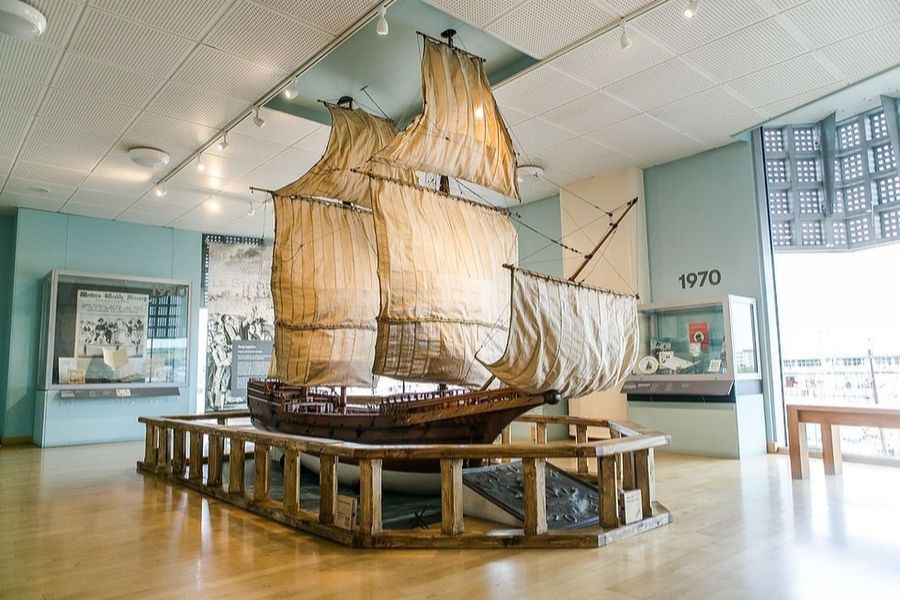
Special anniversaries, like the 400th in 2020, bring out crowds and international attention. The atmosphere feels respectful and a bit reflective. Locals and tourists alike pause here, thinking about the risks and choices that changed two countries forever.
Plymouth Sound: The Heart of Seafaring Adventure
Plymouth Sound shapes the city’s identity more than almost anything else. Its waters have seen explorers, naval power, and battles that changed history.
Exploration and Maritime Power
Standing at Plymouth Sound, I tried to imagine the excitement of early explorers. Sir Francis Drake set out from here, aiming to circle the globe and become one of England’s legends.
Several big expeditions launched from these shores, including the Mayflower in 1620. The harbor gave safe anchorage and a straight shot out to the Atlantic.
Important facts:
| Explorer | Departure Year | Achievement |
|---|---|---|
| Sir Francis Drake | 1577 | First English circumnavigation |
| Mayflower Pilgrims | 1620 | Journey to North America |
Exploration made Plymouth a symbol of ambition and courage at sea.
Naval Base and Royal Navy Heritage
The Royal Navy’s story is tied to Plymouth Sound. Since the late 1600s, the city has been a key naval base—one of Britain’s most important.
As I walked near the dockyards, I saw where ships have been built, repaired, and sent out to sea. The Devonport Dockyard still buzzes with activity.
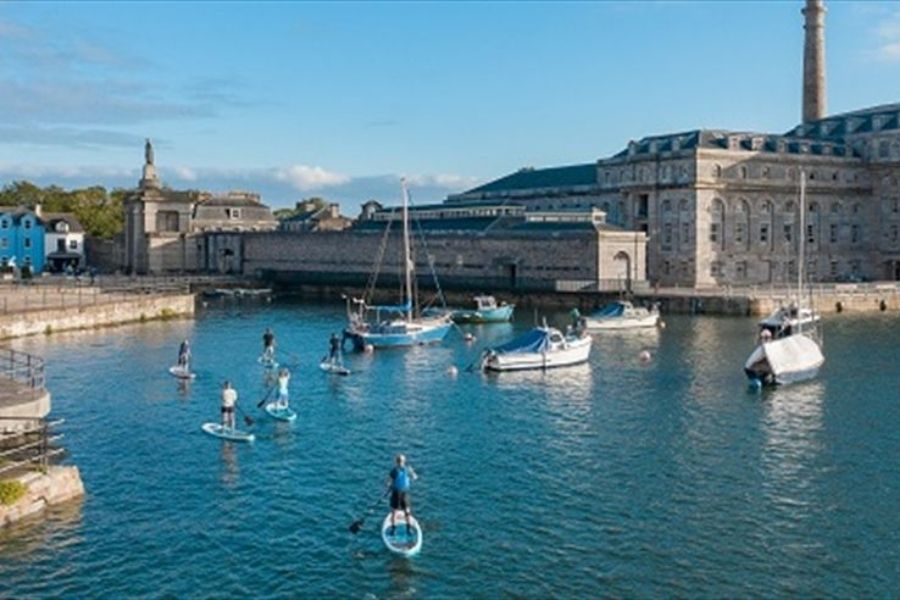
Landmarks like the Elizabethan House remind you of the officers who once lived here. The navy’s presence shaped the city’s neighborhoods, economy, and even its traditions.
Historic Events and Defence
Plymouth Sound’s natural shape made it easy to defend. It played a big role during the Spanish Armada in 1588, when Sir Francis Drake and the English fleet gathered before heading out.
During the Napoleonic Wars, coastal forts and breakwaters popped up to guard against French attacks. In World War II, the city and Sound became crucial for naval operations.
Heavy bombing during the Blitz left scars, reminding everyone how important and vulnerable the area was. You can still see the sea, forts, and defenses—echoes of courage and survival.
The Barbican and Sutton Harbour: Maritime Heritage Districts
The Barbican and Sutton Harbour pulse with Plymouth’s seafaring spirit. These areas are packed with historic streets, a working harbour, and reminders of the city’s global reach.
Historic Quarters and Coastal Views
Wandering through the Barbican, I found narrow cobbled lanes and old buildings that survived World War II bombings. Many have stood for centuries, watching Plymouth grow from a fishing village to a busy port.
From Sutton Harbour, the views stretch across the water toward the Hoe and out to sea. Fishing boats still come and go, tying the modern harbor to its roots.
I loved following the Sutton Harbour Heritage Trail. It circles the water and passes landmarks like the Mayflower Steps.
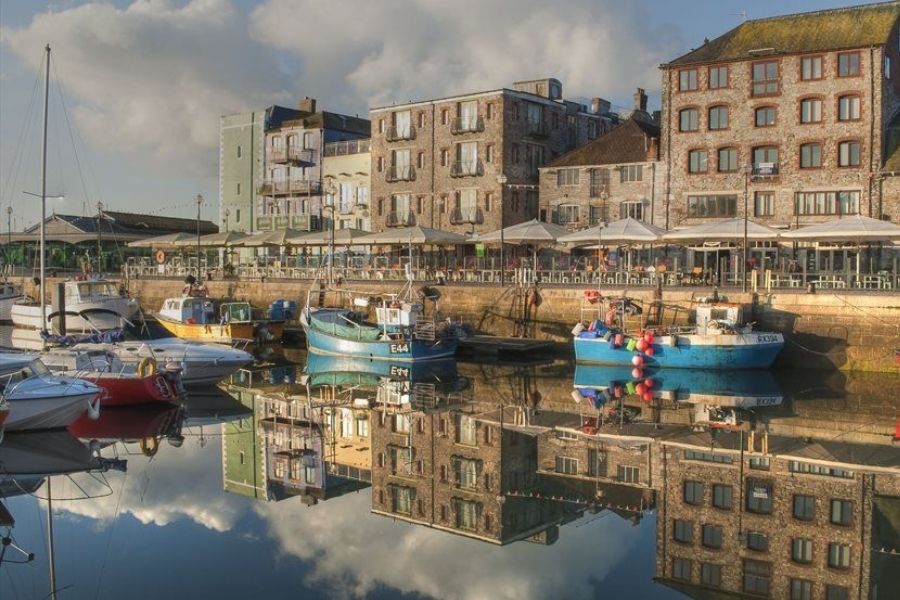
The Barbican’s lively shops and cafes draw locals and tourists to the quayside. People gather to watch boats or visit the bustling fish market. There’s a real buzz along the waterfront.
Plymouth Gin Distillery and Local Traditions
The Plymouth Gin Distillery really caught my eye. It’s one of England’s oldest working distilleries, dating back to 1793.
Inside, I joined a guided tour and learned how they make gin for sailors and traders. The old stone walls and oak stills show the city’s craftsmanship.
Tasting the gin and hearing stories about local seafarers made the past feel close. Local traditions thrive here—seafood spots serve fresh-caught fish, and shops sell nautical crafts.
Festivals and events keep the maritime spirit going strong, especially around Sutton Harbour.
Trade, Shipbuilding, and Port City Innovation
Plymouth’s spot on the English Channel turned it into a key port. Sutton Harbour bustled with merchants trading fish, salt, and goods from all over.
Shipyards once thrived here, building vessels for the navy, traders, and explorers. That mix of civilian and naval innovation put Plymouth on the map as a forward-thinking port.
Today, Sutton Harbour still works as a port but also welcomes visitors with marinas and waterfront activities. The old warehouses now house shops, restaurants, and cultural spaces.
You’ll see history and progress side by side everywhere you look.
Plymouth Hoe, Landmarks, and Cultural Scene
Plymouth is packed with historic sites, seafront views, and a creative arts and dining scene. The blend of maritime landmarks and lively neighborhoods makes every day feel different.
Smeaton’s Tower and the Citadel
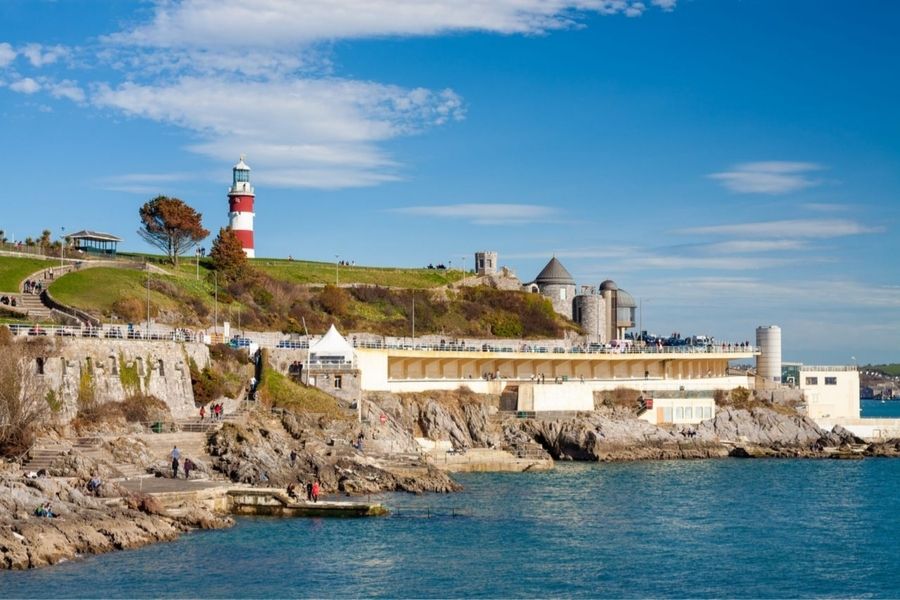
On Plymouth Hoe, Smeaton’s Tower stands out with its red-and-white stripes. Built in the 1700s, the lighthouse was moved from the Eddystone Reef and now welcomes visitors.
I climbed the narrow spiral stairs and caught a sweeping view of Plymouth Sound and the rooftops below.
Nearby, the Royal Citadel dominates the eastern end of the Hoe. This 17th-century fortress once guarded the city’s coast.
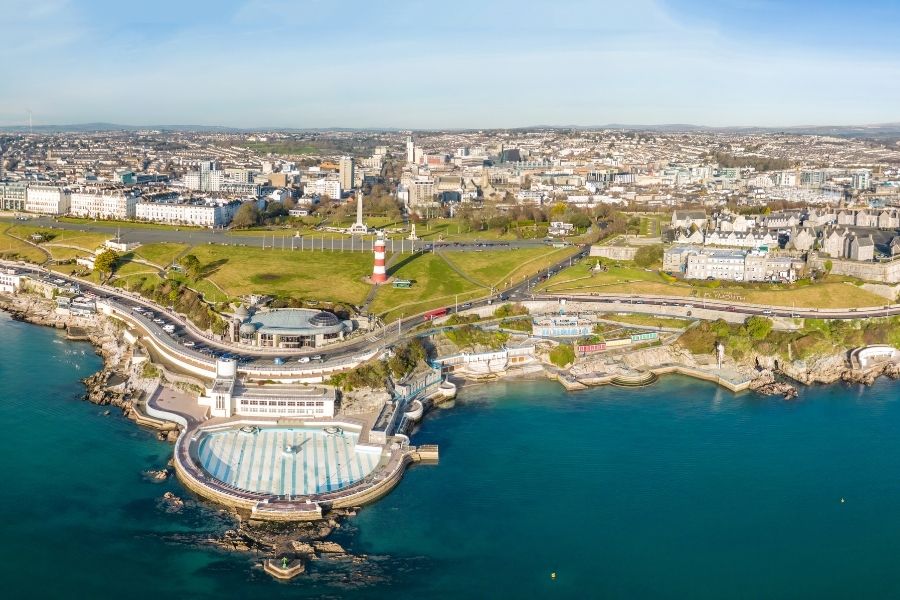
I joined a guided tour, winding through thick stone walls and past cannons still aimed at the Channel. Being up there, with the wind and the sea, really brought Plymouth’s seafaring and military past to life.
Royal William Yard and Devonport
Just a short walk from the Hoe, the Royal William Yard sits in the Stonehouse area. These former Navy supply buildings now buzz with restaurants, cafes, and shops.
Strolling the waterfront, I imagined the ship-building days this area once saw.
The Devonport district keeps its naval roots alive. I explored green parks and quiet streets, learning about the Devonport Dockyard’s role in the Royal Navy.
Guided walks and murals helped me see how this neighborhood shaped Plymouth’s reputation as a maritime powerhouse.
Art Galleries, Events, and Dining
Plymouth’s cultural scene surprised me with its variety. At The Box, a striking museum near Drake Circus, I wandered through exhibits on local history, art, and the city’s maritime story.
Small galleries across town showcase local artists painting everything from Plymouth Sound to Dartmoor.
Events on the Hoe draw crowds all year—music festivals, outdoor cinemas, and seafood markets fill the lawns and waterfront in summer. I tried fresh seafood at Royal William Yard and along the Barbican, where Plymouth-caught fish stars on the menu.
- Notable Art Spaces:
- The Box
- KARST Gallery
- Ocean Studios
Coastal Walks and Tinside Lido
One of my favorite things? Walking the coast from the Hoe. Well-marked paths lead west to Royal William Yard or south toward Mount Batten.
The sea views shift constantly—ships pass by, Dartmoor’s hills peek through the clouds, and the water reflects the sky.
On sunny days, Tinside Lido calls. This art deco outdoor pool sits right below the Hoe, hugging the shoreline.
The saltwater pool and curved terraces make it a perfect spot to swim or just relax, city behind you and waves in front. It’s easy to access and always buzzing with locals and visitors.
National Marine Aquarium and Ocean Conservation
The National Marine Aquarium in Plymouth brings together marine exhibits and real ocean research. My visit made it clear—education and innovation here genuinely drive change for ocean conservation.
Marine Life Exhibits and Educational Experiences
Inside the aquarium, I wandered past tanks filled with over 5,000 marine animals from around the world. Each exhibit recreates real ocean habitats, like the Great Barrier Reef or local Plymouth Sound waters.
Watching sharks, rays, and jellyfish drift by felt almost hypnotic. Interactive screens made it easy to dig deeper into their stories.
The Ocean Conservation Trust runs the aquarium, and their staff and Ocean Discovery Rangers lead talks and feeding sessions. They break down the science behind sea life in a way that’s actually fun.
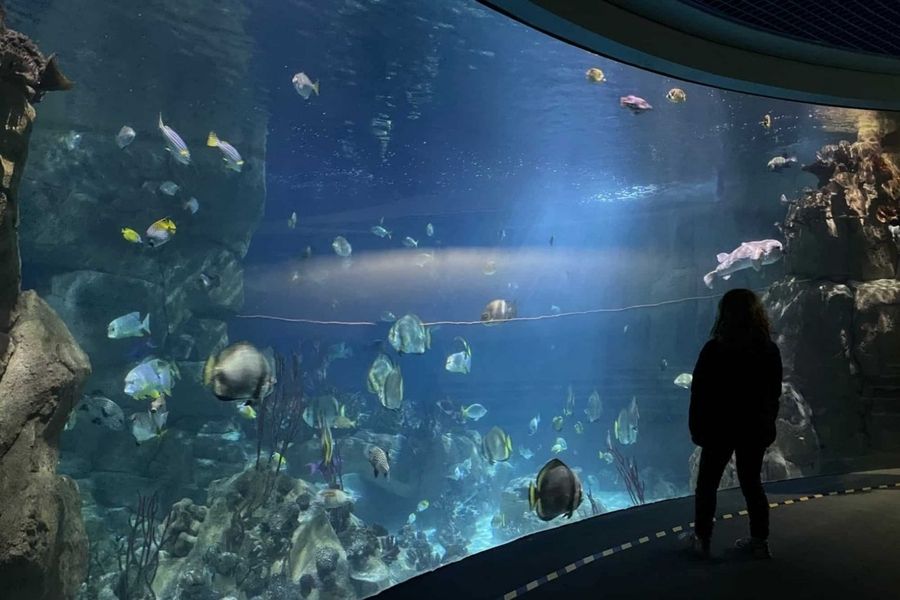
I liked how they focus on local conservation stories and connect global problems, like plastic pollution, to choices we make every day.
Touch pools let kids (and, let’s be honest, curious adults) meet local sea creatures up close. Live shows explain why healthy oceans matter. It’s a classroom without walls, and I left feeling inspired to look after the seas just a little bit better.
Innovation, Sustainability, and Research
The aquarium does a lot more than just display marine life—it actually drives research and sparks new ideas in ocean science. When I visited, I realized the place serves as a Centre of Ocean Excellence, with projects aimed at protecting sea habitats around Plymouth and across the UK.
They really focus on sustainable practices. The team saves water and energy with clever systems, and they team up with local groups to restore seagrass meadows and clean up the water. Research teams dig into everything from animal health to how climate change is affecting marine environments, all using the aquarium’s resources.
What struck me was how their innovations ripple out far beyond Plymouth. They often share their results with other aquariums and coastal communities, shaping the way folks everywhere think about conservation. They’re not just educators—they’re hands-on problem solvers, always hunting for smarter ways to protect our oceans.
Festivals, Seafood, and the Spirit of Resilience
Plymouth buzzes as a waterfront city, its calendar packed with maritime events, seafood feasts, and a community spirit built on both history and grit. Locals and visitors come together often, celebrating unique traditions and the city’s enduring character.
Plymouth Pirate Weekend and Community Traditions
Every year, I watch families and friends spill into the harbor for Plymouth Pirate Weekend. You’ll spot people of all ages in pirate hats and striped shirts, and honestly, that playful energy is contagious.
Live performances and pirate reenactments take over the waterfront. Kids hunt for treasure while actors spin tales about Plymouth’s long seafaring past. These events really bridge the present with centuries of maritime heritage.
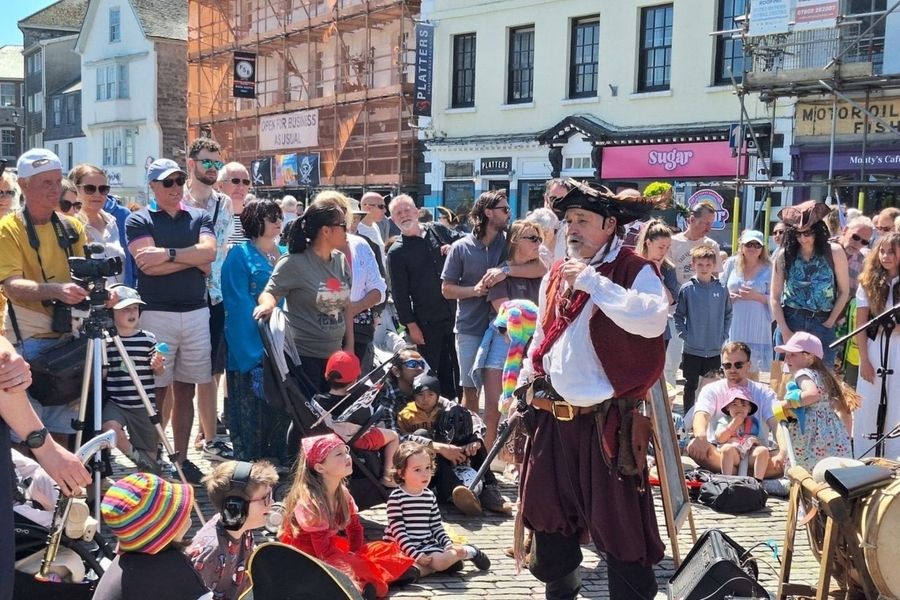
But it’s not just about the costumes. The whole weekend feels like the community’s way of sharing history, but with a wink and a laugh. Small vendors pop up with food stalls and games, adding even more local flavor. It’s a celebration that fills the city with pride and a burst of energy.
Seafood Festival and Culinary Heritage
Plymouth’s annual seafood festival lights up the waterfront with fresh catches—think scallops, crab, mussels, and more. I always look forward to the cooking demos, where local chefs show off how to prepare shellfish or classic dishes like hake and cod.
Vendors line the area, serving everything from fish and chips to seafood paella. The smell of grilled fish drifts through the air, and there’s always live music, making the whole scene feel lively and warm.
The festival shines a spotlight on local fishermen, who honestly work incredibly hard to bring in the freshest seafood. Sampling new dishes, picking up regional recipes, and chatting with the fishers and chefs—it all reminds me just how deeply the sea shapes Plymouth’s identity and economy.
Plymouth’s Resilience Through Challenges
Living by the sea? It’s unpredictable—never quite the same two days in a row.
People in Plymouth have weathered storms, watched industries change, and felt the impact of shifting economies. I’ve seen how Pirate Weekend or the seafood festival can lift spirits and pull folks together, especially when things get rough.
These gatherings don’t just show off local traditions. They reveal how the city adapts and neighbors show up for each other.
When a storm rolls in or the fishing industry takes a hit, I notice everyone pitching in. There’s always this sense that the local spirit just won’t quit.
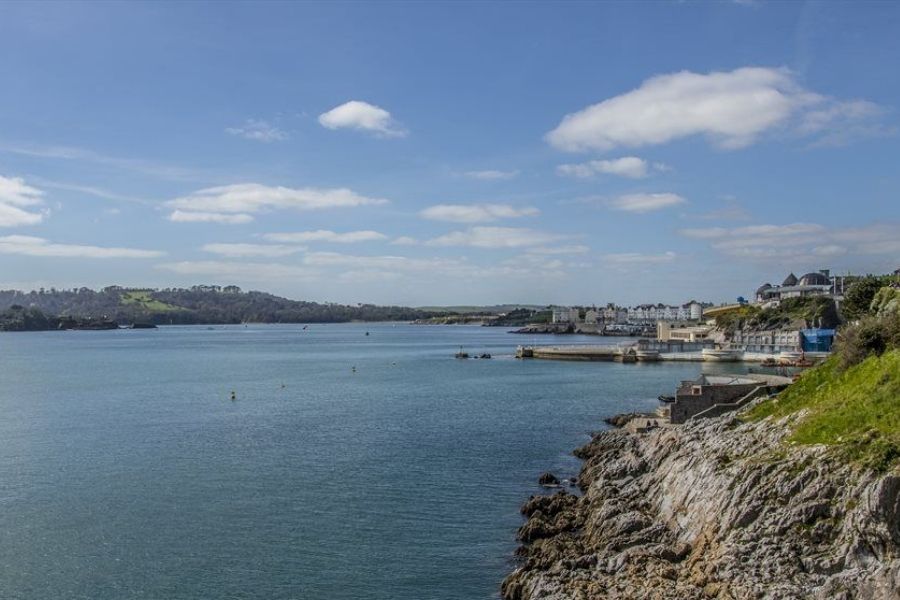
Community events make it easy to celebrate what sets Plymouth apart. They also build up hope for what’s next.
Those deep maritime roots and that scrappy community drive? They help Plymouth bounce back, time and again.
