
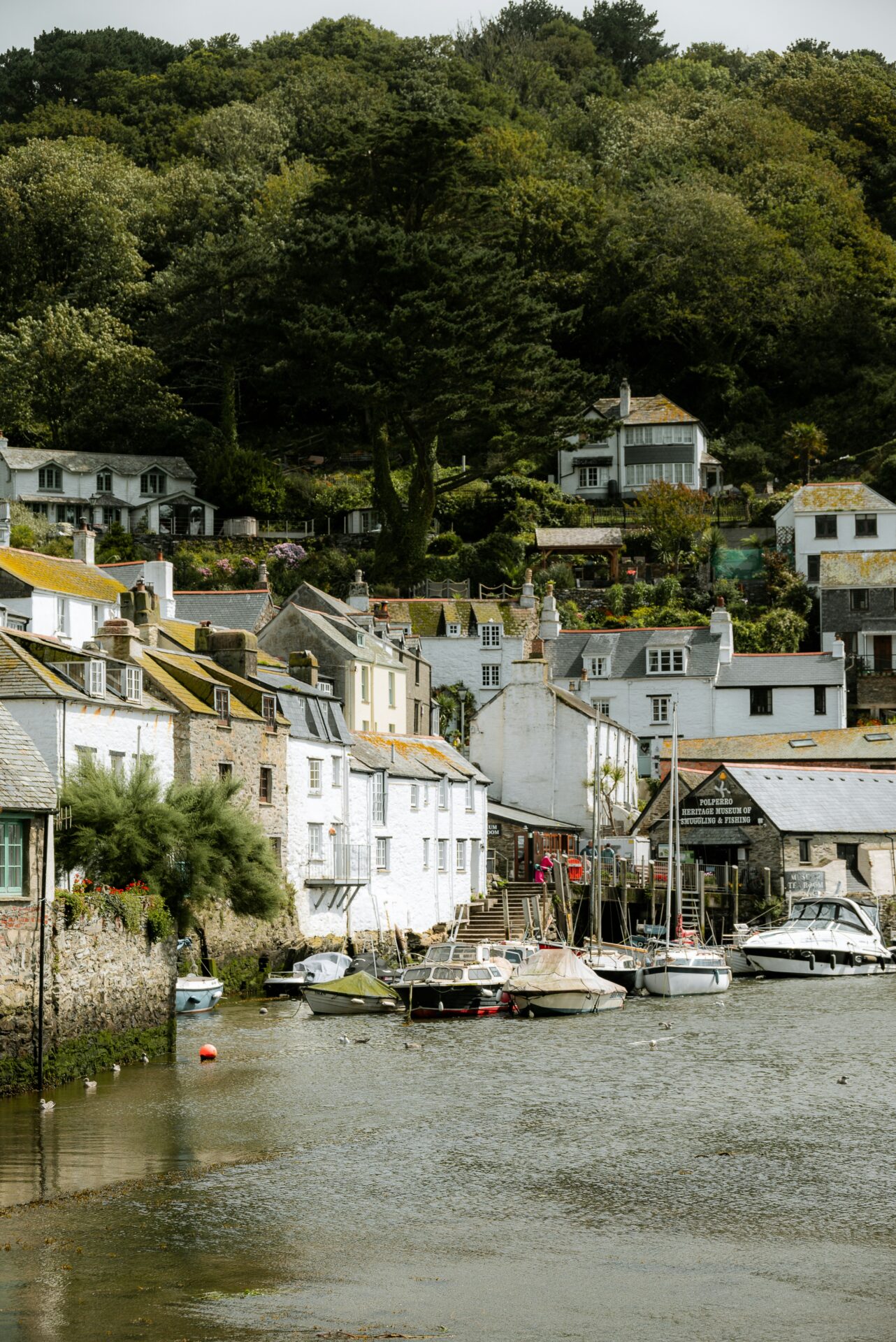
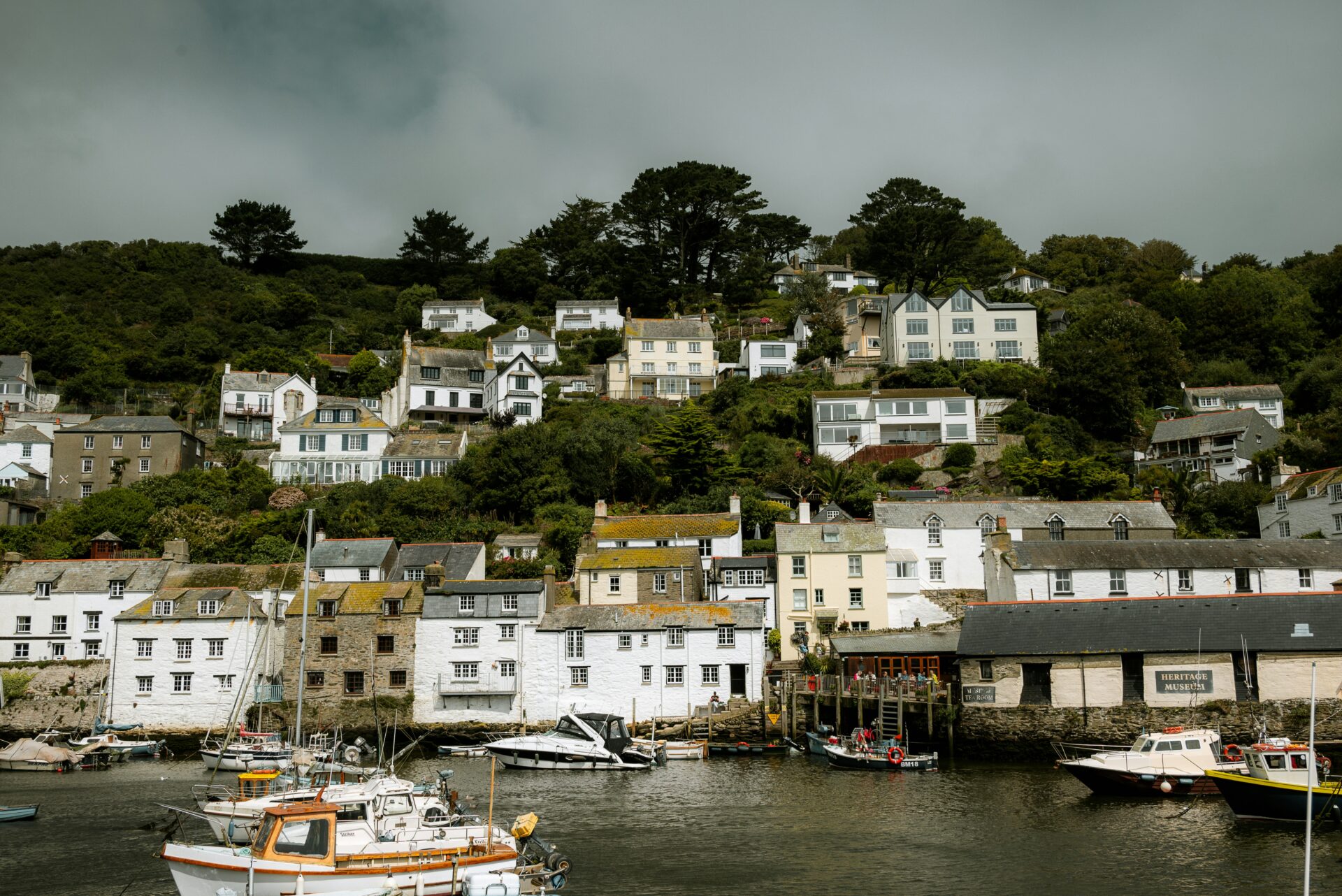
Polperro hugs Cornwall’s south coast and honestly feels like stepping into another era. Twisting alleys, ancient cottages, and—best of all—not a single car anywhere. I wandered those steep lanes, the ones lined with whitewashed houses and views over the harbor, and every turn seemed to hide another secret garden, a cozy tea shop, or a burst of bright flowers.
Getting lost in Polperro? It’s not just possible—it’s half the reason I go. The narrow, pedestrian-only streets snake past old fishermen’s homes and what used to be smugglers’ hideouts. The sea always lingers close by.
This village lets me slow down, soak up the peaceful vibe, and just wander on foot.
If you want to feel the real heart of Cornwall, Polperro’s the place to ditch the car and just see where your feet take you.

Exploring Polperro’s Winding Alleys: The Heart of Cornwall’s Car-Free Gem
Losing yourself in Polperro’s car-free lanes is honestly part of the magic. Each twist reveals colorful cottages, blooming gardens, and those jaw-dropping sea glimpses you’d totally miss if you hurried.
Navigating the Unique Layout of Polperro
Polperro’s narrow alleys were built by and for fishing folk, not for cars. Every path wraps around pastel or white cottages, flowers tumbling down the steps, and cats dozing in patches of sun.
You can only really see the village on foot. Sometimes the streets squeeze so tight, two people can barely pass each other. I spotted a hand-painted sign to the harbor, turned a corner, and there was this hidden courtyard where locals sipped coffee.
I started watching my step—water from the stream gurgles under little stone bridges and along streets edged with low walls. My best advice: wear comfy shoes, because cobbles and uneven steps are everywhere. Don’t be surprised if you see wheelbarrows, not cars, hauling supplies through the lanes.

Hidden Corners, Secret Gardens, and Coastal Views
What I adore about Polperro is how a simple walk can turn into a quiet little adventure. Tiny gardens bloom behind iron gates, wildflowers pop up around slate roofs, and some spots feel so peaceful you’d swear you stumbled onto a secret.
Highlights to look for:
- Hidden gardens: Some are open during annual garden festivals, others peek through picket fences.
- Secret benches: Along the coastal path, I found a wooden bench looking right out over the ocean—a perfect spot for a pasty or to watch fishing boats heading home.
- Artistic touches: Mosaics, painted shells, and old anchors decorate the walls, giving every corner a bit of personality.
The South West Coast Path, partly managed by the National Trust, just begs you to wander off. I took a short climb and got a panoramic view of the village, all hugged by cliffs and rolling green hills.

Life in a Car-Free Fishing Village
Living in Polperro feels different than any other coastal town I know. No cars means softer sounds—mostly footsteps, laughter, and the calls of gulls. Locals greet each other by name, carrying groceries from the shop or chatting on their doorsteps.
The tides shape daily life. Fishermen haul in their catch and unload at the harbor. Artists sketch on the quay or sell their watercolors in tiny studios. The National Trust looks after old coastguard cottages and paths, adding to the village’s sense of history.
Deliveries show up by small electric carts or on foot, and kids play safe in the alleys where traffic’s never a worry. At night, the lights from pubs and cottages reflect in the stream, giving the whole place a gentle, storybook glow.

History and Heritage: From Smugglers to Literary Fame
Polperro’s past weaves together the secrets of smugglers and the quiet charm of writers who fell in love with the village. Its winding lanes, old cottages, and harbor have seen more than just fishing boats—every nook hides a bit of history.
Polperro’s Smuggling Past and Maritime Legacy
When I walk through Polperro, I can almost picture barrels and sacks of tea or brandy hidden in thick stone walls. Back in the 18th and early 19th centuries, this place was a smuggling hotspot in Cornwall. All those coves, caves, and winding alleys made it nearly impossible for customs officers to catch anyone sneaking in goods from France or the Channel Islands.
Zephaniah Job, the “Smugglers’ Banker,” played a real role in the village’s story. He started as a schoolteacher but ended up central to smuggling, using his contacts and clever bookkeeping. People say the whole village pitched in to hide contraband, so smuggling was almost a community project.
Smuggling wasn’t just crime—it was survival during Britain’s heavy taxes. Fishing families depended on the secret trade. Even now, standing by the harbor or visiting the Heritage Museum, I sense that old rebel spirit.

Daphne du Maurier, Kenneth Grahame, and Literary Inspirations
Polperro isn’t just the backdrop for sea stories and legends—it’s inspired some pretty famous writers. Daphne du Maurier wandered this coast, and her love for Cornwall’s cliffs and hidden coves slipped into her novels, giving books like “Jamaica Inn” their mysterious edge.
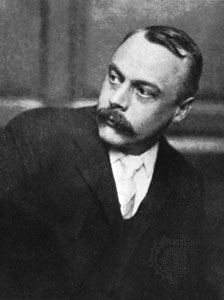
Kenneth Grahame, who wrote “The Wind in the Willows,” found escape in the Cornish landscape too. He soaked up the wildness and let it shape his writing. A lot of artists and writers have ended up here, drawn by Polperro’s rugged beauty and quirky traditions—perfect for tales of adventure or secrecy.
If you love literature, you can walk the same lanes that sparked these stories. Some local inns and bookstores even put out books by or about these authors.

Architectural Treasures and World Heritage Status
What makes Polperro special isn’t just the views—it’s how these old cottages and narrow paths have survived for centuries. Fishermen’s homes, some hundreds of years old, cluster along the tiny streets and create a peaceful, timeless vibe. I love peeking into slate-roofed houses and seeing those whitewashed walls, many now protected as heritage properties.
Polperro sits near the Cornwall and West Devon Mining Landscape, which is a UNESCO World Heritage Site. The village itself isn’t directly included, but its history is shaped by the same maritime and trading past that earned that recognition. The old quays, net lofts, and winding streets let you step back into the days when Cornwall’s villages formed the backbone of the British Empire’s southern edge.
If you’re interested in history, it’s easy to get swept up wandering these living relics. Every corner tells a story of real life, politics, and culture.

The Best Things to Do in and Around Polperro
Polperro’s packed with things to do, whether you love nature, crave adventure, or just want to chill by the sea. Walking paths, ancient woods, beach escapes, and a bit of fun on the water keep things fresh every day.
Top Walking Routes and Adventures Nearby
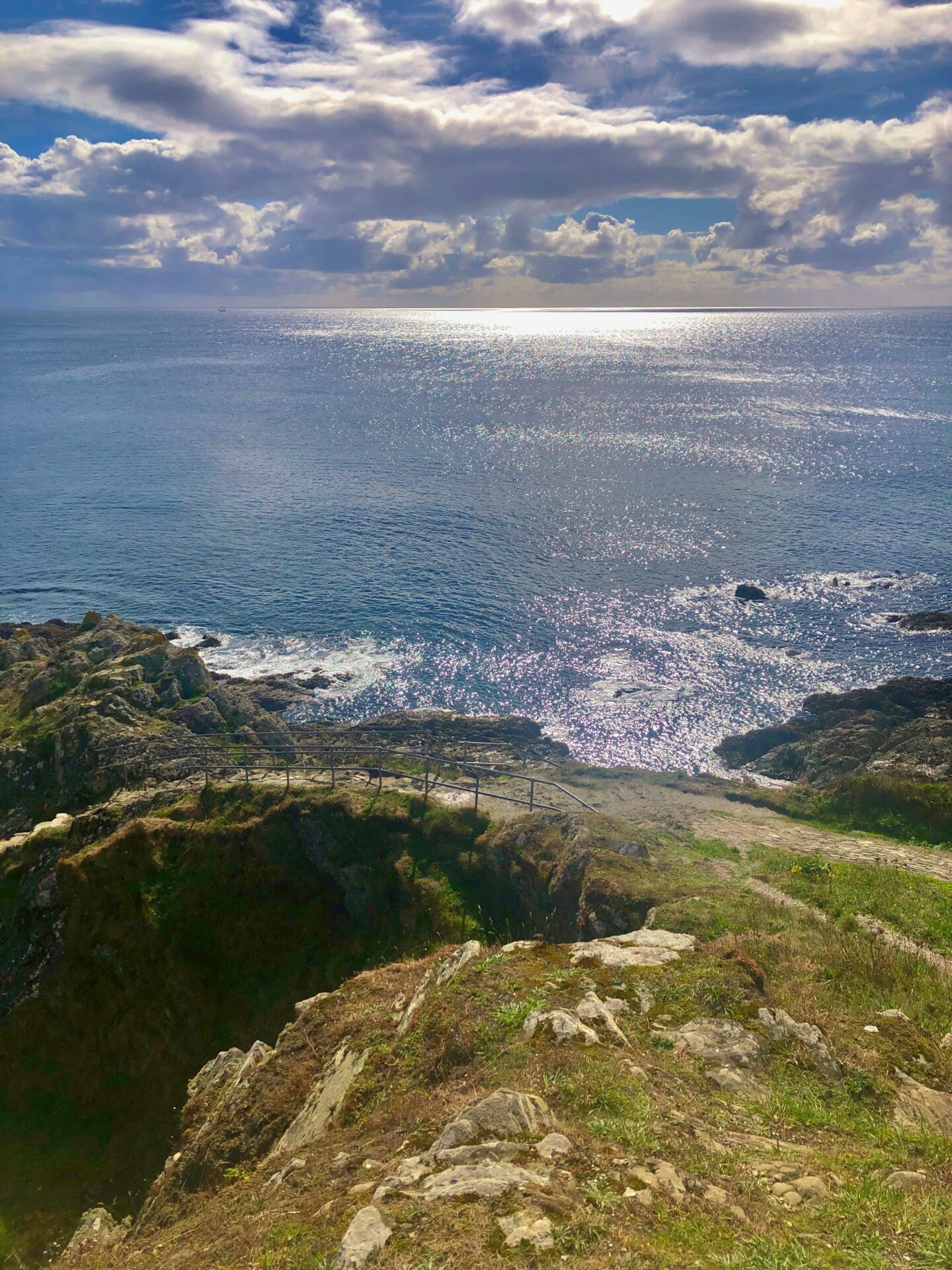
Wandering Polperro’s narrow alleys always leads me out to the South West Coast Path. This trail hugs the coastline and gives you some of the best views, especially when the sun’s out. I always tell friends to try the stretch between Polperro and Looe. It’s about 5 miles, not too tough, and the scenery flips between rugged cliffs and endless sea. I’ve even spotted dolphins from the path a couple of times.
If I’m after something easier, the village itself is perfect for lazy wandering. Whitewashed cottages line the lanes, and I can never resist stopping for a treat at a bakery. I don’t bother with maps—just follow whichever alley catches my eye. For more of a challenge, heading west to Talland Bay is worth it. There are hidden coves and picnic spots that make a great detour.
Must-try walks:
- Polperro to Looe (5 miles, coastal views)
- Polperro village rambles (short, easy, full of charm)
- Polperro to Talland Bay loop
Exploring Looe and Sandy Looe Beach
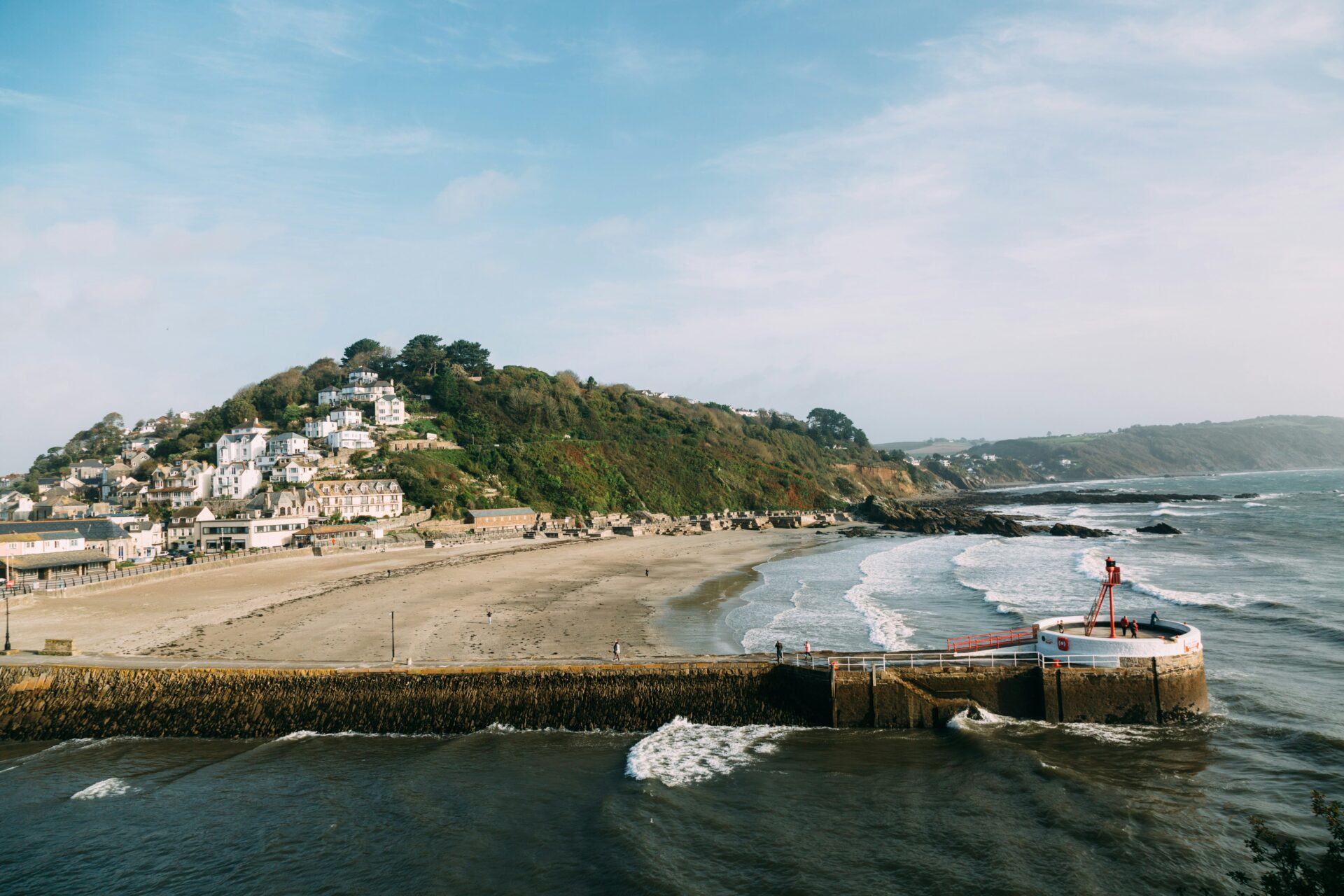
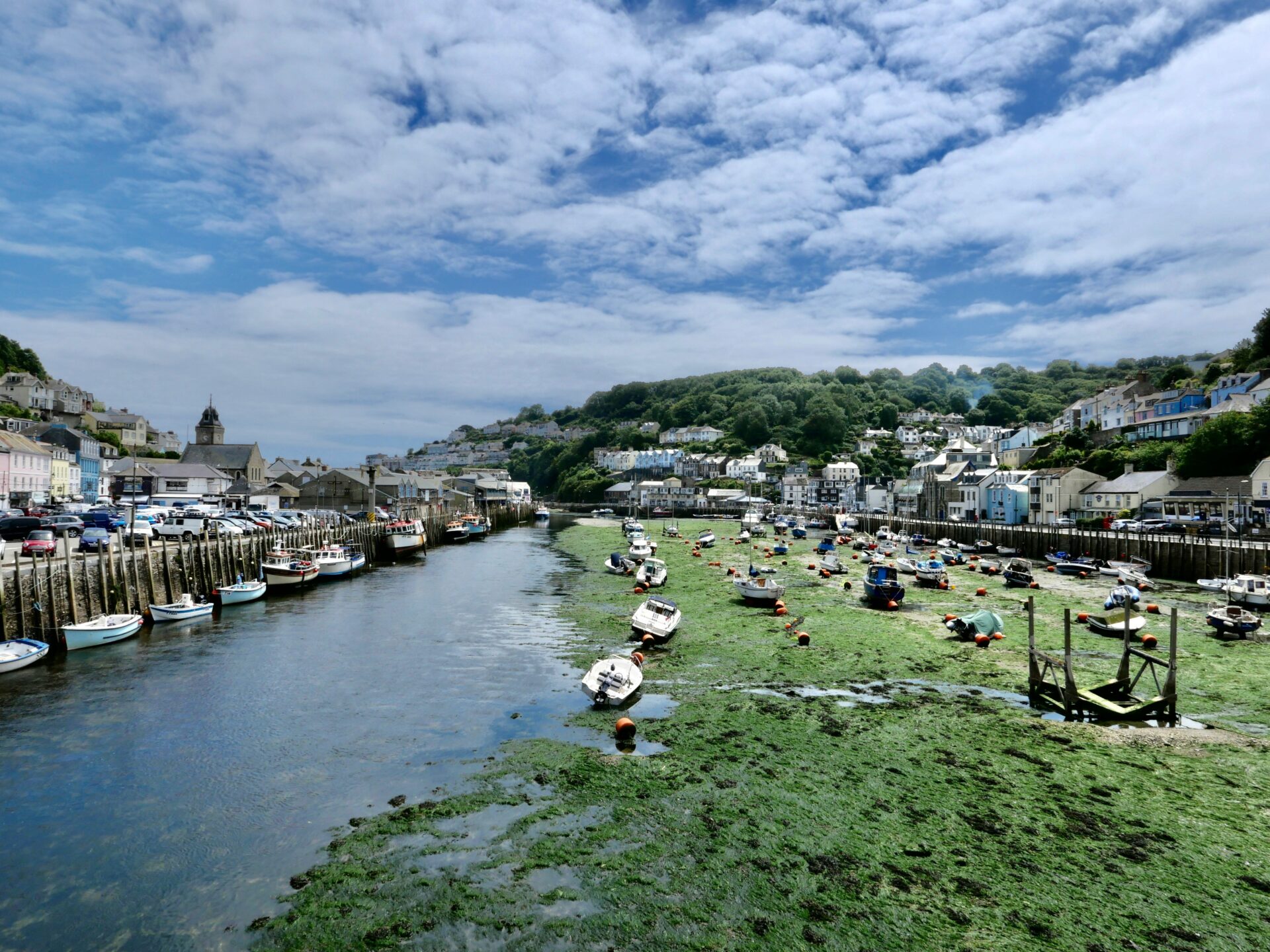
Looe sits just a short taxi or bus ride from Polperro, split into East and West by the river. I find East Looe lively with shops, while West Looe feels quieter and perfect for a relaxed stroll. Crossing the bridge at sunset? Never gets old.
Sandy Looe Beach pulls in the biggest crowds, and it’s easy to see why. The sand is soft, there’s loads of space for a picnic, and the water stays shallow for ages. Even at high tide, it feels safe for a swim. I always bring a bucket for rock pooling on the east end—there’s crabs, anemones, and tiny fish hiding among the stones.
My favorite things in Looe:
- Strolling the harbor (East and West Looe)
- Swimming or sunbathing on Sandy Looe Beach
- Rock pooling on the east side
Discovering Kilminorth Woods and Bodmin Moor
Kilminorth Woods sits just outside Looe and feels like a hidden escape. Ancient oaks create a shady, almost magical world that’s a total contrast to the coast. I love wandering the woodland trails in spring to see bluebells and wild garlic. The river path follows the West Looe River, and if I’m lucky, I spot kingfishers darting between the branches.
If I’m up for more adventure, Bodmin Moor is about half an hour’s drive from the coast. The open, rugged land gives you that wild Cornwall feeling. I’ve climbed Brown Willy, the highest point, on a clear day—the views stretch across Cornwall. Both places are perfect if you love hiking, wildlife, or just peace away from the crowds.
Top sites to visit:
- Kilminorth Woods (easy trails, wildlife, riverside walks)
- Bodmin Moor (challenging hikes, panoramic views, history)

Boat Trips, Rock Pools, and Safe Shallow Swimming
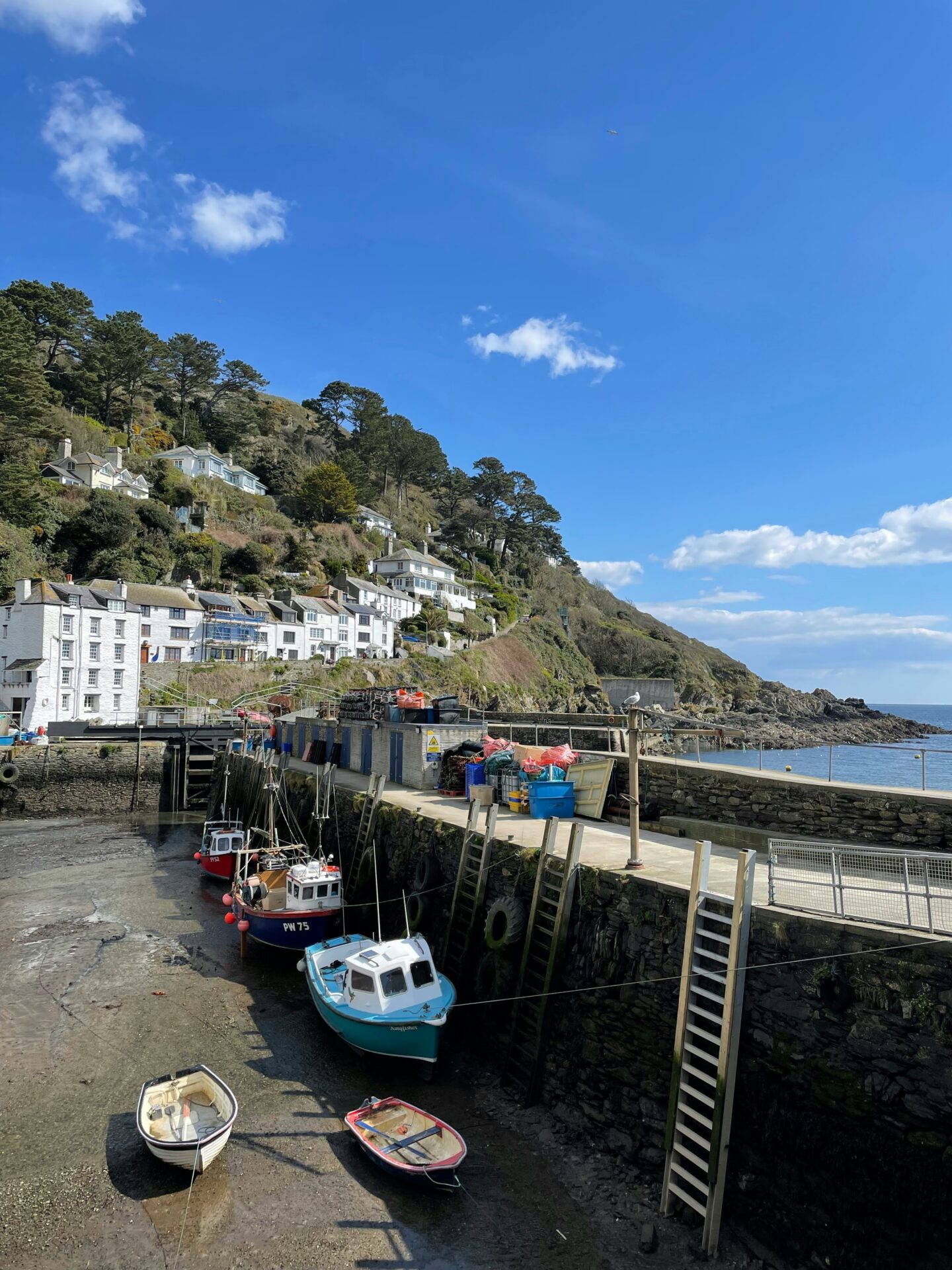
Boat trips from Polperro’s tiny harbor are a must. Local fishermen run short tours out to sea. Sometimes I spot grey seals sunbathing on the rocks. These trips usually loop back along the coast, giving you a new perspective on the cliffs and village.
For swimming, there’s a sheltered cove right in Polperro. The water’s calm and shallow, making it great for families. I love searching the rock pools at low tide—starfish, shrimp, and sometimes even a sea urchin. Early morning is the best time to swim, before the village wakes up.
Highlights:
- Harbor boat trips (scenic, wildlife spotting)
- Polperro cove swimming (safe, shallow, family-friendly)
- Exploring rock pools at low tide (bring a bucket)
Culture, Literature, and Local Legends of Polperro
Stepping into Polperro feels like walking into a storybook. The twisting alleys and stone cottages shape more than daily life—they’ve inspired memoirs, artists, and tales for generations.
Memoirs, Extracts, and Famous Characters
Polperro’s history comes alive through the stories of its people. Jonathan Couch stands out—his memoirs and extracts describe everything from fishing traditions to annual fairs. His writing feels like a time capsule, giving me a front-row seat to old Polperro’s customs and characters.
If I pick up a local biography or ebook, I find everyday stories: fishermen braving the storm, smugglers dodging the law, families sharing memories over the years. These tales capture the close-knit spirit that still makes Polperro so welcoming.
| Notable Figures | Contribution |
|---|---|
| Jonathan Couch | Memoirs, local history, extracts |
| Samuel Wilcocks | Fishermen tales, local legend |
| Village Families | Oral tradition, memories |
The Wind in the Willows, Puck, and Storybook Settings
Polperro’s twisting lanes and tucked-away harbors feel like they’ve leapt right out of classic British stories. When I wandered along the riverside and those narrow paths, it almost seemed like I’d slipped into The Wind in the Willows.
You can almost imagine Mole and Rat gliding their boat near Polperro’s banks. Puck could easily pop up from behind a hedge, couldn’t he?
This village has sparked the imagination of so many writers, illustrators, and storytellers. Even if Polperro doesn’t show up in every famous tale, the place just breathes the kind of magic you’d find in children’s books—hidden gardens, secret trails, and those dreamy seascapes.
It’s not hard to believe mischievous characters might be peeking out from the hedgerows here.

Art, Reading, and Literary Festivals
Polperro really loves its books and art. Every summer, I’ve seen the village come alive with book festivals and art events.
Local galleries fill up with seascapes, and the independent bookstores host readings and signings from Cornish authors.
Art isn’t just for the festivals, though. Painters capture those crooked rooftops and the busy harbor all year round.
Writers slip away into quiet corners, hoping for inspiration. If you’re into crafts or poetry, you’ll find workshops and circles in the coziest cafes, where you can actually chat with other book lovers.
That mix of art, reading, and conversation keeps Polperro’s cultural heart beating, honestly.

Practical Travel Tips: Where to Stay, Eat, and Explore
Picking the right spot to sleep, eat, and explore can totally change your Polperro visit. I’ve picked up a few tips about inns, restaurants, and side trips that might make things easier.
Charming Accommodations and Cosy Pubs
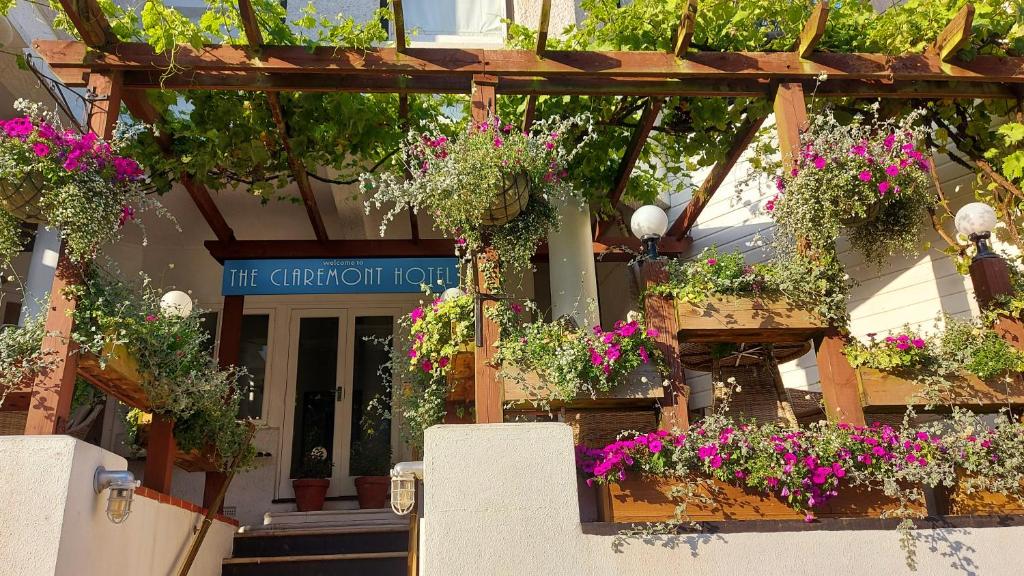
Polperro has loads of little guesthouses and B&Bs hidden along its winding streets. I stayed at an old inn—creaky floors, sea views, and mornings that felt pretty special.
Here’s a quick list of places with good reviews and a cozy feeling:
| Accommodation | Type | Notable Feature | Rating* |
|---|---|---|---|
| The Claremont Hotel | Boutique Hotel | Garden views | 8.6/10 |
| Harbour View Bed & B | B&B | Harbourfront rooms | 9.2/10 |
| House on the Props | Guesthouse/pub | Famous breakfasts | 8.8/10 |
*Ratings found on public domain travel review sites.
Pubs are where everyone seems to gather. The Blue Peter Inn quickly became my favorite—lots of friendly noise, live folk music, and Cornish cider.
For food, I tried The Three Pilchards. People often recommend it for its hearty meals and the rooftop terrace with a harbor view.
Traveling Without a Car: Getting Around Polperro
Cars aren’t allowed inside Polperro, so I left mine up at the main car park on the hill. Shuttle buses will take you down to the harbor most of the year.
But honestly? I liked walking better. The lanes twist and turn, lined with whitewashed cottages and flowers at every corner.
For luggage, local services offer little carts, which saved me a lot of hassle. If you’re coming by train, Looe is the closest station.
From Looe, you can catch a bus to Polperro. Taxis are around, but they’re not cheap, so I planned ahead.
On foot, I stumbled across bakeries, art galleries, and sea views I’d never have noticed from a car.
Nearby Destinations: Fowey, Plymouth, and Tamar Valley
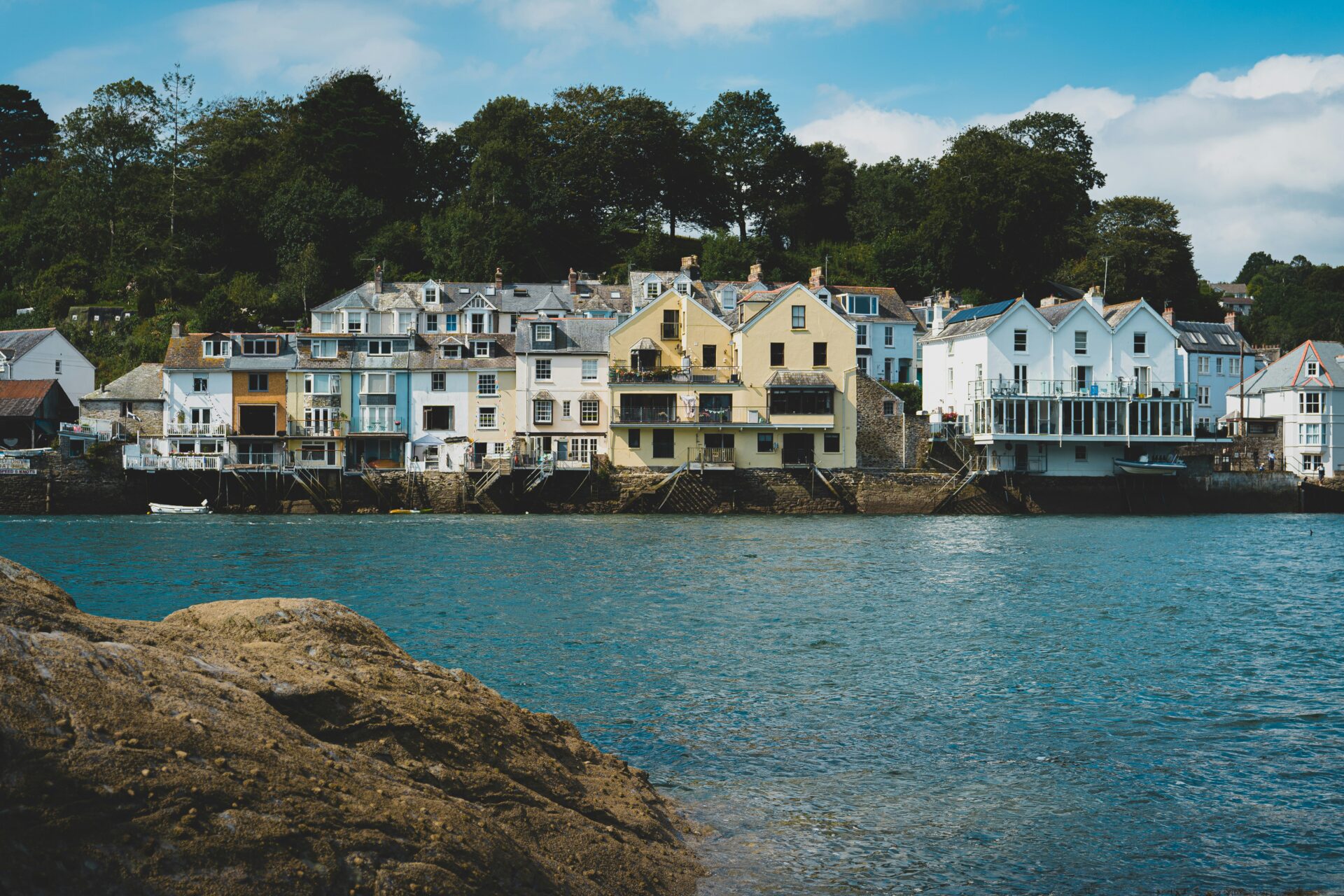
Using Polperro as a base, I found day trips easy and pretty rewarding. Fowey sits about 30 minutes away by car, just outside the car-free zone.
The town has great waterfront restaurants and some really nice estuary walks. I spent a day poking through bookshops and relaxing by the harbor.
Plymouth is busier and packed with history. It’s about an hour’s drive, but I took the scenic train for a break from the car.
The National Marine Aquarium and Barbican district offer a change of pace when you want something different.
The Tamar Valley stands out for its natural beauty. I walked trails through hills and woods—some spots are reachable by public transport, but a car helps if you want to explore further.
Photographers and hikers love it here. People say spring and autumn are especially magical for the views.
Each of these places connects to Polperro in its own way. Some feel like Cornish siblings, others are a total contrast, which makes exploring even more fun.
Making Memories: Personal Stories and the Changing Face of Polperro
As I walk through Polperro, I notice how this little fishing village somehow stands in both the past and the present. Local voices, tradition, and a bit of global influence all blend together in the cobbled lanes and along the working harbor.
Modern Life and Digital Media in a Historic Village
While wandering those winding alleys, phone in hand, I realized digital media has really changed Polperro. Tourists (yep, me too) post daily shots of blue boats and flowered cottages to Instagram or Facebook.
Local shops now have their own pages, sharing deals and Cornish stories online.
There’s a quiet debate tucked behind the scenes: Can Polperro keep its genuine charm when thousands discover it in a single viral video? I mean, it’s easy to see why people fall for the place, but I do wonder what gets lost when digital fame takes over real experience.
Still, social media isn’t all bad. Artists, bakers, and innkeepers now chat with folks from as far away as Eastern Europe. I even overheard locals talking to fans from Bulgaria who visited after reading a blog post.
Polperro’s gone global, but it still stands rooted in Cornish stone.
Political Changes and Local Perspectives
Over crab sandwiches at a harborside café, I listened to stories about how recent politics have shifted life here. Brexit changed fishing quotas, making it harder for the local fleet to sell abroad.
People here are paying close attention as Cornwall’s future in the UK gets debated.
Some villagers feel hopeful—maybe this is a chance to focus on sustainable fishing and keep profits in the community. Others worry about losing supplies or old trade partners.
There’s a mix of pride and uncertainty, honestly. Even in a place that looks frozen in time, these changes ripple through.
Cornwall’s identity matters a lot to folks here. In the pub, talk drifts to tradition, language, and hopes that Polperro won’t just turn into another tourist stop.
Every political decision seems to shape the village’s future, whether anyone likes it or not.

Preserving the Spirit of Cornwall’s Coastal Haven
When I started talking to old-timers and newcomers, I realized they all want the same thing: to protect what makes Polperro special.
Some local families still remember when fishermen owned every cottage. These days, second homes and holiday lets pop up everywhere, but plenty of people are determined to keep the heart of the community alive.
There’s a lot of pride in traditions like the Polperro Festival and boatbuilding.
I tagged along on a tour to Cotehele once and heard wild stories about epic storms and daring rescues at sea.
Locals love sharing their tales and encourage visitors to do more than just snap a photo.
Here’s how people keep Polperro’s spirit alive:
- They support small, local businesses.
- Folks celebrate Cornish food and music.
- They encourage respectful tourism.
- Locals teach Cornish place names, even to people who’ve just arrived.
Polperro keeps changing with the world, but if I wander down a narrow alley, I feel the same wonder travelers must’ve felt decades ago.
The village’s soul sticks around, living on in every memory made by the sea.



