
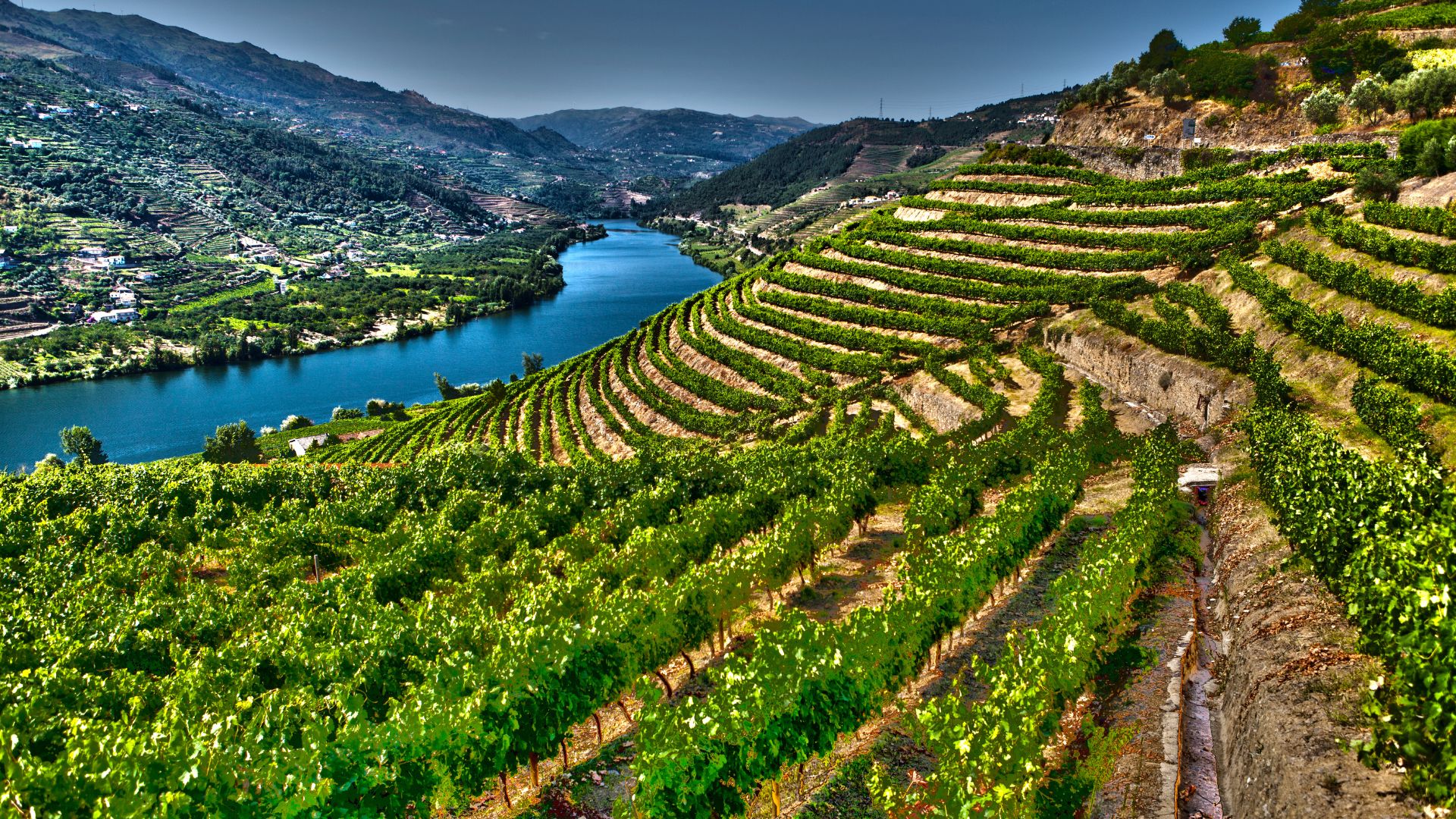
There’s honestly nothing quite like exploring Portugal’s Douro Valley by hopping from one hillside quinta to another. Each one has its own mix of history, stunning scenery, and, of course, fantastic wines.
I loved exploring these traditional wine estates, tasting Port and Douro DOC wines right at the source, and just taking in those sweeping vineyard views. Every stop in this rolling landscape feels like stepping into a postcard—barrels, river curves, and unforgettable sips everywhere you look.
During my trip through the Douro, I checked out both family-run estates and some bigger, well-known wineries. I learned a bit about port production and tried local specialties, usually with a view from a sunny terrace.
If you’re into wine or just love beautiful landscapes, picking out a few quintas to visit is a great way to connect with the region’s heritage and savor what makes it unique.
Planning Your Quinta Hopping Adventure
To really get the most out of a Douro Valley trip, you’ll want to plan ahead. Think about how you’ll get there, where you’ll stay, and what kind of experiences you want to book.
One thing I love about exploring this region is how every detail—from the time of year to your accommodations—shapes the memories you’ll bring home.
Getting to the Douro Valley
The Douro Valley sits about 1.5 to 2 hours east of Porto. I found driving gave me the most flexibility, letting me stop at little villages, viewpoints, and quintas along the way.
The roads wind and twist, but they’re well-paved. You can grab a rental car at Porto Airport or in the city center.
If driving isn’t your thing, you can take the train from Porto’s São Bento or Campanhã stations to Peso da Régua or Pinhão. That train ride hugs the river and is really scenic. There are also tour companies with guided van or bus transfers from Porto, often with wine tastings or even a river cruise included.
Parking at most quintas is free, but space can be tight, especially in busy seasons. I always double-check the nearest train station or main road when mapping out my route.
Best Time to Visit and Harvest Season
For cooler weather and green hills, I usually go in spring (April-May) or fall (September-October). Summer gets hot, but if you want to lounge by an infinity pool or enjoy tastings outdoors, it’s a good bet.
Harvest season—vindima—runs from mid-September to early October. It’s a lively time for wine tourism. You might get to watch or join grape stomping and see the valley buzzing with activity.
Many quintas have special harvest events then. Weekdays stay less crowded, so booking tastings is easier.
Vineyards look different every season. Before you go, check photos or reviews to get a sense of what you’ll see.

Choosing Where to Stay: Winery Hotels & Unique Accommodations
Spending the night in the Douro makes the experience deeper. I’d recommend picking a wine house hotel right on a vineyard if you can.
Many offer spa areas, indoor or infinity pools, and killer river views. Some, like Six Senses Douro Valley or Quinta do Vallado, have luxury rooms and excellent wine bars.
Others, like Quinta da Pacheca, let you sleep in actual wine barrels—talk about being in the heart of the vineyard. These stays often include tastings, tours, or special meals.
If you’re on a budget, check out Pinhão and Peso da Régua. They’ve got more affordable places, sometimes with river views, boat rentals, or easy access to local eats.
I always book early, especially during harvest season, since the best rooms disappear fast.
| Accommodation Type | Features |
|---|---|
| Wine House Hotel | On-site tastings, vineyard views, luxury amenities |
| Wine Barrel Lodging | Unique stay, made from wine barrels |
| Spa Resort | Wellness treatments, infinity/indoor pool, gourmet |
| Riverfront Guesthouse | Closer to Pinhão/Peso da Régua, boat outings |
Booking Guided Tours and Wine Experiences
Guided tours make quinta hopping a breeze, especially if you don’t want to drive. Many local operators run day trips from Porto, stopping at top quintas, offering tastings of Port and Douro DOC wines, and sometimes throwing in a river cruise.
I like mixing group tours with private tastings, especially if I’m curious about a particular wine. Some experiences throw in food pairings, vineyard walks, or even hands-on workshops.
Booking directly through a winery’s website usually guarantees your spot and can score you extras like barrel tastings or a meet-the-winemaker session.
If you’re exploring on your own, always reserve tastings ahead—on weekends and during vindima, spots fill up fast. Don’t be shy about asking if tours are in English, and double-check cancellation policies in case plans shift.
Every visit is a chance to see the Douro’s traditions up close.

Top Quintas and Wineries to Visit in the Douro Valley
The Douro Valley is packed with both famous and lesser-known wine estates. From big historic names to family-run vineyards and modern, eco-friendly winemakers, there’s really something for every wine fan.
Iconic Wine Estates You Can’t Miss
Some quintas truly stand out for their history, setting, and wine quality. I kicked things off at Quinta do Bomfim, run by the Symington family and set right along the river in Pinhão.
Their port tastings and guided cellar tours showed me how tradition and innovation can work together. Quinta de la Rosa is another favorite, just across the river from Pinhão.
It’s family-run, offers DOC wines, and has awesome river views—best enjoyed from their sunny terrace. Quinta do Seixo, owned by Sandeman, has sleek, modern tasting rooms and panoramic outlooks.
Quinta do Crasto sits high above the Douro, and I was blown away by its bold reds and the view from that famous infinity pool. It’s a top pick in the Cima Corgo subregion.
Here’s a quick look at these iconic spots:
| Estate | Best For | Region |
|---|---|---|
| Quinta do Bomfim | Port, history, tours | Cima Corgo |
| Quinta do Seixo | Modern design, views | Cima Corgo |
| Quinta do Crasto | DOC reds, scenery | Cima Corgo |
| Quinta de la Rosa | Authentic, terraces | Cima Corgo |
Charming Boutique Wineries
Checking out small, boutique quintas let me try wines I couldn’t find outside Portugal. At Quinta do Tedo, right where the Douro and Tedo rivers meet, I loved the personal touch on the tours.
Their organic olive oils and food pairings really stood out. Quinta da Pacheca offers those unique wine barrel suites.
I joined a cozy cooking class there, followed by tastings of their hearty table reds and fresh whites. Quinta Nova de Nossa Senhora do Carmo is one of Portugal’s oldest, with a small hotel and a farm-to-table restaurant set among the vines.
Definitely make reservations at these boutique spots since their tours and tastings are small-group and fill up quickly.
Discovering Historic Vineyards and UNESCO Sites
The Douro’s vineyards, shaped over centuries, are protected as a UNESCO World Heritage Site. Walking the terraces at Quinta das Carvalhas gave me a real sense of the region’s past.
You’ll see ancient stone walls, steep slopes, and old vines everywhere. This estate even offers 4×4 tours to get you closer to the action.
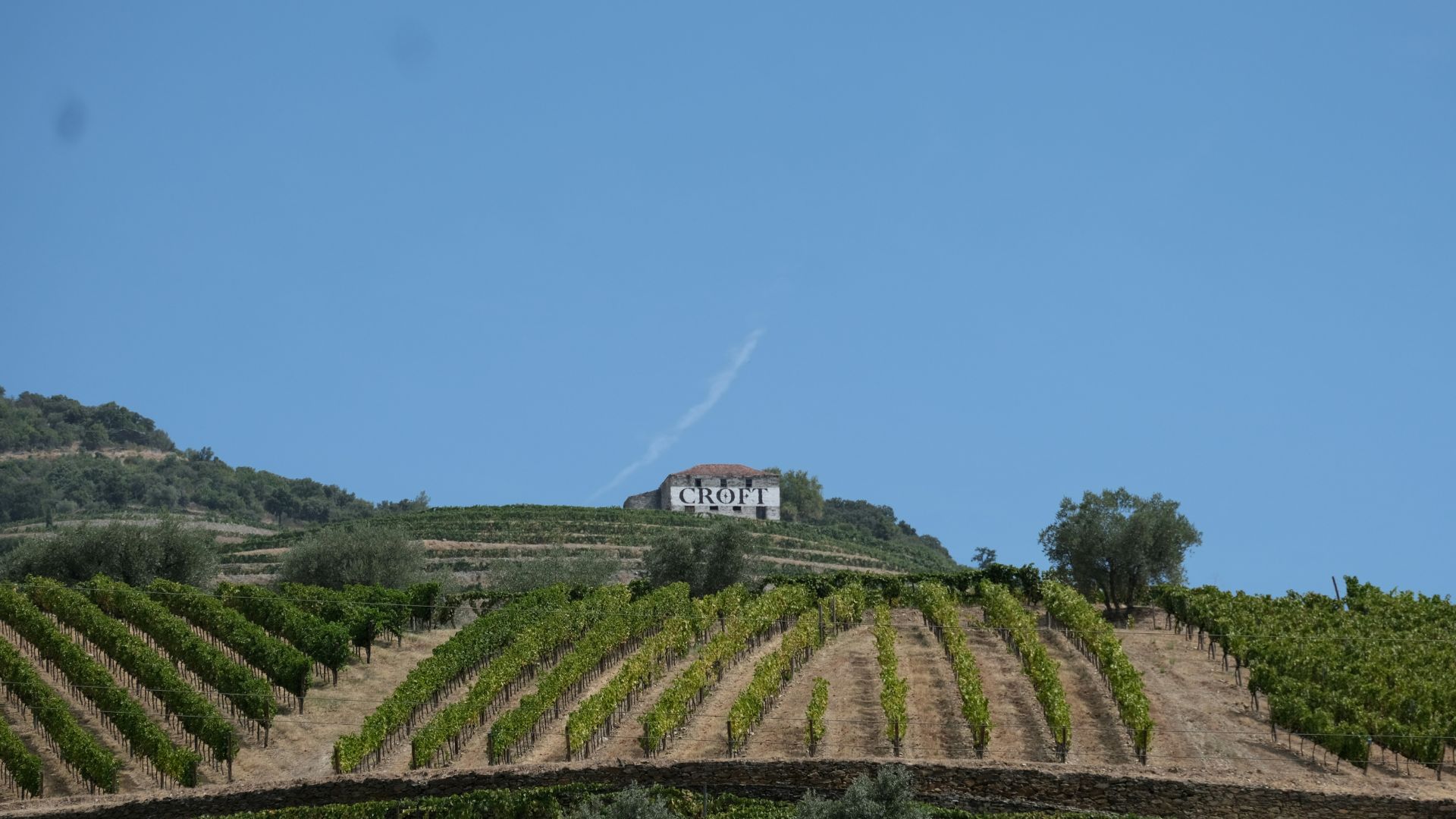
Quinta da Roêda is full of tradition. Croft owns it, and it’s a fantastic place to learn how port goes from grape to glass.
I wandered between heritage vines, then sampled vintage tawnies in the old lime-washed tasting house. Quinta da Gricha and Quinta de Nápoles each have a strong sense of place.
At these historic spots, winemaking stories come alive during tastings.

Modern Winemaking and Organic Viticulture
A lot of Douro estates now focus on organic methods and modern design. At Quinta do Vallado, I noticed how their steel-and-glass winery mixes style with sustainability.
Their reds and whites feel like the new wave of Portuguese wine. Quinta do Portal stands out for its eco-friendly cellars and creative DOC blends.
I joined a workshop there about organic viticulture that really opened my eyes to their process. Quinta de Santa Eufemia—a smaller, family-owned spot—puts the spotlight on sustainable farming and limited-edition wines.
Quinta de Ventozelo offers more than wine; their on-site hotel, hiking trails, and organic kitchen made my stay feel like a real escape. I’d definitely add at least one of these modern or organic-focused quintas to your list for a fresh take on the Douro.
Wine Tasting Experiences: Ports, DOCs & More
Tasting wine at Douro Valley quintas is honestly the best way to get to know the region’s flavors, history, and traditions. Every tasting here revealed something new about Portugal’s famous port and Douro DOC table wines, especially when the winemakers guided me through it.
Mastering Port Wine Tasting
My first real port wine tasting at one of the valley’s estates totally surprised me. It’s more than just sipping—you slow down and really notice each stage with all your senses.
Most tastings kick off with white and ruby ports. These are brighter and fruitier, perfect if you’re just getting started.
Then come the tawnies, which spend years aging in oak and pick up nutty, caramel flavors. I found myself swirling the glass, watching the legs, and breathing in those deep aromas before taking a sip.
At places like Sandeman, hosts explain the differences in sweetness, age, and style, often with simple tasting sheets that keep it all clear. Wet stone, figs, honey, warming spice—all those notes popped up as I tasted. It’s a great intro to Portuguese wine culture.
Savoring Douro DOC Table Wines
While port gets most of the attention, the local DOC table wines really impressed me with their variety and quality. These reds and whites have to meet strict Douro DOC rules, so they stand out from the crowd.
Reds usually blend native grapes like Touriga Nacional and Tinta Roriz. They’re packed with dark berry flavors, spice, and a hint of minerality.
The whites, which people often overlook, are crisp and floral with citrus and herb notes. During tastings, I tried side-by-side pours of different vintages and learned how soil and altitude shape each glass.
Most quintas pair tastings with short talks, often led by a family member or the winemaker. Their stories about harvest, grape selection, and aging made these table wines feel even more personal.
Vintage Ports & Special Releases
Sampling vintage port is always a highlight for me—these bottles only come out in the best years. They age slowly and can last decades.
Tasting even a small pour feels like a treat. Sometimes the estate opens special bottles, like single-quinta vintages or old tawnies aged for 20, 30, or even 40 years.
The flavors—dried fruit, tobacco, toasted almond—are powerful and complex. Tastings of these rarities cost more, but for curious wine lovers, it’s worth it.
Many places display a table of release years with stand-out vintages, which helped me pick what to try or buy. Guides often share details about declared vintages, storage tips, and the story behind each corked bottle.
Unique Wine Pairings and Culinary Experiences
Almost every quinta I visited had more going on than just pouring wine. Local food pairings turned each tasting into something memorable and honestly, pretty delicious.
I’ll never forget trying tawny port with creamy cheese, or a Douro red alongside slow-cooked goat stew at a cozy vineyard restaurant. Some estates run cooking classes or even “winemaker for a day” workshops. I once got to blend my own wine and left with a bottle that had my name on it.
A few wineries have gourmet restaurants where chefs build menus around local ingredients and the estate’s own wines. Tasting rooms often serve small plates—smoked sausages, olives, fresh sourdough—so you can really see how food and wine bring out the best in each other.
For me, these experiences made the Douro Valley more than just a place to drink wine. It turned into a real feast for the senses.
Soaking in the Douro Valley Views & Culture
The Douro Valley isn’t just about wine. You get sweeping river views, hilltop towns, river cruises, and old traditions that pull you right into the heart of the region.
Scenic Lookouts & Panoramic Vistas
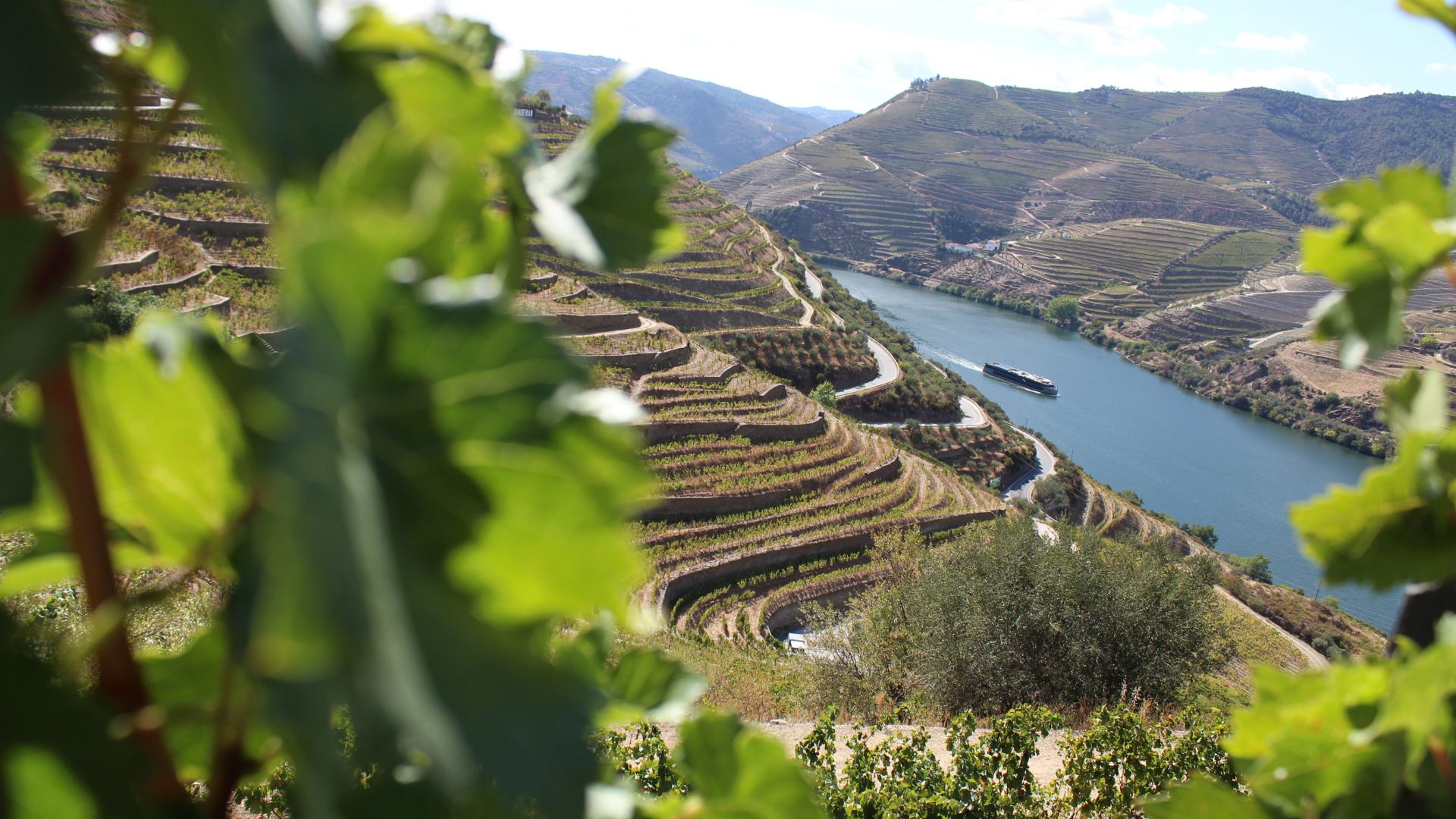
Standing up on the terraces above the Douro River—wow, those views. Vineyards stretch in neat lines across the hills, changing colors as the seasons shift.
One lookout I keep coming back to is the Miradouro de São Leonardo da Galafura. The valley just opens up around you from there.
There are little parking spots and benches, so you can stop and soak it all in. I like to go early or late in the day for the best light.
I always bring a jacket because the wind can surprise you. You’ll also find great views at Peso da Régua and up on the hill near Pinhão. Each spot gives you a new angle on the river valley.
Binoculars make it easier to spot boats gliding below or tiny villages tucked into the hillsides. It’s a peaceful pause between quinta visits, and honestly, it lets the valley sink in.

Cruising the Douro River
Cruising the Douro is like drifting through a living postcard. I booked a spot on a traditional rabelo boat from Pinhão that slipped quietly along the river.
The boat wound between vineyard-covered hills, and seeing the valley from the water just felt different—almost more real. Short one-hour cruises are easy to find, but if you have time, half-day trips between Peso da Régua and Pinhão show you winemakers tending vines and fishermen working the banks.
Onboard, the crew shared stories about the old wine boats and how the river shaped Douro’s wine scene. I always pack sunscreen and plenty of water because there’s barely any shade out there.
Smaller group tours feel more personal, with time for photos and questions.
Exploring Nearby Towns and Villages
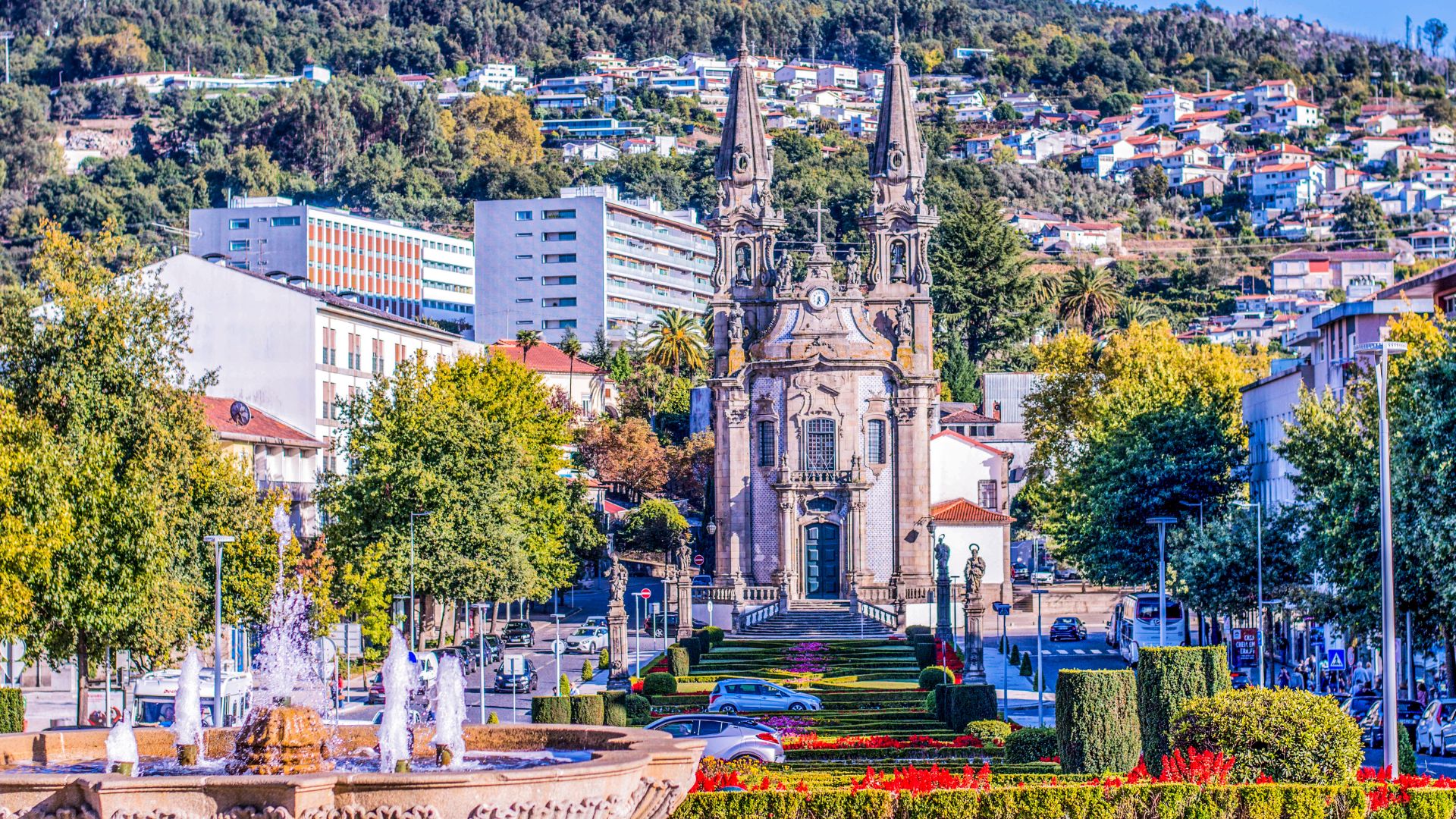
Wandering through towns like Lamego, Guimarães, and Braga gave me a real sense of the valley’s history and culture. Lamego’s Sé Cathedral, with its Baroque façade, stood out, and the climb up to the Sanctuary of Nossa Senhora dos Remédios was tough but totally worth it for those sweeping views.
Guimarães, a UNESCO site, made me feel like I’d stepped back in time—medieval squares, big stone castles, the whole deal. If you’re into history, Braga’s famous churches like Bom Jesus do Monte are just a short drive away.
In every town, I wandered into cozy bakeries and craft shops, grabbing a pastry or two for a break.
Below is a table of useful travel distances:
| Town | Approx. Distance from Peso da Régua | Notable Site |
|---|---|---|
| Lamego | 12 km | Sanctuary of Remédios |
| Guimarães | 100 km | Guimarães Castle |
| Braga | 120 km | Bom Jesus do Monte |
Wine Culture and Local Traditions
Wine here isn’t just something you drink—it’s woven into everyday life. Many quintas invite you to see traditional winemaking up close, with workers still crushing grapes by foot for port wines.
I sat down with families over glasses of tawny port, hearing stories about how they’ve handed down these methods for generations. Autumn brings harvest festivals—music, dancing, and foods you’ll only find here.
Locals love sharing what makes Douro DOC reds different from vintage ports, and they’ll explain it with a lot of pride. At a small festival in a nearby village, I tried bola de carne (meat bread) and joined in with the folk dancers. Those moments taught me as much about the Douro as any wine tasting.
Tips for Making the Most of Your Douro Valley Visit
Planning ahead really does make a difference in the Douro Valley. You’ll get more out of each vineyard and tasting if you know when to go, how to book, and what to pack.
Insider Advice for Quinta Hopping
Timing matters. I usually visit in spring or early fall, especially around September’s harvest. The weather’s comfortable, the grapes are at their best, and a lot of quintas run special events.
Choosing which quintas to visit can get overwhelming, honestly. I go for a mix—big, classic estates for the views and cellars, and smaller family-run places for friendlier, more personal tours.
Reservations are a must, especially in busy seasons. Even if a quinta says walk-ins are okay, I always call or book online first. It saves a lot of hassle and usually means a better experience.
If I’m staying overnight, I look for quintas with guest rooms. Waking up to river views is something special, and it makes those early tastings much easier.
Many estates have on-site restaurants, spas, or even pools, so it’s worth checking if you want more than just wine.
How to Arrange Private Tastings and Cellar Tours
Private tastings and cellar tours are always the highlight for me. The easiest way is just to email or call the quinta ahead of time. Most have English-speaking staff and can tailor the visit to what you want.
A lot of quintas offer exclusive tastings for small groups, sometimes pouring older ports or Douro DOC wines. Some even let you taste straight from the barrel. When I book, I ask about vineyard walks and time in the winemaking areas—not just a quick tasting at the bar.
Booking a guided wine tour is another good option. These tours usually handle transport, set the schedule, and include a local guide who knows all the good stories. Some focus on smaller, lesser-known quintas I might miss otherwise.
If I want to meet the winemaker or see behind-the-scenes parts of the winery, I mention it in my email. Most places are happy to personalize the visit, especially on weekdays.

Packing Essentials for Wine Country
Packing light but smart makes all the difference. Comfortable shoes are a must—those vineyard hills are no joke. I always bring sun protection: hat, sunglasses, and sunscreen. Even in spring or fall, the valley gets hot.
A small backpack helps me carry water, snacks, and the odd bottle of wine I pick up. I toss in a light jacket for cool evenings or surprise showers. Quick-dry clothes come in handy for vineyard walks.
Since Wi-Fi and cell service can be spotty, I print directions or download offline maps. If I want to remember what I’ve tasted, I bring a little notebook and pen for notes.
Table: Packing List for Douro Valley Wine Visits
| Item | Purpose |
|---|---|
| Comfortable shoes | Vineyard walks and tours |
| Hat & sunglasses | Sun protection |
| Light jacket | Evening chill |
| Water bottle | Stay hydrated |
| Notebook & pen | Tasting notes |
| Snacks | Between tastings |
Responsible Wine Touring and Local Etiquette
Wine tasting in the Douro Valley is really about enjoying yourself while showing some respect. I try to pace myself—those tasting pours can be pretty generous, and the police are serious about not driving after drinking.
Whenever I book a guided tour, they include transport, so I don’t have to worry about getting around safely. That way, I can just relax and take it all in.
Tipping isn’t required, but people usually appreciate it. I tend to round up or leave a couple euros if the service feels especially good.
I always make a point to greet staff and other visitors with a friendly “Bom dia” (good morning) or “Boa tarde” (good afternoon). It might seem small, but it really does make a difference.
During harvest, I stay mindful and try not to step on grapevines or get in the workers’ way. If the quinta offers hands-on harvest activities, I’m happy to join in, but otherwise, I just watch and keep my distance.
Photos? Usually fine, but I always ask before snapping any in the winemaking areas. Better safe than sorry.
And honestly, I like to buy at least one bottle from each estate I visit. It supports the local producers, and it means I get to bring a bit of the Douro home with me.
