
Tucked away in Calabria’s sun-soaked south, Vibo Valentia grabbed my attention the minute I set foot there. This little-known spot weaves together ancient history and culinary treasures in a way that’s honestly rare, even for Italy. Locals treat their famous red onions—Cipolla rossa di Tropea—as more than just produce. These onions are a symbol, tying together generations of agricultural heritage with the region’s modern vibe.
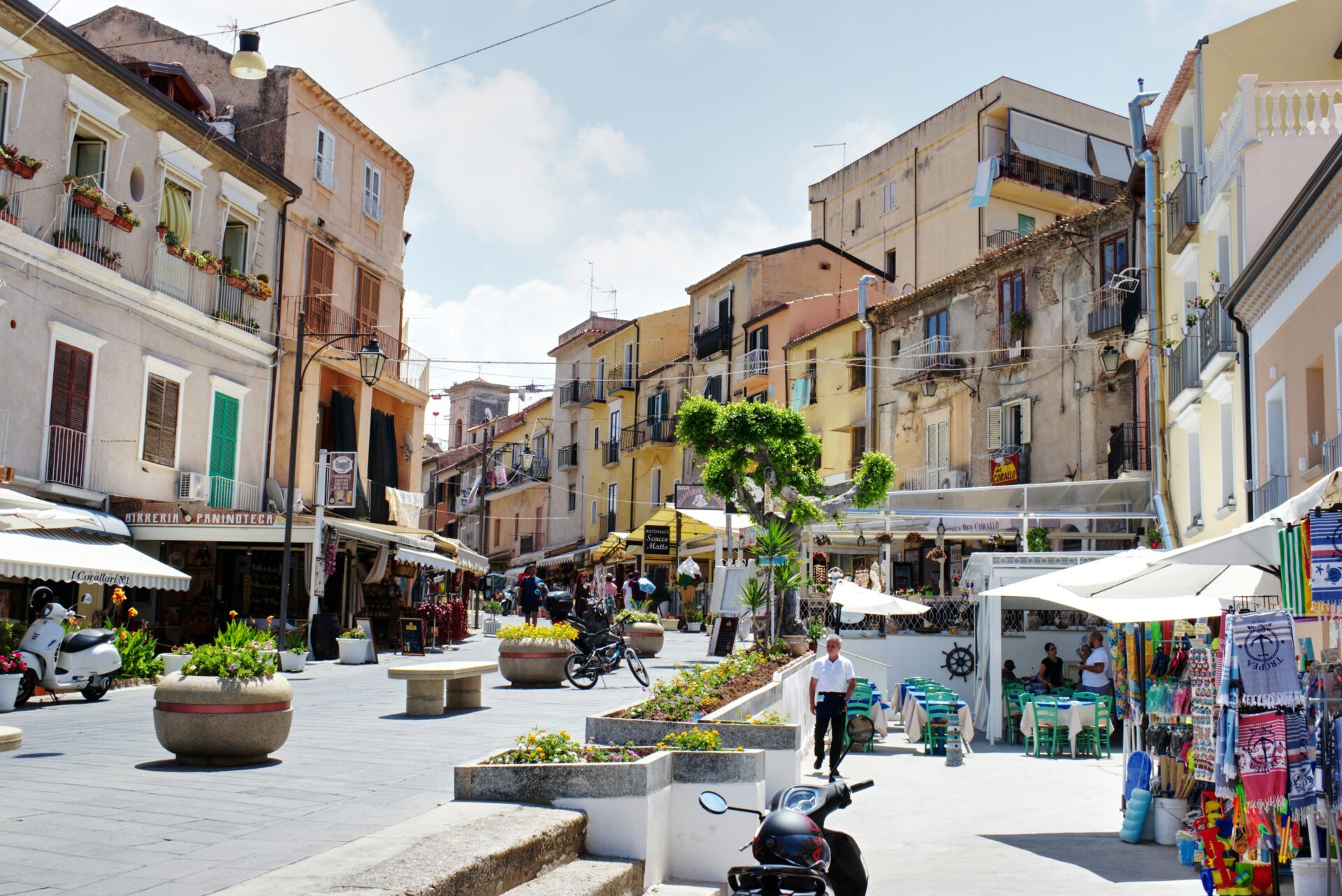
As I wandered Vibo Valentia’s streets, I felt the past and present blending together everywhere I looked. The castle’s sweeping views drew me in, while the lively markets—with their heaps of prized red onions—buzzed with energy.
These sweet, vibrant bulbs thrive along the coast near Tropea, and locals have made them the star of so many traditional Calabrian dishes I’ve tried.
Digging into Vibo Valentia’s history, I saw how its roots as ancient Hipponion mesh with a food culture that’s anything but stuck in the past. I spent my days admiring archaeological finds, then my evenings savoring fresh seafood and local specialties loaded with those unmistakable onions.
The thrill of finding both ancient relics and unforgettable meals made my trip to this southern Italian gem something I can’t quite get out of my head.
Vibo Valentia: A Tapestry of History and Culture
Set right in Calabria’s heart, Vibo Valentia feels like a living museum. Here, Greek influences, Roman architecture, and a dash of medieval flair all mix together.
This coastal town lets you wander through time. Every street seems to whisper stories from days gone by.
From Hipponion to the Roman Empire
Strolling through Vibo Valentia, I keep bumping into reminders of its life as the Greek colony Hipponion. People founded it in the 7th century BC, and it quickly became a cultural hub.
When the Romans showed up around 230 BC, they changed the town’s name to Valentia—Latin for “strength.” That shift in 182 BC kicked off a wave of Roman influence that still shapes the city.
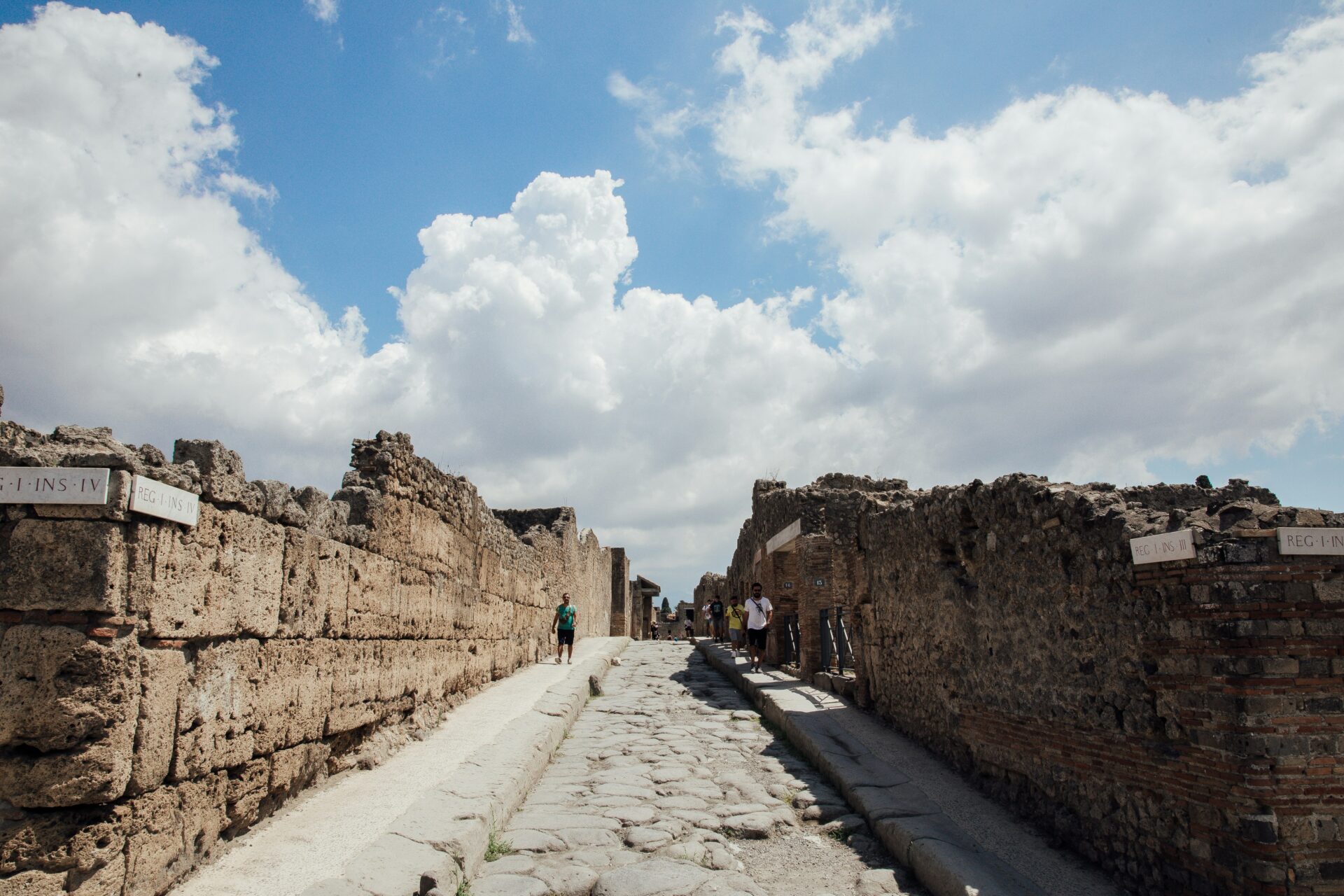
I love poking around the archaeological sites scattered all over. Roman bath complexes, villa ruins, and ancient roads pop up everywhere, showing off the smart city planning of that era.
These ruins aren’t just for tourists—they’re real links to the city’s roots.
Old Town Charm and Iconic Landmarks
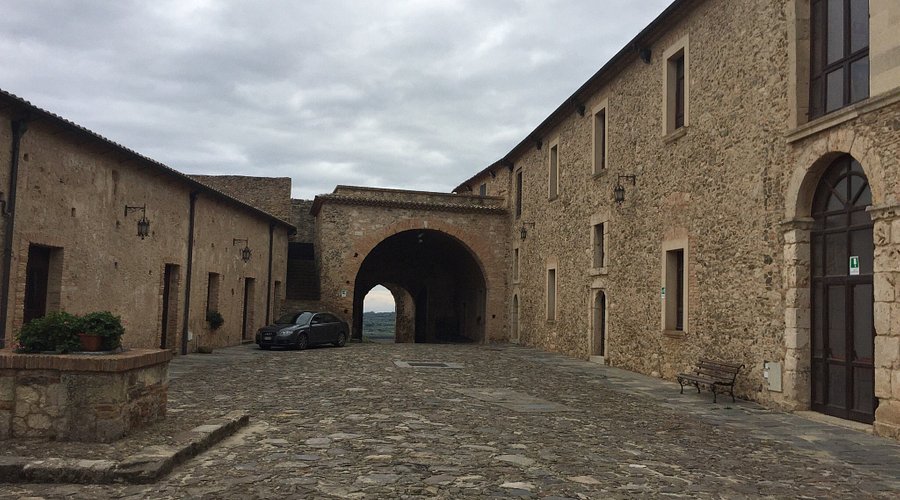
The historic center always pulls me in. Narrow cobblestone streets wind between stone buildings, making it feel like time paused here.
As I walk, I notice how the architecture mixes different eras. Medieval churches stand next to baroque palaces, and little piazzas sparkle with renaissance fountains.
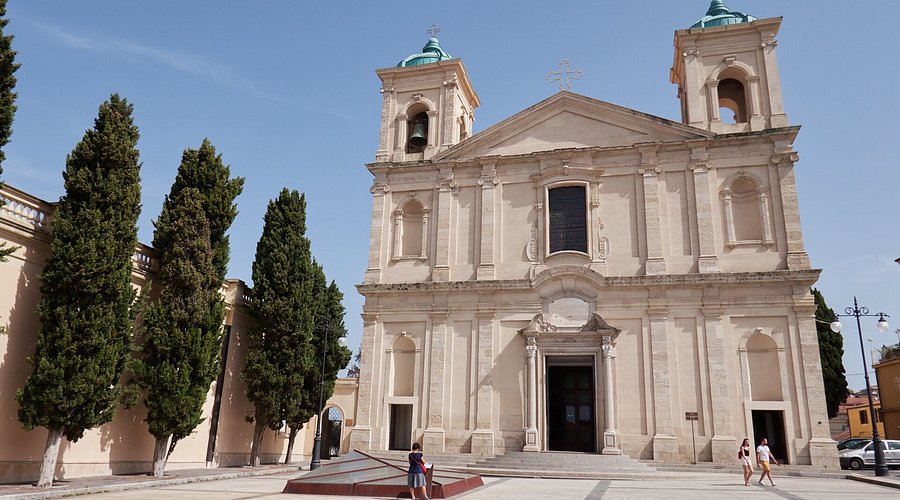
The Cathedral of Santa Maria Maggiore e San Leoluca stands out as a major landmark. Its striking façade and stunning interior art give you a sense of the city’s spiritual side.
Corso Vittorio Emanuele II cuts through the old town. Locals gather here for their evening passeggiata, and visitors like me can duck into family-run trattorias for a taste of real Calabrian cooking.
Castello Normanno-Svevo: Witness to Centuries
Sitting high above the city, the Castello Normanno-Svevo keeps watch over Vibo Valentia and the Tyrrhenian Sea. This fortress dates back to the 9th century.
I find the castle’s backstory especially interesting. The Byzantines started it, then the Normans and Swabians expanded it—hence the name “Normanno-Svevo.”
Each ruling group left their own mark on the place.
These days, the castle holds the Vibo Valentia Archaeological Museum. Inside, I checked out Greek and Roman artifacts that trace the area’s journey from prehistoric times through all sorts of civilizations.
The castle’s grounds make a perfect spot for photos, especially when the setting sun turns the ancient stones gold. For a history nerd like me, this place ties together all the layers of Vibo Valentia’s past.

The Culinary Soul: Red Onions and Local Flavors
Vibo Valentia’s food scene tells its own story, starring the Tropea red onion—probably the region’s most famous ambassador. There are also sweet treats and seafood specialties that deserve a mention.
The Legacy of Tropea Red Onions
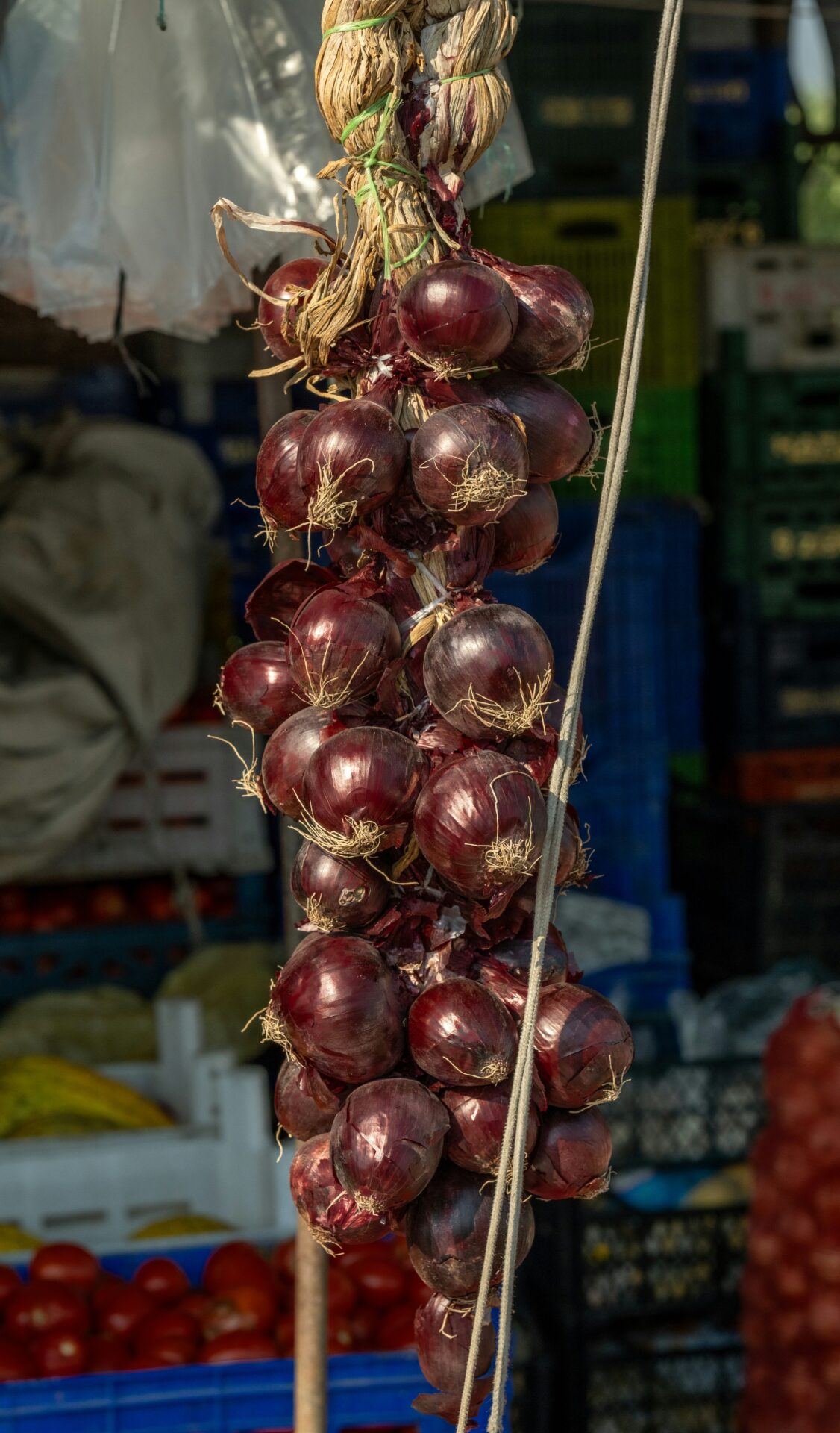
I’ve honestly never tasted anything like the Cipolla Rossa di Tropea Calabria. These red onions, named for Tropea in Vibo Valentia province, are prized all over Italy for their unique sweetness.
Their magic comes from the Tyrrhenian coast’s mild climate and mineral-rich soil. That’s what gives them their sweet flavor and gorgeous purple-red color.
Locals use them everywhere—raw in salads, caramelized on pizzas, preserved in jams, and even churned into ice cream. It sounds wild, but it works.
Families here have handed down recipes featuring Tropea onions for ages. If you’re in town, don’t skip the onion marmalade or “cipollata,” a simple dish that puts the onion front and center.
Savoring Tartufo di Pizzo and Calabria’s Sweet Treats
Pizzo, a nearby town, introduced me to its signature dessert—Tartufo di Pizzo. This ice cream treat hides a chocolate and hazelnut center inside vanilla ice cream, all dusted with cocoa.
Legend says a local pastry chef invented it in 1952 when he ran out of cups for some visiting dignitaries. The result? Calabria’s most famous dessert.
Other sweets I’ve tried here include:
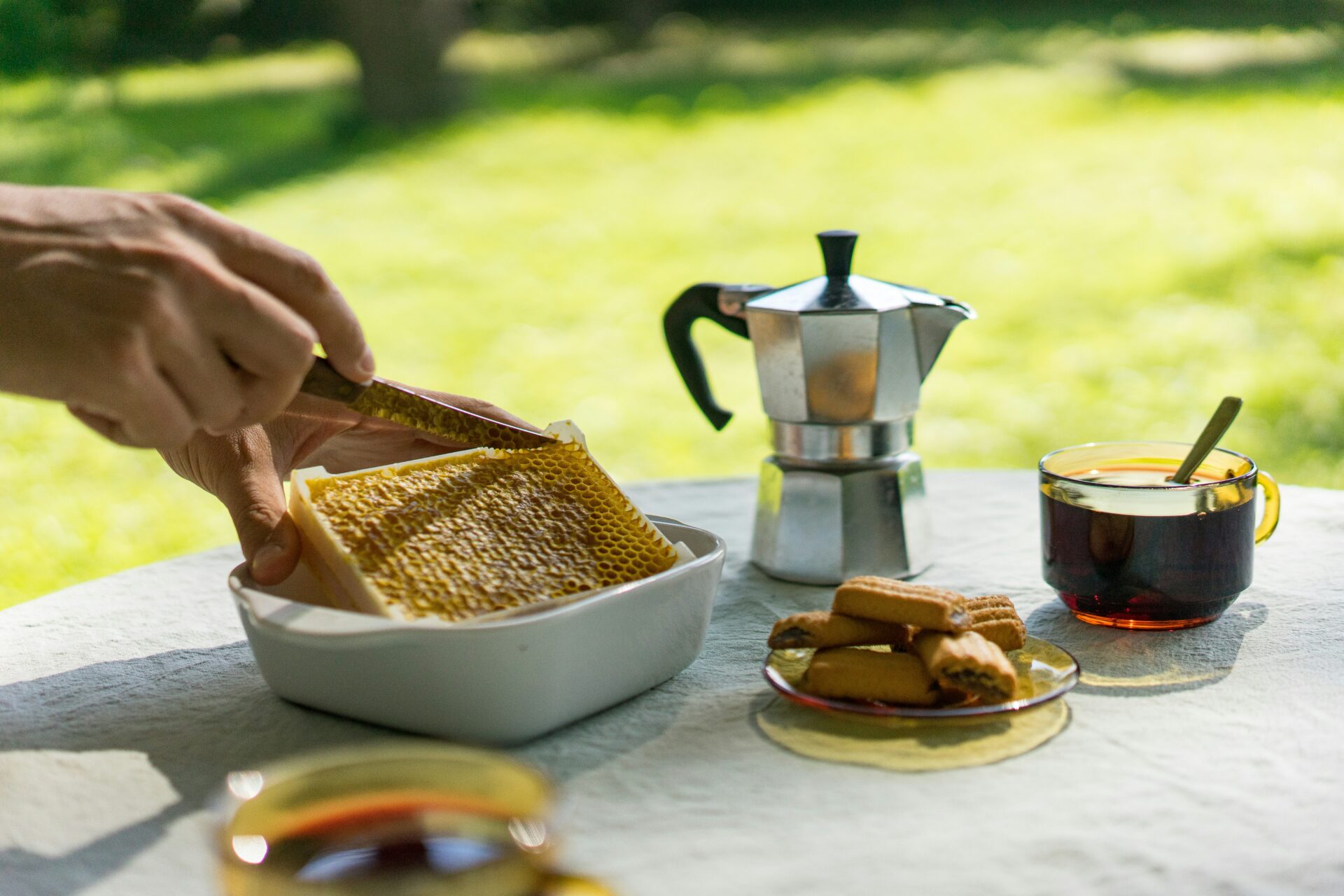
- Mostaccioli: Spiced honey cookies
- Torrone: Almond-studded nougat
- Pignolata: Fried dough balls in honey
Every Calabrian town seems to have its own twist on dessert, often using local flavors like bergamot, figs, or honey. You just don’t get these tastes anywhere else.
Seafood, Gelato, and Southern Italian Specialties
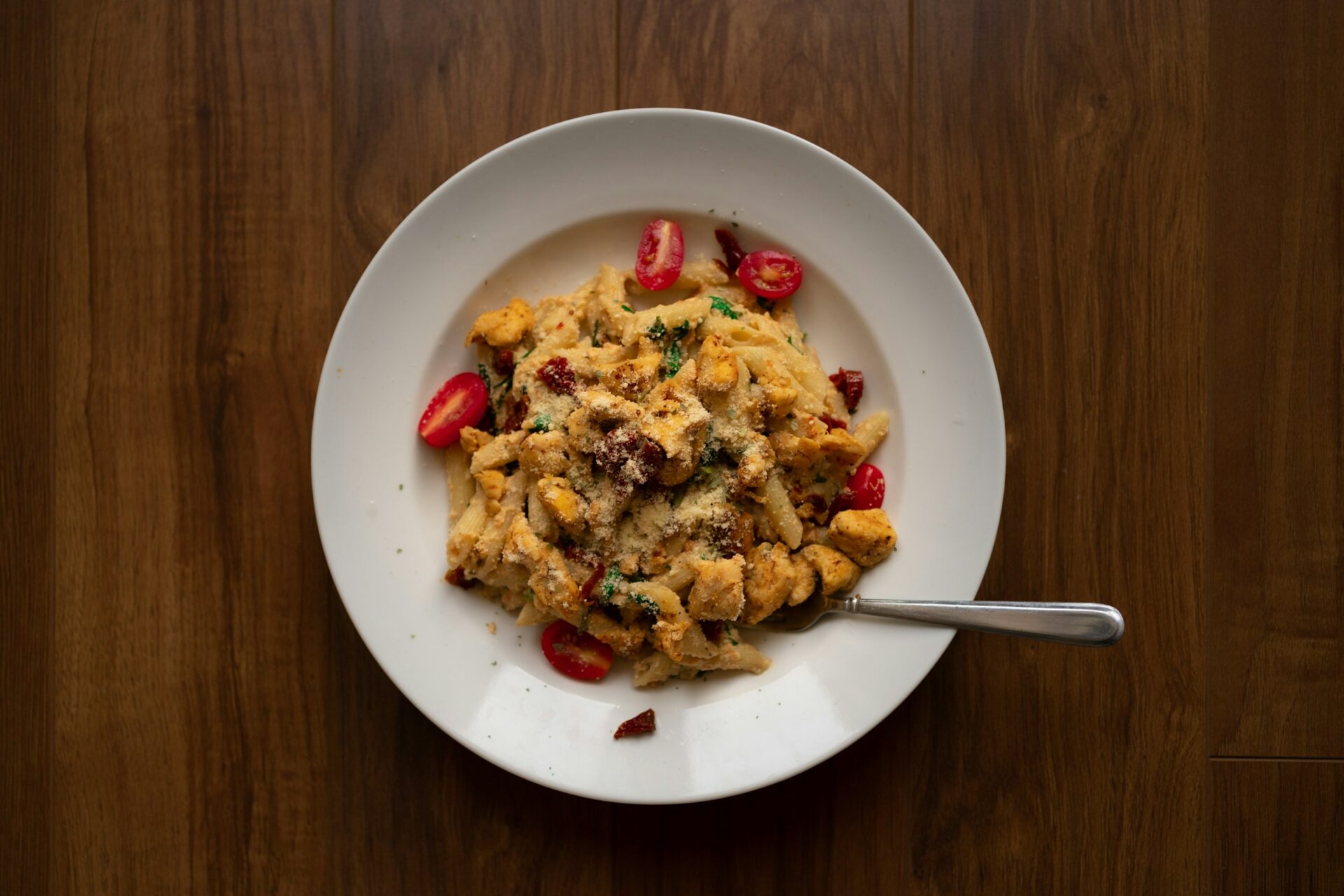
Vibo Valentia sits right on the coast, so the seafood is top-notch. I’ve lost count of the times I’ve enjoyed swordfish rolls, anchovies marinated with Tropea onions, or “pasta con il pesce spada.”
The gelato here is worth a detour. In Pizzo’s main square, I found shops scooping up flavors like Tropea red onion (yep, really) and bergamot.
Traditional Calabrian dishes also feature:
- ‘Nduja, a spicy spreadable sausage
- Fileja pasta with rich goat ragù
- Peperoncino, those fiery hot peppers
What really grabs me about eating here is how every ingredient tells a story. The dishes reflect centuries of influence—Greek, Arabic, Spanish—all blending into something unmistakably southern Italian.
Ancient Artifacts and Legends of Vibo Valentia
Vibo Valentia’s history goes way back, with archaeological treasures and old legends shaping its identity. Museums, religious traditions, and Greek mythology still pulse through the city.
Echoes of Persephone: Myths Intertwined with Art
As I wander Vibo Valentia, I feel its Greek roots everywhere. The myth of Persephone feels especially alive here, with ancient vases showing her abduction by Hades.
Local museums display terracotta figurines of Persephone from the 5th century BC. Her story seems to echo the agricultural rhythms that still matter to this region.
Festivals blend these ancient myths with Catholic traditions. It’s wild to see how these old stories still shape art and culture here.

Museums and Archaeological Treasures
The Archaeological Museum in Vibo Valentia blew me away with its collection. I walked past Greek ceramics, Roman mosaics, and Bronze Age tools, all under one roof.
Some of the highlights include:
- The Hipponian Tables—ancient bronze inscriptions
- Greek funeral steles with detailed carvings
- Roman statues from the city’s days as Valentia
Outside, the Norman Castle sits on what was once a Greek acropolis. It’s a real-life example of how history layers itself in this city.
I also recommend checking out the Roman baths and remains of the old theater. These spots let you touch the daily life of ancient times.
The Influence of San Leoluca
San Leoluca, the city’s patron saint, left his mark all over Vibo Valentia. He arrived in the 9th century, fleeing Byzantine persecution in Sicily.
The basilica named for him holds beautiful frescoes showing scenes from his life. Locals have told me stories about how San Leoluca protected the city during earthquakes, plagues, and invasions.
On March 1st, the saint’s feast day, the whole town comes alive. I’ve watched his statue parade through streets decked out with flowers and lights.
What really fascinates me is how San Leoluca bridges ancient beliefs and Christianity. Even now, he’s a big part of what makes Vibo Valentia unique.

Mediterranean Experiences: From Coastline to Islands
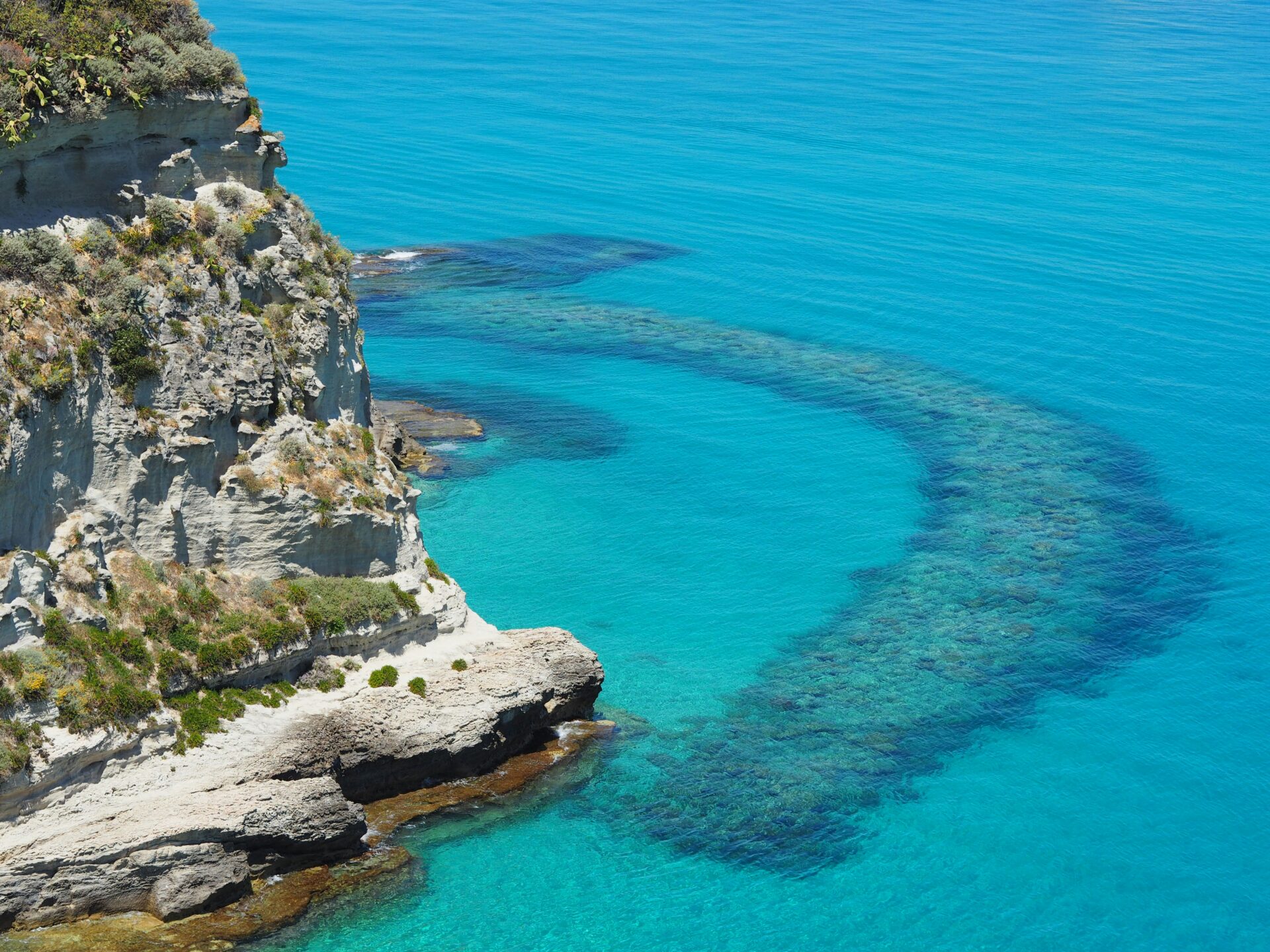
The coast around Vibo Valentia offers some of the most stunning maritime adventures you’ll find in Italy. Crystal-clear water meets dramatic cliffs, and hidden coves wait to be explored.
Pristine Beaches of the Tyrrhenian Sea
I found out that the coastline near Vibo Valentia is home to some of Calabria’s prettiest beaches. The Costa degli Dei (Coast of the Gods) really lives up to its name, with turquoise water and golden sand.
Tropea Beach stands out for its dramatic cliffs and colorful houses perched above. When I visited, the sea shifted from pale aqua to deep blue right before my eyes.
If you want something quieter, head to the beaches near Vibo Marina. Locals hang out here, and you can find family-run beach clubs where you can rent an umbrella and eat fresh seafood just steps from the shore.
Top Beaches to Check Out:
- Tropea Beach (the classic)
- Capo Vaticano (for seclusion)
- Vibo Marina (local favorite)
Diving, Snorkeling, and Aqua Adventures
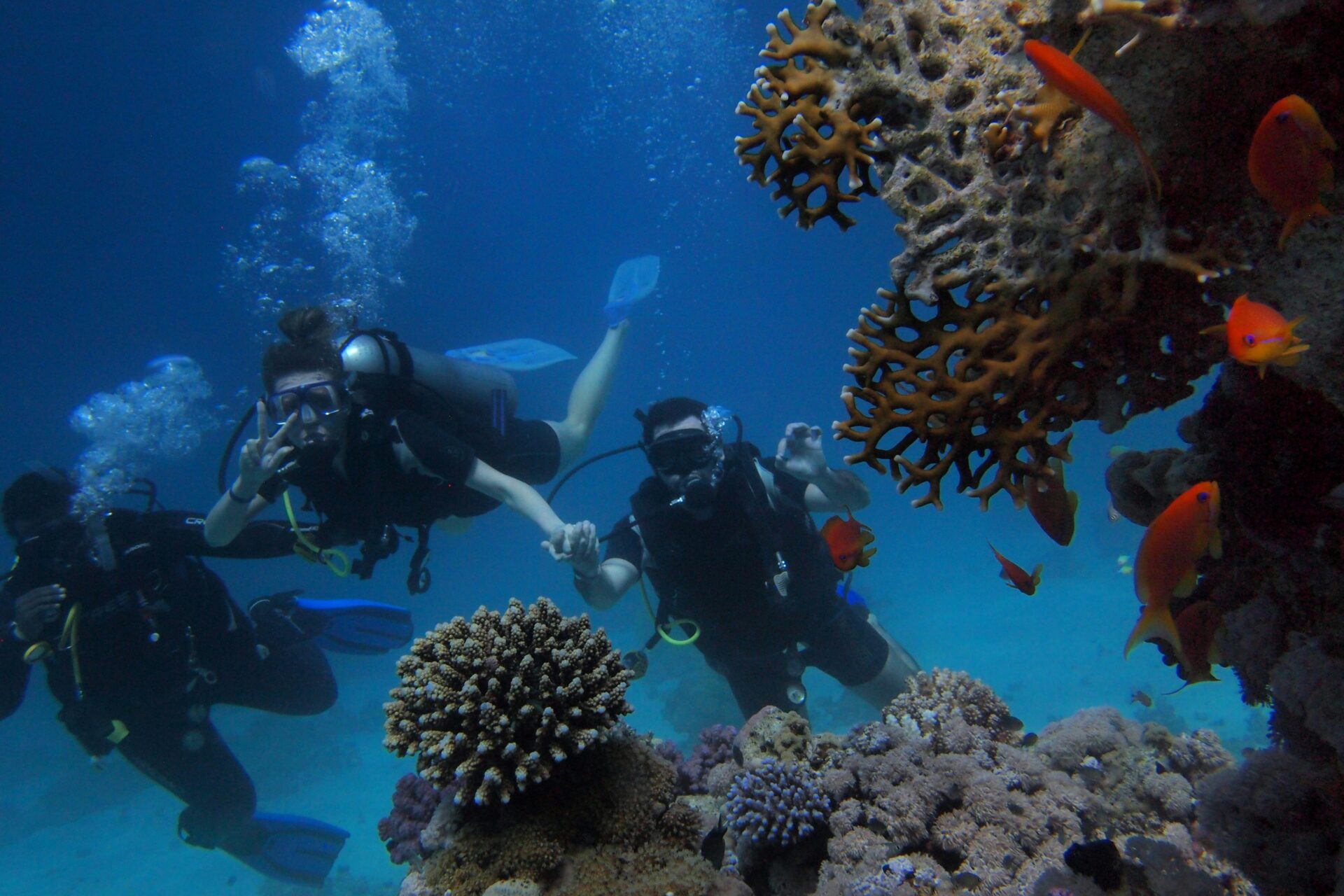
The Mediterranean waters off Calabria are a dream for underwater fans. I grabbed snorkeling gear in Tropea and marveled at the clear visibility—sometimes you can see 30 meters down.
Marine life here is everywhere. Colorful fish dart between rocks, and sea urchins and starfish cling to the cliffs below the surface.
For more adventure, experienced divers can check out small caves and even underwater archaeological spots.
Several local outfitters in Vibo Marina run boat tours. I joined one that included snorkeling gear and a guide who showed us hidden grottos you can only reach by water.
If you’re planning to swim or dive, June through September is best. The water stays warm—about 73-79°F (23-26°C)—so you can stay in as long as you like.
Exploring Capo Vaticano and Nearby Islands
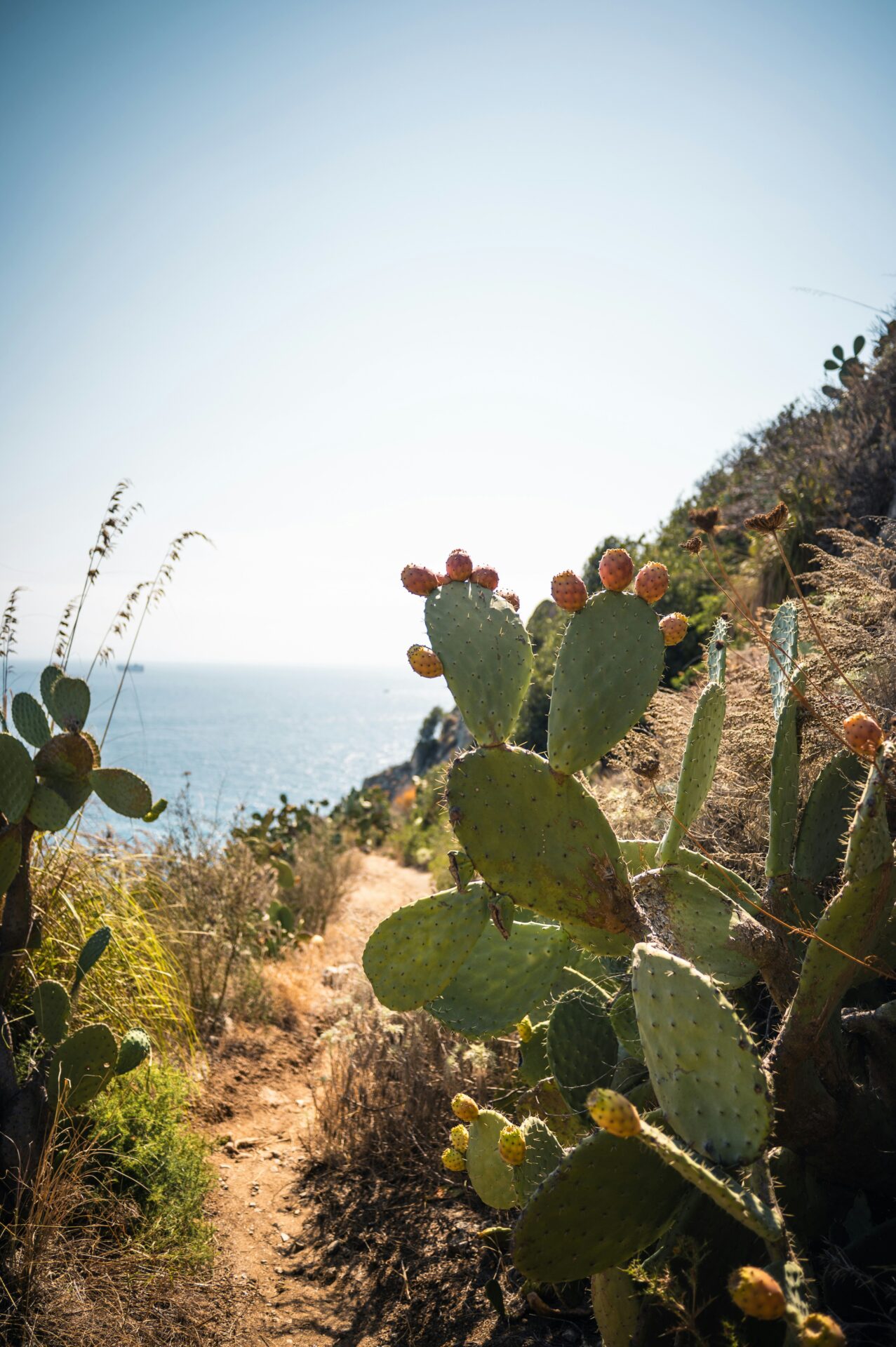
Capo Vaticano sits just a short drive from Vibo Valentia. Dramatic white granite cliffs tower over some of Italy’s most untouched coastline.
From several lookout points, I spotted the Aeolian Islands rising out of the Tyrrhenian Sea, looking like mysterious shadows on the horizon.
Boats head out to these volcanic islands regularly from Vibo Marina. Stromboli’s always-active volcano steals the show at night—lava spills down its slopes, lighting up the darkness in a way that feels almost unreal.
During my evening cruise, we watched this natural fireworks display while sipping local wine. It was one of those rare moments you hope to remember forever.
Closer to the mainland, tiny uninhabited islets break up the coastline. Many tours stop at these hidden spots, and you can swim there in complete solitude.
The Formicoli Islands may be small, but they offer some of the best snorkeling around. Bright fish dart through vibrant underwater gardens, and the water feels impossibly clear.
The wild volcanic islands and Calabria’s lush mainland create a Mediterranean landscape that’s both striking and, honestly, a bit underrated. I’m surprised more people don’t talk about it.
Connecting Cultures: Vibo Valentia and Iconic Destinations
Vibo Valentia stands at a crossroads where southern Italian traditions meet global influences. Its rich history naturally links it to other celebrated European cultural hubs.
Italian Renaissance Inspirations: Florence, Rome, and Beyond
While traveling between Vibo Valentia and Italy’s Renaissance capitals, I kept noticing unexpected cultural parallels. Florence’s artistic legacy shows up in Vibo’s love for craftsmanship, especially in local textiles that echo Tuscan traditions.
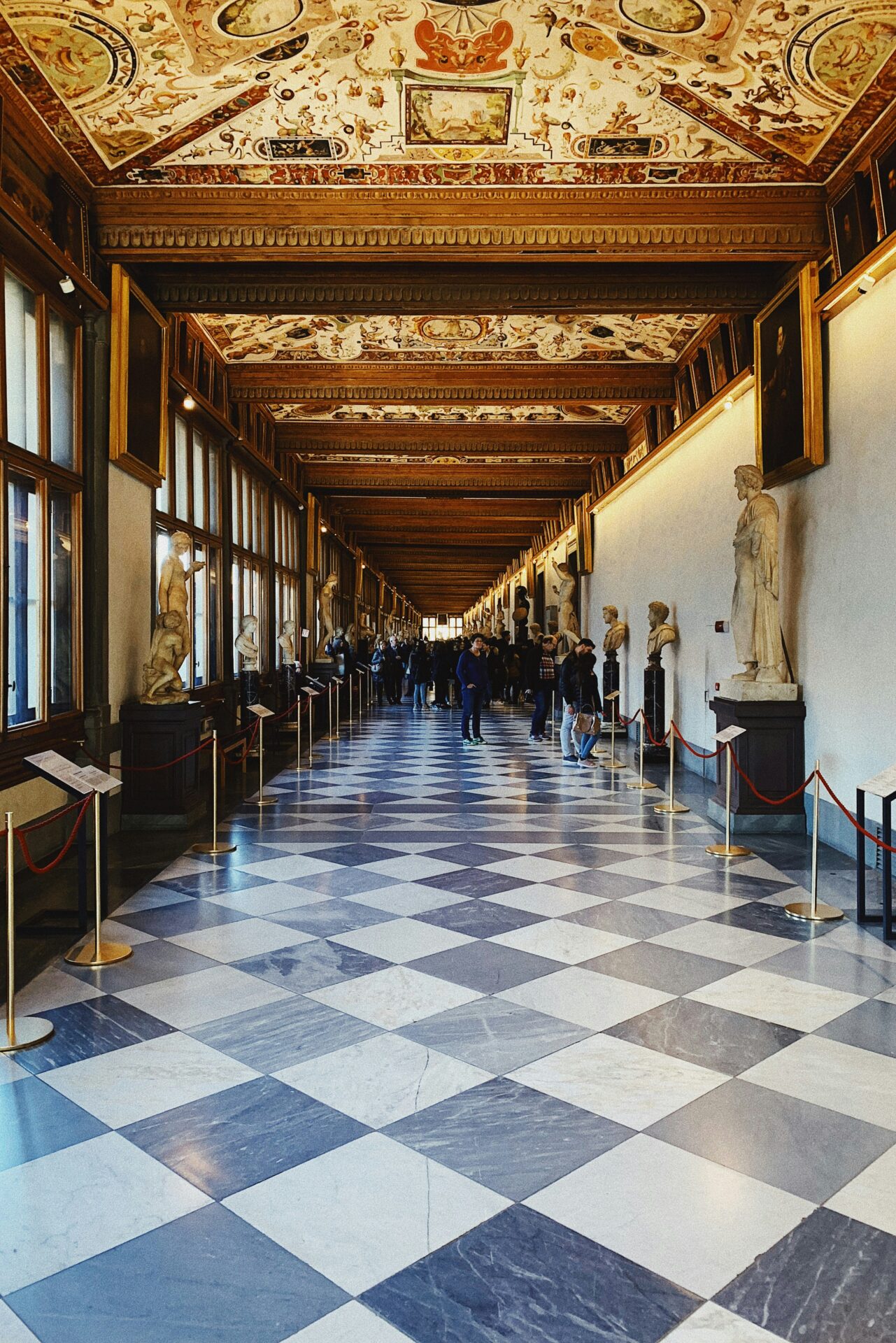
Vibo’s Norman architecture feels surprisingly connected to Rome’s layers of history. When I visited the Uffizi in Florence, I spotted artistic themes that popped up in Calabrian folk art, just with a different twist.
Tuscany’s rolling hills look nothing like Vibo’s dramatic coastline, but both inspire similar artistic vibes. Pisa’s mathematical order stands in contrast to Vibo’s more organic, evolving culture, yet both cities embrace their ancient Greek roots.
Locals in Vibo often suggested Renaissance-inspired itineraries, weaving their own heritage in with these iconic Italian cities.
From Paris to London: Travel Tales and Artistic Threads
I stumbled onto some unexpected connections between Vibo Valentia’s artisanal scene and the big artistic capitals of Europe. Paris’s Louvre displays Mediterranean influences that reminded me of Vibo’s archaeological finds.
The buzz of Marché aux Puces de Montreuil felt a lot like Vibo’s markets, though, of course, with that unmistakable French energy.
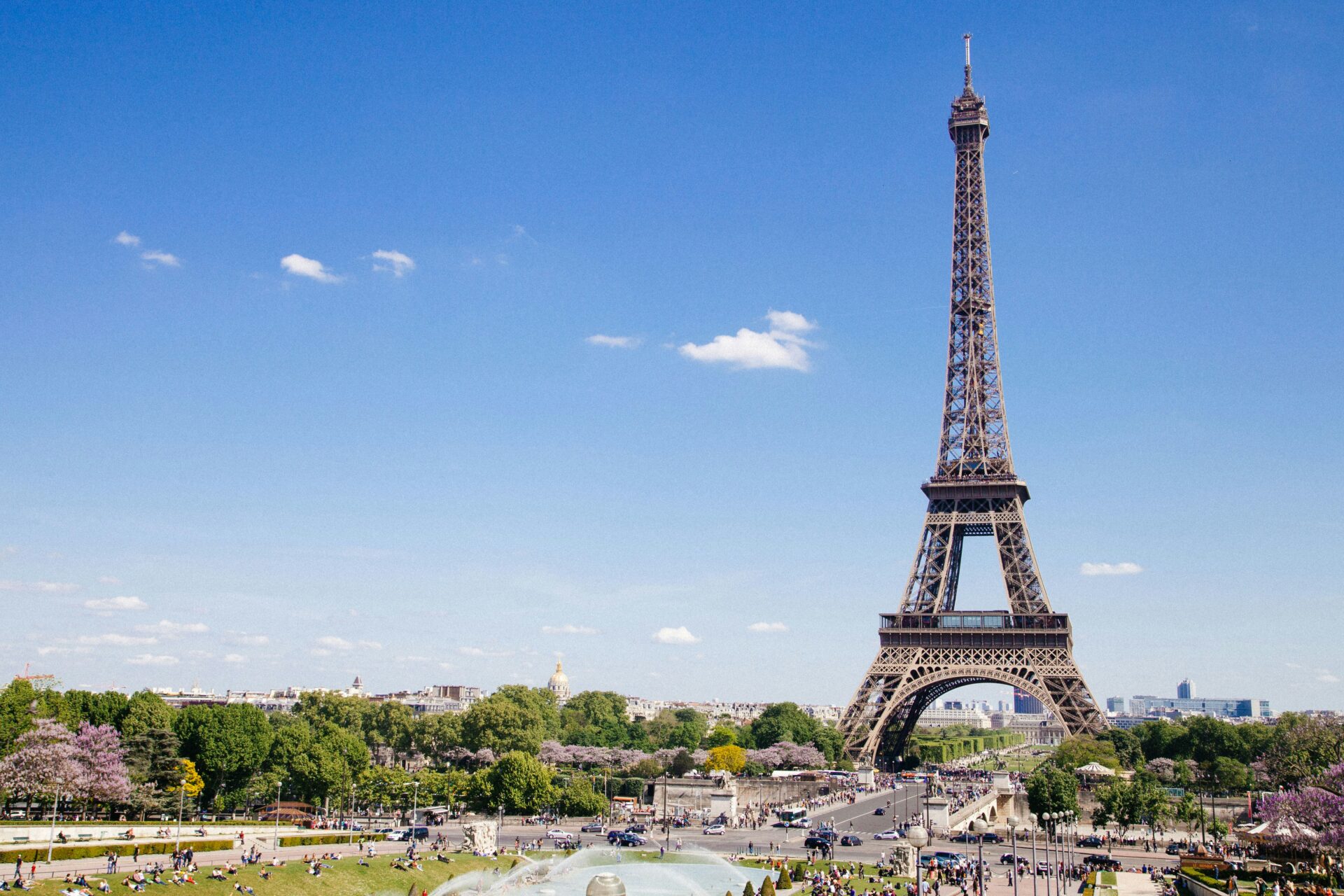
The Eiffel Tower and Arc de Triomphe showcase a different kind of architecture than Vibo’s ancient ruins, but both places celebrate their unique cultural identities. Notre Dame’s religious weight echoes Vibo’s deep Catholic roots.
London’s museums display artifacts from southern Italy, telling Vibo’s story far from home. In Amsterdam and Copenhagen, I spotted more Mediterranean influences than I expected.
Munich’s respect for craftsmanship mirrors the pride I saw in Calabria’s artisans. It’s funny how these threads connect places you’d never think to link.
Popular Destinations and Travel Planning Tips
Traveling between Vibo Valentia and top European cities feels a lot easier these days. I usually find some great deals on Agoda and other Booking Holdings sites, especially when I mix Calabrian adventures with stops in bigger cities.
Best Times to Visit:
- Spring/Fall: These seasons work well if you want to focus on culture.
- Summer: Honestly, summer’s great for hitting Vibo’s beaches and still squeezing in some city life.
- Winter: If you’re on a budget, winter brings some pretty nice off-season discounts.
Online travel services keep putting Vibo Valentia on more people’s radar. I’ve met plenty of travelers who tack this Calabrian spot onto trips that already include Rome or Florence.
Folks coming from Edinburgh and Glasgow seem to really connect with Vibo’s deep history, maybe because they’ve just soaked up so much of their own. If you’re into food, the Marché Biologique Raspail in Paris stands out, but honestly, Vibo’s markets hold their own for anyone chasing great flavors.


