
I hopped on the vintage Sóller train one sunny morning in Mallorca, honestly not sure what I’d find. The train’s polished wooden cars and the way it rattled along the tracks felt like a charming throwback.
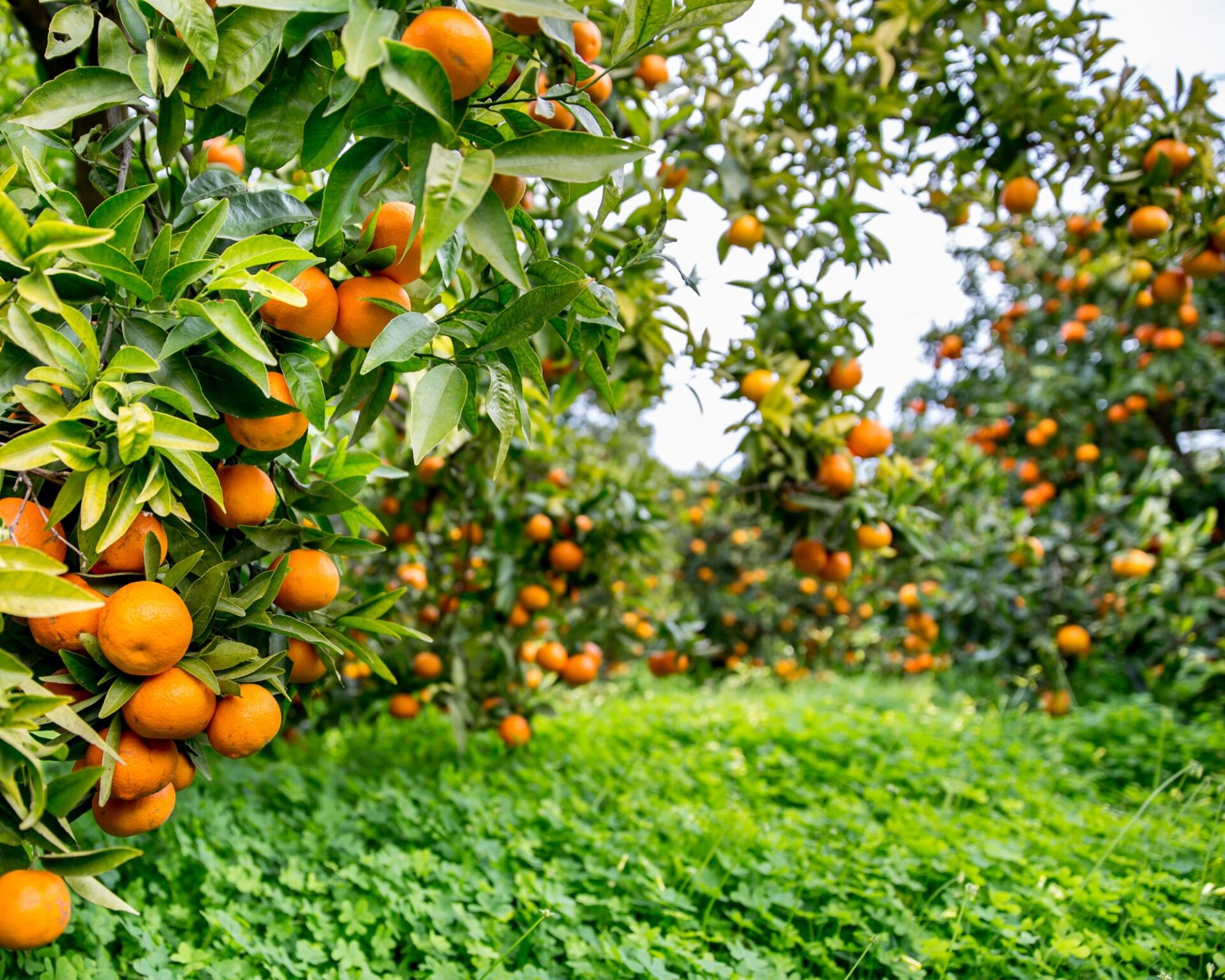
Out the window, orange groves and olive trees filled the valley, with the Tramuntana mountains rising gently in the background.
Riding the historic Sóller train is hands-down the most scenic and relaxing way to get from Palma to the hidden beauty of Sóller Valley. The ride takes about an hour and shows you a side of Mallorca you’d totally miss by car or bus.
I caught the scent of citrus drifting through the open windows as we rolled by the orchards. The slow, steady pace let me soak in every detail.
When I arrived in Sóller, I found a town packed with cozy cafés, cobbled lanes, and mountain views that made the trip feel almost magical.
If you’re searching for something memorable to do in Mallorca, this nostalgic train ride really deserves a spot near the top of your list.
All Aboard the Vintage Sóller Train: History and Heritage
The Sóller Train isn’t just public transport—it’s a moving museum and a beloved symbol of Majorca.
Every ride tells a story about Palma, Sóller, and the island’s past, mixing nostalgia with jaw-dropping scenery.
Origins and Construction of the Sóller Railway
When I first heard about the Sóller Railway, I couldn’t believe its story. The railway started running in 1912, connecting Palma with the small town of Sóller, tucked away in a valley.
Back then, Sóller’s orange trade was booming, but getting produce over the Serra de Tramuntana mountains was a real struggle.
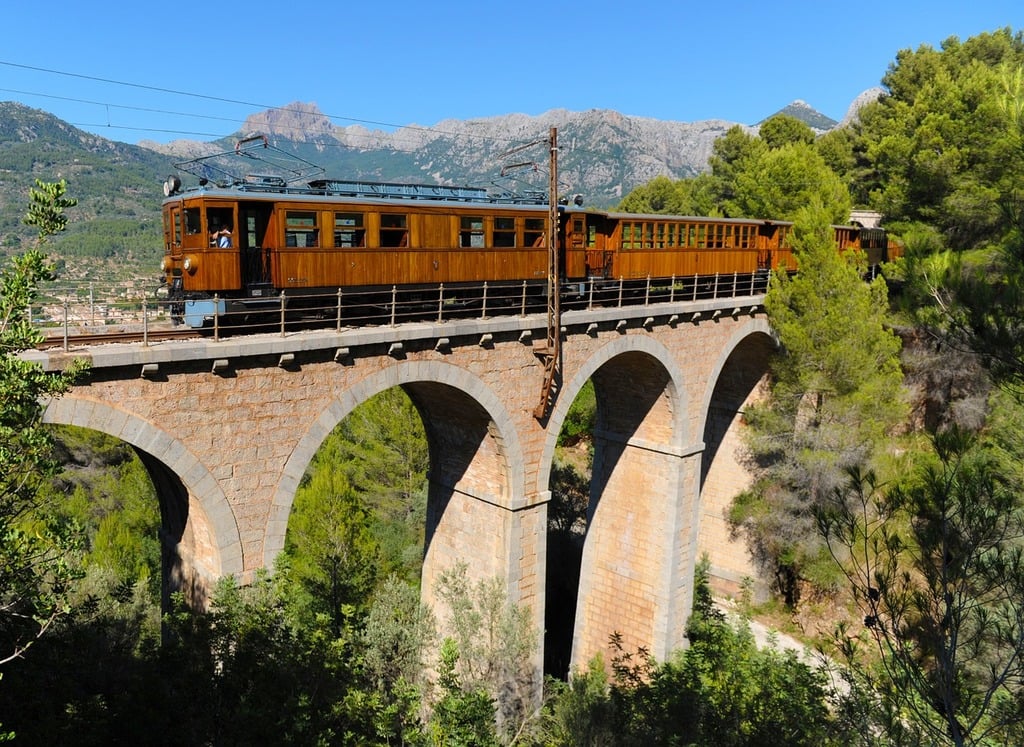
Building the line wasn’t easy. Workers dug out 13 tunnels through the tough mountain rock, with the longest tunnel stretching almost 3 kilometers.
They also put up several bridges and an iron viaduct that’s pretty striking. The goal was simple—make travel quicker for locals and get fruit and goods to Palma.
Today, travelers still ride the original route, about 27 kilometers long. The journey stands out for its history and for the mountain and valley views that haven’t really changed in over 100 years.
Vintage Carriages and Architecture
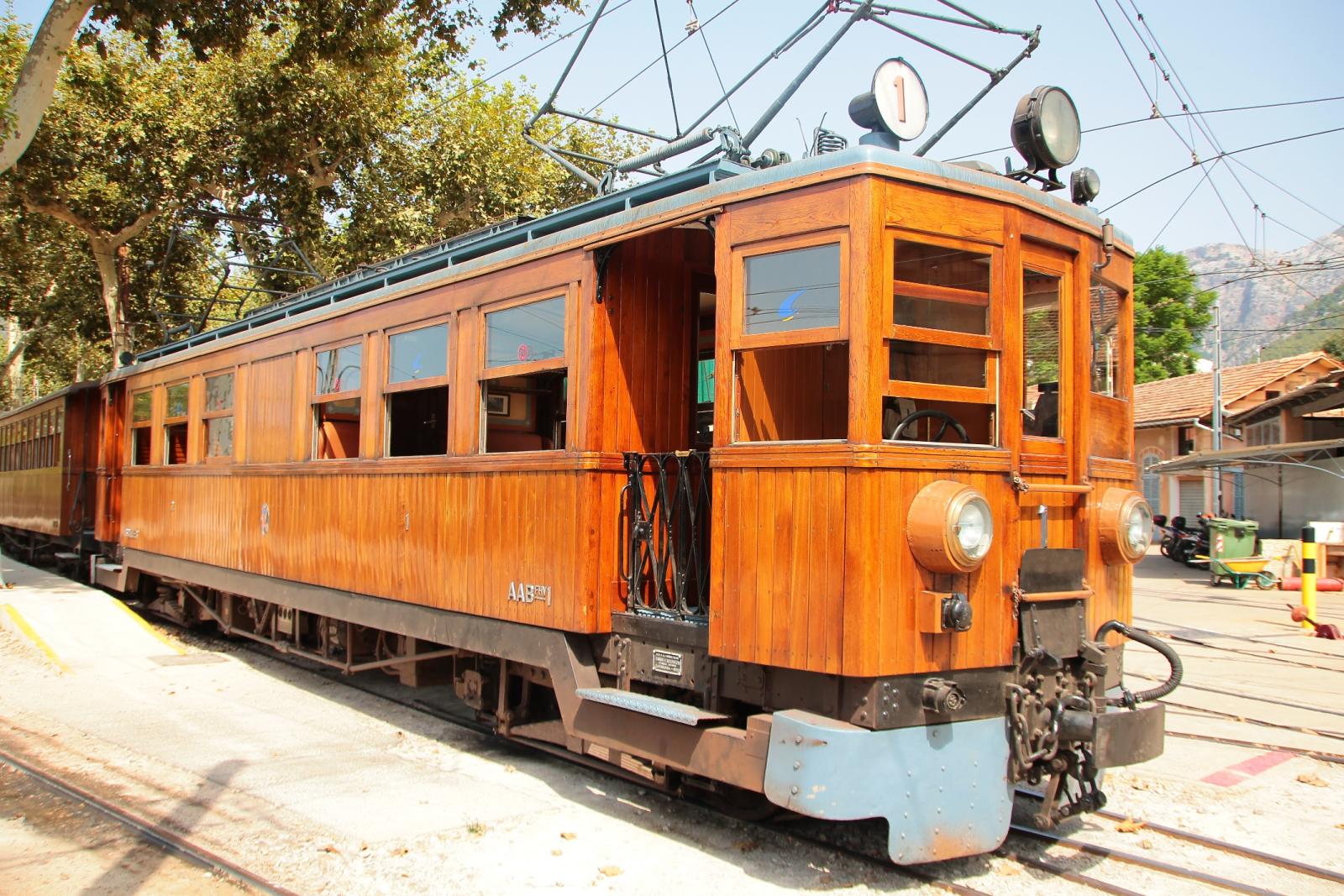
Stepping onto the train felt like time travel. The polished wooden carriages and big windows are perfect for admiring the olive groves and mountains.
This vintage style is the real deal—the same as when the trains first ran.
Inside, you’ll find polished wood benches and shiny brass fittings. The old engine’s rumble and the creak of wooden wheels add a special charm.
Even the stations, like Palma’s grand terminal and Sóller’s quaint stop, show off early 20th-century Spanish architecture.
I noticed the ticket desks and benches are either preserved or carefully restored to fit the original era.
Locals and visitors both seemed to appreciate how much care goes into keeping this history alive.
Restoring a Piece of Majorca’s Past
Restoration keeps the Sóller Train running. Most old trains lose their charm or get swapped out for newer models, but here, I saw real effort to maintain every detail.
The railway kept the original wooden cars but upgraded the engines for safety.
Skilled craftsmen and engineers work on the wood, metal, and fabric parts. They stick to traditional methods where they can, making sure the train feels like living history.
I once watched workers cleaning, painting, and repairing carriages at the depot—it was clear they take pride in their work.
Thanks to all this, you can ride from Palma to Sóller on a true vintage train, not some replica.
This blend of old and new lets people enjoy a unique trip through Majorca’s landscape, holding onto a piece of the island’s heritage as the train rolls through the valley.
The Scenic Route: From Palma to Sóller
Taking the vintage train from Palma to Sóller isn’t just a way to get from A to B. Every part of the trip has its own magic, with historic sights, Mediterranean landscapes, and mountain views.
Departure from Palma: First Impressions
When I walked up to the old wooden station in Palma, it felt like stepping into another era. The platform has this classic look, and the train from 1912 sits there gleaming with wood and brass.
It’s nothing like the high-speed trains you see elsewhere.
The early part of the journey sets the mood. The vintage engine’s hum and the gentle rocking of the carriages give everyone a sense of anticipation.
Locals and tourists chat quietly, all a bit excited.
I bought my ticket at the station—a round-trip cost about 40 euros. Tickets go fast, especially in spring and summer, so grabbing them early is smart.
When the whistle blew, we set off through Mallorca’s heart.
Passing Through Orange Groves and Almond Orchards
Right after leaving Palma, the scenery turns lush and green. Orange groves line both sides of the track, and the sweet smell of blossoms drifts in, especially in late spring.
Almond trees pop up too, especially in February and March when their pink and white blooms light up the fields.
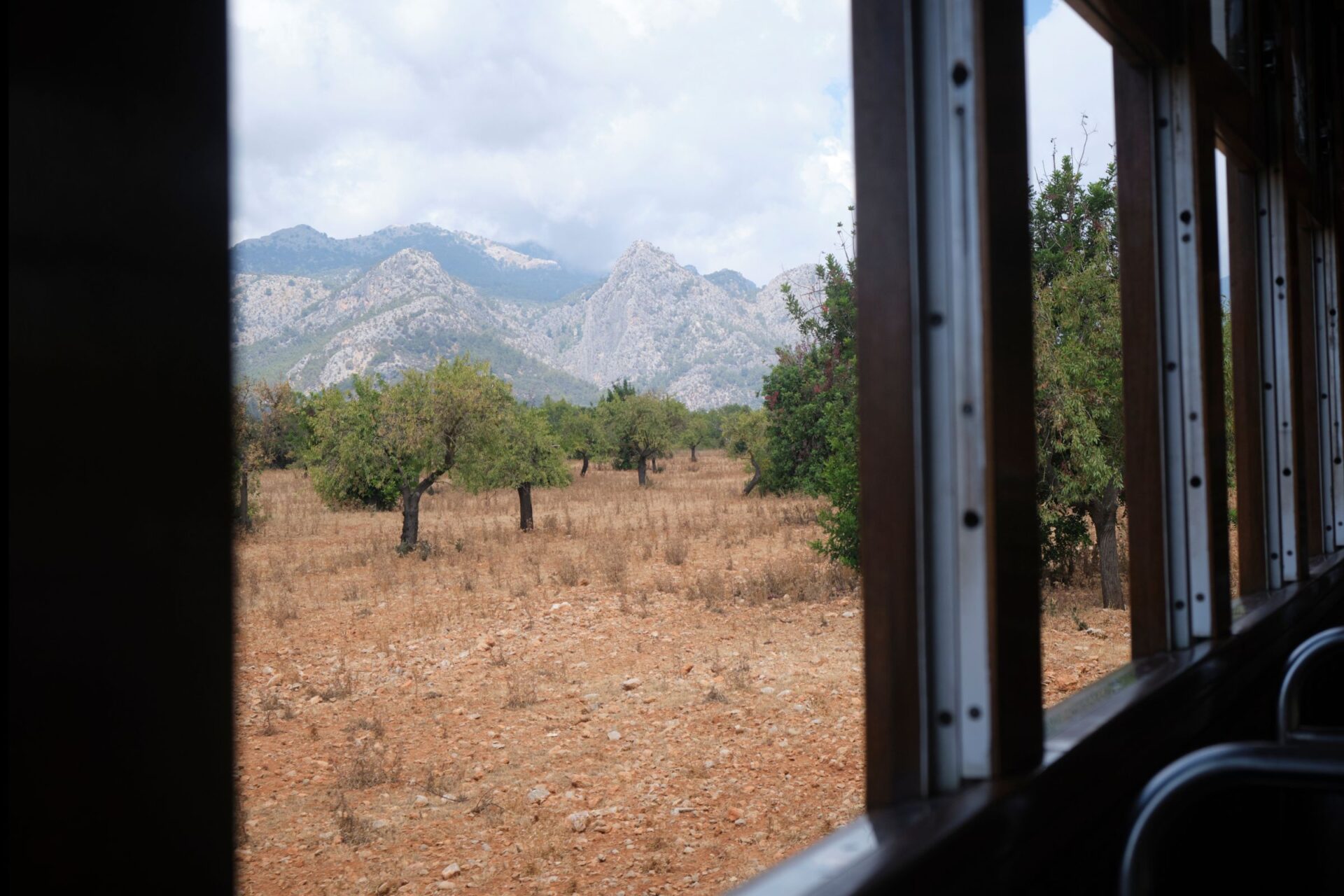
I kept my camera ready because every curve brought something new—tiny farmhouses with red roofs, glimpses of distant mountains.
Some of the highlights out the window:
- Endless orange and lemon groves
- Almond trees in bloom
- Small villages and rustic stone houses
It’s not just pretty—this area is famous for fruit, and people say Sóller’s oranges are the best in the Mediterranean.
Breathtaking Views of the Serra de Tramuntana
Soon, the gentle hills give way to the wild peaks of the Serra de Tramuntana, a UNESCO World Heritage site.
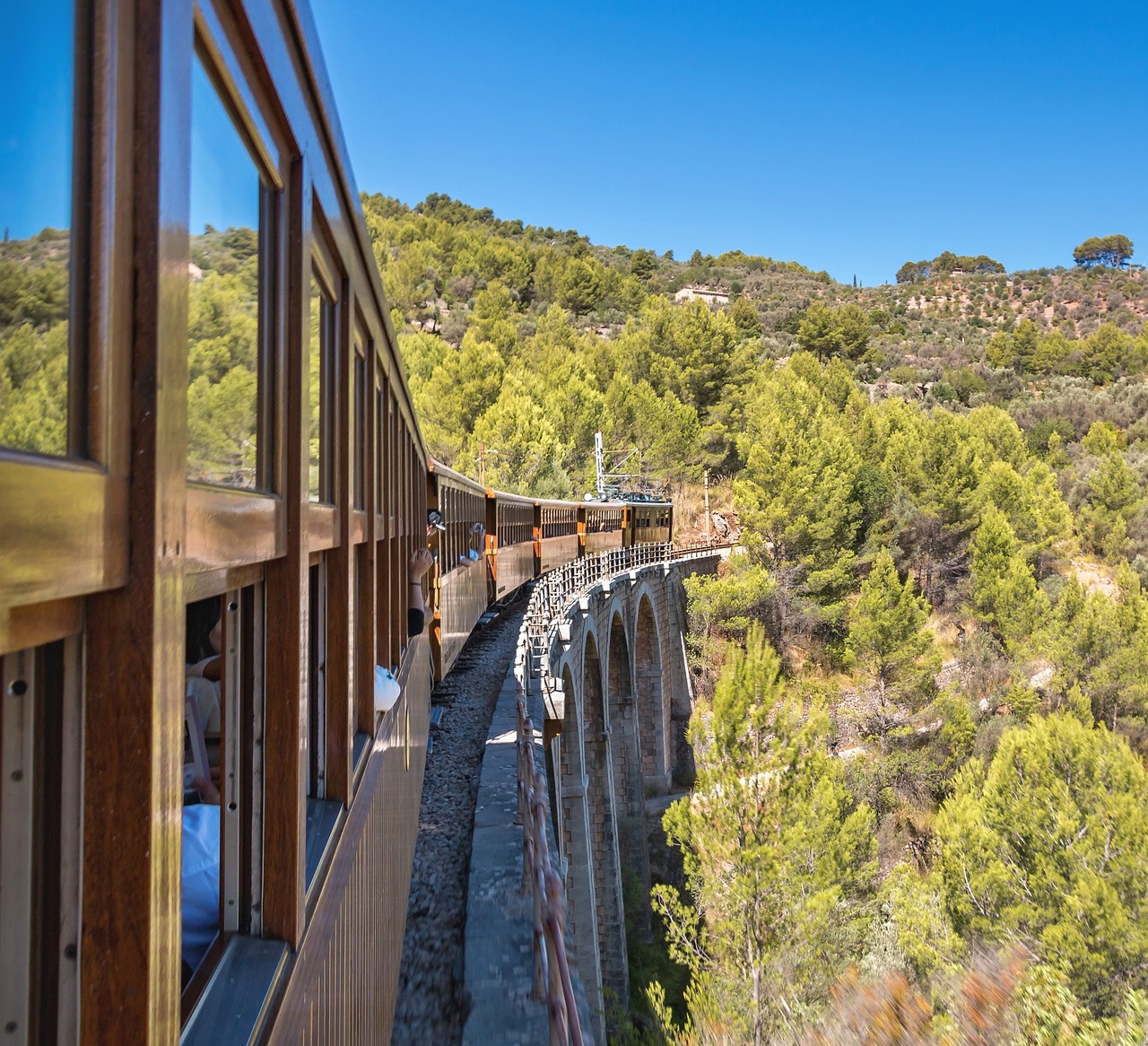
The train climbs, twisting through tunnels and across old stone bridges.
The mountain views blew me away. One side of the train faces steep slopes covered in olive trees and wildflowers.
On clear days, you can even spot the Mediterranean shimmering in the distance.
Every few minutes, we burst out of a tunnel into a new panorama. The 13 tunnels and several bridges add an adventurous feel.
Some windows open wide, letting in cool mountain air. I saw other travelers pressing their faces to the glass, eager for every second.
Arriving in Sóller: A Magical Entrance
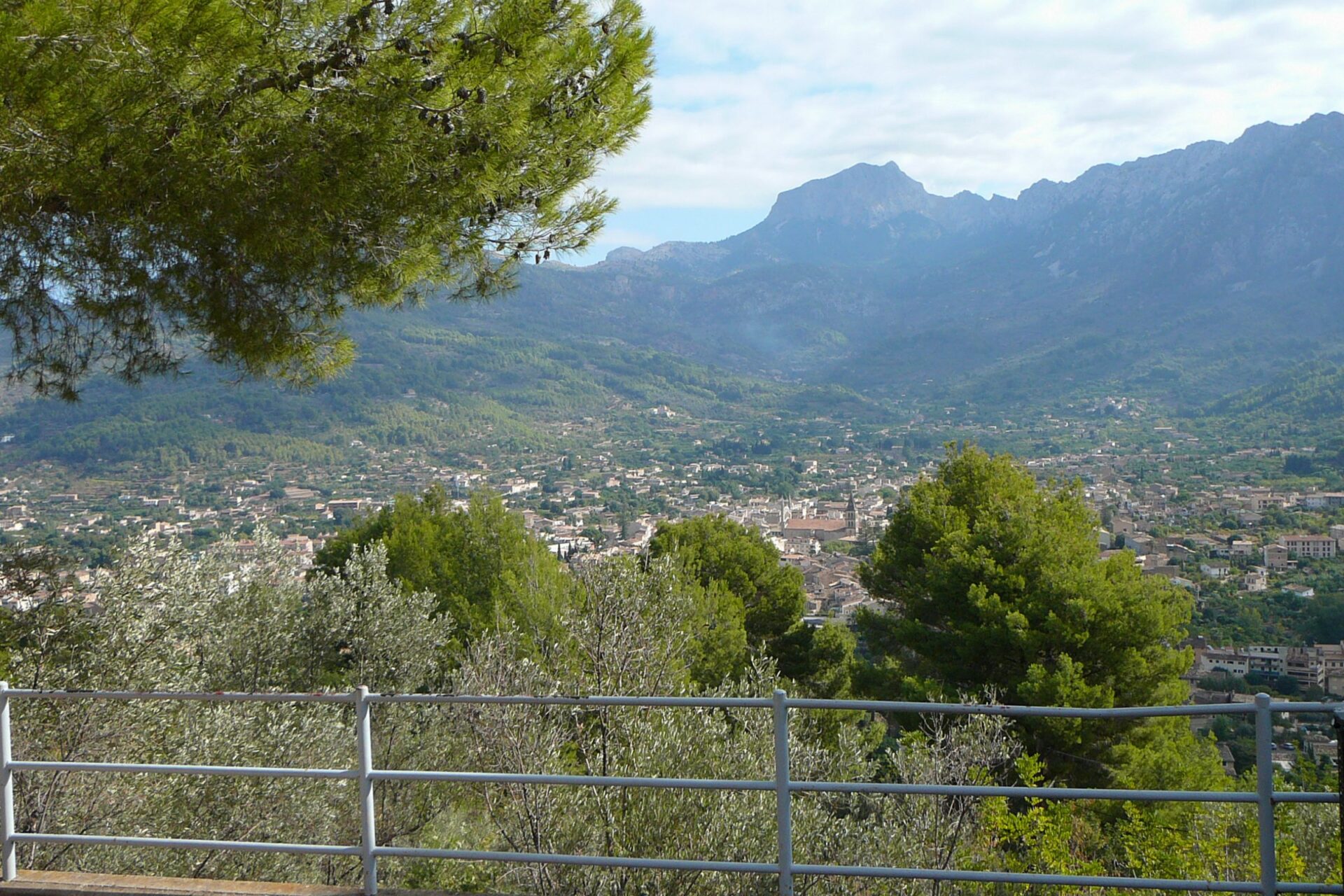
As the valley opened up, Sóller appeared below, surrounded by green hills and orange groves. The train slowed, curving gently toward the station in the town center.
Stepping out, I saw classic stone buildings and narrow streets packed with café tables. Church bells echoed somewhere nearby.
The air felt bright and carried a hint of citrus.
A short stroll leads from the station to Sóller’s lively main square. If you’re heading to the sea, the vintage tram continues down to Port de Sóller.
The arrival feels special, almost like the journey itself is part of the destination.
Experiencing Sóller: The Heart of the Mallorcan Valley
Sóller sits in a green valley surrounded by the Tramuntana mountains. It’s famous for orange groves, historic buildings, and its laid-back vibe.
When I stepped off the train, I found a place where tradition and daily life are easy to explore on foot.
Exploring the Town Square and Local Cafés
Plaça de la Constitució is Sóller’s beating heart. The square fills with people meeting friends, locals running errands, and visitors lounging over coffee.
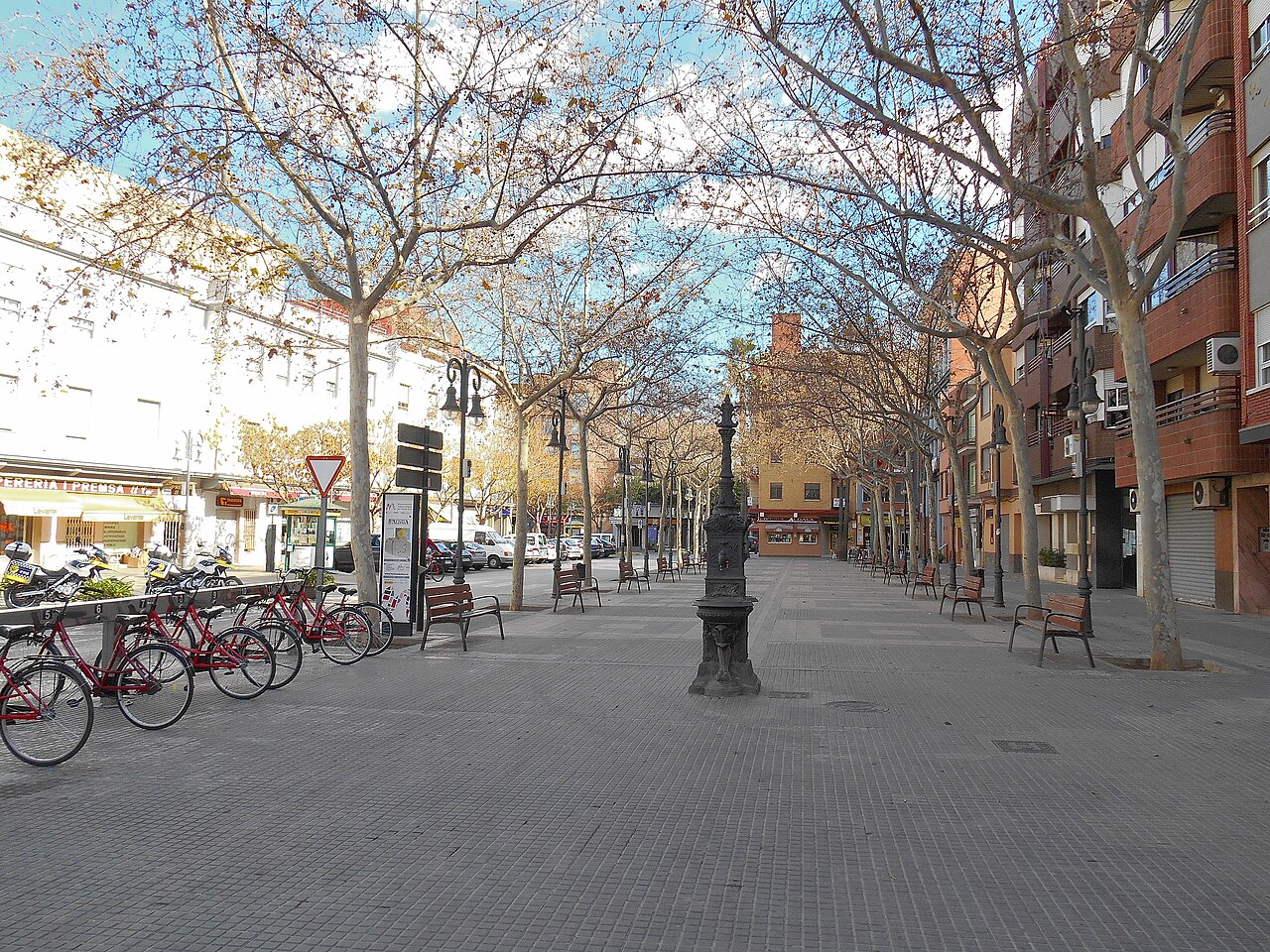
Image Source: Wikimedia Commons
I grabbed a seat at a café and immediately smelled fresh pastries—ensaïmada is a must-try. Café Sóller became a quick favorite for its homemade cakes.
Don’t skip the open-air market on Saturdays. You’ll find produce, cheeses, and flowers.
From my table, I watched kids playing under tall plane trees and listened to church bells from the Sant Bartomeu church. For a light lunch, tapas and fresh orange juice hit the spot.
Sóller’s Art Nouveau Architecture
Wandering the nearby streets, I spotted some gorgeous Art Nouveau façades. Many buildings were funded by Sóller locals who made fortunes abroad and came back to show it off.
The Banco de Sóller just off the main square is a standout, with modernist details, stained glass, and fancy balconies.
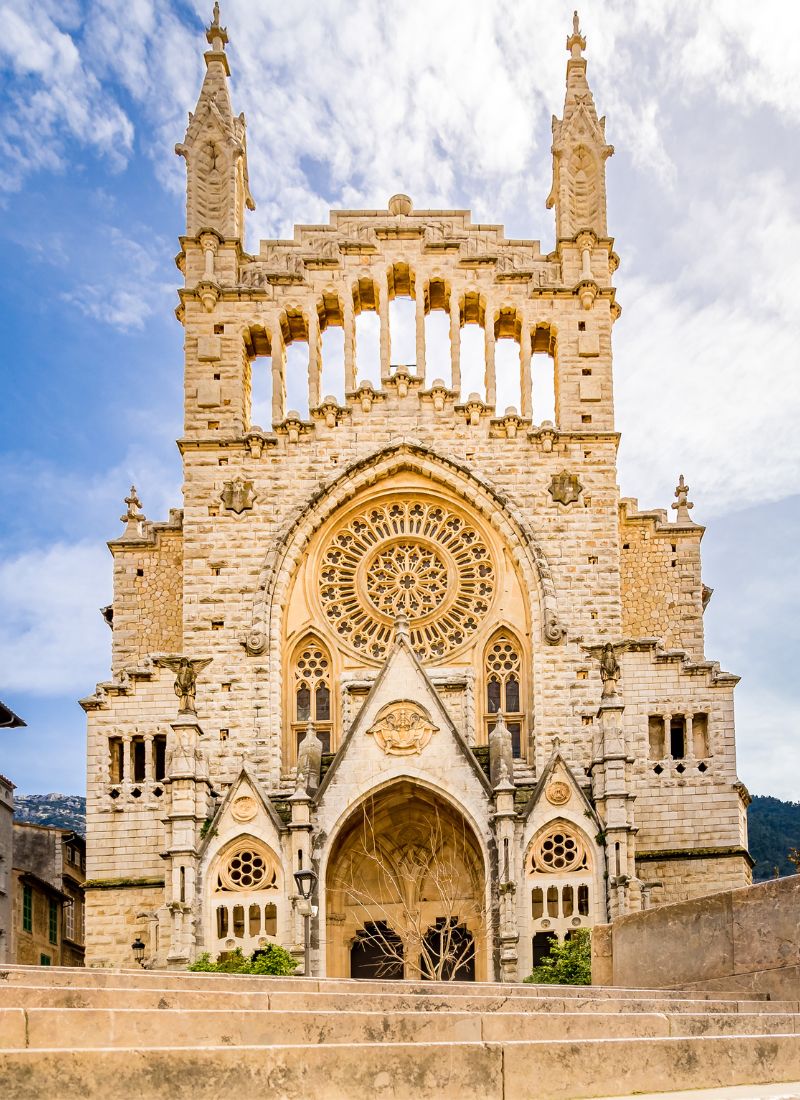
The Sant Bartomeu church mixes gothic roots with early 20th-century touches from architect Joan Rubió, who worked with Gaudí.
I found quiet corners where small shops sell handmade ceramics and local art. These creative touches give each street real personality and make window shopping fun.
Mallorcan Orange Groves and Agricultural Traditions
Sóller’s oranges are legendary—sweet, juicy, and everywhere you look. Citrus groves fill the valley, dotted with farmhouses and stone terraces.
When I visited, the scent of orange blossoms drifted down every lane. Guided walks through groves are available during harvest, and small farms often offer tastings—fresh juice, homemade marmalade, even orange-flavored olive oil.
Growing oranges runs in families here. Locals told me the crop shaped Sóller’s culture.
The annual Orange Fair in spring celebrates with live music, food stalls, and community events centered on the fruit.
| Highlight | Description |
|---|---|
| Orange tastings | Sample juice and jams at local farms |
| Walking the groves | Short signed trails through orchard-lined paths |
| Orange Fair (April/May) | Markets and events celebrating the orange harvest |
Why This Nostalgic Journey Captures Travelers’ Hearts
Riding the Sóller train is so much more than just getting from A to B—it’s a vivid trip through Mallorca’s landscape and history.
It connects me with stories of past travelers, locals, and island traditions in a way that feels surprisingly personal.
Personal Stories from the Sóller Train
Every time I board the vintage wooden train in Palma, I sense a buzz of excitement from everyone around me.
Travelers swap stories, snap photos of endless orange trees, and press their faces to the windows as the mountains come closer.
There’s laughter, a jumble of languages—Spanish, German, English—and sometimes even music from a local group onboard.
Some people come back for the memories. A fellow passenger once told me she rode this train as a kid and returns every few years for her favorite views.
I’ve met couples celebrating anniversaries and families reuniting after months apart.
The train turns into a memory-making space, where people talk about where they’re from and where they’re headed.
Highlights people often mention:
- The sharp turns and mountain tunnels
- The smell of orange blossoms drifting through open windows
- The clickety-clack rhythm on old tracks
These little moments add up, making every trip unique.
Connections to Majorca’s Rich Culture
The Sóller train doesn’t just wind through pretty scenery—it ties together some of Majorca’s most important cultural stories.
Built in 1912, the train was the main link between Sóller’s citrus growers and the rest of the island.
I spot reminders everywhere—crates of oranges, sunlight on old stone farmhouses.
When I step off at Sóller, local cafés serve fresh orange juice and pastries like ensaimadas. Street musicians play nearby.
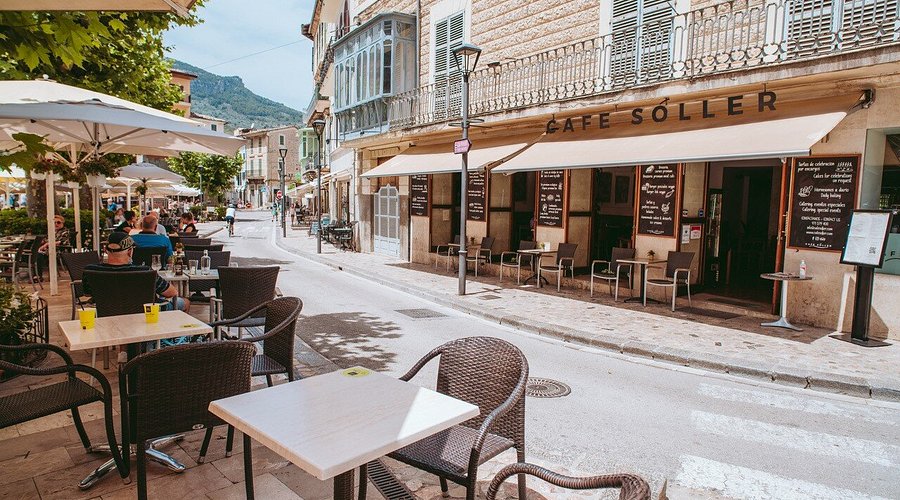
Image Source: Tripadvisor
The artwork and ironwork at the station hint at Majorca’s artistic side, especially the modernist styles from the early 1900s.
Things I always look for:
- Murals and tilework at the station
- Seasonal festivals or pop-up markets
- Friendly locals happy to share their stories
Riding this train isn’t just about the journey; it’s a living piece of Majorca’s culture, connecting me to its people and traditions.
Expanding the Adventure: Hiking and Exploring Nearby Attractions
After arriving in Sóller on the vintage train, I realized the valley has so much more to offer beyond the rails.
From breathtaking mountain trails to coastal tram rides and world-class landscapes, this part of Mallorca really invites me to slow down and explore.
Hiking Routes in the Serra de Tramuntana
The Serra de Tramuntana mountains rise up behind Sóller, and honestly, they offer some of the best hiking in Mallorca. When I lace up my boots, I wander along trails that wind past old olive trees and stone terraces.
Sweeping views over the valley pop up around every corner. One popular route leads to the village of Fornalutx, which people often call one of Spain’s prettiest villages.
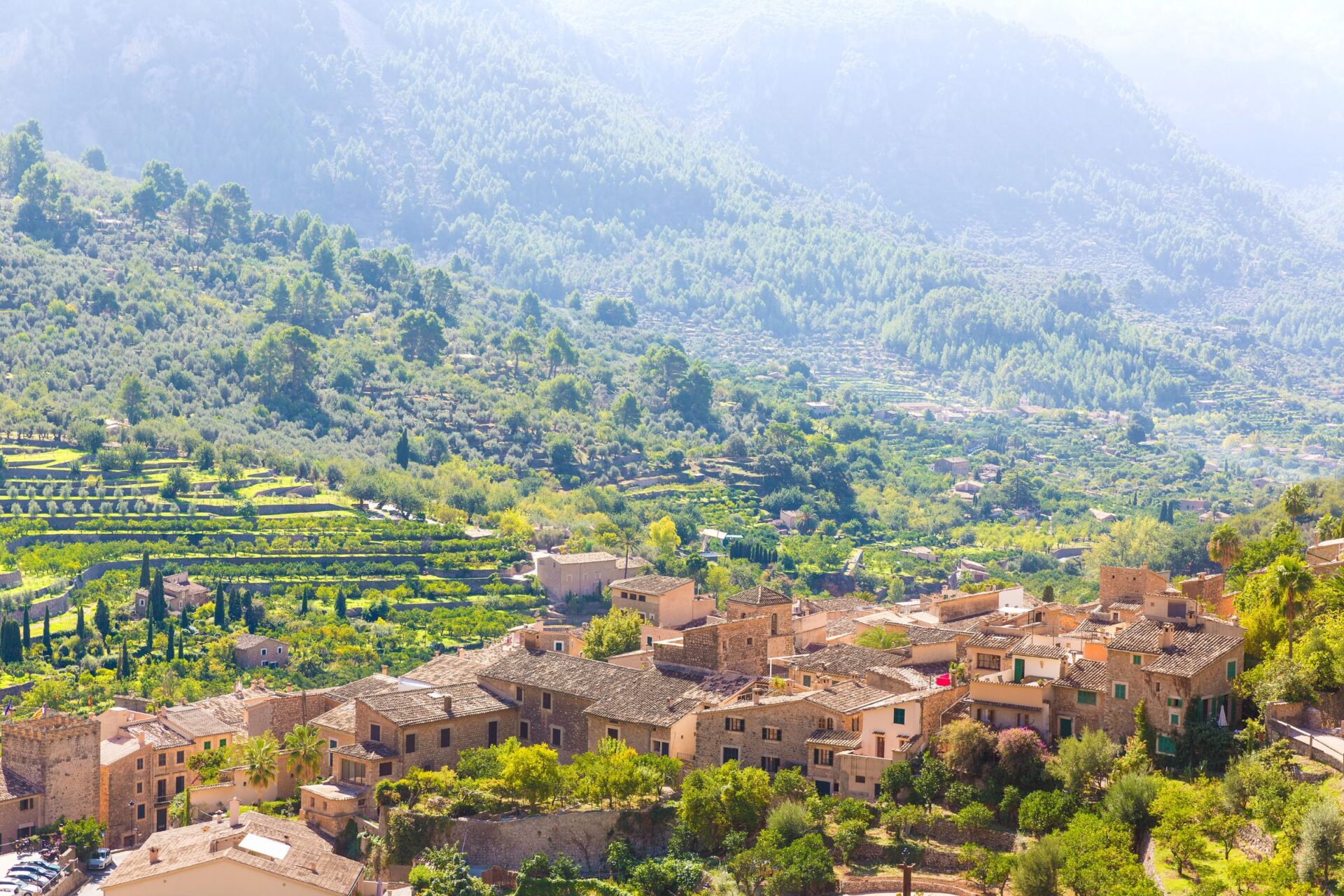
One hike I keep coming back to starts right in Sóller and follows ancient footpaths locals have used for centuries. I cross clear streams and catch the scent of pine and orange blossom drifting through the air.
You’ll find easy walks perfect for families. But if you want a bigger adventure, there are some challenging climbs too.
Tip:
I never forget water, a hat, and sunscreen—the mountain sun feels strong, even when it’s cool out.
Visiting Port de Sóller by Vintage Tram
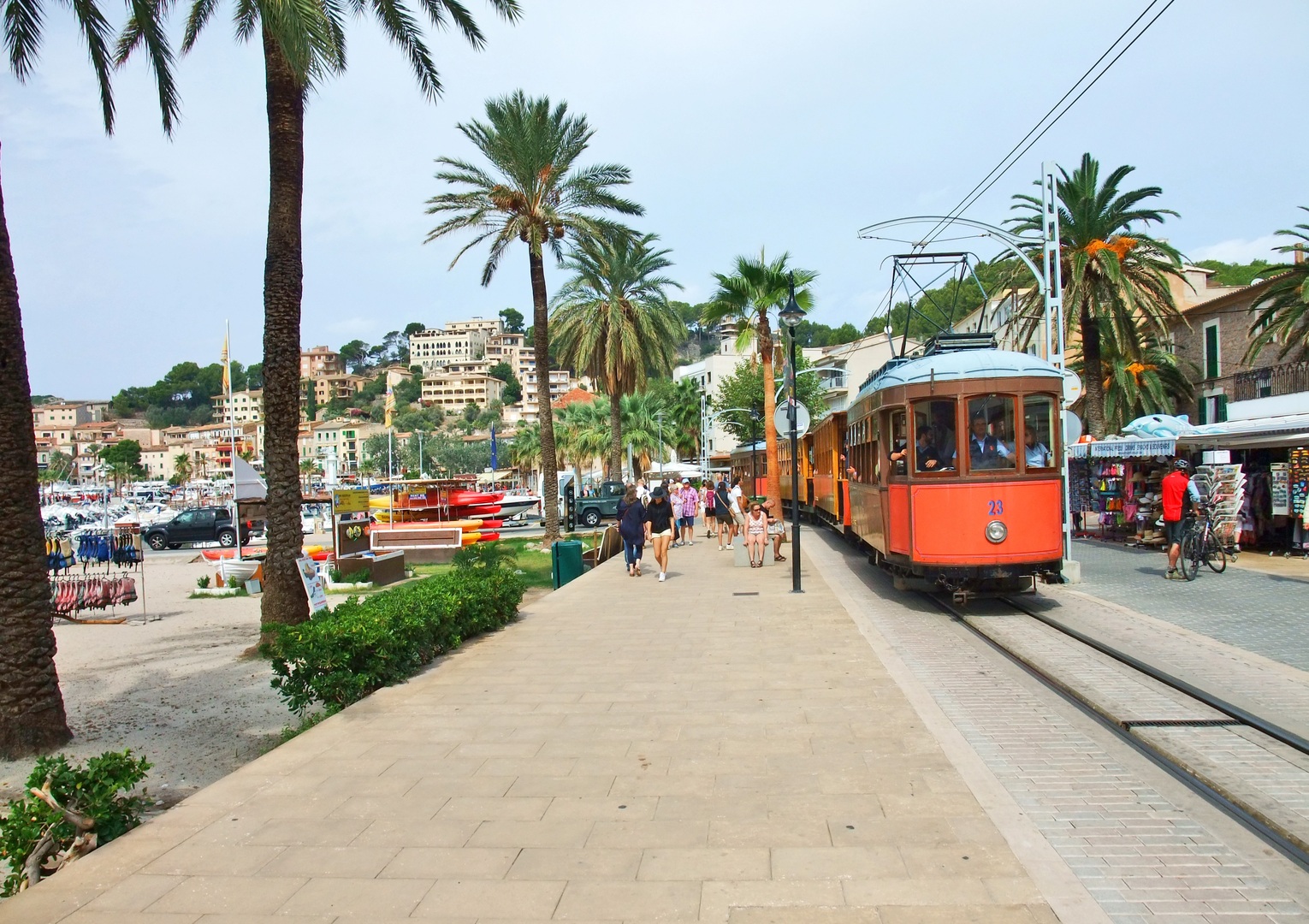
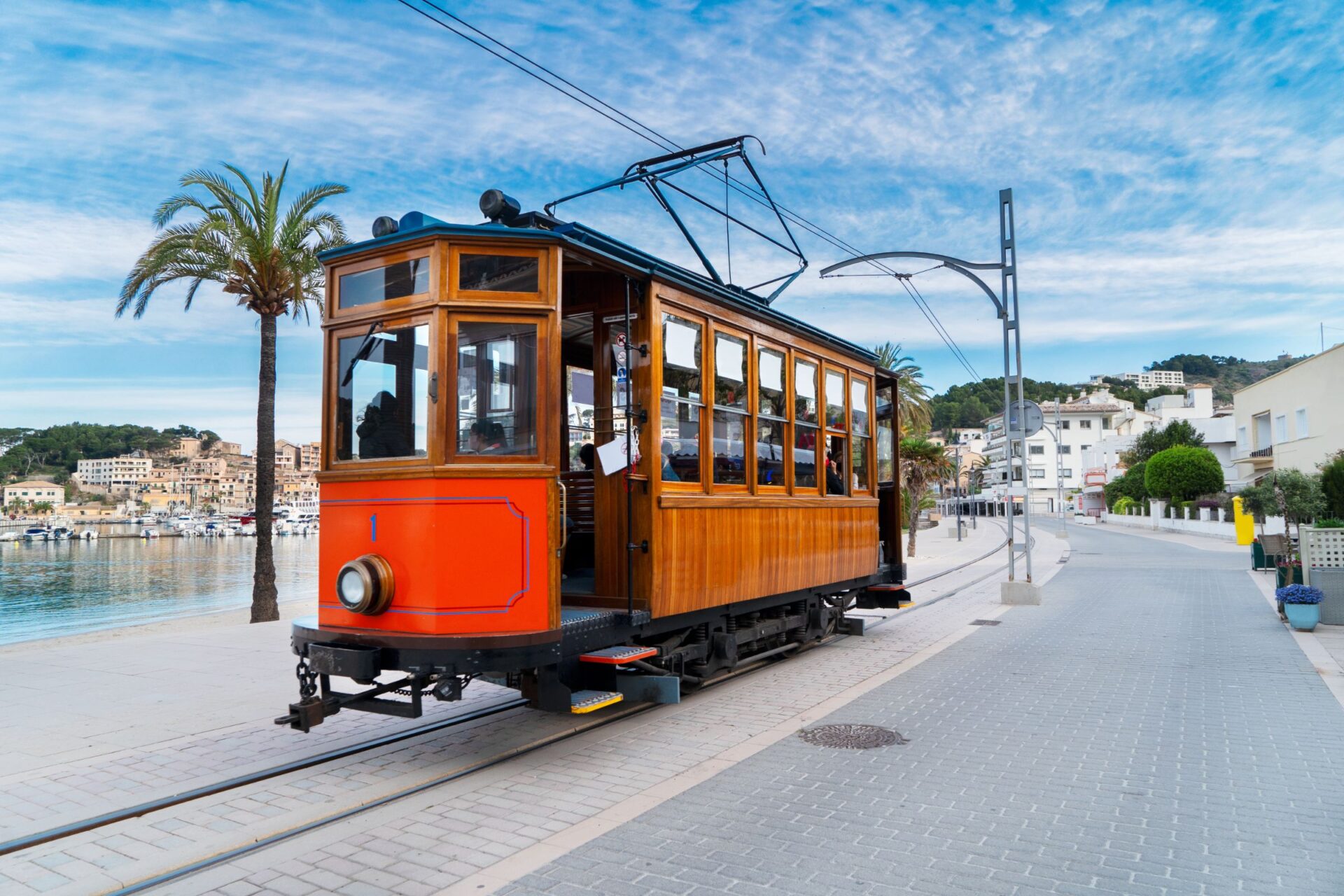
From Sóller, I like to hop on the vintage tram for a short ride down to Port de Sóller. The tram rattles through orange and lemon groves, and I get those mountain views mixed with a bit of sea breeze.
It only takes about 20 minutes, but the ride feels special every time. When I arrive at Port de Sóller, a pretty harbor greets me, lined with cafés and restaurants.
I usually stroll along the promenade, maybe grab some fresh seafood, or just sit by the beach for a while. Boat tours leave from the port too, so if you want to see the coastline from the water, it’s easy to jump on a quick cruise.
If you’re traveling with kids or just love quirky rides, the vintage tram really is a highlight.
Exploring UNESCO World Heritage Landscapes
Sóller and the surrounding Serra de Tramuntana make up a UNESCO World Heritage Site, thanks to their natural beauty and timeless landscape.
Terraced hillsides and ancient irrigation channels show off the hard work of generations. As I walk or ride through this area, I find myself surrounded by gnarled olive trees, stone walls, and citrus groves that seem to glow in the sunlight.
UNESCO’s recognition helps keep these landscapes protected, so everything feels surprisingly untouched. It’s worth taking a moment to notice the craftsmanship in the terraces and the old farmhouses—many people still live and work in them.
Every view here gives you a glimpse into Mallorca’s unique history and culture. Honestly, it stays with you long after the train ride is over.

