
Nestled in the heart of Umbria, the Springs of Clitunno captivated me from the moment I stepped into this peaceful oasis. I wandered along crystal-clear waters that have inspired poets for centuries, including the ancient Roman writer Virgil, who praised these sacred springs in his works. The tranquil atmosphere was a welcome escape from the busy roads nearby.
What makes Clitunno truly special is its dual nature as both a natural wonder and a site of profound historical significance. The Romans considered these springs sacred, dedicating them to the god Clitunno and using the area for ceremonies and celebrations.
As I sat beside the uncontaminated waters, I could easily understand why literary giants like Lord Byron made this a mandatory stop on their Grand Tour of Italy.
The springs create a pocket of serenity that feels untouched by time. Birds called overhead as I followed the pathways around the water, discovering quiet spots perfect for reflection and creative thought.
For anyone seeking both natural beauty and a connection to ancient history, these springs offer a rare combination that speaks to both the heart and imagination.

The Historical Significance of Clitunno’s Springs
The crystalline waters of Clitunno have flowed through history as more than just a beautiful natural feature—they’ve been a sacred site and muse for thousands of years.
Ancient Roman Worship and Clitunno
The springs of Clitunno held deep religious significance in Ancient Rome. The site was dedicated to Clitumnus, the river god who was believed to dwell in these pristine waters.
I was fascinated to learn that Romans considered these springs so sacred that white oxen and cattle that drank from them were deemed worthy of sacrifice to the gods.
Emperor Augustus himself visited these springs, considering them a place of divine connection. Walking along the same paths where Roman nobility once strolled, I felt a strange connection to that ancient past.
What made Clitunno special to Romans wasn’t just its beauty but its power. They built small temples nearby, including the Temple of Clitumnus, which still stands today in modified form.

Literary References: From Virgil to Horace
Standing by these waters, I understood why Clitunno inspired so many literary masters. Virgil mentioned the white cattle of Clitunno in his Georgics, noting how animals that drank from these waters were considered perfect for religious ceremonies.
Horace and Ovid both wrote of the springs with reverence. In particular, Pliny the Younger described the site in detail in his letters, calling it a place where “the spring expands into a broad, clear, glassy basin.”
Lord Byron later continued this tradition during his Grand Tour of Italy, mentioning Clitunno in his famous poem Childe Harold’s Pilgrimage:
“And on thy happy shore a Temple still,
Of small and delicate proportion, keeps,
Upon a mild declivity of hill,
Its memory of thee.”
The literary legacy of Clitunno spans centuries, bridging ancient and modern appreciation for this magical place.

A Guide to Exploring Clitunno and Umbria
Umbria’s sacred waters and verdant landscapes offer travelers a perfect mix of natural beauty and cultural richness. The region rewards those who venture beyond the typical tourist paths with peaceful discoveries and authentic experiences.
The Quintessential Sights at Clitunno
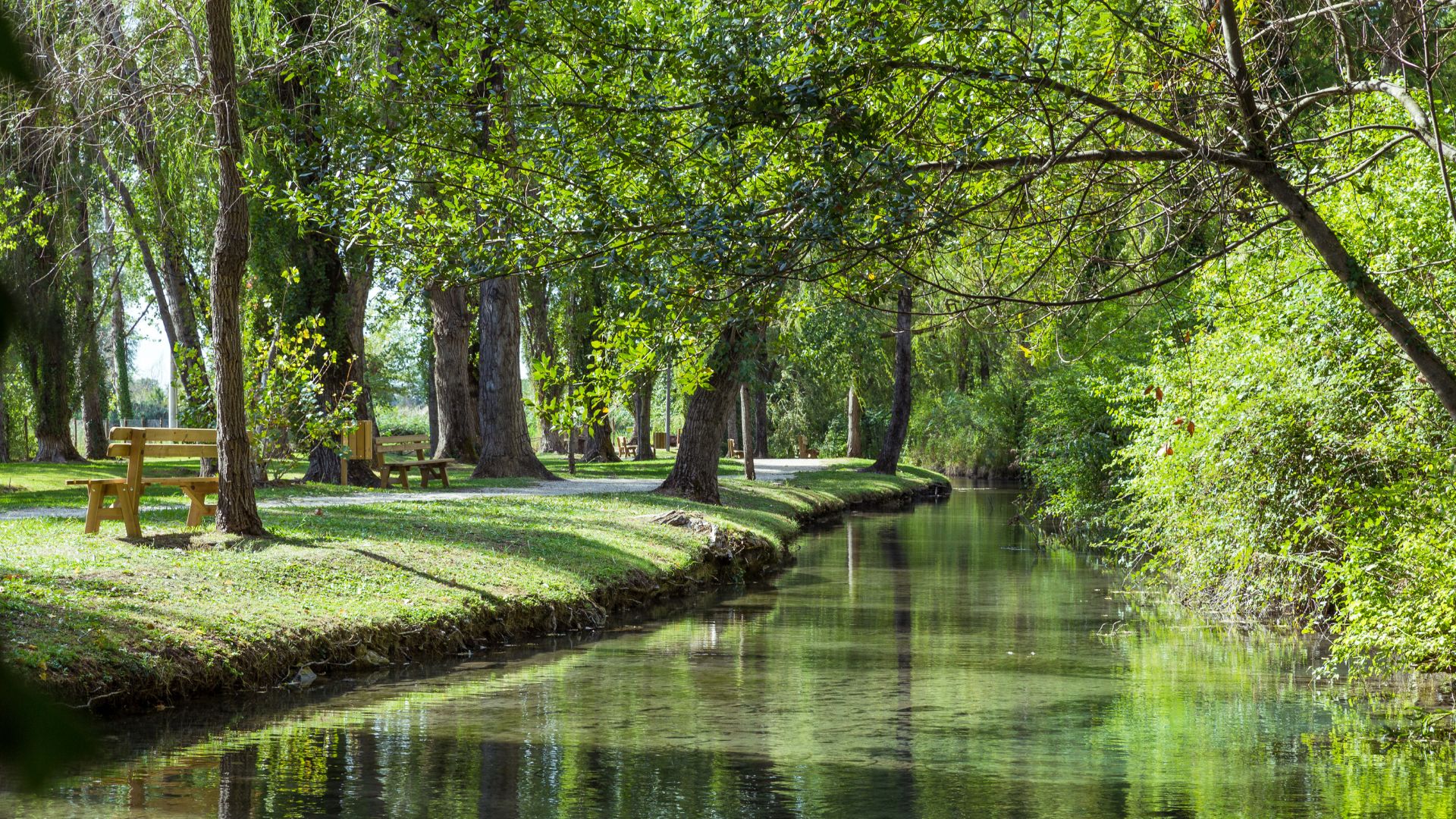
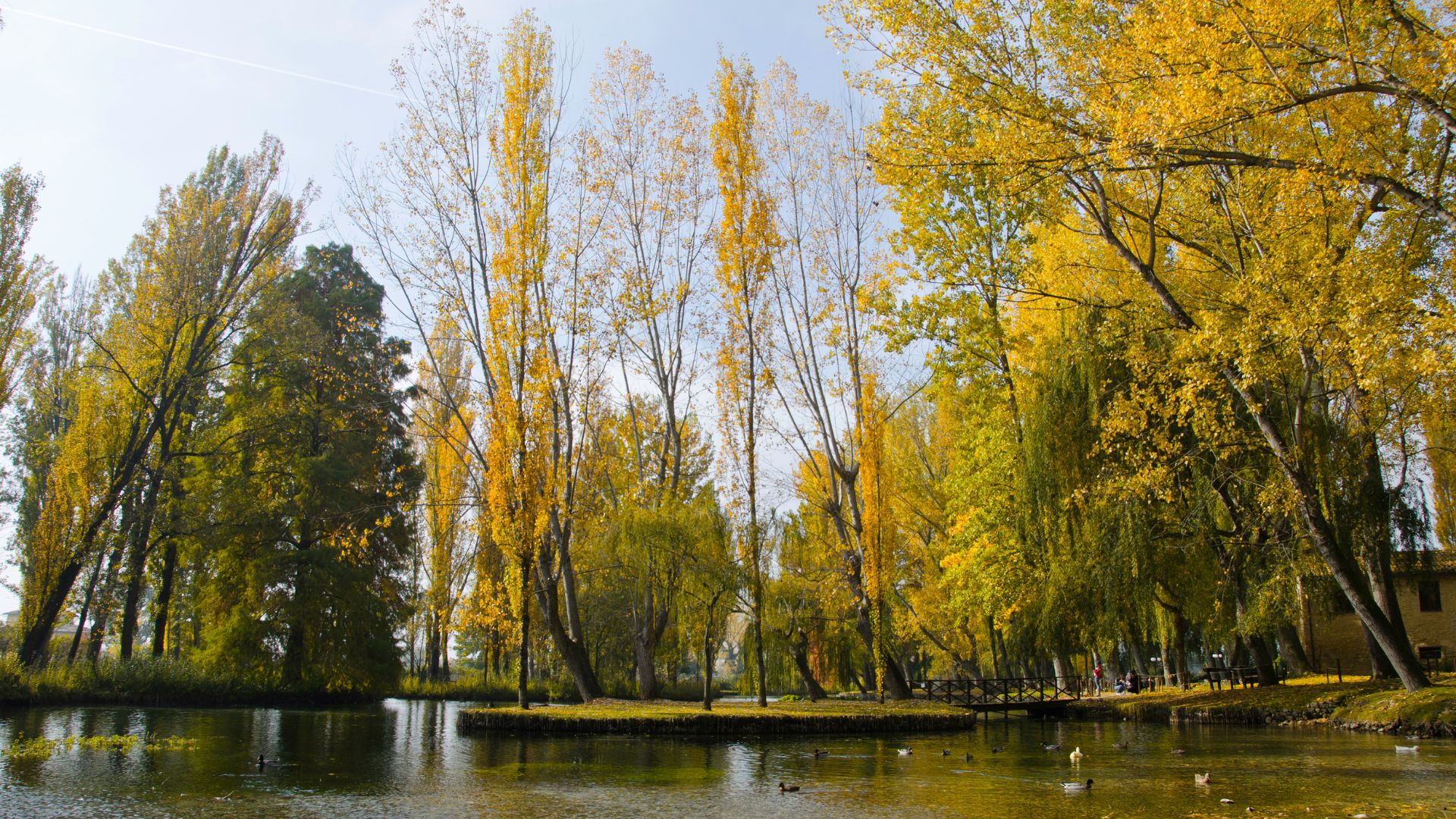
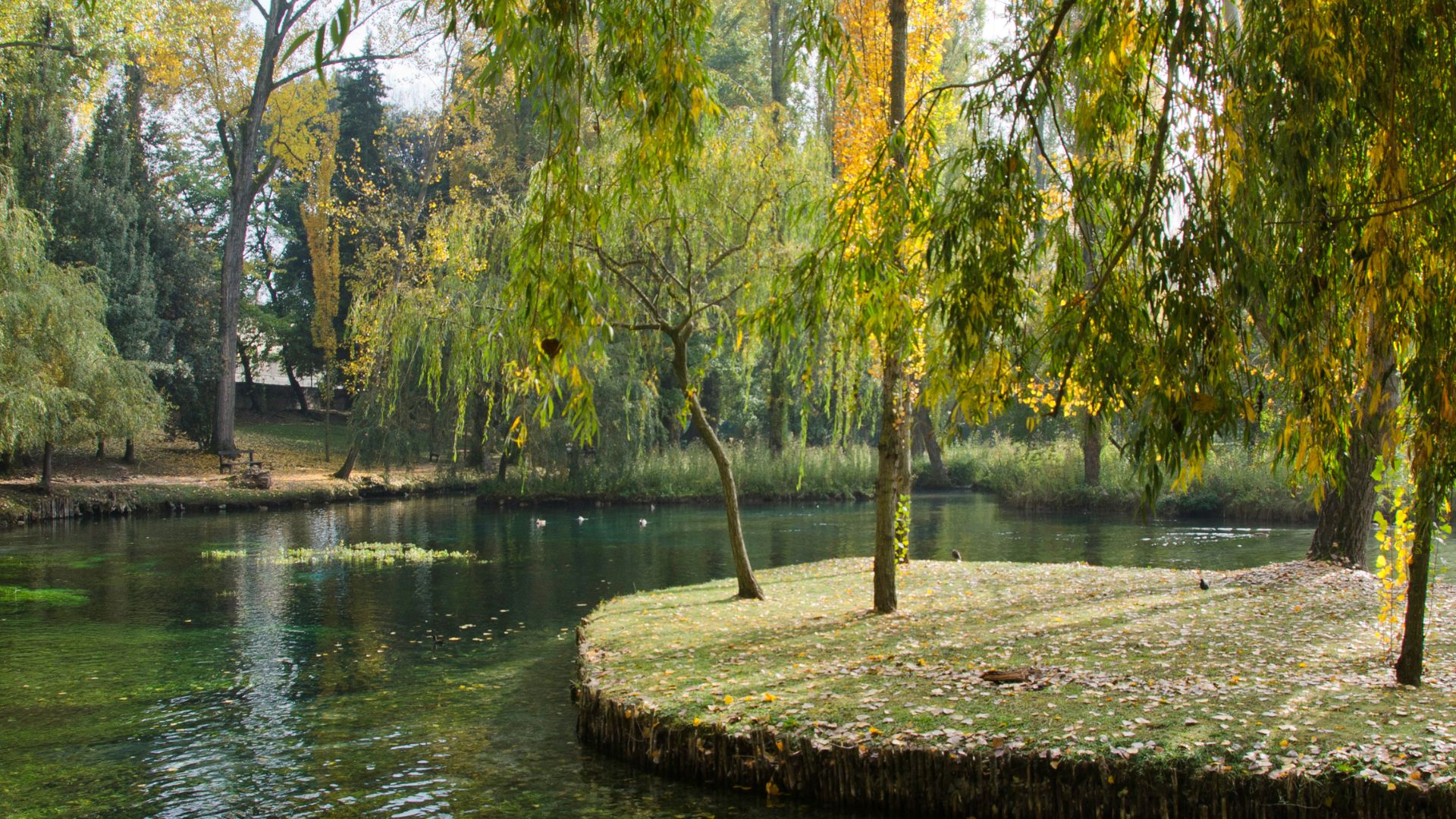
The Springs of Clitunno are truly magical and completely free to visit. I found the crystal-clear waters mesmerizing as they create a small lake surrounded by weeping willows and cypress trees. The park is accessible year-round, making it perfect for any season.
The Little Temple (Tempietto del Clitunno) nearby is a must-see architectural gem that dates back centuries. What struck me most was learning that literary giants like Lord Byron visited these same springs during their Grand Tours.
For the best experience, I recommend arriving early morning or late afternoon when the light plays beautifully on the water. Bring a book and find one of the many peaceful spots to sit and absorb the atmosphere that once inspired Virgil himself.

Beyond Clitunno: Umbria’s Hidden Gems
Umbria is filled with lesser-known treasures that deserve exploration. After visiting Clitunno, I ventured to nearby Spoleto with its stunning Duomo and aqueduct bridge that spans the valley.
For accommodations, I loved the boutique hotels in Campello sul Clitunno that offer authentic Umbrian hospitality. Hotel Clitunno provides comfortable rooms with views of the surrounding hills.
The regional cuisine is exceptional. Try the small family-run trattorias where I enjoyed truffle pasta and local Sagrantino wine. Ristorante del Ponte served the freshest local ingredients with recipes passed down through generations.
Don’t miss the artisan shops in the medieval towns where I found beautiful ceramics and textiles. The weekly markets in smaller villages offer a glimpse into authentic Umbrian life and culture, with vendors selling everything from fresh produce to handcrafted goods.

Literary Pilgrimage: Tracing the Footsteps of Poets
Walking through Clitunno’s serene landscape, I felt connected to the many writers who found inspiration here over centuries, each leaving their mark on this sacred place through their words and artistic legacy.
Modern Authors and Clitunno’s Influence
Raymond Carver, whose blue-collar stories captured American life with blunt honesty, once visited these springs during a European tour. Unlike Carver’s final resting place overlooking Port Angeles, Clitunno offered him a living inspiration rather than eternal peace.
I spotted weathered benches where literary society members once gathered for readings in the 1920s. A local guide showed me where Arthur Conan Doyle supposedly sat sketching the springs during his Italian journey, possibly gathering ideas for a Holmes adventure that never materialized.
The paths around Clitunno have evolved into an informal literary pilgrimage route. Small plaques mark spots where famous writers paused to write or reflect. The quiet atmosphere remains perfect for creative thought, just as it was for centuries.
Bronze Leaves and Bohemian Echoes
In the small museum near the springs, bronze leaves bear engravings of poetry inspired by Clitunno. Each leaf represents a different literary movement, from classical Roman verses to modern Italian poetry. I traced my fingers along Lucan’s ancient words, feeling a connection across time.
The springs attracted bohemian writers throughout the 20th century. Three literary pilgrims met in Genoa one summer morning before traveling to sites including Clitunno, as recorded in their published memoirs. Their journey seeking “sunshine and the Middle Ages” perfectly captures the dual appeal of this place.
Local philologists have preserved notebooks and letters from these visitors, creating a fascinating archive of literary history. The collection shows how each generation of writers reinterpreted the springs through their unique cultural lens and personal experiences.
Planning Your Visit to Clitunno
Visiting the Springs of Clitunno requires minimal planning, but knowing a few key details will enhance your experience at this tranquil Umbrian gem. The springs are accessible year-round and surprisingly, entrance to this poetic paradise is free of charge.
Determining the Best Time to Visit
I found spring (April-May) and early autumn (September-October) to be the most magical seasons at Clitunno. The moderate temperatures make walking through the parklands comfortable, and the colors are at their most vibrant. Summer visits are still enjoyable, but expect more tourists during July and August.
The springs and surrounding park are open daily throughout the year. Morning visits offer the most peaceful atmosphere when the light gently filters through the trees and reflects off the crystal waters. I recommend arriving before 11 am to experience the tranquility before day-trippers arrive from nearby towns.
Weather in Umbria can be unpredictable, so packing a light jacket is wise even in summer months.

Local Accommodations and Amenities
Staying near Clitunno gives you the chance to experience the springs at different times of day. The nearby towns of Campello sul Clitunno and Spoleto offer various accommodation options.
Recommended Hotels:
- Agriturismo La Casella (rustic charm, 2km from springs)
- Hotel Clitunno in Spoleto (comfortable mid-range option)
- Villa dei Platani (upscale B&B with garden views)
For dining, several authentic trattorias dot the countryside around the springs. My favorite spot is Ristorante Il Tempietto, which serves traditional Umbrian cuisine with ingredients sourced from local farms. The truffle pasta dishes are particularly outstanding!
Small cafés near the entrance provide refreshments, but bringing your water bottle is recommended for longer visits.
Navigating Clitunno: Itineraries and Walking Tours
The Springs of Clitunno are compact enough to explore in 1-2 hours. I suggest this simple itinerary:
- Start at the main entrance and follow the path along the crystal-clear waters
- Cross the small ornamental bridges for different perspectives
- Visit the historic Tempietto del Clitunno nearby (a separate site from the springs)
- End with a peaceful moment on one of the benches overlooking the main pool
Self-guided walking is easy, but local guides offer deeper insights into the area’s poetic history and natural features. Umbria Walking Tours offers a 90-minute guided experience for €15 per person.
Combining your Clitunno visit with nearby attractions makes for a fulfilling day trip. The medieval town of Spoleto is just 8 miles south, while Foligno’s historic center lies a short drive north.
Connecting With Locals and Fellow Travelers
The magic of Clitunno lies not just in its serene waters and ancient stories, but in the connections formed along its peaceful shores. During my visit, I discovered that shared experiences at sacred places create bonds that enhance the travel experience in unexpected ways.
The Role of Friendships in Travel
Traveling alone to Clitunno offered solitude, but the unexpected friendships made my experience richer. While sketching near the springs, I met Maria, a local artist who visits weekly for inspiration.
She invited me to a small café in nearby Campello where locals gathered. The café, filled with black and white photos of the springs throughout history, became my afternoon refuge.
Maria introduced me to her friends who shared stories about the springs that no museum could offer. These connections transformed my solitary journey into a communal experience.
Through these new friendships, I gained access to hidden viewpoints and local traditions that most tourists miss entirely.
Sharing Stories and Experiences
The springs attract diverse travelers, each bringing unique perspectives.
At sunset, a small group gathered near the temple. We exchanged travel tales.
An elderly professor from Rome spoke of Byron’s poetry inspired by these waters. Meanwhile, a young couple shared photos of the springs in different seasons.
Their winter images of mist rising from the water convinced me to plan a return visit.
We exchanged contact details and travel recommendations over local wine at a family-run restaurant that evening.
The professor sketched a map of lesser-known sacred sites in Umbria that would complement my journey.
These shared moments around the springs created a temporary community of storytellers. Each added layer to my understanding of this magical place.
