
The Dolomites are a true chameleon of nature, changing their colors and character with each passing season. I’ve visited these magnificent Italian mountains in all their moods – from snow-dusted winter wonderlands to vibrant summer meadows. The best time to visit the Dolomites depends entirely on what experience you’re seeking.
Summer (June-August) offers wildflower-filled hiking, autumn (September-October) delivers stunning fall colors with fewer crowds, and winter (December-March) transforms the landscape into a snowy paradise.
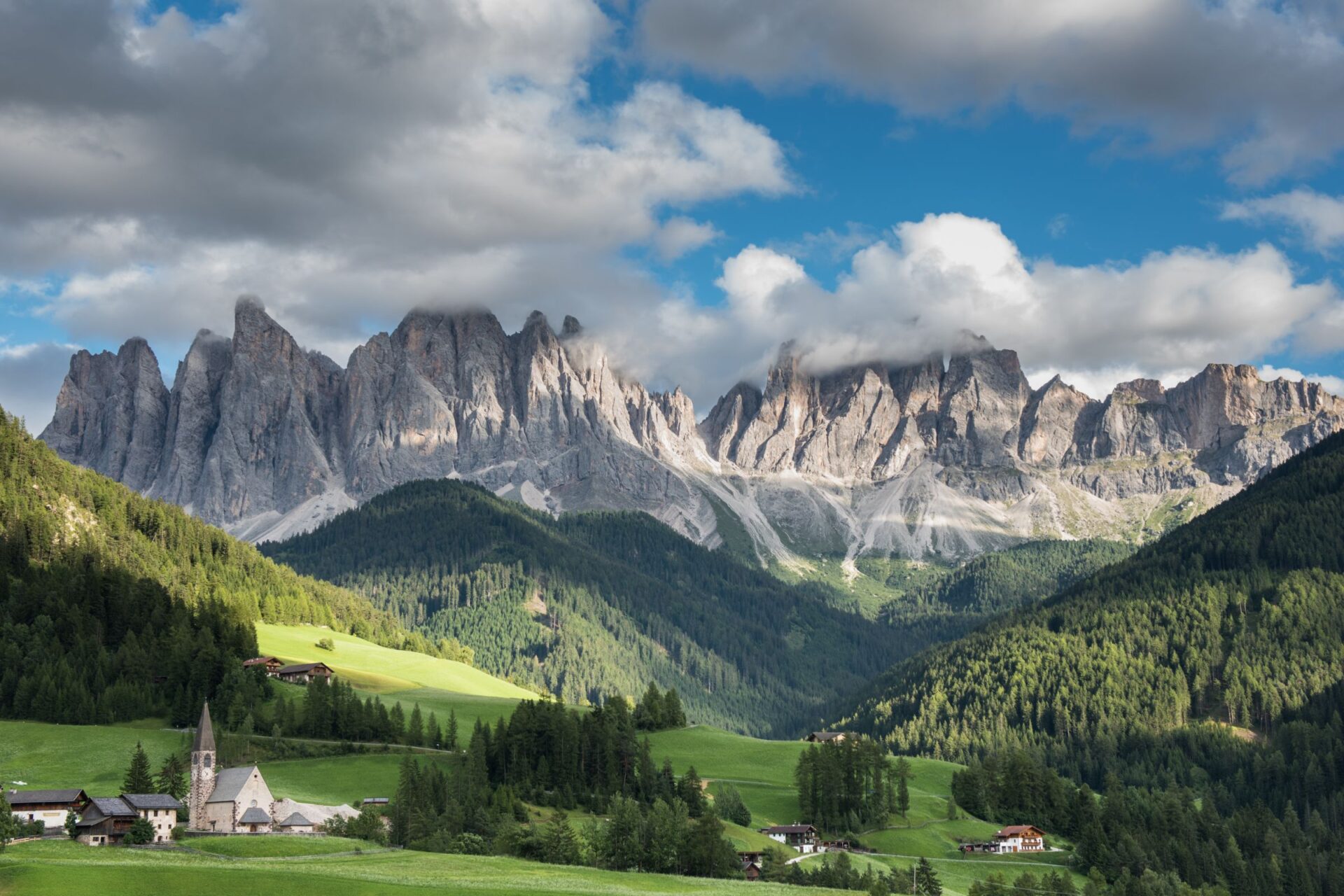
My first trip to the Dolomites was in late September, when the summer crowds had thinned and the mountains were painted with golden hues. The cable cars were still running, making it easy to reach higher viewpoints without exhausting hikes.
If you’re looking for warmer adventures, summer brings mild temperatures in the mid-20°C range with dry, sunny days perfect for exploring the trails.
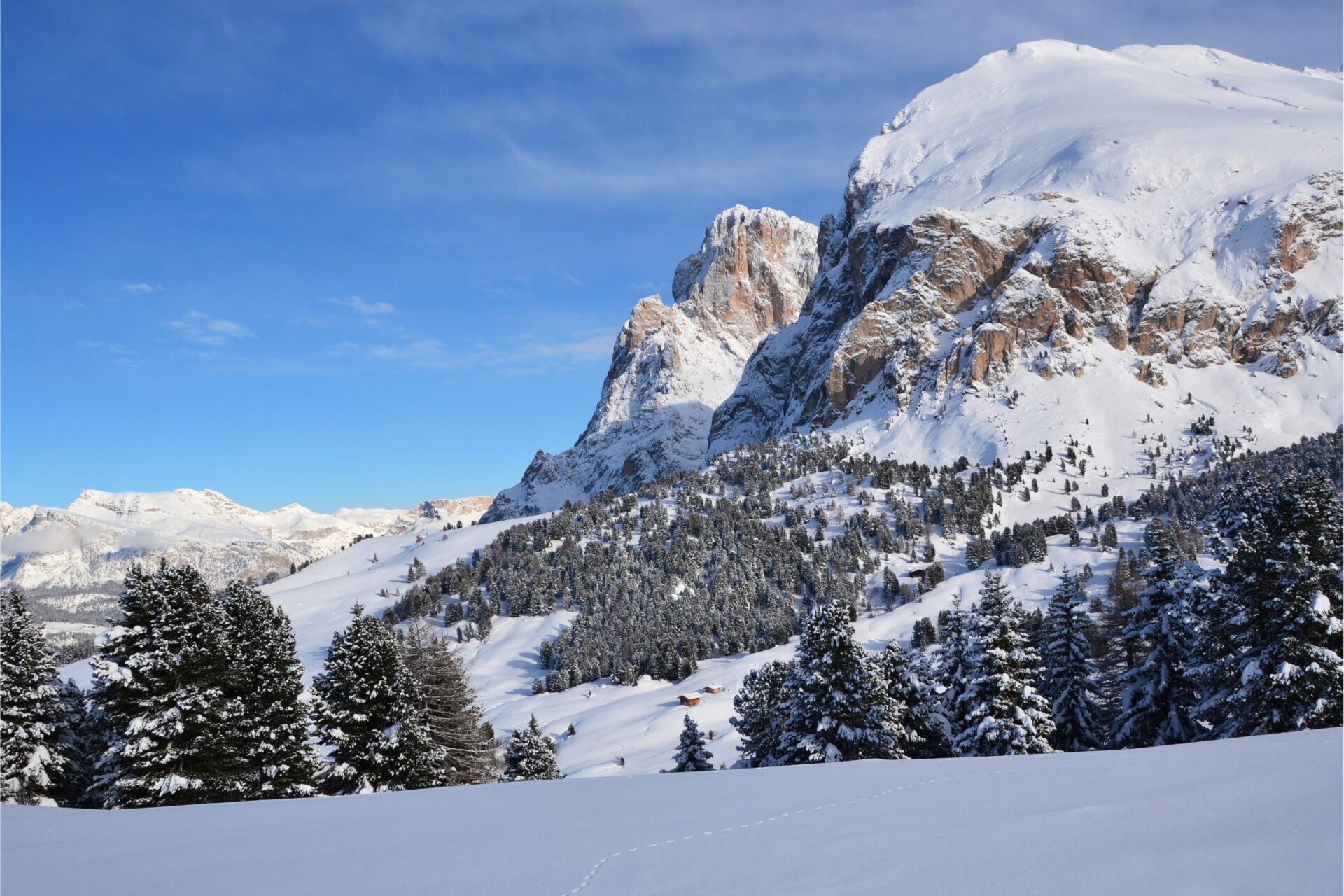
Winter in the Dolomites holds its own special magic. I’ve spent hours photographing the intricate snow textures against those iconic jagged peaks. Just be aware that April and November are transition months best avoided. You’ll likely encounter mud, closed facilities, and unpredictable weather without the full beauty of either summer or winter landscapes. The Dolomites reward those who time their visit right!
Exploring the Dolomites: A Seasonal Guide
The Dolomites transform dramatically with each season, offering unique experiences throughout the year. Each time of year brings its own magic to these stunning Italian mountains, from snow-covered peaks to meadows bursting with wildflowers.
Winter Wonders: Skiing and Snow in the Dolomites
Winter blankets the Dolomites in pristine snow, creating a paradise for skiing enthusiasts like me. From December through March, I’ve found the conditions nearly perfect for hitting the slopes.
Cortina d’Ampezzo, host of the 1956 Winter Olympics, offers some of the most spectacular ski runs I’ve experienced.
The Dolomiti Superski pass gives access to over 1,200 km of ski slopes across 12 interconnected ski areas. Val Gardena remains my favorite region, with its perfect mix of challenging and beginner-friendly pistes.
Beyond skiing, I love exploring the snow-covered landscapes on snowshoes. The silence of winter hikes through snow-laden forests is truly magical.
Alpe di Siusi transforms into Europe’s largest high-altitude plateau in winter, offering gentle slopes perfect for families and beginners. The crisp mountain air and breathtaking vistas of snow-capped peaks make winter here unforgettable.
Spring Awakening: Wildflower Blooms and Hiking Trails
Spring in the Dolomites is a well-kept secret I’m almost hesitant to share. From April to June, melting snow reveals verdant meadows that burst with colorful wildflowers.
Alpine crocuses and snowbells are the first to appear, followed by an explosion of edelweiss and alpine roses.
Hiking in spring offers fewer crowds and moderate temperatures. Val di Funes becomes especially enchanting, with wildflower-dotted meadows framing the iconic Odle peaks. The contrast of blooming flowers against rocky pinnacles creates photo opportunities I never tire of.
Spring also brings gushing waterfalls as the snow melts. I highly recommend visiting the cascades in Val Gardena during this time. The trails are less crowded, allowing for more intimate encounters with nature.
Nature lovers should pack layers, as spring weather can be unpredictable. Morning frost can give way to warm afternoons, but the changing conditions are worth it for the vibrant renewal of life.
Summer Delights: Climbing Peaks and Cycling Paths
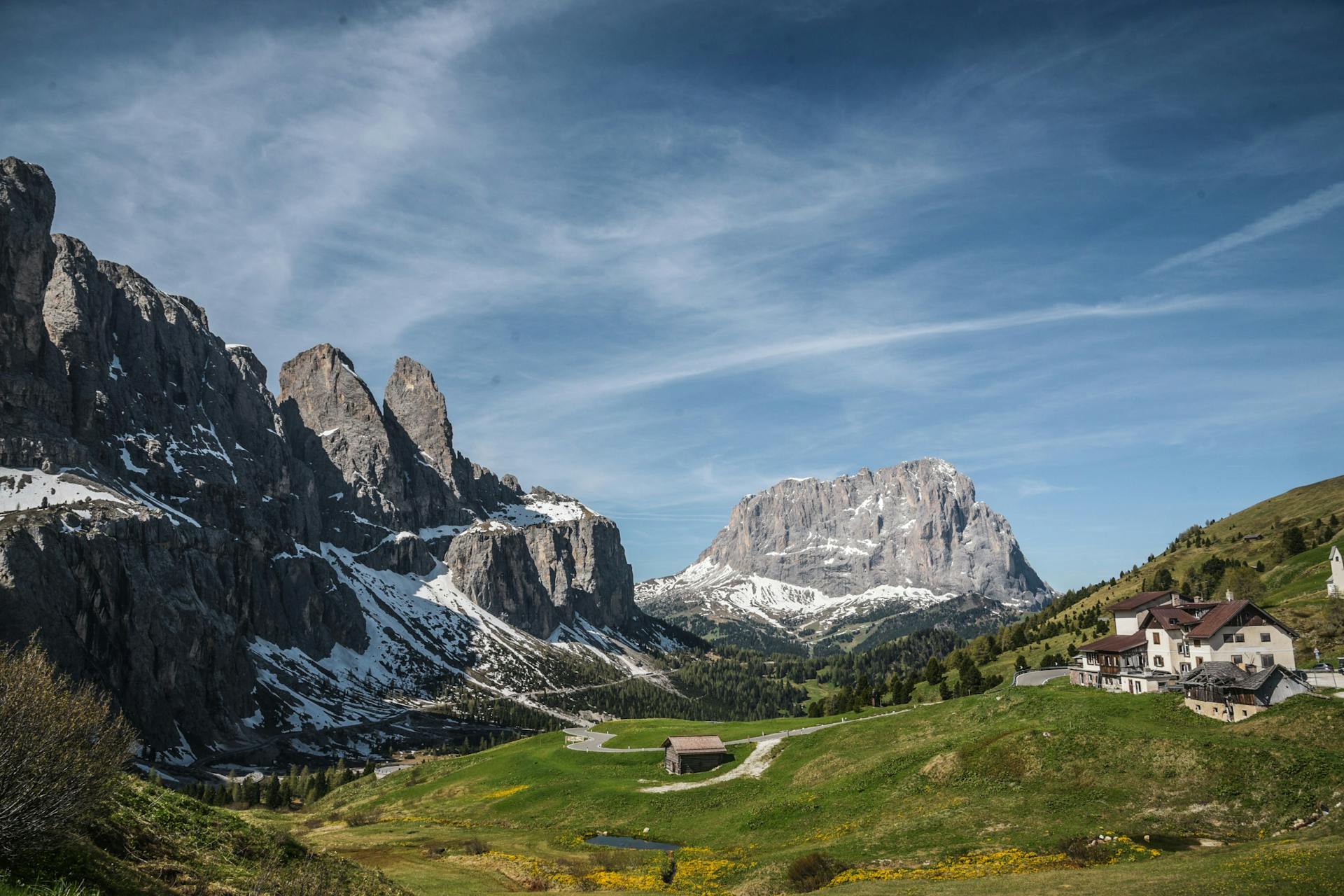
Summer transforms the Dolomites into a playground for outdoor enthusiasts. From July through August, I take full advantage of the long days and pleasant temperatures averaging around 70°F (21°C).
Climbing opportunities abound in summer. The via ferrata routes—steel cable protected climbing paths—offer thrilling access to otherwise impossible peaks. My favorite is the VF Tomaselli on the Fanis Group, challenging but rewarding with panoramic views.
Cycling has become my summer passion here. The Sellaronda circuit lets me pedal around the massive Sella mountain group, passing through four mountain passes in a single day. E-bikes are widely available for those wanting assistance on steeper sections.
Hiking trails fully open in summer, with rifugios (mountain huts) operating at full capacity. I love trekking from hut to hut, enjoying local cuisine without carrying camping gear. The Alta Via 1 trail remains my ultimate multi-day adventure through the heart of the Dolomites.
Autumn Colors: Fall Foliage and Serene Hiking
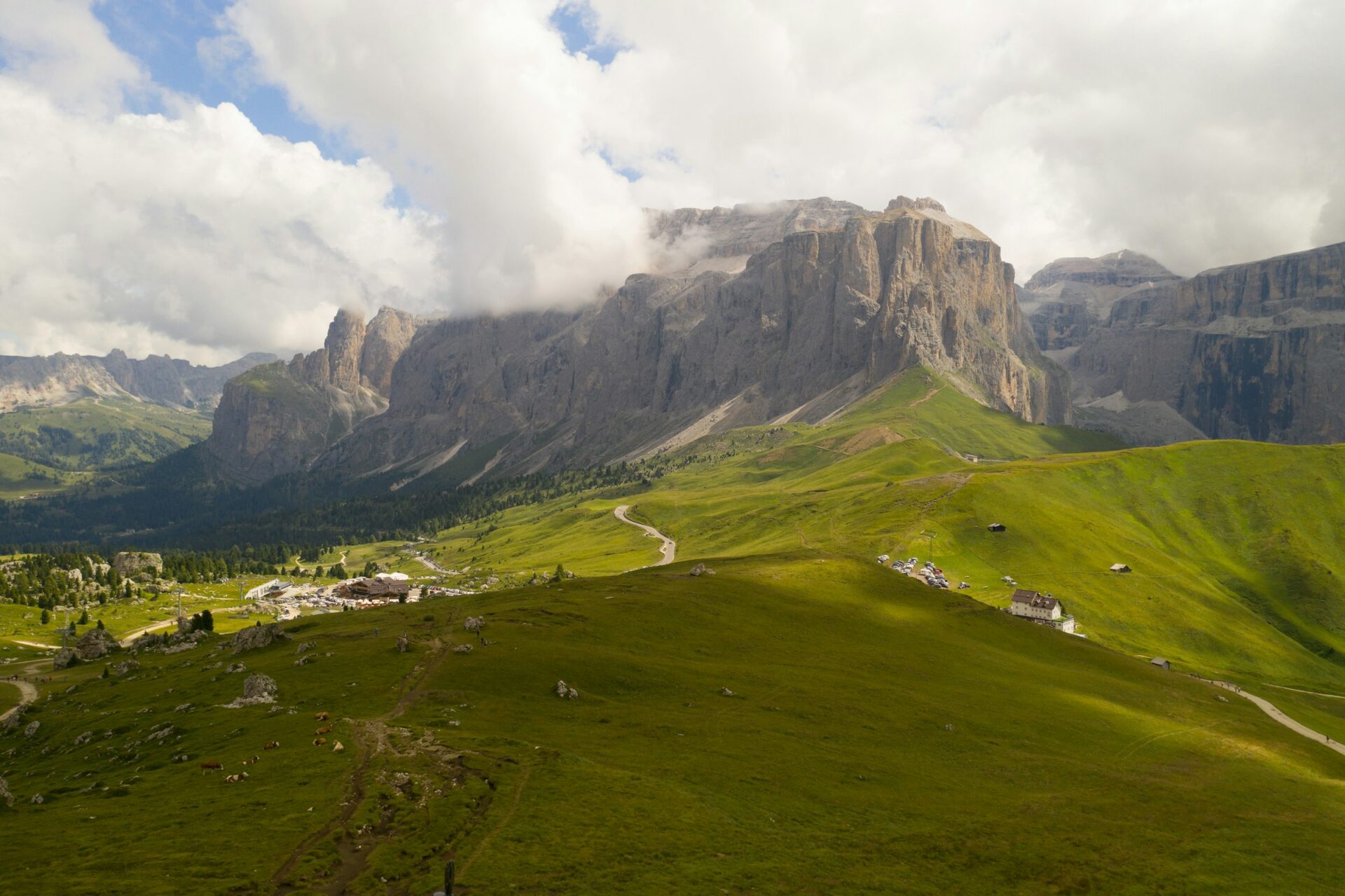
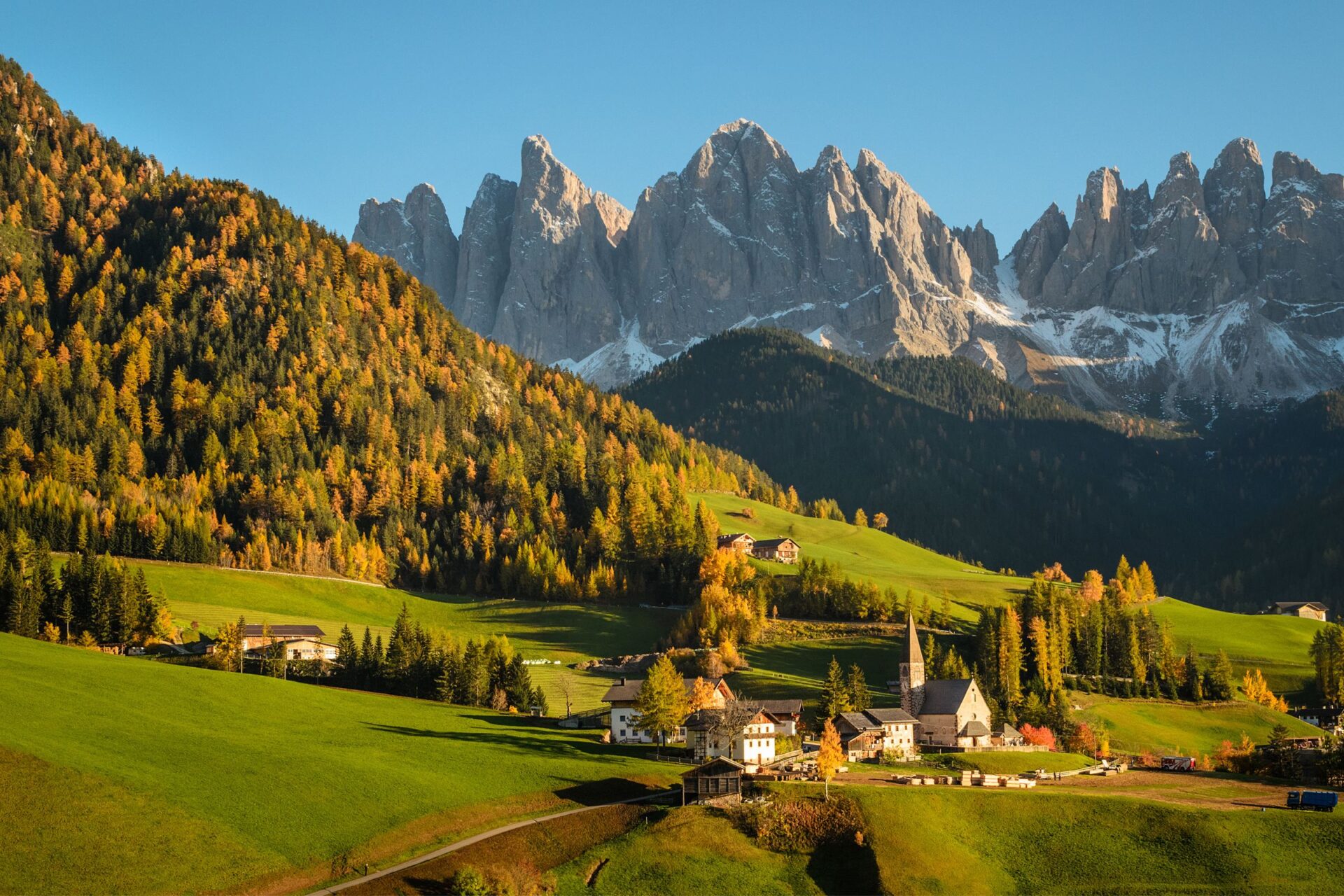
Fall might be my favorite time in the Dolomites. From September through October, the larch trees transform from green to brilliant gold, creating a stunning contrast against the grey limestone peaks. South Tyrol’s forests put on a spectacular show of red, orange, and yellow.
Hiking in autumn offers comfortable temperatures and clear skies. The summer crowds have dispersed, leaving peaceful trails and better chances of spotting wildlife. I’ve encountered deer and marmots preparing for winter during my fall hikes.
Val di Funes shines in autumn light, with the golden hues of fall complementing the iconic church of Santa Magdalena against the backdrop of the jagged Odle peaks. The autumn harvest brings delicious local specialties to mountain restaurants.
Photography opportunities are endless with the dramatic lighting and vibrant colors. Morning mist often fills the valleys, creating ethereal scenes as the sun burns through. Bring layers, as temperatures can drop rapidly when the sun sets.
Best Times to Visit for Outdoor Activities
The Dolomites transform dramatically with the seasons, offering perfect windows for different outdoor adventures. I’ve found that timing is everything when planning activities in this stunning mountain range.
Prime Time for Hikers
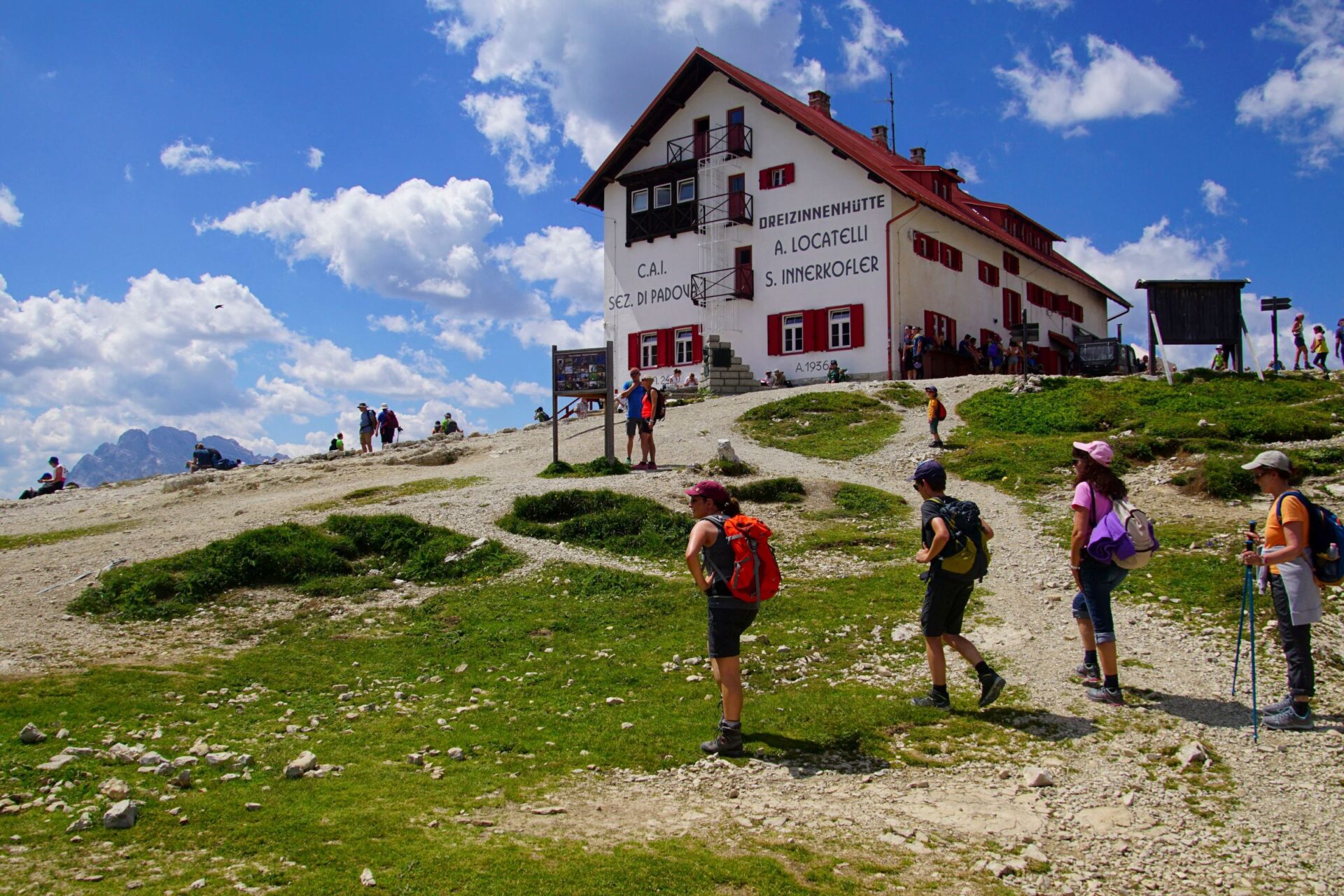
Mid-June through mid-September is absolutely magical for hiking in the Dolomites. I’ve discovered that late June brings spectacular wildflower displays, especially in the mountain meadows where colorful blooms carpet the landscape.
July and August offer reliable weather with temperatures typically around 70°F (21°C), perfect for tackling the more challenging trails. However, these are also the busiest months, so I try to start my hikes early in the morning.
Late May can work for lower-altitude trails, but some high passes might still have snow. September is my personal favorite – fewer crowds, stable weather, and the beginning of golden larch trees. Most rifugios (mountain huts) remain open until late September, providing convenient rest stops.
Skiers’ Paradise Seasons
Winter transforms the Dolomites into a world-class skiing destination from December through March. January and February deliver the most reliable snow conditions, with temperatures cold enough to preserve the powder.
I’ve found that December can be hit-or-miss for snow coverage, but the festive atmosphere and Christmas markets make up for it. Many ski areas use snow-making equipment to ensure decent conditions.
March brings longer daylight hours and often surprising powder days. The sun feels wonderfully warm, and I love enjoying mountaintop lunches without freezing. Late-season deals become available as crowds thin out after mid-March.
For cross-country skiing enthusiasts, the high plateaus like Alpe di Siusi offer groomed trails typically open from mid-December until early April.
Cycling and Climbing: Ideal Months for Adventure
May through October offers the best conditions for cycling and climbing adventures. For road cycling, I target June and September when mountain passes are open but tourist traffic is lighter.
July and August provide the longest days and warmest temperatures for tackling iconic routes like the Sella Ronda or challenging passes such as Passo Giau. The famous Maratona dles Dolomiti cycling event happens in early July.

Image Source: Flickr
For rock climbing, late spring (May-June) and early fall (September-October) offer ideal conditions with dry rock and moderate temperatures. Summer can work for high-altitude climbs, but afternoon thunderstorms are common in July and August.
Via ferrata routes are typically accessible from June through September, though some lower-elevation routes can be climbed in May and October if weather permits.
Iconic Landscapes of South Tyrol
South Tyrol’s dramatic landscapes showcase the Dolomites at their finest, with picture-perfect valleys, charming villages, and breathtaking mountain plateaus that change dramatically with each season.
Val di Funes: A Harmony of Nature
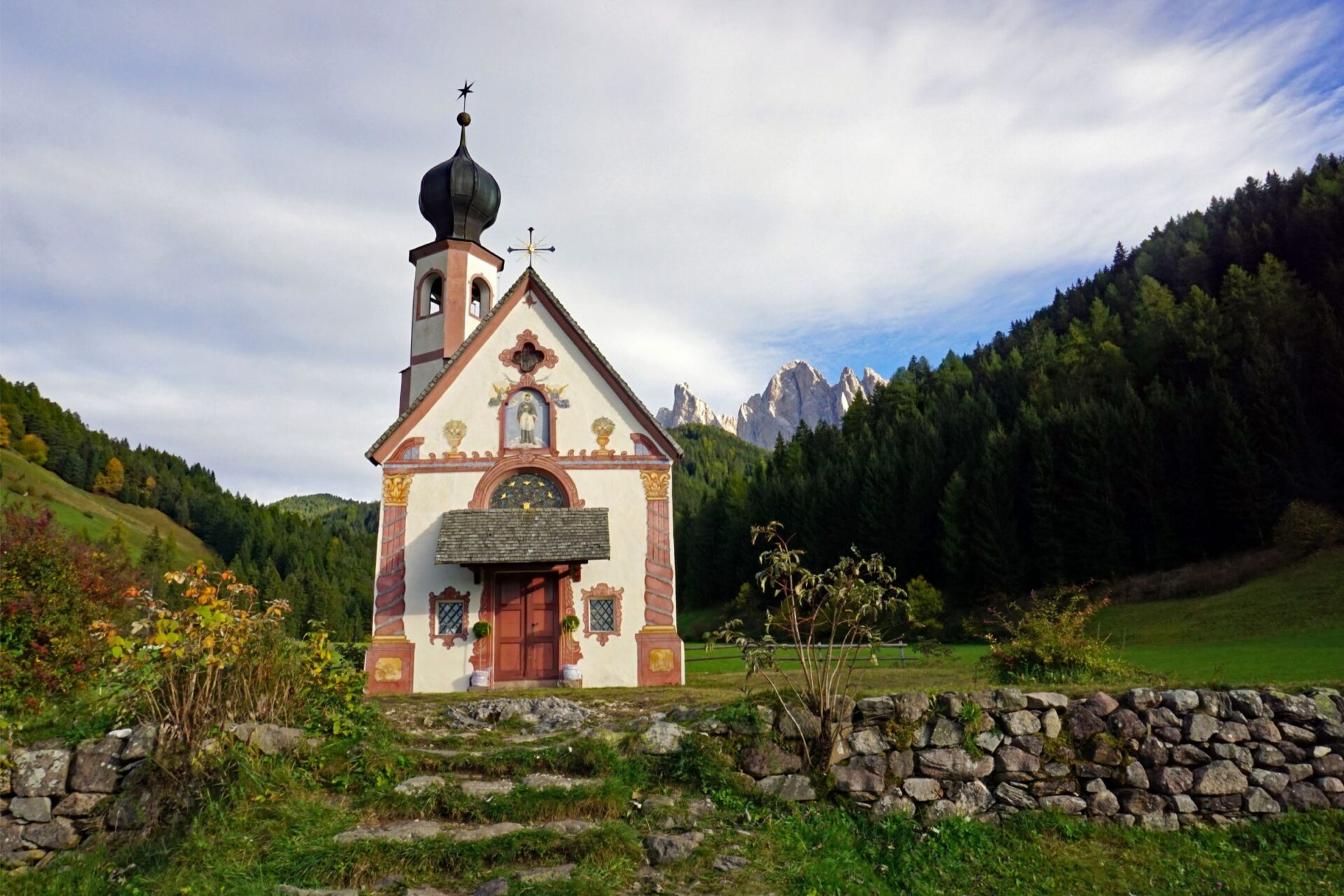
I’ve found Val di Funes to be one of the most photographed locations in the Dolomites, and for good reason. This peaceful valley features the iconic Santa Magdalena village nestled beneath the jagged Odle peaks.
In spring, wildflowers carpet the lush meadows, creating a colorful contrast against the gray limestone mountains. Fall is particularly magical here when golden larches transform the landscape around mid-October.
The famous Church of St. Johann in Ranui stands alone against the mountain backdrop, making it a photographer’s dream in any season. For nature lovers, the valley offers several well-marked hiking trails ranging from easy walks to challenging routes.
Tip: Visit early morning or late afternoon for the best lighting conditions that highlight the valley’s dramatic features.
Val Gardena and Cortina D’Ampezzo: Diversity of Trails
I love exploring Val Gardena and Cortina d’Ampezzo for their incredible variety of outdoor activities throughout the year. Val Gardena’s three charming villages—Ortisei, Santa Cristina, and Selva—serve as perfect bases for adventure.
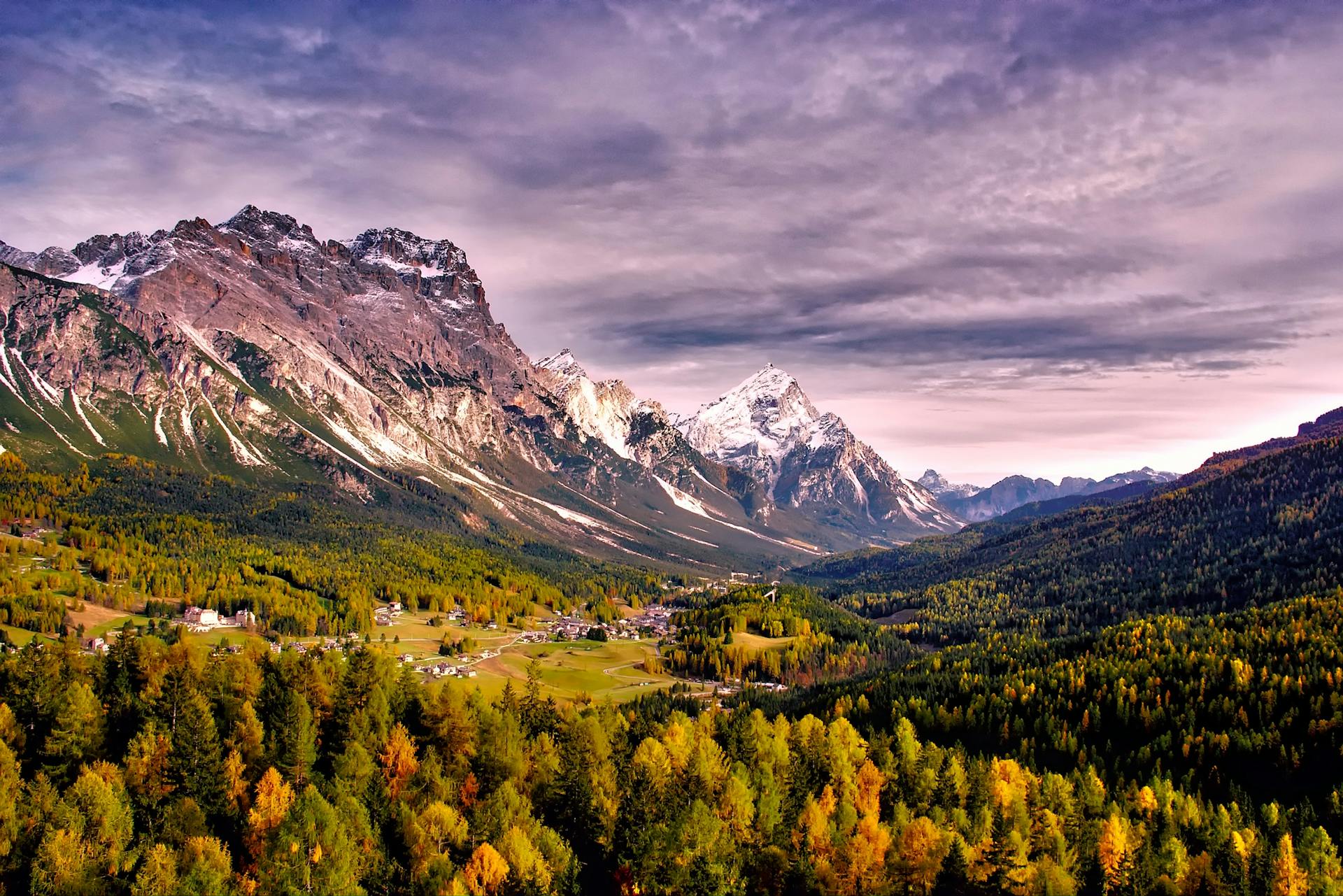
In summer, hundreds of hiking trails crisscross these areas, from family-friendly paths to challenging via ferratas. Fall brings spectacular colors as the forests turn crimson and gold around late October.
Cortina, known as the “Queen of the Dolomites,” hosted the 1956 Winter Olympics and will co-host the 2026 games. Its elegant town center offers a sophisticated contrast to dramatic surroundings.
Winter transforms both locations into premium ski destinations with Val Gardena connecting to the Sella Ronda circuit and Cortina featuring over 120km of slopes.
Alpe di Siusi: Europe’s Largest Mountain Plateau
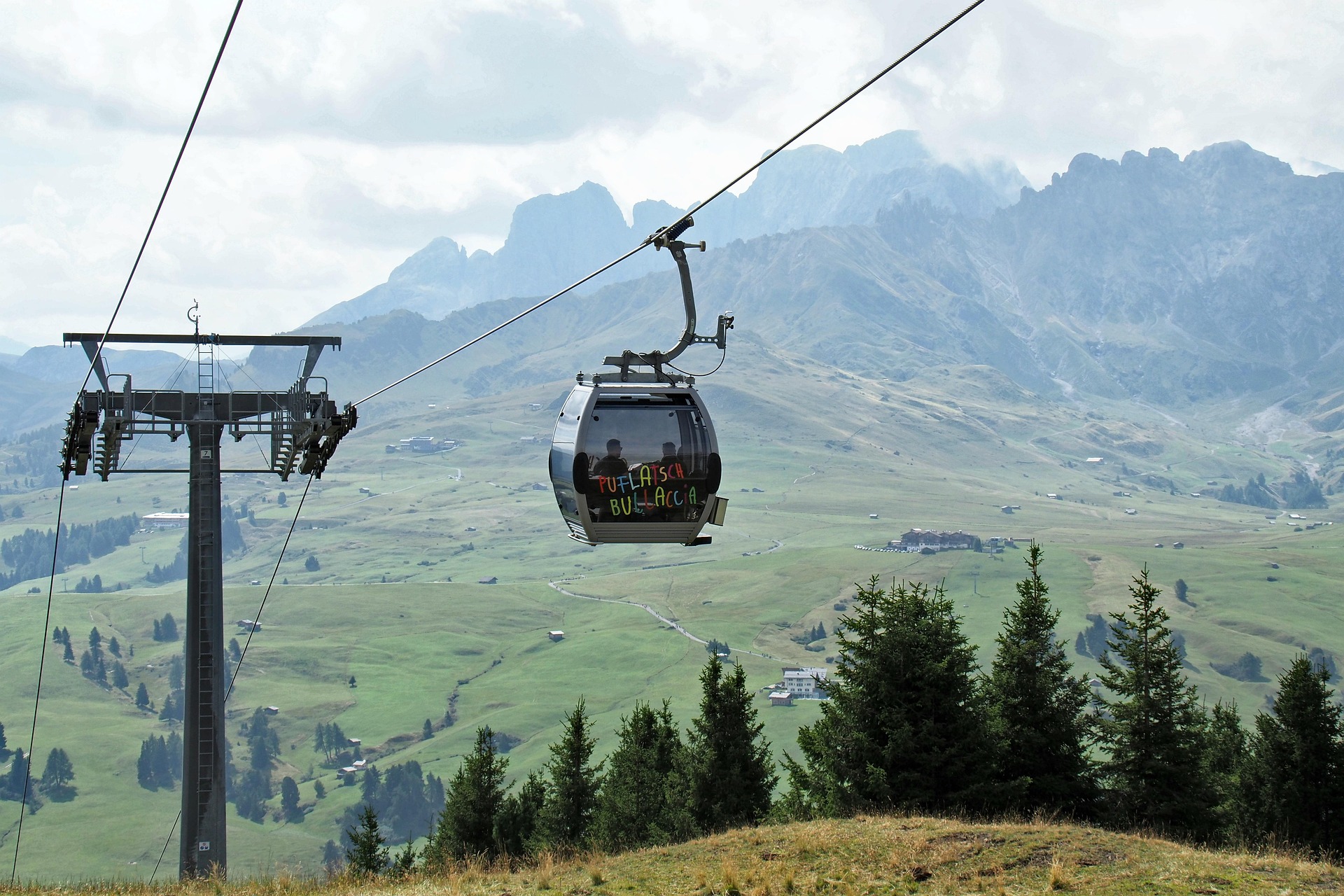
My first view of Alpe di Siusi (Seiser Alm) literally took my breath away—imagine a vast alpine meadow at 1,800m elevation surrounded by towering Dolomite peaks. Covering over 56 square kilometers, it’s Europe’s largest high-altitude plateau.
During summer, the rolling meadows burst with over 790 plant species, including colorful wildflowers from late spring through August. I’ve spent days hiking the gentle trails that cross this natural wonder, with each path offering different mountain perspectives.
Winter transforms Alpe di Siusi into a pristine ski area with 60km of perfectly groomed slopes ideal for beginners and families. The plateau is also popular for cross-country skiing with 80km of tracks.
Access is easy via cable car from Ortisei or driving up from Compatsch (though note that private vehicle access is restricted during daytime hours).
Planning Your Trip
Getting the most out of your Dolomites adventure requires careful preparation for accommodations and weather conditions that can change dramatically across seasons.
Accommodations and Amenities
When visiting the Dolomites, I’ve found that booking accommodations well in advance is essential, especially during peak seasons.
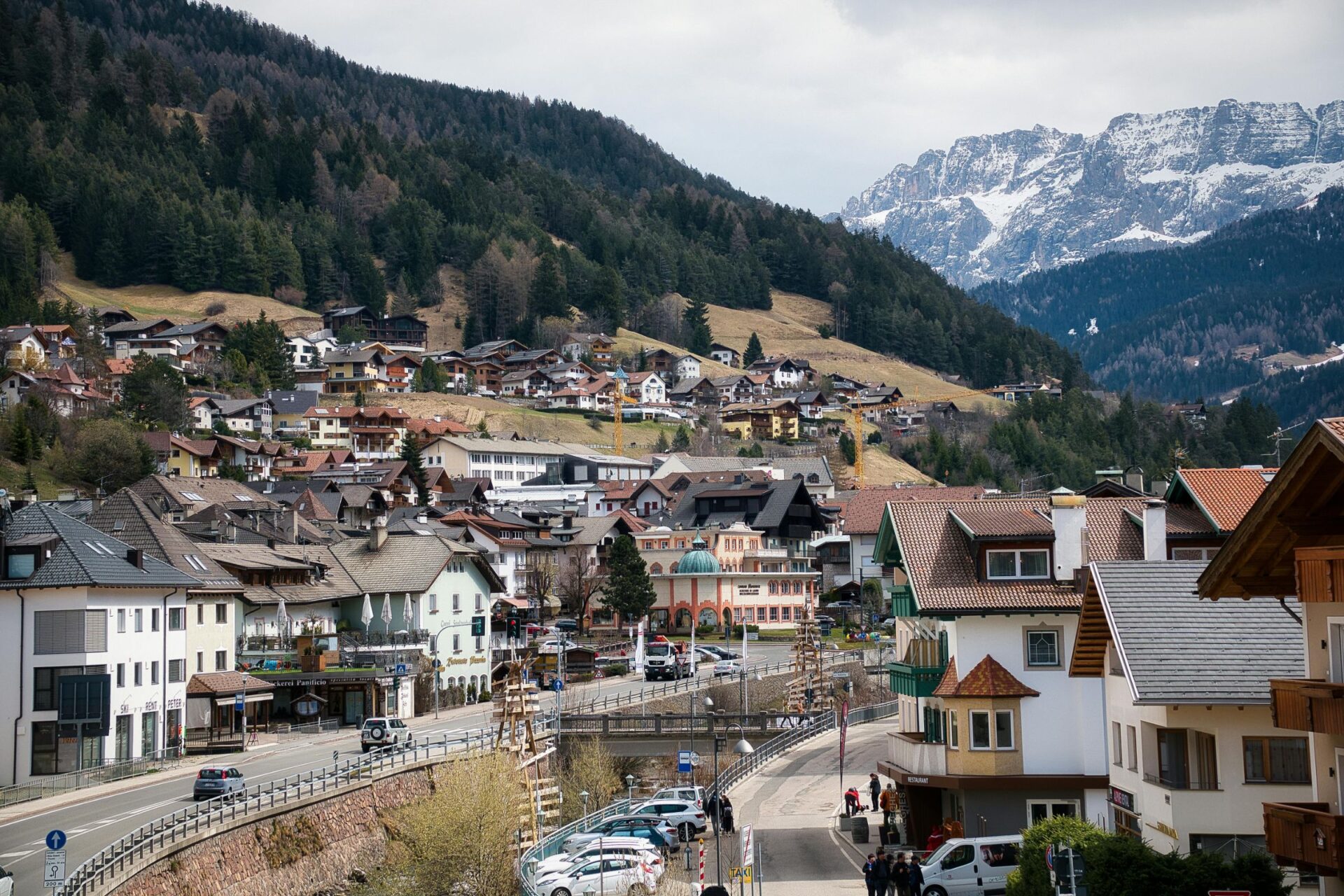
Val Gardena offers excellent options ranging from luxury hotels to cozy mountain huts, while Cortina d’Ampezzo provides more upscale lodging with stunning views.
In South Tyrol, family-run guesthouses called “garni” provide authentic experiences with homemade breakfasts. Many properties in Val di Funes offer farm stays where you can experience traditional Alpine life.
Most accommodations in the region provide amenities like Wi-Fi, but don’t expect high-speed connections in remote areas.
Mountain refuges (rifugios) offer basic necessities including warm meals and beds, though some higher-elevation huts may have limited shower facilities.
For summer visits, look for places with outdoor spaces or balconies. Winter travelers should prioritize accommodations with boot dryers and equipment storage.
Weather Preparedness: From Sunscreen to Snow Gear
The Dolomites’ weather can change rapidly, sometimes experiencing four seasons in one day! I always pack layers regardless of when I visit.
Summer days can be warm (70-80°F), but evenings cool down significantly.
For summer hiking, I bring:
- Waterproof jacket
- Sun protection (hat, sunglasses, SPF 50+ sunscreen)
- Hiking boots with ankle support
- Quick-dry clothing
Winter essentials include:
- Thermal layers
- Waterproof snow gear
- Insulated gloves and hat
- Hand/foot warmers
Mountain weather changes quickly, so you must check forecasts daily. The UV index is higher at elevation, making sunscreen necessary even on cloudy days or in winter.
Also, bring a reusable water bottle. Mountain water sources may be limited, especially on higher trails. Many rifugios offer water refills, but don’t count on finding them everywhere.
