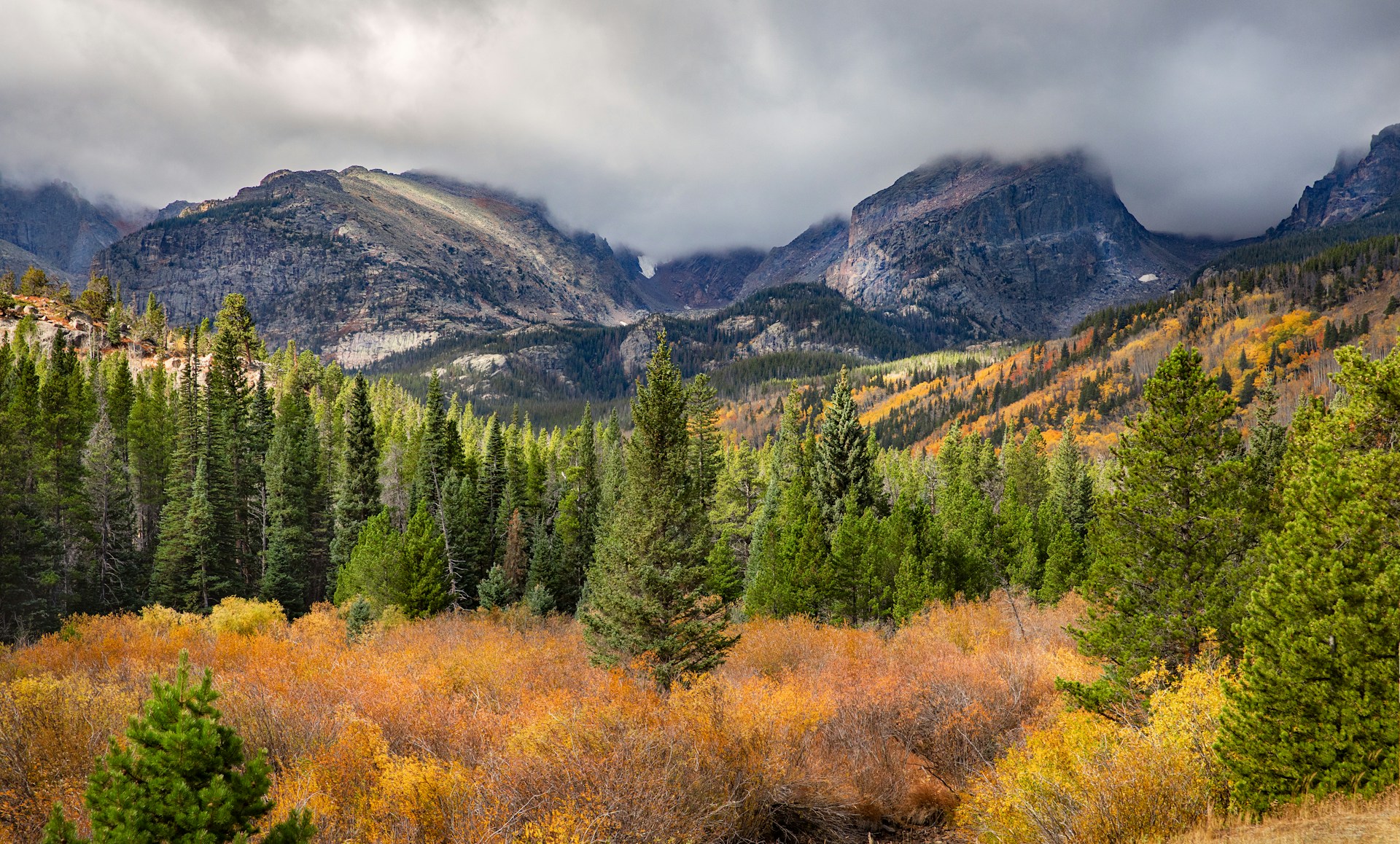
September hits the Rocky Mountains like a burst of gold and amber. Aspen groves start glowing, and suddenly, the whole landscape feels like it’s been dipped in sunlight. If you want to see fall colors at their best, late September to early October is your window. Peak foliage usually lands somewhere between September 18th and 28th. I’ve lost count of how many times I’ve watched this transformation, but honestly, it never gets old. One minute it’s green, the next it’s a riot of autumn gold.
The color change doesn’t happen everywhere at once. Up in the high country, around 9,000 to 11,000 feet, aspens kick off the show in early September. Lower elevations join in by mid to late September. This rolling wave of color gives you more than one chance to catch the Rockies at their brightest.
I’ll show you my favorite scenic drives for leaf peeping, the best mountain towns to base yourself, and the hiking trails where you can actually walk right through tunnels of golden aspens. You’ll find tips for planning your Colorado fall getaway—because timing is everything if you want to see the Rockies at their most jaw-dropping.
The Magic of September: When Fall Colors Peak in the Rockies
September really is when the Rockies put on their best show. Weather, elevation, and tree species all work together, and somehow, it just clicks into this golden canvas of color. It’s not just hype—it’s science and a little bit of mountain magic.
Why September Is Prime for Fall Color Viewing
September brings that sweet spot: warm days, crisp nights. Those chilly nights? They tell the trees to stop making chlorophyll.
Golden aspens are the real stars here. They light up the mountainsides like you wouldn’t believe. I’ve noticed aspens seem to react fast to those temperature swings, so they’re a pretty reliable sign you’ve hit peak season.
You can hike or drive without worrying about snow at lower elevations. Rain isn’t much of a problem, either—not like October. Plus, the crowds thin out after Labor Day, so you get those epic views mostly to yourself.
How Weather and Altitude Influence Peak Color Change
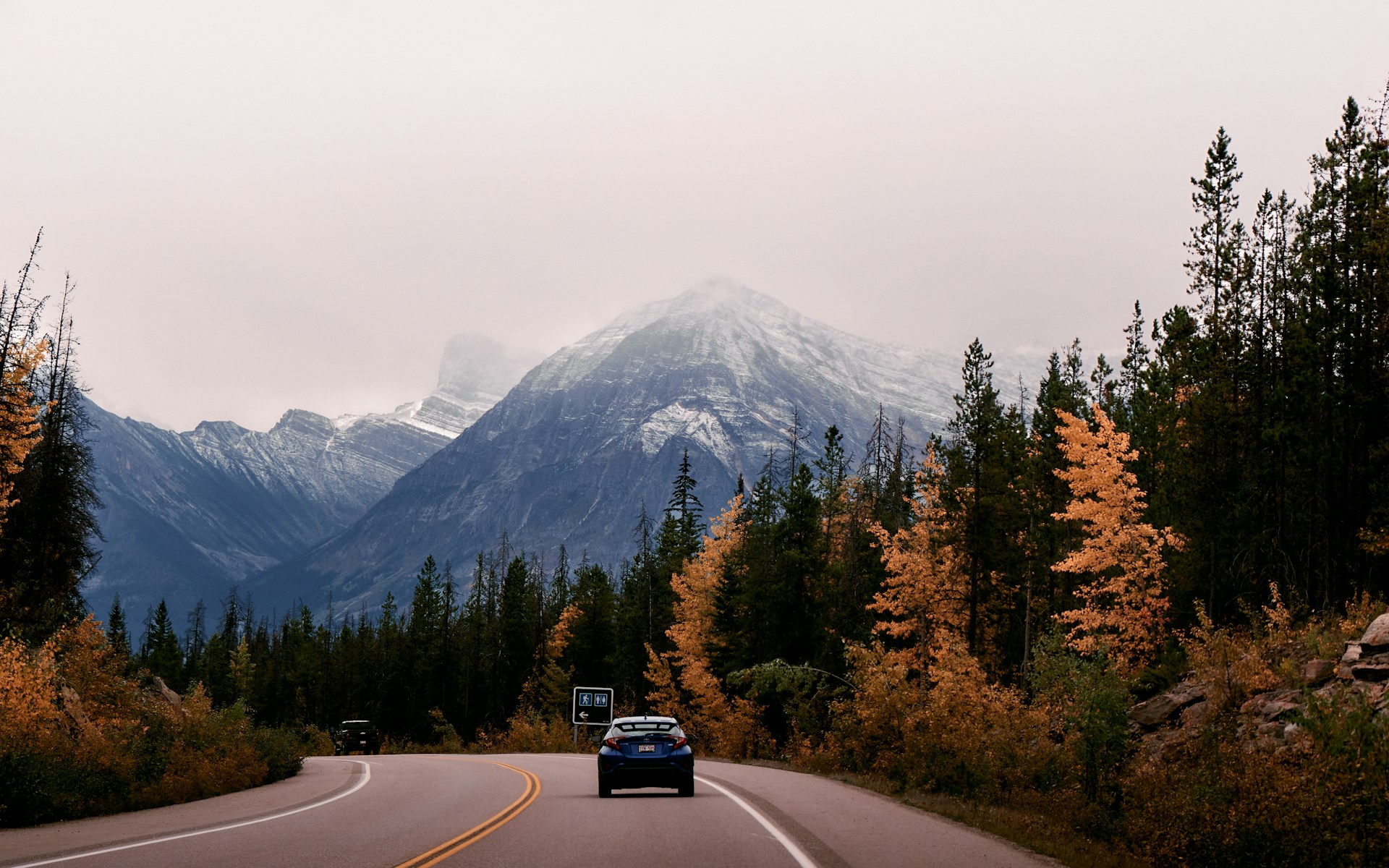
Altitude changes everything. High elevations—think 8,500 feet and up—start turning first, usually by mid-September. As the days go by and temps drop, the color slides down the mountain.
Cold nights speed up color changes. Warm days keep the leaves hanging on a bit longer. If it gets too hot, the whole thing slows down. But if there’s an early frost? The leaves can bail out fast.
I’ve seen north-facing slopes turn before the southern ones. They get less sun, so they stay cooler. Valleys that are sheltered from the wind? They hold onto their colors longer.
Dry years bring out more intense colors, but too much rain or a windstorm can ruin everything overnight. Nature keeps you guessing.
Typical Foliage Timelines in Different Mountain Regions
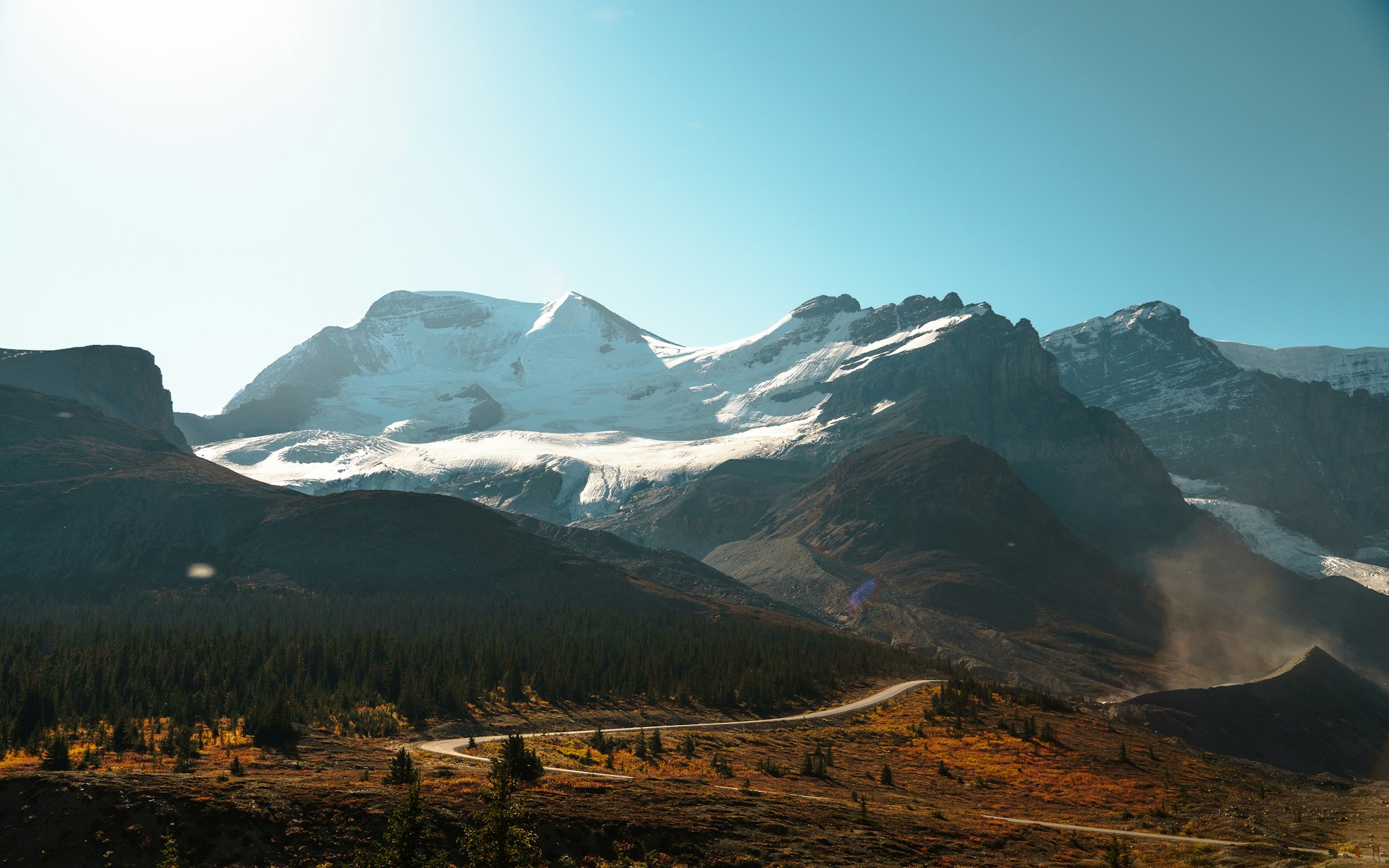
Here’s when you can expect the Rockies to hit their stride:
High Country (Above 8,500 feet):
- Early September: Colors start popping
- Mid-September: Peak aspen gold
- Late September: Colors begin to fade
Mid-Elevations (7,000-8,500 feet):
- Mid-September: Colors emerge
- Late September: Prime viewing
- Early October: Still going strong
Foothills (Below 7,000 feet):
- Late September: Colors kick off
- Early October: Peak season
- Mid-October: Fading fast
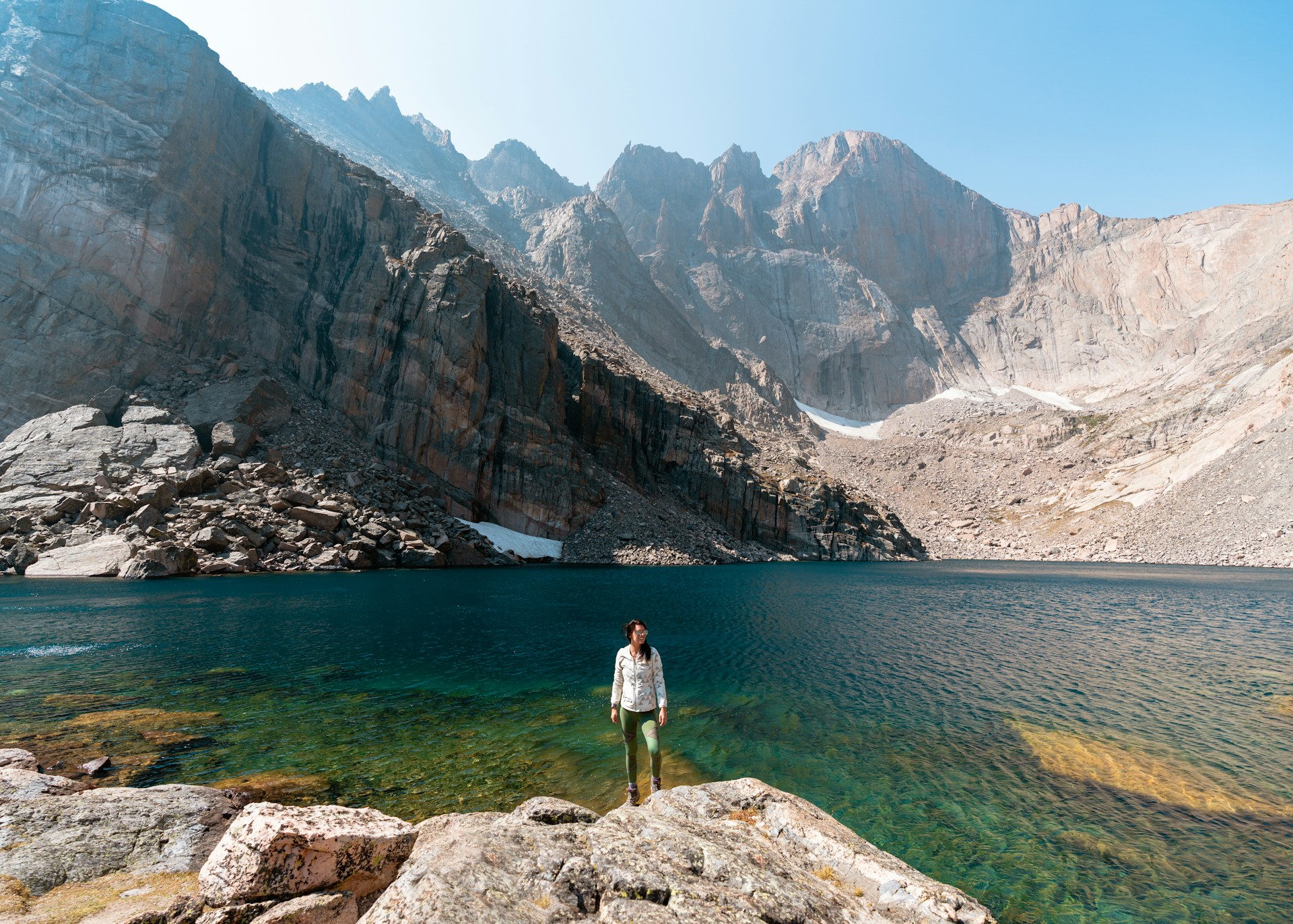
Rocky Mountain National Park usually hits its stride between September 18-28. The Peak-to-Peak Highway is gorgeous from mid to late September. If you want to catch the action at different elevations, aim for the third week of September.
Iconic Scenic Drives to Experience Autumn Splendor
The Rockies have a few drives that are just legendary in September. If you love road trips, these routes will spoil you—each one has its own vibe, from cozy forest tunnels to huge mountain vistas.
Kebler Pass: Home to Towering Aspen Groves
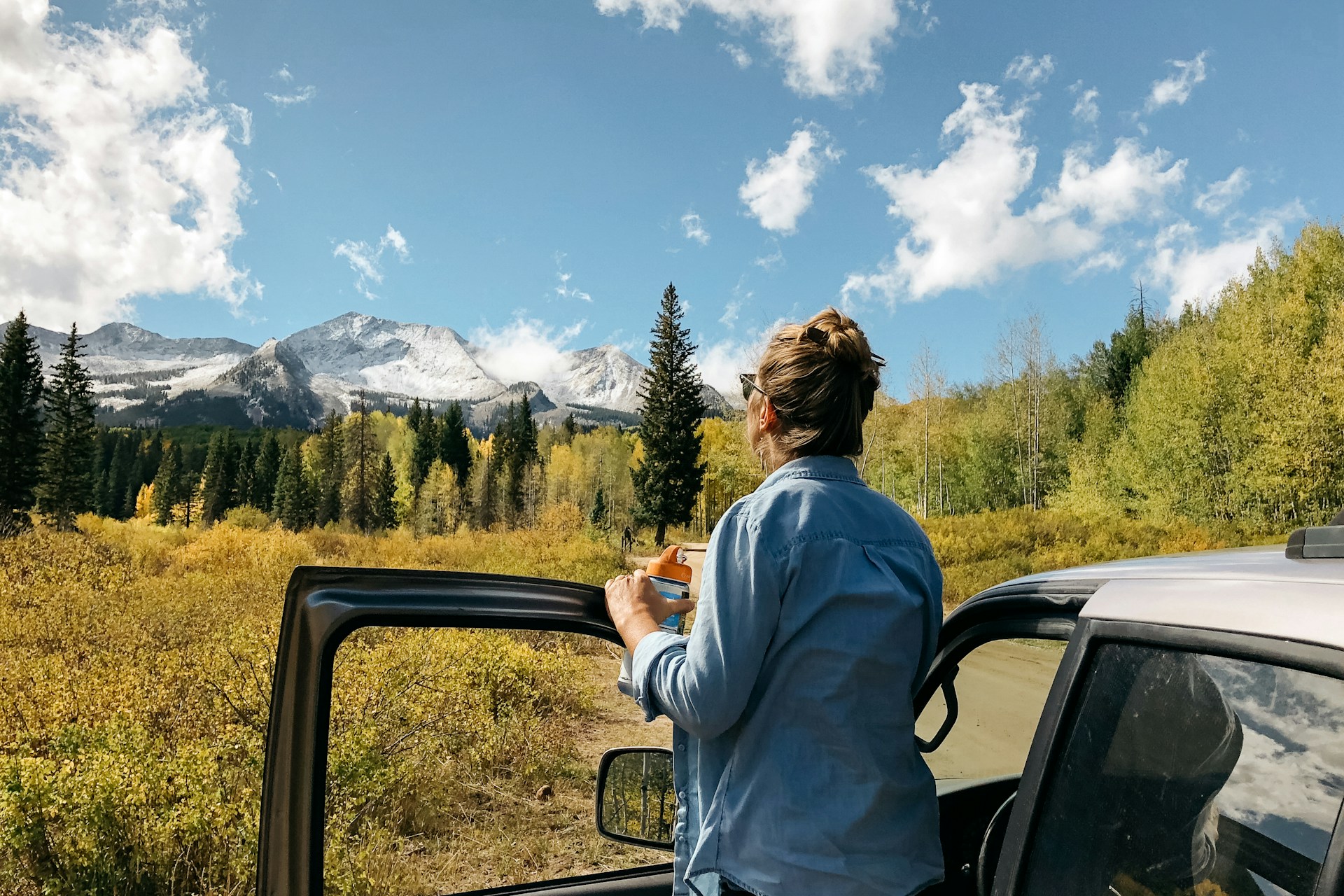
Kebler Pass is my personal favorite. Seriously, nothing beats it for aspen viewing. This 30-mile stretch connects Crested Butte to Highway 133 and winds right through North America’s largest aspen grove.
The road climbs up to 10,007 feet. On both sides, the aspens shoot up nearly 100 feet—sometimes it feels like you’re driving through a golden cathedral.
Don’t miss:
- Kebler Pass summit for those sweeping mountain views
- Lake Irwin turnoff if you want that perfect reflection shot
- Ohio Creek Road junction where the aspens form a tunnel overhead
You’ll usually catch peak color between September 15-30. The dirt sections can get a little bumpy, but most cars can handle it.
I always start from Crested Butte at sunrise. The light is better, and you’ll have the road mostly to yourself.
San Juan Skyway and the Million Dollar Highway
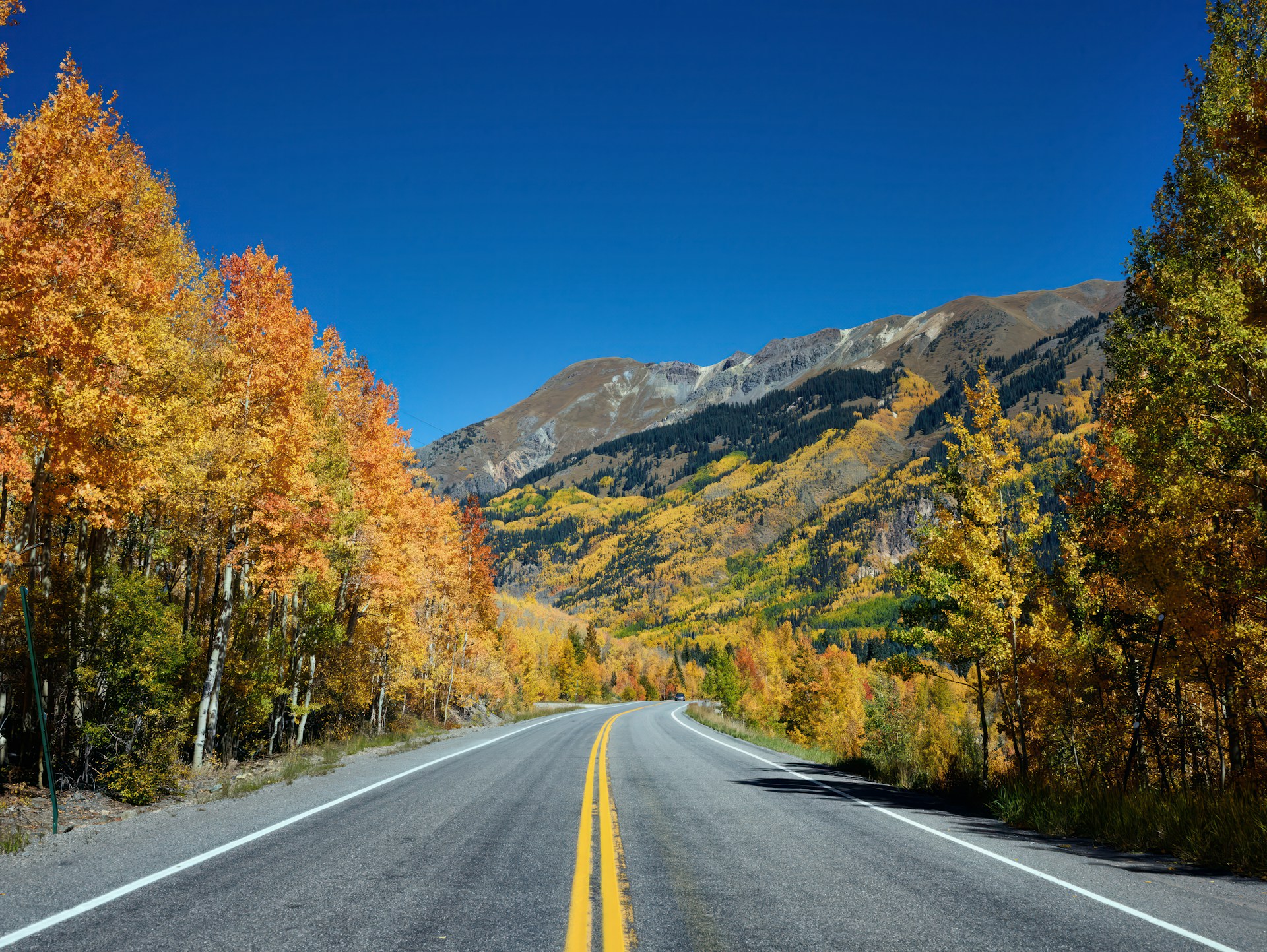
The San Juan Skyway is a 236-mile loop through some of Colorado’s wildest country. But the real highlight is the Million Dollar Highway between Silverton and Ouray—those fall colors are unreal.
This stretch climbs up to 11,018 feet at Red Mountain Pass. Golden aspens pop against the red rocks and, if you’re lucky, some early snow up high.
Highlights:
- Molas Pass for huge views of the Needle Mountains
- Red Mountain Pass with its crazy geology and mining history
- Uncompahgre Gorge where waterfalls spill down canyon walls
The road gets steep and twisty, and there aren’t always guardrails. I only drive it during the day and always check the weather first.
Aspens here hit their peak from mid-September to early October. If you want to drive the whole skyway, plan on a full day with plenty of stops.
Trail Ridge Road: Panoramas of the Rockies
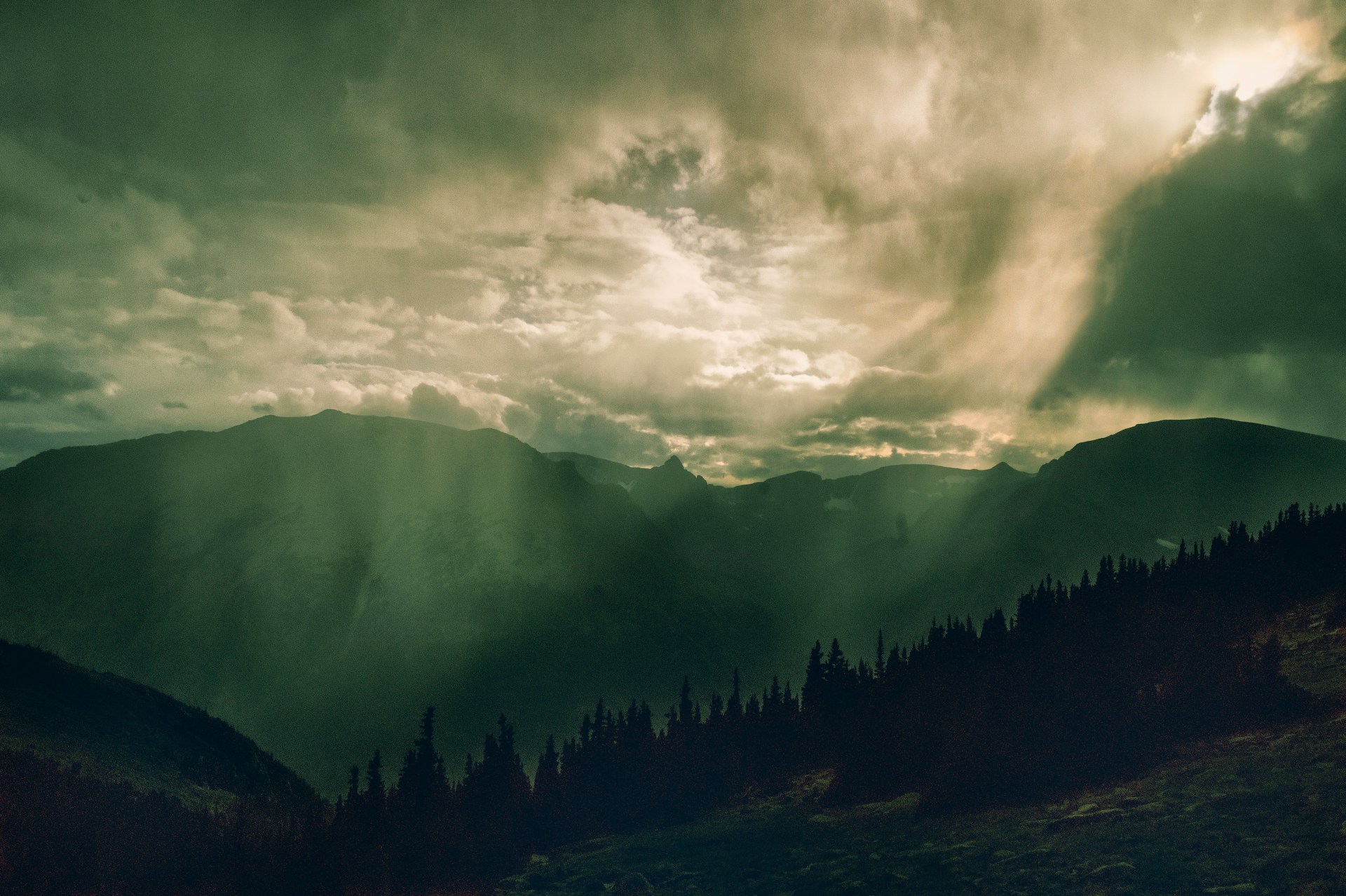
Trail Ridge Road is the highest continuous paved road in the country, topping out at 12,183 feet. The views of the Continental Divide are just wild.
Lower down, between 8,000-10,000 feet, the aspens are the main event. Above treeline, the tundra itself turns red and gold.
The 48-mile route links Estes Park and Grand Lake. Weather changes fast up here—don’t be surprised by a random snow squall, even in September.
My go-to stops:
- Many Parks Curve for classic aspen vistas
- Forest Canyon Overlook for deep valley views
- Alpine Visitor Center if you want to stand at the very top
I always hit the road early to dodge afternoon storms. By mid-October, snow usually closes things down, so September is your shot for both aspens and those big alpine views.
Must-Visit Towns and Destinations for Leaf Peepers
Some Colorado mountain towns just nail fall. They’ve got the views, the charm, and the perfect base camps for exploring. Here are a few I always recommend for a September trip.
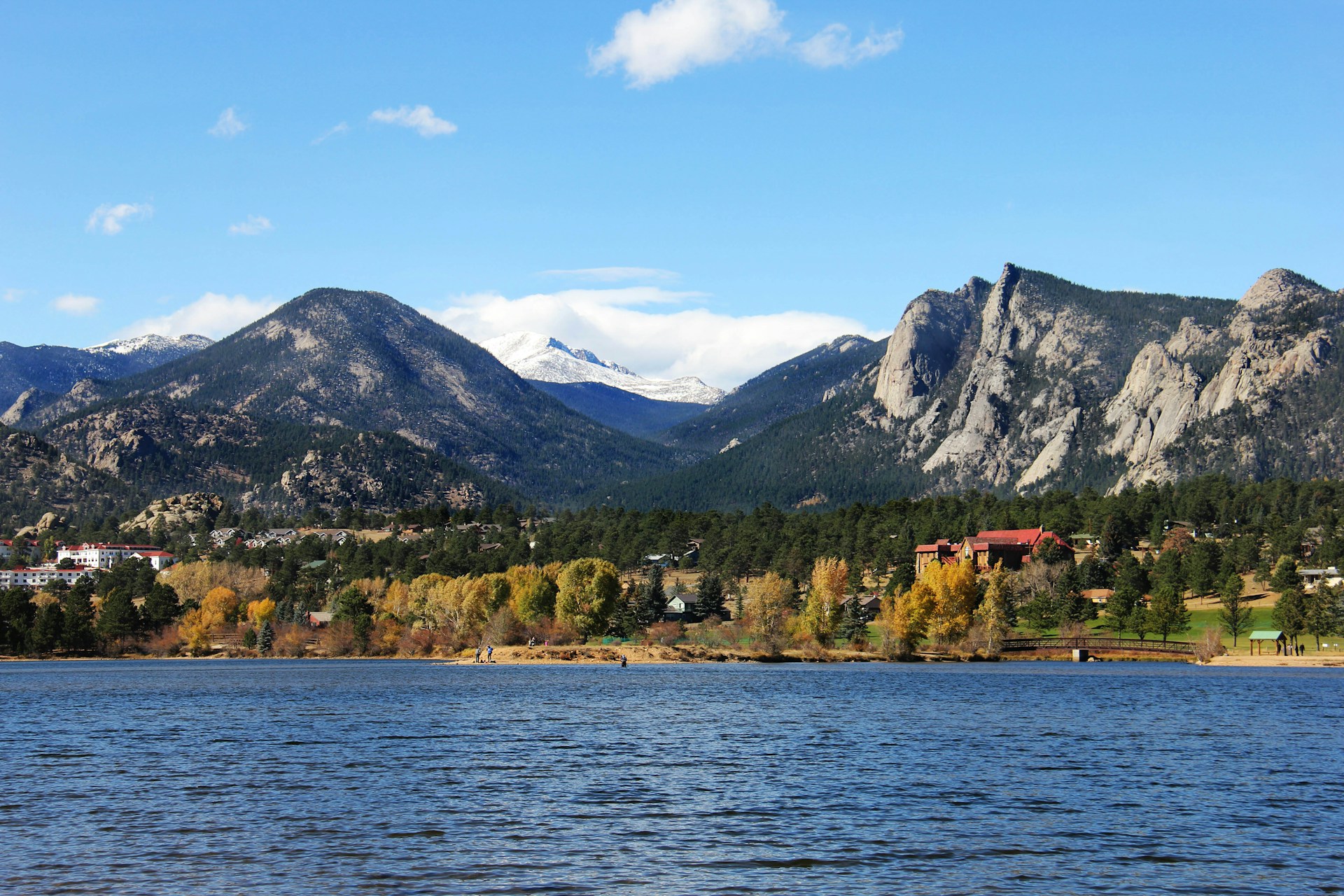
Estes Park and Access to Rocky Mountain National Park
Estes Park sits right at the entrance to Rocky Mountain National Park. If you want to see aspens, this is a great place to start. Colors usually peak the third week of September.
From town, you can easily hop on Trail Ridge Road. The drive climbs all the way to 12,183 feet, showing off aspen gold below and tundra color above.
Bear Lake Road is my top pick for photos. The aspens here just glow against the evergreens. Go early in the morning for the best light and fewer people.
Downtown has plenty of places to stay, and the historic Stanley Hotel is always a fun option.
Favorite fall walks:
- Sprague Lake Trail (an easy 0.9-mile loop)
- Alberta Falls Trail (1.6 miles roundtrip)
- Lily Lake (wheelchair accessible boardwalk)
Telluride and the San Juan Mountains
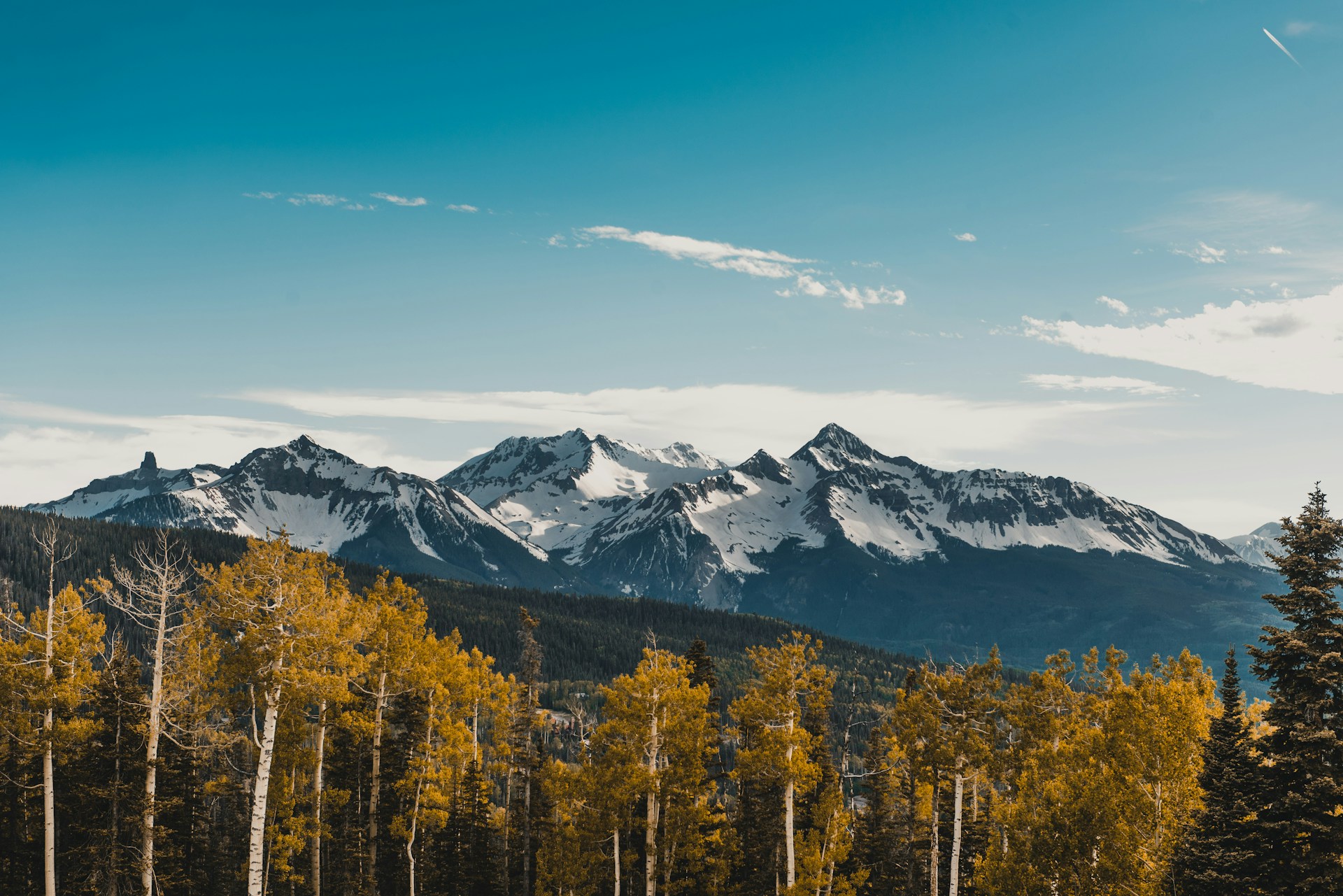
Telluride sits deep in the San Juan Mountains and gets absolutely blanketed in aspen gold. Peak color usually happens mid to late September.
The Telluride Gondola gives you a bird’s-eye view of the whole valley. I never skip this free ride—it’s the easiest way to see fall colors from above.
Last Dollar Road is a dirt track that winds through thick aspen groves between Telluride and Dallas Divide. Give yourself about 45 minutes each way, maybe more if you keep stopping for photos.
Bridal Veil Falls Trail is a 2.4-mile hike to Colorado’s tallest free-falling waterfall, and the aspens along the way are stunning.
Main Street is all Victorian buildings and mountain views. If you’re around mid-September, check out the Telluride Blues & Brews Festival.
Steamboat Springs and Surrounding Wilderness
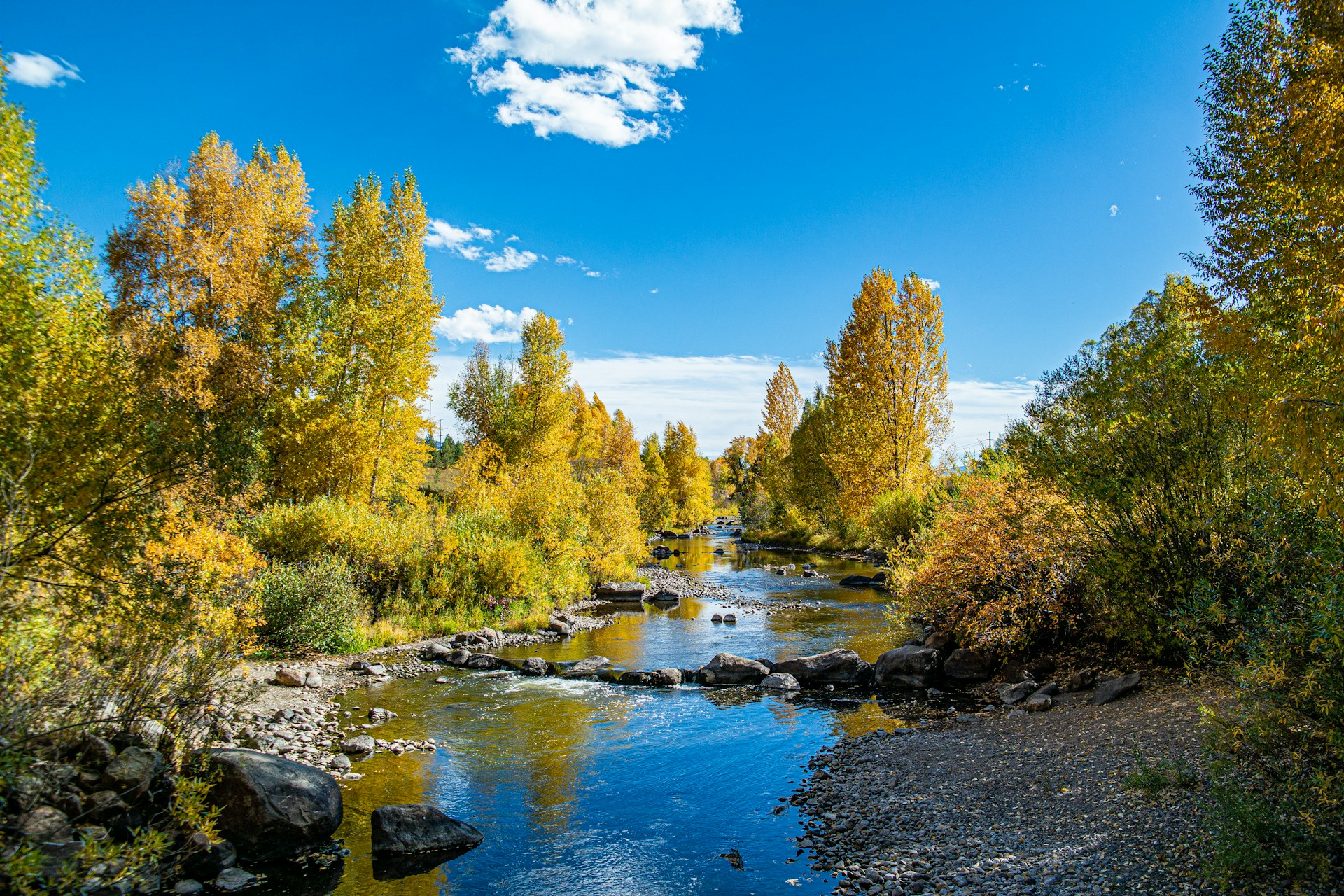
Steamboat Springs is a little more under the radar, and that’s part of its charm. The aspens usually peak around September 20th, and you won’t be fighting crowds.
Rabbit Ears Pass on Highway 40 is a must-drive for roadside color. I like to pull over at the various overlooks—the views just keep coming.
Fish Creek Falls is an easy, mostly flat mile-long walk to a 283-foot waterfall, surrounded by aspen groves.
You can take the gondola up Mount Werner for wide-open views of the Yampa Valley, all lit up in gold.
After a day of hiking, nothing beats a soak in the Strawberry Park Hot Springs. The whole area is wrapped in aspen forest.
Routt National Forest surrounds Steamboat, so you’ve got endless options for hiking and exploring.
Ouray: The Switzerland of America
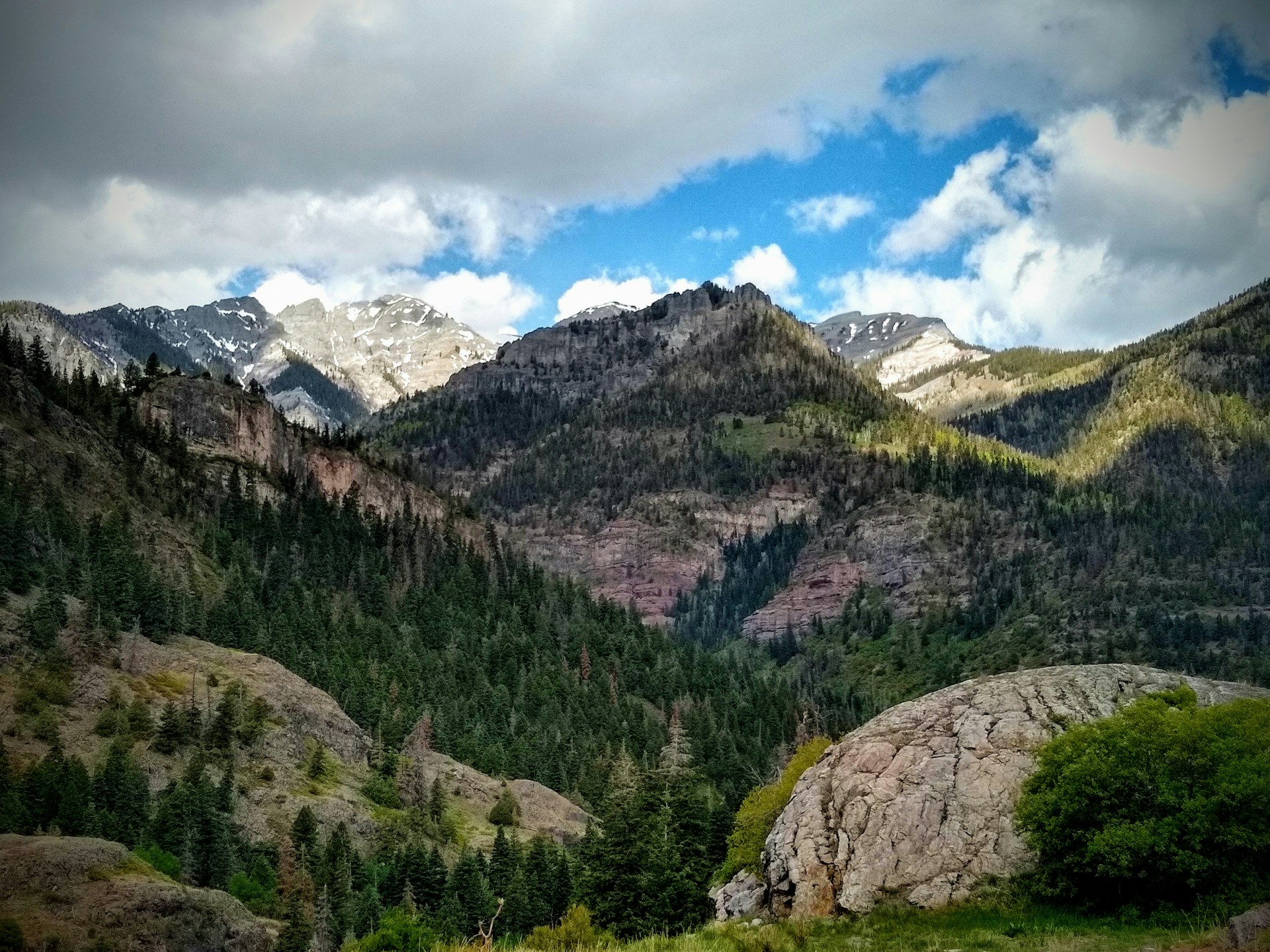
Ouray is tiny but epic, ringed by jagged peaks—there’s a reason people call it the Switzerland of America. Fall colors here are short-lived but intense, usually peaking mid-September.
The Million Dollar Highway (US 550) between Ouray and Silverton is a showstopper. Aspens line the road as it twists up through the mountains.
Box Canyon Falls is a quick walk (about 10 minutes) to a 285-foot waterfall, framed by golden aspens.
Perimeter Trail loops around Ouray for 3.2 easy miles, with mountain and fall color views the whole way.
The town has hot springs and a handful of beautiful old Victorian buildings. The Ouray Hot Springs Pool stays open all year, surrounded by mountains.
Best Hiking and Outdoor Adventures Among the Fall Colors
September turns the trails into golden corridors. Aspens form these glowing tunnels that you just have to see in person. Some of the best hikes are lake walks and high passes where the colors really pop.
Top Trails for Immersing in Aspen Gold
Alberta Falls in Rocky Mountain National Park is one of my favorites for aspen color. The 1.7-mile round trip is easy and winds through dense groves that light up in late September.
Cub Lake Trail is another solid choice. It’s 4.6 miles and takes you under towering aspen canopies—sometimes it feels like you’re walking through a painting.
If you want a bigger challenge, check out the Longs Peak Valley Loop. At 23.2 miles, it’s a monster, but you’ll spend hours surrounded by golden aspens.
Trail difficulty runs from easy to tough, so I always check recent trail reports before heading out. You never know what you’ll find in the mountains, but that’s half the fun.
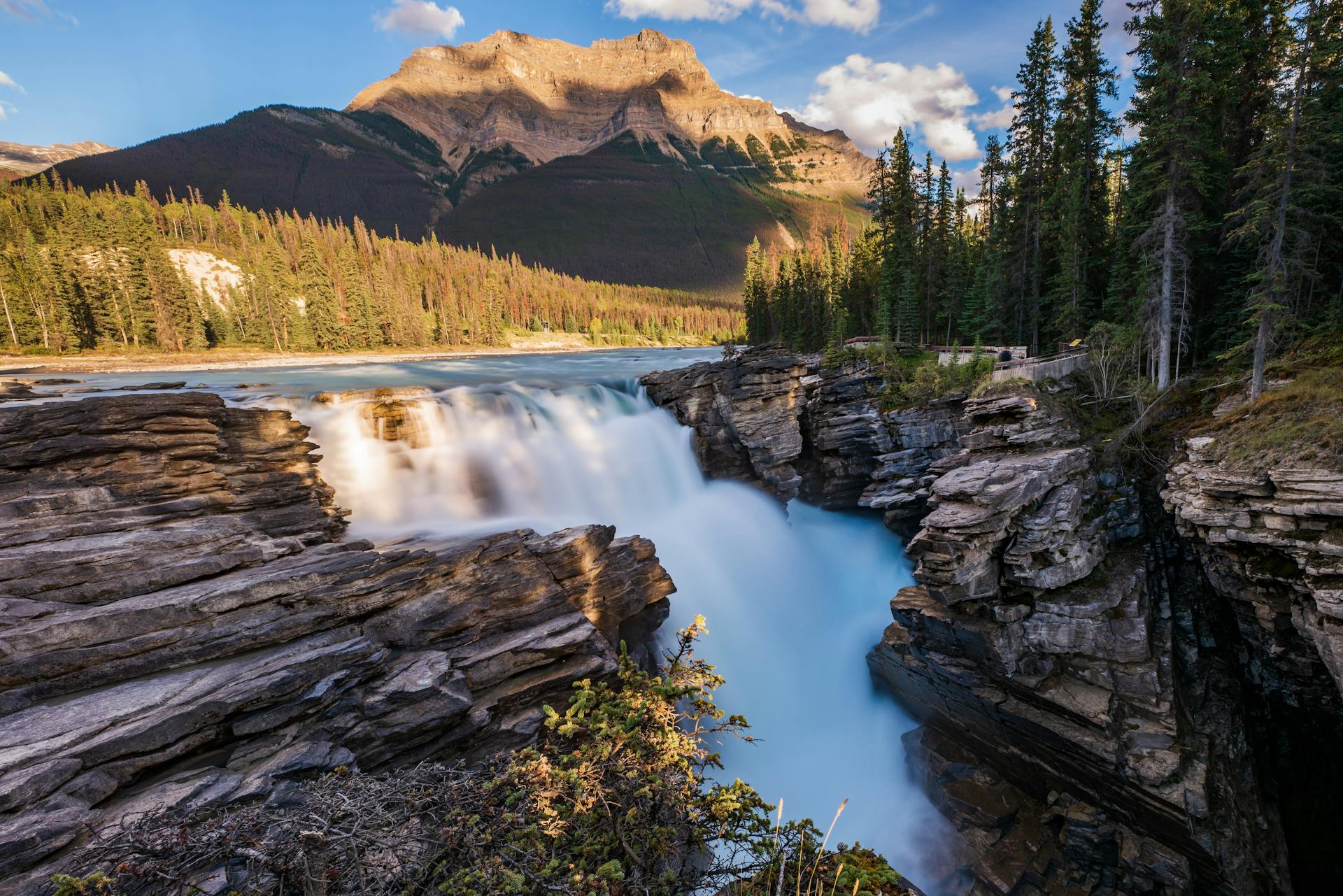
Bear Lake and Other Picturesque Vistas
Bear Lake? It’s my favorite spot for catching those classic fall colors mirrored in the mountains. The loop around the lake is only 0.8 miles—just a half hour stroll—and you get aspen views that honestly stop you in your tracks.
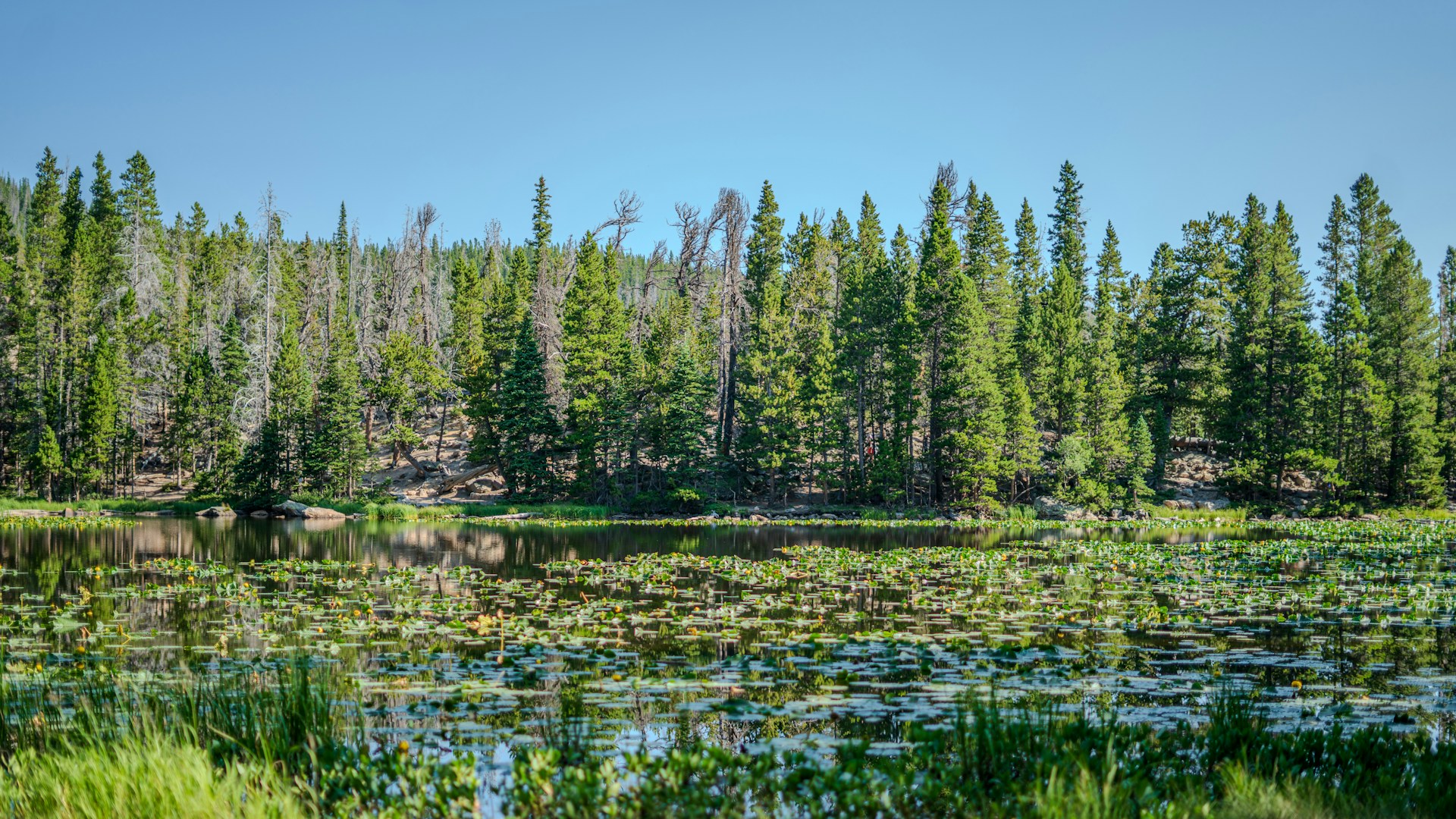
If you’re feeling adventurous, head from Bear Lake to Nymph Lake (a total of 1.8 miles) or stretch it out to Dream Lake (2.2 miles). Both trails serve up unreal photo ops, with aspens perfectly framing the alpine water.
Sprague Lake is another gem. The trail is just 0.9 miles round trip and fully wheelchair-accessible. Golden aspens reflect on the still water, and you barely have to break a sweat.
Short hikes like these are perfect for families, or honestly anyone who wants those autumn views without committing to a marathon.
Kenosha Pass: A Hiker’s Autumn Dream
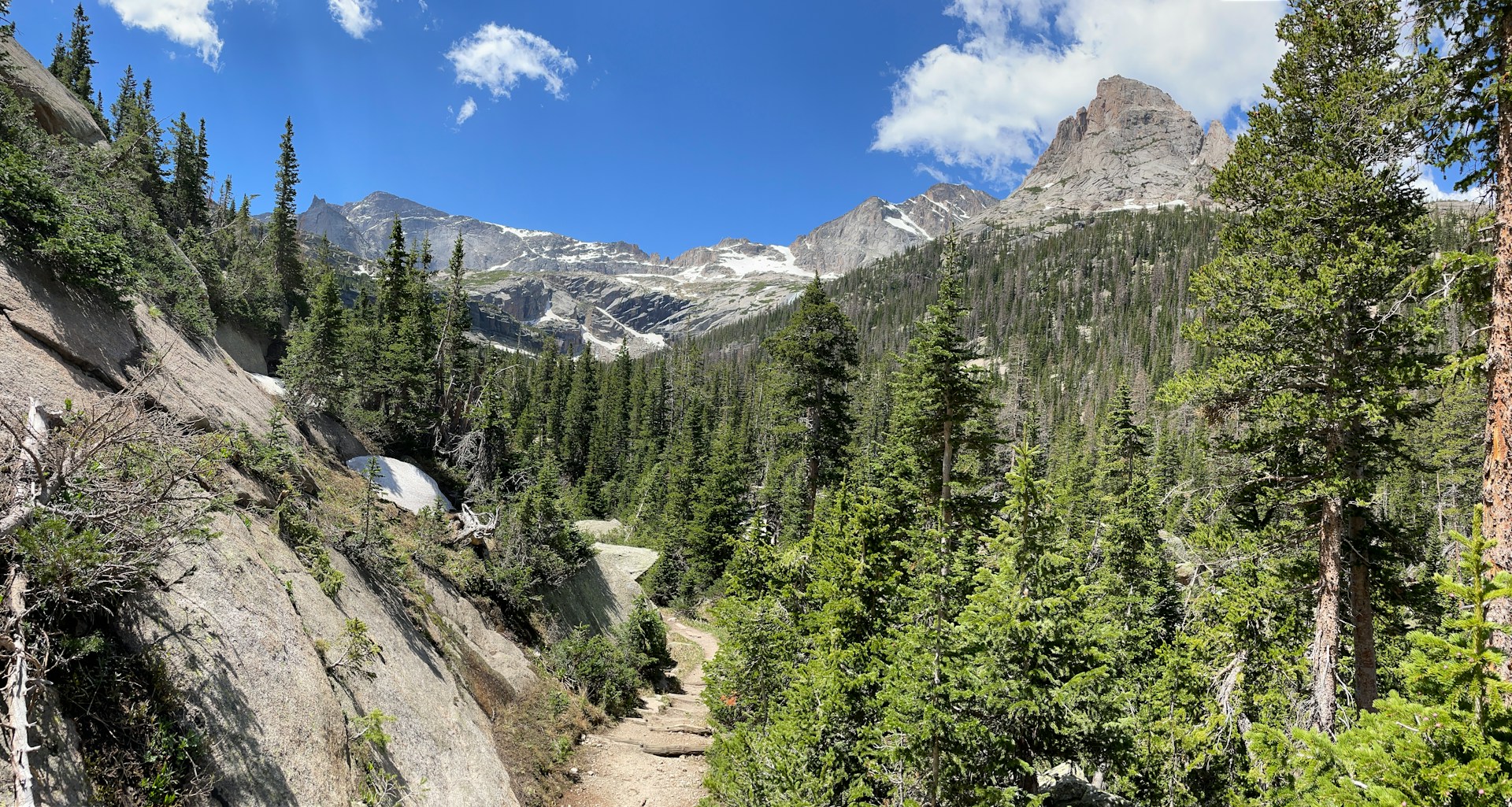
Kenosha Pass sits high at 10,001 feet on Highway 285, about an hour southwest of Denver. I always think of it as one of the best places in Colorado for aspen gazing when fall hits its stride.
The Colorado Trail cuts right through the pass, and you can choose your own adventure—quick walks for instant aspen therapy or longer treks if you want to get lost in gold.
Timing makes all the difference. I try to visit between September 18 and 28, when the colors absolutely pop. Up here, the aspens turn before the lower valleys even start to fade.
Parking? It disappears fast on weekends. I usually roll in early, or better yet, swing by on a weekday. The pass has both east and west slopes, so you get different light and moods as the day goes on.
Practical Tips for Planning Your Colorado Fall Escape
Planning a Colorado fall trip isn’t just about picking a date and hoping for the best. You’ve got to think about timing, altitude challenges, and even the occasional moose sighting. Knowing when the colors peak and how to prep for the mountains can make or break your trip.
Timing Your Visit for Peak Color
Here’s my go-to strategy: plan around elevation and your spot in the Rockies. Northern Colorado usually hits peak color mid to late September—think around September 14-15 and 21-22.
Central Colorado follows a bit later. Late September into early October is your window, with September 28-29 and October 5-6 standing out.
Southern Colorado holds out even longer. Early to mid-October works best—circle October 5-6 and 12-13 on your calendar.
Higher elevations always change first. The color wave starts up high, then rolls downhill. Most of the show happens between 6,000 and 10,000 feet. Go much higher and the trees just can’t hack it.
Dealing with High Altitude and Changing Weather
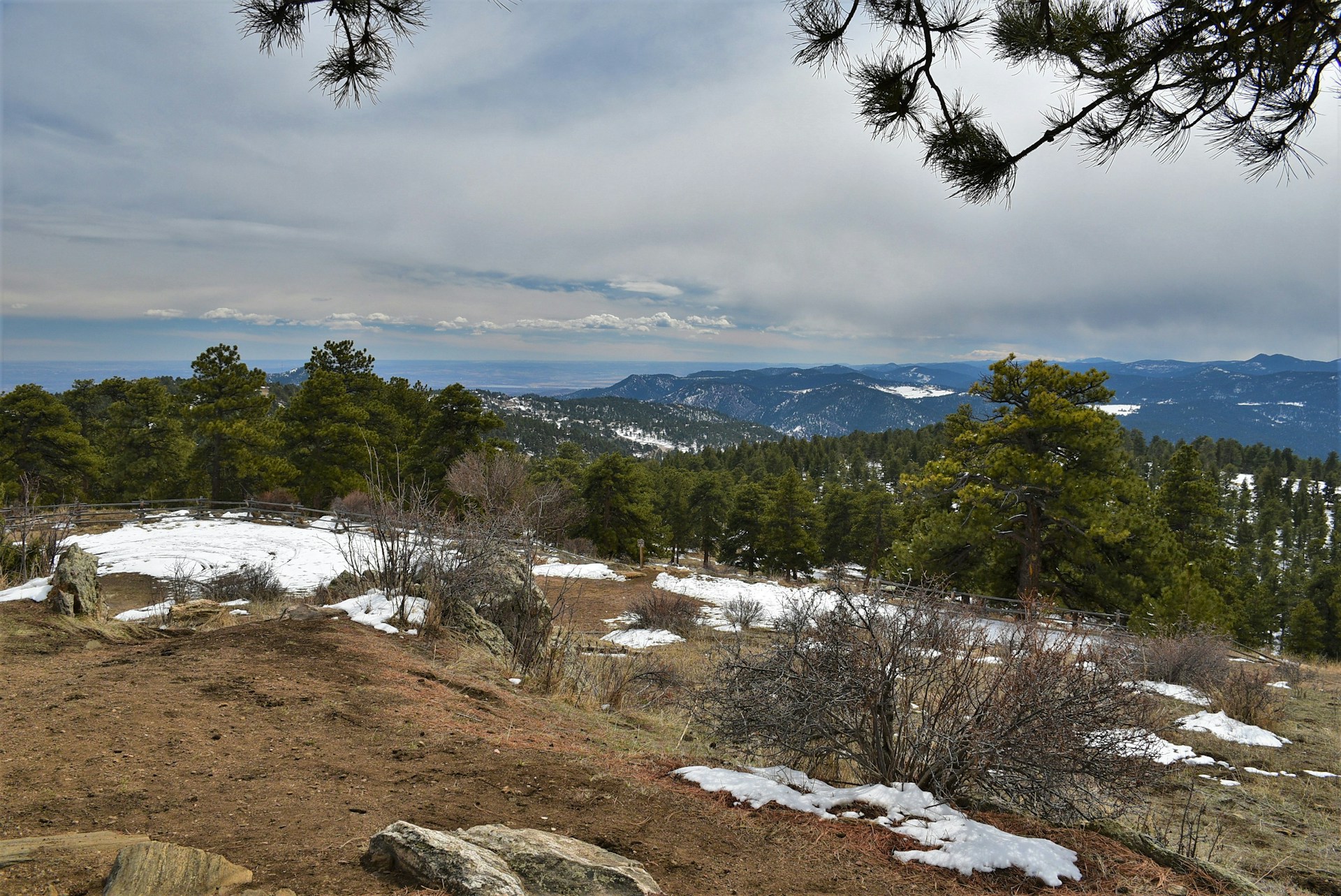
Altitude sneaks up on you, so don’t underestimate it. I usually grab a small can of oxygen at a gas station, just in case.
The sun feels relentless up here. Slather on sunscreen and reapply, even if it’s chilly. Trust me, a cool breeze doesn’t stop a sunburn.
Layers are your best friend. Weather in the mountains flips fast, especially in September and October. I always pack a warm jacket, something waterproof, and boots I don’t mind getting muddy.
Drink more water than you think you need. I keep a hydration pack or a couple of bottles handy, since it’s easy to get dehydrated at altitude.
And don’t forget to charge your phone and camera before you head out. You’ll want every bit of battery for those jaw-dropping fall shots in Rocky Mountain National Park.
Wildlife Viewing and Safety
September in the Rockies? Wildlife everywhere. Elk really steal the show during rutting season—honestly, you’ll spot them all over the place.
I always keep at least 25 yards away from elk and deer. Trust me, they get feisty in the fall. Tempting as it is, don’t try to get close or feed them. Just watch and enjoy from a safe spot.
If you’re hiking, make some noise along the trail. Bears are out and about, getting ready for winter, and you definitely don’t want to surprise one. I never hit the trails in Rocky Mountain National Park without bear spray.
Camping here? Stash your food and anything scented the right way. Bear boxes are a lifesaver, or you can hang your food up—aim for at least 12 feet high and 4 feet out from any tree trunk.
You’ll notice animals get more active near roads, especially around dawn and dusk. Slow down when you’re driving through the mountains. Wildlife seems to pop up when you least expect it.