
When you think of Tenerife, snow probably isn’t the first thing that pops into your head. Most people imagine endless sunshine, volcanic landscapes, and warm breezes.
So, imagine my shock when I looked up and saw Mount Teide’s peak covered in snow. Spain’s highest mountain sometimes puts on a glittering white coat in winter, and it turns the heart of Tenerife into this wild winter wonderland.
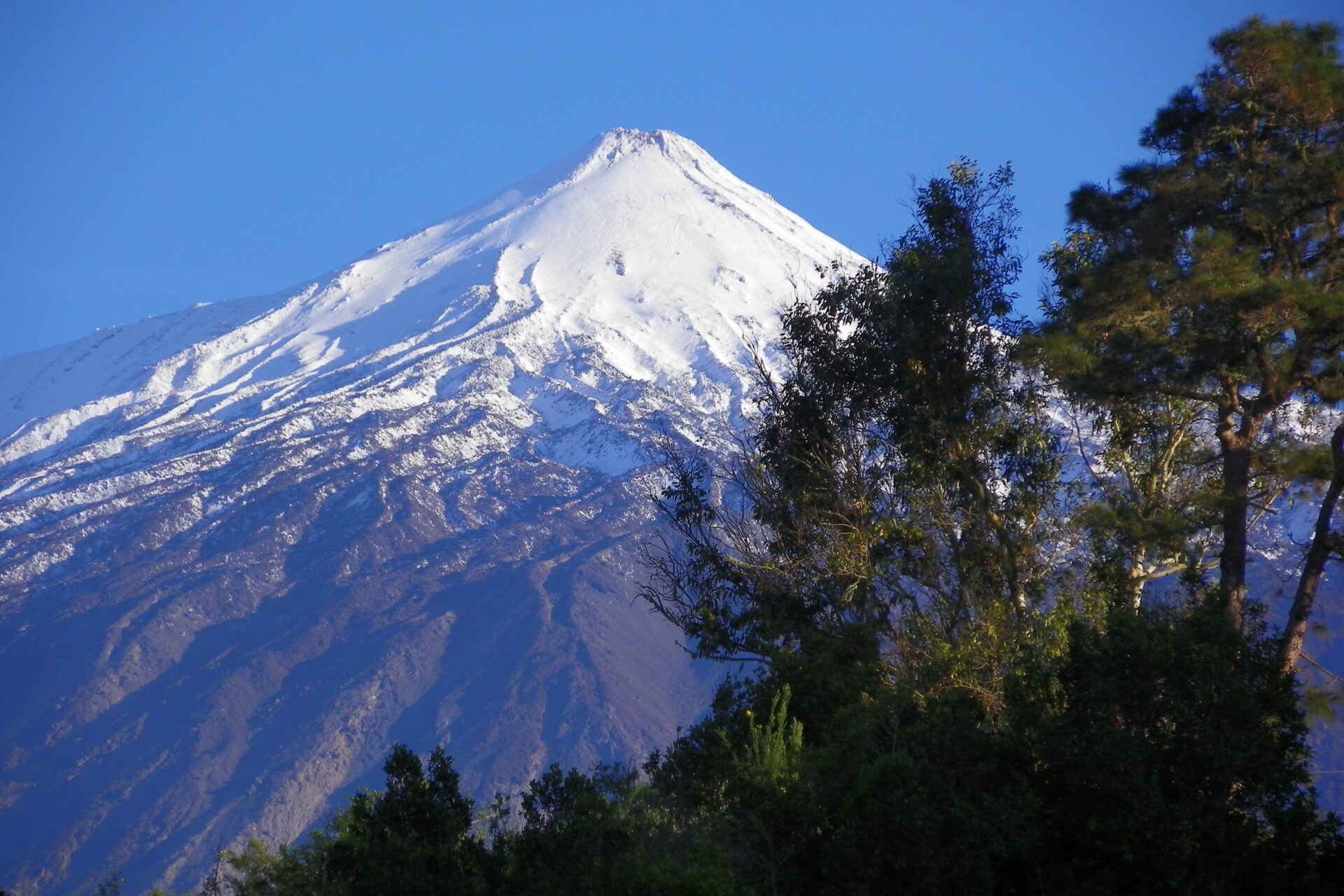
I still remember standing in Teide National Park, jaw dropped, staring at those streaks of snow against the rusty volcanic rock. The air felt crisp, the sky looked impossibly blue, and the snowy summit just seemed to glow. On a subtropical island, it all felt a bit unreal.
Turns out, this is a rare sight—most visitors never catch it. If you’re curious about snow in the Canary Islands or want to see Teide’s icy crown for yourself, I’ve got tips and stories to share.
Keep reading for how to spot snow on Teide and what you’ll want to know for a safe, unforgettable winter visit.
Discovering Snow on Mount Teide: A Rare Winter Marvel
I honestly didn’t expect to see snow on Mount Teide during my trip to Tenerife. With its “eternal spring” reputation, the island still manages to surprise you when the volcano’s summit turns white.
This mix of volcanic rock and snow creates a scene you wouldn’t find anywhere else in the Canaries.
The Unexpected Sight: White-Capped Teide in Sunny Tenerife
I’d always pictured Tenerife as all sun and beaches. Standing in Teide National Park, I found myself surrounded by snow.
Those white patches on El Teide’s summit looked almost fake against the black rock.
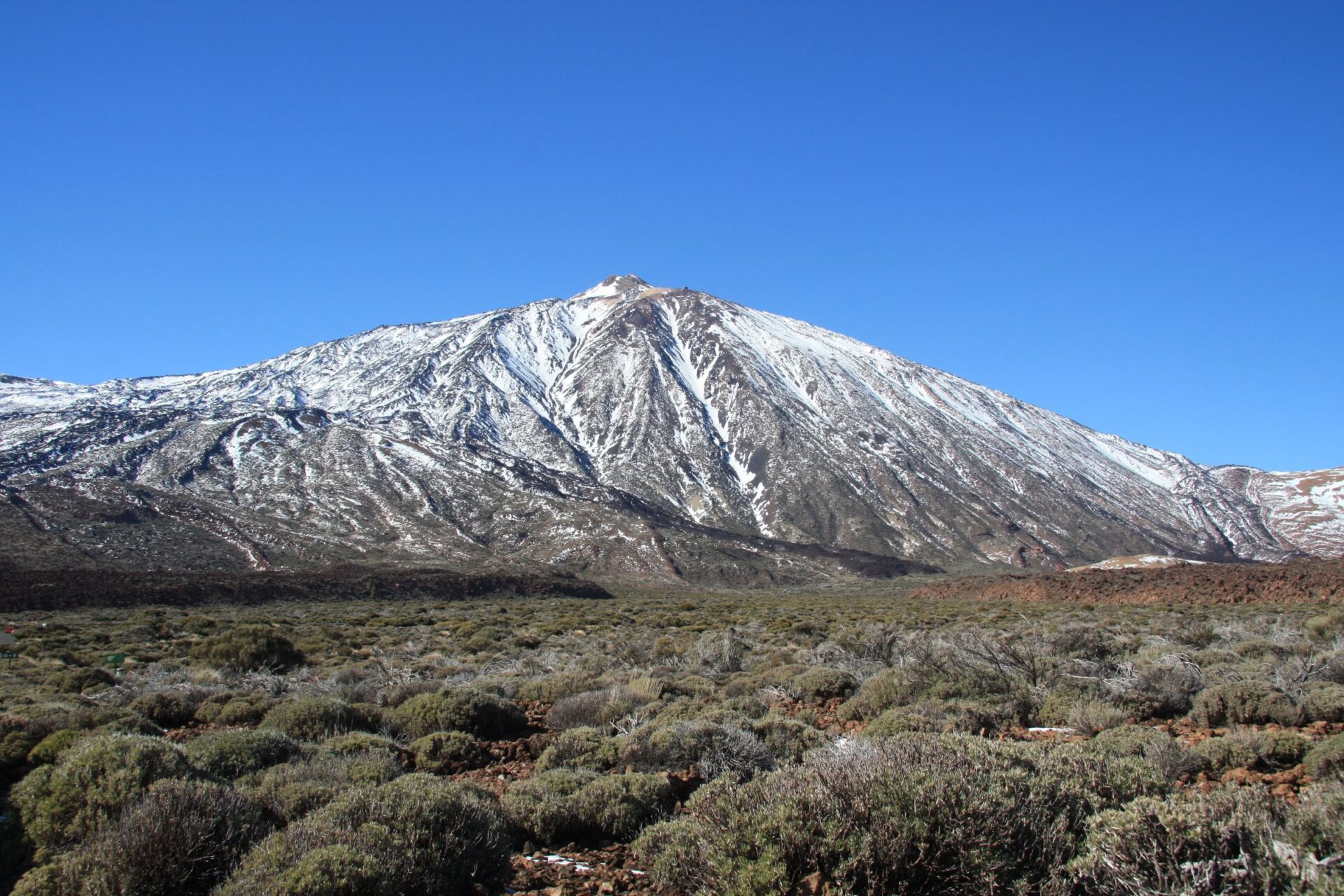
The contrast made for some wild photos. As I drove up, pine forests faded into icy slopes and frosted lava fields.
It honestly felt like two different worlds in a single day—coastal sunshine in the morning, then crunching through snow that afternoon.
Seeing Spain’s highest peak with a snowline isn’t just pretty—it really shows how Tenerife’s climate can flip on a dime. Locals and tourists dash up the mountain when snow falls, just to snap a shot of Teide’s white hat.
How Climate and Trade Winds Bring Snow to the Volcano
It’s wild to think a volcanic island near the Sahara ends up with snowy peaks. But Tenerife’s geography and the Atlantic trade winds pull it off.
Trade winds sweep in cool, moist air from the ocean, especially in winter. When storms hit, rain turns to snow as it climbs up Mount Teide, which stands at a whopping 3,715 meters (12,188 feet).
The coast basks in sun, but the summit gets cold enough for snow. That’s why people call Tenerife’s climate “eternal spring”—you can go from sandy beaches to snowy peaks in a single afternoon.
When and Why Does Snow Appear on Teide?
Teide doesn’t get snow all year. Most years, the first flakes fall between November and February, when the coldest storms roll through.
How long does it last? Sometimes just a few days, sometimes a couple weeks—it depends on the weather.
Here’s a quick look:
| Month | Chance of Snow |
|---|---|
| November | Low to Moderate |
| December | Moderate |
| January | High |
| February | High |
| March | Moderate |
Teide Volcano, a UNESCO World Heritage Site, attracts scientists and hikers alike. If you catch a winter storm, you’ll get to see those volcanic slopes covered in white—something you just won’t find on other islands this close to Africa.
I always check local weather and the Tenerife Cabildo’s updates before heading toward the summit. Roads often close after fresh snow, so timing really matters.
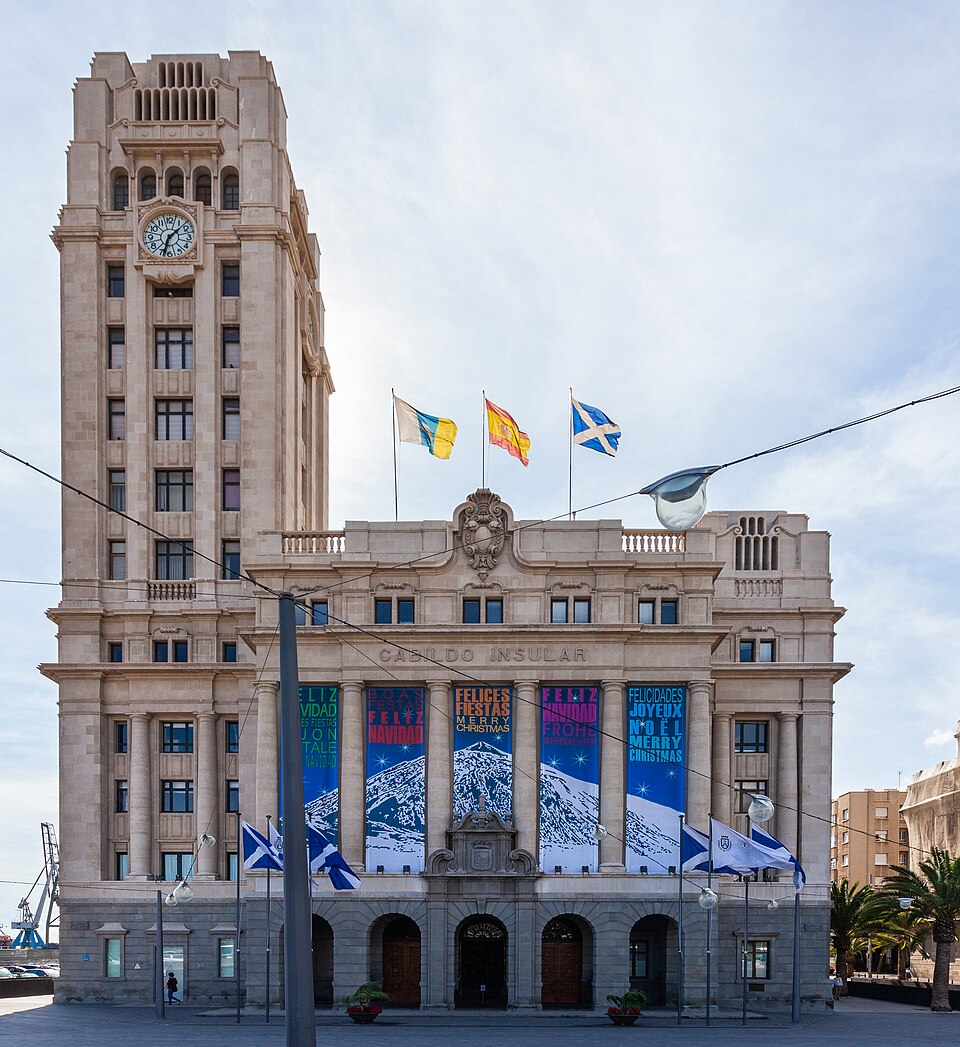
Image Source: Wikimedia Commons
Exploring Teide National Park in Winter
Teide National Park in winter feels like a different planet compared to summer. Snow and ice change the landscape, the wildlife, and even how people take photos or videos.
What to Expect During a Snowy Visit
When I visited, the first thing I noticed was the quiet. The snow muffled everything and the crowds were smaller.
Many hiking trails looked totally new, with snow outlining the paths and rocks.
Always check park alerts, because ice sometimes closes roads and trails. Layers, waterproof boots, and sunglasses made a big difference for me.
The snow reflects sunlight at this altitude, so even cloudy days can feel bright.
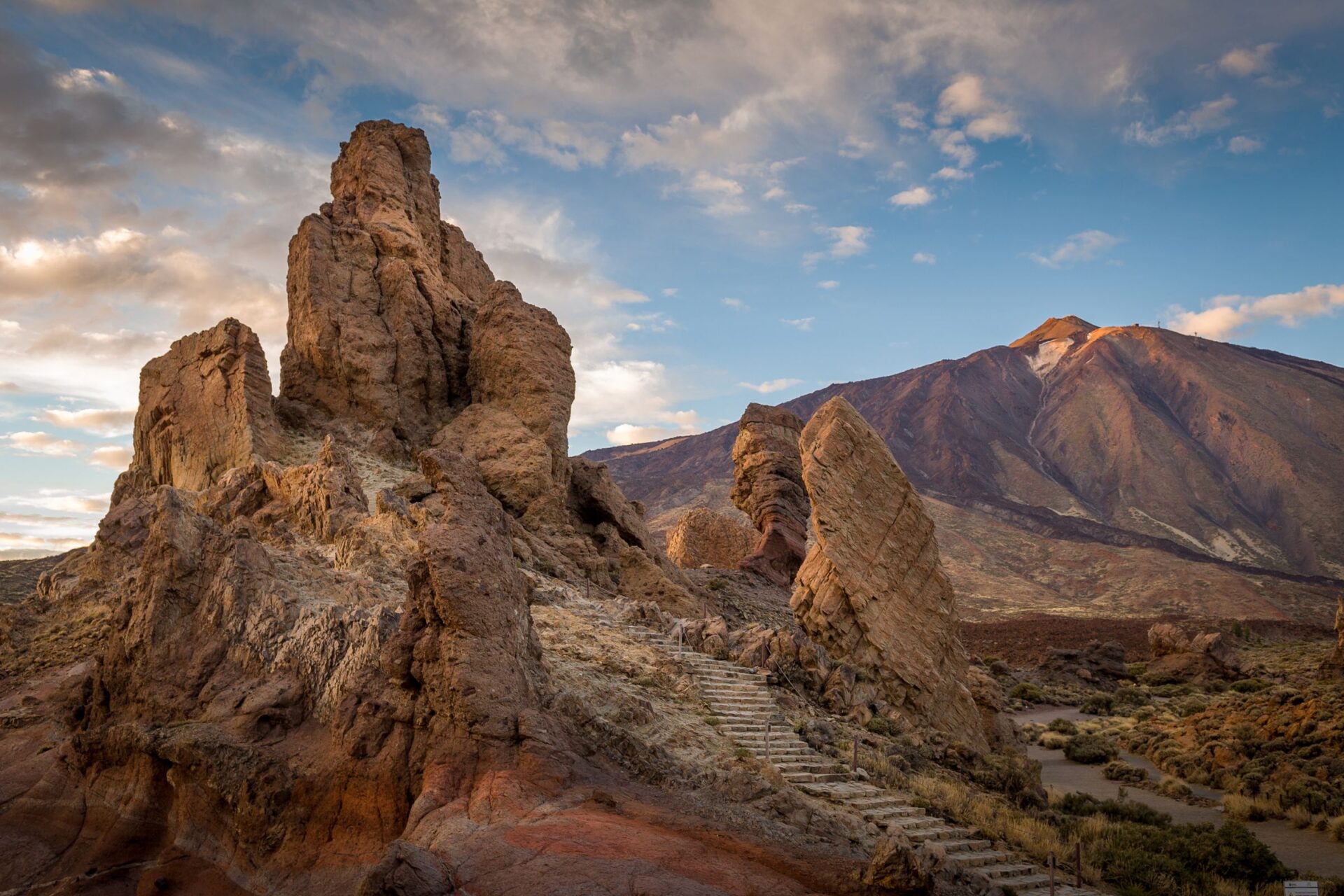
Some trails, like Roques de García, stayed open but had icy spots. I took it slow in those areas.
Rangers at the visitor center offered solid advice about weather and which routes worked best for winter.

Wildlife and Scenic Wonders: Birds of Prey and Panoramic Views
The wildlife didn’t seem to mind the snow. I watched a few birds of prey—kestrels and buzzards—soaring overhead.
Their dark wings looked dramatic against the white fields.
On clear days, the views stretched all the way to the ocean. At Mirador de la Ruleta, the black rock and white snow created a wild contrast.
With fewer visitors, I enjoyed quiet moments just listening for bird calls or looking for wildlife. Winter really brings out a different side of Teide’s beauty.
Photographing and Filming Teide’s Snowy Landscapes
Snow on Teide makes for incredible photos, honestly. I brought both my camera and my phone to catch wide shots and little details.
360° panoramic images helped me show friends just how big and surreal it all looked. The colors—white snow, blue sky, volcanic rock—were almost cartoonish.
If you’re after great photos or stock images, try going early for softer light and fewer people. Ice can be slippery, so I kept my gear packed safely and wore gloves that worked with my camera.
I even tried some simple vector sketches of the volcano back at my hotel. People loved them when I shared online—Teide in winter really is something special.
Unforgettable Adventures: Activities Around Teide in Winter
Teide’s snowy peak surprised me, but the area around the volcano packs in plenty of adventure. I found frosty trails, postcard villages, and even hopped to nearby islands.
Hiking and Running on Snow-Dusted Trails
Hiking Teide’s slopes in winter felt like being dropped into another world. The snow sparkled, and every step crunched under my boots.
Walking through pine forests, I watched fresh white dust settle on lava rocks.
If you love hiking or running, the park has marked trails like Montaña Blanca and the Pico del Teide summit route. Winter brings a chill and a hush to the paths.
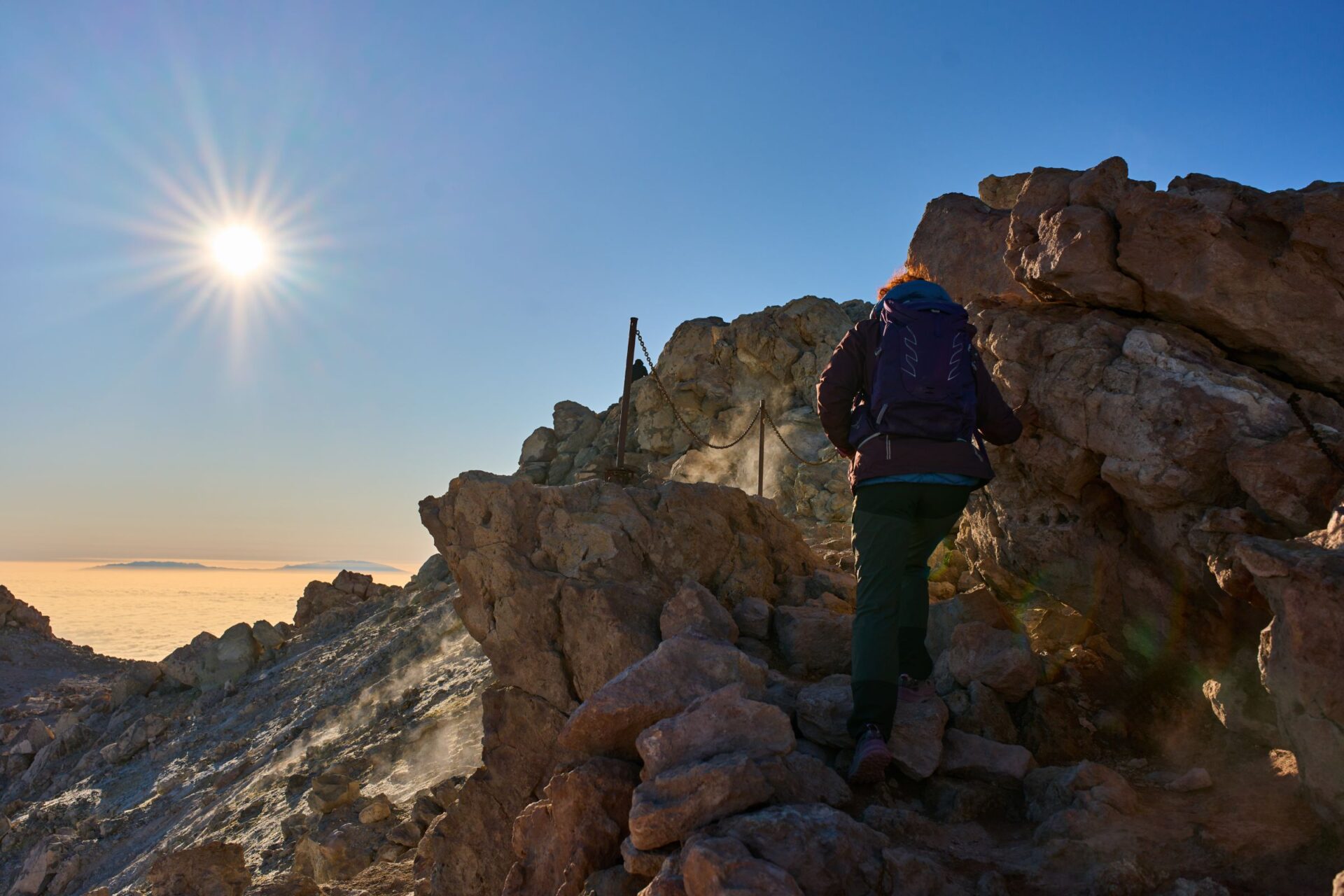
I wore warm layers, since the wind got sharp up high.
Popular trails near the cable car station stay open most of the year, though bad weather can shut things down. I always checked conditions and packed extra snacks and water.
The snowy views across Tenerife felt like a totally different island. It’s volcanic winter magic, honestly.
| Trail | Length (km) | What to Expect |
|---|---|---|
| Montaña Blanca | 8 | Rocky paths, snow in winter |
| Pico del Teide Summit | 10 | Steep, breathtaking views |
| Roques de García | 3.5 | Scenic rock formations |
Nearby Villages: Vilaflor, Masca, and Orotava Valley
After hiking, I wandered through mountain villages at Teide’s base. Vilaflor, the highest village in Spain, felt extra peaceful with a dusting of frost.
The whitewashed houses looked beautiful with snowy landscapes behind them.
Stopping in Masca was like stepping onto a movie set. The winding road down gave me wild views, and the village hid deep in a ravine.
I grabbed coffee and pastries, warming up after the hike.
The Orotava Valley had terraced fields and fruit trees, plus old Canarian buildings. Cloudy winter skies made everything look dreamy.

Walking the cobblestone streets in La Orotava, I found cozy cafés and small museums.
Must-See Spots:
- Vilaflor’s main square and pine forest walks
- Masca’s viewpoint and local bakery
- Orotava Valley’s Casa de los Balcones
Day Trips to la Gomera and Gran Canaria
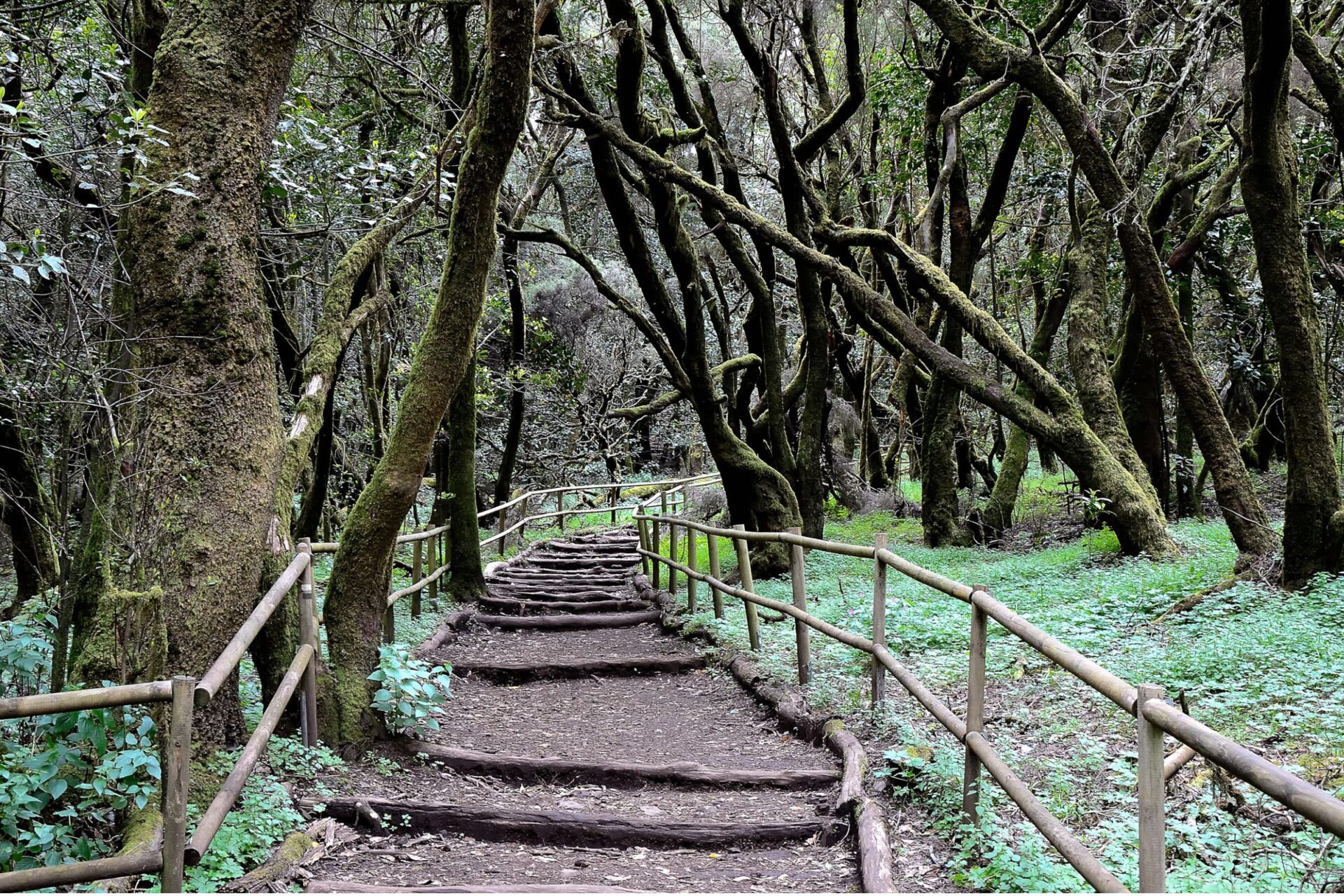
With Teide sparkling in snow, I couldn’t resist a day trip to nearby islands. La Gomera was just a short ferry ride away, with trails winding through the misty laurel forests of Garajonay National Park.
The place felt ancient and lush, especially after starting the day on Teide’s icy slopes.
Gran Canaria surprised me too. I explored Las Palmas, then walked the beach at Maspalomas Dunes.
It’s honestly wild to go from snow on one island to warm sand on another, all in the same weekend.
Ferries left from Los Cristianos port—about an hour to La Gomera, two to Gran Canaria. I booked ahead, especially during busy holidays.
Every trip felt like a new secret in the Canaries.
Tenerife’s Contrasts: From Snowy Peaks to Sunlit Beaches
Teide’s snowy summit doesn’t mean the whole island gets cold. While the mountain shines white, the coasts stay warm and perfect for the beach.
Sandy Beach Escapes Amidst Volcanic Beauty
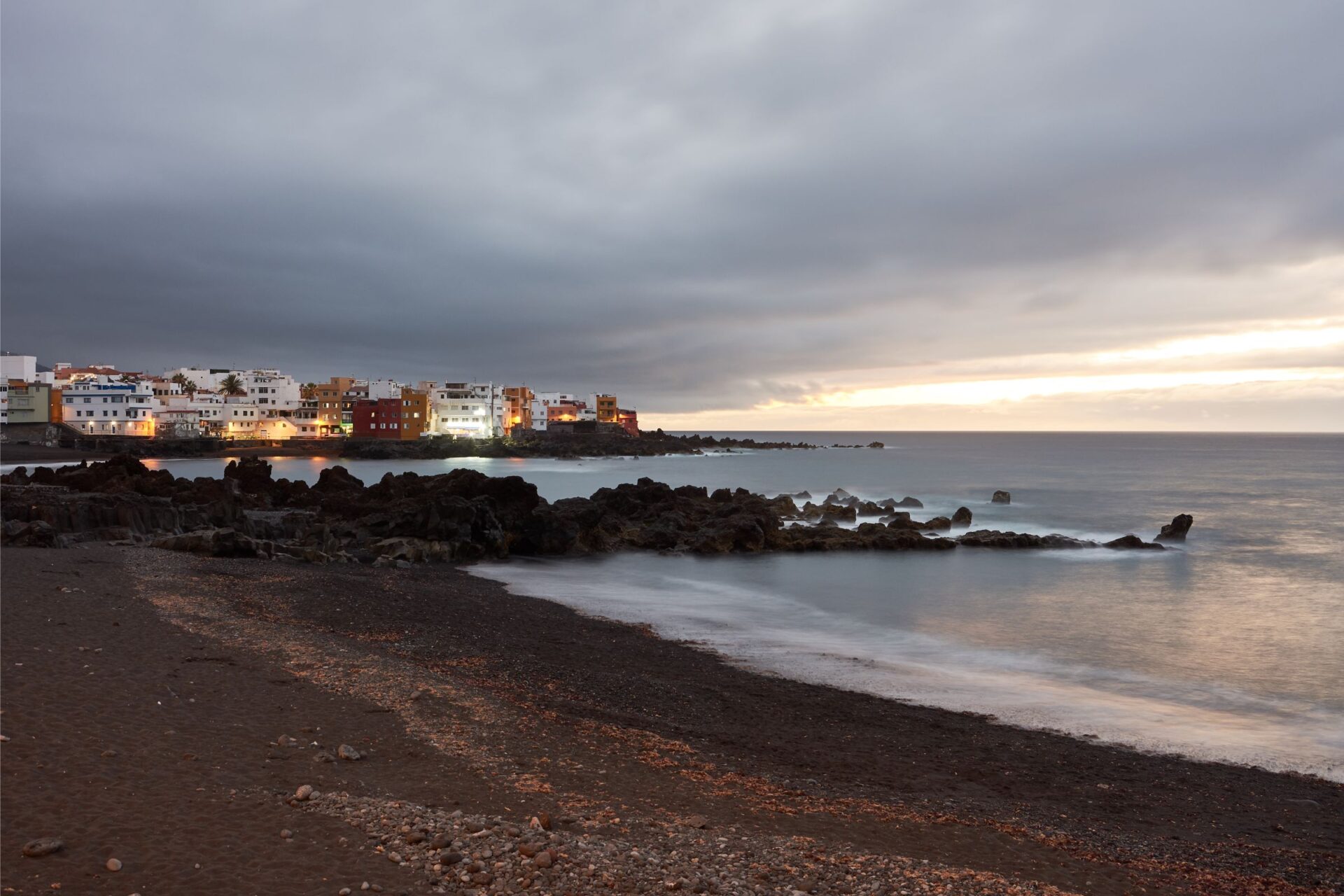
On the same day I saw snow on Teide, I dipped my toes into black volcanic sand just an hour away. The contrast is honestly unreal.
Tenerife’s beaches owe their look to the volcanic past—lots of black sand, smooth and warm even in winter.
Playa Jardín and Playa de la Arena are both volcanic and soft, not pebbly. If you want golden sand, Las Teresitas Beach brings in Saharan sand for that classic tropical vibe.
- Playa Jardín: Black sand, near Puerto de la Cruz, with scenic gardens.
- Playa de la Arena: Clear water and smooth volcanic sand.
- Playa de las Teresitas: White sand, palm trees, safe swimming.
Swimming in the Atlantic with snowy mountains in sight? That’s the magic of Tenerife. I loved how you could go from cool highlands to a sunny coastline in less than an hour.
Los Cristianos, Las Americas, Costa Adeje, and Los Gigantes
I kicked off my trip in Los Cristianos, chasing that classic beach town vibe. Fishermen and ferries kept the harbor lively.
The wide sandy beach felt gentle and family-friendly, with cafés lining the shore. It was easy to relax with a coffee after a swim.
Playa de Las Americas buzzes with energy—nightlife, restaurants, and a younger crowd everywhere. You’ll find both natural black volcanic sand and imported golden sand, depending on where you look.
Surf schools pop up all along the coast, so I gave a lesson a shot. Paragliders floated above while I tried to stay upright on the board.
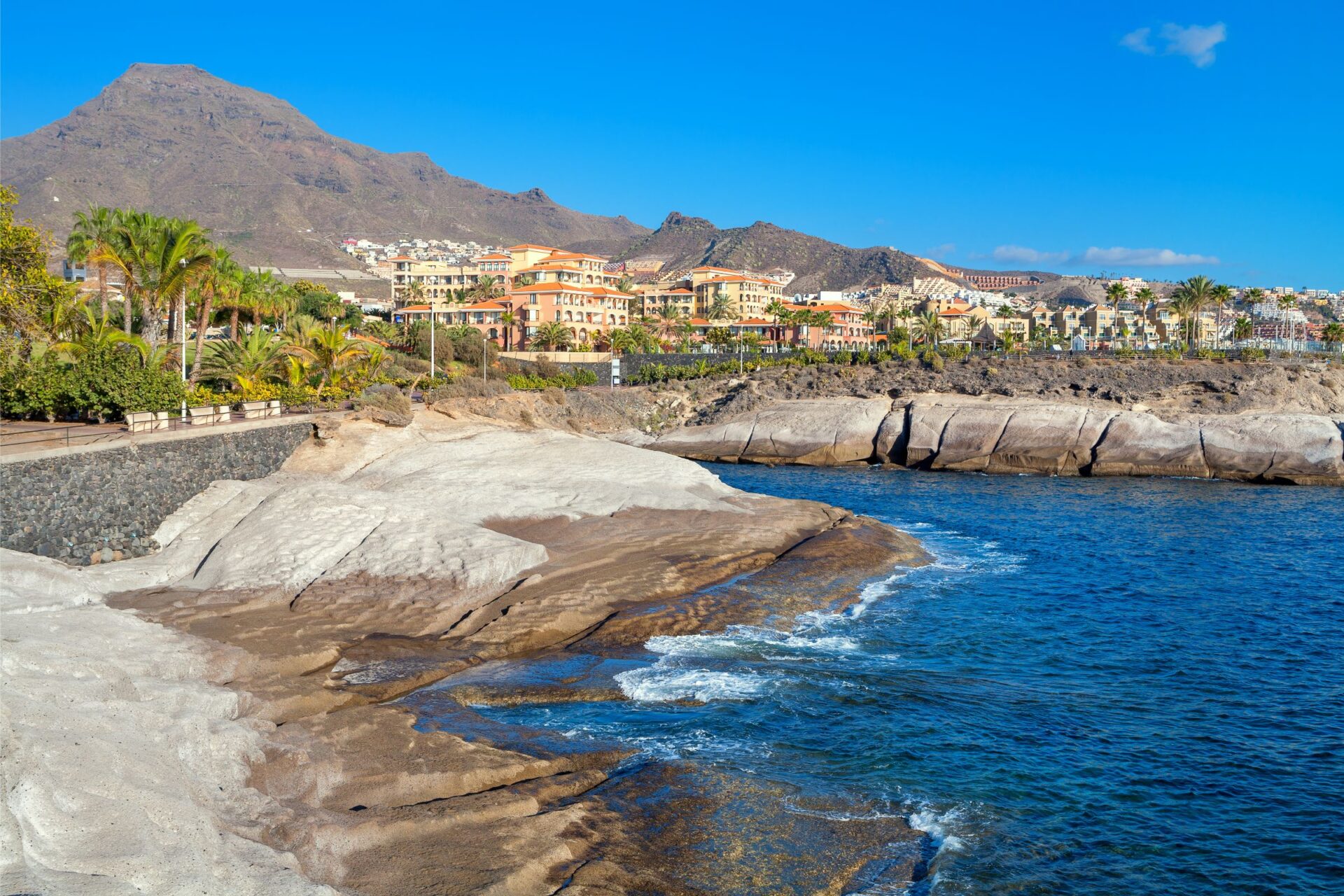
Costa Adeje hit the sweet spot between comfort and adventure for me. The beaches looked spotless, with plenty of sunbeds and clear water for snorkeling.
Chic resorts sit just steps from the waterfront. I strolled the seafront promenade, sampling gelato and catching the sunset.
Driving out to Los Gigantes felt like a little adventure. Massive cliffs tower over a small black sand beach, giving the place a hidden, dramatic feel.
Boat tours leave from the marina, perfect for dolphin watching or just getting up close to those cliffs.
Each spot brings its own flavor, and hopping between them is easy thanks to Tenerife’s good roads and mild weather. Sometimes, you can even spot snow shining on Teide in the distance.
Delicious Discoveries: Tenerife’s Winter Cuisine and Culture
Tenerife’s winter isn’t just about snowy Teide. The food and nightlife take on a cozy, unique twist.
After a chilly day out, you’ll find everything from rustic guachinches up in the hills to lively seaside bars. There’s so much to taste and experience.
Local Flavors: Guachinches and Fresh Seafood
I have to say, guachinches are some of the most memorable places to eat here. These family-run spots serve homemade food and local wine in laid-back settings—sometimes just converted garages or patios.
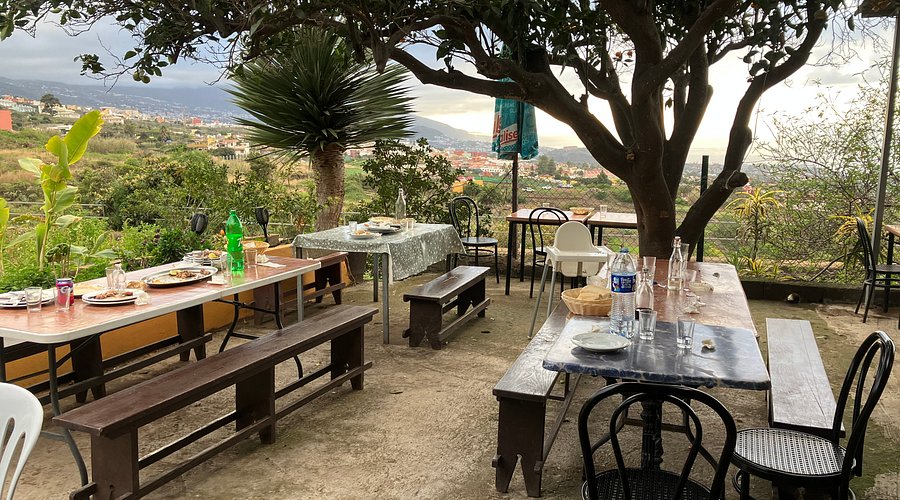
Image Source: Tripadvisor
Each guachinche has its own menu, but I always found papas arrugadas (wrinkled potatoes with mojo sauce), carne de cabra (goat stew), and grilled meats. The atmosphere felt warm and welcoming.
When I craved seafood, coastal villages never disappointed. I tried grilled octopus, fresh sardines, and fried squid, usually with a view of the Atlantic.
Most menus focused on the catch of the day, so every meal tasted fresh and honest. Sharing seafood with friends while watching waves crash—yeah, that’s a Tenerife memory I’ll keep.
Must-try local dishes:
| Dish | Description |
|---|---|
| Papas arrugadas | Salted boiled potatoes, mojo sauce |
| Pulpo a la gallega | Sliced octopus, olive oil, paprika |
| Queso asado | Grilled local cheese, mojo, honey |
Bars, Restaurants, and Adults Only Experiences
Tenerife changes as night falls. I noticed bars and restaurants start to cater more to adults, especially in Costa Adeje and Playa de las Américas.
You’ll find cocktail bars with rooftop views, seafood spots overlooking the harbor, and cozy taverns with live music. The vibe gets a bit more grown-up and relaxed.
Adults only venues caught my eye—they’re usually labeled clearly in brochures and online. These places offer a quieter, more stylish escape.

Image Source: Flickr
Think candlelit dinners, gourmet tasting menus, and no kids running around. Trying a set menu at a fine dining spot felt like a real treat after a cold hike on Teide.
Spanish wines and local desserts always made meals feel special. I often ended my nights chatting with locals or fellow travelers, sipping coffee or vino tinto, just soaking in that laid-back winter vibe.
Practical Tips for Your Teide Winter Getaway
Packing for Mount Teide in winter takes a bit of planning. You’ve got to prepare for snow at the summit and warm sun down on the coast.
I found myself mixing adventure gear for the volcano with beach clothes for swimming and water sports.
What to Pack and Wear for Snow and Sun
The first time I saw snow on Teide, I felt grateful I’d packed both a warm jacket and sunglasses. For the volcano’s top, I needed layers—a base layer, sweater, waterproof jacket, gloves, and a hat.
Temperatures drop fast up there, and the wind can really sting, especially in the morning. Good boots with grip are a must on icy or snowy trails.
I always carried a small daypack with snacks and water. Sometimes, the cable car closes if the wind picks up.
Down at lower altitudes, I switched to lighter clothes, hats, and sunscreen. Even in winter, Tenerife’s sun burns quickly.
Quick packing list:
- Warm, layered clothing
- Waterproof, non-slip boots
- Gloves and beanie
- Sunglasses & SPF 50 sunscreen
- Refillable water bottle
- Lightweight clothes for beaches or pool days
All Inclusive, Holidays, and Family-Friendly Attractions
After exploring the volcano, I’d unwind at an all-inclusive resort. Many places in Tenerife offer heated pools and family activities, so you can relax even when it’s chilly higher up.
Family resorts with kids’ clubs and buffet meals are popular. All-inclusive plans saved me time and money, since I didn’t have to search for every meal.
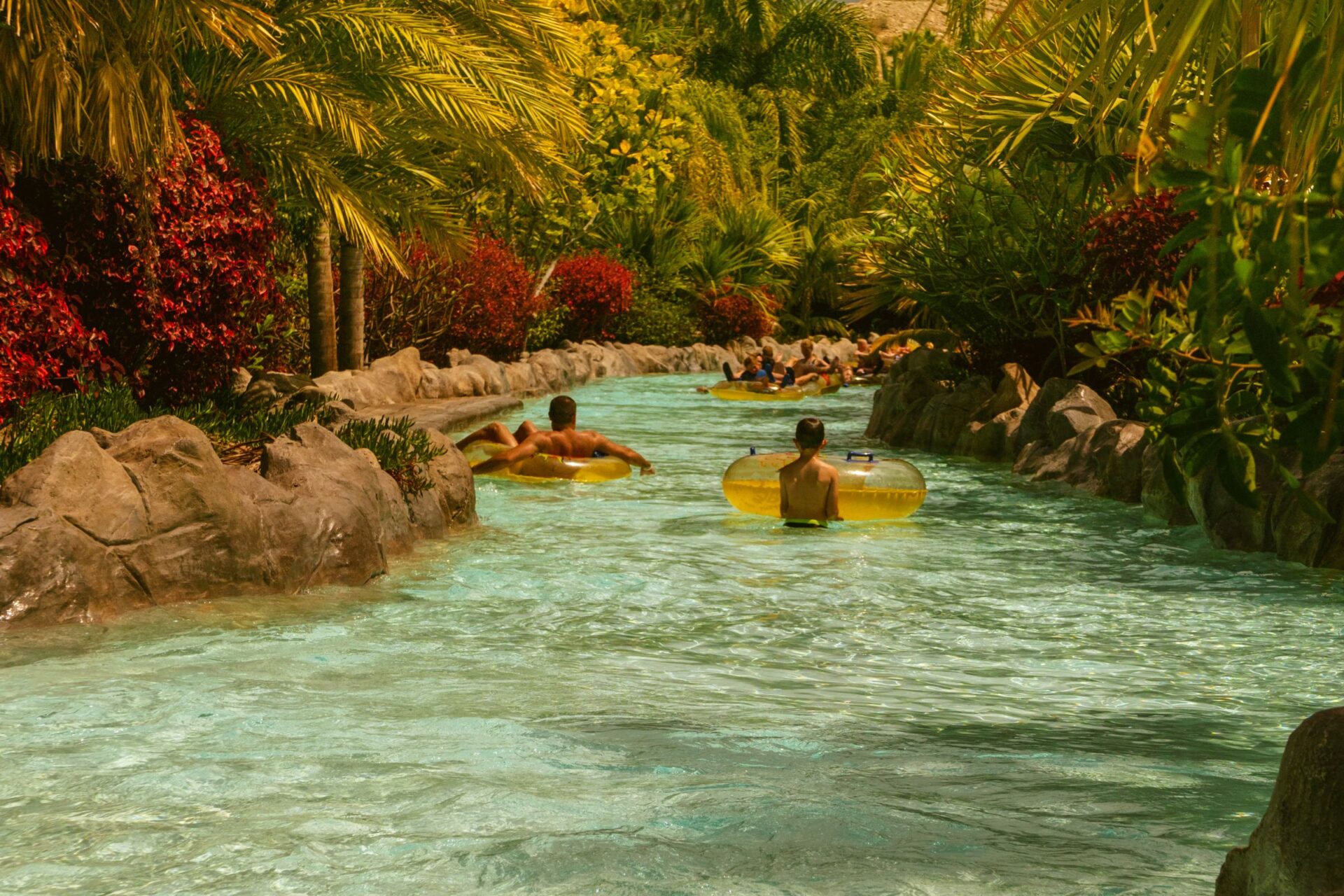
For families, attractions like Loro Parque and Siam Park are a hit. My day at Siam Park was fantastic—heated water and wave pools meant we could enjoy slides, even on cooler days.
Plenty of tours and excursions pick you up right at your hotel, so moving between the volcano, beach, and theme parks stays hassle-free. I noticed lots of resorts offer winter deals, making January or February less crowded and easier on the wallet.
Swimming Pools, Water Sports, and Relaxation
Swimming outside in winter might sound strange, but most pools are heated, especially at all-inclusive hotels. After hiking Teide, I’d often unwind by the pool.
That contrast—snow on the volcano, swimming an hour later—just sticks with me. On calmer days, I tried paddle-boarding and snorkeling.
Beach operators provided wetsuits, which helped a lot in the cooler water. The south coast, like Playa de las Américas and Costa Adeje, feels relaxed and has plenty of rental shops.
Here’s a breakdown of winter pool and water sport options:
| Activity | Where to Find It | My Insider Tip |
|---|---|---|
| Heated Pools | Hotels & Resorts | Swim early, pools get busy midday |
| Paddle-boarding | Beachfront rental shops | Wetsuits help on cooler mornings |
| Siam Park | Costa Adeje | Arrive early, lines build fast |
| Snorkeling | Los Cristianos, Las Vistas | Book with a guide for best spots |
Capturing the Experience: Pictures and Memories
Snow on Mount Teide doesn’t show up often, so I snapped a ton of photos. When the sky cleared after a snowfall, the white volcano popped against that deep blue—honestly, it looked like something from a postcard.
I found early morning or late afternoon light gave the best colors. The glow just hit differently.
Cold air zapped my phone and camera batteries, so I shoved them in my pocket to keep them warm. At La Rambleta and Mirador de La Fortaleza, I shot wide landscapes, then got up close to the snow dusting the lava rocks.
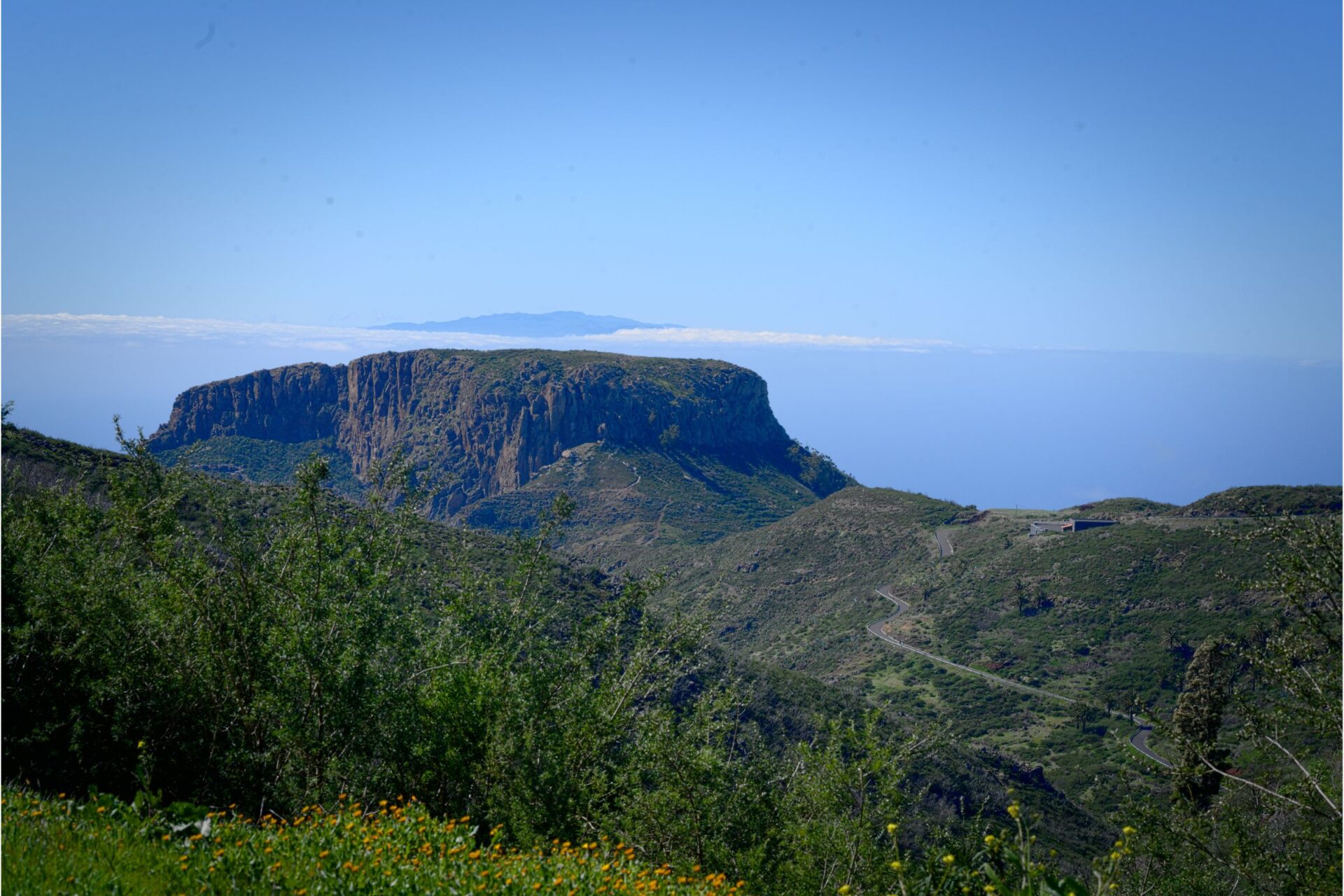
Down by the coast, I couldn’t resist taking photos of the sunny beaches. The contrast was wild—one day I wore a beanie, and the next I lounged in sunglasses and sandals.
I stashed tickets, maps, and grabbed a tiny rock to remember the trip. It’s so easy to let little moments slip away, so jotting stuff down in a travel journal really helped me hang onto every part of my Teide adventure.

