
Spring break doesn’t have to mean fighting crowds for a tiny patch of sand or trying to nap through someone else’s party playlist. Some of the best coastal getaways for March and April 2026 are the ones most travelers just breeze right past. These hidden spots have clean sand, gentle waves, and enough space to finally hear yourself think—or at least hear the ocean.
If rest sounds better than raucous parties, you can still find beach towns in Florida (and beyond) that keep the spring break madness at bay. St. George Island and Cape San Blas, for example, skip the high-rise hotels and wild crowds. Instead, you get miles of quiet coastline where your biggest dilemma might be whether to walk at sunrise or nap after lunch.
Here are six beaches that actually let you relax this spring break. I’ll share what makes each one special, how to pick your perfect spot, and some practical tips for a trip that leaves you feeling refreshed instead of frazzled.
Key Takeaways
- Quiet spring break beaches like St. George Island and Cape San Blas give you peaceful options far from the usual crowds.
- The trick is to look for places with minimal hotel development and lots of natural areas.
- Book rental homes early and try to travel just before or after peak weeks for the chillest experience.
How to Choose a Quiet Spring Break Destination
Finding a peaceful spring break spot takes a bit of strategy. I usually start by steering clear of the big party beaches and thinking about what really makes a place feel relaxing.
I focus on three things: skipping the crowds, figuring out what makes a beach truly tranquil, and choosing a location that fits my idea of relaxation.
Benefits of Avoiding Crowded Beaches
Crowded beaches just wear you out. When I avoid the packed spring break hotspots, I actually get to spread out my towel without elbowing for space.
It’s quieter, too. Without the blaring music and shouting, the sound of the waves finally takes center stage.
Prices tend to drop in the quieter areas. Hotels and restaurants in these spots usually offer better deals since they aren’t slammed with demand.
Parking? It’s a breeze. I can roll up whenever, instead of setting an alarm for 6 a.m. to snag a spot. Local restaurants usually have open tables, so no need to book weeks ahead.
My stress level stays low all week. I don’t have to weave through crowds or keep an eagle eye on my stuff. Isn’t the whole point of spring break to actually relax?
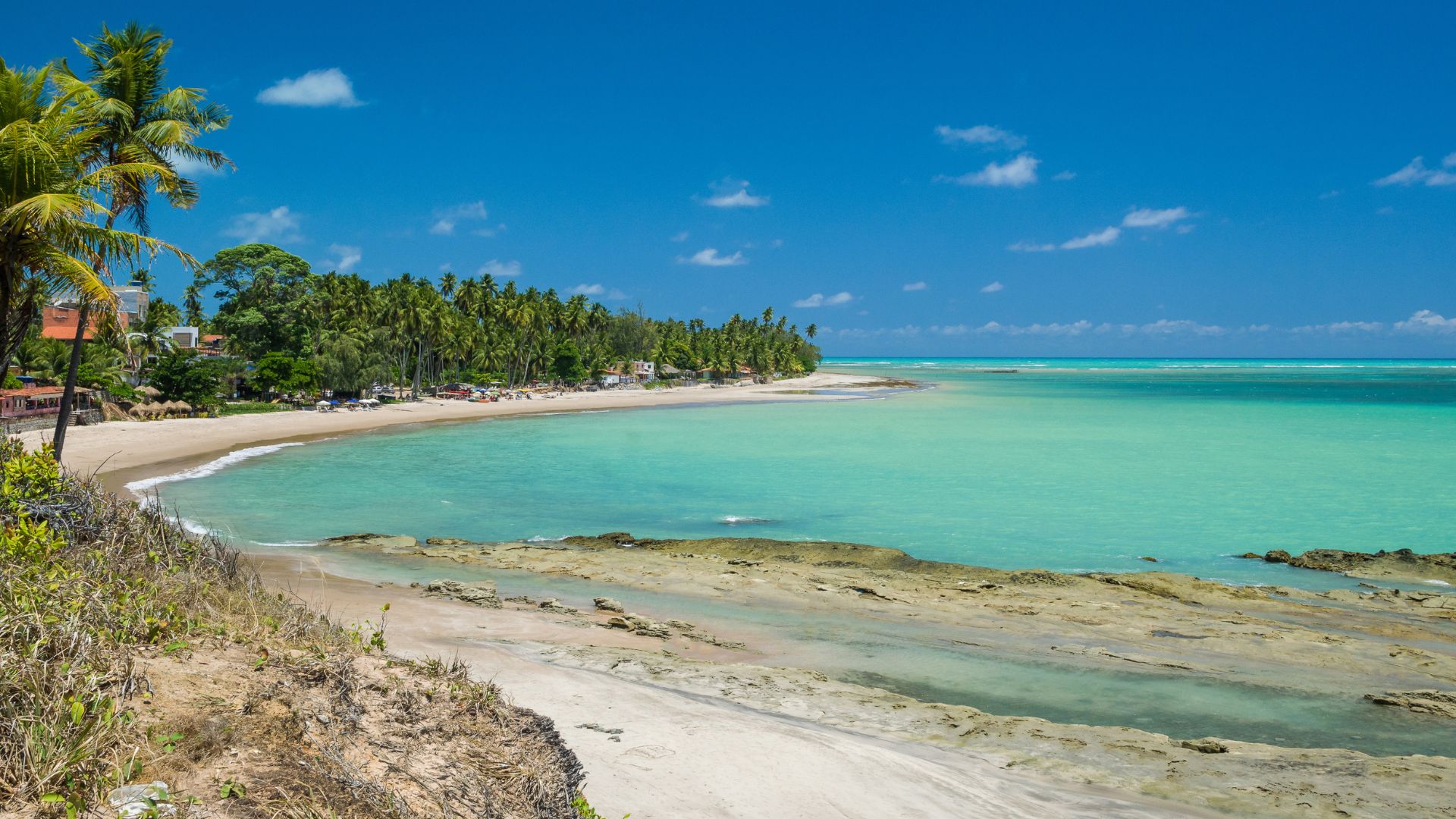
What Defines a Tranquil Beach Experience
For me, a tranquil beach means fewer than 20 people per 100 feet of shoreline. I want to hear the ocean, not someone else’s Bluetooth speaker.
Natural settings help. Beaches with preserved dunes and native plants just feel calmer than those lined with towers and bars.
The vibe matters, too. I look for beaches that draw families and couples, not groups looking to party. Smaller towns usually nail that laid-back atmosphere better than big resorts.
Key tranquility indicators:
- Almost no bars or clubs nearby
- No spring break promo deals
- Local tourism focused on nature and quiet
- Rules against loud music or booze on the beach
Choosing the Right Location for Relaxation
I start by digging into which beaches usually fly under the radar during spring break. Islands or coastal towns that aren’t right off a major interstate tend to stay quieter.
Weather’s a factor. I always check the average temps and rain for March and April. Some quiet beaches are chillier, which is fine if you pack a hoodie.
Recent reviews are gold. I look for feedback from spring months—summer reviews don’t tell you much about spring break crowds.
I always check for local events. A sleepy beach can turn wild if there’s a festival or surfing contest that week. Double-check the calendar before you book.
St. George Island: Serene Escapes on Florida’s Forgotten Coast
St. George Island hides along Florida’s Forgotten Coast, offering a chill alternative to the usual spring break madness. You’ll find 28 miles of untouched beaches, loads of wildlife, and a small-town vibe that keeps the party crowd away.
Pristine Shorelines and Unspoiled Nature
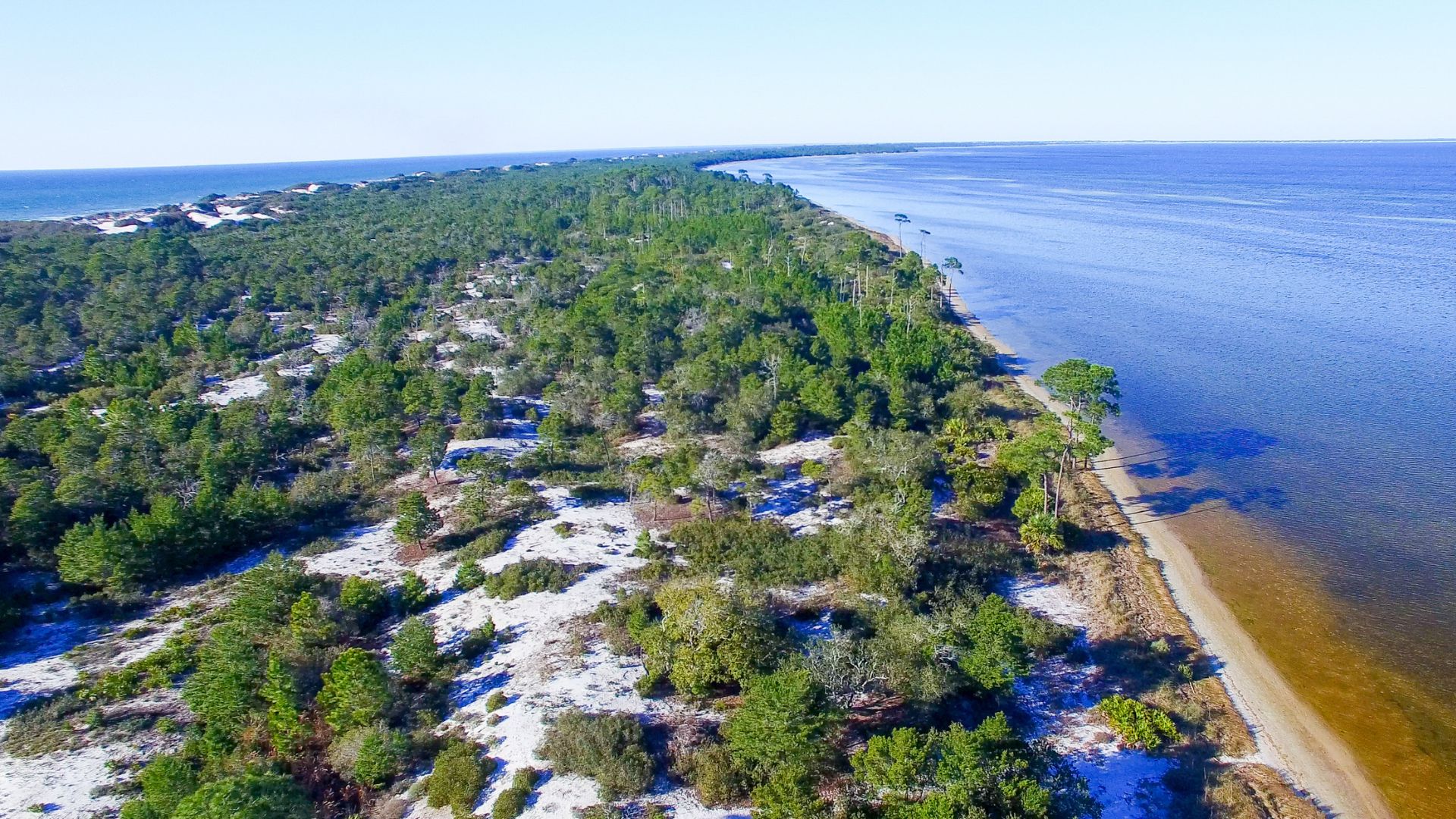
Beaches here feel mostly untouched by big developers. The sand’s soft and white, stretching for miles without a single high-rise in sight.
Dr. Julian G. Bruce St. George Island State Park protects nine miles at the island’s eastern tip. You get wild dunes, coastal forests, and some of the clearest water in the Panhandle. Sea turtles even nest here from May to October.
Wildlife’s everywhere—dolphins, shore birds, blue crabs. Gap Point is a great place to check out tidal pools. The island’s dark skies make it perfect for soaking up Florida’s natural coast, without any spring break chaos.
Outdoor Activities: Fishing, Birdwatching, and Stargazing
Fishing’s a big deal here. You can cast from the shore or hop in a kayak on the bay side. Expect redfish, trout, and flounder.
More than 200 bird species swing through every year. Bring binoculars to spot ospreys, herons, and plovers. The state park has nature trails for easy wildlife watching.
St. George Island’s lack of light pollution makes it a stargazer’s dream. Head to the beach after dark for killer views of the stars. Spring brings clear skies—ideal for a little astronomy.
Best Places to Stay and Eat
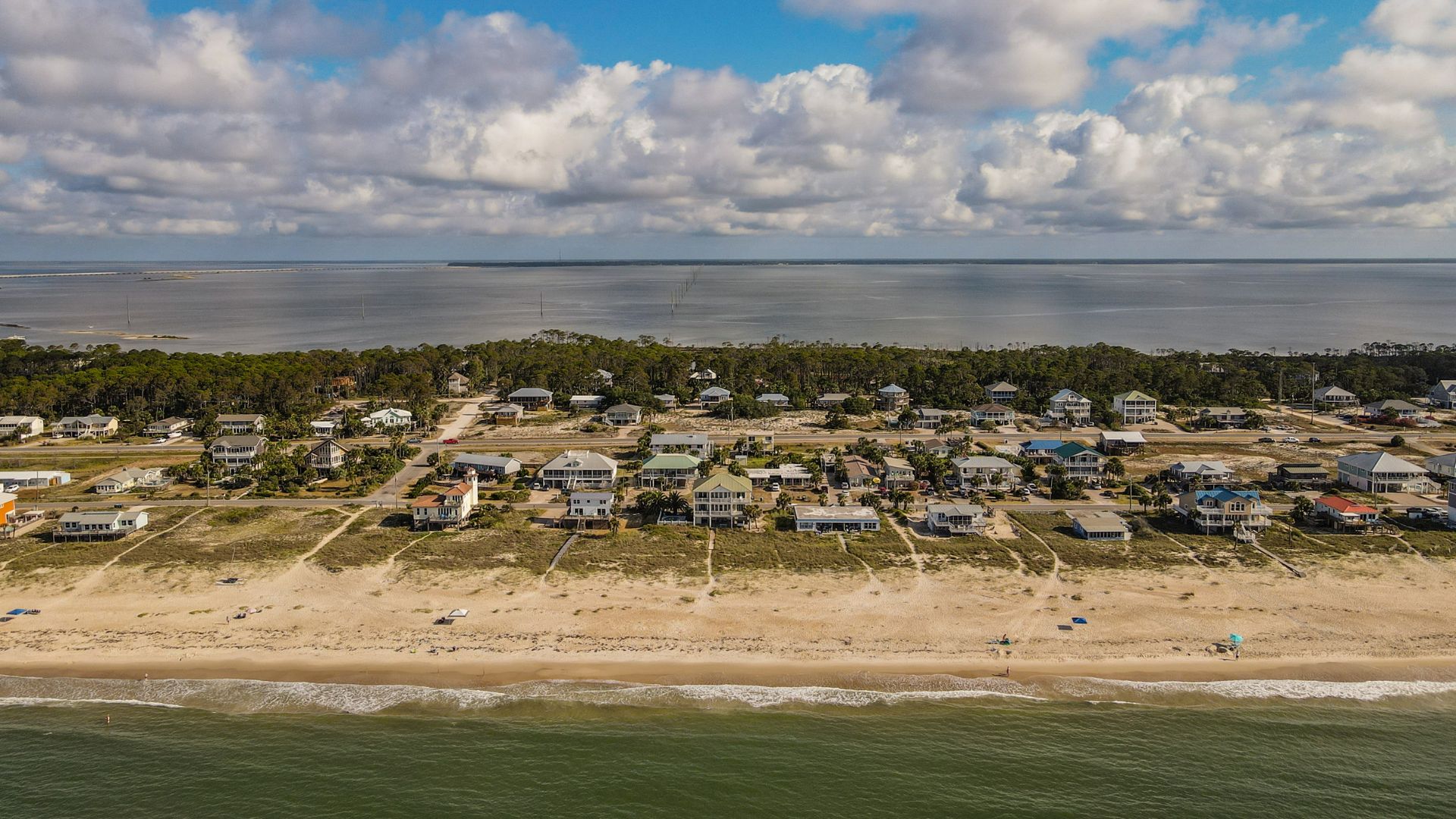
Most places to stay are beach houses or small vacation rentals. You’ll find everything from cozy cottages to big family homes. Book early for spring break—the best spots go fast.
Blue Parrot Oceanfront Cafe serves up seafood with a view. Eddy Teach’s Raw Bar is a go-to for oysters and local fish. Paddy’s Raw Bar is another solid bet for Gulf seafood.
No chains or fast food here. Just a small grocery store and a handful of shops. That keeps the island’s vibe peaceful and a world away from the usual spring break scene.
Cape San Blas: Peaceful Seclusion on the Gulf
Cape San Blas stretches out on a skinny peninsula in Florida’s Gulf County, about 45 minutes from Panama City. You’ll get nine miles of white sand, protected state parks, and calm bay waters—no wild crowds.
Unique Landscapes: Dunes, Bays, and Pet-Friendly Policies
The peninsula hooks into the Gulf, giving you two totally different water views. T.H. Stone Memorial St. Joseph Peninsula State Park covers miles of untouched dunes and sea oats. On the bay side, St. Joseph Bay stays calm and clear—perfect for spotting starfish or scallops.
The sand’s pure quartz, so it never gets too hot. The state park charges $6 per car and protects over 1,600 acres. Leashed pets are welcome on most beaches, so you don’t have to leave your dog behind.
Indian Pass Beach has free parking and quiet coves for shelling. The bay side stays glassy, with water clear enough to see the bottom at ten feet.

Horseback Riding and Outdoor Adventures
You can ride horses on the beach—yep, actual horses. Local stables offer sunset rides for about $60 an hour.
For water fun, try scallop snorkeling tours in St. Joseph Bay from May through October. Tours run about $25 for two hours and include gear. Paddleboard rentals start at $20 an hour, and the bay is perfect for beginners.
The Cape San Blas Lighthouse, built in 1885, charges $15 for a climb and museum entry. Hike up the 98 steps for views of both the Gulf and the bay. In summer, bioluminescent kayak tours show off glowing plankton for around $40.
Local Accommodations and Coastal Charm
Vacation rentals are the way to go here, with prices ranging from $120 to $250 a night, depending on when you visit. The Cape Breezes neighborhood puts you close to the state park and the beach.
Port St. Joe, about 15 minutes away, has grocery stores, seafood joints, and a small marina. Indian Pass Raw Bar dishes up oysters for $15 a dozen, while St. Joseph Shrimp Co. serves Gulf shrimp tacos for $12.
Even during spring break 2026, crowds stay light compared to Destin or Panama City Beach. Book your place three or four months ahead for the best deals and choices.
Other Top Quiet Beaches for Spring Break 2026
If you want more options, Florida’s Gulf Coast has several peaceful escapes where spring break means actual relaxation. Expect natural beauty, small-town charm, and not much in the way of big resorts.
Sanibel and Captiva Islands: Shelling and Relaxation
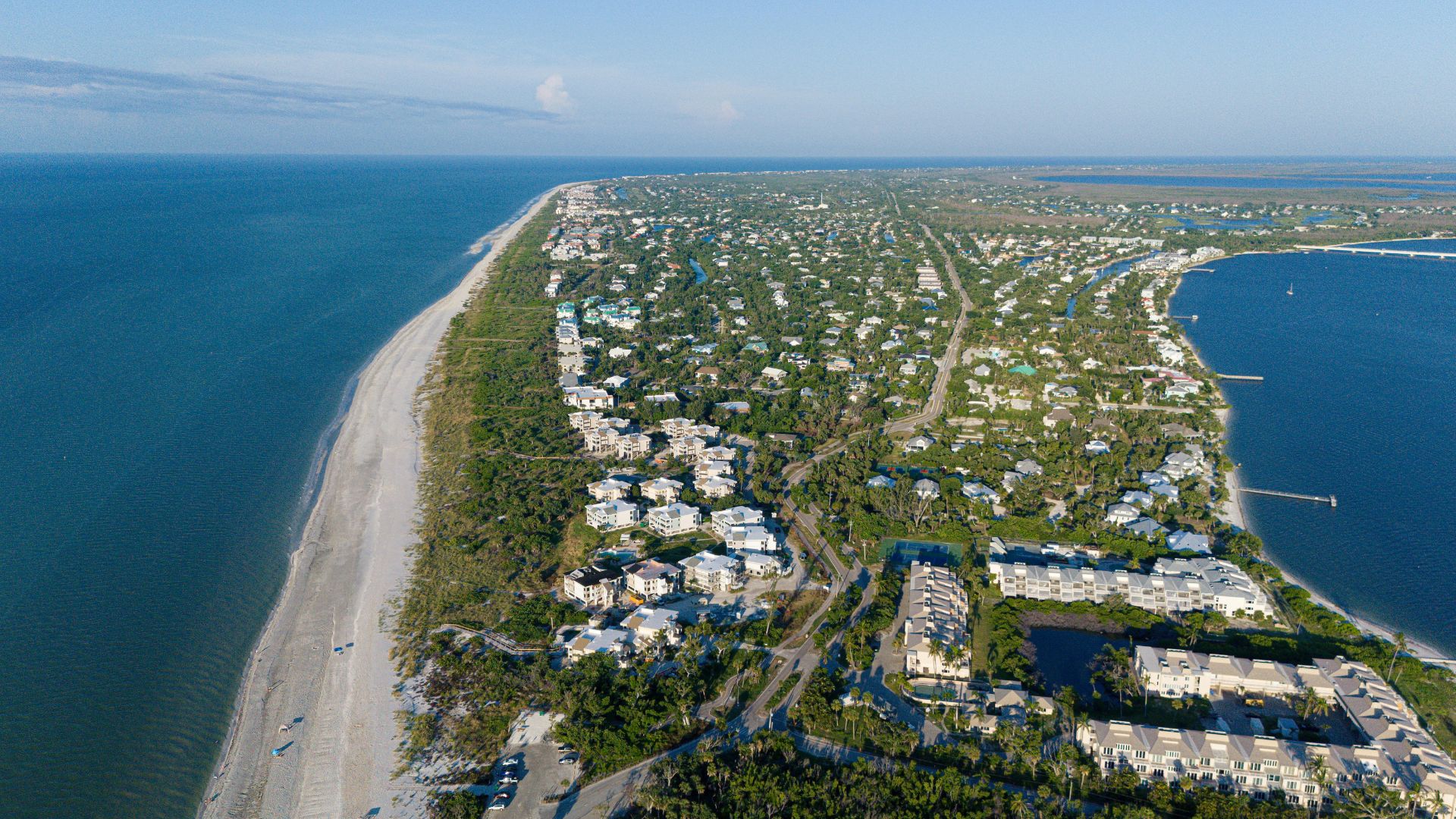
Sanibel Island’s unique shape means the current dumps millions of shells right on the shore. People spend hours here hunting for rare finds while soaking up the quiet beaches.
Strict building limits and a ban on chain restaurants keep things peaceful and preserve the wild vibe. Captiva Island, just north, offers even more seclusion.
You reach both islands by crossing a causeway, which naturally keeps the crowds down. When other Florida beaches are packed, these islands stay mellow.
Wildlife refuges cover much of Sanibel. You can wander mangrove trails and spot dolphins, manatees, and hundreds of birds. The J.N. “Ding” Darling National Wildlife Refuge takes up a third of the island—plenty of space for nature lovers.
Navarre Beach: Undiscovered Gem Near Gulf Islands National Seashore
Navarre Beach sits quietly between Pensacola and Destin, but hardly anyone talks about it. You get miles of white sand and emerald water, but almost no crowds.
Gulf Islands National Seashore borders the east side, keeping the beach wild and free from overdevelopment. I can walk for ages without bumping into a single party group.
The town itself feels small and family-friendly. Local restaurants serve fresh seafood—no club scene here. The fishing pier stretches 1,545 feet into the Gulf, so don’t forget your camera.
Navarre Beach Marine Park offers easy beach access and basic amenities. Families and couples love it, while the party crowd heads elsewhere.

Cedar Key: Small Town Hospitality
Cedar Key feels like a step back in time. This tiny fishing village sits on the Gulf, with fewer than 1,000 residents spread across a handful of islands linked by bridges.
No chain hotels or high-rises here. You’ll find local inns and cottages, each with their own charm. The restaurants serve clams and oysters straight from the local waters.
The beaches are a little different—think rocky shores and tidal flats, not endless sand. Nature lovers come for the quiet, not for sunbathing. Kayaking among the islands reveals hidden coves and loads of wildlife.
Cedar Key National Wildlife Refuge protects 13 nearby islands, all undeveloped and only reachable by boat. The town’s got art galleries and quirky shops, but it keeps that laid-back fishing village feel all year.
Unique Spring Break Experiences Beyond the Beach
Spring break doesn’t have to mean endless sunbathing or crowded sands. The Florida Keys invite you to island-hop in peace, Old San Juan tempts with history and culture, and celebrations like Mardi Gras can add a dose of excitement to your trip if you’re in the mood for something different.
Florida Keys: Island Hopping and Calm Waters
You know, the Florida Keys just call to anyone who wants endless ocean views without the typical, crowded beach chaos. This quirky island chain stretches for over 100 miles, all linked together by the iconic Overseas Highway. It’s a road trip that makes island hopping almost too easy.
In Key Largo, I love snorkeling at John Pennekamp Coral Reef State Park. The water’s so clear—sometimes you spot neon fish and coral that look straight out of a postcard.
Islamorada? People call it the sport fishing capital of the world, and honestly, the calm backcountry waters are perfect for kayaking. Gliding through mangrove tunnels feels like you’ve stumbled into a secret world.
Then there’s Key West, which flips the vibe completely. It’s got a historic downtown, the Ernest Hemingway Home and Museum, and those wild sunset parties at Mallory Square. The Gulf side water is usually glassy and calm, ideal for paddleboarding or hopping on a glass-bottom boat. Even during peak season, the Keys never feel overwhelming—attractions are spread out, and the relaxed pace just sticks with you.

Cultural Adventures in Old San Juan
Old San Juan is like stepping five centuries back in time, only with more color and better coffee. Cobblestone streets, pastel buildings, and the imposing fortresses of El Morro and San Cristóbal perch right on the cliffs, daring you to take a hundred photos.
I love wandering these blue-tiled streets. Every corner has a café serving mofongo or tostones, and the whole area is small enough to explore on foot. Street art splashes across walls, so you’re basically walking through an open-air gallery.
La Fortaleza, the oldest executive mansion in the Western Hemisphere, still buzzes with history. The Spanish colonial architecture mixed with Caribbean flair gives Old San Juan a personality that’s nothing like your average beach town. Artisan shops brim with handmade treasures, and the food scene? It’s a wild mix of old-school Puerto Rican and inventive fusion.
Festive Alternatives: Mardi Gras, Six Flags Fiesta Texas, and Natural Bridge Caverns
Mardi Gras in New Orleans is a wild ride, usually peaking in late February or early March. You can catch beads at family-friendly parades, devour beignets at Café du Monde, and wander the French Quarter’s maze of balconies and jazz. Nowhere else brings together music, food, and culture quite like this.
Six Flags Fiesta Texas in San Antonio is a fun detour if you’re after thrills and warm weather. The park has coasters, water rides, and live shows, but none of the gritty beach sand. Spring break crowds aren’t too bad compared to summer, which is a relief.
Natural Bridge Caverns sits just outside San Antonio, and it’s a total escape from the heat. Guided tours take you through massive underground rooms filled with stalactites and stalagmites—some as tall as a house. The cave stays at a cool 70 degrees year-round, so you get a break from the Texas sun.

Planning Tips for a Hassle-Free, Relaxing Spring Break
Quiet beach vacations take a bit of planning—timing, packing, and dodging crowds make all the difference. I’ve learned that a few smart moves can turn a stressful trip into the peaceful escape you actually want.
Best Times to Visit Quiet Beaches
Mid-March is my sweet spot for quiet beaches. Most spring breakers swarm in early March or the last week, so the middle stays calmer.
I’d aim for March 10-20 to snag good weather and fewer people. Weekdays are way quieter than weekends, even during spring break.
If you hit the beach before 10 AM, you’ll have the place almost to yourself. Most folks don’t show up until later. Evenings after 5 PM get peaceful again as crowds pack up for the day.
If your schedule’s flexible, try late February or early April—those shoulder season dates mean lowest crowds and more space to breathe.
What to Pack for a Relaxing Getaway
Don’t forget reef-safe sunscreen (SPF 50+ is my go-to). A wide-brimmed hat and UV sunglasses help keep the sunburn at bay.
A comfy beach blanket or a light chair makes lounging way better. I skip bulky stuff and go for packable gear. Toss a waterproof bag in your tote for phones and keys.
Here’s my essentials list:
- Reusable water bottle (hydration is everything)
- Book or e-reader (a real break from screens)
- Light cover-up (for those between-swim moments)
- First aid kit (especially aloe for sunburns)
- Portable charger (because outlets are rare at the beach)
Noise-canceling headphones save the day if you want to tune out the world. Download playlists or podcasts ahead of time—some beaches have spotty Wi-Fi.

Travel Strategies to Avoid Crowds
I always book places away from the main hotel strips and party zones. Rentals or small hotels about a mile out are usually much quieter.
Booking flights and hotels 6-8 weeks ahead helps you score better deals and more options. Tuesdays and Wednesdays? Cheaper, and the airports are less hectic.
Before I go, I check out all the public beach access points—there’s often a hidden entrance with barely any people. Local tourism sites are gold mines for this info.
Renting a car beats relying on shuttles. You set your own schedule, arrive early, and leave when the crowds start rolling in. GPS apps help me dodge traffic jams.
I like eating lunch late (around 2 PM) and visiting attractions in the early morning. You’ll skip the lines and have more space to explore.
Frequently Asked Questions
Planning a peaceful spring break takes a bit of digging, especially if you want to dodge the party crowds. Here’s what I’ve learned about quiet beach options, budget hacks, and those under-the-radar spots where you can actually relax.
Cape San Blas in Florida is a gem for families. The bay side has gentle waves and soft sand, which is perfect for little ones.
Port St. Joe gives you easy access to St. Joseph Peninsula State Park—1,900 acres of wild, open space. You can swim, snorkel, and birdwatch without fighting for space.
Mexico Beach keeps its small-town vibe, with shallow, clear water that’s great for families. Kids have room to roam and explore tide pools safely.
Florida’s Forgotten Coast is your friend if you’re on a budget. Indian Pass, Port St. Joe, Cape San Blas, and Mexico Beach all have vacation rentals that won’t break the bank, unlike Panama City Beach or Destin.
I usually book between October and February for the best rates for spring break. Early birds get the deals and the best rental choices.
Try local property managers instead of big hotel chains. You’ll often get better value and a kitchen, which saves cash on eating out.
Indian Pass barely sees any tourist traffic, even during peak weeks. It’s a narrow peninsula with water on both sides and room to breathe.
Cape San Blas stays mostly undeveloped, thanks to preservation efforts. The west-facing beaches stretch out for miles, so you never feel cramped.
Mexico Beach rebuilt after Hurricane Michael but kept things peaceful—no high-rises, just a laid-back vibe and manageable visitor numbers.
St. Joseph Peninsula State Park near Port St. Joe is great for families. Nature trails, camping, and protected status mean it never feels packed.
Cape San Blas has calm bay waters, perfect for young swimmers and kayakers. The shallow water and gentle currents make it safer for kids.
Indian Pass lets you drive on the beach with a permit, so hauling gear is easy. It’s pet-friendly, too—bring the whole crew, pups included.
The Indian Pass Raw Bar area gives you access to some of Florida’s most secluded beaches. Wide, untouched shoreline and zero commercial clutter make it feel like Old Florida.
St. Vincent Island National Wildlife Refuge sits just offshore from Indian Pass. You’ll need a ferry to get there, but it’s worth it—12,300 acres of wilderness, hiking, and beaches where you might not see another soul.
The bay side of Cape San Blas is a secret even among locals. The St. Joseph Bay beaches have clear water, excellent snorkeling, and plenty of marine life if you’re up for a little exploring.
Let’s talk about Mexico Beach. It’s just 25 miles from the buzz of Panama City Beach, yet hardly anyone seems to notice it. I love how the town feels small and totally walkable—you can actually hear yourself think here, not just the thump of party music.
Now, Port St. Joe sits right on the bay, so a lot of people skip it and head straight for Gulf-front spots. But if you’re willing to drive just a few minutes, you’ll find some awesome Gulf swimming at the nearby beach access points and out on St. Joseph Peninsula.
Honestly, the whole Forgotten Coast between Apalachicola and Panama City feels like a well-kept secret. This 100-mile stretch—think Indian Pass, Cape San Blas, Port St. Joe, and Mexico Beach—offers peaceful beaches without the usual crowds. If you’re after a laid-back spring break, this area’s vibe might surprise you in the best way.
